Skip to content
Seasonal Women’s Fashion Collections
Built for fashion brands that need one-shoulder concepts translated into stable, production-ready garments through asymmetric pattern control, fit validation, revision and bulk execution.
Jinfeng Apparel develops one-shoulder dresses for fashion brands that need more than an attractive asymmetric neckline. Our development work focuses on shoulder stability, diagonal neckline control, open-side bust coverage, underarm height, side-seam balance, lining behavior and reliable sample-to-bulk transfer. Projects can start from a tech pack, reference image, original sample, sketch or line sheet, then move through structure review, pattern development, fit validation, revision, PP approval and bulk production.
- 8 core fit checks: shoulder, neckline, bust, underarm, left/right balance, side seam, lining and zipper/closure.
- 2 sample rooms supporting development and revision work.
- 7+ senior pattern makers with one-shoulder, bodycon, halter, strapless and occasion-dress pattern experience.
- 20+ sample machinists supporting first samples, fit samples, revisions and PP samples.
Built for Multi-Style Seasonal Fashion Programs
6 Owned Factories
10+ Production Partners
100,000+ Monthly Capacity
18+ Sewing Lines
6+ Flexible Lines
15+ QC Inspectors
Build Around the Fashion Calendar, Not Isolated Styles

Spring / Summer

Fall / Winter

Resort / Cruise
Resort programs often combine printed maxi dresses, relaxed silhouettes, matching sets, lightweight occasion dresses and travel-oriented styles. Print placement, wrinkle behavior, lining, fabric opacity and carton packing deserve early review because the garments may move directly into travel and holiday merchandising.

Pre-Fall

Holiday / Party

Transitional Drops
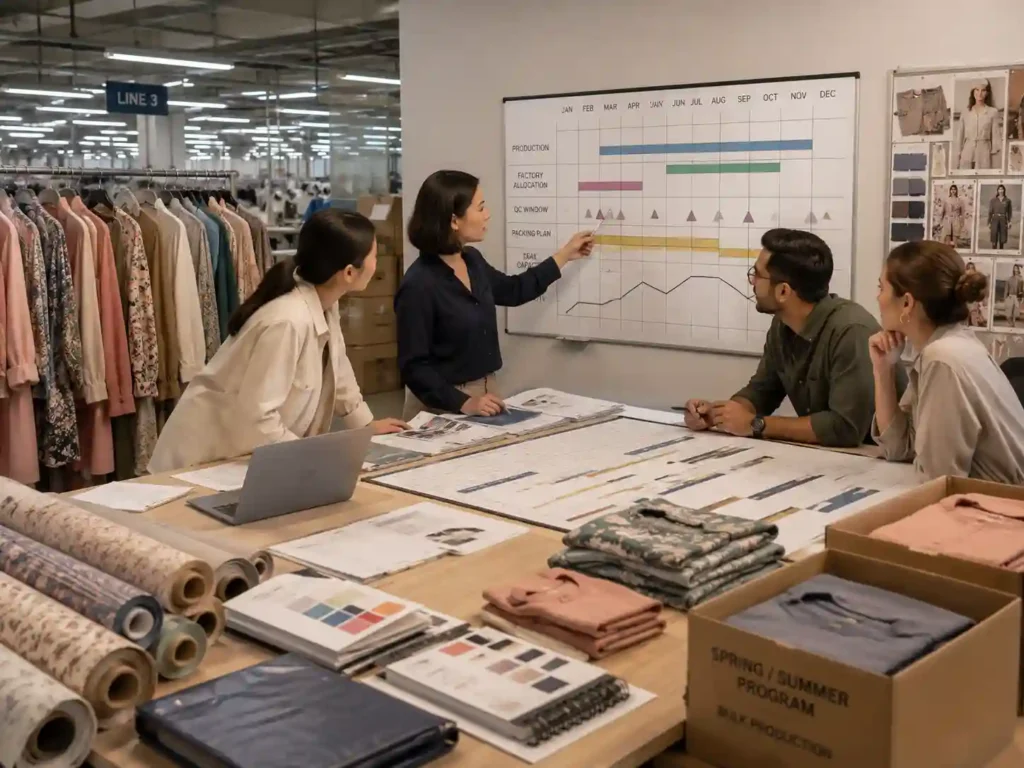
Turn a Seasonal Direction Into a Production Plan
A line sheet may show twenty attractive styles, but a manufacturer sees another layer: which styles share fabric, which patterns carry the greatest fit risk, which garments need special trims, which pieces must reach photography first and which styles can enter bulk later. Jinfeng converts the approved creative direction into a development structure without replacing the brand’s own design language.

Start With the Line Sheet
Style number, garment category, reference image, color, planned quantity, size range and target delivery window create the first working map. Missing information is identified before sampling begins so the team can separate creative decisions from manufacturing decisions.
A 20-style collection, for example, may actually contain five fabric groups, three different fit families and four construction-risk levels. Treating all twenty styles identically creates unnecessary sample congestion.

Identify Hero Styles
Campaign pieces, major commercial styles and products required for early photography should be marked before sample scheduling.
A hero satin mini requiring corset construction should not wait behind a straightforward skirt simply because both files arrived on the same day.
Priority can be set by launch date, material readiness, pattern complexity, photo-sample requirement and bulk schedule.

Group Materials Before Ordering
Several styles may share satin quality, lining, zipper specification or a color family. Early grouping helps review fabric MOQ, shade consistency, trim compatibility and purchasing efficiency before separate styles create conflicting specifications.
Grouping does not mean forcing one fabric into every design. Drape, stretch, weight, opacity and surface appearance still need to suit each silhouette.

Define Lock Points
Collection development becomes easier when every stage has a decision point: fabric direction, pattern approval, measurement confirmation, trim approval, PP sample and final packing files.
Late changes after PP approval can affect fabric purchasing, sewing methods, line schedules, labels, cartons and shipment planning. Clear lock points keep creative flexibility during development while protecting the production schedule later.
Build a Balanced Seasonal Womenswear Assortment
A strong seasonal range normally combines commercial volume styles with more distinctive pieces that create visual identity. Jinfeng’s main strength lies in fashion-led dresses and coordinated womenswear rather than generic basic apparel. Each product family carries different fabric, fit and production risks, so assortment planning should consider manufacturing behavior as well as merchandising value.

Satin Slip Dresses
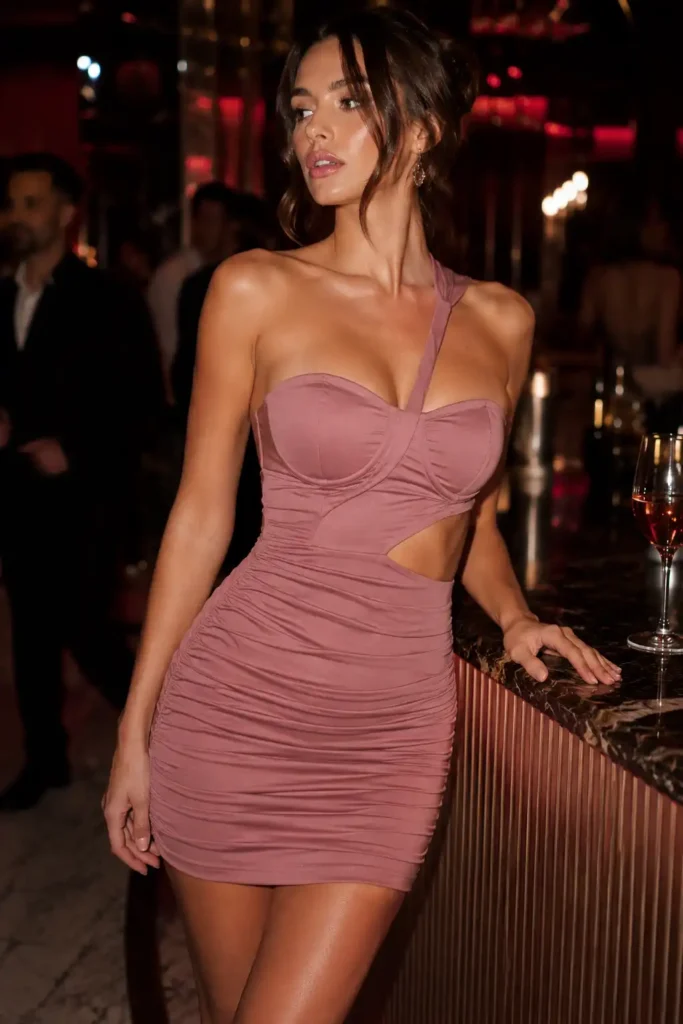
Party Mini Dresses

Bodycon Dresses

Corset Dresses
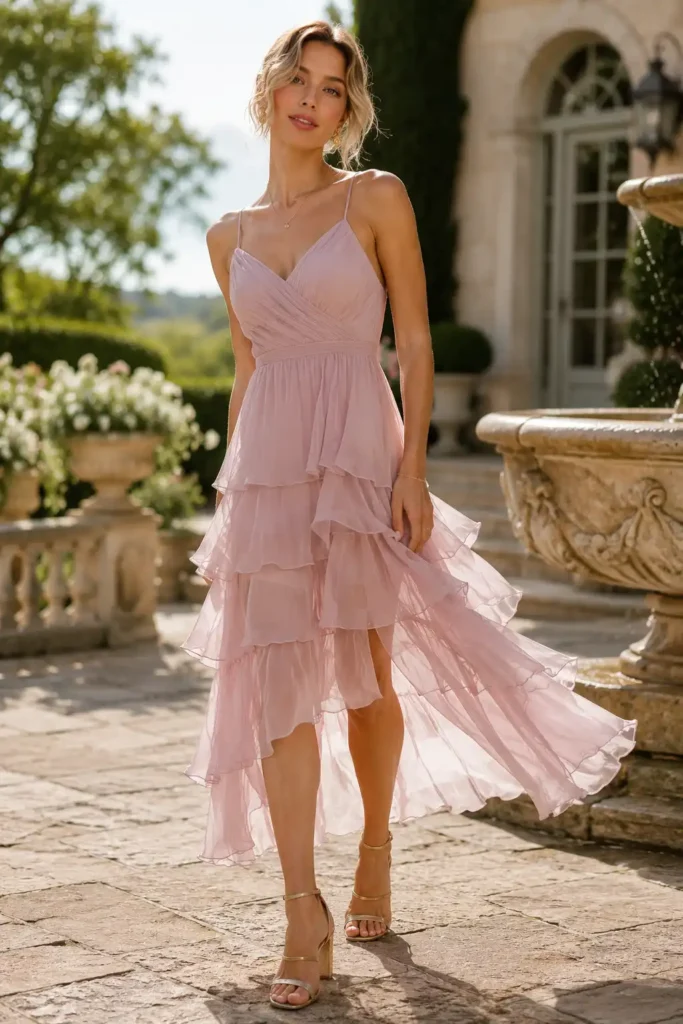
Chiffon Midi Dresses

Printed Maxi Dresses

Resort Dresses

Jumpsuits

Matching Sets

Fashion Tops

Statement Skirts

Occasion Dresses
Match Fabrics, Colors and Trims With Each Style
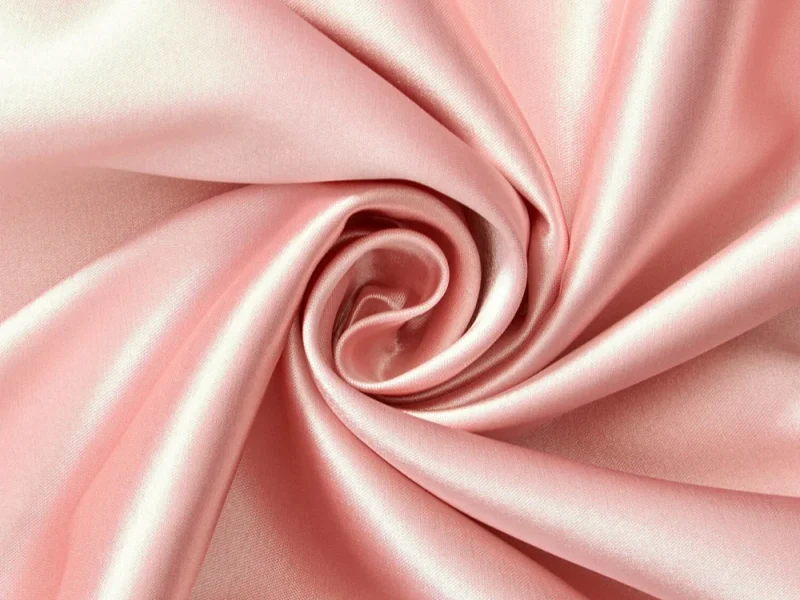
Satin

Chiffon

Mesh

Lace

Stretch Jersey

Ponte and Structured Knits
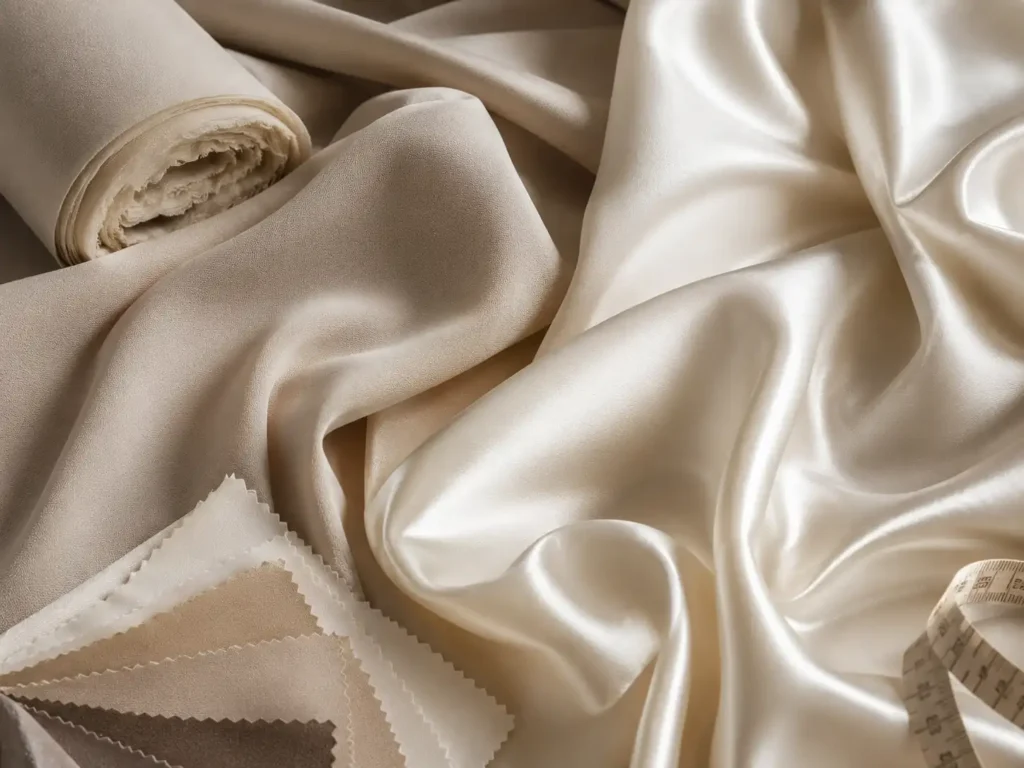
Crepe and Fashion Wovens

Rayon, Viscose and Blends
Move From Line Sheet to Approved Production Standards
Line Sheet Review
Style Grouping
Fabric Grouping
Risk Review
Sample Priority
Pattern Development
Sample Revision
PP Approval
Bulk Handover
Control Sampling Across an Entire Seasonal Collection
Sampling twenty styles is not the same as sampling one garment twenty times. Fabrics arrive at different moments, complex patterns require more development, hero products may need photography earlier and several styles may share one construction block. Jinfeng therefore manages seasonal sampling by priority, material group, fit risk and approval status rather than promising one fixed day count for every style.
The actual sample timeline depends on style complexity and material readiness. Clear tech packs, reference images, fabric direction, measurements and trim information reduce unnecessary confirmation cycles, while custom-developed materials, specialized trims and major structure changes naturally require more development work.
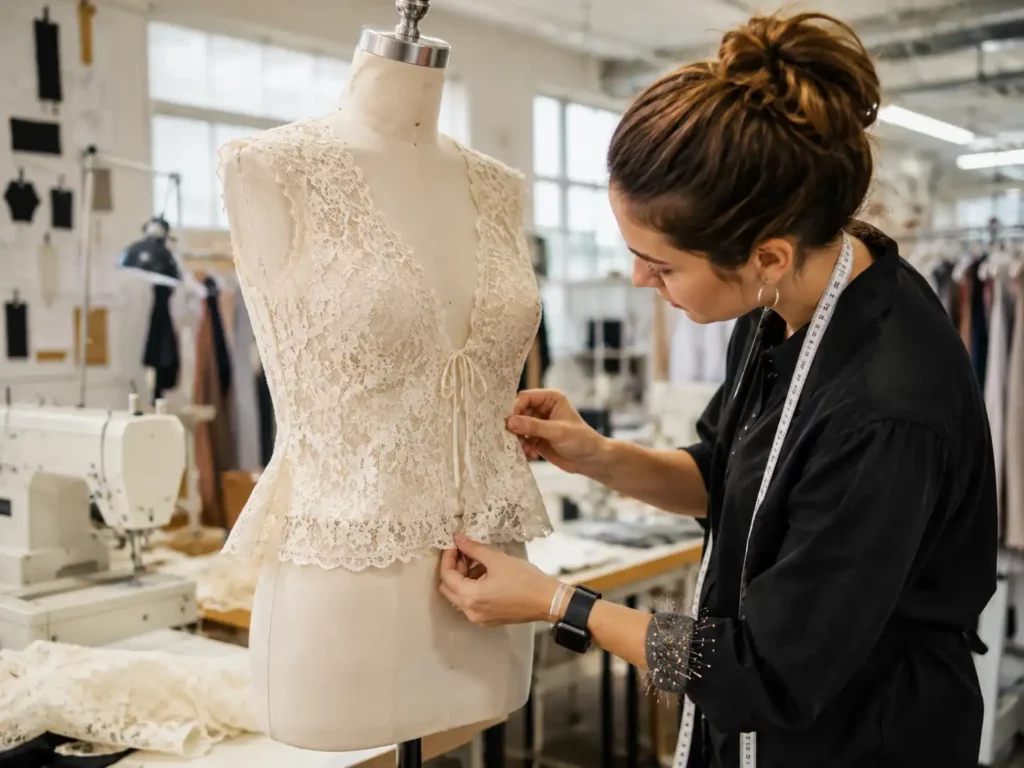
First Sample

Fit Sample
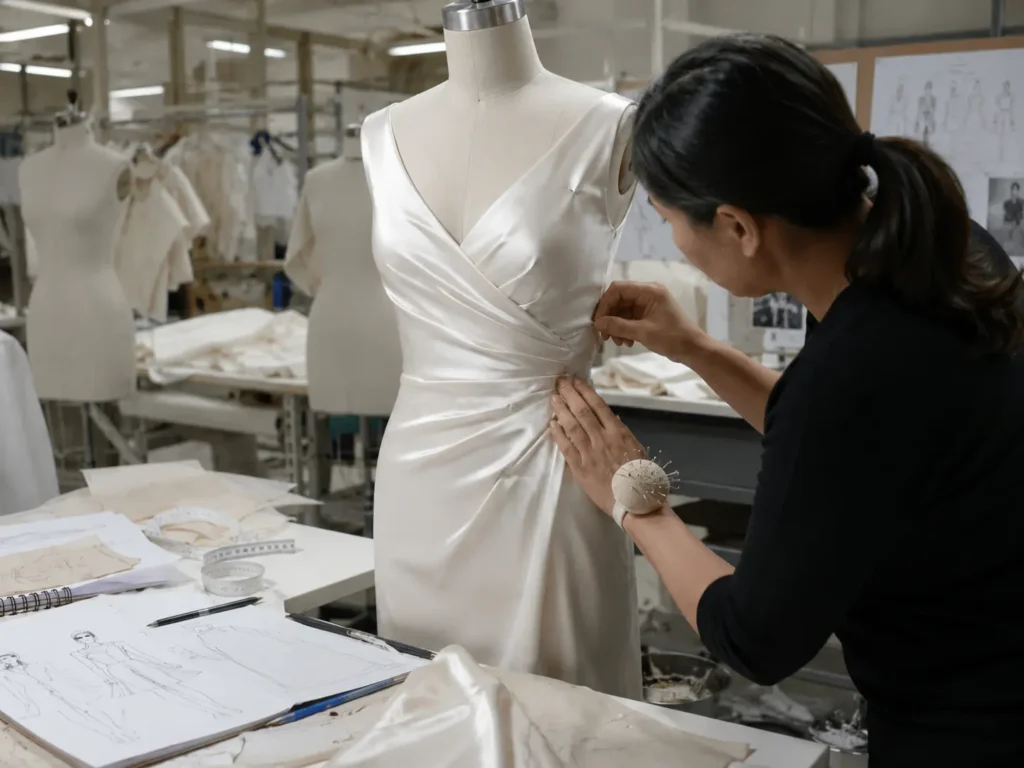
Revised Sample

Photo-Ready Sample

Salesman Sample
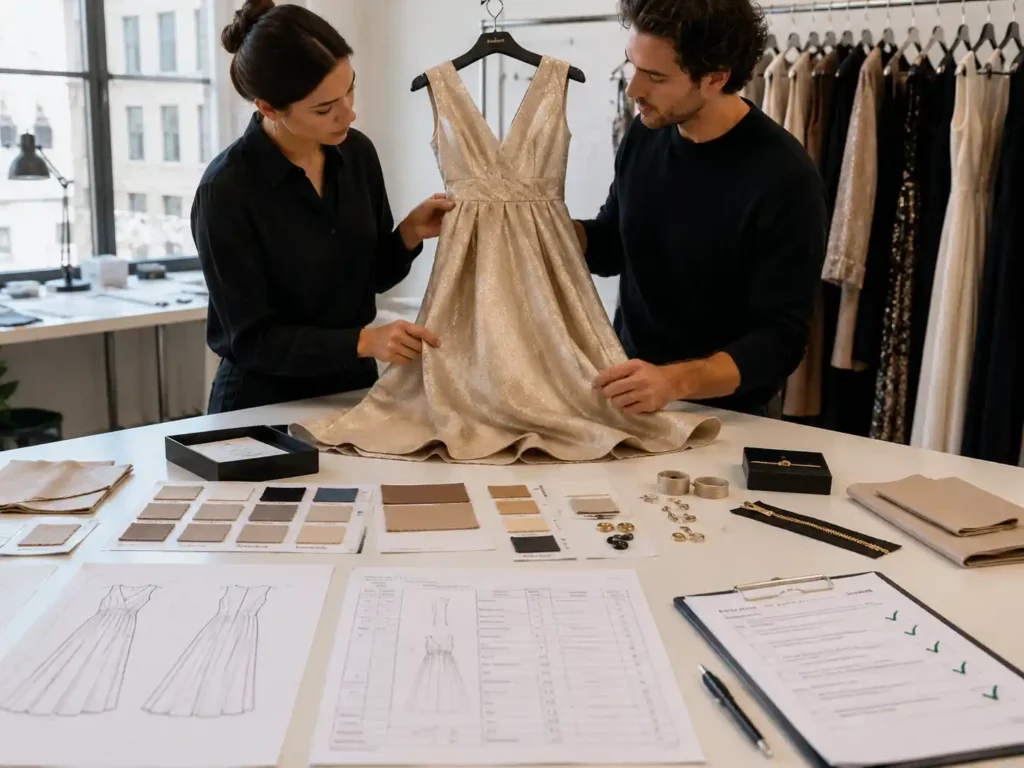
PP Sample
Keep Fit Consistent Across Different Seasonal Styles
A collection can have different silhouettes without feeling as if every SKU came from a different size standard. Consistent fit begins with controlled measurement language, pattern discipline and an understanding of how each fabric behaves. Satin, chiffon, ponte and stretch jersey cannot share identical fit assumptions simply because the garments use the same nominal size.
Establish Core Fit References
Where a brand already has an approved size chart or proven fit block, development should use it as the starting reference. Bust, waist, hip and body-length relationships can then be carried into related silhouettes while still allowing design-specific changes.
A fitted bodycon mini and a relaxed Resort maxi may belong to the same brand but require very different ease and construction. Consistency means preserving the brand’s intended fit logic, not forcing the same measurements onto every garment.
Review Product-Specific Measurements
Dresses often require bust, waist, hip, neckline, armhole, strap, slit and finished length checks. Jumpsuits add torso and crotch length, rise and inseam. Halter styles place more importance on neckline and strap length. Corset garments require structured bust placement in addition to normal circumference measurements.
Measurement QC should therefore follow garment structure rather than relying on one generic inspection template.
Account for Fabric Behavior
Stretch direction and recovery directly affect fitted garments. Fluid woven materials affect drape and hem balance.
Rayon and viscose may require shrinkage consideration. Switching fabric during sampling can change the way a pattern sits even when composition looks similar on paper.
Any meaningful change in stretch, weight, thickness or drape should trigger a fit review before bulk approval.
Build a Controlled Size Range
Standard programs can distribute production across sizes such as XS–XL when the agreed MOQ is met and the size ratio remains commercially workable. Plus-size, petite or tall extensions require separate grading attention rather than automatic mathematical enlargement.
Over-fragmented size ratios increase cutting, measurement, packing and inventory complexity. A clear size breakdown supplied before production allows measurement QC, size labels and carton breakdowns to follow the same approved structure.
Plan Production Backward From the Launch Window
Seasonal delivery is better managed through lock points than through a headline promise of a fixed number of days. Photography, preorder, warehouse receiving, campaign launch and retail release may all have different deadlines. Jinfeng builds the working schedule around those milestones, then reviews fabric availability, sample priority, PP approval, production allocation, QC and packing requirements.
| Collection Stage | Information Required | Main Manufacturing Work | Lock Before Moving Forward |
|---|---|---|---|
| Line Planning | Style list, launch window, quantity direction | Feasibility and risk review | Working style list |
| Material Direction | Fabric, color and trim references | Sourcing and material review | Approved material direction |
| Sampling | Tech packs, measurements, sample priorities | Pattern, sewing, fit and revisions | Approved fit direction |
| PP Stage | Final comments, labels and construction | Pre-production confirmation | PP approval |
| Bulk Production | Final quantity, color and size ratio | Cutting, sewing, inline control | Approved bulk standard |
| QC & Packing | QC requirements, labels, barcodes, packing files | Measurement, appearance and packing checks | Shipment release |
| Shipment Planning | Delivery window and logistics instructions | Carton and dispatch preparation | Final shipping instruction |
Structure MOQ Across Styles, Colors and Sizes
Jinfeng’s regular garment MOQ starts from 200 pieces per style and color. The figure should not be interpreted as 200 pieces across an entire collection. A ten-style seasonal range still needs a commercially workable quantity plan for each style and color, while special materials, custom colors, printed fabrics, certified materials and private-label components may carry separate supplier MOQs.
| Collection Plan | Production Interpretation | Review Point |
|---|---|---|
| 1 style × 1 color × 200 pcs | Standard starting production structure | Fabric and construction still reviewed |
| 1 style × 2 colors × 200 pcs each | Two production color units | Shade, material and SKU management |
| 10–30 style seasonal program | Every style/color reviewed independently | Group by fabric, complexity and priority |
| XS–XL size range | Can be divided within approved production quantity | Size ratio should remain workable |
| Custom-dyed or printed fabric | Fabric supplier MOQ may exceed garment MOQ | Confirm before sample/bulk commitment |
| Custom labels and packaging | Packaging supplier may have separate MOQ | Confirm artwork and quantities early |
Scale Multi-Style Production Without Losing Control
6 Owned Factories
10+ Satellite Partners
18+ Sewing Lines
6+ Flexible Lines
12+ Merchandisers
15+ QC Inspectors
Match Each Style With the Right Production Unit
A mixed seasonal collection can contain stretch bodycon dresses, woven resort pieces, satin occasionwear and repeat commercial styles in the same order. Sending every SKU through the same factory or sewing line creates unnecessary risk. Jinfeng allocates production according to garment behavior, manufacturing skill and approved quality standards.
Stretch and Knit Styles
Bodycon dresses, jersey pieces, ponte garments and stretch jumpsuits are better matched with production units experienced in recovery, stretch direction, neckline stability, side-seam twisting and close-fit measurements.
Fashion Woven Dresses
Chiffon, rayon, crepe and other woven dresses are assigned with attention to cutting stability, drape, seam construction, hem balance and lining. Fluid fabrics need different handling from structured woven styles.
Satin and Occasionwear
Satin, lace, mesh, sequin and corset-based styles benefit from production units familiar with delicate surfaces and more involved garment construction. Pressing, zipper installation, lining and surface protection remain part of the manufacturing decision.
Coordinated Sets
Matching products need compatible shade, fabric and finish across separate pieces. Production planning should prevent tops and skirts intended as one look from developing visible lot differences or conflicting packing information.
Repeat Programs
Stable repeat products can return to production units familiar with the final pattern, measurement chart, sewing method and QC history. New fabric lots, colors and trims still require fresh confirmation before repetition begins.
One QC Language
Factory allocation changes where a garment is produced, not the approved product standard. PP samples, measurements, sewing instructions, label positions, packing requirements and inspection points provide the common reference across production units.

Lock Every Detail Before Seasonal Bulk Production
Sample approval is not enough if production teams receive incomplete or outdated instructions. The handover from development to bulk needs a controlled set of references so fabric, pattern, measurements, sewing, labels and packing all point to the same approved garment.
- Final Pattern: The production pattern should include every approved fit and construction correction from previous sample rounds. Old versions should not remain active once a revision is approved.
- Size Chart: Measurement points and tolerances need to match the approved grading structure. Product-specific checks should be added for areas such as strap length, slit position, crotch length or bust shaping where relevant.
- Fabric and Trim Reference: Approved fabric quality, color direction, lining, zipper, elastic, lace, mesh, decorative trim and other components need clear references. Bulk substitutions should not occur without review.
- Sewing Standard: Construction details such as seam method, stitch appearance, ruching, zipper insertion, lining attachment, neckline finish and hem treatment should be transferred from the approved garment into production instructions.
- PP Sample: The PP garment functions as the physical reference for fabric, color, fit, construction, trims and visual presentation before the collection enters bulk production.
- Packing Standard: Woven label, care label, size label, hangtag, barcode, polybag, carton mark and packing ratio should be confirmed before finished garments start accumulating at the packing stage.
Once PP approval is locked, later changes can affect materials, cutting, line setup, labels, packing and delivery. Change control becomes increasingly important as the collection moves closer to bulk production.
Control Quality Across Every Seasonal SKU

Fabric Inspection

Cutting QC
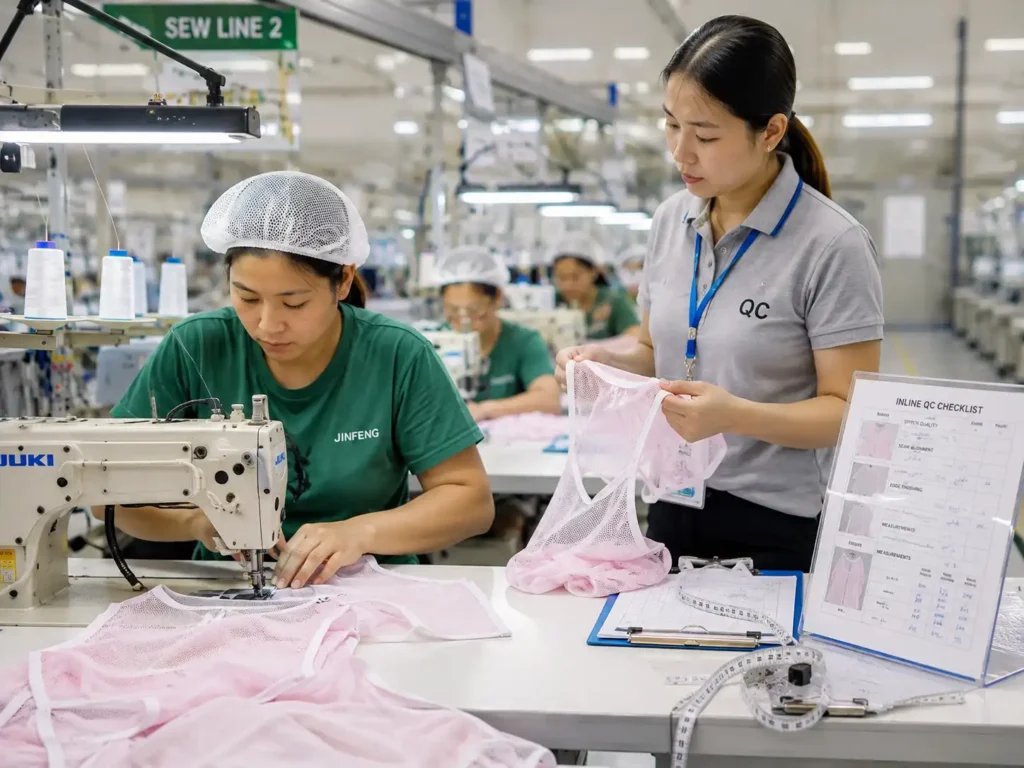
Inline Sewing QC

Measurement QC

Appearance QC

Packing QC
Prepare Every Collection for Private Label Delivery
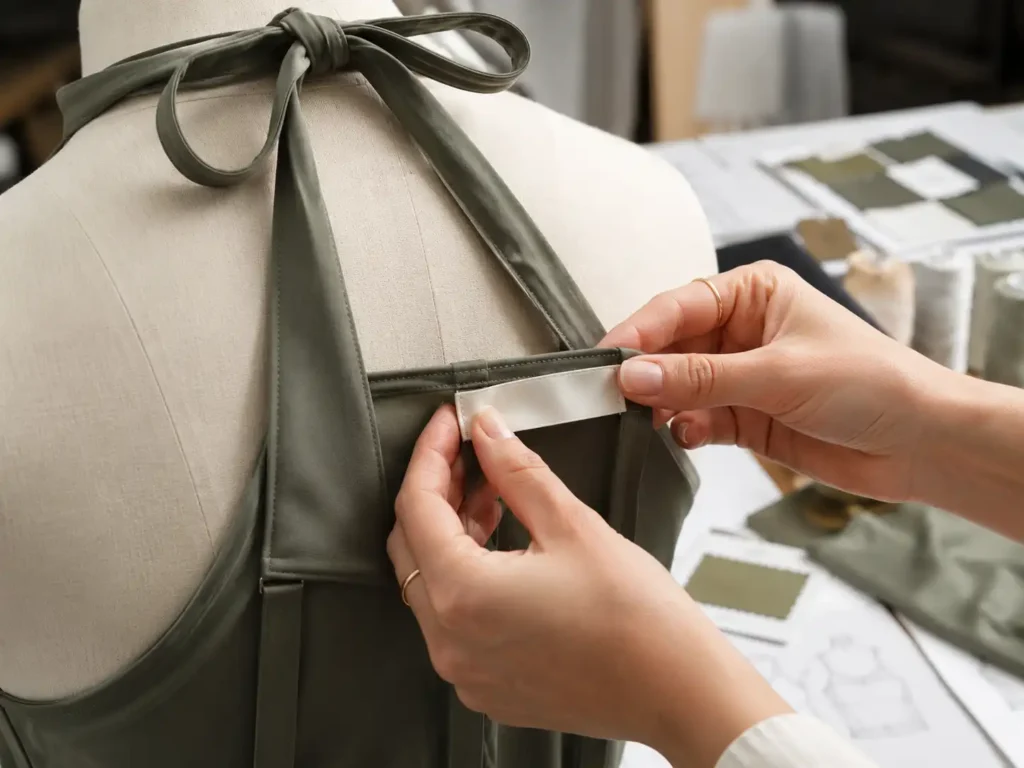
Woven Labels

Care Labels

Size Labels

Hangtags

Barcode and SKU

Polybags and Cartons

Plan Multi-Batch Delivery Around Seasonal Launch Dates
Large seasonal orders do not always need to leave the factory as one undivided shipment. Hero products, early campaign pieces, main-volume styles and later replenishment can have different commercial priorities. When the project structure supports it, production and packing can be reviewed around agreed delivery groups.
- Launch-Priority Batch: Hero styles or products required for an earlier selling window can be identified during line planning. Material readiness and factory allocation must support the priority before the schedule is confirmed.
- Main Collection Batch: The principal assortment can move through the standard bulk sequence after PP approval, material preparation and line allocation are complete.
- Follow-On Batch: Later styles, extensions or repeat requirements can be scheduled separately where fabric, capacity and commercial timing allow. Repeat production still requires new material and color confirmation.
- Air and Sea Planning: Where commercial timing requires different shipping methods, priority products and main-volume goods can be discussed separately. Freight mode should be decided alongside carton size, warehouse requirements and target receiving window.
- Warehouse Instructions: Barcode, carton mark, assortment ratio and destination instructions should be aligned before packing begins. Late warehouse requirements can create avoidable rework even after garments pass QC.
- Peak-Season Booking: Holiday, Prom, Graduation and other date-sensitive programs need earlier attention to material booking, factory allocation, QC windows, packing and shipment planning, especially for complex fabrics or private-label packaging.
Manage Testing, Compliance and Unreleased Design Files
Market Requirements
Fabric Documentation
Third-Party Testing
Third-Party Inspection
NDA Protection
Controlled Brand Files
Seasonal Collection Case: 18 Styles, 48,600 Garments
A US occasionwear brand approached Jinfeng with a seasonal range built around party dresses, satin evening styles, fitted mesh products and coordinated fashion pieces. The program contained 18 styles with a combined planned volume of 48,600 garments, within the 20,000–80,000-piece order range commonly handled for individual brand programs.
Client identity and unreleased style information remain anonymized. Order figures below illustrate the operational structure of the confirmed program without publishing confidential design files.

Initial Collection Structure
The line included 18 styles across six main material groups: satin, stretch satin, mesh, lace combinations, stretch jersey and lightweight woven qualities. Sizes ran primarily from XS–XL, with quantities distributed by style, color and approved size ratio.
Not every style carried the same commercial priority. Four hero products were identified for earlier photography and merchandising review, while more straightforward commercial styles followed the main development schedule.

Development Grouping
Instead of opening 18 independent sample tracks, styles were divided according to fabric group, pattern complexity and construction risk.
Satin styles shared surface-control and pressing requirements. Stretch products shared recovery and close-fit measurement concerns.
Mesh and lace pieces required transparency, lining and motif review. Complex bust structures were separated from ordinary fitted bodices.

Sampling and Fit Control
The first sample stage concentrated on silhouette, material behavior and basic construction. Fit comments were tracked by style number so pattern, measurement and sewing updates remained connected to the correct version.
Bodycon pieces received focused bust-waist-hip review. Corset-influenced products required bust positioning and structural checking. Long fluid garments were reviewed for finished balance and hem appearance.

Bulk Production Allocation
The 18 styles were not assigned to one production unit. Stretch-intensive styles moved to lines with relevant knit experience, while satin and occasion-led woven products were allocated according to material handling and construction complexity.
The full order was organized around three commercial production groups:
- Launch-priority group:15,800 garments
- Main collection group:19,200 garments
- Follow-on group:13,600 garments
Combined quantity: 48,600 garments

QC Focus
Quality checkpoints changed with product risk. Satin styles were reviewed for surface marks, shade, seam appearance and pressing.
Stretch products received fit-related measurement checks. Mesh and lace pieces were monitored for damage, transparency and lining coverage.
Across all styles, size labels, care labels, hangtags, SKU information, polybags and carton marks were checked against the approved packing files.

Repeat-Order Value
Final patterns, measurement charts, fabric references, trim information, sewing notes and packing instructions created a stronger base for later replenishment and related seasonal development.
A repeat order still requires confirmation of fresh fabric batches, colors, trims, quantities and delivery windows, but an established product record reduces the need to rebuild every standard from zero.
Jinfeng normally supports multi-style seasonal development in the 10–30 style range, with collection planning organized around fabric groups, style complexity, hero products and production priorities.
Seasonal Women’s Fashion Collections Frequently Asked Questions

Start Your Next Seasonal Women’s Fashion Collection
Send the working collection information available today, whether the project is at line-sheet stage, active sampling or preparing for bulk production. Jinfeng can review the assortment around fabric groups, pattern complexity, sample priority, MOQ structure, production allocation, private-label requirements and target delivery window before the project enters formal development.
For the most useful first review, include:
- Line sheet or style list
- Tech packs or reference images
- 10–30 style program scope, where applicable
- Quantity per style and color
- Planned size range and size ratio
- Fabric and color direction
- Hero styles or priority SKUs
- Target photography or launch window
- Private-label and barcode requirements
- Packing or warehouse instructions
- Testing or third-party inspection requirements