Seasonal Color and Silhouette Allocation Solutions

Build seasonal womenswear collections with clearer color, silhouette, fabric, sampling, production, and repeat-order structure from one manufacturing program.

Jinfeng Apparel supports fashion brands that already have a seasonal direction, line sheet, reference images, color palette, or launch plan and need those decisions translated into production-ready garments. Collection work is organized around style groups, fabric behavior, fit risk, color feasibility, sample priority, MOQ, production allocation, QC, packing, and delivery sequencing.

  • 10-30 styles are commonly managed within current brand collection programs.
  • 2 sample rooms, 7+ senior pattern makers, and 20+ sample machinists support parallel development.
  • 6+ flexible production lines support multi-style and multi-SKU allocation after PP approval.
  • Current brand-order programs commonly fall within 20,000-80,000 total pieces per collection.

Capacity Built for Multi-Style Seasonal Programs

Seasonal programs need more than one strong sample. Development, production, quality, packing, and repeat-order records must remain connected across multiple silhouettes, colors, fabrics, and launch priorities.

Multi-Style Development

Jinfeng Apparel regularly works with collection programs containing 10-30 styles rather than isolated single-SKU development. Styles can be grouped by silhouette, shared fabric, construction level, color family, and launch priority before sampling begins. Grouping helps pattern, sourcing, sample, and production teams work from the same collection logic instead of treating every style as an unrelated order.

Sampling Resources

Two sample rooms, 7+ senior pattern makers, and 20+ sample machinists support first samples, fit samples, revised samples, photo-ready samples, PP samples, and Golden samples. Multi-style programs are prioritized by launch date, fabric readiness, fit risk, construction complexity, and hero-SKU importance so critical styles move first without losing revision records on supporting styles.

Flexible Production

Jinfeng operates 18+ sewing lines, including 6+ flexible production lines, across a structured womenswear manufacturing system. Flexible allocation refers to organizing styles, fabrics, colors, production batches, and launch priorities around suitable lines. Complex corset, satin, mesh, lace, sequin, and fit-sensitive garments are not forced into the same production route as simpler styles.

Collection Scale

Current brand orders commonly contain 20,000-80,000 total pieces across 10-30 styles. Larger style counts create more style-color-size combinations, so production planning focuses on fabric groups, approved quantities, size ratios, packing instructions, and release sequence rather than treating the collection as one undifferentiated volume figure.

Quality Structure

A 15+ person QC team supports incoming material checks, cutting control, in-line inspection, garment measurement, appearance review, packing checks, and pre-shipment review. Inspection standards can follow agreed brand requirements, measurement tolerances, defect classifications, or project-specific AQL criteria. Quality control remains linked to PP approval and Golden sample references.

Repeat-Order Records

Pattern files, measurement records, fabric references, trim details, color records, sewing notes, QC comments, and packing requirements can be retained for future production. Reorders still require current fabric-batch, color, cost, packaging, and schedule confirmation, but approved records make winning silhouettes easier to repeat, recolor, or extend into later drops.

Built for Teams Managing Seasonal Assortments

The strongest collaboration begins when commercial direction and manufacturing decisions meet early. Jinfeng works best with teams responsible for range structure, product development, sourcing, quality, launch timing, and repeat production.

Merchandising Teams

Merchandising teams can bring the seasonal concept, target price architecture, launch calendar, priority categories, core colors, fashion colors, and planned style count. Jinfeng translates those inputs into fabric groups, development priorities, production feasibility, MOQ implications, and repeat-order considerations. The aim is not to replace merchandising decisions, but to expose manufacturing consequences before the line becomes expensive to change.

Product Development Teams

Product developers often need color and silhouette ideas converted into real fabric, fit, pattern, lining, closure, trim, and construction decisions. Jinfeng can review tech packs, sketches, reference images, original samples, size charts, or line sheets and identify where a silhouette requires additional support, where a fabric changes the fit, or where one design direction needs separate sample routes.

Sourcing and Buying Teams

Sourcing and buying teams need a collection that can be produced at the planned volume, quality level, cost structure, and delivery window. Early review can highlight fabric MOQ, custom-color requirements, special trim lead times, style-color fragmentation, packaging complexity, and factory allocation. Clear quantity by style and color is especially important because Jinfeng’s production MOQ starts from 200 pcs per style/color.

Collection-Led Brands

Seasonal brands often launch coordinated groups rather than isolated garments: partywear, resort, wedding guest, graduation, holiday, vacation, festival, or office-to-evening collections. Jinfeng can manage line sheet breakdown, fabric grouping, color story, sample priority, photo-sample timing, PP approval, bulk schedule, multi-batch delivery, and repeat-order records within one development program.

Seasonal Assortments Fail When Allocation Becomes Fragmented

A strong seasonal idea can lose commercial clarity when silhouettes, colors, fabrics, samples, and quantities are expanded without production logic. Allocation problems usually appear before bulk production, but the cost is often felt much later.

Too Many Colorways

Adding many colors to every silhouette multiplies fabric purchasing, lab-dip or shade review, style-color SKUs, labels, packing combinations, and QC references. Color breadth should support the collection story without creating more combinations than the production and launch plan can absorb.

Silhouette Imbalance

A range dominated by several technically similar hero shapes may look exciting during design review but create concentrated fit risk, sample bottlenecks, or limited commercial coverage. Structured, fitted, fluid, short, long, and supporting shapes should be considered as a portfolio rather than as unrelated design wins.

Fabric-Color Mismatch

The same named color can look different on matte jersey, glossy satin, translucent mesh, lace, chiffon, or sequin surfaces. Shade, opacity, undertone, lining color, shine direction, and surface reflection need fabric-specific review before a color story is treated as production-ready.

Sample Bottlenecks

When 20 styles enter sampling with the same urgency, hero SKUs can wait behind lower-priority pieces. Fabric availability, photo-sample deadlines, fit complexity, launch sequence, and bulk timing should determine sample priority. A controlled queue is faster commercially than an uncontrolled rush.

SKU Fragmentation

A seasonal line can quickly become dozens or hundreds of style-color-size combinations. Quantity that looks healthy at total-order level may become inefficient after splitting by style and color. MOQ, size ratio, label files, barcode structure, packing breakdown, and carton identification need early visibility.

Launch Misalignment

A collection may be approved creatively but still miss the launch window if custom fabrics, special trims, complex revisions, PP approval, packing artwork, or production allocation are left until late. Seasonal planning should work backward from launch and delivery milestones, not forward from the first sample date alone.

From Seasonal Direction to Production-Ready Allocation

Jinfeng’s role begins where seasonal concept decisions meet manufacturing reality. Brand teams keep ownership of merchandising strategy, sales forecasting, inventory targets, and commercial assortment decisions; Jinfeng converts approved direction into development and production actions.

What the Brand Brings

A useful starting brief normally includes a line sheet or preliminary style list, seasonal color palette, reference images or tech packs, target market, planned size range, quantity by style/color, hero styles, launch window, target price direction, private-label requirements, and any fabric preferences already approved. Sales history or internal assortment logic can also guide priority, but Jinfeng does not need to own retail forecasting to support execution.

Before pattern work begins, the development team checks whether the requested silhouettes can share fabric groups, whether color development will create separate supplier minimums, whether fit-sensitive styles need earlier sampling, and whether certain constructions require longer material preparation. Missing information is identified before exact costing or production timing is locked.

What Jinfeng Converts

Approved seasonal direction is translated into a connected route: style grouping -> fabric grouping -> color feasibility -> pattern risk -> sample priority -> revised sample control -> PP approval -> production allocation -> in-line QC -> SKU packing -> delivery sequencing -> repeat-order records.

A collection may contain the same color across multiple silhouettes, the same silhouette across several colors, or the same base pattern in different fabrics.

Each option has different consequences for shade consistency, pattern adjustment, consumption, MOQ, cost, sample timing, and bulk repeatability.

Jinfeng evaluates those manufacturing consequences before they spread across the full line.

Build the Collection Before Building Every SKU
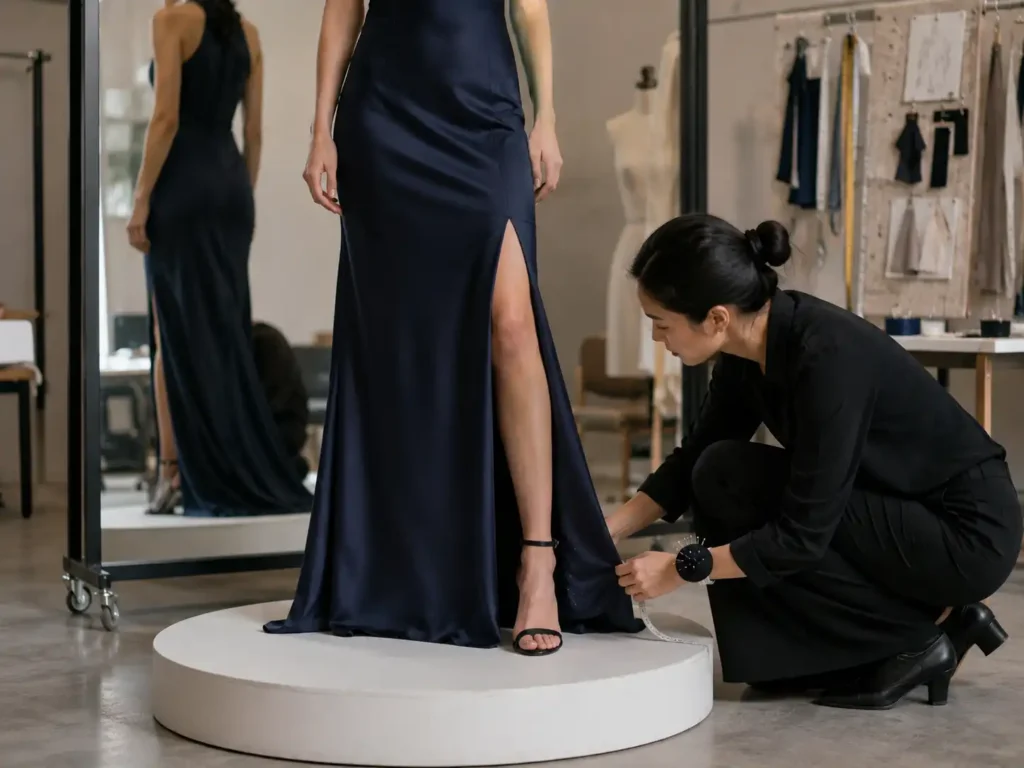
A production-ready seasonal line needs an internal architecture. Length, silhouette, occasion, fabric, construction, and launch position should work together so each style has a reason to exist and a clear development route.

Length Structure

Mini, midi, and maxi lengths create different fit, consumption, movement, modesty, and packing requirements. Mini styles need disciplined finished-length and ride-up review; midi dresses often balance commercial coverage with movement; maxi styles add hem control, drape, packing length, and floor-clearance considerations. Length allocation should be connected to occasion, fabric weight, and target wearing behavior rather than handled as a visual label only.

Silhouette Families

Bodycon, slip, A-line, corset, halter, strapless, ruched, draped, one-shoulder, backless, and other shapes can be grouped by technical behavior. Fitted stretch shapes depend heavily on recovery and measurement; fluid shapes depend on drape and balance; structured bodices need support components and controlled fit. Grouping silhouettes by behavior helps set sample priority and factory allocation more intelligently.

Occasion Layers

Party, resort, wedding guest, graduation, homecoming, holiday, vacation, festival, and office-to-evening programs have different expectations for visual impact, comfort, transparency, structure, travel performance, photography, and delivery timing. Occasion helps decide which silhouettes deserve hero status, which fabrics are appropriate, and which color stories need broader coverage across the line.

Fabric Groups

Grouping several styles around the same satin, mesh, chiffon, lace, jersey, ponte, or other compatible material can improve development consistency and material planning. Shared fabric does not mean identical pattern behavior, but it can reduce unnecessary fragmentation. Fabric groups also make color development easier to review because shade and surface behavior are compared within a known material family.

Construction Levels

Simple lined dresses, stretch bodycon styles, draped pieces, boned corset constructions, layered sheer garments, sequin styles, and highly detailed occasionwear require different pattern, sample, sewing, QC, and timing assumptions. Construction level should influence the number of development checkpoints, not only the quoted price. Complex styles are better identified early than discovered after bulk release.

Launch Sequence

Hero SKUs, campaign pieces, commercial core styles, supporting silhouettes, and late-season extensions do not always need the same approval date. A launch sequence helps the sample room, fabric team, production planning, QC, and packing teams focus resources where delay would have the greatest commercial impact. Supporting styles can follow without disrupting the first drop.

Allocate Silhouettes by Commercial Role and Technical Risk

Silhouette allocation is not a list of shapes. Each silhouette changes fabric choice, fit sensitivity, support structure, sample difficulty, sewing control, size behavior, and repeat-order reliability. A balanced line uses those differences intentionally.

Bodycon Core

Bodycon styles can provide strong commercial continuity when stretch, recovery, opacity, bust-waist-hip balance, side-seam direction, and hem ride-up are controlled. Jersey, ponte, power mesh combinations, and stretch satin all behave differently. Repeating a successful bodycon block across colors can be efficient, but new fabrics should trigger fit review rather than automatic pattern reuse.

Slip and Fluid

Slip silhouettes rely on neckline stability, strap length, side-seam balance, drape, lining, bias behavior when used, and the relationship between fabric weight and body movement. Satin, viscose-type wovens, crepe, and fluid blends can produce very different results from the same sketch. Color allocation also needs surface review because shine can amplify shade differences.

Corset and Structured

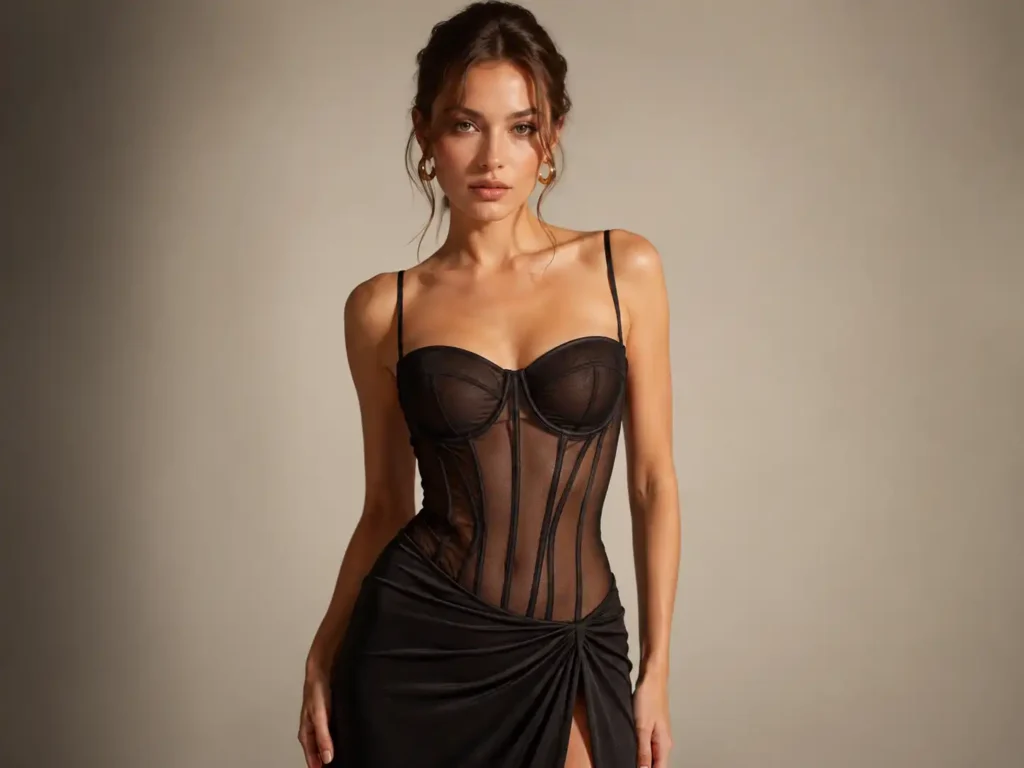
Corset dresses concentrate risk in cup shape, boning, lining, waist shaping, neckline security, zipper behavior, and internal support. Structured satin, mesh overlays, lace, and sequin fabrics can change both fit and sewing sequence. These silhouettes usually deserve earlier sample priority because revisions can affect pattern, components, consumption, and production method across several related styles.

Halter and Backless

Halter, low-back, and open-back shapes shift support away from conventional shoulder structures. Neck tension, bust coverage, strap placement, back depth, side coverage, closure security, and lining become critical. One approved halter silhouette can extend into several colors, but a major fabric change may alter stretch, weight, drape, and support enough to require a revised sample.

Strapless and One-Shoulder

Asymmetric and strapless silhouettes need controlled neckline position, bust support, grip or internal stabilization when required, side-seam balance, and movement testing. One-shoulder designs also need left-right balance and careful neckline geometry. These shapes are visually strong seasonal statements, but they should not be treated as low-risk copies of standard bodices.

Ruched and Draped

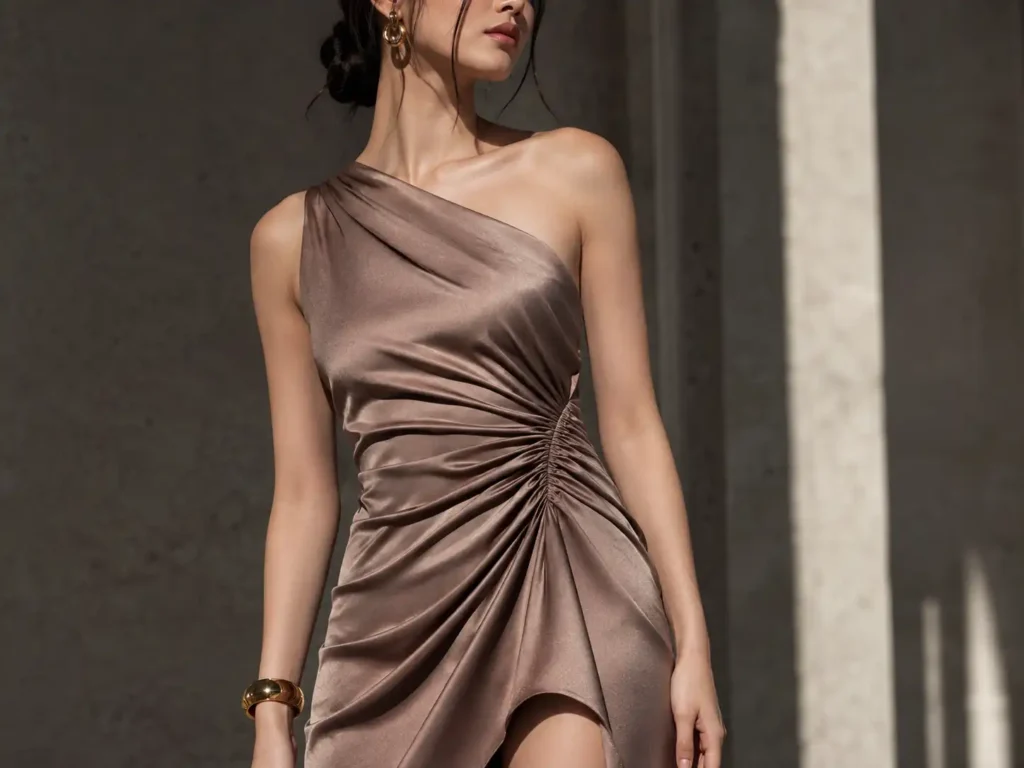
Ruching and draping create visual softness while adding hidden production variables: panel length, gathering ratio, seam position, stitch control, lining interaction, and fabric recovery. A ruched mesh bodycon and a draped satin midi may both appear “gathered,” yet their pattern and bulk controls are completely different. Allocation should account for that technical gap.
A-Line and Skater

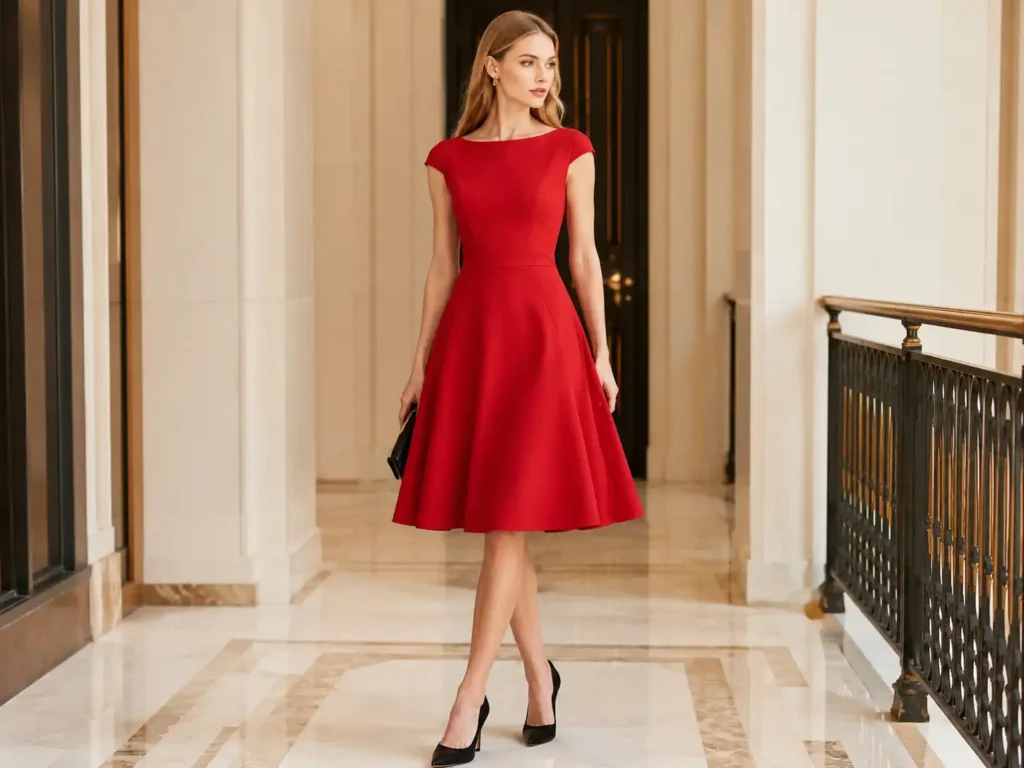
A-line and skater silhouettes can provide range balance between fitted hero pieces and fluid occasion shapes. Waist position, skirt volume, hem balance, lining, zipper flatness, and fabric body determine the final look. They can also serve as useful color carriers because simpler surfaces may show seasonal shades more consistently than highly reflective or embellished fabrics.

Maxi and Movement

Maxi silhouettes add fabric consumption, lower-body movement, hem level, slit position, transparency, lining length, and packing considerations. Chiffon, satin, rayon, and mesh-layered maxis may require different hanging and finishing approaches. Color and silhouette allocation should also consider how long garments present in photography, travel packing, and multi-batch delivery.

Allocate Color Without Multiplying Unnecessary Complexity

A seasonal color story works best when each color has a defined role. Core, seasonal, accent, and fabric-specific shades should create visual coherence while keeping fabric sourcing, MOQ, QC, SKU, and packing requirements manageable.

Core Colors

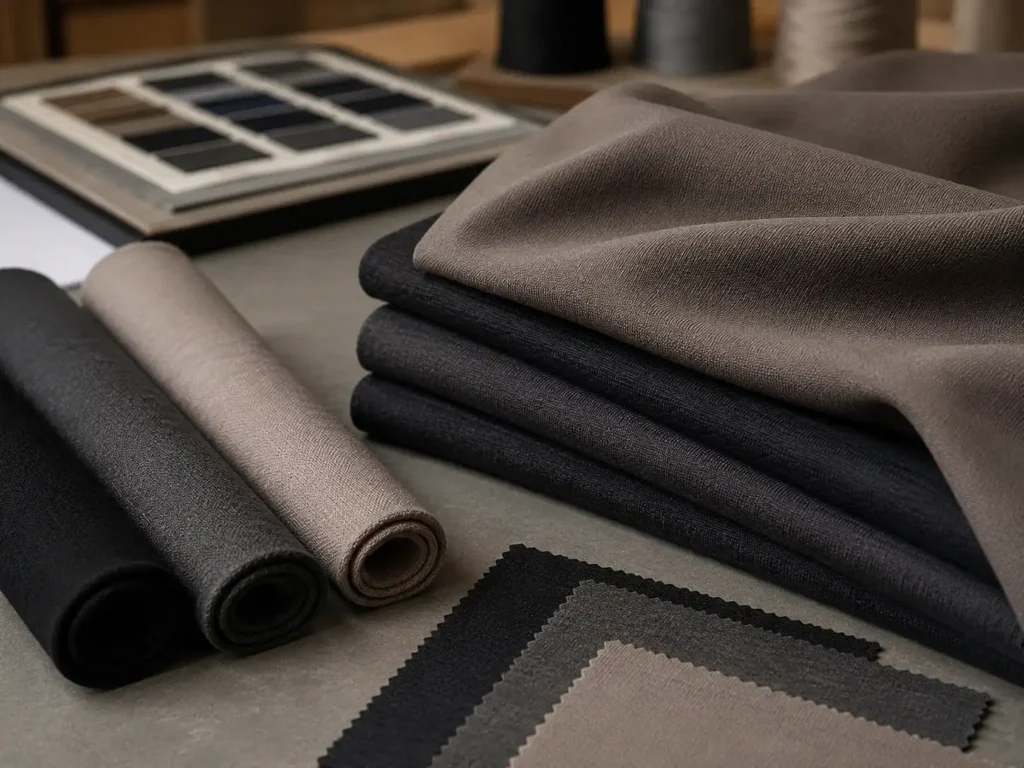
Core colors can support several proven silhouettes and usually justify broader style coverage because they provide continuity across the range. A core black, neutral, navy, or brand-specific carryover shade may appear across bodycon, slip, corset, or occasion styles when fabric behavior allows. Cross-style use is strongest when shade standards are reviewed separately by fabric group rather than assuming every material produces an identical visual result.

Seasonal Colors

Seasonal colors carry the collection’s newness and can be allocated to silhouettes that best express the intended mood. A strong seasonal shade does not need to appear on every SKU. Concentrating it across selected commercial shapes can create enough visual repetition without multiplying low-volume combinations. Fabric availability, custom-dye requirements, lining compatibility, and per-style/color MOQ should be checked before the range is finalized.

Accent Colors

Accent colors work well on hero pieces, campaign styles, or limited silhouette groups where visual impact matters more than broad coverage. Restricting an accent to several selected styles can reduce shade-development work, material exposure, packing complexity, and SKU fragmentation. Accent allocation becomes especially important for unusual brights, metallic effects, specialty lace grounds, sequins, or colors that are difficult to reproduce consistently.

Fabric-Specific Shades

Some colors should be reviewed as material-specific rather than collection-wide. Satin can shift with shine direction; mesh can appear lighter because of transparency; lace combines motif and ground color; chiffon changes when layered; jersey and ponte respond differently to dye and surface texture. Fabric-specific shade review prevents one color name from creating visibly different garments across the same seasonal drop.

Example Color and Silhouette Allocation Matrix

A matrix makes seasonal breadth visible before sample and production commitments are locked. The structure below is an example planning model, not a fixed formula; final allocation depends on brand direction, target quantity, fabric availability, MOQ, target price, and launch sequence.

Silhouette GroupTypical Collection RoleColor Allocation DirectionFabric DirectionDevelopment PriorityMain Manufacturing Control
Slip / FluidCommercial core + occasion2 core + 1-2 seasonalSatin, crepe, fluid wovenHighDrape, neckline, straps, shade and pressing
BodyconCommercial core + going-out1-2 core + 2 seasonalJersey, ponte, mesh combinationsHighRecovery, opacity, bust-waist-hip, seam direction
Corset / StructuredHero + statement1 core + selected seasonalStructured satin, lining, lace, meshHighCup, boning, support, zipper, waist shaping
Halter / BacklessSeasonal fashionCore + selected fashion shadesSatin, jersey, mesh, wovenMedium-HighNeck tension, bust coverage, back stability
A-Line / SkaterSupporting commercialCore + broader seasonalCrepe, satin, suiting, wovenMediumWaist, volume, hem balance, lining
Maxi / DrapedOccasion + resortCore + selected seasonal/accentChiffon, satin, rayon, layered meshMedium-HighLength, movement, slit, transparency, packing

Fabric Grouping Makes Color Allocation Production-Ready
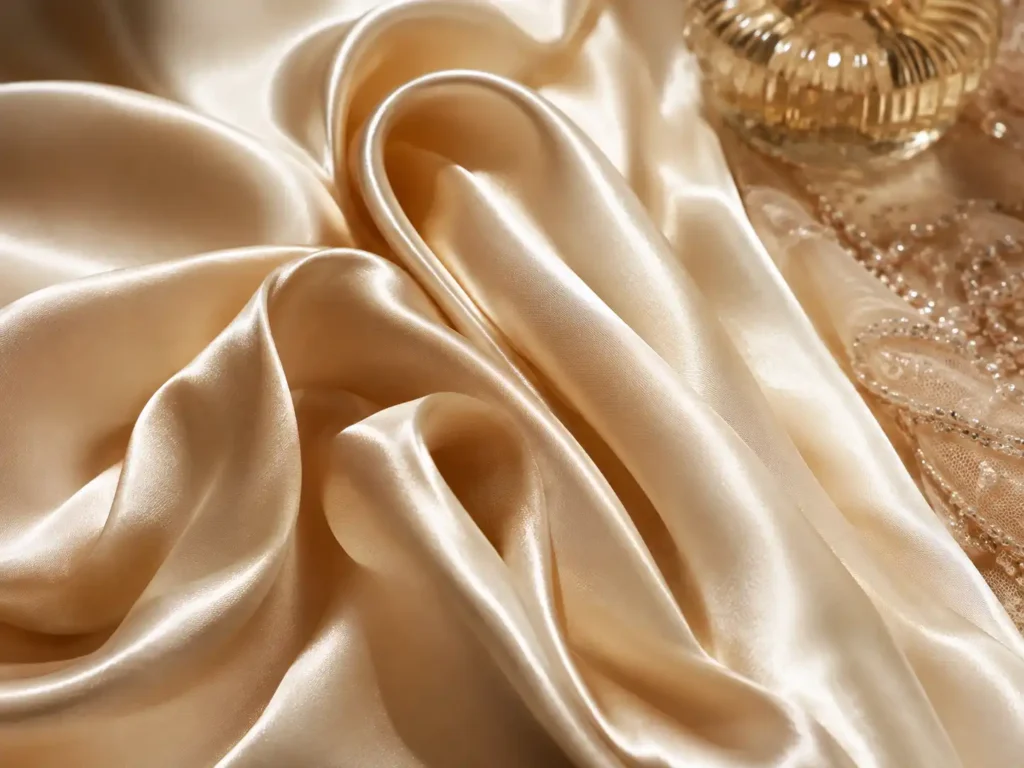
Fabric is the bridge between a color name and the garment seen on the rack. Grouping seasonal styles by material behavior helps control shade, drape, fit, lining, sample priority, MOQ, and bulk consistency.

Satin Group

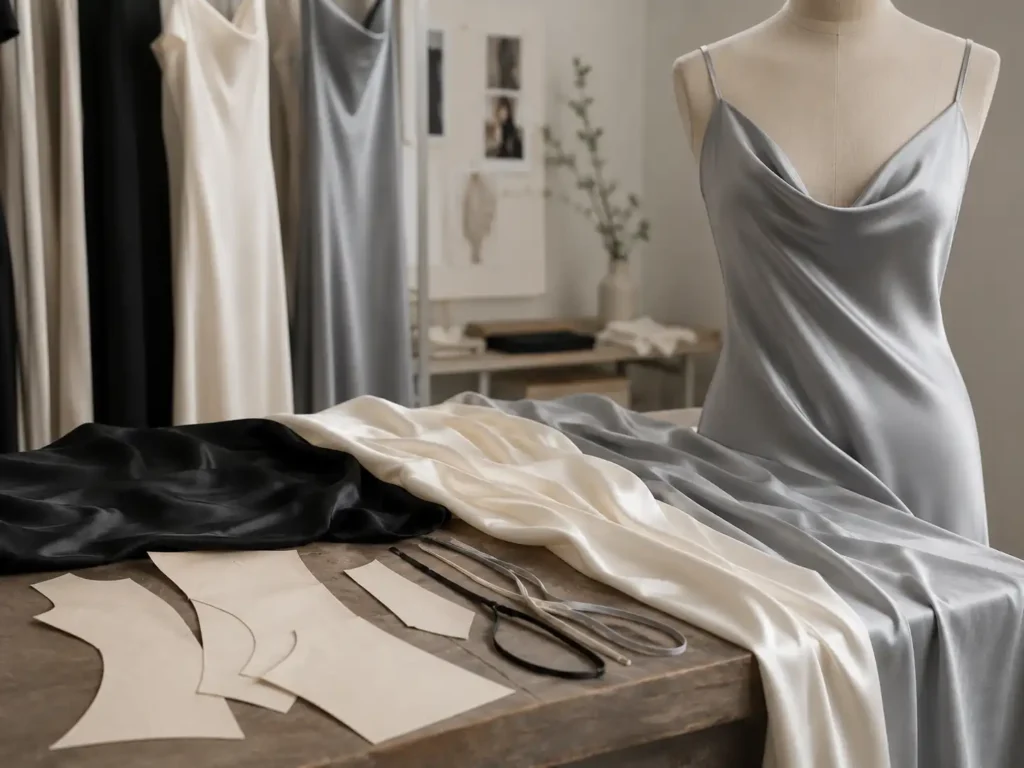
Satin needs review for weight, shine direction, shade, snagging, crease sensitivity, zipper flatness, pressing, lining, and packing. A dark seasonal shade may read differently on matte satin and glossy satin even when the color name is identical. Slip, corset, halter, bridesmaid, cocktail, and evening silhouettes can share a satin story, but construction and fit controls remain style-specific.

Mesh Group

Mesh allocation starts with transparency, stretch direction, recovery, hole risk, edge finishing, lining coverage, and color layering. Power mesh, soft stretch mesh, and double-layer mesh can serve very different silhouettes. A seasonal color may become lighter or deeper depending on lining shade and layer count, so shell and lining should be reviewed as a visual system rather than independent materials.

Chiffon Group

Chiffon supports fluid midi, maxi, sleeve, ruffle, resort, and occasion shapes, but it brings transparency, slipping, hem-level, layer, and lining challenges. Light or saturated colors can change significantly once chiffon is doubled or placed over lining. Fabric grouping helps several styles share a coherent color direction while keeping hem, drape, and opacity controls appropriate for each silhouette.

Lace Group

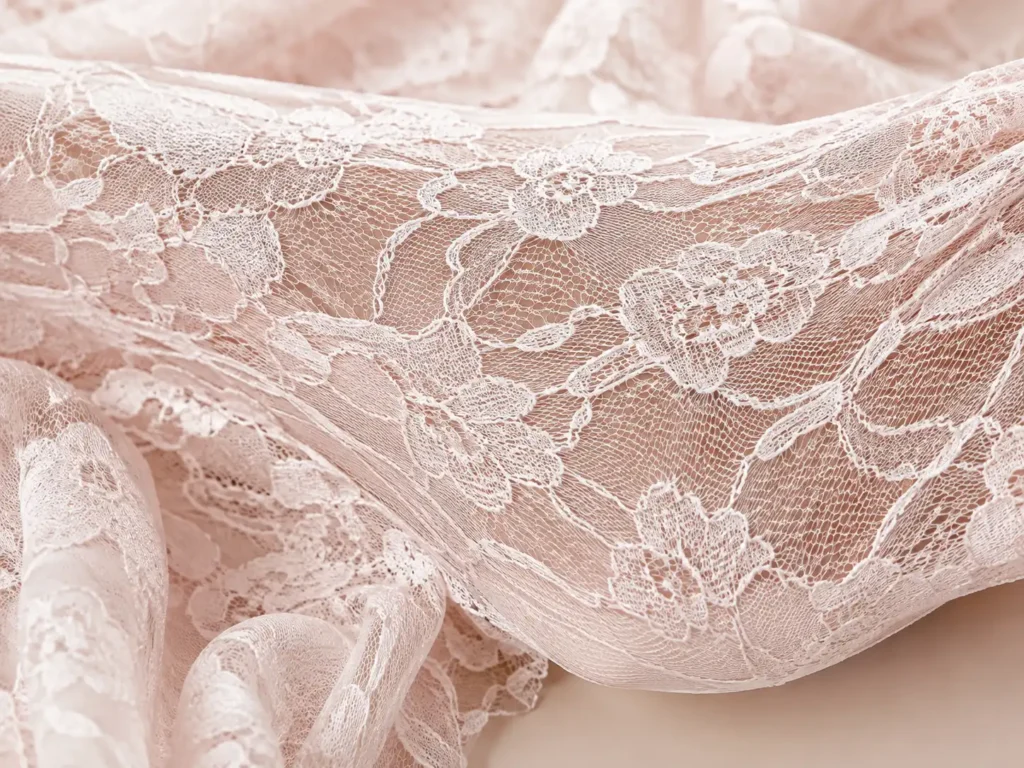
Lace combines ground, motif, scale, stretch, edge behavior, and lining color. The same seasonal red can appear warmer or cooler depending on lace ground and underlayer. Corset, fitted, occasion, and panelled styles also require different placement and seam planning. Lace allocation should therefore connect color story with motif continuity, comfort, edge finishing, and visual transparency.

Jersey and Ponte

Jersey and ponte are useful for fitted commercial silhouettes because stretch and recovery can support repeatable bodycon, midi, and structured knit shapes. Color review should include opacity, surface texture, recovery after stretch, and lot consistency. A proven base silhouette can be extended efficiently, but moving between lightweight jersey, heavier ponte, and other stretch constructions may require pattern and measurement adjustment.

Sequin and Embellished

Sequin fabrics and embellished surfaces are visually strong accent carriers but create extra control points: sequin direction, missing pieces, abrasion, skin contact, seam thickness, needle risk, lining, pressing limitations, and protective packing. Unusual colors or iridescent effects may also be difficult to repeat. These styles often belong in focused hero groups rather than broad color duplication across the full assortment.

Fit and Construction Must Follow Silhouette Allocation

A silhouette map is only useful when each shape has a measurable fit and construction standard. Jinfeng’s pattern team connects silhouette intent with body measurements, support, fabric behavior, size range, and approved sample references.

Control the Measurements That Define Each Shape

Bodycon styles depend on bust, waist, hip, stretch recovery, side seam, hem and slit control. Slip dresses add neckline depth, strap length, armhole, back level and drape. Corset silhouettes need cup position, underbust, waist suppression, boning placement, neckline security and zipper behavior. Halter and backless styles introduce neck tension, bust coverage, back depth and side coverage. Maxi styles add total length, hem balance and movement.

A generic bust-waist-hip chart is not enough for every silhouette. Critical points should be selected by style and recorded in the tech pack, pattern, sample comments, PP reference, and QC checklist. Construction details such as lining, cups, boning, grip tape, elastic, zipper position, seam finish, ruching method, slit reinforcement, and adjustable components should be confirmed before bulk release.

Build the Size Range Around the Brand Standard

Jinfeng can work with US, UK, EU and AU sizing references. Alpha sizing commonly covers XS-XL, with extended, plus, petite, tall, or other ranges developed against the brand’s supplied measurement standard. Fit model information, approved base blocks, grading rules, and target-market preferences should be shared whenever available.

Changing a silhouette, fabric, or support structure can alter grading behavior. A fitted stretch mini should not automatically inherit the same grade logic as a woven corset dress or fluid maxi. Measurement tolerance is agreed by product and brand requirement rather than promising zero deviation. Size labels, packing breakdown, and carton assortments must also match the approved size plan so fit control continues through delivery.

Prioritize Sampling Around Launch Risk, Not Style Count

Multi-style sampling works best when the highest commercial and technical risks move first. Jinfeng groups styles, materials, patterns, and approval milestones so a 10-30 style collection does not become a queue of unrelated samples.

Sampling Priority Rules

Priority can be set by launch date, hero-SKU importance, photo-sample deadline, fabric readiness, long-lead trims, pattern complexity, fit sensitivity, and bulk production dependency. A structured corset with custom components may start earlier than a simpler supporting dress even when both belong to the same launch. Styles sharing a fabric can be grouped for material review, while silhouettes sharing a base block can be coordinated for fit learning without assuming identical final patterns.

A collection tracker should record style code, fabric group, color group, sample type, revision status, required comments, PP approval, packaging readiness, and release status. Consolidated comments reduce version confusion and help the pattern, sample, merchandising, and production teams work from the same approved information.

Development Timing by Complexity

Reference timing begins after required information and available materials are ready:

  • Simple first sample: about 7-10 days.
  • Regular dress first sample: about 10-15 days.
  • Medium-complexity dress, set, or jumpsuit: about 12-18 days.
  • Corset, strapless, lace, mesh, sequin, or other complex styles: about 15-25 days.
  • Styles requiring custom fabric or special trims: about 20-35 days or according to supplier readiness.
  • Revised sample: commonly about 7-15 days, depending on modification scope.
  • PP sample: commonly about 7-15 days once final materials are available.

Approval Discipline Before Bulk

A first sample proves direction; it is not automatically the production standard. Fit comments, pattern changes, fabric changes, construction updates, measurements, BOM, color standard, label artwork, packing method, QC points, and PP comments must converge before bulk cutting. Golden samples or other approved references can then anchor production, inspection, repeat orders, and later color extensions.

Bulk production timing is confirmed by project after PP approval, material readiness, quantity, color plan, packaging, QC requirements, and production allocation are clear. Shipping time is planned separately according to destination and freight method.
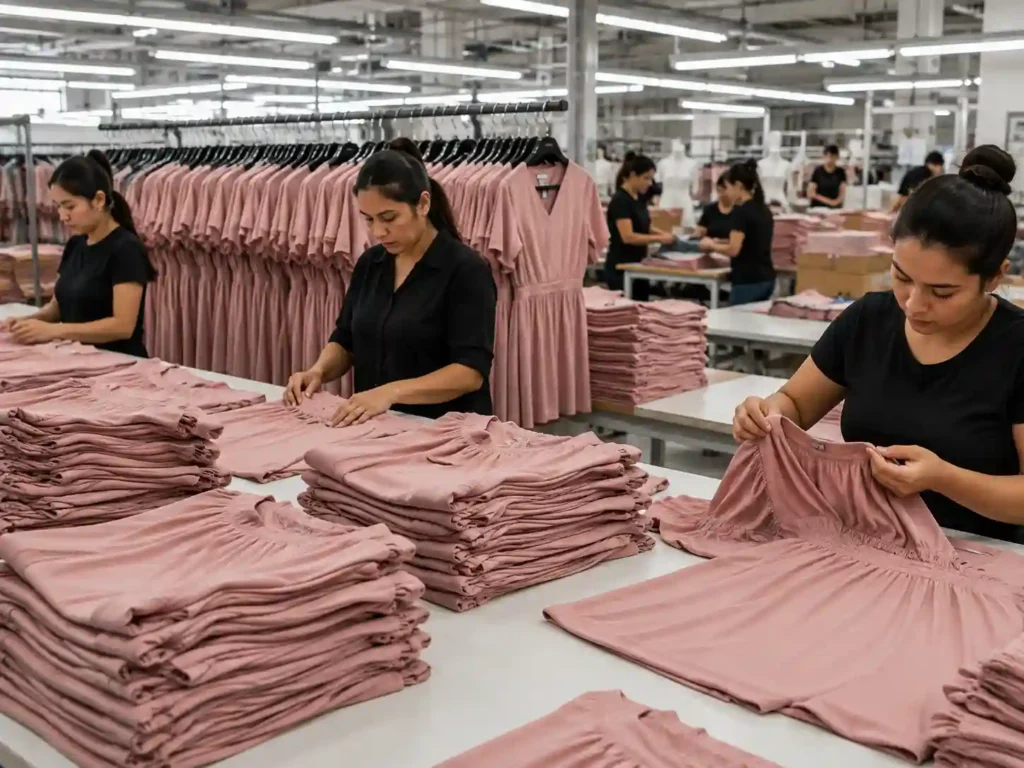
Control SKU Growth Before Quantities Become Inefficient

Color and silhouette allocation should be checked against manufacturing MOQ, size ratios, material minimums, and packing complexity before the assortment is released for bulk costing.

Per Style and Color

Jinfeng’s production MOQ starts from 200 pcs per style/color. A total collection volume does not replace the requirement at individual style-color level. One style in black 200 pcs is a different production unit from the same style split into black 100 pcs and ivory 100 pcs. Fabric, dyeing, printing, trims, labels, or packaging can also carry separate supplier minimums.

Shared Fabric Planning

Several styles using the same approved fabric can improve material planning, color review, and consistency, especially when the range shares a core satin, mesh, chiffon, jersey, or lining direction. Shared fabric does not remove style/color MOQ, and special colors may still require separate supplier quantities. The benefit comes from coordinated sourcing and reduced unnecessary material fragmentation.

Size and Pack Breakdown

Once style and color quantity is confirmed, size ratio should reflect the brand’s sales plan and approved grading. XS-XL or extended ranges can be supported, but excessive fragmentation increases cutting, bundle control, measurement, labeling, SKU, and carton complexity. Size labels, barcode files, packing ratios, and carton marks should be prepared early for multi-style retail or ecommerce programs.

Allocate Production by Fabric, Complexity, and Launch Priority

Production allocation is where a seasonal assortment becomes a manufacturing schedule. Jinfeng combines owned factories, long-term production partners, sewing-line capacity, flexible lines, project follow-up, and centralized QC to match different style groups with appropriate production routes.

Match the Production Route to the Garment

Jinfeng operates 6 owned women’s fashion factories and works with 10+ long-term satellite production partners, supported by 18+ sewing lines, 6+ flexible production lines, and regular monthly capacity above 100,000 pcs. Those numbers matter only when the right style is assigned to the right unit. Complex satin, corset, lace, mesh, sequin, and other detailed fashion pieces need different operator experience and pace from simpler woven or knit styles.

Allocation considers fabric group, silhouette, construction complexity, trim group, approved color group, launch priority, production quantity, QC requirement, and delivery sequence. Several styles can run in parallel when resources and approvals support it, while technically related styles may be grouped to maintain consistency. Capacity is not treated as unlimited; seasonal peaks and complex programs are evaluated against real schedule availability.

Release Bulk in Controlled Waves

Bulk production should not begin because a photo sample looks acceptable. PP approval, fabric and trim confirmation, final color standards, size chart, BOM, sewing instructions, labels, packing requirements, QC standards, quantity, and delivery plan need alignment before release. Hero SKUs can be prioritized for earlier bulk when launch timing requires, while supporting styles follow in later production waves.

Twelve-plus merchandisers and order follow-up specialists support multi-style progress coordination. Key stages can include material arrival, cutting, sewing, in-line QC, finishing, packing, carton preparation, and shipment readiness.

The objective is to prevent one late material or unresolved style from obscuring the status of the rest of the collection.

Quality Control Must Follow Color, Size, and SKU Structure

Seasonal collections create more quality variables than a single-style order. Color lot, silhouette fit, size measurements, construction, label identity, barcode, packing ratio, and carton marks all need to match the approved program.

Incoming Materials

Fabric is checked for the agreed specification, shade, surface, width, weight where relevant, stretch or recovery where relevant, defects, and lot identity. Trims, lining, labels, zippers, support components, and packaging materials are checked against approved references before they enter production.

Shade and Lot Control

Multi-color programs require batch identification and shade awareness. Satin, mesh, chiffon, lace, jersey, and embellished surfaces may each show color differently, so lots should not be mixed casually. Color standards, shade bands or approved swatches can be used by project, with lining and shell reviewed together where transparency changes appearance.

Cutting and Bundle Control

Cutting control covers grain or stretch direction, panel orientation, notches, layer accuracy, shade separation, and bundle identification. Style, color, and size bundles must remain distinguishable before sewing begins. Errors at cutting stage can multiply quickly across a seasonal assortment, so separation is more reliable than correcting mislabeled garments at final inspection.

In-Line Sewing

In-line checks focus on construction points that define each silhouette: neckline stability, zipper flatness, seam direction, ruching, support structure, lining placement, slit reinforcement, strap setting, edge finish, and measurement points. Problems are addressed while production is running rather than waiting until the full order is completed.

Measurement and SKU

Finished garments are checked against the agreed measurement specification and tolerance. Size label, style code, color code, barcode, SKU sticker, and pack instruction must match the garment. A visually correct dress with the wrong label or barcode is still a delivery error for retail and ecommerce programs.

Packing and Shipment

Packing QC covers folding, polybag, labels, barcode, size/color assortment, carton mark, carton breakdown, and shipment readiness. Final inspection can follow agreed brand criteria, project-specific AQL, or third-party requirements when arranged. Jinfeng has 15+ QC inspectors supporting process and final checks; final inspection does not replace earlier control stages.

Build the Launch Calendar Backward from Delivery
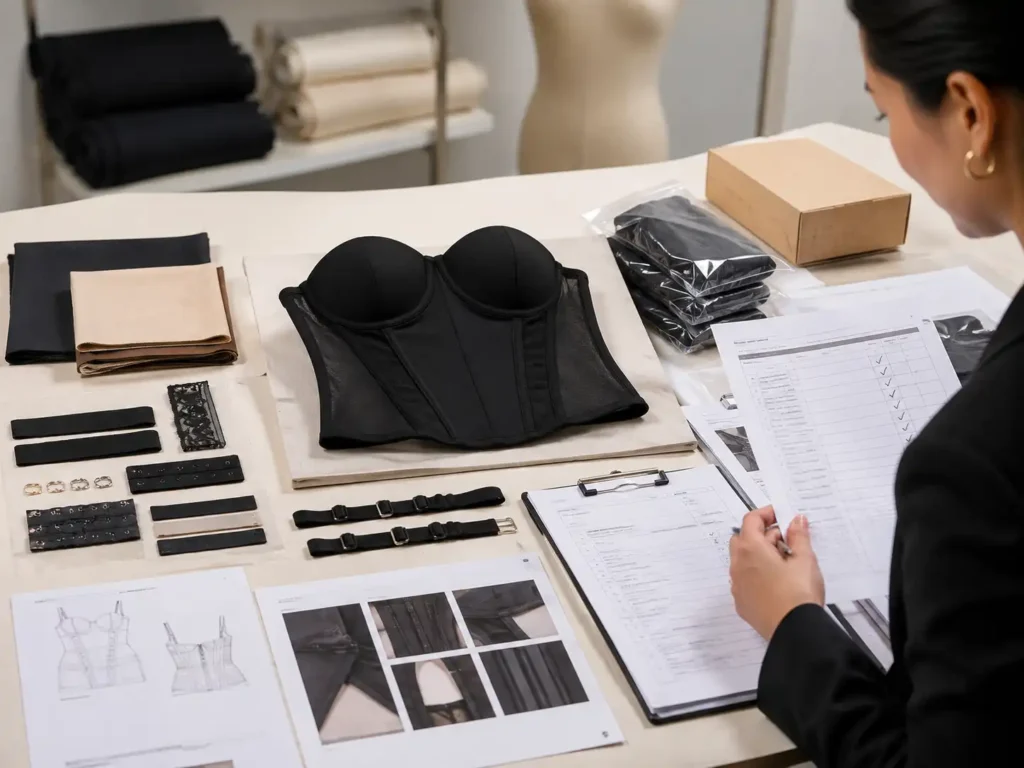
Seasonal timing is easier to control when development, approvals, production, packing, and transport are mapped backward from the required launch or warehouse date. One headline lead-time number is less useful than a calendar with dependencies.

Approval Milestones

Photo samples, fit samples, revised samples, PP samples, and Golden sample references serve different purposes. Hero styles may require earlier photo-ready samples for campaign work while supporting styles continue fit development. PP approval should lock the production standard before cutting. Special fabrics, trims, or color development need to be placed on the critical path early.

Multi-Batch Production

A 20-style collection does not need to leave the factory as one block when the commercial plan calls for staged launches. Approved hero SKUs can enter earlier production and shipment waves, followed by supporting silhouettes or later color groups. Multi-batch planning also helps isolate delayed materials without automatically holding every approved style.

Freight Coordination

Jinfeng can coordinate express, air freight, and sea freight options and work with client-nominated or recommended forwarders. EXW, FOB, CIF, DAP, and DDP can be evaluated according to project requirements. Commercial invoice, packing list, carton marks, and shipment documentation should match the final SKU and carton structure.

Timing Is Project-Based

Bulk production time and freight time depend on style complexity, quantity, fabric, trims, colors, sizes, packing, inspection, destination, and production schedule. Jinfeng confirms the production calendar after PP approval and material readiness rather than publishing one universal promise. A clear launch date supplied early allows the team to prioritize long-lead materials and high-risk styles.

Turn Winning Styles into Repeatable Seasonal Assets

A good seasonal program should leave useful records behind. Approved silhouettes, colors, fabrics, measurements, construction notes, and packing standards can support faster reorders and more controlled extensions when the brand decides what deserves another production cycle.

Repeat Winning Styles

A repeat order can restart from saved pattern, measurement, fabric, trim, sewing, QC, and packing records instead of reconstructing the product from memory. Current fabric batch, color, quantity, cost, labels, packaging, and schedule still need confirmation. Preserved standards help reduce avoidable variation between the first and later production runs.

Add New Colors

A winning silhouette can extend into new colors after the brand confirms the commercial direction. New shades need fabric availability, MOQ, lab-dip or shade review where required, lining compatibility, and sample decisions. A new color on the same fabric may be simpler than moving the same pattern into a different material, but neither should be assumed risk-free.

Extend the Silhouette

Approved design language can be expanded through new lengths, necklines, sleeves, fabrics, or coordinated sets when the brand wants a broader family. Pattern records provide a reference, not an automatic copy. Changing satin to crepe, mesh to jersey, or a mini to maxi can affect balance, stretch, drape, lining, consumption, fit, and production timing, so extensions are reviewed as new controlled developments.

Seasonal Allocation Frequently Asked Questions

Start with the brand’s commercial color direction, then separate core, seasonal, accent, and fabric-specific shades. Core colors can cover more proven silhouettes; seasonal colors can be concentrated across selected commercial styles; accent colors usually work better on fewer hero pieces. Fabric behavior, MOQ, shade review, lining, quantity per style/color, and launch timing should be checked before final allocation.

Yes, when the fabric supports the intended silhouettes. Shared fabric groups can improve sourcing and color consistency, but each style still needs its own pattern, fit, consumption, construction, and PP approval. A satin used for a slip dress may not behave the same way in a structured corset, even when both styles share the same material base.

Jinfeng’s production MOQ starts from 200 pcs per style/color. Total collection volume cannot simply be divided into very small style-color quantities. Custom dyeing, printing, special trims, labels, or packaging can carry separate supplier minimums. Early quantity planning helps decide which colors deserve broad coverage and which should remain focused on selected styles.

Yes. Current collection programs commonly contain 10-30 styles. Jinfeng groups work by fabric, silhouette, pattern complexity, sample priority, color, production route, QC requirement, packing, and delivery sequence. The goal is controlled parallel development rather than simply opening many samples at once.

Priority can be set by launch date, campaign or photo-sample need, expected hero status, fabric readiness, construction risk, pattern complexity, and bulk timing. High-risk structured styles or long-lead materials may start first, while supporting styles follow in coordinated waves. The brand’s own commercial priority remains the main reference.

Color is reviewed by material group because satin, mesh, lace, chiffon, jersey, lining, and embellished surfaces reflect and absorb color differently. Approved swatches, supplier batch information, shade review, lining combinations, and sample garments can be used as references. A single color name is not treated as proof of identical appearance across materials.

Jinfeng can work with US, UK, EU, and AU sizing references. Alpha sizing commonly covers XS-XL, while extended, plus, petite, tall, or other ranges can be developed against the brand’s supplied standards. Fit model data, grading rules, base blocks, and measurement tolerances should be shared when available.

Bulk is scheduled after PP approval, fabric and trim confirmation, final color and size information, label and packing approval, quantity confirmation, QC requirements, and production allocation. Timing varies by product complexity, materials, order structure, and season. Jinfeng provides a project schedule rather than one universal production-time promise.

Yes. Multi-batch delivery can support hero-SKU launches, later supporting styles, or material-dependent groups when the production and shipping plan is agreed. Express, air, and sea freight can be evaluated by project, with packing lists, carton marks, SKU structure, and warehouse requirements aligned to each shipment.

A line sheet or style list is the best starting point. Add reference images or tech packs, color palette, fabric direction, size range, quantity per style/color, hero-SKU priority, target price direction, launch window, private-label requirements, packing instructions, and destination information. More complete inputs allow clearer feasibility, sample, MOQ, production, and delivery planning.

Send Your Seasonal Collection for Manufacturing Review

Jinfeng Apparel supports dress-led and fashion womenswear collections from development through repeat production, with structured pattern, sample, production, quality, private-label packing, and export coordination. Send the information already available.

A complete tech pack is useful, but a line sheet, reference images, preliminary color palette, size plan, and quantity structure can also be reviewed before the next development step is defined. The team will use the supplied files to identify fabric groups, fit-sensitive silhouettes, color-feasibility questions, sample priorities, MOQ implications, and the information still needed before accurate costing or production scheduling.

Please include:

  • Line sheet or style list
  • Tech packs, sketches, or reference images
  • Seasonal color palette or color list
  • Fabric direction or approved swatches
  • Quantity per style/color
  • Size range and grading standard
  • Hero-SKU or launch priority
  • Target launch or warehouse window
  • Private-label and packing requirements
  • Shipping destination or nominated forwarder, when known

Tell Us About Your Dress Project

Share your product details, estimated quantity and development requirements. Our team will review your project and provide practical OEM/ODM production feedback.

Premium Women’s Apparel Production for Fashion Brands

From dress sample development to bulk production, JF Apparel supports fashion brands with confidential OEM/ODM manufacturing, reliable quality control and scalable production support.

START YOUR DRESS PROJECT

Ready to Develop Your Next Dress Collection?

Share your design concept, product requirements or sourcing plans with our team. We’ll review your project and provide practical feedback on development, materials, MOQ and production.

7-10 Days

Sample Development

200 PCS

Starting MOQ

Fast Response

Professional Follow-Up