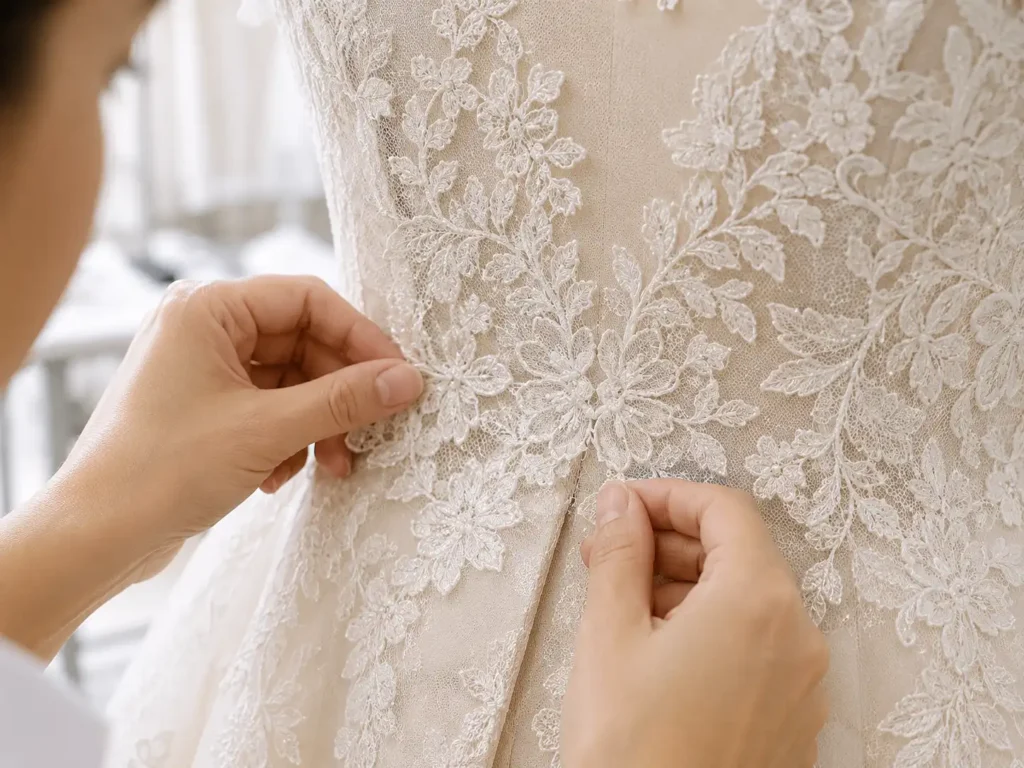
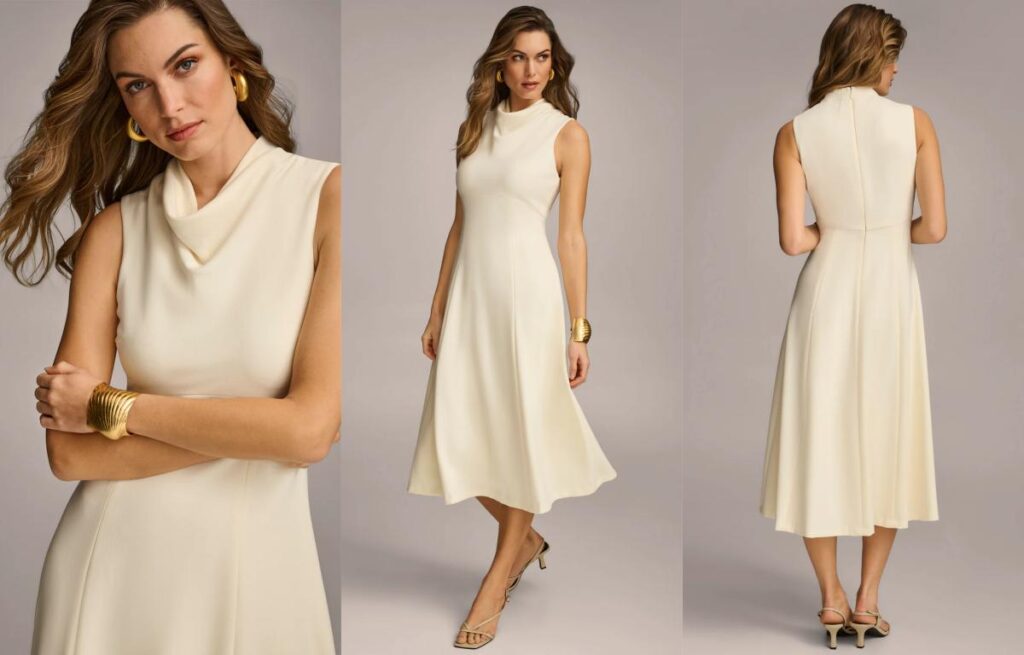
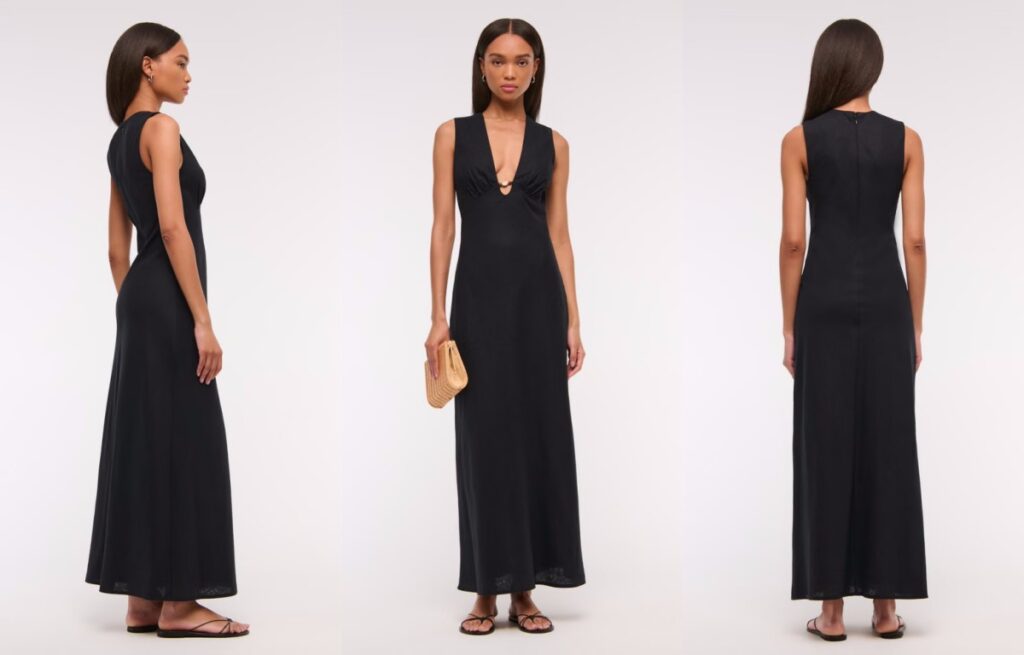
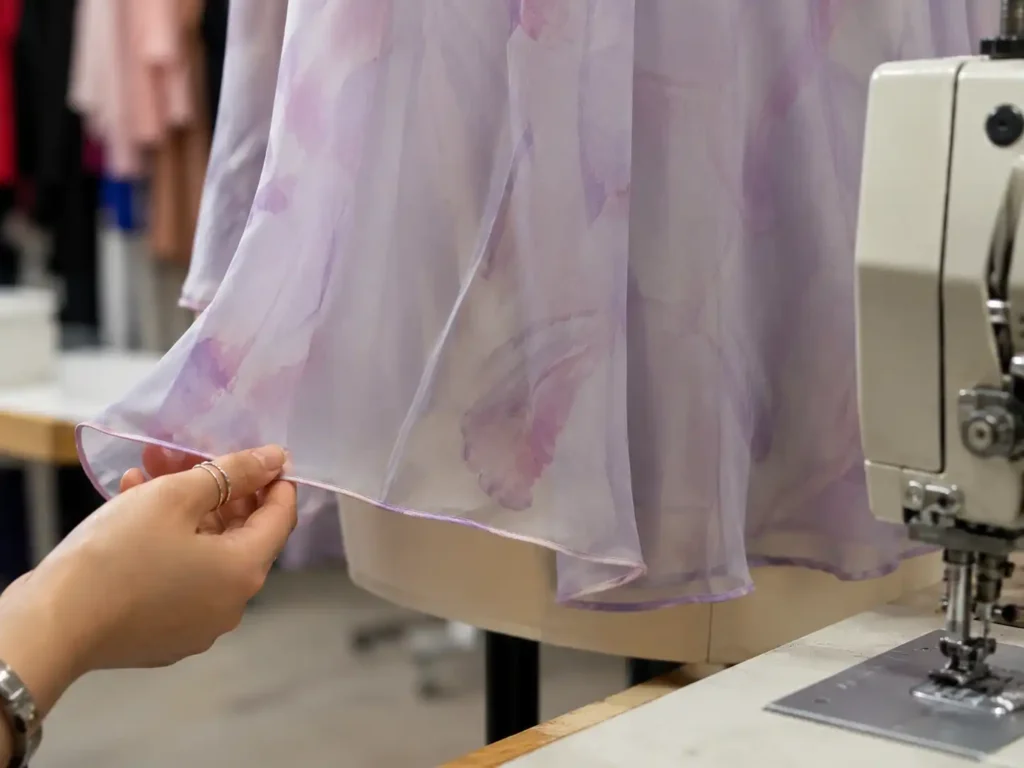
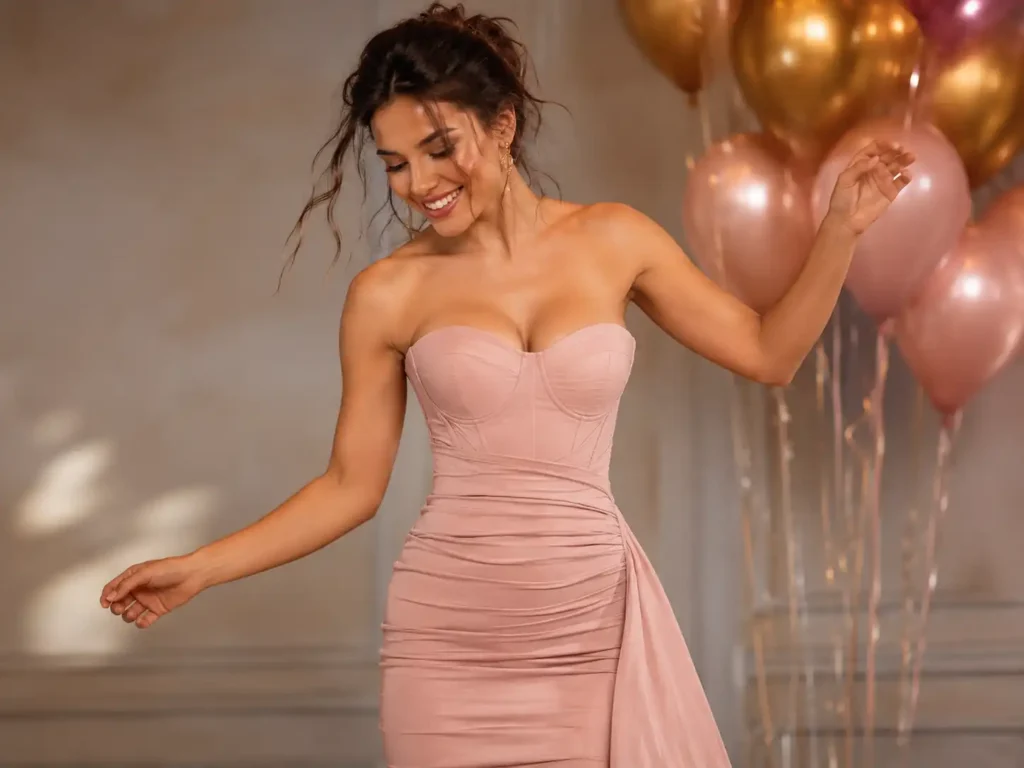
Satin Slip Dress Manufacturer

Custom satin slip dress development for fashion collections requiring controlled drape, refined fit, stable bulk quality, and private-label delivery.

  • Satin options covering approximately 80–220 gsm, selected by structure, opacity, drape, stretch, and intended retail position.
  • First samples for standard slip dress constructions are normally developed in approximately 10–15 days after materials and specifications are confirmed.
  • Mini, midi, and maxi silhouettes can be developed with cowl necks, V-necks, lace trims, open backs, side slits, and adjustable straps.
  • Production starts from 200 pieces per style and color, subject to fabric availability, dyeing, trims, construction, and packing requirements.

Jinfeng Apparel supports fashion brands from reference review and fabric selection through pattern development, fit correction, sampling, bulk production, satin-specific quality control, branded packing, and export coordination.

Manufacturing Capacity Behind Every Satin Dress Program

A stable satin slip dress program depends on development, pattern, merchandising, production, inspection, and packing teams working under one approved specification rather than isolated sewing capacity.

Since 2008

Jinfeng Apparel has focused on custom women’s fashion manufacturing since 2008. Long-term experience covers dresses, occasionwear, partywear, satin styles, fitted silhouettes, private-label collections, and repeat production. Years of development work help the team identify risks involving fabric shine, chest coverage, strap balance, side-seam movement, zipper flatness, and packing marks before those risks spread across a bulk order.

Six Owned Factories

Six owned women’s fashion factories support different fabric and construction categories. Woven dress production, satin styles, occasionwear, fitted dresses, structured designs, and multi-style programs can be assigned according to fabric behavior, workmanship level, order scale, and delivery schedule. Factory allocation is planned around product suitability rather than sending every design through one production unit.

Ten Plus Partners

More than ten long-term satellite production partners provide scalable support for seasonal programs, repeat orders, multiple delivery batches, and concentrated launch periods. Core standards remain controlled through approved samples, production files, measurement charts, workmanship instructions, inspection points, and packing requirements. Partner allocation is used to expand coordinated capacity without removing project control.

Two Sample Rooms

Two women’s fashion sample rooms support first samples, fit samples, revised samples, photo-ready samples, salesman samples, pre-production samples, and Golden samples. Satin slip dresses are reviewed for pattern balance, fabric direction, neckline shape, strap placement, lining behavior, seam appearance, hem balance, and suitability for repeatable production.

Seven Pattern Makers

More than seven senior pattern makers support pattern development, correction, and grading. Slip dress work includes bust shaping, neckline depth, armhole coverage, waist and hip ease, strap position, front and back length balance, slit placement, and hem sweep. Bias-cut or fluid silhouettes require pattern decisions based on fabric behavior rather than garment drawings alone.

Fifteen QC Inspectors

More than fifteen QC inspectors support fabric checking, cutting review, in-line inspection, garment measurement, appearance inspection, pressing review, packing inspection, and pre-shipment control. Satin-specific checks include snagging, stains, shade difference, shine direction, seam puckering, zipper bulging, pressing marks, lining exposure, and packing creases.

Built for Fashion Brands with Structured Collection Plans

Different fashion businesses require different satin dress solutions. Development decisions are adjusted around retail positioning, sales calendar, fit expectations, merchandising structure, order scale, and replenishment plans.

Fast Fashion Brands

Fast-moving fashion labels often require several colorways, coordinated launch dates, photo-ready samples, and rapid decisions after fit approval. Jinfeng Apparel supports multi-style development while maintaining separate records for fabric, color, measurements, trims, labels, and packing. The focus remains on moving quickly without approving unstable patterns, unsuitable satin, or incomplete production instructions.

Occasionwear Labels

Occasionwear collections depend heavily on surface quality, drape, neckline elegance, body coverage, and finish. Satin slip dresses for wedding guests, cocktails, dinners, celebrations, and evening events are developed with careful attention to lining, slit height, bust fit, strap position, zipper behavior, and movement under lighting.

Premium Ecommerce Brands

Online fashion labels need garments that photograph well and remain consistent when delivered across sizes. Development work considers front, side, and back appearance, fabric reflection, chest security, fit around the waist and hip, packing recovery, and barcode-ready presentation. Product accuracy helps reduce differences between campaign images and received garments.

Fashion Retailers

Retail programs often involve structured size ratios, SKU control, labeling rules, carton marks, inspection requirements, and phased delivery. Jinfeng Apparel supports retail-ready execution through approved product files, size breakdowns, care labels, barcodes, individual packing, carton planning, and pre-shipment inspection coordination.

Bridal Event Brands

Bridal-related satin slip dresses may be used for bridesmaids, rehearsal dinners, bridal events, or coordinated ceremony collections. Ivory, champagne, blush, sage, navy, and seasonal shades require careful approval because satin reflection can make one color appear different under studio, daylight, and warm indoor lighting.

Buying Offices

Sourcing and buying offices need clear communication, traceable versions, consolidated reporting, and consistent documentation across multiple styles. Jinfeng Apparel supports tech pack review, quotation clarification, sample tracking, revision records, bulk status updates, quality feedback, packing approval, and shipment coordination.

Satin Slip Dress Styles Ready for Custom Development

Product development can begin from a tech pack, reference garment, photograph, sketch, line sheet, or existing pattern. Every silhouette receives its own fit, fabric, and construction review.

Satin Mini Slip

Mini slip dresses need controlled hem length, secure chest coverage, stable straps, and balanced hip ease. A style can look visually clean while carrying significant wearability risk if the neckline, armhole, slit, or skirt length is not reviewed across the complete size range. Development focuses on proportion, movement, and retail-appropriate coverage.

Satin Midi Slip

Midi silhouettes work across occasionwear, wedding guest, evening, and elevated day collections. Key controls include waist placement, hip release, slit height, calf-length proportion, and hem balance. Fluid satin can reveal every seam and fit line, making pattern refinement and pressing quality especially important.

Satin Maxi Slip

Maxi slip dresses require stable total length, sweep control, balanced side seams, correct lining length, and packing methods that reduce deep folds. Longer bias sections can continue relaxing after sewing, so hem approval must account for hanging behavior before final leveling.

Cowl Neck Slip

A cowl neckline depends on pattern volume, fabric drape, chest coverage, facing or lining structure, and strap position. Too little volume appears flat; excessive volume may collapse, expose the bust, or shift during movement. Each cowl is evaluated on a dress form or fit model according to the approved wearing effect.

Backless Slip Dress

Backless silhouettes require careful control of side-body coverage, back depth, strap tension, neckline stability, and support. The pattern must balance visual openness with secure wear. Strap placement and back opening shape are reviewed together because a minor adjustment can change both front neckline stability and rear appearance.

Lace Trim Slip

Lace trim can be placed at the neckline, armhole, back, slit, or hem. Development covers trim width, softness, color matching, symmetry, edge attachment, and skin comfort. Satin and lace may react differently during sewing and pressing, so combination testing is completed before bulk instructions are finalized.

Side Slit Slip

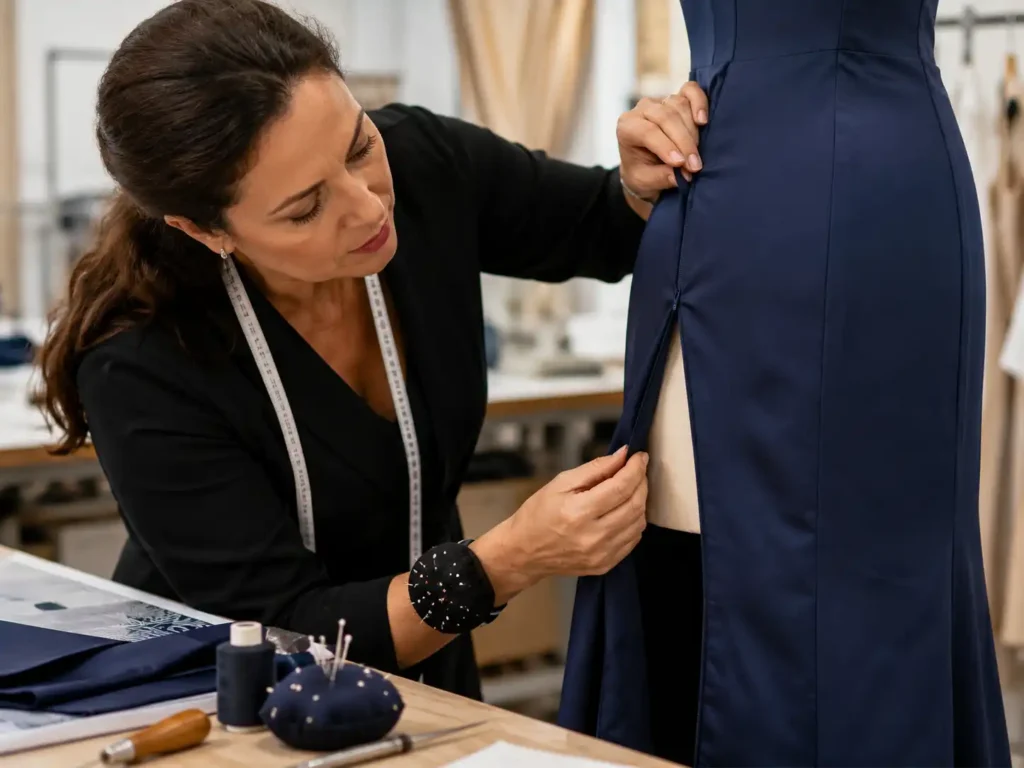
Side slits affect movement, visual proportion, seam strength, and coverage. Slit height is checked against garment length and target market. Reinforcement, lining opening, seam allowance, and pressing direction must remain stable so the slit does not twist, gape, or turn outward.

Bias Cut Slip

True bias-cut silhouettes use diagonal grain behavior to create fluid movement around the body. Pattern layout, cutting direction, fabric relaxation, seam handling, and hem leveling require disciplined control. A bias-cut dress cannot be managed using the same assumptions as a straight-grain woven dress.

Lengths and Silhouettes Planned for Specific Markets

A successful slip dress collection rarely relies on one repeated body shape. Length, ease, neckline, and skirt movement can be adjusted for different retail channels and wearing occasions.

Fitted Mini

A fitted mini silhouette creates a strong partywear or evening look. Pattern work focuses on bust, waist, hip, hem security, and side-seam alignment. Stretch satin may support closer fit, while non-stretch satin requires carefully planned ease and closure construction.

Fluid Mini

A fluid mini uses more ease through the body and relies on drape rather than compression. The design suits resort, date-night, and elevated casual collections. Fabric weight, opacity, hem width, and strap stability determine whether the garment appears refined rather than overly light or nightwear-like.

Shaped Midi

A shaped midi follows the bust and waist before releasing through the skirt. The silhouette requires clean waist definition, sufficient hip movement, and a balanced slit or hem sweep. Satin weight and lining choice influence whether the shape remains elegant during walking and sitting.

Bias Midi

Bias midi dresses are valued for fluid movement and natural shaping. Grain placement, fabric relaxation, and balanced seams remain central. Development often includes additional hanging time before hem leveling, followed by renewed measurement and appearance review.

Column Maxi

A column maxi offers a long, narrow profile suited to evening and occasionwear. The design needs enough walking ease, controlled back length, and a slit or sweep appropriate for movement. Long satin surfaces also require careful handling to avoid pressure marks and visible sewing distortion.

Flared Maxi

A flared maxi combines a fitted or softly shaped upper body with a wider skirt. Fabric consumption, seam direction, hem circumference, lining volume, and packing dimensions increase. Pattern balance is checked across front, side, and back views to prevent uneven dragging or raised side hems.

Design Details Developed Beyond Basic Garment Assembly

Small design decisions can change fit, cost, comfort, and bulk stability. Every visible detail is reviewed together with its pattern, trim, sewing, pressing, and inspection requirements.

Adjustable Straps

Adjustable straps provide fit flexibility but require suitable slider size, strap width, attachment strength, and stable fabric construction. Very narrow satin straps can stretch or twist. Strap length ranges are set according to neckline depth, target size range, and back construction.

Fixed Spaghetti Straps

Fixed straps create a clean appearance and remove visible adjusters. Accuracy becomes more demanding because strap length directly affects neckline position, armhole depth, bust coverage, and back balance. Separate grading rules may be needed rather than increasing strap length uniformly across all sizes.

Cowl Necklines

Cowl depth and volume are controlled through pattern shape and fabric behavior. The final appearance may change between polyester satin, stretch satin, acetate satin, and silk-like satin. Sampling confirms whether the neckline remains elegant without collapsing or exposing more than intended.

V Necklines

V-neck slip dresses require neckline stabilization, symmetrical points, and controlled bust coverage. Deep designs may need hidden support, facing adjustments, lining, or narrow tape. Neckline stretch during sewing must be prevented because a distorted V is highly visible on reflective satin.

Open Backs

Open backs involve more than lowering the rear neckline. Side seam height, back width, strap angle, bust security, and bra compatibility must be reviewed. Edge finishing must remain flat and stable without adding excessive stiffness to the fluid silhouette.

Lace Inserts

Lace inserts create contrast and transparency but introduce color, stretch, and seam compatibility issues. Lace placement is checked for symmetry and skin comfort. The satin edge must remain smooth without puckering where fabrics of different stability are joined.

Draped Panels

Draping can be added at the bust, waist, hip, or skirt. Controlled fullness must be distributed according to the desired visual line. Excess fabric can add bulk, while insufficient fullness can create tension. Sample review establishes drape depth and attachment positions before grading.

Asymmetric Slits

Asymmetric slits add movement and visual direction. Placement must align with body proportion, seam construction, and size grading. Reinforcement and lining openings are reviewed carefully so the slit remains flat and does not pull the side seam off grain.

Satin Selection Based on Drape, Structure, and Retail Position

Satin is a surface category rather than a single fiber. Composition, yarn, weave, weight, stretch, finish, and color all influence garment fit and manufacturing behavior.

Choosing Satin by Silhouette and Wearing Effect

Polyester satin is widely used for scalable occasionwear and fashion collections because it offers broad color availability, controlled pricing, and several weight options. A lightweight quality can create fluid movement for relaxed or bias-cut dresses, while a heavier quality supports cleaner shaping and greater opacity. Stretch satin introduces additional comfort and closer fit but requires attention to recovery, seam tension, and size stability.

Acetate satin can provide a refined hand feel and elegant drape but may carry different care, pressing, and sourcing conditions. Silk-like satin can offer a premium visual direction at a more scalable material structure, although the term must be supported by accurate fiber-content labeling rather than implying real silk. Satin containing spandex may suit fitted silhouettes, while non-stretch satin may work better for controlled drape and true woven structure.

Fabric approval should cover:

  • Fiber composition and declared content.
  • Finished weight and usable width.
  • Surface shine under several lighting conditions.
  • Drape around the bust, waist, hip, and skirt.
  • Stretch percentage and recovery where applicable.
  • Opacity in selected colors.
  • Shrinkage and pressing behavior.
  • Snagging sensitivity and seam appearance.
  • Availability for repeat orders.
  • Dye-lot and minimum quantity conditions.

A satin quality should never be selected only from a small digital photograph. A physical swatch, sample meterage, or finished prototype provides a far more reliable view of reflection, hand feel, thickness, and movement.

Testing Fabric Before Pattern Approval

Fabric behavior can change the required pattern.

A style developed in one satin quality cannot always move into another quality without adjustment.

Differences in weight, stretch, surface friction, drape, and thickness can alter neckline fall, body ease, seam shape, hem movement, and finished measurements.

Jinfeng Apparel reviews replacement materials before confirming whether the existing pattern remains suitable.

The review may lead to adjustments in:

  • Bust and hip ease.
  • Cowl volume.
  • Strap length or attachment.
  • Seam allowance and finish.
  • Lining construction.
  • Zipper or closure selection.
  • Hem method.
  • Pressing process.
  • Needle and thread setup.
  • Cutting layout and fabric consumption.

Light colors often require more attention to opacity and lining.

Dark colors can reveal pressure shine, lint, or surface abrasion.

High-luster satin can magnify small shade differences because the visual color changes with fabric direction.

Each bulk roll therefore needs controlled direction and batch management.

Satin Fabric Options for Slip Dress Development

Satin DirectionCommon Weight DirectionStretchDrapeOpacitySuitable Slip Dress UseMain Control Points
Lightweight Polyester Satin80–120 gsmUsually noneHighLow–MediumFluid mini, midi, bias silhouettesTransparency, seam puckering, snagging, static
Medium Polyester Satin120–170 gsmUsually noneMedium–HighMediumCowl neck, midi, occasionwear, maxiShine direction, zipper flatness, pressing marks
Heavy Polyester Satin170–220 gsmUsually noneMediumMedium–HighStructured midi, formal maxi, shaped dressesBulk at seams, hem method, drape balance
Stretch Satin130–220 gsmMedium, by qualityMedium–HighMedium–HighFitted mini, shaped midi, body-skimming slipRecovery, seam tension, grading, side seams
Acetate SatinProject dependentUsually noneHighMediumPremium occasionwear and refined capsulesCare, heat response, availability, pressing
Silk-Like Satin90–180 gsmVariesHighLow–MediumPremium-look fashion collectionsAccurate fiber labeling, snagging, opacity
Printed Satin90–200 gsmVariesVariesVariesResort, event, seasonal collectionsPrint direction, colorfastness, placement
Recycled Polyester SatinSupplier dependentVariesVariesVariesSustainability-led collectionsCertification scope, lot consistency, availability

Bias Cut Engineering for Fluid and Balanced Movement

Bias cutting creates a distinctive drape, but diagonal grain behavior increases the need for controlled pattern development, cutting, relaxation, sewing, and hem correction.

Grain Direction and Pattern Placement

A true bias pattern is commonly positioned around a diagonal relationship to the fabric grain, but the exact layout must account for fabric width, surface direction, symmetry, and garment structure. Satin has a visible face and reflection direction. Mirrored pieces placed incorrectly may appear to be different colors even when cut from the same roll.

Pattern markers must control:

  • Grain direction on every major panel.
  • Face direction and surface reflection.
  • Symmetrical left and right components.
  • Center-front and center-back balance.
  • Stripe, print, or tonal direction where applicable.
  • Fabric utilization without rotating pieces incorrectly.
  • Lining grain in relation to shell behavior.

Bias-cut fabric can stretch during handling. The cut pieces need controlled movement between cutting and sewing, avoiding unnecessary hanging, pulling, or stacking pressure. Registration marks and seam lengths are checked because diagonal edges can grow more easily than straight-grain edges.

Relaxation, Sewing, and Hem Leveling

A bias-cut slip dress may continue settling after assembly. Side seams can spiral, sections can drop unevenly, and a visually level hem on the table may become uneven after hanging. Production planning therefore accounts for material relaxation and garment leveling rather than treating the first sewn hem line as final.

Control measures may include:

  • Testing the chosen fabric during sampling.
  • Comparing measurements before and after hanging.
  • Allowing an appropriate relaxation period according to fabric behavior.
  • Reviewing side-seam position on a dress form or fit model.
  • Leveling the hem after the garment settles.
  • Rechecking front, back, and side lengths.
  • Adjusting pattern balance before PP approval.
  • Recording hem and handling methods for bulk production.

Bias silhouettes also need careful seam tension. Excess tension can create rippling; insufficient control can leave stretched or unstable seams. The approved sample becomes the visual standard for fluidity, seam appearance, and hem balance.

Fit and Measurement Control from Bust to Hem

A slip dress has few visible structural lines, leaving very little space to hide fit errors. Proportion, coverage, and movement must be resolved before bulk cutting.

Bust, Neckline, and Armhole Balance

Bust fit influences almost every upper-body detail. A neckline can appear correct when laid flat but become unstable during movement. Armholes that are too deep may expose undergarments, while armholes that are too high may cause pulling or discomfort. Strap angle, bust width, cowl volume, and back depth must be evaluated together.

Important review points include:

  • Across-bust width.
  • Bust circumference and wearing ease.
  • Neckline depth at front and back.
  • Armhole depth and side coverage.
  • Distance between strap attachment points.
  • Cowl drop and inner support.
  • Lining or facing position.
  • Zipper position where used.
  • Side seam direction from armhole to hip.

Fit comments need measurable instructions. “Make the neckline safer” should become a specific adjustment to depth, width, cowl volume, strap position, or lining coverage. Clear measurements reduce interpretation risk between sample revision and bulk production.

Waist, Hip, Length, and Slit Proportion

Slip dresses may be relaxed, body-skimming, or fitted. Each silhouette requires a defined relationship between waist ease, hip ease, fabric stretch, and garment length. Insufficient hip ease can push side seams forward and lift the hem. Excess ease can remove the intended line and make the garment appear oversized.

Measurement review includes:

  • Waist position and waist circumference.
  • High-hip and full-hip measurements where required.
  • Front and back body length.
  • Total garment length.
  • Strap length and adjustment range.
  • Slit start point.
  • Hem sweep.
  • Lining length.
  • Front-to-back hem balance.
  • Movement while walking, sitting, and turning.

Mini dresses receive additional attention to safe length and movement. Midi dresses require proportion around the calf and slit. Maxi dresses require long hem balance, walking allowance, and packing planning. Grading rules are reviewed so larger sizes do not receive uncontrolled neckline depth, slit height, or strap length.

Necklines and Straps Engineered for Secure Wear

Straps and necklines carry both visual and structural functions. Small changes can shift the bust line, side coverage, back opening, and complete garment balance.
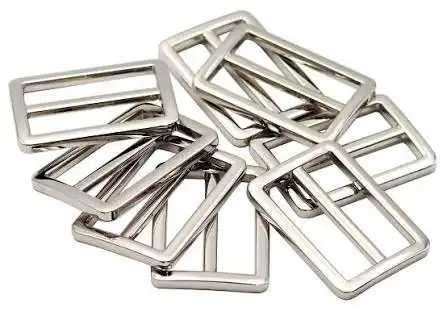
Adjustable Sliders
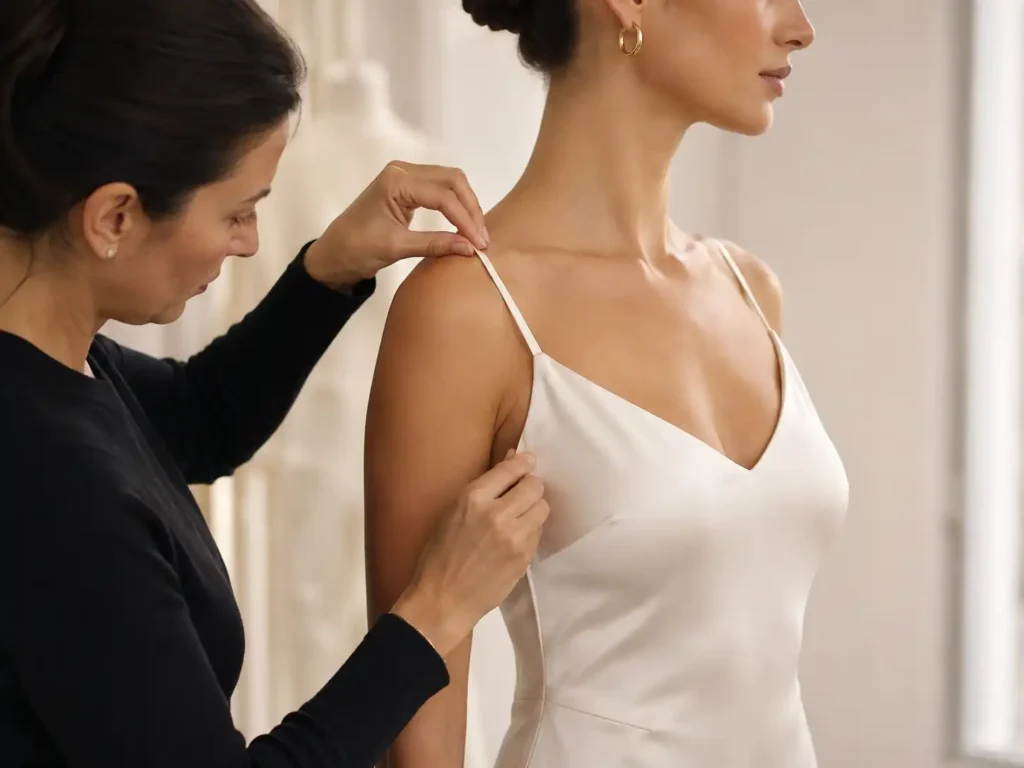
Adjustable sliders support varying torso lengths and wearing preferences. Slider material, finish, size, and color must match the visual standard. The strap must move smoothly without slipping during wear. Attachment areas are reinforced according to fabric weight and expected load.

Fixed Strap Lengths

Fixed straps offer a refined, uninterrupted appearance. Development requires accurate fit-model review because even a small length difference changes the neckline and armhole. Grading may use controlled increments rather than applying the same percentage increase used for body measurements.

Double Strap Details

Double straps can create a premium decorative effect but require alignment, equal tension, and stable attachment. Twisting and uneven spacing are common risks. Strap positions are marked clearly in the pattern and sewing specification for repeatable bulk construction.

Cowl Stability

Cowl necklines require enough volume to drape while retaining secure inner coverage. Hidden tacking, lining, facing, or an inner modesty layer can be considered according to the design. The cowl must be reviewed from standing, bending, and side angles.

Deep V Control

Deep V styles need a clean symmetrical point, stabilized edges, and adequate body coverage. Narrow tape, lining, facing, hidden mesh, or other support may be evaluated. Satin edges must remain flat without visible stretching or heavy construction lines.
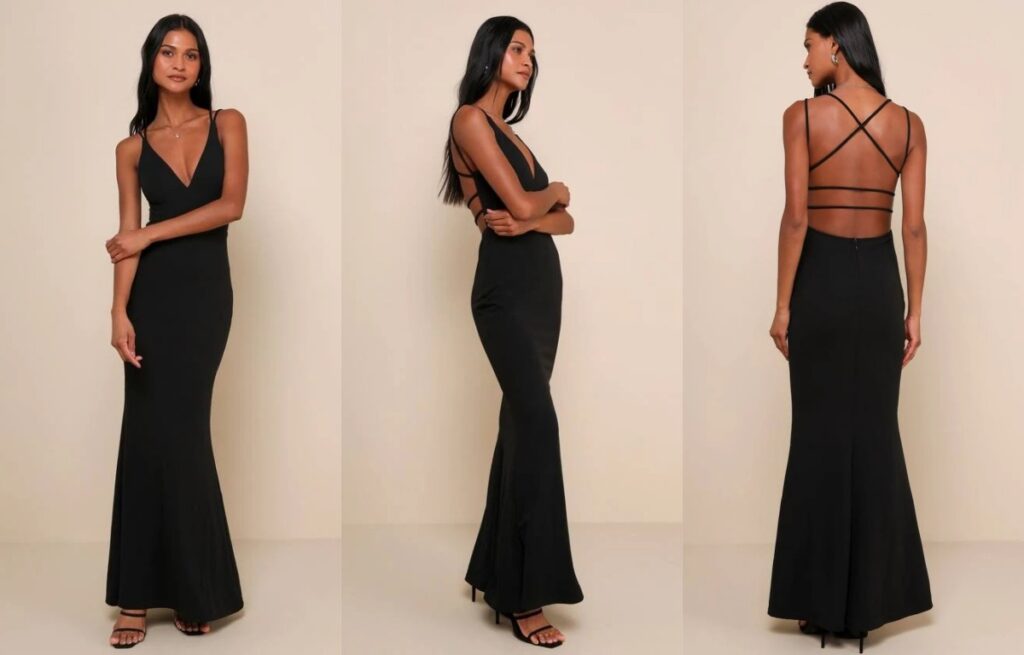
Back Strap Geometry

Back straps affect both rear appearance and front stability. Straight, crossed, low-set, or asymmetric arrangements require different tension and attachment locations. Back depth, side-body coverage, and strap pull are checked as one fit system rather than separate decorative details.

Lining Decisions Based on Opacity and Wearing Comfort

Lining is selected only after reviewing fabric weight, color, silhouette, construction, wearing occasion, and intended visual movement.

Full Dress Lining

Full lining supports opacity and a polished interior. The lining must remain shorter than the outer layer and should not restrict the satin drape. Excessively rigid lining can change the garment silhouette, while overly light lining may cling or move independently.

Partial Bodice Lining

Partial lining can support the bust, neckline, and armholes while preserving a light skirt. The transition between lined and unlined sections must remain smooth without visible ridges. Construction is planned according to zipper position, facing, cowl design, and seam finish.

Double-Layer Construction

Double-layer satin or self-fabric construction may create a luxurious effect, but it increases weight, cost, seam bulk, and handling complexity. Both layers must move together without twisting. Shade and shine direction must also remain consistent.

Unlined Fluid Styles

An unlined slip dress can provide the lightest movement when the satin offers suitable opacity and surface quality. Light shades and thin fabrics require careful approval under several lighting conditions. Seam finish, static behavior, and skin comfort become more visible without lining.

From Design Reference to Production-Ready Specification

Strong product development converts visual direction into measurable construction, material, fit, and quality instructions before bulk production begins.

Reviewing the Design Input

Development can start from a tech pack, original sample, reference photograph, sketch, line sheet, moodboard, fabric swatch, or combination of materials.

The first review identifies what information is confirmed and what still requires a decision.

The team evaluates:

  • Garment length and silhouette.
  • Front, side, and back construction.
  • Satin type and visual direction.
  • Stretch or non-stretch requirements.
  • Neckline and strap structure.
  • Lining and opacity.
  • Closure type.
  • Slit, lace, drape, or trim details.
  • Size range and target market.
  • Order quantity and color plan.
  • Label and packing requirements.
  • Target launch date.

A photograph can communicate style direction but usually cannot reveal exact measurements, internal construction, fabric composition, or sewing methods.

Missing information is clarified before a final production quotation is prepared.

Building the Production File

Approved development information is transferred into controlled records. Each revision should update the relevant source rather than remaining only in a message thread.

Production files can include:

  • Updated tech pack.
  • Pattern version.
  • Measurement chart.
  • Grade rules.
  • Fabric specification.
  • Approved color reference.
  • Bill of materials.
  • Trim card.
  • Sewing instructions.
  • Construction diagrams.
  • Sample comment record.
  • QC checklist.
  • Label artwork.
  • Packing instruction.
  • Carton and shipment requirements.

An approved sample without matching documents is not enough for a complex multi-style program. The visual sample and written production file must support each other so pattern, cutting, sewing, inspection, and packing teams follow the same standard.

Sampling Stages that Protect Bulk Production Quality

Sampling is a controlled development sequence rather than a single garment made before production. Different sample types answer different commercial and technical questions.

First Sample

The first sample translates the approved design direction into a physical garment. It verifies overall silhouette, fabric suitability, construction, basic fit, and visual proportion. Comments from the first review create the starting point for measured corrections.

Fit Sample

A fit sample focuses on body measurements, coverage, balance, comfort, and movement. Bust, waist, hip, neckline, armhole, strap, garment length, and slit positions are reviewed against the intended fit and size chart.

Revised Sample

A revised sample confirms that recorded comments have been implemented. Changes may involve pattern measurements, fabric, trims, lining, construction, color, or finishing. Each alteration is linked to an updated sample record.

Photo-Ready Sample

Photo-ready samples are developed for campaign photography, ecommerce content, line-sheet presentation, or sales review. Garment appearance, pressing, color, label setup, and fit receive focused attention because visual content may establish market expectations before bulk delivery.

PP Sample

The pre-production sample confirms the final combination of pattern, fabric, color, trims, construction, labels, and packing direction before bulk production. Production should not begin on assumptions that remain unresolved at PP stage.

Development Timing and Approval Checkpoints

Development StageNormal Timing DirectionMain OutputApproval Focus
Initial File ReviewProject dependentRisk review and missing-information listStyle, quantity, fabric, size range, launch date
Fabric and Trim SourcingBased on availabilitySwatches, options, cost directionComposition, weight, color, drape, trims
Simple First SampleApproximately 7–10 daysInitial garmentBasic fit, construction, material
Standard Dress First SampleApproximately 10–15 daysInitial garmentFit, silhouette, satin behavior
Complex Style SampleApproximately 15–25 daysInitial or revised garmentLace, mesh, structured, embellished, or evening details
Fit or Revised SampleBased on correction scopeUpdated garmentMeasured implementation of comments
PP SampleBefore bulk cuttingProduction-standard garmentFinal fabric, trims, construction, labels
Golden SampleBefore or during bulk launchSealed referenceAppearance, measurements, workmanship

Pattern Development and Grading for Consistent Size Ranges

A visually elegant base sample must also translate into stable commercial sizing. Slip dresses require controlled grading around coverage, proportion, and movement.

Developing the Base Size Pattern

The base size establishes the relationship between body measurements and garment measurements.

Pattern makers review design ease, fabric behavior, lining, neckline shape, strap geometry, and closure construction before the first fit sample.

Key decisions include:

  • Intended body fit: relaxed, skimming, or fitted.
  • Bust shaping method.
  • Waist and hip ease.
  • Front and back length balance.
  • Armhole and side-body coverage.
  • Cowl or neckline volume.
  • Strap placement and length.
  • Slit position and opening.
  • Hem sweep.
  • Seam type and allowance.
  • Grain direction and pattern layout.

A base pattern should not be approved only because it matches a measurement chart. Wear, movement, fabric fall, and visual proportion are also reviewed. Satin reflects tension clearly, so excess tightness, pulling, or distortion becomes visible under light.

Grading Without Losing Design Proportion

Commercial grading cannot rely on enlarging every point equally. Neckline depth, slit height, strap width, cowl drop, back opening, and lace placement need controlled rules. Larger sizes require sufficient bust and hip accommodation without creating excessive exposure. Smaller sizes need proportionate details without narrowing components beyond sewing stability.

Grade review covers:

  • Bust, waist, and hip increments.
  • Across-chest and back width.
  • Armhole depth.
  • Neckline width and depth.
  • Strap placement and usable length.
  • Total garment length.
  • Slit position.
  • Hem width.
  • Lining dimensions.
  • Zipper length and opening.
  • Decorative detail placement.

Size-set samples or selected graded sizes may be requested for programs carrying broad size ranges or high fit sensitivity. Measurement findings are recorded before bulk production.

Construction Details that Define Garment Performance

Every internal decision affects the visible result. Seams, closures, hems, linings, and reinforcements are selected according to satin weight and design structure.

Seam Construction

Seam type is selected according to fabric weight, transparency, fraying, stretch, and lining. The objective is a clean exterior without ridges, pulling, or visible seam allowance. Seam tension and handling must protect the reflective surface.

Invisible Zippers

Invisible zippers are used where a clean side or back opening is required. Zipper tape color, length, sewing tension, seam allowance, and top alignment are controlled. Satin can reveal zipper waves or bulging easily, making installation and pressing critical.

Narrow Hems

Narrow hems suit many lightweight and fluid slip dresses. The hem must remain even without twisting, roping, or visible tension. Bias-cut garments may require leveling after relaxation before the final hem is completed.

Facings and Edges

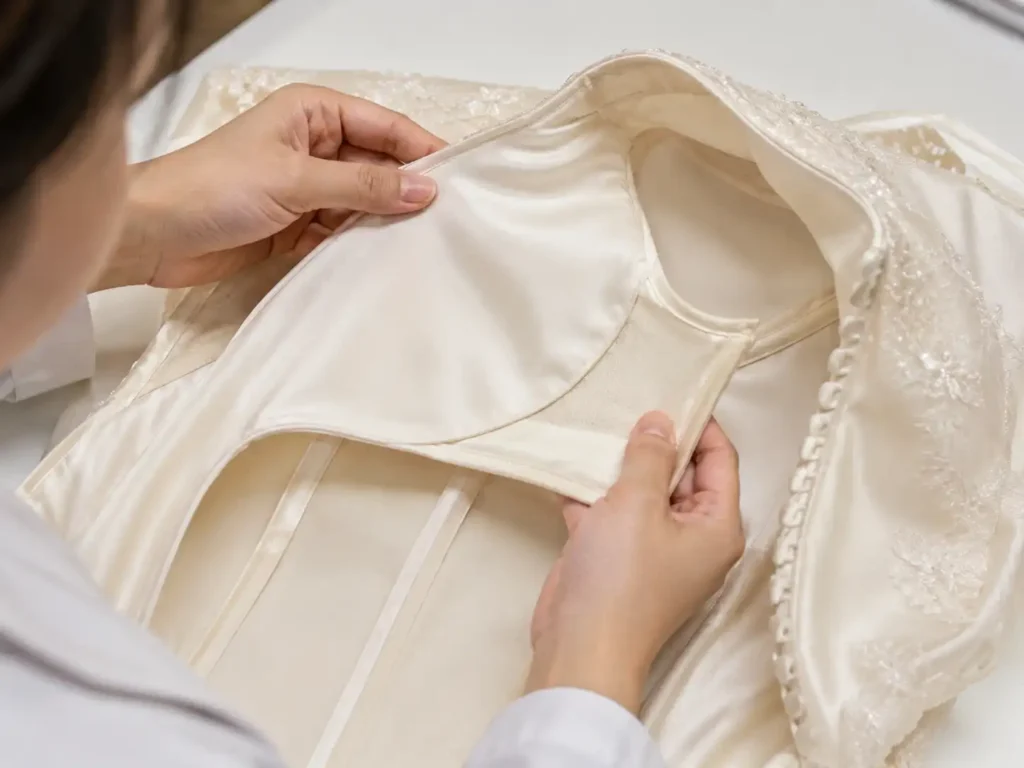
Neckline and armhole edges may use facing, lining, binding, or other controlled finishes. The chosen method must support the design without adding stiffness. Understitching and edge control help keep internal components from rolling outward.

Slit Reinforcement

Slit openings need reinforcement at the upper point and stable seam finishing. The lining slit must align correctly without showing. Reinforcement should protect movement while remaining discreet on the garment face.

Strap Attachments

Strap attachment points carry concentrated tension. Reinforcement is planned according to strap width, fabric weight, and back construction. Sewing must remain secure without creating visible pulling, puckering, or excessive bulk.

Sewing Workmanship for Smooth Reflective Satin Surfaces

Satin magnifies small errors. Stitching, handling, seam tension, pressing, and work-area discipline all contribute to the final visual standard.

Controlling Seam Puckering and Feed Distortion

Seam puckering can result from thread tension, fabric feeding, needle selection, stitch density, seam direction, or pressing.

A smooth seam cannot be achieved by pressing alone if sewing distortion is already built into the panel.

Before bulk production, trial sewing confirms:

  • Suitable needle condition and size.
  • Thread compatibility.
  • Stitch length and density.
  • Upper and lower tension balance.
  • Seam support where needed.
  • Feeding behavior on straight and bias edges.
  • Response to pressing.
  • Stability after relaxation.

Operators follow the approved workmanship standard for consistent seam appearance. Panels should not be pulled during sewing. Edges prone to stretching require controlled handling. Reflective satin also shows needle marks and rework more readily, so preventing errors is better than repeated unpicking.

Protecting the Surface During Sewing and Finishing

Snags, oil marks, pressure shine, chalk residue, and table abrasion can reduce garment grade even when the pattern and fit are correct. Surface protection needs to continue from fabric inspection through packing.

Control points include:

  • Clean cutting and sewing areas.
  • Protected storage between operations.
  • Careful use of clips, pins, and temporary markings.
  • Controlled stacking and bundle pressure.
  • Regular appearance inspection.
  • Immediate separation of stained or snagged pieces.
  • Clean pressing covers and work surfaces.
  • Temperature and pressure testing on fabric offcuts.
  • Lint control for dark colors.
  • Final inspection under suitable lighting.

Repairs are assessed carefully because satin can retain stitch holes or surface marks. Severe defects should not be hidden through aggressive pressing. The inspection standard distinguishes correctable finish issues from fabric or sewing defects requiring replacement.

Eight Satin Risks Controlled Before Final Packing

Satin quality problems often begin earlier than final inspection. Each risk is assigned to material approval, cutting, sewing, pressing, inspection, or packing controls.

Shade Difference

Satin reflection can magnify small dye-lot differences. Fabric batches, roll identity, panel direction, lining shades, and approved color references are managed before cutting and during garment inspection.

Shine Direction

Panels cut in opposite directions may appear to carry different colors. Pattern markers and cutting instructions control face direction and reflection across front, back, and paired components.

Snagging

Fine satin surfaces may snag from rough tables, damaged tools, jewelry, trim edges, or packing materials. Work surfaces, handling, storage, and inspection are organized to reduce contact damage.

Seam Puckering

Incorrect tension, feeding, stitch density, or pressing can produce rippled seams. Trial sewing and in-line checks identify distortion before many units are completed.

Zipper Bulging

A zipper can create waves or stiffness on light satin. Tape, seam construction, pattern ease, sewing tension, and pressing are reviewed together rather than correcting only the zipper.

Pressing Marks

Excess temperature, pressure, moisture, or direct contact can flatten the surface or create shine. Pressing tests establish the suitable method for each approved fabric.

Lining Migration

Lining that is too long, too tight, or poorly anchored can show beneath the hem, pull the outer layer, or shift during wear. Shell and lining lengths are checked separately and together.

Packing Creases

Long storage folds and concentrated carton pressure can create visible creases. Garment folding, tissue, individual bags, carton size, and packing quantity are planned around fabric sensitivity.

Production Workflow from Approved Sample to Shipment

Bulk production begins only after key product standards are confirmed. Every stage converts approved development decisions into controlled manufacturing actions.

Project Handover

Approved patterns, measurements, BOM, fabric, colors, trims, labels, sewing instructions, QC standards, packing rules, and schedule requirements are consolidated before production release.

Material Confirmation

Bulk fabric and trims are reviewed against approved references. Composition, color, surface, quantity, width, shade, and accessory specifications are checked according to the project requirements.

Incoming Inspection

Fabric and trims are inspected for visible defects, shade variation, stains, snagging, width, quantity, and suitability before cutting. Findings are recorded and handled before production progresses.

Marker Planning

Pattern layout controls grain, shine direction, symmetry, fabric utilization, size ratio, and panel identification. Bias-cut markers receive additional attention to direction and relaxation.

Controlled Cutting

Cutting teams follow approved markers and bundle systems. Panels are protected from unnecessary movement, pressure, and mixed fabric lots. Replacement pieces remain traceable.

Sewing Launch

A production start review aligns operators, line supervisors, merchandisers, and QC around the approved sample and construction requirements. Early output is checked before volume increases.

In-Line Inspection

Measurements, seam quality, neckline shape, straps, zipper, slit, lining, and surface condition are reviewed during production. Early findings allow correction before defects spread.

Final Finishing

Garments receive thread trimming, appearance review, controlled pressing, measurement confirmation, label checking, and preparation for final inspection.

Packing and Shipment

Approved labels, barcodes, bags, folding, carton quantities, marks, and warehouse instructions are checked before shipment. Commercial documents and freight coordination follow the confirmed trade arrangement.

Multi-Style Bulk Programs Managed as One Collection

Large fashion programs require style-level detail and collection-level coordination. One late fabric, incorrect color, or incomplete label can affect the complete launch.

Style Matrix Control

Each style is tracked through style code, color, size range, fabric, trims, sample stage, approval status, order quantity, production unit, QC stage, packing requirement, and shipment batch. A style matrix helps keep 10–30 styles organized without merging specifications.

Colorway Coordination

Multi-color programs require separate control of shell fabric, lining, zipper, thread, lace, labels, barcodes, SKU stickers, and carton data. Color approval status is tracked before production release.

Size Ratio Planning

Order quantities are divided by style, color, and size according to the approved purchase plan. Size ratios are connected to material consumption, labels, barcodes, packing, carton quantities, and warehouse requirements.

Critical Path Tracking

Fabric, trims, samples, approvals, labels, testing, production, inspection, and shipment are connected in one timeline. Items with the longest lead or highest risk receive early attention to protect the launch date.

Split Delivery Planning

Where required, collections can be planned for phased delivery, air-and-sea combinations, or separate warehouse destinations. Shipment structure must be confirmed early because it affects packing, documentation, and production priorities.

Quality Control Built Around Satin-Specific Defects

Quality inspection follows the product risk rather than relying on one generic final check. Satin slip dresses receive material, measurement, construction, surface, and packing controls.

Fabric Inspection

Fabric is reviewed for shade, stains, snagging, surface flaws, width, direction, and visible roll differences. Light and dark colors may require different viewing conditions.

Cutting Inspection

Cut panels are checked for grain direction, shine direction, symmetry, panel identity, notches, size, and bundle traceability. Bias pieces receive additional handling control.

First Output Review

Initial production garments are compared with the approved sample for silhouette, measurements, neckline, straps, seams, zipper, slit, lining, hem, and visual finish before larger output continues.

In-Line Measurement

Key measurements are checked during sewing rather than waiting until completion. Bust, waist, hip, length, straps, neckline, slit, and lining dimensions are monitored according to the approved chart.

Workmanship Inspection

Seam puckering, skipped stitches, broken stitches, uneven edges, loose straps, zipper waves, poor reinforcement, twisted seams, and lining problems are identified during production.

Surface Inspection

Satin surfaces are reviewed for snagging, oil, chalk, water marks, pressure shine, abrasion, needle holes, and mixed reflection direction.

Fit Comparison

Selected garments are reviewed against the intended fit and approved sample. High-risk styles may require dress-form or fit-model assessment according to the project plan.

Packing Inspection

Labels, barcodes, size stickers, folding, bags, warnings, carton quantities, carton marks, and assortment are checked before sealing.

Pre-Shipment Review

Final inspection can follow agreed internal criteria, AQL inspection, client-nominated inspection, or third-party inspection arrangements according to the order.

Final Inspection with Measurable Acceptance Standards

Final inspection combines statistical sampling, measurement review, appearance standards, packing accuracy, and shipment documentation according to the agreed project requirements.

Defect Classification and AQL Coordination

Defects can be classified according to severity and agreed inspection criteria. Critical issues involve safety, legal compliance, or severe product failure. Major issues affect saleability, function, appearance, measurement, or approved specification. Minor issues involve smaller deviations that do not create the same commercial impact.

Inspection planning can cover:

  • Sampling level and acceptance criteria.
  • Style, color, and size representation.
  • Garment measurements.
  •  
  • Satin surface condition.
  • Color and shine direction.
  • Labels and care information.
  • Barcode and SKU accuracy.
  • Packing assortment.
  • Carton quantity and marks.
  • Basic functional checks.
  • Client-specific inspection points.

Jinfeng Apparel supports internal pre-shipment review, client-nominated inspection, and third-party inspection coordination. The exact AQL level and inspection scope should be confirmed before production so the factory and inspection party work from aligned criteria.

Linking Final Inspection Back to Production Records

Inspection results are more useful when connected to style codes, production batches, colors, sizes, and packing records.

Findings can be reviewed for containment, correction, reinspection, or future prevention.

A complete review may include:

  • Defect photographs.
  • Style and batch identification.
  • Quantity affected.
  • Root-cause review.
  • Corrective action.
  • Reinspection results.
  • Packing correction.
  • Shipment release status.
  • Repeat-order improvement notes.

Quality control is not treated as a final obstacle after production.

Material, cutting, in-line, measurement, finishing, and packing controls reduce the number of issues reaching final inspection.

Private Label Components for Retail-Ready Satin Dresses

Brand identity is carried through every garment and package. Label, barcode, and packing files are controlled alongside the product specification.

Woven Main Labels

Main labels can be developed in approved dimensions, colors, folds, materials, and sewing positions. Softness and edge comfort are considered for lightweight slip dresses worn close to the body.

Size Labels

Size labels must correspond accurately with garment size, barcode, SKU, polybag sticker, carton assortment, and purchase order data. Position and attachment are defined in the packing instruction.

Care Labels

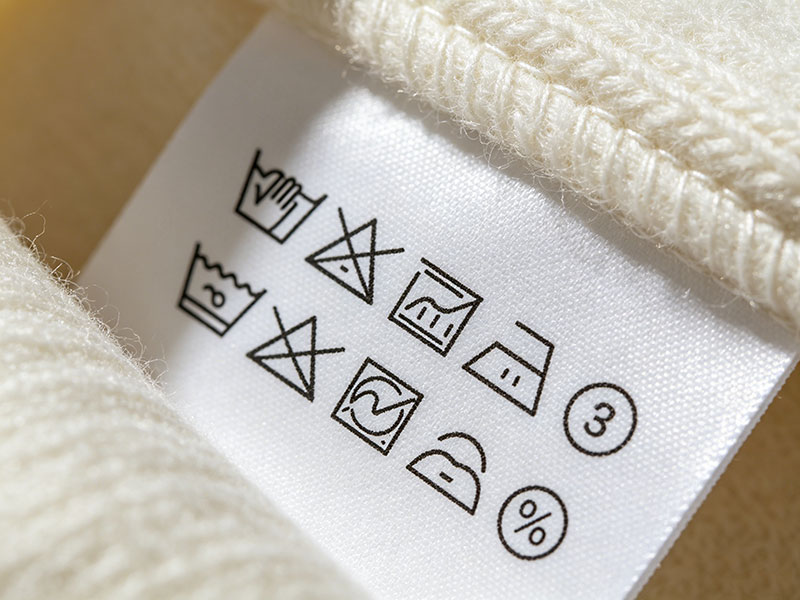
Care labels carry fiber content, care instructions, country information, language, and other required data according to the destination market and approved product specification.

Hangtags

Hangtags can include branding, product information, collection stories, pricing space, barcodes, sustainability statements, or retail requirements. Artwork, paper, finish, hole position, string, and attachment location are confirmed.

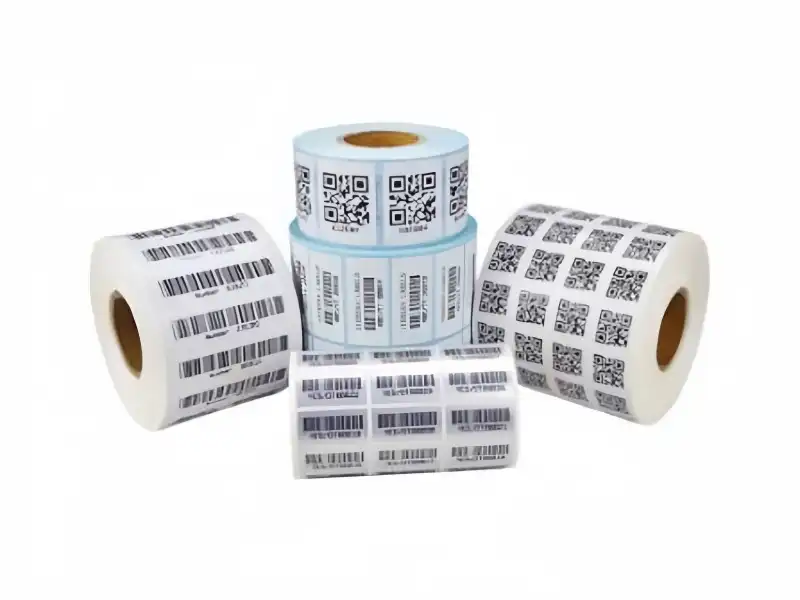
Barcode Stickers

Barcode and SKU labels are organized by style, color, and size. Data files, scanning requirements, sticker position, and warehouse rules should be provided before packing begins.

Branded Polybags

Polybags can be planned around garment dimensions, folding method, print, warning text, ventilation holes, adhesive position, thickness, and destination requirements.

Carton Marks

Carton marks can include purchase order, style, color, size assortment, carton number, destination, gross weight, net weight, and warehouse references according to the shipment plan.

Insert Materials

Thank-you cards, tissue, protective sheets, size cards, promotional inserts, or other brand materials can be packed according to approved placement and quantity instructions.

Satin Slip Dress Collections Developed as Complete Product Stories

One base silhouette can support several commercial directions when fabric, length, neckline, color, and detail changes are planned systematically.

Occasionwear Collection

An occasionwear capsule can combine cowl midi dresses, bias maxi dresses, side-slit silhouettes, and backless evening styles. Color planning may cover black, navy, wine, emerald, chocolate, champagne, and seasonal tones.

Wedding Guest Collection

Wedding guest programs often require elegant color, movement, coverage, and photography. Midi and maxi lengths can be developed with soft draping, lace trims, low backs, asymmetric details, or coordinated wraps and accessories.

Resort Collection

Resort-oriented slip dresses may use brighter colors, prints, relaxed shapes, lighter satin, open backs, and fluid hems. Fabric transparency, static, packing recovery, and warm-climate comfort remain important.

Partywear Collection

Partywear collections can feature fitted mini lengths, stretch satin, lace inserts, asymmetric straps, cut-outs, draped hips, and higher slits. Wearability, reinforcement, and body coverage must be resolved during fitting.

Evening Collection

Evening silhouettes often use longer lengths, richer satin, controlled linings, refined necklines, and cleaner internal finishing. Hem balance, pressing, and surface quality become especially visible across uninterrupted fabric panels.

Core Color Program

A repeatable core program may keep an approved pattern and expand through carefully selected colors. New colors still require fabric, lining, zipper, thread, label, and bulk shade approval rather than automatic production from a previous order.

Cost Engineering Without Weakening the Product Identity

A reliable quotation reflects materials, workmanship, development, inspection, and delivery requirements. Cost optimization begins by understanding which details create value and which create unnecessary complexity.

Fabric Cost Planning

Fabric cost depends on composition, weight, width, finish, color, dyeing, printing, certified sourcing, order quantity, and wastage. Bias-cut markers can increase consumption compared with straight-grain layouts. Fabric substitution must be tested because a lower-cost satin may change drape, opacity, seam appearance, and fit.

Construction Optimization

Construction can sometimes be simplified without changing the visible product. Seam types, lining coverage, facings, closures, trim applications, and internal details are reviewed for appearance, comfort, repeatability, and labor. Removing necessary reinforcement or quality controls is not treated as acceptable optimization.

Color and Quantity Planning

Too many colors at small quantities can increase material, dyeing, trim, label, and production complexity. Consolidating colorways or coordinating several styles in approved materials may improve sourcing efficiency where design and delivery plans allow.

Packing Optimization

Packing cost is influenced by labels, tags, tissue, bags, stickers, inserts, hangers, cartons, assortment, warehouse rules, and shipment method. Packaging is planned to protect satin and meet retail needs without adding components that provide little operational or brand value.

Satin Dress Programs Delivered Across Multiple Fashion Markets

The following anonymous project examples show how product, fit, fabric, quality, and collection coordination can be structured without disclosing protected brand identities or unpublished designs.

US Occasionwear Program

A US occasionwear label developed a 14-style satin slip dress collection totaling approximately 32,000 garments. The range included cowl-neck midi dresses, side-slit maxi dresses, fixed-strap mini dresses, and backless evening silhouettes across six core and seasonal colors.

The main challenges involved champagne and blush shade approval, cowl consistency, zipper flatness, lining comfort, and balanced hems on long fluid styles. Jinfeng Apparel organized fabric approvals by color and lot, separated straight-grain and bias constructions, and recorded neckline, strap, slit, and hem comments by style.

Fit and PP approvals were converted into updated measurement charts, patterns, BOM records, workmanship instructions, and QC checklists. Bulk inspection focused on color, shine direction, snagging, neckline shape, zipper appearance, lining length, and packing creases. Shipment was coordinated in planned batches aligned with the collection launch.

European Resort Collection

A European ecommerce fashion label placed a 22-style resort and occasion program totaling approximately 54,000 garments.

Satin slip dresses formed the core of the collection alongside selected chiffon and printed woven styles. The satin range covered fluid minis, bias midis, open-back maxis, and lace-trim silhouettes.

The collection carried multiple colors, size ratios, barcode files, private labels, and destination packing requirements. Development work focused on light-color opacity, static behavior, strap stability, side-seam movement, and visual consistency between campaign samples and bulk garments.

A style matrix tracked fabric, color, size range, sample status, label approval, production unit, inspection stage, and shipment batch. Light satin colors received lining and lighting review before PP approval. Final packing used style-level barcode and carton control, with satin-sensitive folding methods for midi and maxi designs.

Australian Partywear Launch

An Australian partywear label developed a 26-style program totaling approximately 76,000 garments. Satin products included stretch-satin minis, asymmetric slip dresses, lace-panel midis, draped hip styles, and long evening slips. Several designs combined reflective satin with lace, mesh, or decorative straps.

The main production risks involved stretch recovery, neckline security, cut-out placement, color consistency, decorative attachment, and multiple size ranges. Jinfeng Apparel separated fabric-specific pattern requirements, completed structured fit reviews, and converted sample comments into measurable grading and construction instructions.

Early production garments were reviewed before line output increased. QC covered measurements, seam appearance, strap strength, neckline stability, mixed-material joints, surface condition, and SKU packing. Collection files were retained to support repeat colors, approved pattern reuse, and future seasonal development.

A Structured Team Supporting Development Through Delivery

Strong execution depends on specialized responsibilities and controlled handovers. Jinfeng Apparel organizes product development, production, quality, and delivery through dedicated teams.

Development Team

The development function reviews product direction, construction, material suitability, target fit, cost factors, and manufacturing risks before sampling. Design files are converted into actionable requirements rather than passed directly to production.

Pattern Team

More than seven senior pattern makers support pattern creation, correction, grading, and repeat-order records. Slip dress work includes bust, waist, hip, neckline, strap, back opening, slit, length, and hem balance.

Sample Team

Two sample rooms and more than twenty sample machinists support first samples, fit samples, revised samples, photo-ready samples, PP samples, and Golden samples across woven, satin, lace, mesh, fitted, and occasionwear designs.

Merchandising Team

More than twelve merchandisers support requirement confirmation, fabric and trim tracking, sample progress, approval records, production status, packing requirements, shipment planning, and communication across multi-style projects.

Quality Team

More than fifteen QC inspectors support material, cutting, in-line, measurement, garment, finishing, packing, and pre-shipment controls. Inspection points are adjusted according to satin and slip-dress risks.

Packing Team

More than thirty finishing and packing workers support thread trimming, appearance checking, controlled pressing, labels, tags, barcode packing, individual bags, carton assortment, and shipment preparation.

Repeat Orders Built from Controlled Product Records

A reliable repeat program protects the approved fit and appearance while allowing color, fabric, packaging, and quantity updates to be reviewed professionally.

Pattern Records

Approved pattern versions are retained for future production. Repeat orders start from the correct sealed pattern rather than recreating the style from photographs or previous garments.

Material Records

Fabric references, composition, weight, color, supplier information, lining, zippers, straps, lace, labels, and other trims can be reviewed against the previous approved order. Availability and batch differences are reconfirmed before reuse.

Production Records

BOM files, measurement charts, sewing instructions, QC points, packing requirements, carton information, and shipment feedback support faster and more consistent repeat-order planning.

Seasonal Extensions

An approved style can be extended into new colors, lengths, necklines, fabrics, or coordinated products. Every change is assessed for pattern, fit, cost, MOQ, timing, and quality impact rather than being treated as an automatic copy.

Satin Slip Dress Frequently Asked Questions

Yes. Jinfeng Apparel develops satin slip dresses from tech packs, reference photographs, original samples, sketches, line sheets, or approved design directions. Support covers fabric sourcing, pattern development, sampling, fit correction, grading, bulk production, quality control, private-label packing, and shipment coordination.
Common directions include polyester satin, stretch satin, acetate satin, polyester-spandex satin, recycled polyester satin where available, printed satin, and silk-like satin. Normal weight directions may range approximately from 80 to 220 gsm. Final selection depends on drape, opacity, stretch, design, color, care, availability, and target position.
Yes. Bias-cut development is assessed by fabric behavior, grain direction, surface reflection, pattern placement, seam stability, relaxation, and hem leveling. The process may require additional testing and hanging review compared with straight-grain construction.
A simple sample may require approximately 7–10 days. A standard dress first sample normally requires approximately 10–15 days after specifications and materials are confirmed. More complex lace, mesh, structured, embellished, or evening styles may require approximately 15–25 days or a project-specific schedule.
The standard MOQ starts from 200 pieces per style and color. Special dyeing, custom weaving, printed fabrics, certified materials, specialized trims, complex construction, and custom packaging may carry separate minimum requirements.
Lining depends on fabric weight, color, opacity, silhouette, and intended wearing occasion. Light shades such as ivory, cream, champagne, blush, or pale pastels often require additional opacity review. Full, partial, self-fabric, or unlined structures can be evaluated during development.
Color is managed through physical standards, Pantone references where used, swatches or lab dips, fabric batch identification, bulk color approval, shine-direction control, lining and trim comparison, and garment inspection under suitable lighting.
Puckering control begins with fabric testing, pattern and seam direction, suitable stitch density, balanced thread tension, controlled feeding, careful handling, and pressing trials. Early production output is reviewed before larger quantities proceed.
Yes. Private-label support covers woven labels, size labels, care labels, hangtags, hang strings, barcodes, SKU stickers, polybags, inserts, cartons, carton marks, and warehouse labels according to approved artwork and instructions.
Yes. Jinfeng Apparel supports NDA-based cooperation. Client names, logos, tech packs, patterns, sample photographs, unpublished styles, label files, packaging information, prices, and order information are not disclosed without authorization.

Start Your Satin Slip Dress Manufacturing Project

Send Jinfeng Apparel the available product information so the development team can review fabric direction, construction, pattern complexity, sampling requirements, quantity structure, and production conditions.

A complete tech pack is helpful, although a reference photograph, original sample, sketch, line sheet, or existing measurement chart can also support an initial project assessment.

For a clearer quotation and development plan, include:

  • Product images, sketches, or tech packs.
  • Mini, midi, or maxi length direction.
  • Preferred satin composition, weight, stretch, and finish.
  • Color list or physical color references.
  • Size range and garment measurement chart.
  • Neckline, strap, lining, slit, and closure details.
  • Order quantity by style and color.
  • Main label, care label, hangtag, barcode, and packing requirements.
  • Target launch date and intended delivery market.
  • Testing, inspection, or compliance requirements.
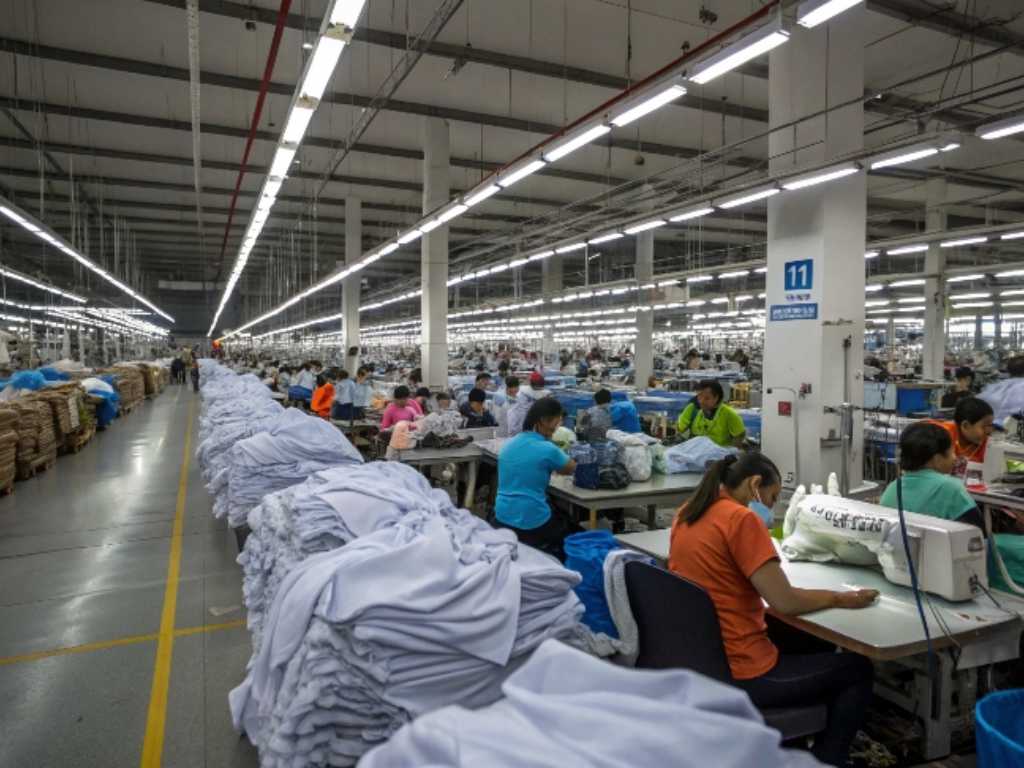
Large garment factory with rows of workers sewing clothing at machines.

Tell Us About Your Dress Project

Share your product details, estimated quantity and development requirements. Our team will review your project and provide practical OEM/ODM production feedback.

Premium Women’s Apparel Production for Fashion Brands

From dress sample development to bulk production, JF Apparel supports fashion brands with confidential OEM/ODM manufacturing, reliable quality control and scalable production support.

START YOUR DRESS PROJECT

Ready to Develop Your Next Dress Collection?

Share your design concept, product requirements or sourcing plans with our team. We’ll review your project and provide practical feedback on development, materials, MOQ and production.

7-10 Days

Sample Development

200 PCS

Starting MOQ

Fast Response

Professional Follow-Up