Skip to content
Sample-to-Bulk Dress Manufacturer
Move custom dress samples from fit correction, PP approval and fabric confirmation into controlled bulk production.
Jinfeng Apparel helps fashion brands move custom dress samples into production-ready garments through structured pattern correction, fabric sourcing, trim confirmation, PP sample approval, bulk sewing, QC, private-label packing and export delivery. Our Guangdong-based womenswear manufacturing system supports dresses, skirts, jumpsuits, matching sets and private-label programs with sample-room development connected to factory production.
- 2 sample rooms— first sample, fit sample, revised sample, photo-ready sample, PP sample and Golden sample support.
- 7+ senior pattern makers— bust, waist, hip, neckline, strap, length, lining, slit and grading corrections before bulk.
- 20+ sample machinists— sample sewing support for dresses, sets, jumpsuits, tops and private-label womenswear.
- 15+ QC inspectors— material, cutting, sewing, measurement, finishing, packing and shipment review.
- Anonymous sample-to-bulk case range: 16–24 styles / 27,500–46,000 pcs— controlled dress programs across US, UK and Australian fashion markets.
Sample Rooms, Factories And Bulk Control
Since 2008
- Women’s fashion manufacturing experience since 2008.
- Custom dress, skirt, jumpsuit, set and private-label support.
- Development records support future orders and replenishment programs.
6 Owned Factories
- Owned factory support for core womenswear production.
- Style allocation by fabric, structure and order rhythm.
- Production communication connected with approved sample records.
10+ Partners
- Capacity support for seasonal programs.
- Partner allocation based on garment risk and production fit.
- Unified project records for QC and packing follow-up.
2 Sample Rooms
- First sample, fit sample and revised sample development.
- Photo-ready and PP sample preparation.
- Sample comments converted into bulk-ready records.
7+ Pattern Makers
Seven-plus senior pattern makers support fit correction and production pattern development. Their work connects fit feedback, measurement notes, size chart updates, grade rules, lining structure, strap position, bust shaping, waistline balance and final bulk pattern files.
- Pattern correction for fitted and structured dress styles.
- Size chart and grade rule review before bulk.
- Fit notes linked with measurement checkpoints.
15+ QC Inspectors
- Material and cutting checks before sewing.
- Inline and measurement review during production.
- Packing and final garment inspection before release.
Designed For Brands Moving From Sample To Bulk
Clear Development Inputs
- Tech pack or measurement sheet.
- Front, back and detail images.
- Fabric preference or target handfeel.
- Color, size and quantity plan.
- Label and packing requirements.
Bulk Order Planning
- Style and color quantity.
- Size ratio by market.
- Material lead time.
- PP sample approval.
- Packing and carton method.
Long-Term Repeat Support
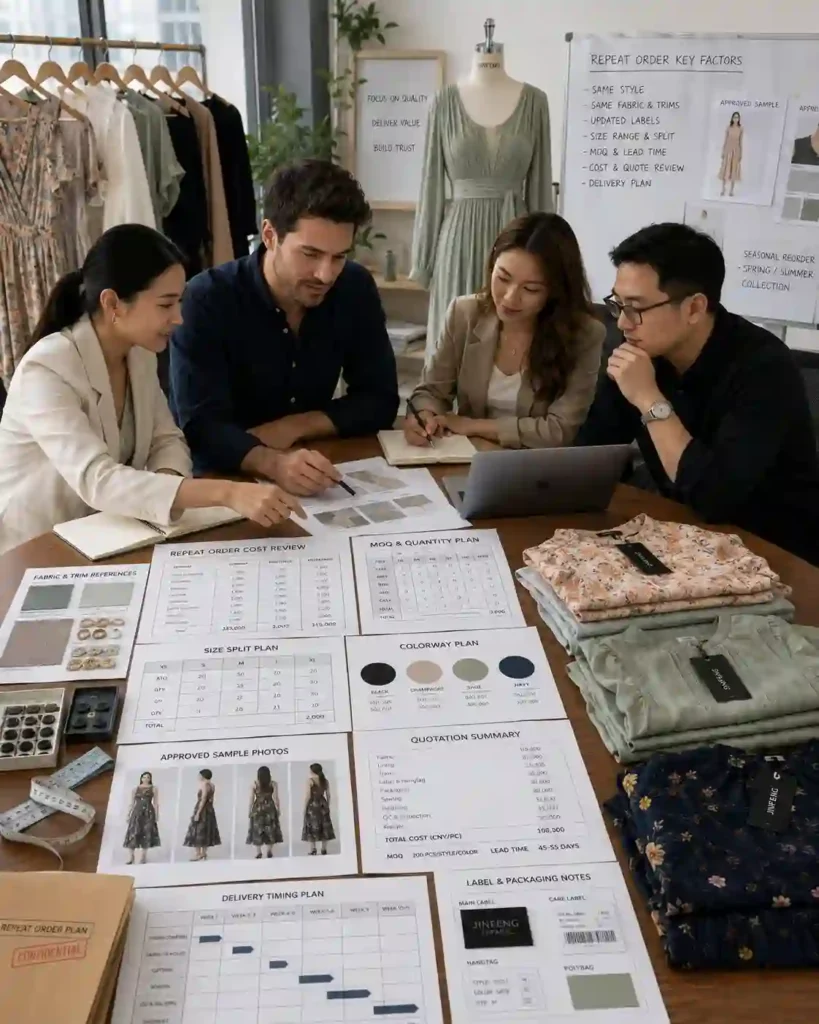
For brands developing seasonal dress collections, Jinfeng Apparel can keep pattern records, size charts, fabric references, trim details, sewing notes, label files, packing requirements and QC notes for repeat orders. Repeat support helps maintain fit consistency, reduce repeated communication, speed up replenishment and protect proven bestselling styles across future batches.Key repeat records include:
- Pattern files.
- Fabric and trim records.
- Size chart and grade rule.
- QC checklist.
- Packing instruction.

Why Good Samples Fail In Bulk
A dress sample can look strong on a mannequin, model or campaign shoot, yet still create bulk risk if fabric, fit, measurements, construction and packing are not locked before production.
The Gap Between Sample Approval And Bulk Sewing
Sample-to-bulk failure often starts when a supplier treats sample approval as a visual decision only. In dress production, visual approval is not enough. A satin dress may look correct in one sample but show shade variation, seam puckering or pressing marks in bulk. A bodycon dress may fit one model but create size complaints if stretch direction, waistline tension and hip recovery are not reviewed. A mesh or lace dress may pass photo review but expose lining problems, edge curling or placement inconsistency during mass cutting.
Jinfeng Apparel controls sample-to-bulk transfer through documented development rather than casual chat approval. Fit feedback, pattern updates, measurement notes, fabric approvals, trim cards, PP comments and packing instructions are converted into production references before bulk work begins.
The goal is not to promise identical handmade samples and bulk garments without limits. The goal is to reduce avoidable deviation by locking the production standard before fabric purchasing, cutting, sewing, finishing and packing.
For fashion brands launching 10–30 styles in one drop, sample-to-bulk control becomes a margin issue, not only a factory issue. One unstable size spec, one wrong lining or one uncontrolled fabric batch can affect returns, launch timing, photoshoot consistency and repeat orders.
Send Better Files For Faster Dress Review
Tech Pack
- Construction and seam details.
- Measurement points and tolerances.
- Fabric, trim, label and packing requirements.
Reference Images
- Front, back and side views.
- Close-up detail images.
- On-body reference when available.
Original Sample
- Garment fit and construction.
- Fabric handfeel and recovery.
- Seam, lining and trim reference.
Fabric Direction
- Composition, weight and width.
- Stretch, drape and transparency.
- Color, print and handfeel target.
Size Range
- Target market size logic.
- Base size and size range.
- Key fit tolerance points.
Quantity Plan
- Quantity by style and color.
- Size ratio by market.
- Delivery priority by SKU.
Label Needs
- Main label and care label.
- Hangtag, barcode and SKU sticker.
- Carton mark and warehouse label.
Launch Date
Launch date helps the team plan sample review, revised sample, PP sample, fabric booking, cutting, sewing, QC, packing and shipping. Rush planning should be reviewed with material availability and PP approval status before any production promise.
- Sample and PP approval timing.
- Bulk delivery window.
- Shipment route planning.
From First Sample To Bulk Delivery
Jinfeng Apparel uses a structured development path to move dress styles from idea, reference or tech pack into approved samples and controlled bulk production.
| Stage | Main Work | Output For Brand Teams |
|---|---|---|
| Project Review | Review tech pack, photos, sample, fabric idea, quantity, size range and packing needs | Feasibility comments, risk notes and first quotation direction |
| Fabric Direction | Check fabric availability, handfeel, stretch, drape, color, lining, trims and supplier MOQ | Fabric proposal, swatch direction and cost influence notes |
| Pattern Development | Create or adjust pattern according to silhouette, fit, size chart and construction needs | First pattern, measurement logic and risk points |
| First Sample | Make first sample for structure, fabric, fit, workmanship and visual review | First sample, review notes and correction direction |
| Fit / Revised Sample | Adjust bust, waist, hip, strap, length, lining, closure, slit and finish details | Revised sample, updated measurement record and pattern updates |
| PP Sample Approval | Lock production-ready fabric, trims, construction, measurements, labels and packing | PP sample comments and bulk-ready file set |
| Bulk Preparation | Confirm BOM, pattern, grade rule, cutting plan, sewing notes, QC checklist and packing instruction | Production file, material booking and line setup |
| Bulk Production | Fabric inspection, cutting, sewing, inline QC, pressing, finishing and packing | Finished garments by style, color and size |
| Final Review | Garment inspection, measurement review, packing check and export document support | Shipment-ready goods, packing list and invoice support |
| Repeat Support | Keep pattern, fabric, trim, QC, packing and order records | Faster reorder planning and style continuity |
Dress Styles Built For Sample-To-Bulk Control
Bodycon Dresses

- Stretch recovery and size grading.
- Bust, waist and hip tension.
- Side seam and lining comfort.
Satin Dresses

- Shine, color and drape review.
- Seam, needle and zipper checks.
- Pressing and packing crease control.
Mesh Dresses

- Transparency and lining coverage.
- Stretch recovery and edge finish.
- Placement and seam reinforcement.
Lace Dresses

Lace dresses require attention to motif placement, scallop edge use, lining color, seam matching, stretch level and cutting loss. Jinfeng Apparel reviews lace stability during sampling and confirms whether revised samples are needed after lace or lining changes. Bulk work needs consistent placement standards.
- Motif and scallop edge placement.
- Lining shade and seam matching.
- Cutting loss and placement control.
Sequin Dresses

- Sequin density and shedding risk.
- Seam bulk and underarm comfort.
- Packing protection and garment weight.
Corset Dresses

- Cup, boning and waist tension.
- Lining, zipper and hook support.
- PP approval before bulk release.
Party Dresses

- Visual effect and wearability.
- Construction risk and sewing repeatability.
- Photo performance before launch.
Resort Dresses

- Drape, shrinkage and print direction.
- Strap strength and lining needs.
- Travel-friendly folding method.
Jumpsuits And Sets

- Torso, crotch and waistline review.
- Top-bottom shade matching.
- Set pairing and packing control.
Fabric And Trim Decisions Before First Sample
Fabric and trim choices decide sample appearance, fit behavior, production stability and final cost. Jinfeng Apparel reviews material direction before sample making to reduce avoidable revisions.
Main Fabric Review
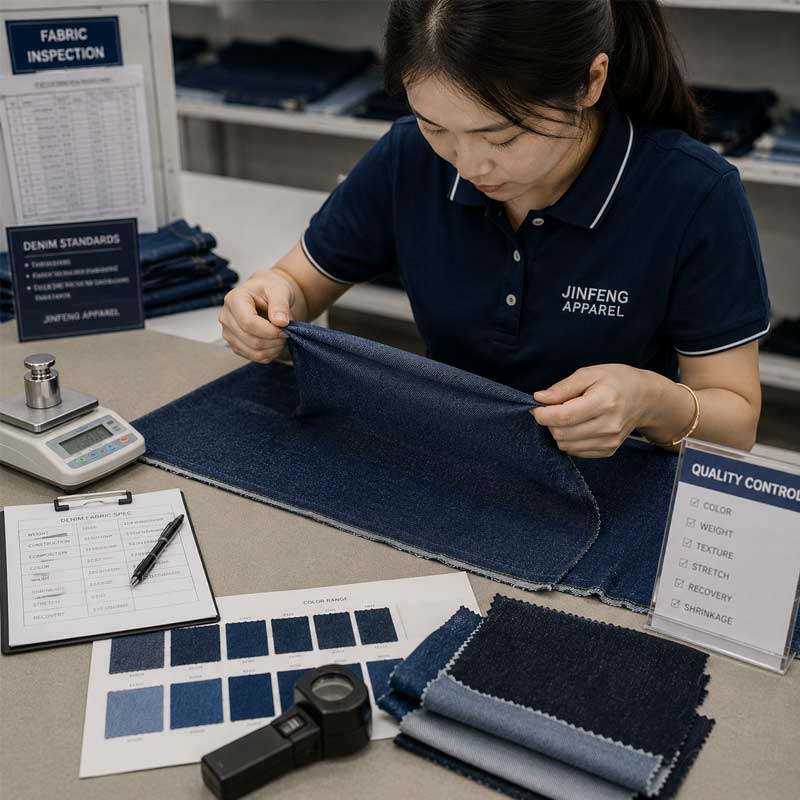
A dress cannot move safely from sample to bulk when fabric behavior is uncertain. Jinfeng Apparel reviews composition, weight, width, stretch, recovery, drape, transparency, handfeel, shine level, print direction, shrinkage risk and color availability before sample making.
For satin, the team watches seam puckering, pressing marks, shine difference and zipper wave. For mesh, transparency, edge recovery and lining placement matter. For lace, motif placement, stretch, lining shade and cutting loss influence sample approval and bulk cost. For sequin fabric, garment weight, edge comfort, seam bulk and packing protection should be discussed early.
Fabric review is also a cost and timeline checkpoint. Stock fabric can often support faster sample development, while custom dyeing, custom printing, special lace, sequin fabric, certified fabric and specially developed materials may create supplier MOQ and longer lead time. Jinfeng Apparel avoids blind fabric promises before checking availability, color, handfeel, width and production suitability.
Trim And Component Review
Trims affect dress performance more than many brands expect. Zippers, hooks, elastic, boning, bra cups, straps, drawcords, buttons, rhinestones, beads, lace tape, binding, lining, labels, hangtags, polybags and carton marks should be reviewed before PP sample approval. A small trim change can affect sewing method, measurement, cost, packing and delivery schedule.
Jinfeng Apparel checks whether the selected zipper supports tight bodycon garments, whether boning works with corset tension, whether lining protects sequin or lace comfort, whether straps hold garment weight and whether labels fit the planned packing method. For private-label programs, main labels, care labels, size labels, hangtags, barcode stickers and warehouse labels should be confirmed before bulk file handover.
Material and trim review helps keep the approved sample close to bulk garments rather than becoming a one-off sample with unrepeatable components.
Design Details Reviewed Before Sample Making
Strong sample development starts with design interpretation. Jinfeng Apparel reviews dress structure, fit areas and detail placement before cutting fabric, especially for fitted, occasionwear and multi-material styles.
Silhouette And Body Proportion
Dress sampling starts with proportion, not only garment length. Jinfeng Apparel reviews bust shape, waistline position, hip curve, torso balance, neckline depth, sleeve opening, strap length, slit height, hem sweep and back exposure before creating or adjusting patterns. These details decide whether a sample can become production-ready or remain only visually similar to a reference photo.
- For fitted dresses, the team checks whether the fabric has enough stretch and recovery for the intended body tension.
- For woven dresses, the team reviews seam placement, dart structure, zipper location, lining and wearing ease.
- For jumpsuits, torso length and crotch depth must be reviewed early because late correction may require major pattern changes.
- For corset dresses, boning, cup, lining and closure structure need approval before PP sample.
Design review helps prevent a frequent production problem: a style looks good in one photo but cannot be repeated across size range and bulk quantity.
Detail Placement And Bulk Repeatability
Details must be beautiful and repeatable. Jinfeng Apparel reviews cut-out position, lace placement, sequin direction, print alignment, ruching depth, strap anchoring, zipper placement, hem finish, slit safety and label position before bulk approval. For many fashion dresses, a 1 cm shift in neckline, strap length, waist seam or slit position can change visual balance and wearing confidence.
Bulk repeatability is reviewed before PP approval. The team asks whether the sewing line can repeat the detail consistently, whether fabric movement needs extra cutting control, whether special decoration needs pre-positioning and whether a revised sample is needed after design changes.
For dress programs with 10–30 styles, detail review avoids style-by-style surprises during bulk production.
Sample Types Before Bulk Dress Production
First Sample
The first sample verifies design structure, fabric direction, pattern logic, construction feasibility and early workmanship. It is not treated as the final bulk standard. Jinfeng Apparel uses first-sample comments to identify fit issues, fabric mismatches, trim concerns and possible production risk before deeper revision work.
- Structure and fabric reaction.
- Early fit and workmanship review.
- Risk notes for next revision.
Fit Sample
A fit sample focuses on body proportion and wearing comfort. The team reviews bust, waist, hip, armhole, neckline, strap, sleeve, length, slit, lining and movement.
Fit feedback may lead to pattern updates, measurement changes or a revised sample before PP approval.
- Body proportion and comfort.
- Key measurement review.
- Pattern updates after feedback.
Revised Sample
- Confirmed correction points.
- Pattern and measurement updates.
- BOM, trim and sewing record changes.
Photo Sample
A photo sample supports campaign shoots, ecommerce imagery or pre-launch review. It may need stronger visual finishing than early fit samples, but it does not replace PP sample approval unless production materials, measurements, trims, labels and packing standards are also locked.
- Visual finish and photo effect.
- Campaign or pre-launch use.
- Not a replacement for PP approval.
Salesman Sample
A salesman sample can support wholesale presentations, showroom use or internal selling before bulk.
It should reflect the intended style, fabric and finish closely, while still requiring final PP approval before bulk production starts.
- Showroom and internal review.
- Close representation of planned bulk.
- Final PP approval still required.
PP Sample
- Pre-production reference.
- Fabric, trims and measurements locked.
- Packing and label standard confirmed.
Golden Sample
A Golden sample acts as the reference for production, QC and packing comparison.
It helps the production team and inspection team check appearance, workmanship, measurements, label position, trim details and packing standard during bulk execution.
- Production and QC reference.
- Visual and measurable standard.
- Useful for repeat-order comparison.
Shipment Reference
A shipment reference sample may be kept for final inspection, future reorder comparison or internal quality review.
For repeat orders, such records help compare fabric handfeel, color, construction, packing and measurement standards with previous production.
- Final inspection reference.
- Reorder comparison support.
- Record for internal quality review.

First Sample Is A Development Tool
The first sample should answer whether a dress concept can become a production-ready garment. Jinfeng Apparel treats first sampling as a technical review stage.
What The First Sample Should Prove
A first sample is useful when it reveals what needs correction. Jinfeng Apparel reviews silhouette, fabric behavior, neckline, bust shaping, waistline, hip curve, strap length, armhole comfort, skirt balance, seam finish, closure function, lining, trim placement and workmanship. For complex dresses, the first sample may also review boning, cup position, mesh transparency, lace placement, sequin comfort, cut-out stability and slit safety.
A first sample should not be forced into bulk simply because it looks close to a reference photo. If fabric stretch changes, lining feels wrong, zipper waves, bust coverage shifts or length balance fails on body, the garment needs revision.
Jinfeng Apparel records key comments and separates issues caused by factory execution, design changes, incomplete original files, fabric substitution or newly added requirements. The next step may be a revised sample, partial correction, fabric change, PP sample preparation or cost recheck.
How Brands Should Review A First Sample
Brand teams can make sample review more accurate by sending structured comments instead of scattered notes. Useful feedback includes:
- front, side and back wearing photos
- close-up images of problem areas
- measured garment dimensions
- body measurement reference
- movement feedback
- fabric comments
- color comments
- packing notes when visible
Comments should identify whether a change is a fit correction, design change, material change or label / packing update.
For dresses, sample feedback should focus on high-risk fit zones: bust, waist, hip, neckline depth, strap length, armhole, sleeve opening, dress length, slit height, back exposure, lining coverage and hem sweep. Jinfeng Apparel converts confirmed feedback into updated pattern, size chart, measurement record, BOM, sewing instruction, PP comments and QC checklist where needed.
Measurement Control For Bulk Dress Fit
Measurement review protects bulk fit consistency. Jinfeng Apparel checks dress dimensions by garment structure, target market, fabric stretch and approved sample comments.
Critical Measurement Points
Dress fit depends on more than bust, waist and hip. Jinfeng Apparel reviews measurement points according to style type:
- bust width
- underbust
- waist
- high hip
- low hip
- dress length
- center front length
- center back length
- strap length
- armhole
- sleeve opening
- neckline drop
- shoulder width
- waist seam position
- slit height
- hem sweep
- zipper length
- lining length
- garment opening
For jumpsuits, torso length, rise, inseam, thigh, knee, hem and crotch depth are reviewed separately.
For bodycon dresses, stretch and recovery influence tolerance planning. For satin and woven dresses, seam movement and ease matter more. For corset dresses, cup, boning, waist tension and closure stability affect comfort and shape. For mesh or lace dresses, lining length and coverage must match the approved standard.
Jinfeng Apparel uses measurement review to turn fit feedback into production-ready pattern files rather than relying on visual approval alone.


Size Range And Grade Review
Bulk dresses must work beyond one sample size. Jinfeng Apparel reviews the brand’s size chart, target market, size ratio, model size and grading logic before bulk production. A neckline, slit, strap or cut-out can behave differently across sizes, especially when a style moves from sample size into full size run. Grade rules should protect proportion, not only scale every point mechanically.
For multi-style orders, measurement control also helps QC teams review each style consistently. The approved sample, final size chart, measurement tolerance, grade rule and QC notes become part of the bulk production reference.
Strong measurement review helps reduce fit-related returns, remake requests and repeat-order confusion.
Pattern Correction Before Bulk Cutting
A confirmed dress sample becomes bulk-ready only when fit feedback is translated into pattern files, size charts, grade rules and production comments.
From Fit Feedback To Final Pattern
Pattern correction is the bridge between sample review and production control. Jinfeng Apparel reviews client comments, wearing photos, garment measurements, fabric behavior and internal sample-room notes before revising the pattern. If bust coverage is unstable, waistline sits too high, hip tension is excessive, straps pull forward, neckline drops too low or hem balance changes after movement, the pattern team reviews root cause instead of making surface-level edits.
Pattern correction may affect the main body pattern, lining pattern, strap position, boning position, cup placement, zipper length, slit position, cut-out balance, seam allowance, hem sweep and grading logic. When a change affects bulk consistency, it must be recorded in formal development files.
Jinfeng Apparel updates the revised pattern, measurement sheet, BOM, fabric approval, trim approval, sewing instruction, label file, packing instruction and QC checklist when relevant.
When A New Sample Is Needed
Not every correction requires a new full sample, yet structural changes should be validated before PP approval. Jinfeng Apparel usually recommends a revised sample when the project changes fabric, stretch, major pattern points, corset structure, boning, cup placement, neckline, back shape, cut-out position, jumpsuit crotch length, dress length, lace placement, mesh construction, sequin method or photo-ready requirement.
Minor adjustments, such as small strap correction, label position update, simple hem improvement, barcode position or packing bag size, may sometimes be confirmed through partial evidence when structure is not affected.
The decision depends on risk level, launch timing, material availability and brand approval requirements. Pattern correction protects bulk cutting from starting with unresolved sample problems.

Workmanship Details Checked Before Production
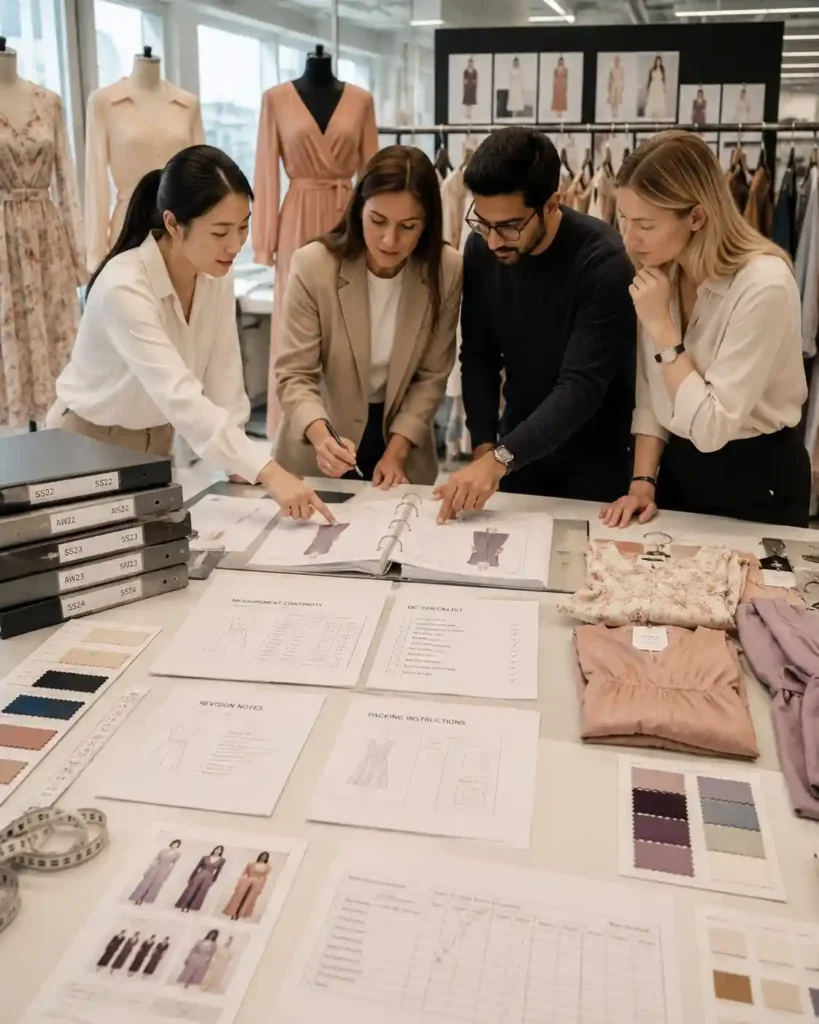
Dress workmanship must be reviewed during sample development, not only after bulk sewing. Jinfeng Apparel checks construction details early so production teams can repeat approved standards.
Stitching, Seams And Construction
Workmanship control starts with sample construction. Jinfeng Apparel reviews stitch type, seam strength, seam allowance, inner clean finish, overlock quality, topstitch straightness, gathering control, ruching balance, hem shape, zipper attachment, lining attachment, strap anchoring, elastic insertion and closure function.
For satin, seam tension and pressing marks require extra care. For mesh and lace, stitch type and seam visibility influence visual quality. For sequin dresses, seam bulk, edge comfort and lining protection need early testing.
Sample workmanship must be repeatable on a sewing line. A sample-room finish may look refined, but bulk production needs clear sewing instructions, process notes and QC checkpoints. Jinfeng Apparel documents key workmanship standards before handover so the line team can set up operations with fewer interpretation gaps.
Finishing And Wearing Comfort
Finishing quality affects brand experience and after-sales risk. Jinfeng Apparel reviews inside finishing, loose thread control, label comfort, lining edge, underarm seam, zipper end, hook placement, boning tip, cup edge and sequin contact areas. Fashion dresses often sit close to skin, so inside comfort matters as much as outside appearance.
Pressing and packing are also part of workmanship. Satin, chiffon, mesh, lace and sequin dresses require different finishing methods. A dress may pass sewing inspection but lose commercial value if pressing creates shine marks, packing creates hard creases or decoration is damaged inside the polybag.
Jinfeng Apparel reviews finishing and packing risks before bulk delivery planning.
PP Sample Approval Before Bulk Production
PP sample approval turns development work into production standard. Jinfeng Apparel treats PP approval as a lock point for fabric, fit, construction, labels, packing and QC.
What PP Sample Should Lock
A PP sample should confirm the final production standard before bulk starts. Jinfeng Apparel uses PP approval to lock main fabric, lining, color, trims, measurement spec, construction method, workmanship standard, label position, hangtag, barcode, polybag, carton mark, folding method and packing instruction.
PP sample comments become part of the bulk production reference, along with final pattern, size chart, BOM, trim card, sewing instruction and QC checklist.
PP approval is especially important for satin, mesh, lace, sequin, corset, bodycon, party and occasion dresses. Late changes to fabric, neckline, lining, zipper, boning, slit, label or packing can affect material purchasing, sample cost, production schedule, sewing method and final price. Jinfeng Apparel encourages brands to use PP approval as a clear production decision point.
Why Golden Sample Matters
A Golden sample helps the factory, merchandiser, QC team and brand side compare bulk garments with the approved standard. It protects against memory-based production and unclear visual interpretation. The Golden sample can be referenced for silhouette, fabric handfeel, seam finish, trim placement, label position, packing method and overall garment appearance.
For bulk programs with 10–30 styles and 20,000–80,000 pcs total order volume, Golden-sample discipline becomes essential. Production teams need a stable reference for each style, color and high-risk construction point.
Jinfeng Apparel uses sample records and approval comments to keep development, production, QC and packing teams aligned.


Production Files After Sample Approval
A sample becomes bulk-ready only after approval details are transferred into a complete production file set. Jinfeng Apparel builds handover records for production, QC, packing and repeat support.
Documents Transferred To Production
- After PP approval, Jinfeng Apparel prepares production references for the factory team. These references may include approved sample, final pattern, size chart, grade rule, BOM, fabric swatch, color standard, trim card, sewing instruction, label placement file, packing instruction, QC checklist and PP sample comments. For private-label projects, hangtag, barcode, polybag, carton mark and shipping label information should also be included.
Bulk handover is important because sample teams and production teams work with different priorities. Sample teams focus on development and correction; production teams focus on repeatability, line efficiency, material control, workmanship and delivery.
Handover records reduce interpretation gaps and help each department work from the same approved standard.
Why Handover Controls Bulk Consistency
- Without formal handover, production can drift. Fabric may be reordered with a different handfeel, a trim may be replaced without approval, a label may shift position or a seam finish may change because the sewing line lacks clear instruction. Jinfeng Apparel prevents such gaps by converting sample approvals into production language.
- For repeat orders, handover records create long-term value. Pattern files, fabric references, trim details, measurement records, sewing notes, packing standards and QC findings can support faster replenishment, same-style color extension, new seasonal variations and bulk comparison against earlier shipments.
Bulk Dress Production With Process Control
Fabric Lot Check
- Color, width, weight and handfeel.
- Stretch, transparency and drape.
- Defect and lot review before cutting.
Cutting Control
- Marker and grain direction review.
- Print, lace and sequin placement.
- Size ratio and lining piece control.
Sewing Setup
- Seam method and operation route.
- Needle, thread and machine setup.
- Complex detail review before line production.
Inline Review
- Fit-sensitive points reviewed during sewing.
- Seam strength and stitching cleanliness.
- Trim, label and measurement checkpoints.
Pressing And Finishing
- Fabric-safe pressing.
- Edge and surface protection.
- Appearance check before packing.
Packing Standard
- Folding and polybag review.
- Barcode and carton mark check.
- Packing list and carton quantity control.
QC System For Sample-To-Bulk Dresses
Incoming QC
- Fabric and lining check.
- Trims, labels and packing materials.
- Match with approved sample references.
Cutting QC
- Pattern use and size ratio.
- Print, lace and sequin placement.
- Lining match and cutting accuracy.
Sewing QC
- Seam finish and stitch consistency.
- Zipper, lining and strap review.
- Boning, cups and label placement.
Measurement QC
- Bust, waist and hip.
- Length, neckline and strap.
- Sleeve, slit and hem sweep.
Finishing QC
- Pressing and wrinkle review.
- Loose threads, stains and shine marks.
- Inside finish and decoration protection.
Packing QC
- Folding, polybag and garment protection.
- Barcode, hangtag and size sticker.
- Carton mark and packing list accuracy.
Capacity Planning For Multi-Style Orders
Sample-to-bulk programs often include many styles, colors, fabrics and delivery batches. Jinfeng Apparel supports planning through owned factories, partner capacity, sample rooms, pattern makers, merchandisers, QC and packing teams.
Factory Resources For Collection Production
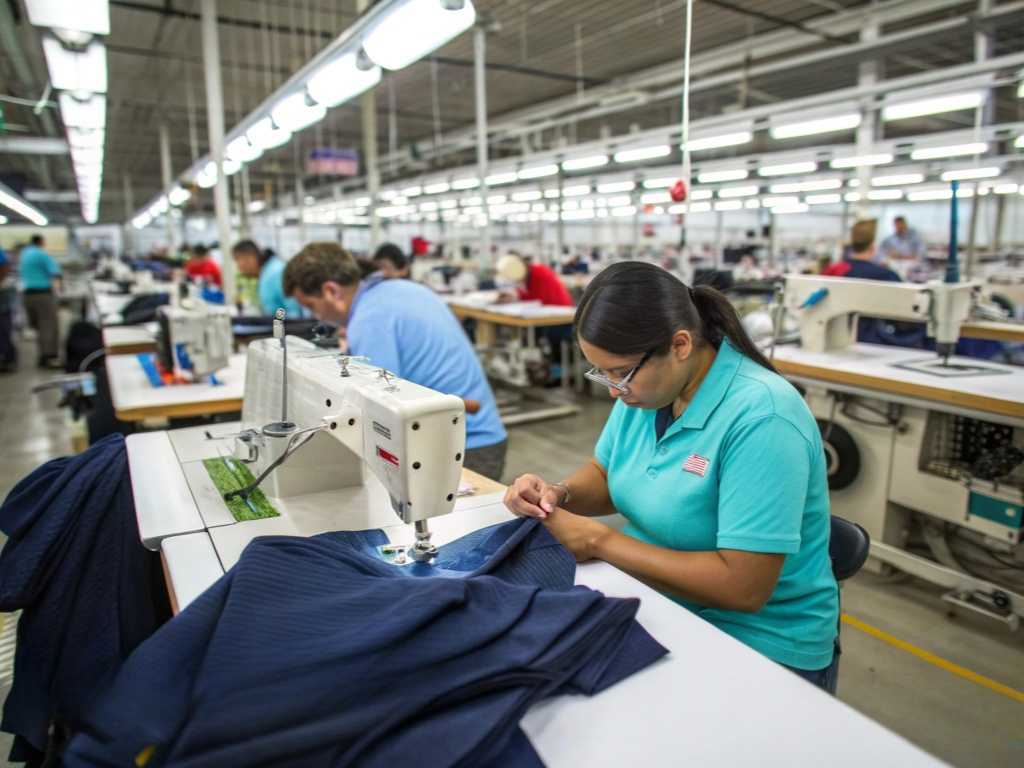
Jinfeng Apparel operates 6 owned women’s fashion factories and works with more than 10 long-term satellite production partners. The manufacturing system supports multi-style, multi-fabric, multi-color, multi-size and multi-batch custom apparel orders. Production planning is reviewed by style structure, fabric type, workmanship complexity, quantity, delivery date, QC requirement and packing needs.
For large dress programs, simple styles and complex styles should not be treated in the same way. A jersey bodycon dress, satin slip dress, lace occasion dress, sequin mini dress, corset party dress and jumpsuit may require different sample-room review, sewing setup, line skill, pressing method and packing control.
Jinfeng Apparel allocates work according to garment risk rather than forcing all styles into one production path.
Project Team Coordination
Sample-to-bulk coordination depends on people as much as factories. Jinfeng Apparel’s team structure includes 2 sample rooms, 7+ senior pattern makers, 20+ sample machinists, 12+ merchandisers, 15+ QC inspectors, 30+ finishing and packing workers, plus logistics support for express, air freight, sea freight, client-appointed forwarders and export documents.
For programs with 10–30 styles and 20,000–80,000 pcs total order volume, the team can review style priority, sample sequence, PP approval order, material booking, line allocation, inspection focus, packing method and delivery batches.
Coordination helps brands protect launch timing and reduce sample-to-bulk miscommunication.
Cost Control With Brand-Level Appearance
Dress costing should protect the approved sample effect. Jinfeng Apparel reviews cost factors through fabric, trims, construction, workmanship, QC, packing and delivery planning.
What Affects Dress Cost
Sample-to-bulk dress pricing is influenced by fabric cost, trim cost, pattern work, sample development, cutting, sewing time, lining, decoration, pressing, QC, packing, material loss, logistics, testing needs and reasonable factory margin. Complex styles cost more because they require more development time, sewing operations, inspection points and production attention.
Jinfeng Apparel does not treat all dresses as the same production cost. A simple knit dress, satin bias dress, lace-lined dress, corset dress, sequin dress, mesh-panel dress and jumpsuit have different construction logic.
Cost review should happen before PP approval so the brand understands which design elements protect the product’s commercial value and which elements can be optimized.
How Jinfeng Apparel Helps Optimize
Jinfeng Apparel focuses on cost control without weakening brand-level appearance. The team can review fabric substitution, lining options, trim alternatives, construction simplification, color count control, size ratio planning, cutting efficiency, packing tiering and production batching.
The goal is not to remove important design value, but to reduce avoidable cost from inefficient material choices or hard-to-repeat construction.
For example, a satin dress may keep the intended shine while moving to a more stable fabric weight. A lace dress may use a better lining shade to protect visual effect while reducing remake risk. A sequin dress may adjust seam placement or packing method to protect decoration.
Cost optimization works best before final sample approval, not after bulk materials are purchased.

Private Label Details Locked Before Bulk
Main Label
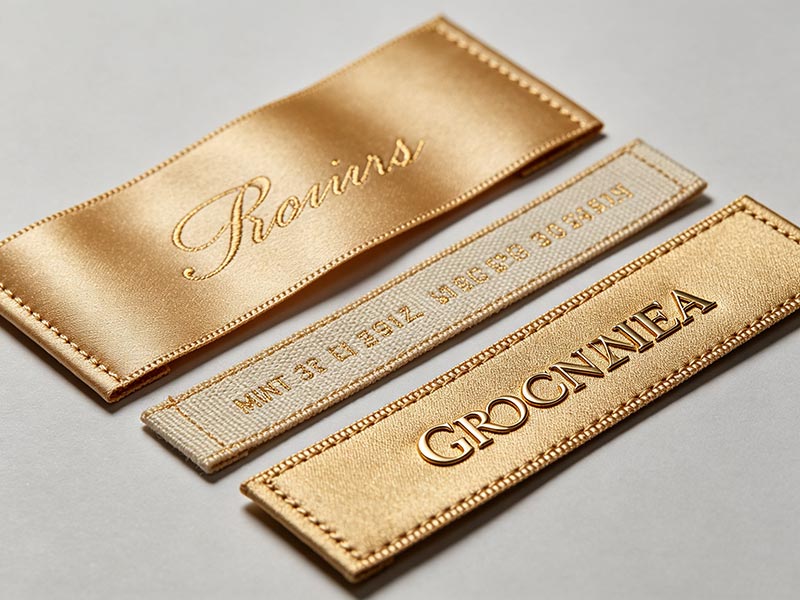
- Size and material review.
- Folding and stitch method.
- Placement and comfort check.
Care Label
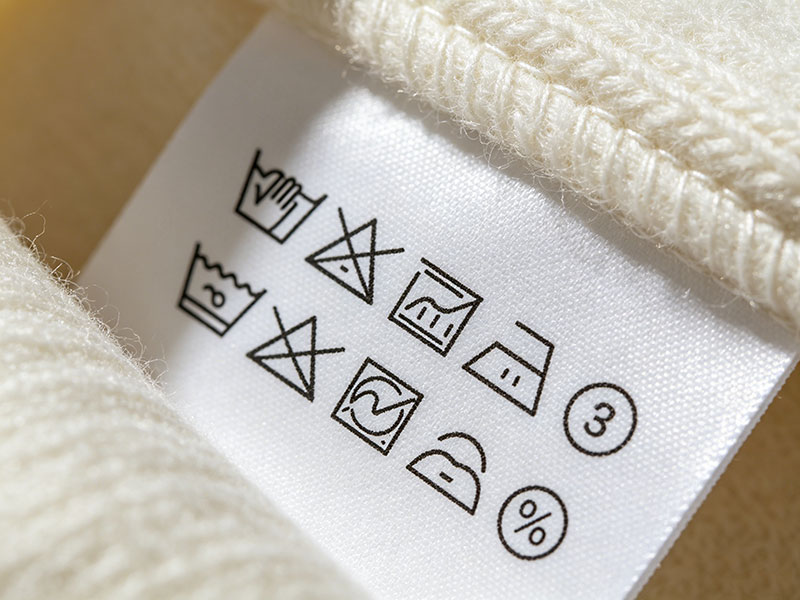
- Content and language version.
- Fabric care instruction.
- Placement and attachment review.
Hangtag

- Artwork and string method.
- Style, color and size data.
- Packing and warehouse handling.
Barcode Sticker
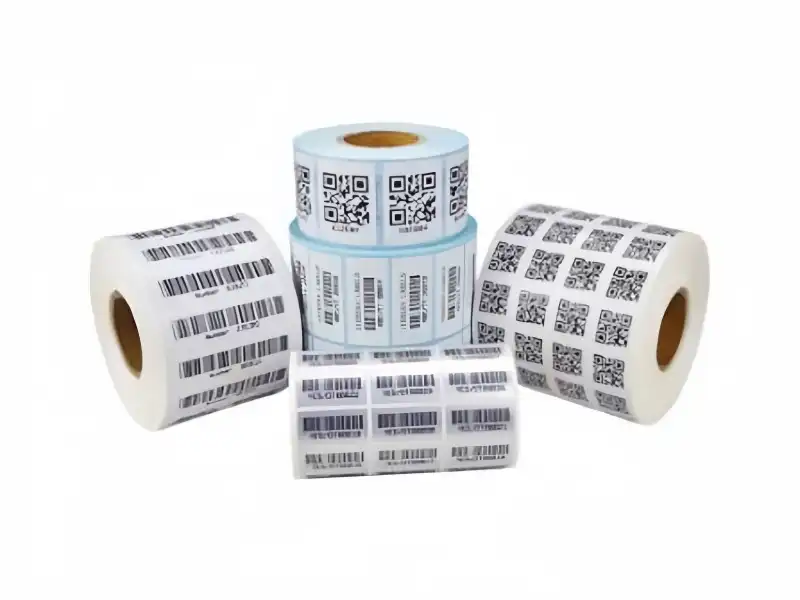
Barcode and SKU stickers support warehouse receiving, ecommerce fulfillment and retail distribution. Jinfeng Apparel checks sticker placement on polybag, carton or hangtag according to brand instructions.
- Barcode and SKU mapping.
- Sticker placement by packing method.
- Polybag, carton or hangtag use.
Polybag Packing

- Polybag size and warning text.
- Folded garment size.
- Decoration and surface protection.
Carton Mark
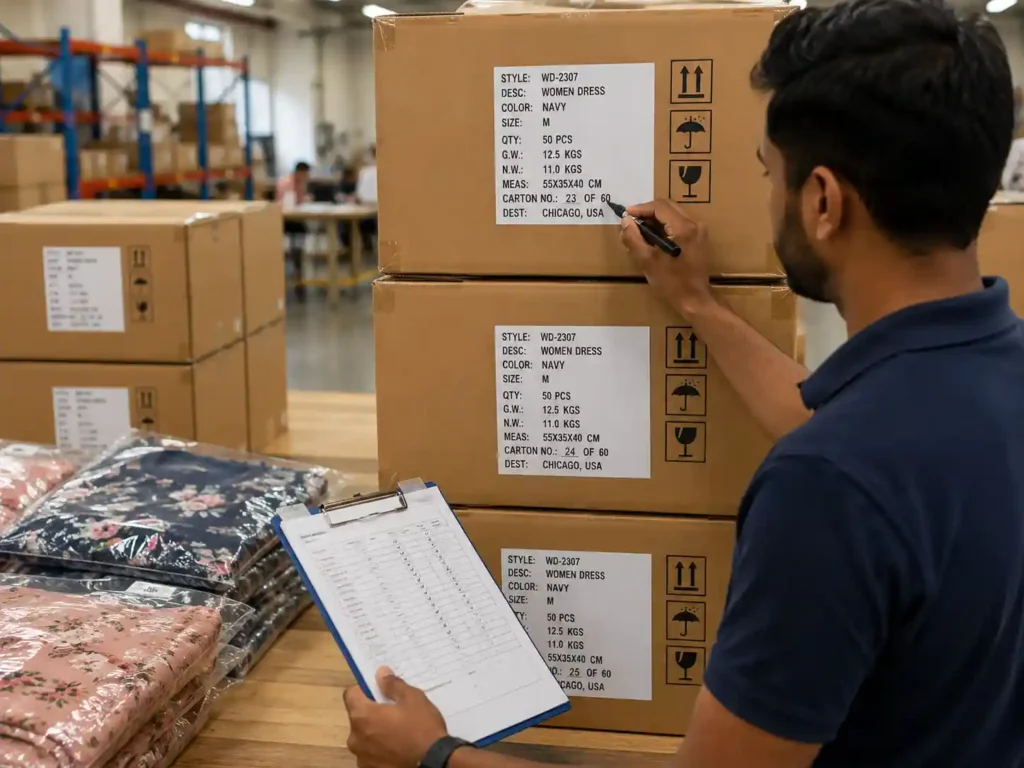
- Style, color and size breakdown.
- Carton number and quantity.
- Gross weight, net weight and destination.
Risk Matrix For Bulk Dress Consistency
Jinfeng Apparel reviews sample-to-bulk risks before production starts. The following matrix helps brand teams see how common risks are controlled through files, samples, inspection and production checkpoints.
| Risk Area | Typical Problem | Jinfeng Apparel Control Method |
|---|---|---|
| Fabric Shade | Approved sample and bulk fabric look different | Review fabric lot, swatch reference, color approval and bulk fabric issue record |
| Stretch Change | Fit changes after fabric substitution | Compare composition, weight, stretch, recovery, handfeel and pattern impact |
| Bust Fit | Bust coverage or cup position changes in bulk | Confirm fit sample, revised pattern, cup / boning note and measurement checkpoint |
| Waistline | Waist seam sits too high or too low | Record sample comment, correct pattern, update size chart and review grade rule |
| Hip Tension | Bodycon dress pulls across hips | Review stretch direction, hip measurement, wearing ease and fabric recovery |
| Zipper Wave | Back or side zipper waves after sewing | Check zipper type, seam tension, fabric weight, pressing method and sewing setup |
| Lining Twist | Lining shifts or exposes during wearing | Confirm lining length, lining pattern, attachment method and final inspection point |
| Lace Placement | Motif position changes between pieces | Set cutting reference, placement note, visual check and bulk sewing standard |
| Sequin Damage | Decoration scratches, sheds or creates discomfort | Review seam method, lining protection, edge finish and packing method |
| Label Error | Label, care label or barcode placed wrongly | Use label file, packing instruction, QC checklist and carton review |
| Packing Crease | Garment arrives with hard fold marks | Review folding method, polybag size, carton quantity and garment material sensitivity |
| Repeat Drift | Reorder differs from approved previous batch | Keep pattern, fabric, trim, QC, packing and shipment records for comparison |
Project Examples From Sample To Bulk

United States Premium Ecommerce Dress Program
A US premium ecommerce fashion brand planned a 24-style dress launch covering bodycon, satin mini, mesh-panel party dresses and corset-inspired styles.
The first development package included reference photos, partial tech packs, target size range and a launch calendar.
The main risk came from inconsistent sample expectations: some styles needed photo-ready visuals, while others still required fit correction around bust, hip, neckline and strap length.
- 24 styles / 46,000 pcs / 4 product groups — project data: bodycon, satin mini, mesh-panel party dresses and corset-inspired styles; technical difficulty: each group needed different sample review and bulk control; solution: Jinfeng organized the project into bodycon, satin, mesh and corset sample groups.
- 5 fit correction points — project data: bust, hip, neckline, strap length and waist balance needed review; technical difficulty: photo-facing styles could not move into bulk with unresolved fit comments; solution: revised patterns and size charts were updated before PP approval.
- 3 sample stages — project data: first samples, revised samples and PP samples were used; technical difficulty: visual samples and production references carried different purposes; solution: sample version records separated campaign review from bulk approval.
- Private-label packing by fabric sensitivity — project data: multiple colors and sizes required label, polybag and carton control; technical difficulty: satin folding and mesh protection had higher packing risk; solution: packing was separated by fabric sensitivity before shipment.

Australia Resort Dress Collection
An Australian resortwear label prepared an 18-style seasonal dress collection with printed maxi dresses, lightweight midi dresses, halter styles, tie-back styles and matching sets. The brand wanted soft drape, travel-friendly packing, strong photo performance and consistent size coverage. Early review showed three major concerns: print direction, fabric transparency and length balance across sizes.
- 18 styles / 32,000 pcs / 5 resort groups — project data: printed maxi dresses, lightweight midis, halter styles, tie-back styles and matching sets; technical difficulty: soft fabrics, prints and long lengths required different cutting and packing controls; solution: Jinfeng grouped sampling by fabric direction and product structure.
- 4 material risks — project data: rayon-like handfeel, chiffon option, lightweight woven alternatives and lining needs required review; technical difficulty: transparency, shrinkage and drape could affect sample approval; solution: fabric direction was checked before first sample work.
- 5 fit and movement corrections — project data: strap placement, neckline depth, slit height, lining length and hem sweep needed adjustment; technical difficulty: resort dresses must support comfort, movement and photo effect; solution: revised samples corrected body balance before PP approval.
- Bulk handover for travel-friendly delivery — project data: fabric swatch records, print direction notes, final patterns, size charts and packing method were prepared; technical difficulty: soft fabrics could crease during export shipment; solution: QC and packing notes focused on fabric lot, cutting direction, seam quality and folding method.

United Kingdom Occasionwear Program
A UK occasionwear brand developed a 16-style capsule covering satin midi dresses, lace-trim dresses, mesh-overlay dresses and sequin minis. The brand’s biggest concern was approval drift: earlier suppliers had produced good samples, but bulk shipments showed shade differences, lining exposure, uneven hems and inconsistent neckline depth.
- 16 styles / 27,500 pcs / 4 fabric groups — project data: satin midi, lace-trim, mesh-overlay and sequin mini dresses; technical difficulty: shade, lining, hem and neckline drift had appeared in earlier bulk shipments; solution: Jinfeng started with a sample-risk review by fabric group.
- Satin, lace, mesh and sequin controls — project data: satin needed shine and seam control, lace needed motif and lining review, mesh needed transparency checks, sequin needed decoration protection; technical difficulty: one QC logic could not protect every fabric; solution: QC focus was separated by material behavior.
- PP and Golden sample discipline — project data: locked fabric, lining, trims, label placement, packing method and QC points were required before production; technical difficulty: unclear approval standards caused earlier supplier drift; solution: Jinfeng used Golden samples, measurement notes and production file handover to guide bulk sewing.
- Shipment-ready packing records — project data: style/color/size breakdown, carton information and packing list support were required; technical difficulty: multi-style occasionwear packing carried warehouse receiving risk; solution: final packing review matched garments with carton data before release.
Frequently Asked Questions

Move Your Dress Sample Into Bulk
Jinfeng Apparel helps fashion brands move custom dress styles from first sample and fit correction into PP approval, bulk production, QC, private-label packing and export delivery. Send your development files, sample photos, size chart, fabric direction, quantity plan and launch schedule. Kelly will review project information with the development team and reply with feasible next steps, including sample direction, key risk points, MOQ review, cost factors and production planning notes.
For faster review, please include:
- Tech pack, reference photos, original sample photos or line sheet.
- Target fabric, color plan, size range and measurement sheet.
- Quantity by style/color and expected delivery schedule.
- Label, hangtag, barcode, polybag, carton and packing requirements.
- Previous sample issue or bulk production concern.