Skip to content
Ruffle Skirt Manufacturer for Fast Fashion Women’s Brands
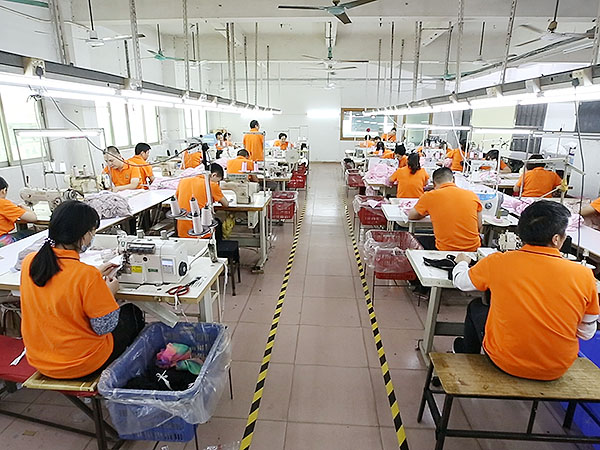
Jinfeng Apparel specializes in manufacturing ruffle skirts for fashion brands requiring strong silhouette control, layered construction accuracy, and stable bulk production consistency. The factory’s experience in occasionwear, feminine dresses, and trend-driven women’s apparel supports better handling of chiffon drape, ruffle balance, waistband shaping, and movement-focused skirt construction. From tiered maxi skirts to fitted mini ruffle styles, production workflows are structured for faster sampling, repeat-order stability, and scalable fashion manufacturing.
- 7 senior pattern makers support complex layered ruffle skirt structure development.
- 5–7 day sampling for standard ruffle skirt styles and revisions.
- 18 production lines support scalable repeat-order ruffle skirt manufacturing programs.
- 20 sample tailors improve fit consistency for feminine silhouette skirt collections.
- 300,000 monthly capacity supports fast fashion ruffle skirt replenishment programs.
Why Ruffle Skirts Require Specialized Manufacturing
Pattern Structure Understanding
Ruffle skirts require more advanced pattern engineering than standard skirt categories because layered volume directly affects body proportion, movement balance, and silhouette appearance. Small adjustments in flare expansion, gathering density, waistband shaping, or layer positioning can completely change the final garment result. Pattern structures often need to be adjusted depending on fabric softness, stretch behavior, lining construction, skirt length, and target fit direction. Jinfeng’s development structure includes:
- 7 senior pattern makers
- 20 sample tailors
- dedicated sample development rooms
supporting faster fit correction and silhouette refinement for trend-driven women’s fashion collections.
Layered Ruffle Construction Control
Layered ruffle skirts require balanced sewing workflows and controlled assembly sequencing to maintain soft movement, clean drape, and symmetrical silhouette flow. Incorrect layer construction often creates twisted hems, collapsed ruffles, bulky side seams, and unstable lower-body movement during wear. Lightweight fabrics also increase production difficulty because layers shift more easily during sewing and pressing. Jinfeng supports layered construction through:
- controlled sewing coordination
- layer-by-layer assembly review
- inline production checking
- multi-stage garment inspection
especially for chiffon, satin, and occasionwear ruffle skirt programs.
Lightweight Fabric Handling
- fabric inspection processes
- shrinkage evaluation
- sewing tension adjustment
- drape testing
- coordinated production workflows
Waistband & Fit Balance Engineering
- waistband tension
- zipper positioning
- flare transition
- elastic structure
- seam balance
Drape & Movement Optimization
- layered movement consistency
- flare response balance
- soft drape control
- hemline flow
- silhouette softness
Sample-to-Bulk Consistency Management
- pre-production confirmation
- inline production review
- sample-reference management
- coordinated merchandising follow-up
Fast Fashion Development Capability
- 5–7 day standard sampling
- 7–10 day complex style development
- 18 production lines
- scalable production planning
Multi-Category Women’s Fashion Experience
- body shaping
- silhouette proportion
- fabric movement
- layered construction
- fit refinement
Ruffle Skirt Styles Manufactured
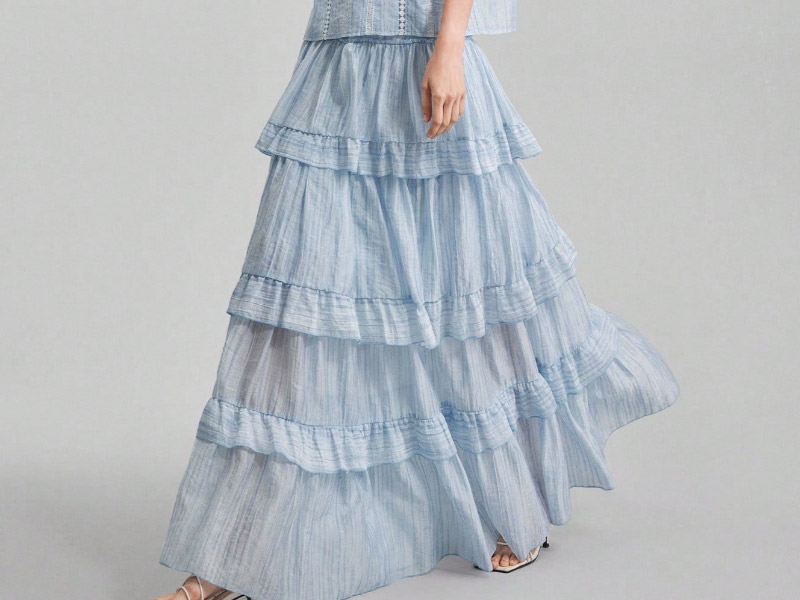
Tiered Ruffle Skirts
- layered flare construction
- soft drape movement
- relaxed feminine silhouette
- lightweight woven fabrics
- chiffon
- rayon
- cotton voile
- georgette
- layer balance
- gathering consistency
- hemline symmetry
- movement softness

Mini Ruffle Skirts
- fitted waistlines
- layered hems
- body-conscious fit
- asymmetrical ruffles
- stretch satin
- mesh
- rib knit
- lightweight crepe
- waistband stability
- seam balance
- fit consistency
- silhouette shaping

Chiffon Ruffle Skirts
- soft layered drape
- fluid movement
- lightweight silhouette
- semi-sheer texture
- seam puckering
- uneven drape
- fabric distortion
- unstable gathering
- drape stability
- clean finishing
- movement consistency
- transparency balance

Satin Ruffle Skirts
- glossy surface appearance
- structured drape
- sharper ruffle edges
- premium visual finish
- matte satin
- silky satin
- stretch satin
- lightweight satin blends
- seam smoothness
- drape direction
- waistband structure
- clean surface finishing

Asymmetrical Ruffle Skirts
- diagonal hems
- wrap structures
- uneven layers
- directional flare movement
- twisting
- unstable seams
- uneven drape
- distorted movement
- silhouette balance
- drape correction
- movement consistency
- hemline alignment

Mesh Ruffle Skirts
- mesh layering
- fitted silhouettes
- transparent styling
- lightweight movement
- corset tops
- mesh tops
- bodycon garments
- coordinated sets
- seam elasticity
- stretch recovery
- edge stability
- silhouette shaping

Boho Ruffle Skirts
- relaxed silhouette
- tiered construction
- soft drape
- breathable fabrics
- rayon
- cotton voile
- textured woven fabrics
- floral printed fabrics
- lightweight assembly
- natural movement
- comfortable fit
- soft silhouette flow

Matching Ruffle Skirt Sets
- corset tops
- crop tops
- fitted knit tops
- woven blouses
- dye-lot consistency
- coordinated fit balance
- synchronized production
- collection alignment
- ecommerce launches
- influencer collections
- boutique retail
- coordinated capsules

Occasionwear Ruffle Skirts
- structured layering
- elevated drape
- fitted waist shaping
- premium silhouette balance
- satin
- chiffon
- mesh overlays
- layered woven fabrics
- seam finishing
- fit consistency
- drape control
- movement refinement
Ruffle Skirt Development & Sampling
Development from Tech Packs or Reference Samples
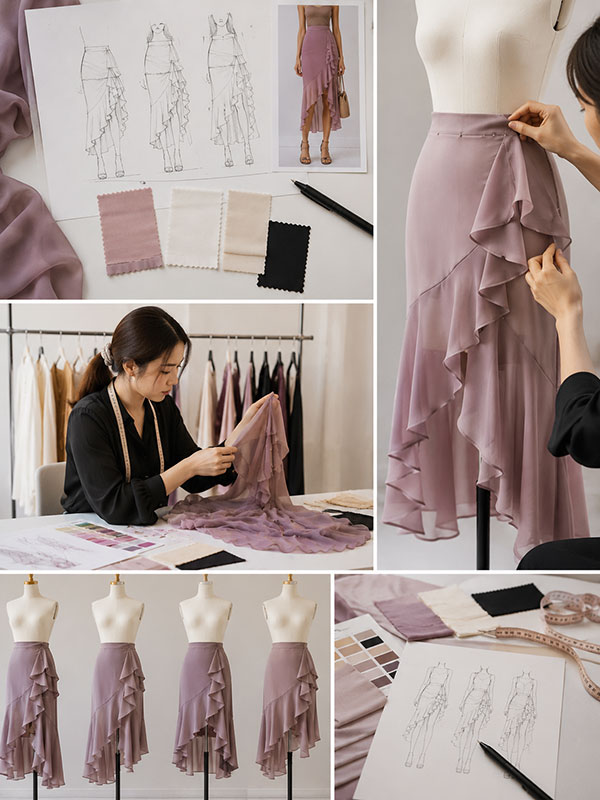
Ruffle skirt development can begin from tech packs, sketches, reference garments, campaign images, or moodboard concepts. Early-stage development focuses on silhouette structure, fabric suitability, ruffle placement, and waistband shaping before sampling begins.
Development Support Includes:
- tech pack interpretation
- silhouette reconstruction
- fabric recommendation
- trim sourcing coordination
- ruffle layout planning
- fit direction confirmation
Faster Ruffle Skirt Sampling Cycles
Fast sampling helps fashion brands respond more efficiently to seasonal launches, influencer campaigns, and trend-driven collection schedules. Jinfeng’s in-house development structure reduces delays between pattern making, sourcing, and sample revisions.
Typical Sample Timelines:
- Standard style takes 5-7 days
- Complex Layered Styles takes 7-10days
Current Development Resources:
- 2 sample development rooms
- 7 senior pattern makers
- 20 sample tailors
Pattern Adjustment Based on Fabric Behavior
Ruffle skirt movement and silhouette balance change significantly depending on fabric softness, stretch behavior, drape direction, and weight. Different fabrics often require different flare proportions, gathering density, and waistband construction methods.
Common Development Adjustments:
- gathering correction
- layer spacing refinement
- waistband balancing
- flare proportion adjustment
- lining optimization
Common Fabrics Evaluated: chiffon,satin,rayon,mesh,georgette
Reducing Sample Revision Rounds
Development Coordination Includes:
- fit discussion support
- fabric suitability review
- silhouette confirmation
- construction clarification
- trim coordination
- video meetings
- voice calls
Sample-to-Bulk Production Preparation
Pre-Production Evaluation Includes:
- layer construction stability
- sewing sequence review
- fabric shrinkage checking
- waistband consistency
- drape verification
- movement testing
- repeat-order consistency
- measurement control
- drape continuity
- scalable construction methods
Fabric Sourcing & Material Control for Ruffle Skirts
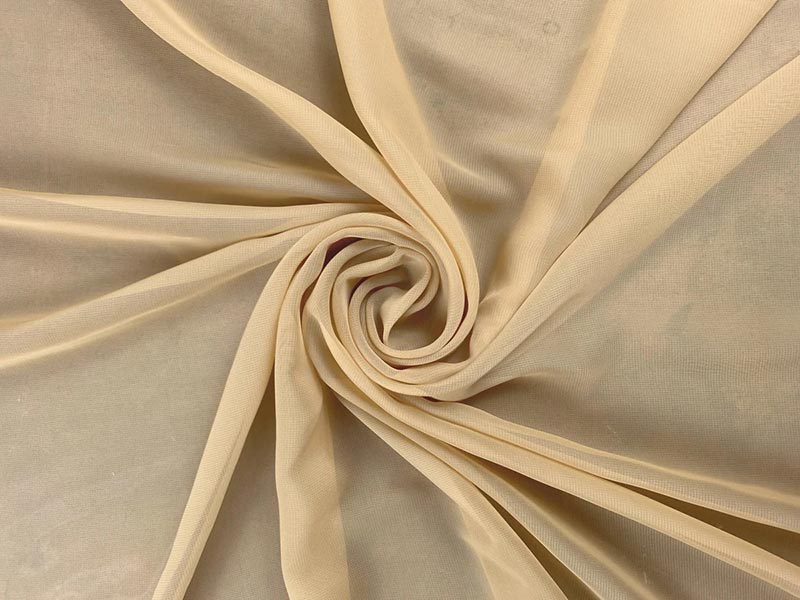
Chiffon Ruffle Skirts Fabric
- resort collections
- tiered ruffle skirts
- feminine summer fashion
- bridal guest styles
- drape consistency
- seam puckering control
- gathering stability
- transparent layer management
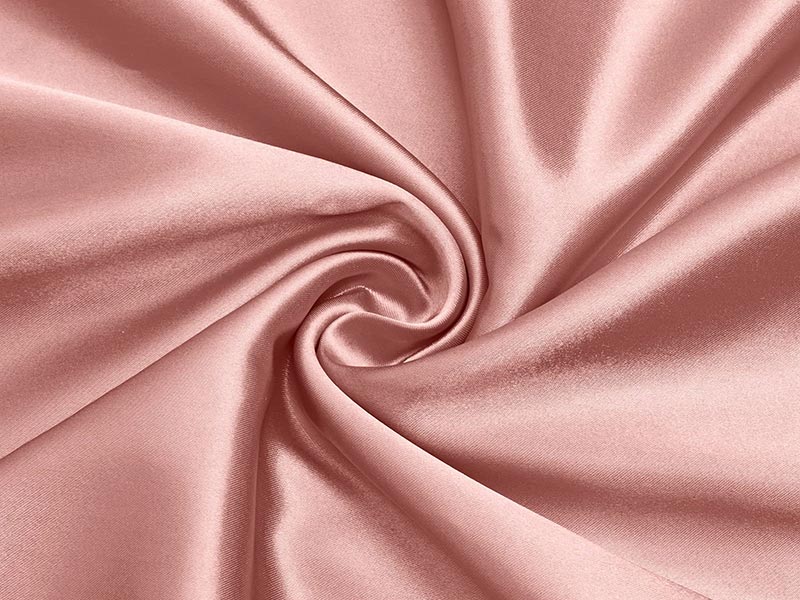
Satin Ruffle Skirts Fabric
- occasionwear skirts
- cocktail collections
- premium feminine capsules
- partywear fashion
- seam smoothness
- drape direction control
- needle mark prevention
- waistband finishing stability
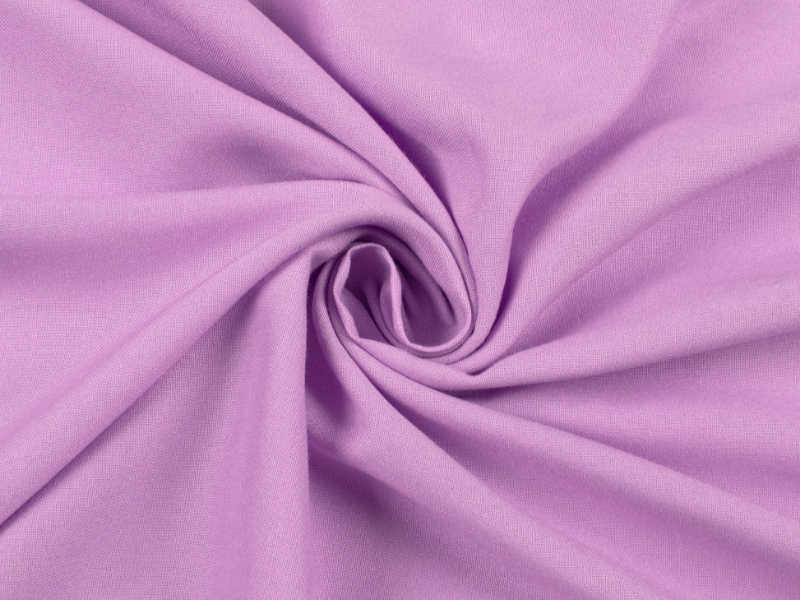
Rayon Ruffle Skirts Fabric
- boho collections
- resortwear
- layered casualwear
- feminine vacation fashion
- shrinkage management
- soft drape consistency
- layer balance
- wash stability
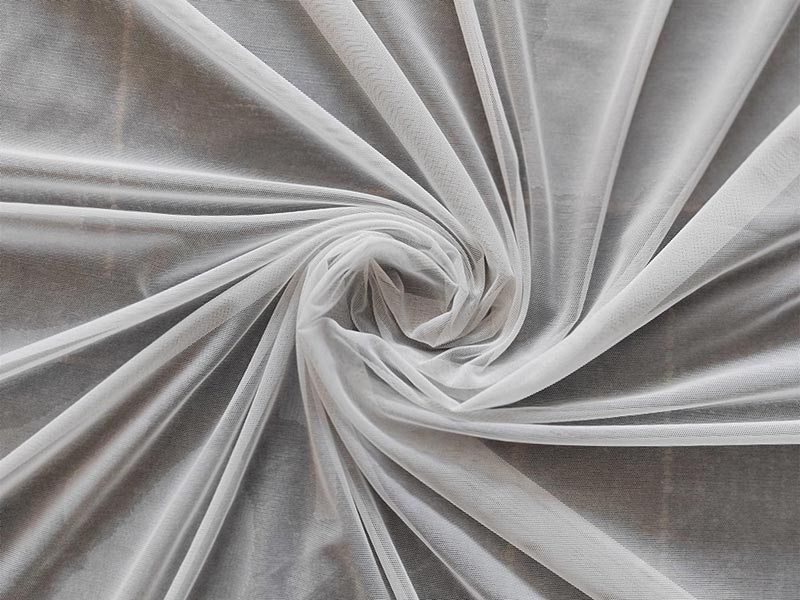
Mesh Ruffle Skirts Fabric
- festivalwear
- influencer collections
- nightlife fashion
- layered Y2K silhouettes
- seam elasticity
- stretch recovery control
- edge stability
- layer positioning accuracy

Cotton Voile Ruffle Skirts Fabric
- spring collections
- casual tiered skirts
- boho fashion
- feminine lifestyle apparel
- shrinkage control
- wrinkle reduction
- lightweight assembly
- soft movement consistency

Georgette Ruffle Skirts Fabric
- layered skirts
- occasionwear
- feminine dresses
- boutique collections
- balanced gathering
- hemline stability
- seam finishing quality
- layer symmetry control
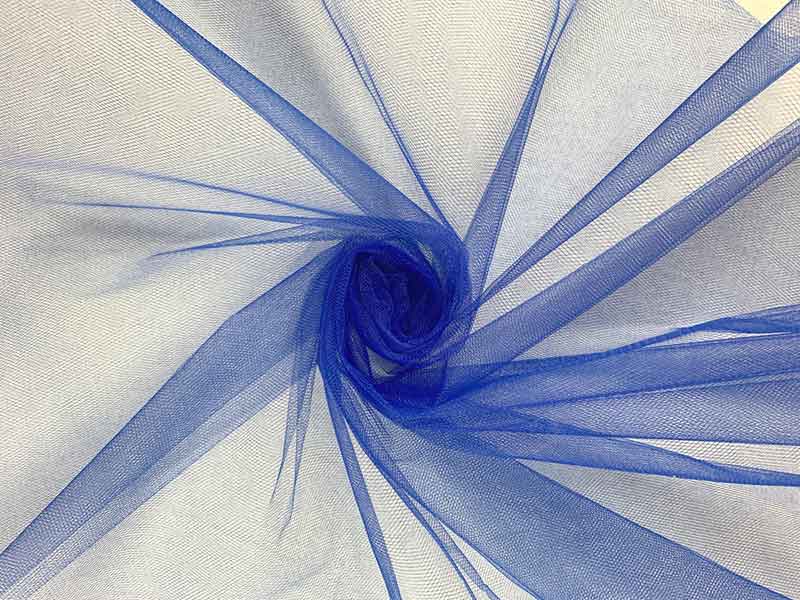
Tulle Ruffle Skirts Fabric
- eveningwear
- layered event skirts
- partywear
- dramatic feminine silhouettes
- volume balance
- waistband reinforcement
- soft lining integration
- layer positioning control
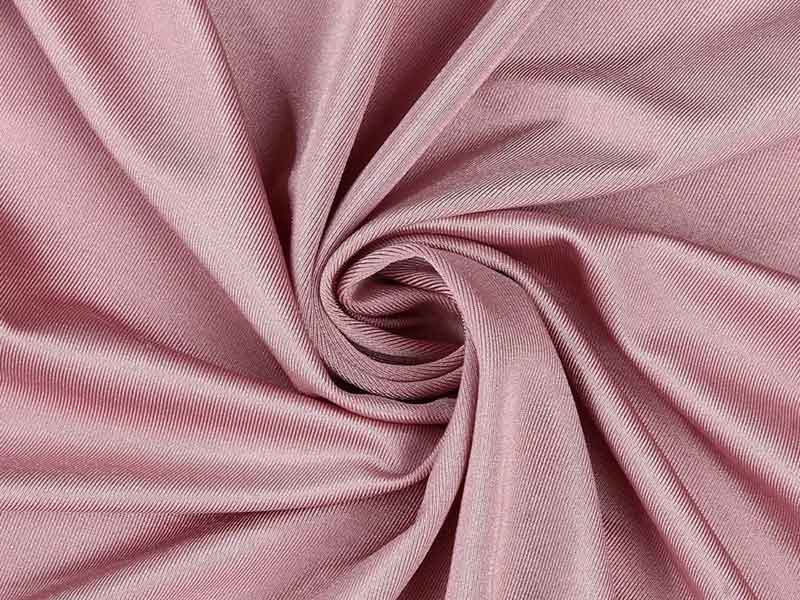
Stretch Knit Ruffle Skirts Fabric
- bodycon skirts
- contour fashion
- fitted mini skirts
- coordinated fashion sets
- stretch recovery stability
- waistband tension balance
- seam elasticity control
- silhouette shaping consistency
Pattern Making & Fit Engineering for Ruffle Skirts
Waist-to-Hip Proportion Adjustment
Layer Placement & Ruffle Balance
Fabric-Based Pattern Engineering
Movement & Drape Optimization
Size Grading & Bulk Production Consistency
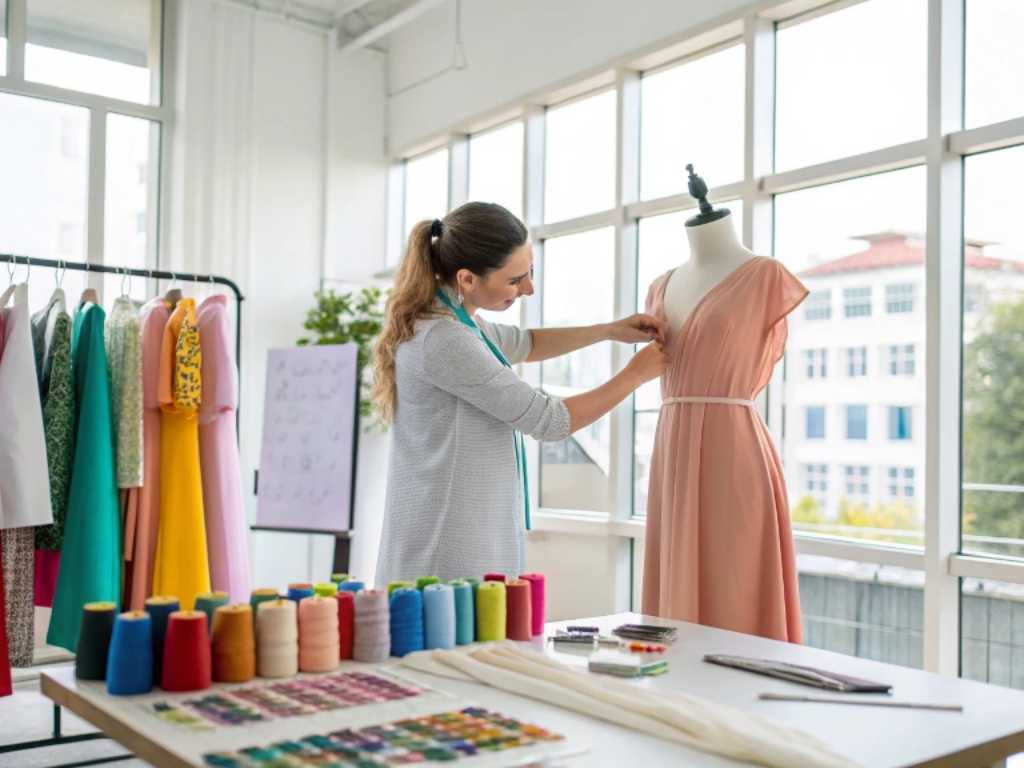
OEM & ODM Ruffle Skirt Manufacturing
OEM Ruffle Skirt Manufacturing
- seasonal launches
- repeat best sellers
- replenishment programs
- retailer collections
ODM Ruffle Skirt Development Support
- dresses
- occasionwear
- fashion sets
- fitted silhouettes
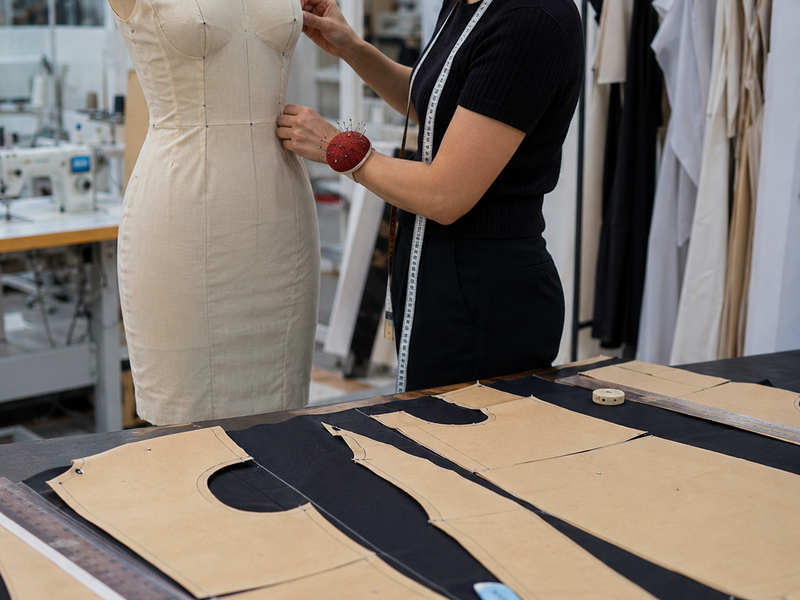
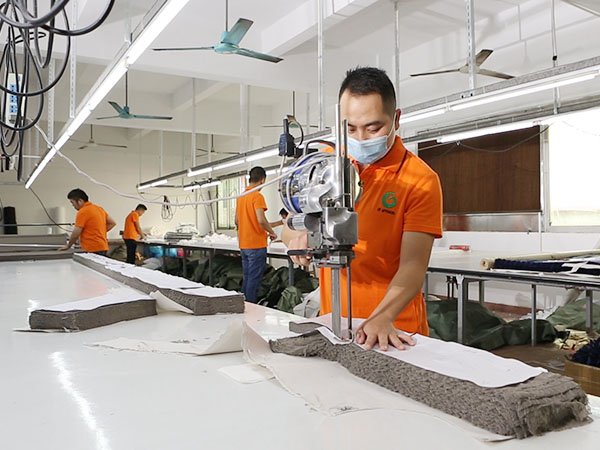
Private Label Ruffle Skirt Manufacturing
- embroidery
- heat transfer printing
- DTG printing
- graphic applications
Co-Development with Fashion Brands
Some fashion brands require more than basic manufacturing execution. They need production partners capable of improving silhouettes, adjusting fit structure, solving construction problems, balancing cost targets, and refining fabric choices during development. Jinfeng supports collaborative communication between development teams, merchandising staff, and sample departments throughout the sampling and production process. The company also supports:
- factory visits
- video meetings
- online sample reviews
- real-time development discussions
for brands managing ongoing fashion programs and repeat seasonal launches. Collaborate With Jinfeng
Production Capacity for Fashion Brands
Jinfeng’s production structure is designed for fashion brands requiring scalable manufacturing, repeat-order stability, flexible production scheduling, and faster response for trend-driven women’s apparel collections.
Multi-Factory Manufacturing Structure
Scalable Monthly Production Capacity
Jinfeng currently supports approximately 300,000 pieces monthly production capacity with additional expandable manufacturing capability of around 50,000–80,000 pieces depending on seasonal production schedules and order structure. This allows brands to scale from smaller launch programs into larger replenishment production without changing manufacturing partners. The production structure is suitable for fast-growing ecommerce brands, monthly fashion launches, seasonal collection expansion, and repeat-order replenishment programs requiring more stable long-term production continuity.
Flexible Order Quantity Support
Dedicated Sampling & Development Capacity
Production Line Coordination for Fashion Collections
Production Stability for Long-Term Brand Growth
Quality Control for Ruffle Skirt Manufacturing
Production Consistency Across Fit, Construction, and Finishing
Quality control in ruffle skirt manufacturing involves more than checking visible sewing defects. Many commercial problems appear later during customer wear, garment movement, washing, ecommerce photography, or repeat production cycles. Compared with standard skirts, ruffle silhouettes require stronger control over layer consistency, drape behavior, gathering precision, waistband stability, and silhouette balance because even small inconsistencies can significantly affect garment appearance and customer perception.
For trend-driven fashion brands, unstable construction often leads to higher return rates, inconsistent product reviews, and weaker repeat-order performance. Jinfeng’s women’s fashion manufacturing experience helps improve quality stability for layered garments, lightweight woven fabrics, and movement-focused feminine silhouettes.

Key Inspection Areas During Production
Ruffle skirt production requires multiple inspection checkpoints during sampling and bulk manufacturing to maintain stable fit consistency and cleaner garment presentation across different production batches.
| Inspection Area | Control Focus |
|---|---|
| Waist Measurement | Fit consistency |
| Layer Alignment | Balanced silhouette |
| Gathering Density | Uniform appearance |
| Hemline Balance | Cleaner movement |
| Fabric Defects | Surface quality |
| Shrinkage | Size stability |
| Seam Tension | Reduced puckering |
| Zipper Function | Smooth operation |
| Pressing Quality | Final presentation |
These inspections become especially important for chiffon ruffle skirts, asymmetrical silhouettes, layered constructions, fitted waist designs, and lightweight fabrics sensitive to movement and drape distortion during production.
Inline Production Follow-Up
Many factories rely too heavily on final inspection after production is already completed, which often increases repair costs, shipment delays, production waste, and inconsistent repeat-order quality. Jinfeng’s workflow includes inline production follow-up during manufacturing to identify problems earlier before they expand across larger production quantities. Production coordination may include measurement checking, sewing consistency review, fabric appearance evaluation, trim verification, and layered construction monitoring throughout the manufacturing process. Earlier correction helps improve production efficiency, reduce quality instability, and maintain more consistent repeat-order performance for long-term fashion programs.
Sample-to-Bulk Consistency
One of the biggest concerns for established fashion brands is whether final bulk production will remain consistent with approved samples. This issue becomes more critical for fitted silhouettes, layered garments, soft drape fabrics, and trend-sensitive fashion products where small changes can significantly affect garment appearance and fit performance. Jinfeng coordinates communication between sample teams, pattern makers, merchandisers, and production supervisors to improve continuity from approved samples into bulk manufacturing. For brands operating seasonal collections and repeat-order programs, stable long-term consistency often becomes more valuable than achieving the absolute lowest manufacturing cost.
Quality Expectations in Modern Fashion Retail
Today’s fashion customers pay much closer attention to fit, drape, movement, finishing quality, and overall garment feel than in previous years. These details become even more visible through ecommerce close-up photography, social media styling videos, TikTok content, influencer reviews, and online customer feedback. For trend-driven fashion brands, garment quality directly affects customer trust, repeat purchases, social proof, and return rates. Jinfeng’s long-term experience in women’s fashion manufacturing supports stronger understanding of modern retail expectations for silhouette balance, lightweight garment construction, and commercially wearable feminine apparel.
Our Globally Recognized Certifications
Delivering trusted quality products for your brand, helping you build a stellar reputation and customer trust.






Private Label Ruffle Skirt Manufacturing
Custom Logo Applications for Ruffle Skirts
- embroidery logos
- heat transfer logos
- silicone logos
- screen printing
- metallic foil logos
- woven logo patches
- DTG logo printing

Custom Labels & Trim Options for Ruffle Skirts
Fashion brands often require multiple label types for branding, garment identification, retail compliance, and customer presentation standards. Label structures are usually adjusted depending on product category, fabric type, and target retail market requirements. Jinfeng supports customized label solutions including:
- woven labels
- satin labels
- printed labels
- size labels
- care labels
- barcode labels
- hangtags
Label customization may include brand color matching, folded label construction, soft-touch finishes, metallic thread effects, and multi-language care information depending on the brand’s retail positioning.

Custom Packaging Solutions for Ruffle Skirts
Packaging requirements vary depending on ecommerce fulfillment systems, boutique presentation standards, retailer compliance requirements, and international shipping methods. Packaging coordination also affects product presentation, shipment efficiency, and warehouse preparation during global distribution. Jinfeng supports customized packaging solutions including:
- printed logo polybags
- biodegradable packaging bags
- barcode carton labels
- branded tissue paper
- custom hangers
- FBA preparation support
- overseas warehouse coordination
The factory also supports packaging sourcing, barcode application, garment folding management, shipment preparation, and export carton arrangement based on different ecommerce and wholesale distribution requirements.

Ruffle Skirts for Different Fashion Markets
Resort & Vacationwear Ruffle Skirts
Resortwear and vacation-inspired ruffle skirts are usually designed with softer movement, breathable fabrics, and relaxed feminine silhouettes. These collections often focus on lightweight layering, flowing drape, and comfortable wearability for spring and summer launches, beachwear capsules, and destination-focused fashion campaigns.
Common fabrics often include:
- chiffon
- rayon
- viscose
- cotton voile
Boutique & Feminine Fashion Collections
Smaller Collections with Higher Style Sensitivity
Boutique-focused ruffle skirt collections usually prioritize differentiated styling, stronger visual identity, softer fabric feel, and more trend-sensitive silhouettes. Many boutique brands prefer smaller launch quantities with higher design flexibility and ongoing seasonal replenishment rather than large-volume production immediately.
These collections commonly combine:
- ruffle skirts
- corset tops
- matching sets
- layered fashion pieces
Jinfeng’s flexible production structure supports smaller launches, style variety, and rolling repeat-order programs without requiring extremely large starting quantities.
Occasion & Partywear Ruffle Skirts
Elevated Fashion for Event-Driven Collections
Occasionwear ruffle skirts require stronger control over silhouette structure, fitted waist shaping, drape direction, and premium garment finishing. These styles are often developed for wedding guest collections, cocktail edits, holiday launches, and social-event fashion programs where visual presentation becomes highly important.
Common design elements include:
- satin fabrics
- asymmetrical ruffles
- layered hems
- fitted waistlines
- elevated trims
Jinfeng’s experience in dresses, occasionwear, and body-conscious women’s fashion helps improve construction stability and cleaner silhouette execution for these more fashion-sensitive categories.
Social-Commerce Fashion Collections
Styles Designed for Strong Visual Performance
Social-commerce fashion collections promoted through TikTok, Instagram, influencer campaigns, and short-form video content usually require stronger movement visibility, layered styling impact, and trend-sensitive silhouettes. Ruffle skirts perform particularly well in motion-focused photography and video-driven fashion marketing because layered movement creates stronger visual engagement.
Popular styles often include:
- mini ruffle skirts
- asymmetrical hems
- fitted silhouettes
- coordinated sets
- layered structures
Jinfeng’s production system supports brands operating frequent launches, fast trend cycles, influencer collaborations, and ongoing fashion drops requiring faster sampling and flexible manufacturing response.
Manufacturing Workflow for Ruffle Skirt Production
Design Review & Development Planning
Every ruffle skirt project begins with reviewing the brand’s design direction, reference samples, tech packs, fabric expectations, and target price range. The development team evaluates silhouette structure, ruffle placement, waistband construction, and production complexity before sampling starts. Early-stage review helps reduce unnecessary revisions later in development while improving alignment between commercial styling goals and actual manufacturing feasibility.
Fabric & Trim Sourcing
Pattern Making & Sample Development
Sample Revision & Pre-Production Confirmation
Bulk Production & Inline Coordination
Final Inspection, Packing & Shipment
Why Fashion Brands Choose Jinfeng
Manufacturing Support Built Around Long-Term Product Stability and Fashion Execution
Many apparel factories can produce garments, but far fewer factories are structured to support continuous fashion launches, repeat-order stability, silhouette-sensitive products, and scalable production growth for trend-driven women’s apparel brands. For most established fashion companies, manufacturing performance is not only judged by price, but by product accuracy, development speed, production consistency, and communication efficiency throughout ongoing collection cycles.
Jinfeng’s manufacturing structure was built around these practical production requirements rather than simple low-cost order execution. The company focuses heavily on helping fashion brands maintain more stable fit consistency, smoother development coordination, and scalable long-term production support across repeated seasonal launches.
Manufacturing Support Built Around Long-Term Product Stability
Many apparel factories can produce garments, but far fewer factories are structured to support continuous fashion launches, repeat-order stability, silhouette-sensitive products, and scalable production growth for trend-driven women’s apparel brands. For most established fashion companies, manufacturing performance is not only judged by price, but by product accuracy, development speed, production consistency, and communication efficiency throughout ongoing collection cycles.
Jinfeng’s manufacturing structure was built around these practical production requirements rather than simple low-cost order execution. The company focuses heavily on helping fashion brands maintain more stable fit consistency, smoother development coordination, and scalable long-term production support across repeated seasonal launches.
Women’s Fashion Focus Since 2008
Jinfeng’s factory system has focused on women’s fashion manufacturing since 2008, while the founding team entered the apparel industry in 1996 with hands-on experience in pattern development, cutting, sewing, sample management, production coordination, and apparel sourcing. This long-term operational background supports stronger understanding of silhouette proportion, drape behavior, fabric movement, and fit-sensitive construction commonly required in modern women’s fashion.
Compared with general apparel factories, Jinfeng’s manufacturing structure is more aligned with dresses, occasionwear, fashion sets, fitted silhouettes, feminine woven apparel, and trend-driven fashion garments requiring stronger development coordination and visual consistency during production.
Stronger Development Capability
Fashion brands operating fast collection schedules increasingly require faster sampling cycles without sacrificing fit quality or silhouette accuracy. Jinfeng currently operates dedicated sample development rooms supported by senior pattern makers and experienced sample tailors, allowing closer coordination between pattern development, fabric evaluation, sewing adjustment, and fit correction throughout the development process.
This structure helps reduce unnecessary revisions, improve development efficiency, and shorten sampling timelines for ruffle skirts, layered garments, fitted silhouettes, and lightweight woven apparel categories where construction precision directly affects final garment appearance.

Multi-Factory Production Structure
Jinfeng operates through a coordinated production system including three women’s fashion factories, one casualwear and printing-focused factory, and 18 production lines supporting different apparel categories and manufacturing workflows. This structure improves production flexibility for repeat programs, multi-category collections, seasonal launches, and larger replenishment orders without forcing all production through a single manufacturing line.
The factory currently supports approximately 300,000 pieces monthly production capacity with additional expandable manufacturing capability available during larger growth stages. This helps support both smaller fashion launches and long-term scalable production programs for growing ecommerce and retail fashion brands.
Better Alignment with Fashion Brand Operations
Many established fashion brands are not simply looking for sewing contractors. They require manufacturing partners capable of supporting trend timing, launch schedules, repeat collections, product coordination, and ongoing development communication throughout the production process.
Jinfeng supports communication through email, WhatsApp, WeChat, voice calls, and video meetings, while also supporting factory visits and direct development discussions when required. English-speaking sales and merchandising teams help coordinate sampling progress, fit comments, production follow-up, and shipping arrangements for overseas fashion brands managing remote manufacturing workflows and multiple seasonal programs.
Long-Term Manufacturing Relationships
Many fashion brands eventually face the same problem: the first production order succeeds, but later production becomes inconsistent as collections scale. Jinfeng’s workflow focuses heavily on repeat-order consistency, sample-to-bulk alignment, production coordination, and long-term manufacturing scalability to help reduce this risk across ongoing fashion programs.
This becomes especially important for bestselling styles, replenishment programs, recurring silhouettes, and seasonal carryover products where stable fit, fabric continuity, and repeat production accuracy directly affect customer satisfaction and long-term brand performance.

Ruffle Skirt Manufacturing Case Studies
Case 1 — European Vacationwear Brand
Product: Tiered chiffon ruffle skirts for resort collections
Initial order: 3,200 pcs across 4 colors
Follow-up orders: 5,000+ pcs within 2 months
Challenge: The customer needed lightweight chiffon ruffle skirts with soft movement, balanced layered volume, and stable drape consistency for ecommerce campaigns and vacationwear launches. Previous suppliers created uneven ruffle density, unstable hemlines, and bulky waist shaping during larger production runs.
Solution: Jinfeng adjusted chiffon weight, gathering density, tier spacing, and waistband structure during development. Multiple drape correction rounds and movement testing were completed before bulk approval. The sample team also optimized lining placement to improve opacity while maintaining lightweight movement.
Result:
- Stable layered silhouette across all colorways
- Less than 2.5% measurement deviation during bulk inspection
- Improved movement consistency for ecommerce photography
- Expanded cooperation into matching resortwear programs
Case 2 — US Ecommerce Fashion Brand
Product: Satin asymmetrical ruffle mini skirts
Initial order: 2,500 pcs across 5 colorways
Follow-up programs: Monthly replenishment production
Challenge: The customer required asymmetrical satin ruffle skirts with stronger visual movement, fitted waist shaping, and premium surface appearance for influencer campaigns and nightlife collections. Previous suppliers struggled with satin slipping, distorted hems, seam pressure marks, and unstable drape direction.
Solution: Jinfeng refined asymmetrical pattern structures, flare positioning, and waistband tension balance during development. Sewing tension and satin pressing methods were adjusted to reduce surface marking and improve movement consistency during production.
Result:
- First sample completed within 7 days
- Less than 3% alteration feedback after delivery
- Approximately 30% faster replenishment response
- Expanded production into satin dresses and occasionwear
Case 3 — US Social-Commerce Fashion Customer
Product: Mesh ruffle mini skirts for influencer collections
Initial order: 4,800+ pcs across multiple SKUs
Production model: Rapid monthly fashion launches
Challenge: The collection required lightweight layered mesh construction, body-contour shaping, stable stretch recovery, and consistent fit performance across repeat production. Previous suppliers created distorted seams, unstable waistbands, and inconsistent elasticity after washing.
Solution: Jinfeng optimized mesh fabric selection, seam elasticity control, waistband reinforcement, and layered sewing construction. The sample team also adjusted flare expansion and movement balance to improve silhouette sharpness and wearing comfort.
Result:
- Bulk production completed within 24 days
- Improved repeat-order consistency
- Lower customer return rates after launch
- Monthly production volume increased by over 40%
Case 4 — UK Trend-Driven Fashion Retail Brand
Product: Coordinated ruffle skirt and crop top sets
Initial order: Multi-SKU coordinated fashion collection
Production structure: Rolling monthly launches
Challenge: The customer required synchronized production timing, stable dye-lot consistency, balanced silhouette coordination, and repeat-order stability across matching tops and ruffle skirts. Previous suppliers struggled with color mismatching, uneven drape behavior, and delayed replenishment scheduling.
Solution: Using its multi-factory structure and 18 production lines, Jinfeng coordinated fabric sourcing, dye-lot management, inline production review, and synchronized shipment scheduling across the full collection.
Result:
- Stable visual consistency across coordinated sets
- Improved repeat-order performance during replenishment cycles
- Successful launch across all scheduled delivery windows
- Expanded cooperation into dresses and occasionwear collections
Frequently Asked Questions About Ruffle Skirt Manufacturing

Start Your Ruffle Skirt Manufacturing Program
Jinfeng supports fashion brands developing ruffle skirt collections requiring faster sampling, stable bulk production, flexible manufacturing coordination, and long-term repeat-order support.
How to Begin
- Share tech pack, sketches, reference samples, or inspiration images
- Receive quotation, fabric suggestions, and production feasibility review
- Develop and confirm samples with fit and construction adjustments
- Start bulk production with confirmed timeline and QC coordination
Information That Helps Speed Up Quotation
- Ruffle skirt style or silhouette direction
- Fabric requirements or reference materials
- Estimated order quantity
- Logo, labeling, or packaging requirements
- Target launch timeline or delivery schedule
Send your design concept or sampling request to receive a detailed quotation and development plan for your ruffle skirt collection.