
Ruffle Dress Manufacturer for Fast Fashion & Trend-Driven Brands
Develop, refine, and scale ruffle dress collections with controlled structure, fabric behavior, and consistent bulk production.Ruffle dress production is not only about sewing. It involves controlling fabric movement, layer structure, and garment balance during both sampling and bulk production.
Based in Dongguan, China, Jinfeng has been manufacturing women’s fashion garments since 2008, focusing on helping fashion brands transform their design concepts into mass-producible garments. with a production background dating back to 1996. The company operates with in-house sampling teams, pattern development support, and coordinated factory resources for dresses, sets, tops, and both woven and knit garments.
For ruffle dress programs, this structure allows:
- Sampling lead time: 5–10 days
- MOQ: 200 pcs starting range
- Monthly production capacity: 100,000 pcs
- Production lines: 18 lines across multiple factories
Ruffle dress collections often require frequent updates and repeat production. Manufacturing stability becomes more important than initial pricing.
Ruffle Dress Market Outlook & Trends
A growing category supported by fashion demand, visual appeal, and cross-season use.
A Strong Category in Women’s Fashion
Ruffle dresses have moved beyond short-term trend status and are now a recurring category in women’s fashion collections. They appear regularly in occasionwear, resortwear, and trend-driven assortments, making them a practical product direction for brands that need both freshness and continuity. This gives ruffle dresses stronger long-term value than purely seasonal statement pieces.
Easy to Update Across Seasons
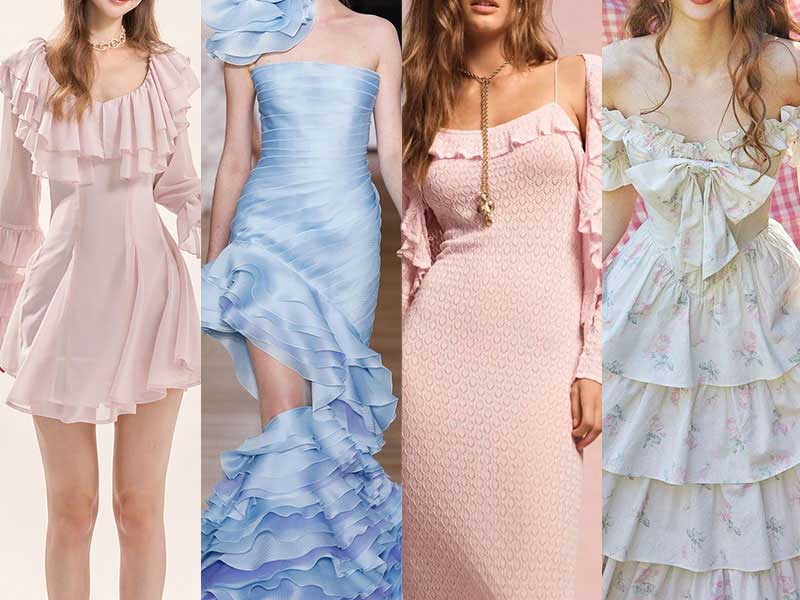
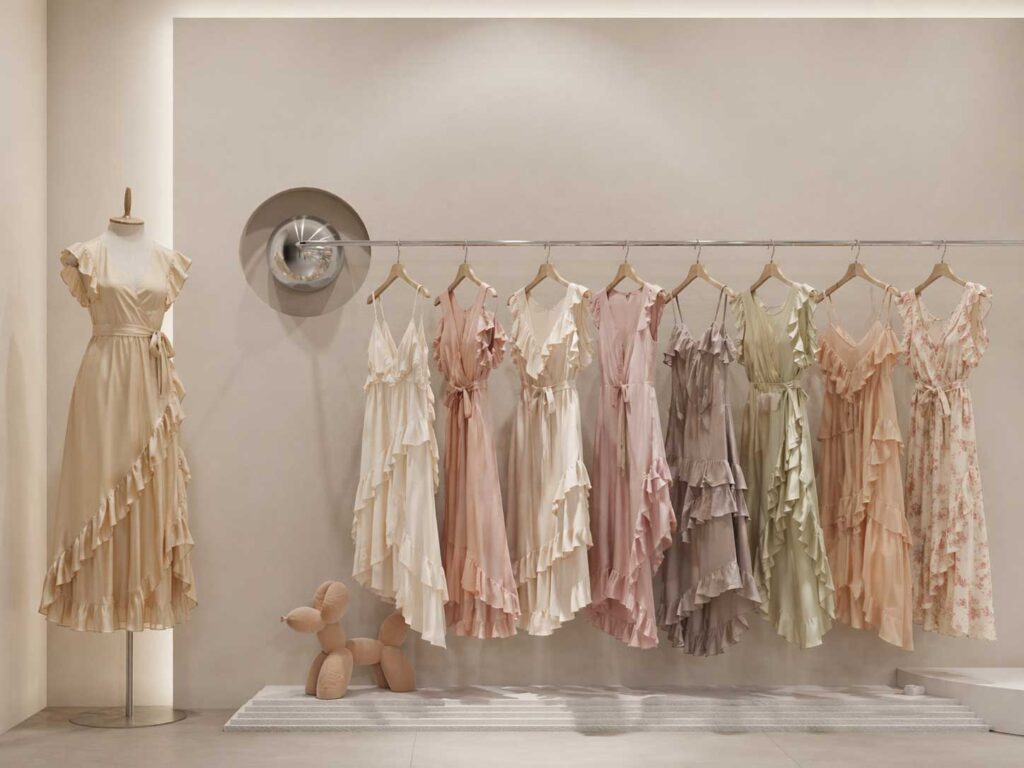
One advantage of ruffle dresses is that the category can be refreshed without changing direction completely. Brands can update the same product line through fabric changes, new prints, adjusted lengths, or different ruffle placements. Common update directions include:
- tiered structures
- asymmetric ruffles
- fitted silhouettes with soft layers
This makes the category flexible for repeated launches.
Strong Visual Appeal Supports Demand
Ruffle dresses perform well because they create movement, volume, and a more expressive silhouette. These features make them highly suitable for visual platforms such as Instagram, TikTok, and Pinterest, where styling impact influences buying decisions. For brands, this means ruffle dresses are not only fashion-driven products, but also strong content-driven items that support product exposure and conversion.
Suitable for Multiple Market Segments
Ruffle dresses are now used across different product segments, not only romantic or formal styles. They can work well in:
- occasion and party collections
- casual and vacation assortments
- fitted and trend-led women’s fashion
This versatility allows brands to adapt the same category to different customer groups, pricing levels, and seasonal themes, making ruffle dresses a practical option for both retail and wholesale development.
Ruffle Dress Manufacturing: Key Technical Challenges and Solutions
Shape consistency, fabric control, and repeatability define production quality. Ruffle dresses are visually driven products, but production quality depends on technical execution rather than design alone. From a manufacturing perspective, ruffle dress production involves three critical factors: fabric behavior, structural balance, and batch consistency.
Fabric Behavior in Lightweight Materials
Ruffle dresses are commonly developed using: chiffon、georgette、satin、rayon blends、mesh overlays
These fabrics respond differently during cutting, sewing, and finishing. Common production issues include:
- loss of volume after washing
- uneven drape
- twisting or collapsing layers
Jinfeng Approach
- fabric-specific pattern adjustment
- controlled cutting processes
- testing during sample stage
Layer Construction and Alignment
Ruffles require precise layering. Minor deviations during production can result in visible inconsistency.
Typical risks:
- uneven gathering
- misaligned seams
- inconsistent spacing between layers
Jinfeng Approach
- standardized layer construction methods
- sample verification before bulk production
- production monitoring for consistency
Fit Balance and Garment Structure
Ruffles affect weight distribution and silhouette. Without adjustment:
- garments may pull downward
- shoulder or waist balance may shift
- silhouette may differ from design intent
Jinfeng Approach
- pattern modification based on fabric and structure
- fitting correction during sampling
- adjustment before bulk production approval
Bulk Production Consistency
The difference between a sample and a bulk order often appears in:
- shape consistency
- stitching accuracy
- visual symmetry
Jinfeng’s production setup allows:
- controlled execution across production lines
- repeatability across multiple batches
- reduced variation between units
Jinfeng Technical Development Support
- 7 senior pattern makers
- 20 sample technicians
- 2 dedicated sampling rooms
Ruffle Dress Categories We Manufacture
Different silhouettes require different construction, fabric control, and production handling. Ruffle dresses are not a single category. Different styles require different pattern logic, fabric handling, and production processes. Production is typically organized based on silhouette, structure, and fabric type to ensure consistency and efficiency. Across these categories, development and production are handled differently depending on fabric type, structure complexity, and order volume.
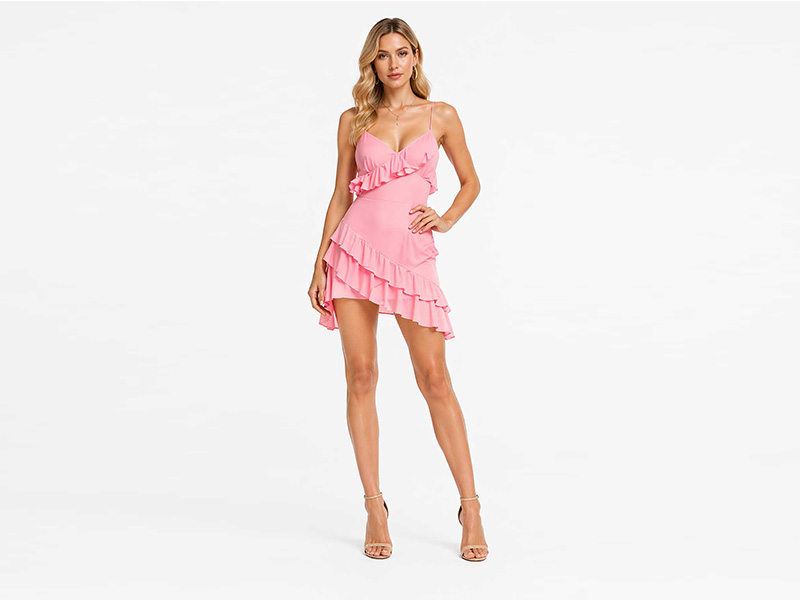
Mini Ruffle Dresses
- volume balance
- structure at hem and neckline
- stability during movement
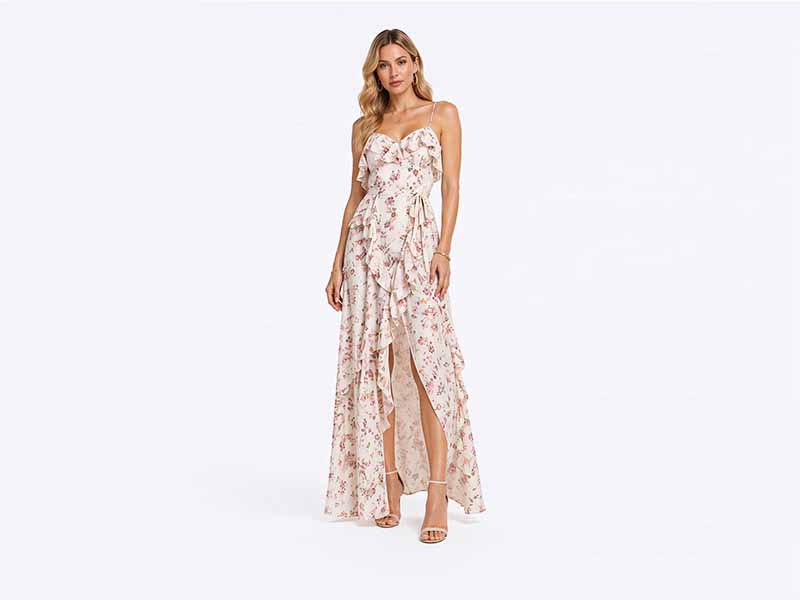
Maxi & Long Ruffle Dresses
Full-length dresses with cascading layers or tiered construction. Key focus:
- fabric weight distribution
- vertical drape consistency
- multi-layer alignment
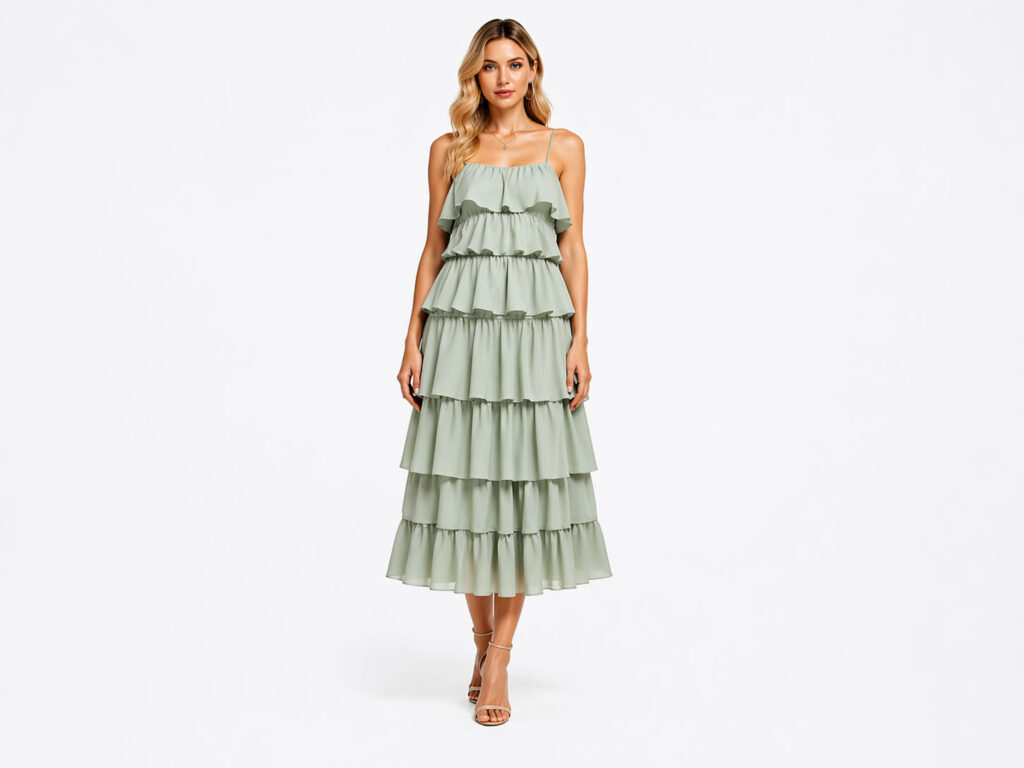
Tiered Ruffle Dresses
- layer spacing consistency
- cutting precision
- bulk production symmetry
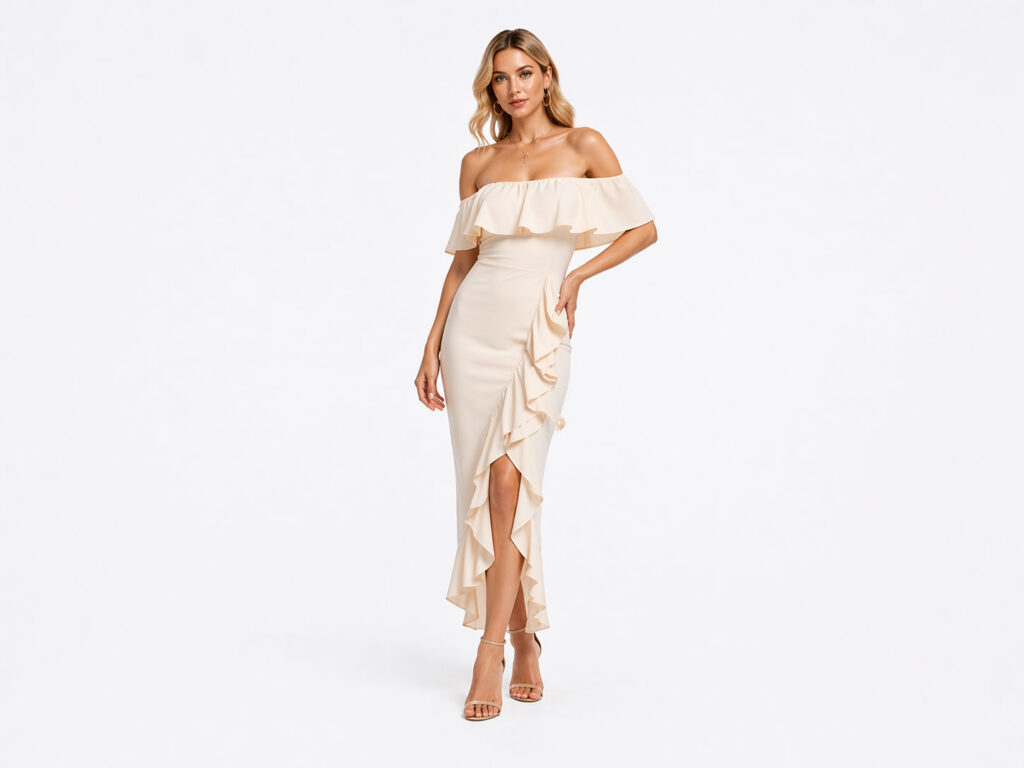
Off-Shoulder & Strapless Ruffle Dresses
- upper body support
- structural reinforcement
- fit stability
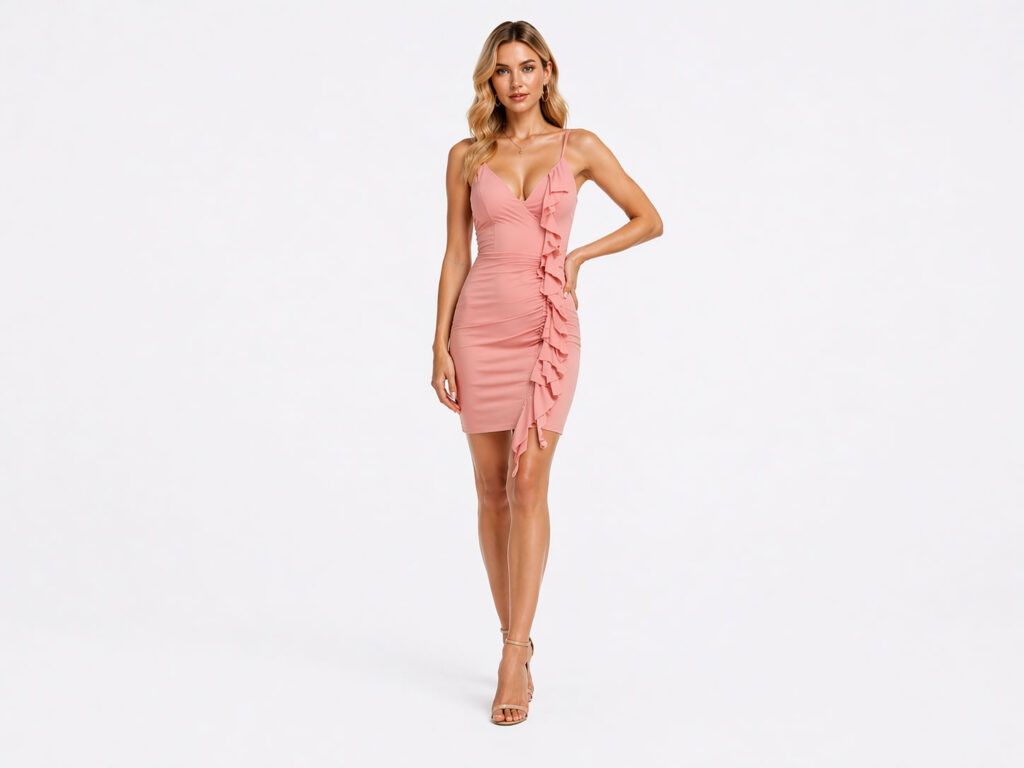
Bodycon Ruffle Dresses
- stretch fabric compatibility
- contour shaping
- controlled gathering
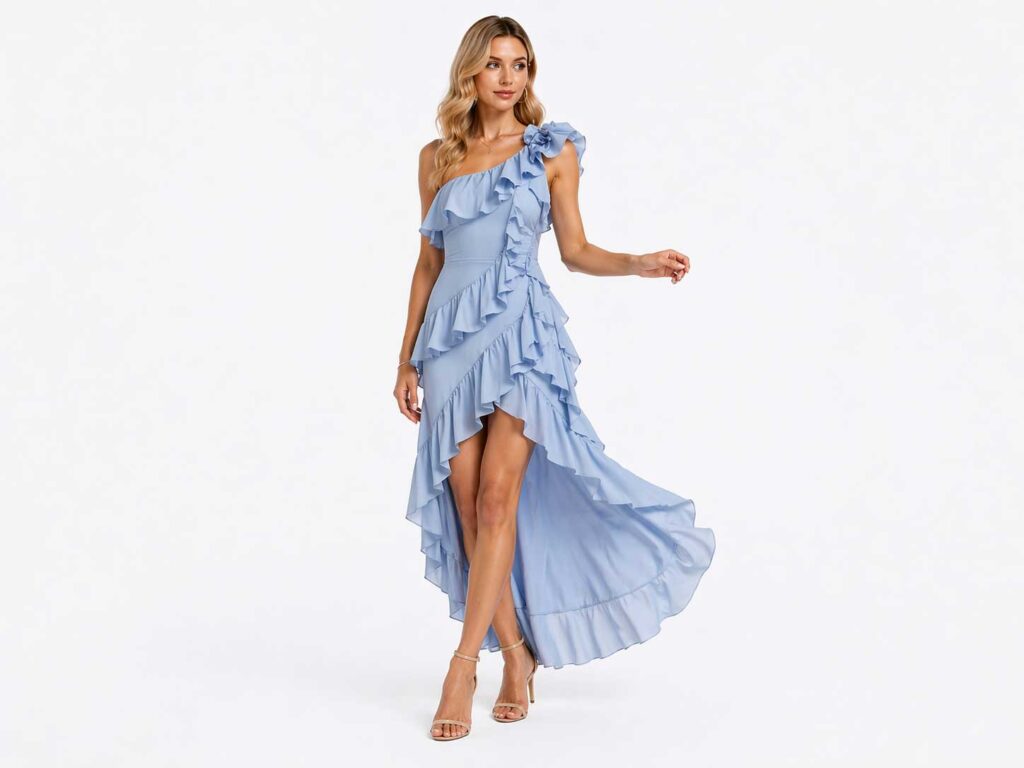
Occasion & Party Ruffle Dresses
- visual impact
- fabric selection
- finishing quality
OEM & ODM Development Process and Sampling & Development Support
From design input to bulk production with structured steps and controlled execution. Accurate sampling reduces revisions and improves bulk production results.
We start by reviewing your tech pack, reference images, or physical samples to understand the intended silhouette, structure, and key design details. Instead of following instructions directly, we analyze how the design will perform in real production, especially for ruffle placement, layering, and garment balance.
We select or recommend fabrics and trims based on design requirements, target cost, and production feasibility. Adjustments are made when needed to ensure the material supports the desired structure, drape, and durability, especially for lightweight or layered ruffle constructions.
We create or refine patterns based on fabric behavior and garment structure. For ruffle dresses, this includes adjusting proportions, layer spacing, and volume to achieve the intended shape while ensuring the design can be reproduced consistently in bulk.
We make samples within a controlled timeline, focusing on fit, structure, and overall appearance. Each sample is reviewed to check whether the design translates correctly into a physical garment, including how the ruffles move and how the fabric behaves.
We review your feedback and adjust patterns, materials, or construction details accordingly. Most styles are aligned within one or two rounds by focusing on correcting structural issues early, reducing unnecessary delays in the development process.
Once the sample is approved, we organize production planning, confirm materials, and allocate production lines based on order size and complexity. This step ensures that the approved sample can be translated into stable bulk production without major changes.
We monitor production through key stages and review finished garments before shipment. Quality checks focus on structure, measurement, and consistency, followed by organized packing and delivery based on the agreed timeline and shipping method.
Sampling & Development Support
Accurate sampling reduces revisions and improves bulk production results.
Sampling Resources
- 2 dedicated sampling rooms
- 7 experienced pattern makers
- 20 sample technicians
Sampling Timeline
- 5–7 days for standard styles
- 7–10 days for complex designs
Pattern Adjustment
- patterns adjusted based on fabric
- structure refined for better balance
- fit corrected during development
This helps improve accuracy before bulk production.
Sampling Resources
- fabric selected based on design needs
- adjustments made for production feasibility
- alternatives provided when needed
Material choice is aligned with both look and performance.
Sample Accuracy
- focus on shape and silhouette
- ruffle placement and layering checked
- overall balance reviewed on garment
This reduces the gap between design and final product.
Revision Control
- feedback reviewed after each sample
- adjustments made before next round
- most styles confirmed within 1–2 rounds
Fewer revisions help speed up the full development process.
Fabric & Material Expertise for Ruffle Dresses
Material selection directly affects structure, movement, and production consistency.
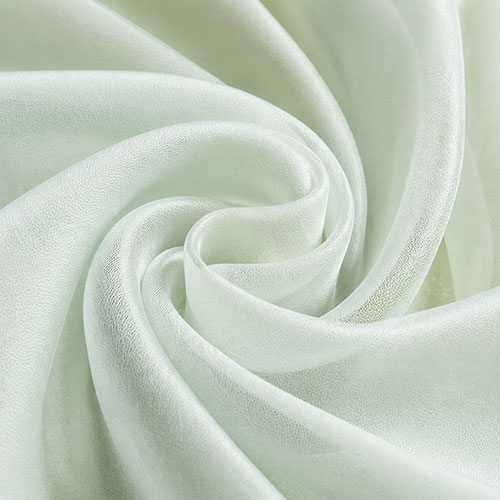
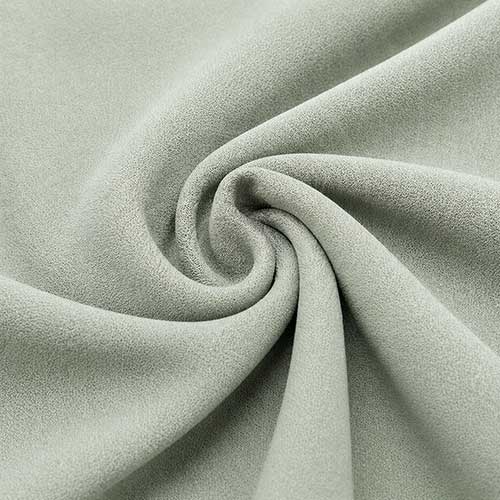
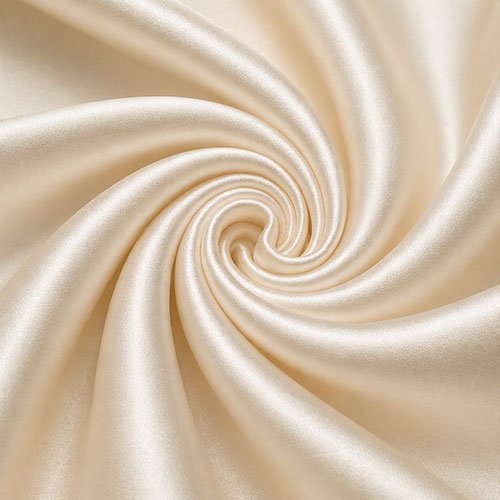
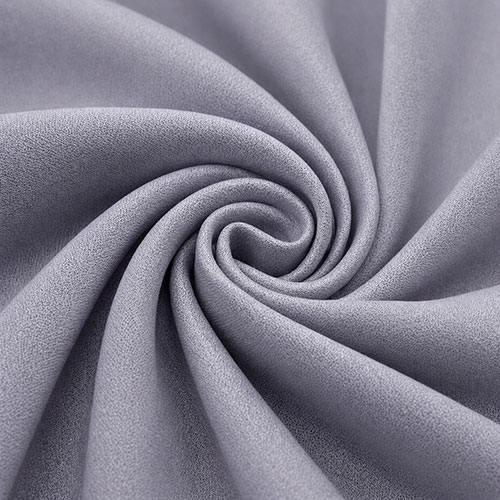
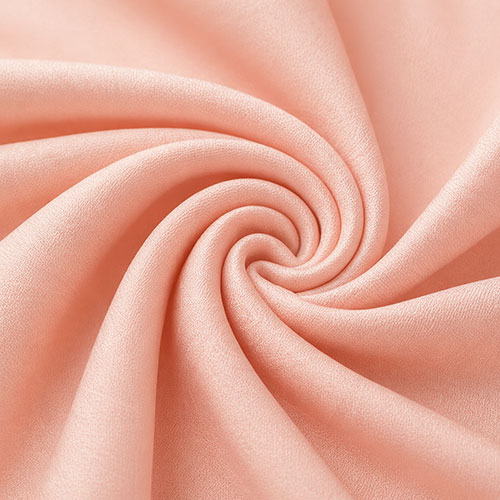
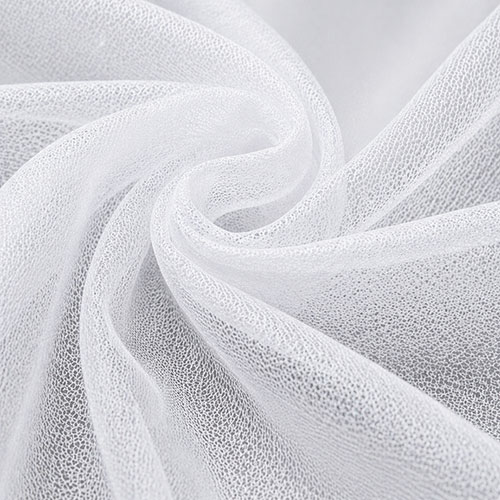
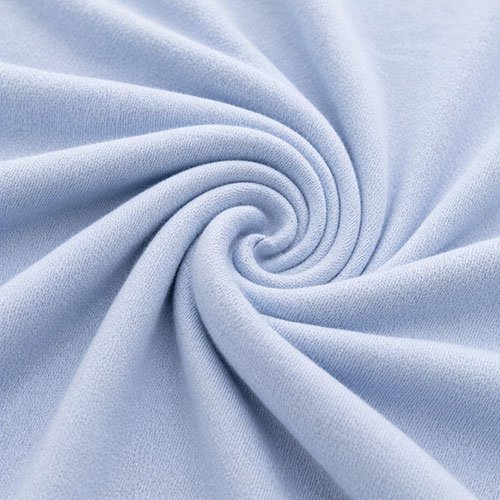
| Fabric Selection Breakdown | ||||
|---|---|---|---|---|
| Fabric Type | Structure & Feel | Ruffle Effect | Best Use Cases | Production Considerations |
| Chiffon | Light, airy, soft drape | Flowing, soft movement | Maxi, layered dresses | Requires careful cutting control |
| Georgette | Slightly textured, more stable | Defined layers, better shape | Tiered and structured styles | Easier to manage in bulk |
| Satin | Smooth, glossy, fluid | Soft but less volume | Party and occasion dresses | Sensitive to stitching accuracy |
| Polyester Blends | Durable, consistent texture | Controlled and repeatable | Daily wear, large orders | Stable for bulk production |
| Rayon / Viscose | Soft, breathable, natural feel | Relaxed, soft ruffle movement | Casual and summer dresses | Needs shrinkage control |
| Mesh / Tulle | Sheer, lightweight, airy | High volume layering effect | Decorative or statement styles | Requires lining support |
| Cotton Blends | Structured, breathable | More fixed shape, less flow | Casual or resort wear | Holds form better than light fabrics |
Material Matching in Development
Fabric is selected based on:- design structure and silhouette
- ruffle placement and volume
- target cost and production scale
Logo & Packaging Customization
Brand identity applied consistently from garment to final delivery.
| Logo Application Methods | |||
|---|---|---|---|
| Method | Application Area | Key Characteristics | Suitable Garments |
| Woven Labels | Inside neck / side seam | Durable, premium finish | Dresses, tops, structured styles |
| Printed Labels | Inside neck area | Soft touch, no skin irritation | Lightweight and fitted garments |
| Embroidery Logos | Visible outer surface | Strong, long-lasting | Casual, statement pieces |
| Heat Transfer Prints | Inner or outer surface | Smooth, no stitching needed | Stretch fabrics, bodycon styles |
| Hang Tags | External attachment | Brand display and retail info | All retail-ready garments |
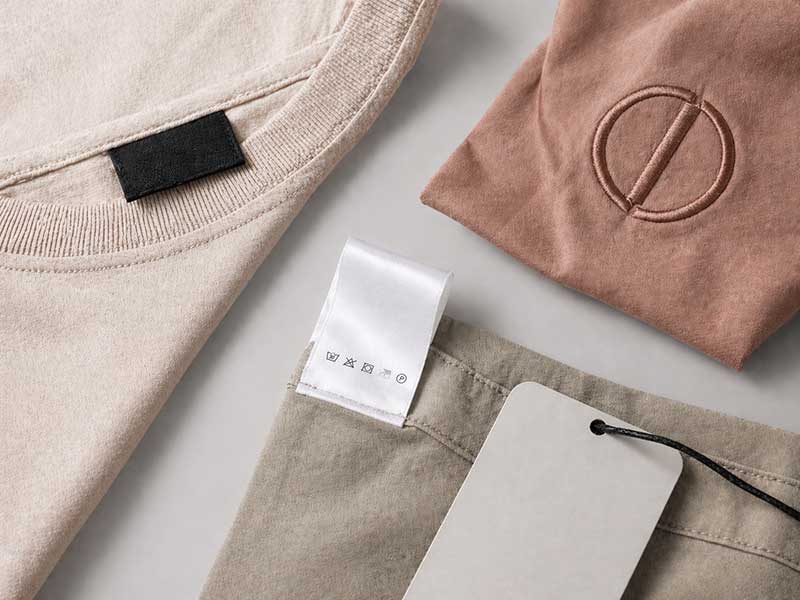
Logo placement is adjusted based on garment structure, especially for ruffle dresses with layered construction.
| Packaging Types | |||
|---|---|---|---|
| Packaging Type | Usage Scenario | Key Characteristics | Suitable Orders |
| Poly Bags | Standard garment packing | Lightweight, cost-efficient | Bulk orders, daily production |
| Custom Poly Bags | Branded retail packaging | Logo printed, clear presentation | DTC and boutique brands |
| Paper Boxes | Premium product packaging | Structured, higher perceived value | Occasionwear, gift items |
| Shipping Cartons | Outer transport packaging | Durable, protects during transit | Bulk shipment and export |
| Zip / Reusable Bags | Retail and reusable packaging | Functional, added brand value | Mid-range and lifestyle brands |
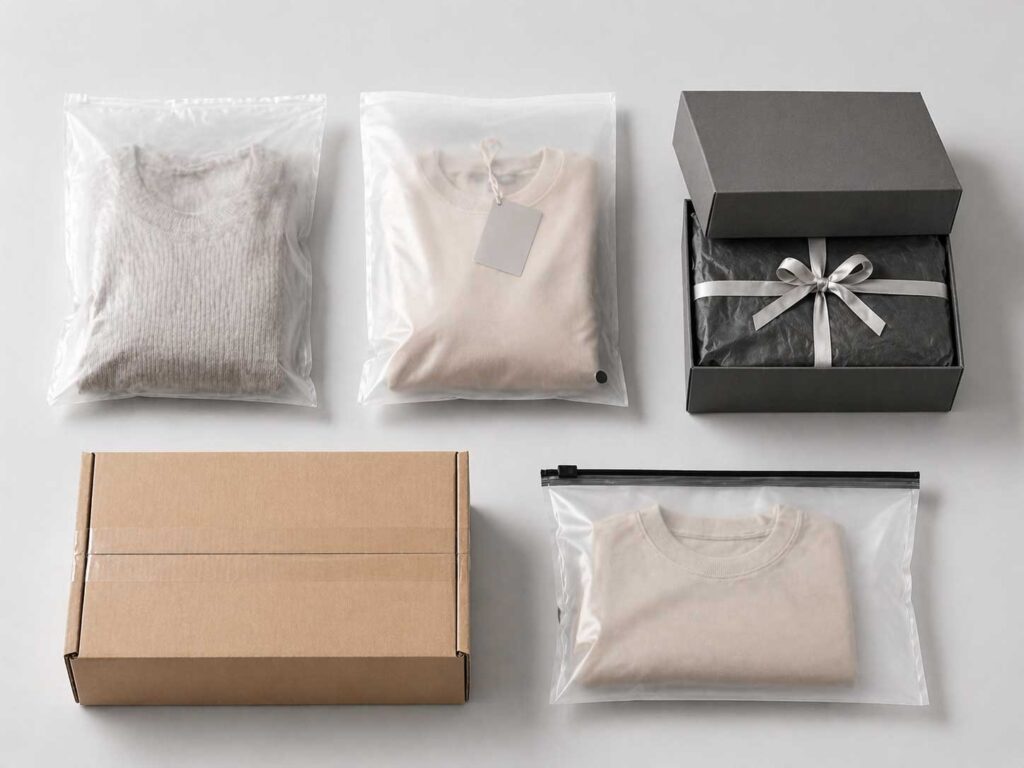
Packaging can be customized to align with brand identity and logistics needs.
Production Capacity & Lead Time
Flexible production and delivery timelines aligned with fashion business cycles.
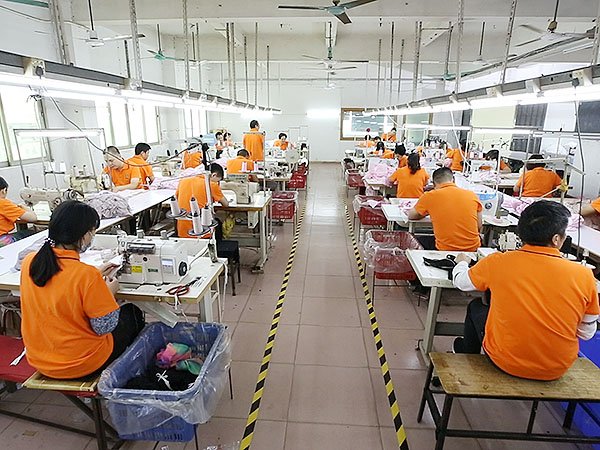
Production Capacity
Current setup supports:
- 18 production lines
- ~100,000 pcs monthly output
- additional expansion capacity available
Orders can be arranged based on style type and volume to keep production stable.
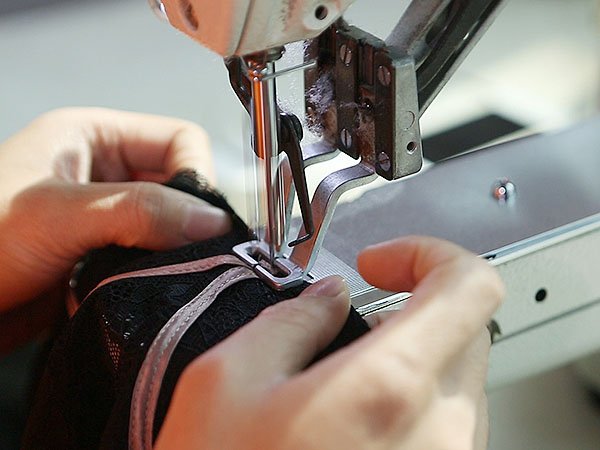
Order Range & Lead Time
Typical production range:
- 200–500 pcs (small batch)
- 1,000–5,000 pcs (mid-size)
- 5,000+ pcs (bulk orders)
Estimated timelines:
- 15–20 days (simple styles)
- 20–30 days (standard styles)
- 30–45 days (complex styles)
Shipping & Delivery Options
Available delivery methods
- express: 3–7 days
- air freight: 5–8 days
- sea freight: 20–35 days
Supports FOB, EXW, CIF, and DDP, with options for split shipments when needed.

Work Directly With Development and Pattern Teams
Design ideas move faster when development and production are aligned from the beginning.
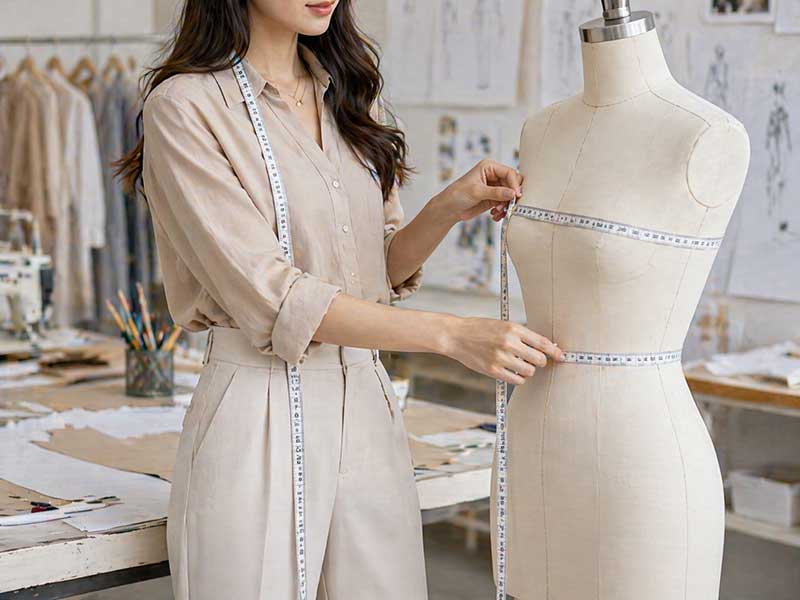
1. Design Needs to Be Interpreted, Not Just Followed
A design file alone is not enough to guarantee a correct final product. Ruffle dresses often require adjustments in proportion, layering, and structure to match real production conditions.
Jinfeng handles this by reviewing tech packs or references together with pattern makers before sampling. Construction details such as ruffle placement, seam structure, and fabric behavior are discussed early, helping translate design intent into a production-ready garment.

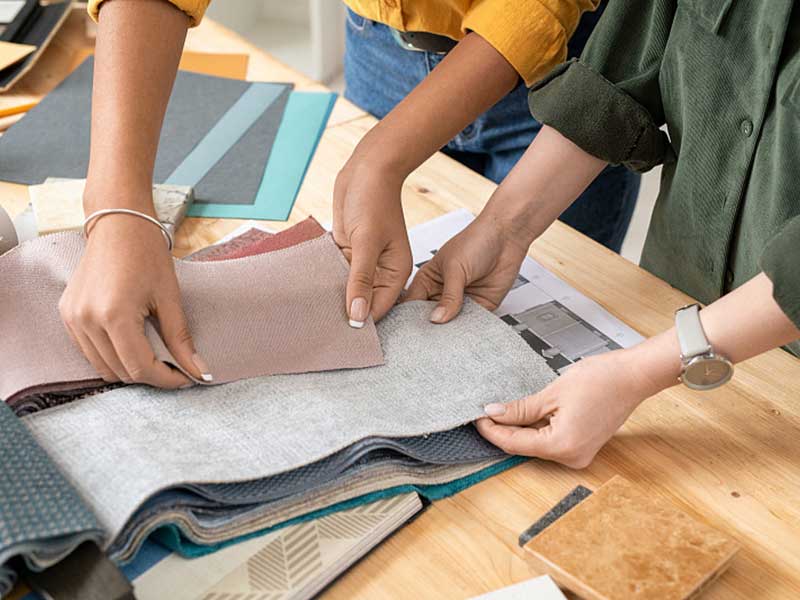
2. Fabric Directly Affects Pattern Execution
The same design can produce very different results depending on fabric choice. Lightweight materials may lose structure, while heavier fabrics may affect drape and volume.
Jinfeng addresses this by aligning fabric selection with pattern development. Pattern makers adjust measurements, ruffle density, and layering based on fabric properties, ensuring the sample reflects the intended look under real production conditions.
3. Early Corrections Reduce Sampling Cycles
Repeated sample revisions usually come from unresolved structural issues. Without early adjustments, the same problems tend to appear across multiple sample rounds.
Jinfeng reduces this by identifying fit and structure issues during the first sampling stage. With internal pattern and sample teams working together, most styles can be aligned within one or two rounds, shortening development time.

4. Direct Communication Improves Accuracy
Delays often occur when design feedback passes through multiple layers without clear technical understanding. This can lead to misinterpretation and repeated corrections.
Jinfeng improves this by allowing direct communication between brand teams and development staff. Feedback on fit, structure, and details can be clarified quickly, helping ensure that adjustments are executed correctly.
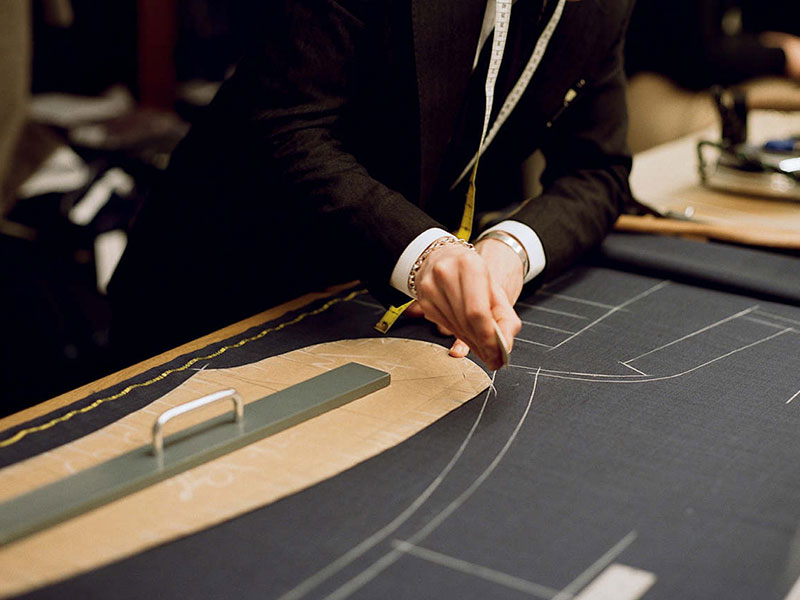
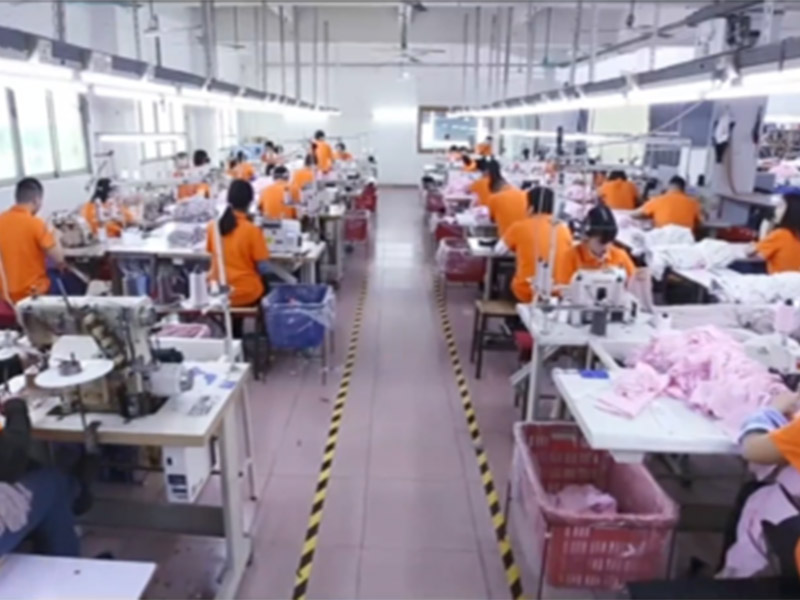
5. Development Must Consider Bulk Production
A sample that looks correct does not always guarantee stable bulk production. Some structures may be difficult to replicate consistently at scale.
Jinfeng reviews samples with production feasibility in mind. Construction methods, stitching sequences, and fabric handling are evaluated before approval, helping ensure that the design can be reproduced consistently in larger quantities.
6. Continuous Development Supports Ongoing Collections
For brands with frequent product launches, development is not a one-time process. New styles, updates, and variations need to be handled continuously.
Jinfeng supports this through internal sampling capacity and coordinated production resources. New developments can run alongside bulk production, allowing brands to maintain a steady pipeline of new products without disrupting existing orders.
Best Fit Clients for Ruffle Dress Manufacturing
Production setup is aligned with brands that require ongoing development, stable quality, and repeat production.
Trend-Driven Women’s Fashion Brands
Jinfeng fits this model because development and production are structured for speed and repeatability. Sampling timelines, pattern adjustment, and flexible production allow new styles to move forward without long delays, supporting continuous product launches.
These brands usually require:
- fast sampling cycles (5–10 days)
- flexibility for small batch testing
- ability to scale winning styles quickly
- consistent silhouette and fit across repeat orders
Ruffle dresses are commonly used for social, event, and seasonal collections, making structure and visual consistency critical.
Occasionwear and Partywear Labels
Jinfeng is suited for this because pattern development and fabric matching are handled internally. This allows better control over shape, balance, and overall appearance, which is essential for garments that depend heavily on structure and presentation.
Key requirements include:
- strong pattern control for body fit and balance
- precise ruffle placement and construction
- fabric selection that supports structure and drape
- stable finishing quality for visual presentation
These products rely heavily on appearance and detail, making development and production accuracy essential.
Fast-Growth Brands Scaling Production
Jinfeng supports this by offering scalable capacity and structured production planning. Orders can grow from small runs to bulk production without changing suppliers, helping maintain consistency and reduce operational risk.
Typical needs include:
- production capacity that supports 1,000–5,000+ pcs orders
- stable quality across multiple batches
- ability to repeat successful styles without variation
- production planning aligned with sales cycles
Ruffle dress programs in this stage require both flexibility and repeatability to avoid disruptions during growth.
Brands Developing Fitted or Structured Garments
Jinfeng fits these requirements through pattern adjustment and development support. Fabric behavior, fit accuracy, and structural balance are addressed during sampling, helping ensure that the final garment performs as expected in production.
Their focus is usually on:
- pattern accuracy for body fit
- compatibility between stretch fabrics and ruffle construction
- shape retention after washing and wear
- balance between comfort and visual structure
These styles often require more development input during sampling to achieve the intended fit and appearance.
Why Fashion Brands Change Manufacturers
Most supplier changes are driven by recurring production problems, not pricing.
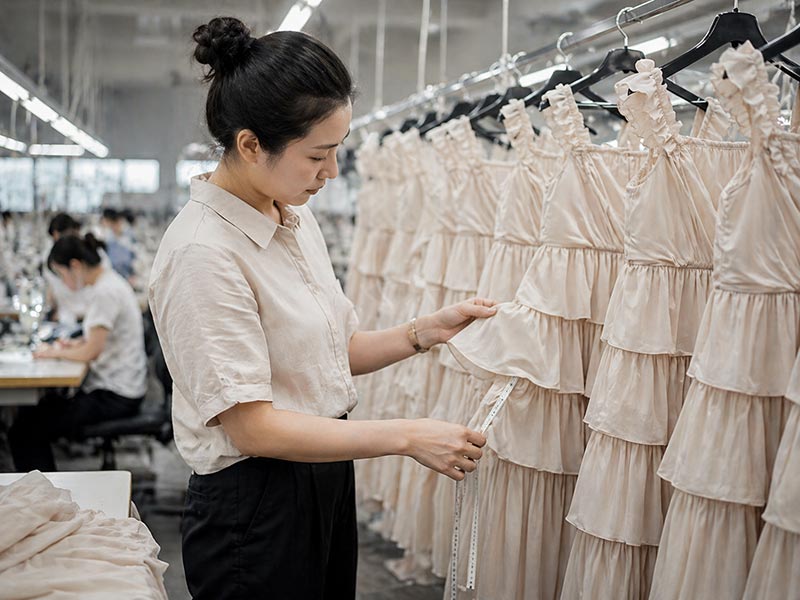
Brands rarely change manufacturers because of a single issue. In most cases, the decision comes from repeated problems that affect product quality, timelines, or development efficiency.
Common Reasons for Switching
Struggling With Inconsistent Bulk Production Results?
Facing Slow or Inaccurate Sampling?
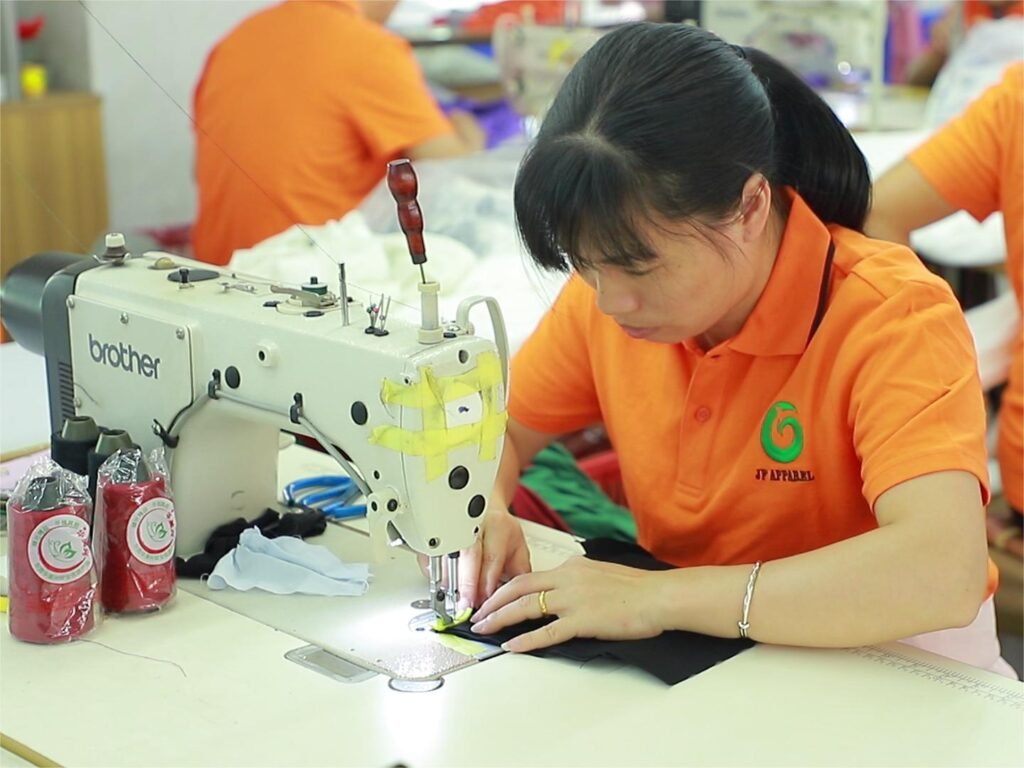
Slow or inaccurate sampling delays product launches and increases development costs. Multiple revision rounds are often caused by weak pattern adjustment or limited understanding of garment structure. Jinfeng can support faster and more accurate sampling through an internal development team and structured workflow. Patterns are adjusted based on fabric behavior and design intent, allowing samples to reach the correct direction within fewer rounds. This helps shorten development cycles and improve readiness for bulk production.
Need More Flexible Production for Changing Demand?
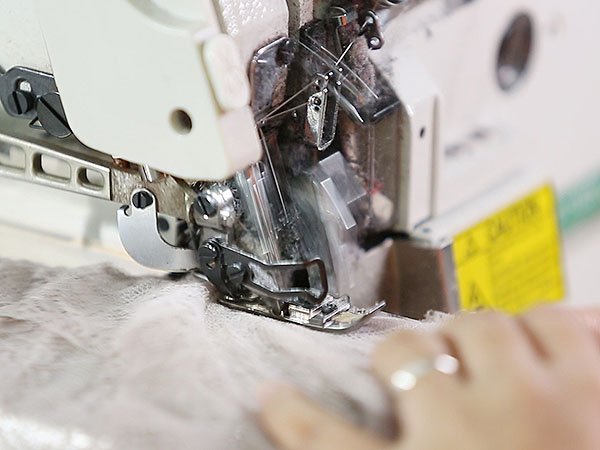
Brands often need to adjust order quantities, launch multiple styles, or scale production quickly when certain products perform well. Limited flexibility in production can lead to delays and missed opportunities. Jinfeng can provide flexible production planning by allocating resources based on style type, order size, and urgency. Different production lines and factory units are used to manage multiple orders at the same time, allowing brands to handle both new developments and repeat production without disrupting schedules.

Dealing With Communication Gaps During Production?
Communication gaps can lead to repeated errors, unclear revisions, and slower project progress. For overseas brands, lack of timely updates makes it difficult to manage production effectively. Jinfeng can provide direct and consistent communication throughout the process. Feedback on samples, production updates, and delivery schedules are handled through clear channels with dedicated follow-up support. This helps ensure that instructions are understood and executed correctly, reducing delays and improving coordination.
Why Brands Continue Working With Jinfeng
Production reliability, development support, and scalability combined in one system.
1. Development & Sampling Support
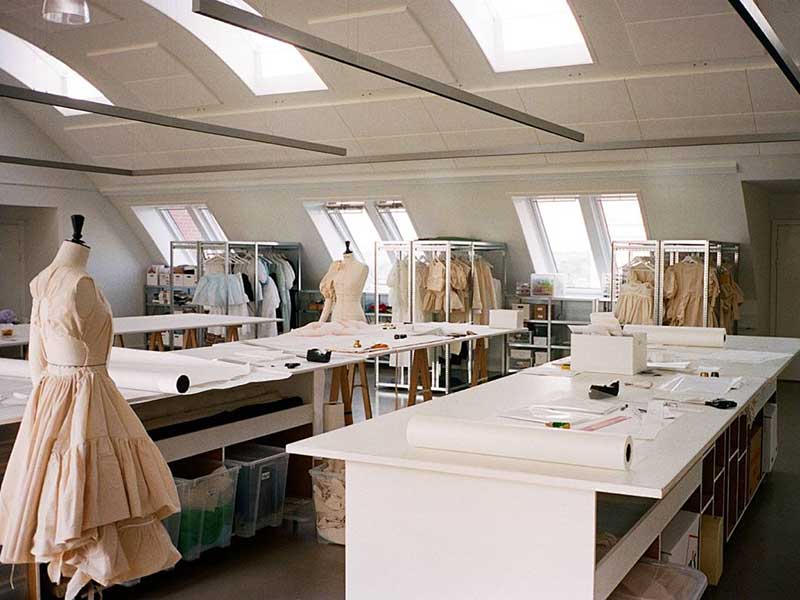
Many production issues start at the development stage, especially for ruffle dresses where structure, layering, and fabric behavior must work together. Early-stage accuracy directly affects bulk production results.
Jinfeng supports development with:
- 7 experienced pattern makers
- 20 sample technicians
- 2 sampling rooms
This enables:
- 5–10 day sampling timelines
- early correction of fit and structure
- fewer revision rounds
Accurate sampling helps reduce risks before moving into bulk production.
2. Structured Production System
Production stability depends on how factory resources are organized. Unstructured setups often lead to delays or inconsistency when handling multiple styles or large orders.
Jinfeng operates with a coordinated system:
- 3 women’s garment factories
- 1 factory for T-shirts and printing
- 18 production lines
This supports:
- clear product allocation by category
- reduced scheduling conflicts
- more stable production flow
A structured system improves efficiency across different product types.
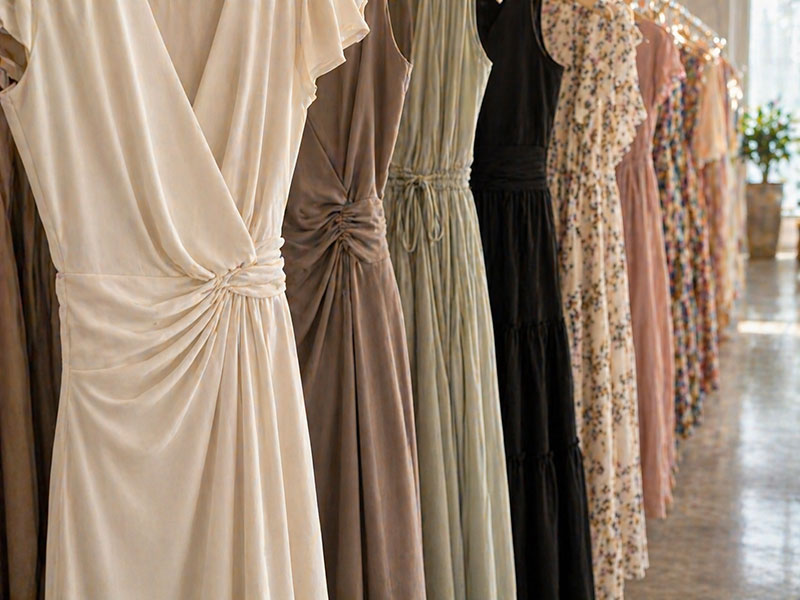
3. Scalable Capacity & Order Handling
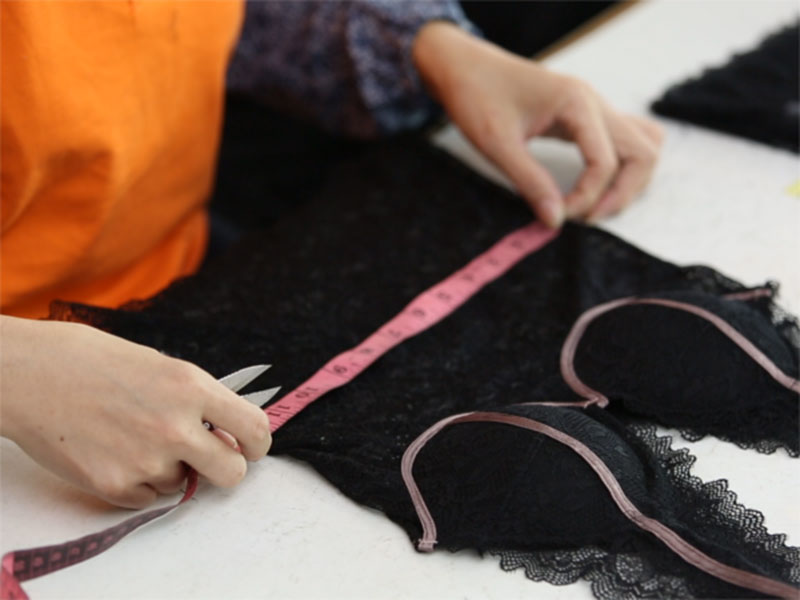
Long-term cooperation requires the ability to scale production without affecting quality or lead time. This is critical when brands expand successful styles.
Jinfeng supports:
- ~100,000 pcs monthly capacity
- 50,000–80,000 pcs expansion space
Order ranges include:
- 200–500 pcs (testing stage)
- 1,000–5,000 pcs (standard production)
- 5,000+ pcs (bulk orders)
This allows brands to grow within the same supply chain without switching factories.
4. Communication & Order Follow-Up
Production delays often result from unclear communication rather than technical limitations. Fast and accurate feedback is essential during both sampling and bulk production.
Jinfeng provides:
- email, WhatsApp, WeChat, video calls
- dedicated merchandising and follow-up team
- real-time updates during production
This ensures:
- clear execution of design and revisions
- faster response to changes
- better alignment on timelines
Consistent communication supports smoother project management.

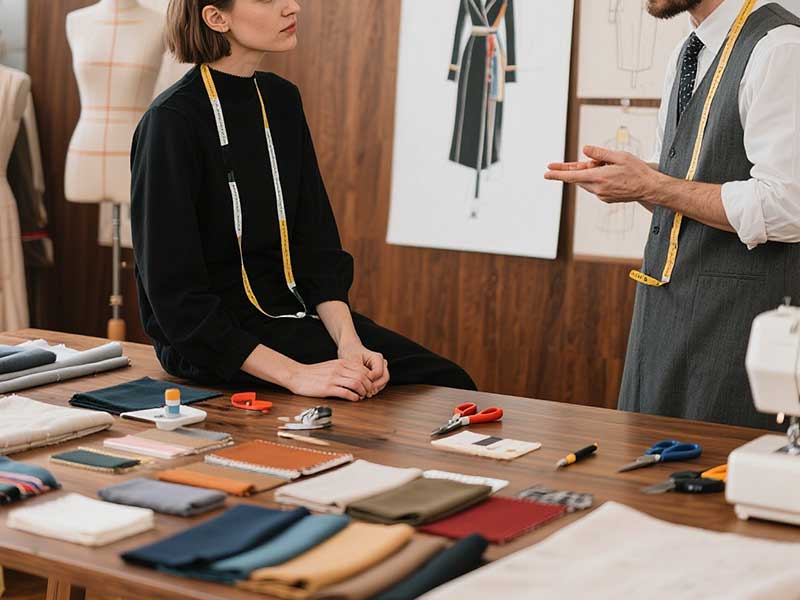
5. Quality Control System
Ruffle dress production requires strict control, as small variations in fabric or construction can affect the final appearance. Quality is managed across multiple stages, not only at the end.
Control includes:
- Fabric Inspection – checking color, texture, defects
- Shrinkage Testing – ensuring fabric stability
- Cutting Accuracy – maintaining symmetry and alignment
- In-Line Monitoring – checking stitching and ruffle placement
- Measurement Control – verifying size consistency
- Final Inspection – reviewing structure and appearance
- Packing Check – confirming labels and quantities
This helps maintain:
- consistent garment structure
- stable sizing and fit
- uniform quality across batches
Ensure that every product meets the customer’s specifications and our strict quality standards
Ruffle Dress Manufacturing Experience & Project Cases
Handling complex structures, large-volume orders, and fast development timelines for fashion brands.
Ruffle dress production often involves more than standard garment manufacturing. Projects typically require adjustments in pattern structure, fabric selection, and production planning, especially when dealing with layered designs, fitted silhouettes, or bulk orders.
Below are selected project scenarios based on actual production experience across different markets and order types.
Case 1 — European Occasionwear Brand (Complex Structure & Sampling Accuracy)
A European fashion brand required a series of ruffle dresses for seasonal occasionwear collections, including multi-layer chiffon designs and asymmetrical ruffle placements.
The main challenge was maintaining shape consistency while adapting the structure to different fabrics. Initial references used lighter materials that did not hold the intended volume during sampling.
Work included:
- adjusting pattern structure based on fabric weight and drape
- testing multiple fabric options to achieve better balance
- refining ruffle placement to improve symmetry and movement
- reducing sampling rounds by correcting structure early
The project moved from concept to sample approval within controlled timelines, allowing the brand to proceed into bulk production without major revisions.
Case 2 — US E-commerce Brand (High MOQ & Repeat Orders)
A US-based online brand required large-volume production of ruffle dresses after identifying best-selling styles.
The key requirement was maintaining consistency across repeated orders while scaling production volume.
Work included:
- organizing production across multiple lines to meet volume demand
- maintaining consistent measurements and ruffle structure across batches
- aligning fabric sourcing to avoid variation between production runs
- coordinating delivery schedules based on sales cycles
Production was structured to support orders in the 1,000–5,000+ pcs range, with repeat production requiring stable quality rather than frequent redevelopment.
Case 3 — Middle East Buyer (Urgent Order & Timeline Pressure)
A buyer from the Middle East required urgent production of ruffle dresses for a time-sensitive retail window.
The main challenge was balancing speed with production quality under a compressed timeline.
Work included:
- prioritizing sampling and confirming structure within a shortened timeframe
- allocating production capacity across available lines
- coordinating material sourcing to avoid delays
- arranging partial shipment to meet early delivery deadlines
The order was completed within an accelerated schedule while maintaining acceptable consistency for retail use.
Ruffle Dress Manufacturing FAQ
MOQ typically starts from 200 pieces per style, depending on fabric and construction complexity. Smaller runs may be possible during initial development.
Sampling usually takes 5–7 days for standard styles and 7–10 days for more complex ruffle designs.
Yes. Development can start from tech packs, reference images, or physical samples. Pattern adjustments are made based on fabric and structure requirements.
Consistency is managed through pattern control during development, standardized production processes, in-line quality checks, and final inspection before shipment.
Common options include chiffon, georgette, satin, polyester blends, and mesh. Fabric selection depends on design, cost target, and production feasibility.
Yes. Sampling and production timelines are structured to support frequent product launches and repeat orders.
Yes. NDA agreements can be signed before sharing designs or starting development to protect brand information and product designs.
Common payment methods include T/T, PayPal, credit card, Alibaba payment, and other agreed methods. Standard terms are 30% deposit + 70% before shipment, with flexibility for long-term cooperation.
Yes. Factory visits can be arranged in Dongguan. Remote video tours are also available for overseas clients.
Repeat orders are managed through production record tracking, material consistency control, and production scheduling based on demand. This helps maintain stability across multiple batches.
Start Your Next Ruffle Dress Production
Ruffle dress production requires coordination between design, pattern development, fabric selection, and manufacturing.
What Can Be Started
- sample development based on tech pack or reference
- fabric and trim matching
- pattern adjustment and fitting
- bulk production planning

