Skip to content
Ruched Top Manufacturer for DTC Fashion Brands
Develop fitted, adjustable, and draped ruched tops with controlled fabric behavior, balanced shaping, and repeatable bulk execution.
Jinfeng Apparel supports established DTC fashion labels from concept review to private-label delivery. Each project is developed around the intended silhouette, fabric stretch, gathering method, size range, launch calendar, and order structure.
- First samples generally require 7-10 days for straightforward styles, 12-18 days for medium-complexity tops, and 15-25 days for complex mesh, satin, layered, or highly structured designs.
- Standard production starts from 200 pieces per style and color, subject to fabric, trim, color, construction, and packing requirements.
- Multi-style programs are managed in structured groups, commonly covering 10-30 styles and total order plans of 20,000-80,000 garments.
- Development is supported by 2 sample rooms, 7+ senior pattern makers, 20+ sample machinists, and dedicated merchandising and QC teams.
Manufacturing Capacity Behind Every Ruched Top Program
Since 2008
Two Sample Rooms
Seven Pattern Makers
Twenty Sample Machinists
Dedicated QC Team
Scalable Factory Network
Built for Established DTC Fashion Operations
Established Brand Programs
Jinfeng Apparel is structured for fashion labels running seasonal collections, monthly drops, campaign-led launches, bestseller replenishment, and multi-SKU private-label programs. The manufacturing model supports brands that care about product image, fit performance, margin, bulk consistency, packaging accuracy, and future reorders. Ruched tops can be developed as individual hero items, coordinated color stories, matching sets, or extensions of an existing dress and skirt collection.
- Clear visual and commercial direction
- Planned quantities by style and color
- Defined sales channels and launch dates
- Size ranges requiring controlled grading
- Private-label and warehouse-ready packing
- Long-term repeat-order potential
Structured Development Briefs
A mature project does not need to arrive with every detail finalized, but it should contain enough information for a professional review. Jinfeng Apparel can work from a tech pack, line sheet, original sample, reference image, sketch, size chart, or a combination of these materials. The team then evaluates fabric direction, pattern risk, trim requirements, sample complexity, MOQ alignment, production feasibility, cost drivers, and the approval path required before bulk production.
- Reference image or original sample
- Target quantity per style and color
- Fabric or hand-feel direction
- Intended fit and size range
- Label and packing requirements
- Target delivery or warehouse date
What DTC Brands Need Beyond Basic Sewing
Photo-Ready Samples
Launch Calendar Control
Fit and Return Risk
Bulk Repeatability
SKU-Ready Packing
Replenishment Support
Custom Ruched Top Styles for Fashion Collections
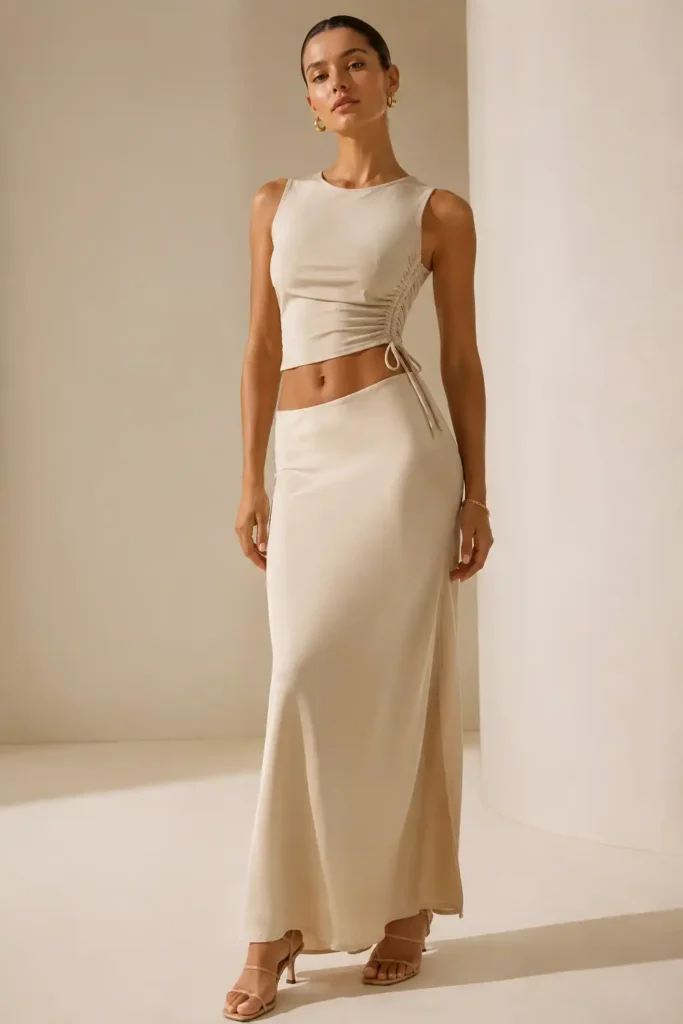
Side-Ruched Crop Top

Drawstring Ruched Top
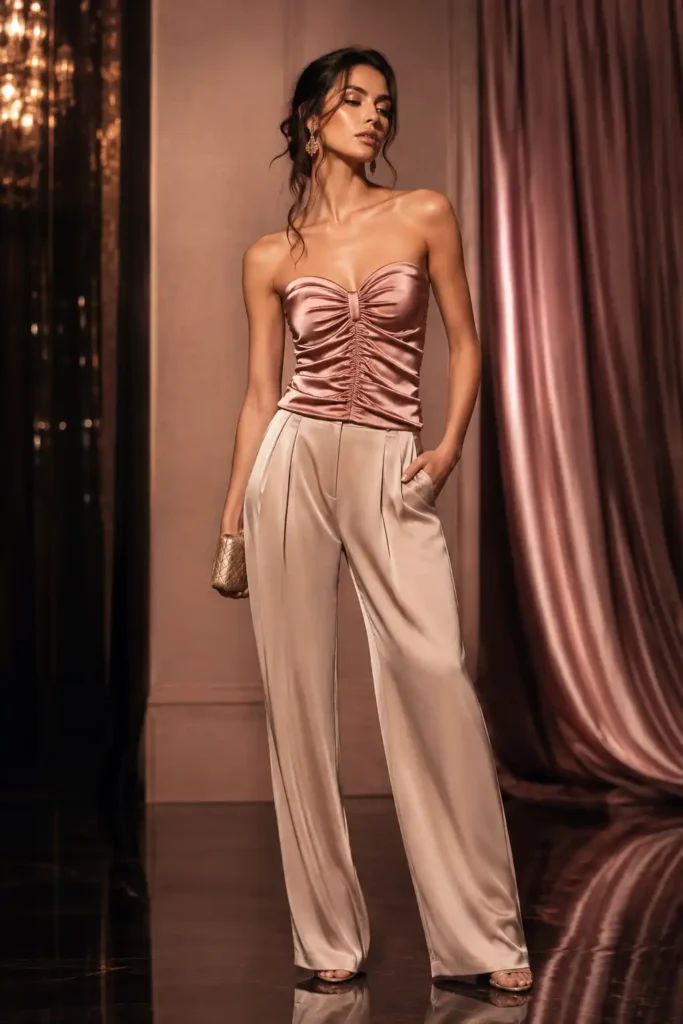
Front-Bust Ruched Top
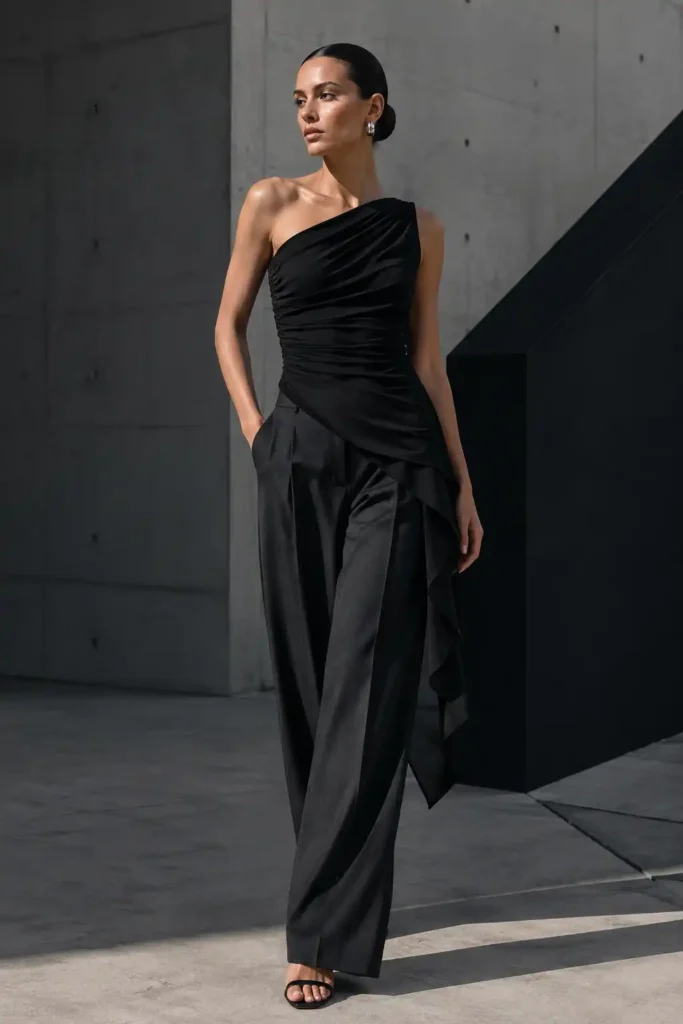
Asymmetric Ruched Top
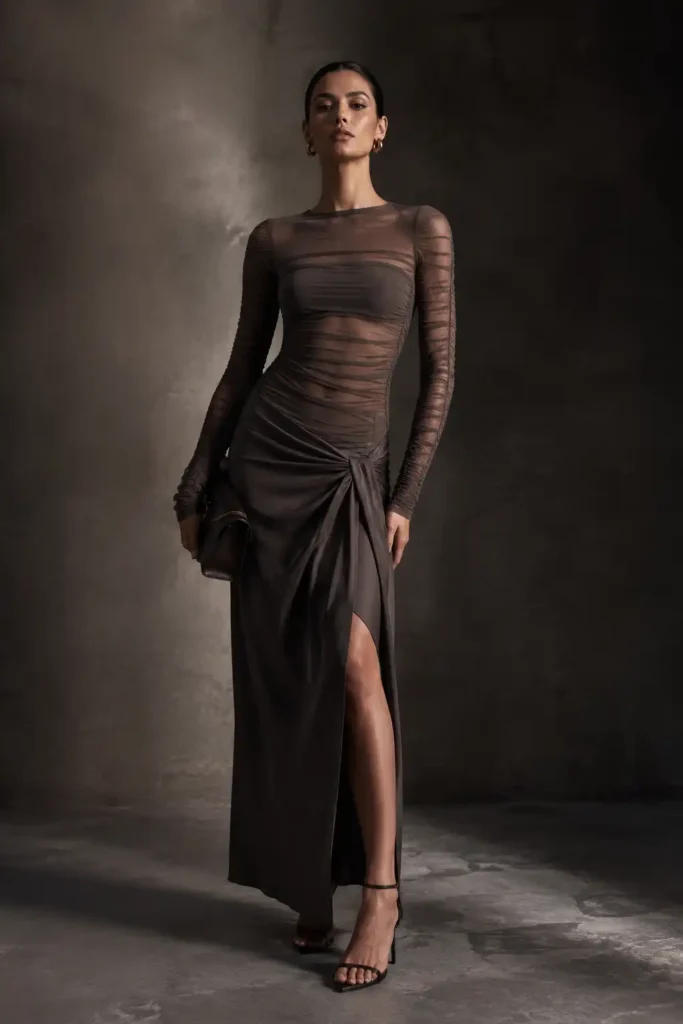
Long-Sleeve Mesh Top

Off-Shoulder Ruched Top

Satin Ruched Cami
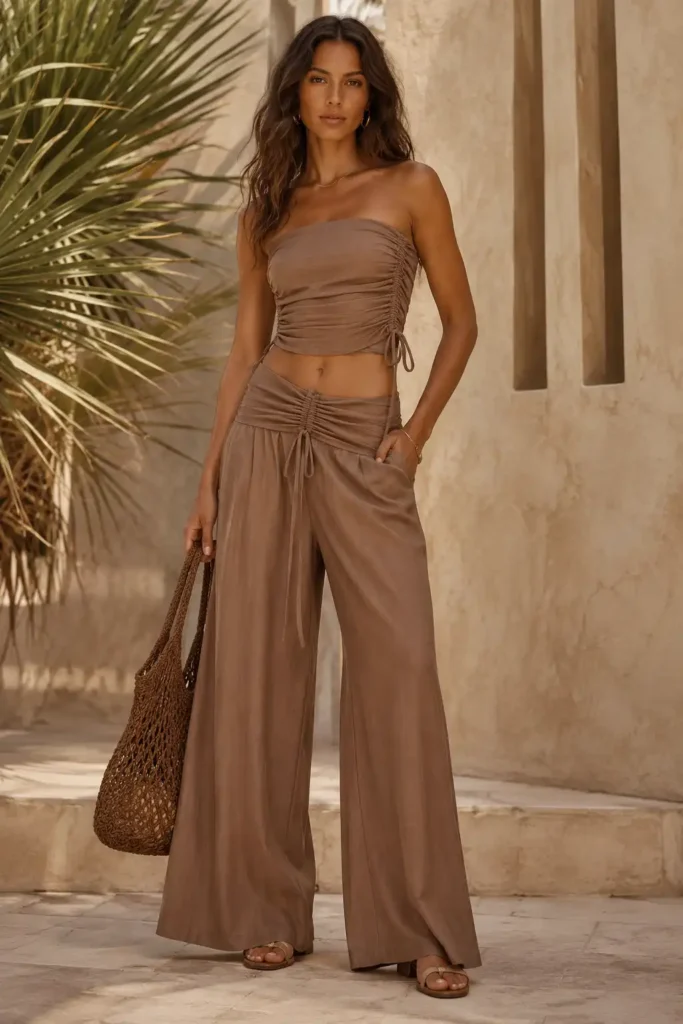
Matching-Set Ruched Top
Ruching Structures Engineered for the Intended Silhouette
Ruching is a controlled relationship between pattern length, gathering method, fabric behavior, and the finished body shape. Surface texture alone is not enough; the structure must remain balanced through fitting, production, and wear.
Fixed and Elastic Ruching for Consistent Shaping
Fixed ruching uses controlled gathering that is stitched into a defined position, while elastic ruching uses an elastic component to hold and recover the gathered area. During development, the team first defines the visual objective: subtle texture, concentrated shaping, full-body compression, or adjustable-looking detail without actual movement. A development reference may begin with a panel-length ratio around 1.5:1 to 2.5:1, but the final ratio is never copied blindly. Fabric weight, stretch, recovery, opacity, seam bulk, and target silhouette determine the approved amount.
Pattern control begins with the unruched panel length, finished gathered length, gathering start and end points, and the relationship between the ruched seam and neighboring seams. Elastic specification is reviewed for width, recovery, hand feel, washing stability, and sewing compatibility. A narrow, aggressive elastic can create harsh ridges or discomfort; a weak elastic can lose the intended silhouette during wear.
The sample is checked in relaxed and worn conditions. Key review points include bust and waist placement, body length, side-seam direction, hem level, seam waviness, and whether the gathering remains visually even after movement. For bulk production, the approved sample, pattern, elastic card, construction note, and QC reference are linked so each sewing line works from the same standard.
Adjustable Drawstrings With Defined Wearable Range
Adjustable ruching gives the wearer control over length or gathering density, but every adjustable feature needs safe and measurable limits. Development defines the minimum and maximum garment length, channel position, cord path, exit point, tie length, stopper type where used, and the amount of fabric that can gather without twisting the body or lifting the hem unevenly.
The channel must be wide enough for smooth movement but narrow enough to prevent a loose, bulky appearance. Reinforcement is added around cord exits because repeated pulling concentrates stress at a small area. Cord ends can be knotted, capped, heat-finished, or fitted with stoppers according to the design and target market. Color, weight, surface finish, and skin contact are reviewed alongside the garment fabric.
Fit testing checks both fully extended and fully gathered positions. The top should not expose unintended areas, collapse at the neckline, distort the armhole, or pull the side seam forward. For double-sided adjustment, left-right range is measured and compared. Bulk QC includes cord movement, channel security, reinforcement, usable adjustment range, finished tie length, and visual balance after the garment is returned to a standard setting.
Asymmetric and Panel Ruching With Balanced Construction
Asymmetric ruching uses visual imbalance as a design feature, yet pattern and sewing control must keep the garment structurally balanced. Common constructions include one-sided gathering, diagonal ruching, curved-panel gathering, center-front shaping, and ruching that crosses a seam or cut-out area. Each version changes how tension travels through the garment.
Pattern development maps the direction of pull before sewing begins. Grain direction, shoulder level, neckline line, armhole shape, bust point, hem angle, and side-seam position are reviewed together. A diagonal gathered panel may need stabilization at one edge and controlled stretch at another. A curved seam may require notches and reference marks so operators distribute fullness consistently rather than gathering by visual judgment alone.
The sample review compares front, side, and back views. Intentional asymmetry should not produce accidental twisting. The team checks whether the garment hangs correctly when relaxed, whether the hem angle remains stable across sizes, and whether the ruched area changes the apparent bust or waist position. Production instructions separate mirrored pieces, directional panels, and left-right components, while in-line inspection confirms panel orientation, gathering distribution, seam alignment, and overall balance.
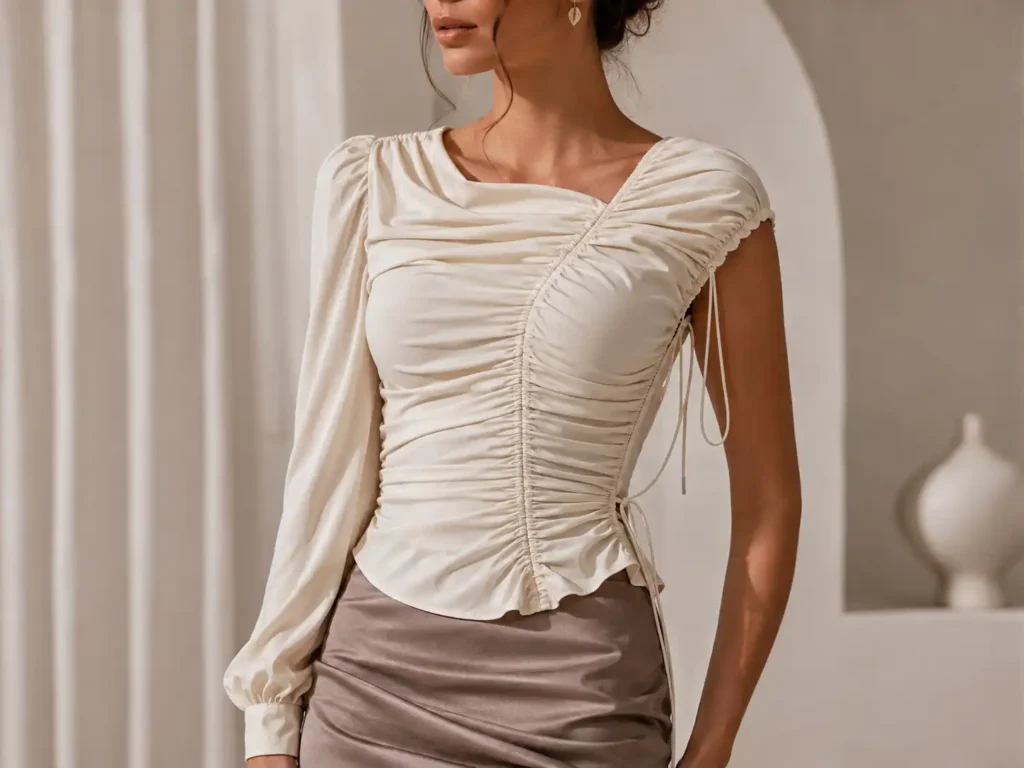
Match Fabric Behavior to the Ruching Structure
Fabric determines whether ruching looks sculpted, fluid, soft, sheer, polished, or unstable. Selection must consider stretch direction, recovery, weight, drape, transparency, surface friction, shrinkage, color behavior, and seam response.
| Fabric | Stretch and Hand | Best Ruched Applications | Main Manufacturing Controls |
|---|---|---|---|
| Stretch Jersey | Medium to high stretch; soft hand | Fitted crop tops, side ruching, body ruching | Recovery, curling edges, seam waviness, body-length stability |
| Rib Knit | Medium to high stretch; visible rib texture | Long-sleeve tops, casual fitted tops, center or side ruching | Rib distortion, width growth, color batch, hem recovery |
| Power Mesh | High stretch; sheer or semi-sheer | Layered party tops, long sleeves, asymmetric ruching | Stretch direction, lining coverage, hole prevention, seam softness |
| Stretch Satin | Moderate stretch; smooth sheen | Evening camis, draped bust tops, polished side ruching | Puckering, snagging, shine direction, pressing, packing folds |
| Viscose Jersey | Soft drape; variable recovery | Soft gathered tops, fluid front ruching | Growth, shrinkage, recovery, body length, color consistency |
| Crepe Knit | Stable stretch; textured surface | Structured fitted tops, subtle ruching | Seam bulk, recovery, pressing response, edge finish |
| Double-Layer Mesh | High stretch with added coverage | Sculpted party tops, lined bodice ruching | Layer alignment, differential stretch, seam bulk, opacity |
| Lightweight Woven Crepe | Low to moderate mechanical give | Draped bust tops, fixed side gathers | Grain control, zipper or opening, seam puckering, fit allowance |
Control Fit Before Scaling Across the Size Range
Ruched tops change shape under tension. Fit development therefore links flat measurements, stretch behavior, gathering distribution, and worn movement before a grade rule is approved for the full size range.
Build a Base-Size Fit Map
The base size establishes more than bust width and body length. Jinfeng Apparel reviews neckline depth, neckline width, shoulder or strap position, armhole shape, bust coverage, under-bust location where relevant, waist suppression, hem position, side-seam direction, sleeve length, and the relaxed versus worn behavior of the ruched area.
For a fixed ruched seam, the pattern record includes the original panel length and the approved gathered length. For elastic ruching, the elastic length and recovery standard are linked to the panel. For adjustable ruching, minimum and maximum finished lengths are recorded. The team also checks whether the design rides upward, pulls forward, collapses at the neckline, or creates unintended bulk around the bust or waist.
Fit comments are translated into pattern actions rather than remaining as general feedback. “Too tight at bust” may require more width, a different gathering distribution, adjusted neckline tension, or a fabric change. “Too short when worn” may come from vertical stretch loss after side gathering rather than a simple body-length measurement. Each change is recorded so the next sample can be compared against the previous version.
Grade Ruching Across Multiple Sizes
A ruched detail should not be enlarged by percentage alone. Larger sizes may need a different distribution of extra panel length, changed gathering concentration, revised elastic length, greater bust coverage, or adjusted side-seam placement. Smaller sizes may need reduced bulk so the garment does not appear over-gathered. The grade rule therefore connects body measurements with the intended visual density of the ruching.
Programs commonly cover size runs such as XS-XL, XS-XXL, or XS-3XL, depending on the brand and product. Before bulk production, the size chart, grade rule, measurement tolerance, pattern version, and critical fit points are confirmed. Priority sizes may be sampled or measured more deeply when the design contains a low neckline, narrow straps, high stretch, or a highly concentrated ruched panel.
Key points often include bust, under-bust, waist, body length, front length, back length, armhole, neckline drop, strap length, sleeve opening, hem width, and finished ruched length. Bulk measurement planning can use different sampling frequencies for critical and non-critical points, while the approved tolerance is set by the product structure rather than copied from an unrelated style.
Test Movement, Recovery, and Wear Stability
A fitted top must perform beyond a standing front-view photo. Wear review can include raising the arms, sitting, walking, bending, and repeated stretch in the ruched area. The goal is to check neckline security, underarm comfort, side-seam movement, hem lift, sleeve restriction, drawstring stability, and whether the fabric returns after tension.
Stretch recovery is especially important for jersey, rib knit, mesh, and elasticated constructions. A sample can fit correctly at first but lose shape after repeated wear if the fabric or elastic does not recover. The team compares the garment before and after controlled movement, then reviews whether measurements, visual gathering, and seam positions remain within the approved standard.
For sheer or layered styles, movement testing also checks lining coverage and layer alignment. For satin or lightweight woven tops, the focus shifts toward seam strain, zipper or opening comfort, and whether fixed gathering creates stress lines. Final approval considers the intended sales image and the real wearing experience together.
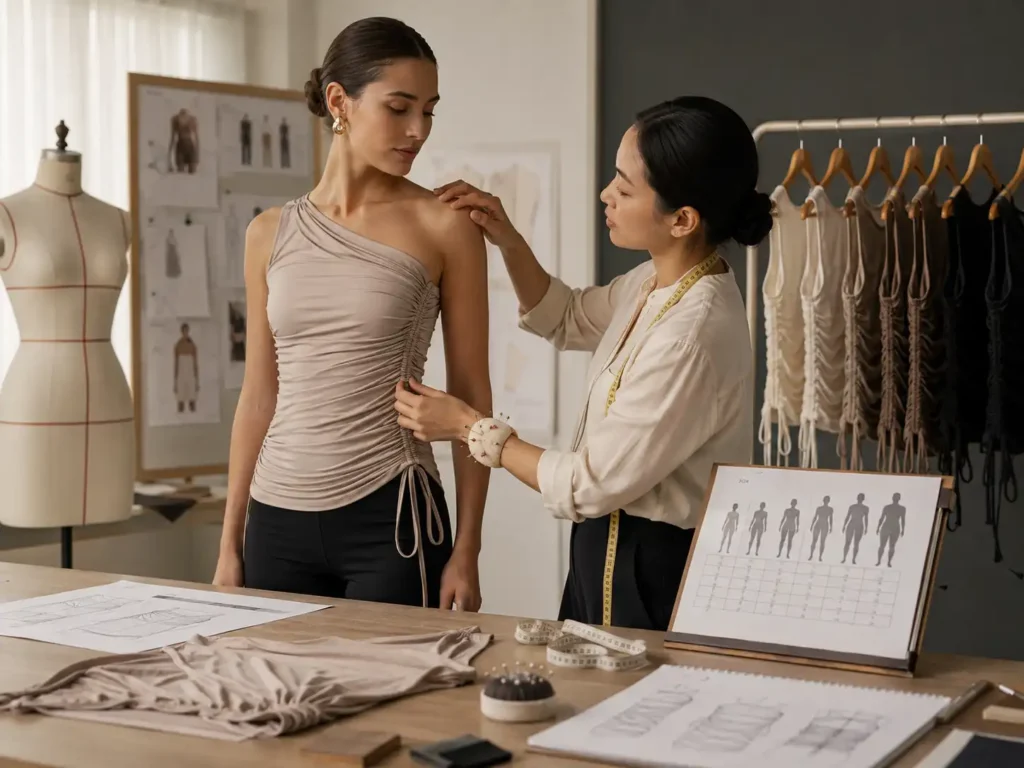
Small Components That Control the Finished Fit
Elastic Bands
Drawcord Channels
Cord Ends and Stoppers
Inner Lining
Stabilizing Tapes
Adjustable Straps
Develop Samples Ready for Review and Campaign Use
Sampling creates the production standard. Each stage should reduce uncertainty around material, fit, construction, appearance, cost, and bulk execution rather than producing repeated prototypes without a clear approval path.
Technical Review Before Pattern Development
The first review covers reference images, tech pack, original sample, line sheet, intended fit, size range, target quantity, fabric direction, trims, labels, packing, and launch timing. Jinfeng Apparel identifies open questions before pattern work begins. For a ruched top, the review focuses on the gathering method, location, finished length, adjustability, neckline, bust coverage, sleeve or strap structure, fabric stretch, lining, and opening method.
A preliminary development plan then separates confirmed items from items requiring sampling. For example, the design image may show a side tie without defining whether the tie is functional, decorative, fixed, or elasticated. The manufacturing route changes for each option. Clarifying the structure early prevents the first sample from becoming an expensive guess.
Fabric and trim direction are also reviewed before cutting. Swatches can be compared for stretch, recovery, drape, opacity, surface, and color. Where a brand supplies an original sample, measurements and construction can be analyzed while still protecting the design under NDA-based cooperation. The goal is to move into pattern development with a defined technical route and a clear list of approval points.
Sample Timing Based on Style Complexity
Sample timing begins after the required development information and workable materials are available.
A straightforward jersey ruched top may require around 7-10 days for a first sample.
A medium-complexity top with lining, multiple panels, sleeves, or adjustable channels may require around 12-18 days. Complex mesh, satin, asymmetric, layered, or highly detailed designs may require around 15-25 days.
Styles requiring custom-developed fabrics or special trims may need 20-35 days or follow the supplier’s material timeline. Revised samples generally require 7-15 days, depending on the scale of pattern, fabric, trim, or construction changes. PP samples generally require 7-15 days after final bulk materials and specifications are ready.
These ranges are planning references rather than automatic promises. Material availability, color development, trim tooling, client feedback speed, sample quantity, and the extent of revisions all affect the final schedule.
For multi-style collections, hero styles can be prioritized according to campaign deadlines while related styles follow a grouped sampling plan.
Fit Revision, PP Approval, and Golden Sample
After the first sample, feedback is converted into a revision record. The record can include pattern changes, measurement changes, fabric replacement, trim adjustment, sewing-method updates, label placement, packing requirements, and approval status. Annotated photos, fit comments, measurement sheets, and sample videos help keep decisions traceable across teams and time zones.
The PP sample is produced with final or approved bulk materials and should reflect the confirmed color, fabric, trims, measurements, construction, labels, hangtags, and packing direction. Bulk production should not begin before the required PP standards are locked. Once approved, a Golden Sample becomes the physical reference for sewing, QC, finishing, packing, and future repeat orders.
For ruched tops, the Golden Sample records the visual density and position of the gathering as well as measurable points such as finished body length, channel position, elastic or drawcord specification, side-seam balance, neckline shape, and label placement. The production team and QC team then compare bulk garments against the same standard.

What We Need to Review Your Ruched Top
Tech Pack
Reference Sample
Quantity Plan
Fabric Direction
Color Plan
Size Range
Label and Packing
Launch and Delivery
Repeat the Approved Ruching Across Bulk Production
Bulk production succeeds when the approved silhouette is converted into measurable materials, pattern versions, construction instructions, line standards, inspection points, and packing records.
Lock the Pre-Production Standard
Before production, the team confirms the PP sample, Golden Sample, shell fabric, lining, elastic, drawcords, trims, colors, size chart, grade rule, measurement tolerance, BOM, construction sheet, label placement, packing method, quantities, delivery terms, and QC requirements. Open items are not left for sewing operators to interpret.
For ruched tops, the pre-production file includes the gathering method, location, start and finish points, finished ruched length, elastic or cord specification, seam construction, reinforcement, pressing limits, and appearance reference. If a style includes multiple colorways or fabrics, each combination is checked because stretch, thickness, recovery, and surface behavior may change the approved sewing method.
A pre-production meeting connects merchandising, pattern, cutting, sewing, QC, finishing, and packing teams. The purpose is to identify production risk before volume work begins. Complex points can be trialed in a controlled first output, then compared with the Golden Sample and construction notes before the line continues.
Control Cutting, Bundles, and Directional Panels
Fabric relaxation, shade grouping, grain direction, stretch direction, nap, shine direction, and panel orientation affect the finished top. Stretch fabrics need controlled handling so layers do not shift or grow during cutting. Mesh and satin require clean surfaces and careful bundle management. Asymmetric styles need clear left-right identification to prevent mirrored pieces from being mixed.
Cut components are separated by style, color, size, fabric batch, and bundle number. Notches, pattern labels, and reference marks identify ruching start and finish points. Directional panels are checked before sewing because a cutting error can change shine, drape, stretch, or the visual angle of the gathering. Shade control is maintained within garments and, where required, across matching sets.
Cutting QC reviews panel shape, grain, notches, defects, orientation, and quantity. Problems found at this stage are corrected before sewing, when replacement is less disruptive. Accurate cutting also supports stable measurements and reduces the need for operators to compensate during assembly.
Standardize Sewing and Ruching Execution
Sewing instructions define the sequence for joining panels, applying elastic, creating drawcord channels, distributing gathers, attaching lining, stabilizing necklines, closing side seams, and finishing hems. Operators use the Golden Sample and construction references to understand both the technical method and the intended appearance.
Ruching is controlled through defined reference points rather than freehand visual judgment. In-line inspectors compare start and finish positions, finished gathered length, left-right balance, seam direction, elastic tension, drawcord movement, reinforcement, neckline shape, body length, and overall silhouette. Early issues are corrected before they repeat through a larger quantity.
Stitch security is especially important where elastic or cords create repeated stress. Mesh needs soft, secure seams without holes or sharp bulk. Satin needs clean feeding and controlled tension to reduce puckering. Jersey needs seam stability without excessive waviness. The sewing method is matched to the fabric and product rather than forcing one standard onto every ruched top.
Finish, Press, Pack, and Release
Finishing removes loose threads, checks stains and surface damage, confirms measurements, and restores the approved shape without flattening the ruching. Pressing temperature, pressure, steam, and handling are adjusted by fabric. Satin needs protection from shine marks and hard creases; mesh needs low-risk handling; jersey needs shape recovery without stretching the garment.
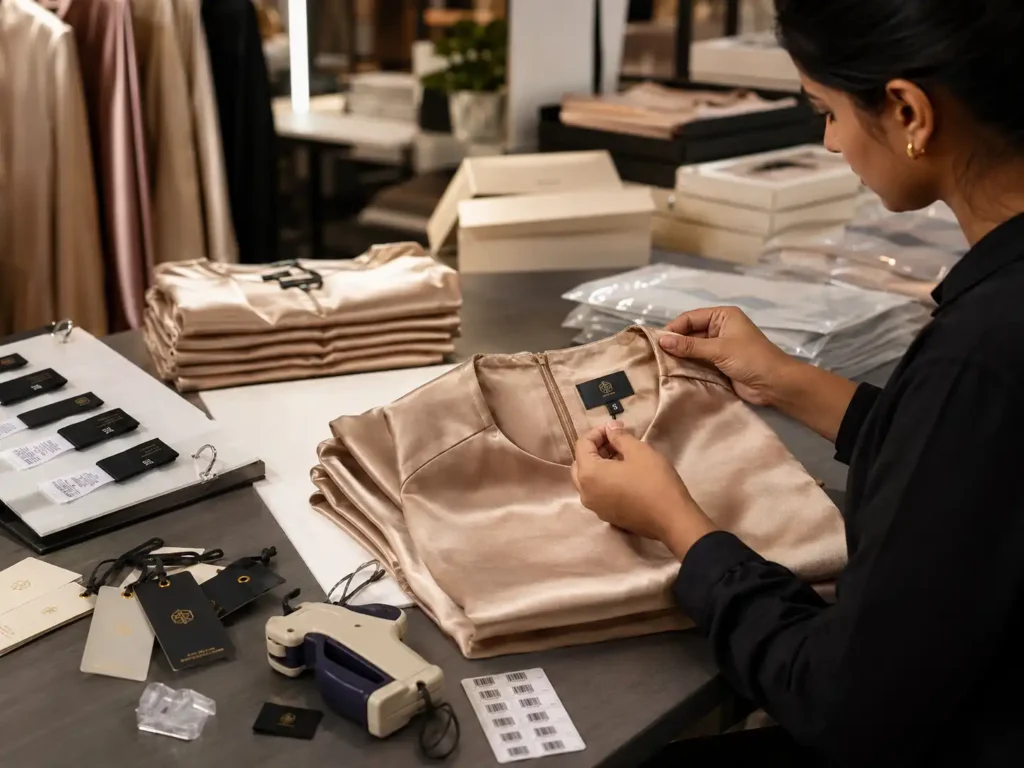
Final inspection reviews appearance, measurement, symmetry, gathering, seam security, trims, labels, and cleanliness. Individual garments are folded according to the approved packing method, then matched with the correct hangtag, barcode, size sticker, SKU label, and polybag. Cartons are checked for style, color, size, quantity, carton mark, weight, and carton number.
Shipment release follows the required inspection and document process. Jinfeng Apparel can coordinate client-appointed or factory-coordinated forwarders and support commercial invoices, packing lists, carton information, shipping marks, and related export documentation according to the agreed trade terms.
Quality Checkpoints for Consistent Ruched Tops
Quality control follows the product risk. Ruched tops require both measurement checks and visual comparisons because gathering, tension, symmetry, and recovery can change the garment without appearing clearly in a basic size report.
| Stage | Inspection Focus | Common Risk | Record or Decision |
|---|---|---|---|
| Incoming Fabric | Composition, GSM, width, shade, stretch, recovery, shrinkage, surface | Batch difference, weak recovery, unexpected transparency | Fabric report, shade grouping, approval or hold |
| Cutting | Grain, stretch direction, panel orientation, notches, defects | Twisting, mirrored parts, uneven shine, missing reference marks | Cutting check and bundle correction |
| Ruching Setup | Start and finish points, panel length, elastic or cord specification | Uneven gathering, wrong finished length, misplaced channels | First-piece approval and line reference |
| Sewing | Stitch security, seam direction, tension, reinforcement, lining attachment | Broken gathers, waviness, holes, loose channel, bulky seams | In-line inspection and repair action |
| Measurement | Bust, body length, neckline, armhole, strap, sleeve, hem, ruched length | Size drift, neckline change, uneven body length | Measurement report against tolerance |
| Appearance | Left-right balance, gathering density, side seams, surface condition | Visible asymmetry, twisting, puckering, snagging | Golden Sample comparison |
| Wear and Recovery | Stretch return, movement, coverage, drawcord function | Riding up, loss of shape, exposure, restricted movement | Wear review and approval status |
| Packing | Label, barcode, SKU, folding, polybag, carton quantity | Mixed sizes, crushed ruching, wrong barcode, hard satin folds | Packing QC and carton release |
Support the DTC Cycle From Launch to Reorder
A manufacturing calendar should protect campaign, launch, warehouse, and replenishment milestones. Speed is created by early decisions, priority management, and controlled approvals rather than by skipping technical steps.
Plan Backward From the Launch Date
Jinfeng Apparel can build the working schedule backward from the required warehouse or launch date.
The plan covers first-sample review, fit feedback, revision, photo-ready samples, PP approval, material arrival, production allocation, QC, packing, booking, and shipment. Each milestone has dependencies: bulk sewing cannot be stabilized while fabric, PP details, labels, or size charts remain open.
Hero styles are identified early. A campaign may require selected colors and key sizes before the rest of the assortment.
Photo samples and PP samples are planned according to their different purposes. Freight choice is considered before packing is finalized because air, sea, split shipment, FOB, DAP, or DDP-by-project routes can require different carton, document, and receiving arrangements.
Risk is reviewed through the timeline. Custom-dyed fabric, special trim, multiple revisions, expanded sizes, custom packaging, peak-season freight, and late artwork can move the schedule. Early visibility allows the brand to decide whether to simplify a component, consolidate colors, prioritize styles, approve an alternative fabric, or adjust shipment sequencing.
Manage 10-30 Styles as a Controlled Program
Multi-style collections are grouped by fabric, construction, pattern complexity, trim system, launch priority, and approval status. Jinfeng Apparel’s project structure is designed for programs commonly covering 10-30 styles and total order quantities of 20,000-80,000 garments. The aim is not to push every style through the same route at the same time, but to protect the most important milestones while keeping the full range traceable.
A development tracker can list style number, color, size range, fabric, trim status, sample version, revision comments, approval date, PP status, production quantity, packing requirement, and shipment plan. Hero ruched tops may be divided into jersey, mesh, and satin groups so material and sewing risks are handled by suitable teams. Related skirts, dresses, or matching-set bottoms can follow coordinated color and packing controls.
Weekly progress can be communicated through email, WhatsApp, Excel trackers, PDF files, annotated images, sample videos, and production updates. Formal approvals remain linked to the project file so decisions are not lost inside informal conversations.
Reorder From Controlled Technical Records
Repeat orders can reuse approved patterns, grade rules, measurement files, fabric references, trim cards, construction notes, Golden Sample records, label artwork, packing instructions, and carton standards. These records reduce unnecessary redevelopment and help the brand preserve fit and appearance across seasons or production batches.
A reorder still requires a fresh commercial and material review. Fabric price, supplier availability, color batch, trim MOQ, packaging, size ratio, freight, and delivery timing may change. New colors need approval, and a new fabric may require fit or construction reassessment even when the pattern is based on the same style.
For a successful ruched top, the program can extend into new colors, sleeve lengths, neckline variations, matching skirts, or updated fabrics. Jinfeng Apparel manages these extensions as controlled versions rather than allowing untracked changes to overwrite the original approved standard.

Private-Label Details Ready for Ecommerce Fulfillment
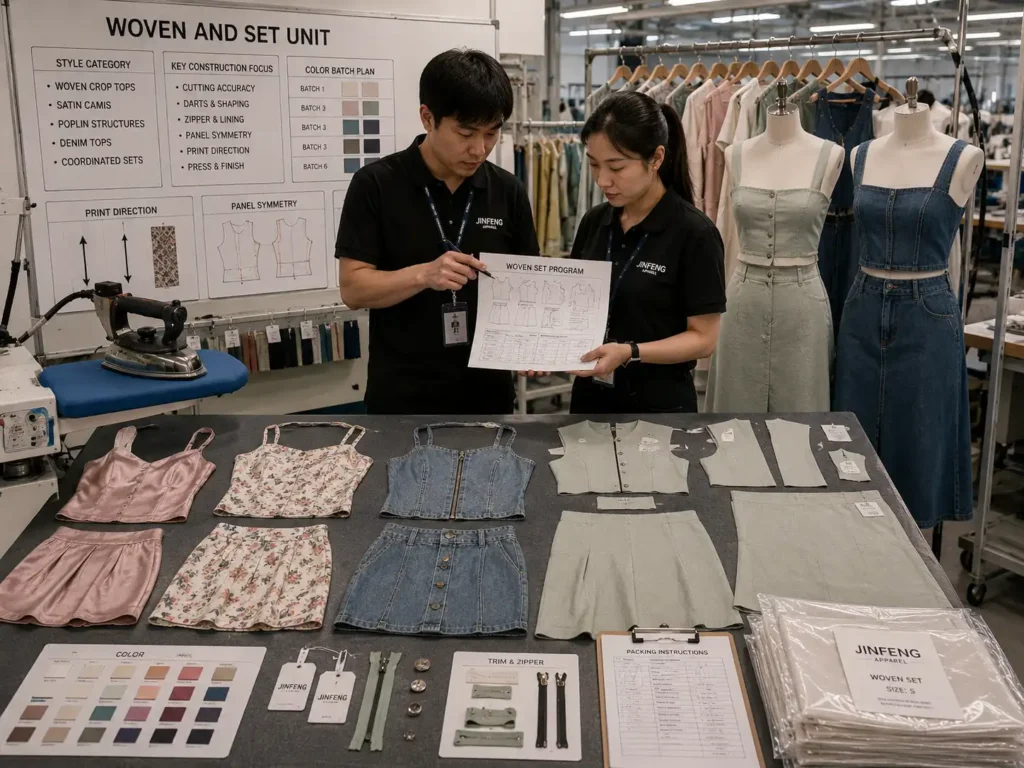
Woven Brand Labels
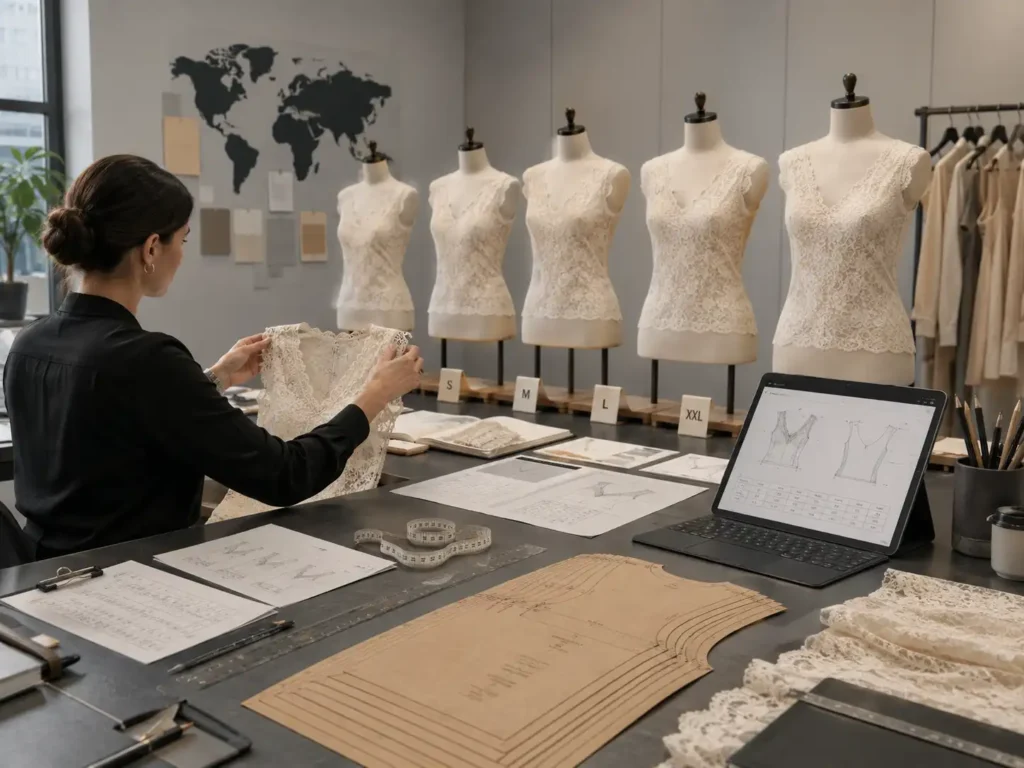
Size and Care Labels
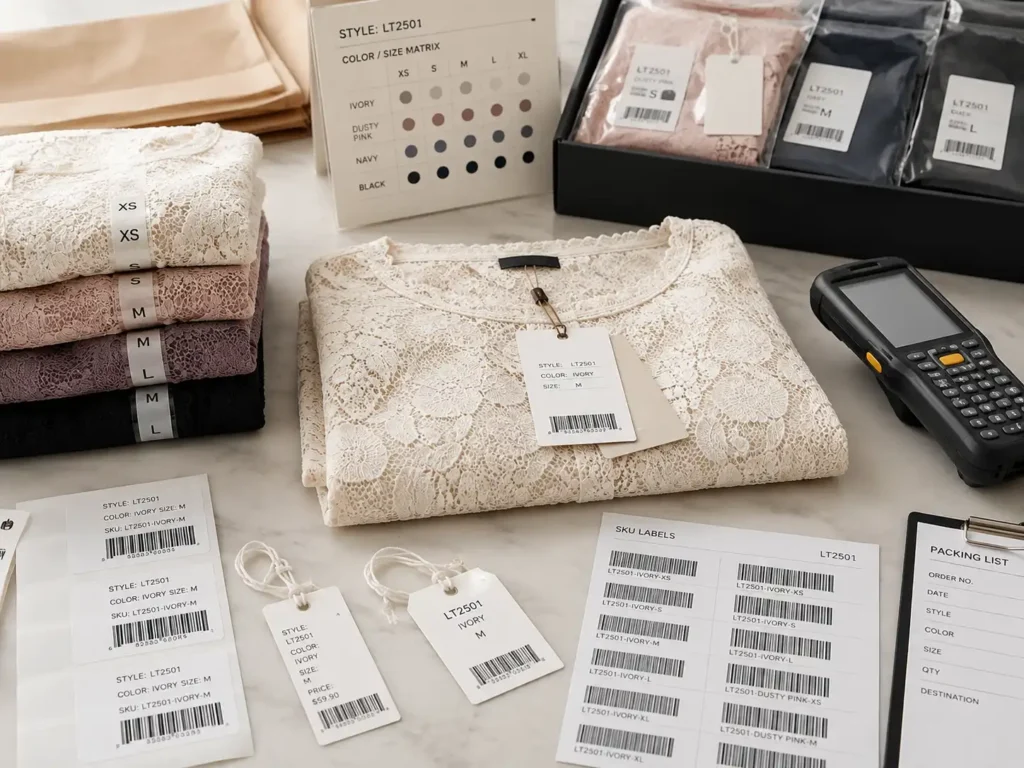
Hangtags and Strings
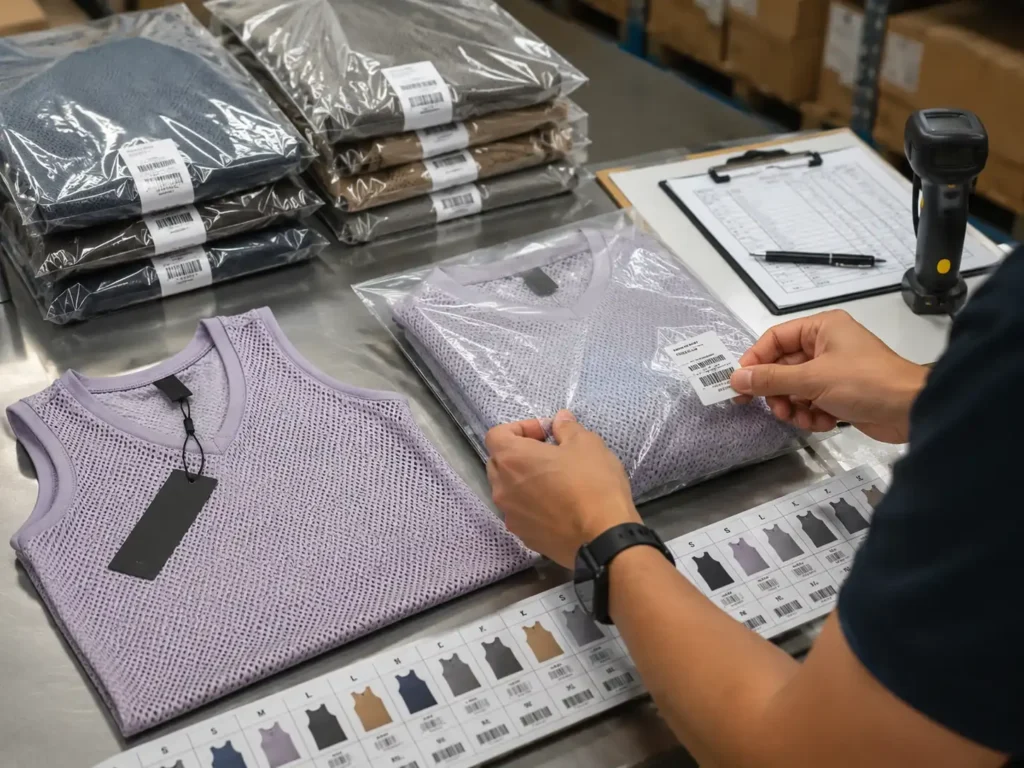
Barcode and SKU Labels
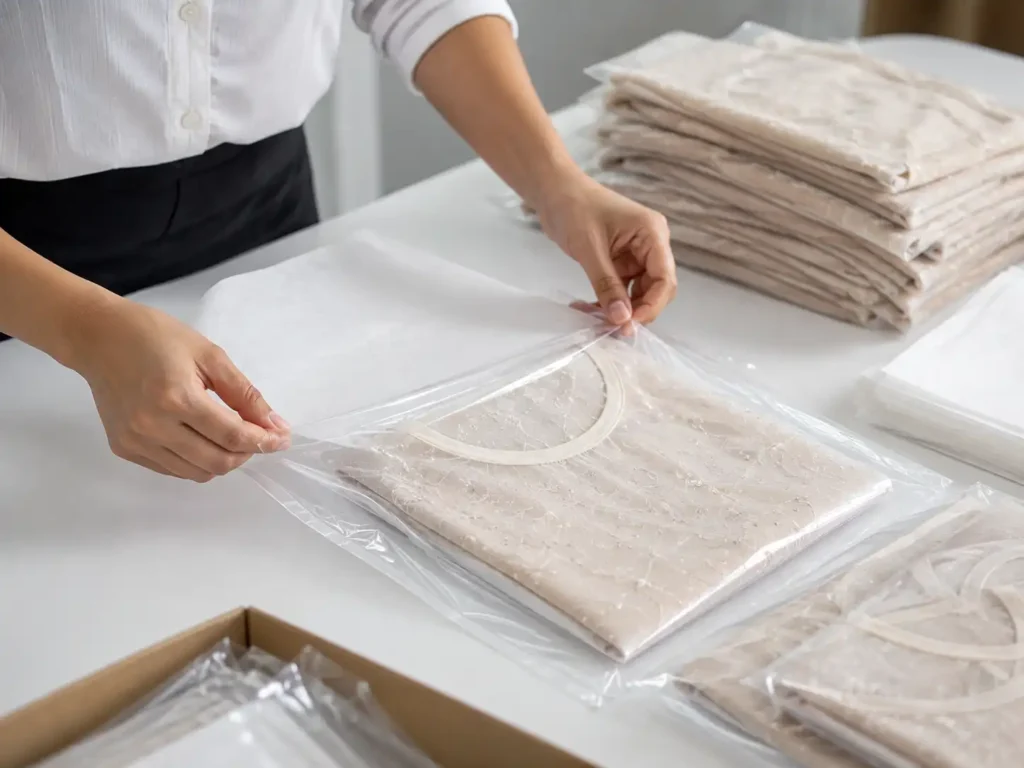
Polybags and Inserts
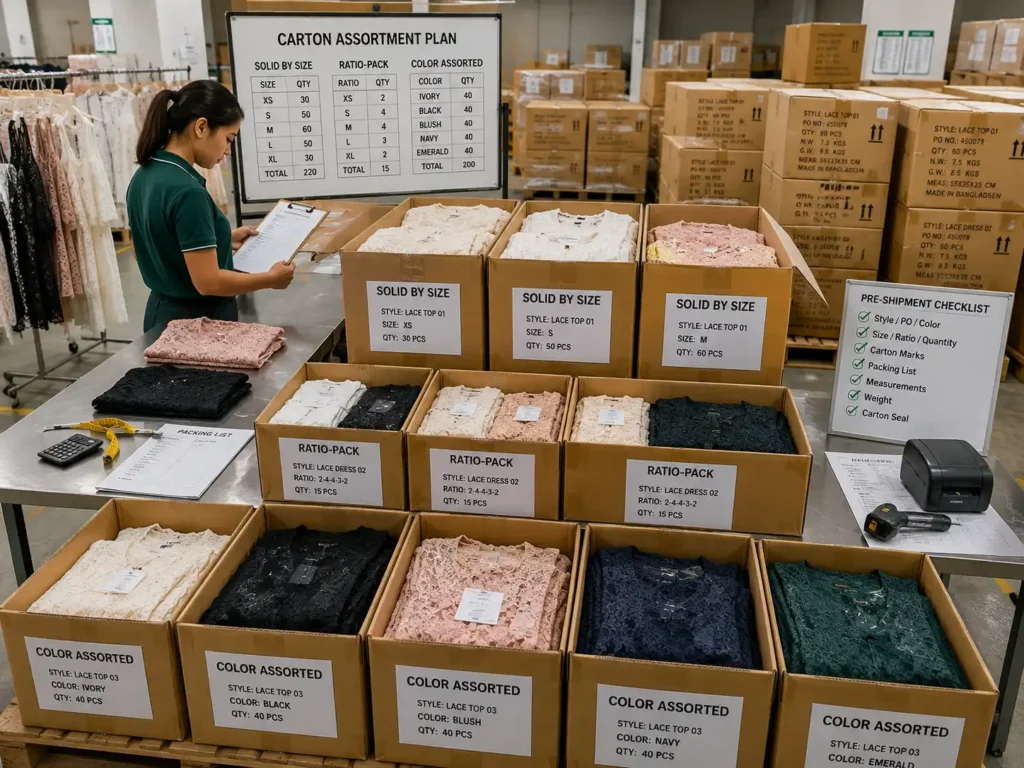
Cartons and Warehouse Marks
Development Flexibility With Scalable Production Support
Jinfeng Apparel connects specialized development teams with a structured factory network. Capacity is assigned according to garment type and project risk rather than treating every women’s fashion style as interchangeable.
Match Each Style to Suitable Production Resources
The production system includes 6 owned women’s fashion factories, 10+ long-term satellite production partners, 18+ sewing lines, and 6+ flexible production lines. Allocation considers whether a ruched top is jersey, rib, mesh, satin, lined, asymmetric, drawstring-adjustable, long-sleeved, or part of a matching set. The selected production route must match fabric handling, sewing complexity, order quantity, launch sequence, and QC requirements.
The network is not presented as unlimited capacity. Complex satin or mesh styles do not move through the same line logic as a straightforward jersey top. Capacity planning reviews material arrival, sample approval, line skill, operation sequence, finishing, packing, and shipment timing before a production schedule is confirmed.
This structured allocation helps multi-style programs avoid placing every style with one unsuitable production team. It also supports split production by technical category while keeping project records, Golden Samples, quality standards, labels, packing, and shipment plans under coordinated management.
Keep Development and Production Information Traceable
A team structure supports the project from inquiry through shipment: 7+ senior pattern makers, 2 sample rooms, 20+ sample machinists, 12+ merchandisers, 15+ QC inspectors, and 30+ finishing and packing workers. Team roles connect pattern versions, sample comments, fabric progress, trim approval, PP status, production updates, QC feedback, packing confirmation, and shipment details.
Project communication can use email, WhatsApp, WeChat, video meetings, Excel trackers, PDF tech packs, annotated images, sample videos, and production progress sheets. Formal records may include the tech pack, revision log, BOM, size chart, PP confirmation, QC checklist, packing instruction, barcode list, and shipping documents.
Traceability is especially important for collections with many similar ruched tops. Style numbers, colorways, fabric groups, channel positions, elastic specifications, and size charts must remain separated. A controlled project file reduces sample-version confusion and prevents changes from one style being applied incorrectly to another.
Support Multi-Batch Delivery and Long-Term Programs
Large programs can be divided by hero styles, color groups, size priorities, material readiness, or shipment method. A first batch may support a campaign or early warehouse need while the remaining quantity follows the main production and freight plan. Split shipment is evaluated according to packing separation, SKU accuracy, documentation, freight cost, and warehouse receiving requirements.
Long-term support includes seasonal collection development, bestseller replenishment, same-style repeat orders, new color development, same-pattern fabric changes, multi-batch production, and historical record retention. Jinfeng Apparel keeps pattern, material, trim, measurement, construction, label, packing, and shipment references so future work begins from an established standard.
The objective is not only to complete one order, but to build a production system that can absorb controlled changes while protecting the approved fit, appearance, and brand presentation.
MOQ and Cost Drivers for Custom Ruched Tops
MOQ by Style and Color
Cost Built From the Real Garment
The quotation can include shell fabric, lining, elastic, cords, stoppers, labels, pattern work, grading, sampling, cutting, sewing time, finishing, pressing, QC, packing, wastage, testing where required, logistics, and a reasonable factory margin. Ruching can increase fabric usage, panel length, sewing operations, in-line control, and finishing time compared with a flat-panel top. Major cost drivers include fabric composition, GSM, width, stretch, recovery, color development, lining, double-layer construction, gathering method, elastic specification, drawcord channels, reinforcement, asymmetric panels, sleeves, size range, color quantity, private-label materials, barcode packing, order quantity, and lead time. Cost control can come from comparing fabrics, simplifying hidden construction, consolidating colors, standardizing trims, improving marker efficiency, planning size ratios, or separating urgent and regular shipment quantities. The aim is to protect the brand-level silhouette and wearing performance rather than remove the controls that make the product stable.
Frequently Asked Questions About Ruched Top Manufacturing
Jinfeng Apparel’s standard MOQ starts from 200 pieces per style and color. One style in two colors generally requires 200 pieces per color. Custom-dyed fabrics, special mesh, satin, printing, certified materials, unusual trims, hardware, or printed packaging can carry separate supplier minimums.
Straightforward styles generally require 7-10 days. Medium-complexity ruched tops generally require 12-18 days. Complex mesh, satin, layered, asymmetric, or highly detailed styles generally require 15-25 days. Special materials may require 20-35 days or follow the supplier’s timeline.
Yes. Jinfeng Apparel can review reference images, sketches, line sheets, original samples, tech packs, or combinations of these materials. The initial review identifies fabric direction, construction questions, measurements, trim requirements, sample complexity, MOQ alignment, and bulk-production risk before pattern work begins.
Common options include stretch jersey, rib knit, power mesh, stretch satin, viscose jersey, crepe knit, double-layer mesh, and selected lightweight woven fabrics. The right choice depends on stretch, recovery, drape, opacity, surface, target fit, gathering method, and intended price position.
Yes. Development can include side, front, or panel drawstring channels. The sample defines minimum and maximum length, channel width, cord specification, exit position, reinforcement, stopper or tie finish, and left-right balance before the construction is approved for bulk production.
Pattern reference marks, channel positions, finished ruched lengths, elastic or cord specifications, first-piece approval, Golden Samples, and in-line checks are used together. Inspectors compare start and finish points, side-seam direction, body length, gathering density, and overall balance rather than judging appearance informally.
Yes. Size ranges are reviewed by project. Ruching is not enlarged mechanically by percentage alone. The pattern team evaluates bust coverage, neckline, body length, gathering distribution, elastic length, side-seam placement, and the visual density of the detail across the approved grade rule.
Yes. Sample types can include first, fit, revised, photo-ready, salesman, PP, and Golden Samples. A photo-ready sample supports campaign use, while a PP sample confirms final or approved bulk materials, measurements, construction, labels, and packing before production.
Yes. Jinfeng Apparel supports woven labels, size labels, care labels, hangtags, barcode stickers, SKU labels, polybags, stickers, thank-you cards, cartons, carton marks, and warehouse labels. Artwork, placement, supplier MOQ, and packing guides should be confirmed early.
Yes. NDA-based cooperation protects tech packs, original samples, patterns, labels, packaging, pricing, order information, and unreleased designs. Pattern, fabric, trim, measurement, construction, Golden Sample, packing, and shipment records can be retained to support future repeat orders and color extensions.

Start Your Custom Ruched Top Program
Send Jinfeng Apparel the information already available for your collection. A complete tech pack is helpful, but an initial review can also begin with reference images, an original sample, a line sheet, a size chart, or a clear product brief. The team will review the intended silhouette, ruching structure, fabric direction, trims, quantity per style and color, size range, private-label requirements, launch date, and delivery destination.
The initial assessment helps define the right next step: material options, pattern development, sample quotation, sample priority, bulk quotation inputs, production-risk notes, or a multi-style project plan. Complex details are not accepted blindly. Fabric behavior, fit, adjustability, lining, bulk repeatability, and packing requirements are reviewed before a formal development route is confirmed.
Please include:
- Reference image, tech pack, line sheet, or original-sample photos
- Target quantity for each style and color
- Preferred fabric, stretch, hand feel, or target composition
- Color plan and size range
- Label, hangtag, barcode, polybag, and carton requirements
- Campaign date, launch date, or warehouse receiving date
- Destination country and preferred freight arrangement