
Ruched Dress Manufacturer
Custom ruched dress development for fashion brands requiring controlled fit, stable gathering, repeatable bulk quality, and private-label delivery.
- MOQ starts from 200 pcs per style/color, subject to fabric, color, trim, construction, packaging, and production planning.
Standard ruched jersey samples usually require 10-15 days; lined mesh or structurally complex designs generally require 12-25 days.
Development support covers fixed ruching, adjustable drawstrings, diagonal draping, mesh overlays, stretch satin, jersey, rib knit, ponte, and spandex blends.
2 sample rooms, 7+ senior pattern makers, 20+ sample machinists, and 15+ QC inspectors support development from first pattern through PP approval and bulk release.
Manufacturing Facts Behind Every Ruched Dress Program
Since 2008
6 Owned Factories
10+ Production Partners
2 Sample Rooms
7+ Pattern Makers
15+ QC Inspectors
Built for Established Fashion and Sourcing Teams
Fashion Brand Groups
Brand groups can coordinate multiple ruched dress styles, fabrics, colors, and delivery waves under one development framework.
Pattern records, material references, measurement files, label instructions, and packing standards remain organized for later programs and replenishment.
Product Development Teams
Sourcing Managers
Sourcing teams need clear capability boundaries, quotation logic, material risk, MOQ structure, production allocation,
QC controls, and export coordination. Jinfeng Apparel provides a structured route from feasibility review to approved production standards.
Occasionwear Labels
Occasionwear programs often combine stretch satin, mesh, lining, asymmetric draping, slit placement, body shaping, and polished finishing.
Such designs require careful control of shine, seam pressure, lining movement, and garment recovery.
Premium Ecommerce Brands
Private-Label Programs
Merchandising Teams
Merchandising teams can plan mini, midi, maxi, bodycon, party, date-night, and occasion directions around fabric cost, color count, size ratio, launch calendar, and expected reorder potential.
Quality Teams
A Manufacturing Partnership With Clear Project Boundaries
Best Project Fit
Key indicators include:
- A defined dress category and target market
- Planned size and color breakdowns
- Sampling followed by bulk production
- Private-label or retail-ready requirements
- Long-term collection or reorder potential
- A clear decision and approval process
Development Discipline
Reliable manufacturing requires decisions to be locked in sequence. Fabric, stretch, color, lining, ruching placement, drawstring specification, measurements, labels, packing, and inspection standards cannot remain open after bulk materials are committed.
Project discipline includes:
- Written sample comments
- Version-controlled patterns
- Approved material references
- Confirmed PP sample
- Locked size chart and grade rules
- Final label and packing files
- Agreed production and inspection milestones
Six Risks Commonly Damaging Ruched Dresses
Uneven Ruching
Wrong Gathering Amount
Hem Ride-Up
Weak Stretch Recovery
Lining Mismatch
Size-Grading Drift
What Defines a Professional Ruched Dress Manufacturer
Visual Control
Fit Engineering
Bulk Repeatability
Ruched Dress Collections Developed Around Commercial Categories

Side Ruched Mini

Front Ruched Midi

Back Ruched Bodycon

Diagonal Ruched Dress

Drawstring Ruched Dress
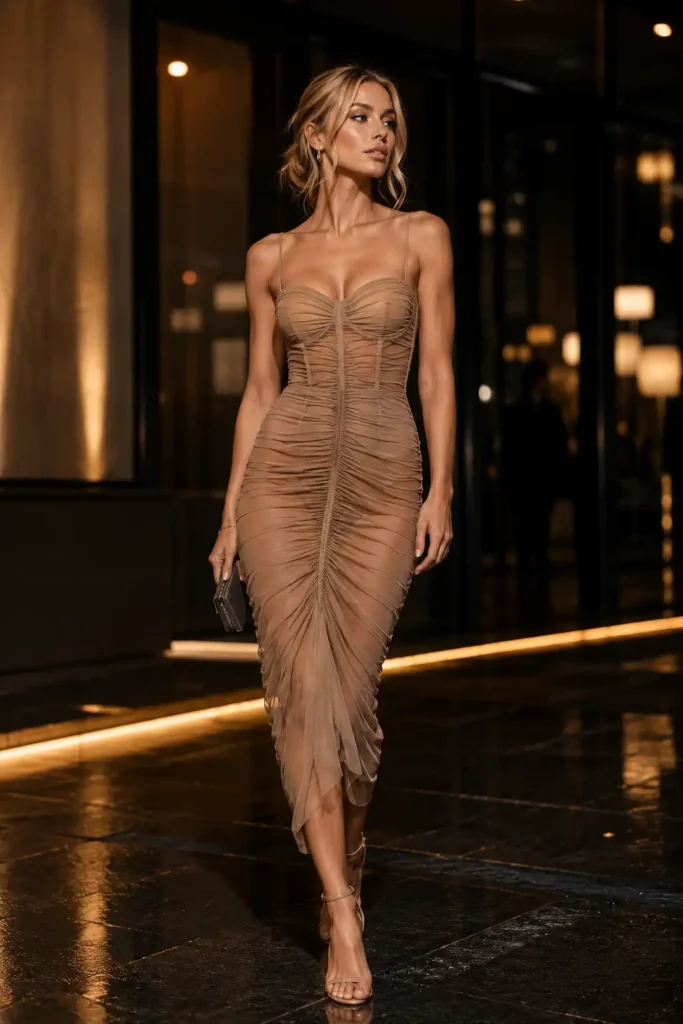
Ruched Mesh Dress

Ruched Satin Dress

Long-Sleeve Ruched Dress

Strapless Ruched Dress

One-Shoulder Ruched Dress

Ruched Maxi Dress

Ruched Evening Gown
Ruching Placement Changes Shape, Fit, and Construction

Side Ruching

Front Ruching

Back Ruching

Diagonal Ruching

Bust Ruching

Waist Ruching
Ruched Dresses Designed for High-Conversion Wearing Occasions
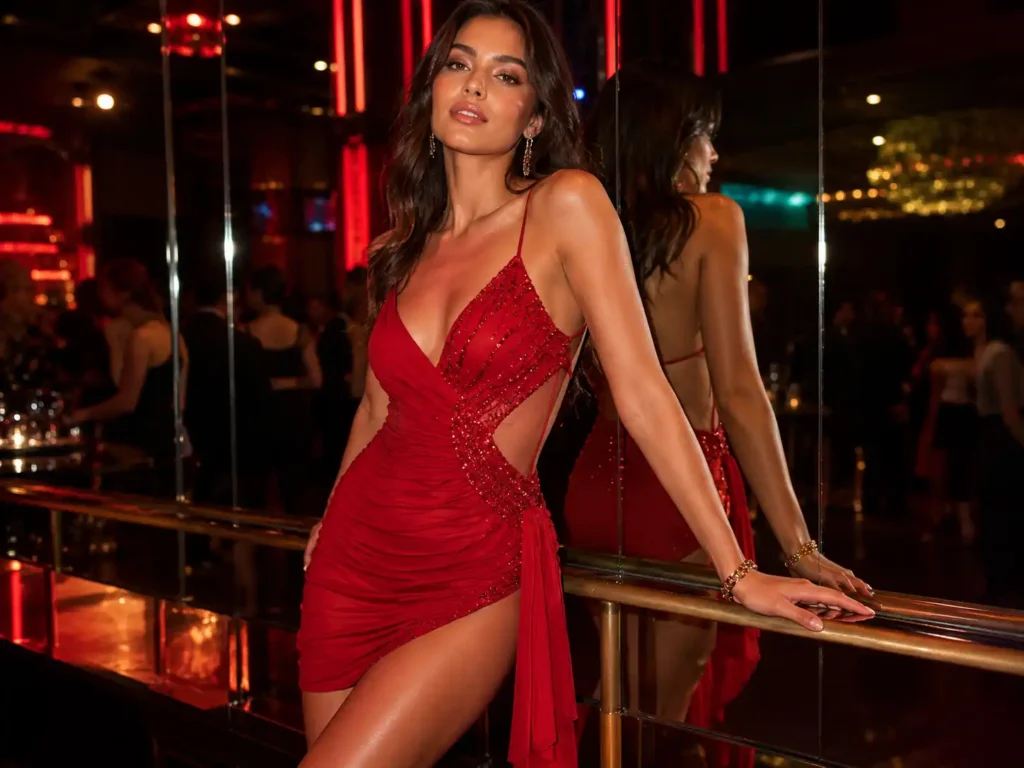
Party and Clubwear

Date Night
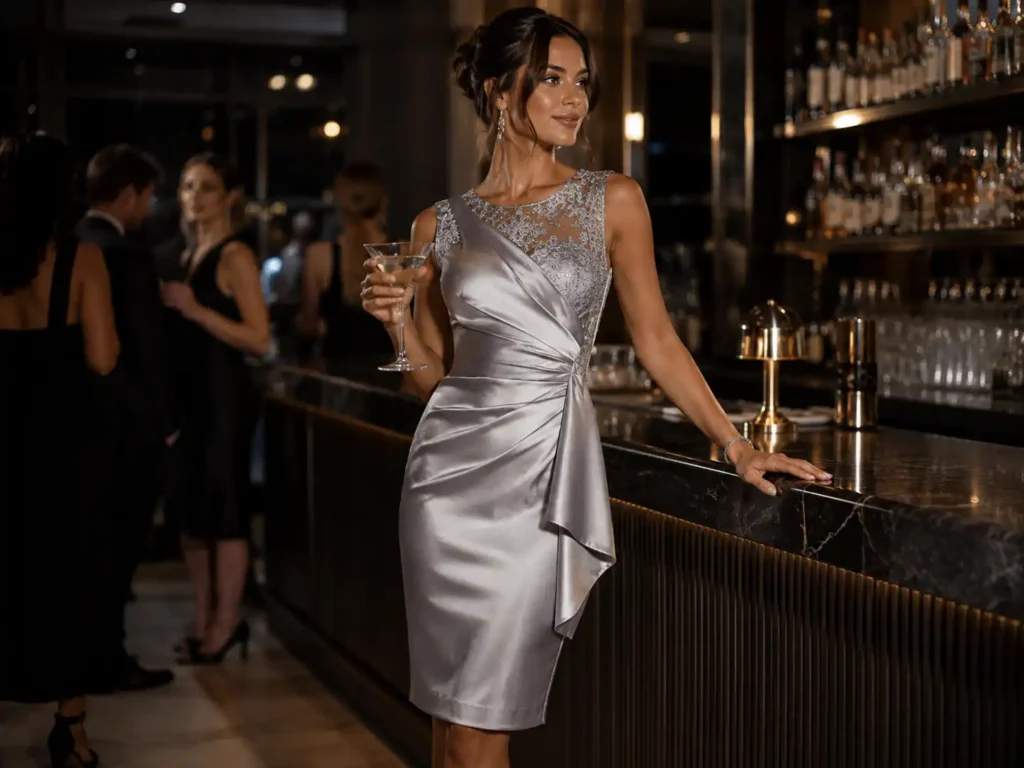
Cocktail Events
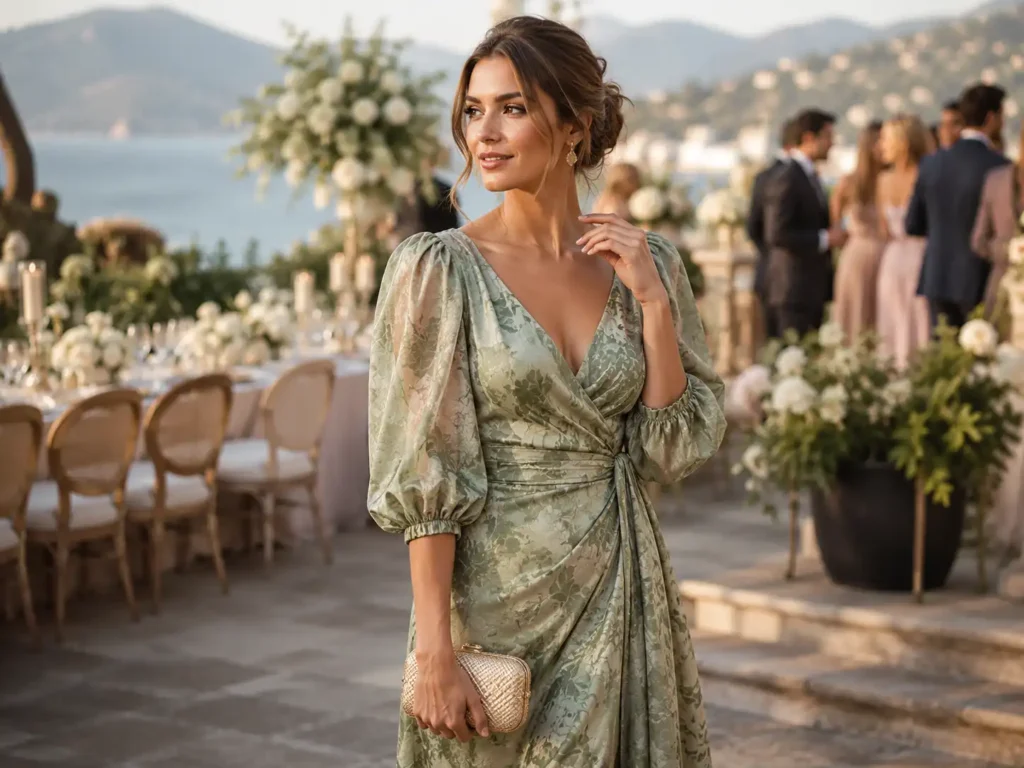
Wedding Guest

Prom and Graduation
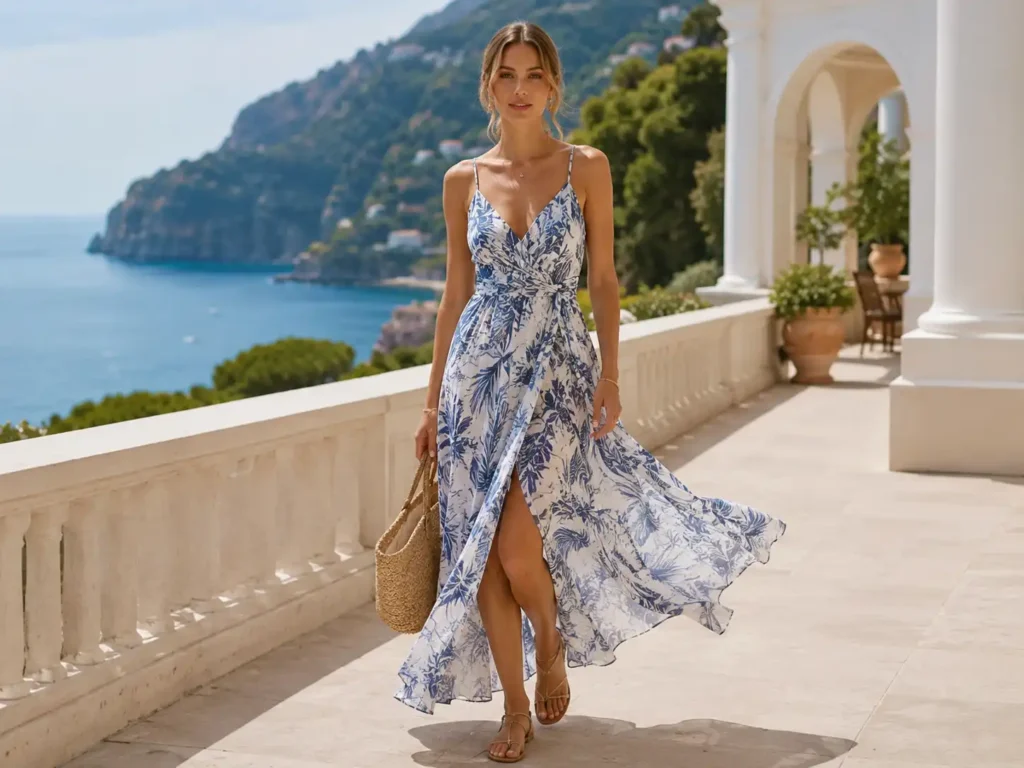
Resort and Vacation
Design Details Controlled Before Pattern Release

Neckline Direction
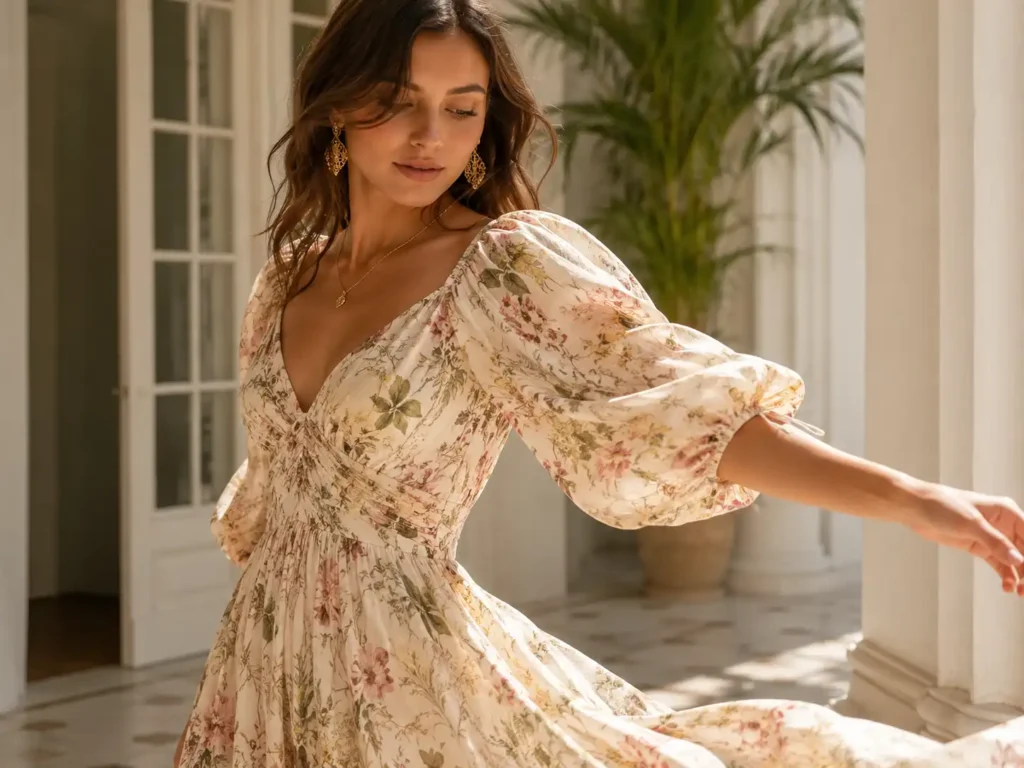
Sleeve Structure
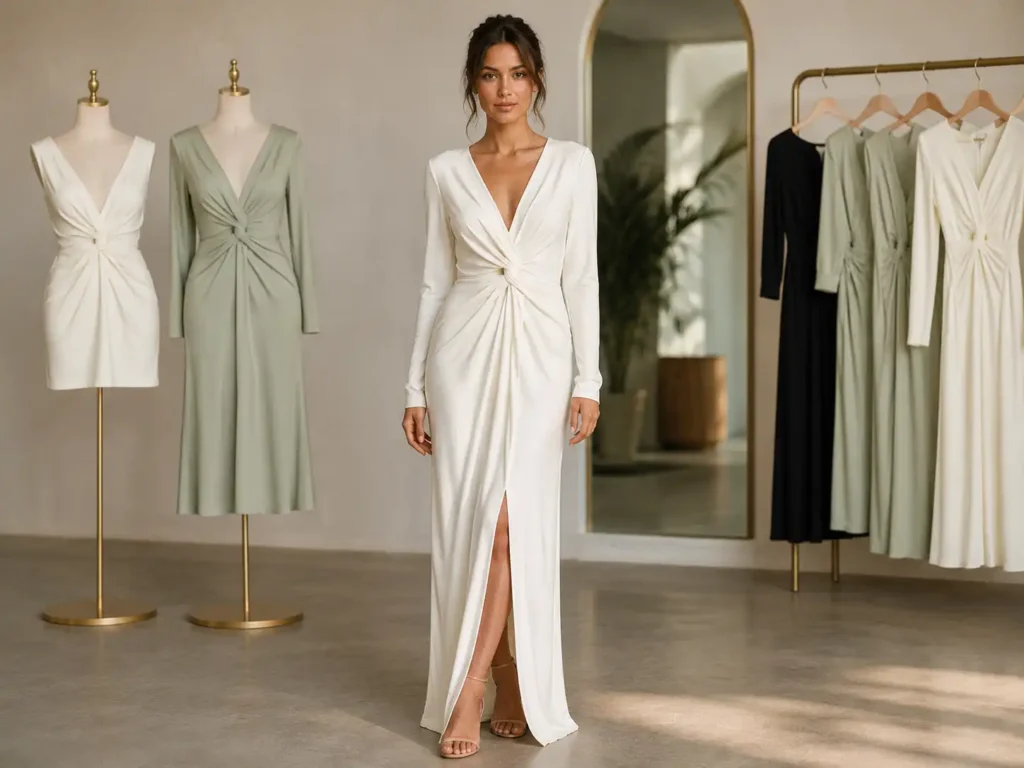
Dress Length

Ruching Position

Drawstring Detail

Slit Height

Back Construction

Color and Print
Fabric Directions Selected for Shape and Recovery
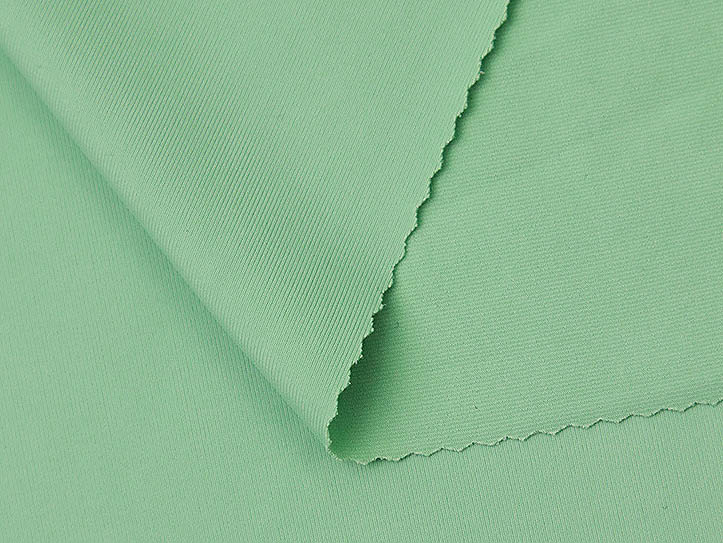
Jersey
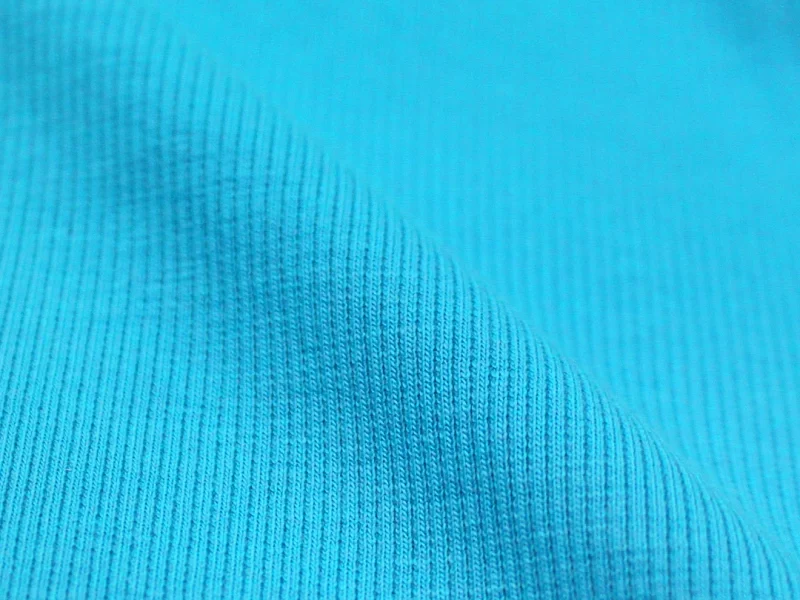
Rib Knit
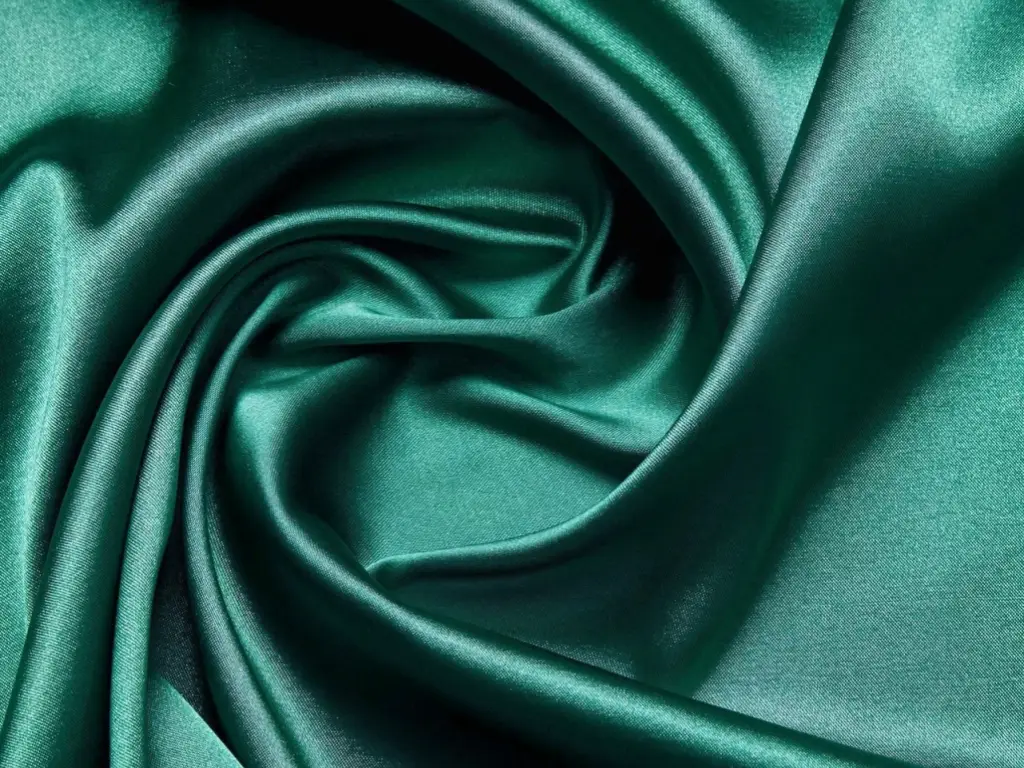
Stretch Satin
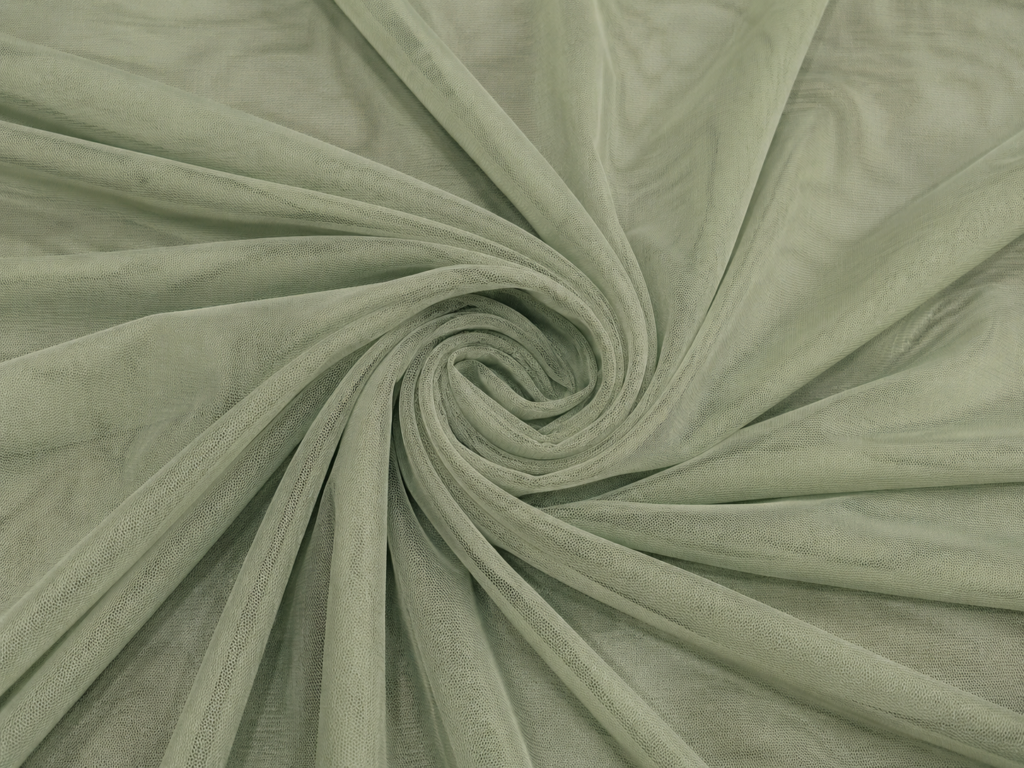
Mesh

Power Mesh
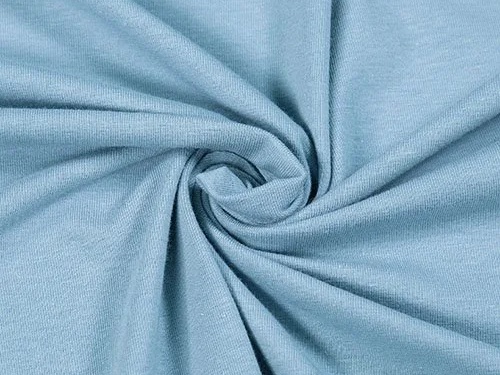
Spandex Blend

Ponte

Soft Knit
Recommended Fabric Decision Matrix for Ruched Dress Development
| Fabric | Stretch and Recovery | Best Use | Lining Need | Main Production Risk |
|---|---|---|---|---|
| Jersey | Medium to high stretch; recovery varies by composition and knit density | Bodycon mini, side ruching, long-sleeve styles | Optional to required depending on weight and color | Hem ride-up, seam waviness, transparency, flattened ruching |
| Rib Knit | High stretch; often good recovery when density is stable | Fitted mini and midi dresses | Usually optional | Twisted ribs, distorted side seams, inconsistent feed |
| Stretch Satin | Low to medium stretch with polished drape | Party, cocktail, one-shoulder, midi | Often required | Needle marks, puckering, shine variation, pressure lines |
| Mesh | Medium to high stretch; recovery depends on mesh structure | Overlay, sleeve, layered bodycon | Usually required | Snags, seam visibility, transparency, lining mismatch |
| Power Mesh | Strong recovery and compression | Structured bodycon, shaping panels | Often combined with softer lining | Excessive pressure, seam discomfort, restricted movement |
| Spandex Blend | Performance depends on base construction | Multi-category fitted dresses | Project dependent | Assuming spandex percentage equals stable recovery |
| Ponte | Medium stretch with firm recovery and opacity | Structured midi, clean bodycon | Usually optional | Bulky gathers, thick side seams, reduced drape |
| Soft Knit | Soft drape with variable stretch | Relaxed ruching, day-to-night styles | Optional | Edge stretching, neckline instability, weak recovery |
Pattern Engineering Behind Controlled Ruching

Ruching Extension
The pattern maker adds controlled length or width where folds are required. Extension is not one fixed percentage for every fabric. Thin mesh may accept higher density, while ponte or heavy satin needs less added volume to avoid thick seams. Development records should define:

Negative Ease

Pattern Balance
Front and back panels must remain balanced after gathering. Side seams should hang vertically unless asymmetry is intentional. Diagonal ruching needs additional checking because it can rotate the garment around the body. Balance review includes:

Shell and Lining Ratio
Bust, Waist, and Hip Fit Controlled Together
Bust Shape
Waist Position
High-Hip Control
Full-Hip Fit
Dress Length
Hem Opening
Size Grading Without Moving the Ruching Zone

Core Grade Rules

Cross-Size Verification
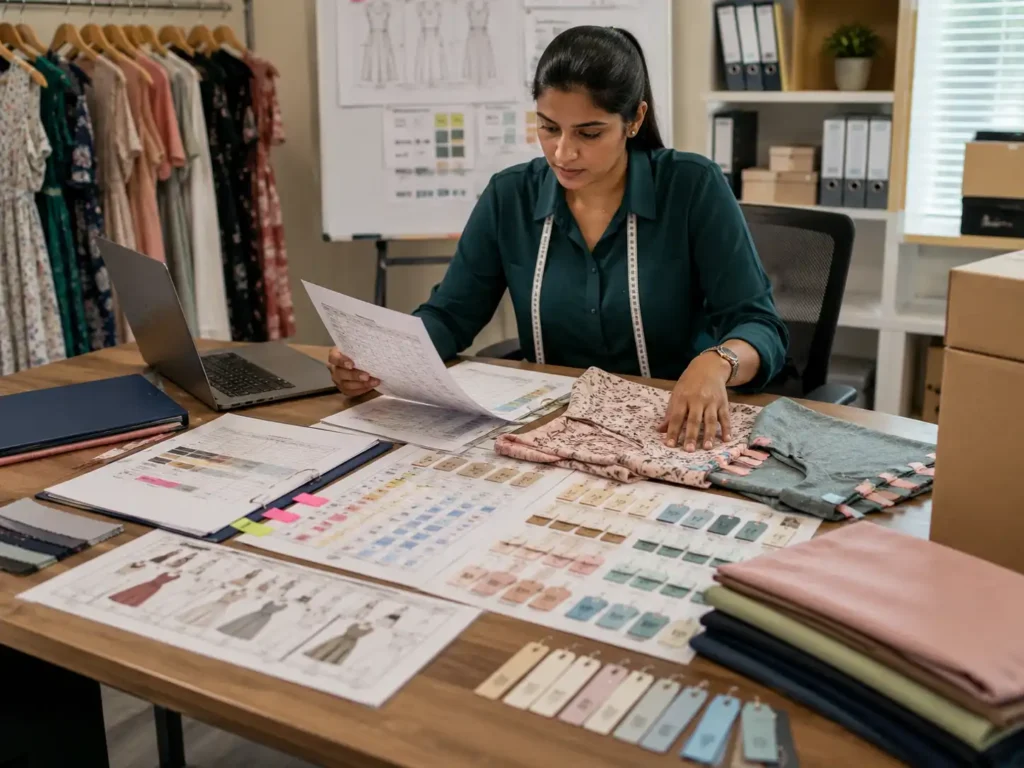
Size-Ratio Planning
Lining, Transparency, and Coverage Designed as One System

Stretch Compatibility

Coverage Mapping

Construction Choice
Six Ruching Construction Methods for Different Results

Elastic Thread Ruching

Fixed Seam Gathering

Drawstring Ruching

Channel Ruching

Draped Panel Ruching

Mesh Overlay Ruching
Workmanship Details Visible at Close Range

Ruching Start Point

Ruching End Point

Gathering Density

Side-Seam Finish

Drawstring Exit

Lining Attachment

Stretch Stitching

Pressing and Packing
Files Needed for a Reliable Project Review
Tech Pack
Reference Images
Original Sample
Size Chart
Fabric Direction
Quantity Plan
Brand Files
Launch Date
Ruched Dress Sample Development From Review to Approval
Style Review
The team reviews silhouette, ruching location, fabric direction, fit risk, trims, lining, complexity, MOQ, and commercial feasibility before pattern work begins.
Fabric Direction
Available fabrics are compared by stretch, recovery, weight, drape, transparency, color, shrinkage risk, and bulk availability. A swatch or sample cut may be confirmed before full sampling.
Pattern Development
Pattern makers build the base silhouette, negative ease, ruching extension, distribution marks, lining ratio, and size-chart measurements.
First Sample
The first sample tests overall appearance, construction, fit, length, gathering density, drawstring function, and fabric behavior. Standard ruched jersey styles often require 10-15 days after materials and details are confirmed.
Internal Measurement
Bust, waist, hip, length, side seam, sleeve, neckline, slit, and other key points are measured against the working specification before client review.
Photo and Video Review
Clear front, back, side, close-up, and movement records help identify visible issues before shipment. Photography supports review but does not replace physical fitting.
Revised Sample
Written comments are converted into pattern, measurement, material, trim, and construction changes. Lined mesh or moderate-complexity ruched styles often require 12-18 days for an initial development cycle; highly complex styles may require 15-25 days.
Fit Approval
Fit approval confirms the body shape, coverage, movement, length, and core measurements. Unresolved fit risks should not move into bulk preparation.
PP Sample
The PP sample uses confirmed bulk-intent materials, construction, labels, and packing direction. Custom-dyed or specially developed materials can extend total development to 20-35 days before PP readiness.
PP Sample and Golden Sample Standards Before Bulk
PP Sample Approval
Golden Sample Record
Change Control
From Approved Sample to Controlled Bulk Production
Final Pattern Release
Material Confirmation
Fabric Relaxation
Cutting Control
Production Briefing
Sewing Launch
In-Line Inspection
Finishing and Measurement
Packing and Release
Nine Quality Checkpoints for Ruched Dress Orders
Fabric Inspection
Shrinkage Review
Cutting Accuracy
Ruching Position
Gathering Amount
Left-Right Symmetry
Garment Measurement
Sewing and Appearance
Packing Verification
Ruched Dress Bulk Control Matrix
| Inspection Point | Approved Reference | Main Bulk Risk | Control Method |
|---|---|---|---|
| Ruching start point | Final pattern and PP sample | Placement shifts above or below target body zone | Pattern notches, first-piece check, in-line measurement |
| Ruching end point | Final pattern and PP sample | Uneven finished lengths or abrupt transition | Marked endpoints and paired-side comparison |
| Gathering density | PP and Golden sample | Folds appear flat, bulky, or inconsistent | Finished gathered length plus visual density check |
| Side symmetry | Golden sample | One side shorter or denser | Left/right measurement and appearance review |
| Bust, waist, hip | Approved size chart | Fit changes across production or sizes | Measurement inspection by size and production stage |
| Dress length | Size chart and PP sample | Mini length becomes unsafe or maxi hem becomes uneven | Rested-garment measurement after gathering and pressing |
| Stretch recovery | Approved bulk fabric | Loose waist, flattened folds, moving seams | Fabric and garment extension/recovery checks |
| Lining position | PP sample and lining pattern | Lining shows, twists, or restricts movement | Layer alignment, length check, movement review |
| Drawstring length | Trim card and PP sample | Unequal adjustment or unsafe excess cord | Cut-length control, function check, exit reinforcement |
| Labels and packing | Approved artwork and packing file | Wrong size, SKU, barcode, or carton information | Packing-line verification and final carton audit |
Production Resources Allocated by Fabric and Complexity
Owned Factory Allocation
Satellite Partner Support
Sewing Line Planning
Sample Team Support
Merchandising Control
QC and Packing Support
MOQ and Quotation Logic for Ruched Dress Orders
MOQ Structure
Fabric and Trim MOQ
Quotation Inputs
Cost Drivers
Project Timing Built Around Approval and Launch Milestones
Project Review
Sample Development
Custom Material Development
PP Approval
Bulk and QC Window
Shipping Plan
Private Labels and Retail-Ready Packing Managed Together

Woven Main Label

Size Label

Care Label

Hangtag System
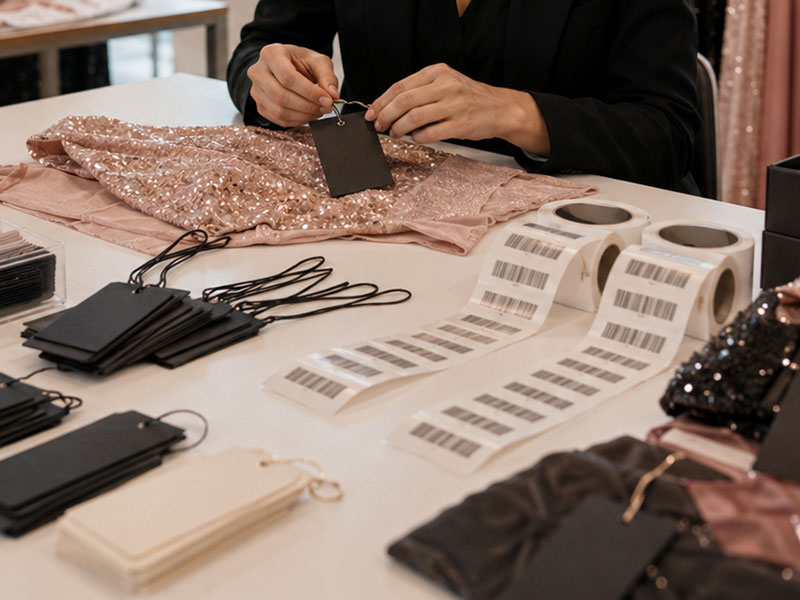
Barcode and SKU
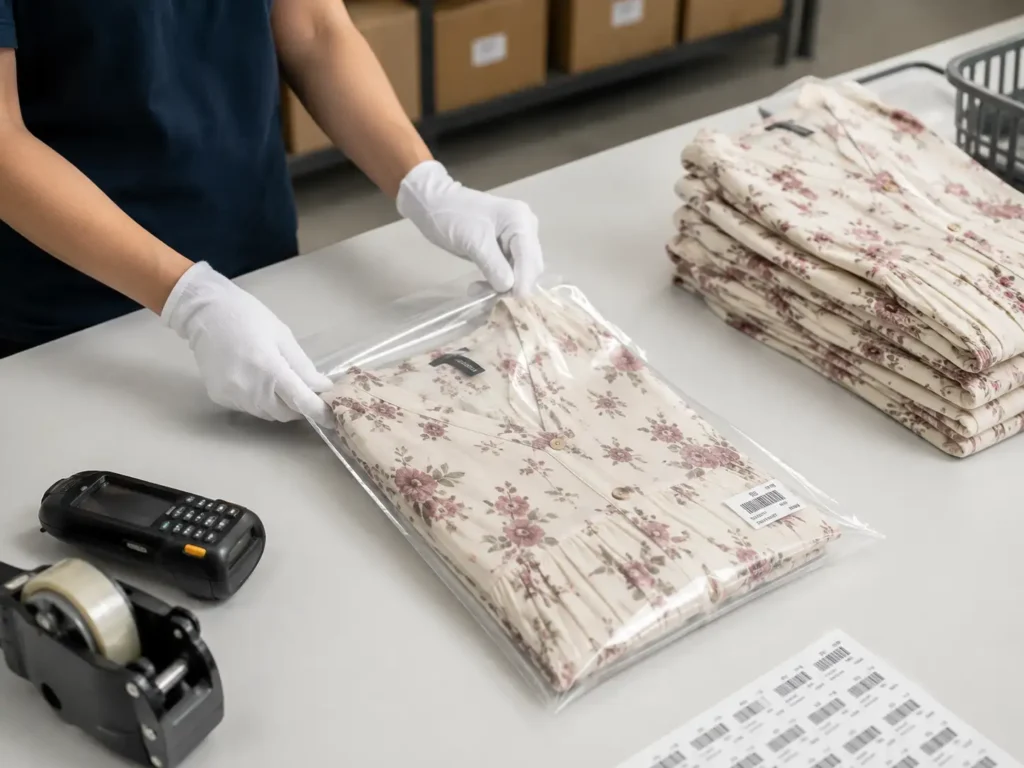
Polybag Packing
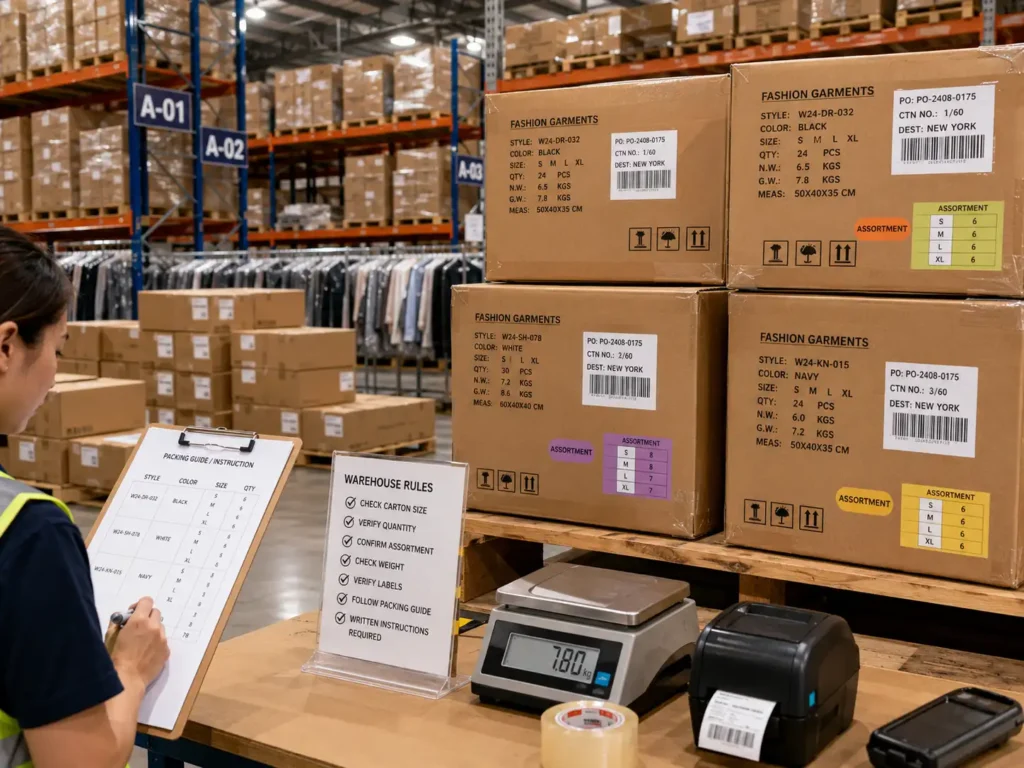
Carton Assortment

Carton Marks
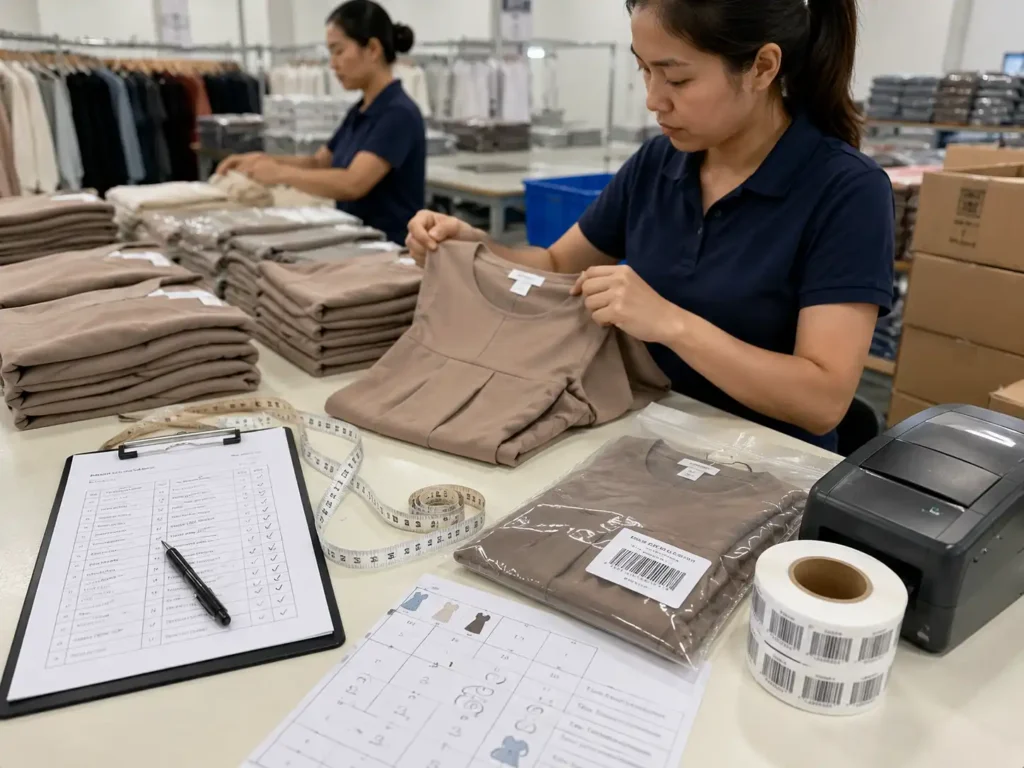
Packing Records
Three Multi-Style Ruched Dress Programs

United States Partywear Program

United Kingdom Occasionwear Program

Australian Ecommerce Program
Design Protection and Long-Term Collection Support
Protected Project Files
Repeat-Order Records
Seasonal Collection Planning
Ruched Dress Manufacturing Questions
The standard MOQ starts from 200 pcs per style/color. Fabric availability, custom colors, special mesh, stretch satin, trims, construction, packaging, and production planning may change the final minimum.
Yes. Front, back, side, and detail images can start an initial review. A size chart, target fabric, quantity, and construction notes improve accuracy. Images alone cannot replace measurements and approved specifications.
Yes. Jinfeng Apparel can review flat sketches, measurements, BOM, fabric, trims, construction, labels, packing, and tolerance information. Missing or conflicting areas are identified before development.
Common options include jersey, rib knit, stretch satin, mesh, power mesh, spandex blends, ponte, and soft knit. Selection depends on stretch, recovery, weight, drape, transparency, lining, desired density, and target cost.
Yes. Development can cover side, front, or channel drawstrings with specified cord, channel, exit, reinforcement, end finish, and adjustable length.
Pattern notches, finished gathered measurements, paired-side checks, first-piece review, in-line inspection, and final appearance checks are used. Asymmetric designs follow separate approved references.
The team reviews negative ease, hip allowance, vertical stretch, fabric recovery, gathering pressure, lining, side-seam balance, and hem opening. Movement fitting is important before approval.
Yes. The brand size chart and approved grade rules are used. Ruching start, end, density, drawstring length, and body-zone placement are graded separately from general garment measurements.
Yes. Shell and lining are reviewed for stretch, recovery, transparency, color, length, seam placement, and movement. A physical sample is needed to confirm the final interaction.
Standard ruched jersey styles often require 10-15 days. Lined mesh or moderate-complexity styles generally require 12-18 days. Complex designs may require 15-25 days, while custom materials can extend preparation to 20-35 days.
Yes. Sample charges cover pattern making, fabric and trim sourcing, sewing, measurement checks, internal review, and revision work. Deduction from a qualified bulk order can be agreed according to the confirmed project.
Yes. Options include woven labels, size labels, care labels, hangtags, barcode stickers, SKU labels, polybags, carton marks, and warehouse labels. Some materials have separate supplier minimums.
Yes. Sizes can be distributed within the confirmed quantity for each style/color. The size ratio should support production, measurement, packing, and market needs.
Yes. NDA-based cooperation can protect tech packs, samples, patterns, labels, packaging, prices, quantities, and launch information. No brand identity is disclosed without authorization.
Send style images or a tech pack, fabric direction, quantity per style/color, size range, color plan, lining, trims, labels, packing, inspection requirements, delivery destination, and target timeline.

Development Resources for Better Ruched Dress Briefs
Development Checklist
Fabric Review Sheet
Sample Comment Form
Bulk Preparation Guide
Start Your Ruched Dress Manufacturing Project
Send Jinfeng Apparel the information needed to evaluate structure, fabric, sampling, MOQ, quotation, private labels, production planning, and delivery. Kelly coordinates the initial review and routes technical questions to the relevant development, pattern, merchandising, or QC team. Helpful project information includes:
- Tech pack, line sheet, sketch, reference images, or original-sample photos
- Target quantity for each style and color
- Required size range and planned size ratio
- Preferred fabric, composition, weight, stretch, color, or physical swatch
- Ruching position, gathering method, drawstring, lining, slit, and construction notes
- Woven labels, care labels, hangtags, barcode, SKU, polybag, carton, and warehouse requirements
- Sample deadline, photo date, launch date, warehouse deadline, and destination
- Inspection, testing, documentation, or nominated-forwarder requirements


