Skip to content

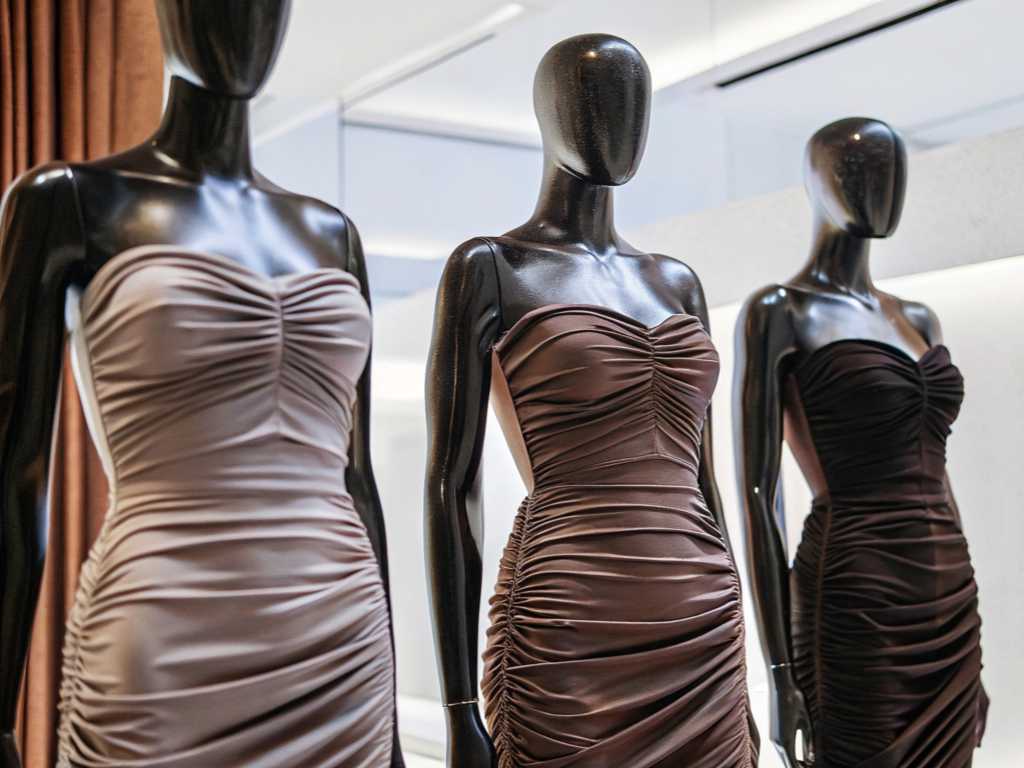
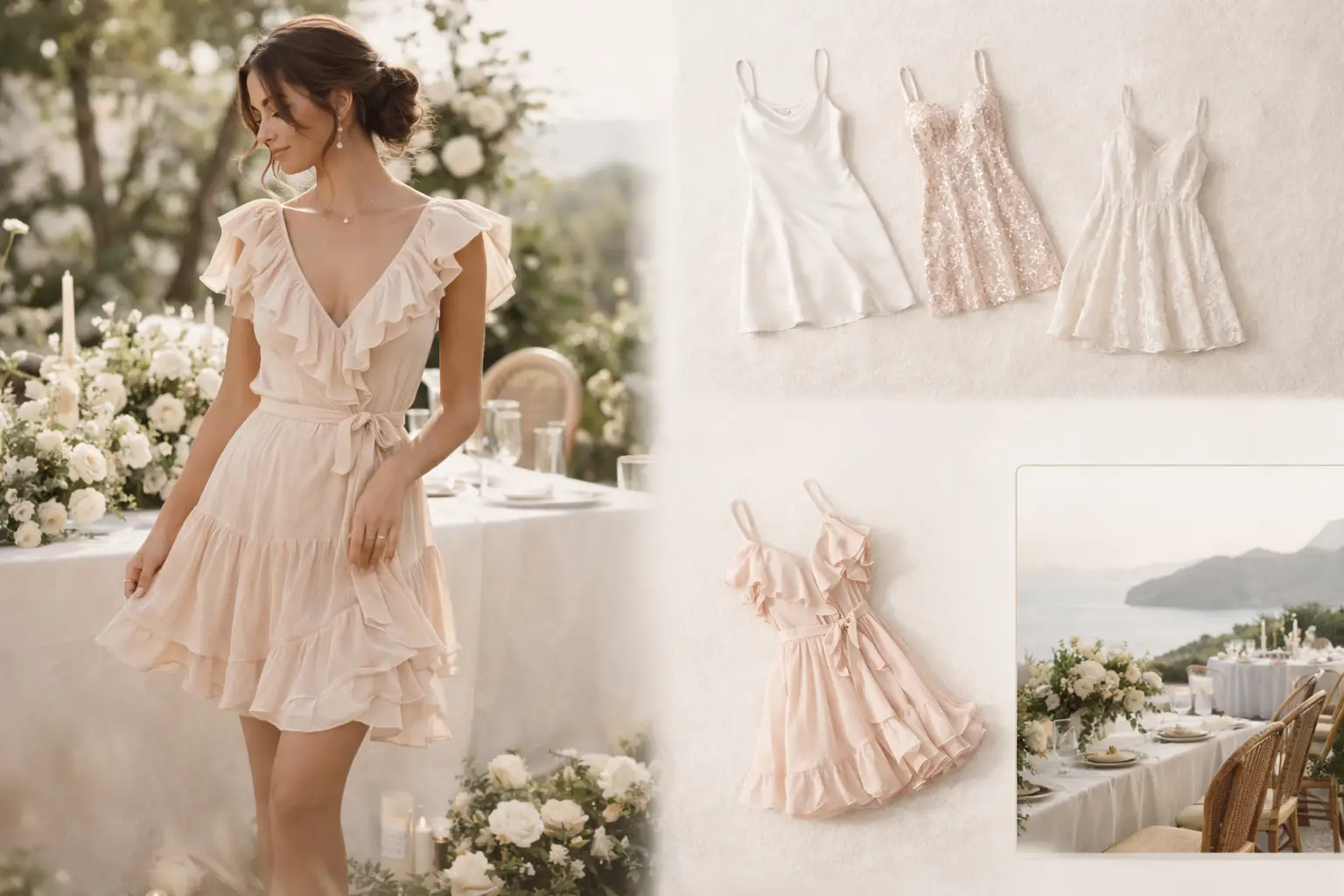
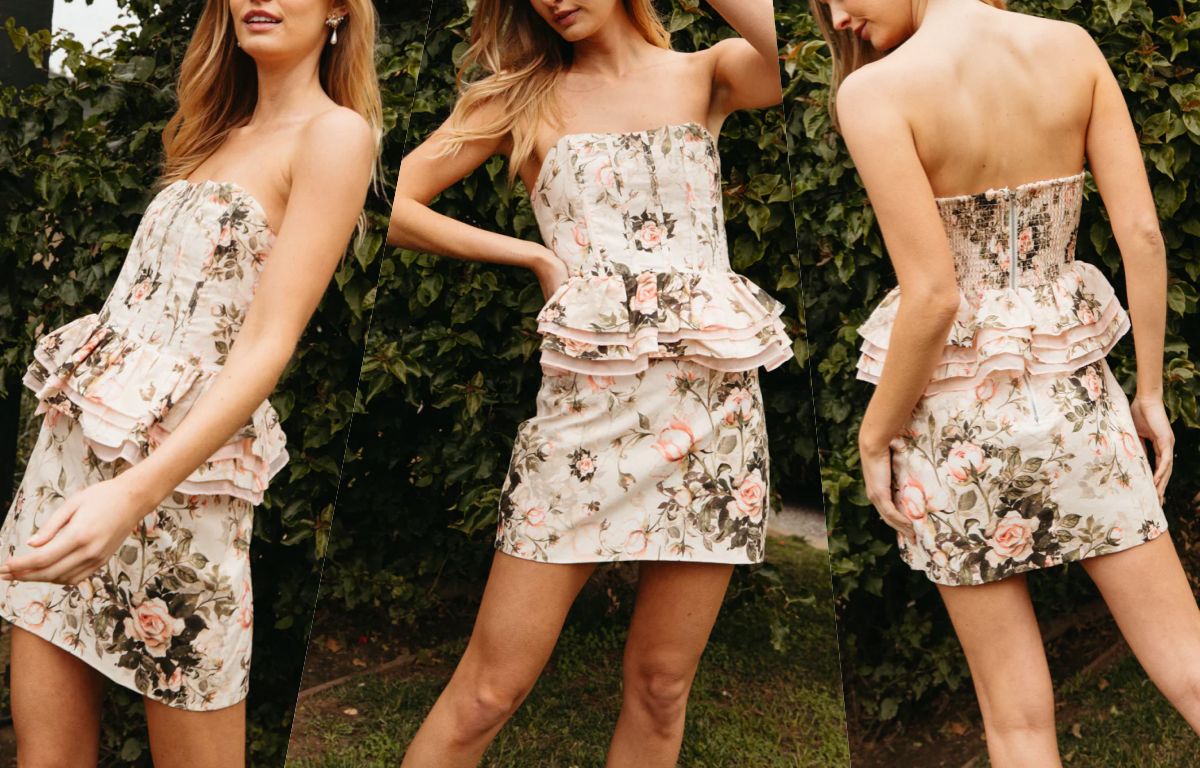
For a boutique store serving vacation customers, a ruched dress is rarely just another dress. It often sits in a very specific part of the wardrobe: the piece a customer buys for a beach dinner, a rooftop evening, a resort brunch, a birthday trip, a cruise, or a weekend getaway where she wants to feel feminine, confident, and comfortable at the same time. That is why ruched dress comparison matters. A ruched mini, a ruched midi, and a ruched maxi may all look relevant on paper, but they do not solve the same customer problem. They attract different age groups, different body-confidence levels, different packing habits, and different spending logic. A boutique that buys ruched dresses only because the silhouette is trending may get attention, but not always sell-through. A boutique that understands which ruched dress works for which vacation moment usually builds a much healthier dress category.
The core answer is simple. The best ruched dress assortment for boutique vacation stores usually includes styles that are easy to pack, flattering without feeling over-engineered, suited to warm-weather movement, and clear in occasion use. The strongest performers are often ruched dresses with balanced fit, practical length, stable stretch, and enough visual appeal to feel special without becoming difficult to wear.
Think about the real shopping moment. A customer is not only asking whether a ruched dress looks good on a model. She is asking herself much more practical questions. Will it make me feel slimmer? Will it feel too tight after dinner? Will I actually pack this for my trip? Can I wear it more than once? Does it work with flat sandals as well as heels? The stores that win in this category are the ones that answer those questions before the customer has to ask them out loud. That is where a deeper ruched dress comparison becomes commercially useful.
Ruched Dress Comparison Basics
Ruched dress comparison matters because boutique vacation stores do not really sell “ruched dresses” as one general category. They sell specific solutions for specific travel moments. One customer wants a dress that feels flattering for dinner after a beach day. Another wants something easy to pack and wear twice on one trip. Another wants a dress for birthday travel, honeymoon photos, or a resort evening where she wants to feel more dressed up without looking too formal. When a store compares ruched dresses carefully, it becomes easier to choose styles that match those real situations instead of buying based on surface trend appeal alone.
For most boutique stores, the ruched dress category performs well when it answers three customer needs at the same time:
- the dress should look attractive quickly
- the dress should feel comfortable in warm-weather use
- the dress should be easy to understand in terms of occasion
That sounds simple, but this is exactly where many stores lose money. They may choose a ruched dress because it photographs well on a model, but once the product reaches the customer, more practical questions start to matter:
- Will the ruching make the body look smoother or bulkier?
- Will the fabric feel too hot for a vacation destination?
- Will the dress hold its shape after several hours?
- Will it be easy to pack?
- Will the customer feel confident enough to wear it outside the fitting room?
- Can she imagine more than one use for it?
These questions are not small details. In vacation retail, they are often the real reason a customer buys or does not buy.
A ruched dress usually sits in a very useful part of a boutique assortment because it can combine shape, softness, and occasion value. Compared with a plain fitted dress, a ruched dress often feels more forgiving. Compared with a highly structured evening dress, it often feels easier and more wearable. Compared with a basic summer dress, it often carries stronger visual interest. That is why it works well in resort, travel, and occasion-driven edits. But this only happens when the store understands what kind of ruched dress it is actually selecting.
What is a ruched dress?

A ruched dress is a dress that uses gathered fabric to create shape and texture. The gathering may appear at the waist, side seams, center front, bust, hip, shoulder, sleeve, or across the body. In real product terms, ruching does three important jobs:
- it changes how the silhouette looks
- it changes how the dress fits on the body
- it changes how much visual softness or contour the garment creates
For customers, the appeal is usually very practical. Many women do not buy a ruched dress because they are thinking about construction methods. They buy it because the dress often feels more body-friendly. It can soften the stomach area, create a more defined waistline, add movement to the surface, and make a close-to-body silhouette feel less exposed than a completely plain knit dress.
This is one reason ruched dresses perform well in vacation categories. Travel customers often want a dress that looks feminine and slightly elevated, but still feels easy. A ruched dress can help bridge that gap. It can look more special than a simple slip dress, but less formal than a structured cocktail shape. That middle ground is commercially valuable.
Still, not all ruching creates the same result. Stores should separate decorative ruching from functional ruching.
Decorative ruching is mainly visual. It adds interest, but may not improve wear much.
Functional ruching helps shape the body visually, improves flexibility in fit, and makes the dress easier to wear.
That difference matters a lot in sourcing. A dress with good functional ruching may convert better because the customer immediately feels the benefit when she tries it on. A dress with only decorative gathering may attract attention online, but not necessarily perform in real wear.
Why does ruched dress comparison matter?
Ruched dress comparison matters because small design differences create very different selling results. Two dresses may both be described as ruched, but one may become a strong seller and the other may sit in stock. In most cases, the difference comes down to four things:
- where the ruching is placed
- what fabric is used
- how the fit behaves in motion
- how clearly the dress matches a vacation occasion
For example, side ruching often works well because it can shape the waist and hip area in a way that feels flattering without overcomplicating the garment. Center-front ruching can be useful too, but if the fabric is too heavy or the tension is not balanced, it may create extra bulk rather than a smooth line. Full-body ruching may look dramatic, but it can also narrow the customer base if it feels too body-conscious.
The store should never treat ruching as a trend detail only. It should treat it as part of the product’s performance.
A good ruched dress usually helps reduce one or more of the following purchase concerns:
- “I want shape, but not something too tight.”
- “I want a dress for vacation photos, but I still want to feel comfortable.”
- “I need something that looks good at dinner but is not too formal.”
- “I want something flattering, but I do not want to think too much about styling.”
- “I want one dress that feels special enough for the trip.”
That is why comparison helps so much. It turns a style-driven category into a decision-driven category. Instead of saying, “We need ruched dresses,” the boutique can say:
- We need one ruched dress for easy daytime travel wear.
- We need one for resort dinners.
- We need one stronger piece for nightlife or birthday trips.
- We need a fit direction that suits our customer’s comfort level.
- We need fabric that works in warm-weather destinations.
This kind of clarity leads to better product selection, better sample comments, and better communication with the factory.
Below is a practical breakdown of what often affects performance in this category:
| Product Factor | What Stronger Options Usually Do | What Weaker Options Often Cause |
|---|---|---|
| Ruching placement | Helps shape the body naturally | Adds bulk or awkward tension |
| Fabric weight | Balances drape and comfort | Feels too thin or too heavy |
| Stretch recovery | Holds shape after wear | Bags out or loses form |
| Length | Matches clear use occasions | Confuses the customer |
| Lining | Adds confidence and coverage | Feels hot or unnecessary |
| Occasion fit | Feels easy to understand | Looks attractive but hard to place |
This is why ruched dress comparison is not only a design conversation. It is also a sales conversation, a fit conversation, and a travel-use conversation.
Who usually buys ruched dresses in vacation boutiques?
A boutique store can usually sell ruched dresses well when it understands who is buying them and why. In vacation retail, ruched dress customers often fall into a few clear groups.
The first group is the social vacation shopper. She is buying for nights out, birthday dinners, girls’ trips, beach clubs, or destination photos. She tends to respond well to stronger visual shapes, shorter lengths, and more fitted silhouettes.
The second group is the resort traveler. She wants something flattering and feminine, but also easy and comfortable. She may prefer midi lengths, softer stretch, and styles that can move from daytime to evening without much effort.
The third group is the event traveler. She is buying for a cruise dinner, an anniversary trip, a rehearsal dinner, a destination wedding event, or another specific occasion. She often expects more polish, cleaner finishing, and slightly stronger fabric quality.
The fourth group is the practical vacation buyer. She wants something that packs well, feels comfortable in heat, and still looks better than a basic dress. This customer often values versatility more than dramatic styling.
A store that understands these differences usually buys more effectively. Instead of choosing dresses based only on what looks fashionable, it chooses dresses based on who will say yes fastest.
The table below shows how these customer needs often differ:
| Customer Type | What She Usually Cares About Most | Stronger Ruched Dress Direction |
|---|---|---|
| Social vacation shopper | Shape, photos, nightlife appeal | Mini or fitted midi |
| Resort traveler | Comfort, elegance, easy wear | Semi-fitted midi |
| Event traveler | Occasion value, polish, finish | Elevated midi or maxi |
| Practical vacation buyer | Packing ease, repeat wear, comfort | Easy midi or soft contour style |
This matters because a boutique may think one ruched dress can serve everyone, but in most cases it cannot. A category becomes stronger when it reflects these different buying moods.
What product details matter most in a ruched dress?
When stores compare ruched dresses, the most useful details are usually not the loudest ones. They are the details that affect how the dress feels, moves, and sells.
The most important details often include:
- fabric hand feel
- stretch quality
- opacity
- lining level
- neckline security
- hemline stability
- actual effect of the ruching on the body
Fabric hand feel matters because vacation customers notice comfort very quickly. If a dress feels sticky, heavy, rough, or too synthetic in warm weather, its appeal drops fast. A softer hand with controlled stretch usually performs better.
Stretch quality matters because ruching depends on tension. If the fabric stretches too easily without recovering, the dress may lose shape after one wear. If the fabric does not stretch enough, the dress may feel restrictive. In many cases, controlled stretch with good recovery gives the strongest result.
Opacity matters because many ruched dresses are close to the body. Customers need confidence, especially in daylight and lighter colors. If a dress becomes too sheer when stretched, it immediately loses trust.
Neckline security matters more than many stores expect. A dress can look beautiful standing still, but if the customer feels she needs to adjust the neckline repeatedly, the product becomes tiring to wear.
Hemline stability is also important. Ruched dresses, especially fitted ones, can sometimes ride up when walking. That may be acceptable in some nightlife settings, but it is a problem in broader vacation use. A dress that keeps its balance in motion usually has stronger commercial value.
Here is a simple product-review grid that stores can use during selection or sampling:
| Detail to Review | What to Check | Why It Matters for the Customer |
|---|---|---|
| Fabric feel | Softness, drape, heat comfort | Affects wear comfort |
| Stretch | Expansion and recovery | Affects fit confidence |
| Lining | Coverage and weight | Affects trust and comfort |
| Neckline | Stability during movement | Affects ease of wear |
| Ruching | Whether it flatters the body | Affects conversion |
| Hem | Whether it shifts or rides up | Affects real-life use |
A strong ruched dress usually performs well because these details work together. A weak one often fails because one or two of them are overlooked.
What mistakes do boutiques often make in this category?
There are several common mistakes that reduce sell-through in ruched dresses.
The first is buying too many dresses that solve the same problem. For example, three similar fitted ruched minis may look exciting during selection, but if they all target the same customer moment, the assortment becomes narrow. A better category usually includes variation in use: one easier style, one more polished style, one more fashion-led style.
The second mistake is choosing based on photos only. Ruched dresses need movement testing. A style that looks strong in a product image may twist, ride up, flatten out, or become too revealing during wear.
The third mistake is ignoring fabric-climate fit. A dense fabric may feel premium in hand, but perform poorly in hot-weather destinations. A very thin fabric may feel light, but become too revealing or unstable. Vacation use always changes what “good fabric” really means.
The fourth mistake is assuming more ruching always means more flattery. It does not. In some cases, cleaner, more focused ruching creates a better silhouette than heavy gathering across the whole garment.
The fifth mistake is not matching the dress clearly to a selling occasion. If the customer cannot quickly understand where she would wear it, the product often stays in the maybe category for too long.
These mistakes are avoidable when boutiques compare ruched dresses with a more practical lens.
How should a boutique use this category more effectively?
A boutique usually gets the best result from ruched dresses when it treats the category as a small, purposeful system rather than a trend add-on. The store should know:
- which ruched dress is meant to sell steadily
- which one adds fashion energy
- which one supports higher-value vacation occasions
- which one is easiest for the customer to say yes to
A useful structure for many vacation stores is:
- one easy ruched midi as a core seller
- one stronger ruched mini or sharper fitted style
- one more elevated midi or maxi for dinners or destination moments
This gives the category more range and helps the customer self-select faster.
It also helps the store during product development. When the role of each dress is clear, it becomes easier to choose fabric, define fit, comment on samples, and decide stock depth. A core seller may need broader size confidence and easier styling. A statement piece may deserve lower depth but stronger visual impact. A dinner dress may need better lining and more polish. A daytime piece may need softer weight and easier packing performance.
That is the real value of ruched dress comparison. It helps the boutique move away from vague buying and toward more structured decision-making.
At its best, a ruched dress does not only look attractive. It helps the customer feel prepared for the trip, comfortable in the setting, and more confident in her own body. For a vacation boutique, that is not a small benefit. It is one of the main reasons the category exists in the first place.
Ruched Dress Comparison by Length
Length is one of the first things a vacation customer notices, and very often it is also one of the first reasons she says yes or no to a ruched dress. A store may focus on color, neckline, or fabric first, but the customer often makes a faster emotional judgment through length. She immediately asks herself very practical questions. Is this too short for walking around a resort? Is this long enough for dinner? Will this feel easy in hot weather? Can I wear this with flat sandals? Will I still like it after the trip?
That is why ruched dress comparison by length is not a small styling discussion. It is a commercial decision. Mini, midi, and maxi lengths each create a different level of confidence, a different type of occasion value, and a different level of styling effort. For boutique vacation stores, length has a direct effect on:
- who the dress appeals to
- where the dress can be worn
- how easy it feels to pack and rewear
- how much fit risk the customer feels
- how broad or narrow the selling audience becomes
A ruched dress can be visually attractive in any length, but not every length solves the same customer need. This matters even more in vacation retail because customers often shop with a very clear use moment in mind. They are not only buying a silhouette. They are buying an answer to a travel situation.
A practical way to understand length performance is to think of each one in terms of customer comfort and occasion flexibility.
| Length | Typical Customer Feeling | Best Use Moments | Main Commercial Strength | Main Commercial Risk |
|---|---|---|---|---|
| Mini | Fun, youthful, visible | Nightlife, beach clubs, birthday trips | Strong attention and trend appeal | Narrower comfort range |
| Midi | Balanced, polished, wearable | Resort dinners, day-to-evening, city travel | Broadest use and strongest repeat wear | Can feel too safe if design is weak |
| Maxi | Soft, elevated, memorable | Sunset dinners, destination events, cruise evenings | Strong emotional value | Fabric and proportion must be controlled carefully |
For many vacation boutiques, length works best when the category is planned as a mix rather than a single direction. A store that only buys ruched minis may get visual energy but lose broader conversion. A store that only buys ruched maxis may build mood but miss quick, wearable sales. A store that uses midi as the foundation, then adds selected mini and maxi styles, often creates a more stable and useful dress category.
Ruched dress comparison: mini or midi?
The difference between a ruched mini and a ruched midi is not only a few inches of fabric. It is a difference in how the customer feels in the product, how many situations she can imagine wearing it in, and how much risk she thinks she is taking when she buys it.
A ruched mini usually wins on speed of attention. It looks youthful, direct, and social. It often works especially well for:
- girls’ trips
- nightlife-oriented destinations
- beach clubs
- birthday travel
- younger vacation shoppers
- stores with a more trend-led identity
The mini dress often benefits from ruching because ruching can add body contour and visual shape without needing extra design elements. It can make a short dress feel more intentional and more flattering. In stores serving younger customers, this can create strong product pull.
But mini length also brings more hesitation. Customers often ask themselves:
- Will this ride up when I walk?
- Can I sit comfortably in this?
- Is this only for one type of trip?
- Do I need a certain body confidence level to wear this?
- Will I still want this after the vacation?
That hesitation affects conversion. A mini can create strong desire, but it often serves a smaller slice of the customer base. In many stores, that means the mini is good for attention and fashion energy, but not always the strongest volume driver.
A ruched midi usually works differently. It feels easier to understand, easier to justify, and easier to wear. It often performs well because it balances several things at once:
- enough shape to feel feminine
- enough coverage to feel comfortable
- enough polish to feel special
- enough versatility to work across more than one occasion
This is why midi is often the strongest foundation length in vacation boutiques. Customers can wear it to dinner, on a relaxed evening out, to a resort meal, or even on a city walk with the right styling. It creates less pressure than a mini. It also tends to work across a broader age range.
From a selling point of view, mini often creates stronger first attention, while midi often creates stronger purchase confidence.
| Factor | Ruched Mini | Ruched Midi |
|---|---|---|
| Attention on rack | High | Medium to high |
| Broad customer appeal | Lower | Higher |
| Occasion range | Narrower | Wider |
| Comfort perception | Lower to medium | Medium to high |
| Styling flexibility | Medium | High |
| Rewear value | Medium | High |
| Return risk | Higher | Lower to medium |
For many boutiques, the smartest approach is not choosing one over the other completely. It is choosing the right job for each. The mini can drive fashion mood. The midi can carry the business.
Ruched dress comparison: midi or maxi?

The comparison between midi and maxi is usually less about modesty and more about movement, climate, and emotional effect. Both can work very well in vacation retail, but they create different kinds of value.
A ruched midi is often the easiest length to merchandise because it sits in the middle of so many customer needs. It can feel elegant, but not too formal. It can feel vacation-ready, but not too exposed. It works with sandals, flats, and heels. It also tends to travel well because the customer can imagine multiple ways to use it.
A ruched maxi creates a different kind of appeal. It often feels softer, more dramatic, and more memorable. It can be especially strong for:
- resort dinners
- cruise nights
- honeymoon trips
- destination celebrations
- sunset or beachside events
- boutiques that want more visual romance in the assortment
Customers often respond to maxi dresses emotionally. A maxi can make the vacation feel more special. It adds movement and presence. In photo-driven travel settings, that matters. But maxi also asks more from the product. It needs:
- fabric with the right drape
- enough structure to avoid clinging
- enough lightness for warm weather
- good proportion from bust to hem
- stable ruching so the lower body does not feel weighed down
This is where many weaker maxis fail. If the fabric is too thin, the dress may cling through the hips and lose elegance. If it is too heavy, it may feel hot and difficult for travel. If the silhouette is too narrow, walking comfort drops. If the lining is too dense, the dress may lose the relaxed ease customers expect from vacation dressing.
A midi often wins on practicality. A maxi often wins on mood. The best choice depends on what the store needs more.
| Factor | Ruched Midi | Ruched Maxi |
|---|---|---|
| Ease of movement | High | Medium |
| Travel practicality | High | Medium |
| Emotional value | Medium to high | High |
| Broad wearability | High | Medium |
| Fabric sensitivity | Medium | High |
| Fit sensitivity | Medium | High |
| Use for destination moments | High | Very high |
For many boutiques, a maxi should not replace the midi. It should complement it. The midi helps the store cover the everyday side of vacation dressing. The maxi helps the store build aspiration and occasion value.
Which length usually sells best in vacation boutiques?
In many vacation-focused assortments, midi often becomes the most reliable selling length because it is easiest for customers to understand and easiest for boutiques to support with depth. It usually sits in the most useful commercial zone:
- wearable enough for repeat use
- polished enough for dinner
- comfortable enough for travel
- flattering enough to feel special
- broad enough to sell across more than one customer type
That does not mean midi is always the most exciting. It simply means it often has the strongest balance between style and risk. Many boutiques find that midi dresses become their steadier sellers, while mini creates attention and maxi adds emotional pull.
A strong category often works like this:
- mini brings energy
- midi brings stability
- maxi brings aspiration
This layered structure is usually more useful than buying several dresses at the same length with only small differences in color or trim. Customers shop more easily when each length has a visible purpose.
A simple assortment model for vacation boutiques might look like this:
| Role in Line | Best Length | Why It Works |
|---|---|---|
| Core seller | Midi | Broad use, lower hesitation, higher rewear value |
| Fashion-forward seller | Mini | Strong visual pull and social energy |
| Elevated statement seller | Maxi | Strong mood and destination value |
For stores with limited open-to-buy, this matters a lot. It is often better to go deeper in one strong midi, lighter in one mini, and selective in one maxi than to spread budget thinly across many similar styles.
How length changes customer confidence
Length influences more than silhouette. It changes how much confidence the customer feels she needs in order to wear the dress. This is one of the biggest reasons length affects conversion so strongly.
A mini usually asks for more body confidence and movement confidence. The customer must feel comfortable walking, sitting, and being seen in a shorter shape. That is why even a visually strong mini can have a narrower selling audience.
A midi often lowers emotional resistance. It gives enough shape to feel attractive, but enough coverage to feel safe. That balance is powerful in boutique retail because many customers do not want to feel like they are taking a risk with every purchase. They want something flattering that still feels manageable.
A maxi can create confidence in a different way. It offers coverage and elegance, but only when the silhouette is right. If the maxi feels too long, too heavy, or too clingy, the confidence benefit disappears. In that case, the dress may feel more difficult rather than more graceful.
Stores should remember that the customer rarely explains this in technical language. She simply feels it. She might say:
- “This one feels easier.”
- “This is more me.”
- “I love this, but I’m not sure where I’d wear it.”
- “This looks beautiful, but it feels like too much.”
Those reactions are often length reactions as much as style reactions.
How length affects rewear value
Vacation shoppers often think in terms of suitcase efficiency, even when they are shopping emotionally. They may not say it directly, but many are quietly asking whether the dress can do more than one job.
Mini dresses often have lower rewear value because they are more tied to one mood or one kind of occasion. A strong nightlife mini may perform very well within that role, but the customer may not see many other uses for it.
Midi dresses often have the highest rewear value in the category because they can move more easily between settings:
- day to evening
- resort to city
- dinner to casual celebration
- vacation use to post-trip use
That broader usefulness often makes the purchase easier to justify. A customer may buy a ruched midi not only for the trip, but also because she believes she can wear it again later.
Maxi dresses often have high emotional value but medium rewear value. Customers may love them for specific destination moments, but not always see them as everyday repeat pieces unless the design is very relaxed.
This is why length matters in price acceptance too. Customers are often willing to spend more on a dress when they believe:
- it fits more than one setting
- it can be reworn
- it feels comfortable enough for real use
- it still feels special
In many cases, midi has the strongest advantage here.
Length alone does not decide performance. The boutique also needs to review how the dress behaves at that length. A ruched dress that looks correct on a hanger may behave very differently once worn.
Important checks include:
- whether the hemline stays balanced during walking
- whether the ruching pulls one side too high
- whether the dress still looks proportionate in larger sizes
- whether a slit feels practical or too exposed
- whether the lining changes how the hem falls
- whether the length works with both flats and heels
- whether the dress still feels appropriate in the target market
These checks are especially important in ruched dresses because gathering changes how the garment sits on the body. A mini may get even shorter once stretched on the body. A midi may visually shift if one side seam is pulled too strongly. A maxi may drag or feel heavy if fabric weight is not matched properly to the design.
A useful sample check table looks like this:
| Length Check Point | What to Review | Why It Matters |
|---|---|---|
| Hem balance | Is one side lifting too much? | Prevents awkward fit |
| Walking comfort | Can the customer move easily? | Supports real use |
| Sitting comfort | Does the dress become too revealing? | Builds trust |
| Size grading | Does the length still work across sizes? | Protects broader conversion |
| Shoe compatibility | Does it work with flats as well as heels? | Improves styling ease |
| Climate fit | Does the length feel right for warm weather? | Improves wear comfort |
Boutiques that review these details carefully usually make better decisions on stock depth and category mix. They also reduce the chance of buying a dress that looks right in concept but underperforms in actual wear.
How should a boutique use length more strategically?
The most effective way to use length in ruched dresses is to think of it as a category-planning tool rather than just a design variable. Each length should answer a different customer need.
A practical approach is:
- use midi as the core of the category
- use mini to sharpen the fashion edge
- use maxi to support elevated vacation moments
This gives the assortment better internal balance. It also helps the customer shop more naturally. She does not need to compare five similar dresses. She simply decides which kind of vacation moment she is dressing for.
For product development, this also makes factory communication easier. The boutique can give more useful direction:
- the mini should feel secure and photo-ready
- the midi should be versatile and flattering
- the maxi should feel elevated without becoming heavy
That level of clarity improves fabric selection, fit comments, and stock planning.
At the end of the day, length is one of the clearest ways a boutique can match product to customer reality. A ruched dress may be beautiful in all three lengths, but the best-selling version is usually the one that fits not only the body, but also the trip, the mood, and the way the customer actually wants to live in the dress.
Ruched Dress Comparison by Fit
Fit is one of the biggest reasons a ruched dress sells quickly, gets tried on but left behind, or turns into a return. In vacation boutiques, customers rarely describe the problem in technical words. They usually say something simpler: “This feels too tight.” “This one is easier.” “I love how this looks, but I’m not sure I can wear it all night.” “This is flattering, but I don’t want to keep adjusting it.” Those reactions are fit reactions.
That is why fit comparison matters so much in ruched dresses. Ruching changes how fabric sits on the body, how much movement the dress allows, and how much confidence the customer feels in it. A plain fitted dress and a ruched fitted dress may appear similar on a hanger, but they often perform very differently once worn. Good ruching can soften pressure points, create shape in a more forgiving way, and make a dress feel more body-friendly. Weak ruching can do the opposite. It can pull unevenly, create visual bulk, twist the side seam, or make the dress feel unstable after a short period of wear.
For boutique vacation stores, fit has a direct effect on:
- how many customers feel confident trying the dress on
- how broad the size appeal becomes
- how comfortable the dress feels in warm weather
- how well it works for sitting, walking, and dining
- how likely the customer is to rewear it
- how likely the store is to face fit complaints or returns
A useful way to think about fit in ruched dresses is not simply “tight” versus “loose.” The more useful comparison is:
- fitted
- semi-fitted
- soft relaxed
Each one creates a different customer mood, a different level of confidence, and a different level of commercial risk.
| Fit Direction | Customer Feeling | Best Use Moments | Main Strength | Main Risk |
|---|---|---|---|---|
| Fitted | Sculpted, confident, visible | Nightlife, party dinners, birthday trips | Strong shape and photo appeal | Higher hesitation if too exacting |
| Semi-fitted | Flattering, easy, wearable | Resort dinners, day-to-evening, broader vacation use | Best balance of shape and comfort | Can feel ordinary if design is weak |
| Soft relaxed | Easy, breathable, lower pressure | Daytime resort, broader age range, easy travel | Wider comfort appeal | Can lose shape if not controlled |
For many vacation boutiques, semi-fitted ruched dresses often become the strongest core performers because they sit in the middle of what most customers want: shape without too much pressure, comfort without losing femininity, and enough polish to feel worth buying for a trip.
Ruched dress comparison: fitted or relaxed?
The difference between fitted and relaxed is not only visual. It changes the whole experience of the dress. A fitted ruched dress often creates a stronger first impression. It looks more direct, more polished, and more obviously body-aware. This can be very effective in stores serving customers who shop for nightlife, rooftop dinners, beach clubs, birthday travel, or social-media-driven vacation moments.
A fitted ruched dress usually performs best when it offers:
- visible waist definition
- controlled stretch
- bust security
- enough hip movement
- stable hem balance
- ruching that shapes rather than compresses
The commercial appeal is clear. A fitted ruched dress often gives the customer a fast visual answer. She can immediately see the silhouette. It feels like a product with purpose. In some boutiques, especially younger or nightlife-oriented ones, this kind of clarity helps conversion.
But the risk is equally clear. Fitted dresses create more emotional resistance. Customers often worry about:
- stomach area visibility
- how the dress feels after eating or sitting
- whether the fabric turns sheer under tension
- whether the hem rides up
- whether the bust stays in place
- whether the style feels too “occasion-specific” to justify the purchase
That is why fitted does not always mean more sellable. It may create more excitement, but also more hesitation.
A relaxed ruched dress works differently. It lowers pressure. It often appeals to customers who still want shape, but do not want the dress to feel demanding. In vacation settings, this can be very important because the customer is often wearing the dress in heat, in motion, and for several hours at a time. She may want to feel feminine without feeling over-managed.
Still, relaxed fit only works when it has enough control. If the silhouette becomes too loose, the ruching can lose purpose. The dress may look less intentional, and the customer may not feel enough visual payoff. The strongest relaxed ruched dresses usually keep some structure through the waist, neckline, or side body so that the shape still feels designed.
| Factor | Fitted Ruched Dress | Relaxed Ruched Dress |
|---|---|---|
| First visual impact | High | Medium |
| Customer confidence needed | Higher | Lower |
| Occasion intensity | Stronger | Softer |
| Wear comfort in heat | Medium | High |
| Broad customer appeal | Narrower | Broader |
| Styling effort | Medium | Lower |
| Risk of fit complaints | Higher | Lower to medium |
For many boutiques, the better question is not “Which one is better?” but “Which one suits our customer’s vacation life better?” A dress for rooftop cocktails and a dress for a relaxed resort lunch should not be fitted in the same way.
How does stretch change ruched dress comparison?

Stretch is one of the most important details in ruched dress fit, and one of the easiest to underestimate. Many stores ask whether the fabric stretches, but the more useful question is how it stretches and how well it returns. In ruched dresses, this matters because the whole silhouette depends on controlled tension.
A fabric with the right amount of stretch can do several things well:
- make the dress easier to try on
- improve movement at the hip and waist
- help the ruching sit closer to the body
- reduce pressure in fitted silhouettes
- allow broader size tolerance
But stretch alone is not enough. Recovery is just as important. If the fabric stretches out too easily and does not recover well, the dress may look strong at first and then lose shape after an hour or two. In vacation retail, where customers may wear the dress through dinner, walking, photos, and extended social time, this becomes very noticeable.
A useful way to judge stretch is to separate it into four practical zones:
| Stretch Behavior | What the Customer Feels | What the Store Should Watch |
|---|---|---|
| Stable stretch with good recovery | Comfortable and flattering | Usually strongest option |
| Low stretch | Structured but less forgiving | Higher size hesitation |
| High stretch with weak recovery | Easy at first, unstable later | Shape loss after wear |
| Thin stretch with shine-through | Tight and exposed | Lower trust, higher complaint risk |
In fitted and semi-fitted ruched dresses, the ideal result is often controlled stretch with good resilience. The fabric should expand enough to allow comfort, but still hold the gathering in place. If the stretch is too weak, the dress may feel stiff and restrictive. If it is too soft, the ruching may flatten out and the silhouette may look tired after wear.
This is especially important in hot-weather vacation use. Customers do not want to feel trapped inside the garment. A dress should move with them, not fight them.
Which fit usually works best for vacation boutiques?
For many boutique vacation stores, semi-fitted is often the most commercially useful direction. It tends to create the strongest balance between shape and ease. The customer feels the dress is flattering, but not punishing. It works well for:
- resort dinners
- vacation brunches
- city travel
- date nights during a trip
- cruise dining
- easy day-to-evening transitions
Semi-fitted ruched dresses usually convert well because they answer the customer’s most common fit concerns:
- “I want shape, but I don’t want it too tight.”
- “I want to feel good in photos, but also comfortable.”
- “I want a dress I can actually wear, not just admire.”
- “I want something flattering that still feels manageable.”
This middle zone is often where boutiques find the healthiest sales balance. The dress feels intentional, but not intimidating. It feels feminine, but still practical. It often works across a wider age range and a wider body-confidence range than more aggressive fitted styles.
A simple commercial comparison looks like this:
| Fit Type | Best For | Customer Response | Sales Role |
|---|---|---|---|
| Fitted | Nightlife, event travel, younger trend customer | Strong attraction, more hesitation | Attention and statement |
| Semi-fitted | Most vacation occasions | Strongest confidence-to-purchase balance | Core seller |
| Soft relaxed | Daytime resort, comfort-led customer | Easy acceptance, lower drama | Supportive category piece |
This is why many stores do well by using fit in layers:
- one more fitted style for sharper demand
- one semi-fitted style as the strongest volume driver
- one softer style for comfort-led customers
That kind of structure gives the category more range and makes it easier for different shoppers to find themselves in the product.
How fit affects customer confidence
Fit is not only about measurements. It is about how much emotional effort the customer feels she needs in order to wear the dress. That emotional side matters a lot in ruched dresses because these styles often sit close to the body and are bought for visible social moments.
A fitted ruched dress can create confidence when the customer already feels ready for that silhouette. But if she is unsure, the same dress may create stress instead of confidence. She may worry about:
- undergarments
- movement
- eating and sitting
- side views
- cling through the stomach or hips
- whether the dress still looks good after a few hours
A semi-fitted ruched dress often lowers these concerns. It gives a smoother path to yes. The customer does not need to feel “perfect” for the dress to work. That is one reason this fit direction often sells well in vacation boutiques. Vacation customers usually want to feel attractive, but also relaxed. They do not want every outfit to feel high-pressure.
A soft relaxed ruched dress can create confidence through ease, but only if it still gives enough shape. If the dress becomes too loose, the customer may feel less polished, and the value of the ruching becomes less clear.
Here is a useful way to think about confidence by fit:
| Fit Direction | Confidence Trigger | Confidence Risk |
|---|---|---|
| Fitted | Strong silhouette and visible shape | Fear of overexposure or discomfort |
| Semi-fitted | Shape with breathing room | Can feel too safe if not styled well |
| Soft relaxed | Ease and comfort | Can feel less defined |
For boutiques, this means fit should match not only the design direction, but also the confidence level of the target customer.
What fit problems show up most often in ruched dresses?
Ruched dresses have a few recurring fit issues that stores should watch closely during sampling and line review. These problems are often the difference between a dress that performs well and one that gets admired but avoided.
The most common fit problems include:
- hemline riding up during walking
- side seams twisting because of uneven tension
- ruching flattening out too quickly
- bust area needing repeated adjustment
- the dress becoming too sheer when stretched
- tightness through the hip with not enough stride room
- lining fighting against the outer fabric
- stomach area pulling too sharply rather than smoothing
Each of these affects customer trust. A dress may still look attractive on a hanger, but once the customer feels one of these problems in the fitting room, hesitation rises quickly.
A practical fit-problem table can help stores review samples more clearly:
| Fit Problem | What It Usually Means | Likely Customer Reaction |
|---|---|---|
| Riding hem | Too much upward tension | “Too short once I move” |
| Twisted side seam | Imbalanced pattern or ruching placement | “It feels off” |
| Flat ruching after wear | Weak recovery | “It looked better before” |
| Bust movement | Poor neckline support | “I’d have to keep fixing this” |
| Sheerness under stretch | Fabric too thin or underlined | “I don’t feel secure in this” |
| Hip restriction | Not enough movement allowance | “I can’t walk comfortably” |
These are not small issues. In many cases, they directly affect whether a customer buys, whether she keeps the dress, and whether she trusts the brand enough to come back for another one.
How should boutiques test fit before approving a ruched dress?
A ruched dress should never be approved based only on how it looks standing still. It should be reviewed in motion and in conditions that reflect real use. Vacation customers do not wear dresses only for mirror moments. They wear them for walking, sitting, dining, travelling, and long evenings.
A useful fit test should include:
- standing front, side, and back
- walking for several minutes
- sitting down and standing up repeatedly
- checking neckline stability
- checking whether the hem shifts
- checking opacity under tension
- reviewing how the dress looks after some time on the body
Boutiques often improve their dress selection when they test one sample through these simple situations rather than relying only on visual approval.
A store review sheet can look like this:
| Fit Test Area | What to Observe | Pass Sign |
|---|---|---|
| Front view | Smooth shape, no over-pulling | Balanced contour |
| Side view | No bulk or collapse in ruching | Clean line |
| Walking | Stable hem and comfortable stride | Easy movement |
| Sitting | No major exposure or discomfort | Maintains confidence |
| Time on body | Shape still looks fresh | Good recovery |
| Bust check | No repeated adjustment needed | Secure wear |
This kind of testing is especially important for vacation boutiques because the customer expects a dress to work for real life, not only for styled product images.
How fit changes across customer groups
Different vacation customers respond to fit in very different ways. A store serving a younger nightlife shopper can usually carry more fitted ruched dresses. A boutique serving resort travelers, mixed age groups, or customers who want ease will usually need more semi-fitted and softer styles.
A helpful breakdown looks like this:
| Customer Group | Best Fit Direction | Why |
|---|---|---|
| Nightlife-focused traveler | Fitted or close semi-fitted | Strong shape matters more |
| Resort vacation shopper | Semi-fitted | Best balance of ease and polish |
| Event traveler | Semi-fitted to elegant fitted | Needs occasion value with comfort |
| Comfort-led customer | Soft relaxed or easy semi-fitted | Lower pressure purchase |
| Broad boutique audience | Mostly semi-fitted with selected fitted styles | Safer category structure |
This is where many boutiques improve performance by not overbuilding the category around one fit mood. A store may love fitted ruched dresses visually, but if most of its customers shop for comfort plus polish, the line will feel less usable than it should.
How should a boutique use fit more strategically?
The best way to use fit in ruched dresses is to treat it as a category-planning tool, not just a technical decision. Each fit direction should serve a different customer moment.
A practical fit structure for many vacation boutiques is:
- one fitted ruched dress for stronger fashion impact
- one semi-fitted ruched dress as the core sales piece
- one softer ruched style for ease-led customers
This gives the assortment more intelligence. It also makes factory development easier because the role of each style is clearer:
- the fitted style needs better control and support
- the semi-fitted style needs the broadest comfort range
- the softer style needs enough shape to avoid looking flat
For product development, this kind of clarity helps with:
- fabric choice
- lining choice
- neckline design
- stride and hem balance
- size grading
- stock depth planning
At the customer level, it does something even more important. It makes the ruched dress category feel easier to shop. The customer is not only looking at a dress. She is recognizing a fit that suits her body, her trip, and her comfort level.
That is the real commercial value of fit comparison. It helps the boutique choose dresses that do more than look attractive. It helps the store choose dresses that customers can actually wear, enjoy, and remember positively after the trip is over.
Ruched Dress Comparison by Occasion
Occasion is one of the most practical ways to compare ruched dresses because customers rarely shop for vacation clothing in a completely abstract way. Most of the time, they already have a situation in mind. They may not say it directly, but they are usually thinking about a real moment: a beach lunch, a sunset dinner, a birthday trip, a cruise evening, a resort photoshoot, a weekend city walk, or a destination celebration. That is why occasion matters so much in a boutique vacation store. A ruched dress is not only being judged by how it looks. It is being judged by whether it feels right for a specific part of the trip.
For stores, this changes how the category should be planned. A boutique that buys ruched dresses only because they look fashionable often ends up with too many styles competing for the same moment. The dresses may all be pretty, but they do not help the customer make a quick decision. A stronger category usually gives each ruched dress a clearer role. One dress is easy and daytime-friendly. One is more polished for dinner. One has sharper nightlife energy. One is slightly more elevated for special destination events. When the occasion is clear, the product becomes easier to buy, easier to merchandise, and easier to explain.
This matters because vacation customers usually balance emotion and practicality at the same time. They want something that feels beautiful, but they also want:
- enough comfort for several hours of wear
- enough versatility to justify the purchase
- enough clarity to know where the dress belongs
- enough visual value to feel special on the trip
A dress that answers all four tends to sell more easily.
A simple way to compare ruched dresses by occasion is to look at four broad vacation-use zones:
| Occasion Type | What the Customer Usually Wants | Best Length Direction | Best Fit Direction | Main Buying Trigger |
|---|---|---|---|---|
| Beach day | Ease, lightness, low effort | Mini or easy midi | Soft relaxed or easy semi-fitted | Comfort with vacation mood |
| Resort dinner | Polish, femininity, comfort | Midi or easy maxi | Semi-fitted | Elegant without feeling formal |
| Nightlife | Stronger shape, confidence, visual impact | Mini or shorter midi | Fitted or close semi-fitted | Attention and photo appeal |
| Destination event | Elevated feel, cleaner finish, occasion value | Midi or maxi | Semi-fitted to elegant fitted | Special-trip justification |
For many boutiques, occasion-based planning improves the dress category in three direct ways:
- it reduces overlap between similar styles
- it helps customers self-select faster
- it creates better stock logic for core styles versus statement styles
That is why occasion comparison is not a small merchandising detail. In vacation retail, it is one of the clearest ways to connect product to customer reality.
Ruched dress comparison for beach days

A beach-day ruched dress should make the customer’s life easier, not more complicated. This is one of the most overlooked points in vacation dress buying. Many stores choose dresses that look “resort-like” in product photos, but do not actually fit daytime travel behavior. The real beach-day customer is often moving through heat, sunlight, sand, casual restaurants, hotel spaces, and quick transitions between swimwear, cover-up dressing, and daytime social plans. She wants to feel attractive, but she does not want to manage the garment all day.
That means the best beach-day ruched dresses usually have these qualities:
- lighter fabric weight
- soft hand feel
- breathable construction
- easy movement
- lower styling effort
- enough shape to feel flattering without feeling tight
In many cases, mini and easy midi lengths do well here because they feel more practical. A fully lined fitted maxi may look beautiful in a campaign image, but it is often too much for this use moment. Customers in daytime vacation settings usually respond better to dresses that feel relaxed, low-pressure, and easy to pack.
Beach-day ruched dresses tend to perform best when the ruching is controlled and not too aggressive. Side ruching, waist ruching, or light gathering through the body can help create shape. But if the dress feels too sculpted, too clingy, or too dependent on undergarment planning, it starts to move out of the beach-day zone and into a more occasion-led category.
Customers in this segment often care about:
- whether the dress feels cool enough for warm weather
- whether it can be slipped on quickly
- whether it looks good with flat sandals or slides
- whether it works with minimal accessories
- whether it can move from day to early evening without a full outfit change
A practical product checklist for beach-day ruched dresses looks like this:
| Beach-Day Check | Stronger Option | Weaker Option |
|---|---|---|
| Fabric weight | Light to medium | Dense or heavy |
| Ruching level | Soft shaping | Overbuilt gathering |
| Fit | Easy semi-fitted or soft relaxed | Very body-conscious |
| Length | Mini or easy midi | Dragging maxi |
| Styling need | Works with flats and tote bag | Needs heels or shapewear |
| Rewear value | Can be worn multiple times | Feels too specific |
From a store-planning point of view, beach-day ruched dresses are often most effective when they sit in an accessible-to-mid price zone. Customers may buy them as useful trip pieces rather than “main event” dresses, so the value equation needs to feel easy. If the style is too expensive without clear occasion weight, it may create too much resistance.
This is also where fabric choice becomes very important. In warm destinations, a dress that feels even slightly sticky, too lined, or slow to dry loses value quickly. Boutique stores should think about real vacation use:
- walking in humidity
- sitting outdoors
- moving from pool or beach to lunch
- packing the dress in a suitcase without much worry
The strongest beach-day ruched dresses are rarely the most dramatic. They are usually the ones that help the customer feel ready quickly. That kind of convenience has real selling power.
Ruched dress comparison for resort dinners
Resort dinner is one of the most commercially important occasions in the ruched dress category because it sits in a very strong buying zone. The customer wants to feel more dressed up than she does during the day, but she usually does not want something too formal, too delicate, or too difficult. She is looking for a dress that feels intentional. It should look good in evening light, feel polished in a dining setting, and still allow comfort through walking, sitting, and long wear.
This is where ruched dresses often perform especially well. Ruching adds surface interest and shape, which makes the dress feel more elevated than a basic jersey silhouette, but still softer and more wearable than a structured cocktail dress. For many vacation customers, this is exactly the sweet spot.
The strongest resort-dinner ruched dresses usually offer:
- clean silhouette
- flattering waist or side shaping
- enough coverage to feel secure
- enough detail to feel special
- easy styling with sandals or heels
- a length that supports elegance without restriction
Midi length often performs particularly well here because it balances sophistication and comfort. It feels dinner-appropriate without becoming too serious. Easy maxis can also work very well, especially for resorts, cruises, or warmer evening settings where a little more movement and drama feels desirable.
Customers shopping for this occasion often ask themselves:
- Does this feel polished enough for dinner?
- Can I wear this for a few hours comfortably?
- Will I still like it after one night, or is it too one-time-use?
- Does it look expensive enough for the setting?
- Is it easy to style with the shoes I already packed?
That last question matters more than many stores realize. Resort customers often pack with limited space. A ruched dinner dress that only works with one pair of very specific heels or requires special undergarments becomes harder to justify. A dress that feels elegant with simple sandals or low heels usually has broader appeal.
A useful comparison for resort-dinner dresses looks like this:
| Product Area | Strong Resort-Dinner Direction | Weak Resort-Dinner Direction |
|---|---|---|
| Length | Midi or fluid maxi | Too-short mini for broader audience |
| Fit | Semi-fitted with shape | Overly tight or too loose |
| Ruching | Strategic and flattering | Heavy and bulky |
| Fabric | Soft drape with body | Thin cling or stiff heaviness |
| Styling | Easy with simple jewelry | Needs too many add-ons |
| Mood | Refined and relaxed | Either too casual or too formal |
For boutiques, this occasion often justifies a slightly stronger price point because the emotional value is clear. The customer sees the dress as part of the trip experience, not only as another casual item. That is why resort-dinner ruched dresses can become some of the most useful mid-range or upper-mid-range pieces in the line.
Still, the dress should not feel overbuilt. Vacation customers want polish, but they still want ease. A dress that wrinkles too much, restricts movement, or feels too warm may lose its value once the trip actually begins.
Ruched dress comparison for nightlife
Nightlife is a different buying environment entirely. The customer here is usually more open to sharper silhouettes, higher visual impact, and more body definition. She may be shopping for a girls’ trip, birthday travel, party destination, rooftop evening, or beach-club nightlife moment. In this category, the ruched dress usually needs to do one thing very clearly: make her feel seen.
That does not mean every nightlife ruched dress should be extreme. It does mean the product usually needs more direct energy. Customers in this zone respond to:
- clearer waist definition
- stronger bust framing
- shorter length or more leg visibility
- cleaner body shape
- stronger color choices
- a more immediately “going out” mood
Mini length often performs strongly here, though shorter midi styles can also work well when the fit is sharp and the styling has enough attitude. In many boutiques, nightlife ruched dresses help create visual excitement in the assortment, even if they are not always the highest-volume styles.
The challenge is that nightlife dresses also create some of the highest fit hesitation. Customers want the dress to feel attractive, but not stressful. They notice very quickly if:
- the hem rides up when walking
- the bust needs repeated adjustment
- the fabric feels too thin under venue lighting
- the ruching becomes bulky at the stomach or hip
- the dress feels good standing still but not moving
That is why the best nightlife ruched dresses are not only “sexy.” They are controlled. They hold shape, support the body, and remain comfortable enough for real wear.
A useful nightlife comparison looks like this:
| Nightlife Factor | Stronger Option | Weaker Option |
|---|---|---|
| Fit | Sculpted with movement ease | Too tight to enjoy |
| Length | Short or sharp, but wearable | So short it creates hesitation |
| Fabric | Smooth and stable | Thin or low-recovery |
| Bust support | Secure shape | Constant adjustment needed |
| Ruching | Enhances contour | Adds pressure or clutter |
| Customer reaction | “I feel good in this” | “I love it, but I’m not sure” |
From a store perspective, nightlife ruched dresses often work best when bought with clear restraint. Unless nightlife is central to the boutique identity, these styles usually perform better as focused attention pieces rather than the whole category. They help bring energy and aspiration, but they should be balanced with more broadly wearable dresses.
This is also where color strategy matters. Black often remains a dependable choice because it feels sleek and easy to trust. Red, deep jewel tones, and selected strong shades can also work well, especially when the dress silhouette is simple enough to keep the look balanced. Too many visual effects at once can narrow the audience too much.
Ruched dress comparison for destination events
Destination events create one of the clearest reasons for a customer to invest in a ruched dress. These events may include:
- destination wedding guest dressing
- rehearsal dinners
- honeymoon dinners
- anniversary trips
- cruise formal nights
- luxury resort celebrations
- birthday travel with a more elevated dress code
The customer in this situation usually expects more from the product. She wants occasion value, but she still wants the dress to feel wearable and travel-appropriate. In other words, she wants something that looks special in photos and in person, but does not feel like a complicated formalwear purchase.
That is why ruched dresses can work so well here. When done correctly, they offer:
- visible shape
- softer glamour
- less rigidity than structured eveningwear
- better suitcase relevance than heavier formal dresses
- easier styling with vacation accessories
Midi and maxi lengths tend to do best in this zone because they create a stronger sense of occasion. Fit can range from elegant semi-fitted to a more polished fitted silhouette, depending on the boutique’s customer. Fabric quality becomes much more important here. Customers notice whether the dress feels elevated, whether the drape is smooth, and whether the ruching frames the body rather than overworking it.
Customers buying for destination events often care about:
- photo appeal
- enough polish for the setting
- comfort over several hours
- whether the dress feels memorable
- whether it looks appropriate rather than overdone
- whether it packs better than traditional occasionwear
A comparison table for this occasion looks like this:
| Destination Event Need | Stronger Dress Direction | Weaker Dress Direction |
|---|---|---|
| Occasion value | Midi or maxi with refined shape | Too casual or underdeveloped |
| Finish quality | Clean seams, stable lining, rich fabric feel | Flat or low-trust finish |
| Fit | Elegant and secure | Too tight or too casual |
| Travel practicality | Packs reasonably well | High-maintenance garment |
| Styling | Works with simple evening accessories | Needs heavy styling effort |
For boutiques, destination-event ruched dresses can support higher average selling prices because the reason for purchase is stronger. Customers are often more willing to invest when the occasion is clearly defined. But the dress must justify that position. If it feels too plain, it loses event value. If it feels too formal or heavy, it loses vacation relevance.
This is a category where a factory’s development ability matters a lot. Small differences in fabric weight, lining choice, and ruching placement can change whether the dress feels truly event-worthy or just “a nicer vacation dress.”
Ruched dress comparison for day-to-evening travel
One of the most commercially useful occasion types is the dress that can move from one part of the day to another without a full change of mood. This is often the most practical category for customers who want to pack efficiently and buy pieces that work hard on a trip. She may wear the dress for sightseeing, a late lunch, hotel downtime, and then dinner with only a change of shoes or jewelry.
This is where many boutiques find their strongest repeat-wear items. These dresses are not always the most dramatic, but they often create the easiest purchasing decision. Customers like the idea of one dress covering more than one moment.
The best ruched dresses for day-to-evening travel usually have:
- midi length or versatile easy mini length
- comfortable semi-fitted shape
- moderate ruching
- fabric that feels soft but still polished
- a neckline that works in daylight and evening
- a color that supports multiple styling directions
This type of dress often performs well because it answers two of the customer’s biggest hidden questions:
- Can I really use this on the trip?
- Can I get enough value from this purchase?
A simple comparison looks like this:
| Day-to-Evening Need | Better Product Choice | Less Effective Choice |
|---|---|---|
| Comfort over time | Semi-fitted shape | Very fitted silhouette |
| Styling range | Works with flats and heels | Only works dressed up |
| Occasion flexibility | Suitable for multiple settings | Feels too single-purpose |
| Packing logic | Easy to rewear | Too memorable in a limiting way |
| Customer mindset | “This makes sense” | “This is nice, but maybe not practical” |
For boutiques, this category often deserves strong attention because it can become one of the easiest bridges between fashion and practicality. A customer may admire a bold nightlife dress, but she often buys the dress that she can picture using more naturally.
How occasion affects pricing, stock depth, and assortment balance
Occasion is also one of the clearest tools for deciding how much stock depth a ruched dress deserves. Not every occasion type should be bought in the same way.
A simple planning model often looks like this:
| Occasion Type | Typical Sales Role | Suggested Depth Logic |
|---|---|---|
| Beach day | Easy-use support item | Moderate depth |
| Resort dinner | Core commercial item | Stronger depth |
| Nightlife | Visual and fashion driver | Lighter, more selective depth |
| Destination event | Higher-value statement item | Focused depth |
| Day-to-evening | Broad-use repeat-wear item | Strong depth |
This helps boutiques avoid a common mistake: buying too deeply into dresses that generate attention but not broad conversion, while underbuying the dresses customers actually find easiest to wear.
Occasion also affects price resistance. Customers tend to accept price more easily when:
- the occasion feels important
- the dress clearly solves a problem
- the product feels easy to wear for that setting
- the styling effort feels manageable
That is why resort-dinner and destination-event dresses can often support a stronger price point than casual beach-day styles, even when the design difference appears modest.
How a boutique should use occasion more strategically

The strongest way to use occasion in ruched dress planning is to build the category like a travel wardrobe rather than a row of unrelated dresses. Each dress should have a job. The customer should be able to recognize that job quickly.
A practical occasion structure for many vacation boutiques is:
- one easy ruched dress for daytime resort wear
- one strong ruched midi for dinners
- one sharper ruched style for nightlife
- one more elevated style for special destination moments if the customer supports it
This structure works because it mirrors real travel behavior. It also improves:
- online product storytelling
- in-store merchandising
- content creation
- stock planning
- sample review decisions
Most importantly, it helps the customer feel that the boutique understands her trip, not just her taste.
That is the real value of comparing ruched dresses by occasion. It moves the category from “pretty dresses” to “useful, sellable, memorable products.” For a vacation store, that shift usually leads to better conversion, better assortment clarity, and stronger long-term product decisions.
Ruched Dress Comparison for Buyers
For boutique buyers, ruched dresses should never be treated as a simple style trend. They should be treated as a buying category with clear commercial jobs inside the line. One ruched dress may be there to bring energy to the collection. Another may be there to deliver steady sales. Another may be there to raise average order value through a more elevated resort or event use. When buyers compare ruched dresses in this way, the category becomes easier to control, easier to merchandise, and much more useful from a stock-planning point of view.
This matters because boutique buying always involves limits. Limited budget. Limited floor space. Limited launch window. Limited attention from the customer. A buyer cannot afford to choose dresses only because they look good in isolation. Each style has to earn its place. In vacation retail, that pressure becomes even more practical because the season moves quickly and the customer often shops with very specific travel scenarios in mind. If the assortment is vague, repetitive, or too trend-heavy, the line may attract browsing but not enough real orders.
A strong ruched dress buying plan usually helps the store answer five key questions:
- Which dresses will sell broadly and steadily?
- Which dresses will create visual excitement?
- Which dresses justify a stronger price point?
- Which dresses can be reordered if demand is strong?
- Which dresses are too similar and should not all be bought together?
When these questions are answered early, the buyer has a much better chance of building a line that feels purposeful rather than scattered.
A practical way to compare ruched dresses from a buying perspective is to separate the category into roles:
| Buying Role | What the Dress Should Do | Best Direction |
|---|---|---|
| Core seller | Deliver steady conversion | Midi, semi-fitted, broad-use occasion |
| Trend driver | Bring fashion energy and attention | Mini, sharper fit, stronger color or mood |
| Occasion piece | Support dinner or destination-event demand | Midi or maxi, more polished finish |
| Easy travel piece | Solve practical vacation dressing needs | Soft semi-fitted, versatile styling |
| Image piece | Strengthen collection mood and aspiration | Maxi or elevated silhouette with strong visual effect |
This structure helps buyers avoid one of the most common mistakes in women’s dress buying: choosing several beautiful styles that all solve the same problem. A store does not need five ruched dresses that all target the same dinner occasion with only small differences in neckline or color. It needs a more useful spread of roles.
How should buyers use ruched dress comparison?
The most effective way to use ruched dress comparison is to compare styles against actual customer use, not against fashion mood alone. A buyer should begin by asking where the customer will wear the dress, how much confidence the dress requires, how much styling effort it needs, and whether the customer will see enough value in the purchase.
A useful review sequence often looks like this:
- What vacation moment is this dress meant for?
- Who is the most likely customer for it?
- How easy is it to understand and wear?
- Does it add something new to the line?
- Does it deserve stock depth, or should it stay limited?
This kind of review keeps the category practical. It prevents the assortment from becoming too emotional during selection. A ruched dress may be visually exciting, but if it overlaps too heavily with other styles already planned, or if it feels too difficult for the store’s actual customer, the line becomes weaker.
For example, a buyer may be choosing between three dresses:
- one ruched mini in a bold color
- one ruched midi in a soft neutral
- one ruched maxi in a stronger evening fabric
All three may be attractive, but they should not be judged by the same standard. The mini may work as a fashion driver. The midi may have the strongest repeat-wear value. The maxi may help support the higher-value part of the collection. A buyer comparing only appearance may make the wrong call. A buyer comparing role, use, and risk usually makes the better one.
A simple comparison grid can make the process clearer:
| Buyer Review Point | Why It Matters |
|---|---|
| Occasion clarity | Helps predict conversion |
| Fit confidence | Affects try-on success and return risk |
| Styling ease | Influences how quickly the customer says yes |
| Assortment role | Prevents overlap between similar styles |
| Reorder potential | Supports better long-term value |
| Price-to-use ratio | Helps judge customer acceptance |
When buyers use ruched dress comparison this way, the conversation shifts from “Which one is prettier?” to “Which one works harder for the store?”
What should buyers check first before selecting styles?
Before choosing final styles, buyers should check whether the dresses differ in a meaningful way. This sounds obvious, but in practice many dress assortments become crowded with near-duplicates. A collection may look varied during market or sample review, but once it lands in store, the customer may see only small differences.
The first things buyers should compare are:
- occasion
- length
- fit direction
- fabric behavior
- price level
- emotional tone
If two dresses have the same occasion use, similar length, similar fit, and similar price, one of them often becomes unnecessary unless one is clearly stronger. This is especially true in ruched dresses, where the visual detail of gathering can make styles feel more different during buying than they do on the shop floor.
A practical rule for many boutiques is that every ruched dress should clearly answer at least one of these:
- it serves a different occasion
- it serves a different customer mood
- it serves a different price point
- it offers a different fit experience
- it plays a different role in the assortment
If it does not do at least one of these well, it may not deserve a place.
Below is a useful selection checklist buyers can apply before approving a style:
| Check Area | Question to Ask | Stronger Sign |
|---|---|---|
| Occasion | Is the use moment obvious? | Easy to explain and merchandise |
| Fit | Will enough customers feel comfortable in it? | Broader try-on confidence |
| Fabric | Does the fabric match the destination climate? | Good hand feel and movement |
| Differentiation | Is it meaningfully different from other styles? | Clear role in the line |
| Price | Does the product justify its retail level? | Easy customer logic |
| Depth | Is this a deep buy or a limited statement? | Buying role is clear |
This kind of discipline is especially important for vacation assortments because the selling window is shorter. There is less room for styles that are “nice but unclear.”
How should buyers think about stock depth?
Not every ruched dress should be bought with the same depth. This is one of the biggest planning mistakes in boutique buying. A store may spread stock too evenly across the category, giving similar depth to a bold nightlife mini and a broadly wearable resort midi, even though the two dresses carry very different demand patterns.
A better approach is to link stock depth to job function.
A useful depth framework often looks like this:
- deeper buy for broad-use core dresses
- moderate depth for easy travel and dinner dresses
- lighter depth for nightlife and statement styles
- focused depth for elevated event styles
This works because customer behavior is not evenly distributed. In many vacation assortments:
- broader-use midi dresses usually reach more customers
- easy day-to-evening styles usually get the lowest resistance
- sharper nightlife dresses create attention but not always the same unit volume
- destination-event pieces may support stronger ticket value but remain more selective
A simple stock-depth guide can help:
| Style Type | Suggested Depth Logic | Reason |
|---|---|---|
| Core ruched midi | Stronger depth | Broad use, wider customer range |
| Easy travel ruched dress | Moderate to strong depth | Good repeat-wear value |
| Nightlife ruched mini | Lighter depth | High attention, narrower buyer pool |
| Elevated resort maxi | Moderate depth | Emotional purchase, not everyday |
| Destination-event ruched dress | Focused depth | Higher ticket, more selective demand |
This does not mean every store should buy the same way. A nightlife-focused boutique may choose deeper investment in minis. A polished resort store may go deeper in midis and elegant maxis. The point is that depth should follow likely demand, not visual excitement alone.
Buyers also need to think about size depth. A dress with broader fit tolerance may support more confident size investment. A very fitted style with narrower comfort appeal may need more caution in size balancing. This is one reason fit comparison matters so much in buying, not only in design review.
How should buyers balance trend and reliability?
Every boutique needs some level of trend energy, but very few boutiques can afford to build the whole ruched dress category around it. Trend creates attention. Reliability creates business. The best assortment usually contains both, but not in equal form.
A practical split for many vacation dress assortments often looks like this:
- 50% to 60% easier repeat-wear pieces
- 25% to 30% dinner and occasion-led pieces
- 15% to 25% trend-driven attention pieces
This kind of balance helps the line stay commercially healthy. The easier dresses support conversion. The occasion dresses raise emotional value and ticket strength. The trend dresses bring freshness and visual identity.
Trend-driven ruched dresses often include:
- shorter lengths
- stronger cut details
- sharper body definition
- bolder color stories
- more obviously social or nightlife use
Reliable ruched dresses usually include:
- midi lengths
- balanced fit
- calmer color choices
- easier fabric performance
- wider styling range
Both are necessary, but they should not be confused. A trend dress may bring customers into the category, while a more reliable dress is often the one they actually buy. Buyers who understand this usually make better use of their budget.
A simple way to compare the two is below:
| Category Direction | What It Brings | Main Risk |
|---|---|---|
| Trend-led ruched dress | Visual excitement and fashion identity | Narrower sales base |
| Reliable ruched dress | Broader conversion and rewear logic | Can feel less exciting if too safe |
| Balanced mix | Better category health | Requires stronger planning discipline |
For many boutiques, the healthiest line is not the one with the boldest dresses. It is the one where the bold dresses and the dependable dresses support each other properly.
What price structure works best for buyers?
Ruched dresses usually perform best when the price structure inside the category is clear. A store should not have all ruched dresses clustered too closely in price unless the value differences are equally clear. If the customer sees similar dresses with only small design differences but noticeable price jumps, hesitation increases.
A practical internal price structure often includes:
- one accessible entry style
- one or two middle-price core styles
- one more elevated statement or event style
This helps customers self-select by both occasion and spending comfort. It also helps the store serve different shopping moods. Some customers are looking for one easy travel dress. Others are willing to spend more for a memorable dinner or celebration piece.
A strong ruched dress price ladder may look like this:
| Price Level | Product Type | Customer Logic |
|---|---|---|
| Entry | Simpler mini or easy daytime style | Easy add-on or impulse-friendly |
| Mid-range | Core midi or versatile dinner dress | Best value-to-use balance |
| Elevated | Maxi or event-led ruched dress | Emotional purchase with stronger occasion value |
For buyers, price structure is not only about margin. It is also about category clarity. The customer should be able to feel why one dress costs more than another. Usually that difference comes from:
- better fabric
- stronger finish
- more polished fit
- clearer occasion value
- more emotional impact
If those differences are not obvious, the higher-priced style becomes harder to defend.
This is also where sourcing matters. A well-developed ruched dress with the right fabric and construction can often sit more comfortably in the mid-range or elevated zone. A weakly developed one may struggle even at a lower price.
How can buyers judge reorder potential?

Reorder potential is one of the most useful things a buyer can assess, because not every strong first-order style becomes a good repeat style. Some dresses work because they are fresh for one season. Others work because they solve an ongoing customer need in a reliable way.
Ruched dresses with stronger reorder potential usually have:
- broad enough occasion use
- strong fit confidence
- stable fabric sourcing
- color flexibility
- less dependence on one short-lived trend
- a price point that remains easy to support
Examples of stronger reorder candidates often include:
- a well-balanced ruched midi in a proven core shade
- an easy resort dinner dress that works across trips
- a semi-fitted style with strong fit response and low complaint risk
Weaker reorder candidates often include:
- a very specific nightlife mini in a strong trend color
- a dress with high visual impact but narrow wearability
- a style that depends heavily on one season’s trend detail
A reorder review table can help:
| Reorder Factor | Stronger Candidate | Weaker Candidate |
|---|---|---|
| Occasion use | Broad | Narrow |
| Fit confidence | Easy for more customers | Needs high body confidence |
| Fabric continuity | Easy to source again | Hard to repeat consistently |
| Color flexibility | Works in more than one shade | Strong only in one statement color |
| Season relevance | Can carry forward | Feels short-lived |
Buyers who identify reorder potential early can make better decisions about development attention, photo investment, and supplier planning. A dress that may become a repeat style deserves more careful setup than a one-time visual piece.
What should buyers ask during sample review?
Sample review should not stop at “Do we like it?” Buyers should test whether the sample behaves like a product that deserves space, budget, and trust. In ruched dresses, the smallest adjustments often make a big difference, so sample comments should be specific.
Useful buyer review questions include:
- Does this dress fill a real need in the assortment?
- Is the occasion use immediately clear?
- Will the target customer feel comfortable enough to buy it?
- Does the fit hold up during movement?
- Does the fabric feel right for the destination climate?
- Is the retail price supported by the actual product feel?
- Does this dress deserve depth or should it remain selective?
A practical buyer sample scorecard might look like this:
| Review Area | What to Score | Why It Matters |
|---|---|---|
| Rack appeal | Visual pull at first glance | Helps attract attention |
| Fit confidence | Ease, flattery, comfort | Strongest driver of purchase |
| Occasion clarity | Easy to place in the trip wardrobe | Speeds up decision-making |
| Fabric quality | Hand feel, drape, stability | Supports trust and retail value |
| Assortment role | Contribution to the line | Prevents duplication |
| Reorder value | Long-term usefulness | Supports better planning |
The more clearly buyers review samples, the easier it becomes to comment to the factory in a useful way. General feedback such as “make it better” is rarely helpful. Stronger comments might include:
- lengthen the hem slightly for better walking comfort
- reduce side tension to stop the dress riding up
- improve lining in lighter colors
- soften the bust fit for better security
- use a fabric with stronger recovery
These kinds of details improve not just the sample, but the final business result.
How should buyers work with the manufacturer?
The best factory relationships usually come from clear product thinking. Buyers get better results when they explain what role the dress needs to play, not only what it should look like. A manufacturer can make stronger recommendations when the buyer defines:
- the target occasion
- the target customer
- the desired fit mood
- the expected retail level
- whether the style is a core seller or a fashion piece
This matters because one ruched dress may need:
- stronger recovery fabric for a fitted nightlife use
- softer, cooler fabric for a daytime resort use
- cleaner lining and richer finish for an event-led style
- a broader size comfort range for a core seller
If the manufacturer only receives a reference image, much of this commercial context is lost. When the buyer gives clear direction, sample development becomes more useful and revisions often become faster.
A practical buyer-to-factory discussion grid looks like this:
| Discussion Area | What the Buyer Should Clarify |
|---|---|
| Occasion | Where the customer will wear the dress |
| Fit target | Fitted, semi-fitted, or easy wear |
| Fabric need | Warm-weather comfort, recovery, drape |
| Price zone | Entry, mid-range, or elevated |
| Volume plan | Deep buy, moderate buy, or limited statement |
| Reorder possibility | Whether continuity matters |
For boutiques, this kind of communication often makes the difference between buying dresses and building a better-performing dress category.
How should buyers use ruched dresses more strategically?
The most successful buyers use ruched dresses as a controlled category, not as a random trend layer. They know which styles create confidence, which styles create fashion movement, and which styles support stronger ticket value. That kind of clarity improves everything:
- assortment planning
- stock depth
- supplier communication
- sample accuracy
- merchandising
- launch storytelling
A practical ruched dress strategy for many vacation boutiques is:
- build the category around one strong core midi
- support it with one sharper mini or fitted statement
- add one polished resort or destination-event style
- keep easy travel use in mind for at least one dress
- avoid buying too many silhouettes that compete for the same customer moment
This kind of structure usually gives the line more balance. It also helps the customer shop faster because each dress has a clearer reason to exist.
At the end of the day, buyers do not need more ruched dresses. They need better reasons for each ruched dress they choose. When comparison is handled with that level of discipline, the category becomes much more than a fashion idea. It becomes a smarter part of the business.
Conclusion
Ruched dresses can be a very strong category for boutique vacation stores, but only when they are chosen with real customer use in mind. The dresses that perform best are usually not the ones with the most dramatic design details. They are the ones that make the customer’s travel wardrobe easier. The right style should feel flattering, comfortable in warm weather, clear in occasion use, easy to style, and worth packing for more than one moment on the trip.
For stores, the real value of ruched dress comparison is that it turns a trend category into a more structured buying decision. Length affects confidence and occasion range. Fit affects comfort, movement, and sell-through. Occasion affects how quickly the customer understands the product. Price, fabric, and stock depth all become easier to manage when each dress has a clear job in the assortment. That is how a boutique avoids overbuying similar styles and builds a line that feels more complete, more wearable, and more commercially stable.
For custom development, these decisions matter even more. A small change in hem length, ruching placement, fabric recovery, or lining can change how a dress performs on the body and on the sales floor. This is where working with an experienced manufacturer becomes valuable. Jinfeng can support boutique brands with sample development, fit refinement, fabric suggestions, and bulk production for women’s fashion categories including ruched dresses, resort styles, occasion dresses, and related vacation products.
If your store is planning a vacation collection and wants ruched dresses that are better matched to your customer, your pricing, and your selling season, now is a good time to contact Jinfeng for quotation and custom product development. A stronger brief leads to a stronger sample. A stronger sample leads to a stronger collection.