 Skip to content

Ruched Club Dresses
Custom ruched clubwear built around body-shaping fit, controlled gathering, stretch recovery and repeatable bulk execution.
- 2 sample rooms with 7+ senior pattern makers and 20+ sample machinists supporting fit-sensitive dress development.
- 15+ QC inspectors with product-specific checks for ruching placement, symmetry, stretch, recovery, side seams, lining and finished length.
- MOQ starts from 200 pcs per style/color; fabric, special trims, custom dyeing and packing can carry separate supplier requirements.
- Ruched mini, bodycon, mesh, stretch satin, cut-out, backless, halter and partywear directions supported for brand collections.
Ruched Club Dress Styles Built for Commercial Collections
A strong clubwear range usually needs more than one gathered silhouette. Ruching can reshape the waist, highlight the hips, stabilize a fitted mini, soften mesh transparency or create a stronger photo-ready line. The options below are organized by construction effect rather than by decoration alone, so product teams can plan a coordinated assortment with clearer fit, fabric and production logic.

Side Ruched Bodycon
Side gathering is useful for waist and hip shaping while keeping the center front visually clean. The pattern needs controlled excess along the side seam, balanced left-right placement and enough stretch recovery to hold the intended shape after wearing. Mini versions also require finished-length checks because aggressive gathering can pull the hem upward.

Front Ruched Mini

Diagonal Ruched Dress

Bust Ruched Club Dress

Waist Ruched Dress

Mesh Ruched Mini

Stretch Satin Ruched

Back Ruched Bodycon
Built for Brands Managing Fast-Moving Clubwear Programs
Partywear and Clubwear Labels
Premium Ecommerce Programs
Sourcing and Product Teams
Production Problems That Quickly Devalue Ruched Club Dresses

Uneven Ruching

Hem Riding Up
A fitted mini can look correct on a mannequin yet shorten noticeably when worn. Strong side ruching, high fabric stretch and tight hip measurements can pull the hem upward. Fit review needs front, back and side views plus movement checks, with enough finished length to maintain the intended clubwear proportion without creating unnecessary exposure risk.

Side-Seam Twisting
Poor stretch direction, uneven gathering pressure or unbalanced pattern shapes can rotate side seams toward the front or back. Twisting changes the entire silhouette and is especially visible on solid-color jersey or mesh. Grain and stretch direction, cut-piece control, seam allowance and garment measurement should remain consistent through sample and bulk stages.

Transparency Mismatch
Ruching Control Starts with Direction, Ratio and Tension
Ruching is a fit-sensitive construction system, not a decorative stitch added at the end. Jinfeng Apparel reviews the planned direction, gathering amount, positioning, stretch behavior, lining relationship and finished body-shaping effect before the style is transferred into bulk instructions. The aim is to preserve the approved visual rhythm across sizes without letting the dress become bulky, twisted or shorter than intended.
Direction Changes the Shape of the Body
Side, front, back, diagonal, bust and waist ruching do different jobs. Side ruching can soften the waist and hip line; front gathering can disguise or reshape the stomach area; back ruching can emphasize the seat; diagonal gathering creates a stronger slimming line; bust ruching adds visual volume; waist gathering sharpens the waist position.
Pattern development therefore starts from the intended visual result, not from a generic gathering formula. On asymmetrical designs, positioning marks must be precise enough for the visual line to stay consistent from sample to bulk. On symmetrical designs, left-right balance becomes a direct QC point. If the design combines ruching with cut-outs, mesh panels or a low back, gathering direction is also reviewed against structural support and exposure control.
Gathering Amount Must Stay Commercially Wearable
Too little gathering produces a weak effect and can make the dress look unfinished; too much gathering adds thickness, shortens the garment and can make the waist or hip area look larger. Jinfeng Apparel evaluates gathering amount against fabric weight, stretch, recovery and intended body tension. A soft jersey can collapse into finer folds, while a firmer ponte or stretch satin creates more defined volume. Mesh may require shell and lining to be handled as separate layers so the transparency and gathering depth stay controlled. The final sample should establish the visible fold density at the main body points, along with measurements that prevent the pattern from compensating for excessive gathering by becoming overly tight.
Elastic Tension and Recovery Affect Bulk Consistency
Many ruched constructions rely on elastic, elasticized seams, drawcord channels or controlled gathering stitches. Tension that is too strong can distort side seams, neckline shape or hem length; tension that is too weak can allow the folds to flatten after wearing. Fabric recovery also matters: two materials with similar stretch percentages can behave differently once released. Jinfeng Apparel reviews stretch direction and recovery during development, then converts the approved result into sewing and QC references. Bulk checks focus on placement, tension, stitch condition, side-seam stability and whether the finished garment returns to the intended shape after normal handling.
Multi-Size Grading Needs Visual Control
A ruched style cannot be graded only by adding circumference. If gathering length, fixed points and body measurements scale without visual review, larger sizes may appear over-gathered while smaller sizes look too flat.
Mini lengths can also change disproportionately because stretch and hip tension pull the skirt upward. Grade review should therefore compare bust, waist, hip, body length, finished hem position and the location of main ruching points.
For fit-sensitive styles, the approved pattern record and sample comments need to remain attached to the size chart so later revisions or reorders do not lose the original shaping logic.
Fabric Choices for Ruched Club Dresses
Fabric selection determines how tightly a ruched dress can fit, how clearly the folds appear, how much the garment recovers after stretching and whether lining is needed. Jinfeng Apparel works with jersey, rib knit, stretch satin, mesh, power mesh, spandex blends, ponte and other suitable womenswear fabrics, with final selection based on the specific silhouette, finish, color plan, MOQ and bulk-production risk.
| Fabric Direction | Ruching Effect | Stretch / Recovery | Best Uses | Main Production Focus |
|---|---|---|---|---|
| Jersey | Soft, close folds; easy body shaping | Usually high; varies by blend and weight | Bodycon mini, side ruched, date-night styles | Stretch direction, recovery, side-seam balance, hem ride-up |
| Rib Knit | More texture; folds appear stronger | Moderate to high depending on rib structure | Fitted club dresses, casual-going-out crossover | Rib distortion, recovery, waist/hip fit, wash stability |
| Stretch Mesh | Light layered folds; visually soft | High but sensitive to construction | Mesh bodycon, sheer-panel, ruched mini | Transparency, hole risk, lining position, edge stability |
| Power Mesh | Firmer support under stretch | Strong recovery and support | Structured bodycon panels, support layers | Tension balance, compression, lining comfort, cut-out edges |
| Stretch Satin | Sharper shine and richer folds | Moderate stretch; recovery varies | Party mini, dressier clubwear, occasion crossover | Snagging, shine direction, zipper flatness, pressing |
| Ponte | Clean, controlled folds with more body | Stable stretch and recovery | Structured bodycon, fitted midi/mini | Bulk thickness, seam pressure, side-seam twisting |
| Spandex Blend | Depends on base fiber and weight | Can range from soft to firm recovery | High-stretch clubwear and fitted silhouettes | Recovery testing, opacity, stitch stretch, size stability |
| Soft Knit | Relaxed folds and softer hand feel | Moderate to high | Soft bodycon and date-night styles | Bagging, hem stretch, recovery, measurement stability |
Bodycon Fit Must Hold Shape Without Restricting Movement
The strongest ruched club dress combines a sculpted silhouette with enough comfort for walking, sitting and normal nightlife movement. Jinfeng Apparel reviews bust, waist, hip, length, neckline, side seams, stretch direction and fabric recovery as one system. Fit is checked against the approved size chart and brand aesthetic before the garment is released into size grading or PP approval.

Bust and Neckline Stability
A fitted club dress can become unstable at the neckline when shell stretch, low coverage, halter tension or bust ruching are not balanced. Development should review bust width, neckline depth, side coverage, strap position and lining height together. For one-shoulder, strapless, deep-neck or backless combinations, the pattern may need additional support through lining, elastic, internal structure or carefully positioned seams. The goal is not to remove sensuality; it is to keep the intended exposure in the intended location across movement and multiple sizes.

Waist and Hip Shaping
Ruching only flatters the body when the base pattern fits first. If the waist is too loose, folds collapse without creating shape. If the hip is too tight, the fabric stretches the ruching flat and may rotate side seams. Jinfeng Apparel reviews waist position, hip circumference, stretch recovery and the transition between gathered and non-gathered areas. Fit comments can lead to pattern corrections before another sample is made, rather than trying to hide pattern problems by adding more gathering.

Mini Length and Movement
Mini club dresses have a narrow tolerance for visual proportion. Strong side gathering or high hip tension can shorten the worn length compared with the flat garment. Development therefore checks front and back length, hem balance, hip coverage and how the dress behaves in walking or sitting positions when the style requires it. If the intended look is very short, the pattern still needs enough stability to avoid uncontrolled ride-up from stretch recovery or uneven ruching tension.
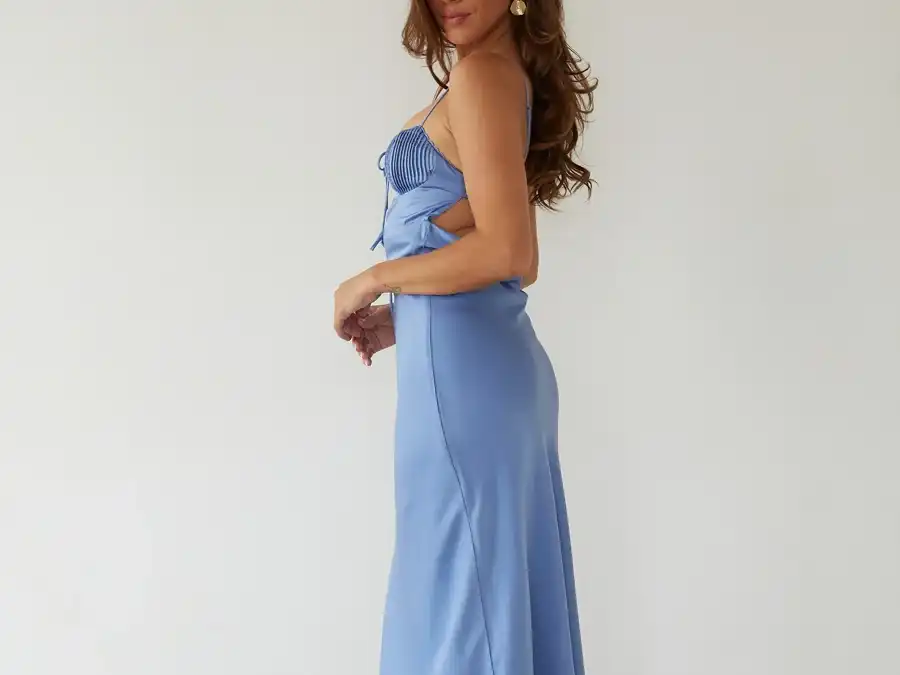
Side-Seam and Recovery Control
Side seams reveal hidden fit problems quickly. A twisted seam can come from off-grain cutting, uneven stretch direction, an unbalanced pattern or gathering pressure applied differently on each side. Recovery is also checked because a garment that looks sculpted immediately after dressing can loosen after extended wear. The approved sample should show stable side seams, consistent fold placement and a predictable return to shape before the same construction is used across a full color and size program.
Design Details That Change the Ruching Strategy

Cut-Out + Ruching

Backless + Ruching

Halter + Ruching

One-Shoulder + Ruching

Mesh + Lining

Zipper + Gathered Seam
Pattern Development Turns Visual Ruching into Repeatable Construction
A reference image may show the desired look, but a production pattern must define how that look is created. Jinfeng Apparel uses pattern development to translate the visual brief into measurable gathering zones, seam positions, body measurements, lining shapes and grading rules. With 7+ senior pattern makers and two sample rooms, fit-sensitive styles can be reviewed before bulk files are locked.
Mark the Fixed Points First
Every ruched area needs stable reference points: where gathering begins, where it ends, which seam carries it and how it relates to bust, waist, hip or hem positions.
These fixed points matter more than a general instruction such as “add ruching at side seam.”
For diagonal or asymmetric effects, pattern marks are especially important because a small placement shift can move the visual waistline.
The pattern should also identify areas that must remain flat, including zipper zones, lining joins, cut-out edges or clean center-front panels.
Build Excess for the Intended Fold Density
Ruching requires controlled excess in the pattern. The amount depends on fabric weight, stretch, recovery and desired fold depth. The same added length will not look identical in soft jersey, power mesh and stretch satin. Sample development is used to judge whether the planned excess creates a flattering shape or unwanted bulk. Once approved, the pattern and sewing instruction should preserve the relationship between the cut length and the finished gathered length rather than leaving the result to operator judgment.
A low or open back changes the support path through the garment. Side and back ruching must be balanced against bust stability, side coverage, zipper location or tie construction. Fit review checks whether the dress remains secure without flattening the intended back shape.
Grade Shape and Visual Position Together
Size grading needs to preserve both body measurements and visual placement. Bust, waist and hip increments can change how the fabric stretches, while a fixed gathering zone may look too short or too dense in larger sizes. Mini length also needs separate attention because hip tension can increase ride-up. Pattern review therefore checks key body points, finished length, fixed ruching positions and whether lining or cut-out shapes need their own grade logic. Approved size rules are recorded so reorders can reproduce the same proportion.
Update the Pattern After Every Fit Decision
Fit comments should not live only in email or chat. When a sample changes at the waist, hip, bust, length, neckline, strap or ruching position, the corresponding pattern and measurement record need to change as well. A revised sample is then built from the updated file. This prevents a common bulk failure in which a sample is manually corrected but the production pattern still carries the previous construction. Pattern, measurement and workmanship records should agree before PP approval.
From Tech Pack to Photo-Ready Ruched Club Dress Sample
Sample development is where fabric behavior, visual proportion and production feasibility meet. Jinfeng Apparel can work from tech packs, line sheets, reference photos, original samples, sketches, fabric swatches and trim references. The sample schedule is confirmed after style complexity, material availability and revision scope are reviewed rather than treated as a fixed number for every garment.

Project Review and Material Direction
Development begins by checking the silhouette, ruching direction, neckline, exposure, closure, lining, stretch requirement and target visual effect. Fabric choices are then reviewed against drape, recovery, transparency, surface finish and cost. If a reference photo uses a material that does not support stable bulk production, an alternative direction can be discussed before pattern work advances. For clubwear, material review also considers photo appearance under strong light, opacity, skin comfort and how the fabric returns after body stretch.

First Sample: Test Structure Before Styling Refinements
The first sample is used to test pattern proportion and construction logic. Key checks include bust, waist, hip, finished length, side seams, neckline stability, lining coverage and initial ruching placement. Complex details such as cut-outs, backless panels, mesh layering or asymmetric straps are reviewed at the same time because they affect the base fit. The first sample is not treated as the final bulk standard; it is a controlled stage for finding problems early enough to correct the pattern, material or workmanship direction.

Fit and Revision: Convert Comments into Files
Brand comments can cover fit, gathering, fabric feel, color, trims, lining, exposure or visual proportion. Jinfeng Apparel records the revision and updates the affected pattern, measurement, sewing or material reference before the next sample. Common changes for ruched club dresses include moving the gathering higher, reducing fold volume, tightening the waist, improving hip comfort, stabilizing a neckline, adjusting cut-out coverage or adding length to compensate for ride-up. Each revision should move the style closer to a production-ready standard, not simply create a different-looking sample.

Photo-Ready and PP Approval Serve Different Purposes
A photo-ready sample focuses on the visual presentation needed for campaign photography, line review or ecommerce content. A PP sample must represent the approved bulk construction with confirmed fabric, trims, measurements, workmanship, labels and packing requirements as applicable. A photo sample should not automatically become the PP standard if materials or construction later change. Before bulk production, the relevant files and physical references are aligned so the production team is working from the same approved version.
Sample Revision Targets Fit Problems Before They Reach Bulk
Ruching Revision
Fit Revision
Fabric and Detail Revision

PP Approval Locks the Standard Before Bulk Production
The production handover should leave no uncertainty about which sample, pattern, fabric, measurements or packing instruction is current. Jinfeng Apparel uses the approved PP stage to align final development decisions with the files needed by production and QC. Late changes are evaluated for material, cost and schedule impact rather than introduced informally after bulk has started.
Lock the Approved Construction:The handover records the final pattern, size chart, fabric reference, lining, trims, zipper or elastic specifications, ruching placement, sewing method and any detail-specific requirements. If the style includes cut-outs, mesh layering or asymmetric elements, those points are captured in the working instruction as well. The objective is to make the approved visual effect reproducible by a production line without relying on memory from the sample room.
Convert Ruching into QC Checkpoints:Ruching position, amount, left-right symmetry, stretch recovery, side-seam stability, stitch condition and finished length become defined inspection points. Those checks sit alongside normal garment measurements, appearance, neckline, zipper, lining, labels and packing. Making the gathered construction visible in the QC checklist prevents it from being treated as a subjective styling detail during production.
Manage Changes After Approval:If a brand changes fabric, color, lining, trims, measurements, gathering level, labels or packing after PP approval, the impact is reviewed before production files are updated. A change in stretch or fabric weight may require a new pattern or revised sample; a new trim can alter seam thickness; a color change may affect material availability. Clear change control helps preserve both schedule and bulk consistency.
Multi-Style Production for Clubwear Collections
Style Allocation
Multi-SKU Coordination
Bulk Rhythm and Repeat Orders
Ruched Club Dress QC Focuses on the Details Shoppers Notice
Inspection needs to follow the product risks created by stretch, bodycon fit, mini length, transparency and gathered construction. Jinfeng Apparel’s QC system covers incoming material, cutting, sewing, in-line review, finished-garment inspection, pressing, packing, AQL inspection and client inspection support. The table below translates that process into clubwear-specific control points.
| Inspection Area | What Is Checked | Typical Risk if Missed |
|---|---|---|
| Ruching placement | Start/end position, gathering amount, symmetry, tension | Waist looks uneven; folds shift; left and right sides differ |
| Stretch & recovery | Direction, return to shape, bulk-lot behavior | Garment bags out, ruching flattens, fit changes during wear |
| Bust / waist / hip | Approved measurements and on-body proportion | Poor shaping, excessive tightness, unstable neckline |
| Mini length | Front/back length, hem balance, movement effect | Ride-up, uneven hem, unwanted exposure |
| Side seams | Straightness, balance, twist after handling | Dress rotates on body; asymmetry becomes visible |
| Mesh / lining | Transparency, holes, lining height, shell/lining balance | Unexpected sheerness, lining exposure, uneven gathering |
| Zipper / closure | Flatness, function, seam thickness around gathers | Bulging zipper, difficult closure, distorted back or side seam |
| Neckline / straps | Coverage, symmetry, strap position, edge stability | Gapping, slipping, neckline deformation |
| Workmanship | Stitch density, seam allowance, broken gathering stitches | Loose folds, seam failure, inconsistent silhouette |
| Packing | Folding, pressure points, labels, barcode, polybag, carton mark | Creasing, damaged surface, SKU or receiving errors |

A Multi-Style Ruched Clubwear Program Built for Scale
An anonymized overseas partywear brand developed an 18-style clubwear program of approximately 36,000 pieces with a mix of ruched mini dresses, mesh bodycon styles, cut-out dresses and fitted party silhouettes. The assortment used stretch mesh, power mesh, jersey lining and selected stretch fabrics across several color and size combinations. The main production challenge was not making one strong sample; it was keeping fit, gathering, transparency and private-label execution aligned across the entire range.
Development Challenge:Several styles combined ruching with mesh, cut-outs and fitted mini proportions. Early fit review identified different risks by style: some gathered zones sat too low on the waist, some mesh areas needed more stable lining coverage, and certain cut-out edges changed shape when the body stretched the garment. The development team compared fabric directions, adjusted pattern positions, refined lining lengths and converted fit comments into revised files before PP approval.
Ruching and Fit Standardization:The approved styles used defined start and end points for gathering, controlled fold density and size-chart references for bust, waist, hip and finished length. Mini styles were checked for ride-up and side-seam balance, while mesh styles were reviewed for transparency and recovery. Instead of asking the sewing line to “match the sample by eye,” production instructions carried the approved ruching position, construction method and QC checkpoints into bulk.
Multi-SKU Production and Packing:The 18-style program required coordinated fabric, color, size, label, barcode, polybag and carton information. Project tracking connected each style to its approved version and packing requirement. Private-label elements were checked separately from garment QC so a correct dress would not be delayed by wrong SKU labels, barcodes or carton marks. Production and packing records also supported phased shipment planning across the collection.
Repeat-Order Readiness:After the initial program, the valuable asset was not only the finished stock but the retained development record: patterns, measurement references, fabric and trim information, approved workmanship, packing details and style-specific QC notes. When a winning silhouette needs a new color or related fabric, those records allow the next review to start from an established standard while still checking new material behavior before production.
Private-Label Details Must Match the Garment Standard
Garment Labels
SKU and Barcode Control
Retail and Ecommerce Packing
MOQ and Cost Depend on the Construction You Approve
Fabric and Lining
Ruching and Construction
Size, Color and Packing Plan
Unreleased Clubwear Designs Stay Inside the Project Workflow
Design and Tech Pack Protection
Sample and Launch Protection
Packaging and Commercial Files
Frequently Asked Questions About Ruched Club Dresses
Common directions include jersey, rib knit, stretch mesh, power mesh, stretch satin, ponte and spandex blends. Selection depends on the desired fold depth, bodycon tension, recovery, transparency, lining and surface finish. A fabric is not approved only because it stretches; hand feel, recovery, bulk behavior, color availability, MOQ and the effect on pattern or lining are reviewed as well.
The approved sample establishes the start and end positions, visible gathering amount, tension and side-seam relationship. Those points are transferred into pattern marks, sewing instructions and QC checkpoints. Bulk inspection checks placement, left-right symmetry, stitch condition, stretch recovery, finished length and side-seam balance rather than judging the folds only by overall appearance.
Yes. Jinfeng Apparel can review reference photos, tech packs, original samples, sketches or line sheets. A reference image is first converted into a construction plan covering silhouette, fabric, ruching direction, lining, closure, measurements and risk points. If information is missing, the project can begin with feasibility and material review before formal sampling.
Ride-up is reviewed through hip fit, fabric stretch and recovery, gathering amount, front and back length, side seams and movement. Excessive tension at the hips or aggressive side ruching can shorten the worn garment. Pattern and sample revisions may adjust body measurements, gathering position or finished length before PP approval.
Mesh transparency is managed through mesh type, layer count, power-mesh support where appropriate, lining material, lining length and the placement of sheer areas. Shell and lining also need compatible stretch and gathering behavior. Bulk QC checks holes, deformation, opacity, lining exposure and whether the approved coverage stays stable after sewing.
Yes, but grade work should preserve the visual effect as well as body measurements. Bust, waist, hip and length changes can alter how much the fabric stretches and how dense the folds appear. Fixed points, gathering zones, lining shapes and mini length may need separate review so larger and smaller sizes do not lose the intended proportion.
Jinfeng Apparel supports first samples, fit samples, revised samples, photo-ready samples, PP samples and Golden Sample management. A photo-ready sample serves visual and campaign needs, while a PP sample represents the approved production standard. If fabric, trims, measurements or construction differ, the photo sample is not automatically treated as the bulk reference.
The basic MOQ starts from 200 pcs per style/color. Special fabrics, custom dyeing, printing, certified materials, special trims and custom packing can have separate supplier requirements. Exact feasibility is reviewed after the style, quantity split, fabric direction and packaging plan are known.
Yes. Private-label support can include woven labels, size labels, care labels, hangtags, barcodes, SKU labels, polybags, carton marks and warehouse labels according to the project. Packing requirements should be confirmed before bulk completion so garment inspection and SKU packing can be coordinated without delaying shipment.
Jinfeng Apparel supports NDA-based cooperation and protects tech packs, patterns, original samples, unpublished styles, label files, packing files and order information. Client names, logos, unreleased sample photos and real commercial details are not published without authorization. Project files are used for the assigned development, production, QC, packing and delivery workflow.

Send Your Ruched Club Dress Project for Review
A useful first review starts with enough information to understand the garment, quantity plan and launch requirements. Send a tech pack, reference image, line sheet or original sample photos together with the planned quantity per style/color. Fabric direction, size range, color plan, lining, trims, private-label details, packing requirements and target delivery window help the development team evaluate pattern risk, material feasibility, sampling scope, MOQ, quotation structure and bulk-production planning.
If the style combines ruching with mesh, cut-outs, backless construction, asymmetrical necklines or fitted mini proportions, include close-up references or construction notes where available. Project files are used for evaluation and development under Jinfeng Apparel’s design-protection workflow. The next step is a structured review of style complexity, fabric direction, sample needs and production risk rather than a generic price response.
- Tech pack, line sheet, reference image or original sample photos
- Target quantity per style/color and planned size range
- Fabric direction, stretch expectation, lining and trim requirements
- Color plan, private-label artwork, barcode or SKU requirements
- Target delivery window, packing instructions and destination requirements
- Any existing fit comments, quality manual or inspection standard


