
Resortwear Manufacturer for Australian Brands
Custom resortwear development built around Australian launch calendars, warm-climate fabrics, commercial fit, multi-style production and retail-ready delivery.
- 10-30 styles per program: Parallel development for resort dresses, matching sets, skirts, tops, jumpsuits and light layering pieces.
- 20,000-80,000 pieces per brand order: Production planning structured around style groups, fabric readiness, priority SKUs and shipment windows.
- Australia-focused product control: Lightweight fabric opacity, print direction, relaxed-fit balance, maxi length, travel packing and seasonal timing are reviewed before bulk.
- End-to-end manufacturing: Fabric sourcing, pattern development, sample revision, PP approval, bulk production, QC, private labels, packing and export coordination.
Production Strength Behind Multi-Style Resortwear Programs
Since 2008
6 Owned Factories
10+ Production Partners
2 Sample Rooms
7+ Pattern Makers
15+ QC Inspectors
Built for Established Australian Resortwear Programs
Resortwear Brands
Premium Ecommerce
Retail Programs
Development Teams
Resortwear Production Risks Controlled Before Bulk
Fabric Feels Too Heavy
Print Loses Impact
Relaxed Fit Loses Shape
Launch Dates Slip
Resortwear Collections Developed Across Key Product Categories

Resort Maxi Dresses

Midi Resort Dresses

Mini Vacation Dresses

Matching Resort Sets

Resort Skirts

Fashion Resort Tops

Jumpsuits and Rompers

Light Resort Layers
Build a Resortwear Range with Commercial Structure

Dress-Led Collection
- Best use: online resortwear labels, boutiques and seasonal dress programs.
- Development focus: length balance, neckline variety, lining strategy and repeatable fit blocks.
- Merchandising value: clear hero products supported by varied price and occasion levels.

Coordinated Capsule
- Best use: coastal lifestyle, travel capsules and social-commerce drops.
- Development focus: colour batch, print alignment, size pairing and top-to-bottom proportion.
- Merchandising value: higher cross-selling potential and flexible replenishment by component.

Day-to-Evening Edit
- Best use: premium resort destinations, cruise, holiday dining and event travel.
- Development focus: fabric transition, support, transparency, closure and packing protection.
- Merchandising value: a wider wearing occasion within one coordinated seasonal story.
Fabrics Selected for Resortwear Performance and Appearance

Linen and Blends
- Review points: weight, slub character, shrinkage, colour variation, seam slippage and wrinkle response.
- Best applications: shirt dresses, structured maxi dresses, matching sets, skirts and relaxed tops.
- Bulk control: fabric batch approval, pre-production shrinkage review, pressing method and clean packing.

Cotton and Voile
- Review points: opacity, shrinkage, handfeel, print sharpness, seam puckering and lining coverage.
- Best applications: mini dresses, tiered maxis, shirts, crop tops and relaxed sets.
- Bulk control: shade grouping, cutting direction, seam tension, pressing and contamination prevention for white fabrics.

Viscose and Rayon
- Review points: shrinkage, skew, colourfastness, seam strength, print response and dimensional stability.
- Best applications: printed maxis, wrap dresses, flowing skirts, wide-leg pieces and soft matching sets.
- Bulk control: material testing, controlled cutting, hanging or relaxation before final hemming when required, and measurement checks after pressing.
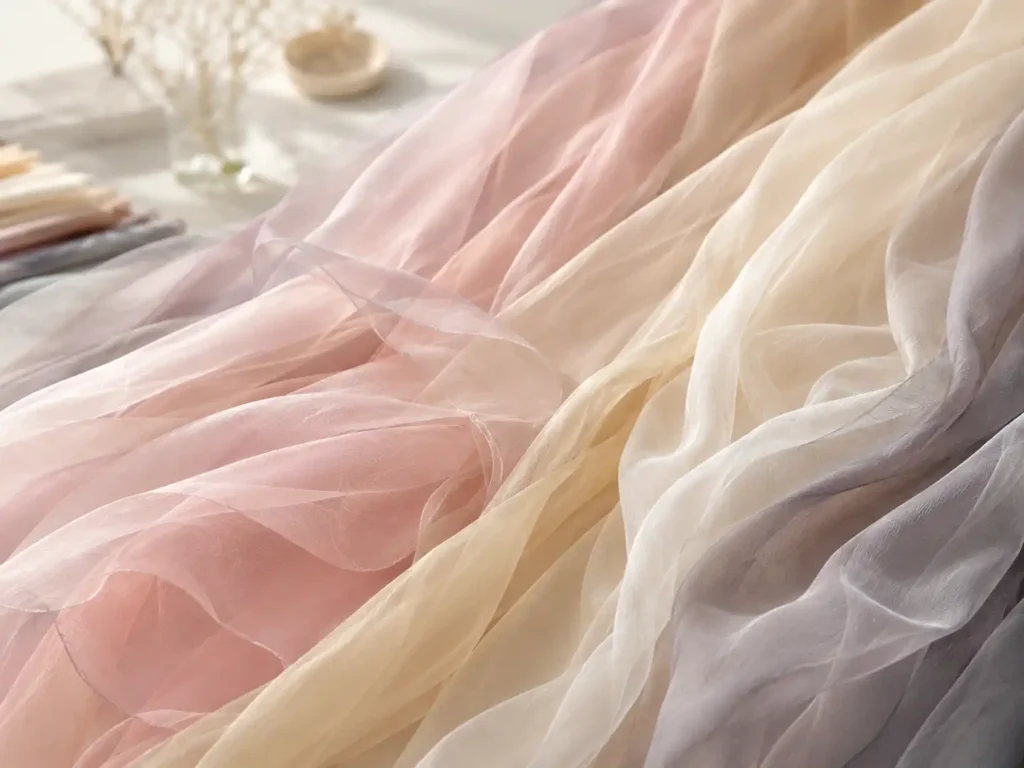
Chiffon and Georgette
- Review points: transparency, grain direction, edge finish, seam tension, layer count and static behaviour.
- Best applications: layered maxis, beach-to-dinner dresses, sleeves, overlays and flowing skirts.
- Bulk control: stable marker placement, careful handling, consistent rolled or narrow hems, balanced lining and clean pressing.
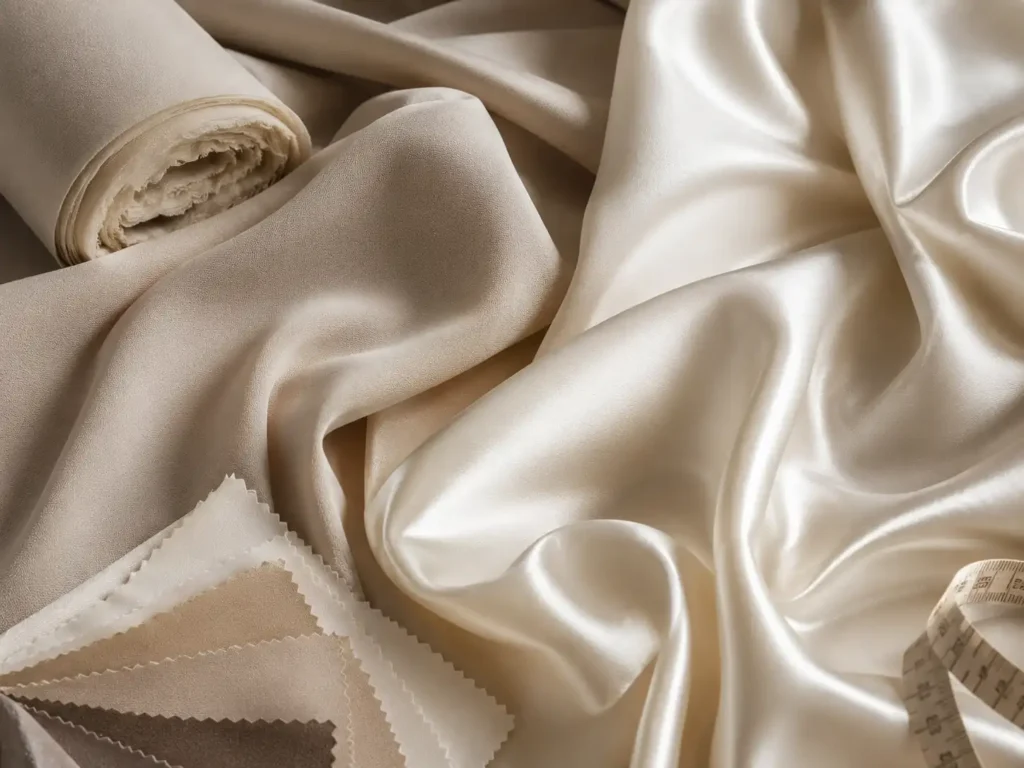
Satin and Crepe
- Review points: surface shine, snag risk, bias behaviour, opacity, pressing temperature and lining need.
- Best applications: slip-inspired dresses, evening resort styles, camisoles, skirts and polished sets.
- Bulk control: cutting protection, needle selection, clean sewing, final pressing and fold planning inside the polybag.

Mesh and Texture
- Review points: stretch direction, recovery, transparency, hole inspection, lining colour, neckline stability and edge finish.
- Best applications: resort layers, lined dresses, sleeves, panels and statement tops.
- Bulk control: directional cutting, damage inspection, reinforced stress points, matched lining and careful packing.
Print, Colour and Surface Development with Production Control

Print Scale and Placement
- Confirm: file resolution, repeat dimensions, colour channels, base cloth, garment orientation and placement tolerance.
- Production effect: directional prints increase cutting control and may raise consumption.
- Approval standard: approved strike-off, sample panel or finished sample reference before bulk printing and cutting.

Colour and Batch Control
- Confirm: Pantone or physical reference, lab dip where applicable, bulk shade, lining and trim colour.
- Production effect: new colours can create separate material, trim and packing requirements.
- Approval standard: colour is checked across shell, lining, labels, zippers, thread and other visible components.
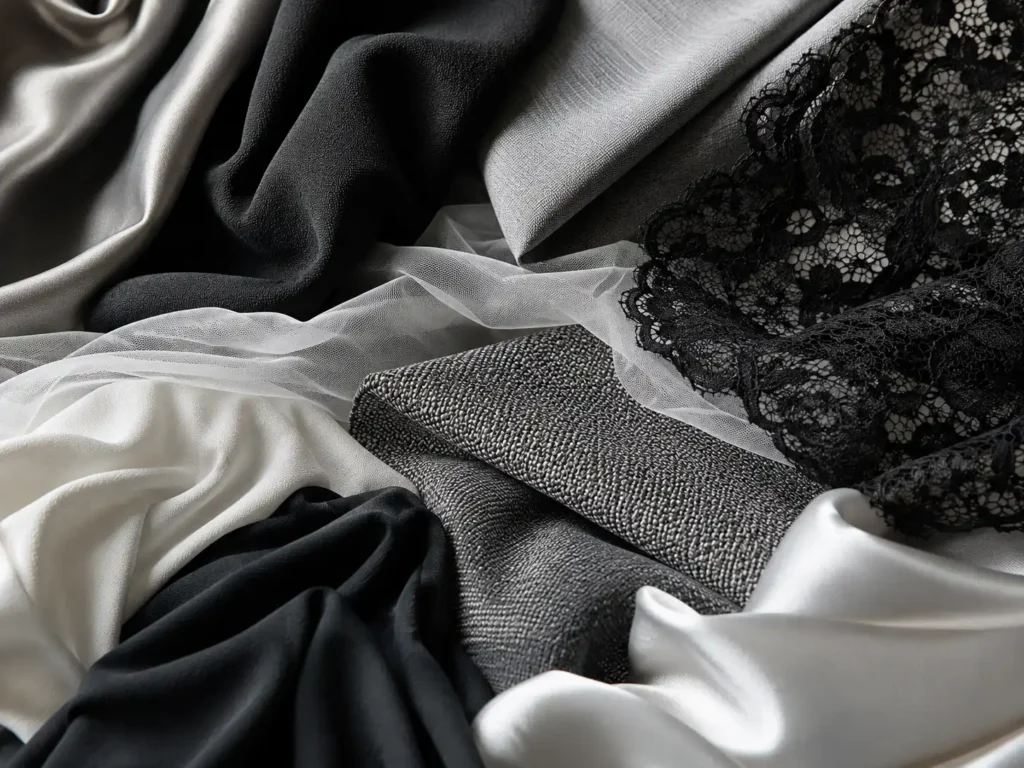
Texture and Handfeel
- Confirm: acceptable texture range, wash or finish standard, reverse-side comfort and care method.
- Production effect: surface finishes may require lower pressing pressure, extra handling or batch segregation.
- Approval standard: approved fabric reference and finished-garment comparison rather than description alone.
Construction Details That Separate Premium Resortwear

Necklines and Straps
- Control points: strap width, adjustment range, attachment reinforcement, neckline symmetry and skin comfort.
- Sample review: front and side coverage, tie length, slider function and movement.
- Bulk QC: matched lengths, secure bartacks or reinforcement, consistent neckline shape and clean edge finish.

Lining and Opacity
- Control points: coverage zone, lining weight, colour, stretch compatibility and hem relationship.
- Sample review: daylight opacity, movement, neckline and armhole exposure.
- Bulk QC: lining not twisting, dropping, pulling or appearing below the shell.

Hems and Slits
- Control points: hem type, finished width, stitch tension, slit level and stop reinforcement.
- Sample review: movement, hanging balance, inside appearance and safe coverage.
- Bulk QC: even length, no rope effect, no puckering and consistent slit measurement.
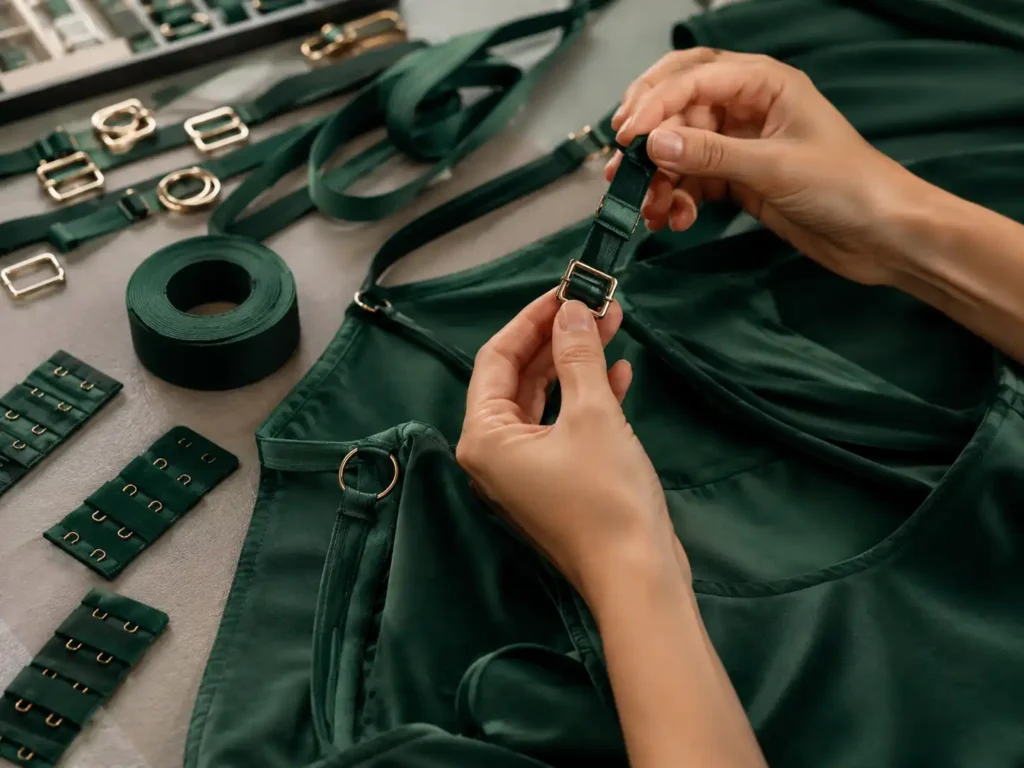
Elastic and Drawcords
- Control points: elastic width, extension, recovery, channel allowance, cord material and end finish.
- Sample review: comfort, return after stretch, gathering distribution and wash expectation.
- Bulk QC: no twisting, secure ends, consistent circumference and matching hardware or cord colour.

Zippers and Closures
- Control points: closure length, tape weight, colour, seam support, buttonhole quality and functional access.
- Sample review: flatness, opening range, dressing ease and stress at closure points.
- Bulk QC: smooth operation, no catching, no exposed ends and consistent positioning.

Internal Seam Finish
- Control points: fabric fray, transparency, seam bulk, stretch and skin contact.
- Sample review: inside visibility, edge cleanliness, seam strength and pressing.
- Bulk QC: uniform seam allowance, no raw exposure, no skipped stitches and no distortion.
From Design Direction to an Approved Production Standard
Project Review
- Output: style complexity, missing information, likely risk points and the next development route.
- Timing effect: clear input reduces repeated clarification before pattern work starts.
Fabric Direction
- Output: fabric option, lining direction, colour route and material approval method.
- Timing effect: stock materials move faster; custom dye, print or special texture requires added approval time.
Pattern Development
- Output: first pattern and internal construction plan.
- Timing effect: complex wrap, bias, corset-influenced, layered or jumpsuit structures require more development than a straightforward woven dress.
First Sample
- Indicative time: about 10-15 days for many standard dresses after materials are ready.
- More complex work: about 12-25 days for layered, mesh, lace, jumpsuit or structure-led styles.
Fit and Revision
- Output: revised sample or approved correction record.
- Indicative time: commonly 7-15 days after complete comments and required materials are confirmed.
PP Approval
- Output: final pattern, size chart, BOM, trim details, sewing instructions, label placement, packing standard and QC points.
- Bulk gate: production starts after approvals, material readiness and factory allocation are confirmed.
Multi-Style Bulk Production Managed as One Program
Factory Matching
- Each style is assigned according to product category, fabric type, construction complexity, quantity and delivery requirement. Not every factory is expected to make every garment.
- Decision basis: pattern complexity, material handling, sewing standard, finishing and program timing.
- Control file: approved sample, pattern, BOM, measurements and workmanship notes travel with the style.
Material Allocation
- Material booking is organised by fabric group, colour, print, lining and trim. Shared materials can improve consistency, but each style retains its own consumption and cutting requirements.
- Decision basis: fabric MOQ, shade, width, consumption, print direction and expected loss.
- Control file: approved references, receiving checks and style-by-style allocation record.
Pre-Production Control
- Before line release, production teams review the approved sample, construction, measurements, labels and packing. Open issues are closed before they become repeated defects.
- Decision basis: PP approval, material readiness, final pattern and production instructions.
- Control file: pre-production meeting record and defined QC checkpoints.
Line Coordination
- Merchandising and production teams track style start, sewing progress, bottlenecks and completion. Priority styles can be released in planned waves rather than waiting for an entire range to finish together.
- Decision basis: launch priority, complexity, material readiness and shipment plan.
- Control file: style status, issue list, corrective action and revised completion forecast.
Quality Windows
- Inline checking catches construction and measurement issues while correction is still possible. Final inspection then verifies the completed garment, label and packing standard.
- Decision basis: risk level of fabric, silhouette, closure, lining, print and size range.
- Control file: inspection findings, measurement records and corrective confirmation.

Resortwear Quality Control from Fabric to Carton
QC checkpoints are selected around the specific risks of lightweight fabrics, prints, long silhouettes, relaxed fits, private labels and multi-SKU packing. The goal is to prevent commercial defects before goods reach an Australian warehouse or retail channel.
| Stage | Resortwear Control Points | Commercial Risk Reduced |
|---|---|---|
| Fabric receiving | Shade, print, width, weight, opacity, surface defects, stretch or shrinkage direction, quantity and approved reference. | Unexpected colour variation, transparency, print defects, material shortage or wrong fabric entering production. |
| Cutting | Grain, print direction, border or placement, shade grouping, panel count, notches, long-skirt alignment and damage control. | Reversed motifs, mismatched panels, uneven hems, wrong components and avoidable material loss. |
| Sewing inline | Seam tension, neckline shape, strap length, zipper flatness, lining, slit reinforcement, elastic recovery, internal finish and symmetry. | Repeated workmanship defects, puckering, weak stress points, twisted lining or inconsistent visual details. |
| Measurement | Bust, waist, hip, body length, dress length, strap, armhole, slit, rise or crotch length, plus style-specific measurements. | Fit inconsistency, unsafe coverage, return risk and size-chart mismatch. |
| Final garment | Appearance, colour, print, stains, holes, pressing, loose threads, handfeel, closure function, labels and approved sample comparison. | Photo-to-product mismatch, visible defects, negative reviews and retail rejection. |
| Packing and carton | SKU, size, colour, barcode, polybag, folding, hangtag, quantity, carton assortment, carton mark and packing list. | Warehouse receiving errors, mixed stock, damaged garments and incorrect shipment documentation. |
Private Label Delivery Prepared for Australian Retail Channels
Brand Labels
- Confirm: artwork, dimensions, colour, fold, placement and quantity.
- Check: orientation, comfort, stitch cleanliness and brand consistency.
Care and Size Labels
- Confirm: content, language, size system, material and placement.
- Check: readability, durability, correct size, orientation and matching garment record.
Barcode and SKU
- Confirm: SKU naming, barcode file, size sticker, colour sticker and assortment.
- Check: scan result where required, duplicate or missing labels and packing-list match.
Retail Packing
- Confirm: bag size, warning text, print, folding, hanger need, carton dimensions and marks.
- Check: snag protection, crease control, clean presentation, quantity and shipment documentation.
MOQ, Cost Drivers and Information Needed for Quotation
A resortwear quotation becomes reliable only after the style, material, quantity, size, colour, labels, packing and delivery expectations are understood. Jinfeng evaluates production from 200 pieces per style and colour, subject to material and construction conditions.
| Quotation Factor | What Needs Confirmation | Effect on Production or Cost |
|---|---|---|
| Style and construction | Reference image or tech pack, lining, layers, closures, ruffles, ties, print placement, special seam or handwork. | Defines pattern work, sewing time, material consumption, risk and sample route. |
| Quantity plan | Pieces per style and colour, size ratio, total style count and expected repeat structure. | Affects cutting efficiency, line allocation, colour splitting, private-label use and unit cost. |
| Fabric and print | Stock or custom fabric, composition, weight, colour, print file, repeat, placement, certified material request and testing needs. | May create independent fabric MOQ, additional development, sampling, waste or lead time. |
| Size range | AU, alpha or other system, base size, measurement chart, grading rule, petite, tall or extended-size requirements. | Changes pattern development, grading, consumption, fit validation and measurement QC. |
| Labels and packing | Main label, care label, size label, hangtag, barcode, polybag, folding, carton assortment and marks. | Private-label materials may have their own MOQ, development time and artwork approval process. |
| Delivery plan | Target ex-factory date, destination, nominated forwarder, split shipment, urgent SKU and documentation requirements. | Influences production scheduling, packing sequence, freight route and whether alternative planning is required. |
Reverse-Plan Australian Resortwear Launches from Delivery Date
Seasonal launches are protected by locking critical decisions early and separating product development, bulk production, packing and freight into visible planning stages. Jinfeng does not treat an ex-factory date as the only deadline.
Prioritise Hero Styles and Material Decisions
A 10-30 style range should not move through sampling as one undifferentiated group.
Hero dresses, campaign pieces and styles using ready materials can move first, while complex prints, custom colours or special trims follow a controlled development path.
Sample priorities may be ranked by campaign date, expected volume, fabric readiness, pattern complexity and whether a photo-ready sample is required.
The approach protects launch-critical styles without forcing every item into an unrealistic rush schedule.
Clear line sheets, style codes and approval status also reduce the risk of sending the wrong sample version into production.
- Recommended inputs: line sheet, priority ranking, desired photo sample date, launch date and quantity per style/colour.
- Jinfeng planning: fabric groups, pattern groups, sample tracks, revision status and PP approval sequence.
Choose Freight According to Product and Calendar
Sample parcels normally move by courier, while bulk resortwear may move by air, sea or a planned combination arranged with the brand or nominated forwarder. Freight choice should reflect launch urgency, garment value, carton volume and receiving dates. Lightweight garments can still occupy substantial carton space when ruffles, structured packing or hangers are involved. Split shipment may release priority SKUs earlier, but it also requires separate packing lists, carton marks, stock allocation and freight documentation. Jinfeng coordinates packing and shipment preparation against the confirmed route rather than assuming one method suits the entire collection.
- Air or express: used for samples, urgent hero SKUs or approved partial releases where timing justifies cost.
- Sea freight: used for planned bulk volume when the receiving calendar allows a longer transport window.
- Split delivery: requires SKU-level allocation, carton separation and a documented balance plan.
Prepare Reorders Before the First Delivery Sells Through
Repeat production becomes faster when patterns, size charts, BOMs, fabric and colour references, trims, sewing instructions, packing files, QC notes and Golden samples are retained. Speed does not mean skipping confirmation. A reorder may still require new fabric batch approval, lining or trim colour checks, updated barcode files, revised quantities and a fresh production slot. Same-pattern new-colour programs also need colour, opacity and matching-component review. Brands can improve replenishment readiness by identifying potential hero styles during the first production and setting an early decision date for material reservation or colour extensions.
- Records retained: pattern, measurement, material, trim, workmanship, label, packing and QC references.
- Reorder confirmation: fabric availability, new shade, size ratio, label artwork, carton plan, timing and freight route.

Compliance, Material Claims and Unreleased Design Protection
Project-Based Compliance
Factory, social-audit, quality-system and testing documents must relate to the production unit, product, material, certificate scope and validity period. Jinfeng can coordinate available records and third-party testing according to the agreed program.
- Before approval: confirm required market, standard, product scope, testing party and document format.
- Professional boundary: no blanket claim is made that every factory, fabric or order carries every certification.
Material Claim Verification
Organic, recycled, certified or preferred-fibre claims require more than a fabric name. Supplier identity, composition, certificate scope, batch, colour availability, MOQ and documentation need project-level confirmation.
- Before approval: define the exact claim and documents expected for shell, lining or trim.
- Professional boundary: material availability, MOQ, price and lead time are evaluated separately from ordinary stock fabric.
NDA and Design Protection
Jinfeng supports NDA-based cooperation for tech packs, sketches, original samples, patterns, size charts, BOMs, fabric and trim information, label artwork, packaging, barcode data and unreleased launch plans.
- Permitted use: project review, sampling, bulk production, QC, packing and shipment coordination.
- Restricted use: no website, social media, public case study or unrelated project use without authorisation.
Australian Resortwear Program: 18 Styles, 42,600 Pieces
The following representative program reflects the scale and structure currently handled for established brand orders. Brand identity, artwork and commercial terms remain protected; figures focus on project organisation, manufacturing risk and production control.

Collection Scope and Commercial Structure
The range contained 18 styles and 42,600 finished pieces across three delivery groups. Product architecture included seven dresses, four coordinated sets, three skirts, two tops and two jumpsuit or romper styles.
Sizes followed an AU 6-16 structure with style-specific ratios based on previous sales and launch forecasts.
Six material directions were used: printed viscose, cotton voile, linen blend, lightweight crepe, satin and lined mesh.
Order depth was not evenly divided.
Hero maxi dresses and matching sets carried larger quantities, while visual campaign pieces and more complex mesh styles used lower but still production-efficient volumes.
The line sheet therefore became the main control document linking style code, colour, quantity, material, size ratio, sample priority, packing and shipment group.
- Program total: 18 styles / 42,600 pieces.
- Style mix: 7 dresses / 4 sets / 3 skirts / 2 tops / 2 jumpsuits or rompers.
- Size structure: AU 6-16, with separate ratios by style performance.
- Delivery structure: three production groups and two planned shipment waves.

Development and Risk Decisions
Sampling was grouped by fabric and commercial priority rather than launched all at once.
Six hero styles moved first for campaign review. Printed viscose and cotton voile styles followed a common colour-and-print approval track, while linen blends were reviewed separately for shrinkage, crease appearance and seam behaviour.
Satin and mesh products entered a higher-risk track because surface marks, lining colour, transparency and packing folds could change the final visual result. Fit comments were logged by style and classified as pattern, material, construction or preference changes. The approved revisions were transferred into final patterns, size charts and PP samples. Indicative development planning allowed about five weeks from complete input and material direction to the main PP approvals, with late print or trim decisions handled as controlled exceptions rather than informal rush requests.
- Priority group: 6 campaign and volume-leading styles.
- Review groups: print and colour / natural-texture fabrics / satin and mesh risk styles.
- Sample control: first sample, consolidated revision, PP approval and version tracker.
Key technical risks: maxi length, print direction, pale-fabric opacity, lining level, strap length and set proportion.

Bulk, QC, Packing and Shipment Results
After PP approval and material readiness, the bulk plan used factory matching rather than placing all products on one line. Printed dresses and fluid skirts were grouped around material handling and directional cutting; structured sets and jumpsuits moved through production units suited to their construction. Inline checks focused on seam tension, print direction, strap and neckline consistency, lining, zippers and key measurements. Final inspection added appearance, pressing, labels, barcode, size stickers and carton assortment. Bulk production, finishing and packing were planned across approximately six weeks, followed by two shipment waves: the first released launch-critical dresses and sets, while the second carried the remaining assortment. Records were retained for potential colour extensions and replenishment, with fabric-batch and packing reconfirmation required before repeat production.
- Bulk planning: approximately 6 weeks after PP approval and material readiness for the representative program.
- Shipment split: first wave for priority dresses and sets; second wave for the remaining coordinated assortment.
- QC focus: shade, print, length, straps, lining, closures, measurements, labels, barcode and packing.
- Repeat readiness: pattern, BOM, material, colour, trim, QC and packing references retained for review.
Evaluate a Resortwear Manufacturing Partner Beyond Price
Collection Management
Resort Fabric Knowledge
Pattern and Fit Control
Sample-to-Bulk Transfer
Quality and Packing
Repeat-Order Readiness
Frequently Asked Questions About Australian Resortwear Manufacturing

Start Your Australian Resortwear Program with Clear Project Data
Send Kelly the product information already available, whether the starting point is a line sheet, tech pack, original sample, sketch or reference image. Jinfeng will review the style mix, material direction, construction, size range, quantity plan, private-label needs and target delivery window before recommending the next development route.
Complete information makes fabric sourcing, sample planning and quotation more accurate, especially for multi-style resortwear programs using several prints, colours or delivery groups. Unreleased files can be handled under NDA-based cooperation. The initial review is designed to identify missing information and production risks before pattern development or sampling begins.
- Company name and target market
- Line sheet, reference images, tech packs or original sample details
- Planned quantity per style and colour
- Fabric, print, colour and lining direction
- AU size range and approved measurement chart
- Main labels, care labels, barcode and packing requirements
- Campaign, launch or required delivery date
- Destination in Australia and nominated freight arrangement, when available


