...

Resortwear Capsule Manufacturer

Multi-style resort collections developed with coordinated fabrics, prints, fit standards, production control and retail-ready private-label delivery.

Jinfeng Apparel develops resortwear capsules for established fashion brands planning seasonal drops, destination collections and warm-climate womenswear programs. One project team coordinates product architecture, fabric direction, pattern development, sample priorities, bulk allocation, quality control and branded packing across the full assortment.

  • 10-30 styles can be managed within one coordinated capsule program.
  • Typical established-brand programs range from 20,000 to 80,000 total pieces.
  • MOQ starts from 200 pcs per style/color, subject to material and trim conditions.
  • 2 sample rooms, 7+ senior pattern makers and 20+ sample machinists support parallel development.

Built for Multi-Style Resortwear Programs

Resortwear capsules place several product groups, fabrics, colors and launch deadlines under one production plan. Jinfeng combines development resources with scalable factory allocation, allowing each style to receive an appropriate pattern, sample route, sewing method and inspection plan.

Since 2008

More than 16 years of womenswear manufacturing experience supports informed decisions around fit, fabric behavior, seasonal timing and repeat-order consistency. Resortwear projects benefit from long-term exposure to dresses, skirts, sets, jumpsuits and private-label collection work.

6 Owned Factories

Six owned women’s fashion factories provide a controlled production base for woven dresses, fashion separates, structured styles and coordinated collection orders. Factory allocation follows product type, fabric behavior, construction complexity and confirmed delivery requirements.

10+ Production Partners

Long-term satellite production partners expand capacity when a capsule contains several fabric groups or overlapping delivery windows. Allocation is managed by capability and quality requirement rather than placing every style on the same line.

100,000+ Monthly Capacity

Monthly capacity above 100,000 pieces supports established-brand programs, phased deliveries and repeat production. Available capacity is confirmed against style complexity, material readiness, factory loading and required inspection windows before a production calendar is issued.

2 Sample Rooms

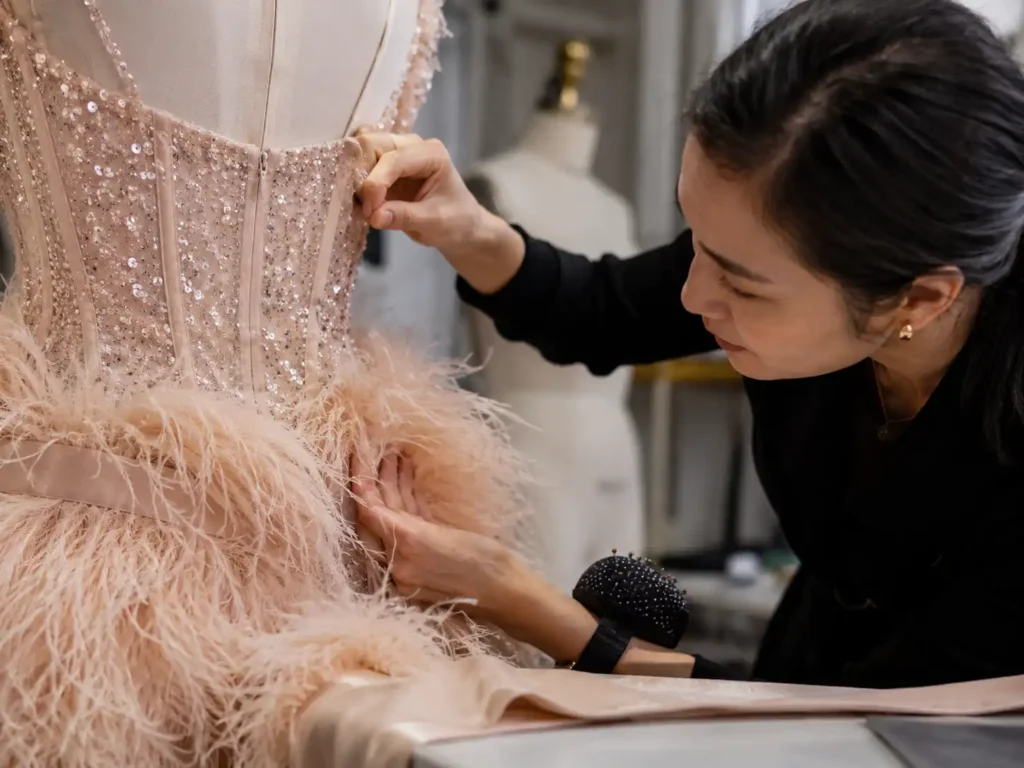
Two sample rooms enable parallel pattern work, first samples, fit revisions, photo-ready samples and PP approvals. Multi-style projects are grouped by launch priority, fabric readiness and pattern complexity to prevent key styles from waiting behind lower-priority items.

15+ QC Inspectors

More than 15 QC inspectors support incoming material checks, cutting review, inline sewing inspection, measurement control, final garment checks, pressing review and packing verification. Product-specific checklists are prepared around the approved sample and brand requirements.

A Manufacturing Fit for Established Resortwear Programs

The strongest working relationships begin with a defined collection direction, realistic volume plan and clear approval process. Jinfeng is structured for brands that treat a capsule as a managed product program rather than a group of unrelated garments.

Ideal Project Profile

A strong fit includes resortwear labels, premium ecommerce brands, multi-channel fashion businesses, brand groups, sourcing teams and swim-led labels extending into fashion resortwear. Projects usually arrive with a line sheet, reference images, tech packs, a target assortment, an intended launch window and planned bulk quantities. Jinfeng can work from detailed technical files or support an ODM route when the brand direction, product categories, target prices and visual standards are already defined.

Project Readiness

Efficient development requires decisions on hero styles, expected color count, size range, fabric direction, print ownership, private-label requirements and warehouse timing. Sample fees are charged separately because pattern work, material sourcing, single-garment sewing, measurement, internal review and revisions require dedicated resources. Bulk planning begins after the assortment, materials, PP standards and order structure are sufficiently stable.

Where Resortwear Capsules Commonly Lose Control

Resortwear looks relaxed, but lightweight fabrics, visible prints and coordinated sets leave little room for inconsistent execution. The main risks usually appear between styles rather than inside only one garment.

Fragmented Assortment

A group of attractive garments can still feel commercially disconnected when silhouettes, colors and fabrication do not support one another. Jinfeng reviews product roles, repeated design cues and outfit combinations before development, helping the final line present a recognizable resort identity rather than a collection of isolated samples.

Print Scale Drift

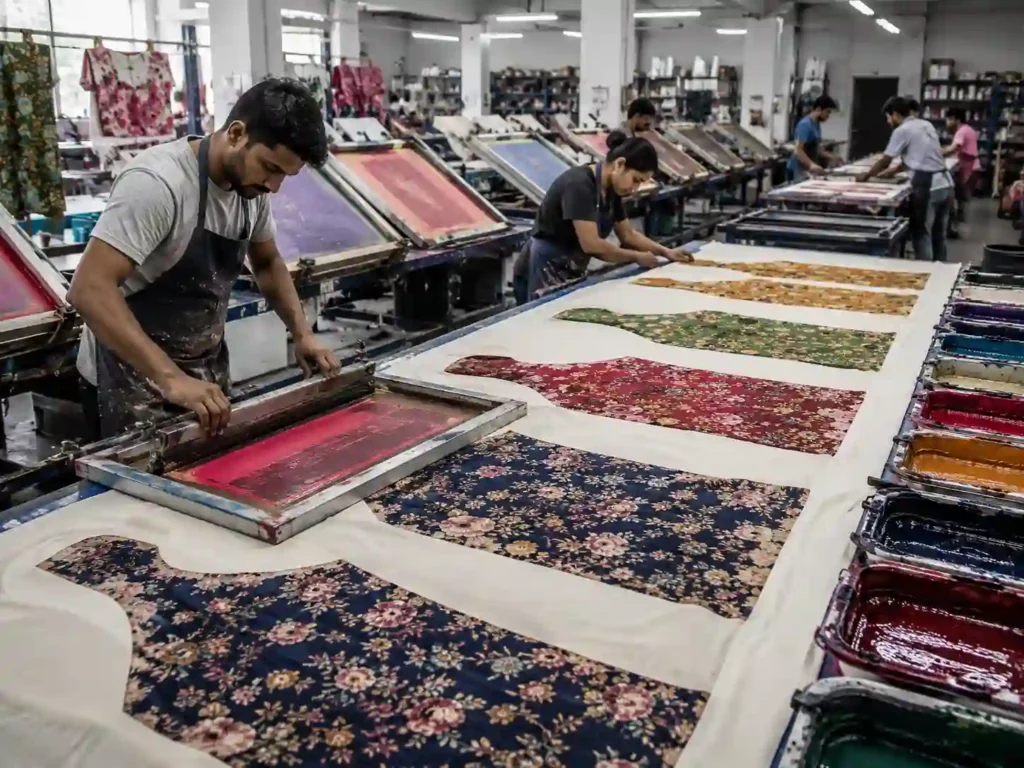
A print that works on a maxi panel may look oversized on a crop top or lose impact on a narrow skirt. Repeat size, motif direction, placement and cutting orientation are reviewed by product. Placement prints require separate artwork position approval, while all-over prints need direction and shade controls before bulk cutting.

Color Batch Variation

The same Pantone reference can appear different on rayon, satin, lining and elastic because fiber, surface shine and dye response change perception. Lab dips, physical swatches, lining color and bulk dye lots are compared under controlled lighting. Mixed-material outfits receive special shade review before approval.

Transparency Surprises

Chiffon, light rayon, viscose and pale woven fabrics may look acceptable on a hanger but become transparent in sunlight or movement. Lining coverage, seam visibility, pocket bags and undergarment exposure are checked during sample review. Coverage is balanced against breathability and intended resort styling.

Fit Language Breaks

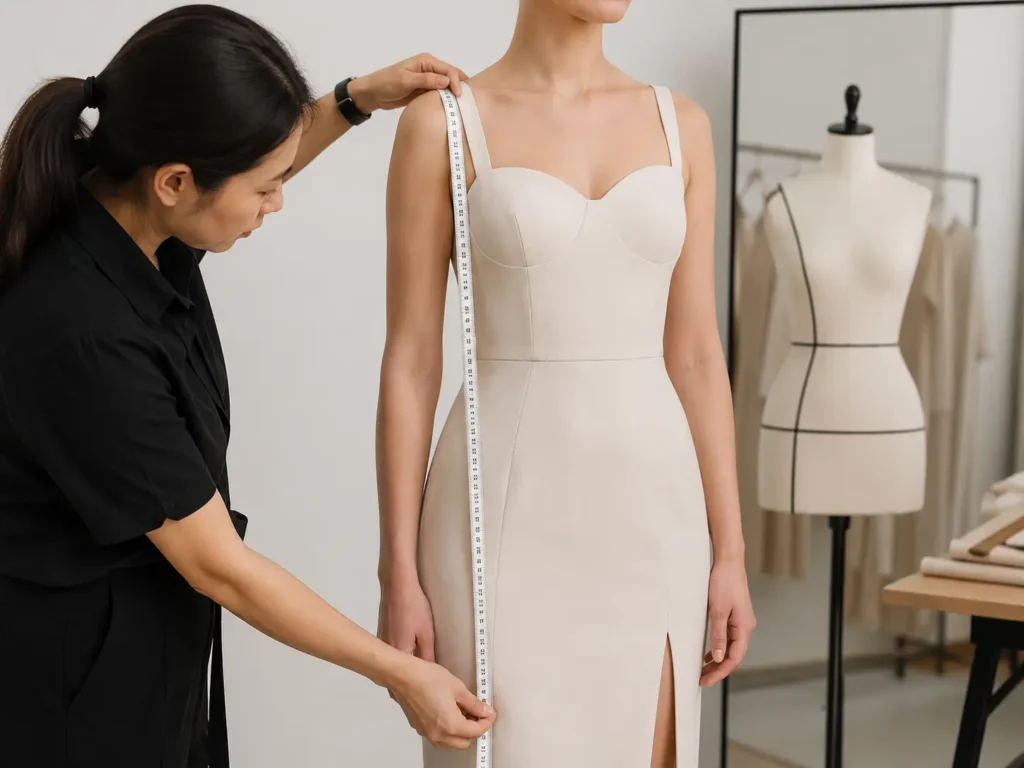
One size label should not create a fitted bust on one style and excessive looseness on another without design intent. Bust, waist, hip, shoulder, strap and length standards are mapped across the assortment, then adjusted for each silhouette. Consistency comes from controlled proportion, not identical measurements.

Launch Timing Slips

A delayed print, special button or unresolved fit comment can hold several styles at once. Jinfeng groups dependencies and identifies items on the critical path. Sample priorities, material booking, PP approvals, packing artwork and inspection windows are linked to the warehouse date instead of being managed as disconnected tasks.

A Commercial Architecture for Resortwear Capsules

A balanced capsule gives every style a job. Product roles help merchandising, development and production teams decide where to invest in fit, fabric, color depth and launch priority.

Capsule RoleTypical ProductsManufacturing FocusCommercial Use
Hero VisualPrinted maxi, halter midi, statement cut-out dressPrint scale, drape, neckline, movement, photo-ready finishCampaign imagery, launch story and social content
Volume DriverCommercial midi, easy mini, relaxed matching setStable fit, repeatable construction, color planning and efficient sewingCore sales volume and repeat-order potential
Outfit BuilderTop and skirt, shirt and short, cami and trouserColor matching, size pairing, waistband and proportion controlHigher basket value and flexible styling
Cross-Sell SeparateFashion skirt, halter top, resort shirtIndependent fit plus coordination with related piecesExtends outfit combinations without duplicating dresses
Destination EveningSatin slip, elevated jumpsuit, lace-accent dressSurface protection, lining, closure quality and pressingDinner, event and hotel evening use
Reorder PlatformProven shape in new color, new print or new lengthPattern records, fabric references, Golden sample and packing recordsFaster seasonal extension and replenishment

Products Developed for Coordinated Resortwear Capsules

Jinfeng focuses on fashion resortwear rather than technical performance swimwear. Product development centers on dresses, sets, skirts, tops, jumpsuits and related womenswear that can move from poolside styling to travel, dining and destination retail.

Printed Maxi Dress

A printed maxi often carries the visual identity of a resort launch. Development covers print direction, bodice support, waist position, skirt sweep, slit height, lining coverage and finished length. Lightweight fabrics must move well without exposing seam allowances or creating excessive bulk at gathers. Long hems are checked for balance, and packing methods are reviewed to reduce deep creasing before campaign shoots or warehouse delivery. When one print extends across several products, scale and placement are adjusted to preserve the artwork rather than simply cutting every SKU from the same repeat.

Halter Midi Dress

Halter styles combine a clean resort silhouette with several fit risks. Neck tension, armhole exposure, bust coverage, back opening and waist position must work together. Jinfeng reviews strap width, closure method, stabilizing tape, lining and under-bust shaping during sampling. A midi length also needs enough sweep for movement without making the garment look heavy. The style can serve as a strong commercial bridge between daytime and evening, especially when developed in coordinated solids or a controlled print group.

Linen-Blend Mini

Linen-blend minis bring natural texture and warm-weather appeal, but shrinkage, wrinkling and seam puckering require early review. Fabric composition, weight and pre-production treatment are checked before the pattern is locked. Pocket bags, facings and lining are selected to avoid visible bulk through a light base fabric. The cut may be relaxed, shaped or belted, yet hem balance and seat coverage remain essential. Controlled pressing and folding help preserve the intended natural character without shipping garments with crushed edges or distorted seams.

Matching Resort Set

A resort set must look correct together and remain sellable as separates. Top length, skirt or trouser rise, waist position, color batch and size pairing are reviewed as one outfit. Elastic waist components require recovery testing, while buttons, straps and closures need consistent specifications across pieces. Shared fabric can improve collection cohesion and material efficiency, but each garment still receives its own fit and construction standard. Barcode, polybag and carton instructions also need clarity when tops and bottoms are sold individually or packed as one set.

Fashion Resort Skirt

Mini, midi and maxi skirts expand outfit options and help a capsule achieve stronger cross-selling. Development focuses on waistband stability, hip ease, zipper flatness, lining, slit position, pleat behavior and hem balance. Printed skirts need direction control at center front, side seams and waistband areas. A skirt intended to coordinate with multiple tops may require a more commercial fit than a fitted dress from the same range. Size grading is reviewed to maintain waist comfort and intended proportion across the full range.

Cami or Halter Top

A fashion top can connect dresses, skirts and trousers into one capsule story. Cami and halter shapes require careful bust coverage, strap placement, neckline stability, armhole shape and hem length. Light woven fabrics often need self-lining or a partial lining to keep facings and seam allowances from showing. Adjustable hardware is checked for finish, color and strength. Tops are also evaluated with the intended bottoms so torso exposure, waist position and overall proportion match the styling direction used in photography and merchandising.

Jumpsuit or Romper

Jumpsuits and rompers add variety but require more complex body balance than a dress. Bodice length, waist position, rise, crotch depth, hip ease, leg opening and closure placement are tested together. A style can look correct standing still yet pull at the torso when sitting or walking, so movement is reviewed during fit approval. Lightweight fabric needs enough opacity and recovery for the intended silhouette. Belts, elastic channels and tie details are checked for consistency before bulk production and size grading.

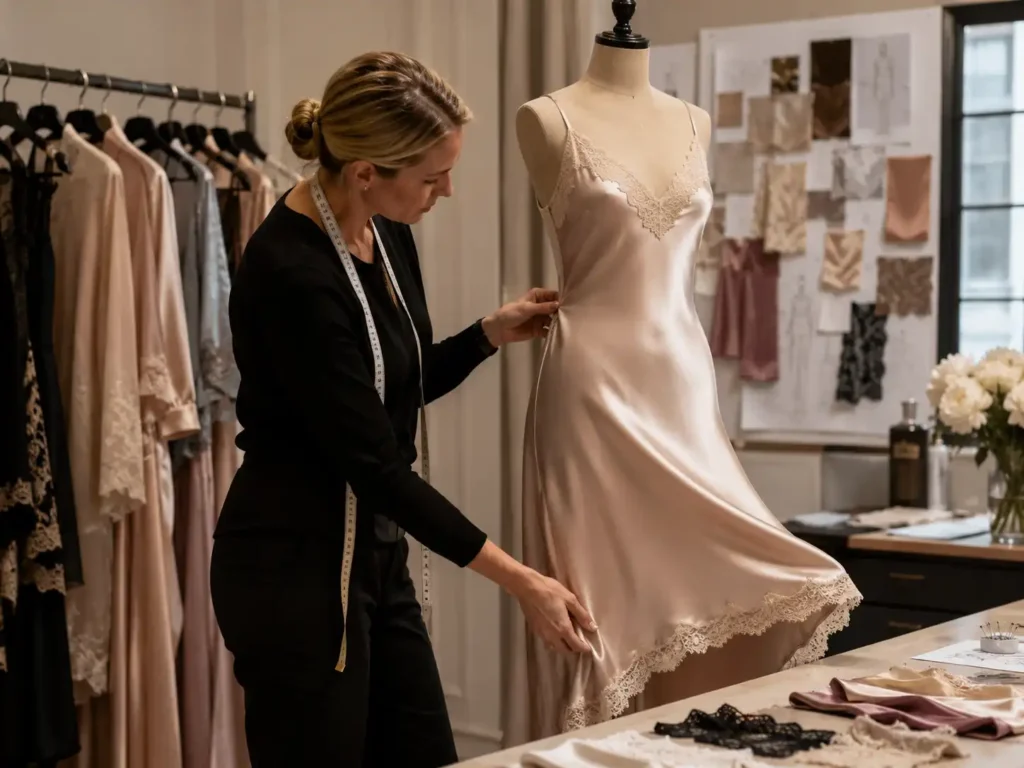
Destination Evening Style

Satin slips, elevated maxis and lace-accent dresses allow a resort range to move into dinner and event settings. Jinfeng controls surface snagging, shine direction, zipper flatness, neckline stability, lining comfort and pressing marks. Satin colors are compared by batch because reflective surfaces amplify small shade differences. Lace or mesh details require clean placement and skin-comfort review. Protective packing is considered early so garments arrive without hanger pressure marks, crushed cups, deep folds or abrasion on delicate surfaces.

Fabrics and Prints That Define the Collection

Fabric selection shapes movement, transparency, packing behavior, price and production stability. Jinfeng reviews materials as a collection system, not only as isolated swatches, and connects every choice to the intended silhouette and bulk requirements.
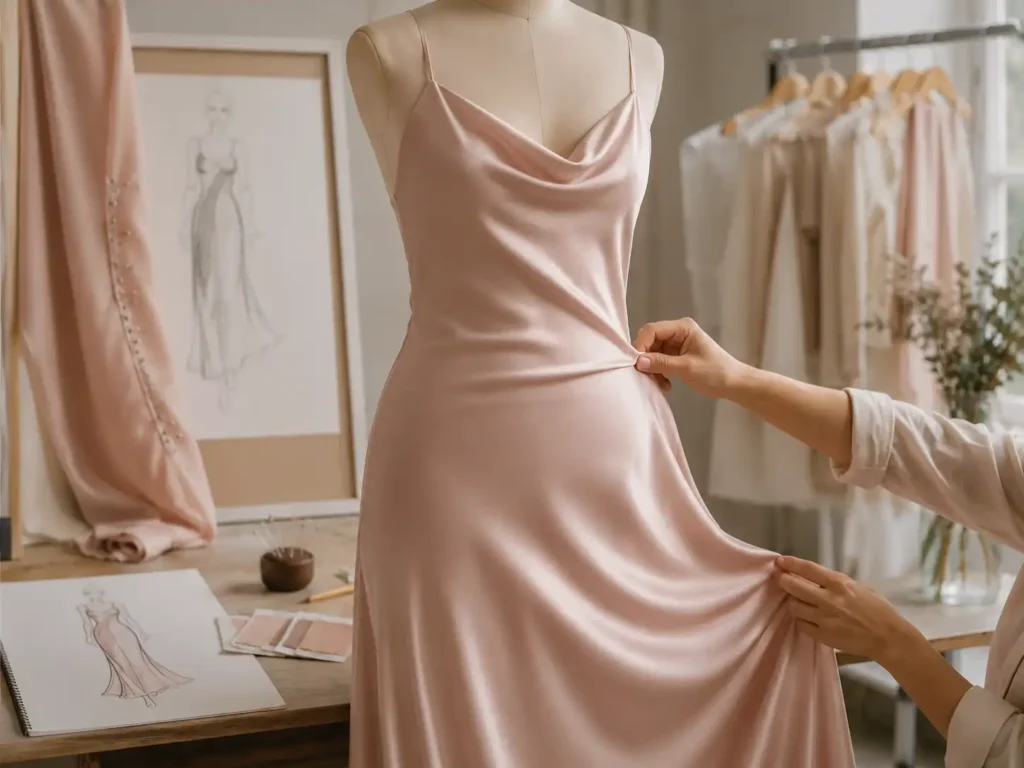
Lightweight Drape for Movement and Layering

Chiffon, rayon, viscose, crepe and lightweight printed woven fabrics are common in resort dresses and coordinated separates because they create movement without excessive weight. Their ease on the body can hide serious production risks. Jinfeng reviews fabric weight, width, hand feel, drape, opacity, shrinkage, crease recovery and seam behavior before recommending a construction. Pale colors and open weaves may require full or partial lining; gathered sections may need a lighter lining to prevent a bulky waist. Bias movement and fabric relaxation are considered before cutting because long panels can grow unevenly. For printed garments, direction is marked in the cutting plan so motifs do not reverse across a front panel, sleeve or matching set. The final material decision balances appearance with repeatable cutting, sewing and pressing performance.

Natural Texture with Controlled Shrinkage and Wrinkle

Linen, linen blends and cotton blends create an elevated warm-weather texture, especially for mini dresses, shirt sets, skirts and relaxed jumpsuits. Natural character should not be confused with uncontrolled distortion. Fabric shrinkage, skew, color variation and seam puckering are checked before pattern approval. A fabric with a beautiful dry hand may require wider seam allowances, different interfacing or adjusted ease after testing. Lining is selected by coverage and breathability, not added automatically. Where pure linen creates excessive cost, minimums or wrinkling, a carefully chosen blend can preserve the visual direction while improving bulk stability. Jinfeng can review alternative compositions, available colors and lead times, then validate the selected fabric through sampling before the collection moves to production.

Elevated Surfaces for Evening Resortwear

Satin, stretch satin, fine crepe, lace and mesh accents support destination evening dresses and elevated separates. Reflective surfaces need disciplined handling because shade differences, snagging, needle marks and pressing shine become visible under photography lighting. Grain and shine direction are kept consistent across panels, while zipper application and lining tension are checked to prevent rippling. Lace and mesh placement must support the design without creating uneven coverage or scratch points. Jinfeng reviews surface protection during sewing, internal pressing methods, hanger use, tissue placement and carton packing. Delicate materials are not treated like basic woven goods; the chosen construction and finishing route are confirmed during sample development and carried into the production file.

Print and Color Control Across Several Products

A resort capsule may use one print on a maxi, top, skirt and jumpsuit while combining solids on matching pieces. Color cohesion depends on more than a digital Pantone reference. Jinfeng compares physical standards, lab dips, strike-offs, fabric swatches, lining colors and trim colors. Print repeat, motif size, orientation, placement and scale are reviewed for each pattern shape. A large botanical print may need selective positioning on a bodice, while a small repeat can require seam matching to avoid obvious breaks. Custom printing, dyeing and special color development may carry independent material minimums and longer preparation times. Approval records are retained so bulk rolls, replacements and future reorders can be compared against the same accepted standard.

Construction Details That Keep Resortwear Refined

Resortwear should feel light, but light construction still needs control. Closures, lining, support, hems and finishing are selected to protect comfort, movement and brand-level appearance without making the garment unnecessarily heavy.

Necklines and Straps

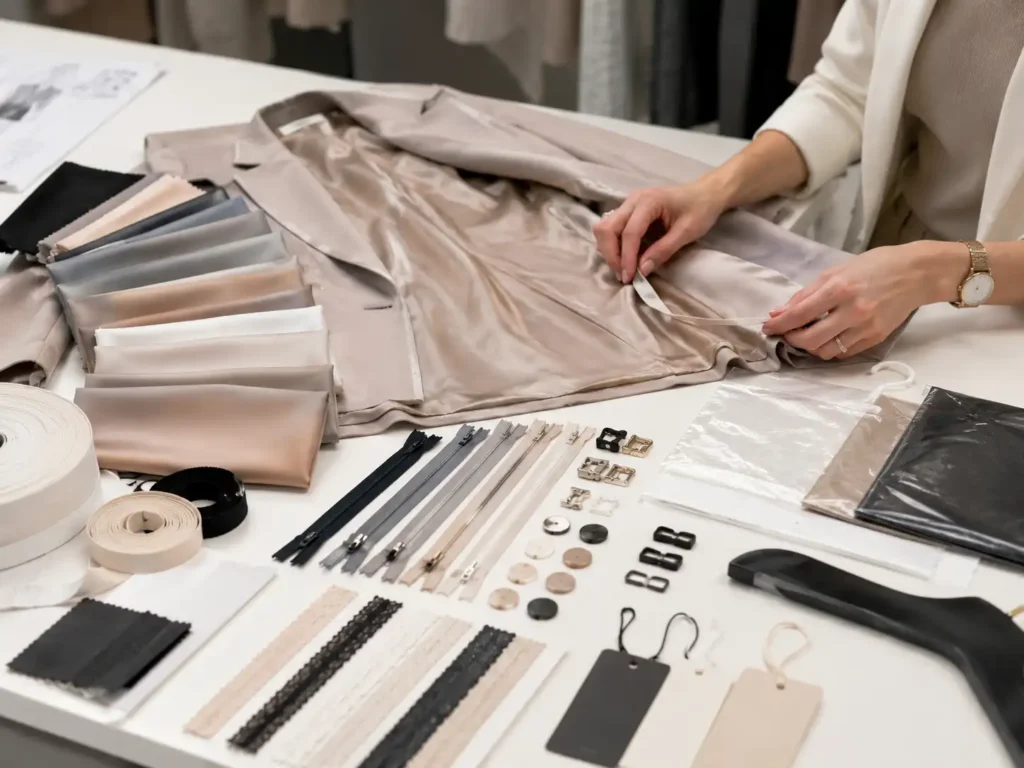
Halter ties, fixed straps and adjustable straps are reviewed for position, width, strength and skin comfort. Neckline edges may need stabilizing tape or clean self-facing to prevent stretching. Strap hardware is matched by finish and color, then checked for secure attachment before bulk.

Closures and Openings

Invisible zippers, buttons, snaps, hooks and tie openings are chosen by silhouette and fabric. Zipper tape color, zipper flatness and top closure security are reviewed during sampling. Light fabrics need controlled sewing tension so closures do not create rippling or drag lines.

Waists and Elastic

Elastic waists and channels must recover after stretch while remaining comfortable. Relaxed and extended measurements are recorded, and elastic quality is checked before production. Fixed waistbands receive interfacing and seam-finish decisions based on fabric weight, lining and intended structure.

Lining and Coverage

Full, partial or self-lining is selected around transparency, touch, movement and heat. Lining should provide coverage without pulling against the shell or adding unnecessary bulk. Color, stretch and shrinkage compatibility are checked so lining does not distort the outer garment after care.

Hems and Slits

Narrow hems, rolled hems, faced hems and blind hems produce different weight and movement. Long resort dresses need level hems and balanced panels. Slit height, reinforcement and seam allowance are verified so the opening remains secure and consistent across the size range.

Pressing and Final Finish

Pressing is controlled by fabric surface and construction. Rayon, linen blends, satin and pleated areas respond differently to heat and pressure. Final appearance checks cover seam impressions, shine marks, puckering, crushed details, loose threads and the way the garment folds for packing.

How Multi-Style Capsule Sampling Stays on Track

A 10-30 style development program cannot be managed as one long queue. Jinfeng groups work by commercial priority, shared materials, pattern complexity and approval dependencies so key garments reach photography and PP approval in the right order.

Hero Styles Receive the Earliest Decisions

Campaign dresses, high-volume commercial shapes and products carrying a new print receive priority because their approval can unlock several related styles. A hero maxi may establish print scale, lining color and core fit direction for a skirt and top. Jinfeng maps these dependencies at project launch, then confirms which samples are required for fit, photography, sales presentation or production approval. Priority does not mean rushing past unresolved risks. It means assigning pattern, material and review resources to the styles with the greatest influence on the launch calendar.

Samples Are Grouped by Fabric and Pattern Logic

Styles sharing chiffon, rayon, linen blend or satin are grouped so material feedback can be applied consistently. Similar bodices or skirt shapes can also be developed as a pattern family, while jumpsuits and highly structured pieces remain on separate routes. Grouping reduces repeated material decisions and helps the brand compare related fits in one review. It also exposes differences that require independent treatment. A printed top and maxi dress may use the same fabric but need different print positioning, lining and seam-finish decisions. The tracker therefore links styles without forcing identical technical files.

Every Revision Has a Controlled Version

Sample comments are converted into an action list covering pattern, measurement, material, trim, construction and appearance. Revised patterns and measurement files receive clear version identification. Open comments remain visible until approved, preventing an old note from disappearing when several teams review the same garment. For planning purposes, a first sample is commonly scheduled within about 10-20 working days after required materials and development information are ready; a revision often requires about 7-12 working days. Exact timing is issued after reviewing style complexity, material availability and the number of simultaneous styles.

PP and Golden Samples Close the Development Loop

The PP sample confirms the production standard after fabric, color, trims, measurements, construction, labels and packing details are settled. A Golden sample provides a physical reference for production, QC and future repeat orders. Changes after PP approval are treated as controlled revisions because they may affect materials, cost, timing and the production file. Jinfeng retains pattern, BOM, fabric, trim, measurement, label and packing records to support repeat colors, new lengths and later seasonal extensions. The purpose is not only to approve one shipment, but to create a repeatable standard for the product.

From Initial Review to Production Approval

Each sample stage answers a different question. Separating fit, photography and production approvals reduces confusion and prevents an attractive early sample from being mistaken for a locked bulk standard.

Project Review

Reference images, tech packs, line sheets, quantities, size range, target market and launch date are reviewed together. Jinfeng identifies style complexity, material questions, pattern risks, sample priorities and information gaps before issuing a development route.

Fabric and Print

Available swatches, custom colors, strike-offs, lining and trims are reviewed before sewing. Fabric hand feel, drape, opacity, shrinkage and print direction are connected to the intended garment. Material readiness influences both sample timing and bulk planning.

First Sample

The first sample tests pattern interpretation, proportion, construction and material direction. Internal measurement and workmanship checks are completed before photos, video or the physical sample are sent. It is a development stage, not the final production standard.

Fit and Revision

Comments are organized by pattern, measurement, material, trim and appearance. Revised samples verify the agreed corrections. When several styles share a fit family, approved decisions can be applied carefully across related patterns while preserving individual design requirements.

Photo-Ready Sample

Campaign or sales samples are scheduled around the launch plan. They may require photography-grade pressing, selected colors and approved visual details, but commercial bulk standards still need PP confirmation. Photo samples and PP samples serve different purposes.

PP and Golden

PP approval locks fabric, color, trims, construction, measurements, label placement and packing direction for bulk. A Golden sample becomes the physical reference for production and QC. Any later change is reviewed for cost, material and schedule impact before acceptance.

Production Capacity Allocated by Product Complexity
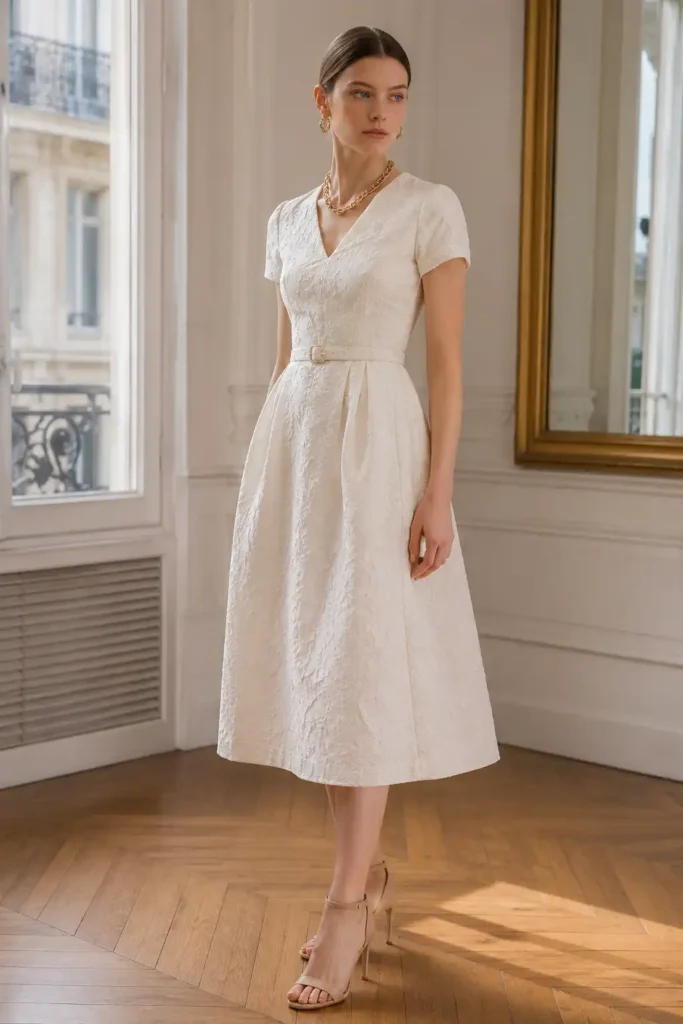
Six owned factories and more than ten long-term production partners provide scale, but factory selection is never based on available space alone. Fabric, construction, order depth, quality standard and delivery sequence determine the production route.

Lightweight Woven Dresses

Chiffon, rayon, viscose and printed woven dresses are allocated to teams experienced with fabric relaxation, directional cutting, narrow hems, lining and long-panel balance. Production planning allows time for shade review, print orientation and pressing control before final inspection.

Structured Resort Styles

Corset details, fitted bodices, built-in cups, boning or complex cut-outs require a more specialized route. Patterns, support components and seam structure are locked through sample approval before a suitable factory and QC plan are assigned.

Matching Sets

Sets are managed by outfit as well as by individual SKU. Color batch, top-to-bottom proportion, size pairing, waistband recovery and separate packing rules are confirmed. Related pieces are scheduled to avoid one half of the set reaching packing far ahead of the other.

Jersey and Stretch

Jersey, rib knit and stretch styles require fabric recovery, resting, cutting direction and measurement controls suited to elasticity. Needle choice, seam stretch and post-wash size stability are considered during sample and production planning.

Jumpsuits and Rompers

Torso length, rise, crotch depth and movement make these styles more sensitive than a standard dress. A factory with relevant pattern and sewing experience is selected, and critical measurements receive extra inline review.

Quality Control Built Around Resortwear Risk
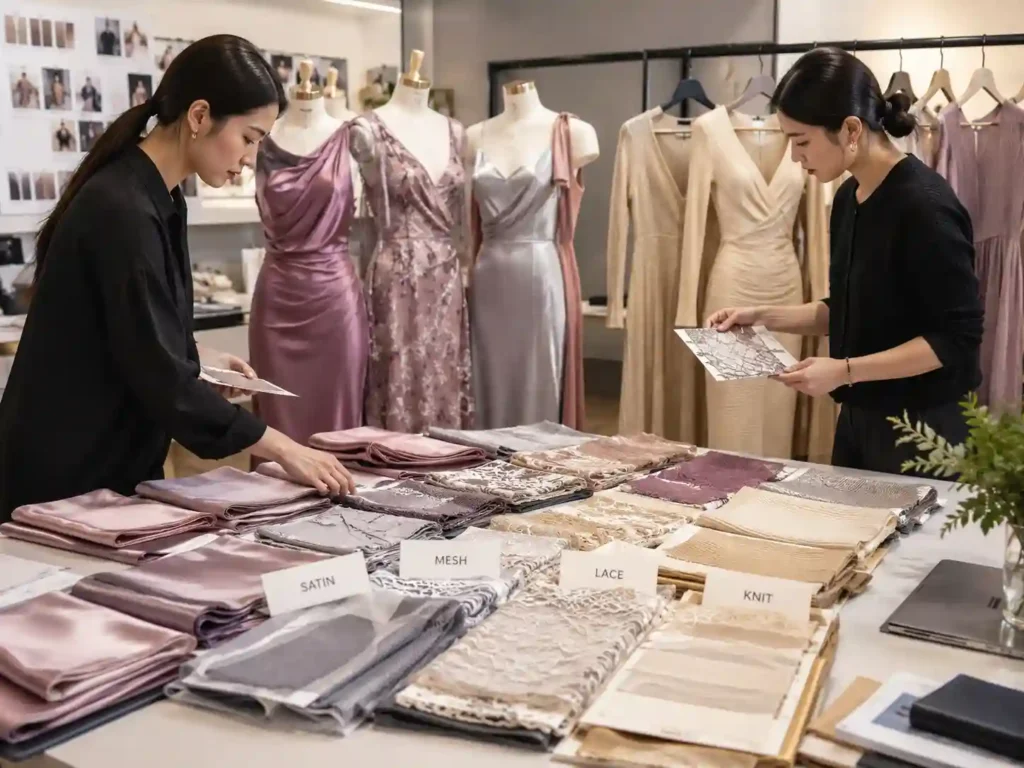
Lightweight fabrics, visible prints, long hems and coordinated sets need product-specific checks. Jinfeng combines incoming, cutting, sewing, measurement, finishing and packing controls around the PP and Golden sample standards.

Fabric Inspection

Fabric rolls are reviewed for shade, visible defects, width, hand feel and consistency against the approved reference. Required shrinkage, color or performance checks are aligned with the project. Material issues are identified before cutting so the risk does not multiply across several styles.

Print and Shade

Print direction, motif orientation, placement and repeat consistency are checked by style. Solids, linings, elastic and trims are compared with approved physical standards. Mixed-fabric outfits receive coordinated shade review because identical color references can appear different across surfaces.

Shrinkage and Relaxation

Rayon, viscose, linen blends, jersey and other sensitive materials may change dimension before or after sewing. Fabric relaxation and applicable shrinkage review are considered before patterns and cutting quantities are finalized. Long panels are checked for growth and hem imbalance.

Cutting Control

Marker direction, panel orientation, nap or shine direction, print placement and size identification are checked before cutting proceeds. Cut panels are inspected for defects and accuracy. Matching set components and directional fabrics require clear bundle control to avoid mixing colors or sizes.

Measurement Control

Critical measurements are defined by product: bust, waist, hip, strap, neckline, armhole, rise, crotch depth, slit and finished length. Inline and finished measurements are compared with the approved chart and tolerance. Size grading issues are investigated by pattern, not hidden through pressing.

Sewing Workmanship

Seam quality, puckering, stitch balance, zipper flatness, button security, elastic channels, lining attachment, gathering and reinforcement are reviewed during sewing. Recurring defects trigger corrective action while the line is active. Delicate fabrics receive suitable needle and handling controls.

Appearance and Pressing

Final appearance includes drape, symmetry, seam impressions, pressing shine, hem level, loose threads, stains and surface damage. Satin, linen blends, chiffon and pleated areas use different pressing conditions. Garments are assessed as worn products, not only as flat measurements.

Packing and AQL

Labels, hangtags, barcodes, polybags, size-color breakdown, carton quantities and carton marks are verified before shipment. Internal inspection, AQL sampling and client-appointed inspection can be arranged according to the agreed standard. AQL is used as an inspection method, not as a substitute for process control.

Private-Label Finishing for Retail-Ready Delivery

A finished garment is not retail-ready until identity, compliance information, SKU data and warehouse instructions are correct. Jinfeng coordinates brand materials as part of the production file rather than treating packing as an afterthought.

Woven and Size Labels

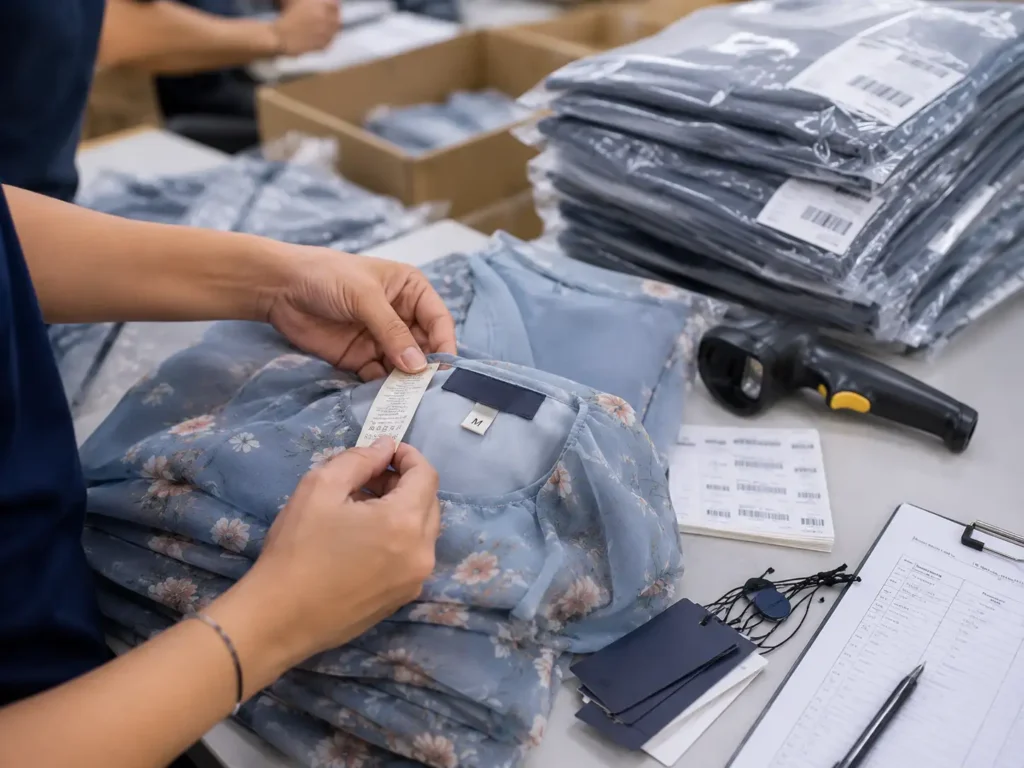
Main labels and size labels are checked for artwork, material, dimensions, fold, color, placement and sewing method. Placement must remain comfortable and consistent across dresses, tops, skirts and jumpsuits. Approval samples are compared before bulk use.

Care Labels

Care labels can include fiber content, care symbols, country information and brand-required text. Final wording remains subject to destination-market and brand review. Label material, print clarity, language and attachment position are confirmed before production.

Hangtags

Hangtag paper, finish, string, safety pin, barcode area and attachment position influence the final presentation. Artwork and physical samples are reviewed. Delicate garments may require a hangtag location that avoids snagging fabric or marking satin surfaces.

Barcode and SKU

Style, color, size and barcode data are managed against the packing list. Label files require clear version control because one incorrect code can create warehouse receiving problems across a full size range. Scan checks can be incorporated before packing.

Polybag and Protection

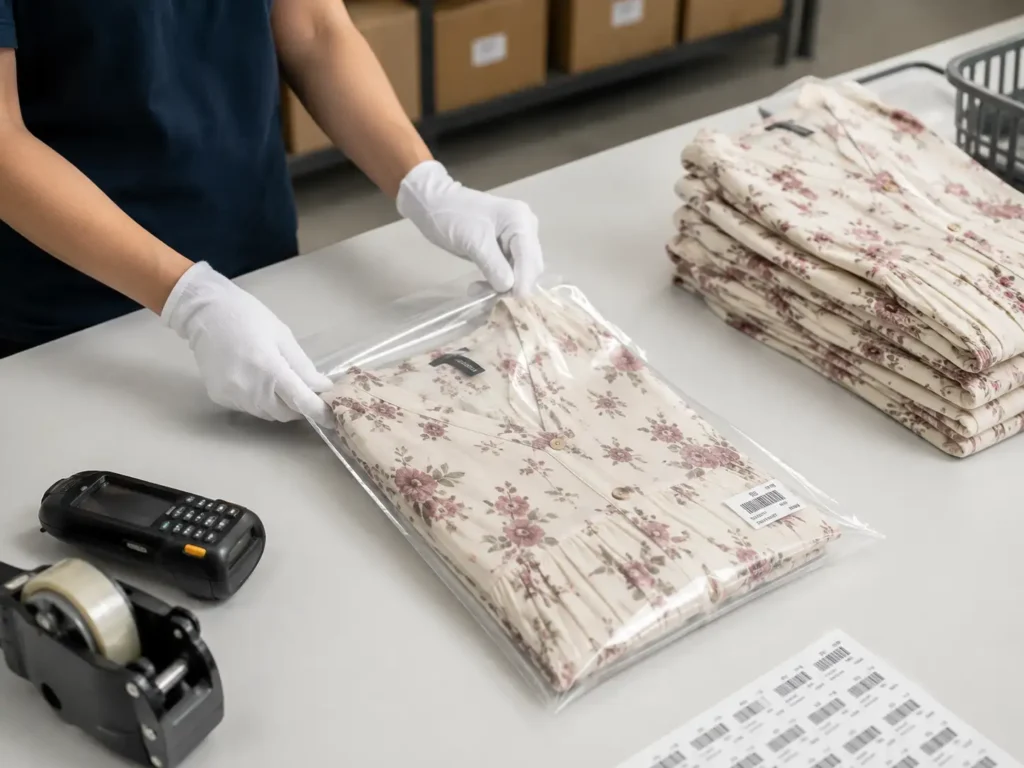
Polybags, warning text, size stickers, tissue, hanger use and folding method are selected by garment. Long maxis, satin surfaces, structured bodices and embellished details need different protection. Packing aims to reduce creasing, abrasion and distorted shape during transit.

Cartons and Marks

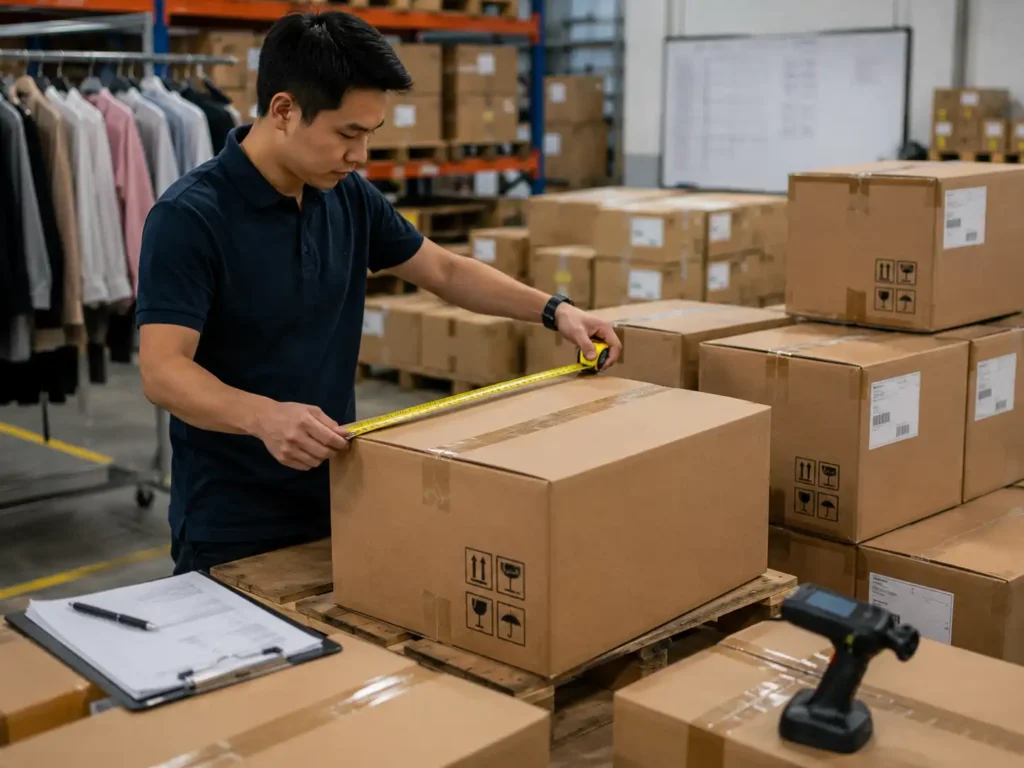
Carton dimensions, quantity per carton, assortment, gross weight, carton marks and destination instructions are confirmed before shipment. The carton breakdown is checked against the PO and packing list. Phased deliveries or multiple warehouses require separate marking logic.

How MOQ and Cost Work Across a Capsule

MOQ starts from 200 pcs per style/color. A capsule is priced through materials, pattern work, construction, labor, quality control, packaging, wastage and delivery requirements. Several styles totaling 200 pieces do not meet the standard MOQ for each style and color.

Cost or MOQ FactorOperational ImpactPlanning Decision
Style and Color QuantityMOQ is calculated by style and color. More color splits reduce depth per SKU and may increase handling and material minimum pressure.Consolidate colors around hero styles and confirm realistic sales depth.
Stock vs Custom FabricAvailable fabrics can reduce sourcing time. Custom weaving, dyeing or printing may carry separate supplier minimums and preparation periods.Approve material route before fixing the full assortment calendar.
Print DevelopmentStrike-offs, screen or digital route, repeat size, placement and color count affect cost and timing.Use shared prints across selected styles only where scale and construction remain suitable.
Lining and LayersTransparency, structure and comfort may require full, partial or self-lining. Extra layers affect fabric use and sewing time.Confirm coverage during sampling rather than removing lining only to meet a target price.
Construction ComplexityGathering, cut-outs, special hems, boning, cups, lace placement and hand-applied details increase pattern and sewing requirements.Simplify hidden complexity before reducing visible brand value.
Size RangeA wider size range requires grading, sample review, consumption planning and measurement control across more SKUs.Provide size ratios early so fabric and packing quantities reflect the real order.
Private-Label PackingCustom labels, hangtags, barcodes, polybags and carton marks add supplier minimums, approval steps and packing labor.Issue artwork and warehouse rules before PP approval.
Testing and DeliveryFabric or garment testing, third-party inspection, split shipment and trade terms affect the final quotation.Define destination market, inspection plan and shipping responsibility in the RFQ.

Plan Backward from the Resort Launch Date

A reliable calendar starts with the required warehouse date and works backward through freight, final inspection, packing, production, PP approval, revisions and material readiness. One fixed lead-time promise cannot represent every fabric and style mix.

Working Windows for Development Planning

A complete project file can normally be reviewed within about 2-4 working days. Fabric swatches, color options or print preparation often require 7-15 working days, depending on stock availability and custom development. A first sample is commonly planned for about 10-20 working days after the necessary fabric, trims and instructions are ready. Revised samples often require 7-12 working days per round. PP or Golden samples may require a similar 7-12 working-day window after the preceding approvals. These ranges are planning references, not automatic commitments. Jinfeng issues a project calendar after reviewing the number of styles, material route, complexity and approval sequence.
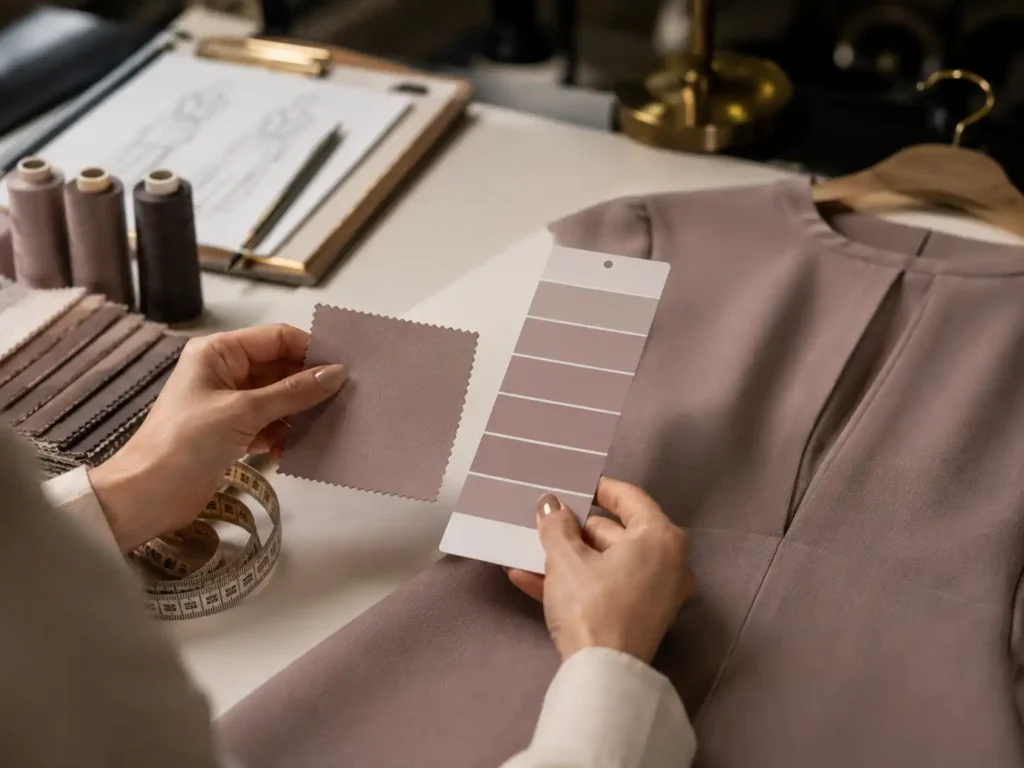
Bulk Timing Begins After the Standard Is Locked

Standard resortwear programs are often planned within roughly 35-60 days for bulk production after PP approval, material readiness and commercial confirmation. Custom prints, dyeing, special trims, complex construction, expanded size ranges or overlapping seasonal demand can extend the schedule. Packing and final inspection commonly require an additional 5-10 working days depending on SKU count, inspection requirements and carton instructions. Material booking may begin earlier when risks are understood, but bulk cutting and sewing should not proceed on an unstable standard.
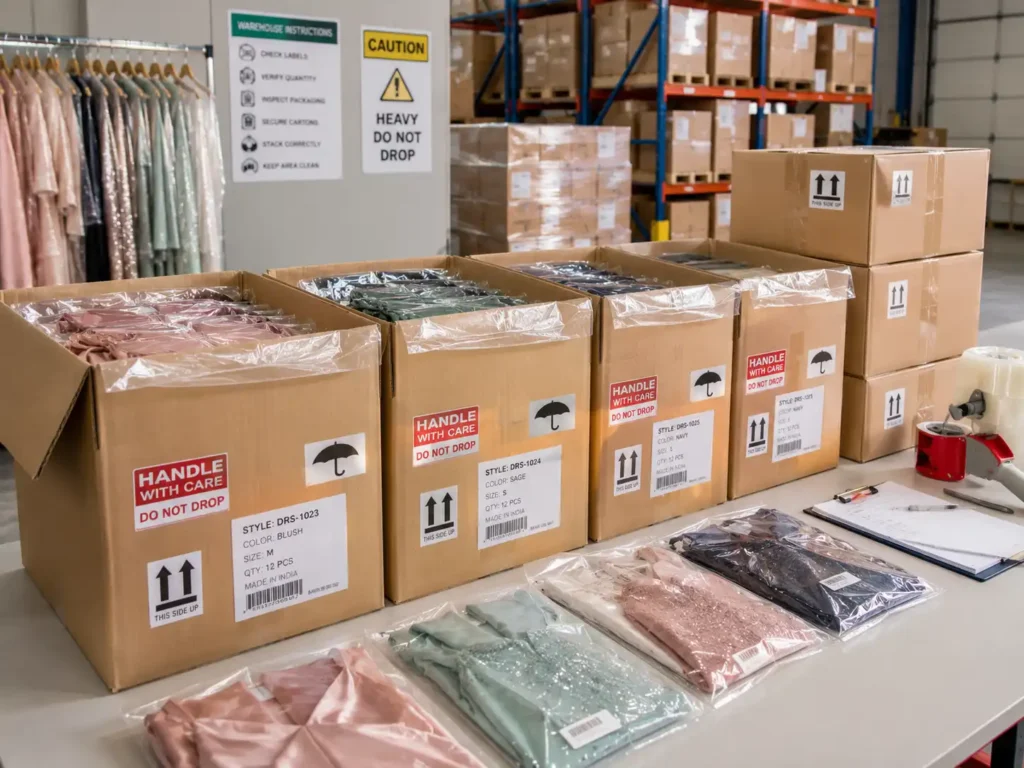
Freight and Warehouse Dates Need Separate Buffers

Production completion is not the same as warehouse receipt. Express, air and sea routes have different booking, transit, customs and delivery conditions. Jinfeng can coordinate EXW, FOB, CIF, DAP or DDP arrangements according to the project, or work with a brand-appointed forwarder. Freight plans are confirmed by destination, volume, carton data and delivery responsibility. Retail appointments, distribution-center rules, labeling and documentation should be included in the calendar rather than added after the goods are packed.

Phased Delivery Can Protect a Seasonal Launch

When hero styles are ready earlier or materials create different production paths, phased shipment may be evaluated. A first group can support campaign, ecommerce or launch needs while the balance follows under an agreed plan. Splitting is not always economical, so freight cost, inspection, packing, documents and warehouse readiness must be reviewed. The decision is most effective when made during project planning rather than after a delay has already occurred.

What Sourcing Teams Can Verify Before Approval

A serious supplier review should move beyond product photos. Jinfeng supports project-level verification around manufacturing resources, quality controls, available compliance documents, material records and brand protection.

Manufacturing Evidence

Brands can review company and factory information, production capability, sample-room resources, product process photos, workflow records and the proposed production route. The relevant factory should match the intended product, fabric and order volume. Capacity is confirmed against the real calendar rather than presented as unlimited.

Quality and Compliance

Quality manuals, measurement tolerances, defect classifications, AQL requirements and client inspection standards can be incorporated into the project. ISO 9001-related quality processes, SMETA/Sedex/BSCI-related review, OEKO-TEX/GOTS/GRS fabric resources and third-party testing are confirmed by actual factory, supplier, certificate scope and order requirement.

NDA and Design Protection

Jinfeng supports NDA-based cooperation and protects tech packs, line sheets, patterns, samples, material selections, label artwork, packaging files, quantities and unpublished designs. Anonymous process evidence can be used without exposing brand identity. Access and photo use should be agreed before development begins.

Resortwear Capsule Frequently Asked Questions

Jinfeng develops dresses, matching sets, skirts, fashion tops, jumpsuits, rompers and related private-label womenswear. Strong assortments often combine hero dresses, commercial volume styles, mix-and-match separates and one elevated evening direction. Technical performance swimwear is not the primary manufacturing focus.
Multi-style programs commonly contain 10-30 styles. The workable number depends on fabric groups, pattern complexity, sample priorities, colors, sizes and launch timing. Jinfeng groups styles by shared materials and pattern logic while maintaining separate technical files and approval status.
MOQ starts from 200 pcs per style/color. MOQ is not calculated only by total capsule quantity. Custom printing, dyeing, special fabrics, trims and packaging may have separate supplier minimums. The final order structure is reviewed before quotation.
Custom print development can be supported through artwork review, repeat and scale confirmation, color approval, strike-offs and product-specific placement planning. Print method, fabric base, color count, supplier MOQ and lead time are confirmed for the project.
A first sample is commonly planned for about 10-20 working days after required materials and instructions are ready. Revisions often require 7-12 working days. Exact timing depends on style complexity, material availability, print development and the number of parallel styles.
Jinfeng establishes shared proportion rules for bust, waist, hip, shoulder, strap, neckline and length, then adjusts them for each silhouette. Approved patterns, measurement charts, grading rules, fit comments, PP samples and Golden samples create the control framework.
Bulk production requires approved fabric, color, trims, measurements, construction, labels, packing direction and PP standard. The production file and Golden sample guide cutting, sewing, QC and packing. Later changes are reviewed for cost and schedule impact.
Fabric inspection, opacity and lining review, shrinkage assessment, relaxation, cutting direction, print orientation, seam handling, measurement and pressing are controlled by product. Chiffon, rayon, viscose, linen blends and satin receive different handling routes.
Jinfeng supports woven labels, size labels, care labels, hangtags, barcode stickers, polybags, size-color stickers, carton marks and packing lists. Artwork, placement, SKU data and destination requirements must be approved before bulk packing.
Yes. Jinfeng supports NDA-based cooperation and protects unpublished designs, patterns, samples and brand files. Internal AQL inspection and client-appointed inspection can be coordinated. Compliance documents and certificates are confirmed by actual factory, material supplier and project scope.

Start Your Resortwear Capsule with Jinfeng

A useful first review does not require a perfect technical package, but it does require enough information to understand the assortment, material direction, commercial scale and launch deadline.

Send the files already available, and Kelly will coordinate an initial review with the development team. The response can cover product feasibility, likely fabric routes, pattern and construction risks, sample priorities, MOQ alignment, quotation inputs and the next approval steps. A complete line sheet allows related styles to be evaluated as one capsule instead of receiving disconnected single-style answers.

Include the following information whenever available:

  • Line sheet, tech packs, reference images or original samples
  • Total number of styles and the hero SKUs for the launch
  • Fabric, print, color and trim direction
  • Quantity by style and color, plus the intended size range
  • Target market, selling season and required warehouse date
  • Woven label, care label, hangtag, barcode and packing requirements
  • Quality manual, measurement tolerance or inspection standard
  • Preferred trade term, destination and forwarder information

Tell Us About Your Dress Project

Share your product details, estimated quantity and development requirements. Our team will review your project and provide practical OEM/ODM production feedback.

Premium Women’s Apparel Production for Fashion Brands

From dress sample development to bulk production, JF Apparel supports fashion brands with confidential OEM/ODM manufacturing, reliable quality control and scalable production support.

START YOUR DRESS PROJECT

Ready to Develop Your Next Dress Collection?

Share your design concept, product requirements or sourcing plans with our team. We’ll review your project and provide practical feedback on development, materials, MOQ and production.

7-10 Days

Sample Development

200 PCS

Starting MOQ

Fast Response

Professional Follow-Up