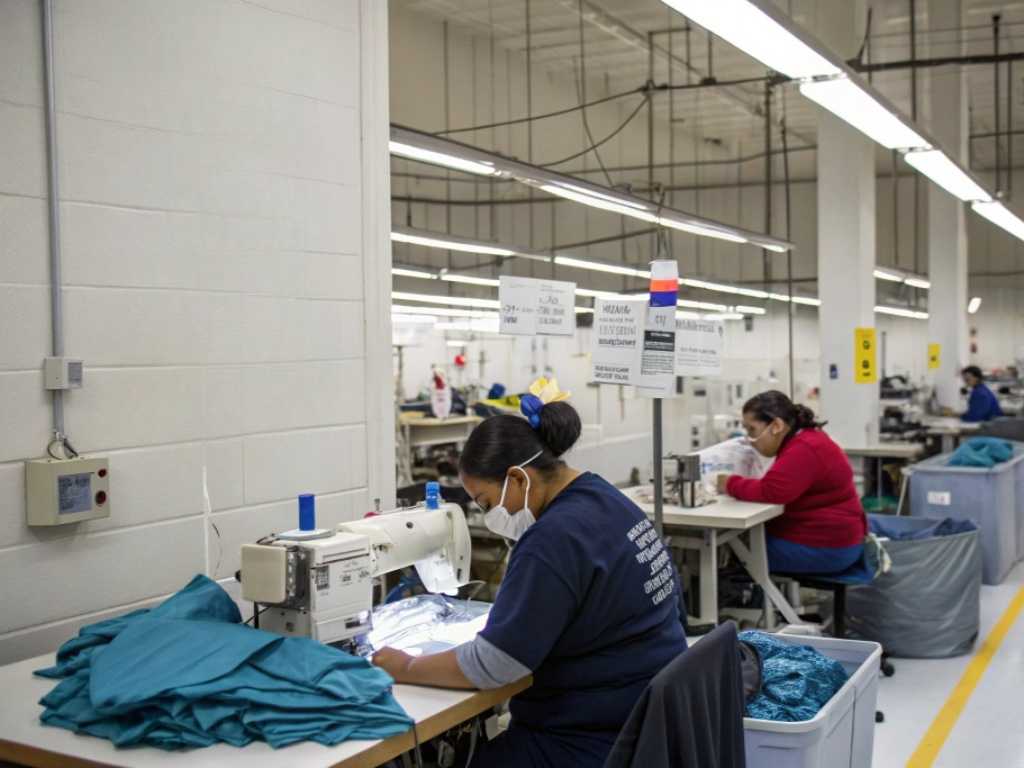
Dress Manufacturer for Repeat-Order Fashion Brands
Stable dress replenishment built on approved patterns, material records, controlled changes, production planning, and repeatable private-label delivery.
Jinfeng Apparel helps established fashion brands keep proven dress styles in production without rebuilding every specification from the beginning. Approved pattern versions, measurements, fabric references, trims, sewing instructions, quality checkpoints, label files, and packing requirements remain connected to the style record. Before each replenishment order, material availability, dye lot, quantity, size ratio, updated artwork, production capacity, and delivery priorities are reviewed again. The result is a controlled repeat-order process designed for bestselling dresses, seasonal carryovers, new color extensions, and multi-batch restocking.
- 10-30 styles per program:Multi-style repeat orders can be grouped by fabric, construction, priority, and delivery window.
- 20,000-80,000 garments:Established brand programs often combine hero-SKU replenishment with supporting styles across several production batches.
- MOQ from 200 pcs:Standard production begins from 200 pieces per style/color, subject to fabric, trims, construction, and scheduling.
- 6 owned factories + 10+ partners:Production resources can be matched to dress category, material, workmanship level, quantity, and timing.
Production Capacity Built for Ongoing Dress Programs
Since 2008
6 Owned Factories
10+ Production Partners
18+ Sewing Lines
6+ Flexible Lines
Dedicated Control Teams
Built for Brands That Reorder Successful Dress Styles
Best Fit For
Production Model
Jinfeng Apparel is structured for custom development, sampling, bulk production, repeat orders, and private-label delivery. The model is not based on ready-stock resale or one-piece fulfillment.
A repeat order should begin with usable style records and a current production brief. Brands seeking stable replenishment, controlled new colors, size-ratio updates, packaging consistency, and multi-batch delivery will find a better fit than projects based only on immediate price comparison without defined materials, specifications, or production standards.
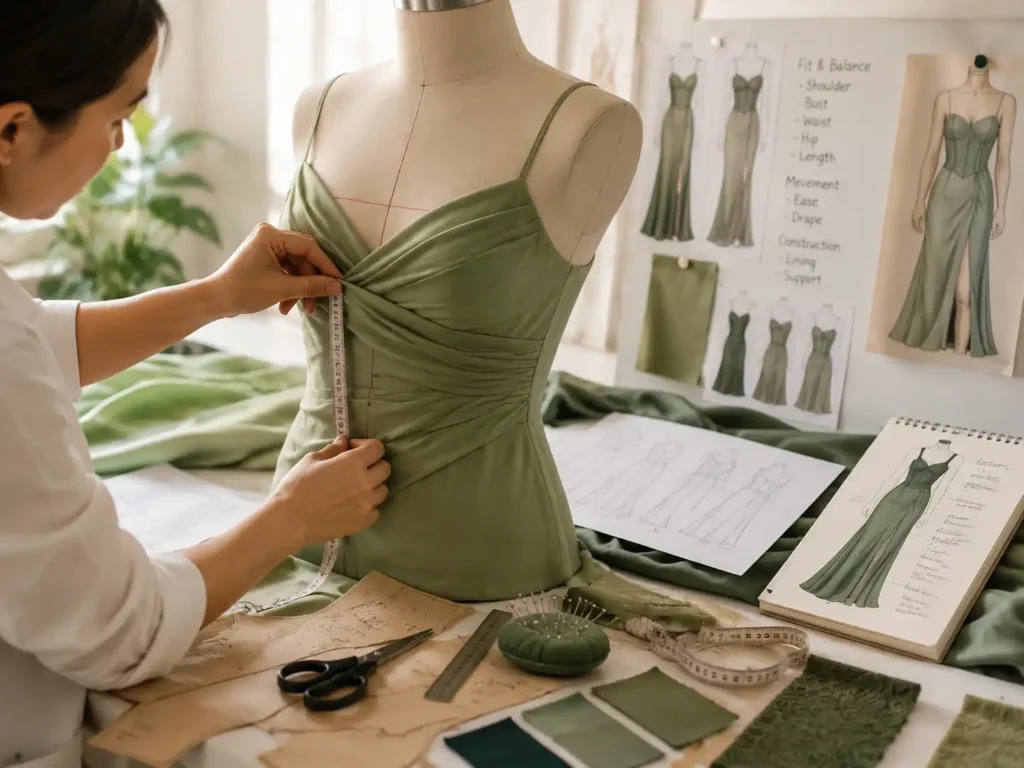
Where Repeat Dress Orders Commonly Lose Consistency
Pattern Version Confusion
Fabric Discontinuation
Dye-Lot Differences
Construction Drift
Packing Version Errors
Delayed Replenishment
What Defines a Repeat-Order Dress Manufacturer
A repeat-order dress manufacturer keeps approved technical and physical references, then rechecks every variable capable of changing before a new batch. The goal is controlled reproduction, not automatic duplication.
First Production Establishes the Standard
The first order creates the manufacturing baseline. Approved results should be converted into usable records rather than left across disconnected emails and sample comments.
Core baseline items include:
- Final bulk pattern and grading files
- Approved measurement chart and tolerances
- Bill of materials covering shell, lining, interlining, trims, labels, and packing
- Fabric supplier, article reference, composition, weight, width, stretch, and color standard
- Construction instructions for seams, cups, boning, zippers, ruching, lace, embellishment, and finishing
- PP sample comments, Golden Sample, QC checklist, and packing instruction
A style becomes repeatable when production, merchandising, pattern, QC, and packing teams can identify the same approved version without interpretation. The initial bulk order also generates information unavailable during sampling: cutting behavior, sewing efficiency, measurement stability, pressing risk, packaging volume, defect patterns, and after-shipment feedback.
Repeat Production Revalidates Current Conditions
Approved records reduce unnecessary redevelopment, yet every replenishment still requires a current check.
Original fabric can disappear, dye lots can shift, trims can be replaced, labor cost can change, labels can be updated, and production lines may need new allocation.
Before release, Jinfeng Apparel reviews:
- Whether the approved pattern remains active
- Whether the same fabric and trims are available
- Whether current color lots match the approved standard
- Whether quantities, colors, and size ratios have changed
- Whether the brand has returns, fit feedback, or workmanship comments
- Whether packing artwork, barcode files, and carton marks remain current
- Whether a PP confirmation is required for the new batch
A repeat order therefore starts faster when records are complete, but it never skips necessary approvals.
Modified Reorders Need Change Control
Many profitable replenishment orders are not exact copies. Brands frequently add colors, replace a sold-out fabric, extend the size ratio, shorten a dress, adjust a neckline, change packaging, or divide stock between markets. Each change can affect more than the requested field.
A new stretch satin can alter fit. A lighter lining can change opacity. A new color may require different zipper, thread, label, and barcode references. A longer size range can change grading, fabric consumption, price, and carton quantity. A shorter hem can affect slit proportion and visual balance.
Modified reorders are managed through a written change list, updated version references, affected BOM fields, revised QC points, and a decision on whether a swatch, color sample, revised fit sample, or new PP sample is necessary.

Dress Categories Supported for Repeat Production

Mini Dresses
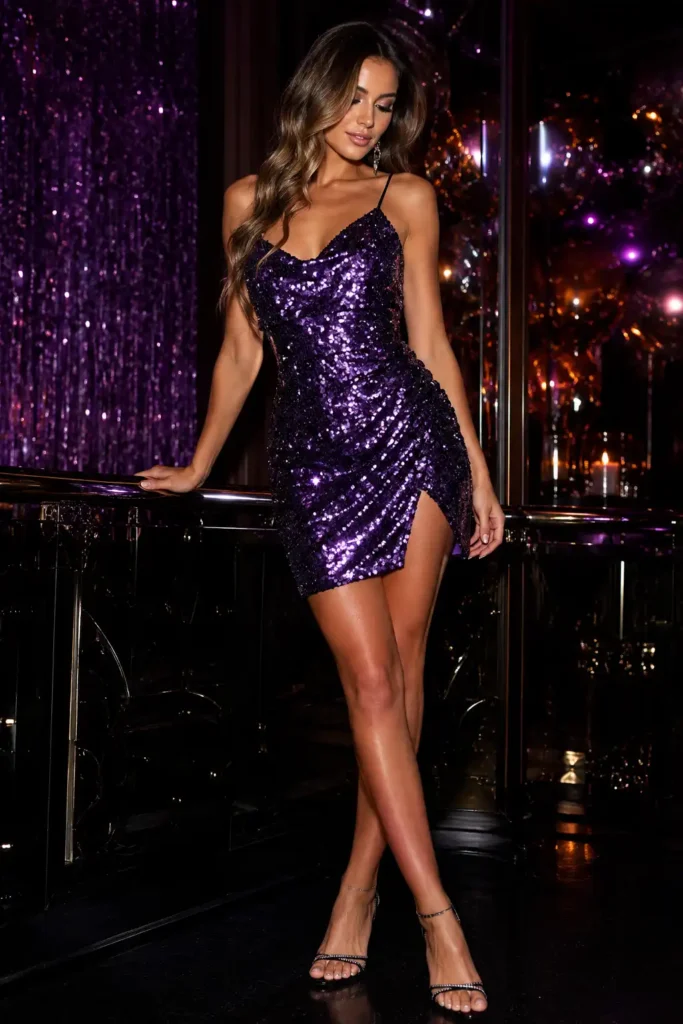
Party and Club

Midi and Maxi

Occasion and Evening
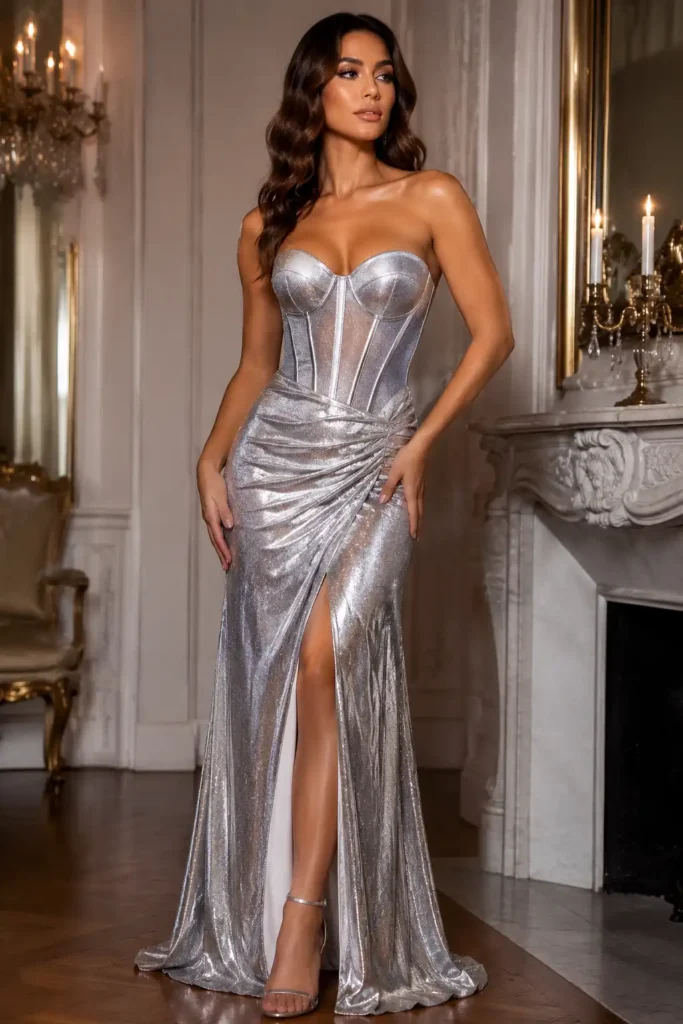
Bodycon and Corset

Satin, Mesh, Lace
From First Sample to Bestseller Replenishment

Style Review

Sample Development

PP Approval

First Bulk Order
Repeat Production

Seasonal Expansion
The Records Behind Repeatable Dress Production
Reliable replenishment begins with a structured style archive. Every retained field has a production purpose and an owner responsible for using the correct version.
| Record Group | Information Retained | Repeat-Order Control |
|---|---|---|
| Pattern Files | Approved bulk pattern, version history, grading reference | Prevents old patterns or unapproved revisions from returning |
| Measurements | Size chart, grading rules, tolerance points, fit notes | Maintains bust, waist, hip, length, neckline, strap, and slit balance |
| BOM | Shell, lining, interlining, trims, labels, packaging | Reconnects every component to the approved garment |
| Fabric Records | Supplier, article, composition, weight, width, stretch, hand feel | Supports continuity and structured substitution review |
| Color Records | Physical swatch, Pantone, lab dip, dye lot, lining and trim colors | Reduces visible batch mismatch and mixed-color errors |
| Sewing Instructions | Seams, stitch density, zipper, cups, boning, ruching, lace, hem | Controls workmanship beyond the visual sample |
| QC Records | Inspection points, past defects, tolerances, corrective actions | Prevents known problems from repeating in later batches |
| Golden Sample | Approved silhouette, fabric, workmanship, trims, labels, packing | Provides one physical comparison standard across teams |
| Packing Files | Folding, polybag, barcode, SKU, carton quantity, carton mark | Protects warehouse receiving and retail-ready presentation |
| Feedback Archive | Returns, fit comments, shipment issues, after-sales findings | Turns commercial feedback into the next production plan |
What We Recheck Before Every Repeat Order
Fabric Availability
Current Dye Lot
Trim Supply
Quantity and Sizes
Artwork Version
Delivery Window
Controlling Fabric, Color, and Trim Continuity
Material continuity determines whether a repeat dress feels, fits, photographs, and performs like the approved version. Records are combined with physical comparison and current supply review.
Fabric Continuity Beyond a Supplier Name
A supplier name alone cannot define an approved fabric. The style record should connect the garment to a specific article reference and measurable behavior.
Jinfeng Apparel records and reviews:
- Fiber composition and construction
- Fabric weight, usable width, and expected consumption
- Stretch direction, stretch percentage, and recovery where relevant
- Surface shine, pile direction, print direction, or lace motif
- Hand feel, drape, opacity, lining interaction, and skin contact
- Shrinkage or dimensional stability when required by the project
- Supplier MOQ, color availability, preparation time, and cost
A 120 gsm stretch satin and a 180 gsm structured satin may share a similar color but produce different bust support, seam behavior, zipper flatness, drape, and packing creases. A power mesh with weaker recovery can change bodycon measurements after wear. A softer lace may collapse at a corset neckline. Repeatability therefore depends on behavior, not only composition labels.
Color Control Across Reflective Materials
Color approval becomes more complex when light interacts with the material surface. Satin, velvet, sequins, coated fabrics, mesh, lace, and lining can create different visual readings under studio light, natural light, retail light, and phone photography.
Repeat color review may include:
- Approved physical swatch or bulk cutting
- Pantone reference where supplied
- Lab dip or available stock-color card
- New fabric batch and dye-lot comparison
- Face direction and shine direction
- Shell, lining, zipper, thread, lace, and trim coordination
- Natural-light and indoor-light photography for remote review
- Bulk color confirmation before cutting when required
A small variation may be commercially acceptable for a new standalone color. The same variation may be unacceptable when new stock will sit beside an earlier batch in one store or warehouse. The intended inventory use should therefore be stated during color approval.
Controlled Substitution When Originals Disappear
Material substitution is sometimes unavoidable, but it should be treated as an engineering and commercial decision.
A proposed alternative is compared across:
- Composition, weight, width, stretch, and recovery
- Drape, opacity, shine, texture, and hand feel
- Cutting direction, seam handling, pressing, and finishing
- Fit influence at bust, waist, hip, neckline, straps, and hem
- Lining and trim compatibility
- MOQ, price, availability, and delivery effect
- Need for a swatch, color sample, revised fit sample, or PP sample
The original pattern can be retained only when the alternative behaves close enough to preserve the approved fit and construction. When behavior changes, pattern or sewing instructions may require adjustment. Written approval records which differences were accepted so later teams do not treat the substitute as identical to the original.

Keeping Fit Consistent Across Repeat Dress Batches
Fit consistency comes from approved pattern versions, disciplined measurement, material control, and garment-specific review. Flat measurements alone cannot explain every wearing result.
Approved Pattern and Grading Control
The bulk pattern used for the accepted production batch becomes the main technical reference.
Earlier sample patterns are retained as history but should not be released as the active version.
Pattern control covers:
- Style number and version identification
- Base-size pattern and grading reference
- Bust, waist, hip, shoulder, neckline, strap, armhole, and length balance
- Seam allowance, notches, grain line, stretch direction, and cut direction
- Lining, facing, interlining, cups, boning, and internal support pieces
- Slit, ruching, pleat, dart, cut-out, and decoration placement
- Comments added after PP approval or first bulk production
For multi-size replenishment, the team confirms whether the previous grading remains suitable for the current size ratio. A partial-size restock can expose grading points that were less visible in the first assortment, especially at neckline coverage, bust support, hip ease, slit position, and maxi length.
Measurement Tolerances With Product Context
Measurements need defined points, methods, and tolerances. The same tolerance cannot be applied blindly to every dress or every area.
Control points often include:
- Bust, waist, and hip width
- Front and back body length
- Shoulder and strap length
- Neckline depth and width
- Armhole, sleeve, and cuff where applicable
- Skirt length, slit height, hem sweep, and lining length
- Rise, inseam, and torso length for jumpsuit-linked collections
- Elastic, mesh, or stretch-panel dimensions before and after relaxation
A structured corset panel, a soft bias-cut satin body, and a high-stretch power-mesh skirt behave differently during measurement. Jinfeng Apparel combines tolerance review with fabric relaxation, garment construction, and approved wearing effect. Measurement data supports fit; it does not replace fit judgment.
Fit Review After Material or Design Changes
A retained pattern does not guarantee the same wearing result when material or design elements change. New stretch percentage, heavier lining, firmer cups, longer boning, a different zipper, added decoration, or a revised hem can alter balance and comfort.
A modified reorder may require review through:
- Mannequin photos and front, side, and back views
- Fit photos where suitable for the project
- Target market proportions and brand fit standard
- Sitting, walking, and movement checks for short, fitted, slit, or strapless styles
- Bust coverage, waistline, hip fit, strap angle, neckline security, and hem behavior
- Decision on revised sample or renewed PP approval
Every approved adjustment is transferred into pattern notes, measurements, sewing instructions, and QC points before production.

Golden Sample and Controlled Reorder Changes
A Golden Sample gives every team one physical reference. Version control ensures later changes are deliberate, traceable, and connected to production and inspection.
Golden Sample as a Physical Production Standard
The Golden Sample represents the approved combination of silhouette, material, workmanship, trims, labels, finishing, and packing presentation.
Pattern files and measurements explain the product technically; the physical sample shows how those decisions should look and feel together.
During repeat production, the sample can support comparison of:
- Overall proportion and on-body balance
- Fabric surface, drape, opacity, and color relationship
- Neckline, strap, cup, boning, zipper, lining, ruching, lace, or decoration
- Seam appearance, symmetry, pressing, and hem finish
- Main label, size label, care label, hangtag, folding, and polybag presentation
The sample does not replace current material approval. A new dye lot or substitute fabric still needs review. Its value lies in providing a common benchmark for pattern, merchandising, production, QC, finishing, and packing teams.
Version Control Across Every Approved Change
A repeat style may have several active files: pattern, measurement chart, BOM, artwork, packing instruction, barcode table, carton mark, and inspection checklist. Each file needs a clear version, release date, or approval reference.
Change control should answer:
- What changed?
- Why was the change requested?
- Which files and production steps are affected?
- Does the change alter price, MOQ, timing, fit, or inspection?
- Is a swatch, color sample, revised sample, or PP sample required?
- Which earlier version is now inactive?
For example, increasing lining length can affect fabric consumption, sewing instructions, measurement points, and garment weight. Updating a care label can affect label ordering, packing work, and warehouse compliance. A single change should never remain isolated in one message thread.
Approval Level Matched to the Risk
Not every change requires a full redevelopment cycle. Approval effort should match the technical and commercial risk.
Lower-risk examples may include a barcode update or carton-mark revision after artwork verification. Medium-risk examples include a new stock color, revised hangtag, or comparable trim replacement. Higher-risk changes include new fabric behavior, altered neckline, changed stretch direction, modified cup or boning, expanded grading, or a new long-dress length.
Jinfeng Apparel evaluates whether the correct next step is document approval, physical swatch, lab dip, trim sample, color sample, revised fit sample, or new PP sample. The decision is recorded so production does not overreact to minor changes or under-control major ones.
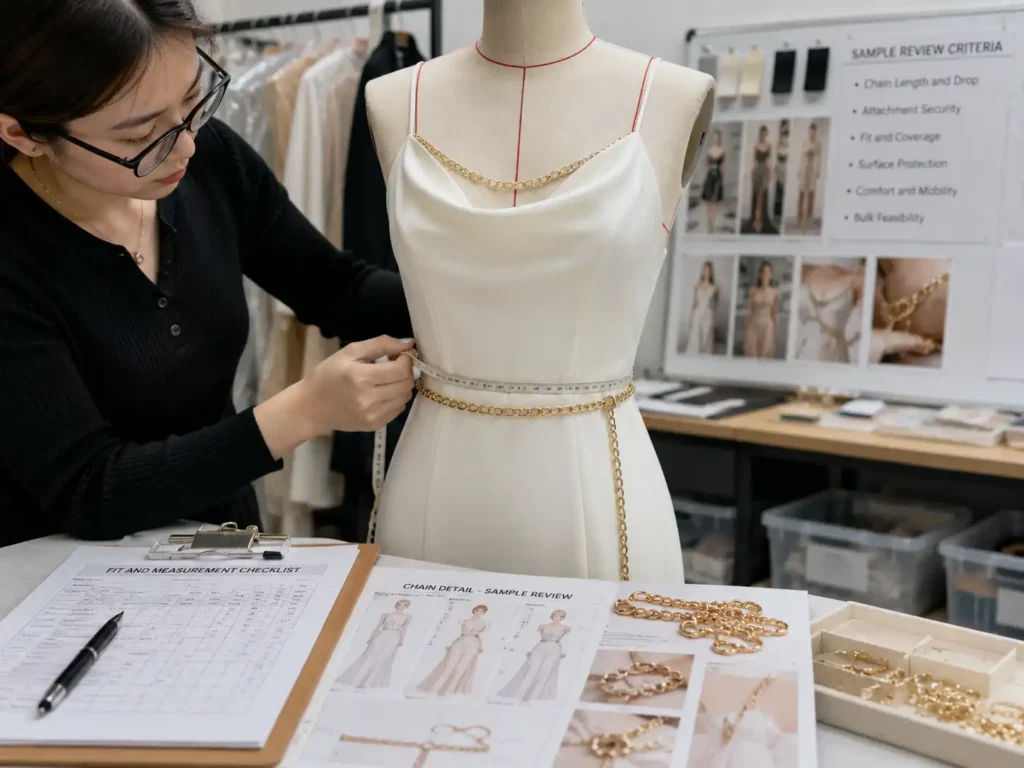
Production Planning for Reorders and Bestseller Restocks
Fast replenishment comes from earlier decisions, not rushed sewing. Forecast visibility, material readiness, style grouping, line allocation, and shipment priorities create a controllable production plan.
Forecasting and Material Readiness
An early reorder forecast allows the team to check fabric and trim supply before stock becomes critical. The forecast can separate confirmed quantity from likely replenishment so material options and production risks are visible without treating every forecast as a final purchase order.
Planning inputs include:
- Style and color priorities
- Expected quantity by style/color
- Size-ratio changes based on sales
- Original material availability and mill minimums
- New color, new fabric, or packaging changes
- Target launch, warehouse, or stockout date
- Possible air and sea split
Material readiness is the first timing gate. A line cannot produce a dress whose fabric, lining, zipper, cups, labels, or packing materials remain unconfirmed. Early review also reveals whether partial production is sensible or whether one dye lot should be kept together for color consistency.
Multi-Style Grouping and Factory Allocation
Programs containing 10-30 styles are grouped before bulk release. Producing every style as an isolated order creates repeated setup, fragmented material use, inconsistent priorities, and unclear inspection responsibility.
Jinfeng Apparel groups styles by:
- Fabric family and color batch
- Construction complexity and workmanship type
- Pattern and fit similarity
- Trim group and label version
- Launch priority and replenishment urgency
- Production resource and finishing requirement
- Packing and delivery destination
A group of stretch bodycon dresses may follow a different path from satin occasion dresses or lace maxi styles. Factory and line allocation are based on product fit, capacity, and timing. Approved files and QC points remain attached to each style even when several styles share one production group.
Priority Release and Multi-Batch Delivery
Not every unit needs to leave at the same time. A planned split can protect sales while avoiding uncontrolled emergency production.
Possible delivery structures include:
- Hero styles first, supporting styles later
- Priority colors first, replenishment colors later
- Launch stock by air, balance by sea
- Separate batches for regional markets or warehouse addresses
- Size-ratio replenishment after initial sales feedback
Each batch needs its own style-color-size breakdown, carton quantity, carton measurements, gross and net weight, carton marks, packing list, and shipment documents. Split delivery is reviewed against added freight, packing, inspection, and handling costs. The plan is accepted only when commercial benefit exceeds added complexity.

Quality Control Designed for Repeat Dress Orders

Fabric Inspection

Cutting Check

Inline Sewing Check

Measurement Inspection

Final Garment Review
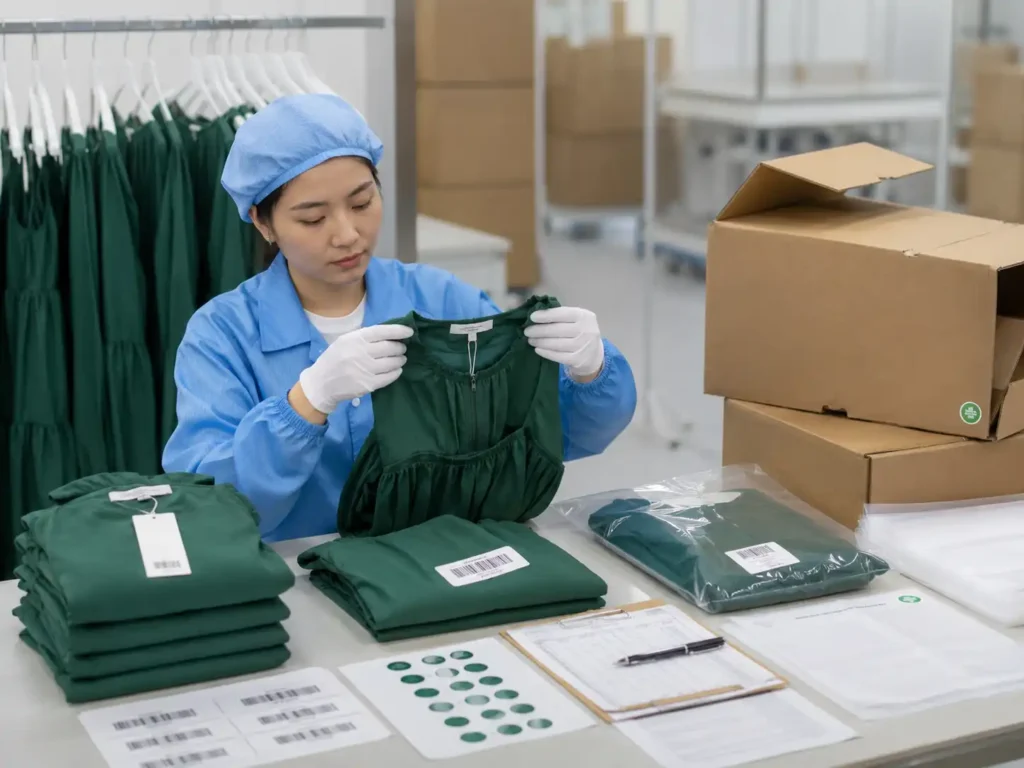
Packing Verification
Private-Label Details That Stay Consistent

Main Labels
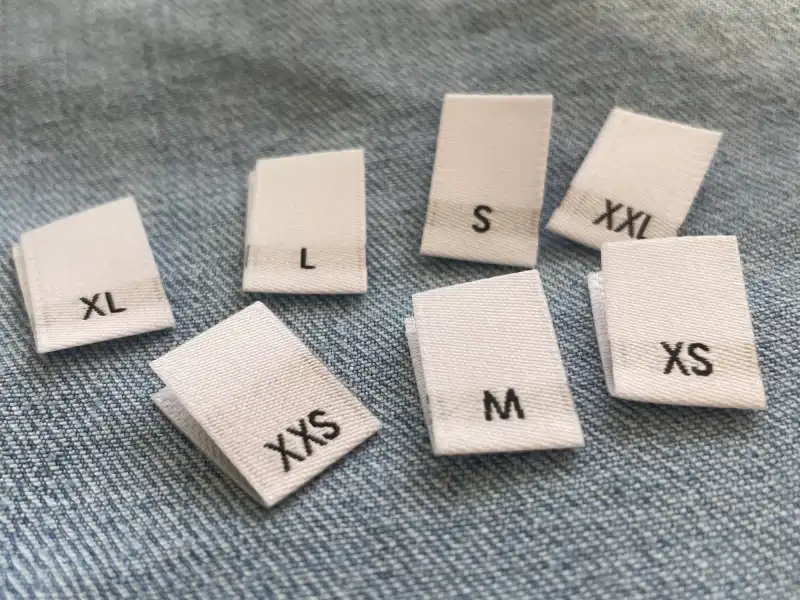
Size Labels
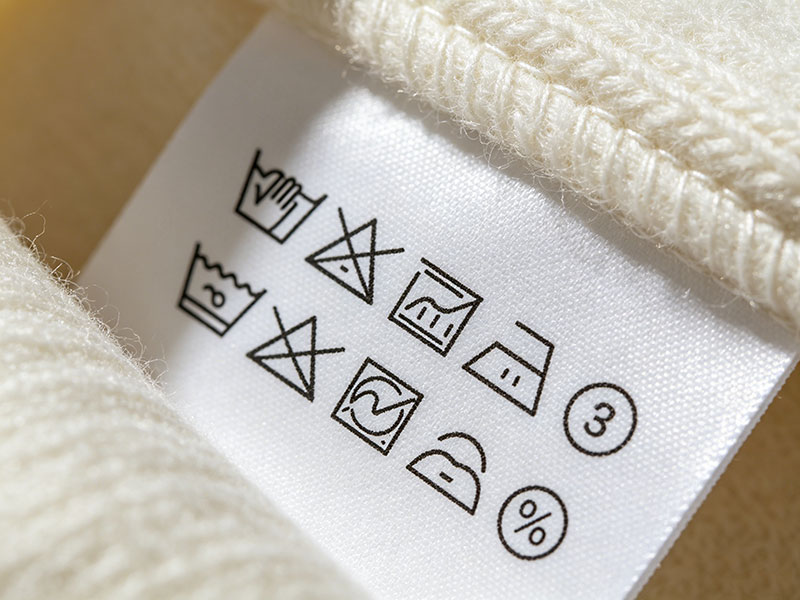
Care Labels

Hangtags
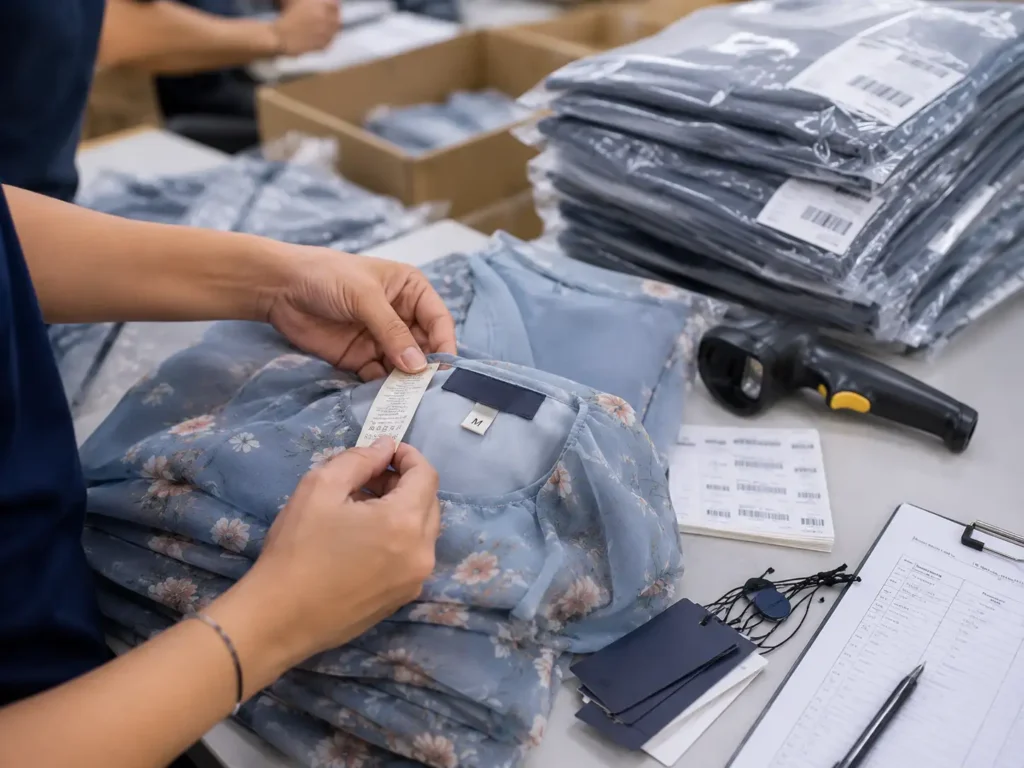
Barcode and SKU
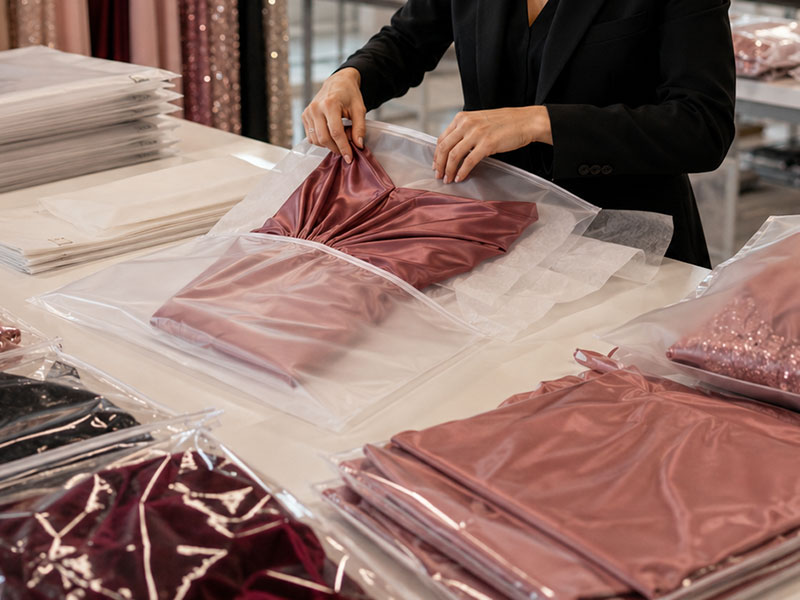
Polybags and Cartons
Polybag size, thickness, warning text, ventilation, adhesive, folding method, tissue, hanger, carton quantity, assortment, carton dimensions, carton marks, and warehouse labels are confirmed. Delicate satin, sequins, long hems, and structured dresses may need protective packing that differs from ordinary folded garments.
Multi-Batch Delivery for Brand Replenishment Plans
Launch-Priority Shipment
Air and Sea Split
Market or Warehouse Split
MOQ, Cost, and Timing for Repeat Dress Orders
Repeat orders can move more efficiently, but commercial terms still depend on current materials, quantities, sizes, workmanship, packing, capacity, and delivery requirements.
| Commercial Item | Jinfeng Apparel Approach | Main Variables |
|---|---|---|
| MOQ | Starts from 200 pcs per style/color | Fabric minimums, colors, trims, construction, packing, schedule |
| Repeat MOQ | Reviewed by active material and production setup | Remaining stock, mill MOQ, color split, size ratio |
| Sample Decision | Not every reorder needs a full new sample | Fabric change, fit change, new color, trim change, grading change |
| Sample Timing | Planned after material and specification readiness | Complexity, sourcing, trims, revisions, approval response |
| Bulk Timing | Confirmed after materials, PP requirements, and line allocation | Quantity, style count, capacity, inspection, packing |
| Price | Recalculated when relevant cost inputs change | Fabric, trims, labor, quantity, size range, packaging, freight |
| New Color | Color, lining, zipper, thread, labels, and SKU reviewed | Stock color, lab dip, dye lot, MOQ, photo needs |
| New Fabric | Behavior and fit impact assessed before release | Weight, stretch, recovery, drape, opacity, pattern effect |
| Urgent Restock | Evaluated by material readiness and capacity | Priority quantity, split delivery, air/sea plan |
| Final Quotation | Issued after specifications and packing are reviewed | Incoterms, testing, logistics, exclusions, validity |
Repeat-Order Dress Manufacturing Case Studies
Successful dress brands depend on manufacturing continuity, not only the first production run. Jinfeng Apparel helps brands reproduce approved styles, manage material changes, extend bestsellers and maintain private-label consistency through controlled repeat-order systems.

Case Study 1: Bestseller Dress Replenishment for a Premium Ecommerce Brand
A premium ecommerce womenswear brand had several bestselling dress styles generating continuous online demand.
The brand needed reliable replenishment for:
- High-conversion products
- Seasonal colors
- Core size ranges
- Warehouse restocking
Main products:
- Satin slip dresses
- Bodycon dresses
- Occasion midi dresses
- Mesh party dresses
Program scope:
- 8 repeat styles
- 36,000 pieces
- 6 colorways
- XS-XL size range
- Ecommerce-ready packaging
Repeat-Order Challenge
The original styles performed well, but the brand faced typical replenishment risks:
Production Consistency
Previous production records needed to maintain:
- Original fit
- Fabric appearance
- Sewing details
- Packaging standards
Inventory Pressure
The brand needed:
- Faster production restart
- Accurate delivery planning
- Priority handling for bestselling SKUs
Jinfeng Solution
Jinfeng rebuilt the repeat-order process from approved records.
Result
The brand achieved:
- Stable repeat production
- Consistent bestseller quality
- Faster replenishment preparation
- Reduced product-development risk
The successful styles continued as long-term commercial products.

Case Study 2: Seasonal Carryover Collection Expansion With New Colors
A womenswear brand wanted to extend proven dress silhouettes into new seasonal collections.
The goal was:
- Maintain successful fits
- Add new colors
- Refresh seasonal merchandising
- Increase product lifecycle
Existing styles included:
- Satin occasion dresses
- Lace midi dresses
- Resort maxi dresses
Repeat-Order Challenge
The brand did not want to simply reorder old products.
New seasonal requirements included:
- Five new colors
- Updated size ratios
- New campaign photography
- Seasonal packaging updates
Jinfeng Solution
Jinfeng separated unchanged elements from controlled changes.
Existing Standard Maintained
Retained:
- Approved patterns
- Original measurements
- Golden Sample
- Sewing instructions
New Color Development
Reviewed:
- Fabric availability
- Dye-lot difference
- Lining matching
- Zipper and thread coordination
Updated Retail Requirements
Managed:
- New barcode files
- Updated hangtags
- SKU changes
- Packing adjustments
Result
The brand successfully expanded:
- Existing bestseller styles
- New seasonal colors
- Updated retail presentation
without rebuilding the products from zero.

Case Study 3: Modified Repeat Order After Fabric Discontinuation
A fashion brand wanted to reorder a high-performing dress style, but the original fabric was no longer available.
The original product included:
- Stretch satin dress
- Structured waist detail
- Private-label packaging
The style had strong customer recognition and could not be replaced easily.
Repeat-Order Challenge
The original material issue created several risks:
- Similar fabric may change drape
- Stretch level may affect fit
- Surface appearance may change online
- Construction may require adjustment
Jinfeng Solution
Jinfeng treated the reorder as a controlled product update.
Fabric Comparison
Compared:
- Composition
- Weight
- Stretch
- Recovery
- Drape
- Shine
- Hand feel
Fit Evaluation
Reviewed possible impact on:
- Bust
- Waist
- Hip
- Zipper behavior
- Seam tension
Result
The brand successfully continued the bestselling style with:
- Approved replacement material
- Controlled fit adjustment
- Updated production records
- Maintained brand consistency
The reorder became a documented product evolution rather than an uncontrolled substitution.
Frequently Asked Questions About Repeat Dress Orders

Plan Your Next Dress Reorder With Jinfeng
Send the approved style information and current replenishment plan so Kelly and the production team can review material continuity, pattern records, change scope, MOQ, production allocation, quality controls, packing, and delivery options. A useful brief normally includes the style number or reference image, approved sample or tech pack, quantity per style/color, size range and ratio, original fabric information, new colors or material changes, private-label files, packing instructions, target ex-factory date, destination, and preferred shipping arrangement.
Complete information allows a more accurate production assessment and quotation; incomplete information can only support an initial range review.
- Style files: Tech pack, approved sample photos, measurement chart, BOM, fit comments, or previous order reference.
- Order plan: Quantity by style/color, size ratio, priority SKUs, planned batches, and target delivery window.
- Material status: Original fabric reference, available swatches, new color requests, trim changes, or substitution needs.
- Brand delivery: Main labels, care labels, hangtags, barcode table, polybags, carton marks, warehouse rules, and freight plan.