Skip to content

Reinforced Zipper Construction for Women’s Fashion
Engineer Zipper Areas for Fit, Stability, and Repeatable Bulk Production
Jinfeng Apparel develops reinforced zipper construction as part of the garment, not as an isolated trim decision. Fitted dresses, corset styles, satin garments, bodycon silhouettes, mesh or lace dresses, and structured jumpsuits can place very different loads around a closure. Pattern balance, fabric stability, seam allowance, lining, internal support, zipper type, stitch control, and stress-point reinforcement must work together before bulk cutting begins.
- 7+ senior pattern makers support fit, seam, and closure development.
- 20+ sample machinists support first samples, revisions, PP samples, and Golden references.
- Complex corset, strapless, lace, mesh, and sequin samples commonly require about 15-25 days after required materials and information are ready.
- 15+ QC inspectors support incoming material, cutting, sewing, in-line, garment, pressing, and packing checks.
- Standard production MOQ starts from 200 pcs per style/color, with final conditions affected by fabric, trims, color, construction, and packaging.
Manufacturing Support Behind Reinforced Zipper Development
Reinforced zipper work depends on pattern, sampling, sewing, quality control, and production handover operating as one system. Jinfeng Apparel combines development resources with owned manufacturing and long-term production support for established women’s fashion programs.
Since 2008
Jinfeng Apparel has developed custom women’s fashion since 2008. The product range includes dresses, skirts, jumpsuits, matching sets, tops, and private-label womenswear, including fit-sensitive and construction-heavy styles where closure behavior must be reviewed together with the garment.
6 Owned Factories
Six owned women’s fashion factories provide a stable production base for approved styles. Allocation can be matched to garment category, material behavior, construction difficulty, quantity, finishing requirements, and delivery planning rather than assigning every style to the same sewing route.
2 Sample Rooms
Two sample rooms support first samples, fit samples, revised samples, photo-ready samples, salesman samples, PP samples, and Golden samples. Development records can move forward with pattern changes, measurement comments, trim approvals, and sewing instructions instead of relying on memory.
18+ Sewing Lines
Eighteen-plus sewing lines support regular women’s fashion production, while 6+ flexible lines help organize multi-style, multi-color, and multi-size programs. Line allocation still depends on approved construction, material readiness, order mix, and required QC.
7+ Pattern Makers
Seven-plus senior pattern makers support pattern development, fit correction, grading review, seam construction, lining relationships, and style-specific structural details. Reinforced zipper decisions are reviewed against the silhouette rather than copied from one garment to another.
15+ QC Inspectors
More than fifteen QC inspectors support controls from incoming materials through packing. Zipper-related inspection can include component match, placement, seam flatness, alignment, opening and closing, stress areas, measurements, pressing, and final appearance according to the approved style standard.
What Reinforced Zipper Construction Means in Womenswear
Reinforced zipper construction strengthens the garment area carrying closure load. A stable result comes from the zipper, tape, shell fabric, seam allowance, reinforcement layer, stitch method, lining, internal support, and stress points working together. A stronger zipper alone cannot correct an unstable garment structure.
Closure Load
A zipper carries more than opening and closing force. In fitted garments it can resist tension from the bust, waist, hip, back, or torso. The load changes with body movement, fabric stretch, silhouette, zipper length, and placement. Development begins by identifying where the garment is pulling before deciding how much reinforcement is needed.
Seam Support
The seam around the zipper must remain stable without becoming bulky or rigid. Seam allowance width, stitch position, backing, edge finish, lining attachment, and pressing all influence whether the zipper lies flat. Excessive support can create ridges on satin or lightweight woven fabrics, while insufficient support can allow stretching, tearing, or waviness.
Material Compatibility
Zipper tape and garment fabric should respond compatibly during sewing and wear. Stretch, recovery, drape, thickness, transparency, surface sensitivity, and shrinkage affect the construction route. A method suitable for denim may be too heavy for satin, while a method used on stable woven fabric may not control a stretch bodycon style.
Stress-End Control
The top and bottom of a zipper often concentrate load. End construction, seam intersection, waist seam, lining, boning, hook-and-eye placement, or bartack direction can affect local stress. Reinforcement is planned around the load path so the strongest point does not simply transfer failure into the surrounding fabric.
Common Zipper Failures Before Bulk Production

Zipper Waves

Seam Tearing

Bottom-End Splitting

Slider Distortion

Uneven Alignment

Bulk Drift
A hand-corrected sample can look excellent while bulk output gradually loses the approved standard. Different operators, zipper batches, seam handling, pressing pressure, or outdated instructions can create variation. Golden samples, approved patterns, trim records, construction instructions, and in-line QC reduce dependence on individual memory.
Womenswear Styles Requiring Stronger Zipper Control
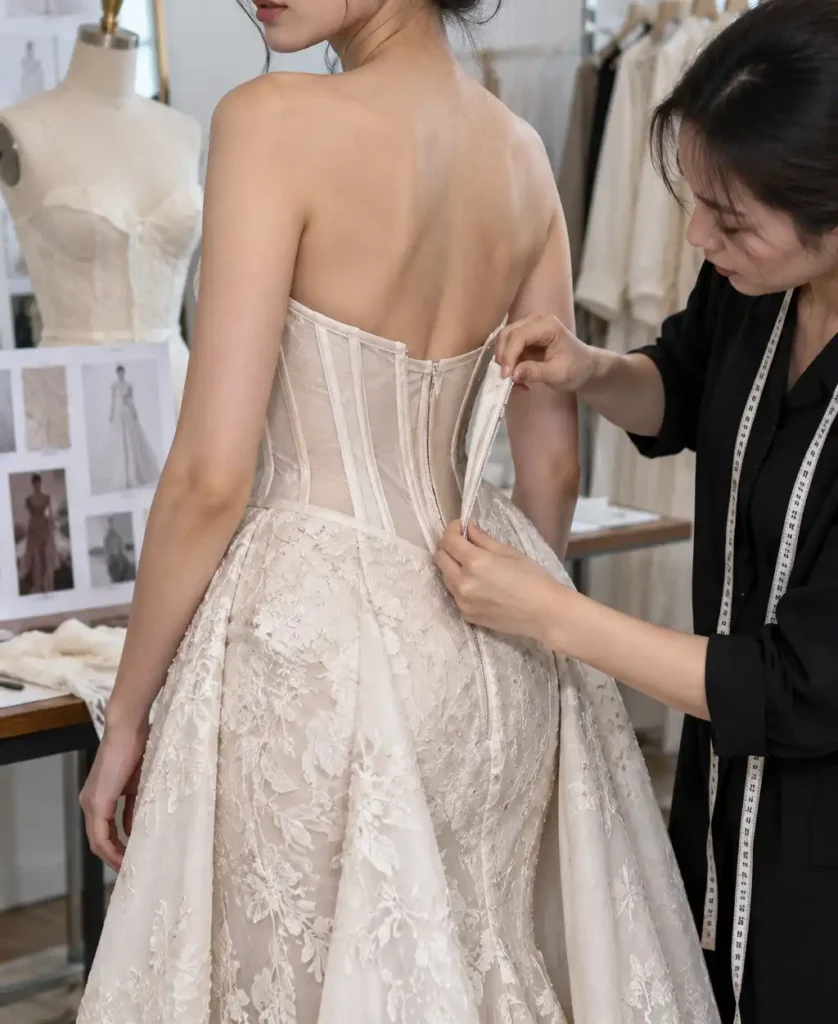
Corset Dresses

Bodycon Dresses
Bodycon styles depend on fabric stretch and recovery as much as zipper strength. A closure inserted into stretch woven, ponte, jersey, or power-mesh-backed construction can become a rigid line inside a flexible garment. Pattern reduction, stretch direction, lining, seam stabilization, waist-hip balance, and zipper placement must be coordinated so the zipper stays flat without restricting movement or forcing the surrounding seam to absorb excessive tension.

Satin Dresses

Strapless Dresses

Mesh and Lace Dresses

Structured Jumpsuits
Select Zipper Systems by Garment Structure

Invisible Zippers

Separating Zippers
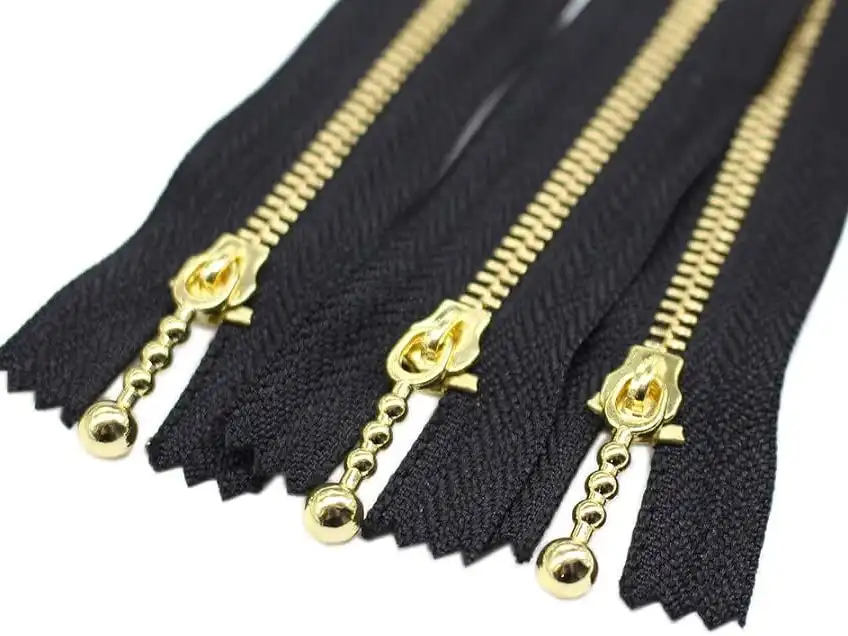
Metal Zippers

Coil Zippers
Match Fabric Behavior With Zipper Reinforcement
Fabric behavior determines how much support a zipper area needs and how visible the reinforcement may become. Material review should consider stretch, recovery, weight, drape, transparency, surface sensitivity, seam stability, lining, and pressing response before the closure construction is approved.
| Fabric / Structure | Main Zipper Risk | Construction Focus | Reinforcement Direction |
| Satin / stretch satin | Waves, shine marks, visible backing edge | Low-bulk insertion, stable seam, careful pressing | Thin stabilization selected to support without printing through |
| Stretch woven | Tension concentration, zipper bowing | Stretch direction, waist-hip balance, seam control | Stabilize the closure line while preserving body movement |
| Jersey / ponte | Recovery mismatch, seam stretching | Pattern reduction, stretch recovery, tape stability | Controlled support along the zipper seam and stress ends |
| Mesh / power mesh | Transparency, tearing, distortion | Underlayer, lining, seam support, edge finish | Reinforce through stable internal layers rather than visible bulk |
| Lace | Motif interruption, weak open areas | Motif placement, backing, lining, seam width | Support the zipper zone while protecting lace appearance |
| Velvet | Pressure marks, seam bulk, nap distortion | Nap direction, handling, pressing limits | Stable backing with low-pressure finishing methods |
| Denim / heavy woven | Bulk at seam intersections | Seam grading, zipper weight, top/bottom finish | Local reinforcement focused on stress points and bulky junctions |
| Structured woven | High bodice or waist load | Pattern balance, lining, boning, seam interaction | Integrate reinforcement with internal support and fit requirements |
Reinforcement Methods for Stable Zipper Construction
Reinforcement is selected according to load, fabric, visibility, seam design, and internal structure. Adding more layers everywhere can create bulk, stiffness, ridges, or uncomfortable edges. Strong construction uses the minimum support needed in the correct location and verifies the result through fitting and sewing trials.
Stabilize Light Fabrics
Lightweight satin, chiffon-backed dresses, soft woven fabrics, and delicate shells can stretch or distort during zipper insertion. Stabilization may be placed on the seam allowance, under the shell, or through an internal layer depending on transparency and surface sensitivity. The support must remain narrow enough to avoid a visible edge while still controlling the sewing line. Grain direction, adhesive behavior where applicable, heat response, color, thickness, and hand feel should be checked before bulk use.
Sample review looks beyond whether the zipper closes. The team checks seam flatness, surface reflection, edge visibility, neckline or waist alignment, pressing marks, and how the garment hangs after the zipper is installed. If support is too light, waves can remain. If support is too firm, the closure may look like a rigid strip inside a fluid dress. The approved solution should balance appearance and load rather than maximizing stiffness.
Reinforce Load Paths
Fitted garments often pull across the bust, waist, hip, or back. Reinforcement should follow the direction of force and spread the load into stable garment areas. A corset dress can use internal panels, lining, boning, waist shaping, and closure support together; a bodycon style may need a controlled zipper line without removing the stretch required around the rest of the body.
Local support can be more effective than full-length heavy backing. Waist seam intersections, shaped panels, side seams, and high-tension zones may need different treatment from low-load sections. Pattern balance and fit remain essential because reinforcement cannot compensate for a garment cut too small or a zipper positioned against an unrealistic load. Sample fitting should therefore test the complete silhouette, not only the closure on a flat table.
Secure Zipper Ends
Top and bottom zipper ends often experience concentrated force. The exact treatment depends on zipper type, garment construction, seam intersection, facing, lining, hook-and-eye use, and the location of body tension. Secure termination can involve controlled stitching, local backing, seam reinforcement, clean facing integration, or a construction change spreading the load away from a single point.
End security should not create a hard knot of fabric. Excess layers can make the slider difficult to reach, distort a neckline, push out a waist seam, or show through satin. During sampling, the team checks opening and closing, repeated dressing movement, seam appearance, local thickness, alignment, and whether the surrounding shell remains stable. The final method is documented for production rather than left to operator preference.
Integrate Internal Support
Corset, strapless, bustier, and structured dresses require the zipper to work with cups, boning, lining, elastic, gripper, interlining, facings, and shaped seams. Internal support can reduce uncontrolled strain on the zipper, but poor placement can also create conflicting stiffness or pressure. A boning channel ending too close to the zipper, for example, can increase bulk and affect closure comfort.
Development therefore treats the zipper as one part of the garment architecture. Pattern makers and sample machinists review panel shape, seam allowance, internal layers, zipper tape position, finishing order, and body fit together. PP approval should reflect the complete construction stack. Bulk teams then receive an approved pattern, trim reference, sewing instruction, and physical sample so reinforcement remains consistent across production.
Engineer Zipper Stress Points Before Sampling Ends
A reinforced closure works best when the load path is understood before bulk. Jinfeng reviews where force enters the garment, where stiffness changes, and where seams intersect so support can be placed around the actual risk instead of adding unnecessary layers across the entire zipper.

Waist Intersections
Waist seams can create a sharp change in thickness and tension. A fitted dress may pull horizontally around the waist while the zipper runs vertically, concentrating force where both systems meet. Seam allowance grading, zipper placement, backing, lining, and stitch sequence need to maintain alignment without producing a bulky step. Fit comments should record waist tension and zipper behavior together.

Zipper Bottoms
The lower zipper end can absorb sudden force when the wearer opens the garment or moves through the hip. The risk increases when the zipper stops close to a fitted hip zone, slit, seam junction, or rigid internal layer. Sample evaluation checks the stop position, seam transition, local support, and movement so the fabric beside the zipper does not become the weakest point.

Top Closures
Necklines and upper back edges require clean alignment as well as secure closure. Hook-and-eye components, facing, lining, binding, boning, or elastic can influence the zipper top. The area should close without gaping, twisting, scratching, or excessive thickness. A visually neat top finish also reduces the chance of the slider being forced sideways during dressing.
Pattern and Seam Details Control Zipper Performance
Many zipper problems originate in pattern and seam decisions made before sewing. Closure length, seam allowance, body ease, waist placement, panel balance, lining, and grading affect whether the zipper lies flat and whether reinforcement carries the intended load.
Control Seam Allowance
Seam allowance must provide enough material for stable insertion, clean finishing, and any required reinforcement without creating unnecessary bulk. Very narrow allowance can reduce sewing security or leave little room for correction, while excessive allowance can show through light fabrics or interfere with lining. The final width should follow fabric behavior, zipper type, finishing method, and approved construction rather than a generic number copied across products.
Balance the Pattern
A zipper seam should not be forced to correct a poor pattern. If the bodice, waist, hip, or torso length is unbalanced, the closure may bow, wave, twist, or resist closing even with strong reinforcement. Fit samples allow pattern makers to assess tension around the full body and adjust panels, darts, side seams, or grade rules before the zipper construction is frozen.
Coordinate Lining
Lining can support the closure area, hide reinforcement, improve comfort, and protect delicate shell fabrics. Poor lining balance can also pull the zipper, roll toward the outside, become trapped in the slider, or add bulk at seam intersections. Shell and lining lengths, seam attachment, ease, under-stitching or edge finish, and zipper access should be checked in the assembled sample.
Review Grading
A stable base-size zipper construction does not automatically remain stable across every size. Bust, waist, hip, torso length, and seam angles change through grading, while the zipper width stays constant. Brand-specific size charts, US/UK/EU/AU references, XS-XL ranges, and extended sizing can be supported, but grade rules and closure load should be reviewed against the approved fit standard instead of simply enlarging every measurement proportionally.
Control Reinforced Zippers in Structured Garments
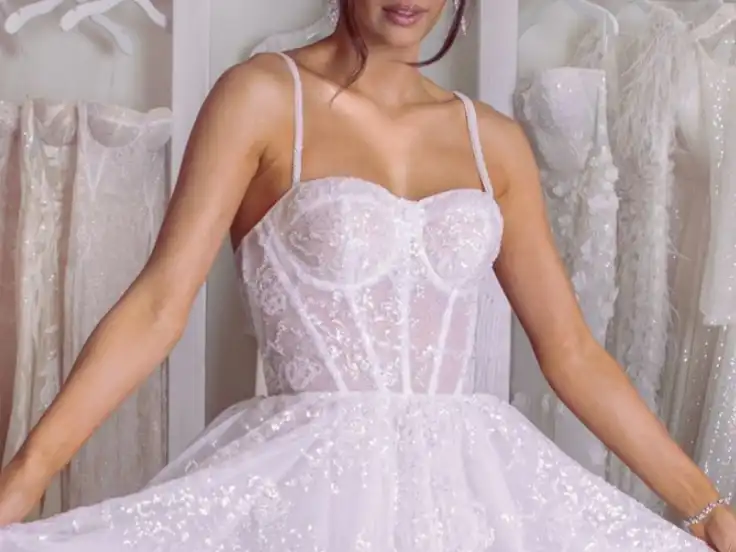
Corset and Boning

Satin and Invisible Zippers

Stretch Bodycon Closures

Mesh and Lace Support
Define Zipper Construction Clearly in the Tech Pack
Zipper Type and Length
Tape and Color
Placement Reference
Seam and Stitch Method
Reinforcement Zone
Fit and Measurement Points
Trim Interaction
Approval and QC Notes

Sample Reinforced Zippers Before Production Release
Sampling proves whether the zipper works inside the real garment, under real fabric behavior and fit pressure. Jinfeng supports several sample stages so pattern, material, reinforcement, finishing, and construction can be corrected before PP approval becomes the bulk standard.
First Sample
The first sample confirms the initial direction: silhouette, zipper choice, placement, seam construction, reinforcement concept, lining, and major measurements. Simple first samples can take about 7-10 days after required information and available materials are ready. Regular dress first samples commonly require about 10-15 days. Medium-complexity dresses, sets, or jumpsuits commonly require about 12-18 days.Fit and Revision
Fitted or structured garments often need a dedicated fit review. Corset, strapless, lace, mesh, sequin, or other complex styles commonly require about 15-25 days for the first sample, depending on pattern difficulty, trims, materials, and construction. Styles requiring custom fabric or special trims can require about 20-35 days or follow supplier readiness. Revised samples commonly require about 7-15 days depending on the modification scope.
Revision records should capture pattern changes, measurement changes, zipper or trim changes, reinforcement adjustments, sewing-method corrections, fit comments, approval status, and any cost or timing effect. A correction should remain visible when the style moves to the next stage instead of disappearing between sample versions.PP Sample
The PP sample verifies the production-ready direction after key materials and construction are confirmed. PP samples commonly require about 7-15 days once final materials are available. Approval should cover fabric, color, zipper and trims, pattern, measurements, sewing construction, reinforcement, lining, labels, packing requirements, and QC references needed before bulk release.Golden Reference
A Golden sample or other approved physical reference helps production and QC compare bulk garments with the accepted fit, appearance, construction, zipper line, trim placement, pressing, and finishing. The physical sample works together with the released pattern, BOM, measurements, comments, and sewing instructions; it does not replace documented production records.
Correct Fit Problems Through Recorded Sample Revisions
Wave to Flatness
Pull to Balance
Bulk to Low Profile
Misalignment to Control

Transfer Approved Zipper Construction Into Bulk Production
Sample accuracy and bulk consistency are different skills. Jinfeng uses released patterns, component records, approved samples, sewing instructions, measurement standards, and QC checkpoints so a reinforced zipper method can be repeated by production teams rather than recreated from memory.
Release Approved References
- Production receives the final pattern, size chart, BOM or trim records, zipper specification, construction notes, reinforcement direction, labels, packing instructions, QC focus, and PP or Golden reference. Old or superseded versions should not remain mixed with released files. Clear status reduces the risk of sewing an earlier zipper method into later bulk.
Build the Production Handover
- Merchandising, pattern, sample, sourcing, sewing, QC, finishing, and packing teams need different parts of the same approved record. Sewing needs seam method, zipper placement, reinforcement, stitch direction, lining connection, and finishing notes. QC needs measurements, visual references, zipper function, stress points, alignment, and defect criteria. Packing needs style-color-size, labels, barcodes, folding, polybags, and carton information.
Control the First Bulk Units
- Early production should confirm whether the approved construction transfers cleanly from sample room conditions into the sewing line. Zipper flatness, alignment, reinforcement placement, seam thickness, opening and closing, waist or neckline matching, and pressing can be reviewed before large quantities move forward. A problem caught in early units is easier to correct than the same issue discovered after packing.
Keep Version Discipline
- Repeat orders, new colors, replenishment, and seasonal extensions benefit from archived patterns, fabric and color records, trim specifications, sample comments, QC standards, and packing files. A repeat style still needs current material and schedule confirmation, but a controlled record reduces unnecessary redevelopment and helps prevent an obsolete zipper or reinforcement method from returning in a later batch.
Control Zipper Workmanship During Sewing

Prepare the Zipper Zone

Insert Without Distortion

Integrate Lining and Support

Correct During Production
Reinforced Zipper Quality Control Checkpoints
Zipper inspection should begin before sewing and continue through final packing. Each stage controls a different failure mode, allowing defects to be corrected closer to their source instead of relying on a single end-of-line appearance check.
| QC Stage | Main Checks | Main Risk Controlled |
|---|---|---|
| Incoming zipper and trims | Type, length, tape, color, slider, puller, function, approved reference | Wrong component, color mismatch, poor operation |
| Fabric and reinforcement | Batch, hand feel, stretch, width, defects, support material match | Unstable or incompatible construction inputs |
| Cutting | Pattern version, grain/stretch direction, seam allowance, reinforcement position | Misplacement, wrong size, incorrect load path |
| In-line zipper sewing | Flatness, stitch quality, placement, top/bottom finish, alignment, lining clearance | Waves, seam damage, twisting, trapped lining |
| Garment measurement | Bust, waist, hip, torso length, zipper position, style-specific points | Excess load, fit imbalance, size drift |
| Finished garment | Opening/closing, stress areas, seam appearance, pressing, symmetry, visual alignment | Functional failure, visible distortion, bulk drift |
| Packing release | Label/SKU match, folding, zipper protection, polybag, carton mark | Wrong SKU, surface damage, packing mix-up |

Multi-Style Zipper Construction Program
A representative anonymized brand program shows how reinforced zipper decisions can be managed across a larger seasonal range. The example uses operating volumes within Jinfeng’s current multi-style brand program range rather than presenting a public client identity or confidential artwork.
- Program Profile:The collection covered 18 women’s fashion styles with a planned total of 46,800 pieces. The range included fitted satin dresses, corset minis, bodycon woven dresses, mesh-over-lining styles, strapless occasion dresses, and structured jumpsuits. Quantities varied by style and color according to the brand’s commercial plan, with each production unit reviewed against the standard starting MOQ of 200 pcs per style/color and any separate fabric or trim minimums.
- Zipper Risk Map:The collection could not use one closure rule. Satin styles needed low-bulk support and surface control. Corset dresses needed zipper placement coordinated with boning, cups, panel seams, and waist load. Bodycon styles needed stretch and recovery reviewed around a relatively stable closure line. Mesh and lace styles needed internal backing remaining visually clean. Jumpsuits required sitting and torso-movement checks in addition to standing fit.
- Development Route:High-risk styles were prioritized for sample work. The development record connected pattern changes, zipper and trim references, reinforcement direction, measurement comments, lining, sewing method, and approval status. Fit-sensitive styles moved through revision before PP approval, while related supporting styles used the learning from material and construction groups without assuming identical patterns or reinforcement widths.
- Bulk Control:Before release, approved patterns, zipper references, reinforcement instructions, measurements, labels, packing requirements, and PP or Golden references were organized by style. Early bulk checks focused on zipper flatness, seam alignment, waist and neckline matching, reinforcement placement, opening and closing, and measurement balance. QC continued through finished garments and packing so technical consistency remained connected with the correct SKU and retail presentation.
Reinforced Zipper Frequently Asked Questions
No. Reinforcement depends on fabric stability, body tension, zipper placement, seam design, lining, internal support, and intended wear. A stable woven dress may need little extra support, while satin, stretch, mesh, corset, or high-tension styles can require local stabilization. Sampling should confirm the construction instead of adding the same backing to every dress.
Yes. Reinforcement can support the seam around an invisible zipper when fabric or fit requires it. The method should remain compatible with the concealed zipper footpath, seam allowance, lining, pressing, and surface appearance. Lightweight fabrics often need low-bulk support so the reinforcement does not show through the shell.
Control starts with fabric handling, pattern balance, seam stability, zipper tape compatibility, stitch tension, support material, insertion method, lining, and pressing. Satin reflects small distortions strongly, so a technically closed zipper can still look poor. Sample review should check the seam under side lighting before the construction is approved.
Timing follows garment complexity. Simple first samples can take about 7-10 days, regular dresses about 10-15 days, medium-complexity dresses, sets, or jumpsuits about 12-18 days, and corset, strapless, lace, mesh, sequin, or similarly complex styles about 15-25 days. Custom fabrics or special trims can require about 20-35 days or supplier timing.
Jinfeng’s standard production MOQ starts from 200 pcs per style/color. Total collection quantity does not replace the requirement at individual style-color level. Fabric dyeing, printing, special trims, certified materials, private-label packaging, or other supplier components can carry additional minimums and should be reviewed by project.
Yes. Jinfeng can work with US, UK, EU, AU, and brand-specific size standards. Common alpha ranges can include XS-XL, while extended, plus, petite, or tall development is reviewed against the supplied base size, grade rule, fit preference, pattern, and measurement tolerances.
PP approval should confirm fabric, color, zipper and trims, pattern, measurements, reinforcement, sewing construction, lining, labels, hangtags, polybags, carton marks, packing method, and QC references. Late changes can affect materials, cost, sample status, production allocation, and delivery planning, so the impact should be reviewed before release.
Consistency relies on approved patterns, zipper and trim records, construction instructions, reinforcement direction, measurements, PP or Golden references, early bulk checks, in-line inspection, finished-garment review, and version control. A sample room can hand-correct one garment; bulk needs documented standards for sewing and QC teams to reproduce.
Yes, when the brand owns or is authorized to use the design. Jinfeng can review an original sample for measurements, pattern structure, fabric direction, trims, zipper installation, lining, and construction. The goal is to develop an approved production file for the brand, not to reproduce unauthorized third-party designs.
Send the tech pack, reference images or authorized original sample information, target quantity, fabric specification, zipper direction, size chart, color plan, construction comments, labels or packing requirements, and target schedule. Photos of an existing zipper problem are also useful because they help the development team identify where fit, material, pattern, or sewing may be contributing.

Review Your Reinforced Zipper Project With Jinfeng
A useful construction review begins with the garment information already available. Send the style files, fabric direction, zipper requirement, size system, planned quantity, and any current closure problem.
Jinfeng can review whether the main risk comes from material stability, pattern balance, body tension, seam allowance, zipper selection, reinforcement, lining, internal support, sewing method, or production control. The review can then define a sample route and the information required before PP approval and bulk release.
Please include:
- Tech pack, line sheet, sketch, reference images, or authorized original sample information
- Planned quantity per style and per color
- Fabric composition, weight, stretch, hand feel, or swatch reference where available
- Zipper type, length, color, placement, or approved trim reference
- Brand size chart, base size, grade rule, and fit comments
- Notes on corset support, boning, cups, lining, mesh, lace, satin, or other sensitive construction
- Private-label, barcode, polybag, carton, or warehouse requirements
- Required sample purpose, launch window, and expected delivery destination
- Photos or comments showing any current zipper wave, tearing, misalignment, resistance, or bulk inconsistency