
Rayon Resort Dresses
Custom Rayon & Viscose Resort Dress Manufacturing for Fashion Collections
Jinfeng Apparel develops rayon and viscose resort dresses for established fashion brands, resortwear labels, premium ecommerce collections and multi-style private-label programs. Development focuses on fluid drape, print execution, transparency, shrinkage risk, maxi-length balance, fit, construction and travel-ready finishing rather than treating rayon as a generic lightweight fabric.
- Regular dress first samples typically require 10–15 days; simpler constructions may require about 7–10 days, while more complex structures generally require 15–25 days, subject to fabric and trim readiness.
- 7+ senior pattern makers and 20+ sample machinists support maxi, halter, backless, slip, wrap and other fit-sensitive dress development.
- Rayon and viscose programs are reviewed for shrinkage, print direction, transparency, hem balance, wrinkle behavior and packing creases before bulk production.
- A structured production network supports 100,000+ pieces of regular womenswear monthly, with production allocation based on fabric, construction, quantity and schedule.
Manufacturing Capacity Built for Multi-Style Resort Collections
Since 2008
6 Owned Fashion Factories
10+ Satellite Production Partners
18+ Sewing Lines
2 Sample Rooms
15+ QC Inspectors
Built for Established Fashion and Resortwear Programs
Global Womenswear Brands
Resortwear Brands
Premium Ecommerce Labels
Private-Label Programs
Sourcing Offices
Mature Designer Labels
Rayon Resort Dress Problems We Resolve Before Bulk
Shrinkage and Length Change
Fabric Twisting
Print Direction Errors
Unexpected Transparency
Uneven Maxi Hems
Packing Creases
Rayon Resort Dress Styles for Commercial Collections
A strong resort assortment needs more than one generic maxi silhouette. Length, neckline, back exposure, waist position, print scale, skirt volume and lining all change how rayon behaves in production and on body. Jinfeng Apparel develops each style according to its own pattern, fabric and manufacturing requirements rather than applying one construction standard across the collection.

Rayon Maxi Dress

Rayon Midi Dress

Halter Resort Dress

Backless Rayon Dress

Rayon Slip Dress
Wrap Resort Dress

Tiered Rayon Dress

Printed Resort Maxi

Floral Vacation Dress

Ruched Resort Dress

One-Shoulder Resort Dress

Cut-Out Resort Dress

Smocked Resort Dress
Smocking can add flexible comfort to resort styles, but elastic tension, smocking density, panel width and finished measurements must be controlled. Too much tension changes body length and fit; too little produces an unstable shape.

Beach-to-Dinner Dress
A versatile resort dress should feel relaxed without looking unfinished. Fabric, lining, neckline, slit height, finishing and packing are developed so the garment can move from daytime wear to a more polished evening setting without relying on excessive structure.
Rayon and Viscose Fabric Selection by Garment Behavior
| Fabric Direction | Garment Character | Key Development Focus | Suitable Resort Applications |
|---|---|---|---|
| Standard Rayon Woven | Soft, fluid, relaxed | Shrinkage, transparency, wrinkle behavior, sewing stability | Maxi, midi, halter, wrap |
| Viscose Woven | Fluid hand and clean fall | Drape, color, shrinkage, seam stability | Slip, midi, maxi, relaxed dress |
| Printed Rayon | Strong visual impact with soft movement | Print direction, color approval, shrinkage, panel orientation | Floral, tropical, vacation maxi |
| Printed Viscose | Fluid print-led resort look | Print repeat, cutting orientation, color consistency | Halter, wrap, tiered, midi |
| Rayon Blend Direction | Performance adjusted by blend composition | Hand feel, drape, stretch if applicable, care and production behavior | Commercial resort collections |
| Rayon/Linen Direction | More textured resort appearance | Wrinkle level, shrinkage, hand feel, opacity | Relaxed midi, beach-to-dinner styles |
| Lightweight Viscose Direction | Airy visual effect | Transparency, lining, seam strength and hem behavior | Summer maxi, slip and loose silhouettes |
Fabric Approval Is Garment-Specific
A fabric that works for a loose maxi dress may not automatically work for a fitted slip dress. Changing fabric can alter drape, pattern balance, lining need, cost, MOQ and production timing. Jinfeng Apparel therefore reviews whether a fabric substitution requires pattern or sample revision rather than treating two similar-looking fabrics as interchangeable.
Bulk Availability Matters
A development swatch only has commercial value when the fabric route can support the intended collection.
Stock status, custom dyeing, printing, required quantity and supplier conditions are checked before the final fabric direction is locked.
Fabric Approval Before We Cut a Sample
Drape and Weight
Transparency
Shrinkage Risk
Wrinkle Behavior
Print Compatibility
Bulk Consistency
Print and Color Development for Resort Collections
Print is often the visual signature of a rayon resort collection. Tropical florals, abstract motifs, large botanicals and directional graphics can create strong commercial differentiation, but the artwork must survive translation from a digital file or strike-off into multiple garment sizes and thousands of cut panels.
Artwork Scale and Garment Proportion
A print should be judged on a full garment, not only on a small swatch. A motif that looks balanced on an A4 printout may become oversized across a petite bodice or disappear visually across a wide maxi skirt. Development therefore considers print scale together with neckline, waistline, tiers and total dress length.
For a multi-style collection, the same artwork may be used differently across a maxi dress, halter midi and matching set. The goal is not mechanical repetition; the goal is a recognizable collection language with appropriate scale and placement for each silhouette.
Print Direction and Cutting
Directional artwork requires a documented cutting orientation. Flowers, leaves, stripes, scenic prints and asymmetric graphics can look upside down or visually broken when front, back or tier panels are turned solely to maximize fabric utilization.
Cutting instructions therefore identify direction-sensitive pieces before bulk cutting. Large skirt panels, front bodices and back bodices may need different layout priorities.
The costing impact should be understood before artwork is approved because stricter direction control can increase fabric consumption.
Color Approval and Bulk Variation
Color is reviewed against the approved fabric route, print method and collection requirement.
Lining, zipper, sewing thread and label details may also need to coordinate with the printed base.
A color change is not treated as only a new SKU name. New colorways may affect fabric availability,
print preparation, supplier MOQ, lining choice, trim colors, barcode setup and production schedule.
Placement-Sensitive Details
A brand may want a particular flower near the neckline, a border near the hem or a motif centered on the bodice. Placement-sensitive designs need clear tolerances and can use more fabric than unrestricted all-over prints.
Before bulk production, the visual requirement should be translated into cutting instructions that production and QC teams can verify. Without a measurable rule, “make it look similar” is not a reliable bulk standard.
Commercial Print Development
For larger resort programs, print planning should also consider style count, color count, fabric consumption and replenishment potential. An attractive print that cannot be repeated consistently or reordered efficiently can create unnecessary supply risk.
Jinfeng Apparel reviews artwork, fabric route, construction and collection quantity together so the print decision remains connected to actual garment production.

Resort Design Details Engineered for Repeated Production

Halter Neckline
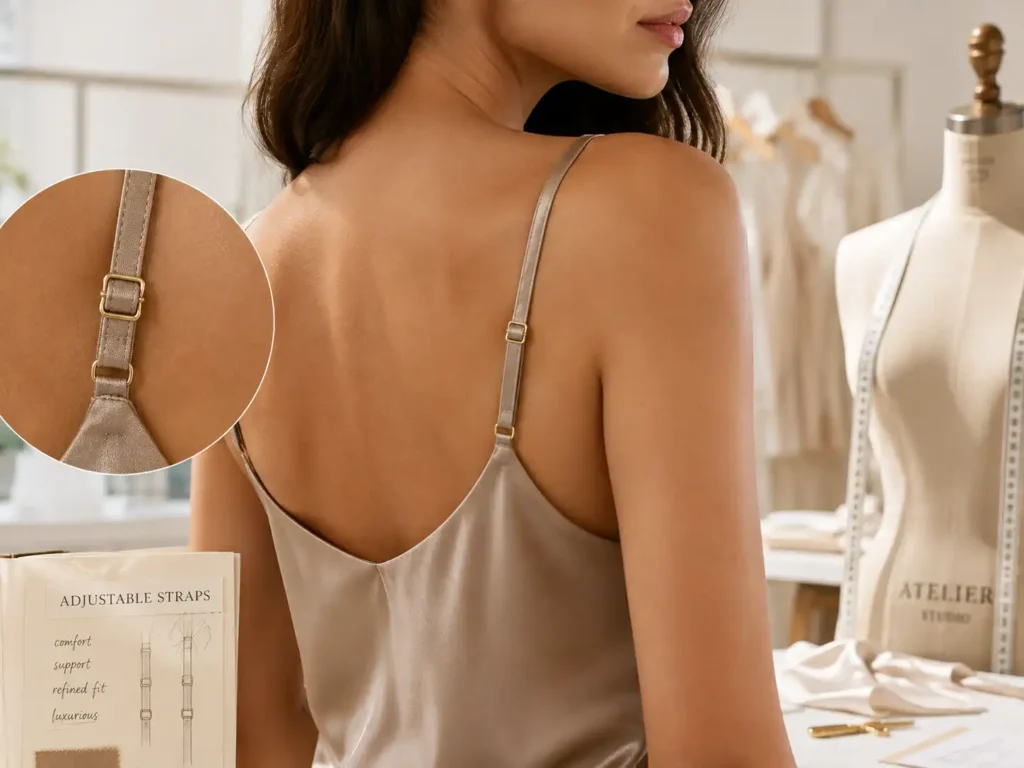
Adjustable Straps

Backless Construction

Deep V Neckline

Side Slit

Tiered Skirt

Ruffle Construction

Waist Tie

Elastic Waist

Cut-Out Detail

Invisible Zipper

Lining
Print and Color Development for Resort Collections
Resortwear looks relaxed only when the underlying pattern is controlled. Rayon and viscose can expose proportion problems quickly because the fabric does not hide an unstable neckline, uneven hem or twisting side seam. Jinfeng Apparel’s pattern team works across bust, waist, hip, neckline, armhole, straps, slit and total length so fluid styling remains commercially wearable.
Bust Coverage and Neckline Stability

Halter, slip, deep-V and backless silhouettes need clear coverage targets during fitting. A neckline can look correct on a flat pattern yet open when worn because strap tension, armhole depth, bust position and back construction interact.
Sample fitting therefore checks the complete upper-body structure. Where the design is intentionally open, the exposed area is treated as a measured design feature rather than left to sewing interpretation.
Brand size charts can be translated into garment measurements, but style-specific ease and construction still need to be evaluated. A relaxed resort dress and a fitted slip dress should not use identical bust logic simply because both are made from rayon.
Maxi Length and Hem Balance

Long dresses amplify small errors. Front length, back length, side seam, waist position, skirt sweep, lining and fabric drape all influence where the hem eventually sits.
Jinfeng Apparel’s pattern development team includes 7+ senior pattern makers, supported by 2 sample rooms and 20+ sample machinists. Maxi patterns are reviewed through sample development before bulk patterns are locked.
For tiered or wide-sweep styles, every horizontal seam also becomes a visual balance point.
An uneven first tier can make the entire garment appear crooked even if the final hem measurement is technically within tolerance.
Straps, Armholes and Back Exposure

Straps determine more than shoulder comfort. Changing strap length can move the neckline, alter armhole exposure and affect bust coverage. Adjustable straps add flexibility but still require correct base positioning.
Backless and halter styles need coordinated front and back patterns. When too much fabric weight is suspended from a narrow strap, the upper body can pull out of position. Strap attachment points and stress areas are therefore checked during sampling.
Slit Height and Size Grading

A slit that works in one sample size may become too high or too low if grading is applied without considering garment proportion. Slit position is recorded against the approved pattern and checked as part of garment measurement.
The same principle applies to neckline depth, back depth and cut-out placement. Size development should preserve the intended design proportion rather than merely add equal dimensions around every edge.
Travel-Friendly Construction Beyond a Summer Look
Lightweight Without Looking Thin
Movement Without Losing Shape
Packing With Long Hems
Launch-Sensitive Delivery Planning
Sampling Turns Design Direction Into Production Standards
Sampling is not a showroom exercise. The objective is to discover whether the selected fabric, pattern, print, lining and construction can become a repeatable production standard. Jinfeng Apparel uses separate sample stages because a beautiful first sample and a production-ready PP sample serve different purposes.
Project Review and Fabric Direction

Development may begin from a tech pack, reference photo, original sample, sketch, line sheet, size chart, fabric swatch or combination of materials.
Before pattern work begins, the team reviews silhouette, fabric direction, lining, trims, size information, intended quantity and major construction risks. For rayon resort dresses, early discussion normally focuses on drape, transparency, shrinkage, print, straps, back exposure, slit position and total length.
Fabric substitutions are not approved only because the color looks similar. Weight, hand feel, drape, transparency, shrinkage, cost, MOQ and lead-time impact are compared, and pattern adjustment is considered when material behavior changes.
Pattern and First Sample

The pattern team converts the confirmed design into measurable garment structure. Key points can include bust, waist, hip, front length, back length, neckline depth, armhole, strap length, back depth, slit height, lining length and total dress length.
First-sample timing depends on complexity and material readiness:
- Simple dress:typically about 7–10 days
- Regular dress:typically about 10–15 days
- Complex construction:typically about 15–25 days
- Special fabric, print or trim:timing follows confirmed supplier and development requirements
Fit, Revision and Photo-Ready Review

Fit comments are converted into measurable changes. Comments such as “too open,” “too long” or “not enough drape” need to become pattern, measurement, material or construction actions.
Possible revisions include neckline depth, bust coverage, waist position, strap length, back opening, skirt volume, slit height, lining coverage and hem balance.
Where a collection requires campaign photography or sales presentation, a photo-ready or salesman sample can be developed separately from the PP approval route. Visual samples and production approval samples are not treated as interchangeable.
PP Sample and Golden Sample

The PP sample confirms the production-ready combination of approved pattern, measurements, fabric, color, trims, construction, labels and packing requirements.
Once the production standard is locked, the Golden sample provides an internal reference for manufacturing, QC, repeat orders and future comparison.
Major design changes after PP approval need to be reassessed because they can affect pattern, fabric usage, cost, manufacturing method and schedule.
Sample Revisions Are Documented, Not Remembered
Fit Revision
Fabric Revision
Print Revision
Construction Revision
Production File Revision
Approval Control
Bulk Production Protects the Approved Resort Look
The transition from approved sample to bulk is where many fashion projects lose accuracy. Jinfeng Apparel connects PP approval, material confirmation, pattern version, cutting rules, sewing instructions, QC and packing so the approved resort look is not dependent on one sample machinist reproducing the garment from memory.
Bulk Fabric Approval and Incoming Control
Production does not begin with an unverified fabric roll. Incoming materials are reviewed for relevant characteristics such as color, hand feel, weight, width, shrinkage risk, colorfastness and visible defects.
For printed rayon and viscose, the production team also needs the approved color and print direction.
Variations affecting garment appearance are identified before large quantities are cut.
Fabric Preparation and Cutting Direction
Soft woven fabrics require controlled handling before cutting. Production follows the approved pattern version and defined grain or print direction.
Cutting QC verifies panel direction, quantity, size bundling and print orientation.
Directional resort artwork receives special attention because rotating a panel can immediately change the visual result.
Sewing Instructions and Workmanship Transfer
An approved sample contains information that needs to be transferred into production language. Seam allowance, stitch requirement, strap position, neckline finish, lining attachment, slit height, gathering amount, tier position and zipper construction are documented as appropriate for the style.
Production teams do not receive only a garment to “copy.” The goal is to give the line measurable construction standards.
Inline Production Control
Quality checks during sewing are important because errors become more expensive after pressing and packing. Strap length, side seam stability, gathering balance, lining attachment, zipper flatness and key garment measurements can be reviewed while production is still running.
For multi-style programs, QC priorities can differ by style. A halter maxi, wrap dress and tiered printed dress should not receive an identical one-line inspection checklist.
Finishing and Pressing
Rayon and viscose resort dresses depend heavily on final appearance. Pressing must improve presentation without masking construction problems or creating new marks and distortions.
Maxi hems, gathered areas, seams, lining and printed surfaces are reviewed before packing. Garment measurement remains part of finished-goods inspection rather than assuming pressing will correct dimensional issues.
Packing and Production Release
Approved labels, barcodes, size identification, folding instructions and carton information are checked before shipment release.
For large seasonal assortments, style/color/size breakdowns are controlled against packing records so production accuracy continues through the final warehouse-facing stage.
Rayon Resort Dress Quality Control by Production Stage
| QC Stage | Rayon Resort Dress Checks | Typical Risk Being Controlled |
|---|---|---|
| Incoming Fabric | Color, hand feel, weight, width, shrinkage, colorfastness, visible defects, print approval | Wrong fabric, dimensional change, color or print variation |
| Cutting | Pattern version, grain direction, print direction, panel orientation, size bundling, quantity | Twisted garment, upside-down artwork, wrong size panels |
| Sewing / Inline | Seam quality, allowance, strap length, neckline, symmetry, lining, slit, gathering, zipper | Poor fit, open neckline, uneven tiers, unstable construction |
| Garment Inspection | Measurements, appearance, hem balance, transparency, pressing, stains, holes, closures, labels | Size variation, uneven maxi hem, visible lining, poor finish |
| Packing | Hangtag, barcode, size sticker, polybag, fold method, carton marks, packing ratio | Wrong SKU, crease damage, warehouse receiving errors |
Rayon Shrinkage Control
Shrinkage risk is considered at fabric approval and then connected to pattern and garment measurement. The aim is not to claim that rayon never changes; the aim is to understand the risk before the approved production standard is fixed.
Print Direction Control
Directional artwork receives cutting instructions before bulk production. QC checks whether panels follow the required orientation rather than discovering an inverted motif after sewing.
Hem Balance Control
Maxi styles are checked for total length and visual balance. Front, back, sides, lining and skirt construction need to work together; one measurement alone cannot describe whether a long dress hangs correctly.
Transparency and Lining
Fabric opacity is reviewed with the finished garment. Lining color, coverage and length are checked against neckline, back opening, slit and skirt construction.
Strap and Neckline Stability
Halter ties, shoulder straps and adjustable straps influence bust coverage and armhole position. Strap length and attachment are therefore treated as fit and construction points, not merely trim details.
Packing Appearance
Pressing and folding are reviewed for long garments and soft woven fabrics. Carton pressure, fold position and polybag arrangement are considered where crease appearance could affect the finished presentation.
Cost and Quantity Planning for Resort Collections
Fabric and Print
Dress Length and Volume
Construction
Color and Style Count
Size Range
MOQ Planning
Jinfeng Apparel’s standard MOQ starts from 200 pcs per style/color. Custom printing, custom dyeing, certified material requests, special trims or custom packaging can carry separate supplier requirements.
Cost Optimization
Cost can be reviewed through fabric alternatives, construction simplification, trim replacement, cutting layout, color consolidation, size-ratio planning and shipment planning without deliberately weakening brand-level appearance or removing necessary quality controls.
Private Label Packing Ready for Brand Operations
Woven and Size Labels
Care Labels
Hangtags and Hang Strings
Barcode and SKU Labels
Polybags and Folding
Cartons and Warehouse Marks
Delivery Planning Around Resort Launch Dates
Express for Development Materials
Air Freight for Launch-Sensitive Goods
Sea Freight for Regular Bulk
Large seasonal collections and planned bulk orders can move by sea using LCL or FCL arrangements according to shipment volume and destination.
Air + Sea Split
Trade and Forwarder Coordination
Shipping Documents
An 18-Style Rayon Resortwear Program at Commercial Scale
An anonymized European resortwear program illustrates the type of coordination required when rayon dresses move beyond individual sample development into a seasonal assortment. The program covered 18 styles and approximately 36,000 pieces, within the order scale commonly managed for established fashion programs.
Collection Scope
The assortment combined rayon and viscose vacation dresses with printed woven resort styles. Product directions included maxi dresses, halter silhouettes, backless styles, floral prints, side slits and lighter lined constructions.
Instead of assigning one material and construction formula to every style, fabric and pattern decisions were reviewed according to silhouette.
Long maxi styles required more attention to hem balance and packing, while halter and backless dresses required stronger focus on bust coverage, straps and upper-body stability.
Development Challenges
- Transparency:
Several lightweight directions needed lining review because resort lighting and lighter colors increased the possibility of visible transparency. - Print direction:
Directional floral artwork required panel orientation rules before cutting. Maxi skirt panels created more visual exposure than small bodice components, making cutting direction commercially important. - Shrinkage:
Rayon and viscose options were reviewed for dimensional risk before the bulk pattern standard was released. Length-sensitive maxi products received particular attention.
Sampling and Production Decisions
The project moved from fabric review and pattern development into sample correction before production standards were locked.
Fit comments were recorded by style rather than treating the whole collection as one garment family.
Print direction became part of cutting instructions. Lining length and coverage were confirmed for relevant styles. Approved pattern and measurement information then moved into the production route along with garment-specific QC points.
Bulk Coordination
A program of 18 styles creates operational challenges beyond sewing. Material tracking, sample versions, color information, SKU breakdown, packing files and production progress all need to remain separated by style while still meeting the same launch calendar.
Jinfeng Apparel used structured project follow-up for fabrics, patterns, sample status, bulk production, QC and packing so changes from one style did not accidentally transfer into another.
Seasonal Continuity
After production, relevant pattern, fabric, color, trim, QC and packing records were retained for future resort development. A repeat program can therefore begin from an approved history while still reviewing any changes in fabric, color, print or construction.
The value of a long-term resortwear partnership is not only completing one delivery. It is the ability to carry verified product information into the next color, repeat order and seasonal collection without starting from memory.

Repeat Orders Keep Proven Resort Styles Moving
Pattern Records
Fabric and Color Records
Trim and Construction Records
QC Records
Packing Records
New Color or Fabric Review
Rayon Resort Dresses Frequently Asked Questions

Start Your Rayon Resort Dress Development
A productive quotation begins with enough information to understand the garment, material route and commercial program. Send the available development files and Jinfeng Apparel can review the collection from fabric and pattern requirements through sampling, bulk production, QC, private-label packing and shipment planning.
For a more accurate project review, include as many of the following items as possible:
- Tech pack, sketch, line sheet or reference images
- Existing sample, if available
- Preferred rayon or viscose direction
- Print artwork or print reference
- Planned style count and quantity
- Colors or print colorways
- Size chart and planned size ratio
- Lining and trim requirements
- Label, hangtag and barcode requirements
- Packing or warehouse instructions
- Target launch or delivery date
- Target price direction, where relevant


