 Skip to content
Rayon Dress Manufacturer
Jinfeng Apparel develops and manufactures rayon and viscose dresses for established fashion programs that require reliable drape, controlled shrinkage, clear print execution and stable multi-size production.
- Rayon and viscose fabrics commonly reviewed from 100-220 gsm, selected according to silhouette, transparency, print method and wash performance.
- MOQ starts from 200 pcs per style/color; custom dyeing, printing, certified materials and special packaging follow supplier-specific minimums.
- 6 owned women’s fashion factories, 10+ long-term satellite production partners and 100,000+ pcs monthly capacity support multi-style and repeat-order programs.
- 2 sample rooms, 7+ senior pattern makers, 20+ sample machinists and 15+ QC inspectors manage development and bulk control.
- Rayon-focused checks cover fabric relaxation, shrinkage, print direction, shade consistency, lining coverage, hem balance and wash-care instructions.
Rayon Dress Manufacturing at a Glance
Since 2008
Six Owned Factories
Ten Plus Partners
Two Sample Rooms
Fifteen Plus QC
MOQ 200 Pieces
Built for Established Fashion Programs
Fashion Brands
Resortwear Labels
Ecommerce Programs
Sourcing Teams
Product Developers
Private Label Lines
Why Rayon Dress Projects Commonly Fail
Uncontrolled Shrinkage
Wrong Drape
Print Misalignment
Visible Transparency
Wavy Seams
Packing Creases
From Fabric Direction to Export Delivery
Project Review
Fabric Direction
Pattern Development
First Sample
Fit Revision
PP Approval
Bulk Production
Quality Control
Packing and Delivery
Start with a Focused Project Review
Send Product Information
- Reference image or technical file
- Quantity by style and color
- Size chart or target size range
- Fabric and print preference
- Label and packaging requirements
- Required delivery window
Receive a Feasibility Review
- Fabric direction and alternatives
- Potential shrinkage or transparency risks
- Sample type and revision path
- MOQ and supplier minimums
- Key QC points
- Information still required
Rayon Dress Styles We Manufacture

Rayon Mini Dress

Rayon Midi Dress

Rayon Maxi Dress

Rayon Wrap Dress

Rayon Shirt Dress

Tiered Rayon Dress

Smocked Rayon Dress

Resort Rayon Dress
Lengths and Silhouettes for Rayon Collections
Style selection should connect commercial use with fabric behavior. The matrix below gives a development starting point; final construction still depends on weight, weave, print direction, lining and target fit.
| Style Direction | Recommended Rayon Form | Key Development Control | Common Risk |
| Mini / Short | Challis, light crepe, rayon blend | Opacity, neckline security, hem balance | Transparency and hem flipping |
| Midi A-line | Viscose crepe, challis, twill | Waist position, skirt sweep, side seam balance | Uneven drape or length loss |
| Maxi | Soft viscose, printed rayon, medium crepe | Grain direction, panel length, packing method | Shrinkage and wavy hem |
| Wrap | Fluid viscose or rayon crepe | Overlap, tie placement, movement coverage | Opening at bust or thigh |
| Shirt Dress | Rayon twill, viscose blend, soft woven | Collar, placket, button spacing | Placket distortion |
| Tiered / Ruffle | Rayon challis, printed viscose | Gather ratio, seam support, tier measurement | Excess weight and uneven gathering |
| Smocked | Rayon or rayon-spandex | Elastic tension, recovery, grading | Overstretch or inconsistent fit |
| Slip / Bias Look | Viscose satin or fluid crepe | Drape, neckline, strap and seam handling | Twisting and seam rippling |
Rayon Dresses for Commercial Selling Scenarios

Resort Collections

Vacation Drops

Summer Dresses

Brunch Styles

Casual Ecommerce

Beach to Dinner
Rayon and Viscose Fabric Options
The most suitable material depends on garment shape, target hand feel, print method, required coverage and wash expectations. The figures below are normal development ranges, not fixed standards for every mill.
| Fabric Option | Common Weight | Best Use | Main Control Points | Risk Level |
|---|---|---|---|---|
| Rayon Challis | 100-150 gsm | Floral dresses, tiered dresses, vacation styles | Shrinkage, print clarity, seam stability, lining | Medium-High |
| Rayon Voile | 70-120 gsm | Layered summer dresses, sleeves, overlays | Transparency, tearing, lining, seam strength | High |
| Viscose Crepe | 120-200 gsm | Midi, wrap, day-to-evening dresses | Drape, surface consistency, shrinkage, pressing | Medium |
| Rayon Twill | 150-220 gsm | Shirt dresses, soft tailoring, structured casual styles | Weight, collar support, color consistency | Medium |
| Rayon Jersey | 160-240 gsm | Soft fitted dresses, casual knit styles | Stretch, recovery, twisting, growth | Medium-High |
| Rayon-Spandex | 180-260 gsm | Smocked, fitted or comfort-led dresses | Stretch direction, recovery, measurement tolerance | Medium-High |
| Rayon-Linen Blend | 130-220 gsm | Resort, brunch and natural-texture collections | Wrinkle, shrinkage, shade and hand-feel variation | Medium-High |
| Rayon-Cotton Blend | 120-200 gsm | Casual dresses and printed daywear | Shrinkage, softness, print absorption and colorfastness | Medium |
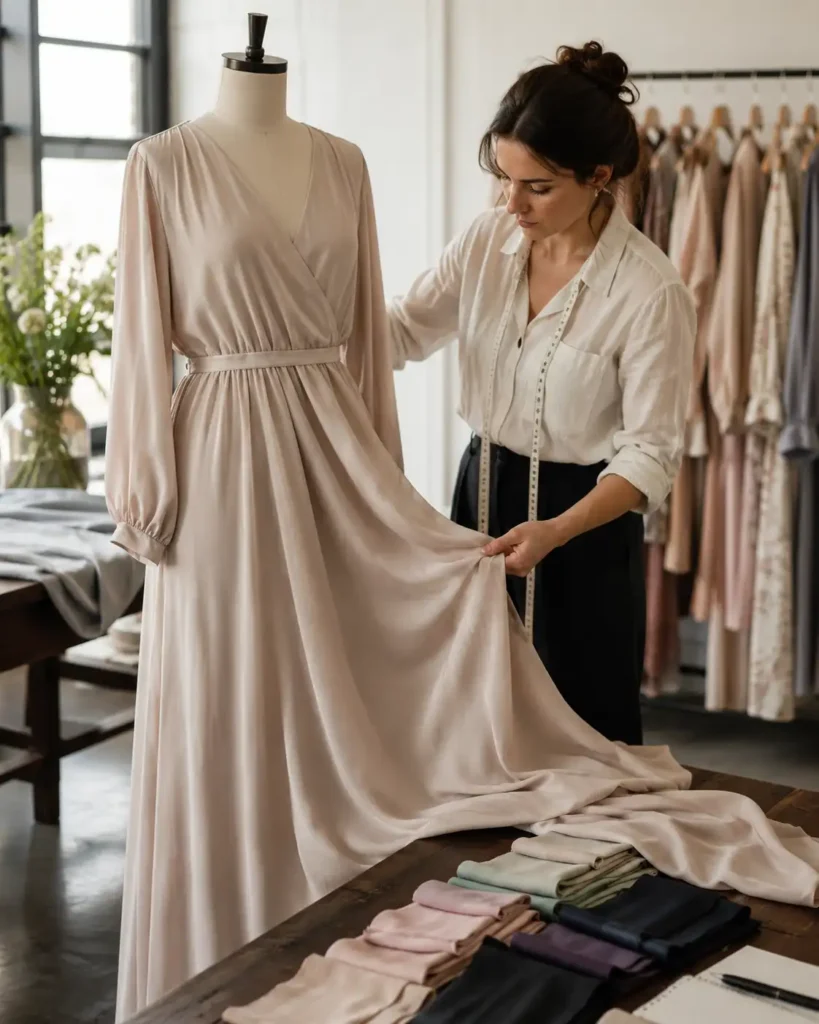
Choosing Drape, Weight and Hand Feel
A successful rayon dress begins with fabric behavior that supports the silhouette. Selection should be made on full garment performance, not a composition name or attractive swatch alone.
Drape Must Match the Pattern Architecture
Drape controls how rayon falls from the bust, waist, hip and gathered seams. A highly fluid fabric can create elegant movement in a maxi or wrap dress, yet the same quality may collapse at a shirt collar, twist at an asymmetric seam or reveal every construction line. During material review, the development team checks where the pattern needs support and where softness adds value. Bias-looking shapes, long skirts and wide hems require close attention to grain direction and hanging behavior. Samples are rested before final hem review because soft fabric can drop unevenly after cutting and sewing. A heavier viscose may improve opacity and hang, but it also increases tier weight and seam load. The correct choice balances visual flow with pattern stability.
- Review movement on a full garment
- Compare warp and weft behavior
- Check hem drop after resting
- Assess gathered seam load
- Confirm opacity under light
Weight and Finish Change Commercial Perception
A light rayon can feel airy and accessible, while a medium viscose crepe often appears more polished and less transparent. Weight also changes fabric consumption, shipping volume, lining need and retail season. Surface finish influences softness, shine, pilling risk and print appearance. Jinfeng Apparel compares options by weight, width, hand feel, texture, transparency, wash response and expected price level. When a nominated material is unavailable or exceeds the planned minimum, alternatives are presented as comparable directions rather than exact matches. Swatches and sample garments are used to confirm whether the substitution keeps the desired movement and visual level. A lower-cost fabric that changes the silhouette is not treated as a genuine saving.
Custom Prints and Color Development
Rayon and viscose accept strong floral, geometric and resort print directions, but print development must connect artwork, fabric construction, cutting rules and bulk shade control.
Artwork Scale, Repeat and Placement
A print should be reviewed at garment scale rather than only on screen. Small florals may read differently across mini and maxi lengths, while large motifs can land awkwardly at bust seams, waist joins or center fronts. The print repeat, usable fabric width and panel layout affect consumption and cost. Directional designs require a one-way cutting plan, increasing material usage compared with non-directional prints. Border prints and engineered placement designs need exact pattern alignment before bulk fabric is ordered. Jinfeng Apparel reviews artwork dimensions, repeat structure, color count, intended orientation and critical placement areas, then connects the approved print to the cutting file and sample record.
- Confirm artwork scale in centimeters
- Define one-way or two-way direction
- Identify critical motif positions
- Check repeat against fabric width
- Allow consumption for matching or placement
Color Approval and Bulk Print Control
Screen color is not a fabric approval standard. Ground color, ink absorption, fabric finish and production batch can alter the printed result.
A strike-off, lab dip or printed sample should be reviewed according to the print route. Approval needs a physical reference, color comments and tolerance expectations. Bulk fabric receiving checks compare shade, print clarity, registration, color balance and repeat consistency. Panels should not be mixed across noticeably different shade groups.
Dark grounds and high-contrast prints also need rubbing, washing or perspiration tests when relevant to use and destination requirements.
Custom print minimums, development lead time and color quantity depend on the selected mill and process, so planning begins before the sample calendar is locked.
Transparency and Lining Decisions
Light Color Coverage
Lining Length Balance
Comfort and Static

Wrinkle Behavior and Travel-Ready Packing
Wrinkles cannot be removed from rayon as a product reality, but fabric selection, finishing, pressing and packing can prevent avoidable presentation problems.
Define the Acceptable Surface Before Approval
Some resort and natural-look ranges accept a relaxed surface, while polished ecommerce collections require a cleaner appearance. The fabric should be reviewed after handling, sitting, folding and steaming so the approved standard reflects real use. A finish that feels exceptionally soft may wrinkle more easily than a slightly firmer alternative. Jinfeng Apparel compares appearance after sample making and identifies areas where seams, waist ties, plackets or gathered sections may trap creases. Pressing temperature and pressure are selected carefully because excessive heat can create shine, distortion or flattened texture.
- Agree the intended surface character
- Check recovery after steaming
- Review high-crease areas
- Control pressing temperature
- Use an approved garment reference
Pack Around Garment Length and Fabric Recovery
Long rayon dresses should not be forced into overly small polybags. Fold lines, strap tangling and concentrated carton pressure can damage arrival presentation. Packing trials consider garment length, lining, sleeves, embellishment, belt or tie placement and polybag size. Tissue, card support or hanger packing may be considered when presentation requirements justify the added cost and volume. Carton quantity must balance freight efficiency with garment pressure. For phased shipments, the same folding method, label position and carton breakdown are recorded so later batches remain consistent. Warehouse and retail requirements should be submitted before packing materials are ordered.
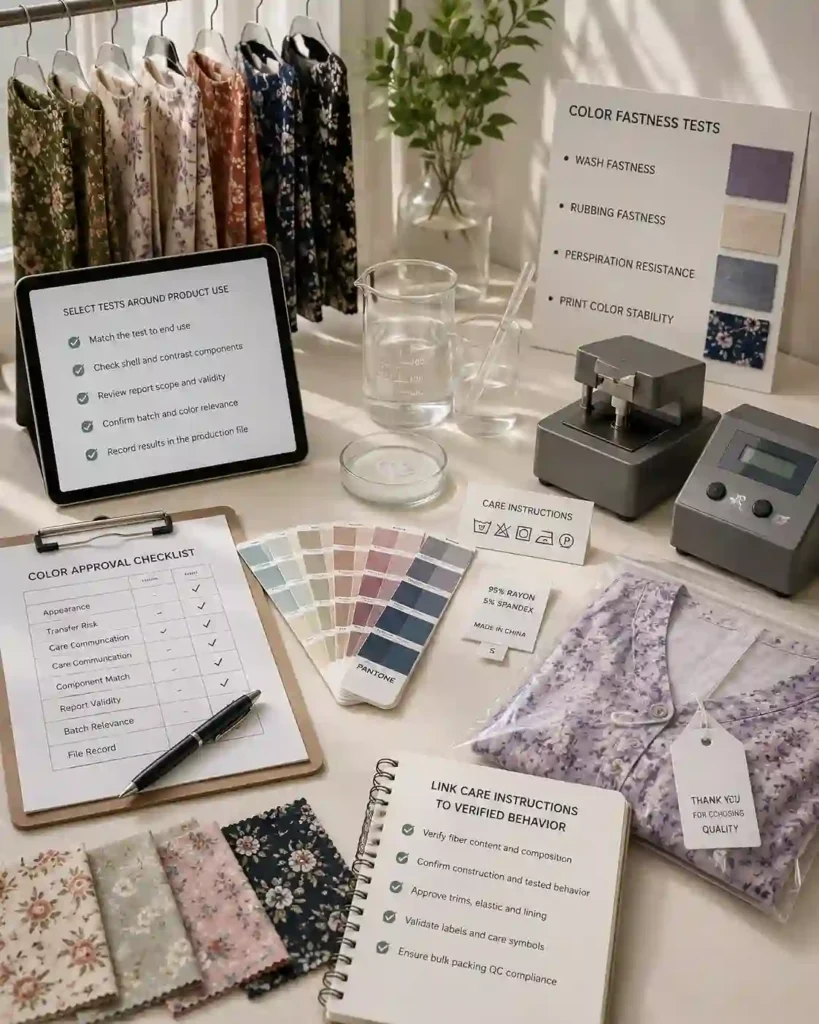
Color Fastness and Wash-Care Validation
Dark grounds, saturated prints and contrast combinations need project-specific testing. Color approval should cover appearance, transfer risk and care communication.
Select Tests Around Product Use
Relevant checks may include washing fastness, dry and wet rubbing, perspiration resistance and print color stability. The need depends on color depth, print route, fabric finish, skin contact and market requirements. A dark navy rayon wrap dress has different transfer risk from a pale floral maxi. Contrast lining, labels, trims and light-color accessories can reveal staining that is not visible on the shell alone. Jinfeng Apparel coordinates testing or third-party support by project and reviews available reports against the exact supplier, fabric, color and batch. A certificate from a different quality or outdated scope is not treated as automatic coverage.
- Match the test to end use
- Check shell and contrast components
- Review report scope and validity
- Confirm batch and color relevance
- Record results in the production file
Link Care Instructions to Verified Behavior
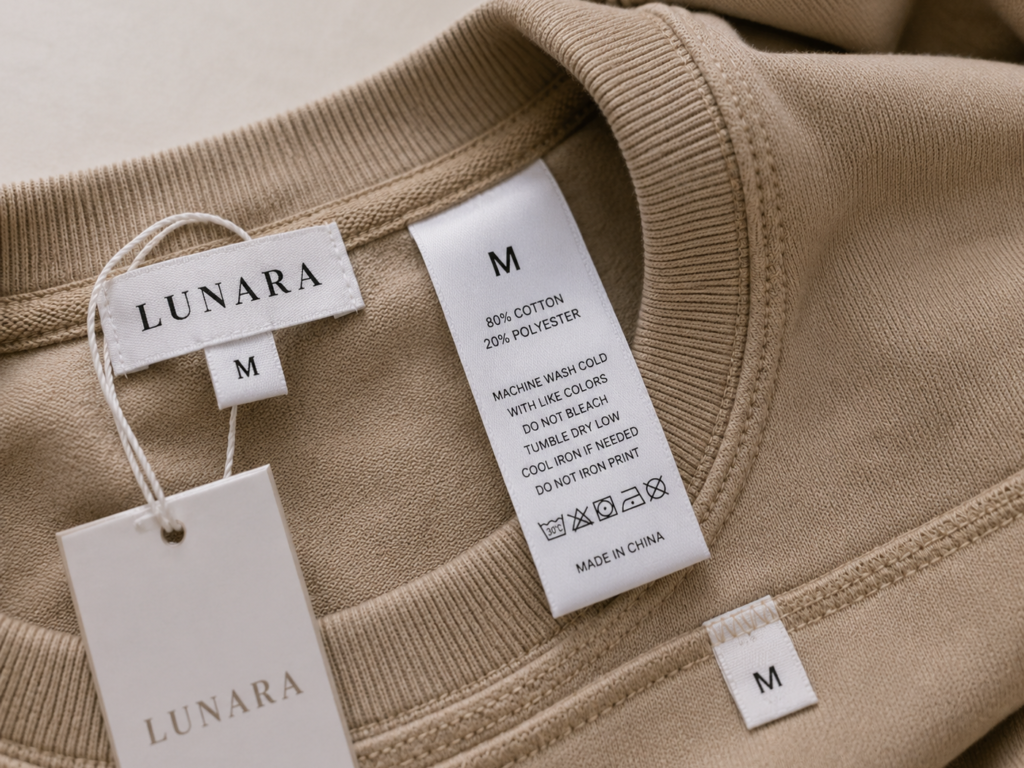
Care wording should reflect fabric composition, construction and tested behavior. Delicate trims, elastic smocking, lining and print can change the safest care route. Labels may include fiber content, care symbols or text, size, country of origin and other brand-required information. Jinfeng Apparel can produce care labels from approved artwork and content, but final wording should be confirmed by the brand or its compliance adviser for the destination market. Bulk packing QC checks label content, position and attachment against the approved file. Incorrect care communication can create avoidable complaints even when manufacturing quality is acceptable.
Traceable and Lower-Impact Viscose Options
Supplier Verification
Certificate Scope
Commercial Planning
From Design Reference to Production Feasibility
Tech Pack Development
Reference Image Development
Original Sample Review
Construction Details That Shape the Final Dress

Smocking

Gathering

Ruffles

Tiered Seams

Slits

Wrap Closures
Trims, Closures and Supporting Components

Invisible Zippers

Buttons and Loops

Waist Ties

Elastic Components

Strap Hardware

Linings and Labels
Rayon Dress Sampling Workflow
Project Assessment
First Sample
Fit Sample
Revised Sample
Photo Sample
PP Sample
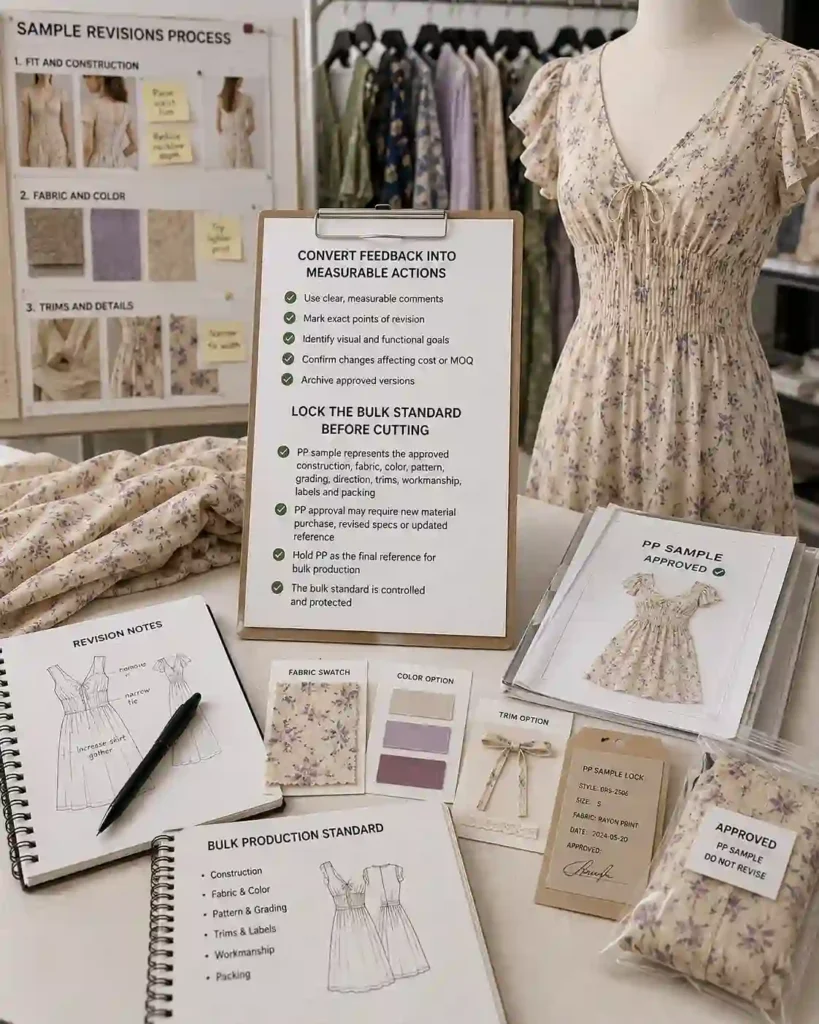
Sample Revisions and PP Sample Lock
The strongest sample process turns comments into controlled production information. Every approved change must reach the pattern, specification, material record and QC checklist.
Convert Feedback into Measurable Actions
Fit comments may come through a marked sample, measurement sheet, fitting photographs, video call or written notes. The development team classifies each point as pattern, measurement, fabric, construction, trim, color, print, lining or packing. A request to lower a neckline, move a waist seam or add skirt volume can affect several measurements and consumption. Comments are reviewed for conflicts before a new sample is made. Updated pattern files, measurement charts and construction notes replace earlier versions so the production team does not work from mixed instructions. Sample fees are charged separately because pattern work, material preparation, sewing, checking and revision require dedicated resources.
- Use one consolidated comment file
- Mark exact points of measure
- Identify visual and functional goals
- Confirm changes affecting cost or MOQ
- Archive superseded versions
Lock the Bulk Standard Before Cutting
The PP sample represents the approved combination of fabric, color, pattern, grading direction, trims, workmanship, labels and packing. Bulk production should not begin without approval of the required files and components. Late changes after PP approval may require new material, pattern updates, revised costing or schedule changes. A golden sample or sealed reference can be retained for production and inspection. Jinfeng Apparel transfers the final pattern, size chart, grade rule, fabric reference, trim card, sewing instruction, print direction, label placement, packing method and QC points into the bulk file. The goal is not an unrealistic claim of perfect identity; the goal is controlled production within approved tolerances and appearance standards.
MOQ, Pricing and Cost Drivers
A reliable quotation is built from the actual garment, material route and order structure. One headline price cannot represent every rayon dress.
MOQ Is Calculated by Style and Color
Jinfeng Apparel’s MOQ starts from 200 pcs per style/color. Two hundred pieces divided across several styles does not meet the standard minimum. A style in two colors normally requires 200 pieces per color, while sizes can be distributed within the confirmed color quantity according to an approved ratio. Custom-dyed, custom-printed, certified or specially finished fabric may carry a higher mill minimum. Woven labels, hangtags, printed polybags and special boxes can also have separate supplier requirements. For multi-style collections, line sheets are reviewed by fabric group, color group, construction and launch priority to create a workable order plan.
Price Reflects Material, Labor and Control
Quotation components include fabric cost, fabric width and consumption, lining, trims, print or dyeing, pattern work, sample development, cutting, sewing time, pressing, wastage, QC, packing, testing or documentation and logistics terms. A wide maxi skirt consumes more fabric than a fitted mini. One-way prints, border placement and motif matching increase consumption. Smocking, ruffles, tier seams, buttons, lining and special finishing increase sewing time. Cost optimization may involve a different rayon quality, simplified construction, alternative trim, improved marker layout, fewer opening colors, a cleaner size ratio or split shipment. Any change should preserve the intended brand-level appearance and fit rather than reduce cost at the expense of the product.
Rayon Dress Bulk Production Process
Bulk Fabric Approval
Incoming Inspection
Fabric Relaxation
Marker and Cutting
Cut-Part Control
Sewing and Inline QC
Pressing and Finishing
Final Inspection
Packing and Shipment
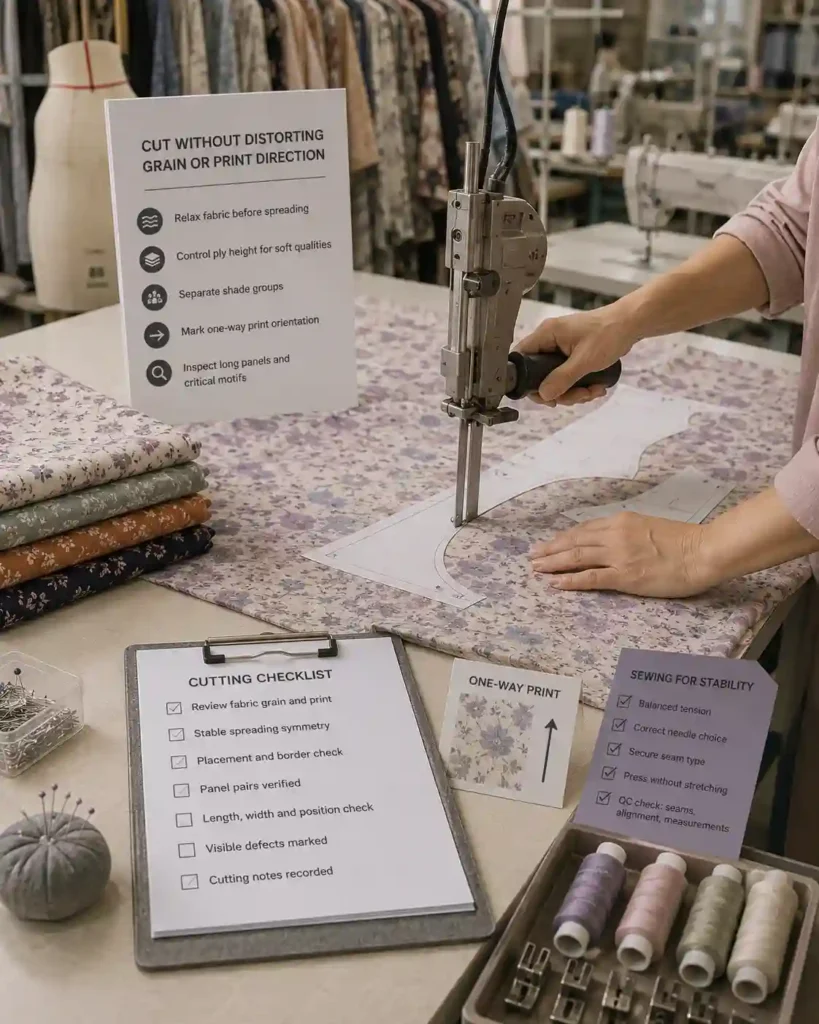
Cutting and Sewing Lightweight Rayon Fabrics
Soft woven rayon moves easily during production. Clean bulk results depend on grain control, stable handling, suitable seam methods and patient finishing.
Cut Without Distorting Grain or Print Direction
Fabric is reviewed for bowing, skew, shade and print direction before marker approval. One-way prints require every panel to face the approved orientation. Long maxi panels and bias-looking designs can shift when stacked too high or handled under tension. Relaxation, controlled spreading and accurate bundling help preserve size and symmetry. Shade groups should remain separated when visible variation exists. Placement motifs, borders and center-front designs require pattern-specific marks rather than operator judgment. Cut-part checks verify notches, panel pairs, length, print position and visible defects before sewing begins. A cutting error on fluid rayon is difficult to correct later because seams and pressing cannot restore the original grain.
- Relax fabric before spreading when required
- Control ply height for soft qualities
- Separate shade groups
- Mark one-way print orientation
- Inspect long panels and critical motifs
Sew for Stability Without Making the Dress Rigid
Seam type, needle choice, thread, feed and pressing are selected around fabric weight and construction. Excess tension can pucker a seam; insufficient support can allow stretching, zipper bulging or opening at stress points. Curved necklines, wrap edges, armholes and bias sections may need stabilization that remains invisible in the finished garment. Gathered seams require even distribution and secure joining. Long hems are allowed to settle before leveling, especially where several panels meet. Pressing should shape the garment without flattening crepe texture or creating shine. Inline QC checks seam appearance, stitch security, alignment, measurements and component placement while correction is still efficient.
Rayon-Specific Quality Control
Fabric Shade
Print Direction
Measurements
Seam Stability
Lining Coverage
Hem Balance
Pressing Finish
Packing Accuracy
Capacity, Multi-Style Scheduling and Delivery
Production Allocation
Parallel Style Management
Milestone Scheduling
Phased Delivery
Repeat Orders
Progress Communication
Private Label Packaging for Rayon Dresses
Woven Labels

Care Labels

Hangtags
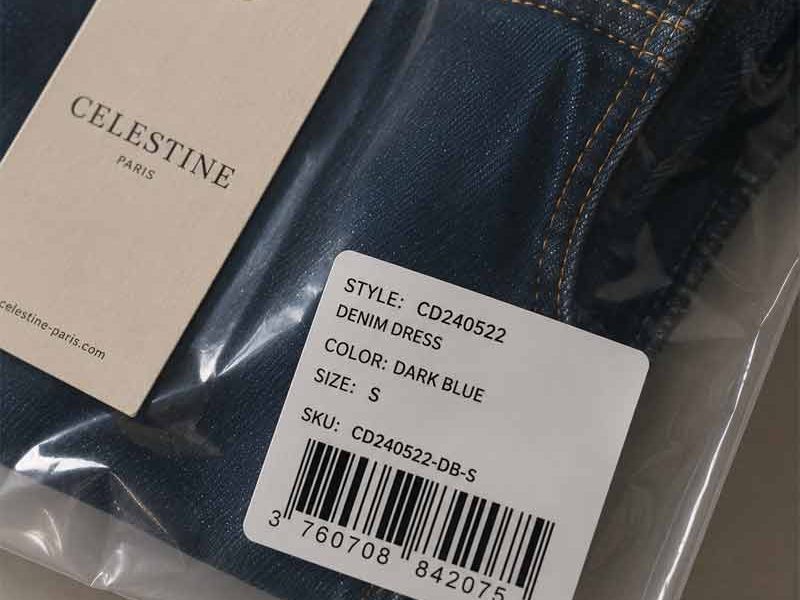
Barcode and SKU

Polybags and Folding
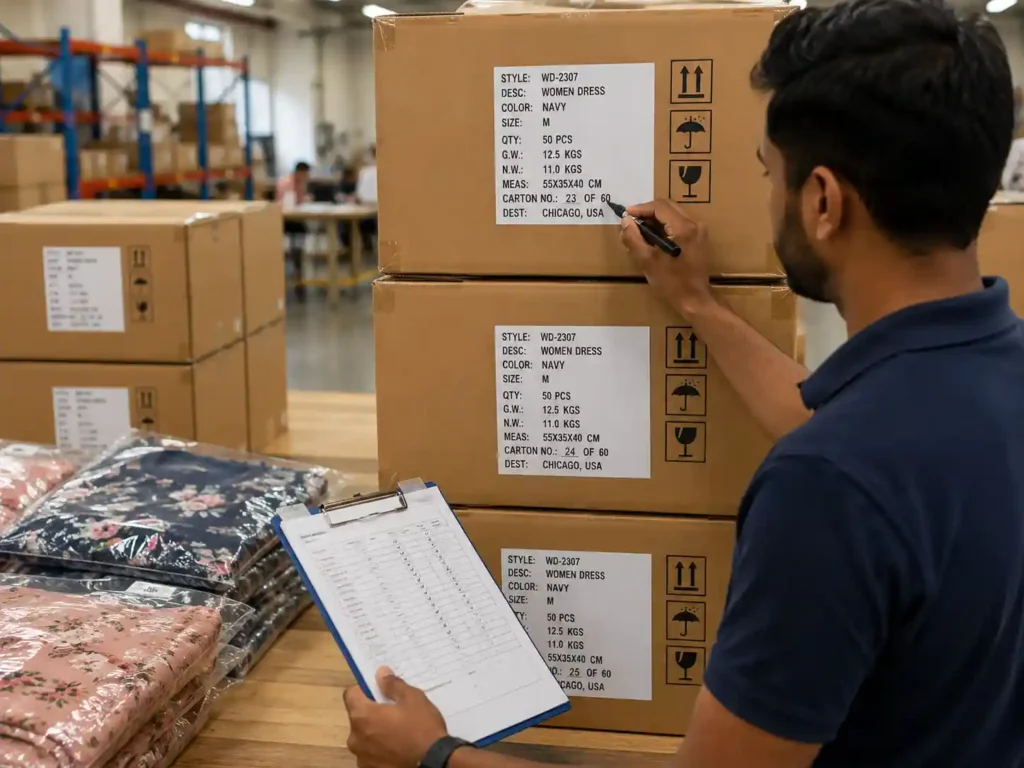
Carton Marks
Compliance, Labeling and Design Protection
Fiber and Care Labels
Project Documents
NDA and IP Protection
Why Fashion Brands Choose Jinfeng Apparel
Dress Specialization
Fabric Judgment
Pattern Correction
Sample-to-Bulk Control
Multi-Style Management
Private Label Delivery
Rayon and Viscose Dress Project Cases

European Resortwear Collection
US Private Label Program
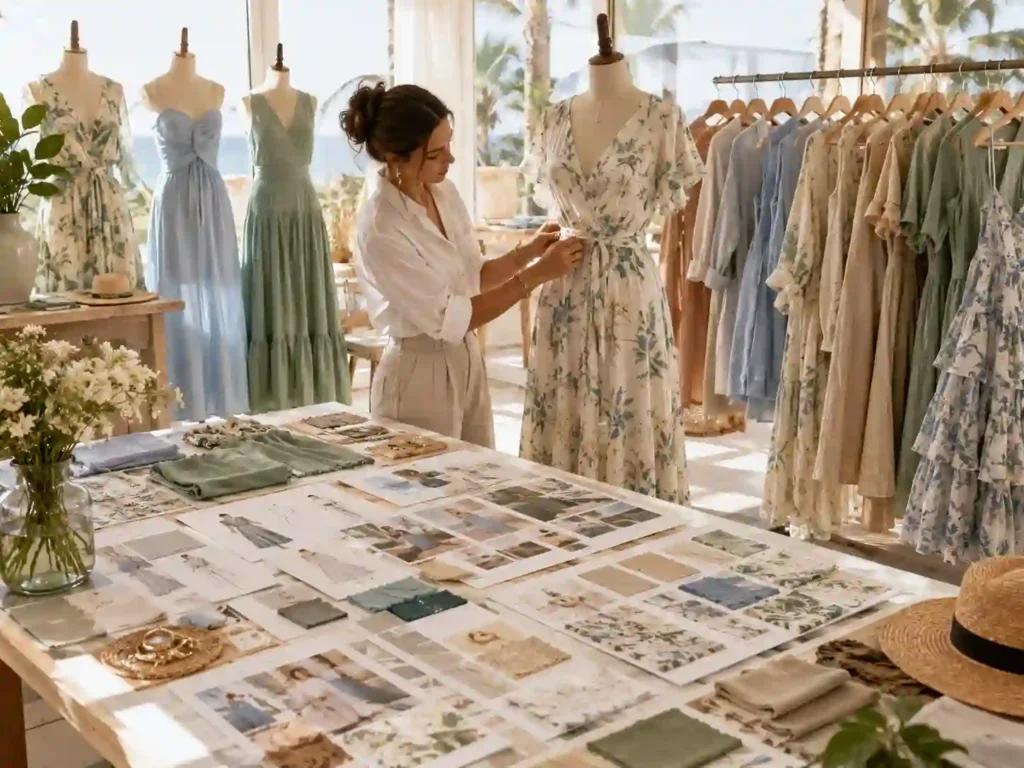
Australian Vacation Drop
Rayon Dress Manufacturing Frequently Asked Questions

Start Your Rayon Dress Collection
Send Jinfeng Apparel the information already available for your rayon or viscose dress program. A complete tech pack is helpful, but a clear line sheet, original sample or detailed reference can also begin the review. Kelly and the development team will assess fabric direction, print requirements, lining, pattern complexity, size range, MOQ, sample needs, private-label details and production timing before a formal quotation is prepared.
For faster evaluation, include the planned quantity for every style and color, intended launch market, target delivery window and any required material or testing documents. Files can include PDF tech packs, AI or vector artwork, measurement charts, print files, label layouts, packing instructions and reference photographs.
- Tech pack, line sheet, original sample or clear reference images
- Target quantity by style and color
- Fabric composition, weight or hand-feel preference
- Print artwork, color standards or lab-dip requirements
- Size chart and planned size ratio
- Woven label, care label, hangtag and packing requirements
- Destination market and target delivery window


