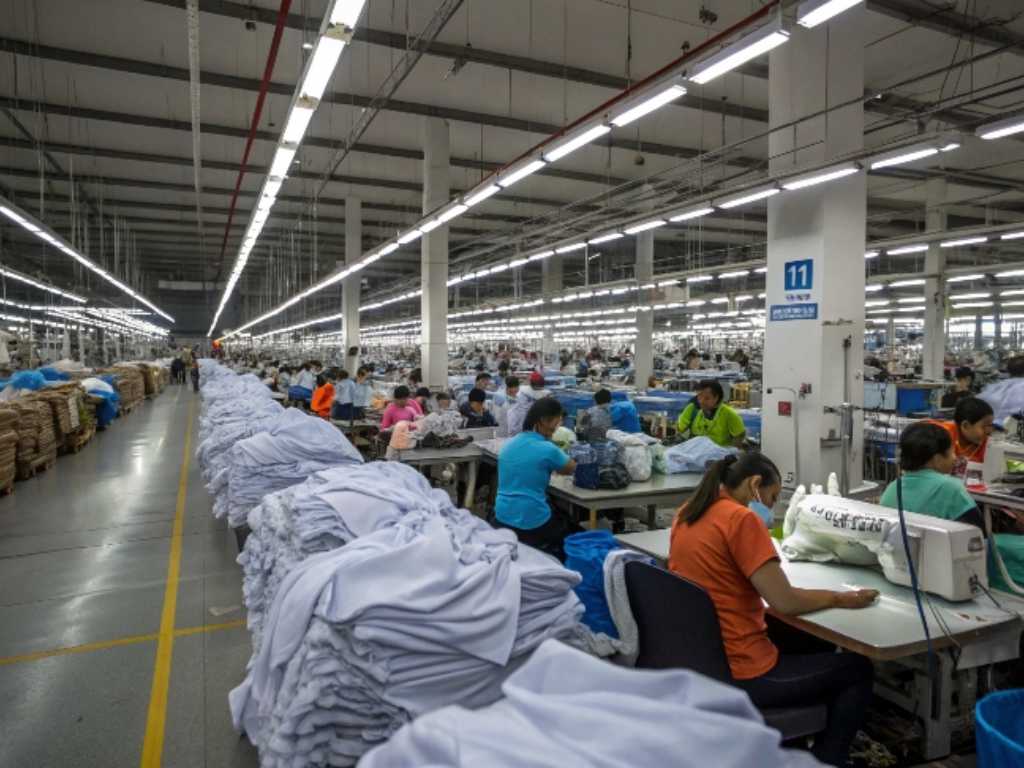
Puff Sleeve Dress Manufacturer
Custom puff sleeve dress development for global fashion brands requiring controlled volume, balanced fit, stable bulk production, and private-label delivery.
- 8 sleeve control points reviewed: shoulder position, cap height, cap width, gathering zone, bicep width, sleeve length, cuff circumference, and armhole mobility.
- 3 volume directions matched to fabric behavior: soft drape, supported volume, and statement structure.
- 9 sleeve-specific QC checks cover symmetry, gathering density, cuff measurement, elastic recovery, armhole comfort, fabric damage, garment measurement, pressing, and packing.
- First-sample reference: 10-15 days for standard dresses and 15-25 days for structured or complex puff-sleeve styles, subject to fabric and trim readiness.
Manufacturing Depth Behind Every Puff Sleeve
Since 2008
6 Owned Factories
2 Sample Rooms
7+ Pattern Makers
20+ Sample Machinists
15+ QC Inspectors
Built for Established Fashion Programs
Global Fashion Brands
Occasionwear Brands
Ecommerce Fashion Brands
Sourcing Teams
Product Developers
Private Label Programs
Common Puff Sleeve Failures Before Bulk Production
Volume Collapse
Uneven Symmetry
Tight Cuffs
Restricted Movement
Fabric Mismatch
Bulk Shape Drift
Why Puff Sleeves Need Structured Development
A puff sleeve is a controlled three-dimensional form. Sleeve cap geometry, gathering volume, fabric structure, cuff design, armhole shape, and body proportion must work as one system before reliable bulk production becomes possible.
Geometry Creates the Silhouette
The sleeve shape begins with measurable pattern geometry. Cap height determines how strongly the sleeve rises above the shoulder. Cap width and total sleeve-head fullness influence the quantity and direction of gathers. Shoulder position controls whether the volume sits cleanly at the shoulder point or drifts outward and makes the upper body appear wider. Bicep width, sleeve length, and cuff opening determine how the fullness travels through the sleeve.
A reference image may suggest a dramatic silhouette, yet the actual pattern must account for neckline, bodice width, shoulder slope, armhole depth, seam allowance, and the intended size range. A square-neck mini dress can support a compact high puff, while a maxi dress in lightweight viscose may need softer volume and a lower concentration of gathers. Jinfeng reviews the complete upper-body balance before the first pattern is cut.
Pattern marks are equally important. Front and back sleeve notches, shoulder point, gathering start and stop positions, cuff joining points, and elastic overlap need a defined location. Without those controls, operators may distribute fullness differently and create visible inconsistency.
Fabric Determines Volume Behavior
Pattern fullness does not create the same result in every material. Lightweight chiffon or rayon produces flowing, low-resistance volume. Cotton poplin and light jacquard hold a cleaner rounded form. Organza, crisp taffeta, or layered tulle can create statement volume but may require careful seam finishing, support placement, and packing protection. Satin adds shine and drape, yet the surface can expose needle marks, puckering, pressure lines, and flattening during pressing.
The development team therefore reviews weight, thickness, stiffness, drape, transparency, surface sensitivity, shrinkage, and lining needs. A change in fabric after the first sample can alter shoulder width, gather density, sleeve drop, cuff weight, arm mobility, and pressing response. Fabric replacement must be followed by a construction review rather than treated as a cosmetic substitution.
For seasonal programs, material availability also affects MOQ, color development, sample timing, and bulk booking. Stock fabric usually allows faster evaluation, while custom-dyed, printed, certified, textured, or exclusive materials require supplier-level confirmation.
Fit Confirms Commercial Wearability
A sleeve that appears correct on a hanger may fail during wear. Fit review checks shoulder alignment, underarm clearance, bicep comfort, cuff pressure, sleeve rotation, neckline stability, bust balance, waist position, and how the sleeve behaves when the wearer lifts or bends the arm. Structured layers must not scratch the skin or push the sleeve into an unnatural angle.
Measurements provide a repeatable standard, but movement reveals whether the geometry works. The sample room records fit comments and converts them into updated patterns, size charts, sewing instructions, and QC points. Comments such as “less volume,” “more lift,” “softer shoulder,” or “looser cuff” need precise changes: reduced fullness, altered cap height, shifted gathering zones, revised elastic length, or a different support layer.
Bulk readiness begins only after visual shape and mobility agree. PP approval then locks the fabric, sleeve geometry, cuff construction, measurements, trims, labels, and packing method used as the production reference.
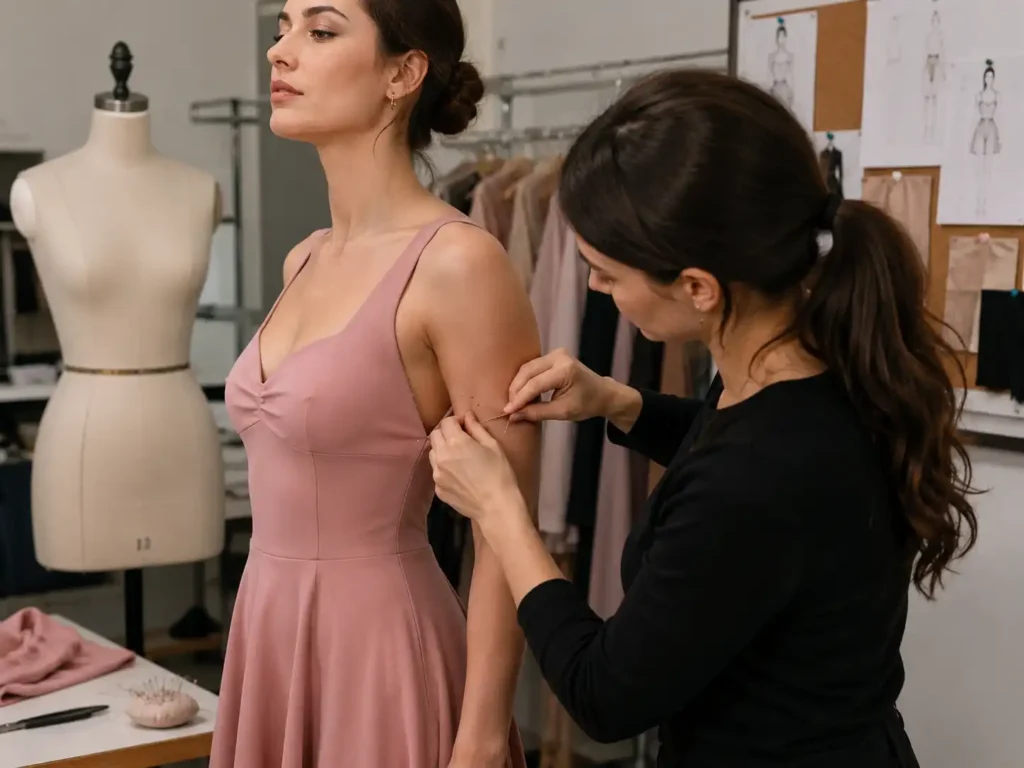
Puff Sleeve Dress Product Range
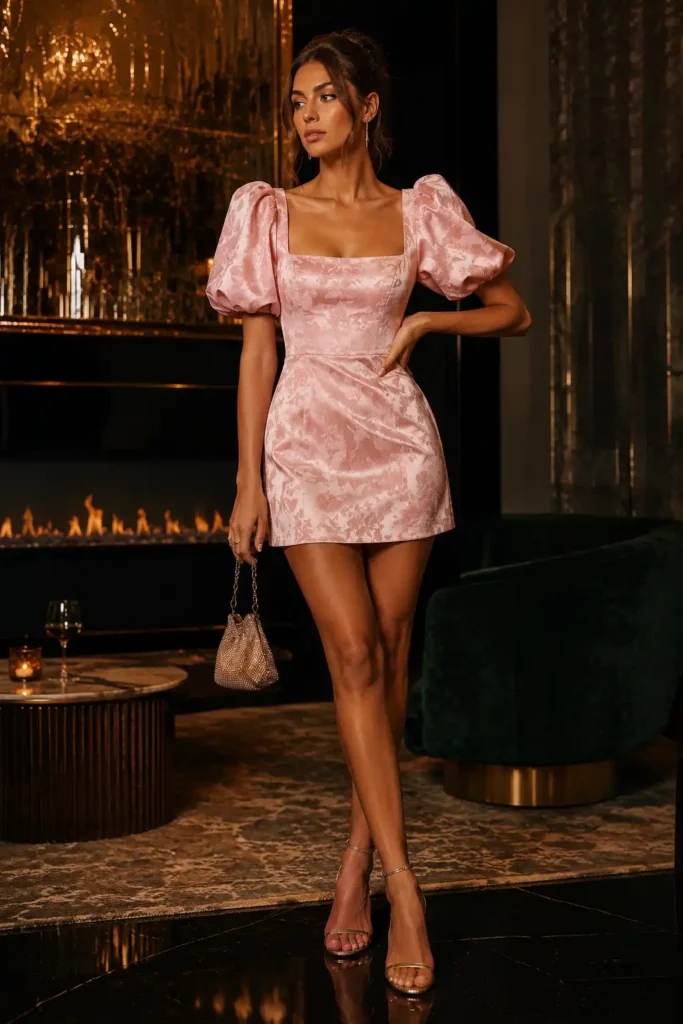
Puff Sleeve Mini Dress
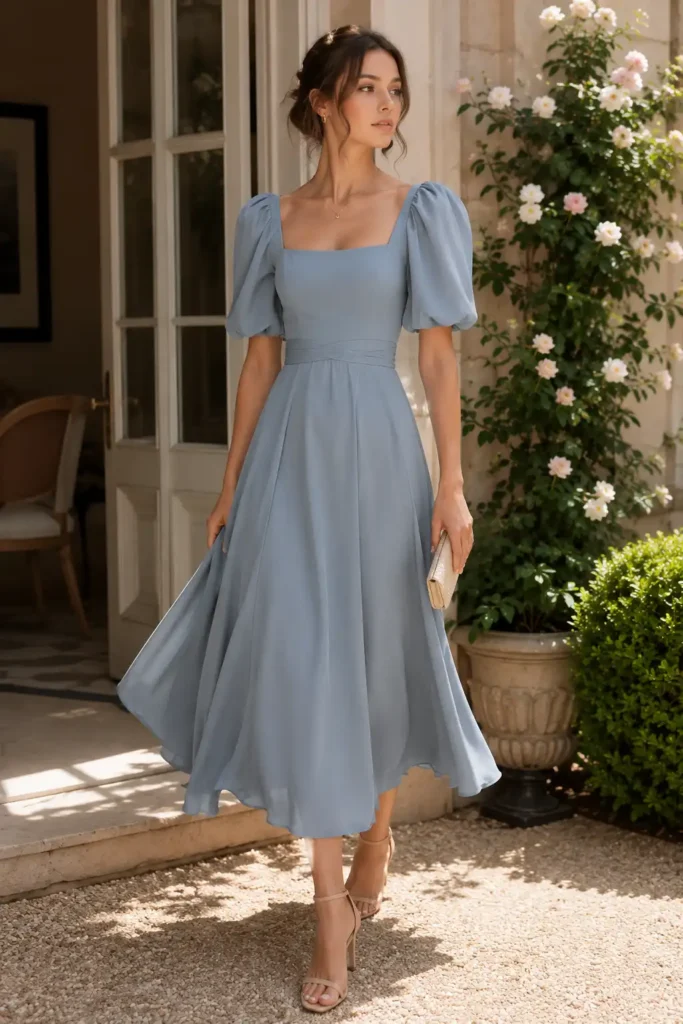
Puff Sleeve Midi Dress
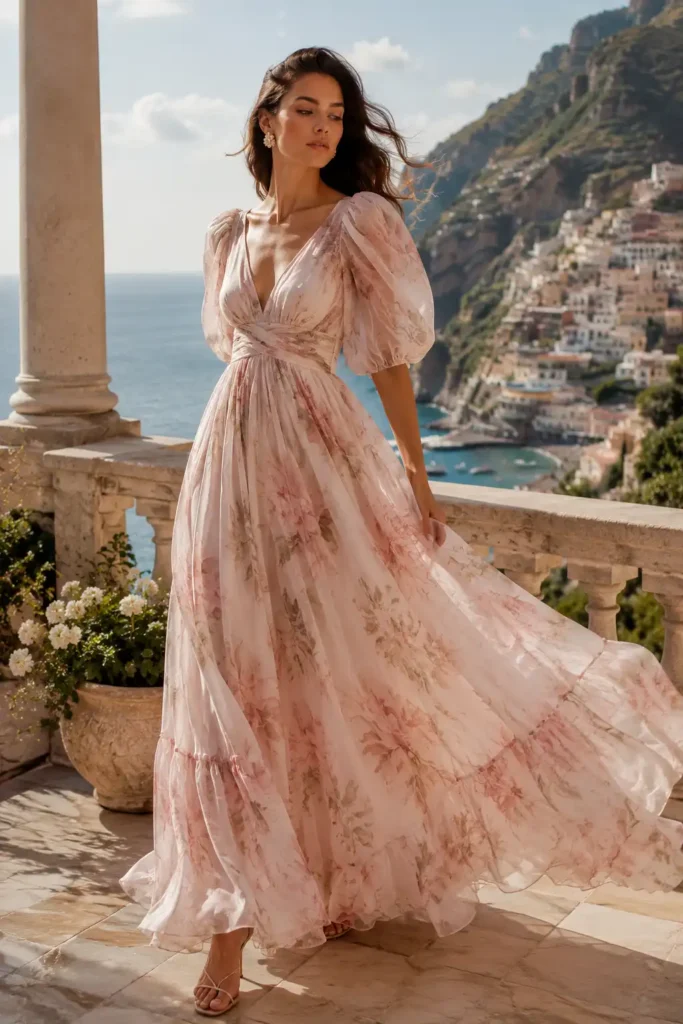
Puff Sleeve Maxi Dress
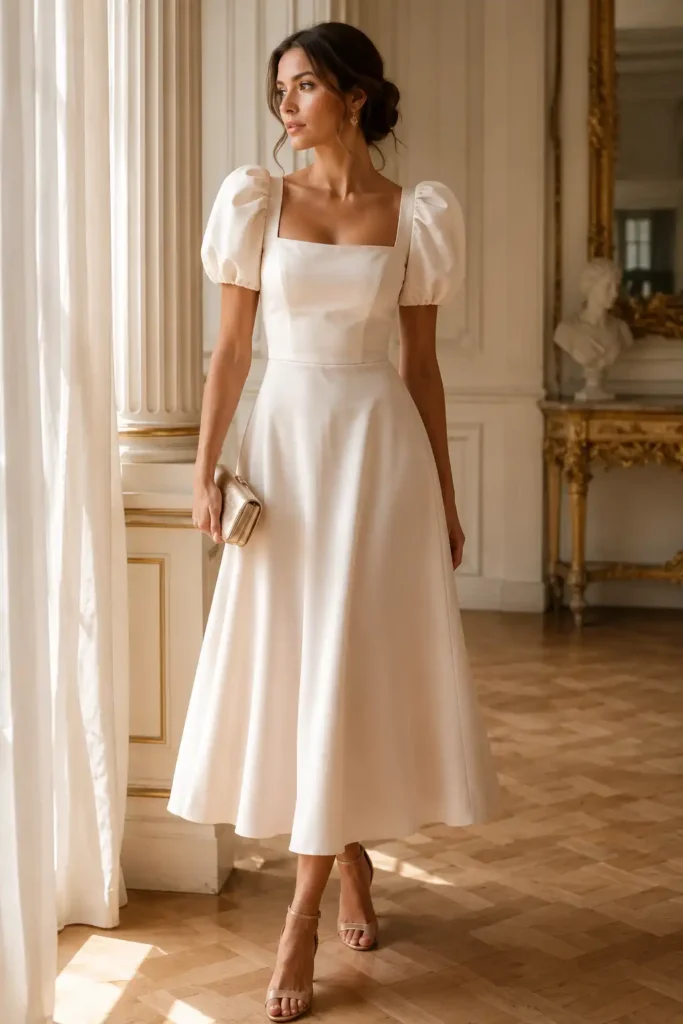
Square Neck Puff Dress

Off Shoulder Puff Dress
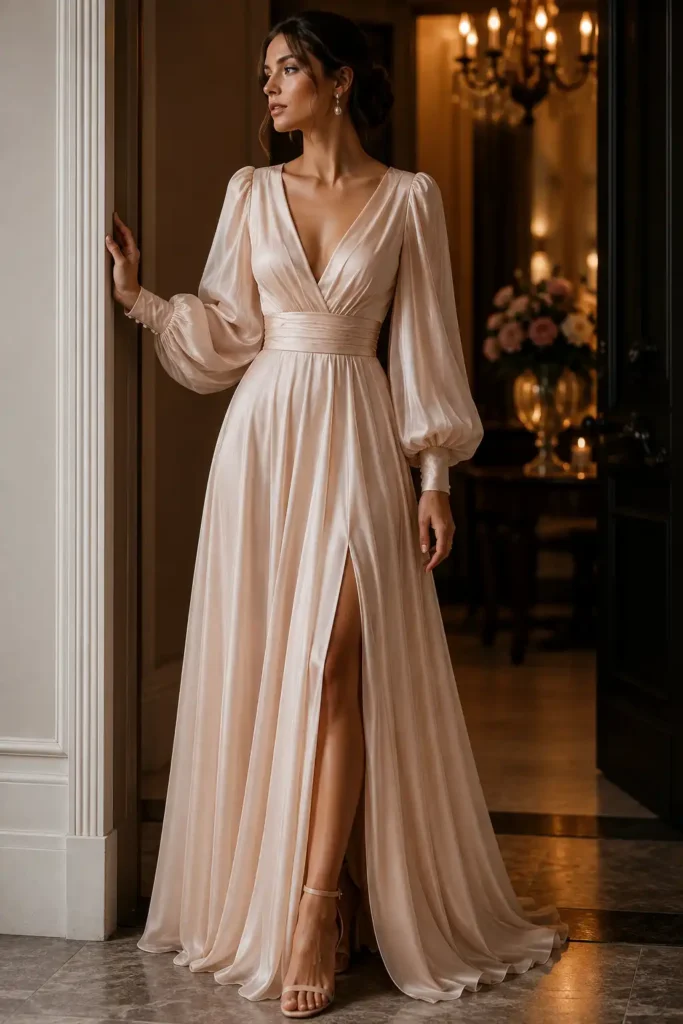
Long Puff Sleeve Dress
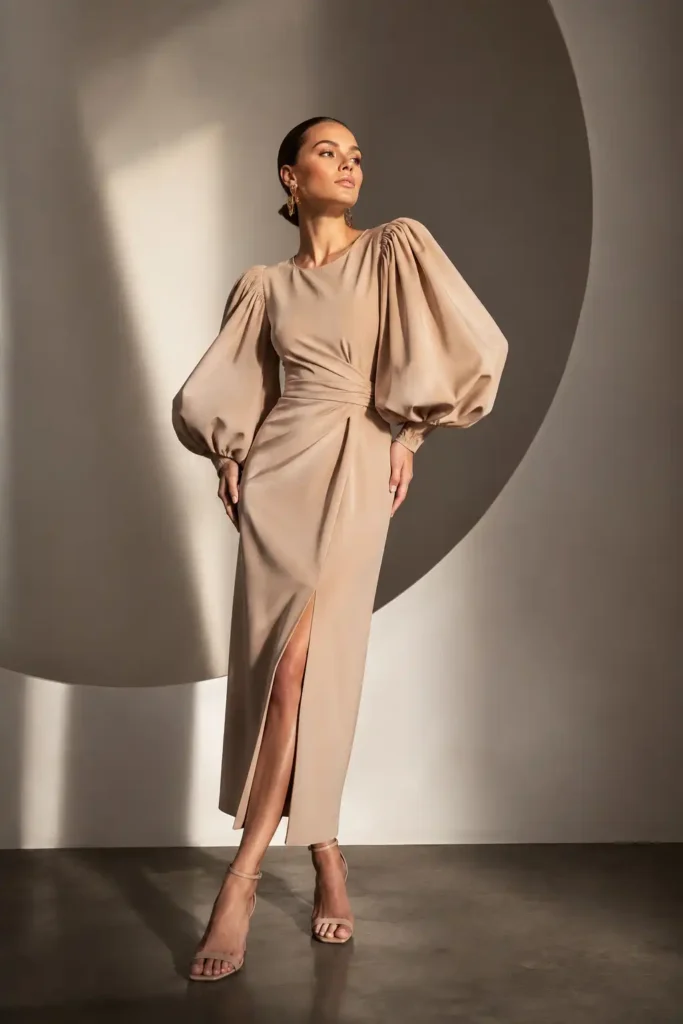
Balloon Sleeve Dress
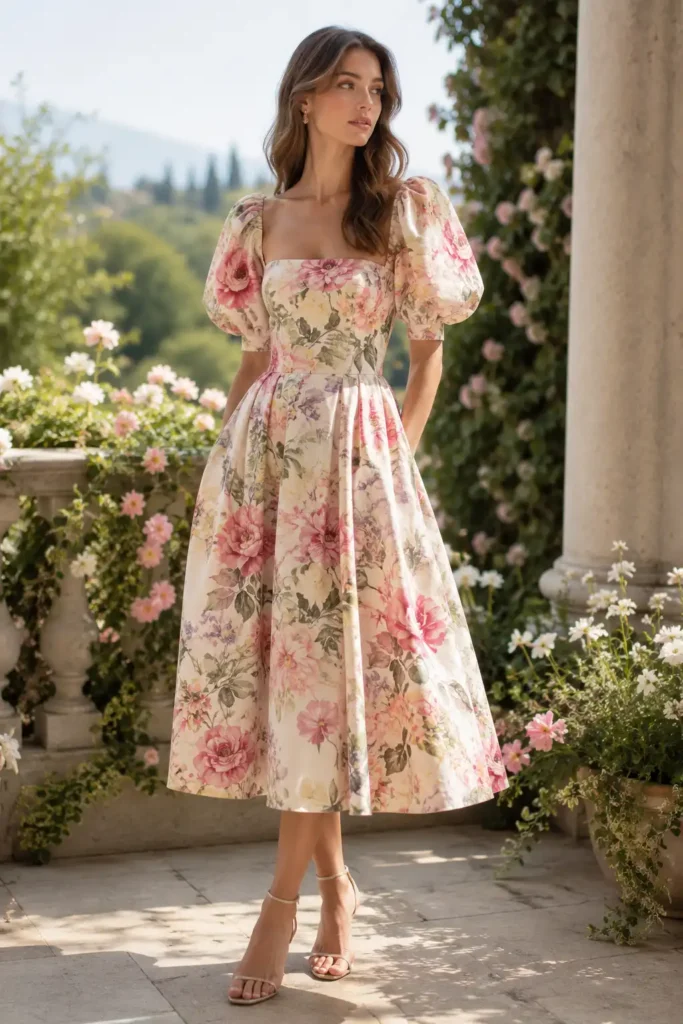
Floral Puff Dress
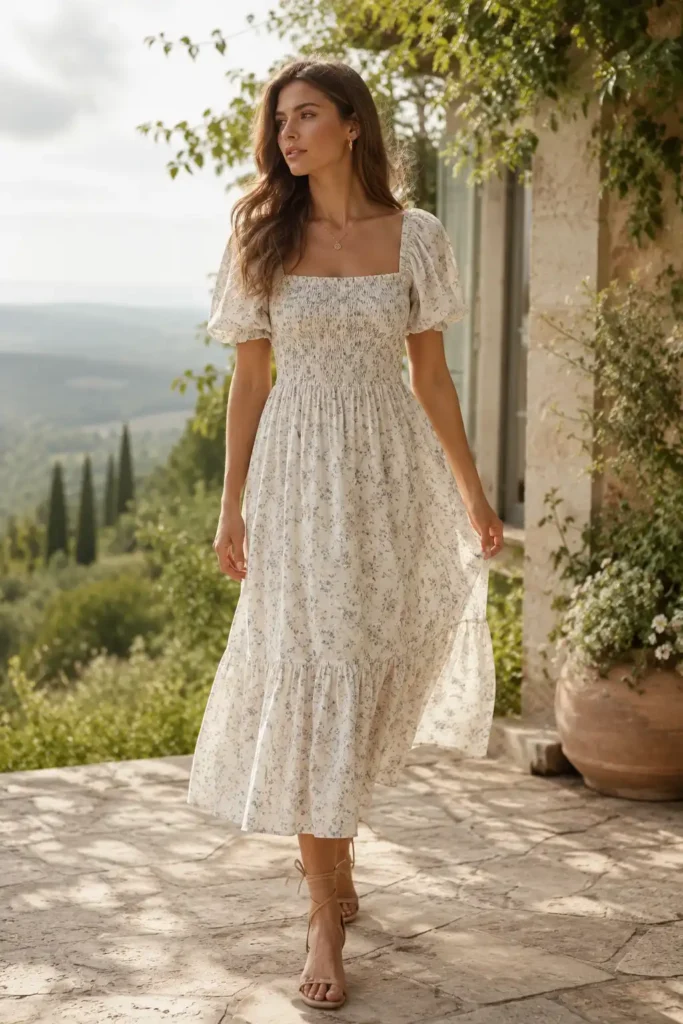
Smocked Puff Dress
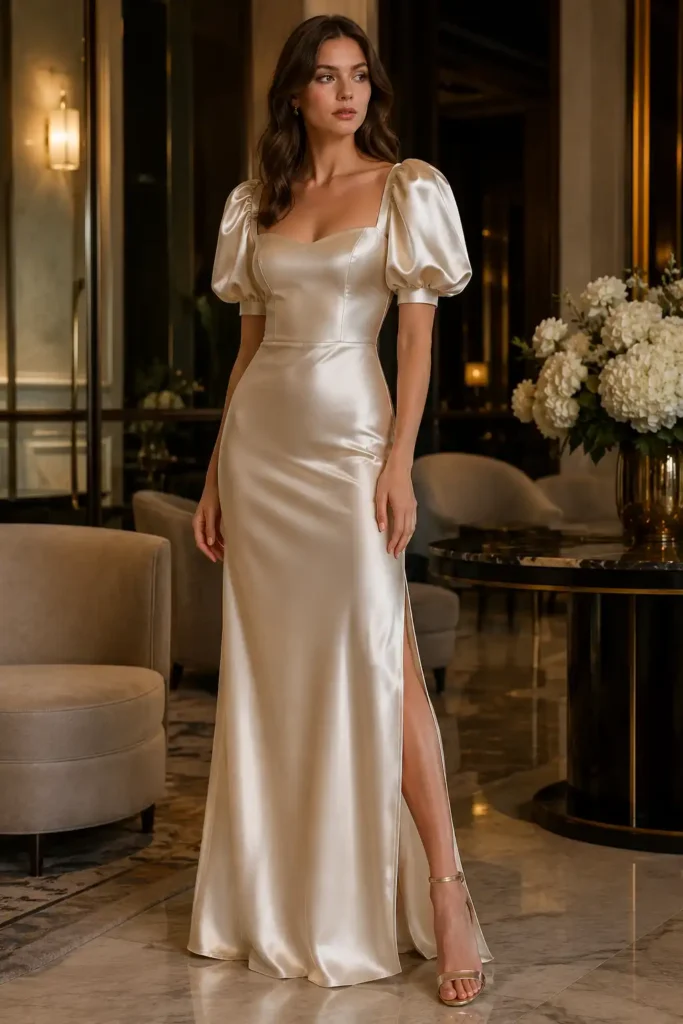
Satin Puff Dress
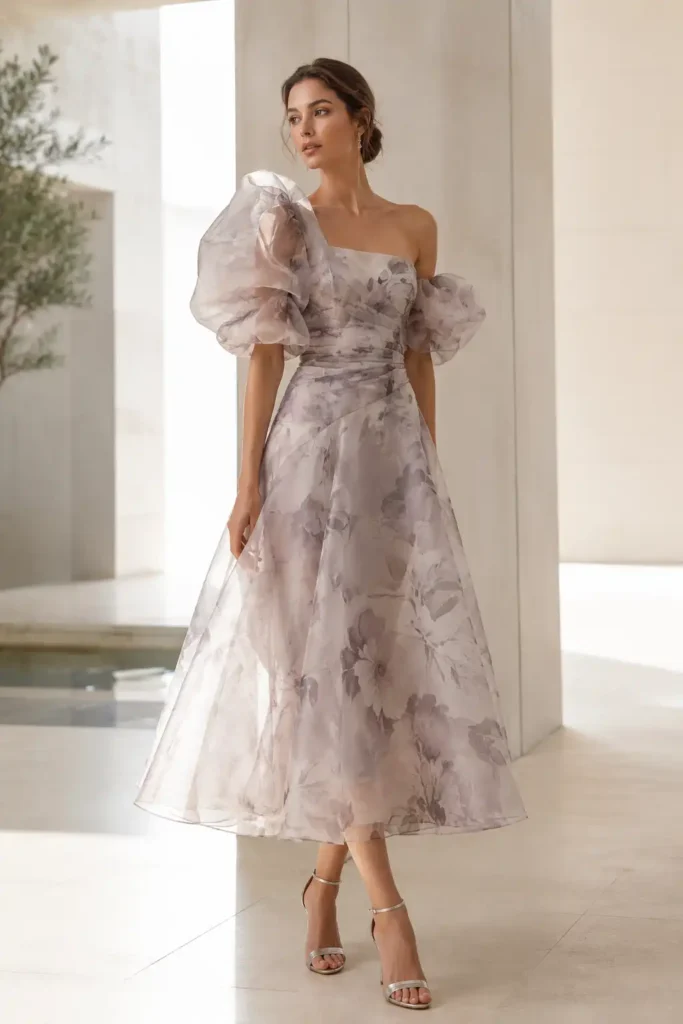
Organza Puff Dress
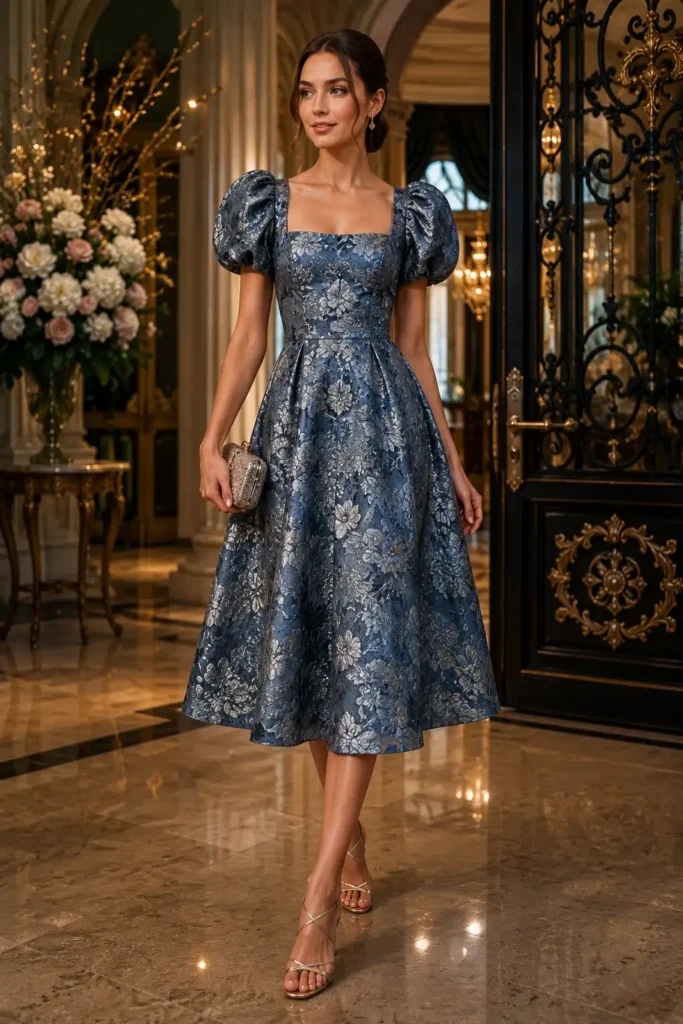
Occasion Puff Dress
Eight Puff Sleeve Structures We Develop

Soft Puff Sleeve

Structured Puff Sleeve

Short Puff Sleeve
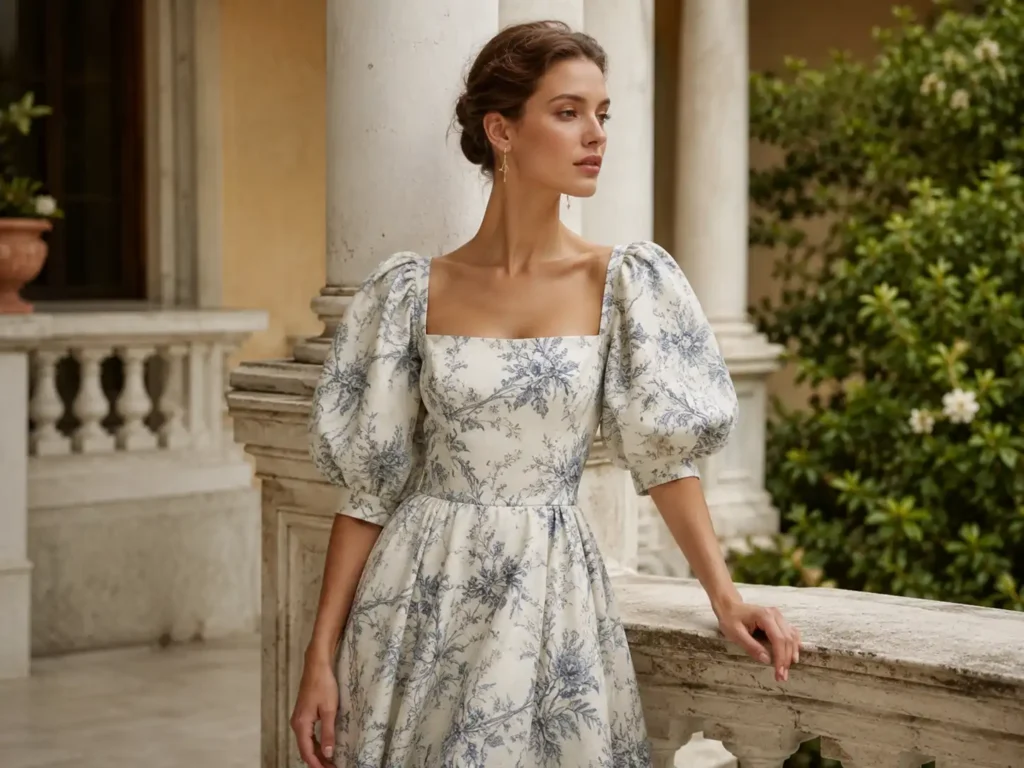
Elbow Puff Sleeve

Long Puff Sleeve

Balloon Sleeve
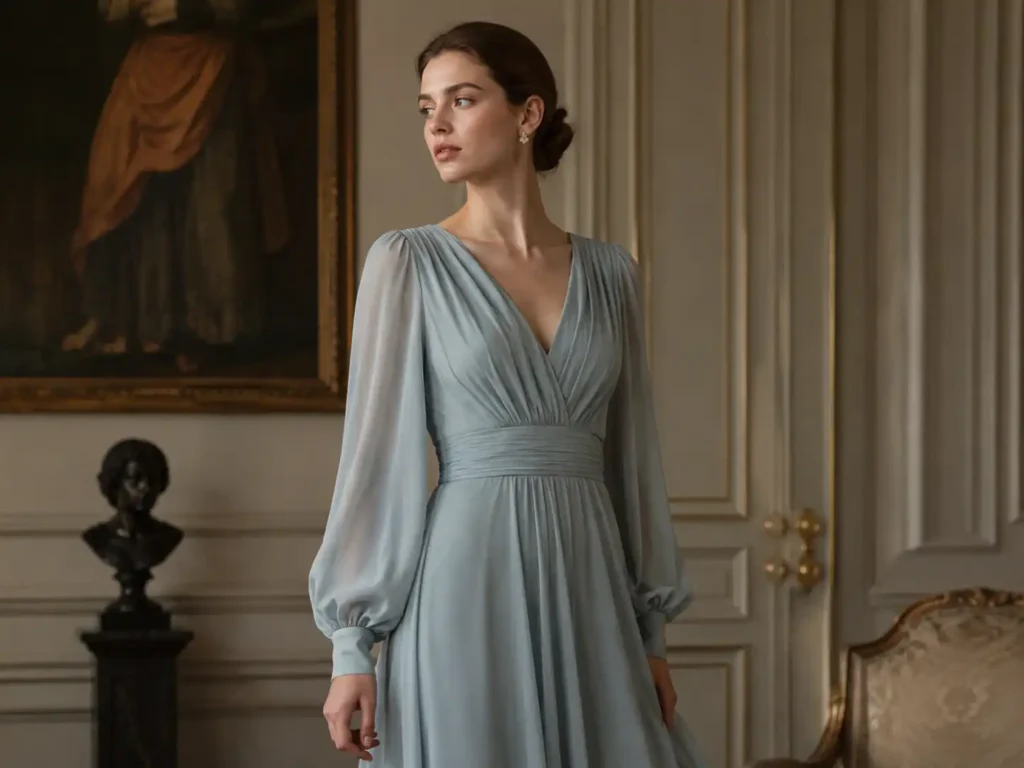
Bishop Sleeve
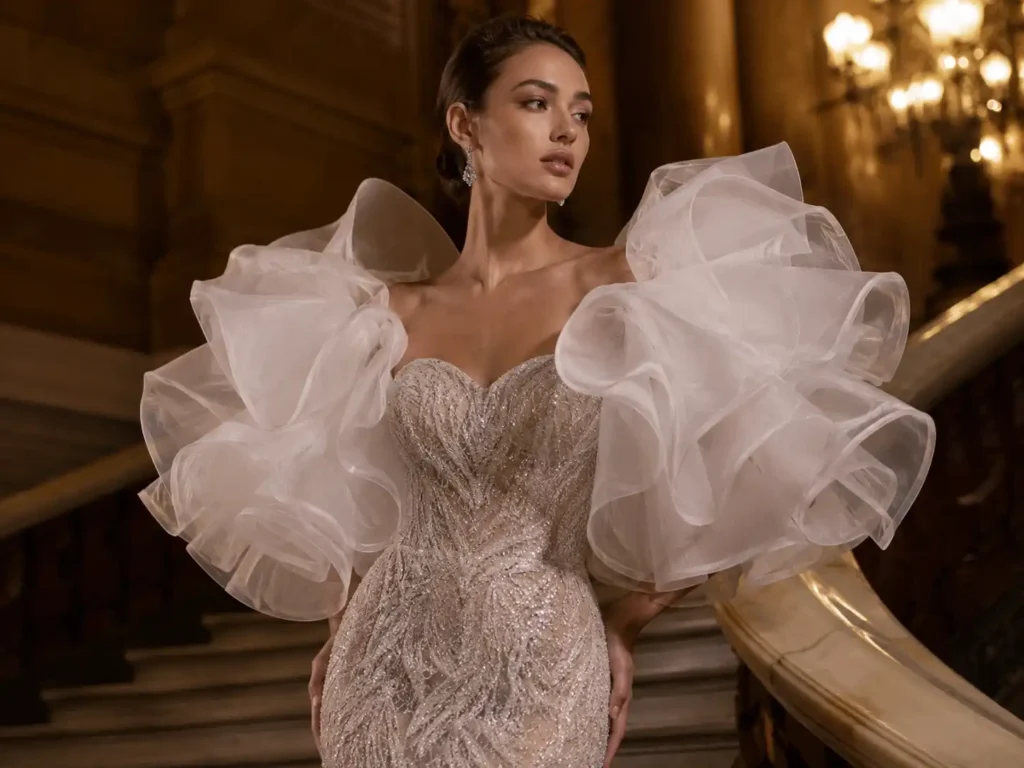
Statement Organza Sleeve
Puff Sleeve Dresses for Commercial Occasions

Brunch Collections

Resort Collections
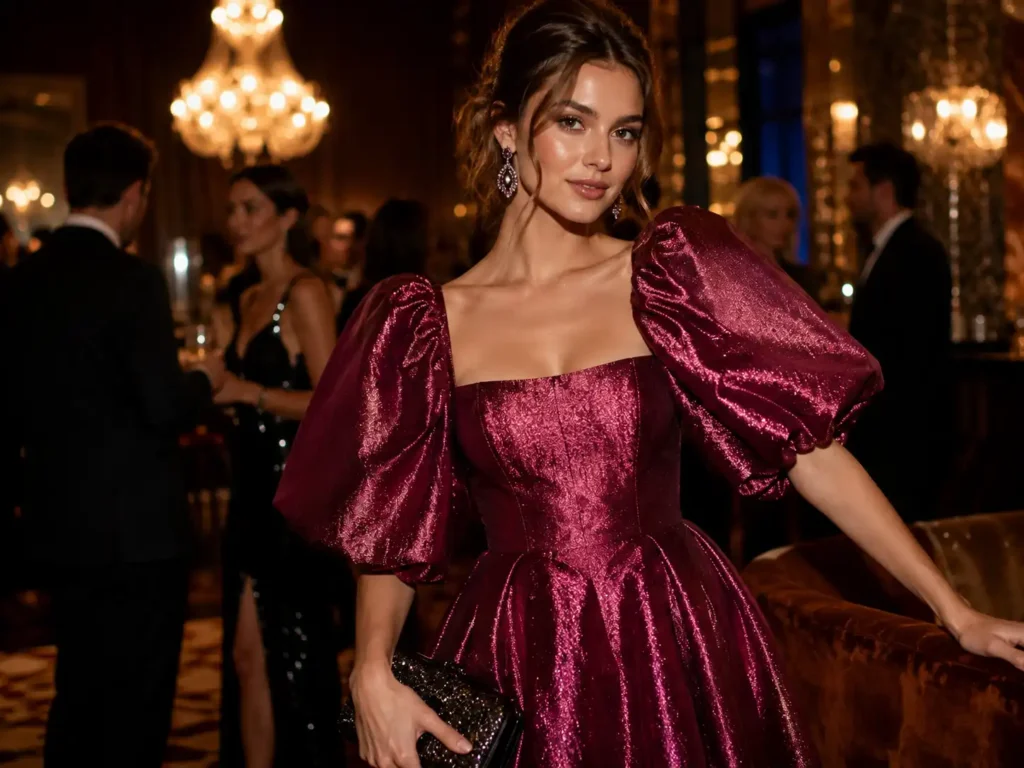
Party Collections
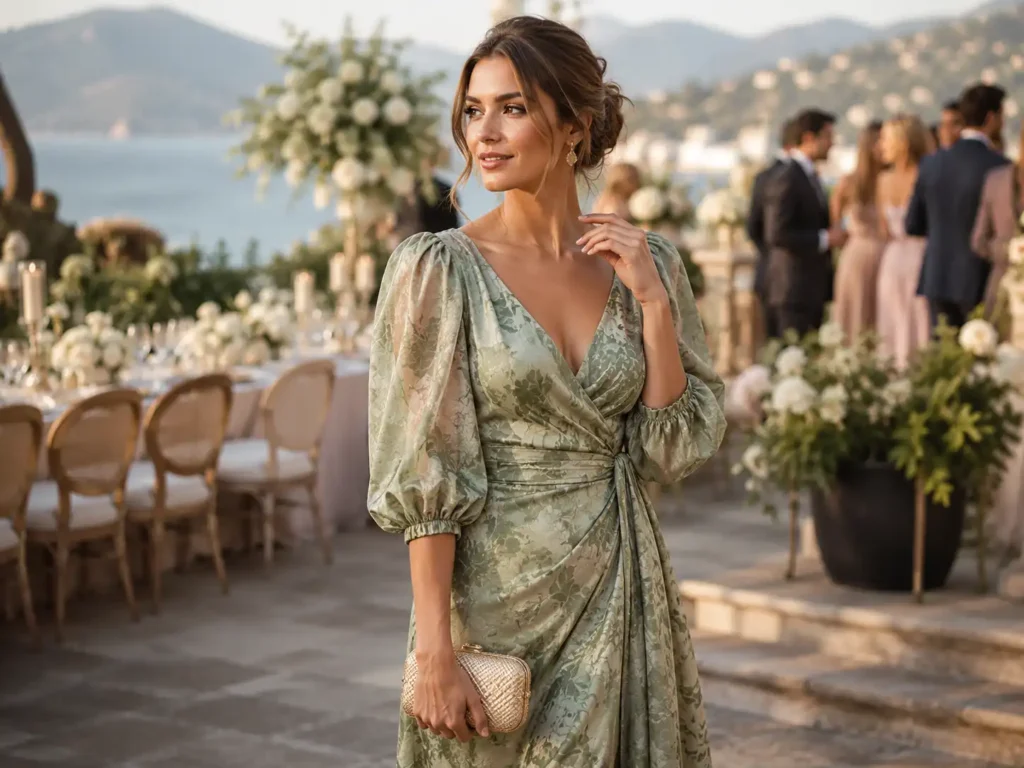
Wedding Guest

Graduation Styles
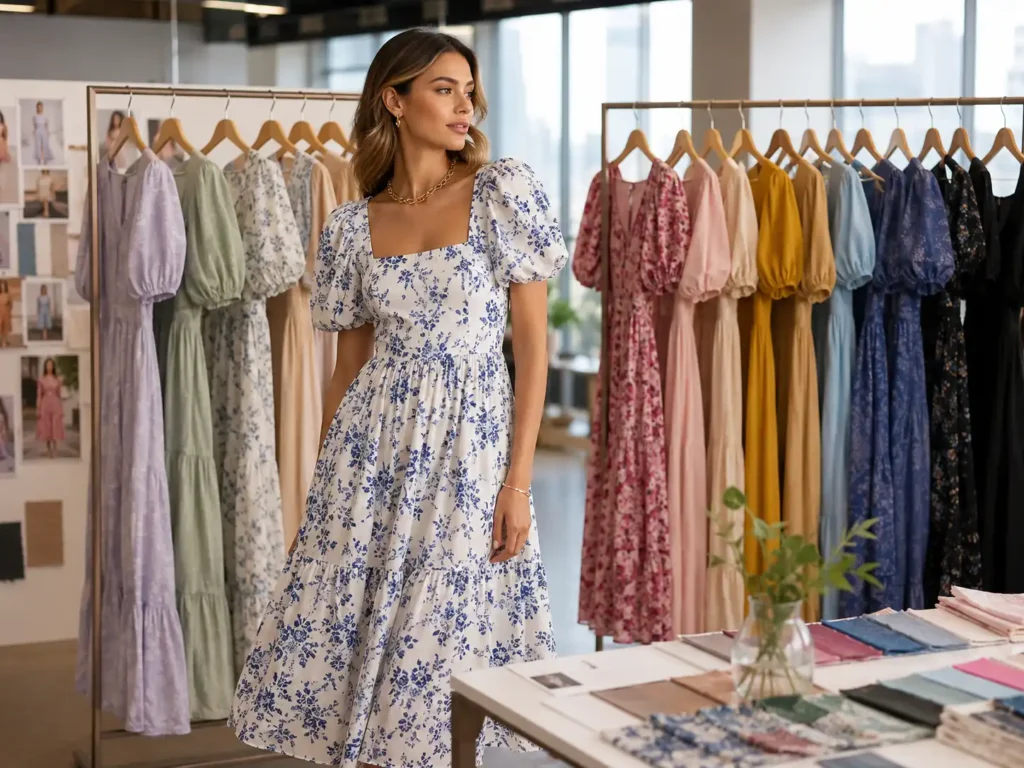
Seasonal Drops
Fabrics Selected for Controlled Sleeve Volume
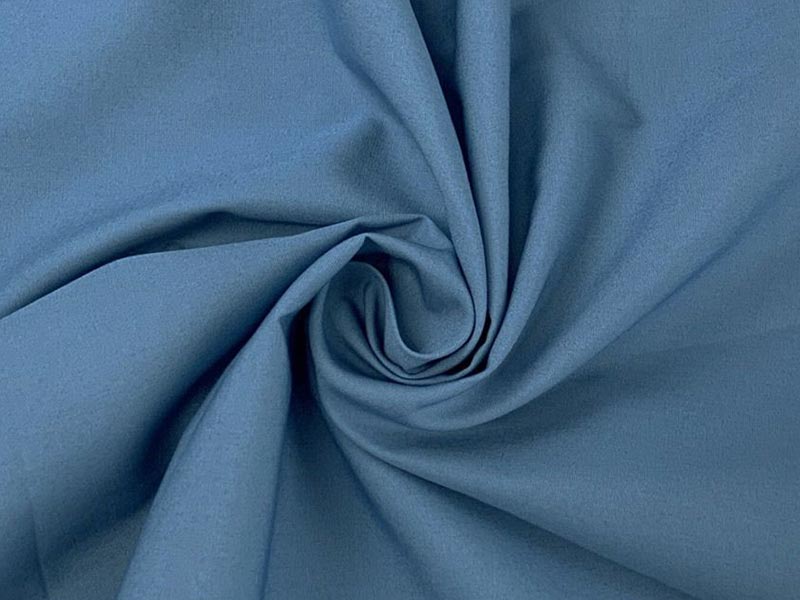
Cotton Poplin
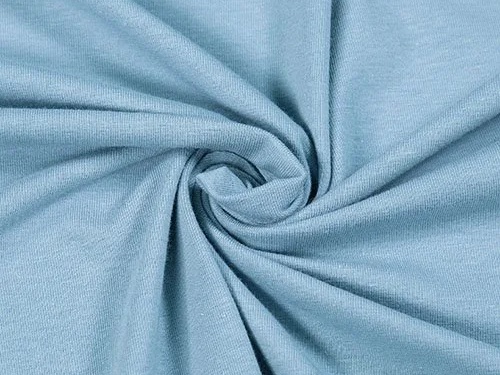
Cotton Blend
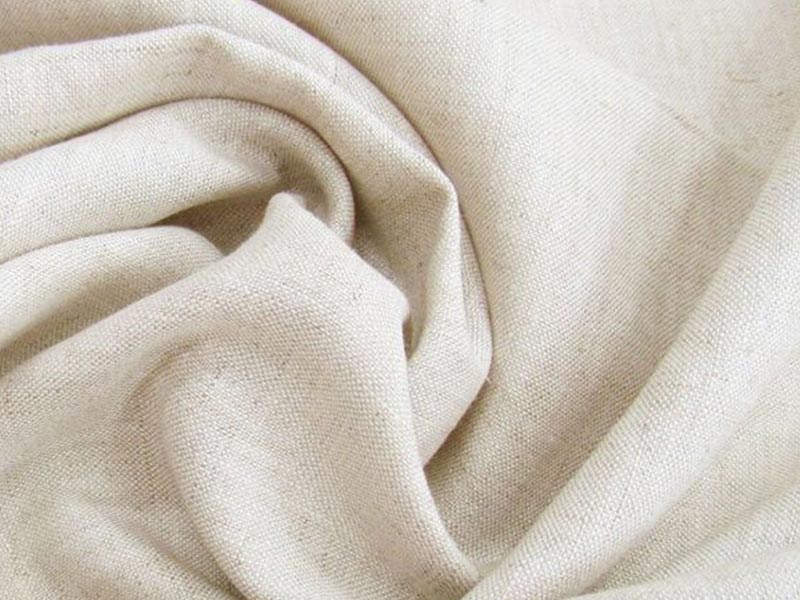
Linen Blend

Rayon Viscose

Chiffon

Satin

Organza
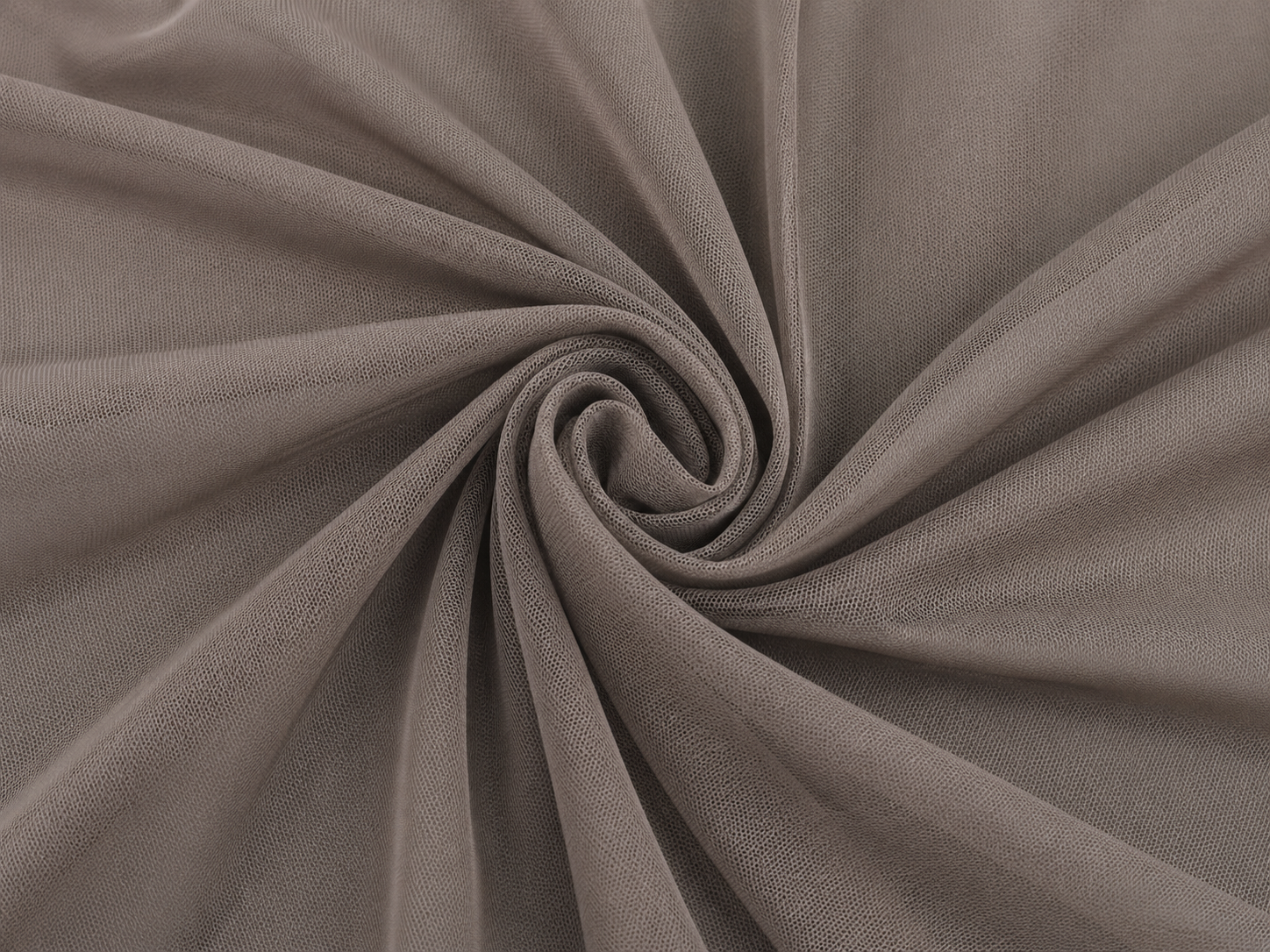
Tulle Mesh
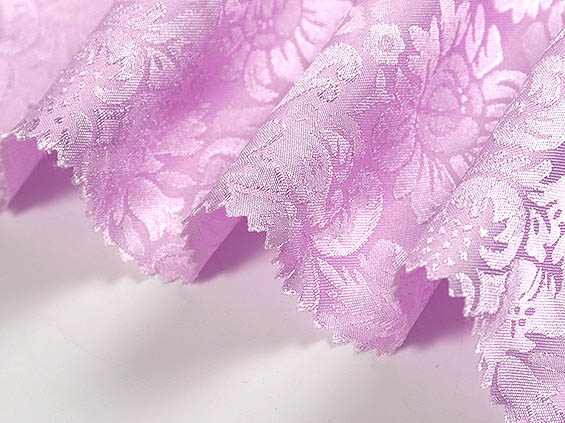
Jacquard
How Fabric Changes Puff Sleeve Volume
Sleeve development becomes more predictable when fabric behavior is grouped by resistance, drape, thickness, and surface sensitivity. Three structure bands help define whether a pattern needs natural fullness, controlled support, or sculptural construction.
Soft-Drape Fabrics
Chiffon, rayon, viscose, georgette, lightweight crepe, and soft satin create volume through movement rather than rigid shape. Their low resistance allows the sleeve to fall closer to the arm, especially when the sleeve body is long or the cuff is heavy. A pattern may need concentrated gathering near the shoulder, an adjusted cap height, or a light hidden support to keep the puff visible.
Soft materials also react strongly to bias, fabric growth, humidity, shrinkage, and pressing. Sleeve length can change after hanging. Fine fabrics may pucker if gathering stitches, seam tension, or needle selection are not suitable. Chiffon and mesh may require multiple layers, yet extra layers increase seam bulk at the armhole. Development therefore checks drape, transparency, layer count, cuff weight, and how the sleeve settles after wearing.
The commercial goal is controlled softness: enough volume to communicate the design while preserving movement and avoiding a deflated shoulder.
Medium-Structure Fabrics
Cotton poplin, cotton blends, light jacquard, linen blends, taffeta blends, and medium-weight woven fabrics hold a rounded sleeve more naturally. They are often suitable for mini, midi, square-neck, floral, brunch, and structured daywear styles. The main risk is excessive width. A high cap combined with stiff fabric and dense gathers can make the shoulder look broader than intended.
Medium-structure materials reveal inconsistent gathering, seam puckering, or uneven pressing more clearly than fluid fabric. The development team controls the start and stop points of gathers, sleeve-head alignment, seam allowance direction, cuff circumference, and pressing temperature. Shrinkage is also important because a small dimensional change can alter the sleeve cap-to-armhole relationship.
For repeat orders, fabric reference, weight, width, composition, hand feel, color, and shrinkage should be retained. A visually similar substitute may create a different sleeve and require a new sample review.
High-Structure Fabrics
Organza, crisp taffeta, stiff tulle, layered mesh, dense jacquard, and supported transparent fabrics create strong statement volume. Their shape-holding ability reduces reliance on extreme pattern fullness, but seam bulk, scratch risk, transparency, and folding deformation become more important. Large sleeves may need an internal layer, sleeve-head support, carefully placed seam allowances, or a shaped lining that does not show through.
High structure can create pressure at the armhole or push the sleeve outward if the shoulder point is wrong. Fit tests should cover arm raising, elbow bending, sitting, and extended wear. Transparent fabrics also expose internal construction, so seam finishing and support placement become visible design elements.
Packing must be developed with the garment. Tissue, shaped folding, lower carton pressure, or sleeve recovery instructions may be needed. A statement sleeve that leaves the factory correctly but arrives flattened is not a successful production result.

Pattern Development for Repeatable Puff Sleeves
A reference image communicates appearance, while the production pattern defines how the sleeve can be cut, sewn, graded, inspected, and repeated. Jinfeng converts visual direction into measurable geometry and controlled construction.
From Reference to Pattern Logic
Development begins by identifying where the volume is intended to sit: directly above the shoulder, around the upper arm, through the sleeve body, near the cuff, or across several zones. The team reviews neckline, shoulder width, bodice fit, bust position, waistline, sleeve length, cuff system, and fabric behavior. A short high puff for a square-neck mini dress requires a different sleeve than a soft bishop sleeve for a floral maxi.
Reference images are compared with the available fabric and intended size range. If the image uses a crisp material but the selected fabric is soft, pattern fullness alone may not recreate the look. Material alternatives, support layers, or a revised silhouette may be recommended before sampling.
The pattern file records front and back sleeve shape, cap height, cap width, bicep width, sleeve length, cuff opening, gathering amount, gathering zones, notches, grain direction, seam allowance, and support-layer information.
Matching Sleeve and Armhole
The sleeve cap cannot be developed separately from the bodice armhole. A
rmhole depth, shoulder slope, shoulder length, chest width, and seam position influence movement and appearance. Excess cap height may create pulling or a rigid shoulder. Insufficient height may flatten the puff. A narrow armhole can restrict lifting, while an oversized armhole may expose the underarm or weaken the bodice line.
The sample is checked on-body for arm rotation, raising, reaching, and relaxed posture. Pull lines at the chest, shoulder, or underarm indicate more than a sleeve issue; the bodice and sleeve relationship may need revision.
Pattern comments are written as measurable changes rather than visual opinions.
The updated file may shift the shoulder point, modify cap height, add bicep allowance, move gathers, revise the armhole, or change the cuff opening.
Preparing for Size Grading
A puff sleeve cannot be enlarged mechanically across all sizes. Shoulder width, armhole, cap height, bicep width, sleeve length, cuff circumference, and visual volume need different grading decisions. A proportional increase in every dimension may make larger sizes excessively voluminous, while insufficient grading can create tight cuffs or restricted upper arms.
The base pattern is reviewed against the client size chart and intended fit. Size ratios, target market, stretch, layering, and wearing occasion influence the grading plan. Key sizes may be sampled or measured before bulk cutting, especially for extended size ranges or structured sleeves.
The production file then links graded patterns with measurement tolerances, size charts, sewing instructions, and QC points so the approved visual balance carries across the range.
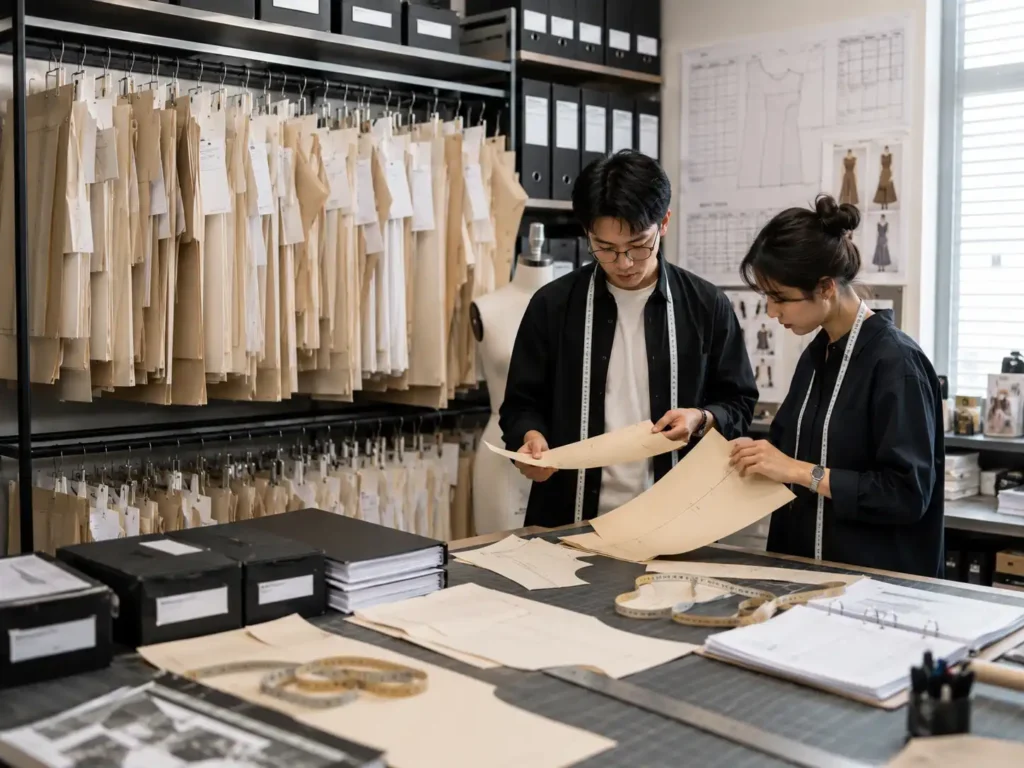
Sleeve Cap and Gathering Control
The visual signature of a puff sleeve comes from where fullness is added and how it is distributed. Stable bulk production requires defined geometry, gathering zones, alignment marks, and sewing standards.
Controlling Sleeve Cap Height
Cap height controls lift and shoulder presence. A higher cap can create a stronger vertical puff, but excessive height may cause pulling, a narrow movement range, or a shoulder that looks rigid. A lower cap gives softer volume but can collapse when used with heavy or fluid fabric. The correct value depends on armhole shape, shoulder position, material resistance, sleeve length, and intended silhouette.
During sampling, cap height is judged together with the bodice. The sleeve should sit at the approved shoulder point without pushing the neckline, distorting the armhole, or creating tension across the upper chest. Fit comments are converted into pattern changes rather than corrected only through pressing.
Defining Gathering Zones
Gathering does not need to run uniformly around the entire sleeve head. Concentrating fullness near the shoulder can create a high romantic puff. Extending volume toward the front and back changes the visual width and may affect movement. The pattern should identify gathering start, peak, and stop positions so the same distribution is repeated across operators and sizes.
Gather density also depends on fabric thickness. Thick jacquard can create excessive seam bulk at the armhole, while fine chiffon may need more fullness to remain visible. For transparent fabric, uneven gathers are easier to see. Sample sewing tests help define stitch length, gathering thread, seam allowance direction, and attachment method.
Securing Bulk Consistency
Bulk control combines paper notches, bundle instructions, first-piece approval, inline comparison, measurement checks, and a Golden sample. Operators need clear start and stop points, sleeve identification, cuff specification, and seam direction. Left and right sleeves should be compared before finishing, because pressing cannot correct unequal fullness.
Inspectors review shoulder position, visual height, gather density, symmetry, armhole smoothness, cuff position, and movement. The same checks apply after pressing and packing because heat or compression can reduce volume. For statement sleeves, the packing method becomes part of the approved production standard.

Cuff Structures That Hold Sleeve Volume
Elastic Cuff
Shirred Cuff
Buttoned Cuff
Fixed Band Cuff
Tie Cuff
Open Sleeve Hem
Balancing Sleeves With Neckline and Bodice
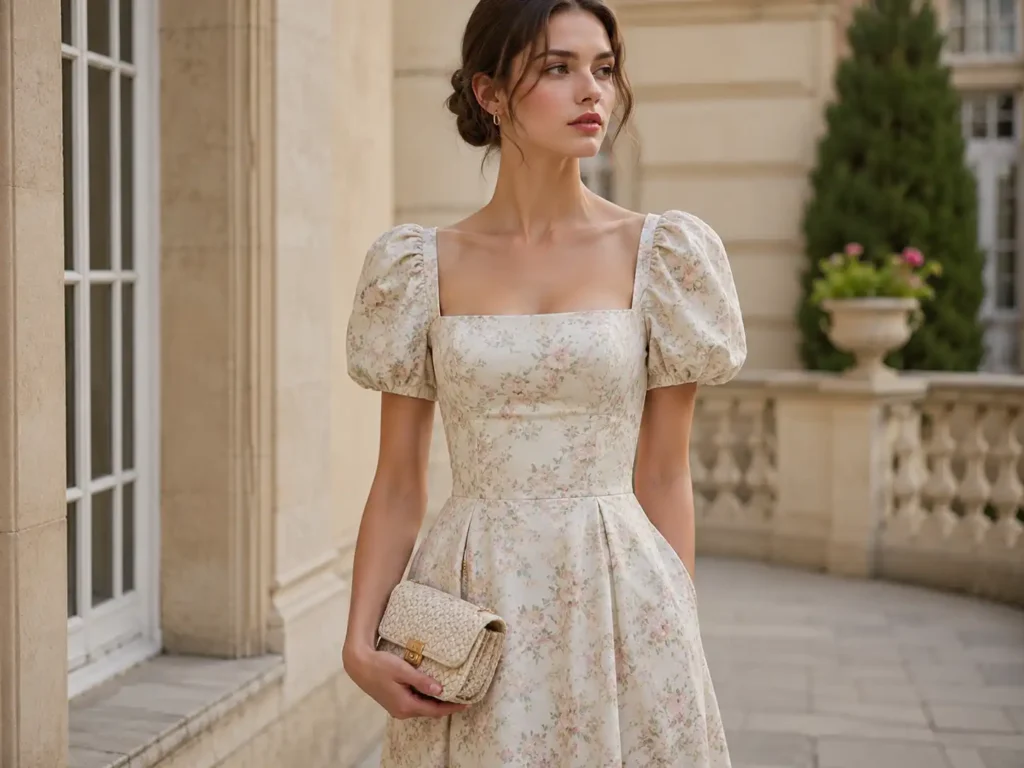
Square Neck Balance
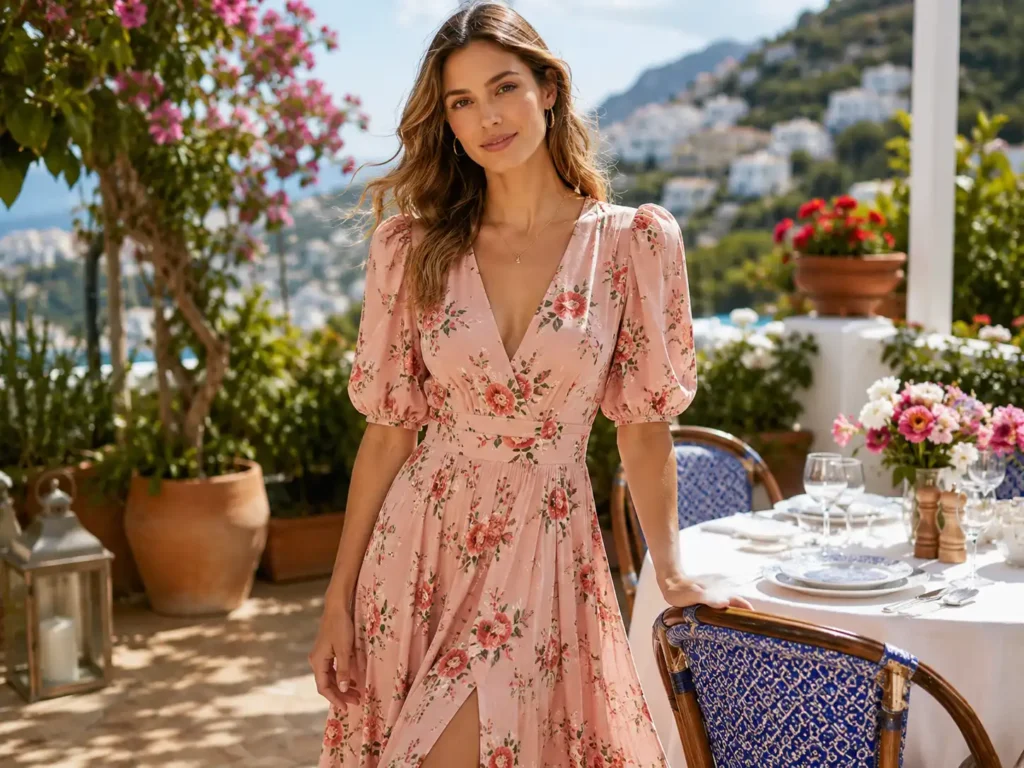
V Neck Balance

Off Shoulder Balance
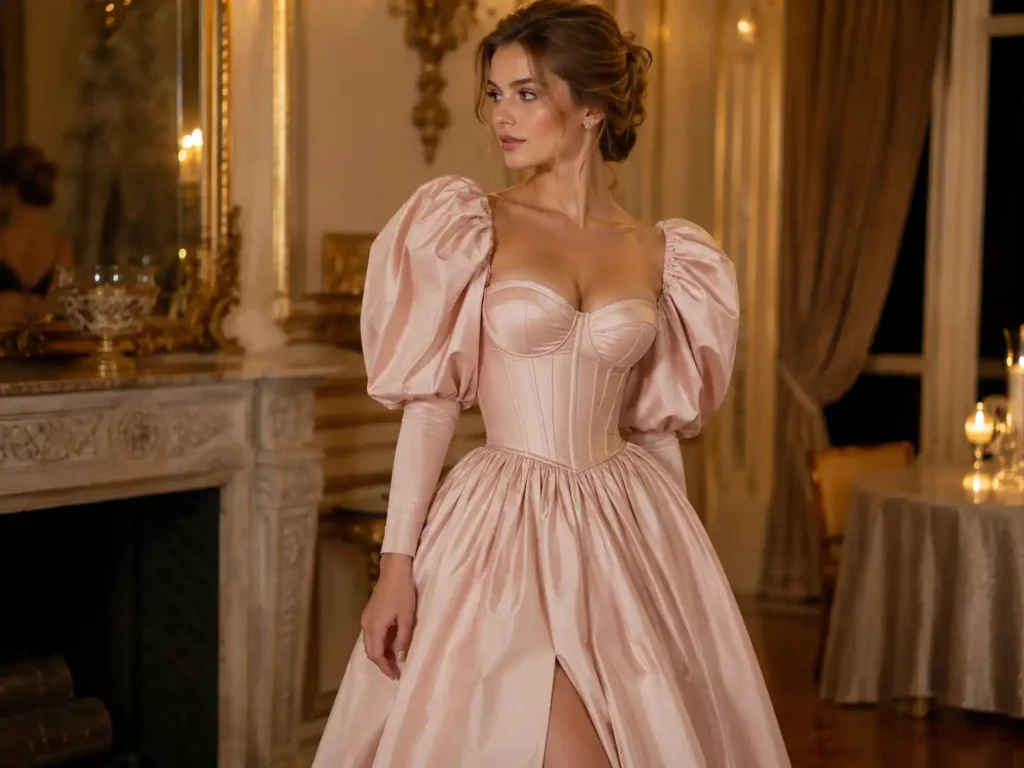
Corset Bodice Balance
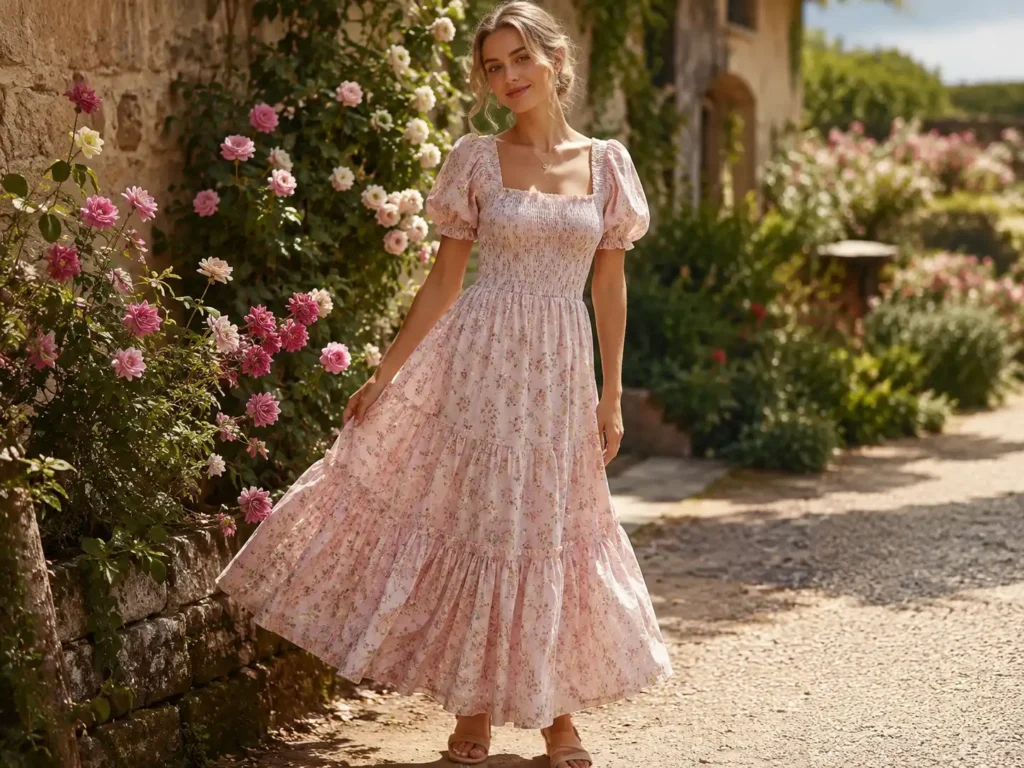
Smocked Bodice Balance

Cinched Waist Balance
Key Measurement and Risk Matrix
A production-ready puff-sleeve style needs measurable control points across the sleeve and bodice. Size grading must preserve comfort and visual balance rather than enlarge every dimension at one fixed rate.
| Measurement Point | Development Purpose | Bulk Risk |
|---|---|---|
| Shoulder Width | Sets sleeve position and upper-body proportion | Sleeve sits too far outward or pulls inward |
| Armhole Depth | Controls movement and underarm coverage | Tight lifting, exposure, or distorted bodice |
| Sleeve Cap Height | Controls lift and vertical volume | Collapse, rigid shoulder, or pulling |
| Sleeve Cap Width | Controls available fullness and armhole matching | Uneven gathers or excessive seam bulk |
| Bicep Width | Controls upper-arm comfort | Tightness, sleeve twist, limited movement |
| Sleeve Length | Controls volume position and cuff location | Different visual proportion across sizes |
| Cuff Circumference | Controls pressure and lower sleeve shape | Too tight, too loose, or unstable volume |
| Gathering Zone | Controls where fullness appears | Asymmetric or misplaced volume |
| Bust and Waist | Balances sleeve with the bodice | Top-heavy silhouette or distorted neckline |
| Garment Length | Balances total proportion | Sleeve appears oversized or too weak for the dress |
Information Needed for Accurate Project Review
Tech Pack
Reference Images
Original Sample
Target Quantity
Fabric Direction
Color Plan
Size Range
Launch Date
Puff Sleeve Dress Sampling Workflow

Style Review
Fabric Direction
Pattern Development
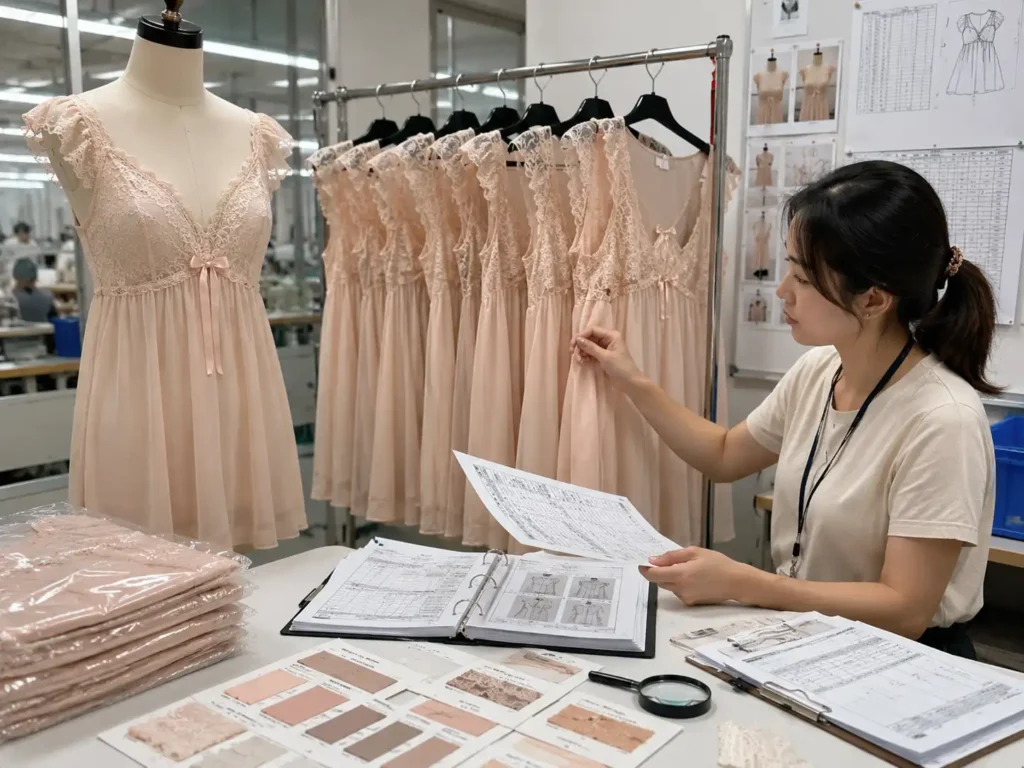
First Sample

Fit Review

Revised Sample
PP and Golden Sample Standards
PP Sample Approval
Production Lock
Golden Sample Reference
Workmanship Details Visible in Finished Dresses
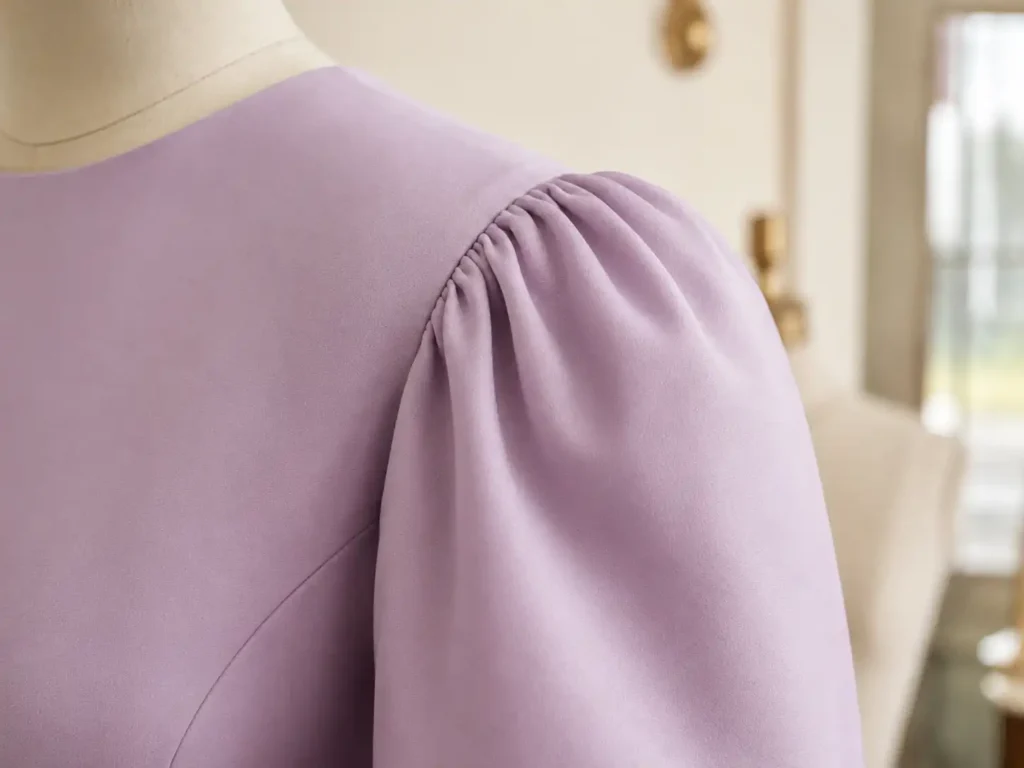
Sleeve Cap Gathering
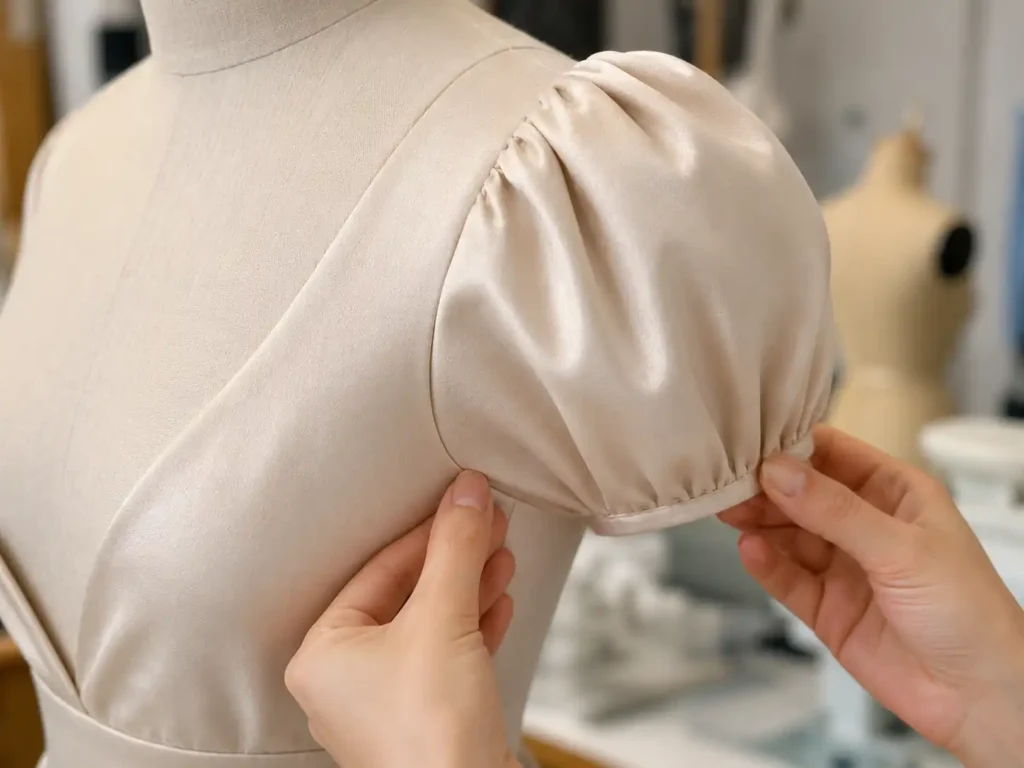
Armhole Seam
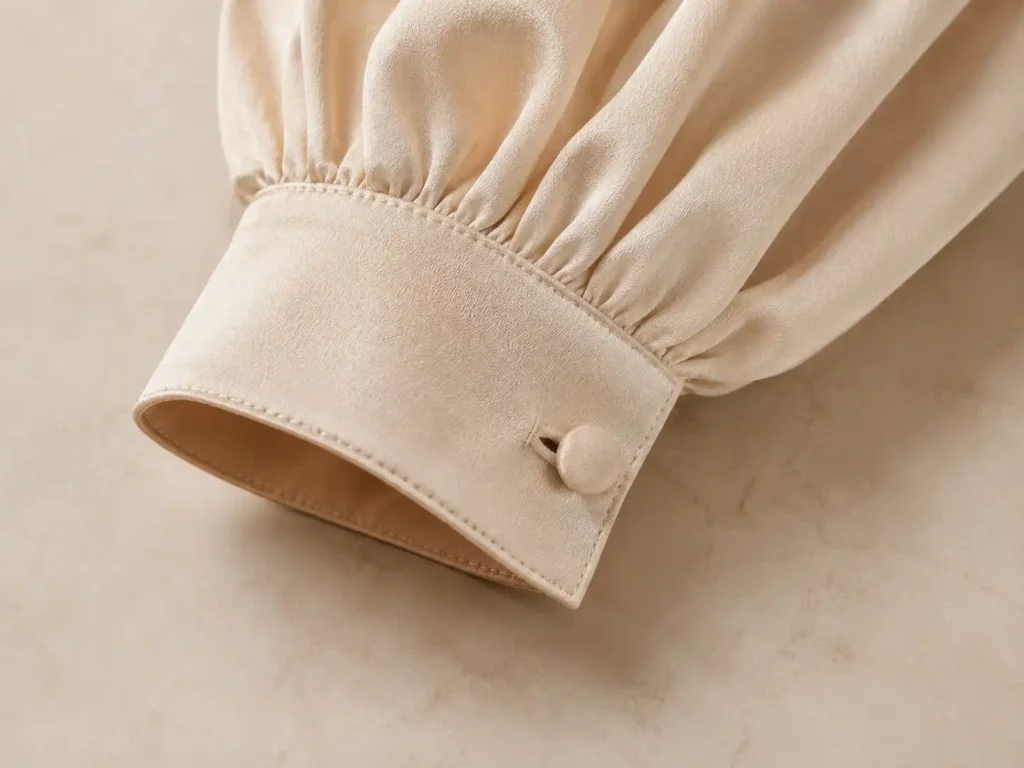
Cuff Finish
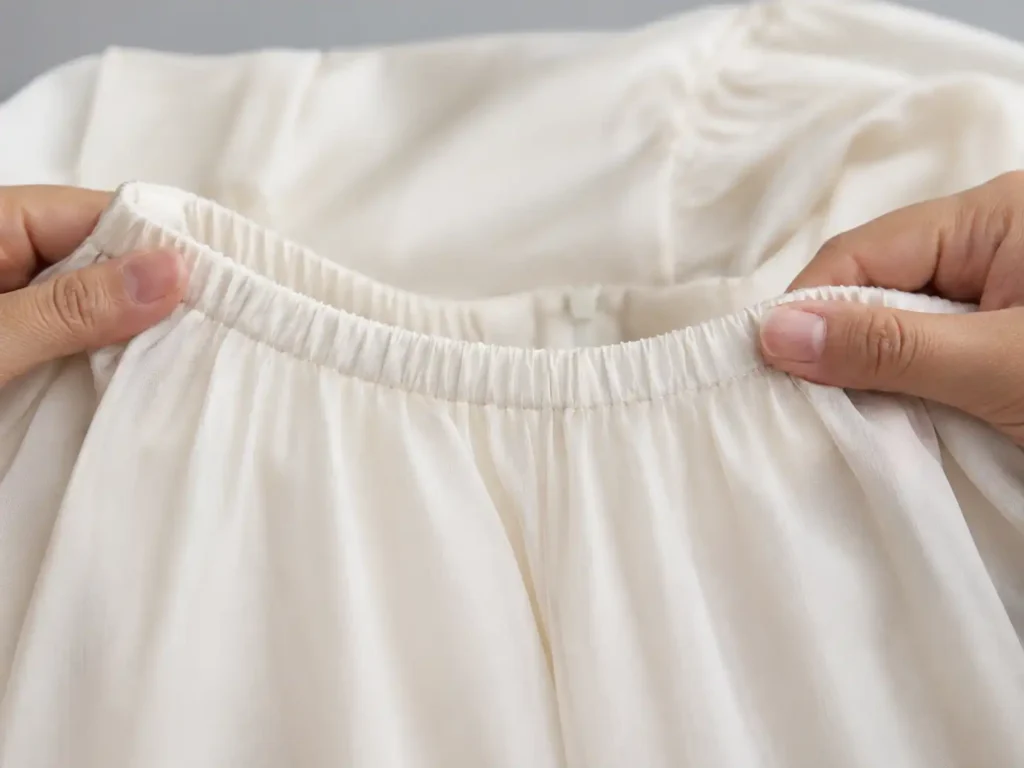
Elastic Joint
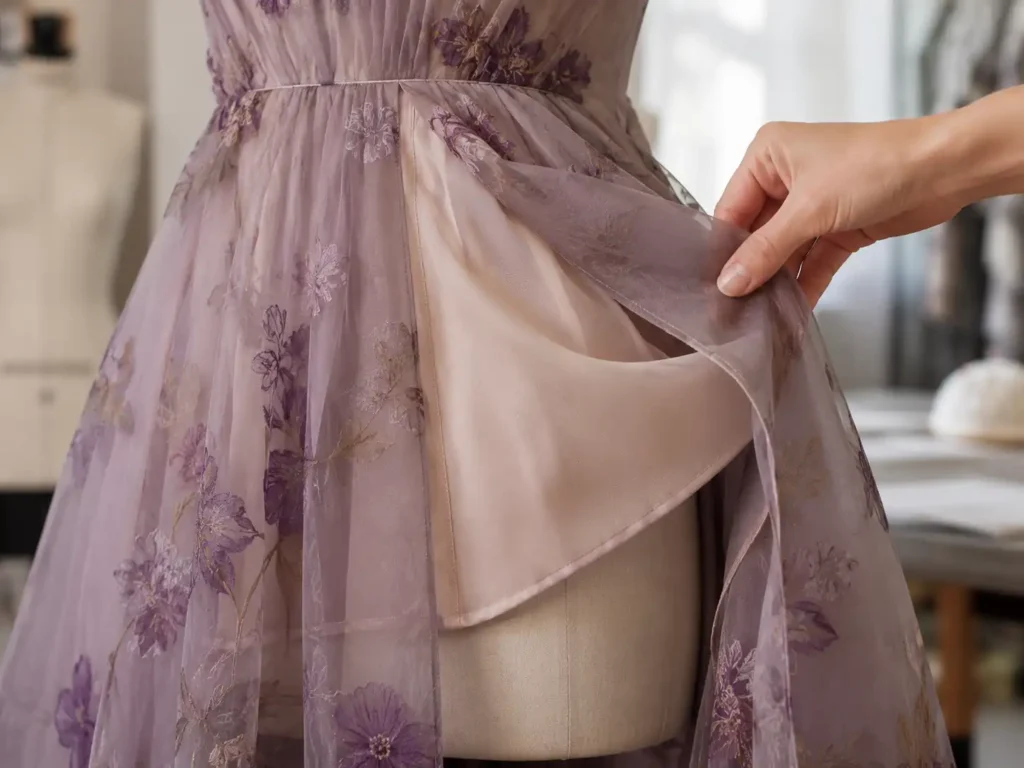
Lining Attachment
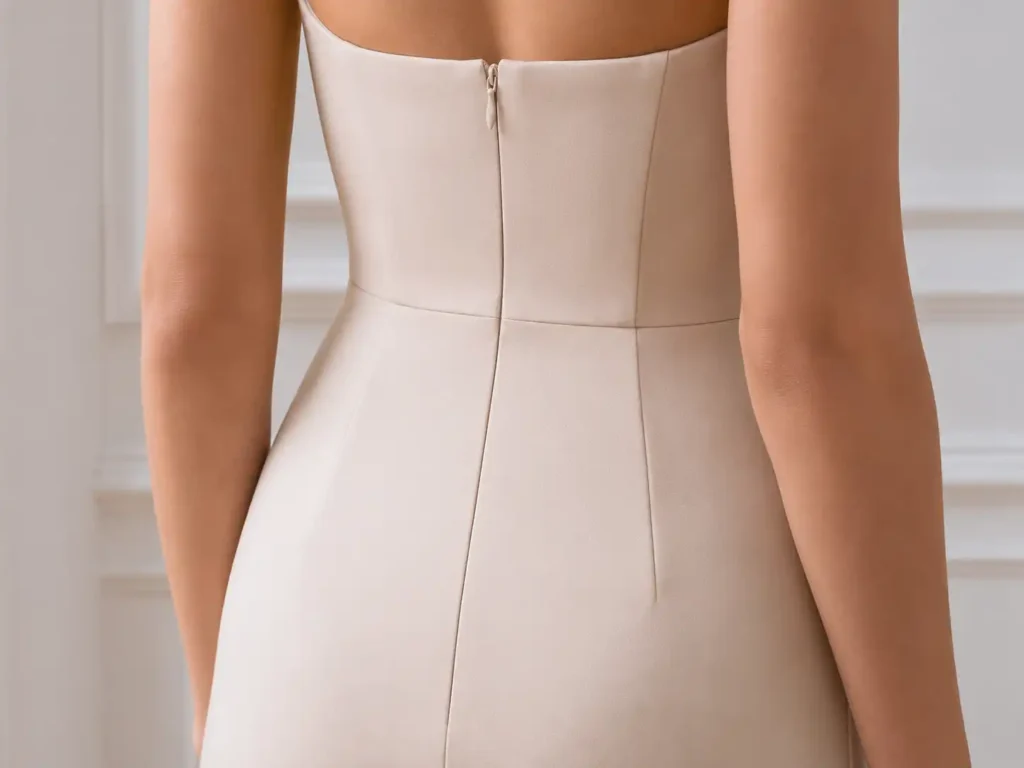
Zipper Flatness
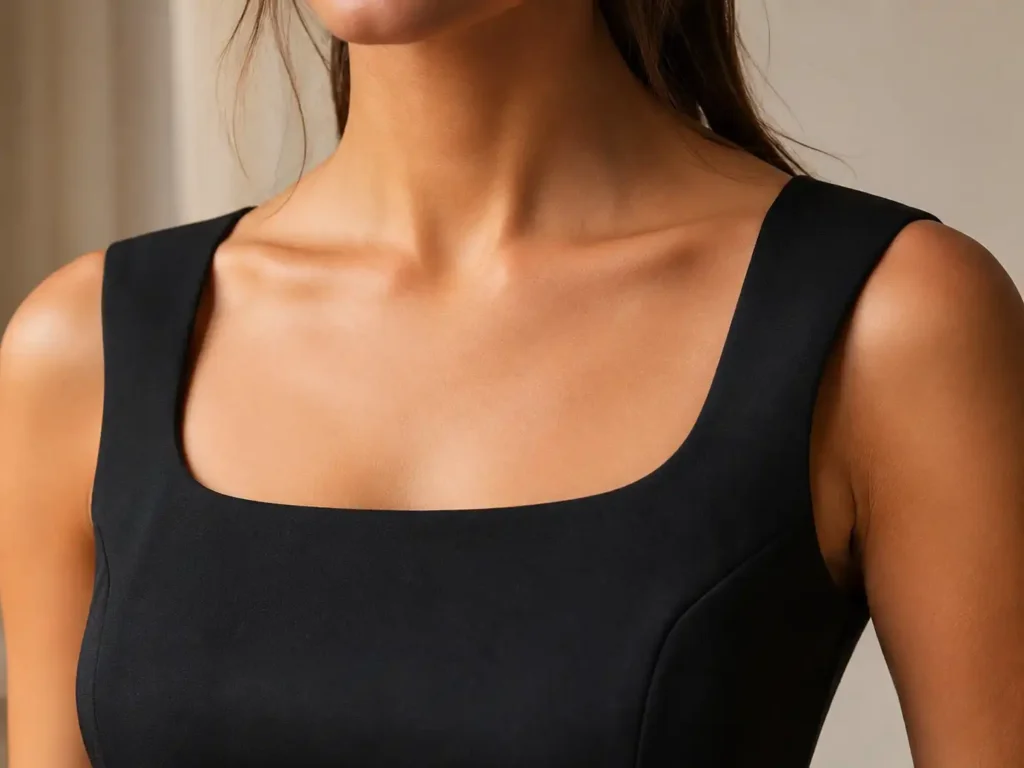
Neckline Finish
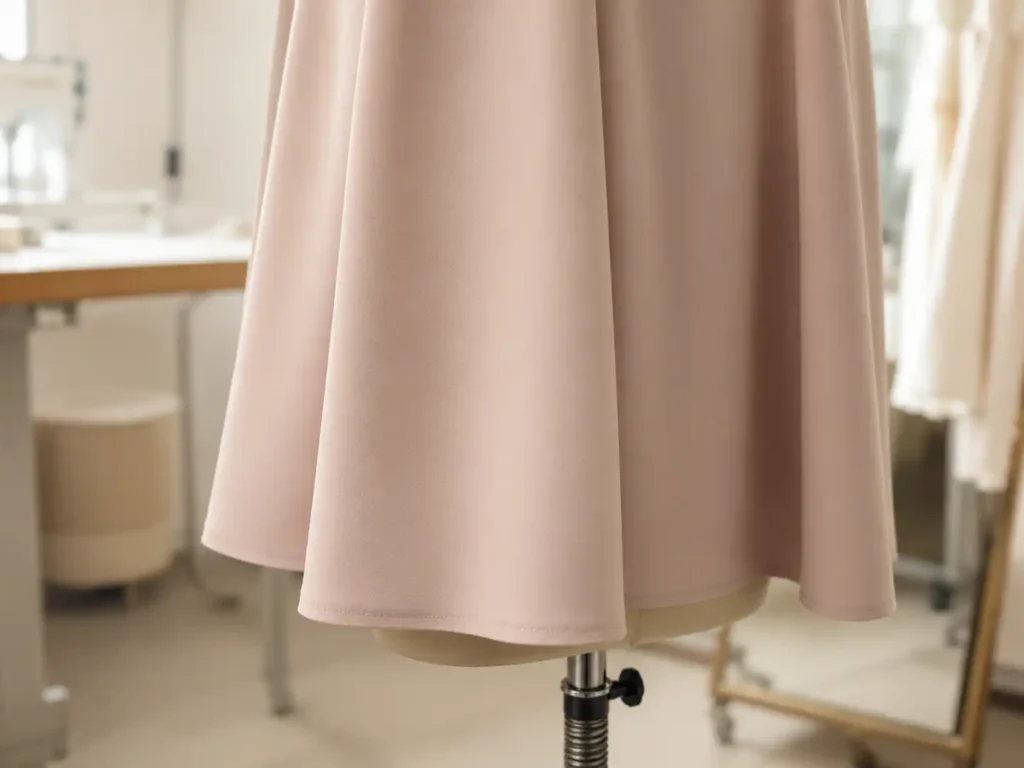
Hem and Pressing
From Fabric Inspection to Packed Dresses
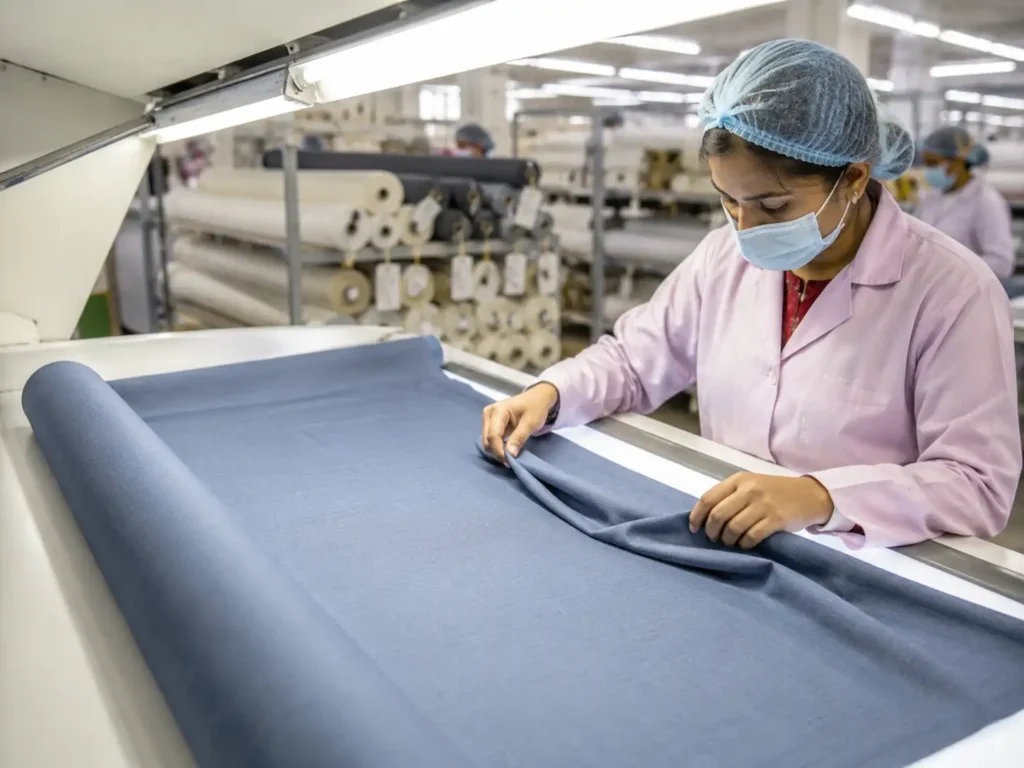
Fabric Inspection
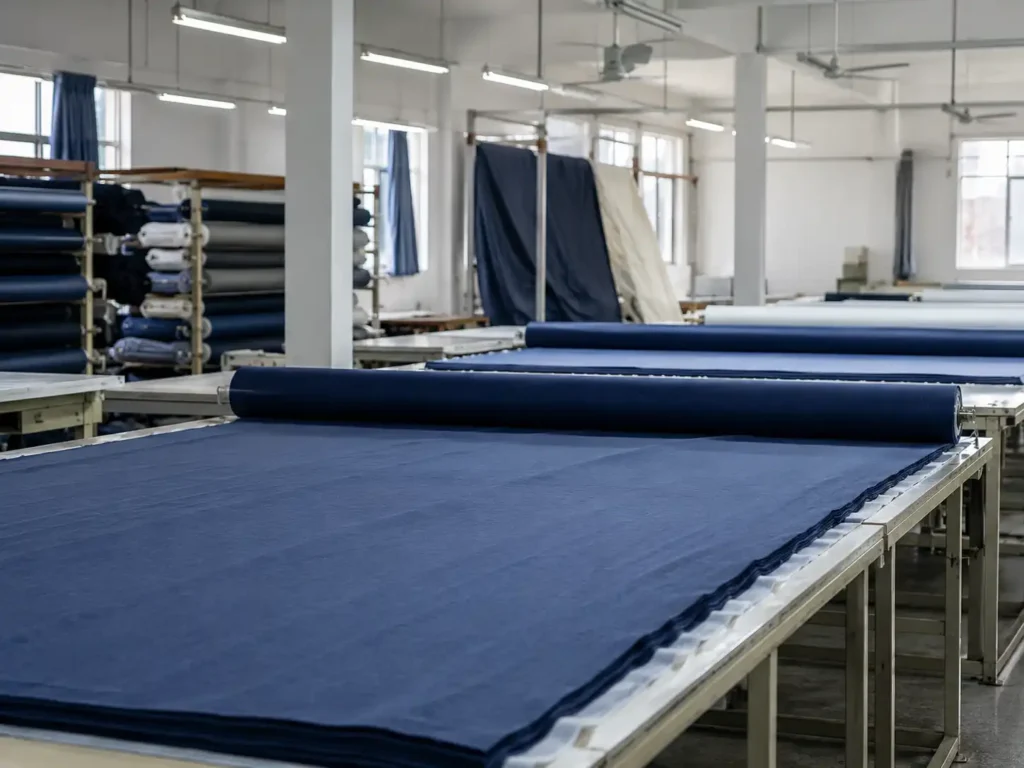
Fabric Relaxation
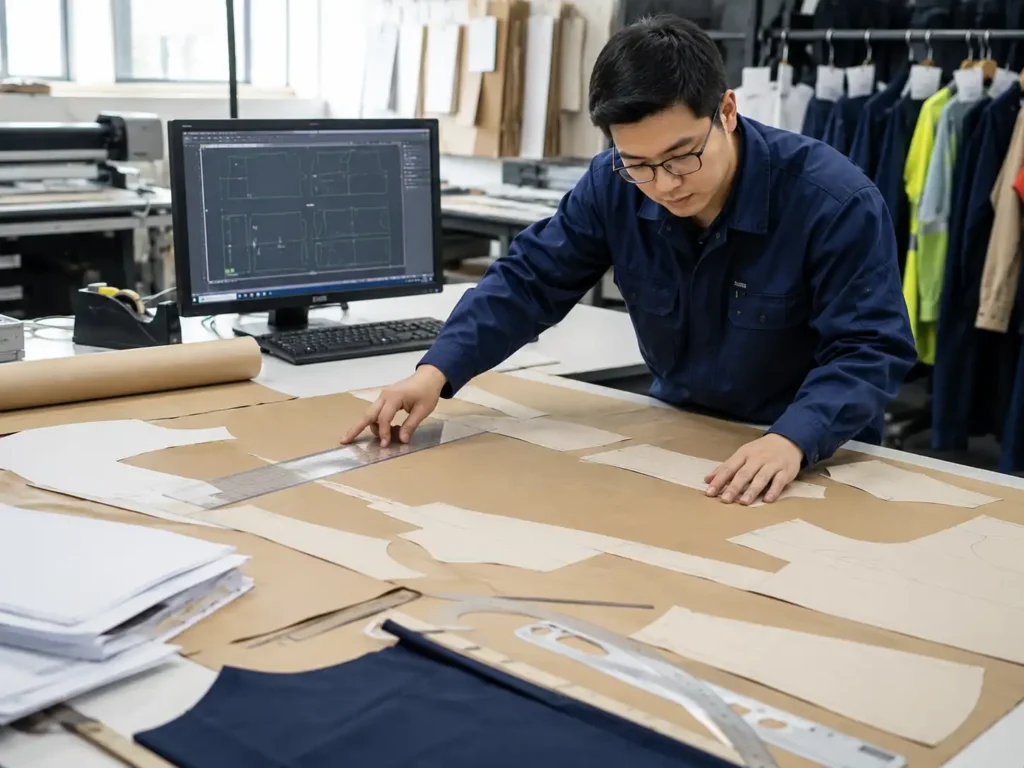
Pattern and Marker
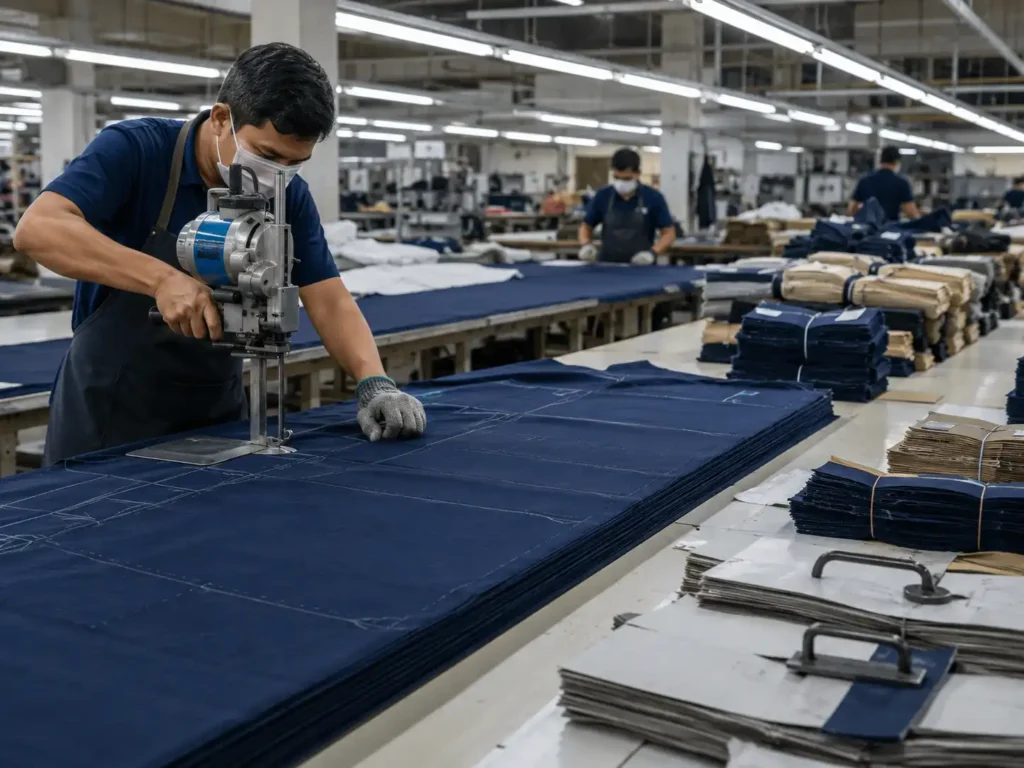
Cutting

Size Bundling
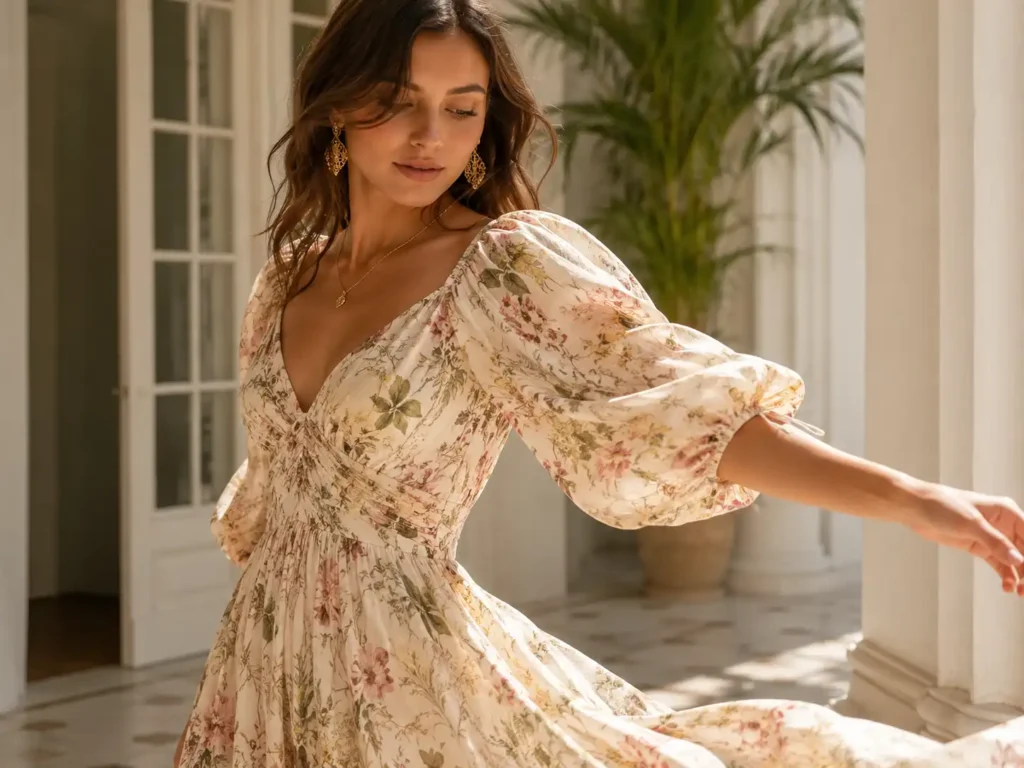
Sleeve Preparation

Garment Assembly
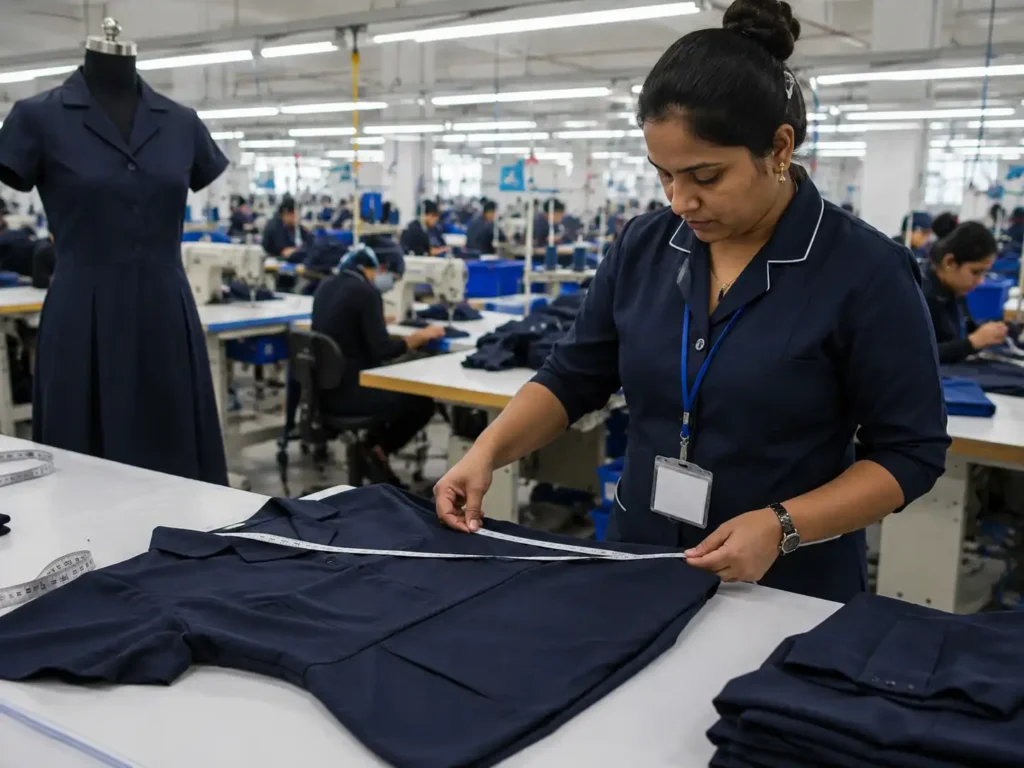
Inline Inspection
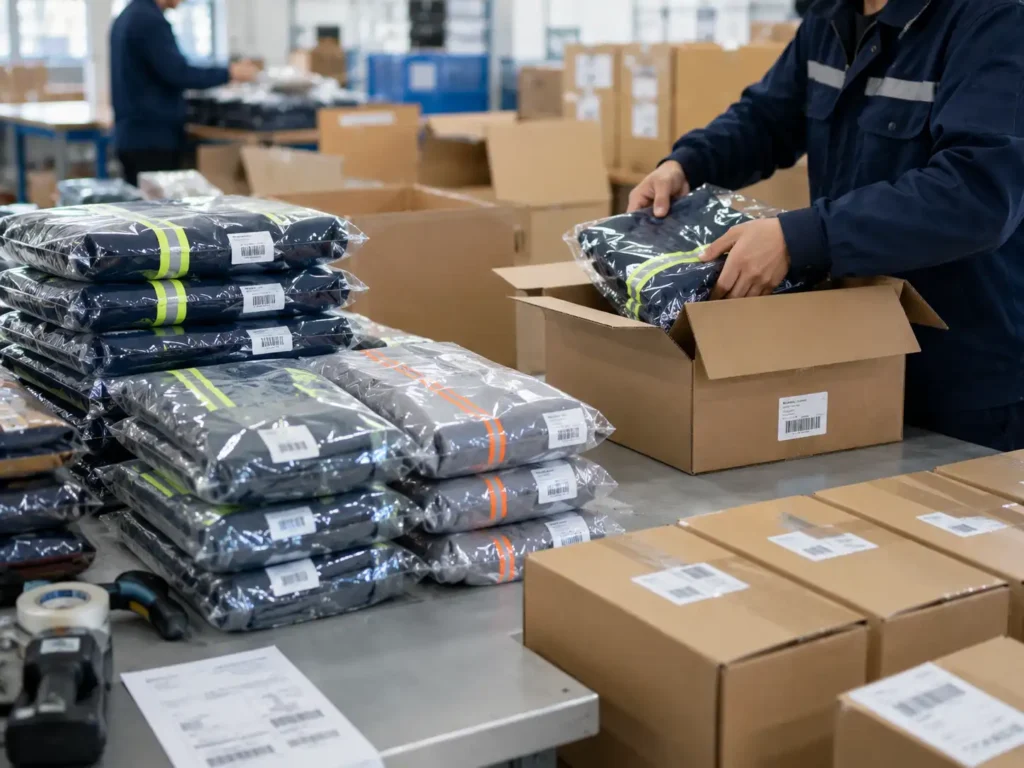
Finishing and Packing
Nine Puff Sleeve Quality Control Points
Sleeve Symmetry
Cap Position
Gathering Density
Cuff Measurement
Elastic Recovery
Armhole Comfort
Fabric Condition
Garment Measurements
Pressing and Packing
Packing Methods That Protect Sleeve Shape
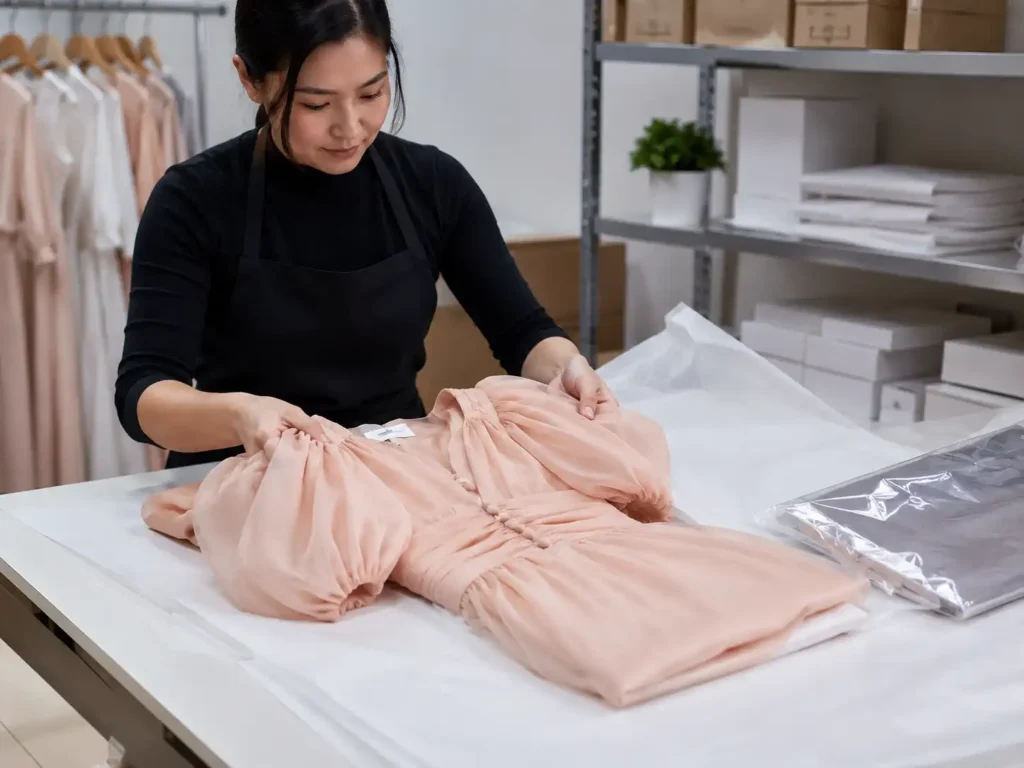
Soft Sleeve Folding
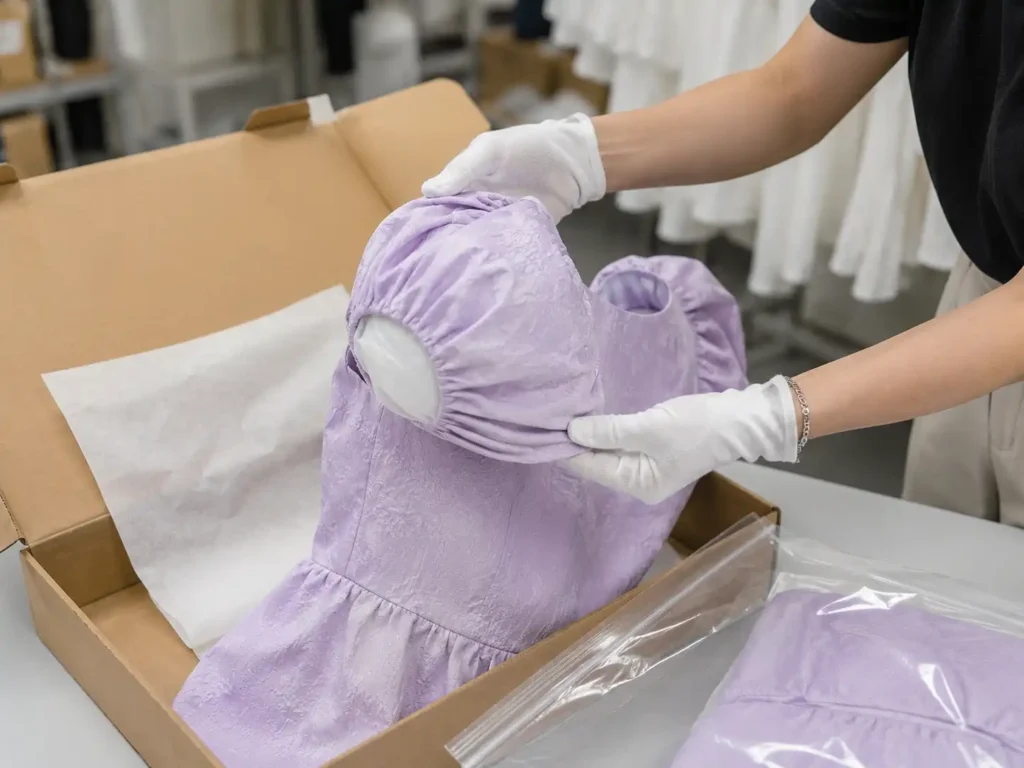
Structured Protection
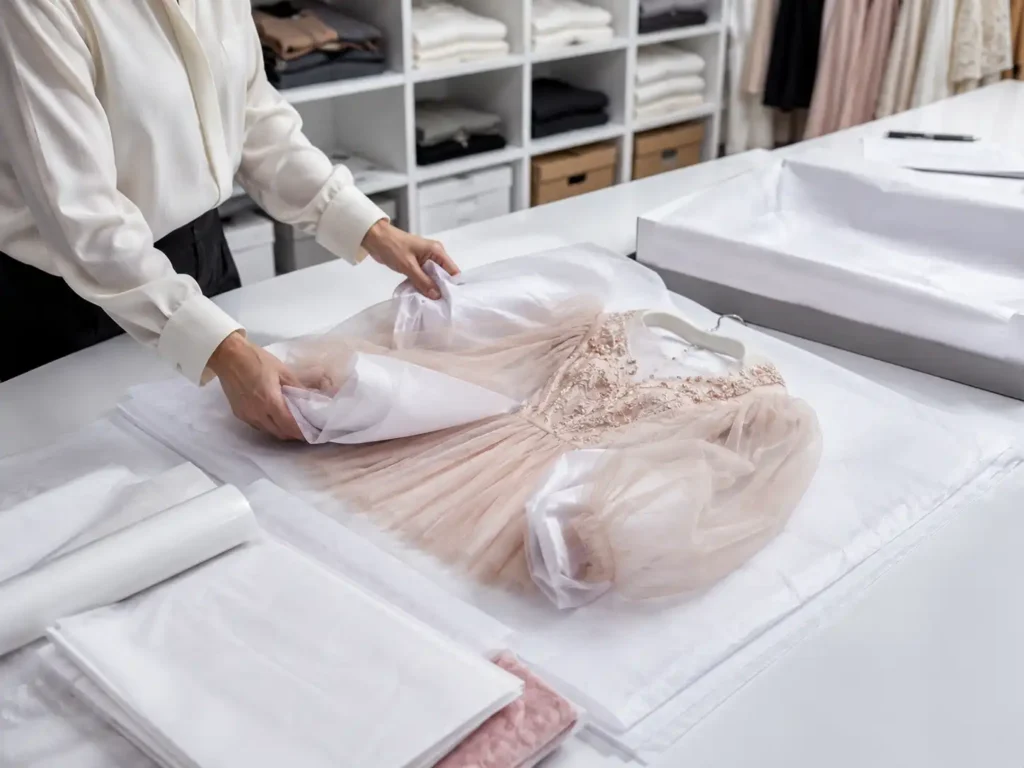
Organza Support
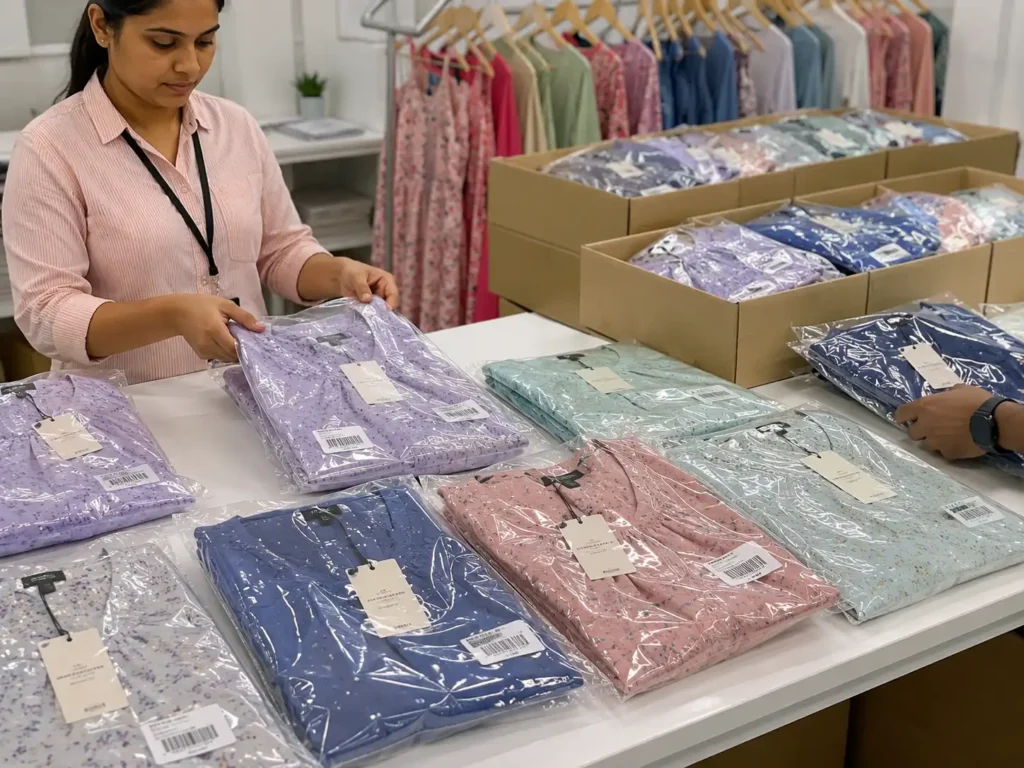
Retail Ready Packing
Capacity for Multi-Style Brand Collections
Factory Allocation
18+ Sewing Lines
6+ Flexible Lines
100,000+ Monthly Capacity
Multi-Style Programs
Peak Season Planning
MOQ, Cost, and Lead Planning
| Variable | Commercial Impact |
|---|---|
| Fabric type and weight | Changes sleeve structure, consumption, shrinkage, sewing, pressing, and sourcing conditions |
| Sleeve volume | More fabric, gathering, support, and handling increase material and labor |
| Support layer | Organza, tulle, interfacing, or sleeve-head support adds construction steps |
| Cuff construction | Elastic, shirring, buttons, ties, or fixed bands require different trims and labor |
| Lining and opacity | Full, partial, or sleeve lining changes consumption, comfort, and sewing time |
| Color quantity | More colors may create dyeing, lab-dip, material, and packing minimums |
| Size range | Wider ranges affect grading, markers, fit checks, measurements, and size ratios |
| Print or placement | Requires artwork, repeat, scale, color, marker, and matching control |
| Private label packing | Labels, hangtags, barcodes, printed polybags, and cartons may carry separate MOQ |
| Testing and compliance | Third-party testing or certified materials are arranged by project and target market |
| Lead and shipment plan | Urgency, split shipment, air freight, warehouse dates, and packing affect total cost |
Private Label, Inspection, and Export Support
Woven Labels
Size Labels
Care Labels
Hangtags
Barcode and SKU
NDA Protection
Inspection Support
Export Documents
Anonymous Puff Sleeve Dress Programs
US Occasionwear Program
An anonymous US occasionwear brand developed 18 puff-sleeve styles totaling 36,800 pieces across mini and midi lengths. The range used satin, light jacquard, and organza details in three core color groups, with sizes XS-XL. The main challenge was maintaining sleeve height without creating excessive shoulder width, while protecting satin surfaces during pressing and packing.
Jinfeng completed first samples, revised samples, PP samples, and Golden samples; adjusted cap height, gathering zones, cuff openings, and organza support; then released bulk with sleeve-symmetry, zipper-flatness, measurement, pressing, and packing checkpoints. Cartons were separated by style, color, and size for the planned warehouse intake.
UK Ecommerce Collection
An anonymous UK premium ecommerce brand placed a 12-style collection totaling 24,600 pieces, covering floral puff-sleeve midi dresses, chiffon bishop sleeves, and satin long-sleeve party dresses. Sizes ran from UK 4-16 with two to four colors per selected style.
Development focused on photo-ready sleeves, cuff comfort, print direction, transparent-fabric lining, and repeatable grading.
Jinfeng used fabric swatches, pattern reviews, two sample rounds on selected styles, PP locking, inline sleeve comparisons, barcode control, and ecommerce polybag requirements. Priority SKUs were packed separately to support the launch sequence and warehouse receiving plan.
Australian Resort Range
An anonymous Australian resort and eventwear brand developed 24 styles totaling 62,400 pieces in printed viscose, cotton poplin, linen blends, and lightweight woven fabrics. Sizes covered AU 6-18, with hero styles built around square necklines, elastic cuffs, smocked bodices, and soft puff sleeves.
The main risks were shrinkage, sleeve collapse in viscose, elastic recovery, print-scale balance, and size grading. Jinfeng reviewed fabric relaxation, adjusted gathering concentration, graded cuff measurements, checked wash-related dimensions, and grouped bulk production by fabric family. Final packing used low-compression folding for soft sleeves and style-color-size carton separation.
Puff Sleeve Dress Frequently Asked Questions
MOQ starts from 200 pcs per style/color. It is calculated by style and color, not by combining several styles into one total. Custom-dyed, printed, certified, lace, sequin, organza, specialty trims, or private-label materials may require higher supplier minimums.
Yes. Reference photos, sketches, original samples, line sheets, fabric swatches, and tech packs can start the review. Multiple angles and construction details improve accuracy. A reference image alone may not show fabric, internal support, measurements, cuff construction, lining, or movement, so an initial feasibility review is required.
Yes. Volume can be changed through cap height, cap width, sleeve fullness, gathering zones, bicep width, sleeve length, cuff opening, fabric choice, layer count, and support placement. Comments such as softer, higher, narrower, or more dramatic are converted into measurable pattern changes.
Cotton poplin, light jacquard, taffeta, organza, crisp blends, and structured woven fabrics hold defined volume well. Chiffon, rayon, viscose, and soft satin create gentler volume. The correct choice depends on desired shape, comfort, transparency, drape, weight, and packing behavior.
Yes. Jinfeng develops mini, midi, maxi, party, occasion, wedding guest, resort, floral, smocked, square-neck, off-shoulder, satin, organza, chiffon, and long-sleeve puff-sleeve dresses, subject to project review and production fit.
Pattern notches, gathering start and stop marks, sleeve identification, approved sewing instructions, first-piece comparison, Golden samples, inline inspection, measurement checks, pressing review, and final inspection are used to compare left and right sleeves throughout bulk production.
Yes. The client size chart, base size, grading rule, size ratio, target market, and fit preference are reviewed. Shoulder, armhole, bicep, sleeve volume, sleeve length, cuff circumference, bust, waist, and garment proportion require deliberate grading rather than simple proportional enlargement.
Yes. Support can include woven labels, size labels, care labels, hangtags, barcodes, polybags, carton marks, packing ratios, and export documents. Private-label materials may carry supplier MOQ and lead times separate from garment production.
Yes. NDA-based cooperation can protect tech packs, samples, patterns, fabric and trim directions, labels, packaging files, unpublished designs, quantities, and commercial information. Anonymous case information is used without exposing brand identity.
Send the tech pack or reference images, target quantity by style and color, size range, fabric direction, color plan, trims, private-label needs, packaging, target market, and launch date. More complete information supports a more accurate feasibility review, sample plan, MOQ assessment, and quotation.

Develop Your Puff Sleeve Collection With Jinfeng
Send a tech pack, reference image, original sample details, or line sheet for an initial project review. Include quantity by style and color, fabric direction, size range, sleeve profile, cuff construction, lining, trims, private-label packing, target market, and launch date. Jinfeng Apparel will review sleeve feasibility, pattern needs, material behavior, sample scope, MOQ, cost variables, production allocation, QC priorities, and shipment planning before development begins.
Standard dress first samples commonly require 10-15 days. Structured or complex puff-sleeve dresses commonly require 15-25 days; revised and PP samples commonly require 7-15 days depending on changes and material readiness. Sample fees are charged separately and may be deducted from a qualifying bulk order for the confirmed style by project agreement.
- Tech pack, reference images, sketches, line sheet, or original sample information
- Quantity by style and color; standard MOQ starts from 200 pcs per style/color
- Fabric, colors, sizes, sleeve structure, trims, labels, packing, and launch milestones