Skip to content

Prom Dress Trends 2027: What Styles, Colors, Fabrics, and Details Will Define the Season?

Your trusted Women’s Apparel Manufacturer from China
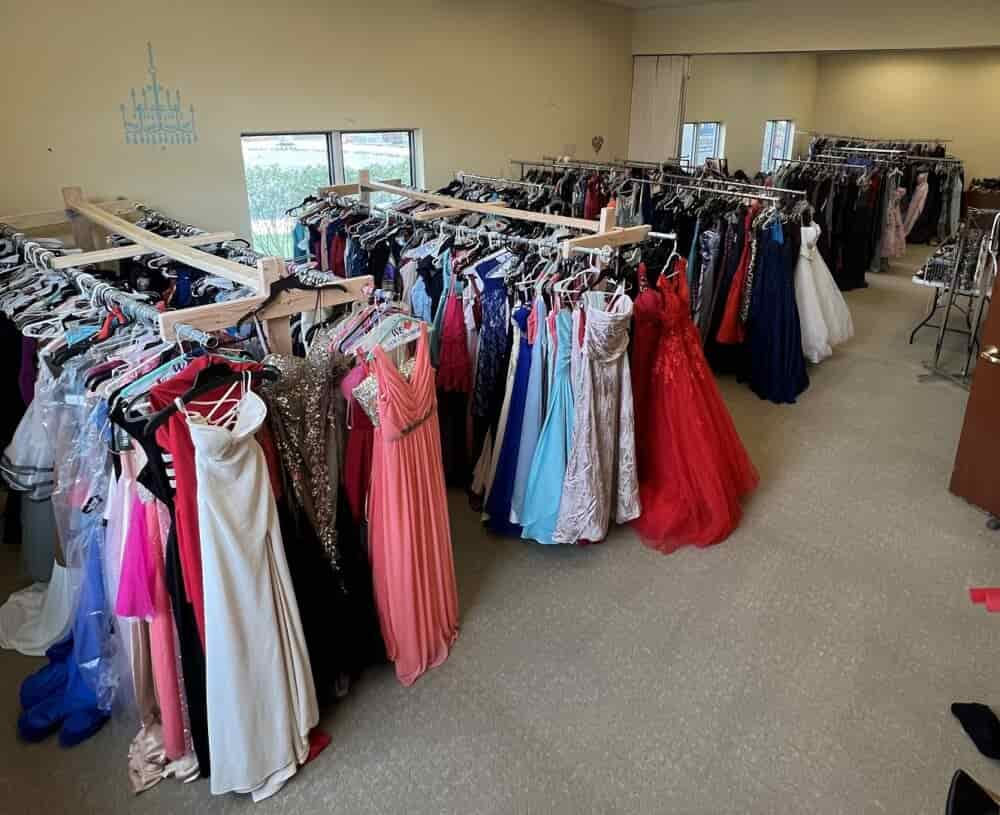
Prom fashion in 2027 is shaping up around an interesting contradiction: dresses are becoming more memorable in photographs, yet many of the strongest designs are getting cleaner rather than busier. Instead of relying on layers of rhinestones, oversized skirts, complicated cutouts and decoration all at once, designers are creating impact through sharper corset waists, elongated fitted silhouettes, lighter ball-gown volume, controlled transparency and one or two details that give a dress its identity. That shift matters because prom is no longer experienced only across a ballroom. The same dress is seen in fitting-room mirrors, outdoor photographs, TikTok clips, Instagram posts, group pictures and close-up portraits, often before anyone sees the full-length silhouette. A successful gown therefore has to work from several distances while still feeling comfortable enough to sit, walk and dance in for hours.
Prom dress trends for 2027 center on structured corsetry, fitted and mermaid silhouettes, lighter ball gowns, halter and asymmetric necklines, sophisticated pastels, espresso brown, jewel tones, metallic finishes, satin, tulle, lace, mesh, dimensional textures, refined sparkle, floral details, bows, feathers and convertible elements. The strongest designs pair visual impact with secure fit, comfortable movement, photographic appeal and construction that can be repeated consistently in production.
The important story behind these trends is not that one silhouette is replacing another. Prom remains a category where a fitted satin column, a romantic tulle ball gown and a heavily detailed corset dress can all sell during the same season. What is changing is the standard customers bring into the fitting room. A dramatic neckline must stay secure. A mermaid skirt must allow a real walking stride. A high slit needs coverage when the wearer sits. A strapless gown cannot require constant pulling upward. The designs that feel most current in 2027 will be the ones that solve those practical questions without making the technical work visible. That is where a trend stops being something attractive on a moodboard and becomes a dress someone remembers wearing for the right reasons.
What Prom Dress Styles Will Lead 2027?
Prom dress styles for 2027 are moving toward sharper corsetry, elongated fitted gowns, lighter ball-gown volume, halter necklines, strapless bodices and asymmetric shapes. The strongest designs balance visual drama with mobility and fit security. Rather than replacing familiar prom silhouettes, the season is updating them through cleaner proportions, better internal structure, selective volume and details that photograph well from multiple angles.
Are Corset Dresses Still Trending?
Corset dresses remain one of the most relevant prom categories because they deliver something customers immediately understand: a defined waist, a supported bust and a formal silhouette that looks strong in photographs. The 2027 interpretation is becoming more refined, however. Visible boning can still be part of the aesthetic, but better designs do not depend on decorative boning alone. Cup shape, upper-bust tension, underbust placement, waist position, lining stability and back construction determine whether the corset actually performs as well as it looks.
Strapless corset gowns deserve particular attention because the bodice may carry most of the garment’s weight without help from shoulder straps. Support can involve molded or sewn cups, boning, stable lining, careful zipper placement and anti-slip tape. A lace-up back offers useful adjustment, but it cannot compensate for an incorrectly shaped front bodice. If the cup sits too high, the bust may not fill the lower area correctly; if it sits too low, the neckline can lose support and the wearer may begin pulling the garment upward.
A proper corset fitting should therefore compare upper bust, full bust, underbust and waist instead of relying on one bust circumference. Small corrections can have a noticeable effect because the garment sits closely against the body. The real test is movement: a wearer should be able to raise her arms, sit, stand and walk without the neckline repeatedly shifting. A corset that looks impressive only while someone stands motionless has not completed the development process.
Are Mermaid and Fitted Gowns Still Popular?
Mermaid and fitted gowns remain highly relevant because they create an unmistakably formal shape without requiring large amounts of embellishment. The direction for 2027 is cleaner and longer through the body, with smoother hip shaping, controlled flare and fewer decorative interruptions. Stretch satin, structured stretch fabrics, mesh combinations and selected jerseys can all create this effect, but the finished silhouette depends as much on material recovery and pattern balance as it does on the original sketch.
The important distinction is between a gown that follows the body and one that simply squeezes it. Reducing hip and thigh measurements too aggressively can create horizontal drag lines, twisted side seams, a skirt that rides upward and a shortened walking stride. A well-developed mermaid gown should retain its intended shape after the wearer sits and then stands again. The point where the skirt begins to release also matters: placing the flare too low can restrict movement, while releasing it too high can weaken the characteristic mermaid proportion.
Wear testing is particularly valuable for these silhouettes. Walking 10 to 15 normal steps, sitting for several minutes and using stairs can reveal problems that are almost invisible during a static fitting. Side seams should remain close to their intended position, the lining should not climb independently of the outer fabric, and the skirt should return naturally rather than requiring constant adjustment. Those details separate an attractive sample from a dependable formal dress.
Are Ball Gowns Becoming Lighter?
Ball gowns remain important in 2027 because prom still rewards a memorable entrance, but fullness does not have to mean excessive weight. Modern volume can come from lightweight tulle, organza, gathered panels, selective stiffening and carefully arranged layers rather than simply adding more fabric. The resulting gown can maintain the dramatic scale customers expect while reacting more naturally to walking, turning and dancing.
Layer count by itself is a poor measure of quality. Six unbalanced layers can look heavier and less polished than three layers selected for specific purposes. One layer may provide opacity, another creates soft volume, while a crisper layer establishes the outer silhouette. The waist construction must then control the combined bulk so that the skirt appears to grow naturally from the body rather than beginning as a thick horizontal shelf.
Movement and packing also influence the finished result. A skirt that looks perfect on a dress form may collapse toward the legs when walking or become uneven after several hours in packaging. Sample evaluation should therefore include turning, stairs, sitting and recovery after the gown has been folded or hung for a realistic period. The best lighter ball gowns retain volume without forcing the wearer to manage the dress constantly.
Silhouette | Construction Focus | Practical Test | Common Risk |
Corset gown | Cups, boning, upper-bust tension | Raise arms and sit | Gaping or slipping |
Mermaid gown | Hip ease and flare position | Walk 10–15 steps | Restricted stride |
Fitted column | Stretch and seam balance | Recheck after sitting | Twisting or riding up |
Ball gown | Layer weight and hem balance | Walk, turn and use stairs | Uneven or bulky skirt |
Strapless gown | Internal support | Movement without adjustment | Bodice slipping |
Halter gown | Neck and bust load | Check shoulder and neck comfort | Excess tension |
Which Necklines Are Trending?
Halter, strapless, one-shoulder and asymmetric necklines are especially useful for 2027 because they refresh recognizable silhouettes without forcing the entire garment to become complicated. They also draw attention to the face, shoulders and upper body, which matters in a season when many prom photographs and short-form videos are viewed as cropped portraits before anyone sees the complete gown.
Halter dresses can create a clean, elongated upper body and pair naturally with open backs, but the neck should not carry excessive garment weight. Strapless gowns need stable upper-bust shaping and internal support. One-shoulder dresses require balanced tension so that the neckline does not gradually shift toward the supported side, while low-back designs often remove some of the structure normally used to stabilize the front of a gown.
This makes neckline development a 360-degree process. Front photographs alone cannot reveal whether a low back is pulling against the bust, whether a halter is uncomfortable after thirty minutes or whether a one-shoulder strap is slowly twisting the bodice. The most convincing statement necklines often appear effortless precisely because those problems have already been solved inside the garment.
Which Prom Dress Colors Will Trend in 2027?
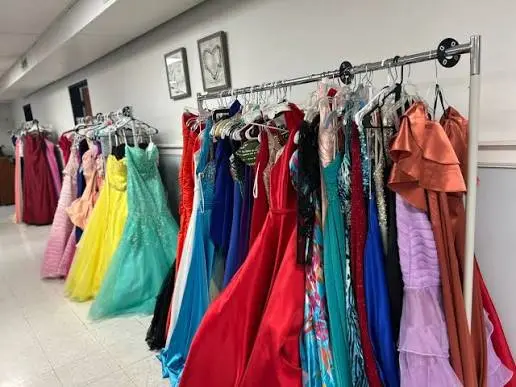
Prom colors for 2027 are becoming broader rather than being dominated by one shade. Soft blue, lilac, blush, sage and butter yellow remain relevant, while espresso brown offers a sophisticated dark option. Berry, purple, emerald and burgundy provide richer statement color, and silver, gold and champagne metallics continue to suit evening-focused designs where lighting and photography strongly influence appearance.
Are Pastels Still Strong?
Pastels continue to make sense for prom because they combine a youthful mood with the formality of an event gown, but the strongest 2027 versions look more nuanced than traditional candy-colored palettes. Powder blue, lavender, dusty pink, sage and pale yellow gain sophistication when fabric creates additional depth. Satin introduces moving highlights, chiffon gives color a softer layered quality, and tulle can appear lighter or darker depending on how many transparent layers overlap.
Color should therefore be approved on the actual garment material rather than from a digital reference alone. Pale satin can appear significantly lighter where the surface catches a strong flash, while the shaded folds look deeper. Lace and mesh introduce another variable because the lining underneath becomes part of the visible color. A cool blue outer lace over a warmer lining, for example, can shift the overall appearance away from the original color direction.
Brands developing a pastel story should ideally review the outer fabric, lining and key trims together under more than one lighting condition. Natural daylight reveals undertones differently from indoor warm lighting, while photography introduces another interpretation. The objective is not to make a shade look identical in every environment, which is unrealistic, but to make sure those changes still remain within the intended visual family.
Is Espresso the New Black?
Espresso and chocolate brown are among the most interesting dark directions for 2027 because they deliver much of the depth associated with black while immediately looking less predictable. Brown can feel particularly luxurious in satin, velvet, crepe and embellished fabrics, and it pairs naturally with gold, champagne, bronze and warm crystal details. The resulting gown can look rich without depending on brighter color for attention.
Calling espresso the new black, however, misses an important distinction. Black is relatively easy for consumers to understand, while brown is highly sensitive to undertone. A cool espresso, warm coffee brown and red-based chocolate may all belong to the same general family but look very different once they are placed beside each other. Glossy fabric can amplify the difference because reflected areas appear lighter than the base shade.
For that reason, brown deserves the same discipline as a fashion color rather than being treated as a generic neutral. When several fabrics appear in one style, the lining, lace, satin and trim should be viewed together. A well-controlled espresso gown can become one of the most distinctive pieces in a collection; a poorly coordinated one can simply look as though several unrelated shades of brown were combined.
Which Bold Colors Will Stand Out?
Berry, purple, emerald, burgundy and other saturated jewel tones remain strong prom options because they create immediate presence while still feeling formal. These colors work particularly well on satin, velvet, crepe and layered tulle, where changes in light reveal the depth of the material instead of producing one flat block of color. Deep shades also allow relatively simple silhouettes to feel richer without requiring dense decoration.
The commercial advantage of a powerful color is also its risk: customers remember it clearly. If the intended purple appears too red, too blue or too gray in production, the difference can be more noticeable than a small shift in a neutral shade. Physical color references, fabric swatches and bulk color approval become particularly valuable when saturated colors are being repeated across several fabrics or styles.
A collection also does not need every silhouette in every statement shade. A tighter color architecture often feels more deliberate. One berry gown, one emerald hero style and a few repeated core colors can create a stronger visual story than offering eight unrelated colors on every design. This also keeps the assortment easier to understand while reducing unnecessary color and SKU complexity behind the scenes.
Are Metallics Still Trending?
Metallic finishes continue to fit naturally into prom because evening lighting and photography reward surfaces that reflect light. Silver, pale gold, champagne and selected high-shine finishes can make a simple silhouette feel special without requiring complicated pattern work. Metallic effects may come from the base fabric, foil treatments, sequins, stones or several materials working together, so two “silver dresses” can behave very differently in both wear and production.
The stronger 2027 direction is controlled reflection rather than maximum shine everywhere. A matte corset paired with a reflective skirt, a satin gown with concentrated crystal placement or a clean column in a restrained metallic surface often has more depth than a garment where fabric, stones, trims and accessories all compete to reflect the same light.
Durability also deserves attention before a metallic material moves into production. Coated or highly reflective surfaces can crease, scratch or react to pressing differently from conventional satin or crepe. A fabric that looks impressive when first opened should also be evaluated after cutting, sewing, handling, pressing and packing. Prom dresses travel before they reach the event, so the material has to survive that journey as well as the camera flash.
What Fabrics Will Define Prom Dresses in 2027?
Satin, tulle, organza, lace and mesh remain core prom fabrics for 2027, while textured jacquards, brocade, sequins and dimensional surfaces are gaining attention. The more important shift is how fabrics are used. Designers are matching weight, stretch, transparency and surface effect more carefully to each silhouette, allowing familiar materials to create cleaner fit, lighter volume and more sophisticated contrast.
Is Satin Still a Key Fabric?
Satin remains one of the most useful prom materials because it can move between very different aesthetics without losing its formal character. A minimalist column, fitted mermaid, slip-inspired gown, structured corset or full skirt can all be made in satin, yet the required fabric is not necessarily the same. Weight, thickness, stretch, surface shine and drape determine whether satin supports or fights the intended silhouette.
Lighter satin can create beautiful movement but may reveal seam allowance, lining edges or body contours more easily. Heavier satin provides stronger structure, particularly around corsetry and sculpted skirts, but can become bulky where several layers meet. Stretch satin adds another variable because fit depends on how far the fabric extends and, equally important, how effectively it returns after being stretched.
Cutting direction also affects appearance. Satin panels placed in different directions can reflect light differently and appear to be different shades even when they came from the same roll. Clean sewing, zipper installation, controlled pressing and careful packing are therefore essential. Customers already understand what premium satin should look like, which means wrinkles, pulling, snagging or inconsistent shine are often noticed quickly.
Are Tulle and Organza Evolving?
Tulle and organza are increasingly being used to control the space around the body rather than simply to create the largest possible skirt. Tulle produces soft, diffused volume and layered transparency, making it useful for flowing ball gowns, overlays and romantic skirts. Organza holds a clearer edge and can create more architectural ruffles, panels and structured volume without the visual density of heavier formal fabrics.
The two materials are not interchangeable, and layer count should not be treated as a quality score. The way layers are gathered, joined and supported can matter more than the total number. Too many layers may add waist bulk and garment weight faster than they improve visible fullness. The lining underneath also changes how the outer layers move, particularly when a soft tulle skirt is paired with a lining that is much heavier or narrower.
A useful evaluation includes movement as well as appearance on a mannequin. The development team should watch how the skirt opens during a normal stride, whether the front and back remain balanced during turning, and whether compressed layers recover after packing. The objective is not simply a large skirt; it is volume that remains attractive when the wearer is actually moving through the event.
How Are Lace and Mesh Changing?
Lace and mesh are becoming more deliberately placed within prom dresses rather than being used as decorative surfaces without a structural purpose. Lace can frame a corset, soften a neckline, create sleeves or add texture over a contrasting lining. Mesh can create illusion panels, connect cutout areas, support crystal placement or produce sheer layers while maintaining more control over coverage than completely open construction.
Their production risks are different. Lace demands attention to motif placement, matching and edge treatment, particularly around center fronts or symmetrical bodice panels. Mesh requires control of transparency, stretch direction, recovery and puncture risk during sewing. When stones, beads or appliqués are attached to mesh, the base material must also support the added weight without sagging or losing its intended shape.
Transparency should always be judged on the body rather than from a folded fabric swatch. A mesh that appears relatively opaque in several stacked layers can become much more transparent once stretched over the bust or hip. Lining color, lighting and skin contrast influence the result as well. A successful sheer prom gown should look intentionally revealing rather than accidentally underlined.
Material | Common Prom Use | Property to Check | Typical Production Risk |
Satin | Corset, fitted, mermaid, ball gown | Weight, shine, drape, stretch | Snagging and shade appearance |
Stretch satin | Body-hugging gowns | Stretch and recovery | Growth after wear |
Tulle | Layered skirts, overlays | Weight and softness | Uneven hems |
Organza | Structured volume, ruffles | Crispness and seam behavior | Excess stiffness |
Lace | Bodices, overlays, sleeves | Motif placement and lining | Misaligned patterns |
Mesh | Illusion panels, cutouts | Transparency and recovery | Holes or distortion |
Sequin fabric | Statement gowns | Attachment and skin contact | Sequin loss or scratching |
Velvet | Dark formal gowns | Pile direction | Pressure marks |
Brocade | Structured dresses | Weight and body | Restricted movement |
Which Textures Are Emerging?
Texture gives designers one of the easiest ways to make a familiar silhouette feel new. Brocade, jacquard-inspired fabrics, sequins, embroidered surfaces and dimensional florals can transform a simple corset or column gown without requiring several additional design features. This is especially useful for hero products because surface texture remains visible in close-up photography while the overall silhouette still reads clearly from a distance.
The main challenge is knowing when to stop. If the fabric already contains a strong floral surface or complex woven pattern, additional ruching, multiple cutouts, bows and dense stones can make the design harder to read rather than more luxurious. Letting one material lead often creates a cleaner result. A structured brocade gown may need little more than a confident neckline and precisely positioned waist seam.
Texture also changes wearability. Sequins around the inner arm can scratch skin, heavy embroidery can distort lightweight fabrics, and dimensional appliqués can flatten during shipping. These are not reasons to avoid expressive materials; they are reasons to test the real garment rather than making decisions entirely from an attractive fabric sample.
Which Details Will Make 2027 Prom Dresses Stand Out?
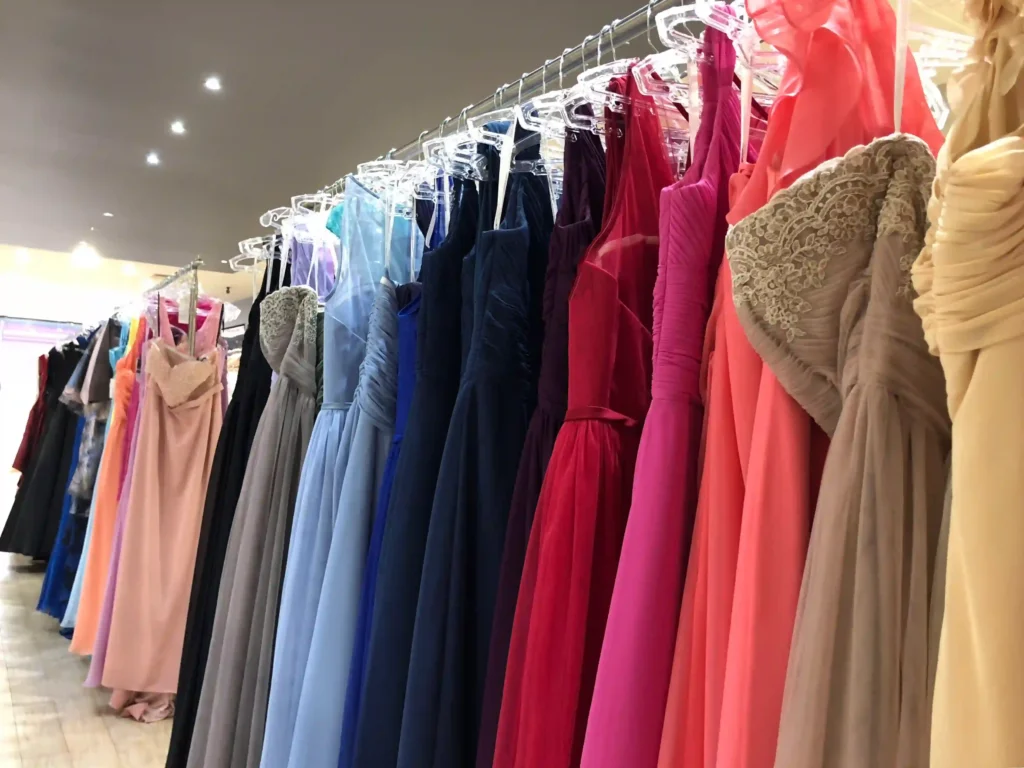
The most effective 2027 prom details are becoming more focused: refined crystal placement, three-dimensional florals, bows, feathers, ombré effects, prints and detachable components. A dress does not need several statement techniques at once. One strong focal detail usually creates more impact when the silhouette, color and fabric support it instead of competing for attention across the same garment.
Is Refined Sparkle Replacing Heavy Embellishment?
Sparkle is not disappearing from prom, but more sophisticated designs are using it with greater control. Rhinestones can follow corset seams, fade gradually across a skirt, frame a neckline or highlight selected panels rather than covering every available surface. Sequins can be combined with matte materials so that the silhouette remains visible instead of becoming one continuous reflective shape.
Editing embellishment also has practical advantages. Dense stones increase garment weight, while heavily sequined stretch fabric may lose some flexibility. Beading positioned under the arm, at the seat or along high-friction areas experiences more wear than decoration placed on a bodice front. The location of sparkle therefore influences comfort and durability as much as appearance.
A useful design test is to imagine the gown with half of its decoration removed. If the dress immediately loses all identity, the underlying silhouette may not be doing enough work. If it still feels strong, the embellishment is probably reinforcing the design rather than hiding a weak foundation. In 2027, that balance between structure and shine often looks more modern than indiscriminate decoration.
Are 3D Florals, Bows and Feathers Growing?
Three-dimensional florals, bows and feathers answer the same desire in different ways: they create a detail that is immediately memorable. Floral appliqués offer romantic texture and can be concentrated around corset seams, necklines, shoulders or selected skirt areas. Bows create graphic shape, particularly at the back, shoulder or waist. Feathers introduce movement, which makes them especially effective in video and evening photography.
Scale and placement matter more than quantity. A large bow can completely change a clean strapless gown without requiring decoration on the front. A group of dimensional flowers around one side of a bodice can create a focal area while leaving the skirt simple. Feather trim can animate a hem or slit without overwhelming the whole garment. Concentration often looks more intentional than distributing the same detail everywhere.
These features also need to survive production and shipping. A sculptural bow needs suitable internal support, appliqués require consistent positioning, and feathers need protection from crushing and irregular direction. When a detail is detachable, its fastenings also become part of the design. Planning those requirements early makes the finished feature look deliberate rather than like decoration added near the end of development.
Are Prints and Ombré Returning?
Prints and ombré effects have room to grow because solid colors still dominate much of the prom market. Watercolor florals, botanical motifs, updated animal-inspired patterns and gradual color transitions can create immediate differentiation on category pages where many dresses otherwise share similar corset, mermaid or ball-gown silhouettes. A print can therefore provide novelty without requiring a completely unfamiliar shape.
Placement is the main technical question. Large motifs may need to appear in specific positions on the bodice, center front or skirt, which can reduce cutting efficiency because pattern pieces cannot simply be placed wherever the marker uses the least fabric. The visual consistency gained from controlled placement may therefore increase fabric consumption compared with an all-over nondirectional print.
Ombré introduces another challenge because the vertical position of the transition influences garment proportion. On a floor-length skirt, moving the transition 20 or 30 centimeters can visibly change how much of each color the customer sees. Different garment sizes can complicate that relationship further. The approved sample should therefore establish not only the colors but also where the transition is intended to appear on the body.
Are Detachable Details Still Rising?
Detachable overskirts, trains, sleeves and capes continue to make sense because they allow one gown to create several moments during the same event. A wearer can arrive in a dramatic full silhouette, remove volume for dinner or dancing, then use either configuration for photographs. The concept also works naturally with social content because one garment can generate multiple visual looks without requiring a complete outfit change.
The fastening method determines whether the idea feels premium. Snaps, hooks, loops and hidden zippers need to hold securely while remaining visually discreet. An overskirt should distribute weight around the waist instead of pulling from a few isolated points, and detachable sleeves should not distort the neckline when they are attached. The dress also needs to look finished once each removable element is taken away.
Both versions should therefore be evaluated as complete outfits. If the base gown looks unfinished after the train is removed, the design is not truly convertible. The strongest 2027 detachable details will be the ones where transformation solves a practical problem while giving the wearer a second intentional look.
How Will Fit and Comfort Shape Prom Dresses in 2027?
Fit and comfort are becoming inseparable from prom design because customers expect dramatic silhouettes without spending the evening adjusting them. Bust support, neckline security, hip ease, slit placement, skirt weight, lining and stretch recovery directly affect the experience of wearing a gown. The strongest 2027 styles will maintain their intended shape while allowing normal sitting, walking, dancing and photography.
How Do Corsets Balance Support and Comfort?
Corset support begins with body proportion, not with the number of boning channels visible on the garment. Upper bust, full bust, underbust and waist need to work together so that the bodice distributes tension rather than concentrating it at one uncomfortable point. Adding more boning to an incorrectly shaped corset can make it more rigid without actually improving support.
Cup position is especially important. Cups positioned too high can create empty space under the bust, while cups positioned too low may reduce lift and pull the neckline downward. Boning should stabilize the bodice without ending at pressure-sensitive locations, and lining should create a comfortable barrier between structural components and the body. In strapless dresses, anti-slip support can help, but it should work together with the pattern rather than replacing good fit.
A practical fitting includes more than looking at the gown in front of a mirror. The wearer should raise both arms, rotate the shoulders, sit, stand and breathe normally without feeling that the dress is gradually moving downward. A successful corset makes the body look supported without reminding the wearer every few minutes that internal structure is present.
How Do Slits and Trains Affect Movement?
A high slit can transform the visual balance of a prom gown, but its real height changes as soon as the wearer moves. Sitting, climbing stairs and taking a longer stride can expose significantly more leg than the static measurement suggests. Slit position therefore needs to be reviewed on the body rather than judged only by measuring the opening while the garment lies flat on a table.
The lining must be considered at the same time. If it finishes awkwardly above the slit, it may become visible during movement. If it extends too low or is much narrower than the outer skirt, it can restrict the opening and change how the gown walks. Fabrics prone to stretching may also need stabilization so that repeated movement does not gradually lengthen or distort the slit.
Trains create the opposite challenge by adding fabric behind the wearer. A long train gives stronger arrival photography but increases floor contact and becomes harder to manage in crowded venues. Moderate sweep trains, detachable trains and removable overskirts often provide a useful compromise between drama and mobility. Heel height should also be considered because even a few centimeters change how much fabric rests on the floor.
How Does Fabric Affect Fit?
Fabric is effectively part of the pattern because two materials cut from the same pattern can create noticeably different garments. A stable woven satin behaves differently from stretch satin, mesh or jersey even when their weights appear similar. Stretch percentage, recovery, drape and thickness determine how much ease the garment needs and how tension is distributed around the bust, waist and hip.
Recovery is particularly important for fitted dresses. A fabric may stretch comfortably during the first fitting yet fail to return fully after the wearer sits for twenty minutes. The result can be looseness at the seat, waist or knee by the end of the evening. Testing the garment after a period of wear therefore provides more useful information than checking stretch only by pulling a small fabric swatch by hand.
Lining can also change fit unexpectedly. Pairing a stretch outer fabric with a stable lining may restrict movement, while a very soft lining under a structured bodice may fail to provide enough support. Fabric, lining, interfacing, cups and structural components need to work as one system. Changing one material late in development can require another pattern or fit review.
What Fit Problems Should Be Avoided?
The most damaging fit problems are often ordinary ones: a strapless dress that gradually slips, an upper bust that gaps, cups that do not support correctly, a zipper that bulges, a skirt that becomes too tight across the hip, side seams that twist, lining that appears while walking or a floor-length hem that becomes noticeably uneven once shoes are added. None looks dramatic on a specification sheet, yet each can change how confident the wearer feels.
A realistic sample fitting should include movement rather than relying on measurements and static photographs alone. Useful checks include:
- Measure bust, waist, hip and total length before fitting.
- Walk at least 10–15 normal steps and check the side seams again.
- Sit for several minutes to review waist, hip and bodice pressure.
- Raise both arms to test strapless or corset stability.
- Use stairs when a train or full-length skirt is involved.
- Photograph front, side and back views under normal lighting.
- Check whether lining becomes visible during movement.
- Inspect the zipper after sitting and standing.
- Re-measure critical fitted areas after the wear test.
Measurement tolerance should also reflect the garment rather than applying one universal figure to every area. A fitted corset bodice generally needs tighter control at the bust and waist than a full tulle skirt needs at its hem circumference. The most useful measurements are the ones directly connected to how the dress sits, moves and maintains the approved silhouette.
How Can Brands Develop a 2027 Prom Dress Collection?
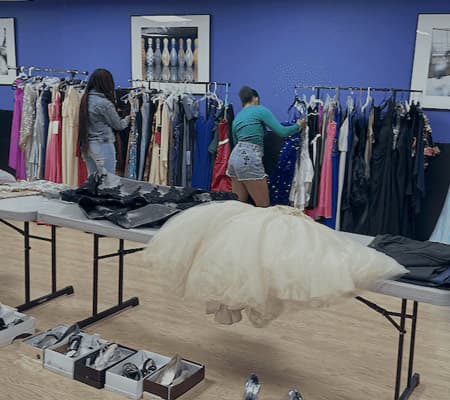
A strong 2027 prom collection starts by translating trends into a disciplined product mix rather than copying every idea at once. Brands should define core silhouettes, statement styles, color families and fabric groups, then test the highest-risk structures through sampling. Commercial success depends on connecting trend relevance with fit, fabric availability, achievable construction, production consistency, price position and the actual launch calendar.
How Do Brands Turn Trends Into Commercial Styles?
A useful prom collection gives different styles different jobs. Some dresses need to be immediately understandable: a satin corset gown, fitted mermaid, clean A-line or lightweight ball gown can form the commercial foundation of the range. A smaller group can carry stronger fashion signals through ombré color, dimensional florals, feather placement, unusual textures or convertible construction that provides campaign imagery and gives the collection a recognizable identity.
If every style is treated as a hero product, the range can become visually exhausting and operationally difficult. If every design is deliberately safe, the assortment may look too familiar to create attention. A more balanced 12- to 20-style collection might combine recognizable silhouettes with several higher-impact pieces, then use color and material relationships to make them feel like one season rather than unrelated individual dresses.
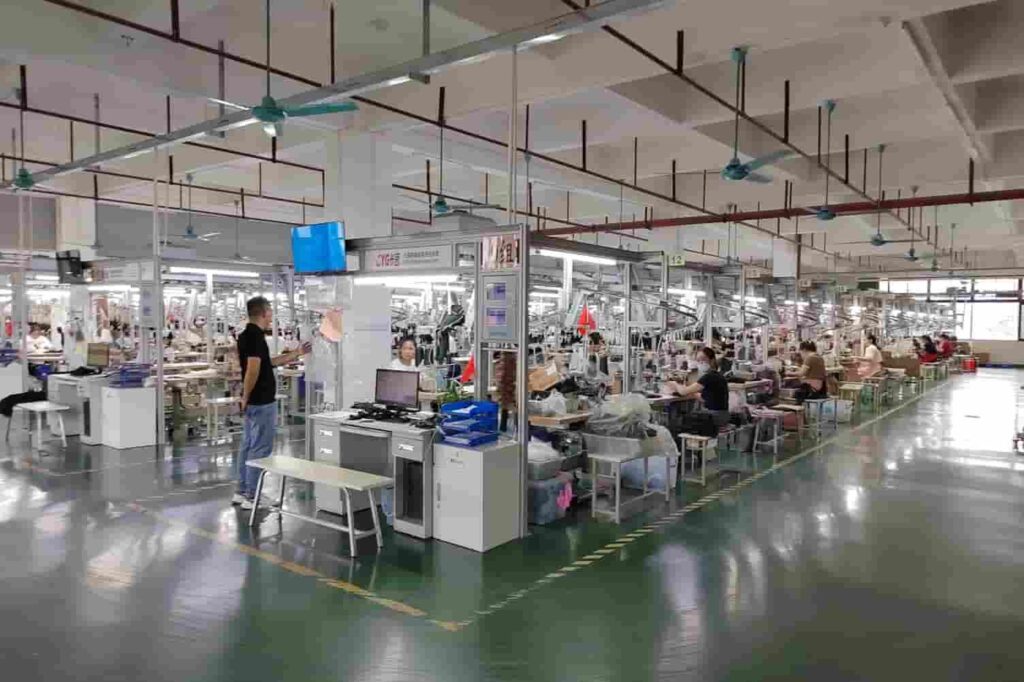
Fabric grouping helps achieve the same balance behind the scenes. Several styles can share an approved satin family, lace group or mesh quality while using different shapes. Jinfeng Apparel’s documented production system supports multi-style dress and seasonal womenswear development, including programs where styles are grouped through fabric, sample, PP approval and production scheduling. This kind of organization becomes especially useful when a collection includes several silhouettes that need to launch within the same sales window.
Which Trends Need Sample Testing?
The strongest visual trends are often the ones that create the greatest development risk. Corset gowns need cup, boning and upper-bust testing. Strapless designs need movement checks. Transparent mesh needs opacity and lining review. Lace requires placement control. Sequins and rhinestones introduce weight, attachment and skin-contact questions. Full skirts need layer and hem balancing, while detachable sleeves, trains or overskirts require their fastening systems to work repeatedly.
Development priority should therefore follow risk rather than simply the order in which designs were sketched. A clean A-line satin gown may reach a reliable sample relatively quickly, while a strapless corset with a removable skirt and crystal mesh contains several systems that can influence one another. Starting the difficult style earlier gives more time to solve those relationships before material ordering and production dates become fixed.
Jinfeng Apparel’s formalwear product framework specifically covers prom, corset, satin, mesh, lace and sequin categories, with technical attention to areas such as bust support, boning, satin appearance, mesh transparency, lining and embellishment durability. These are useful checkpoints regardless of where a collection is manufactured because they reflect the parts of a prom gown most likely to change its fit, appearance or consistency.
How Do Materials Affect Production?
Material decisions affect much more than the surface appearance of a prom dress. Fabric weight can alter drape, stretch can change pattern ease, transparency can create a lining requirement, and a different shine level can change how the same color photographs. Custom dyeing, special lace, sequins, rhinestone trims, metallic finishes and branded packaging can also carry their own supplier minimums and development times.
This is one reason material substitutions should be reviewed rather than treated as simple purchasing changes. Moving from one satin to another may change weight, shine, stretch, recovery, hand feel and pressing behavior. Replacing mesh can alter transparency and fit. Changing lining can affect both opacity and movement. When the characteristics are substantially different, the pattern or sample may need to be checked again before production.
Order quantity also interacts with these decisions. Jinfeng Apparel’s current standard custom-production MOQ starts from 200 pieces per style and color, while custom-dyed, printed, certified, lace, sequin or specially developed fabrics may require higher quantities according to material suppliers. For a multi-style prom collection, reviewing these restrictions before confirming too many colors can prevent a visually appealing line plan from becoming commercially inefficient later.
How Can Samples and Production Controls Reduce Bulk Risk?
Sampling works best when each stage answers a different question. A first sample establishes whether the silhouette and construction are feasible. A fit sample focuses on body proportion and movement. A revised sample confirms corrections. A pre-production or PP sample should represent the materials, measurements and workmanship intended for bulk. A Golden sample can then provide a physical reference alongside the technical documents used by production and inspection teams.
This staged approach is particularly useful for prom because an attractive first sample can hide unresolved technical problems. A gown may photograph beautifully while the zipper remains difficult, the lining is too short, the cups need correction or the detachable train is pulling at the waist. Moving directly from a visually approved prototype into volume production transfers those unresolved issues to hundreds of garments rather than solving them while only one sample is involved.
Jinfeng Apparel’s documented sample framework distinguishes first, fit, revised, photo, PP and Golden samples rather than treating every sample as interchangeable. That distinction reflects a useful principle for any formalwear project: the closer a style gets to bulk production, the more controlled changes should become. Large changes to fabric weight, neckline shape, cup construction or structural trims near production can affect patterns, consumption, cost, sewing sequence and lead time simultaneously.
Development Gate | Main Question | What Should Be Confirmed |
Concept | Does the style fit the collection? | Customer, silhouette, color, price position |
Material | Will the fabric support the design? | Weight, stretch, drape, opacity, availability |
First sample | Can the design be built correctly? | Proportion and construction |
Fit sample | Does it work on the body? | Bust, waist, hip, length, movement |
Revised sample | Were corrections solved? | Pattern and construction updates |
PP sample | Is the style ready for production? | Final fabric, trims, measurements, workmanship |
Golden sample | What is the physical reference? | Approved appearance and construction |
Bulk control | Is production staying consistent? | Measurement, sewing, color, finishing, packing |
Production consistency then depends on controlling the information behind the approved garment. Patterns, measurement charts, fabric references, lining, trims, construction notes and approval records need to remain aligned. Different prom categories require different inspection priorities: satin needs attention to snagging, pressing and shade appearance; mesh needs transparency and damage checks; lace needs placement control; sequins need attachment and skin-contact review; corset dresses need cup, boning, neckline and zipper consistency.
The objective is not simply to copy one perfect sample hundreds of times. A reliable production process preserves the same design logic across multiple sizes, colors and batches even though fabric behavior, grading and manufacturing variation introduce new challenges. When those controls are considered while the collection is still being developed, more ambitious 2027 ideas such as corsetry, sheer construction, dimensional embellishment and convertible styling become significantly easier to scale without losing the qualities that made the original sample attractive.
Prom fashion in 2027 is unlikely to be remembered for one dominant dress. The more interesting story is the range of ways familiar formalwear ideas are being refined: corsets that look sharper but feel easier to wear, fitted gowns that shape the body without restricting it, ball gowns that create volume with less weight, pastels with greater depth, rich brown and jewel tones, and decorative techniques that become stronger because they are used more selectively.
For designers, retailers and fashion brands, that makes the season less about chasing every visible trend and more about choosing which ideas deserve to become part of a recognizable product identity. A beautiful prom gown still has to survive the less glamorous realities behind the photograph. The strapless bodice has to stay up, the mermaid skirt has to move, the satin has to arrive without unnecessary damage, the mesh has to provide the intended coverage, the embellishment has to remain attached and the finished garment has to retain its shape across different sizes.
When those details are solved early, trend and commercial reality no longer compete with each other. A 2027 prom collection can still contain dramatic colors, corsetry, tulle volume, crystals, florals, feathers and convertible elements, but each feature has a clear reason to be there. That is likely to separate the dresses that briefly look fashionable from the ones customers actually try on, photograph, purchase, recommend and remember after prom season is over.
Frequently Asked Questions
What are the biggest prom dress trends for 2027?
The biggest prom dress trends for 2027 include structured corset bodices, fitted and mermaid gowns, lighter ball-gown skirts, halter and asymmetric necklines, pastel colors, espresso brown, jewel tones, metallic finishes and more selective embellishment. Three-dimensional florals, bows, feathers, ombré effects and detachable components are also important. Across these directions, cleaner proportion, comfortable movement and strong photographic appeal are becoming more influential than simply adding more decoration.
What colors are trending for prom 2027?
Prom colors for 2027 span several distinct families rather than one dominant shade. Powder blue, lilac, blush, sage and soft yellow keep pastels relevant, while espresso and chocolate brown provide richer alternatives to black. Berry, purple, burgundy and emerald bring stronger saturation, and silver, champagne and gold remain useful for metallic looks. Fabric shine, lining color and lighting can substantially change how these shades appear, so physical fabric approval remains important.
Are corset prom dresses still in style in 2027?
Corset prom dresses remain strongly relevant in 2027, although the most current versions place greater emphasis on clean structure and fit rather than exaggerated decorative boning. Shaped cups, controlled waistlines, strapless construction, lace-up backs and visible panel seams continue to appear, but comfort and bust stability matter just as much as the visual effect. A successful corset should maintain neckline position while the wearer walks, sits and raises her arms without frequent adjustment.
What fabrics are best for 2027 prom dresses?
The best fabric depends on the intended silhouette. Satin suits fitted gowns, corsets and elegant full skirts; tulle creates lightweight layered volume; organza provides crisper architectural shape; lace adds surface detail; mesh allows controlled transparency; and sequins or textured fabrics work well for statement styles. Fabric weight, stretch, recovery, drape, transparency and lining compatibility should be evaluated together because changing material can alter both fit and the final appearance of a gown.
Are ball gowns still popular for prom 2027?
Ball gowns remain an important part of prom fashion in 2027, but many designs are moving toward lighter and more controlled volume. Layered tulle, organza and carefully arranged gathers can create a dramatic silhouette without making the garment unnecessarily heavy. The most wearable versions balance skirt fullness with waist bulk, hem length and movement, allowing the wearer to walk, sit, turn and dance while still achieving the formal entrance associated with a traditional prom ball gown.
When should brands start developing a 2027 prom dress collection?
Development should begin early enough to leave time for material sourcing, pattern work, first samples, fitting, revisions, color approval, PP confirmation and bulk production before the planned selling season. More complex styles such as corsets, embellished mesh, engineered prints and detachable gowns generally require earlier attention because more variables need to be confirmed. Working backward from the intended launch date and giving high-risk designs priority is more reliable than trying to push every style through development at the same speed.
Share This Article :

Jerry Lee
Categories

Latest blogs
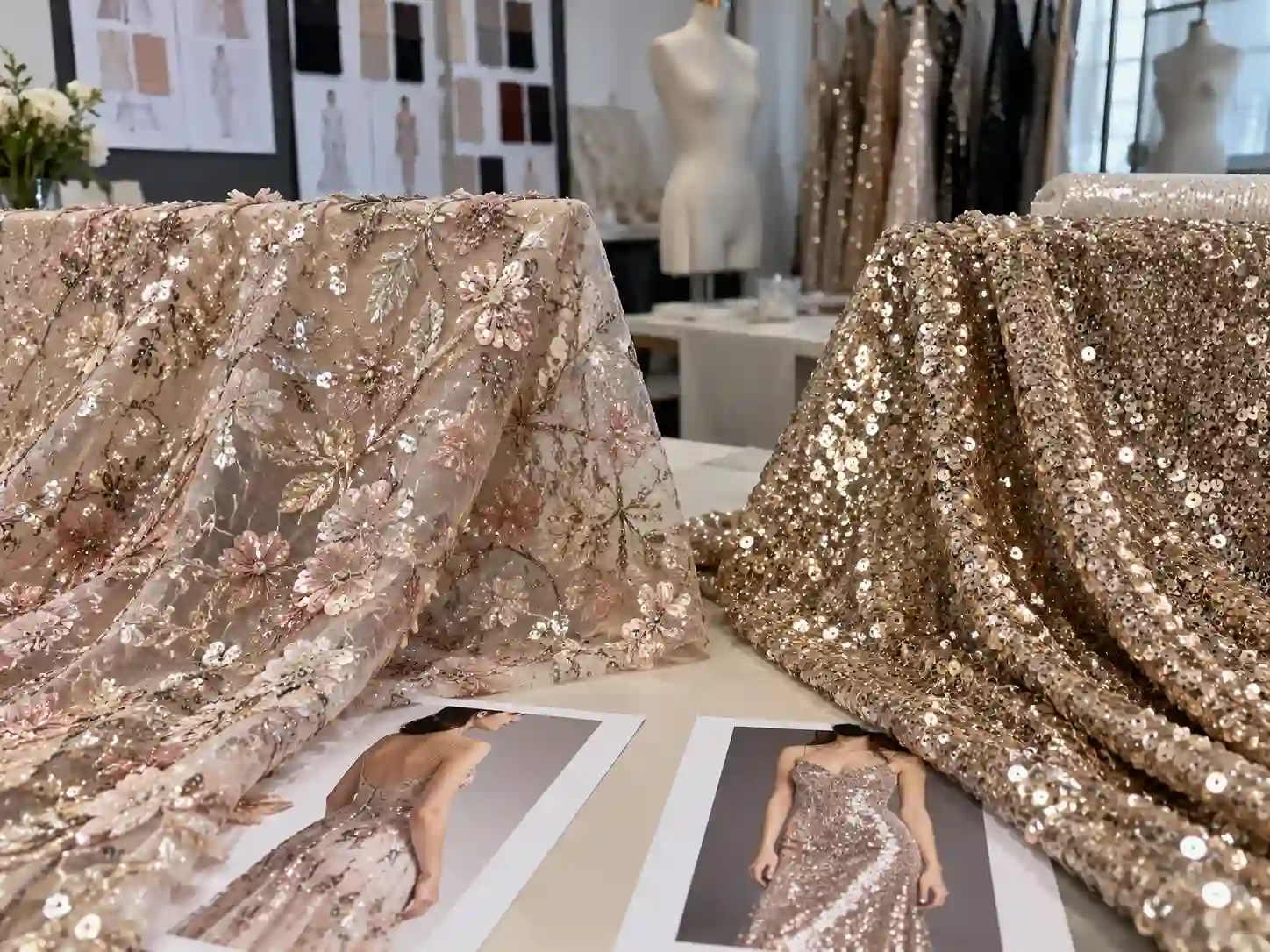

Table of Contents
Here, developing your OEM/ODM private label clothing collection is no longer a challenge—it’s an excellent opportunity to bring your creative vision to life.