Skip to content
Private Label Party Dress Factory for Fashion Brands
Jinfeng Apparel helps fashion brands develop and manufacture private label party dress collections with stronger fit control, trend-focused sampling, fabric matching, and scalable bulk production. From bodycon mini dresses to occasionwear, club dresses, ruched silhouettes, cut-out styles, and statement evening looks, our factory system supports brands that need reliable development, stable production, and repeatable quality for frequent seasonal launches.
- 30+ years experience in contour and fitted dress manufacturing
- 7 senior pattern makers specialized in fitted dress development
- 20 sample makers for fast party dress sampling turnaround
- 300,000 pcs monthly capacity for repeat partywear production
- 4 factory system covering occasionwear and party dress categories
Common Challenges in Party Dress Manufacturing
Factories May Not Understand Party Dress Silhouettes
Sampling Can Take Too Many Rounds
Fabric Selection Often Changes the Final Look
Bulk Production May Not Match Approved Samples
Many Factories Cannot Support Frequent New Drops
Low Price Alone Creates Long-Term Risk
Why Fashion Brands Choose Jinfeng for Party Dress Manufacturing
Strong Experience in Women’s Fashion Manufacturing
More Than 30 Years of Contour Dress Manufacturing Experience
Fast and More Accurate Sampling Support
Better Understanding of Party Dress Construction

Scalable Production for Growing Fashion Brands
Stronger Support for Trend-Driven Collections
More Stable Production Coordination
Better Long-Term Manufacturing Compatibility
Who We Manufacture Private Label Party Dresses For
Established Women’s Fashion Brands
Light Luxury and Premium Fashion Brands
European and American and Middle Eastern Wholesalers
Boutique Fashion Stores
White Label Fashion Customers
Nightlife and Occasionwear Brands
Private Label Manufacturing Capabilities for Fashion Brands
OEM Manufacturing Support
ODM Development Capability
Private Label Branding Solutions
Pattern Making and Sample Development
Fabric and Trim Coordination
Flexible MOQ and Scalable Production
Full Quality Control System
Design Protection and Confidentiality Support
| Private Label Capability | Jinfeng Support |
|---|---|
| OEM Manufacturing Support | Supports OEM party dress production based on tech packs, reference samples, measurement charts, and approved construction details for scalable bulk manufacturing. |
| ODM Development Capability | Assists with ODM development based on trend references, fashion concepts, market inspiration, and silhouette direction for private label collections. |
| Private Label Branding Solutions | Supports woven labels, satin labels, care labels, hangtags, barcode stickers, polybags, carton marks, and packaging coordination. |
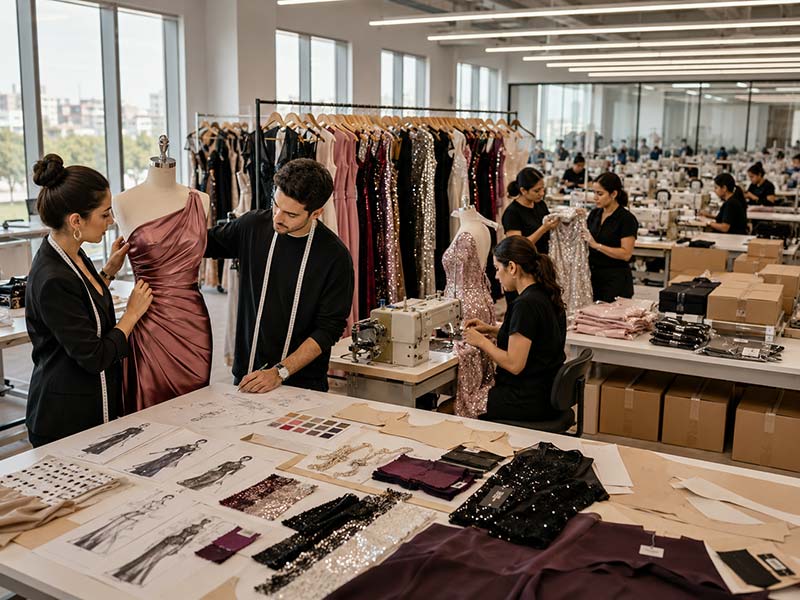
| Pattern Making and Sample Development | Operates 2 sample rooms with 7 senior pattern makers and 20 sample makers, supporting contour shaping, stretch balance, and 5–10 day sample development. |
| Fabric and Trim Coordination | Supports sourcing for satin, mesh, sequins, velvet, lace, jersey, and trims while reviewing stretch ratio, recovery, opacity, and sewing compatibility. |
| Flexible MOQ and Scalable Production | Supports small launch orders, repeat replenishment, and scalable production through 18 production lines and around 300,000 pcs monthly capacity. |
| Full Quality Control System | Applies fabric inspection, inline checking, final inspection, and testing for stretch recovery, seam strength, color fastness, washing performance, and sequin durability. |
| Design Protection and Confidentiality Support | Protects customer designs, logos, tech packs, and development information through confidentiality management and NDA support for private label cooperation. |
Party Dress Styles for Private Labels

Bodycon Mini Dresses
- Manufacturing Focus: Recovery control, seam tension, opacity management, size grading
- Common Fabrics: Stretch jersey, double-layer mesh, rib knit, scuba, stretch crepe
- Commercial Value: Strong repeat potential for fashion brands with frequent new drops

Ruched Party Dresses
- Manufacturing Focus: Ruching placement, side seam balance, elastic tension, fabric recovery
- Common Fabrics: Stretch mesh, jersey, slinky knit, satin-back stretch fabric
- Commercial Value: High perceived value with controlled fabric and construction cost

Cut-Out Party Dresses
- Manufacturing Focus: Reinforcement, edge finishing, strap placement, support control
- Common Fabrics: Stretch jersey, ponte, crepe, rib knit, stretch satin
- Commercial Value: Strong visual differentiation for Instagram and TikTok-driven brands

Backless Party Dresses
- Manufacturing Focus: Strap tension, neckline stability, bust shaping, closure placement
- Common Fabrics: Satin, stretch crepe, slinky jersey, velvet, mesh-lined fabrics
- Commercial Value: Ideal for evening edits, wedding guest collections, and eventwear drops

Satin Slip Party Dresses
- Manufacturing Focus: Bias control, seam smoothness, fabric shine, pressing marks
- Common Fabrics: Polyester satin, stretch satin, charmeuse, satin-back crepe
- Commercial Value: Good for elevated collections and repeatable color expansion

Sequin Party Dresses
- Manufacturing Focus: Sequin direction, lining comfort, seam bulk, needle damage
- Common Fabrics: Sequin mesh, stretch sequin, embroidered sequin fabric
- Commercial Value: High selling value for seasonal campaigns and event-driven drops

Corset-Inspired Dresses
- Manufacturing Focus: Panel shaping, boning placement, lining compatibility, bust support
- Common Fabrics: Satin, crepe, jacquard, ponte, stretch woven fabrics
- Commercial Value: Higher perceived value and stronger premium positioning

Mesh Panel Dresses
- Manufacturing Focus: Mesh compatibility, seam tension, opacity, panel alignment
- Common Fabrics: Power mesh, stretch mesh, jersey, rib knit, scuba
- Commercial Value: Strong visual identity for bold fashion and nightlife brands

Halter Party Dresses
- Manufacturing Focus: Neckline tension, bust support, armhole curve, back stability
- Common Fabrics: Stretch jersey, satin, velvet, rib knit, mesh-layered fabric
- Commercial Value: Suitable for color expansion and seasonal repeat orders
Production Techniques for Party Dress Manufacturing
Pattern Engineering for Body-Shaping Silhouettes
Stretch Direction Control
Seam Tension Management
Cut-Out Reinforcement Techniques
Ruching and Gathering Control
Closure and Zipper Construction
Party Dress Fabric Options
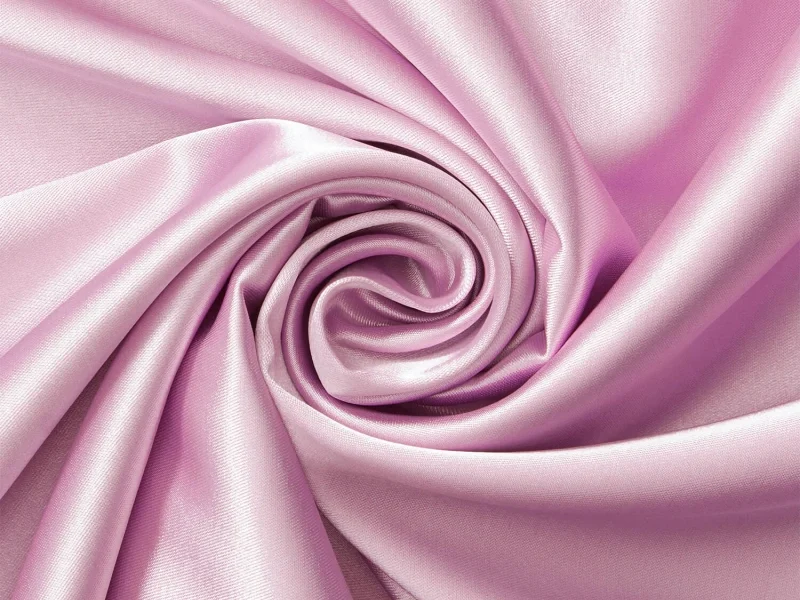
Stretch Satin
- Typical GSM: 120–220gsm
- Stretch Ratio: 5%–15% depending on construction
- Manufacturing Focus: Shine consistency, seam smoothness, pressing control, fraying risk
- Commonly Used For: Cocktail dresses, wedding guest edits, premium party collections

Stretch Velvet
- Typical GSM: 220–320gsm
- Stretch Ratio: 10%–25%
- Manufacturing Focus: Nap direction, color shading, seam bulk, recovery control
- Commonly Used For: Holiday drops, eveningwear, winter party collections
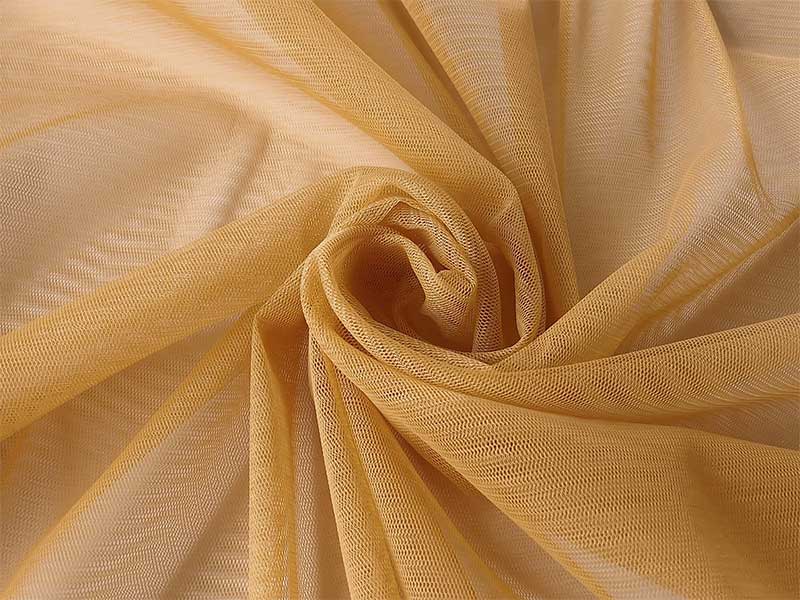
Power Mesh
- Typical GSM: 80–180gsm
- Stretch Ratio: 20%–50%
- Manufacturing Focus: Opacity, recovery, panel alignment, seam tension
- Commonly Used For: Clubwear, sculpted dresses, cut-out styles, layered bodycon looks

Sequin Fabric
- Typical GSM: 180–350gsm
- Stretch Ratio: 0%–20% depending on base fabric
- Manufacturing Focus: Sequin direction, lining comfort, needle damage, seam thickness
- Commonly Used For: New Year collections, eventwear, evening party dresses
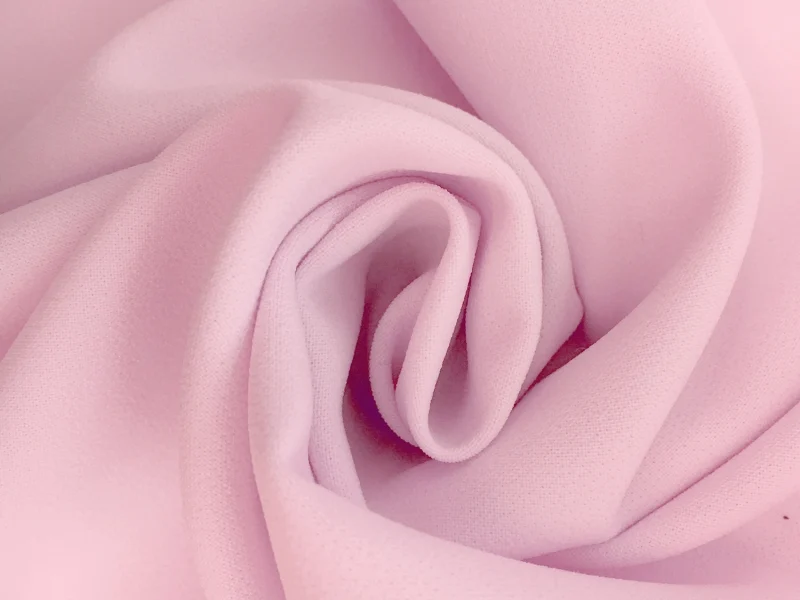
Stretch Crepe
- Typical GSM: 180–260gsm
- Stretch Ratio: 5%–18%
- Manufacturing Focus: Drape balance, shrinkage, seam smoothness, lining compatibility
- Commonly Used For: Cocktail edits, mature fashion collections, premium occasionwear
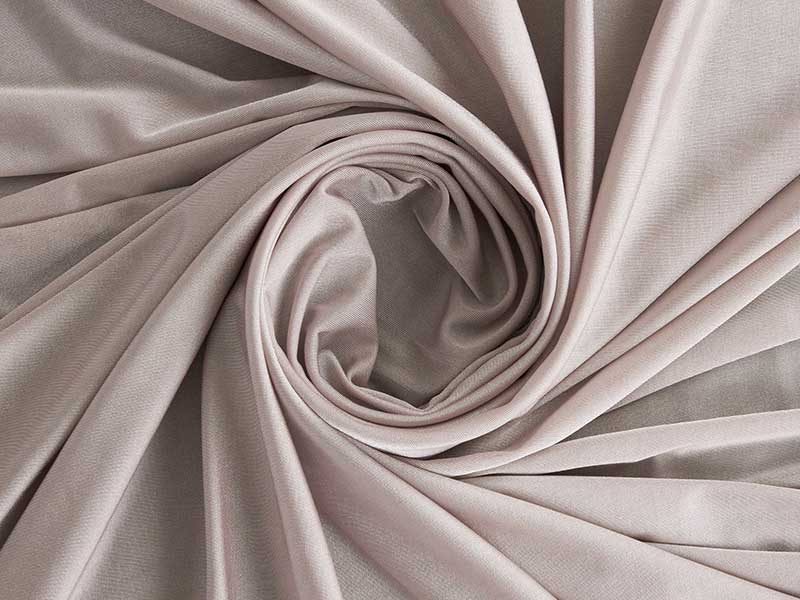
Slinky Jersey
- Typical GSM: 180–260gsm
- Stretch Ratio: 20%–45%
- Manufacturing Focus: Recovery, twisting, cutting stability, neckline control
- Commonly Used For: Fast fashion drops, nightlife styles, draped party dresses
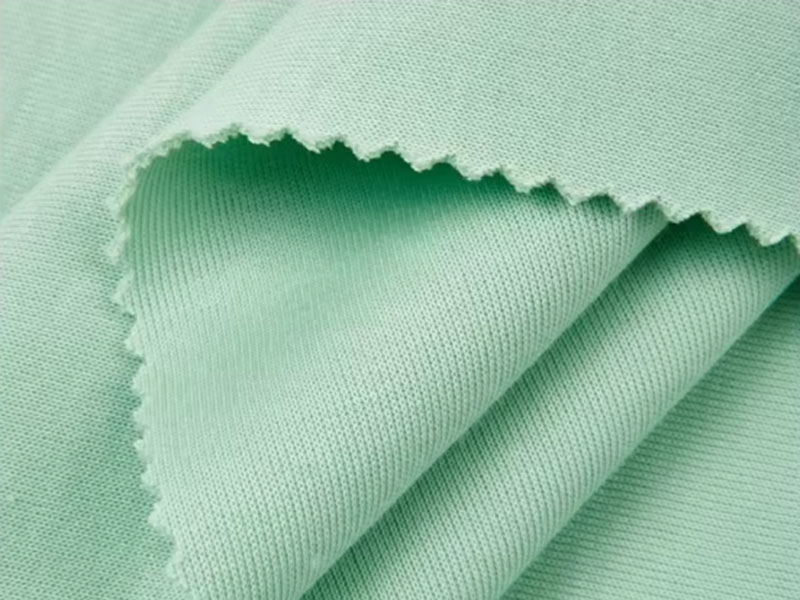
Ponte and Scuba
- Typical GSM: 260–420gsm
- Stretch Ratio: 15%–35%
- Manufacturing Focus: Bulk control, seam thickness, heat sensitivity, recovery
- Commonly Used For: Bodycon dresses, sculpted styles, structured partywear

Stretch Lace
- Typical GSM: 90–180gsm
- Stretch Ratio: 10%–35%
- Manufacturing Focus: Pattern matching, lining coverage, edge finish, hand feel
- Commonly Used For: Romantic occasionwear, evening edits, feminine party collections
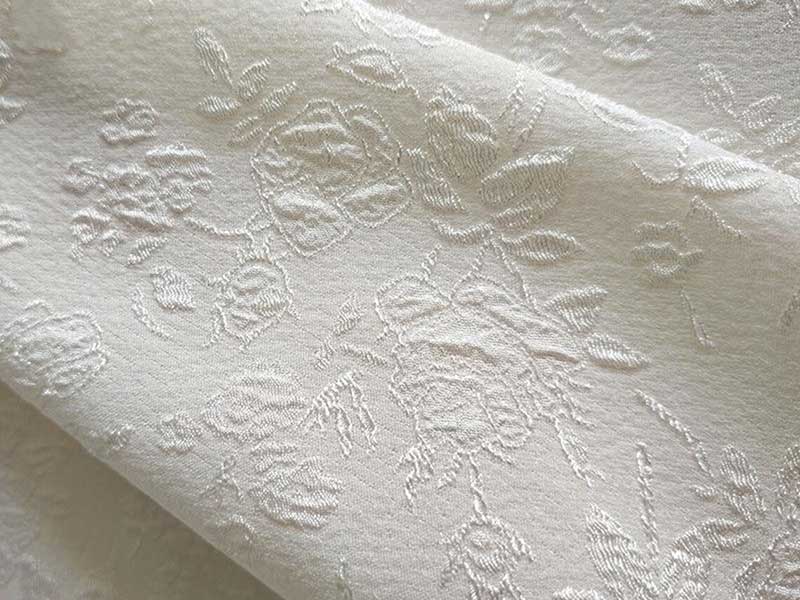
Stretch Jacquard
- Typical GSM: 220–360gsm
- Stretch Ratio: 5%–20%
- Manufacturing Focus: Pattern alignment, texture consistency, seam stability, shrinkage management
- Commonly Used For: Premium party dresses, formal occasionwear, luxury-inspired collections
Fabric Techniques for Party Dress Collections
Sequins and Surface Embellishment
Mesh Layering and Sheer Effects
Ruching and Gathering
Foil, Metallic, and Shine Effects
Lining and Comfort Construction
Heat Transfer and Decorative Details
Party Dress Sampling and Development
Style Review and Development Planning
The development process usually begins with tech packs, reference images, sketches, samples, measurement charts, or mood boards. For party dresses, the review stage is especially important because silhouette, stretch behavior, lining structure, and fit expectation all influence production direction.
Jinfeng reviews style complexity, construction risks, fabric requirements, and sampling feasibility before development starts. This helps identify potential fit or manufacturing problems early in the process.
Pattern Making and Material Coordination
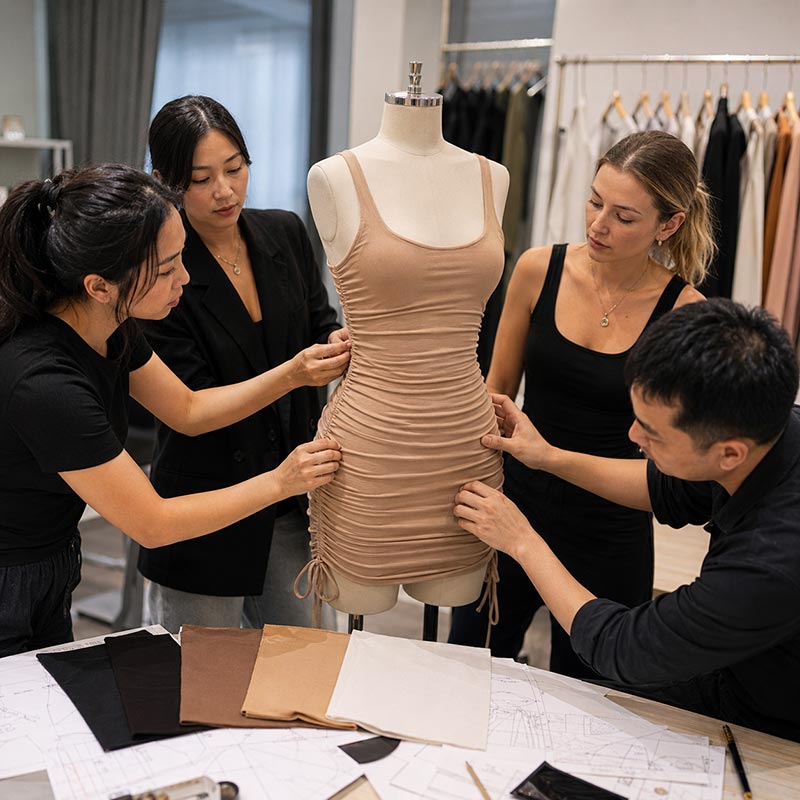
Party dress pattern development requires more than basic grading. Stretch ratio, negative ease, support structure, ruching direction, neckline balance, and fabric recovery all affect the final silhouette.
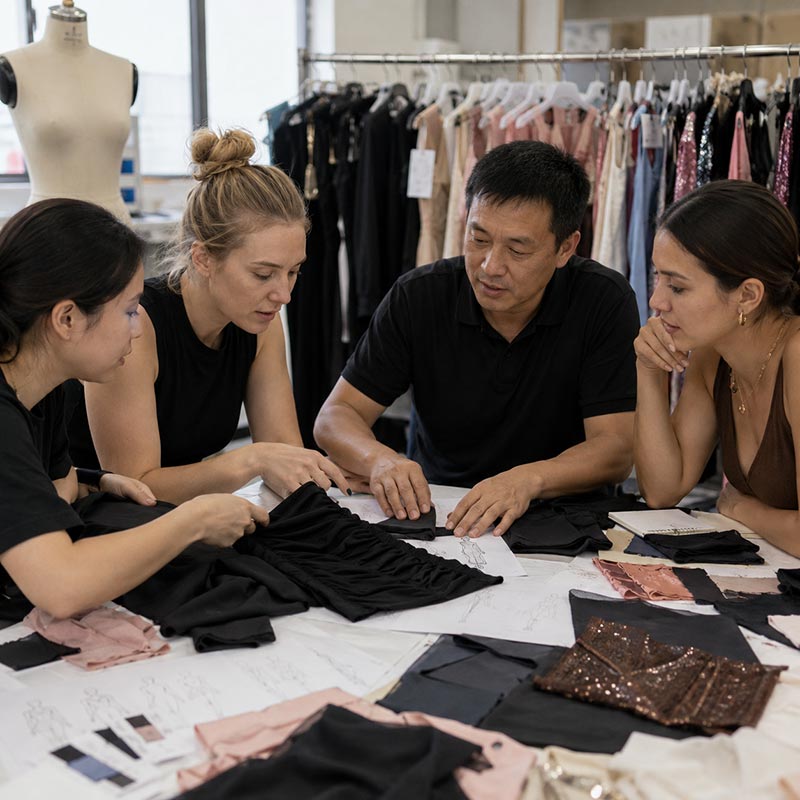
Jinfeng’s 7 senior pattern makers and purchasing support team work together to coordinate fabric sourcing, accessory matching, and structural adjustments before the first sample is completed.
Sample Sewing and Fit Adjustment
The sample stage focuses on visual proportion, fit balance, comfort, and overall appearance. Party dresses often require adjustments around bust fit, waist shaping, hip tension, lining compatibility, strap stability, and seam placement.
Jinfeng’s 20 sample makers support development for bodycon dresses, cut-out dresses, occasionwear, and contour-focused silhouettes. Regular styles are commonly completed within 5–7 days, while more complex styles usually require 7–10 days.
Sample Confirmation and Bulk Preparation
Once fit, fabric, construction, and measurements are approved, the development process moves toward bulk preparation. At this stage, details such as trims, labels, packaging, grading, sewing methods, and production planning are confirmed.
Jinfeng prepares production specifications and internal coordination before bulk manufacturing begins. The goal is to reduce the gap between approved sample and final production output.
Private Label Branding and Packaging Support
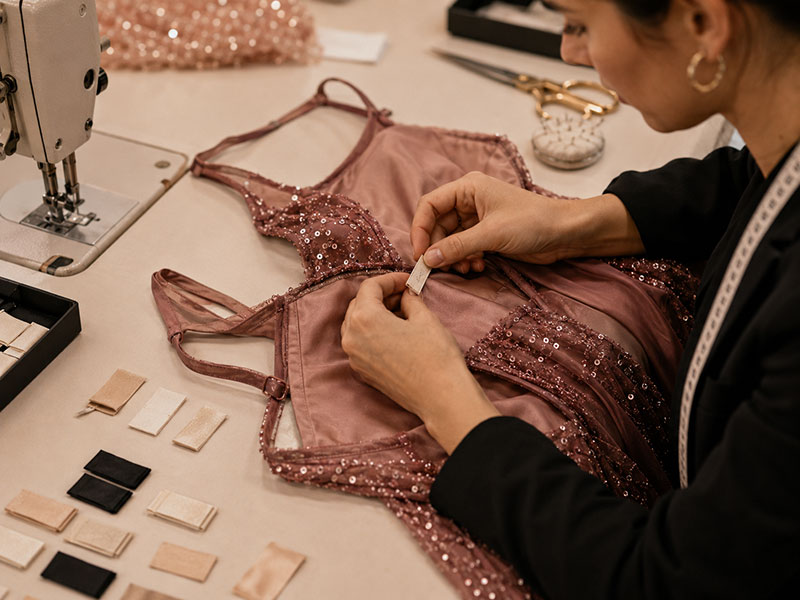
1. Main Labels and Brand Identity
Main labels help establish product identity and strengthen brand recognition for private label party dress collections.
Label Options:
- Woven labels
- Satin labels
- Printed labels
- Heat transfer labels
- Soft-touch branding labels
For party dresses, label comfort is especially important because many styles use fitted silhouettes, open backs, mesh panels, or lightweight lining. Jinfeng helps brands select label solutions that balance visual quality, durability, and wearing comfort.

2. Size Labels and Care Labels
Size labels and care labels improve customer experience while supporting product compliance and after-sales management.
Support Includes:
- Custom size labels
- Multilingual care labels
- Fabric composition labels
- Washing instruction labels
- Market compliance requirements
Jinfeng adjusts label placement and sewing methods according to garment structure, lining, and comfort needs to reduce irritation and improve long-term durability after wear and washing.
3. Hangtags and Barcode Stickers
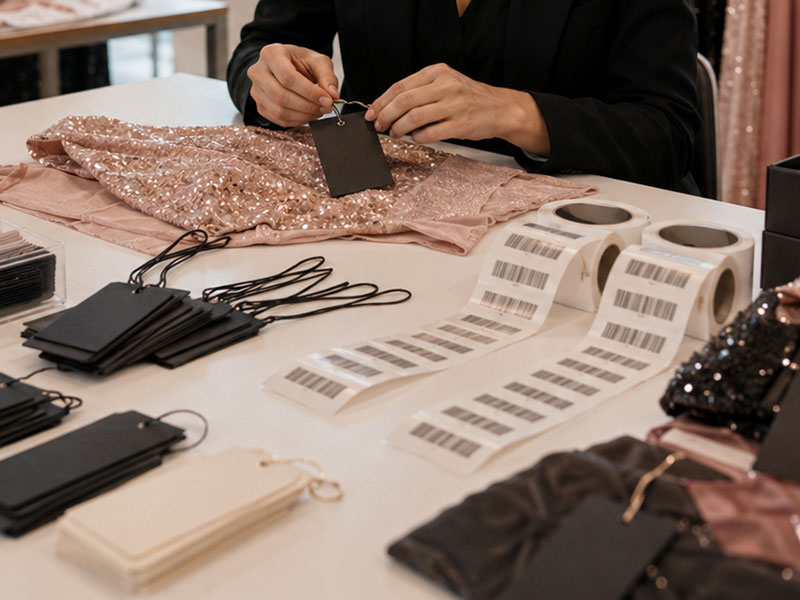
Hangtags and barcode systems help improve retail presentation, inventory management, and shipment coordination for fashion brands.
Branding Support:
- Custom hangtags
- Barcode stickers
- SKU labels
- Color labels
- Size tracking systems
For brands managing multiple colorways and size ranges, organized labeling improves fulfillment efficiency and supports smoother warehouse handling and retail distribution.
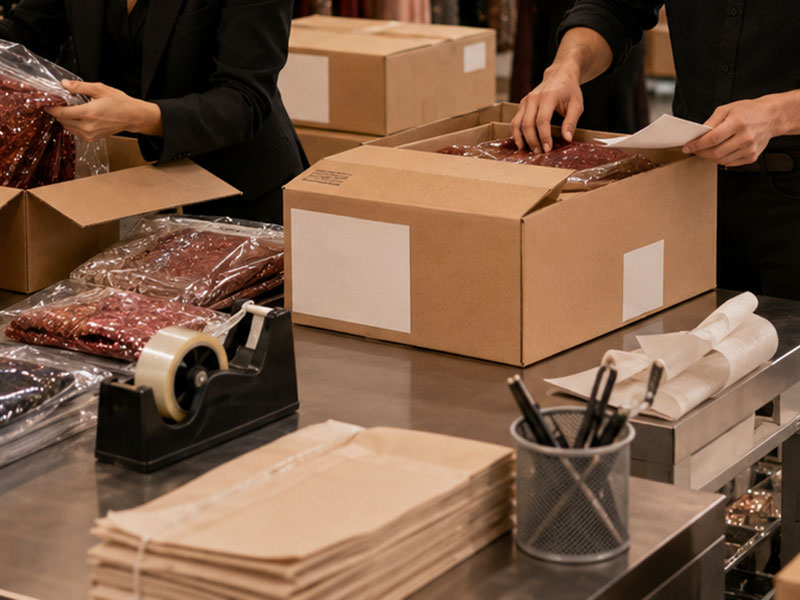
4. Polybags and Garment Protection
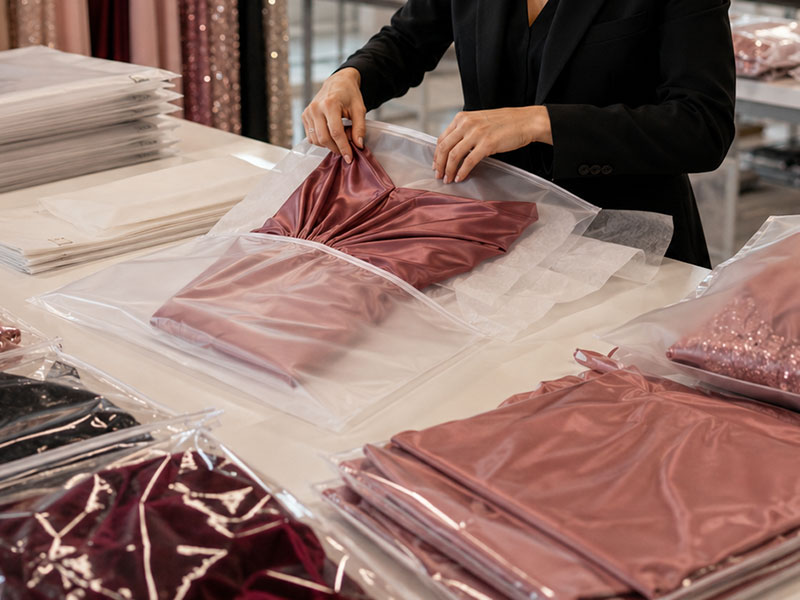
Party dresses often use delicate fabrics such as satin, velvet, mesh, sequins, and embellished materials that require stronger protection during shipment and storage.
Packaging Options:
- Frosted polybags
- Transparent polybags
- Zipper bags
- Warning labels
- Protective garment packaging
Jinfeng arranges packaging solutions according to fabric type, garment structure, and shipment method to reduce friction damage, wrinkles, moisture exposure, and surface pressure during transportation.
5. Folding and Hanger Packing
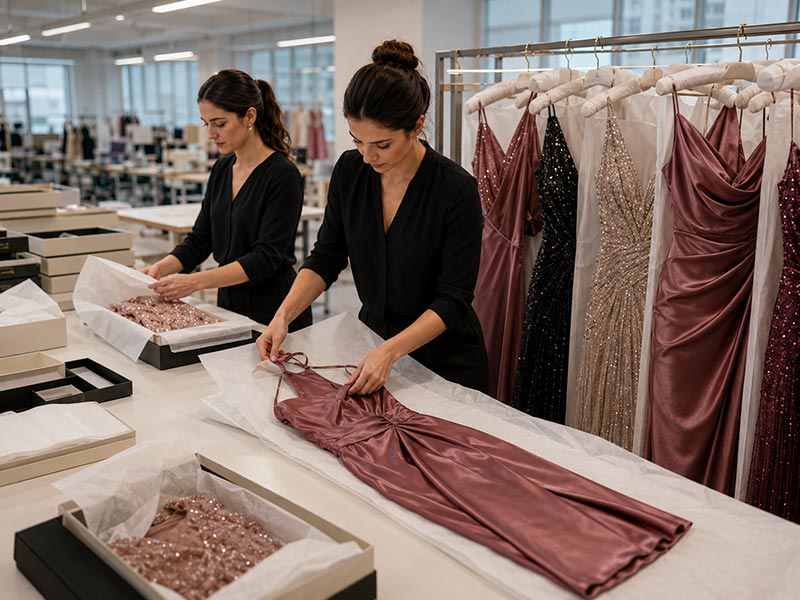
Different party dress categories require different packing methods depending on silhouette structure and fabric behavior.
Packing Support:
- Controlled folding standards
- Hanger packing
- Tissue protection
- Carton layout coordination
- Assortment packing
Structured dresses, satin occasionwear, and embellished party dresses may require hanger packing to preserve shape and reduce wrinkles. Jinfeng balances presentation quality with shipping efficiency according to customer requirements.
6. Carton Mark and Shipment Coordination
Outer carton organization is important for customs handling, warehouse management, retail distribution, and international shipment coordination.
Shipment Coordination:
- Carton marks
- PO labels
- Destination labels
- Size breakdown management
- Shipment arrangement support
Jinfeng supports organized packing and logistics coordination according to warehouse systems, retail requirements, and international delivery arrangements to improve shipment accuracy and operational efficiency.
OEM and ODM Cooperation Process
Private label party dress manufacturing requires clear coordination between development, sourcing, production, inspection, and delivery. Jinfeng supports fashion brands through a structured cooperation process from concept to shipment.
1. Share Product Concept
Brands can provide tech packs, sketches, reference images, sample garments, size charts, fabric requests, or collection direction. This helps define development requirements and production expectations.
2. Product Review and Feasibility
Jinfeng reviews silhouette complexity, fabric suitability, sewing structure, quantity planning, and timeline feasibility before quotation and development begin.
3. Quotation and Production Proposal
After style evaluation, we provide pricing, MOQ guidance, estimated sampling timeline, and preliminary production planning according to product structure and fabric requirements.
4. Fabric and Trim Coordination
Fabric sourcing, color confirmation, trims, lining, zippers, labels, and accessories are arranged according to the approved development direction and target market positioning.
5. Pattern Development and Sampling
Pattern makers and sample teams begin development based on approved specifications. Fit, proportion, stretch behavior, and visual balance are checked during sample construction.
6. Sample Revision and Approval
Brands review the sample and provide comments for adjustments if needed. Final approval includes measurements, fabric confirmation, workmanship, labels, and packaging requirements.
7. Bulk Production Preparation
After sample approval, bulk materials, production planning, cutting schedules, and line arrangements are confirmed before manufacturing begins.
8. Production and Quality Inspection
Jinfeng coordinates sewing, production follow-up, inline checking, measurement control, finishing, packing, and final inspection throughout the manufacturing process.
9. Packing and Shipment Arrangement
Finished party dresses are packed according to shipping requirements and arranged for express delivery, air shipment, sea freight, FOB, CIF, DDP, or warehouse coordination.
Quality Control for Party Dress Production
Party dresses require stronger quality control than many basic garments because fit, fabric behavior, visual appearance, and surface finish directly influence retail presentation and customer satisfaction.

Fabric Inspection Before Production
Party dress fabrics such as satin, velvet, mesh, stretch jersey, sequins, and lace may have risks related to color consistency, shrinkage, recovery, opacity, surface damage, or stretch instability.
Jinfeng checks incoming fabric before cutting and production. Fabric inspection helps reduce bulk risks caused by color variation, damaged rolls, shrinkage inconsistency, or unstable stretch behavior.
Pattern and Measurement Verification
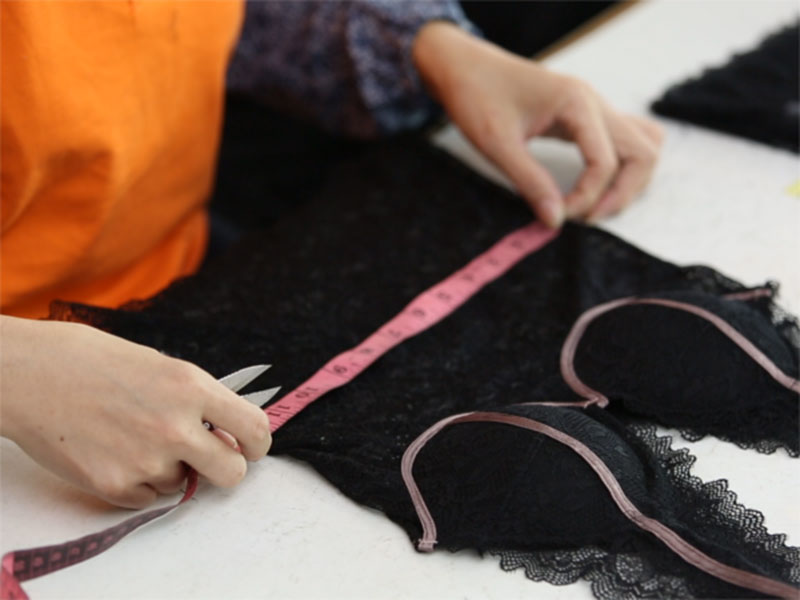
Close-fitting party dresses are highly sensitive to measurement changes. Small differences around bust, waist, hip, strap length, or neckline shape can affect final fit and silhouette performance.
Before bulk sewing begins, Jinfeng reviews grading, pattern consistency, and key measurements according to approved specifications. This process helps reduce fitting inconsistencies between production batches.

Inline Production Follow-Up
During production, our team checks seam quality, stitching tension, panel alignment, ruching consistency, zipper construction, lining attachment, and overall garment balance.
For bodycon and occasionwear styles, inline follow-up is especially important because stretch fabrics and fitted structures can shift during sewing if tension and handling are not controlled correctly.
Pressing and Appearance Inspection
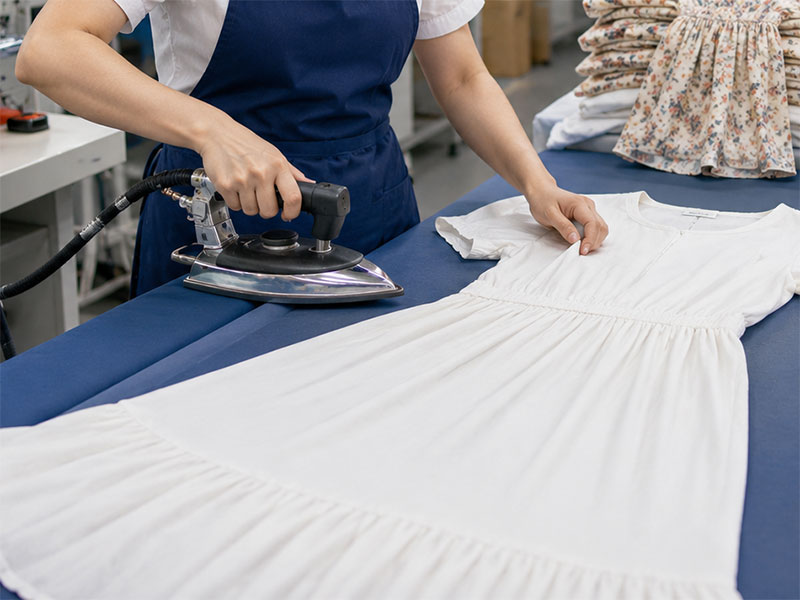
Party dresses are visual products that rely heavily on presentation quality. Pressing marks, fabric shine damage, wrinkles, twisted seams, or uneven hems can affect photography and retail perception.
Jinfeng reviews finishing quality according to fabric type and garment structure before packing. Different fabrics require different pressing temperatures, handling methods, and appearance standards.

Packing and Shipment Verification
Before shipment, packed garments are checked for label accuracy, size assortment, color breakdown, packaging condition, barcode coordination, and carton information.
This helps reduce warehouse receiving problems, shipping confusion, and retail sorting issues during international distribution.
Bulk Consistency Management
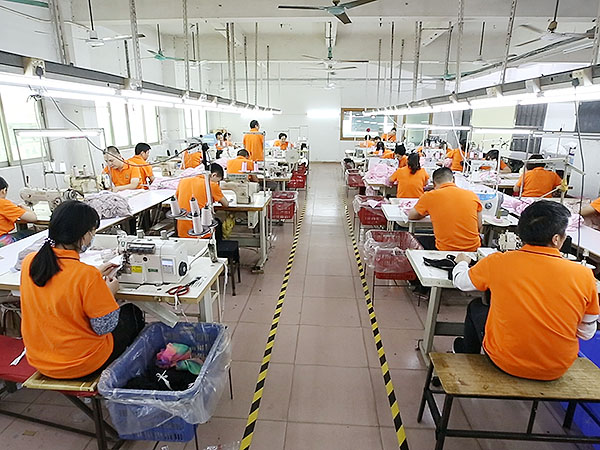
One of the most important goals in private label production is keeping bulk output aligned with approved samples. Party dress customers usually care more about repeatable consistency than one-time sample appearance.
Jinfeng’s multi-factory structure, production coordination system, and merchandiser follow-up support longer-term repeat orders and more stable production control across different order cycles.
Private Label Party Dress Manufacturing Cases
Fashion brands often evaluate suppliers based on real production experience, development capability, and repeat order performance. The following cases reflect common challenges and production situations in private label party dress manufacturing.
Case 1 — US Social Commerce Fashion Brand
Product: Bodycon ruched mini dress collection
Initial order: 600 pcs across 4 colors
Lead time: 32 days including sampling
Follow-up orders: 5,000+ pcs within 4 months
Challenge
The brand focused heavily on TikTok and Instagram marketing, so visual silhouette and fit consistency were critical. Previous suppliers struggled with side ruching consistency, uneven stretch recovery, and unstable sizing between production batches.
Solution
Jinfeng adjusted pattern shaping according to fabric recovery ratio and improved side seam balance during development. Production control focused on ruching placement, seam tension consistency, and stretch direction management. The sampling process was completed within two revision rounds before bulk confirmation.
Result
- More stable body fit across sizes
- Improved customer feedback on comfort and silhouette
- Repeat orders expanded into additional seasonal color drops
- Brand continued launching monthly partywear collections
Case 2 — European Occasionwear Boutique Brand
Product: Satin midi dresses and halter occasion dresses
Initial order: 1,200 pcs
Lead time: 40 days
Follow-up orders: 3 consecutive seasonal launches
Challenge
The brand required elevated visual presentation suitable for wedding guest collections and eventwear retail. Previous factories created issues with fabric shine damage, seam puckering, and unstable drape during bulk production.
Solution
Jinfeng adjusted fabric sourcing toward higher recovery stretch satin and refined pressing standards for bulk finishing. Additional lining review improved opacity and movement comfort without changing silhouette appearance. Production follow-up focused on seam smoothness and drape balance.
Result
- Improved consistency between approved sample and bulk production
- Reduced finishing defects during final inspection
- Higher reorder confidence for future occasionwear collections
- Expanded cooperation into additional dress categories

Case 3 — Australian Nightlife Fashion Label
Product: Cut-out club dresses and mesh panel dresses
Initial order: 450 pcs across 6 SKUs
Lead time: 28 days
Follow-up orders: 2,500+ pcs within one season
Challenge
The styles combined aggressive cut-outs, stretch mesh panels, and body-hugging silhouettes. The brand needed stronger fit control and reinforcement because previous suppliers produced neckline collapse, seam distortion, and inconsistent panel placement.
Solution
Jinfeng reviewed support structure and reinforced high-stress areas through improved seam construction and elastic stabilization. Mesh compatibility testing was completed before production, while inline checking focused on alignment consistency and fit stability.
Result
- Improved durability during customer wear
- Better visual consistency across all SKUs
- Lower return issues related to fit instability
- Successful transition from test order to repeat production
Jinfeng VS Other General Apparel Suppliers
Private label party dress manufacturing requires more than sewing capacity. Fashion brands often compare suppliers based on development capability, fit understanding, production stability, communication efficiency, and long-term scalability.
| Manufacturing Factors | Jinfeng Apparel | Many General Apparel Suppliers |
|---|---|---|
| Party dress specialization | Strong experience in occasionwear and bodycon styles | Mostly general fashion production |
| Pattern development | 7 senior pattern makers | Limited technical fit capability |
| Sampling support | 2 sample rooms and 20 sample makers | Smaller development teams |
| Trend fashion understanding | Strong women’s trend and nightlife categories | Limited silhouette understanding |
| Bulk production capacity | 18 production lines and scalable capacity | Often smaller production structure |
| Fabric coordination | Supports sourcing and fabric behavior review | Mainly customer-provided materials |
| MOQ flexibility | Supports small to medium launches | Often focused only on large volume |
| Production scalability | 300,000 pcs monthly capacity | Limited repeat order expansion |
| Private label support | Labels, packaging, barcode coordination | Basic garment production only |
| Communication structure | Merchandisers and production coordination | Slower follow-up process |
| Suitable customer type | Growing and established fashion brands | Mostly low-price sourcing clients |
| Product categories | Dresses, occasionwear, contour styles | Broad but less specialized |
Frequently Asked Questions
MOQ usually depends on fabric availability, style complexity, and color quantity. Small orders commonly start from around 200–500 pcs, while larger production can scale according to brand requirements.
Yes. Jinfeng can work from tech packs, sketches, reference images, mood boards, or existing garments to support private label development.
Regular styles are commonly completed within 5–7 days. More complex occasionwear or structured dresses usually require around 7–10 days.
Yes. Our sourcing team supports fabrics, lining, zippers, elastics, labels, mesh, sequins, and additional accessories according to style requirements.
Yes. Bodycon dresses are one of our stronger categories, especially contour-focused, ruched, and close-fitting silhouettes.
Yes. We support main labels, care labels, size labels, hangtags, barcode stickers, polybags, and carton marks for private label projects.
Common fabrics include stretch satin, mesh, velvet, slinky jersey, sequin fabrics, stretch crepe, rib knit, and scuba depending on silhouette and target market.
Yes. Our factory structure supports both initial launches and larger repeat orders with scalable production capacity.
Yes. Jinfeng supports occasionwear, cocktail dresses, evening-inspired party dresses, and event-focused fashion collections.
We support express delivery, air freight, sea shipment, FOB, CIF, DDP, and overseas warehouse coordination depending on customer requirements.
Yes. Our pattern and sample teams help adjust fit, proportion, stretch behavior, and silhouette balance during development stages.
Yes. Jinfeng works well with brands managing monthly launches, seasonal drops, influencer collections, and fast product development cycles.
Yes. We support cut-out construction, mesh layering, reinforcement techniques, and contour-focused dress structures.
We combine fabric inspection, inline checking, measurement review, production follow-up, and finishing inspection to improve bulk consistency.
We are best suited for trend fashion brands, boutique labels, occasionwear brands, nightlife collections, and established e-commerce fashion businesses.

Start Building Your Private Label Party Dress Collection
Send your party dress concept or request a sample to receive a detailed quotation and production proposal.
How to Begin
- Share Product Ideas or References
- Receive Quotation and Feasibility Feedback
- Develop and Confirm Samples
- Start Production and Shipment Coordination
Information That Helps Speed Up Quotation
- Party dress category or silhouette
- Fabric requirements or reference materials
- Estimated quantity and colorways
- Logo and packaging requirements
- Target market or sales channel
- Expected launch timeline