...

Private Label Jumpsuit Manufacturer​

Fashion jumpsuit development, private label execution and controlled bulk production for established womenswear brands and multi-style programs.

  • Since 2008, Jinfeng Apparel has supported custom womenswear development from references and tech packs through PP approval, bulk production, quality control and export delivery.
  • Six owned women’s fashion factories and more than ten long-term production partners support programs commonly spanning 10-30 styles and 20,000-80,000 total pieces.
  • Two sample rooms, seven-plus senior pattern makers and twenty-plus sample machinists help control torso length, rise, waist placement, hip balance, inseam and movement comfort.
  • Production starts from 200 pieces per style and color, with final requirements determined by fabric availability, dyeing, trims, construction, labeling, packaging and schedule.

Jumpsuit Development Capacity for Established Fashion Brands

Private label programs require development resources, controlled factory allocation and records that remain usable when approved styles move into repeat production. The figures below describe the operating foundation behind Jinfeng Apparel’s fashion jumpsuit projects.

Since 2008

Long-term womenswear manufacturing experience supports more informed decisions around proportion, fabric behavior, construction sequence and production risk. Jumpsuits combine upper-body and trouser fit in one garment, so accumulated pattern and sewing knowledge matters more than simply adding a new category to a factory product list.

Six Owned Factories

Owned production resources give Jinfeng greater control over factory matching, line planning, quality expectations and project follow-up. Structured crepe, satin occasionwear, utility twill and stretch jersey programs can be allocated according to fabric behavior and construction complexity instead of being placed wherever temporary capacity is available.

Ten-Plus Partners

Long-term satellite production partners extend capacity for multi-style collection programs while maintaining centralized development files, quality requirements and packing instructions. Allocation follows style complexity, fabric readiness, delivery sequence and available technical capability rather than price alone.

Two Sample Rooms

Separate sampling resources allow patterns, first samples, revisions, photo-ready samples and pre-production approvals to move through a controlled development sequence. Parallel sampling becomes especially valuable when a seasonal launch contains several silhouettes, fabrics and color groups.

Seven-Plus Pattern Makers

Senior pattern makers review shoulder-to-crotch length, front and back rise, bust-waist-hip balance, waistline position, armhole depth, leg shape and size grading. Their work turns a reference image or design file into a garment that can be worn, fitted and repeated in bulk production.

MOQ From 200

The standard production starting point is 200 pieces per style and color. Fabric mill requirements, custom colors, prints, special trims, size distribution, workmanship and packaging may change the final production structure, so quantity planning is reviewed together with the design rather than treated as an isolated number.

Built for Structured Jumpsuit Development and Bulk Programs

Jinfeng Apparel works most effectively with brands and product teams that have a defined collection direction, professional sample development needs and a realistic production plan. Clear project information allows technical and commercial decisions to be made before unnecessary sampling costs are created.

Established Fashion Brands

The strongest fit includes global and regional womenswear labels, multi-channel retailers, occasionwear brands, resortwear collections, premium ecommerce operations, sourcing companies and brand groups managing regular launches. These organizations usually require multiple styles, complete size ranges, private labels, barcode accuracy, shipment planning and reliable records for repeat orders.
  • Seasonal or monthly launch calendars
  • Multi-style and multi-color programs
  • Defined retail or ecommerce channels
  • Ongoing sampling and repeat-order demand

Prepared Product Teams

A reference image, original sample, sketch, line sheet or tech pack gives the development team a starting point. Quantity per style and color, target size range, preferred fabric direction, branding requirements and launch date make the review more accurate. Early clarity reduces repeated quotations, unsuitable material proposals and sample revisions caused by missing commercial information.
  • Design reference or technical file
  • Quantity by style and color
  • Target market and size range
  • Branding, packing and timing requirements

Private Label Manufacturing Beyond Simple Garment Relabeling

A private label jumpsuit program may begin with a complete tech pack, an original garment, a sketch or a visual reference. Jinfeng Apparel organizes the work around product development, controlled approvals and brand-ready delivery rather than simply replacing labels on public stock styles.

OEM From Tech Packs

Detailed technical files can move directly into construction review, pattern development, fabric confirmation and sample planning. Measurements, grade rules, seam specifications, trim codes and packing instructions are checked for conflicts before production. When a document calls for a visual effect that the selected fabric cannot achieve, the team raises the issue during development rather than reproducing an avoidable defect.

ODM From References

Images, sketches and original garments can be translated into a production-ready design through proportion analysis, material direction, pattern development and sample fitting. The goal is not to copy an image mechanically. Neckline support, torso length, rise, waist treatment, pocket placement, closure access and movement are adjusted so the finished style works as a wearable product.

Material and Trim Development

Fabric selection is connected to silhouette, price position, target season and construction. Crepe may support a tailored leg, stretch satin may improve close-fitting occasion styles, linen blends may suit resort collections, while ponte or jersey can provide controlled stretch. Zippers, hooks, elastic, belts, buttons, lining and labels are developed as part of the garment system.

Retail-Ready Delivery

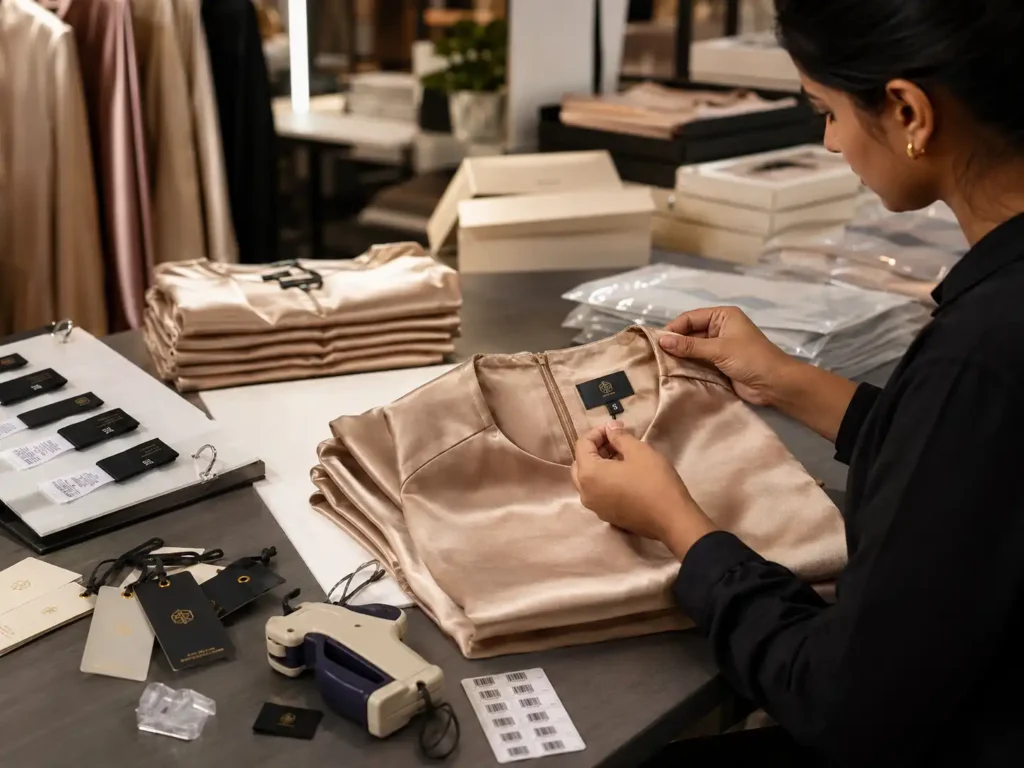
Brand labels, size labels, care and composition labels, hangtags, barcodes, individual bags, carton marks and packing ratios are confirmed before bulk packing begins. Private label execution includes information accuracy and placement control, not only the presence of a logo. Approved packaging files become part of the production record for repeat orders.

Private Label Jumpsuits Developed for Distinct Fashion Markets

Different jumpsuit categories require different fabrics, pattern decisions and production controls. Jinfeng Apparel focuses on fashion womenswear silhouettes where proportion, drape, waist definition, surface quality and retail presentation directly influence sell-through and return rates.

Tailored Wide-Leg

Tailored wide-leg jumpsuits depend on a controlled shoulder line, stable waist position and clean vertical fall through the hip and leg. Crepe, suiting blends and structured viscose can create a sharp silhouette without making the garment rigid. Development checks include front and back rise, pocket opening, waist seam alignment, leg sweep, pressing behavior and hem balance across sizes.

Satin Occasion

Satin jumpsuits need careful control of grain direction, surface marking, seam tension, zipper insertion, pressing temperature and packing pressure. Stretch satin can improve movement in close-fitting bodies, while matte satin or heavier charmeuse may support premium occasionwear. The sample review must confirm light reflection, hip ease, sitting comfort and whether the closure can be used without distorting the fabric.

Party and Evening

Party and evening jumpsuits often combine deep necklines, cut-outs, corset-inspired panels, lace, mesh, sequins or dramatic wide legs. Visual impact must be supported by neckline stability, lining coverage, internal support and balanced weight. Construction planning also considers skin contact, decoration abrasion, seam bulk, closure access and protective packing so the final garment remains attractive after transport.

Resort and Vacation

Resort jumpsuits favor breathable hand feel, relaxed movement, packability and a strong visual identity. Linen blends, rayon, viscose and printed woven fabrics work well when shrinkage, opacity and print direction are controlled. Development should account for humid climates, travel creasing, bra coverage, pocket function and whether the style can be worn comfortably for extended periods.

Utility Fashion

Utility jumpsuits use twill, denim, cotton blends or structured synthetics with visible pockets, belts, snaps, zippers and topstitching. Pocket symmetry, hardware weight, reinforcement points and wash behavior become central quality concerns. The garment must retain a fashion proportion rather than becoming workwear-heavy, especially around the shoulder, waist and leg volume.

Jersey and Ponte

Stretch fashion jumpsuits require recovery, opacity, seam stability and correct negative ease. Ponte can hold a sculpted line with more structure, while jersey offers softer drape and greater movement. Pattern development controls torso stretch, crotch comfort, bust support and leg shape; bulk inspection checks relaxation, twisting, seam growth and measurement after pressing.

Rompers and Playsuits

Short-length rompers and playsuits place more attention on rise, leg opening, coverage and movement. Lightweight woven fabrics may need lining or strategic opacity control, while fitted styles may require elastic, smocking or stretch panels. Sample fitting includes sitting, walking and raising the arms because a style that looks balanced while standing can become uncomfortable during normal movement.

Cut-Out and Backless

Cut-out and backless jumpsuits depend on strap placement, neckline stability, side coverage and accurate tension distribution. Power mesh, elastic, boning channels or internal support may be required depending on the design. Fitting checks focus on gaping, underarm exposure, strap slippage, waist twisting and whether the garment returns to position after movement.

Jumpsuit Fit Engineering Beyond Standard Size Charts

A jumpsuit joins bodice and trouser fit in a single structure. Chest, waist and hip measurements alone cannot predict comfort or balance. Pattern development must connect vertical torso length, rise, closure access, leg shape and movement before the style can be approved for bulk production.

Torso Length and Rise

Shoulder-to-crotch length is one of the most important jumpsuit measurements. A pattern that is too short creates pulling at the crotch, strain across the shoulder and upward movement when the wearer sits or raises her arms. A pattern that is too long produces a dropped crotch, excess fabric at the lower back and an unstable waistline. Front and back rise also need separate evaluation because posture, bust volume and seat shape affect the garment differently.

Development begins by comparing the body measurement, garment measurement, fabric stretch and intended ease. A close-fitting jersey style may use controlled negative ease, while a woven satin or crepe style requires enough vertical and horizontal room to move without wrinkles radiating from the crotch. Fit notes record whether length should be added above the waist, below the waist or through the rise, because adding the same amount everywhere can shift the intended proportion.

Bust Waist Hip Balance

The bodice and trouser sections must meet at a stable waist position. When the bust is too tight, fabric may pull the waist seam upward; when the hip or seat is too tight, the lower body can drag the seam downward.

A visually centered waistline therefore depends on the full bust, underbust, waist, high hip, full hip and back length working together.

Pattern corrections are made around the design rather than by simply increasing every circumference.

A tailored jumpsuit may require a shaped waist dart and controlled hip ease, while a draped resort style may distribute fullness through gathers or pleats.

Belt loops, elastic channels, internal waist stays and cut-out positions are reviewed after the base balance is established so design details do not hide a structural problem.

Movement and Sitting Comfort

Standing photographs reveal only part of a jumpsuit’s fit.

Sample review includes sitting, walking, stepping, bending and raising the arms.

These movements show whether the crotch length is adequate, whether the waist seam remains level and whether the armhole or neckline opens during use. A garment can appear smooth on a mannequin yet become restrictive on a moving body.

Movement allowance is planned according to fabric and silhouette. Utility twill needs engineered ease at the back body, seat and thigh, while stretch satin may rely on both pattern ease and controlled elasticity.

Wide-leg styles require enough stride without excessive bulk at the crotch. Fit comments are translated into exact pattern and measurement changes, then checked again in a revised sample.

Closure and Dressing Access

The closure must allow the wearer to enter and remove a one-piece garment without damaging the neckline, makeup, hairstyle or fabric. Back zippers provide a clean appearance but need sufficient length and a stable seam. Side zippers can protect a back design but may be difficult to operate when the torso is fitted. Front openings support utility styles but affect the visual center and bust fit.

During sampling, zipper length, seam support, hook placement, placket width and puller access are reviewed together. Lightweight satin may require seam reinforcement to prevent rippling, while heavier twill may need a stronger zipper and controlled seam bulk. A closure decision is not considered complete until the sample can be dressed, worn and removed without excessive force.

Size Grading by Zone

Jumpsuit grading should not enlarge the entire garment by one uniform percentage. Bust, waist, hip, torso length, rise, inseam, thigh and leg opening have different growth requirements. Small sizes may need proportionally less vertical growth, while larger sizes often require additional back length, rise and bicep allowance to maintain comfort and visual balance.

The approved base pattern is converted into a grade rule that identifies each measurement point and its increment.

Critical sizes are reviewed against the final size chart, and selected graded samples may be produced when the range or construction carries additional risk. Bulk measurement reports then use the same points so development and quality control remain connected.
Fabric Selection Matched to Jumpsuit Structure and Use

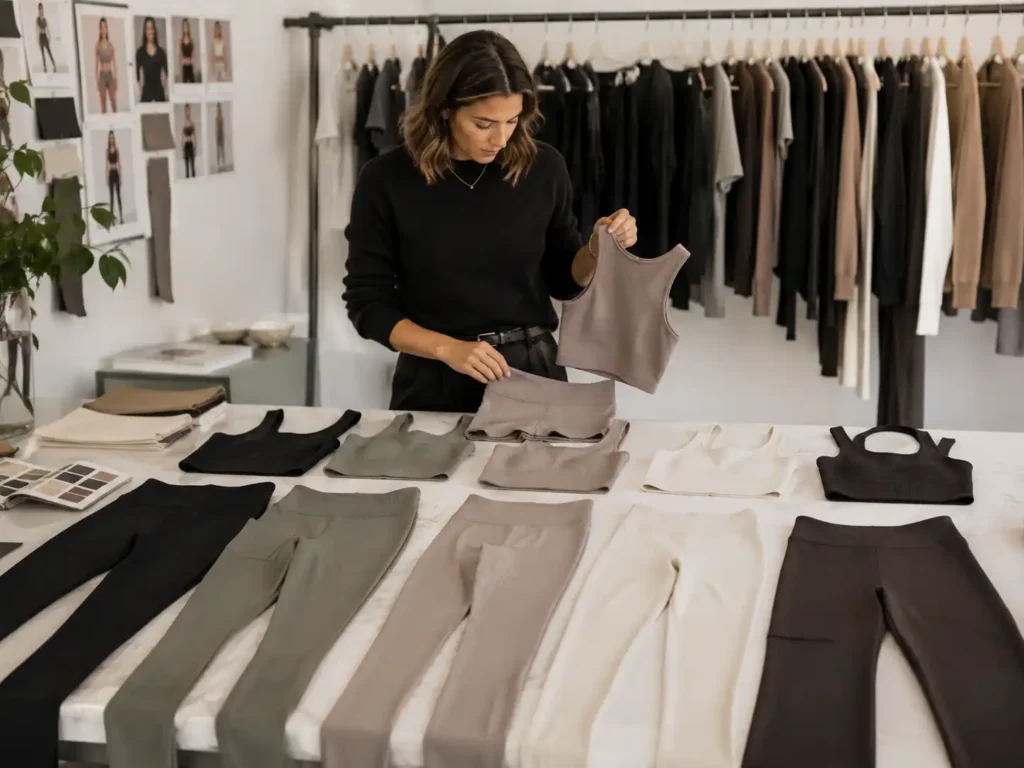
Fabric changes more than surface appearance. Weight, stretch, recovery, drape, opacity, shrinkage and pressing behavior affect pattern ease, lining, seam construction, MOQ, sample timing and bulk inspection. The matrix below connects common fashion jumpsuit categories with workable material directions and control priorities.

Jumpsuit DirectionSuitable FabricsKey Material ChecksPattern and Production Focus
Tailored wide-legCrepe, suiting blends, structured viscose, ponteDrape, crease recovery, shrinkage, color consistencyWaist stability, hip ease, pocket shape, leg fall, pressing
Satin occasionStretch satin, matte satin, charmeuse, satin-backed crepeSnagging, surface marks, shade, stretch, pressing temperatureGrain direction, seam tension, zipper support, sitting comfort
Resort and vacationLinen blends, rayon, viscose, printed woven, cotton blendsShrinkage, opacity, print direction, colorfastness, crease behaviorRelaxed ease, lining coverage, pocket function, hem balance
Utility fashionTwill, denim, cotton-poly blends, structured nylonWeight, abrasion, wash response, hardware compatibilityReinforcement, pocket symmetry, zipper load, topstitching
Body-fit fashionJersey, ponte, rib knit, power mesh combinationsStretch and recovery, opacity, pilling, relaxationNegative ease, torso length, crotch comfort, seam growth
Party and eveningSatin, lace, mesh, sequin, velvet, organza accentsSkin comfort, abrasion, decoration loss, weight, color transferInternal support, lining, seam bulk, closure, protective packing
Rompers and playsuitsCotton blends, linen, rayon, light crepe, printed wovenOpacity, shrinkage, softness, print placementRise, leg opening, movement, underarm and neckline coverage
Pleated wide-legPolyester crepe, heat-set pleated fabric, lightweight blendsPleat retention, heat response, shade, shrinkagePleat alignment, waist join, hem level, packing pressure

Construction Details That Define a Premium Fashion Jumpsuit

Small construction decisions determine whether a jumpsuit looks polished after fitting, pressing, packing and repeated wear. Closures, waist treatments, pockets, lining and internal support are developed as functional parts of the silhouette rather than decorative additions applied at the end.

Neckline Support

Deep V, strapless, halter, one-shoulder and cut-out bodies need support appropriate to fabric weight and neckline depth. Options may include clear elastic, stay tape, power mesh, lining panels, controlled seam tension or internal structure. Sample fitting checks gaping, edge rolling, underarm exposure and whether the neckline returns to position after movement.

Waist Definition

A waist seam, waistband, belt, elastic channel, drawcord or internal stay changes both appearance and fit. The choice must work with torso length and hip ease. Bulk production checks seam alignment, elastic length, belt placement, loop strength and whether the waist remains level after pressing and hanging.

Zipper Engineering

Invisible zippers need compatible tape, length and seam stabilization to avoid rippling, trapped fabric or difficult operation. Metal and molded zippers suit utility styles but add weight and require reinforcement. Every closure is checked for color, smooth travel, stop security, puller position and accurate placement against the approved sample.

Pocket Construction

Side-seam, patch, welt, cargo and slant pockets affect hip shape and garment balance. Pocket bags must remain hidden, openings must not gape and reinforcement should prevent tearing at stress points. Utility programs also require consistent flap alignment, snap placement and topstitching distance across the production run.

Lining and Coverage

Lining controls opacity, comfort, shape and seam visibility. Partial lining may support a bodice while preserving fluid legs; full lining may improve coverage in light fabrics but can increase weight and restrict movement. Lining length, stretch compatibility, seam allowance and attachment points are confirmed in the PP sample.

Pleats and Cut-Outs

Pleats create volume and movement but require accurate marking, direction and pressing. Cut-outs demand stable edges, balanced tension and precise positioning across sizes. Both details are sensitive to grading: a feature that looks centered in the base size may shift visually unless each size is reviewed against body landmarks.

From Jumpsuit Concept to Production-Ready Sample

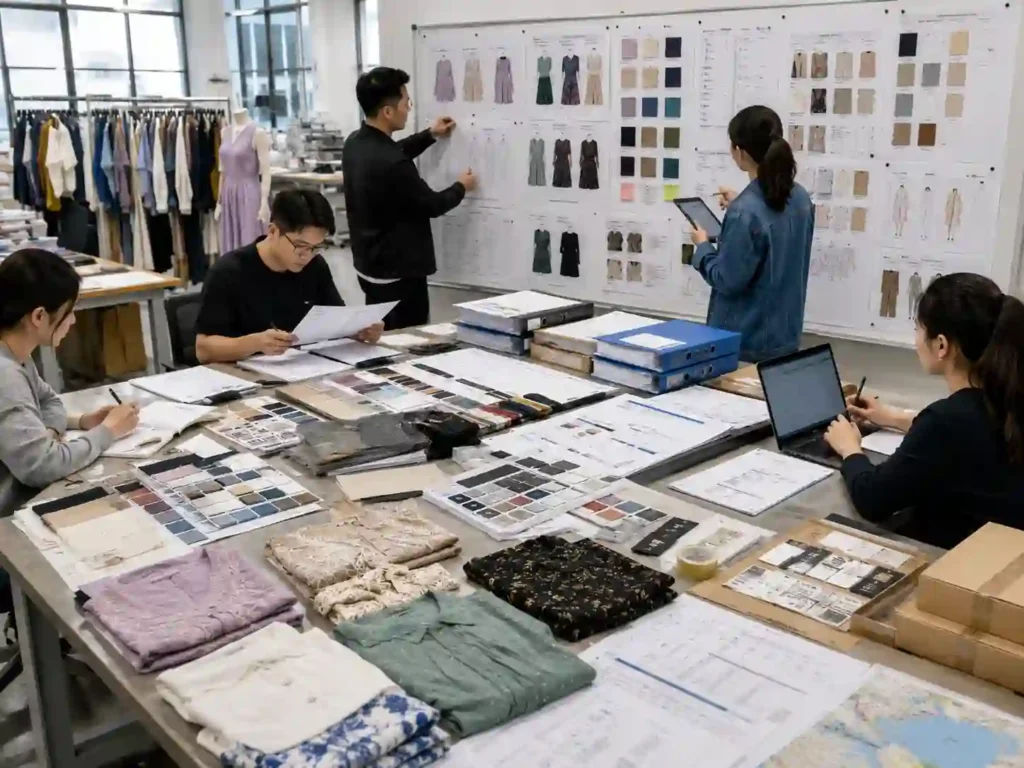
Sampling converts commercial direction into controlled production information. Each stage has a different purpose, from verifying structure and material behavior to locking the final pattern, measurements, workmanship, labels and packaging before bulk cutting begins.

Project and Structure Review

Development starts with the available design information: tech pack, reference images, original garment, sketch, target price, quantity plan, color plan, size range and delivery window.

The team reviews whether the requested silhouette, fabric and construction are compatible. A wide-leg satin jumpsuit with a close-fitting body, for example, may need stretch, lining or additional closure length to achieve both appearance and dressing access.

Open questions are listed before pattern work begins.

These may include neckline support, bra coverage, waist position, pocket function, belt construction, zipper location, torso ease and intended shoe height. Early clarification prevents a first sample from becoming an expensive collection of assumptions.

Pattern and Material Setup

Pattern development translates the design into measurable geometry. The base size is planned around the target market, fit standard and material behavior. Shoulder-to-crotch length, bust-waist-hip relationship, front and back rise, inseam, leg width and armhole are connected to the intended silhouette. Fabric and trim references are prepared at the same time because material changes can alter ease, seam support and pressing.

When the selected material is unavailable for immediate sampling, a development substitute may be proposed with clear differences recorded. Final approval still requires the production material or an accepted equivalent. Labels, zippers, elastic, buttons and lining are also identified early enough to avoid a structurally correct sample that cannot be repeated with the planned components.

First Sample Construction

The first sample verifies the design direction, overall proportion, construction sequence and initial fit. It is not treated as a finished commercial garment when unresolved questions remain. Measurements are taken before fitting, workmanship is reviewed and photos are recorded from front, side and back.

The sample is then tested for dressing access, sitting, walking, arm movement and closure function.

Comments should distinguish appearance changes from measurement changes. A waist that looks high may be caused by insufficient torso length rather than an incorrect waist measurement.

Wrinkles near the crotch may indicate rise balance, hip restriction or grain distortion. Identifying the cause leads to a more accurate revision.

Revision and Fit Approval

Revision notes are translated into pattern, measurement, material or workmanship changes. Each item receives an owner and a confirmation status. The revised sample is checked against the previous comments rather than evaluated from memory. When several sizes or body proportions carry risk, selected graded samples can be produced before the full range is released.

Typical timing depends on design complexity, material readiness and feedback speed. A straightforward jumpsuit may require roughly 7-12 working days for an initial sample after materials are available, while complex lining, embellishment, custom fabric or multiple fit rounds may extend development. Clear consolidated feedback keeps the schedule more predictable than fragmented comments sent over several days.

PP and Golden Sample

The pre-production sample uses approved materials, final pattern information, confirmed measurements, workmanship, branding and packing details. Approval freezes the information required for bulk production. Any change after PP approval is evaluated for cost, material, pattern, schedule and production impact before acceptance.

A Golden sample or equivalent approved reference remains available for production and final comparison. The associated file set includes final pattern, size chart, grade rule, material and trim references, sewing instructions, label placement, packaging requirements and approved comments. These records support quality control during the first order and faster, more consistent repeat production.

Fit Validation Before Jumpsuit Bulk Production Begins

Measurements and photographs are reviewed together because neither gives a complete answer alone. Validation focuses on critical dimensions, visual balance, body movement and the behavior of graded sizes before the approved information is released to bulk production.

Measurement Review

Critical points include bust, waist, high hip, full hip, shoulder-to-crotch length, front rise, back rise, inseam, outseam, thigh, leg opening, armhole and neckline depth. Tolerances are set according to material stretch and construction rather than promising an unrealistic universal zero deviation.

Standing and Sitting

Standing checks show waist level, neckline shape, hip balance and leg fall. Sitting checks reveal vertical restriction, crotch pressure, back-waist pulling and closure strain. Both positions are photographed and compared because a jumpsuit approved only in a standing pose may create returns once worn in daily use.

Movement Testing

The wearer raises her arms, walks, bends and takes a longer step while the team watches neckline stability, torso movement, waist displacement and crotch comfort. Stretch styles are checked for recovery after movement; woven styles are checked for strain lines and whether the garment returns to its intended position.

Graded Size Review

Grade rules are reviewed by measurement zone rather than scaled uniformly. Selected small, middle and large sizes may be checked when the range, torso fit or design creates additional risk. The review confirms that waist placement, rise, bust coverage and leg proportion remain visually consistent across the range.

Complete Private Label Branding and Retail-Ready Packaging

Brand presentation becomes part of the production specification before packing. Label content, placement, barcode data and carton information are approved against the product files so finished jumpsuits can move through warehouse receiving, ecommerce fulfillment or retail distribution with fewer avoidable corrections.

Main Brand Label

Woven, printed or heat-transfer brand labels are reviewed for size, color, fold, edge comfort and placement. Neckline or back-waist positions must suit the jumpsuit construction without creating visible distortion or skin irritation.

Size Label

Size identification must match the approved size chart, production bundle and packaging data. Placement is confirmed in the PP sample so labels remain readable without interfering with comfort, neckline shape or internal support.

Care Composition Label

Fiber content, care symbols, country information and required market wording are supplied or approved by the brand. The label material, print durability and placement are checked before bulk use.

Hangtag System

Hangtags may include brand graphics, product information, price-ready fields, sustainability statements or collection messaging. String, pin, seal and attachment point are selected to avoid fabric damage, especially on satin, mesh and delicate surfaces.

Barcode and SKU

Barcode, style number, color, size and SKU information are cross-checked against packing lists and carton plans. Scannability and data accuracy matter as much as print appearance because warehouse errors can delay receiving and sales availability.

Individual Packaging

Bag material, size, warning text, ventilation, folding method and protective tissue are matched to the garment. Satin, sequin and structured styles may require added protection against pressure, abrasion or hardware contact.

Carton Marking

Shipping marks, carton numbers, style and size breakdown, destination information and handling requirements follow the approved logistics file. Carton strength and dimensions are considered together with garment weight and folding pressure.

Packing Instructions

Assortment ratios, pieces per carton, color separation, hanger requirements, barcode position and inspection method are written into the packing standard. Approved instructions are retained for repeat orders and multi-batch deliveries.

Private Label Jumpsuit Manufacturing From Brief to Delivery

Every stage produces information needed by the next stage. A structured handover reduces the gap between design approval and bulk execution, especially when several jumpsuit styles, fabrics, sizes and launch dates move through the same program.

Project Review

Design files, original samples, quantities, target market, size range, branding and timing are reviewed to identify missing information and major technical risks.

Fabric Direction

Material options are compared by weight, stretch, recovery, drape, opacity, shrinkage, cost, availability and color requirements before sampling begins.

Pattern Development

The base pattern connects torso length, rise, bust-waist-hip balance, inseam, leg shape, neckline and closure access to the approved silhouette.

Sample Making

The first sample verifies construction, fit and material behavior. Measurements, workmanship, movement and appearance are recorded for review.

Fit Revision

Consolidated comments are converted into controlled pattern, measurement, trim or workmanship changes. Revised samples are checked against each comment.

PP Approval

Production materials, final pattern, size chart, grade rule, workmanship, labels and packing are locked in the pre-production approval.

Bulk Production

Material receipt, cutting, sewing, in-line checks, finishing and measurement follow the approved production file and planned line allocation.

Quality Inspection

Fabric, workmanship, dimensions, closures, labels, appearance, barcode and packing are checked at defined stages, with records linked to the order.

Packing Delivery

Finished garments are packed by approved assortment, inspected, documented and coordinated for the agreed shipment sequence and destination.

Production Capacity Organized Around Style Complexity and Timing
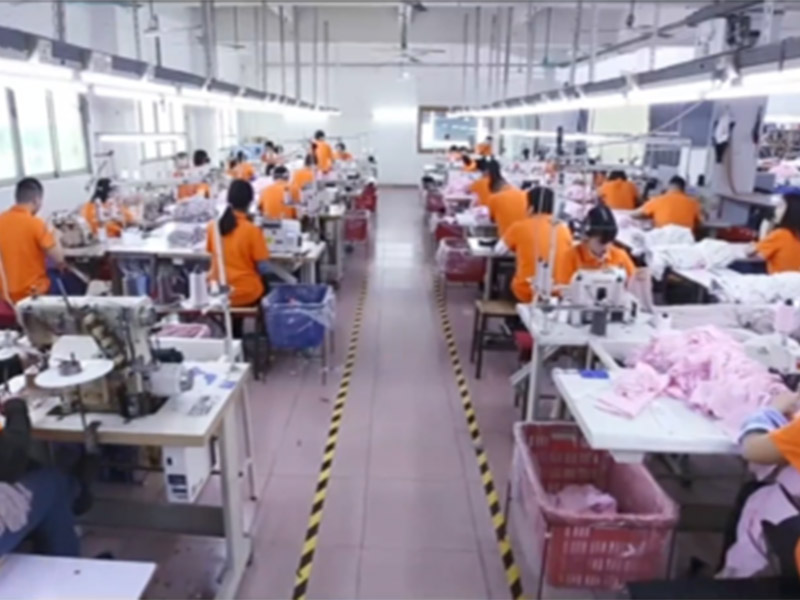
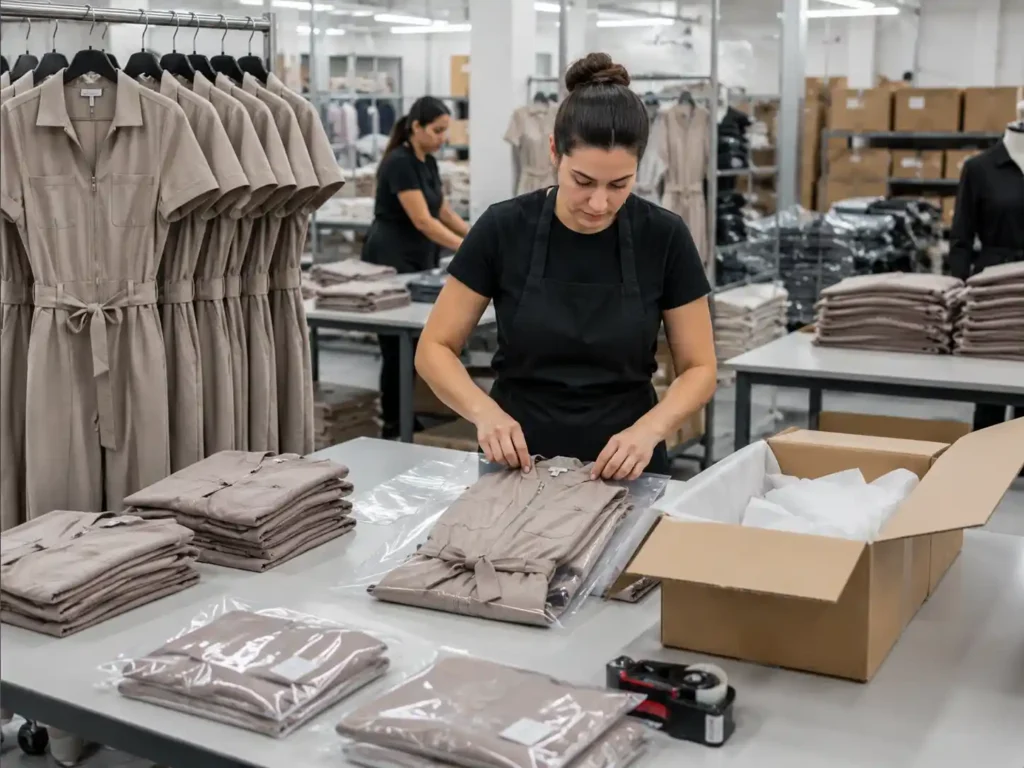
Capacity is useful only when the right factory, technical resources and delivery sequence are assigned to the right styles. Jinfeng Apparel plans production around construction, fabric, approval status and launch priority rather than treating every jumpsuit as an interchangeable sewing order.

Owned Factory Control

Core styles, quality-sensitive products and technically demanding constructions can be matched with owned factory resources according to capability and available schedule. Central production files define materials, measurements, grade rules, workmanship, labels and packing before line release. Progress and quality records remain connected to the program rather than scattered across informal instructions.

Partner Capacity Coordination

More than ten long-term production partners provide additional capacity for appropriate styles and delivery windows. Partner use is based on category experience, fabric type, construction difficulty and quality requirements. Development, PP approval and production standards remain managed through Jinfeng Apparel, helping avoid uncontrolled subcontracting and inconsistent interpretation.

Program-Based Allocation

A collection containing 10-30 styles is divided by fabric group, construction group, sample approval status and shipment priority. Hero styles or early launch products may receive earlier material booking and line placement, while technically related styles can share trained teams and inspection points. Allocation is updated when material or approval timing changes, keeping the overall delivery plan visible.

Quality Control Focused on Jumpsuit-Specific Production Risks

Jumpsuit quality control must connect material behavior, one-piece fit, closure function, workmanship and private label accuracy. Inspection records use the same approved measurement points and construction references established during sampling, helping prevent separate development and production standards.

Control StageMain RisksJumpsuit-Specific ChecksRecorded Evidence
Material receiptShade variation, defects, shrinkage, stretch inconsistencyBatch identity, width, weight, stretch direction, opacity, surface qualityFabric inspection and batch records
CuttingGrain distortion, panel mismatch, direction errorSatin grain, print placement, paired panels, notches, size bundle accuracyCutting check and bundle records
Sewing in-lineTwisting, seam tension, uneven waist, closure problemsCrotch seam, waist join, zipper, pockets, lining, reinforcement, topstitchingIn-line inspection and correction notes
MeasurementTorso or rise deviation, inconsistent leg lengthBust, waist, hip, shoulder-to-crotch, front/back rise, inseam, outseamMeasurement report by size
Function reviewRestricted movement, difficult dressing, weak hardwareSitting comfort, arm movement, zipper operation, snap and belt functionFunctional check records
Appearance finishingPress marks, imbalance, puckering, visible liningWaist level, leg fall, neckline, seam smoothness, stain and thread removalFinal appearance photos and checklist
Branding checkWrong label, size, barcode or placementLabel content, placement, SKU, barcode scan and hangtag attachmentBranding and barcode checklist
Packing inspectionWrong assortment, pressure damage, carton errorFolding, protection, size-color ratio, carton mark, pieces per cartonPacking report and shipment records

Managing Multi-Style Jumpsuit Collections Without Production Confusion

Large programs become difficult when style files, materials, approvals and launch dates are managed as isolated conversations. Jinfeng Apparel groups related work, tracks approval status and preserves production records so several styles can move forward without losing the details that distinguish them.

Style Grouping

Styles are grouped by silhouette and construction, such as tailored wide-leg, fitted satin, utility, resort woven and stretch jersey. Related styles can share technical learning and quality points while retaining separate patterns, measurements and approvals.

Fabric Grouping

Material groups identify shared mills, colors, dye lots, lining and trim dependencies. Booking related fabrics together can improve consistency, while separate batch control prevents shades or stretch properties from being mixed during cutting.

Sample Priority

Hero products, campaign samples, sales samples and early launch styles receive a clear priority. The sampling plan also considers which styles carry the greatest fit or material risk so difficult decisions are resolved before production capacity is committed.

Color Control

Color approvals record fabric reference, dye lot or print version, lining match, zipper match and label compatibility. Bulk batches are checked against approved standards and kept separate when visible variation could affect a coordinated collection.

Size Ratio Planning

Order ratios are reviewed by style and market rather than copied automatically. The size plan affects fabric use, cutting bundles, label quantities, carton assortment and measurement sampling, so it is confirmed before bulk materials and packing components are finalized.

Launch Tracking

A working timeline connects fabric approval, first sample, revised sample, PP approval, material arrival, cutting, sewing, inspection, packing and shipment. Changes are evaluated against the full launch plan so one late approval does not silently disrupt every style.

Jumpsuit MOQ and Quotation Factors Explained Clearly

The standard starting quantity is 200 pieces per style and color. A reliable quotation also needs material, construction, size, branding and timing information because two visually similar jumpsuits can require very different development work and production resources.

Style and Color Quantity

One style in one color at 200 pieces forms a standard starting unit for evaluation. A second color creates a separate material and production requirement. Multi-style programs are reviewed as a complete plan, but each style and color still needs a workable quantity and material structure.

Fabric Requirements

Stock fabrics may support a simpler starting structure, while custom dyeing, printing, special lace, certified material or mill-developed fabric can carry independent minimums. Width, weight, shrinkage and usable yield also affect consumption and price.

Construction Complexity

Lining, corset-inspired panels, boning channels, deep necklines, cut-outs, pleats, cargo pockets, special zippers, belts, sequins and lace applications add labor, materials and inspection points. A detailed design file makes these requirements visible before sampling.

Size and Color Range

More sizes increase grading, label quantities, cutting management and measurement control. More colors increase material booking, shade approval, trim matching and line changeover. Size and color plans should therefore be supplied with the initial quantity request.

Private Label Scope

Main labels, care labels, hangtags, barcode stickers, bags, tissue, hangers and cartons each have specifications and supplier requirements. Branding files are reviewed together with garment production so packaging costs and timing are not discovered after PP approval.

Schedule and Revisions

Sample rounds, material development, feedback speed, production slot, inspection and transport method all influence the working timeline. A quotation can only remain valid when the technical scope, quantity and delivery assumptions remain consistent.

Compliance Support and Protection for Unreleased Designs

Material testing, factory documentation and confidentiality requirements vary by market and program. Jinfeng Apparel reviews the requested evidence at project level and protects unpublished product information throughout development, production and repeat-order preparation.

Project-Based Testing

Testing may cover fiber composition, dimensional stability, colorfastness, pH, formaldehyde, restricted substances, seam strength, pilling or other requirements specified for the market and material. Test scope, sample source, laboratory and timing are confirmed before relying on a report.

Document Coordination

Factory information, material documents, inspection records and available audit support can be organized according to the sourcing program. Certification or audit claims are limited to verified entities, valid documents and the facilities or materials actually used for the order.

NDA-Based Development

Tech packs, reference garments, patterns, measurements, target prices, quantities and launch information can be managed under NDA. Access is limited to the teams involved in development and production, reducing unnecessary exposure of unreleased commercial information.

Private Label Confidentiality

Brand names, logos, labels, hangtags, packaging artwork, barcodes and unpublished styles are not used publicly without authorization. Anonymous production examples can describe product type, technical challenge and order scale without exposing protected brand identity or files.

Retail-Ready Packing and Coordinated Export Delivery

The final stage protects both the garment and the commercial information attached to it. Packing accuracy, export documents and shipment sequencing are managed against the approved order files so finished jumpsuits arrive ready for the next distribution step.

Packing Accuracy

Finished jumpsuits are folded or hung according to material and retail requirements. Size-color assortment, barcode, label, hangtag, bag, protective material and carton quantity are checked before closure. Satin, sequins, hardware and structured legs may need extra protection against pressure or abrasion.

Export Documentation

Commercial invoice, packing list, carton marks and agreed shipping information are prepared around the final packed quantity. Style, color, size, carton and weight data are reconciled so the shipment file matches the physical goods and the receiving plan.

Multi-Batch Delivery

Large collection programs may ship by launch group, market, warehouse or production completion sequence. Batch plans identify which styles and quantities belong together, how inspection is arranged and which records remain open for later deliveries or repeat production.

How to Evaluate a Private Label Jumpsuit Manufacturer

A strong manufacturing proposal should be supported by product evidence, technical records and a clear production model. The following checks help sourcing and product teams separate genuine jumpsuit capability from broad apparel claims or attractive sample photographs without repeatable bulk controls.

Real Jumpsuit Experience

Ask for recent anonymous programs showing style type, material, size range, order scale and the main development issue. A factory should explain how it handled torso length, rise, closure, movement and grading rather than only displaying finished images.

Pattern Development Depth

Request an explanation of base pattern creation, measurement points, fit correction and grade rules. A capable team can distinguish a waist-position problem from a torso-length problem and can show how comments are translated into controlled pattern changes.

Material Knowledge

Review how the supplier compares fabric weight, stretch, recovery, drape, shrinkage, opacity and pressing. Material advice should connect to silhouette, construction and commercial timing instead of offering a generic list of fabrics.

Sample Revision Records

Ask how first-sample comments, revised measurements, approved materials and PP changes are documented. Clear records reduce repeated mistakes and show whether the supplier has a development process that can be handed into production.

Private Label Completeness

Confirm responsibility for labels, care information, hangtags, barcode, packaging, carton marks and packing ratios. A full private label supplier should manage data accuracy and approval status, not simply arrange a logo label.

Bulk Quality Evidence

Request sample measurement reports, in-line check examples, final inspection formats and packing checklists. Records should include jumpsuit-specific points such as shoulder-to-crotch length, rise, inseam, waist level and closure function.

Factory Allocation Clarity

Understand where development, cutting, sewing, finishing and packing will occur, which operations may be placed with partners and how standards are controlled. Capacity claims are meaningful only when the actual production route is visible.

Repeat-Order Support

Ask whether final patterns, grade rules, material references, trim details, approved comments, Golden samples and packing standards are retained. Good repeat-order control protects fit and branding consistency when the style returns months later.

Anonymous Jumpsuit Programs Built for Brand Launches
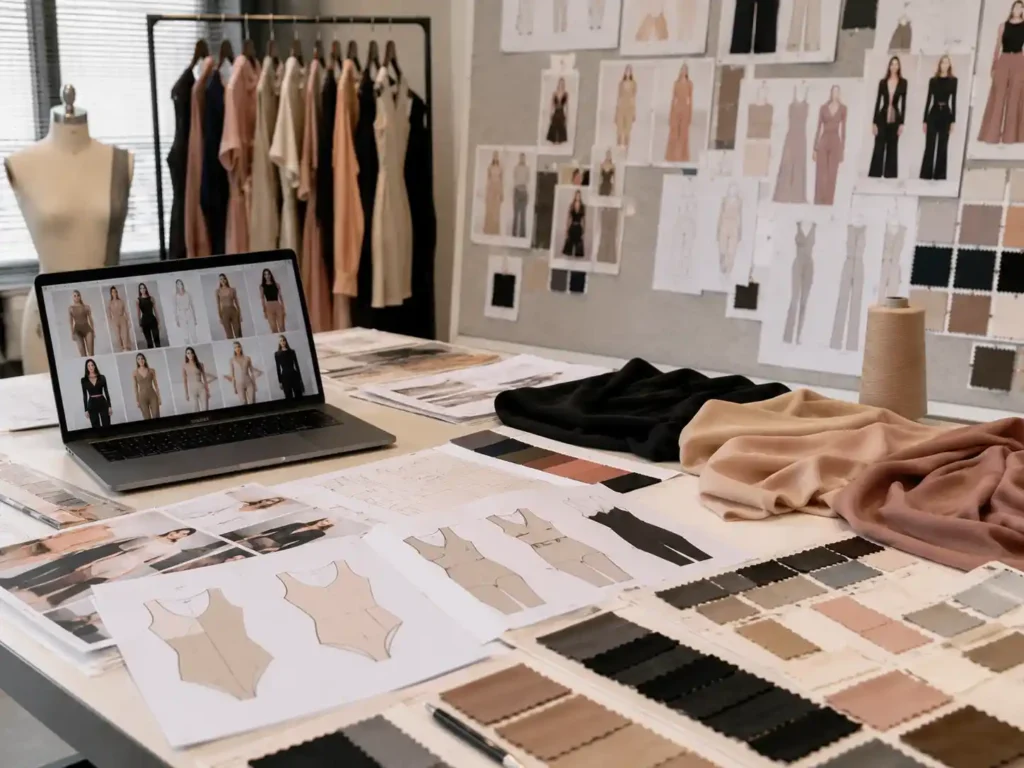
The following anonymized programs reflect the order structure commonly managed for established fashion labels: 10-30 styles per launch and 20,000-80,000 total pieces. Brand identity, proprietary files and commercial terms remain protected while the manufacturing challenge and execution approach can still be described.

US Occasionwear Launch

An established US occasionwear label planned 18 private label jumpsuit styles across satin, stretch crepe, power-mesh combinations and sequin-accent constructions. The program totaled 46,800 pieces in XS-XXL, with one to three colors per style. Campaign photography required early approved samples, while the bulk order needed coordinated barcode, hangtag and ecommerce packaging files. The main development risk was vertical fit. Several close-fitting bodies combined deep necklines with wide-leg trousers, creating tension between bust support, waist position and crotch comfort. Jinfeng grouped styles by bodice structure, developed shared fit principles for related silhouettes and completed two to three controlled sample rounds. Torso length and front/back rise were corrected separately rather than adding general length. Production was divided by material and construction group. Satin styles received surface-protection and pressing controls; mesh combinations received lining-coverage checks; decorated styles used abrasion protection during packing. Bulk production was completed in two planned shipment batches over a 44-day production window after PP approval. Final records were retained for the following occasionwear season.

Multi-Channel Wide-Leg Range

A multi-channel womenswear business developed 24 tailored and resort jumpsuit styles totaling 72,000 pieces.

The range used crepe, suiting blends, linen-viscose, printed rayon and structured jersey. Several styles shared color stories but required different lining, zipper and belt treatments. Sizes ran from XXS to XXL, with separate assortment plans for ecommerce and retail distribution. Material timing created the greatest scheduling pressure. Jinfeng organized the range into four fabric groups, prioritized eight hero styles for early sampling and photography, and aligned trim approvals with the related material group. Grade rules were reviewed by zone because the extended size range needed controlled growth in torso length, rise, hip and bicep rather than uniform scaling. Bulk production used staged line allocation and weekly approval tracking. In-line measurement concentrated on shoulder-to-crotch, waist level, hip, front/back rise and inseam. Barcode and carton data were checked against separate retail and ecommerce packing plans. The program shipped in three launch-based batches, and approved patterns and packing standards were used for later replenishment.

Australian Resort Collection

An Australian resortwear label ordered 12 jumpsuit and romper styles totaling 28,600 pieces. Fabrics included linen blends, printed viscose, lightweight crepe and cotton-rayon.

The collection required relaxed movement and travel-friendly presentation while maintaining bra coverage, stable necklines and consistent print direction across sizes. Early samples identified shrinkage and opacity differences between colorways. Jinfeng separated the material approvals, adjusted selected styles with partial lining and refined torso ease for humid-climate comfort. Print placement and directional cutting were added to the cutting standard, while short rompers received extra review around rise, leg opening and sitting coverage. The final range moved into production after two main fitting rounds and PP confirmation. Fabric batches were checked for shade and shrinkage before cutting, and final packing used tissue separation for light colors and printed surfaces. The order was delivered in two batches aligned with the brand’s campaign and warehouse dates, followed by a repeat request for four top-performing styles.

Frequently Asked Questions About Private Label Jumpsuits
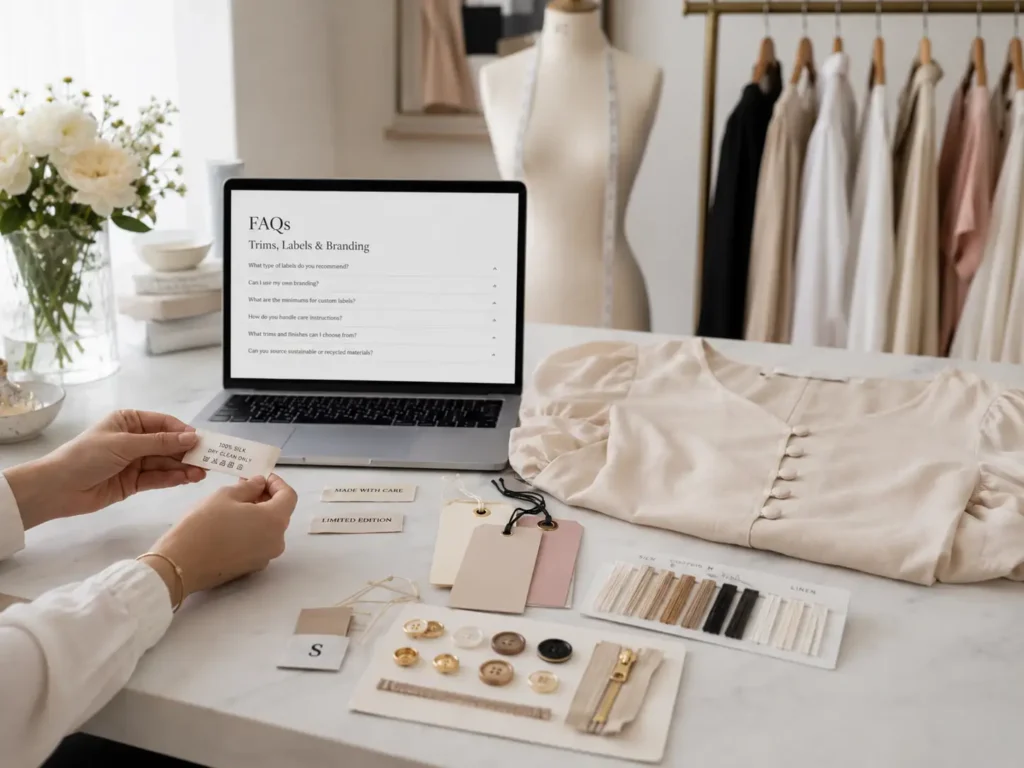
The standard starting point is 200 pieces per style and color. Final requirements depend on fabric availability, custom dyeing or printing, special trims, construction, size range, branding, packaging and production timing. A quantity plan by style, color and size gives the clearest basis for evaluation.
Jinfeng Apparel focuses on fashion womenswear, including tailored, satin, occasion, party, resort, utility, jersey, ponte, romper and cut-out jumpsuit styles. Stretch fashion products can be developed, but the core manufacturing position is not seamless compression activewear.
Yes. Reference images, sketches, line sheets or original garments can be reviewed for proportion, construction, fabric direction and production feasibility. The development team creates or adjusts the pattern and sample rather than treating an image as a complete technical specification.
Yes. Tech packs, measurement charts, grade rules, material codes, trim requirements and packing instructions can be used as the primary development file. Conflicts or missing information are raised before sampling so technical decisions are not left to bulk production.
Pattern review connects shoulder-to-crotch length, front and back rise, bust, waist, hip, inseam and movement. Samples are checked while standing, sitting, walking and raising the arms. Corrections identify where length or ease is needed instead of adding general volume.
A straightforward style may require about 7-12 working days for the first sample after required materials and information are available. Complex lining, embellishment, custom materials, multiple colors or additional fitting rounds can extend the schedule. Consolidated feedback helps revisions move faster.
Yes. Jinfeng Apparel can coordinate suitable woven, stretch, satin, crepe, linen-blend, rayon, jersey, ponte, mesh, lace, sequin and utility materials, along with zippers, elastic, belts, buttons, lining and private label components. Final options depend on performance, cost, availability and MOQ.
Yes. Main labels, size labels, care and composition labels, hangtags, barcode stickers, individual bags, tissue, carton marks and packing ratios can be developed or coordinated from approved brand files. Content and placement are confirmed before bulk packing.
Yes. NDA-based cooperation can cover tech packs, samples, patterns, measurements, material plans, prices, quantities, labels, packaging and unpublished designs. Brand names and protected files are not published without authorization.
Yes. Final patterns, size charts, grade rules, material references, trim details, approved comments, Golden samples and packing instructions can be retained for repeat production. Availability and timing are rechecked because materials, colors and production schedules may change between orders.

Start Your Private Label Jumpsuit Project

Send the available design and commercial information so Kelly and the development team can review the project as a complete manufacturing program. A tech pack, reference image, original sample or line sheet helps identify the structure. Quantity by style and color supports MOQ and capacity planning. Fabric direction, color plan and target size range help the team evaluate material, grading and fit risk. Brand labels, hangtags, barcode files and packaging instructions define the private label scope. A target launch date allows sampling, material approval, production, inspection and shipment timing to be mapped in the right order. When some information is still under development, send the current version and mark the open decisions. Jinfeng Apparel will separate confirmed requirements from assumptions and outline the next steps for material review, quotation or sample development.

  • Reference image, tech pack, line sheet or original sample
  • Target quantity for each style and color
  • Color plan, size range and target market
  • Preferred fabric, lining, trims and construction details
  • Main label, care label, hangtag, barcode and packaging needs
  • Target sample date, launch date and delivery destination
Tell Us About Your Dress Project

Share your product details, estimated quantity and development requirements. Our team will review your project and provide practical OEM/ODM production feedback.

Premium Women’s Apparel Production for Fashion Brands

From dress sample development to bulk production, JF Apparel supports fashion brands with confidential OEM/ODM manufacturing, reliable quality control and scalable production support.

START YOUR DRESS PROJECT

Ready to Develop Your Next Dress Collection?

Share your design concept, product requirements or sourcing plans with our team. We’ll review your project and provide practical feedback on development, materials, MOQ and production.

7-10 Days

Sample Development

200 PCS

Starting MOQ

Fast Response

Professional Follow-Up