
Private Label Dress Manufacturer for US Brands
Dress-focused development, private-label execution, controlled bulk production and export support for established US womenswear brands.
- Since 2008, Jinfeng Apparel has supported custom womenswear programs through 6 owned factories and more than 10 long-term production partners in Guangdong.
- Two sample rooms, 7+ senior pattern makers and 20+ sample machinists support fit development, revised samples, photo samples, PP samples and Golden samples.
- MOQ starts from 200 pieces per style and color, with labels, hangtags, barcode stickers, SKU packing and branded packaging reviewed by project.
- Private-label orders move through fabric approval, pattern development, sampling, bulk control, 15+ QC inspectors, packing verification and export coordination.
Manufacturing Capacity Built Around Private Label Programs
6 Owned Factories
10+ Production Partners
12+ Merchandisers
15+ QC Inspectors
30+ Packing Staff
US Market Support
Built for Established US Fashion Brand Programs
Premium Ecommerce Brands
Occasionwear Labels
Partywear Brands
Boutique Chains
Sourcing Teams

Risks US Brands Need Controlled Before Bulk
Sample Bulk Gaps
Unstable Dress Fit
Wrong Fabric Direction
Label Data Errors
SKU Packing Mistakes
Missed Launch Windows
Choose the Right Private Label Development Model
Private label can describe very different manufacturing arrangements. Jinfeng Apparel focuses on custom dress development and controlled brand execution rather than simply replacing a label on an existing stock garment.
| Model | Development Input | Brand Exclusivity | Jinfeng Apparel Role | Best Use |
|---|---|---|---|---|
| White Label | Existing supplier style with limited changes | Limited | Not the core manufacturing model | Existing-style resale programs |
| OEM Private Label | Tech pack, original sample, size chart, BOM or approved construction file | High | Pattern review, sampling, bulk production, labels, packaging and delivery | Brands with developed product specifications |
| ODM Private Label | Reference images, line sheet, brand direction, target fit and price position | High | Structure review, fabric direction, pattern development, sampling and production execution | Brands needing development support |
| Collection Program | 10-30 styles, launch calendar, SKU plan and private-label standards | High | Priority sampling, factory allocation, multi-style production, QC, phased packing and repeat records | Seasonal and recurring dress collections |
Private Label Dress Categories We Develop
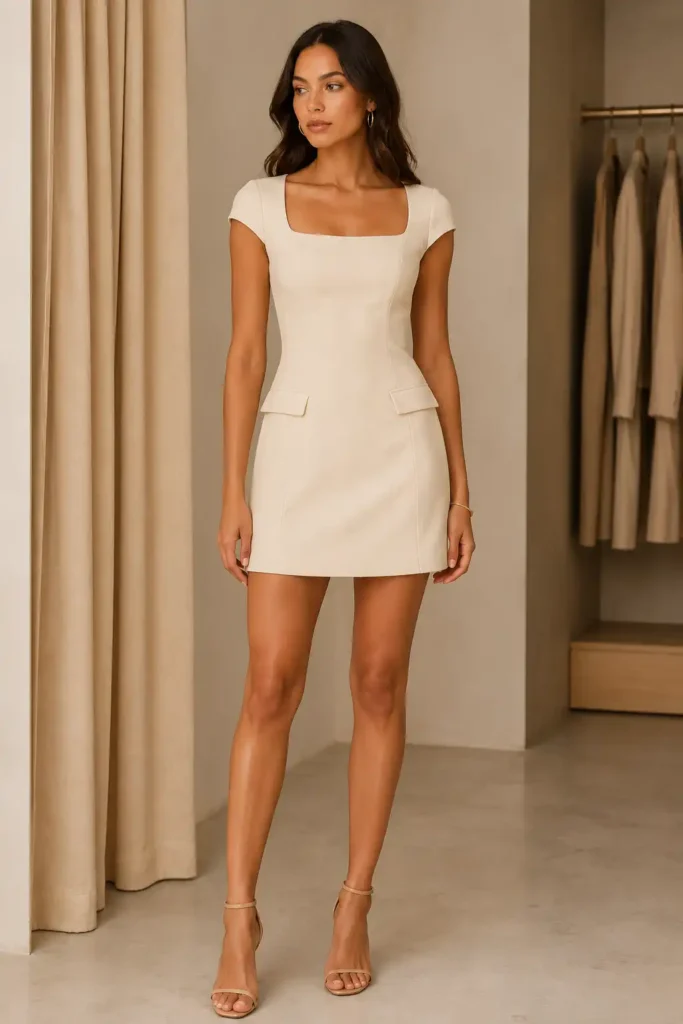
Mini Dresses

Midi Dresses

Maxi Dresses

Party Dresses

Occasion Dresses
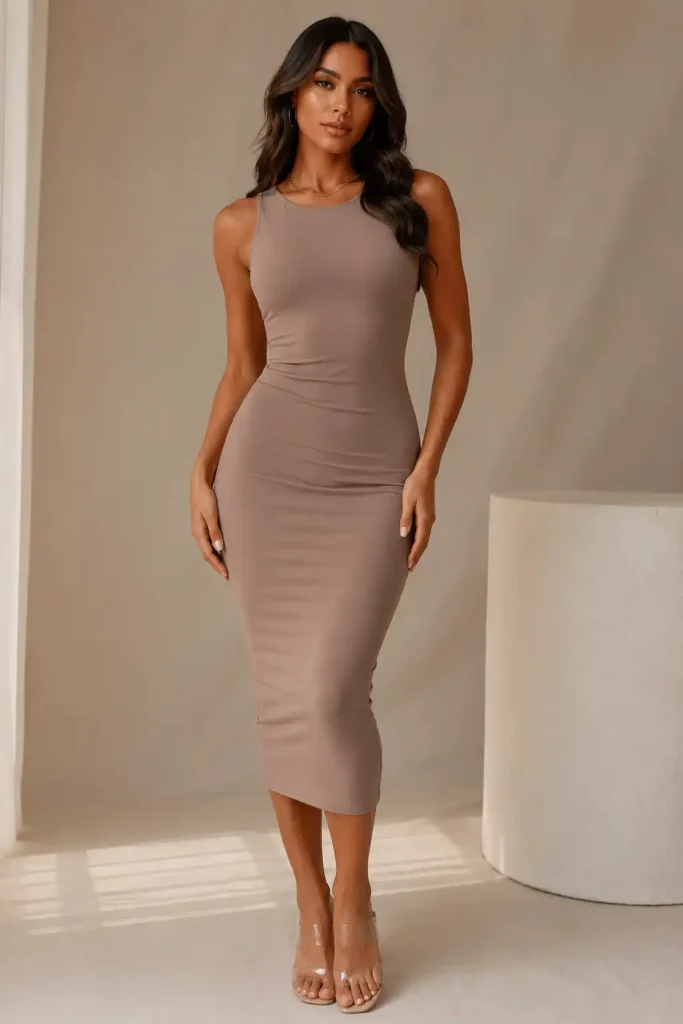
Bodycon Dresses

Resort Dresses
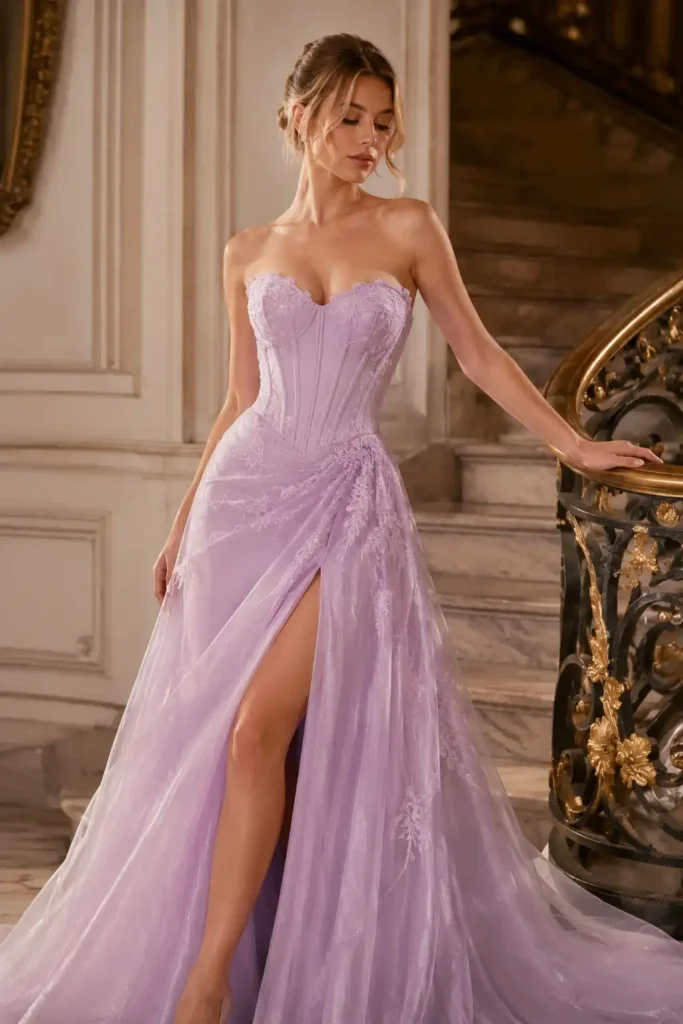
Corset Dresses
Fabric Systems Matched to Dress Construction
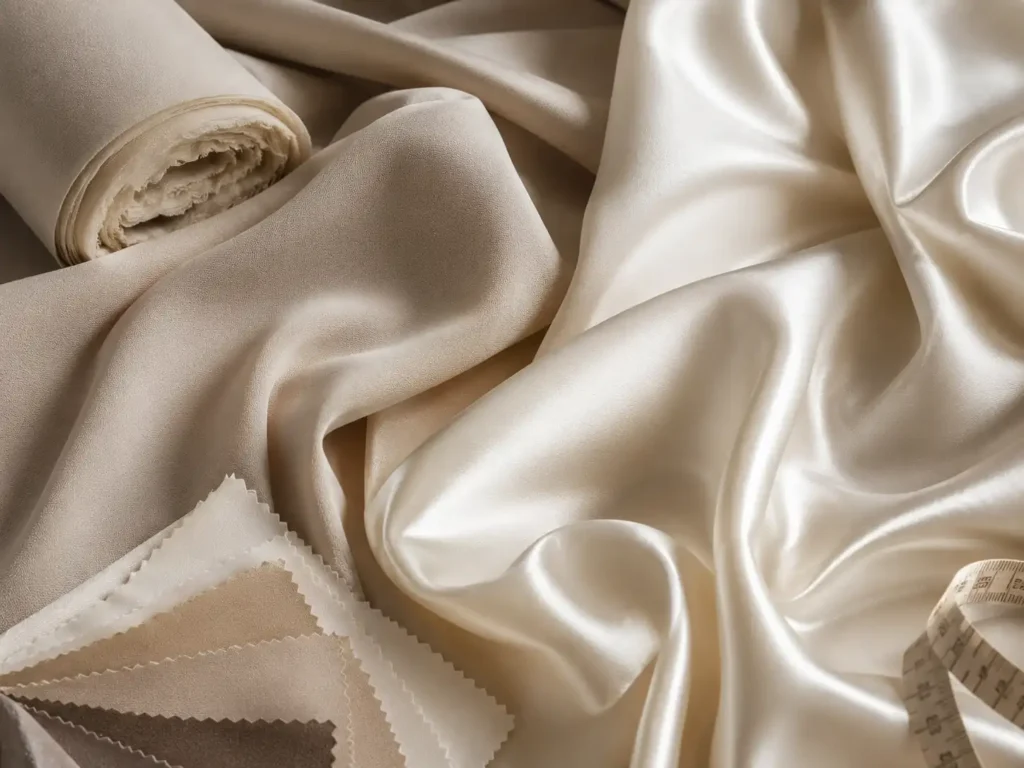
Satin and Crepe
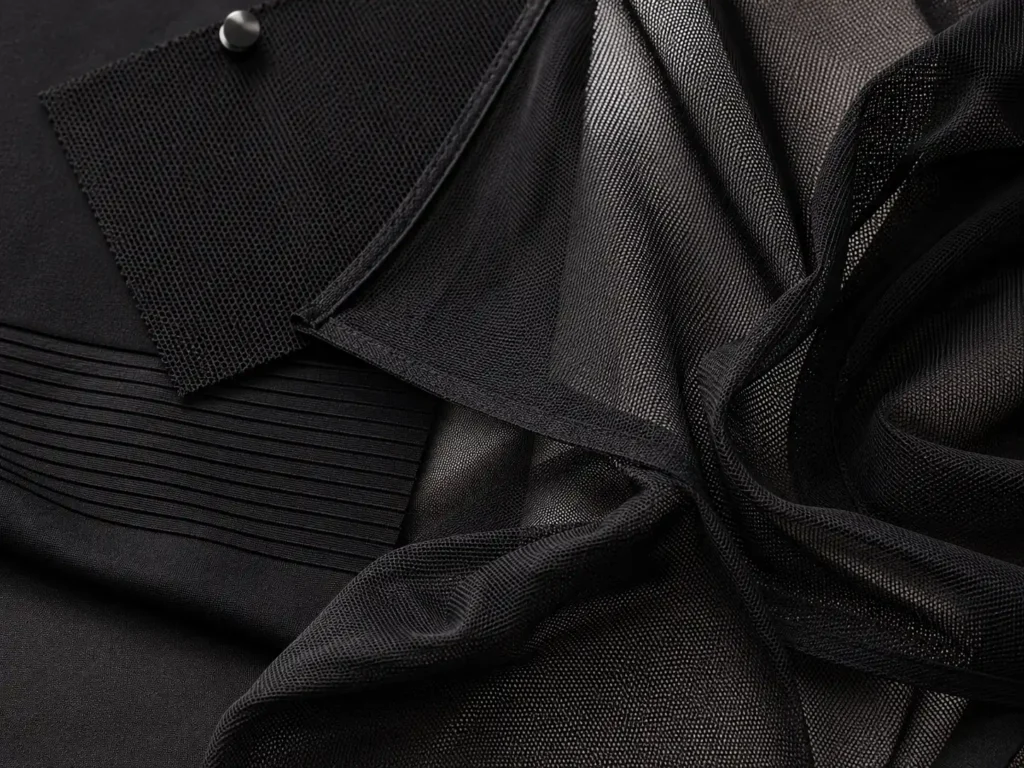
Mesh and Power Mesh
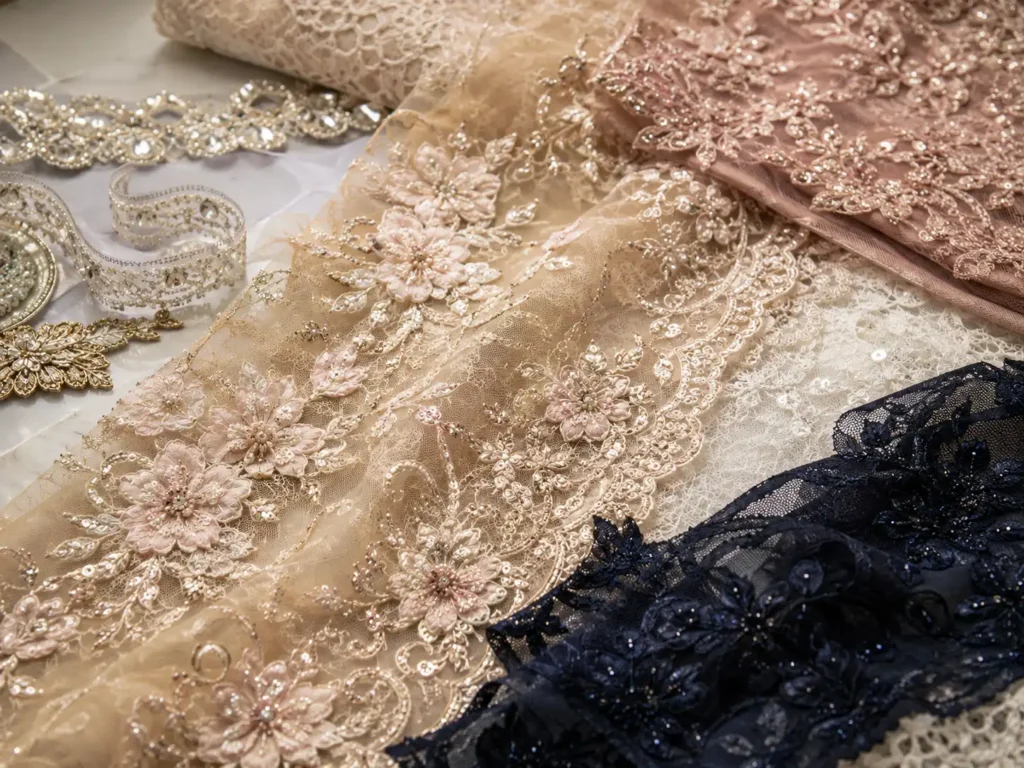
Lace and Embroidery
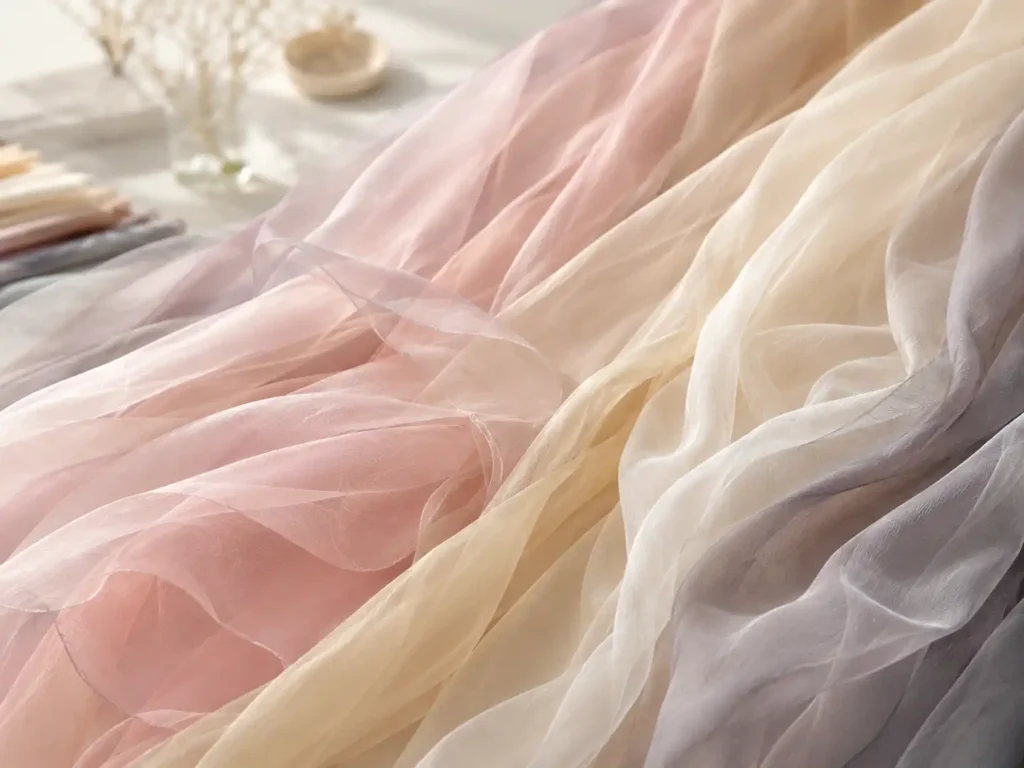
Chiffon and Georgette
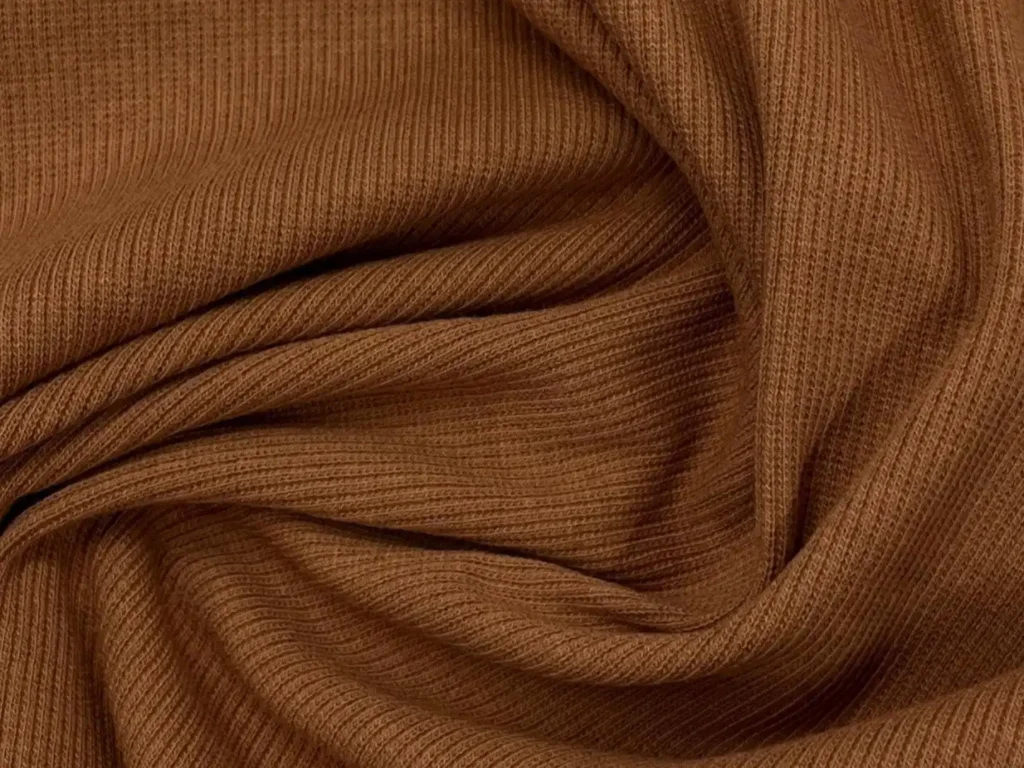
Jersey and Ponte
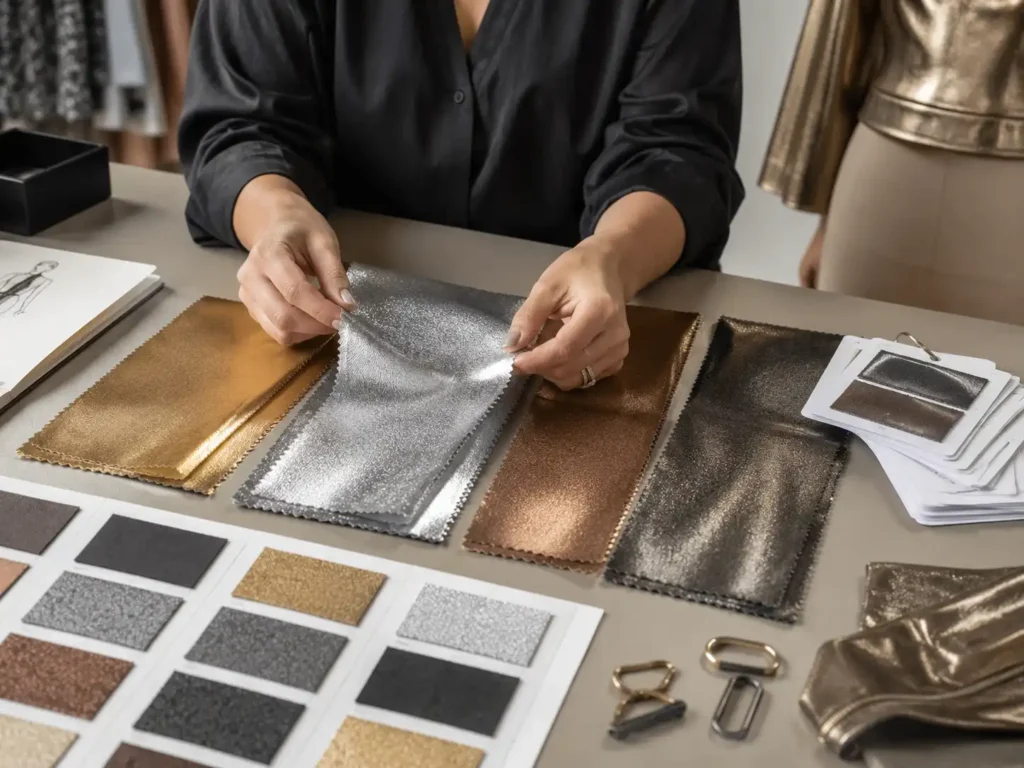
Sequin and Specialty
US Fit and Pattern Development for Dresses
Fit is controlled through target measurements, brand-specific proportions, fabric behavior and recorded revisions. A single attractive sample does not automatically create a stable XS-XL or extended-size range.

Base Size Built Around Brand Standards
Jinfeng Apparel can work from a US size chart, target body measurements, an approved reference garment or a brand block. The pattern team reviews bust, upper bust, under bust, waist, high or low waist position, hip, front and back length, shoulder width, armhole, neckline depth, strap length, slit and lining coverage.
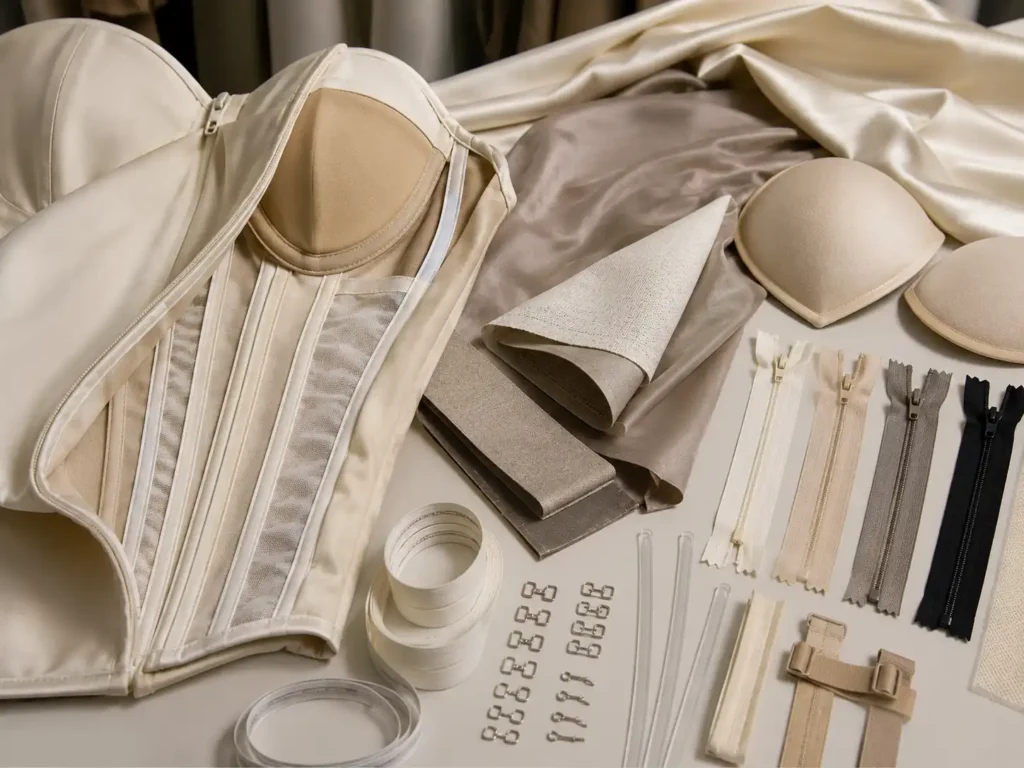
Fabric behavior is considered before the base pattern is approved. A non-stretch satin corset, stretch mesh bodycon dress and rayon maxi dress cannot share the same ease or grade logic. Weight, stretch and recovery change the amount of wearing ease required and may alter seam position, zipper type or support construction.

Fit Comments Converted Into Pattern Actions
Fit feedback should identify the location, direction and amount of change. “Too loose” is not enough. Useful comments specify whether excess appears at upper bust, under bust, waist, hip, back neckline, armhole or side seam. Photos, garment measurements and fit-model notes are compared before the pattern is revised.
Every approved adjustment is transferred into the revised pattern, measurement chart, sample record and construction notes. Important changes are not left only in email or messaging threads. A revised sample is made when fit, structure, fabric or construction changes affect bulk production.

Size Grading Beyond Simple Enlargement
Grading distributes change across body points rather than enlarging the garment evenly. Neckline depth, strap length, armhole, waist shaping, hip ease, slit height and skirt length often need controlled increments. Corset cups and supportive panels may require separate rules to maintain shape across sizes.
Orders can include multiple sizes within the confirmed style-color quantity. Alpha sizes such as XS-XL, extended sizes, plus-size ranges and petite or tall adjustments are reviewed against the brand standard. Size ratios should be locked before cutting because late ratio changes affect material use, tickets, SKU files and packing.

Measurement Control During Bulk
The approved measurement chart defines points of measure, grading and tolerances. QC selects garments during sewing and at finished stages to compare bust, waist, hip, length, strap, sleeve, slit and other critical dimensions. Stretch products may require relaxed measurement conditions to avoid false readings.
Measurement results are evaluated with construction and fabric behavior. A number within tolerance does not excuse a twisted side seam, unstable neckline or uneven hem. Dimensional control and visual fit must work together before a style is released for packing.
Sampling That Converts Designs Into Bulk Standards
Sample development validates structure, fit, fabric, trims, construction and commercial feasibility. Different samples serve different decisions, so a first sample should not be treated as the final bulk standard.

Project Review Before Pattern Work
Development starts with available materials such as a tech pack, reference image, original sample, sketch, line sheet, size chart, BOM and label or packing files. The team reviews style complexity, fabric direction, trim requirements, pattern risk, MOQ fit and production feasibility before confirming the sample plan.
Incomplete information can still be evaluated, but assumptions are documented. Missing size data, back views, internal construction, fabric weight or trim specifications often create avoidable revisions. Clear files improve quotation accuracy and make sample timing more controllable.

First, Fit and Revised Samples
The first sample tests whether the design can be translated into a wearable garment. Internal review checks construction, measurements, symmetry, zipper behavior, lining, support and obvious sewing issues before photos or shipment. A fit sample focuses on body proportion and movement rather than campaign presentation.
Revisions may address fit, fabric, color, trims or construction. Changes affecting pattern, BOM, cost, MOQ or lead time are recorded. Factory execution issues are corrected internally; new design directions or added requirements are evaluated as new development work.

Photo, Salesman and PP Samples
Photo-ready samples prioritize approved appearance for content production and should still follow the intended material and construction direction. Salesman samples may support wholesale presentation or internal line review. Neither automatically replaces the PP sample when bulk materials, trims or packaging standards differ.
The PP sample is the pre-production reference used to lock fabric, color, measurements, construction, labels, hangtags, packaging and key finishing details. Changes after PP approval can affect cost, material use and production timing, so any revision must be documented and re-approved.
Golden Sample and Multi-Style Control
An approved Golden sample supports sewing, QC and final comparison. For a 10-30 style collection, development is grouped by fabric family, pattern complexity, trim system and launch priority. Hero SKUs can move first while related styles share approved materials or construction references.
A revision tracker records sample version, issue category, action, approval status and next step. The method keeps large collections visible to product teams and prevents an outdated sample comment from entering production.
Brand Labels and Garment Identity Managed Together

Main Brand Label
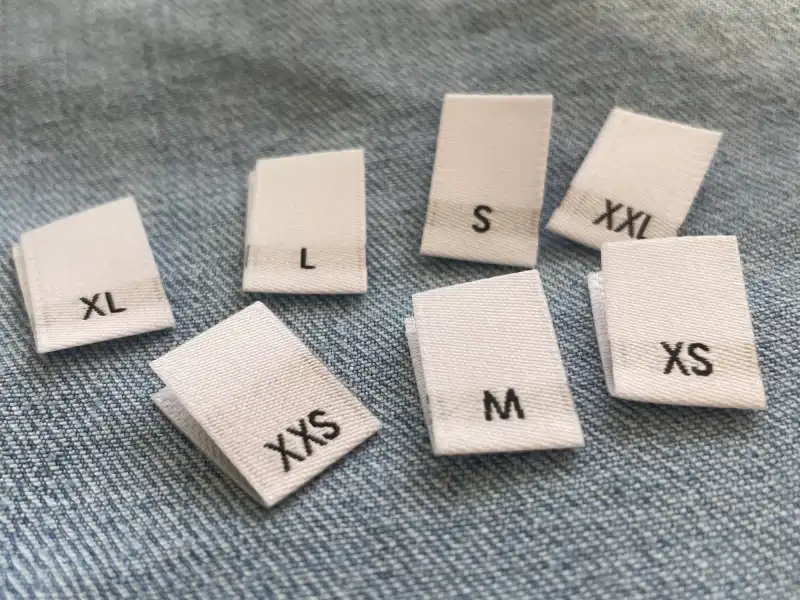
Size Label
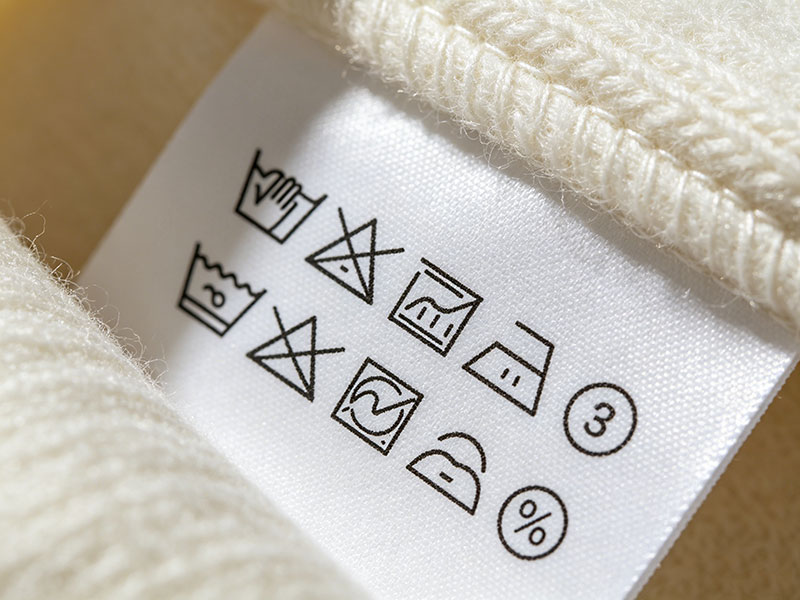
Care Label

Hangtag System
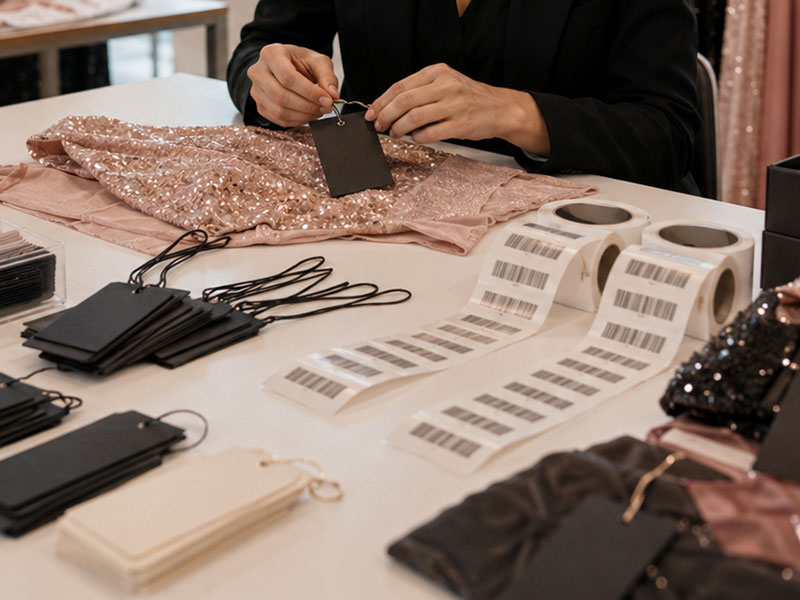
Barcode Labels

Heat Transfer Marks

Logo Applications

Artwork Control
Ecommerce, Retail and Warehouse Ready Packaging

Ecommerce Ready

Retail Ready

Warehouse Ready
Factory Allocation Matched to Dress Complexity
A multi-factory system creates value only when product assignment, production files and quality standards remain controlled. Jinfeng Apparel allocates dress programs by fabric, construction, volume and timing.
Owned Factories for Core and Higher-Risk Styles
Six owned womenswear factories support core dress, skirt, jumpsuit, matching-set and private-label production.
First-time complex styles, fitted dresses, satin, mesh, lace, corset construction and other higher-risk products are directed toward production units with suitable experience.
Factory selection considers PP sample requirements, sewing sequence, fabric handling, finishing and QC needs. A factory is not chosen only because capacity is open. Product compatibility remains the first condition for stable bulk execution.
Long-Term Partners for Planned Capacity
More than 10 long-term satellite production partners support repeat orders, standard constructions, selected style groups, phased production and seasonal capacity. They are not treated as uncontrolled temporary outsourcing. Approved files, materials, samples and inspection requirements remain under Jinfeng management.
Complex and simpler styles can be separated across suitable units while shared brand standards remain consistent. Allocation is documented so product teams know where each style is produced and how QC responsibilities are assigned.
Management Across Multiple Style Groups
A collection containing 10-30 styles is grouped by fabric family, construction type, trim system, quantity and launch priority. Fabric and trim tracking prevents unnecessary duplicate development. Production schedules account for material arrival, cutting, sewing, finishing, inspection and packing windows.
Twelve-plus merchandisers coordinate information, while 15+ QC inspectors and 30+ finishing and packing staff support execution. The operating model is designed for a managed program, not an untraceable chain of subcontractors.
From Project Review to Export Delivery
Project Review
Fabric and Trims
Pattern Development
Sample Revision
PP Approval
Bulk Production
Packing Control
Export Delivery
Quality Control From Fabric to Packed Carton

Fabric Inspection
Trim Verification

Cutting Control

First Piece Review

Inline Inspection

Measurement Check

Finished Garment

Packing Audit
MOQ and Order Structure for Private Label Dresses
MOQ starts from 200 pieces per style and color. The final arrangement depends on fabric availability, color development, trims, construction, packaging and production schedule. Sizes are distributed within the confirmed style-color quantity.
| Order Plan | Standard Assessment | Reason |
|---|---|---|
| 1 style, black, 200 pcs across XS-XL | Can be evaluated | One style and one color meets the starting production structure |
| 1 style, black 200 pcs and ivory 200 pcs | Can be evaluated | Each color reaches 200 pcs |
| 1 style, black 100 pcs and ivory 100 pcs | Normally not suitable | MOQ is calculated per color rather than combined |
| 4 styles, 50 pcs each | Not a standard structure | Different styles cannot be combined to meet one style MOQ |
| Custom-dyed satin, 200 pcs | Supplier review required | Dye-house minimums and lab-dip development may raise material MOQ |
| Special lace, custom print or branded box | Separate MOQ may apply | Fabric, trim or packaging suppliers can set independent minimums |
US Labeling, Testing and Compliance Support
Compliance requirements vary by product, material, factory, selling channel and program. Jinfeng Apparel supports document preparation and testing coordination based on confirmed project scope rather than blanket certification claims.

Market Label Information
Care labels can be prepared around approved fiber content, care instructions, country of origin, size and brand-required information. The brand remains responsible for final legal wording and market approval. Jinfeng checks file version, print clarity, label material, placement and attachment method during production.
Hangtags, price tickets, barcodes and warehouse labels are commercial documents as well as brand elements. Their data should be approved before bulk printing and linked to the final style-color-size SKU structure.

Fabric and Garment Testing
Testing can be arranged according to product risk and brand protocol. Common areas include composition, shrinkage, color fastness, pH, formaldehyde, azo, pilling, strength and wash performance. Tests are not assumed for every order and are quoted according to selected methods and laboratories.
SGS, Intertek, Bureau Veritas, ITS or another nominated facility may be considered by project. Sample quantity, test method, lead time, cost and pass criteria should be agreed before testing begins.

Audit and Material Documentation
SMETA, Sedex, BSCI-related records, client audits and factory documentation can be reviewed according to the selected production unit and current file status. A logo shown online should never replace verification of an applicable certificate or audit report.
OEKO-TEX, GOTS, organic cotton and GRS-related material resources depend on fabric type, supplier, color, MOQ, certificate scope and batch. Supporting documents are confirmed for the exact material proposed for the program.

AQL and Client Inspection
Final inspection can follow an agreed AQL plan or client-specific protocol after production and packing reach the required completion level. AQL sampling does not replace process QC; it evaluates the completed lot against defined defects and acceptance rules.
Client-appointed inspectors can be coordinated with factory access, order status, packing availability and inspection documents. Any inspection finding is reviewed before release and shipment arrangement.
Timelines Planned Backward From US Delivery
A reliable delivery plan begins with warehouse arrival and works backward through freight, inspection, packing, production, materials and PP approval. Timing is confirmed after style complexity and material readiness are reviewed.
Development Timeline
A project schedule can include requirement confirmation, swatch approval, pattern completion, first sample, fit feedback, revised sample, photo sample, PP sample and bulk order confirmation. Timing varies with style structure, fabric availability, special trims and the speed of brand feedback.
Collections with 10-30 styles benefit from priority groups. Hero products, campaign samples and material-ready styles can move first, while complex or custom-material styles follow their own approval path.
Bulk Production Timeline
Bulk timing begins only after PP standards, quantities, colors, size ratios, labels, packaging and commercial terms are confirmed. Material purchase, incoming inspection, cutting, sewing, in-line QC, finishing, packing and final inspection each need protected time.
Late design changes, new colors, revised labels or custom packaging can affect material supply and production scheduling. Change impact is reviewed before revised commitments are accepted.
Freight and Delivery Planning
Samples and swatches may move by DHL, FedEx, UPS or a nominated courier account. Bulk orders can be assessed for air, sea, split air-sea or a brand-appointed forwarder. EXW, FOB, CIF, DAP and DDP feasibility are confirmed by route and project.
Transport timing depends on destination, carrier, customs, season and service level. Warehouse delivery dates should include a buffer for inspection, document review and receiving appointments rather than relying only on transit estimates.
Phased Shipment Strategy
Large programs may be separated by style priority, production readiness or launch group. A first shipment can cover hero styles or urgent ecommerce inventory, followed by the remaining assortment after full packing and inspection.
Split shipments add freight and document complexity, so the commercial value must be compared with the cost. Jinfeng can review style readiness, carton data and forwarder requirements before a phased plan is confirmed.
From First Collection to Repeat Order Programs
Collection Launch
Repeat Production
Seasonal Programs
Prepare These Files for a Faster Project Review
Style References
Tech Pack
Quantity Plan
Color Plan
Size Range
Fabric Direction
Trim Requirements
Label Artwork
Hangtag Files
Barcode List
Packing Guide
Delivery Target
Private Label Dress Frequently Asked Questions
Jinfeng Apparel supports style review, fabric and trim sourcing, pattern development, first and revised samples, PP samples, bulk production, QC, labels, hangtags, barcode and SKU packing, carton marks and export coordination. The route can follow OEM files or include ODM development support.
Yes. Tech packs, BOMs, measurement charts, construction notes, artwork and packing files can be reviewed before sampling. Missing or conflicting information is identified so the development basis is clear before pattern work and quotation are finalized.
Yes. Reference images, sketches, line sheets or original sample photos can support an initial review. The team will still need decisions on measurements, fabric, internal construction, trims, colors, labels and quantities before a production-ready sample and quotation can be completed.
MOQ starts from 200 pieces per style and color. Sizes can be distributed within the confirmed color quantity. Custom-dyed, custom-printed, certified, lace, sequin, recycled or specially developed materials, trims and packaging may carry separate supplier minimums.
Samples are charged separately because development includes pattern work, material sourcing, trims, single-garment sewing, measurements, internal review and revision coordination. A sample fee may be deducted from the bulk order when the approved same style moves into production under the agreed MOQ and commercial terms.
Yes. Jinfeng can work from a US size chart, target body measurements, brand block or approved reference garment. Base-size fit, grading, critical measurements and tolerances are confirmed according to fabric and construction rather than applying one generic size system.
Yes. Main labels, size labels, care labels, hangtags, heat transfers, barcode stickers, SKU labels and other brand elements can be arranged by project. Artwork, dimensions, wording, placement, material and supplier MOQ must be approved before bulk production.
Yes. Packing can include folding or hanging, polybags, tissue, size and color stickers, barcodes, carton ratios, carton marks, warehouse labels and packing-list formats. Instructions should be supplied before packing materials are ordered and production files are locked.
Yes. Client-appointed or third-party inspection can be coordinated according to production status, packing completion, factory access and the agreed protocol. AQL or final inspection complements incoming, cutting, sewing, inline, measurement, finished-garment and packing QC.
Yes. NDA-based cooperation can protect tech packs, samples, patterns, size charts, fabric and trim plans, label files, packaging, pricing, quantities and unreleased designs. Project information is used for evaluation, development, production, QC, packing and delivery only.

Send Your Private Label Dress Program for Review
Share your dress line sheet, tech pack or reference styles with Kelly for an initial manufacturing review. The team will assess product structure, fabric direction, pattern and fit requirements, MOQ alignment, private-label components, packing needs and delivery planning before proposing the next development step.
A useful inquiry does not need to be perfect, but it should show a real product direction and planned bulk program. Files are handled for project evaluation under Jinfeng Apparel’s confidentiality standards.
- Company, US selling channel and main dress categories
- Style references or tech packs
- Quantity per style and color
- Size range and fit standard
- Fabric and trim direction
- Labels, hangtags, barcodes and packaging
- Required warehouse arrival and shipping destination
- Any audit, testing or inspection requirements


