Skip to content

Private Label Clubwear
Develop bodycon, mesh, cut-out, ruched, corset, sequin and coordinated clubwear collections with a women’s fashion manufacturing team built for repeatable sampling, bulk production and branded delivery.
- Since 2008, with 6 owned women’s fashion factories and 10+ long-term satellite production partners for structured production allocation.
- 2 sample rooms, 7+ senior pattern makers and 20+ sample machinists support fit-sensitive and construction-heavy clubwear development.
- Basic garment MOQ is 200 pcs per style / color, with size ratios arranged inside the confirmed quantity and special material MOQs reviewed separately.
- 18+ sewing lines, including 6+ flexible production lines, support multi-style collections, while 15+ QC staff follow critical fit, appearance, label and packing points.
Production Capacity Built for Clubwear Programs
Since 2008
6 Owned Factories
10+ Production Partners
Dedicated Sample Team
18+ Sewing Lines
QC and Merchandising Control
Built for Established Fashion and Clubwear Brands
Global Fashion Brands
Clubwear and Partywear Labels
Premium Ecommerce Brands
Sourcing and Buying Teams
Private Label Programs
Private-label programs need more than a sewn garment. Woven labels, care labels, size labels, hangtags, barcode stickers, SKU labels, polybags, carton marks and warehouse labels must match the correct style, color and size. Jinfeng supports branded garment delivery by integrating those materials with sample approval, bulk production and packing records instead of adding labels as an afterthought.
Seasonal Multi-Style Collections
Build a Complete Private Label Clubwear Collection

Bodycon Mini Dresses

Mesh Club Dresses

Cut-Out Dresses

Backless Dresses

Ruched Dresses

Corset Mini Dresses

Sequin Party Dresses

Satin Club Dresses

Halter and Strapless Styles

Matching Clubwear Sets
Matching sets allow a brand to build several selling combinations from one visual story. Crop top and skirt sets, bodysuit and skirt combinations, structured tops with mini skirts and coordinated stretch separates can share colors, fabrics or trims while using different pattern blocks. Development should keep fabric lots, color tone, fit balance and label placement consistent across both pieces so the set arrives as one coordinated SKU family rather than unrelated garments.

Clubwear Jumpsuits

Bodysuit-Led Sets
Engineer Bodycon Fit Before Bulk Production
Bodycon clubwear turns fabric stretch, pattern balance and measurement control into visible brand quality. Jinfeng approaches fitted silhouettes by connecting material behavior with bust-waist-hip shaping, side-seam balance, garment length and the approved size chart instead of relying on a visually similar sample alone.

Stretch Direction and Recovery Must Match the Silhouette
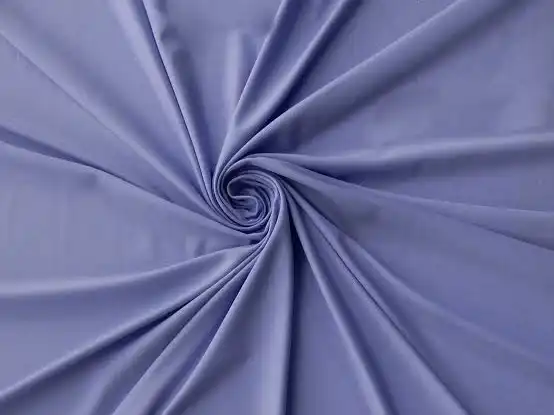
A bodycon pattern cannot be separated from the fabric used to make it. Jersey, ponte, rib knit, stretch mesh and stretch satin each create different compression, drape, recovery and seam behavior. Before pattern correction is finalized, the development team needs to understand whether stretch runs mainly across the body or in multiple directions, how quickly the fabric returns after extension, and whether weight or lining changes the way the garment hangs. A fabric that looks similar on a swatch can produce a very different waist, hip or hem shape once it is cut and sewn.
For clubwear, poor recovery creates several common failures: a neckline that grows after wear, a skirt that bags at the seat, side seams that twist, a ruched panel that loses definition or a cut-out edge that becomes wavy. Fabric direction must therefore be confirmed together with the pattern. When lining is added, the shell and lining also need compatible stretch and recovery so one layer does not restrict or distort the other. The sample should be evaluated after dressing and movement, not only when laid flat.
Bulk production follows the approved fabric reference and construction standard. If a brand changes fabric weight, fiber blend or stretch behavior after sample approval, the fit may need to be reviewed again because the original pattern was developed around a different mechanical response. Treating fabric as part of the fit system protects the intended silhouette and reduces late-stage corrections.

Bust-Waist-Hip Balance Controls the Visual Result
Bodycon clubwear is often judged within seconds in photography, retail display and social content. The silhouette therefore depends on more than chest, waist and hip circumference values.
Bust placement, waistline position, hip shaping, side-seam direction, underarm curve, neckline depth, mini length and slit position all influence whether the garment looks deliberate or poorly fitted. A pattern can technically meet measurements and still look wrong if those proportions are not balanced on body.
During sampling, feedback should be converted into specific pattern actions. A loose waist should not automatically be solved by reducing the whole circumference if the hip is already correct. Bust instability may require neckline, cup, strap or side-panel changes rather than simple tightening. A mini that rides upward may need pattern balance, fabric recovery or hem circumference adjustments. Each correction should be recorded so the revised sample represents an intentional change rather than an undocumented sewing-room decision.
Size grading also needs the same logic. The brand’s size chart and grade rules guide how the approved fit expands across sizes. Critical points such as bust, waist, hip, total length, strap length, neckline depth and cut-out placement must remain visually coherent instead of drifting as sizes change. The goal is not identical appearance on every body, but a consistent design proportion built from the agreed measurement system.

Bulk Measurement Control Protects the Approved Fit
Once the PP sample and production measurements are approved, the factory needs measurable checkpoints that can be used during bulk production.
Bodycon programs commonly require attention to bust, waist, hip, garment length, strap length, neckline depth, slit height and other style-specific points.
The exact tolerance belongs to the approved project specification, not a universal number, because fabric stretch and construction vary from style to style.
Measurement control works best when combined with appearance inspection.
A garment may fall inside a numeric tolerance yet still show twisted side seams, uneven ruching, zipper distortion or a neckline that sits differently from the approved sample. Inline checks can identify those problems before large quantities are completed.
Finished garments are then compared with the approved size chart, workmanship standard and visual reference before packing.
For repeat orders, retained pattern files, size charts, fabric references, trim details, QC notes and packing instructions shorten the restart process. New fabric batches, new colors or construction changes still require confirmation because stretch, shade and hand feel can change between orders. Keeping a disciplined record makes repeat production more predictable without pretending that material variation never occurs.
Control Cut-Out and Backless Construction Details
Cut-out and backless clubwear must expose the intended areas without losing bust security, waist control or movement safety. The design is translated through pattern placement, reinforcement, lining, straps, closures and edge finishing so the garment remains wearable after the visual concept is turned into production construction.
Expose, Support and Cover in the Right Places
A successful cut-out begins with a clear decision about what the design is meant to expose, what still needs support and where coverage must remain stable. The opening may sit at the waist, side body, underbust, neckline, back or hip, and each location changes how the remaining pattern carries tension. If too much fabric is removed without rebuilding support, the garment can twist, gape, pull at the zipper or shift during movement.
Pattern development should therefore consider cut-out shape and body landmarks together. Bust points, waistline, side seam, hip curve and back width help define whether an opening looks balanced on the body. For asymmetric styles, the visual line needs to stay intentional rather than dragging one side. For fitted stretch garments, the stretch direction of the surrounding fabric affects whether the edge stays flat or becomes wavy. Lining or binding can add stability, but it must not create a visible ridge or restrict the intended stretch.
Support can come from elastic, internal lining, boning, bra cups, straps, taped edges or closure positioning depending on the style. There is no single construction formula for every cut-out. The sample stage is where the team verifies whether the chosen structure gives enough security while preserving the visual proportion requested by the brand.
Closures, Straps and Lining Carry Structural Load
Backless clubwear often shifts structural load toward straps, side seams, waist seams and closures. A narrow strap may look clean but still need the right width, slider, attachment point and reinforcement to hold the garment. Halter ties or neck straps must balance security with pressure around the neck. An invisible zipper placed close to a cut-out or curved seam can distort if seam tension, lining or pattern balance is not controlled.
Lining is equally important. It can provide coverage, protect skin from seams or embellishment, stabilize a neckline and improve comfort, but incorrect lining length or stretch can pull against the shell. In sheer or mesh combinations, the lining line itself becomes part of the design. The brand may want a deliberate opaque area under a transparent panel, so the sample needs to confirm the exact coverage boundary rather than allowing it to vary from garment to garment.
Closure access also matters. A tightly fitted mini with a high back opening may look simple until the wearer tries to put it on. Zipper length, hook-and-eye placement, stretch allowance or partial elastic panels may affect usability. Those details should be solved during development so the bulk garment is both visually strong and functionally wearable.
Movement Testing Finds Problems Flat Inspection Misses
Clubwear is worn while walking, sitting, dancing and moving through crowded environments, so fit evaluation needs more than a static front-and-back photo. A cut-out that looks secure while standing may open when the wearer bends or raises an arm. A backless style may pull the front neckline backward. A mini hem may rise as the hips move. A strap may slide if the angle does not match the shoulder or neck position.
Sample review should therefore include movement observations around the areas carrying the most tension. The development team can then decide whether the pattern, elastic, strap length, lining, seam reinforcement or closure position needs adjustment. Corrections are recorded in the revised pattern and sample notes instead of being left as verbal sewing instructions.
Once approved, critical construction points should appear in bulk sewing and QC references. Inspectors can check cut-out symmetry, edge flatness, strap placement, neckline stability, zipper shape, lining coverage and left-right balance during production. The result is a repeatable construction standard rather than a visually attractive one-off sample.

Choose Fabrics by Clubwear Function, Not Appearance Alone
Stretch Jersey

Ponte

Soft Mesh
Power Mesh

Stretch Satin

Sequin Fabric

Lace and Decorative Mesh

Lining and Support Fabrics
Manage Complex Fabrics Through Cutting, Sewing and Finishing
Once fabric is approved, production handling becomes the next risk point. Mesh, sequins, satin and other sensitive surfaces require different cutting directions, seam controls, pressing methods, inspection points and packing protection. Jinfeng separates those material risks instead of applying one generic production method to every clubwear style.

Mesh and Sheer Panels Need Controlled Tension
Mesh can stretch before it reaches the sewing line, especially when cut pieces are narrow, curved or placed on the bias of the material structure.
Cutting preparation should confirm grain or stretch direction, panel orientation, lining placement and bundle identification before pieces move into sewing. Operators need to avoid dragging the fabric through the seam because excess tension can create rippling, asymmetry or openings around needle points.
Sheer panels also expose workmanship that would be hidden inside opaque garments. Seam allowances, lining edges, binding and attachment points can be visible through the fabric, so internal construction must be clean.
On bodycon or cut-out styles, the transition between mesh and solid fabric needs balanced stretch; otherwise one section can pull harder and distort the silhouette. Inline QC should look for holes, edge damage, twisted seams, uneven transparency and incorrect lining coverage while the garment is still repairable.
Finishing and pressing need a light touch because high heat or pressure can change the surface or leave marks. Packing should keep sharp trims, hangtag fasteners and rough surfaces away from the mesh. The goal is to protect both visual transparency and fabric integrity from cutting through final packing.

Sequins and Surface Decoration Require Protection
Sequin garments create a different production challenge because the decorative layer can interfere with stitching and handling. Sequin direction should be identified before cutting so front and back panels do not reflect light inconsistently. Where the seam allowance becomes too bulky, controlled clearing may be required according to the approved construction. Needles and thread must suit the base material, while operators need to avoid unnecessary damage to sequins close to seam lines.
Comfort is another important control. Underarm edges, necklines, waist seams or side seams can become abrasive if sequin edges contact the skin. Lining or edge finishing should follow the approved sample. Zippers also need enough clearance to operate without catching decorative elements. During inspection, teams can check missing sequins, exposed sharp edges, seam thickness, lining position and visual direction rather than treating embellishment as a purely decorative feature.
Finished garments should be protected from friction during handling and packing. Folding two heavily embellished surfaces directly against each other can create abrasion or snagging. Packing direction, tissue protection or garment separation may be considered according to the style and brand instruction. Those controls help the collection arrive with the same visual impact approved during sampling.

Satin and Sensitive Surfaces Reveal Small Defects
Satin can make a simple dress look premium, but it also reveals pressing marks, seam puckering, shade variation, scratches and zipper distortion quickly.
Cutting direction should keep the sheen consistent across major panels, especially when several pieces meet at the front or back. Fabric inspection can identify surface defects or shade concerns before they are multiplied through bulk cutting.
During sewing, seam tension and handling affect whether the surface stays flat. Invisible zippers need careful insertion because bulging or waviness is easy to see under satin.
Ruching and gathered sections should remain intentional rather than creating random creases. Pressing must suit the material so heat, moisture or pressure does not create shine changes or impressions from seam allowances.
Packing is part of the quality process. Tight folding can create hard creases, while rough trims or carton pressure can mark the surface.
Final appearance inspection should therefore happen before packing, with the packing method selected to protect the approved finish.
Sensitive fabric control is less about one special machine and more about disciplined handling at every stage.
Build Complex Clubwear Samples Before Locking Production
Clubwear samples are the place to solve structural risk, not merely confirm color and appearance. Jinfeng uses pattern, material and workmanship review to identify issues around stretch, coverage, cut-outs, corset support, mesh transparency, sequin protection, closures and fit before the production standard is transferred to bulk.
Start With a Construction Risk Review
A tech pack, line sheet, original sample, sketch or reference image provides the visual direction, but the first development task is to identify what could fail when the style becomes a physical garment.
A fitted mesh cut-out dress may need transparent and opaque zones to stay aligned. A corset mini may depend on boning, cup shape and waist placement. A sequin dress may require lining and controlled seam allowances.
A ruched bodycon style may depend on fabric recovery and accurate gathering placement.
Jinfeng’s sample team can review those points before sewing begins so pattern, fabric and trims are chosen with the same end result in mind. Two sample rooms, 7+ senior pattern makers and 20+ sample machinists support the development workload. Sample timing is confirmed by project after style complexity, material readiness and trim requirements are reviewed, because a simple stretch mini and a structured embellished club dress do not carry the same development workload.
Early risk review also improves quotation quality. Construction, lining, special trims, private labels and packaging all affect cost. Closing those variables before bulk helps avoid late changes that would otherwise alter pricing, production time or garment behavior.
Turn Sample Feedback Into Pattern and File Changes
A useful sample review should produce specific corrections, not comments such as “make it fit better.” Fit issues can be classified by bust, waist, hip, strap length, neckline, armhole, hem, slit, crotch, lining or cut-out position. Fabric concerns can be separated into weight, hand feel, stretch, recovery, transparency, drape, shade or surface appearance. Workmanship feedback can address zipper shape, ruching, seams, boning, cups, edge finishing or embellishment protection.
Each approved correction should move back into the project record. Pattern files, size charts, BOM details, trim references, sewing notes and packing instructions need to stay aligned with the revised garment. If the sample changes but the production files do not, the bulk line can easily follow an older instruction. Version discipline is therefore especially important for clubwear, where small proportion changes can alter the entire silhouette.
Revised samples are used when fit or construction still needs confirmation. Photo-ready samples may also be required for ecommerce or campaign preparation, while the PP sample serves as the final pre-production reference once fabric, color, measurements, construction, trims, labels and packing are ready to be locked.
Lock the PP Standard Before Bulk Release
The PP stage is the point where development becomes a production standard. Fabric, color, trims, measurements, construction, lining, decoration, label placement, hangtags, polybag requirements and carton instructions should be confirmed before the style is released.
Late changes after PP approval can affect purchased materials, pattern files, line planning, cost and delivery timing, so any revision needs to be treated as a controlled change rather than an informal request.
For clubwear, the PP sample should make critical visual points easy to verify: bust coverage, waist placement, hip fit, mini length, cut-out proportion, ruching direction, mesh opacity, zipper flatness, lining position, sequin protection and overall balance.
Those points can then be translated into sewing instructions and QC checkpoints for bulk production.
The approved standard can be retained with pattern, measurement, fabric, trim and packing records for repeat orders.
New colors, material batches or design adjustments are reviewed again where needed, but the existing record gives the brand and factory a stronger starting point than rebuilding the style from memory.

Keep 10-30 Clubwear Styles Organized During Sampling
Style Grouping
Fabric Grouping
Launch Priority
Revision Tracking
Approval Status
PP Release
Turn Clubwear Into a Complete Private Label Program
Woven Brand Labels
Size Labels
Size labels need to match the approved size system and the physical garment in every packed unit. A wrong size label can create warehouse confusion and consumer returns even when the garment itself is correctly made. Size information is therefore checked together with the garment size, packing sticker and carton breakdown instead of being treated as an isolated sewing operation.
Care and Composition Labels
Hangtags and Hang Strings
Barcode and SKU Labels
Polybags and Brand Stickers
Carton Marks
Warehouse Labels and Records
Transfer Every Approved Detail From Sample to Bulk
The biggest production risk appears when a good sample is approved but the factory floor receives incomplete or outdated information. Jinfeng transfers the final pattern, size chart, material references, sewing details, labels, packing instructions and QC points into the bulk handover so the production team works from one approved standard.
Final Pattern and Measurement Files Define the Shape
Once fit is approved, the final pattern and size chart become core production references. The pattern must reflect the latest neckline, bust, waist, hip, length, cut-out, strap, slit or crotch corrections, while the measurement file shows the agreed finished garment points. If a revised sample was made from a new pattern version, older pattern files should not remain in active production circulation where they can create accidental mix-ups.
For multi-size programs, grade rules and size breakdowns are linked to the approved base. The factory does not simply scale every dimension by the same amount. The brand’s size chart and agreed grading logic guide how key points develop across sizes. Clubwear requires particular attention because cut-outs, mini lengths, strap positions and bust structures can look proportionally wrong if grading is not checked carefully.
During cutting and sewing, measurement references can be used to confirm that the garment stays close to the approved standard. Final measurement QC then connects the produced garment back to the same size chart used during development, closing the loop between sample and bulk.
BOM, Trims and Brand Materials Must Match the Approved Sample
The bulk handover should identify shell fabric, lining, zippers, elastic, bra cups, boning, lace trims, sequins, labels, hangtags, barcode stickers, polybags and other approved components.
Clubwear often contains several small materials that have a large visual or functional effect. A zipper with a different tape stiffness, elastic with a different tension or cup with a different shape can change the fit even if the outer fabric remains the same.
Material references and trim cards help prevent substitution without review. If a component becomes unavailable, the alternative should be checked for size, color, hand feel, function and visual effect before bulk use.
Private-label materials need the same discipline. A correct garment with an incorrect care label, barcode or hangtag is not a complete production result.
Material arrival status also influences line planning. Labels or packaging materials that arrive late can delay final packing even after sewing is complete, so garment and private-label materials should be tracked as one production program.
Sewing, QC and Packing Instructions Complete the Handover
A production-ready style needs clear workmanship points.
For clubwear, those can include ruching direction, strap reinforcement, cut-out edge finishing, mesh-to-lining alignment, corset boning position, zipper flatness, sequin protection, hem shape and pressing requirements. The approved sample provides the visual standard, while sewing instructions explain how the bulk line should reproduce critical details.
QC points are then selected from the same construction. Inline inspection can catch seam, zipper, strap, ruching and symmetry problems before the whole batch is finished. Measurement QC checks the agreed size points. Appearance inspection looks at stains, holes, snagging, wrinkles, asymmetry, zipper bulging and lining exposure. Label and packing checks confirm style, color, size, barcode, SKU and carton information.
Packing instructions finish the handover by defining folding, individual packing, label placement, carton ratios, carton marks and warehouse requirements. When all three layers – sewing, QC and packing – connect to the same approved sample, the chance of sample-to-bulk drift is reduced substantially.

Organize Multi-Style Clubwear Bulk Production by Risk
A 10-30 style clubwear order cannot be managed as one undifferentiated production block. Jinfeng groups styles by fabric, construction, material readiness, launch priority and factory fit, then connects each production group to the approved PP sample, QC points and packing instructions.
Match Production Units to Product Structure
Jinfeng’s 6 owned women’s fashion factories, 10+ long-term satellite production partners, 18+ sewing lines and 6+ flexible production lines create several options for production allocation. The important decision is not simply where capacity is available, but which production unit suits the garment. A stretch bodycon mini, mesh cut-out dress, structured corset style, sequin piece and satin slip can require different sewing experience and handling discipline.
Factory allocation can consider fabric type, style complexity, order quantity, launch timing and repeat-order history. The approved PP sample, final pattern, material reference and QC checklist travel with the style so allocation does not change the production standard. Large multi-style programs may also be released in groups, allowing fabric-ready styles to progress while another group waits for final trims or approval.
A structured allocation method helps avoid the common large-order mistake of pushing every style into the same production schedule regardless of construction. It also gives merchandising and QC teams a clearer view of where each style is being made and which risks require closer follow-up.
Material Readiness Controls the Production Calendar
Bulk sewing cannot begin reliably until the required materials are ready. Fabric rolls, lining, zippers, elastic, bra cups, boning, sequins, labels, hangtags, barcode stickers, polybags and cartons may arrive on different schedules. For clubwear collections with many styles, one delayed component can affect several SKUs if they share the same trim or packaging system.
Production planning therefore starts from material status rather than a promised sewing date alone. Fabric inspection, trim confirmation and private-label material arrival should be connected to the release plan. Styles with complete materials and approved PP standards can be prioritized, while styles with unresolved components remain outside final production release until the missing item is closed.
The same logic applies to changes. A late color change, new hangtag, revised cut-out measurement or packaging update can affect purchased materials and line scheduling. Managing those changes as project events instead of informal messages gives the brand a more realistic view of timing and reduces avoidable rework.
Progress, QC and Packing Stay Connected to Style Groups
Once production starts, progress can be followed through material arrival, cutting, sewing, inline QC, finishing, packing and shipment preparation. Multi-style programs benefit from grouped tracking because the team can see whether a fabric family, factory group or launch priority is moving together. Critical styles can receive closer attention without creating unnecessary daily reporting for every small production step.
Quality checks remain style-specific. A mesh mini is inspected for transparency, holes, edge distortion and lining coverage; a bodycon style focuses on stretch, measurements and side-seam balance; a sequin dress needs surface and edge inspection; a satin style needs shine direction, snagging, zipper and pressing control. Private-label packing then introduces a second identification layer where size, color, SKU, barcode and carton data must stay accurate.
The result is a collection that moves through production as organized product groups while each SKU still retains its approved construction and packing standard.

Inspect Clubwear During Production, Not Only at the End

Fabric Inspection

Cutting Control

Inline Sewing QC

Measurement QC

Appearance Inspection
Final appearance inspection looks for stains, holes, loose threads, snagging, wrinkles, asymmetry, zipper bulging, lining exposure, surface damage and inconsistent finishing. Sensitive clubwear fabrics make small defects highly visible in photography, so appearance is reviewed against the approved sample rather than relying on generic garment standards alone.

Finishing Release
Verify Labels, Barcodes and Packing Before Shipment
Label Artwork Check
Label Placement Check
Barcode and SKU Check
Individual Packing Check
Carton Breakdown Check
Pre-Shipment Packing Review
Plan MOQ by Style, Color and Private Label Material
The basic garment MOQ is 200 pcs per style / color, while sizes are distributed inside the confirmed quantity. Clubwear programs often contain special fabrics, trims, labels or packaging materials that carry separate supplier MOQs, so garment quantity and private-label material quantity should be reviewed as related but different commercial decisions.
| Item | Planning Rule | What Can Change It |
|---|---|---|
| Garment production | Basic MOQ: 200 pcs per style / color | Fabric availability, construction complexity, special trims, production schedule |
| Size range | Multiple sizes can be split inside the confirmed style/color quantity | Size ratio, grading complexity, special petite/tall or extended size requirements |
| Woven / printed labels | Reviewed as a private-label material | Label supplier MOQ, artwork, size, weave or print method |
| Care / size labels | Can be integrated into bulk production | Artwork, number of sizes, supplier production quantity |
| Hangtags | Ordered to approved brand file | Material, printing, finishing, string/fastener and supplier MOQ |
| Barcode / SKU stickers | Planned by SKU and packing requirement | Number of colors, sizes, warehouse system and label format |
| Printed polybags | Separate packaging material review | Printing, bag size, material and packaging supplier MOQ |
| Special boxes / premium packing | Quoted separately from garment production | Structure, printing, insert materials, finishing and supplier MOQ |
| Custom-dyed / special fabric | Confirmed by fabric source | Dye lot, custom weaving, print, certification scope or imported material requirements |
Protect Unreleased Designs and Private Label Information
Tech Packs and Samples
Patterns and Size Charts
Labels and Barcode Data
Unreleased Collections

Clubwear Program - 16 Styles, 36,000 Pieces
A representative anonymized clubwear program in the current order range can combine mesh bodycon dresses, cut-out minis, ruched stretch styles, corset-led silhouettes and coordinated party pieces across 16 styles and approximately 36,000 pieces. The manufacturing challenge is keeping strong visual design repeatable across fit, materials, color groups and bulk packing.
Program Brief
- The collection was structured around fitted nightlife and going-out silhouettes rather than one repeated dress shape. Style groups included stretch bodycon minis, sheer mesh panels, waist and side cut-outs, ruched details, structured bust areas and selected embellished pieces. The brand required a consistent visual identity across multiple fabrics and color groups while maintaining separate fit and construction standards for each silhouette.
- Development started by grouping styles according to fabric and construction risk. Stretch jersey and ponte styles were reviewed around recovery and bust-waist-hip balance. Mesh styles focused on transparency, lining coverage and edge stability. Cut-out styles required proportion and movement review. Structured pieces needed cup, boning and closure decisions. The collection format made sample priority and revision tracking essential because a correction on one silhouette could not simply be copied to another fabric group.
Development and Sample Control
- The sample stage concentrated on photo-ready appearance and wearable construction at the same time. Key checks included bust coverage, cut-out position, mesh opacity, ruching symmetry, zipper flatness, mini length, strap placement and the transition between stretch shell and lining. Feedback was converted into pattern updates and revised sample instructions so approved changes remained visible in the production files rather than staying inside message threads.
- Priority SKUs moved first through revised sample and PP confirmation while lower-priority styles continued in parallel. Fabric groups were tracked separately because mesh, stretch jersey, satin and embellished materials carried different sourcing and sewing risks. Private-label files were prepared alongside garment development so labels, hangtags, barcode data and polybag requirements were ready before final bulk packing.
Bulk Execution and QC
- Bulk production was organized by material readiness, style complexity and production-unit fit. Instead of releasing all 16 styles at once, production groups followed approved PP standards and confirmed materials. Inline QC focused on side seams, ruching, cut-outs, straps, zippers, lining and visible symmetry. Measurement checks followed the approved size charts, while appearance inspection looked for mesh damage, surface marks, uneven gathering and lining exposure.
- Packing checks connected the garment to the correct label, size, barcode, SKU and carton breakdown. The large collection therefore depended on two forms of consistency: garment consistency against the approved sample and information consistency across private-label packing. The same project logic is suitable for established clubwear brands that need a multi-style launch to arrive as an organized commercial collection rather than a group of unrelated garments.
Private Label Clubwear Frequently Asked Questions
Jinfeng Apparel focuses on premium custom womenswear, including mini dresses, bodycon dresses, mesh dresses, sequin dresses, satin dresses, cut-out dresses, backless styles, corset dresses, ruched dresses, jumpsuits, matching sets and related private-label clubwear collections. Product direction is reviewed against fabric, fit, construction and bulk feasibility before sampling.
The basic garment MOQ is 200 pcs per style / color. Sizes can be distributed inside the confirmed quantity according to the approved size ratio. Special fabrics, custom dyeing, special trims, printed packaging, labels or other private-label materials may have separate supplier MOQs and are reviewed by project.
Yes. Development can start from a tech pack, reference image, original sample, line sheet or design sketch. The team reviews style structure, fabric direction, trims, pattern requirements, sampling risk and bulk feasibility before confirming the development path. More complete files allow a more accurate quotation and sample plan.
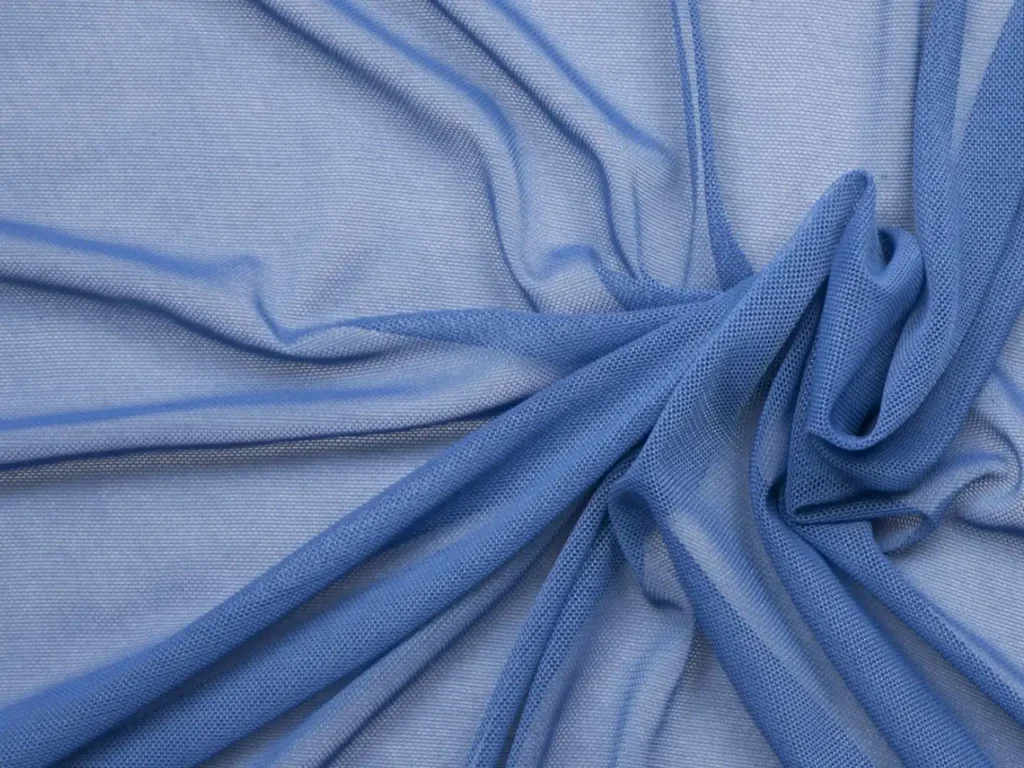
Mesh transparency is reviewed through fabric choice, layer count, lining coverage, color relationship and the intended exposed area. Soft mesh, stretch mesh and power mesh behave differently, so the approved sample should confirm opacity, stretch direction, edge stability and how the garment looks on body before bulk release.
Bodycon fit is built around the approved pattern, size chart, grade rules and fabric behavior. Critical points can include bust, waist, hip, total length, neckline, straps and other style-specific measurements. Bulk measurement QC is combined with visual checks for side-seam balance, ruching, zipper shape and overall silhouette.
Yes. Jinfeng supports woven labels, size labels, care labels, hangtags, hang strings, barcode stickers, SKU labels, polybags, brand stickers, carton marks and warehouse labels. Private-label materials may carry their own supplier MOQ, so artwork and quantity should be reviewed before bulk ordering.
Yes, multi-style programs can be managed through style grouping, fabric grouping, sample priority, revision tracking, PP approval, production allocation and packing instructions. Production release is organized according to approved samples and material readiness rather than forcing every style into the same schedule.
Yes. Jinfeng can sign an NDA before reviewing detailed tech packs, samples, patterns, labels, packaging files or unpublished collection information. Client designs, patterns, label files, barcode data and launch information are used for the approved project and are not published without authorization.
Sample timing is reviewed after style complexity, fabric availability, trim requirements and the amount of pattern development are understood. A simple stretch mini and a corset, sequin or multi-layer mesh style do not require the same work, so timing is quoted according to the actual development path rather than a fixed promise for every garment.
Send the style image or tech pack, target quantity per style and color, size range, fabric direction, color plan, trim requirements, private-label files, packing requirements, target market and required delivery window. With those inputs, Jinfeng can review MOQ fit, material risk, sample requirements, bulk pricing factors and the next development step.

Send Your Private Label Clubwear Project
A useful quotation starts with enough information to understand the garment and the commercial program. Send your tech pack, line sheet, reference images or original sample details together with the planned quantity per style and color. Add the expected size range, fabric direction, color plan, trims, labels, barcode or SKU requirements, packaging instruction and target delivery window where available.
Jinfeng Apparel will use those inputs to review construction complexity, fabric risk, sample development, MOQ fit, private-label material requirements, bulk production planning and packing needs before the project moves forward. For a multi-style collection, it is also helpful to identify hero SKUs, launch priorities and any styles required first for photography or approval. NDA-based cooperation can be arranged before detailed unpublished collection files are reviewed.
- Tech pack, line sheet, original sample or clear reference images
- Quantity per style / color and planned size breakdown
- Fabric direction, color plan and special trim requirements
- Brand labels, care labels, hangtags, barcode or SKU files
- Polybag, carton mark and warehouse packing instructions
- Target launch or delivery window and priority styles