...

Printed Fabric Approval

Turn an approved print into production-ready womenswear with controlled color, scale, placement, cutting direction and bulk garment consistency.

Jinfeng Apparel supports fashion brands in connecting printed fabric development with garment sampling, pattern engineering, production and quality control. Approval is managed around the finished garment rather than a fabric swatch alone.

  • 15+ QC inspectorssupport incoming fabric, cutting, garment and packing quality control.
  • 2 sample rooms and 20+ sample machinistshelp move approved fabrics into physical garment samples.
  • 7+ senior pattern makerssupport print placement, panel direction and garment structure development.
  • Standard garment production starts from 200 pcs per style/color; custom-print fabric MOQ is assessed separately by material, print method and supplier.
  • Printed woven fabrics can be reviewed for weight, drape, transparency, shrinkage, direction and garment suitability before bulk production.
  • Approval records can move forward into PP sample, production instructions and bulk QC references.

Manufacturing Support Behind Every Print Approval

Printed fabric approval becomes more valuable when development, garment sampling and production control operate under one project workflow. Jinfeng Apparel combines womenswear development teams, sampling resources, merchandising, QC and production capacity to carry approved material decisions into finished garments.

2 Sample Rooms

Two dedicated sample rooms support first samples, revised samples, photo-ready samples and PP development. Printed fabric can therefore be assessed not only flat on a table, but also after cutting, sewing, lining, gathering and fitting change its visual effect.

7+ Senior Pattern Makers

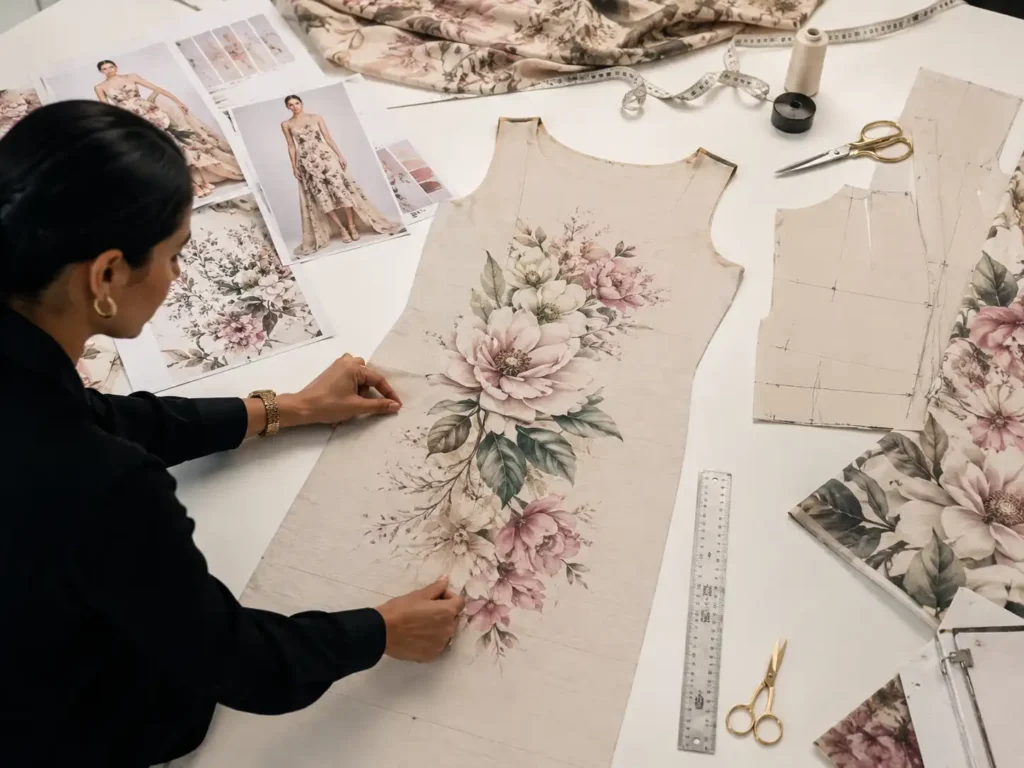
Print scale and placement interact directly with garment panels. Pattern makers review center-front positioning, bust areas, waist seams, hems, side seams, panel orientation and structural changes before approved print directions are transferred into production patterns.

20+ Sample Machinists

Sample machinists convert approved material direction into physical garments, allowing print appearance to be checked around seams, darts, gathers, zippers, linings, curved panels and style-specific construction before bulk sewing begins.

15+ QC Inspectors

Quality control covers incoming material, cutting, sewing, finished garments and packing. Printed programs receive particular attention around color difference, print direction, placement, stains, holes, panel orientation and visible inconsistencies.

12+ Merchandisers

Merchandising coordination connects artwork information, fabric sourcing, sample revisions, approvals, production instructions and delivery planning. Approval changes affecting bulk production are recorded rather than passed verbally between separate teams.

100,000+ Pieces

Regular monthly production capacity exceeds 100,000 pieces across the established womenswear manufacturing network. Capacity alone is not the approval standard; documented samples, materials, patterns and QC references remain the basis for scaling a print into bulk garments.

Built for Fashion Teams Managing Printed Collections

Printed fabric approval often involves several departments before production can begin. Jinfeng Apparel is structured for established fashion programs where design intent, commercial requirements, garment engineering and launch timing must stay aligned.

Product Development Teams

Product development teams often need more than a color confirmation. They need to know whether the selected print scale works on a mini dress, whether a border lands correctly on a maxi hem, or whether a repeat becomes awkward after panels are joined. Jinfeng can connect fabric decisions with sample development and pattern review.

Sourcing Teams

Sourcing teams need visibility into base-fabric availability, custom-print MOQ, supplier requirements, sampling rounds and commercial impact. Jinfeng evaluates material options alongside garment MOQ, target quantity, construction difficulty and production planning instead of treating fabric development as an isolated purchase.

Merchandising Teams

Merchandising teams often manage several styles, colors and approval dates simultaneously. A controlled process helps separate artwork approval, fabric approval, sample approval and PP approval so production does not move forward on an outdated reference or incomplete decision.

Quality Teams

QA and QC teams need measurable references for bulk inspection. Approved fabric, physical color references, print direction, placement notes, pattern versions and PP samples provide stronger production controls than comments such as “close to artwork” or “color looks acceptable.”

Established Fashion Brands

Multi-style collections create more exposure to print inconsistency because several garments can share one print family while using different lengths, panels or constructions. Jinfeng supports dress, skirt, jumpsuit, matching-set, resort, party, occasion and other womenswear programs.

Sourcing Offices

Sourcing offices need suppliers capable of communicating development risks before bulk commitment. Print method, fabric behavior, print scale, placement, cutting layout, MOQ and approval status can all affect final cost and delivery planning.

What Printed Fabric Approval Really Covers

Printed fabric approval is the physical confirmation of how approved artwork performs on the intended fabric before it becomes a production reference. It sits between design intent and garment manufacturing, with different approval checkpoints serving different purposes.

Artwork Approval

Artwork approval confirms the design itself: motif, color direction, layout, scale intention and graphic information.

A digital file may look correct on screen while producing a different result after printing because fabric surface, opacity, texture and print process affect the final appearance.

Physical Fabric Approval

Physical approval evaluates the print on real fabric. Color, scale, repeat, registration, direction, visual sharpness, base-fabric behavior and garment suitability can now be judged. Once approved, the physical reference should be linked to the correct artwork version and production instructions. Artwork approved does not automatically mean fabric approved. Fabric approved does not automatically mean garment approved. Each stage closes a different production risk.

Eight Details to Approve Before Bulk Printing

A print can match the original artwork and still fail in finished clothing. Eight approval points deserve separate attention because each can create a different bulk problem after fabric is cut, joined, gathered or placed on the body.

Print Color

Evaluate hue, depth, saturation and relationships between colors rather than checking one color in isolation. Base-fabric color, surface shine and lighting can alter visual perception. Physical references are more reliable for final approval than screen images alone.

Artwork Accuracy

Fine lines, outlines, florals, lettering and small decorative details should remain recognizable after printing. Enlarging or reducing artwork can distort original proportions, while a fabric surface may soften details that appeared sharp in the digital file.

Print Scale

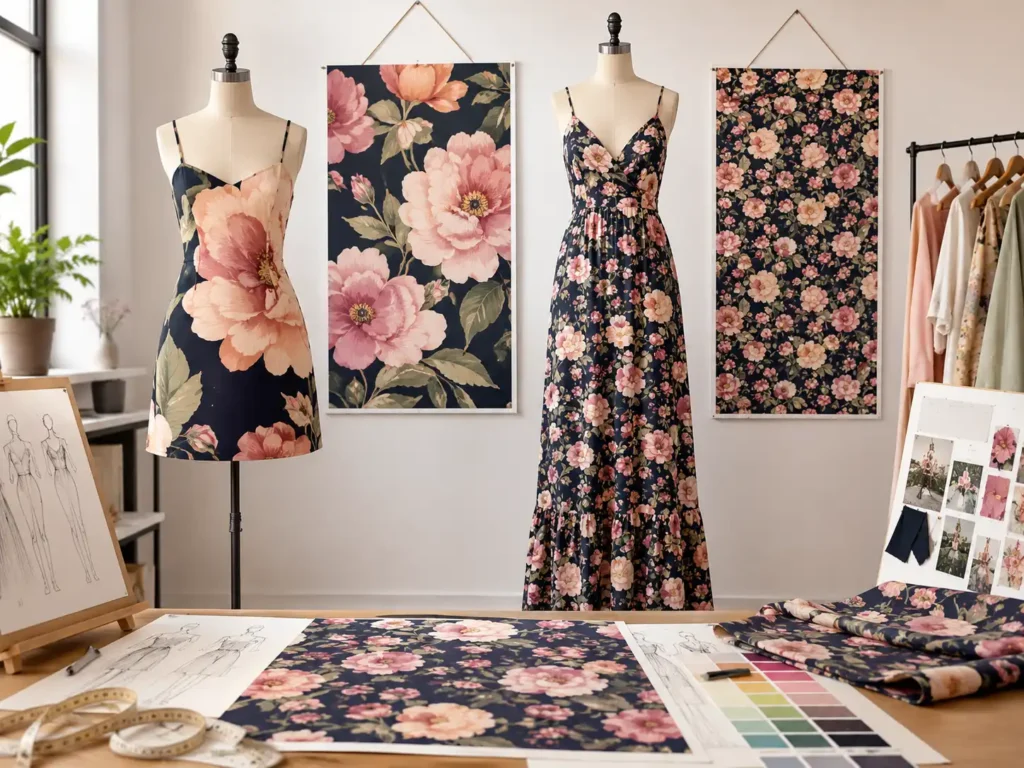
Motif size changes how a garment reads from a distance. A floral designed for a swatch may become oversized across a fitted bodice or disappear visually on a maxi silhouette. Approval should consider the actual garment dimensions and intended visual balance.

Pattern Repeat

Repeat dimensions affect continuity across the full fabric width and along garment panels. A poorly planned repeat can create obvious gaps, accidental motif clusters or unattractive visual breaks around side seams and long skirt panels.

Color Registration

Multi-color prints should maintain clean alignment where the design requires defined edges. Registration problems can create halos, blurred outlines and irregular motif edges that become more visible on simple garment shapes and light base fabrics.

Print Direction

Directional florals, leaves, text, animals and engineered motifs need a defined top and bottom. Direction directly affects marker planning and cutting consumption because garment pieces cannot always be rotated purely to improve fabric yield.

Print Placement

Placement prints must be checked against actual garment panels. Center-front graphics, bodice motifs, hem borders and asymmetric designs may require pattern references or placement measurements rather than general approval on an uncut fabric length.

Fabric Performance

Approval should include more than appearance. Weight, drape, stretch, transparency, hand feel, shrinkage and print-surface behavior all influence whether the printed material remains suitable after lining, cutting, sewing and finishing.

Lab Dip, Strike-Off, Bulk Fabric and PP Sample

Several approval terms appear during development, but they do not authorize the same decisions. Keeping them separate prevents a color reference, small print trial or garment sample from being treated as approval for an unrelated production stage.

Approval ReferenceMain PurposeTypical Review PointsProduction Meaning
Lab DipSolid-color dye developmentPantone direction, hue, depth, lighting responseColor reference for dyed fabric; not a printed-pattern approval
Strike-Off / Print TrialPrinted design on selected or comparable base fabricColor, scale, repeat, registration, sharpness, directionPrint-development reference before bulk print commitment
Bulk Printed FabricConfirm production fabric against approved referencesBatch appearance, color consistency, defects, width, shrinkage, directionMaterial can proceed according to approved garment-production controls
PP SampleConfirm the production garmentFit, construction, fabric, print placement, trims, measurements, finishingGarment-level reference before bulk sewing proceeds

Information Needed Before Printed Fabric Development

Clear inputs reduce unnecessary print revisions. A photo alone may show the visual direction, but reliable development requires enough information to understand scale, color, garment use, quantity and commercial boundaries.

Artwork or Reference

Provide the original artwork when available. Vector or high-resolution files preserve more usable information than compressed screenshots. If only a reference image exists, garment dimensions and expected motif size help define a workable development direction.

Color Standard

Pantone references, approved physical swatches or another agreed color standard should accompany important colors. Screen captures are useful for discussion but are not strong production color standards because monitor settings and file profiles vary.

Target Garment

A print intended for a fitted mini dress may require different scale decisions from one intended for a flowing maxi dress. Product type, length and major panel dimensions help evaluate whether the artwork works after garment construction.

Print Scale and Repeat

If repeat dimensions already exist, provide them with the artwork. When scale remains open, provide the intended motif size or reference photos showing how large the design should appear on the body.

Quantity Plan

Share estimated quantity by style and color. Jinfeng’s regular garment MOQ is 200 pieces per style/color, while custom printed fabrics can carry separate supplier MOQ depending on base fabric, print method, colors and production arrangement.

Launch Timing

Printed-fabric development adds approval points before garment production. Development planning should therefore consider artwork readiness, print sampling, revisions, bulk material preparation, garment sampling, PP approval and final production rather than working backward only from the shipping date.

Different Print Methods Need Different Approval Decisions

Print approval should follow the process selected for the fabric and artwork. Jinfeng coordinates material and garment requirements with suitable fabric or print suppliers rather than treating digital, screen, placement and border prints as interchangeable production methods.

Digital Print

Digital printing is often useful for artwork containing many colors, gradients or detailed imagery. Approval should focus on physical color appearance, fine-detail reproduction, base-fabric effect, scale and repeat. Bulk planning still needs fabric availability, print quantity and supplier requirements confirmed.

Screen Print

Screen printing may suit larger programs and repeat designs depending on fabric and artwork. Color separation, registration, repeat accuracy and production setup become important. The correct method depends on artwork complexity, number of colors, fabric specification and order volume.

All-Over Repeat

All-over prints require repeat dimensions and clear directional information. The motif should remain visually balanced over a continuous fabric length while still working once garment pieces are cut from different positions within the repeat.

Placement Print

Placement printing is controlled against a defined garment area rather than an unrestricted fabric repeat. Center-front graphics, chest motifs, waist features and engineered artwork need alignment with pattern dimensions before production references are released.

Border Print

Border prints are often used around hems, edges or directional fashion details. Garment length and cutting position directly affect material consumption, while grading across sizes may require additional planning to preserve the intended border relationship.

Exclusive Print

Exclusive artwork programs require careful file control, approval records and confidentiality. Jinfeng supports NDA-based development and does not publish proprietary artwork, unreleased designs, labels or production files without authorization.

Base Fabric Changes the Final Printed Appearance

Print development begins with artwork, but garment quality depends heavily on the material receiving the print. Jinfeng’s fabric team evaluates composition, weight, width, hand feel, drape, stretch, transparency, shrinkage risk, color behavior and suitability for bulk garment production before a fabric direction is treated as ready.

Lightweight Woven Fabrics Need More Than a Color Check

Chiffon, rayon, viscose and other lightweight woven fabrics can create attractive resort and fashion prints, but their behavior affects both visual and manufacturing results. A translucent base can reduce perceived color density, while fine fabric movement changes how large motifs appear once the garment is gathered or draped.

Shrinkage also matters. A print may be visually approved before fabric behavior has been considered, yet dimensional movement later changes panel length, repeat position or garment measurements.

For maxi dresses, skirts and loose resort shapes, print direction and hem balance need to be reviewed together with the material.

Smooth and Shiny Surfaces Change Color Perception

Satin and other smooth surfaces can produce strong visual color shifts under different lighting and viewing angles. A printed color may appear deeper or brighter depending on surface shine, weave direction and photography conditions. Physical approval should therefore include normal viewing, close inspection and garment-sample review where appearance is commercially important.

Garment construction can introduce another variable. Panels cut in different directions may reflect light differently even when print color came from one fabric batch. Pattern planning, grain direction and cutting instructions become part of the visual-quality system.

Stretch Fabrics Add Distortion Risk

Jersey and stretch constructions may change motif shape when worn. Circular designs can become oval, straight lines can curve across the body, and dense motifs can spread apart when the material extends.

Print scale should therefore be reviewed together with expected garment stretch, bust-waist-hip fit and recovery. A flat fabric image cannot fully predict how a bodycon or fitted dress will look once worn.

Print Suitability Must Match the Garment

Material selection should always answer one final question: can the fabric deliver the intended garment repeatedly at production scale?

Jinfeng evaluates whether the fabric is suitable for lining, ruching, fitted construction, long flowing panels and stable bulk cutting. Alternative fabrics can also be reviewed when the original direction creates unacceptable MOQ, timing, cost or production risk.

From Artwork to Approved Bulk Printed Fabric

A controlled approval flow keeps artwork, fabric and garment decisions connected. Each step closes a specific risk before the next commitment is made.

Artwork Review

Confirm design files, color direction, expected motif size, orientation and intended garment. Missing information should be resolved before a fabric supplier begins development.

Base Fabric Direction

Review composition, weight, width, drape, transparency, stretch, shrinkage risk, cost and availability. A visually correct print on the wrong fabric does not create a production-ready garment.

Print Method Review

Digital, screen, repeat, placement, border or another suitable process is assessed with the fabric supplier according to artwork, base material and production quantity.

Strike-Off Development

A physical print trial allows color, scale, repeat, registration, clarity and direction to be reviewed on material rather than only on a screen.

Approval or Revision

Comments should identify the exact issue: hue, scale, placement, repeat, sharpness, registration or base-fabric appearance. Revised versions need clear version control.

Bulk Fabric Preparation

After relevant approvals, the fabric supplier prepares bulk material according to confirmed specifications, MOQ and production planning.

Incoming Fabric Review

Bulk material is checked for color, width, hand feel, shrinkage risk, defects and print-related concerns before cutting instructions are released.

Garment Sample Confirmation

Approved fabric moves into garment sampling, where print location, panel relationships, lining, fit and construction can be reviewed before PP approval and bulk garment sewing.

Printed Fabric Strike-Off Approval Checklist

Strike-off approval works best when review comments are specific enough to guide a supplier toward an exact revision. “Looks different” creates ambiguity; measurable observations create an actionable production record.

Check Color

Compare important colors with agreed physical references under controlled viewing conditions. Record whether the issue is hue, saturation, brightness, depth or interaction with the base fabric rather than simply writing “wrong color.”

Check Scale

Measure a recognizable motif or repeat section. Confirm whether artwork scale suits the intended garment, especially fitted bodices, short skirts, large florals and long maxi panels.

Check Repeat

Inspect visible joins in the repeated design. Large blank areas, unintended motif clusters or inconsistent spacing can become much more obvious across full garments.
Two men writing on clipboards in fabric warehouse.

Check Registration

Look closely at fine outlines and overlapping colors. Misregistration may appear as blurred edges or colored halos around motifs.

Check Direction

Define a top and bottom where the print is directional. Direction should later be reflected in cutting and marker planning.

Check Placement

For placement or engineered designs, relate the printed motif to real pattern dimensions rather than approving a standalone graphic.

Check Fabric Hand

Printing can affect surface feel depending on method and material. The approved fabric should still deliver the intended drape and tactile level for the garment category.

Record the Reference

Keep the approved version linked with artwork details, fabric reference and comments. Later bulk inspection should compare against a traceable approval instead of relying on memory.

Control Print Color With Physical Approval References

Color disputes often begin when different teams compare different references. Jinfeng treats print color as a controlled approval item connected to fabric batch, physical standards, lighting conditions, lining choice and garment appearance.
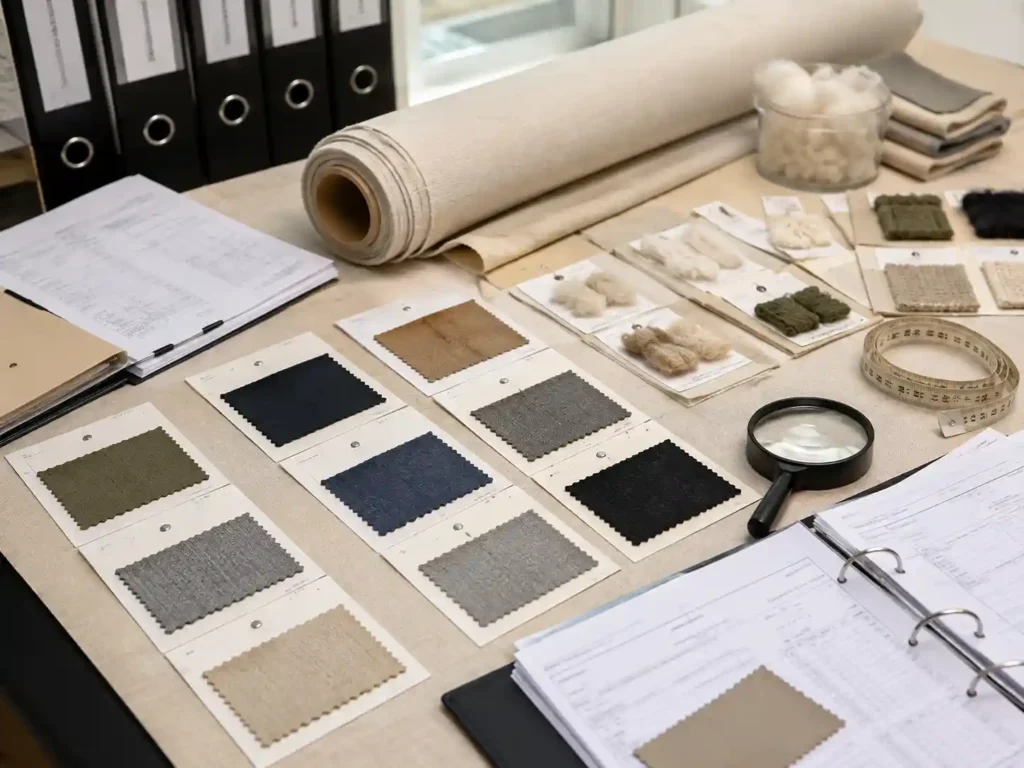
Pantone Is a Starting Reference, Not the Finished Fabric

Pantone numbers create a shared language during development, but the actual printed result remains dependent on fabric and process. Surface texture, transparency, base color and shine can influence perceived color even when ink or dye formulation follows a target direction.

For important fashion colors, physical samples should be reviewed alongside the Pantone reference rather than assuming a screen image represents final production.

Evaluate the Whole Color Story

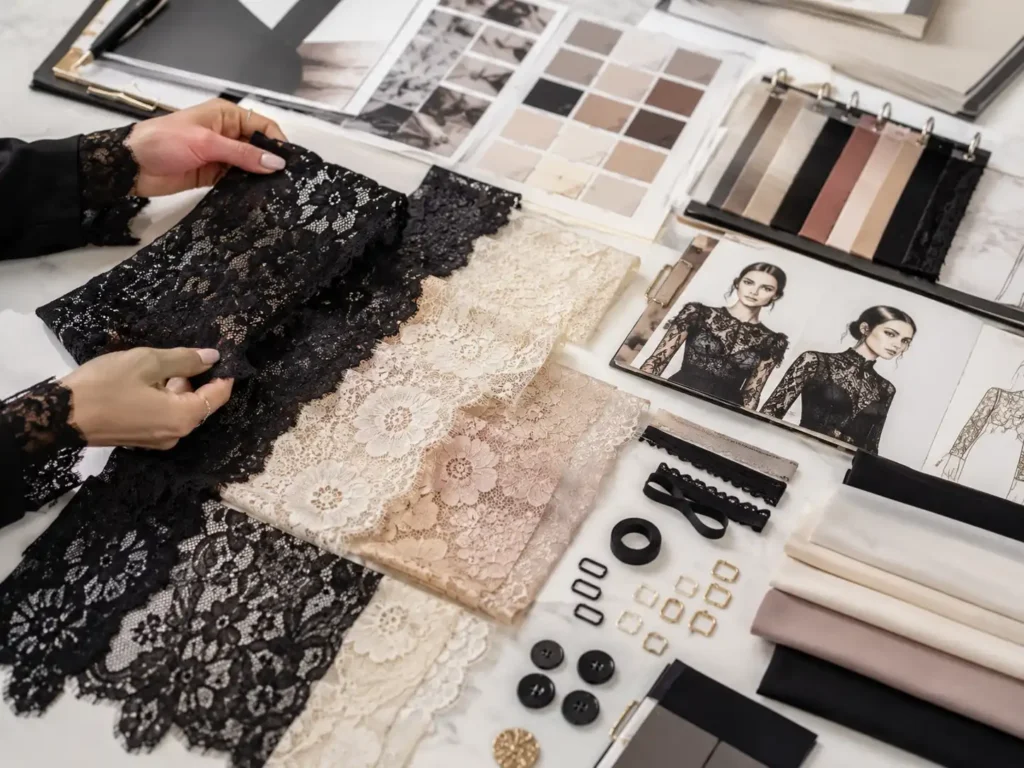
A printed dress may combine several color systems: print colors, lining, zipper tape, labels and trims. A white lining beneath a semi-transparent printed fabric can brighten the visible result; a darker lining can deepen it. Satin trims can reflect more light than matte printed material.

Approval therefore needs garment context where those relationships influence the finished product.

Separate Development Color From Bulk Color

A development strike-off confirms the print direction. Bulk material still needs comparison with the approved reference because print runs and fabric batches can introduce variation.

Incoming QC should flag noticeable color differences before cutting. If material variation is present, the production team can assess the commercial impact before mixed shades are sewn into the same style.

Keep Approval Comments Specific

Useful comments include “background too yellow,” “red motif too dark,” “green lacks saturation,” or “lining makes ground color appear cooler.”

Clear comments shorten revision discussions and reduce the chance of correcting the wrong variable.

Control Print Scale, Repeat, Direction and Placement

Many expensive printed-garment failures begin after the fabric itself has already been described as “approved.” Print engineering must continue into pattern development because garment panels interrupt, rotate and reshape the artwork.

Scale Must Be Judged on Garment Dimensions

A 20 cm floral motif can feel balanced on a maxi skirt and overpowering on a fitted mini bodice. Large motifs can also create unintended focal points around the bust, waist or hip when the cutting position is uncontrolled.

Jinfeng’s pattern team can review print scale against actual style proportions. Relevant dimensions may include bodice width, skirt length, waist position, neckline, slit height and major panel size.

Repeat Controls Visual Rhythm and Material Use

Repeat planning influences how motifs appear across large areas. If a repeat creates concentrated clusters, large blank zones or strong vertical bands, the issue can become obvious after several panels are sewn together.

Matching motifs exactly across every seam can also increase fabric consumption. Commercial approval should distinguish areas where matching is essential from areas where natural variation is acceptable.

Direction Must Reach the Cutting Team

Directional prints require a clear cutting rule. Florals with recognizable stems, animals, text, scenic artwork and border designs cannot be rotated freely simply to improve marker efficiency.

  • Top and bottom direction
  • Grain direction
  • One-way marker requirement
  • Placement-sensitive panels
  • Border location
  • Approved pattern version

Placement Must Follow the Pattern

Placement prints need physical coordinates relative to garment panels. A design intended to sit at center front can drift after grading if each size uses the same absolute artwork position without pattern review.

Bust, waist, neckline, hem and side seams should be considered before the placement is released. For engineered fashion prints, pattern making and printing cannot be treated as separate departments working from unrelated files.

Approved Fabric Must Survive the Cutting Room

Bulk consistency depends heavily on what happens between fabric inspection and sewing. Jinfeng’s cutting QC checks pattern versions, panel direction, print placement, panel quantity, size bundling, fabric direction and stretch direction before pieces reach sewing lines.

Pattern Version Comes First

An approved fabric paired with an outdated pattern can still produce the wrong garment.

Revised samples may change neckline shape, waist position, skirt length or panel construction, which can also change where a printed motif lands.

Bulk cutting therefore needs the confirmed production pattern and related revision notes.

Direction Controls Both Appearance and Consumption

One-way prints restrict marker rotation.

When garment pieces cannot be turned 180 degrees, material consumption can rise compared with a non-directional print.

A realistic costing review should recognize the fabric impact instead of forcing a marker layout that damages the approved appearance.

Placement Needs Cutting References

For placement-sensitive designs, cutting teams may need panel markings, template references or clear pattern notes identifying where motifs should sit.

  • Center-front motif
  • Neckline relationship
  • Bust position
  • Waist seam
  • Side seam
  • Slit
  • Sleeve
  • Hem border

Size Bundling Prevents Panel Mix-Ups

Several sizes may share similar-looking panels. Correct bundling is important when print position changes with graded patterns or when directional cutting creates specific left/right panel relationships.

Fabric Behavior Still Matters

Rayon and viscose may require shrinkage consideration; stretch fabric requires direction control; delicate lightweight materials require handling that avoids distortion.

Printed approval therefore becomes part of a wider cutting plan rather than a decorative sign-off.
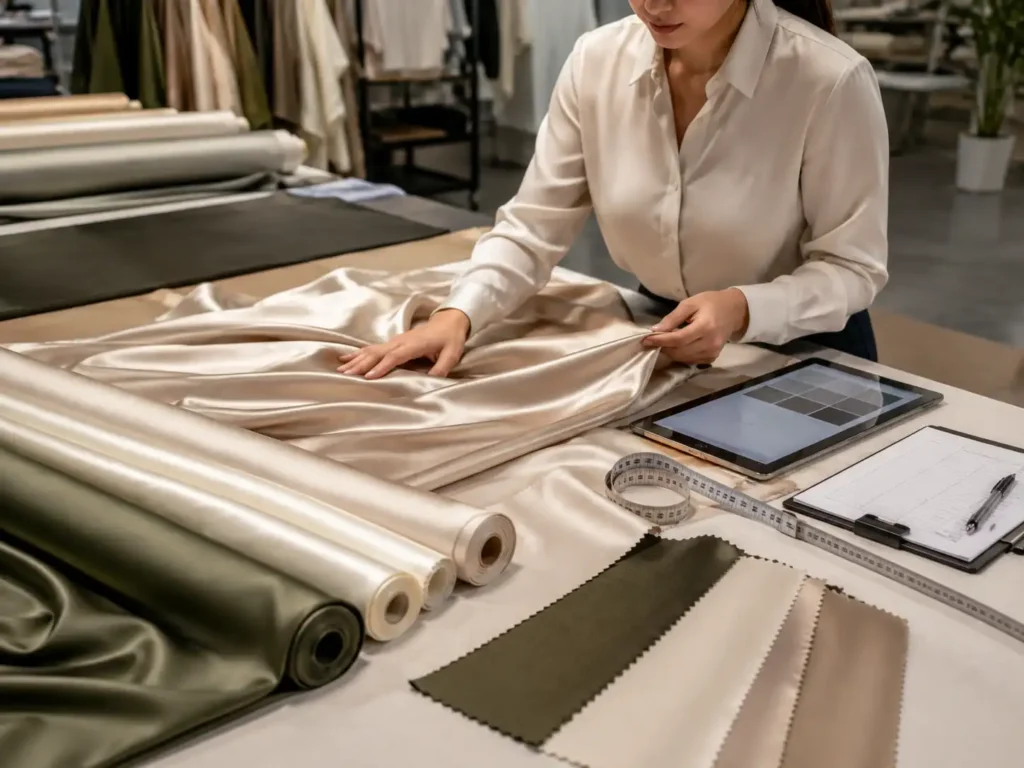
Fabric Approval Is Not Final Garment Approval

Print approval closes a material-development decision. Garment approval closes fit, construction, placement and manufacturing decisions. Established fashion programs should keep both stages separate.

First and Revised Samples

The first sample checks how design, fabric, pattern and construction work together. Print scale may look different on the body than on a swatch, and a placement decision may need adjustment after fitting. When changes affect pattern, fabric, color, construction or print position, a revised sample can verify the correction before further approvals.

Photo-Ready Sample

Fashion ecommerce programs may require a sample prepared for photography, where print balance, drape, pressing and overall visual effect receive particular attention. A strong photo sample does not automatically become the PP production standard if bulk-relevant construction details remain open.

PP Sample

The PP sample confirms the production configuration after fabric, fit, trims, construction, measurements and relevant packing requirements have been settled. Printed programs should verify whether the PP sample uses the intended print direction, placement and production-relevant material.

Golden Sample

A Golden sample can remain as a sealed reference for production and QC after final approval. Changes affecting bulk production should also be reflected in pattern, size chart, BOM, fabric records, sewing instructions and QC checklist.

Printed Garments Need QC Beyond Fabric Approval
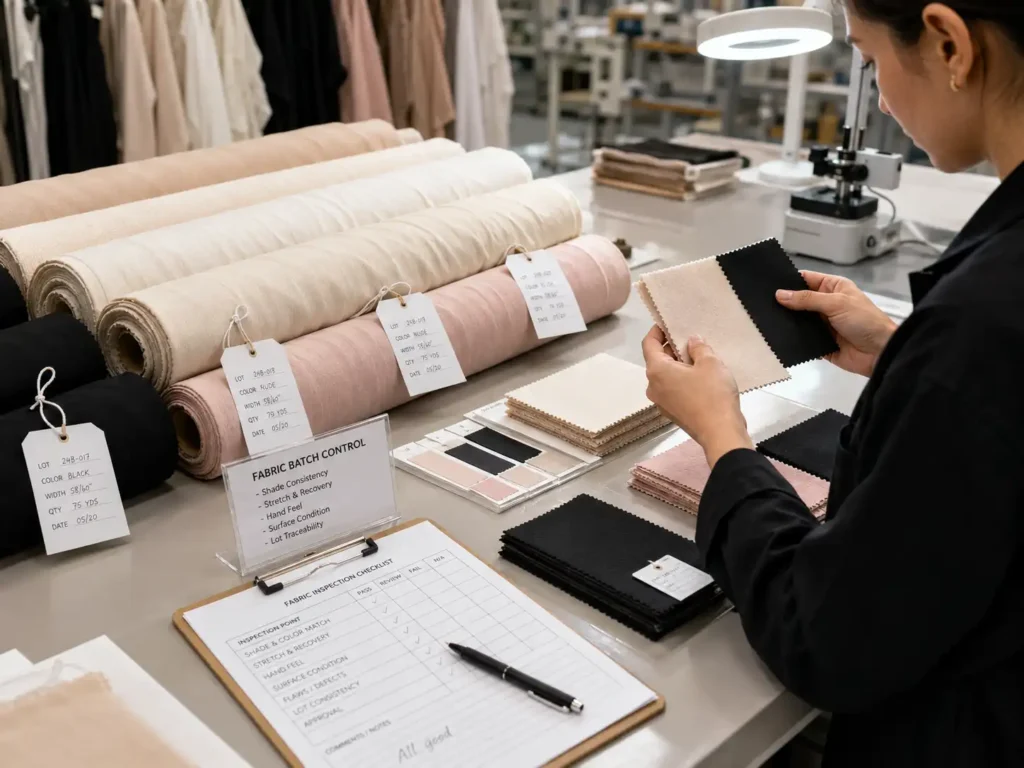
Bulk inspection should follow the risks created by both the print and the garment. Jinfeng’s quality workflow covers incoming materials, cutting, sewing, finished garments, pressing and packing rather than relying on final random inspection alone.

Incoming Fabric QC

Bulk fabric is reviewed for color appearance, weight, hand feel, width, shrinkage risk, color fastness where required, visible defects and print-related irregularities. Material concerns are better identified before hundreds or thousands of garment panels have been cut.

Cutting QC

The cutting stage checks the correct pattern version, panel direction, print placement, quantity, size bundling, fabric direction and stretch direction. One cutting error can be repeated across an entire bundle, making early control commercially important.

Sewing QC

Sewing review focuses on seam quality, symmetry, zipper flatness, straps, gathers, lining and construction details. Printed styles receive additional visual review where seams interrupt motifs or where left/right balance influences the garment appearance.

Garment Inspection

Finished garments are checked for measurements, appearance, fit effect, color difference, stains, holes, loose threads, zipper function, label position and other visible defects. Print problems that only become obvious after assembly can be identified here.

Pressing Review

Pressing affects garment presentation, particularly on lightweight, draped and shiny materials. Temperature and handling must suit the fabric so approved colors, surfaces and garment shape are not damaged during finishing.

Packing QC

Hangtags, barcodes, size stickers, polybags, packing ratios and carton marks are checked before shipment. Traceable SKU packing becomes important when one collection contains many printed styles and colorways.

What Changes Print MOQ, Cost and Timing

Custom printing introduces commercial variables beyond garment sewing. Jinfeng reviews garment quantity together with fabric-supplier requirements so the production plan reflects real print development rather than an unrealistic unit-price target.

FactorWhy It MattersCommercial Impact
Base FabricComposition, width, stock status and supplier MOQ varyChanges material MOQ, cost and sourcing time
Print MethodDigital, screen, placement and border prints use different setupsInfluences development cost and suitable production volume
Artwork ComplexityColor count, fine detail and repeat structure affect setupCan add development or revision work
Print ScaleLarger repeats and engineered layouts change production planningMay affect material use and sampling
PlacementPosition-sensitive graphics need pattern coordinationAdds development control and may affect cutting yield
Number of ColorsAdditional print colors can increase process complexityInfluences cost depending on printing method
QuantityPrint suppliers often set their own production minimumsCustom-print MOQ may differ from garment MOQ
Testing RequirementsColor fastness, composition or other testing may be requestedScope, laboratory and timing are confirmed by project
Approval RoundsRevised strike-offs add development stagesTiming depends on how many physical revisions are required
Garment ConstructionLining, ruching, panels and print matching change consumptionAffects final garment costing

Printed Resort Collection From Approval to Bulk

A representative anonymized fashion program shows why print management cannot stop at artwork approval. The collection involved multiple silhouettes, lightweight materials, directional florals and different garment lengths, making fabric behavior and cutting control part of the commercial result.

18 Styles Across One Seasonal Collection

An established U.S. womenswear brand developed an 18-style resort and vacation collection totaling approximately 42,000 garments. The assortment included floral maxi dresses, printed midi dresses, skirts, relaxed dresses and matching separates.

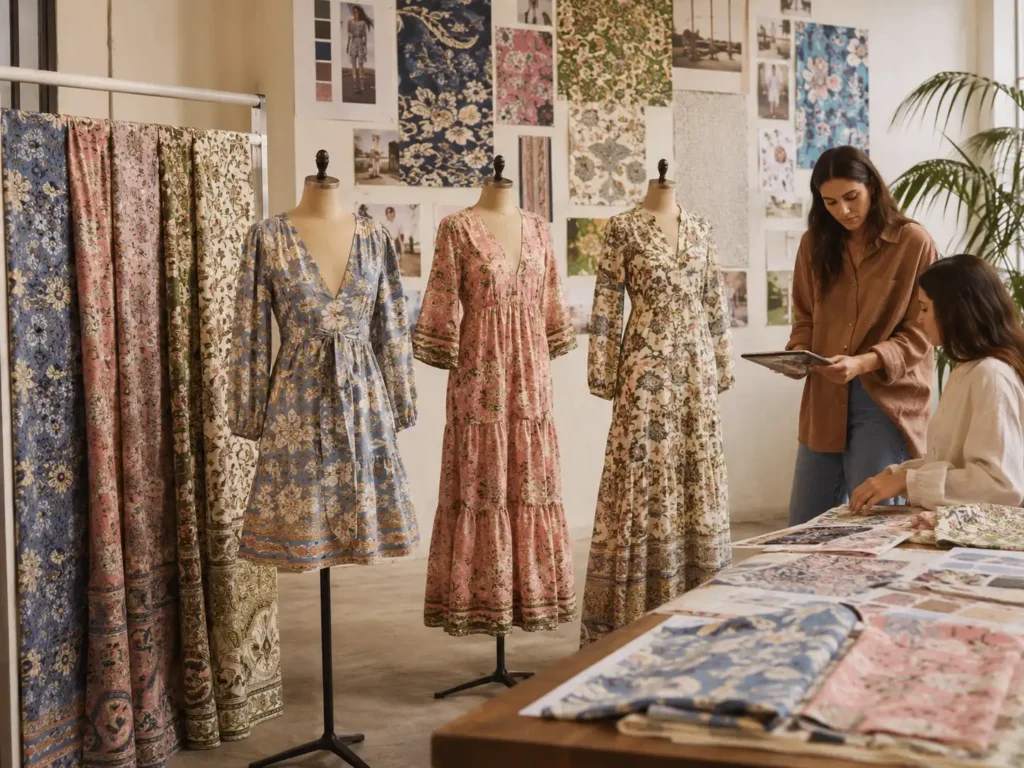
The material direction combined printed woven fabrics, viscose, rayon and selected lightweight blends. Several styles shared coordinated print stories but used different silhouettes and garment lengths.

  • Floral scale across mini, midi and maxi proportions
  • Directional motifs through long skirt panels
  • Rayon and viscose shrinkage risk
  • Transparency and lining requirements
  • Print appearance around gathers and waist seams
  • Seasonal color consistency
  • Cutting efficiency for one-way prints
  • Packing creases on long travel-focused garments

Printed Fabric Was Reviewed Through Garment Context

A floral that looked balanced on a fabric sample appeared too concentrated around the upper body of one fitted style.

Scale and cutting position were reviewed before the collection moved forward.

Longer silhouettes required separate attention because the same print repeat created a different visual rhythm over maxi-length panels.

Directional motifs also limited panel rotation during marker planning.

Instead of treating fabric approval as a standalone sourcing task, relevant decisions were carried into sample development and cutting instructions.

Sample Revisions Closed Garment-Level Risks

Samples were reviewed for fabric transparency, lining length, print position, waist relationship, skirt balance and on-body appearance. Changes affecting bulk production were reflected in the relevant pattern and production references before PP approval.

The development sequence allowed printed fabric decisions to be checked against real garment proportions before the final bulk configuration was released.

Bulk Control Protected the Approved Direction

Incoming material and cutting checks focused on print direction, visible color difference, fabric behavior and panel orientation. Finished garment review then checked overall print appearance alongside measurements, construction and finishing.

For a program of 42,000 pieces across 18 styles, an error repeated after bulk cutting would be substantially more expensive than an additional review during development. The value of approval came from preventing repetition of the wrong decision at scale.

Where Jinfeng Fits in Print Approval

Jinfeng Apparel operates as the garment manufacturing partner connecting brand approvals, fabric suppliers and bulk womenswear production. Print execution may be completed by a suitable fabric or print supplier; Jinfeng’s responsibility centers on making the approved material work correctly inside the garment program.

Brand Approval

The brand retains final authority over artwork direction, color, aesthetic standards and approval decisions. Product development and design teams can supply artwork, Pantone references, garment references and final comments. Jinfeng helps translate those decisions into manufacturing information rather than replacing the brand’s creative approval.

Fabric Supplier Coordination

Material and print suppliers handle the relevant fabric production and printing processes according to the agreed project route. Jinfeng coordinates garment-related requirements such as base-fabric suitability, print scale information, quantity planning, development references, material availability and production timing.

Garment Engineering

Jinfeng leads the connection between approved printed fabric and garment construction. Pattern, scale, print direction, placement, panel relationships, lining, shrinkage, size grading and cutting restrictions are reviewed where they influence the finished product.

Bulk Manufacturing Control

After relevant approvals, Jinfeng carries the references into garment sampling, PP approval, cutting, sewing, QC, finishing and packing. The objective is not simply to receive “approved fabric.” The objective is to reproduce the approved design direction consistently across a commercially viable garment order.

Frequently Asked Questions About Printed Fabric Approval

A strike-off is a physical print trial used to evaluate how artwork appears on fabric before bulk printing. Review normally covers color, scale, repeat, registration, direction, visual clarity and other relevant print details. A strike-off is a material-development reference; garment placement and finished construction still require separate garment sampling and approval.
No. Digital artwork confirms design direction but cannot fully demonstrate how color and detail will behave on the actual material. Fabric surface, transparency, texture, base color and printing method can change the physical result. A physical print reference is normally more suitable for bulk print approval.
Important checks include print color, motif scale, repeat, registration, direction, placement where applicable, line clarity and interaction with the base fabric. For apparel, drape, stretch, transparency and shrinkage can also affect whether the printed material remains suitable for the intended garment.
A lab dip is generally used to develop and approve a solid dyed color. A strike-off is used to review a printed pattern on fabric. A Pantone direction may be relevant to both, but the approval purpose is different. Neither automatically replaces garment PP approval.
Yes, subject to project review. Jinfeng supports printed woven and other suitable fashion fabrics through sourcing coordination, material evaluation, pattern development, sampling, cutting control, production and QC. Print execution route and material MOQ are confirmed with the relevant fabric supplier according to the artwork and production plan.
Print scale can be revised during development if the physical result does not suit the garment. A significant scale change may require a revised print trial because repeat, artwork layout and garment appearance can also change. Bulk production should use the final approved version rather than an earlier artwork file.
Placement-sensitive artwork should be connected to garment pattern dimensions. Center-front position, bust area, waistline, neckline, hem and other reference points can be reviewed before bulk production. Cutting instructions then need to follow the approved pattern and print relationship.
Regular garment production starts from 200 pieces per style/color. Custom printed fabrics can have separate supplier minimums depending on base fabric, print method, artwork, colors and quantity. Material MOQ is therefore assessed together with the garment production plan.
Timing depends on artwork readiness, base-fabric availability, print method, supplier schedule, physical strike-off requirements and the number of revision rounds. Jinfeng confirms a project-specific development plan after the relevant files, quantities, fabric direction and launch timing have been reviewed.
No. Fabric approval confirms material-related decisions. The final garment still needs sampling, pattern confirmation, fit review, construction approval and PP controls. Bulk garments are then managed through incoming material QC, cutting QC, sewing inspection, finished garment review and packing checks.

Start Your Printed Womenswear Program With Jinfeng

Printed fabric approval works best when artwork, material, garment structure and bulk production are planned as one connected program.

Jinfeng Apparel supports established fashion brands with fabric sourcing coordination, pattern development, sampling, PP approval, bulk manufacturing, QC and private-label production for dresses, skirts, jumpsuits, matching sets and seasonal womenswear collections.

For an initial project review, send enough information for the team to evaluate both the print and the garment application:

  • Artwork, print reference or original fabric swatch
  • Tech pack, sketch, reference garment or line sheet
  • Pantone numbers or physical color standards where available
  • Intended print scale or repeat information
  • Target fabric or preferred material direction
  • Style quantity and estimated units per style/color
  • Size range
  • Placement or directional requirements
  • Private-label and packing requirements where relevant
  • Target launch or delivery schedule

Tell Us About Your Dress Project

Share your product details, estimated quantity and development requirements. Our team will review your project and provide practical OEM/ODM production feedback.

Premium Women’s Apparel Production for Fashion Brands

From dress sample development to bulk production, JF Apparel supports fashion brands with confidential OEM/ODM manufacturing, reliable quality control and scalable production support.

START YOUR DRESS PROJECT

Ready to Develop Your Next Dress Collection?

Share your design concept, product requirements or sourcing plans with our team. We’ll review your project and provide practical feedback on development, materials, MOQ and production.

7-10 Days

Sample Development

200 PCS

Starting MOQ

Fast Response

Professional Follow-Up