Printed Dress Manufacturer

Custom printed dresses developed for global fashion brands from original artwork and fabric direction through sampling, controlled bulk production, and private-label delivery.

  • Since 2008, supported by 6 owned women’s fashion factories and 10+ long-term production partners.
  • 7+ senior pattern makers, 2 sample rooms, and 20+ sample machinists for print-to-garment development.
  • MOQ starts from 200 pcs per style/color; exclusive print, fabric, and packaging requirements may carry separate minimums.
  • Print scale, direction, placement, color, fit, cutting, workmanship, and packing are reviewed as one connected production standard.

Printed Dress Manufacturing Capacity at a Glance

A printed dress program requires more than access to printed fabric. Jinfeng Apparel combines dress development, pattern engineering, sampling, coordinated production, quality inspection, private-label packing, and export support within one managed womenswear manufacturing system.

Since 2008

Jinfeng Apparel has focused on custom women’s fashion manufacturing since 2008. Long-term dress development experience supports informed decisions around print scale, base fabric, lining, fit, construction, cutting direction, color approval, and bulk consistency rather than treating printing as a separate decoration step.

Six Owned Factories

Six owned women’s fashion factories support different dress structures, fabric categories, workmanship requirements, and production schedules. Printed woven dresses, lightweight resort styles, fitted silhouettes, lined occasion dresses, and coordinated sets can be allocated according to product structure and delivery priorities.

Ten Plus Partners

More than 10 long-term satellite production partners expand capacity and specialist coverage. Project allocation considers fabric behavior, print route, construction complexity, order size, quality requirements, and launch timing while Jinfeng’s merchandising and QC teams maintain common production records.

Two Sample Rooms

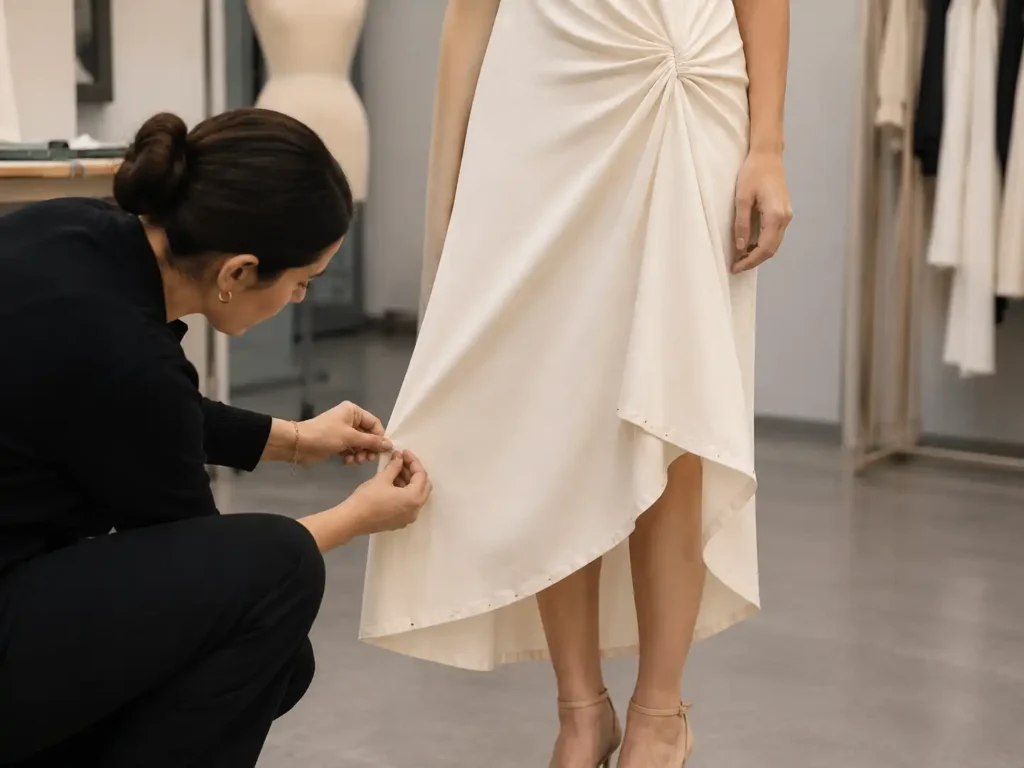
Two sample rooms support first samples, fit samples, revisions, photo-ready samples, salesman samples, PP samples, and golden samples. Printed garments are reviewed for both visual placement and garment fit before bulk standards are released.

Seven Pattern Makers

A team of 7+ senior womenswear pattern makers controls bust, waist, hip, neckline, armhole, strap length, waistline, slit position, dress length, lining coverage, and hem balance. Print artwork is assessed against those structural points before cutting.

Fifteen QC Inspectors

15+ QC inspectors support incoming material checks, cutting checks, inline sewing inspection, garment measurement, appearance review, finishing, packing verification, AQL sampling, and client-appointed inspection coordination when required.

Built for Structured Printed Dress Programs

Jinfeng Apparel supports established fashion operations managing defined product directions, seasonal calendars, multi-style collections, sample approvals, bulk quantities, SKU structures, and retail-ready delivery requirements.

Fashion Brand Programs

Suitable programs normally include a clear design direction, target market, planned quantity, size range, color strategy, launch date, and private-label requirement. Jinfeng can work from tech packs, reference garments, line sheets, original artwork, sketches, or well-organized reference images.

Sourcing and Development Teams

Sourcing, merchandising, product development, and quality teams receive structured support across fabric selection, print approval, pattern development, sample comments, PP locking, production records, QC reporting, packaging, carton marks, and shipment coordination.

From Original Artwork to Delivered Printed Dresses

Every stage builds a measurable standard for the next stage. Artwork and fabric direction come first; pattern, sample, approval, cutting, sewing, QC, and packing follow only after key visual and technical points are recorded.

Artwork Review

Original files, repeat structure, placement map, color references, orientation, and intended scale are reviewed against the selected dress silhouette.

Fabric Direction

Fiber content, weight, drape, stretch, transparency, shrinkage, width, print compatibility, and lining needs are assessed before sampling.

Print Approval

Strike-off, swatch, colorway, repeat, scale, direction, and placement standards are confirmed according to the chosen printing route.

Pattern Development

Dress structure is developed around body measurements, silhouette, seam locations, neckline, waistline, skirt volume, slit, lining, and trim positions.

Sample Review

Fit, appearance, print balance, movement, opacity, construction, and workmanship are checked through the required sample stages.

PP Standard

Final pattern, size chart, fabric, print, color, trims, labels, construction, packing, and QC points are locked before bulk cutting.

Bulk Production

Fabric lots, cutting direction, bundles, sewing instructions, inline measurement, finishing, and output status are managed through production records.

Quality Control

Print defects, shade variation, size, workmanship, appearance, labels, barcodes, packing, and carton information are inspected before release.

Export Delivery

Packing lists, commercial invoices, carton marks, carton measurements, weights, shipment photos, and forwarder coordination are prepared as required.

Six Risks Behind Printed Dress Production

Strong artwork can lose commercial value when scale, color, placement, fit, fabric behavior, or bulk execution is not controlled. Early technical review prevents expensive corrections after printing or cutting.

Wrong Print Scale

A repeat suited to a fabric swatch may look oversized on a mini dress or too small on a full maxi silhouette. Jinfeng reviews print scale against garment length, panel width, gathering, ruffles, pleats, darts, size grading, and photo distance before approval.

Color Shift

Screen appearance, Pantone references, base fabric color, fiber content, finishing, lighting, and production batches can change perceived color. Physical approvals and batch records help reduce differences between artwork, strike-off, sample, PP standard, and bulk fabric.

Placement Errors

A central motif can move away from the body center after seam allowance, neckline cutting, waist joining, zipper insertion, or size grading. Placement maps need garment measurements and cutting references, not artwork coordinates alone.

Seam Mismatch

Stripes, checks, borders, directional florals, and large repeats can break at side seams, waist seams, center back zippers, sleeves, or ruffles. Marker planning and defined matching priorities help balance appearance with achievable fabric consumption.

Fabric Shrinkage

Rayon, viscose, cotton, linen blends, and selected knits may change after relaxation, finishing, or washing. Uncontrolled shrinkage affects print proportions, dress length, bust, waist, hip, and hem balance across bulk quantities.

Bulk Variation

Sample fabric may come from a different lot or printing setup than production fabric. PP approval, material records, shade separation, print defect checks, measurement control, and golden-sample comparison reduce sample-to-bulk gaps.

Review Feasibility Before Sampling Begins

Early review clarifies what can be produced reliably, which approvals are needed, and where cost or lead-time pressure may appear. The goal is a production-ready route, not an optimistic answer based on one image.

Project Review

Jinfeng reviews the dress silhouette, artwork quality, base fabric, print method, size range, colorways, quantity, trims, lining, private-label requirements, packing, and launch plan. Missing information is identified before pattern work or material booking begins.

Feasibility Advice

Recommendations may cover fabric substitution, print route, print scale, seam position, lining coverage, construction simplification, color consolidation, size-ratio planning, marker efficiency, or a revised approval sequence. Advice focuses on preserving the intended brand appearance while improving production control.

Development Plan

The resulting plan defines required artwork files, swatches or strike-offs, sample stages, expected approvals, quotation basis, MOQ dependencies, PP requirements, bulk checkpoints, packaging files, and shipment information. Timing is confirmed after material availability and approval complexity are understood.

Printed Dress Styles Developed for Fashion Collections
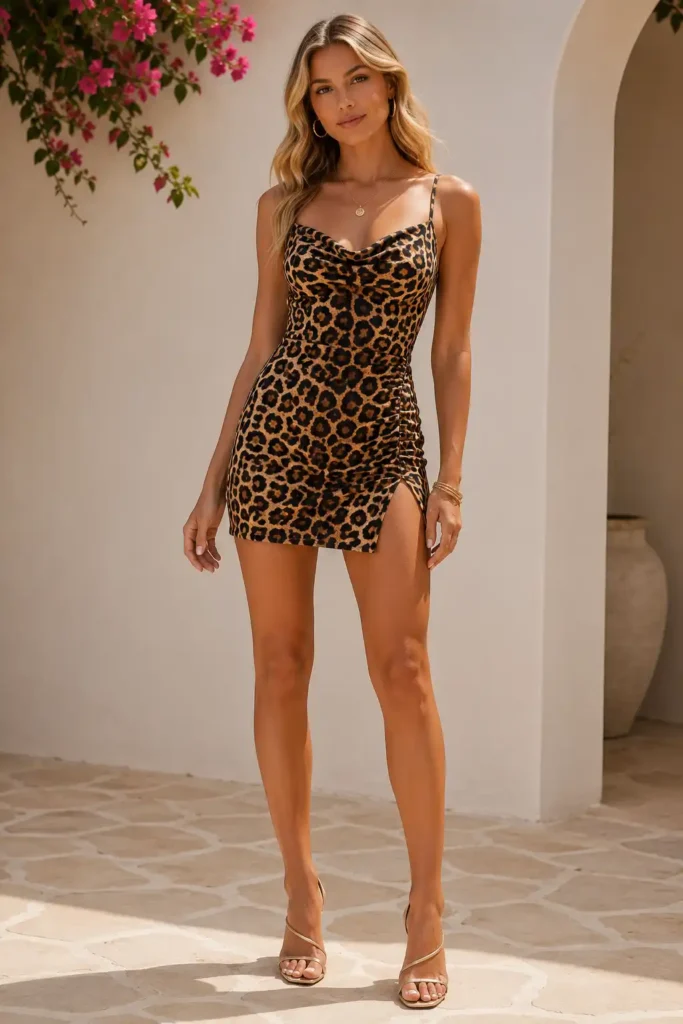
Product cards should use completed garment images, front and back views, fabric close-ups, and construction details. Each silhouette carries different print, fit, cutting, and quality risks.

Printed Mini Dress

Mini dresses need exact length control, balanced placement around bust and waist, secure lining coverage, and movement review. Large motifs can dominate a short body length, while border prints can become crowded near the hem. Critical checks include neckline exposure, armhole coverage, zipper flatness, hem level, and finished length.

Printed Midi Dress

Midi silhouettes provide more room for repeat development but expose problems in waist placement, skirt drape, seam balance, and directional artwork. Wrap, bias, gathered, pleated, and A-line versions need different marker planning. Print flow should remain balanced when the dress is viewed from front, side, and back.

Printed Maxi Dress

Maxi dresses require controlled total length, hem balance, fabric consumption, print direction, and packing. Wide skirts, tiers, ruffles, and border prints increase marker complexity. Lightweight fabrics also need opacity review, lining decisions, shrinkage control, and folding methods designed to reduce severe creasing before delivery.

Printed Wrap Dress

Wrap dresses depend on overlap, neckline security, waist tie position, skirt opening, and print continuity across moving panels. Repeat direction can look distorted when front panels cross. Samples need standing, walking, and sitting checks to confirm coverage and visual balance.

Printed Slip Dress

Slip dresses require clean bias behavior, strap length control, neckline shape, side seam stability, and suitable lining or double-layer construction. Satin and lightweight printed fabrics can reveal seam tension, pulling, needle marks, and shade differences under photography lighting.

Printed Shirt Dress

Shirt dresses combine collar, placket, button spacing, sleeve, cuff, waist, and hem construction with directional print control. Stripes, checks, and engineered motifs need clear matching priorities around center front, pocket, yoke, sleeve, and side seams.

Printed Bodycon Dress

Bodycon styles need stretch direction, recovery, print behavior under extension, bust-waist-hip proportion, side seam stability, and wash performance. Artwork may whiten, open, or distort when stretched. Bulk inspection must combine garment measurements with fabric stretch and recovery checks.

Printed Resort Dress

Resort dresses combine lightweight feel, strong visual identity, comfort, travel packing, and seasonal timing. Chiffon, rayon, viscose, linen blends, and printed woven fabrics need careful opacity, shrinkage, print direction, drape, maxi length, and anti-crease packing decisions.

Print Directions for Distinctive Dress Collections

The artwork category affects repeat construction, cutting efficiency, matching priorities, scale, color approval, and visual balance. Images should show both flat fabric and completed garments.

Floral Print

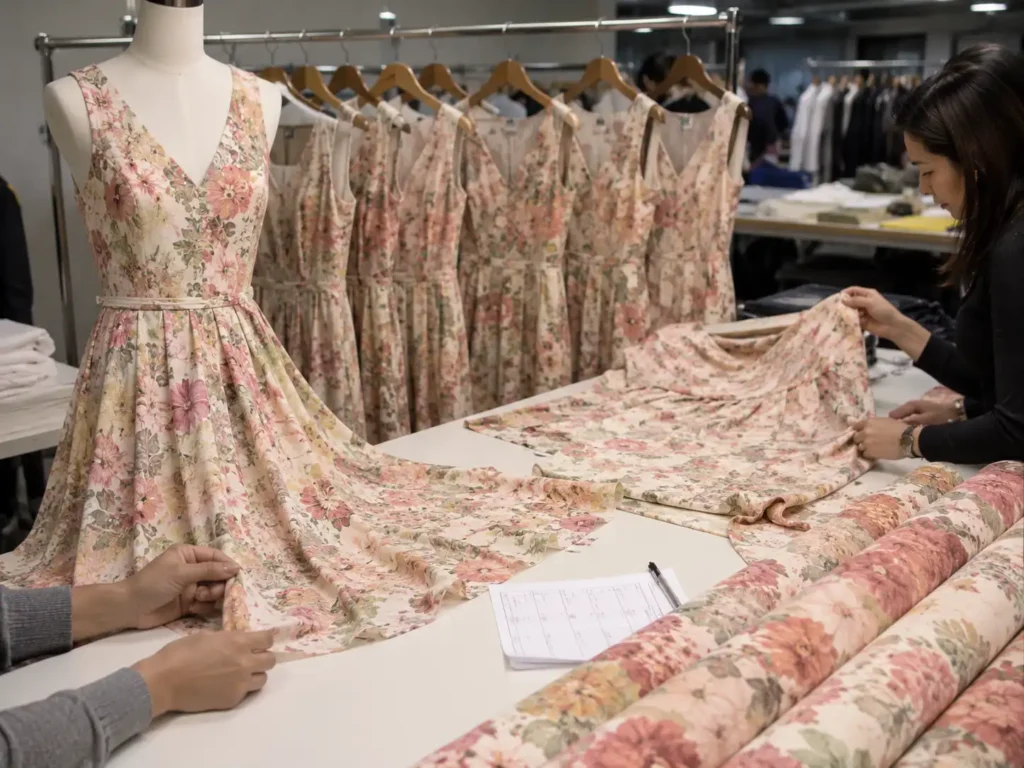
Floral artwork ranges from ditsy repeats to oversized botanicals. Scale must support dress length and panel width. Large flowers need careful placement around bust, waist, darts, and seams; small repeats need consistency across ruffles, ties, sleeves, and multi-panel skirts.

Abstract Print

Abstract artwork can hide minor seam breaks but often depends on a precise visual rhythm. Color balance, repeat edges, orientation, and panel distribution need review so one section does not appear unusually dark, empty, or visually heavy on the finished dress.

Geometric Print

Geometric repeats expose skew, off-grain cutting, seam misalignment, and inconsistent panel orientation. Marker planning, straight-grain control, cutting accuracy, zipper alignment, and waist seam matching become more visible than on irregular motifs.

Tropical Print

Tropical designs often use larger leaves, flowers, fruits, and saturated colors. Base fabric, print clarity, repeat scale, colorfastness, vacation silhouette, and maxi placement should be reviewed together. Travel-focused packing also matters for rayon, viscose, and linen-blend garments.

Animal Print

Animal patterns depend on repeat density, direction, contrast, and color consistency. Scale changes can move a design from refined to overly busy. Stretch fabrics require extra review because extension can alter spot or stripe proportions across bust and hip areas.

Stripe and Check

Stripes and checks require explicit matching priorities. Center front, center back, side seams, waist seams, pockets, collars, cuffs, and sleeve joins may not all be matched without increased consumption. A visual priority map helps control cost and appearance.

Border Print

Border prints require usable border depth, fabric width, orientation, garment length, hem placement, and marker alignment. Maxi dresses and tiered skirts can use borders effectively, but each size must preserve a consistent distance between motif and finished hem.

Placement Print

Placement artwork needs garment coordinates, panel dimensions, seam allowance, graded sizes, neckline depth, waist position, and final length. Approval should include a garment mock-up or sample, since a flat artwork file cannot confirm how the motif sits on the body.

Printed Dresses by Commercial Wearing Scenario

Collection planning improves when silhouette, fabric, artwork, packing, and launch timing are aligned with the intended wearing occasion rather than developed as isolated garments.

Resort Collection

Lightweight chiffon, rayon, viscose, linen blends, and printed woven fabrics support beach-to-dinner dressing. Important controls include transparency, shrinkage, maxi length, print direction, waist comfort, travel creasing, folding, and seasonal color coordination.

Summer Collection

Summer programs favor breathable or lightweight bases, bright colorways, floral or abstract repeats, and silhouettes allowing movement. Construction should avoid unnecessary weight while maintaining opacity, seam strength, neckline stability, and consistent measurements.

Brunch and Daywear

Daywear printed dresses need wearable necklines, secure armholes, balanced skirt volume, comfortable lining, clean button or zipper construction, and prints capable of remaining attractive across multiple sizes and retail lighting conditions.

Occasionwear

Printed occasion dresses may combine satin, chiffon, mesh, corset details, ruffles, slits, or structured lining. Artwork must cooperate with support, seam placement, photo appearance, pressing, and formal packing rather than competing with the construction.

Party and Going-Out

Going-out dresses emphasize strong visual impact, fitted silhouettes, cut-outs, stretch, mesh overlays, ruching, and bold placement. Fit security, transparency, print behavior under stretch, zipper flatness, lining coverage, and movement safety need sample validation.

Ecommerce Drops

Online launches need photo-ready samples, consistent color under photography, reliable size grading, clear SKU separation, individual packing, barcode accuracy, and repeat-order records. Print and garment standards should support future replenishment without rebuilding the project from the beginning.

Base Fabrics for Printed Dress Development

Base fabric changes color appearance, print sharpness, drape, stretch, transparency, shrinkage, handfeel, sewing behavior, and garment cost. Selection should begin with the intended silhouette and wearing scenario, not artwork alone.

Base FabricBest-Suited StylesVisual and Wearing EffectMain Print ConsiderationsBulk Control Focus
ChiffonMaxi, tiered, resort, occasionLightweight, fluid, often transparentColor penetration, print clarity, direction, lining shadeTransparency, seam slippage, hem balance, packing creases
RayonWrap, midi, vacation, casual maxiSoft handfeel and strong drapeShrinkage, colorfastness, repeat directionRelaxation, pre-production testing, length stability
ViscoseMidi, maxi, shirt dress, resortSmooth drape and comfortable wearBatch shade, shrinkage, print definitionFabric lot control, cutting direction, care labeling
Cotton BlendDay dress, shirt dress, fitted casualCleaner structure and breathable feelBase color, shrinkage, pigment handfeelMeasurement stability, seam appearance, wash behavior
Linen BlendResort, shirt dress, relaxed midiNatural texture and premium vacation lookSurface texture, color variation, crease behaviorWrinkle standard, shrinkage, pressing and folding
SatinSlip, party, occasion, bias dressLustrous surface and fluid movementReflection, shade perception, needle marksDirection, snagging, seam tension, pressing protection
JerseyBodycon, ruched, fitted midiStretch, comfort, close-to-body fitPrint opening under stretch, recovery, twistingStretch direction, measurement, side seam stability
MeshLayered, party, printed overlayTransparency and visual depthPlacement, overlap, lining color, stretchHole inspection, print position, edge finishing


Select a Printing Route Around Fabric and Volume
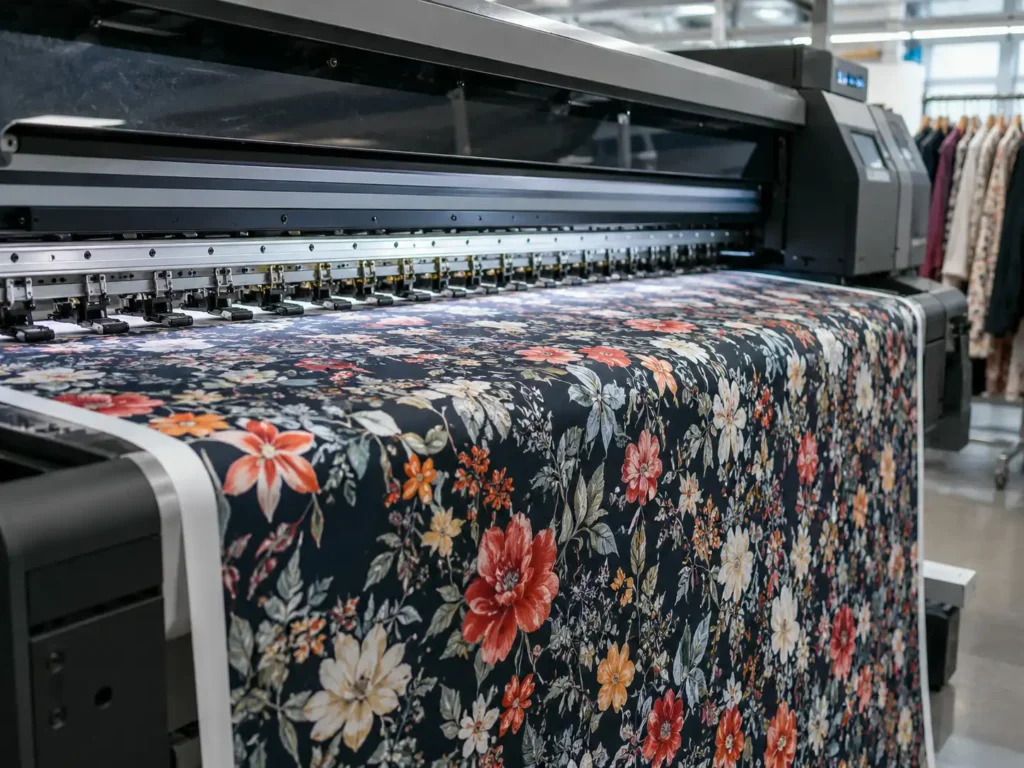
Printing should be chosen through fiber content, artwork complexity, color count, quantity, handfeel, wash requirement, repeat size, placement, and approval needs. Jinfeng coordinates suitable fabric and print resources rather than claiming every route is completed on one production floor.

Digital Printing

Digital printing suits detailed artwork, gradients, multi-color designs, and shorter repeat-development cycles. Suitability depends on fiber content and ink system. Approval should cover base fabric, color reference, print sharpness, repeat edges, handfeel, shrinkage, and wash performance before garment sampling.

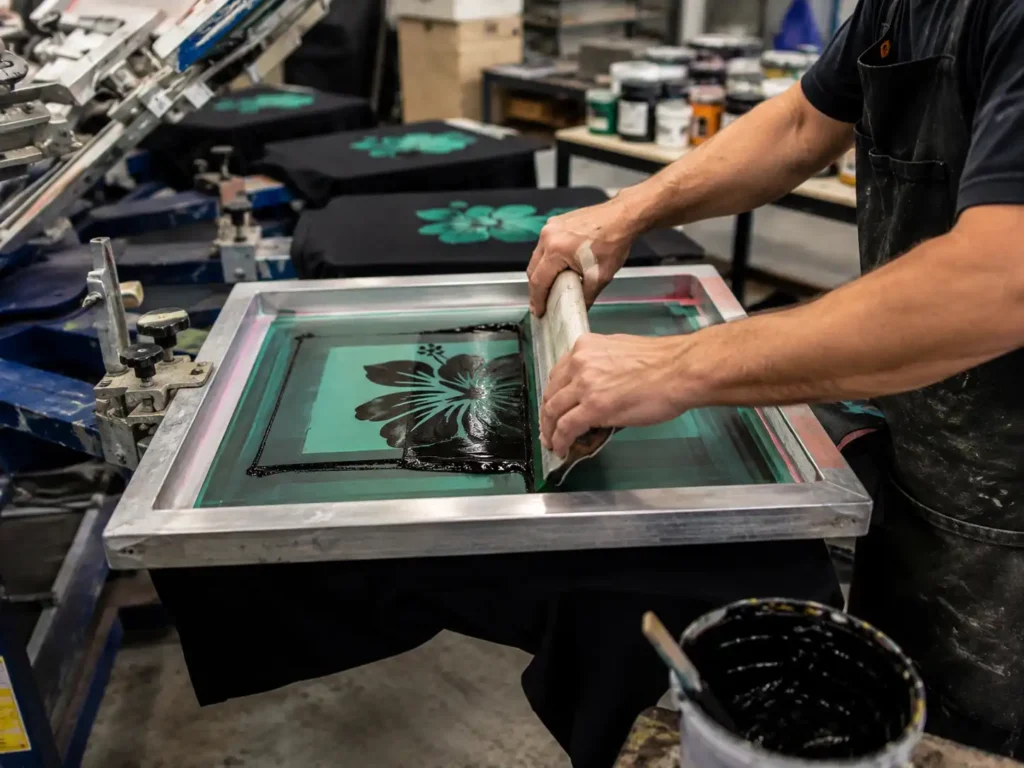
Screen Printing

Screen printing can support repeat production and controlled solid colors, especially when artwork and quantity justify screen preparation. Color count, registration, repeat dimensions, handfeel, and minimum fabric quantity affect cost and scheduling. Large screens and fine registration require accurate production files.

Sublimation Printing

Sublimation is commonly suited to polyester-based fabrics and can produce vivid, durable color without a heavy surface layer. Fabric composition, white base, heat behavior, migration risk, stretch, and final handfeel need confirmation. The route is not suitable for every natural-fiber dress program.

Reactive Printing

Reactive printing is relevant to selected cellulose fibers where soft handfeel and strong color penetration are required. Pretreatment, color approval, washing, shrinkage, batch consistency, and fabric availability influence development. Testing requirements should be agreed around the intended market and care method.

Pigment Printing

Pigment printing can work across selected fabric categories and often offers a direct production route, but surface handfeel, rubbing performance, color depth, curing, and wash durability need evaluation. Dark or saturated artwork may behave differently from soft or vintage effects.

Placement and Border Printing

Engineered placement and border designs need exact panel dimensions, fabric width, garment length, graded sizes, and marker planning. Sampling should confirm motif position on a complete garment, not only a flat fabric section. Production tolerances must be defined before bulk printing.

Artwork Files Needed for Reliable Print Development

Accurate source files shorten interpretation time and reduce avoidable changes. A reference image helps communicate direction, but bulk-ready print development requires measurable artwork, color, repeat, placement, and garment information.

Original Artwork

Provide editable vector or high-resolution raster artwork whenever available. Common workable formats include AI, EPS, PSD, PDF, TIFF, or layered files. Embedded images, linked assets, fonts, transparency effects, and color profiles should be packaged correctly.

Repeat File

For all-over artwork, include repeat dimensions, repeat type, tile boundaries, orientation, and a visual repeat preview. Half-drop, brick, mirror, tossed, one-way, and engineered repeats create different cutting and consumption considerations.

Color Reference

Provide Pantone references, approved physical swatches, or another agreed color standard. Screen captures alone are not reliable because monitor settings, file profiles, fabric base, fiber content, and lighting alter perceived color.

Scale Direction

State target motif size, repeat size, orientation, and visual priority. A ruler reference, garment mock-up, or artwork placed on a known dress dimension helps distinguish intended scale from a simple zoomed image.

Placement Map

Placement artwork should include center lines, distances from neckline, waist, side seam, hem, or other garment landmarks. Provide separate maps for front, back, sleeve, tie, ruffle, and graded sizes where positioning changes.

Garment Reference

Include tech pack, pattern dimensions, sample measurements, or a clear silhouette drawing. Artwork cannot be placed accurately without neckline depth, bust position, waistline, panel width, finished length, seam allowance, and construction information.

Base Fabric Direction

State preferred fiber, weight, texture, stretch, width, opacity, handfeel, and drape. When no fabric is nominated, Jinfeng can recommend directions based on the silhouette, price position, wearing scenario, and print route.

Colorway Plan

List colorway names, intended quantities, shared colors, lining colors, trim colors, label requirements, and launch priorities. Color consolidation can improve fabric and printing efficiency when several styles share a coordinated seasonal story.

Control Print Repeat and Scale Before Cutting

Print scale changes how a dress reads from close range, photography distance, and across different body sizes. Approval should connect artwork dimensions with finished garment dimensions.

Scale Must Follow the Silhouette

  • A 12 cm flower may feel balanced on a full maxi skirt but dominate a fitted mini dress. A small repeat may support ruched or tiered garments yet lose visual impact on a clean column silhouette. Jinfeng reviews motif size against front panel width, finished length, skirt volume, neckline shape, waist position, and photography requirements.
  • For all-over prints, the repeat should be viewed on a full garment simulation or sample. Flat swatches often hide repeat bands, empty zones, abrupt color concentrations, and unintended vertical lines. Border or engineered prints need exact distances from finished edges.

Grading Changes Visual Relationships

  • Size grading changes panel width, dart position, seam length, neckline, waist, and skirt sweep. A fixed placement may sit correctly on the base size but move too close to a seam or too far from the body center on larger or smaller sizes. Placement rules should define which distance remains fixed and which element follows graded pattern points.
  • Gathering, ruffles, pleats, wrap panels, bias cutting, and stretch can compress or expand artwork. Samples should be reviewed in front, side, back, standing, and movement views. Approved print scale, repeat dimensions, and placement instructions then become part of PP and production files.

Approve Printed Colors Through Physical Standards

Color decisions should move from digital reference to physical material approval. Base fabric, ink system, fiber, finish, lighting, and production batch all influence the final visual result.

Build a Clear Color Approval Chain

A workable chain may include artwork color references, Pantone codes, physical swatches, strike-offs, printed fabric swatches, lining and trim matching, sample review, PP approval, bulk shade review, and repeat-order records. The required chain depends on artwork, fabric, market, and quantity.

Review Under More Than One Light

Printed color can appear different under daylight, office lighting, retail lighting, and studio photography. Satin reflection, mesh layers, chiffon transparency, colored lining, and textured linen surfaces also change perception. Critical colorways should be compared under agreed conditions rather than approved from one phone photograph.

Separate and Record Production Lots

Bulk rolls should be identified by print or dye lot where relevant. Shade differences can be separated before cutting to avoid mixing panels from visibly different lots within one garment. Records support later replenishment, although a repeat order may still require new approval when base fabric or print conditions change.

Make Print, Pattern, and Fit Work Together

A printed dress succeeds only when artwork supports the body, silhouette, movement, and graded size range. Pattern development should protect both fit and visual balance.

Body Landmarks Affect Artwork

Bust, upper bust, under bust, waist, high waist, low waist, hip, neckline, armhole, shoulder, strap, slit, and finished length determine where artwork appears on the body. Darts may remove part of a motif. Ruching compresses repeats. Pleats hide artwork. Bias cutting rotates direction. Wrap panels overlap. Stretch changes spacing.

Jinfeng’s 7+ senior pattern makers use size charts, reference samples, tech packs, fit comments, and garment measurements to develop production patterns. Printed panels are assessed in relation to seam positions and body points rather than treated as generic fabric pieces.

Size Grading Needs Visual Rules

Grade rules should follow the target market and approved base size. XS-to-S changes should not simply repeat the same increments across every point, and larger sizes need balanced bust, waist, hip, armhole, neckline, strap, and length changes. Placement prints may need separate coordinates or proportional rules across sizes.

Sample review combines fit, measurement, print position, movement, opacity, and appearance. Approved pattern versions, size charts, tolerance standards, and print instructions are then linked to PP and bulk QC records.

Design Details That Change Printed Dress Execution

Construction details change print flow, fabric consumption, sewing sequence, sample approval, and bulk inspection. Images should show close-up workmanship rather than only full-length styling shots.

Ruffle Construction

Ruffles compress artwork and can create dark visual bands when fabric density increases. Direction, gathering ratio, edge finish, join positions, and motif scale should be assessed in the sample. Bulk checks cover even gathering, seam strength, print orientation, and clean edge finishing.

Ruched Panels

Ruching changes artwork spacing and can distort large motifs. Elastic length, channel width, drawcord position, stretch direction, side seam balance, and recovery affect fit. Printed stretch fabrics also need extension checks to identify whitening or excessive visual opening.

Waist Ties

Ties need consistent width, length, orientation, turning quality, attachment strength, and print direction. Large motifs may look uneven across narrow ties. Wrap and resort dresses should also be reviewed for secure tying, waist placement, and movement coverage.

Button Fronts

Center-front plackets create strong visual lines. Button spacing, placket width, pattern alignment, collar, pocket, and hem direction should work together. Prints can make uneven plackets or off-grain cutting more visible, especially with stripes, checks, and geometric repeats.

Slit Details

Slit height, reinforcement, lining opening, seam allowance, walking comfort, and visual placement need approval. A major motif cut by the slit can appear accidental. Bulk measurement should verify slit height and left-right consistency according to the confirmed standard.

Lining Systems

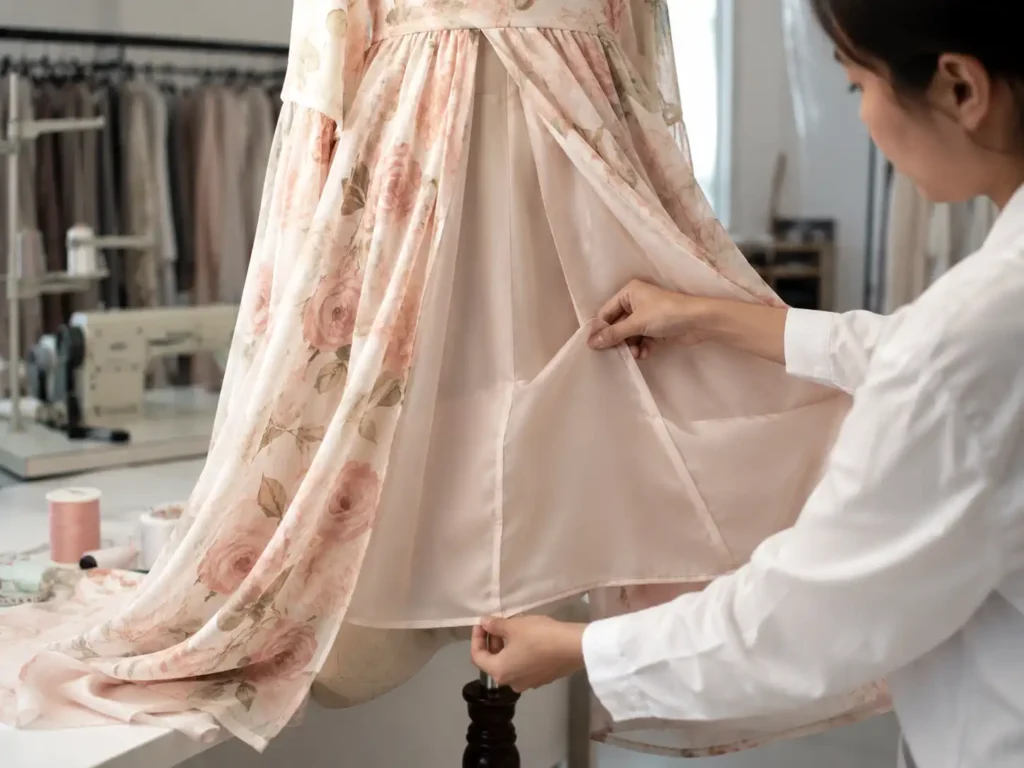
Lining controls opacity, comfort, structure, recovery, static, and photo appearance. Coverage may be full, partial, double-layer, or skin-tone according to fabric and silhouette. Lining color also changes the perceived shade of chiffon, mesh, lace, and lightweight printed fabrics.

Sample Types Used in Printed Dress Development

Different samples answer different questions. A style should move through only the stages needed for its complexity, calendar, and approval structure, while PP approval remains essential before bulk production.

First Sample

The first sample tests silhouette, construction, initial fabric direction, print scale, placement concept, trims, and overall feasibility. It is not automatically a bulk standard. Comments often cover fit, length, neckline, waistline, print balance, lining, and workmanship.

Fit Sample

A fit sample focuses on body measurements, proportion, mobility, coverage, neckline, armhole, waist, hip, slit, strap, and length. Printed fabric may be used when placement or drape affects fit assessment; otherwise a suitable development fabric may be agreed.

Revised Sample

A revised sample confirms documented changes from the previous review. Pattern version, measurements, fabric, print, trims, and construction comments should be traceable so resolved points are not lost during later rounds.

Photo Sample

A photo-ready sample prioritizes visual accuracy under styling and studio conditions. Color, print scale, placement, drape, hem, neckline, fit, lining, pressing, and finishing must support campaign imagery and ecommerce presentation.

Salesman Sample

Salesman samples support showrooms, wholesale appointments, internal range reviews, and sales planning. Quantity, colorway, size, label, and delivery requirements should be planned separately from the final bulk order.

PP Sample

The pre-production sample locks fabric, print, color, pattern, measurements, construction, trims, labels, workmanship, and packing before bulk cutting. Major structural changes after approval can affect price, material booking, and schedule.

Review Printed Samples from Every Important Angle

A sample should be evaluated as a garment in use, not only as a flat product. Fit comments, measurements, visual placement, and movement photos make revision decisions more accurate across distance.

Front, Side, Back, and Movement Review

  • Front views show center alignment, neckline, bust position, waistline, motif balance, slit, and hem.
  • Side views reveal armhole exposure, bust shaping, waist depth, hip balance, side seam direction, and lining.
  • Back views show zipper, back neckline, center placement, darts, and hem.
  • Movement views reveal wrap opening, slit exposure, strap security, skirt flow, and lining behavior.

Printed garments need additional checks for motif position, visual weight, side-seam transitions, waist joins, ruffles, tie direction, sleeve orientation, and color under different light. Close-ups should cover zipper, neckline, armhole, lining, hem, buttons, seam quality, and any high-risk placement area.

Convert Comments into Production Records

Each revision should record requested change, responsible pattern or construction point, updated measurement, artwork or placement impact, fabric or trim change, confirmation status, and next action. Important changes move into pattern versions, size charts, BOM, print instructions, sewing instructions, PP records, and QC checklists rather than remaining only in messages.

Lock Every Bulk Standard at PP Approval

PP approval turns a development sample into a production standard. Bulk cutting should begin only after critical garment, print, brand, and packing information is confirmed.

Garment Standards

Final pattern, size chart, grade rules, measurement tolerances, fabric, print repeat, scale, orientation, placement, lining, trims, seam construction, stitch type, seam allowance, zipper, button spacing, slit height, hem method, pressing, and appearance references are confirmed.

Brand and Packing Standards

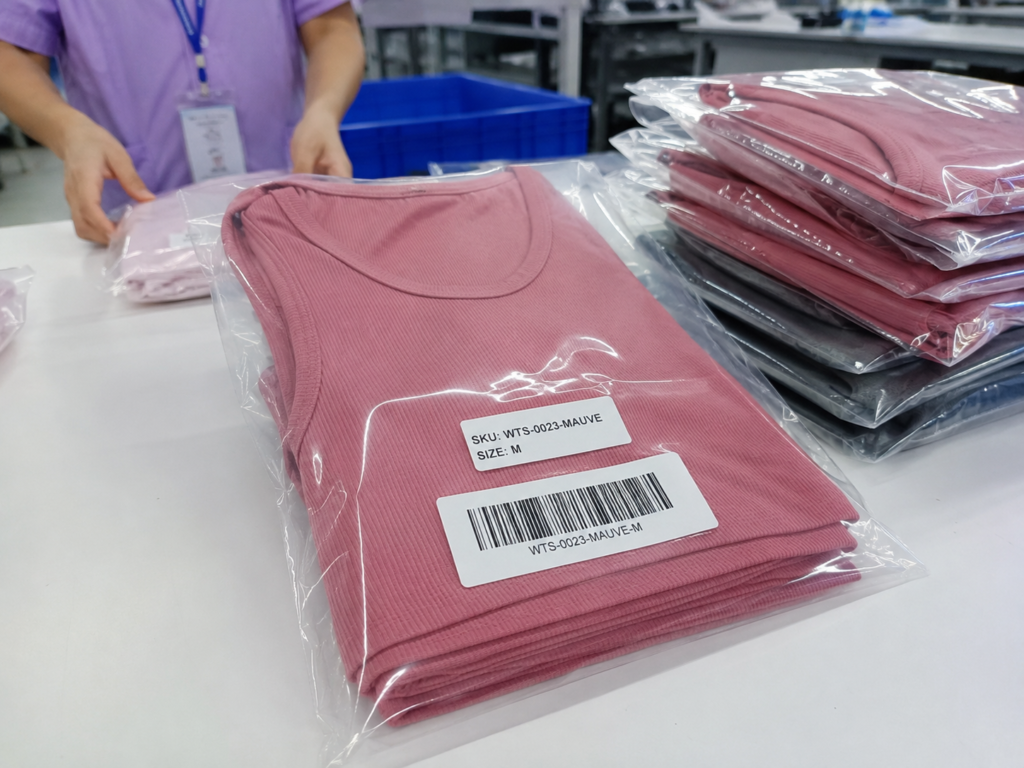
Woven labels, size labels, care labels, hangtags, barcodes, SKU labels, polybags, stickers, folding, size and color ratio, carton quantity, carton marks, warehouse labels, and shipment documentation are linked to the approved program.

Production Control Standards

PP sample, golden sample where used, material records, shade or lot identification, cutting instructions, sewing instructions, BOM, production order, inspection checkpoints, AQL level, client inspection requirement, and shipment release conditions are prepared for execution.

Workmanship Details Visible in Finished Printed Dresses

Close-up workmanship often determines whether a printed dress feels brand-ready. Strong imagery should show seams, zipper, lining, hem, waist, ties, buttons, labels, and matching rather than hiding construction behind styling.

Seam and Print Alignment

Side seams, waist seams, center back, yokes, ruffles, sleeves, and panel joins are reviewed according to the approved matching priority. Seam allowance, feeding, pressing, and stitch balance help prevent visible shifting or twisting.

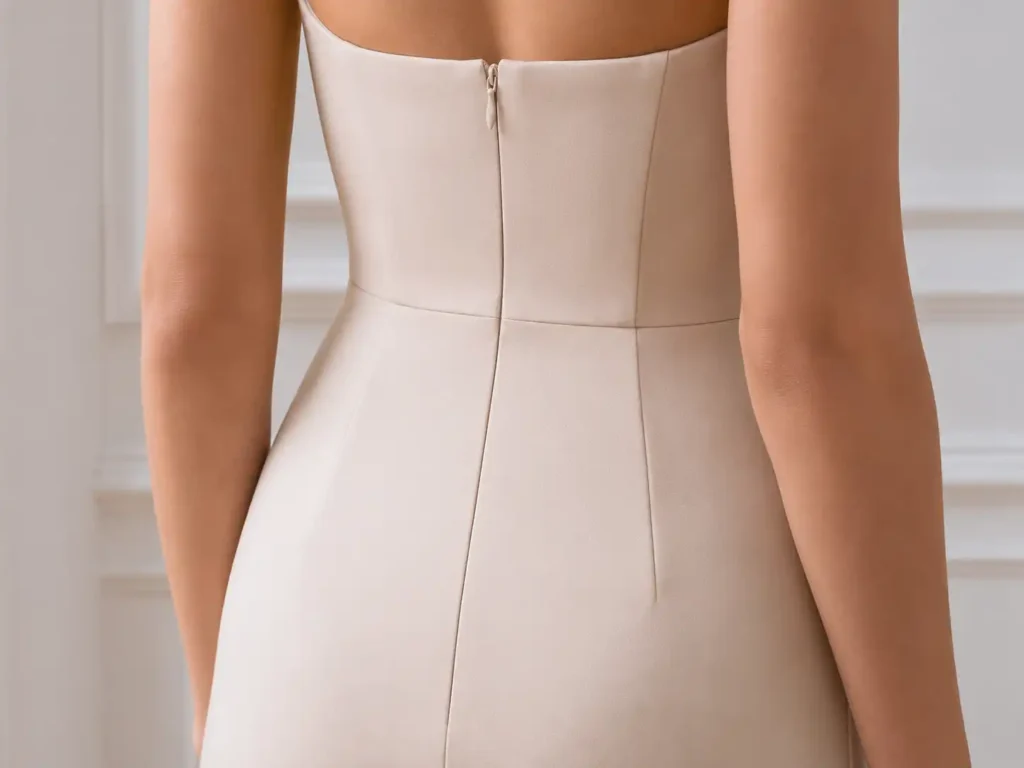
Zipper Flatness

Invisible and standard zippers should run smoothly, remain flat, align at waist seams, and avoid puckering. Printed motifs around center back or side zippers need controlled alignment and clean top finishing.

Waist and Shaping

Waist seams, darts, princess seams, ruching, elastic, and ties must support the intended silhouette. Printed artwork should not create unintended visual distortion around bust, waist, or hip shaping.

Lining Attachment

Lining should provide planned opacity and comfort without rolling, twisting, pulling the shell, showing below the hem, or exposing raw edges. Mesh, chiffon, satin, and light colors require careful lining color and coverage.

Ruffle Distribution

Ruffles and gathers need even distribution, controlled seam bulk, stable attachment, clean edges, and consistent print orientation. Uneven gathering can create visible color concentration and inconsistent garment volume.

Button and Placket Control

Button spacing, buttonhole quality, placket width, collar balance, pocket position, and print direction should remain consistent. Geometric prints and stripes expose small alignment errors quickly.

Hem Balance

Mini, midi, and maxi hems require level measurements and clean finishing suited to fabric weight and drape. Chiffon, satin, bias, and full skirts may need hanging or relaxation before final hem control.

Label Placement

Main label, size label, care label, and additional brand labels should follow approved position, orientation, stitch method, and comfort requirements without distorting the garment or becoming visible from outside.

Printed Dress Bulk Production Workflow

Bulk execution follows approved material, pattern, print, construction, quality, and packing records. Nine linked stages reduce dependence on final inspection alone.

Material Approval

Bulk fabric, print, lining, trims, labels, and packaging are checked against approvals and order requirements before release.

Incoming Inspection

Fabric lots, width, color, print quality, defects, shrinkage considerations, trims, labels, and packaging materials are recorded and checked.

Fabric Preparation

Relaxation, lot separation, face identification, direction, and special handling are completed according to fabric behavior and cutting plan.

Marker Planning

Approved patterns, size ratio, one-way print, matching priorities, fabric width, border, placement, and consumption are combined into cutting markers.

Cutting and Bundling

Panels are cut, inspected, counted, matched, and bundled by style, size, colorway, lot, and complete garment set.

Sewing Control

Production lines receive PP references, sewing instructions, pattern versions, print orientation, workmanship points, label positions, and measurement checkpoints.

Inline Inspection

Workmanship, measurements, matching, zipper, seams, lining, trims, and emerging production risks are checked while correction remains efficient.

Finishing and Pressing

Thread trimming, stain review, pressing, shape, hem, appearance, and fabric-specific protection are completed before final inspection.

Final QC and Packing

Measurements, appearance, print, labels, barcodes, SKU, folding, polybags, carton quantity, carton marks, and release requirements are verified.

Quality Control Built Around Printed Dress Risks

Inspection points follow the product rather than one generic checklist. Print, fabric, fit, workmanship, brand details, and packing are checked at the stage where correction is most effective.

Base Fabric Inspection

Fiber, weight, handfeel, width, stretch, drape, transparency, shrinkage requirement, surface condition, and lot information are compared with the approved direction.

Print Color Check

Approved color references, strike-off or swatch, base fabric, lining relationship, shade, saturation, and visible batch differences are reviewed under agreed conditions.

Print Defect Check

Misprint, missing color, streak, registration issue, stain, repeat break, blurred edge, uneven coverage, hole, and border defect are identified before or during cutting.

Cutting Direction Check

Face and back, top and bottom, stretch direction, grain, motif orientation, stripe or check direction, border position, and placement coordinates are verified.

Inline Sewing Check

Seams, matching, zipper, darts, waist, gathers, ruffles, lining, buttons, labels, stitch condition, seam allowance, and production measurements are checked during sewing.

Measurement Check

Bust, waist, hip, length, strap, shoulder, armhole, neckline depth, slit height, hem width, and other style points are compared with approved size charts and tolerances.

Appearance Check

Front, side, back, symmetry, print balance, shade, pressing, drape, hem, lining, puckering, twisting, stain, thread, and overall presentation are reviewed.

Final Inspection

Finished quantities are evaluated against the agreed inspection method, defect classification, AQL or client standard, approved PP or golden sample, and order documents.

Packing Check

Garment, size, colorway, barcode, SKU, label, hangtag, folding, polybag, carton ratio, carton marks, quantity, and warehouse instructions are verified before shipment.

Testing Support Based on Fabric and Market Needs

Testing requirements vary by fiber, color, print route, garment use, care method, destination, and brand standard. Jinfeng can coordinate project-specific confirmation without presenting every test as automatic for every order.

Washing Color Fastness

Assesses color change and staining during washing under an agreed method. Printed rayon, viscose, cotton, dark colors, and high-saturation artwork may require closer attention.

Rubbing Fastness

Evaluates dry or wet color transfer through friction. Pigment prints, dark colors, saturated artwork, and garments worn close to light accessories can be more sensitive.

Perspiration Fastness

Relevant for garments worn in warm climates, resort settings, party environments, or close contact with skin. Test selection depends on fabric and market requirements.

Print Color Fastness

Reviews how the printed design retains color under the specified condition. Ink system, fiber, pretreatment, curing, finishing, and care instructions influence performance.

Fabric Shrinkage

Measures dimensional change after an agreed treatment. Results support pattern allowances, garment tolerances, care labels, and risk decisions for rayon, viscose, cotton, linen, and knits.

Seam and Dimensional Stability

Seam slippage, stretch recovery, twisting, garment measurement, and wash stability may be assessed for lightweight woven, satin, chiffon, jersey, bodycon, or high-movement styles.

Measurement Standards for Printed Dress Production

Garment tolerances are confirmed from the client tech pack, product structure, fabric stretch, target market, and approved sample. The values below are internal reference points, not universal promises; approved client standards take priority.

Measurement PointRegular Internal ReferencePrinted Dress Risk
Bust±1 cmFit changes can move motifs, darts, and neckline balance
Waist±1 cmAffects waist seam, placement, tie position, and silhouette
Hip±1.5 cmCritical for fitted, slip, and bodycon printed dresses
Shoulder Width±0.8 cmInfluences neckline, sleeve, and upper-body print balance
Strap Length±0.5 cmChanges neckline depth, bust position, and motif location
Dress Length±1 cmImportant for mini safety, midi proportion, and border position
Maxi Total Length±1.5 cmAffects hem level, floor clearance, and border artwork
Sleeve Length±1 cmInfluences cuff and directional-print alignment
Slit Height±1 cmControls movement, coverage, and motif interruption
Hem Circumference±1.5 cmInfluences skirt volume, print rhythm, and drape

Printed Dress MOQ and Quotation Logic

Jinfeng Apparel’s standard garment MOQ starts from 200 pcs per style/color. Custom printing introduces additional dependencies from base fabric, print route, artwork, colorways, and material suppliers.

Understand the MOQ Layers

A garment MOQ and a fabric-printing MOQ are not always identical. Stock printed fabric may support one route, while exclusive artwork, custom base fabric, custom color, border printing, placement panels, certified material, special trims, or custom packaging may require separate minimum quantities.

Order structure also matters. Ten colors at 200 pieces each create a different material plan from two colors at 1,000 pieces each. A multi-style collection using shared base fabric and coordinated colorways may create better purchasing and production efficiency than isolated styles with unrelated materials.

Build Quotations from Real Cost Drivers

Quotation inputs include base fabric, print development, strike-off or sample fabric, pattern work, sampling, lining, trims, construction, cutting, matching loss, sewing time, pressing, QC, labels, packing, testing, logistics, and reasonable factory margin.

Placement prints, large repeats, one-way artwork, border use, seam matching, wide skirts, ruffles, multi-layer construction, difficult lining, broad size ranges, many colorways, and compressed timing can increase cost. Jinfeng can review fabric alternatives, print scale, matching priority, construction, size ratio, color consolidation, marker efficiency, and split shipment to protect the intended brand look while improving commercial control.

Protect Original Artwork and Unreleased Collections

Printed dress programs often contain proprietary artwork, unpublished color stories, launch calendars, and private-label files. Jinfeng supports NDA-based cooperation and controlled handling throughout development and production.

Protected Development Materials

Protected materials can include brand identity, original artwork, repeat files, placement maps, tech packs, line sheets, reference garments, patterns, measurement charts, fabric and trim directions, colorways, labels, packaging, target prices, quantities, and launch information.

Controlled External Presentation

Client names, logos, original artwork, unreleased samples, patterns, exclusive fabrics, packaging files, barcodes, order quantities, and prices are not published without permission. Public examples should use approved images or anonymous process-based descriptions.

Long-Term Record Management

Pattern versions, fabric references, print approvals, trim records, measurements, workmanship, packing instructions, and historical order details can support repeat orders and seasonal extensions while access remains tied to the relevant project team.

Private Label and Retail-Ready Printed Dresses

A finished garment becomes retail-ready only when product, brand, SKU, packing, and warehouse information agree. Printed collections often carry many colorways and artwork codes, making disciplined SKU control especially important.

Main Label

Woven or printed main labels follow approved size, color, material, fold, placement, and stitch method while avoiding visible distortion on lightweight shells.

Size Label

Size labels must match the garment, barcode, SKU, polybag, carton ratio, and packing list. Position and comfort are confirmed during PP development.

Care Label

Care labels reflect fiber composition, care method, country requirements, print or fabric limitations, language, supplier identity, and approved placement.

Hangtag

Hangtags may include brand, product, size, price, collection, sustainability claim, or legal information. Content and attachment method require approval.

Barcode Sticker

Barcode data should be scannable and consistent with style, colorway, size, SKU, hangtag, polybag, carton, and warehouse records.

Individual Polybag

Each garment can be folded, labeled, and packed in a suitable polybag according to the approved presentation and warehouse requirement.

Size and Color Sticker

External stickers support warehouse sorting and reduce opening errors. Colorway names should remain consistent across production and logistics records.

Carton Mark

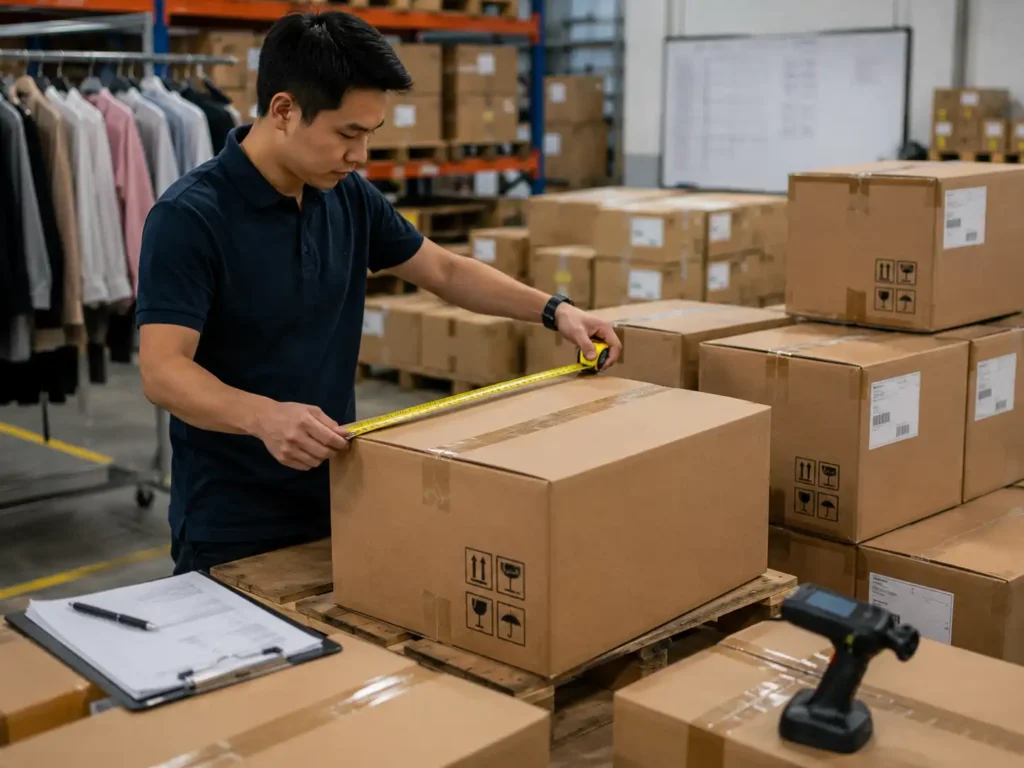
Carton marks can include PO, style, color, size ratio, quantity, carton number, destination, dimensions, weight, and warehouse instructions as required.

Printed Dress Programs Managed at Collection Scale
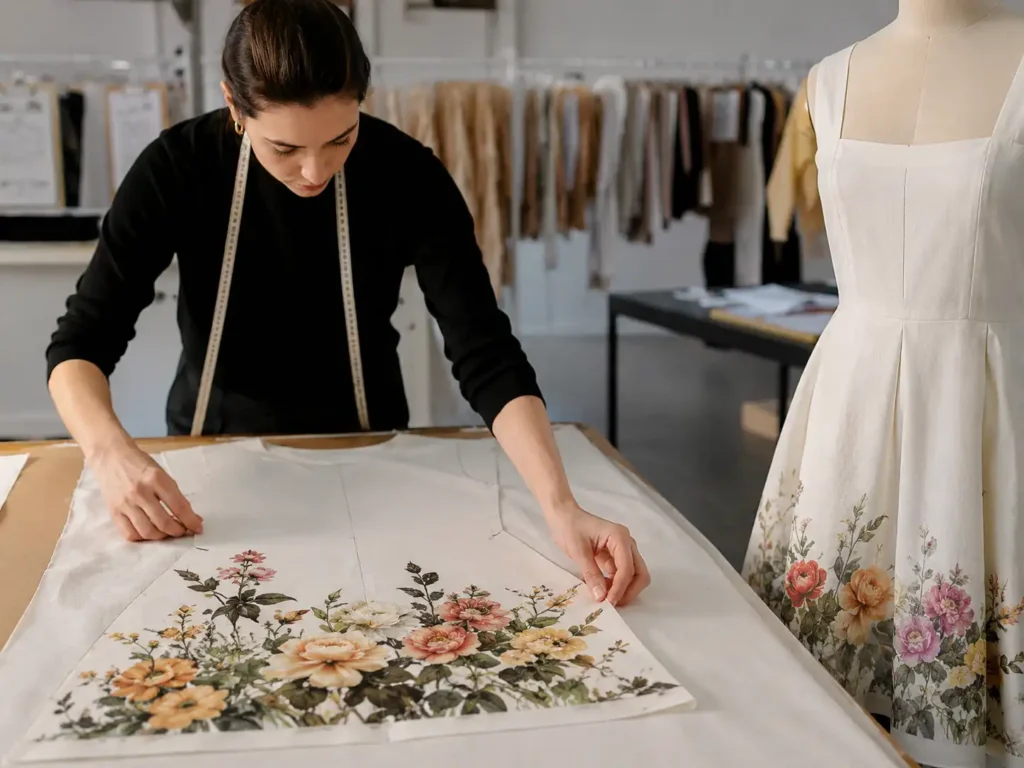
The case data below uses anonymous, representative order structures within Jinfeng’s target operating range. Each example shows how artwork, fabric, fit, production, and packing decisions connect across a multi-style program.

US Ecommerce Print Drop

A US premium ecommerce fashion operation developed 22 printed dress styles totaling approximately 48,600 pieces. The assortment included mini, midi, maxi, wrap, and ruched silhouettes across floral, abstract, and placement directions on chiffon, satin, rayon, and printed mesh. The main risks involved photo-sample color, print scale across different lengths, placement around bust and waist, transparent areas, 6 colorways, size grading, and barcode accuracy. Jinfeng divided the program by fabric and construction route, reviewed print mockups against garment measurements, used first, revised, photo-ready, and PP samples, and built separate QC points for placement, opacity, measurement, zipper, and SKU packing. Bulk production was separated by material lot and style group. Final packing followed individual polybags, size-color stickers, barcode verification, and carton-level SKU records. The collection shipped in planned batches supporting the launch calendar and follow-on replenishment discussions.

Australian Resort Collection

An Australian resortwear operation developed 16 styles totaling approximately 32,400 pieces. The program combined floral maxi dresses, printed wrap dresses, shirt dresses, and coordinating skirts using viscose, rayon, linen blends, and printed woven fabrics. Key challenges included viscose shrinkage, linen crease expectations, one-way tropical artwork, border position on maxi hems, travel-friendly folding, and a coordinated seasonal color story. Jinfeng reviewed fabric behavior, confirmed print direction and border depth, adjusted markers for one-way cutting, measured maxi length after fabric preparation, and defined packing methods reducing severe folding lines. The program used first samples, revised samples, salesman samples, and PP samples. QC focused on direction, shade grouping, dress length, waist ties, button fronts, slit height, lining, and carton assortment. New artwork on approved silhouettes was planned for a later season using retained pattern and packing records.

European Multi-Market Program

A European fashion group developed 28 printed and coordinated womenswear styles totaling approximately 72,000 pieces. The range covered printed dresses, matching skirt sets, lightweight tops, and occasion styles across multiple destination markets. The project required shared base fabrics, 8 print colorways, size ranges by market, private labels, multilingual care labels, barcode and SKU mapping, mixed-size cartons, client-appointed inspection, and split shipment priorities. Jinfeng organized style-family records, print and fabric approvals, grade rules, label matrices, PP standards, production allocations, and inspection checkpoints. High-priority launch styles were packed and released first, while remaining quantities followed the agreed shipment plan. Barcode, carton mark, packing list, and SKU reconciliation supported warehouse receiving. The program demonstrated collection-level management beyond isolated garment sampling.

Support Seasonal Extensions and Repeat Orders

Repeat production becomes faster and more controlled when approved records remain organized, but new fabric lots, print conditions, colorways, or construction changes still require confirmation.

Extend One Print Across Styles

A strong print can move across mini, midi, maxi, wrap, shirt dress, skirt, or matching-set silhouettes. Each extension requires new scale, panel, placement, consumption, and fit review rather than automatic copying.

Extend One Pattern Across Prints

An approved silhouette can support new artwork and colorways when base fabric behavior remains compatible. New prints still need color, repeat, direction, defect, shrinkage, and bulk approval.

Retain Production Records

Pattern versions, grade rules, size charts, fabric references, print approvals, trim details, labels, workmanship, QC points, packing, carton ratio, and shipment records support future planning.

Manage Bestseller Replenishment

Replenishment planning reviews remaining material, new fabric lots, print supplier conditions, current capacity, required quantities, priority sizes, colorways, labels, and delivery route before confirming the repeat schedule.

Build Seasonal Color Stories

Shared colors, lining, trims, labels, and base fabrics across a collection can improve consistency and purchasing efficiency. Color stories should still be reviewed on each surface and fabric type.

Coordinate Multi-Batch Delivery

Multi-batch release can prioritize campaign samples, launch styles, bestselling colorways, or urgent sizes while maintaining separated SKU, carton, packing list, and shipment records.

Frequently Asked Questions About Printed Dress Manufacturing

Jinfeng Apparel’s standard garment MOQ starts from 200 pcs per style/color. Exclusive print, custom base fabric, custom color, border print, placement panels, special trims, certified material, or custom packaging may carry separate supplier minimums. Final MOQ is confirmed after artwork, fabric, colorways, size ratio, and order structure are reviewed.
Yes. Jinfeng can review original all-over repeats, engineered placement, border artwork, floral, abstract, geometric, tropical, animal, stripe, check, and other brand-directed designs. Editable source files, color references, target scale, orientation, base fabric direction, and garment information improve development accuracy.
Editable AI, EPS, PSD, layered PDF, TIFF, or high-resolution production files are preferred. Include repeat dimensions, color references, fonts or linked assets, placement maps, orientation, scale, and garment references. A low-resolution image can communicate direction but may not be suitable for production.
Yes. Placement work can be reviewed around center front, neckline, bust, waist, side seam, sleeve, back, slit, and hem. Accurate panel dimensions, seam allowance, finished garment measurements, base-size information, and grade rules are needed before final approval.
Color approval may use Pantone references, physical swatches, strike-offs, printed fabric swatches, lining and trim matching, sample review, PP approval, and bulk shade checks. The exact chain depends on fabric, print route, color sensitivity, order size, and brand requirements.
Common directions include chiffon, rayon, viscose, cotton blends, linen blends, satin, jersey, mesh, and printed woven fabrics. Selection depends on silhouette, drape, stretch, opacity, shrinkage, print route, handfeel, care requirement, target cost, and wearing occasion.
They can. Fabric mills or printing partners may set minimums by base fabric, print method, artwork, colorway, or production lot. Jinfeng reviews garment quantities together with material and print minimums to build a workable order structure.
Control can include approved placement maps, garment coordinates, print scale records, pattern references, marker instructions, cutting templates, panel checks, bundle separation, sewing references, PP or golden samples, inline inspection, and final appearance review.
Yes. Jinfeng supports main labels, size labels, care labels, hangtags, hang strings, barcode stickers, SKU labels, polybags, size-color stickers, thank-you cards, cartons, carton marks, warehouse labels, mixed-size packing, and individual garment packing according to approved files.
Jinfeng supports NDA-based cooperation and protects original artwork, tech packs, samples, patterns, labels, packaging, unpublished designs, quantities, prices, and launch information. Client names, logos, exclusive files, and unreleased products are not published without permission.

Send Your Printed Dress Development Brief

Share enough information for Kelly and the development team to review fabric, print, pattern, MOQ, sampling, production, quality, packing, and delivery requirements as one connected project. A useful brief does not need to be perfect, but it should identify the commercial direction and any non-negotiable standards.
Please include:

  • Reference images, tech pack, original sample, line sheet, or sketch.
  • Original artwork, repeat file, placement map, color references, and intended print scale.
  • Preferred fabric composition, weight, drape, stretch, opacity, and handfeel.
  • Target quantity by style and colorway, planned size range, and size ratio.
  • Required sample stage, campaign date, buying meeting, or launch deadline.
  • Main labels, size labels, care labels, hangtags, barcodes, SKU labels, and packing instructions.
  • Destination market, inspection standard, testing needs, shipment plan, or appointed forwarder details.
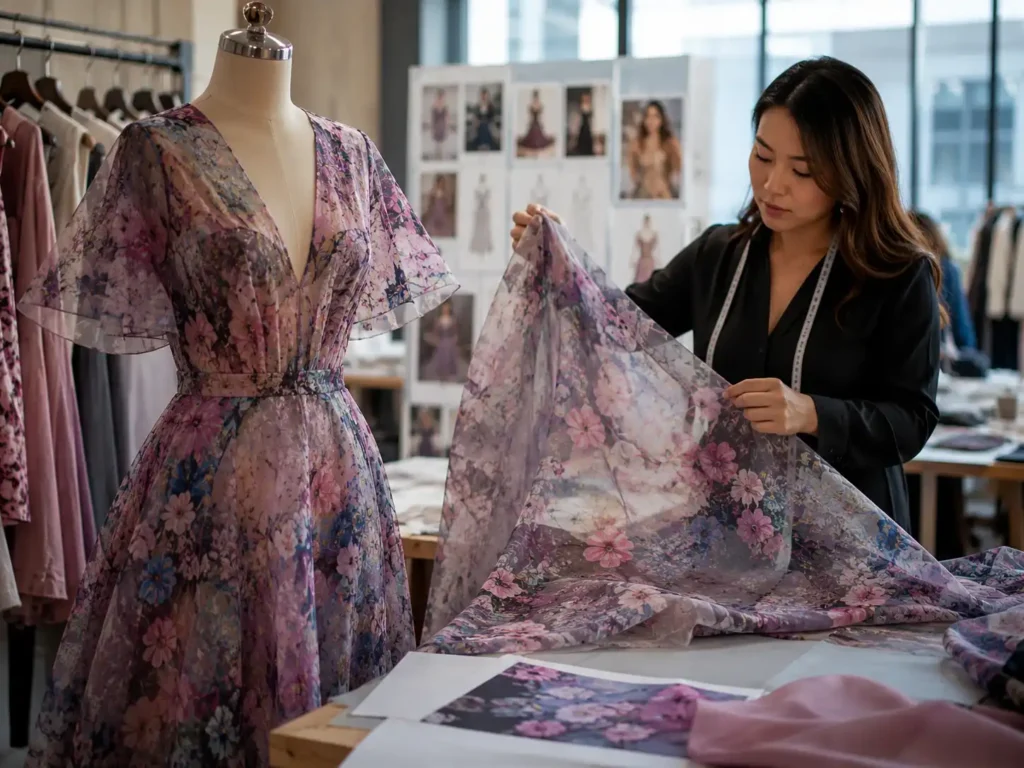

Tell Us About Your Dress Project

Share your product details, estimated quantity and development requirements. Our team will review your project and provide practical OEM/ODM production feedback.

Premium Women’s Apparel Production for Fashion Brands

From dress sample development to bulk production, JF Apparel supports fashion brands with confidential OEM/ODM manufacturing, reliable quality control and scalable production support.

START YOUR DRESS PROJECT

Ready to Develop Your Next Dress Collection?

Share your design concept, product requirements or sourcing plans with our team. We’ll review your project and provide practical feedback on development, materials, MOQ and production.

7-10 Days

Sample Development

200 PCS

Starting MOQ

Fast Response

Professional Follow-Up