Skip to content
Pink Dress Manufacturer
Custom pink dress development, sampling and private-label production for established fashion brands, occasionwear labels and multi-style womenswear programs.
- Six commercial pink directions can be developed around baby pink, blush, dusty rose, rose pink, hot pink and fuchsia, with final shades approved against fabric and lighting conditions.
- Pink dress programs can cover 10-30 coordinated styles across mini, midi, maxi, bodycon, corset, satin, mesh, lace, chiffon and sequin constructions.
- MOQ starts from 200 pieces per style and color; sizes are allocated within the confirmed quantity according to the approved size chart and ratio.
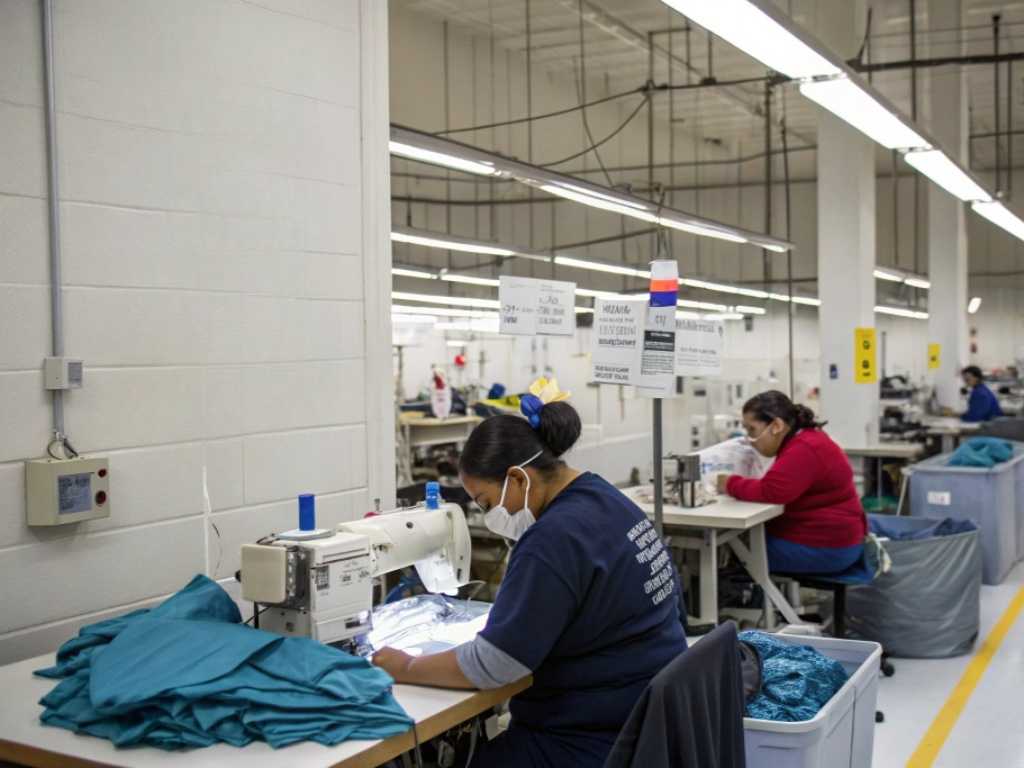
- Development is supported by 2 sample rooms, 7+ senior pattern makers, 20+ sample machinists and 15+ QC inspectors for sample-to-bulk control.
Manufacturing Scale Built for Pink Dress Programs
Since 2008
6 Owned Factories
10+ Production Partners
100,000+ Monthly Capacity
2 Sample Rooms
15+ QC Inspectors
Pink Dress Manufacturing for Established Fashion Programs
Fashion Brand Groups
Occasionwear Labels
Ecommerce Retail Programs
Common Pink Dress Failures Before Bulk Production
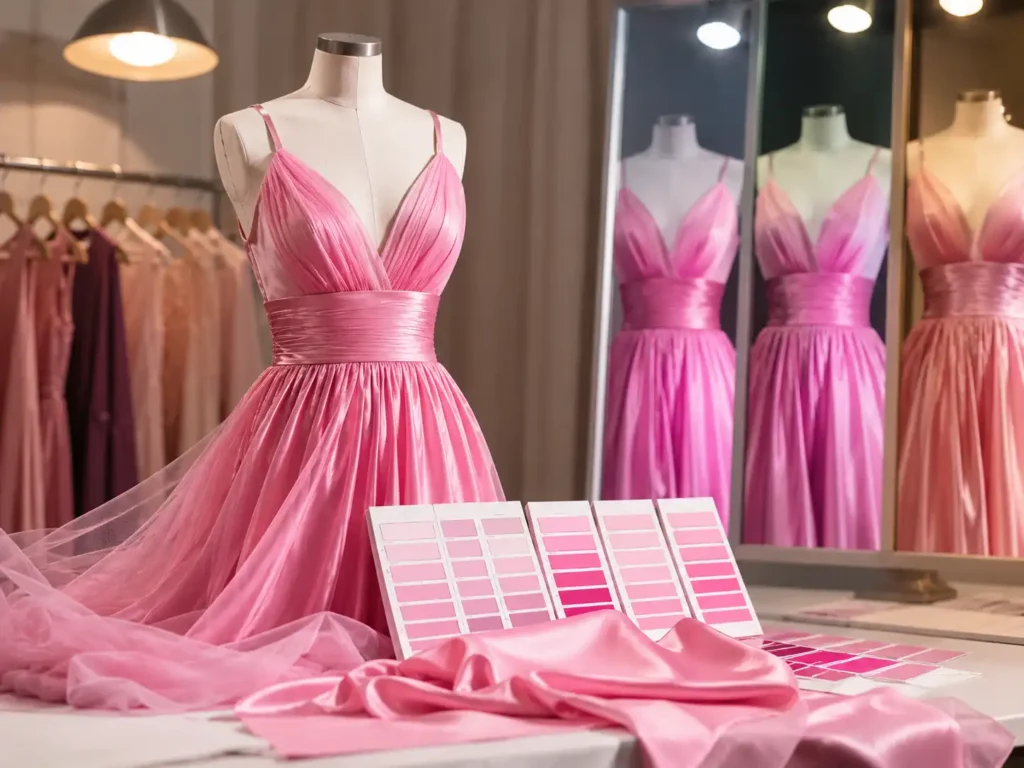
Shade Drift
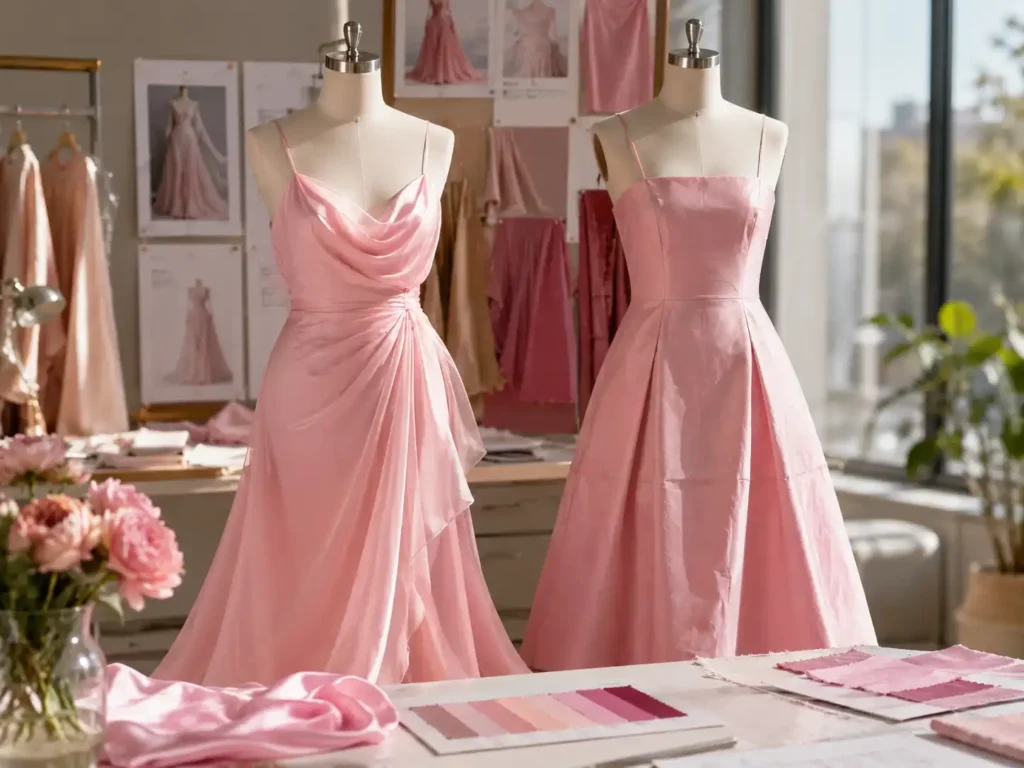
Fabric Mismatch
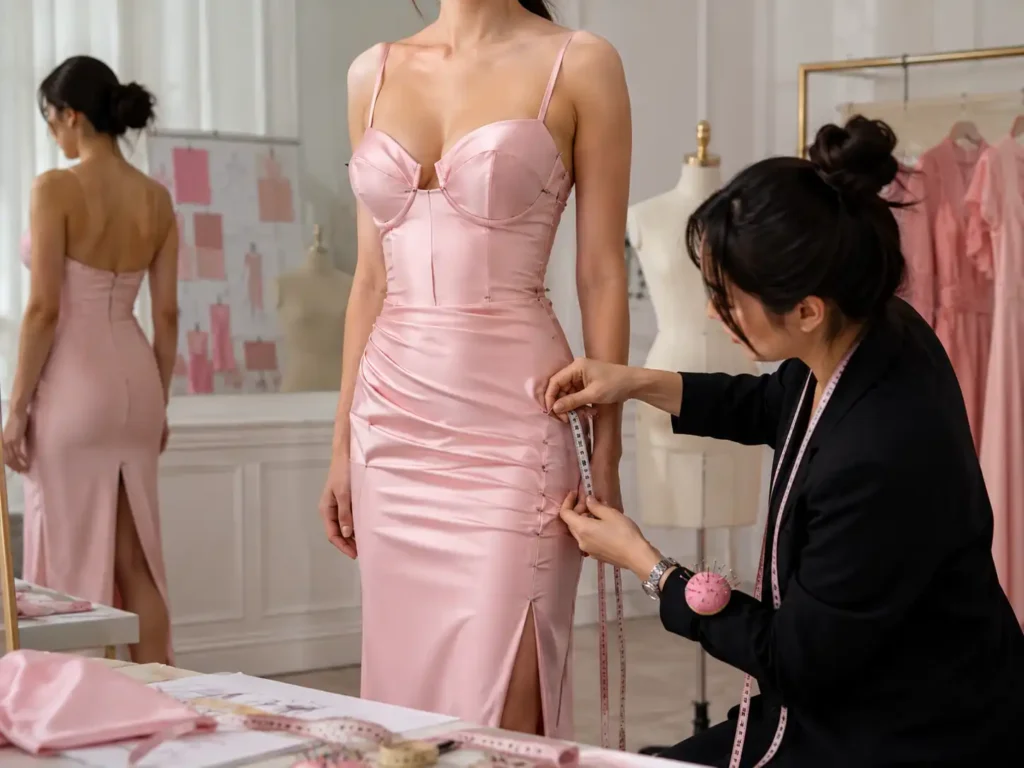
Fit Instability
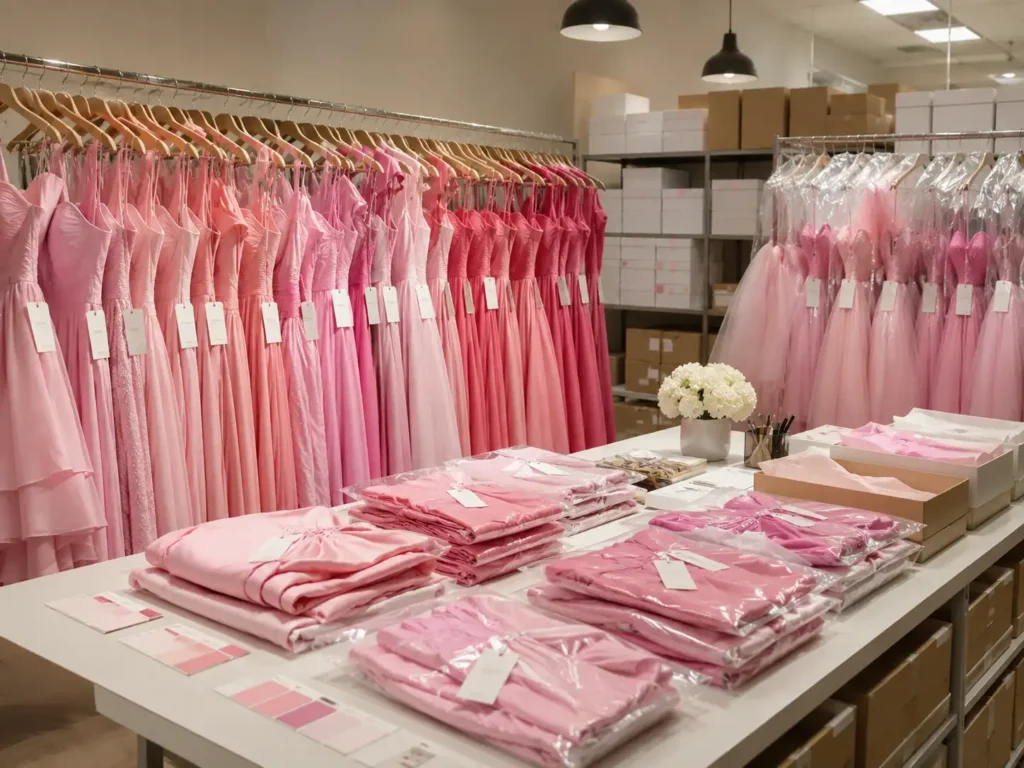
Bulk Presentation
Pink Dress Categories Developed for Commercial Collections
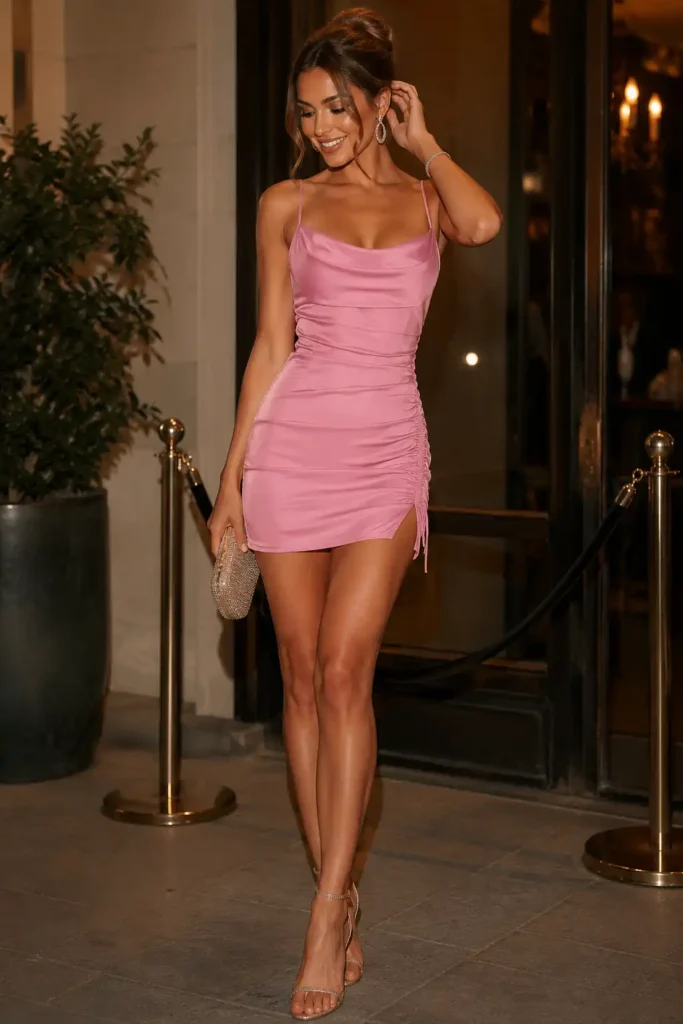
Pink Mini Dresses
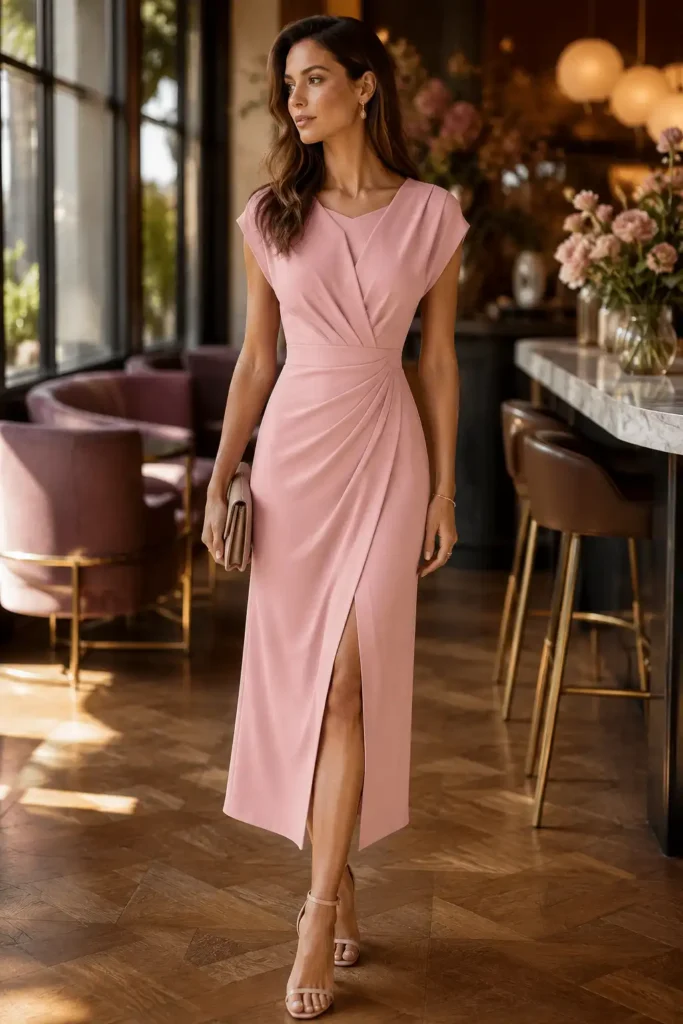
Pink Midi Dresses
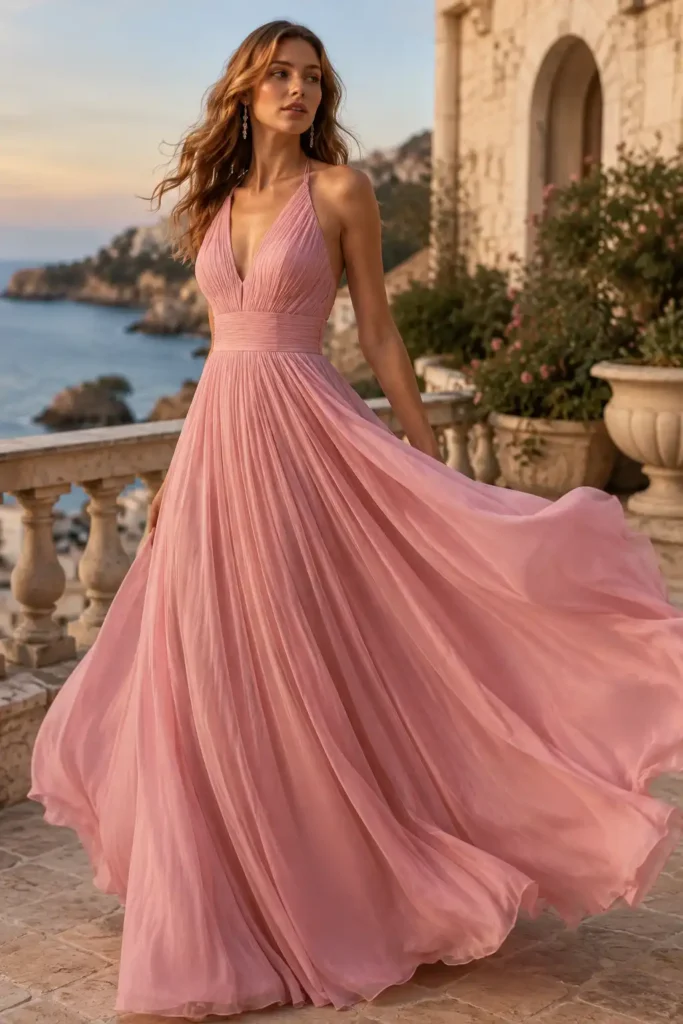
Pink Maxi Dresses
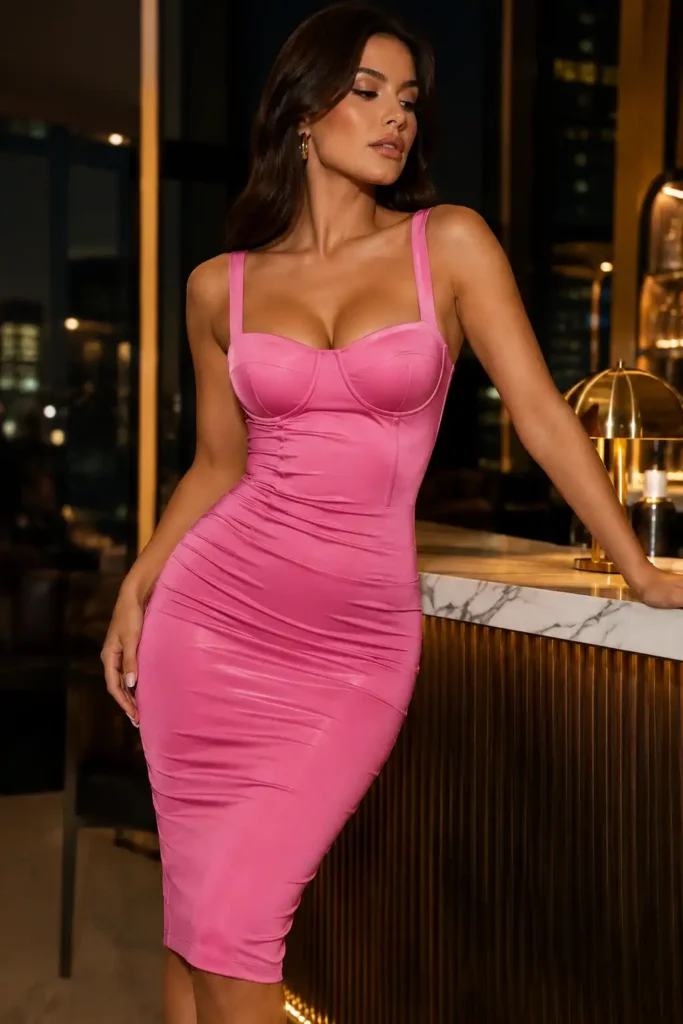
Pink Bodycon Dresses
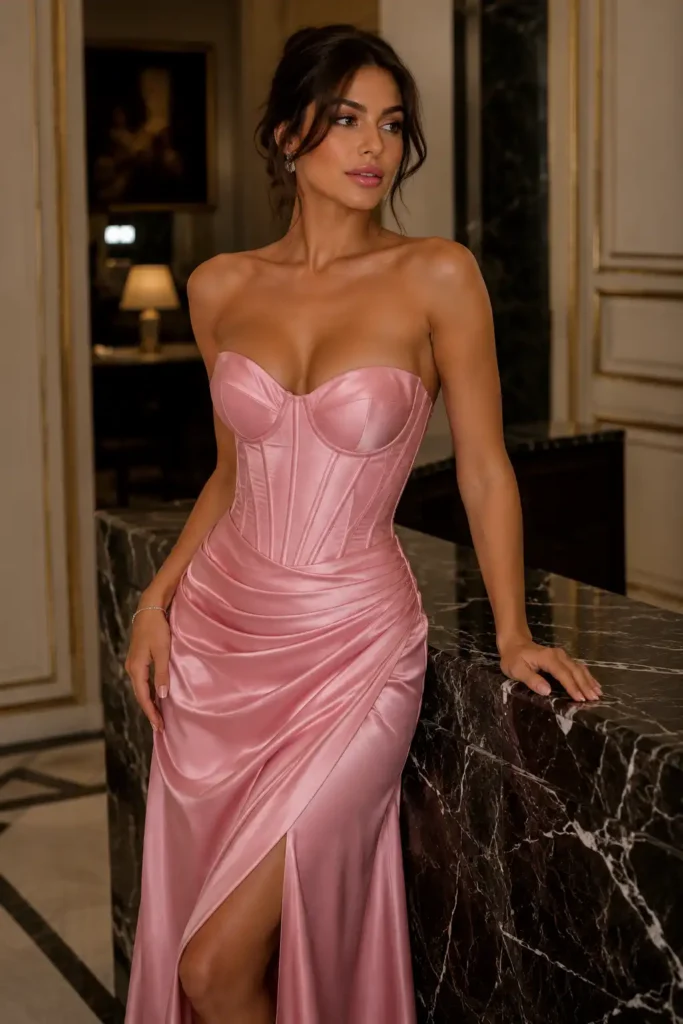
Pink Corset Dresses
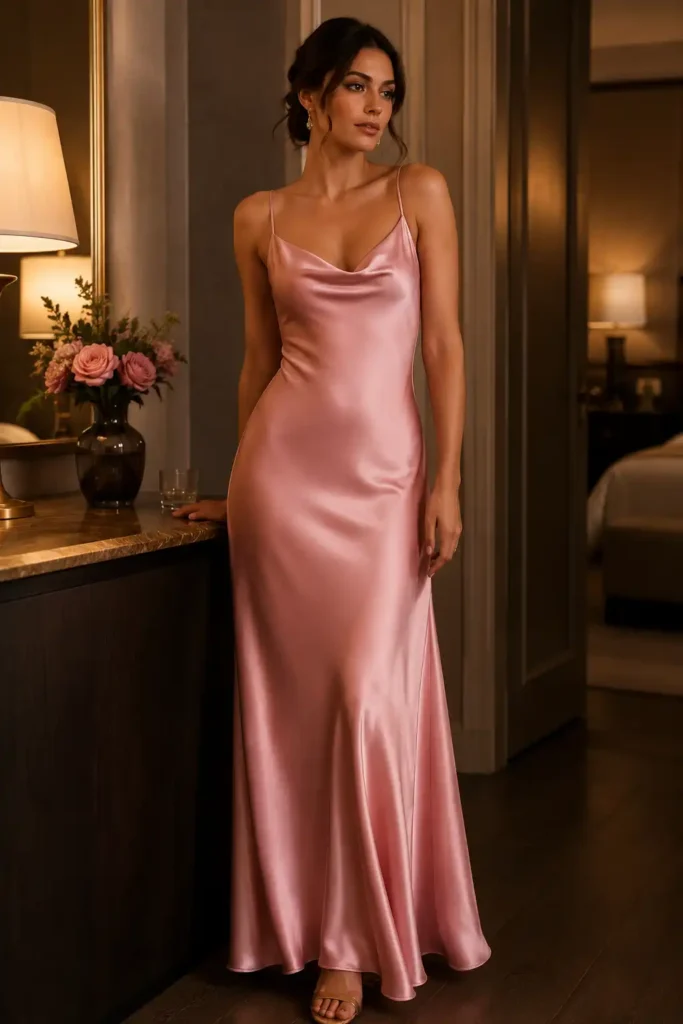
Pink Slip Dresses
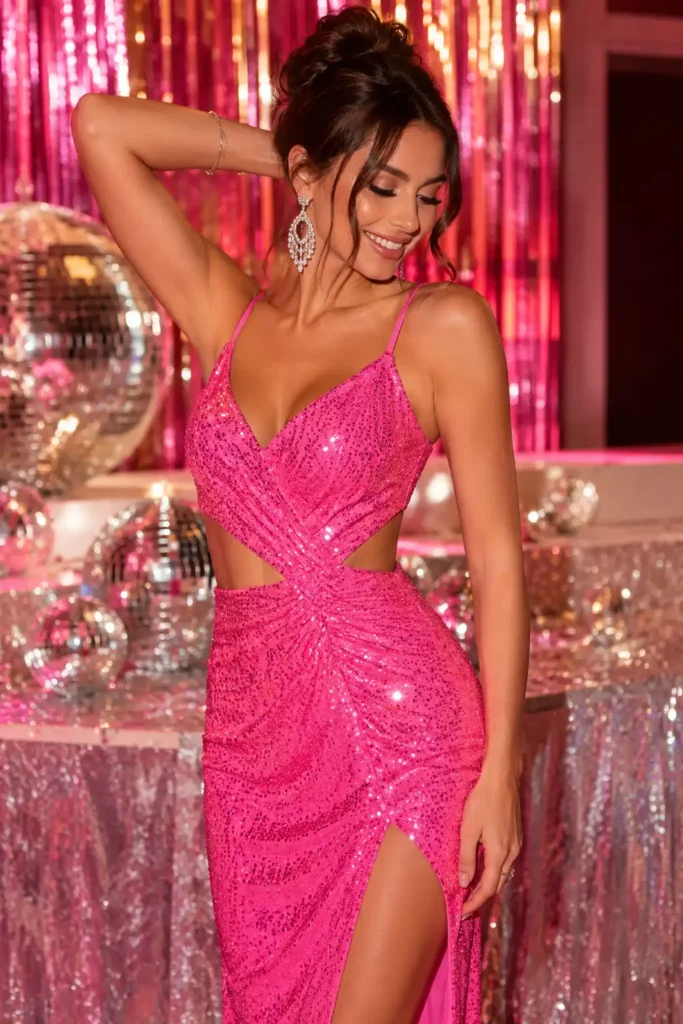
Pink Party Dresses
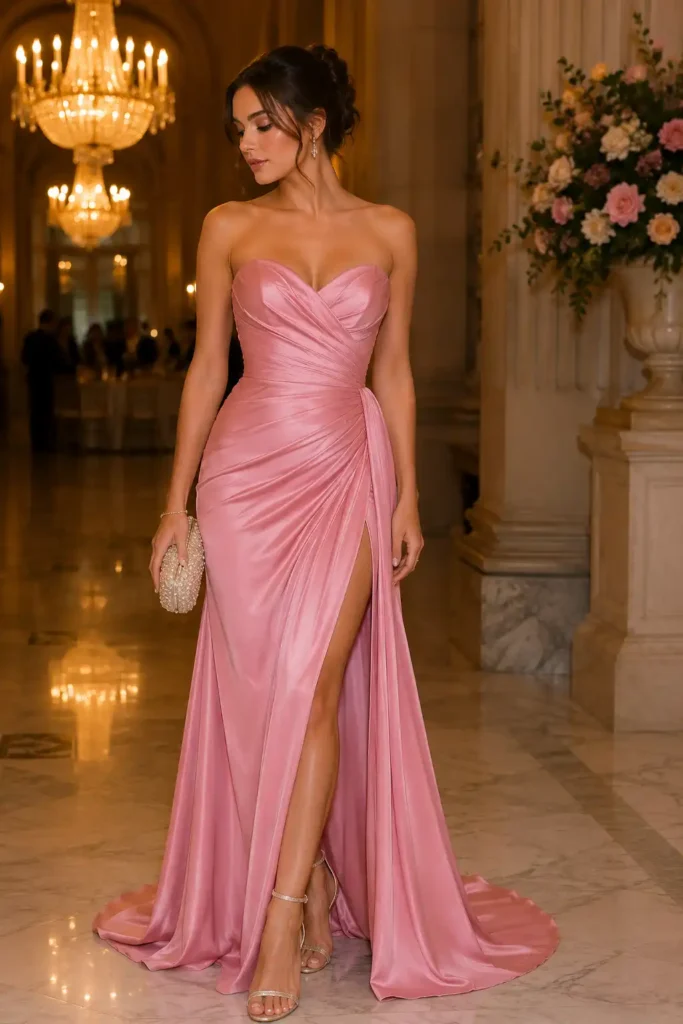
Pink Occasion Dresses
Pink Shade Planning by Fabric and Retail Position
Pink is not one production color. Shade direction must be reviewed together with fabric surface, transparency, lining, trim color and the intended selling occasion. The matrix below helps a product team choose a workable starting direction before lab dips or physical swatches are approved.
| Pink Direction | Commercial Mood | Suitable Dress Types | Preferred Fabrics | Main Control Point | Typical Position |
|---|---|---|---|---|---|
| Baby Pink | Soft, youthful, clean | Mini, babydoll, graduation, casual midi | Chiffon, cotton blend, jersey, satin | Transparency, stains, lining tone | Young fashion and seasonal drops |
| Blush Pink | Refined, romantic, occasion-led | Slip, midi, bridesmaid-adjacent, wedding guest | Matte satin, chiffon, crepe, lace | Warm/cool balance, lining match | Occasionwear and premium ecommerce |
| Dusty Rose | Muted, mature, stable | Midi, maxi, draped, lace occasion dress | Crepe, chiffon, satin, lace | Grey undertone, dye-lot consistency | Mature occasion and autumn capsules |
| Rose Pink | Feminine, versatile, commercial | Cocktail, midi, ruched, A-line | Satin, crepe, jersey, lace | Shade depth across fabric groups | Boutique and multi-channel retail |
| Hot Pink | High-energy, photo-led | Bodycon, mini, cut-out, party dress | Stretch satin, jersey, mesh, sequin | Colorfastness, surface shine, trim match | Partywear and social-led drops |
| Fuchsia | Bold, premium, saturated | Corset, evening, cocktail, maxi | Heavy satin, stretch satin, crepe | Dye depth, pressing marks, batch control | Statement occasionwear |
| Neon Pink | Festival, club, high visibility | Mini, mesh, bodycon, cut-out | Jersey, stretch mesh, coated or special fabric | Colorfastness, supplier MOQ, lighting shift | Festival and clubwear capsules |
| Pink Print Mix | Seasonal, resort, expressive | Maxi, mini, ruffle, wrap, vacation dress | Chiffon, rayon, viscose, woven print base | Print scale, direction, repeat and base color | Resort and summer collections |
Fabric Engineering for Pink Dresses Across Categories

Satin
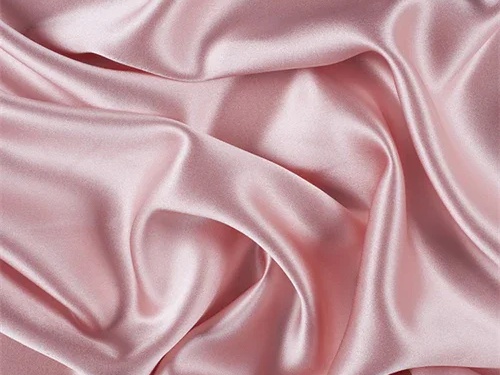
Stretch Satin

Chiffon

Lace

Mesh

Sequin Fabric
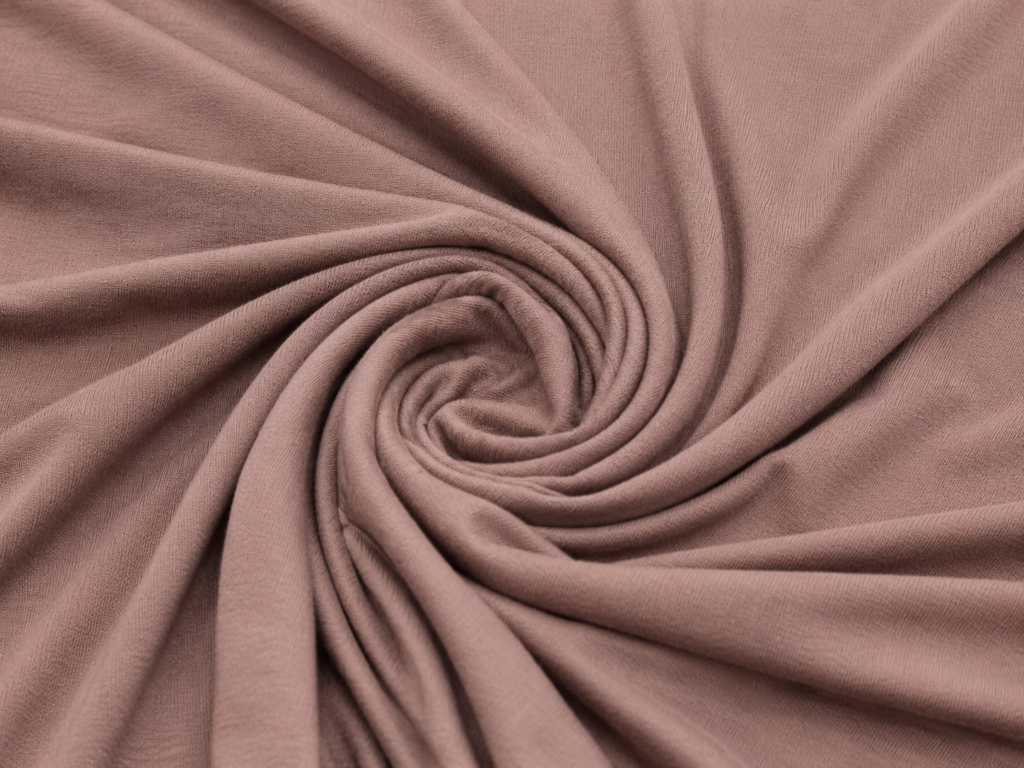
Jersey
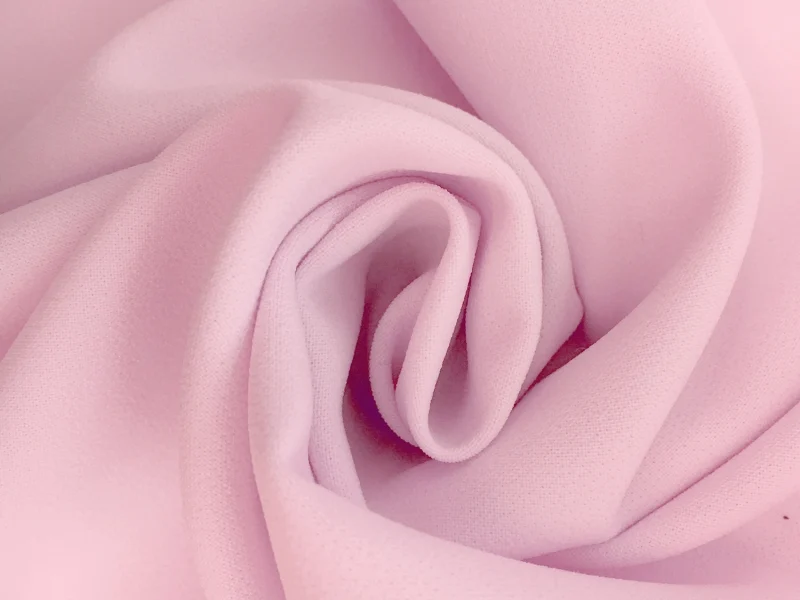
Ponte and Crepe
Pattern and Fit Control for Pink Dress Silhouettes
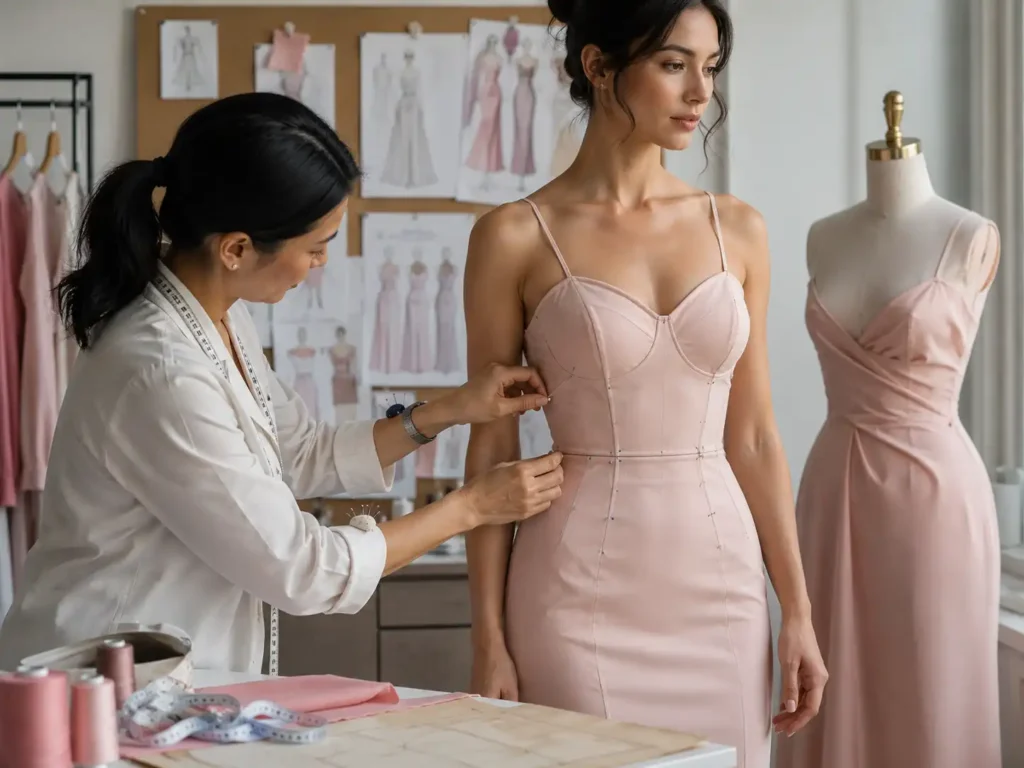
Bust and Waist Balance
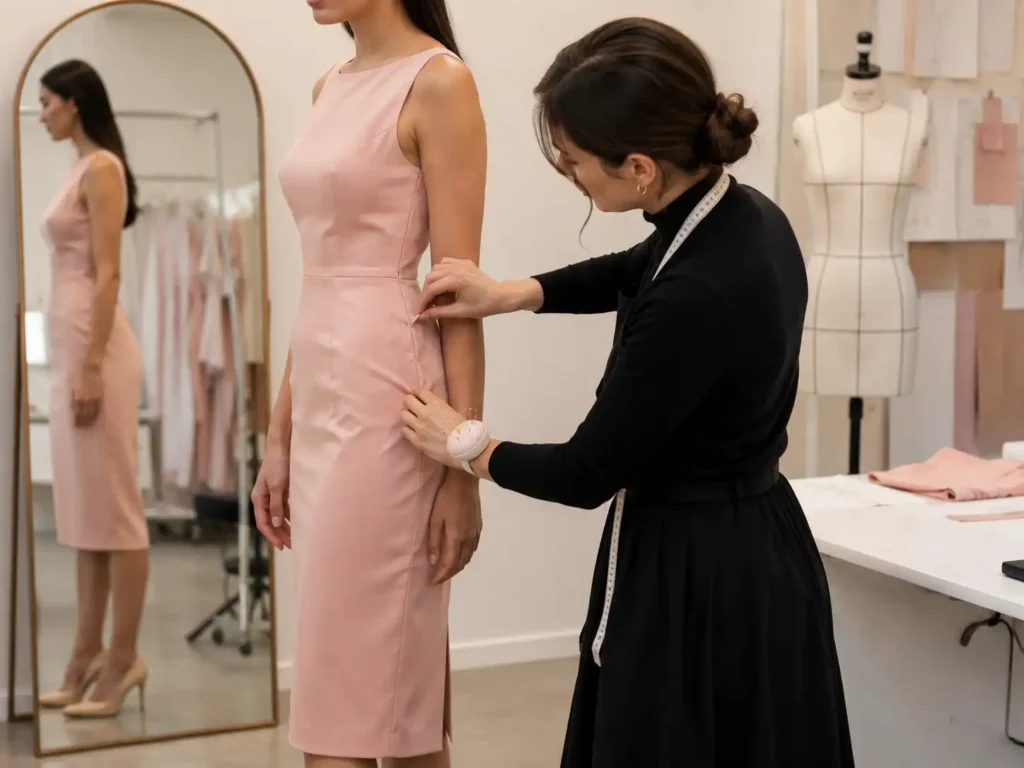
Hip and Side Seams
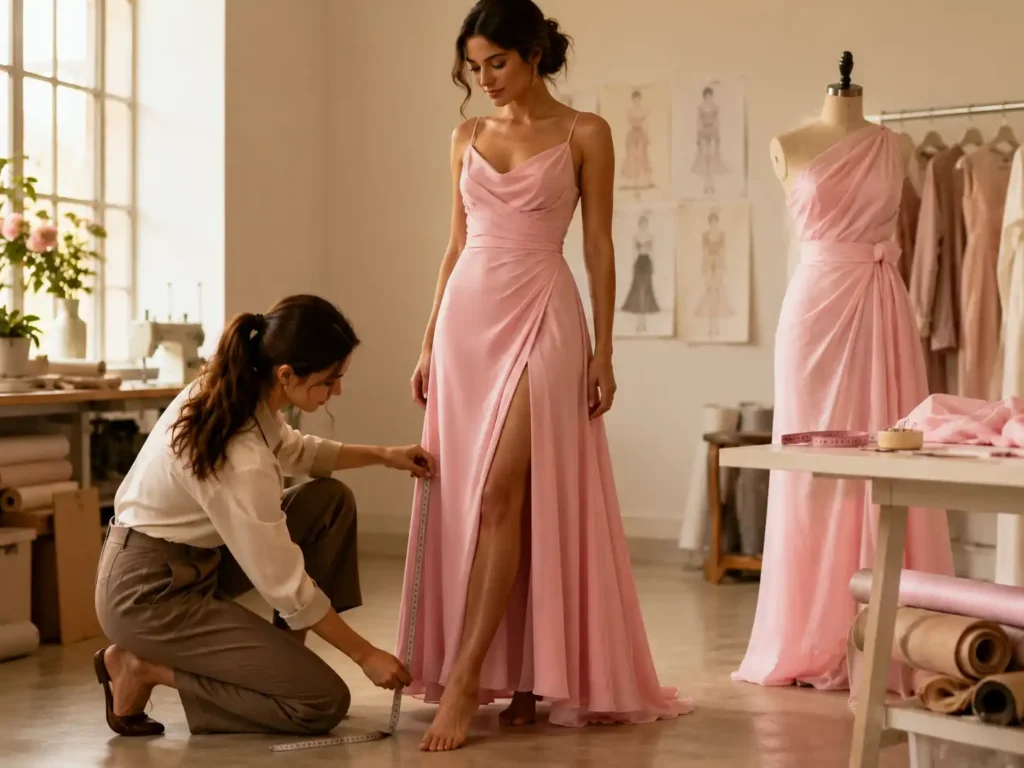
Length and Slit Control
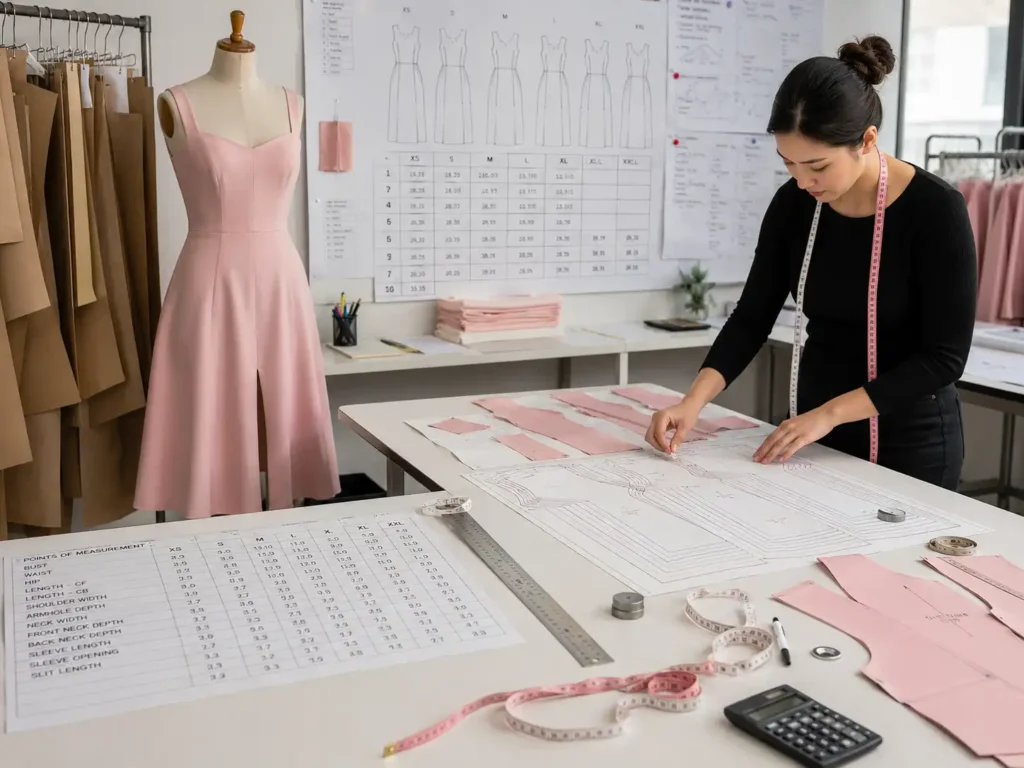
Grading and Measurement
Design Details Engineered for Stable Pink Dress Production
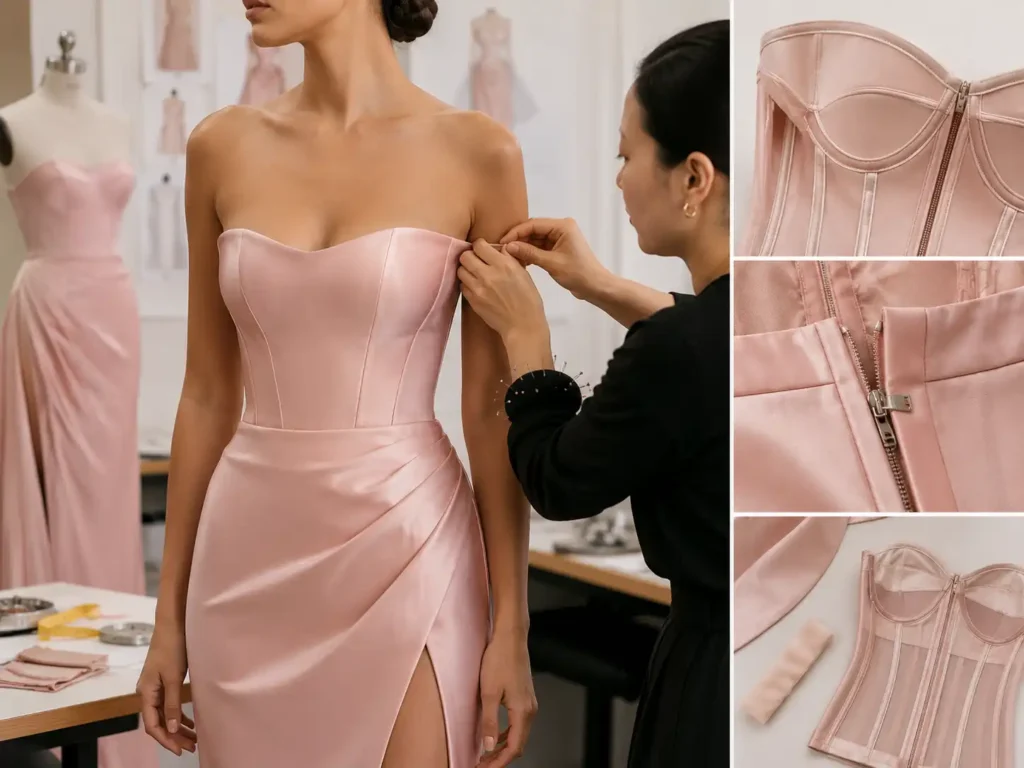
Strapless Support
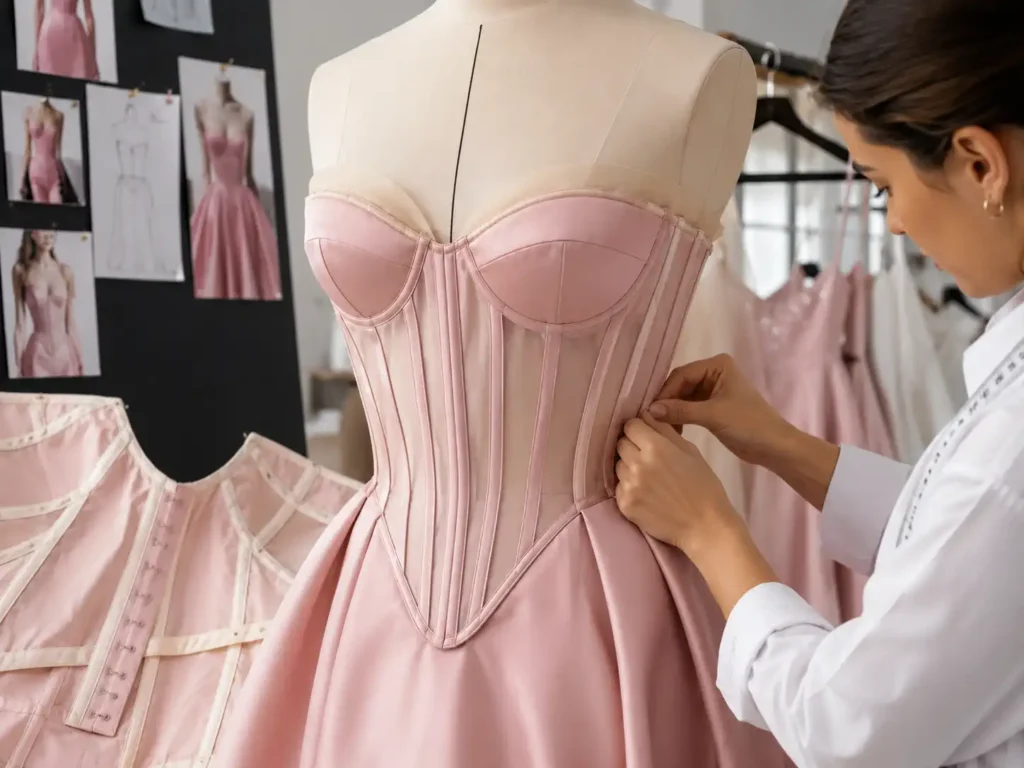
Corset Construction
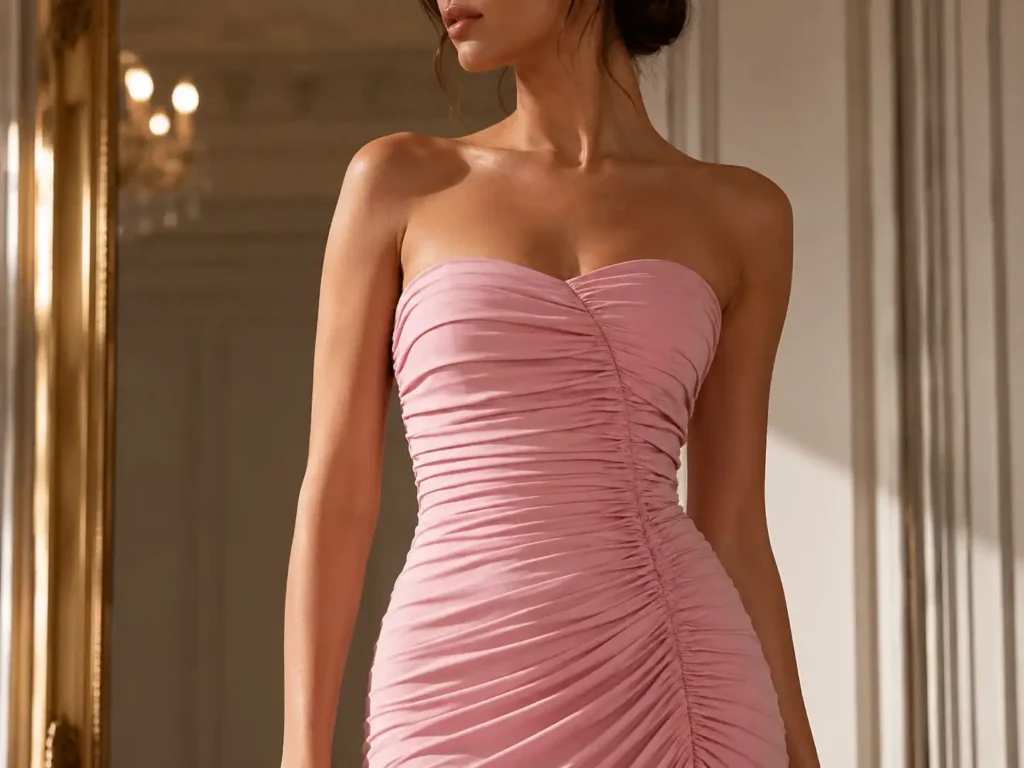
Ruched Surfaces
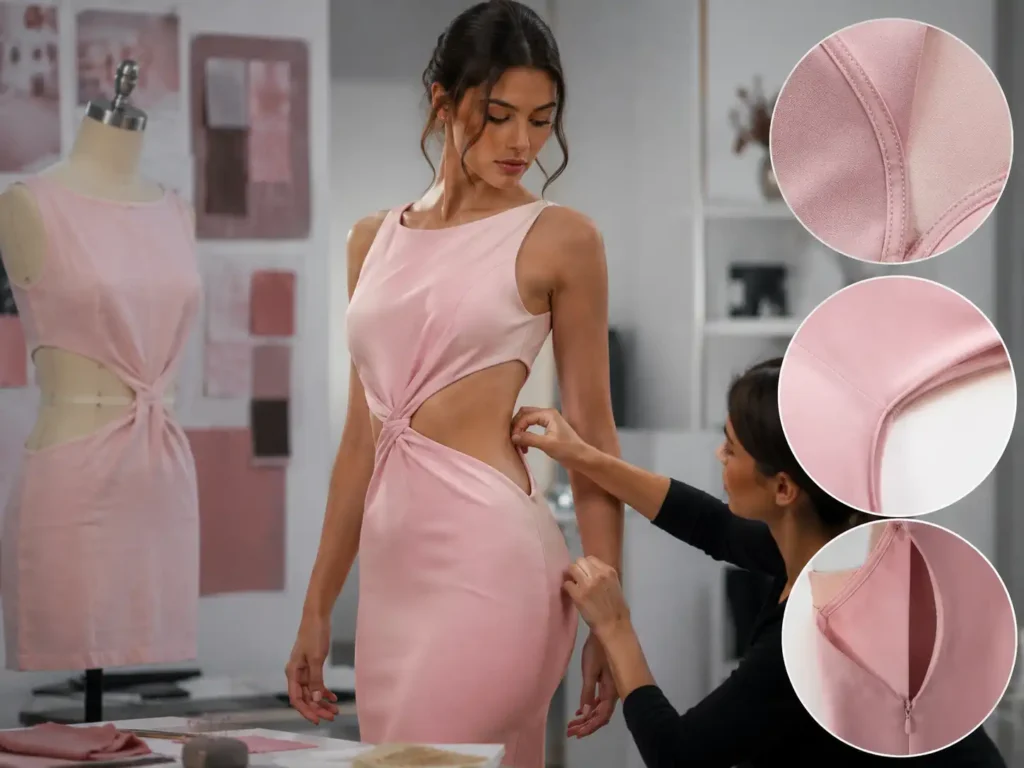
Cut-Out Stability
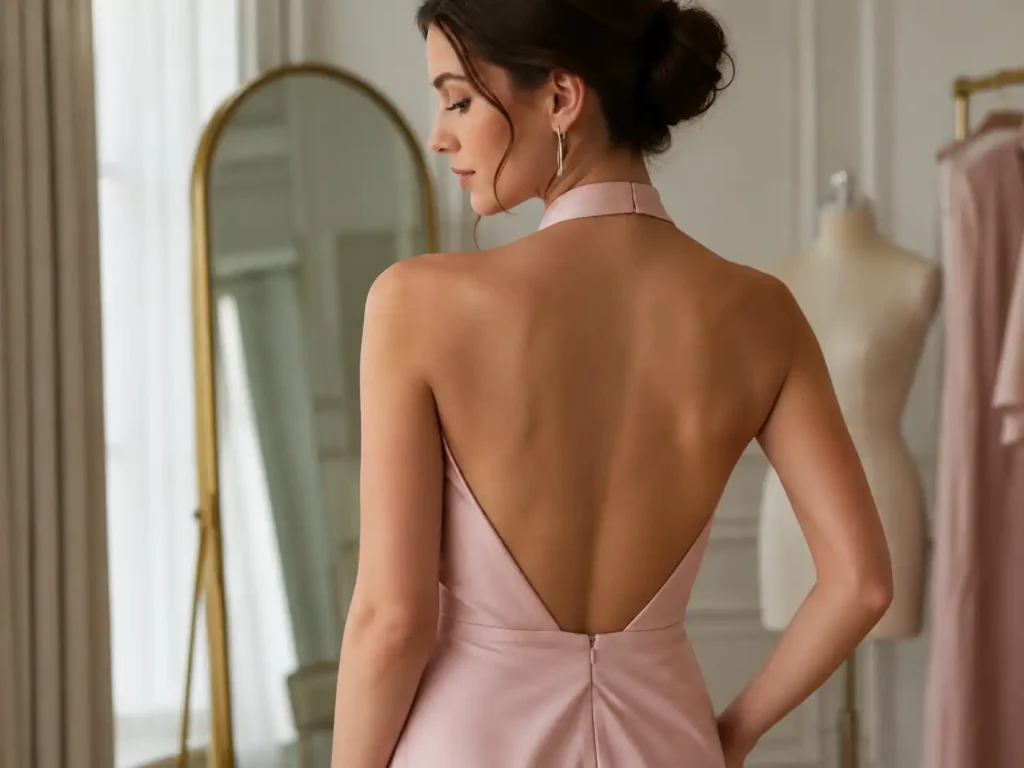
Backless and Halter
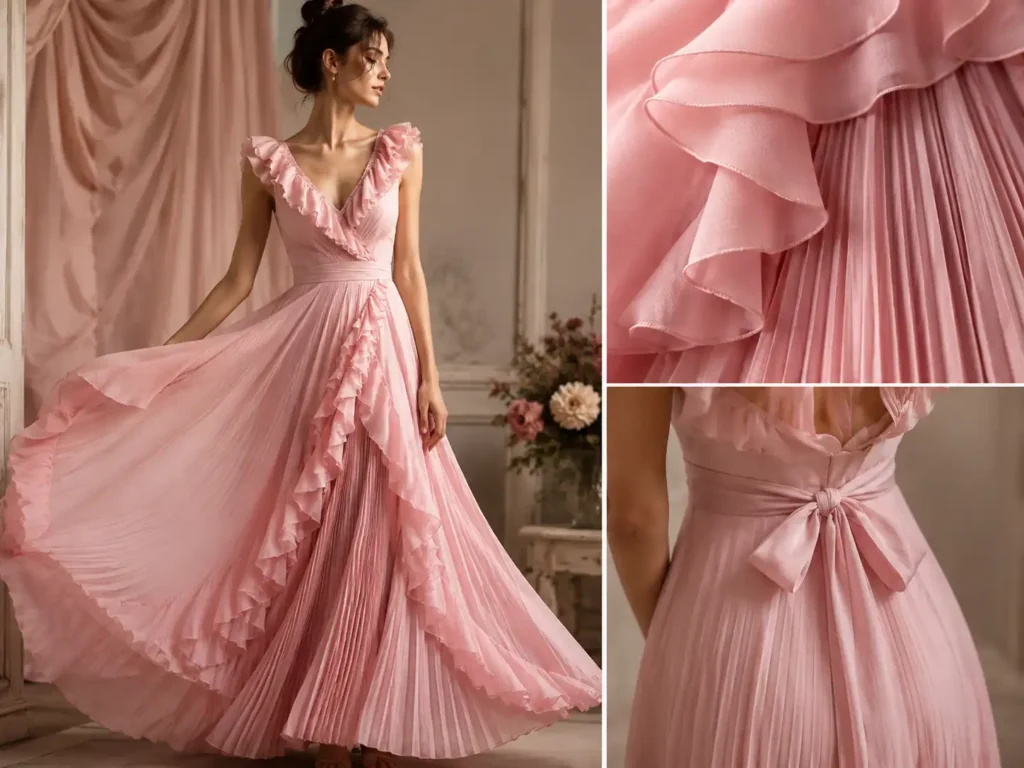
Ruffles and Pleats
Pink Color Approval from Reference to Bulk Fabric
Physical Standard
Fabric Swatch Review
Lab Dip Approval
Lighting Comparison
Lining and Trim Match
Bulk Color Records
Sample Development Before Pink Dress Bulk Approval
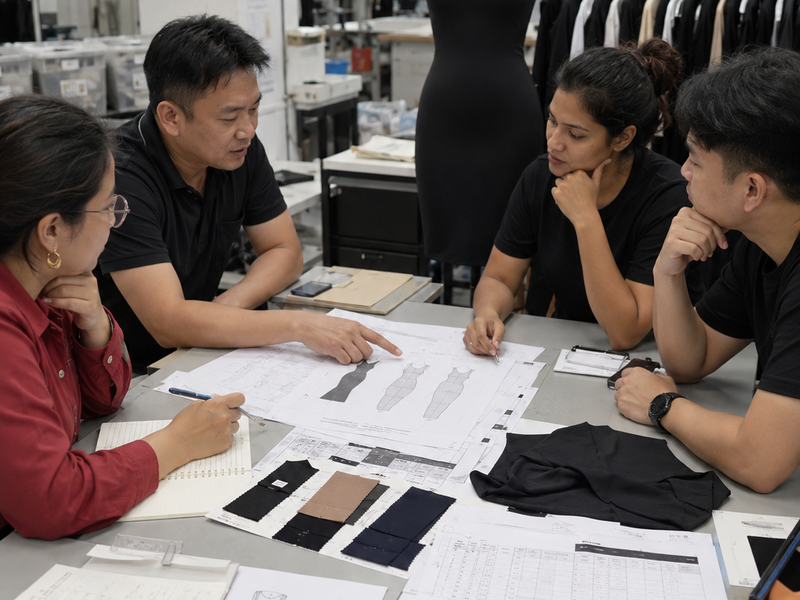
Project Review

Fabric Direction

Pattern Development

First and Fit Sample

Revision Record

PP and Golden Sample
Multi-Style Pink Collection Management Without SKU Confusion
Style Grouping
Fabric Grouping
Color Matrix
Sample Priority
BOM and Versions
Delivery Phases
MOQ, Size and Color Planning for Pink Collections
200 Pieces Per Style
Size Ratio Planning
Custom Pink Colors
Craftsmanship Controls Behind Clean Pink Dress Production

Directional Cutting

Controlled Seam Tension
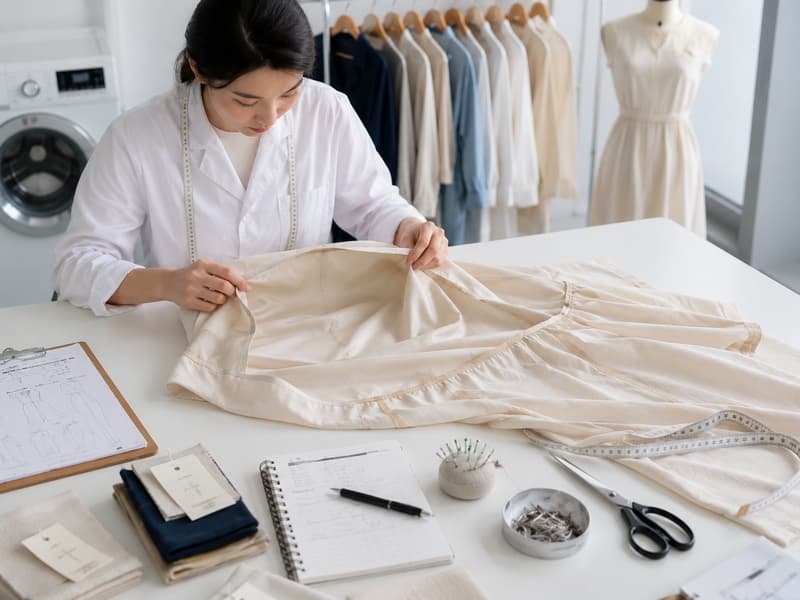
Lining Construction
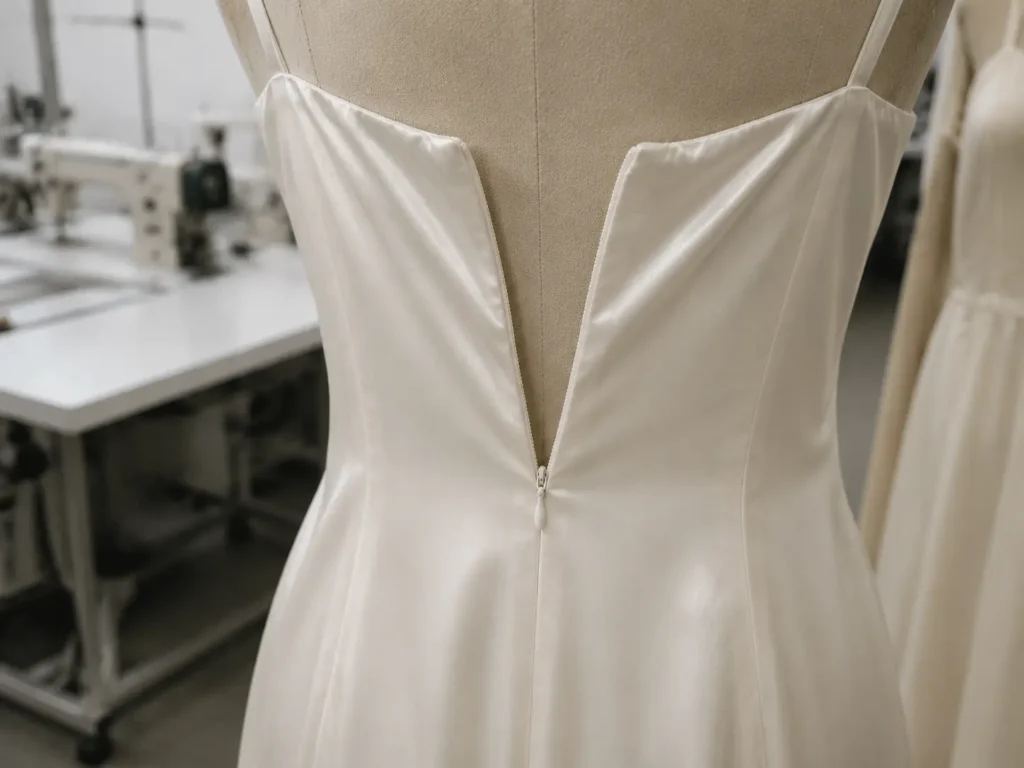
Zipper and Closure
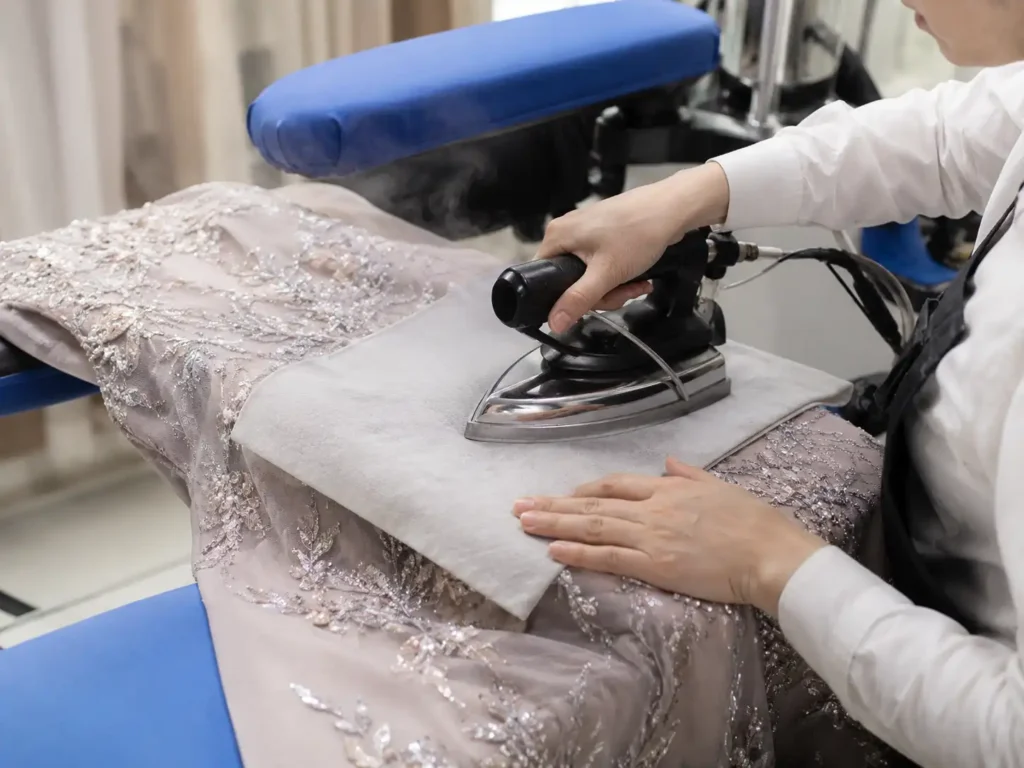
Pressing and Surface Care

Decorative Finishing
Sample-to-Bulk Consistency for Pink Dress Orders
PP Sample Standard
BOM and Trim Card
Fabric Batch Control
Inline Inspection
Measurement Review
Final Packing Match
Quality Control Points for Pink Dresses Before Shipment

Incoming Materials
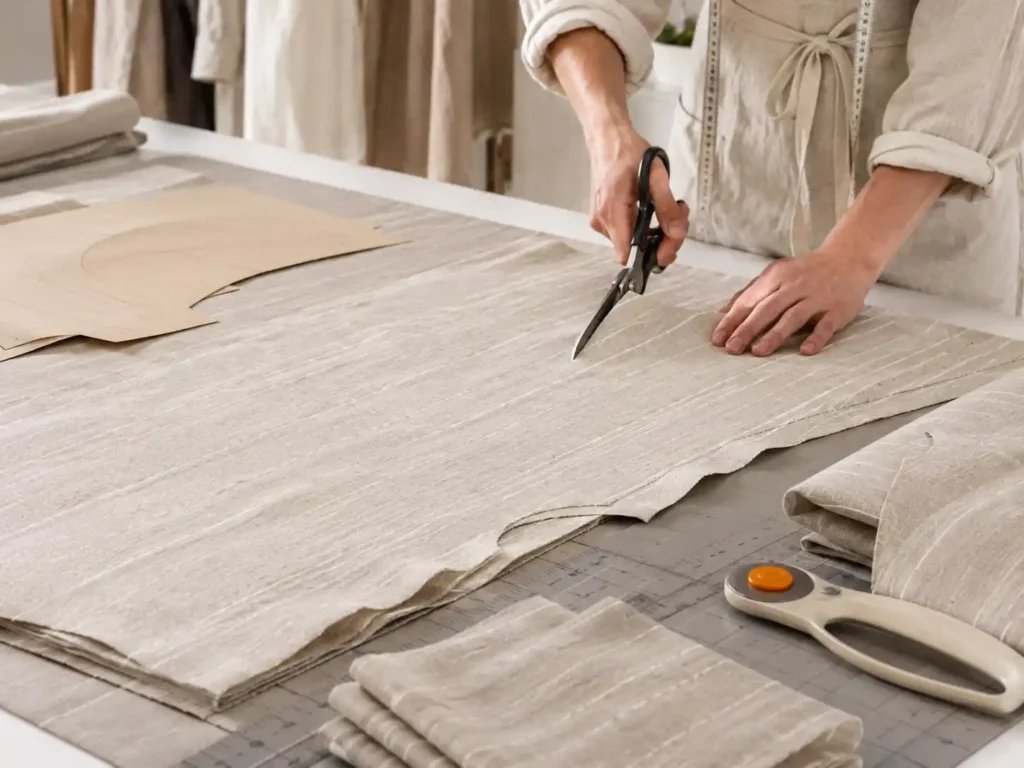
Cutting Accuracy
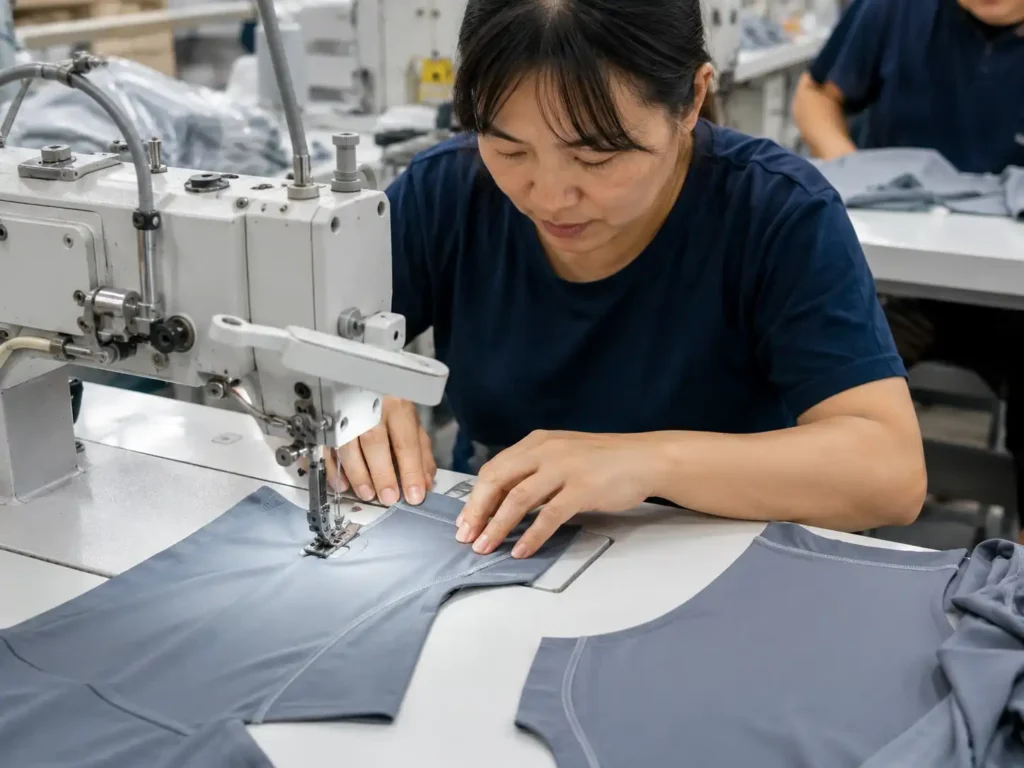
Sewing Quality

Measurement Control

Color Consistency

Surface Protection

Private Label Check
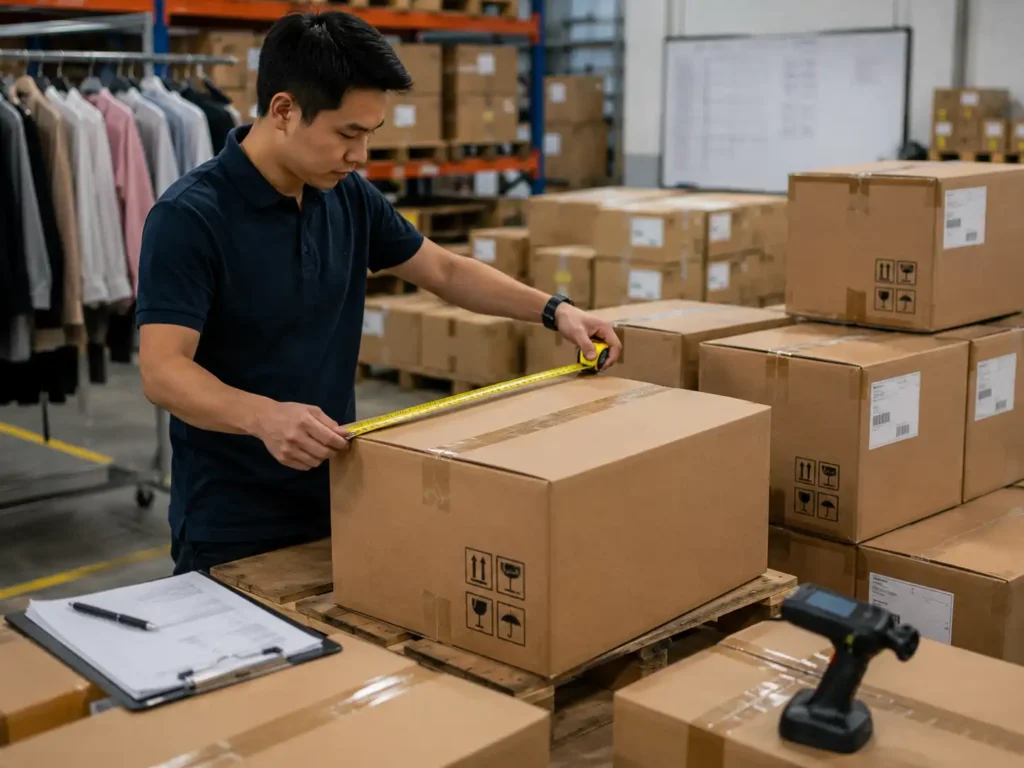
Carton Verification
Private Label Packing for Retail-Ready Pink Dresses
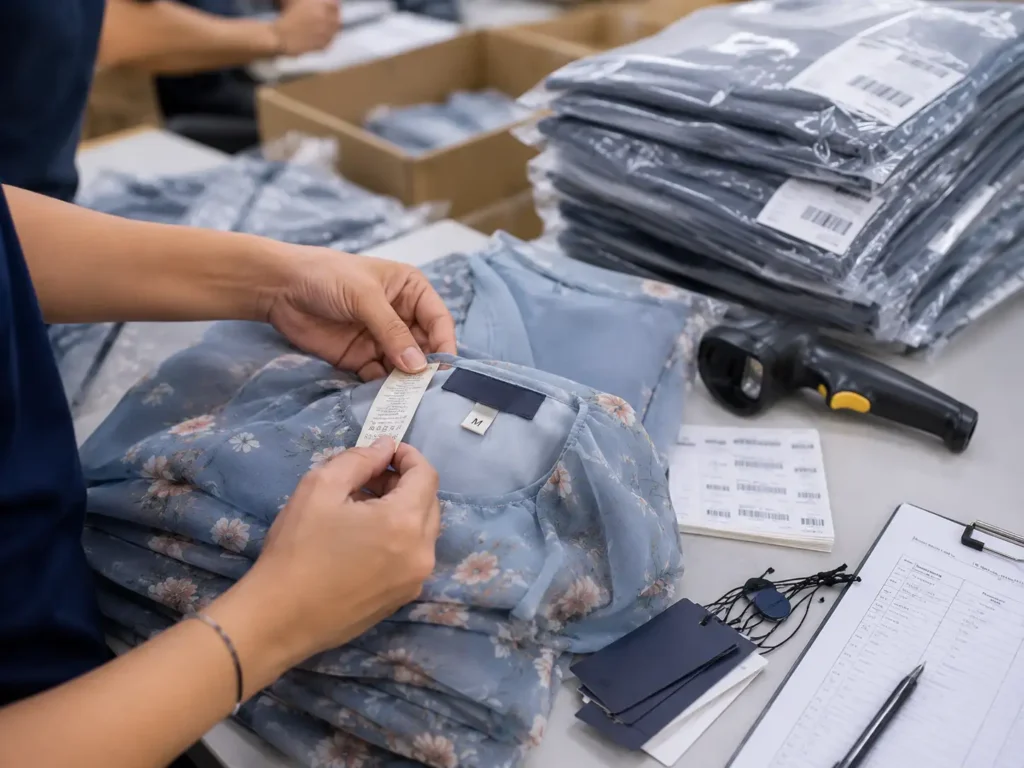
Brand Labels
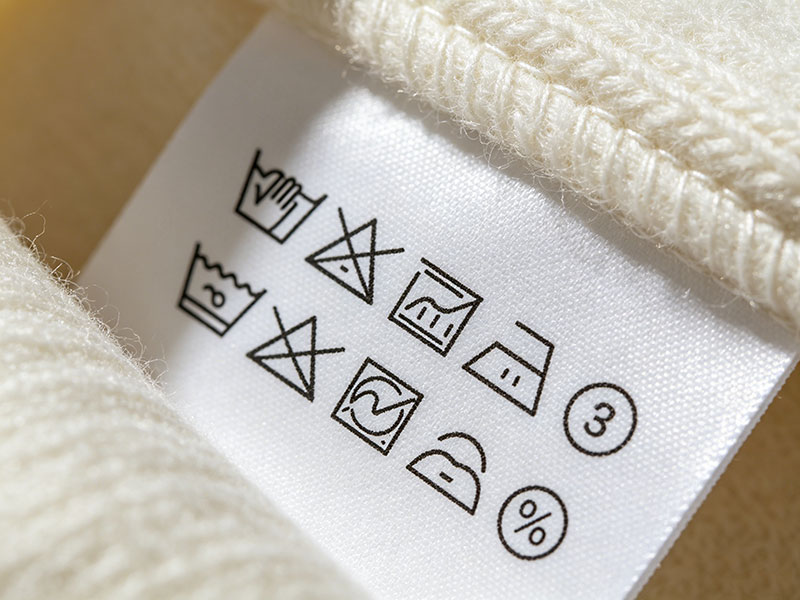
Care and Size Labels
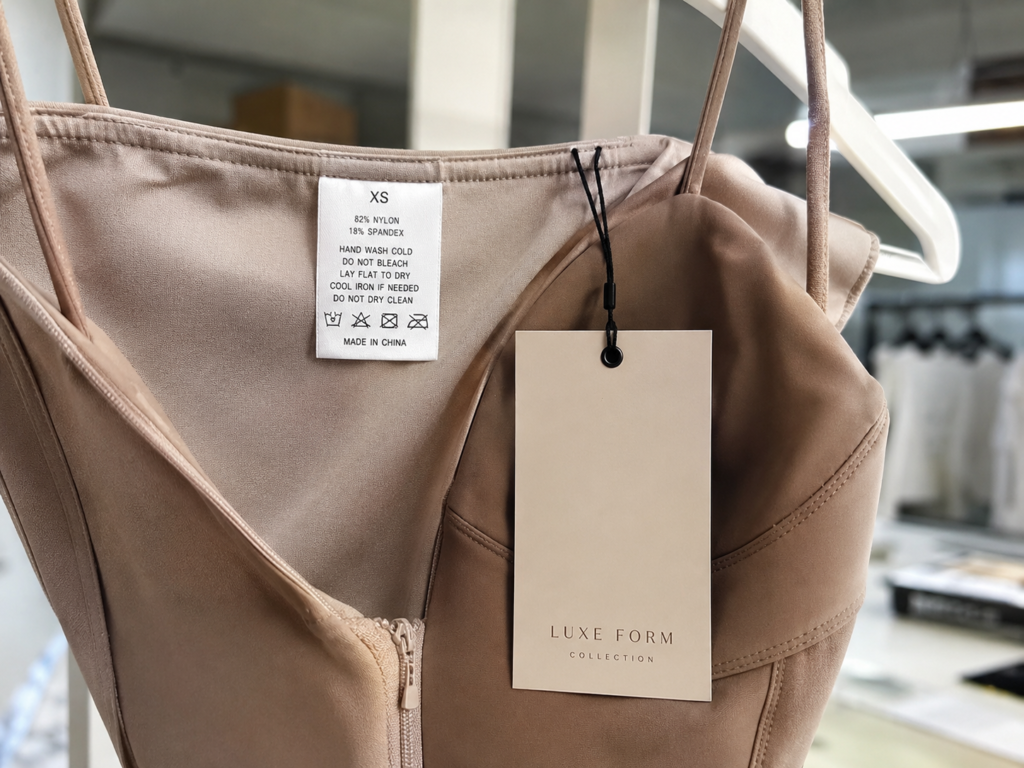
Hangtags and Strings
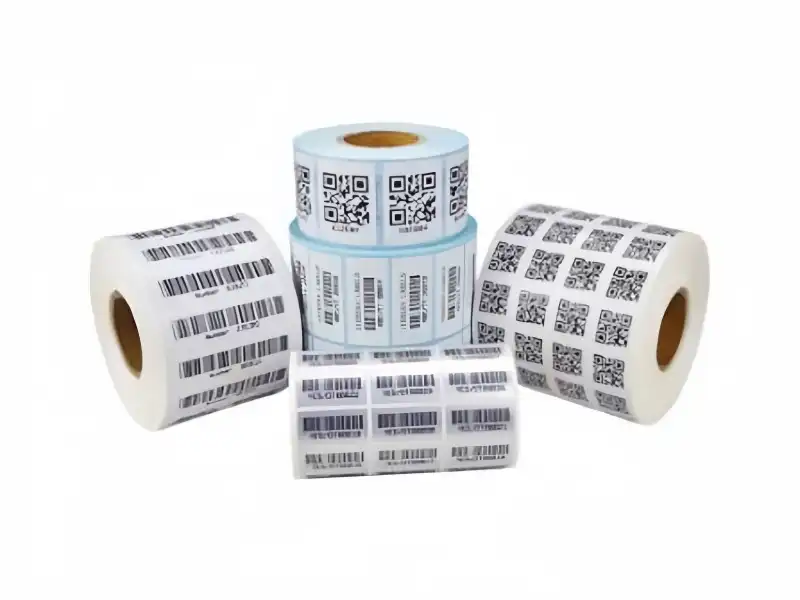
Barcode and SKU

Individual Polybags
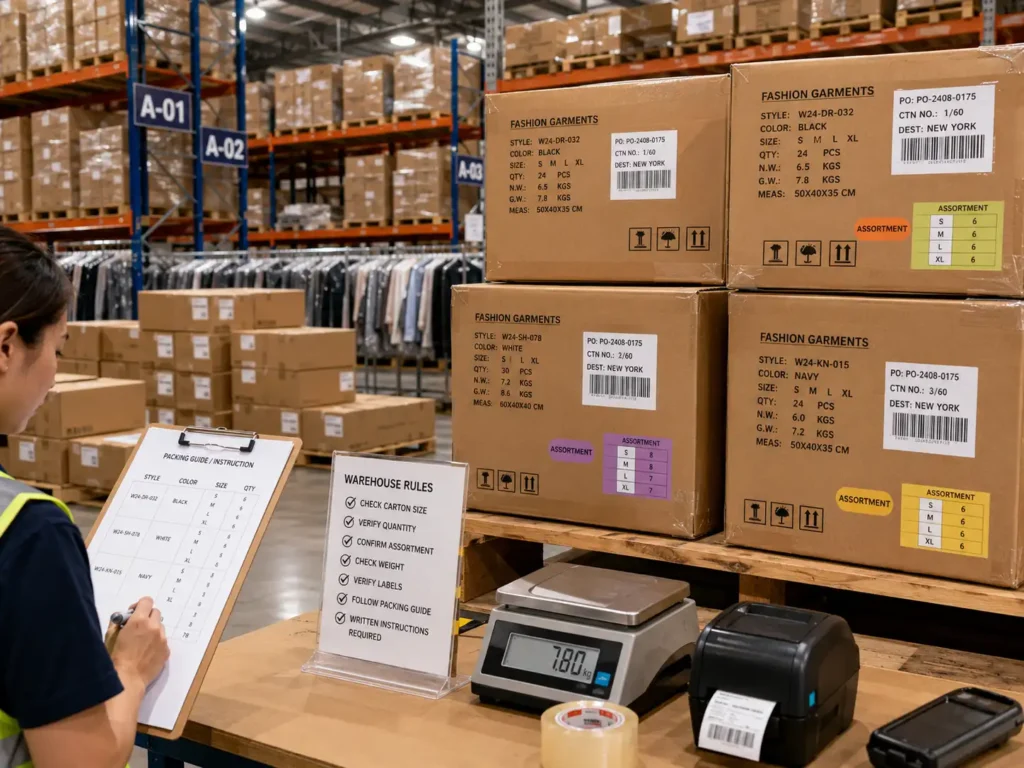
Carton and Delivery Marks
Production Support for Large Multi-Style Dress Orders
Factory Allocation
Monthly Capacity
Merchandising Control
Phased Delivery
Repeat-Order Records
Export Coordination
Pink Occasionwear Collection Case
Case 1: Pink Occasionwear and Wedding Collection
Project Scope
A premium occasionwear brand developed a pink dress collection for wedding guest, graduation, cocktail and formal event markets.
- Collection size: 20 dress styles
- Product categories: blush pink dresses, dusty rose chiffon dresses, satin midi dresses, lace dresses and corset occasion styles
- Materials: satin, chiffon, lace, crepe, mesh and structured lining
- Construction details: fitted bodices, elegant necklines, flowing skirts and refined occasion silhouettes
- Requirement: romantic appearance with stable color and premium finishing
Development Challenges
Pink occasionwear requires precise control because different fabrics can change the perceived shade.
Key challenges included:
- Matching pink tones across satin, chiffon and lace
- Controlling warm and cool undertones
- Preventing lining color from changing the final appearance
- Maintaining elegant drape and hem balance
- Protecting pressing quality on delicate fabrics
Manufacturing Approach
The development team created a complete pink color and construction control process.
Key controls included:
- Physical pink shade approval
- Fabric-specific color evaluation
- Shell and lining matching
- Bust, waist and hip fitting review
- PP sample approval before bulk production
Additional attention was given to:
- Lace placement
- Corset support
- Invisible zipper construction
- Chiffon transparency control
- Final presentation quality
Manufacturing Value
The collection achieved a refined pink occasionwear appearance by combining color management, fabric selection, pattern engineering and controlled finishing.
Case 2: Pink Partywear and Bodycon Collection
Project Scope
A fashion brand developed a pink partywear collection focused on fitted silhouettes and social-media-driven styles.
- Collection size: 16 dress styles
- Product categories: pink bodycon dresses, ruched dresses, satin mini dresses, mesh dresses and cut-out styles
- Materials: stretch jersey, stretch satin, power mesh, lace and lining fabrics
- Construction details: ruching, asymmetric cuts, transparent panels and fitted structures
- Requirement: strong visual impact with reliable comfort and repeat production
Development Challenges
The main challenge was balancing fashion impact with production stability.
Key risks included:
- Stretch recovery differences
- Transparency after body movement
- Uneven ruching
- Side seam twisting
- Size grading affecting silhouette
Manufacturing Approach
The project focused on stretch performance and body-fit engineering.
Key controls included:
- Testing fabric stretch and recovery
- Adjusting negative ease based on material behavior
- Reviewing bust-waist-hip balance
- Testing mesh coverage areas
- Standardizing ruching distribution
Production controls included:
- Seam stability inspection
- Neckline recovery checks
- Zipper flatness review
- Measurement control
- Final appearance inspection
Manufacturing Value
The collection maintained a strong partywear identity while achieving stable sizing, comfortable fitting and consistent bulk quality.
Case 3: Large Private Label Pink Dress Collection Program
Project Scope
An established fashion brand required a seasonal pink dress collection covering multiple fabrics, silhouettes and retail occasions.
- Collection size: 30 dress styles
- Production scale: 60,000+ pieces
- Product categories: pink mini dresses, midi dresses, maxi dresses, corset dresses, satin dresses and evening styles
- Materials: satin, chiffon, lace, mesh, jersey, ponte and sequin fabrics
- Requirement: consistent quality across multiple SKUs, colors and delivery batches
Development Challenges
The program required coordination across different pink shades and product structures.
Major challenges included:
- Managing multiple pink color directions
- Maintaining shade consistency across fabrics
- Controlling different lining requirements
- Keeping size grading consistent
- Coordinating private-label packaging
Manufacturing Approach
The collection was divided according to product structure and risk level.
Soft Pink Collection Group
Focused on:
- Baby pink and blush tones
- Chiffon and satin selection
- Transparency control
- Lining matching
Manufacturing Value
The program demonstrated that large pink dress collections require both manufacturing capacity and detailed control of color, fabric, fit, quality and retail delivery.
NDA and Brand Protection for Unreleased Pink Collections
Protected Design Files
Controlled Project Access
Confidential Brand Assets
Pink Dress Manufacturer Frequently Asked Questions
Yes. Pantone references, physical standards, lab dips or approved fabric swatches can guide color development. Final approval must consider fabric composition, surface shine, texture, lining and lighting. Custom dyeing may affect MOQ, cost and schedule.
MOQ starts from 200 pieces per style and color. Fabric availability, custom dyeing, lace, sequins, special trims, complex construction, packaging and production schedule can increase the required quantity.
Normally each style and each color must meet the MOQ. One hundred blush and one hundred fuchsia pieces do not normally form one standard color MOQ because each color requires separate fabric, cutting, SKU, packing and QC control.
Yes. Reference images, sketches, original garments, line sheets and tech packs can start a review. Construction, fabric, fit, trims, MOQ, sampling risk and production feasibility are assessed before formal development.
Yes. Sizes can be allocated inside the confirmed style/color quantity according to the approved size chart and size ratio. Grading, measurement tolerance, labels and carton breakdown must be confirmed before bulk production.
Satin, stretch satin, chiffon, lace, mesh, crepe, sequin fabric, jersey and ponte are common choices. The best option depends on silhouette, shade depth, opacity, support, drape, stretch, season and target price.
Color control can include physical standards, lab dips, approved swatches, batch records, dye-lot grouping, incoming inspection, lining and trim matching, bulk color approval and comparison under relevant lighting.
Yes. Options include brand labels, size labels, care labels, hangtags, barcode stickers, individual polybags, SKU labels and carton marks. Packaging materials may carry separate supplier MOQ.
Yes. Multi-style programs are managed through style groups, fabric groups, color matrices, sample priorities, BOMs, version records, production orders, QC checklists, packing instructions and phased shipment plans.
Yes. NDA-based cooperation can be arranged before detailed tech packs, patterns, samples, label artwork, packaging files or unpublished launch information are reviewed.

Start Your Pink Dress Manufacturing Project
Send the available project information to Kelly for an initial review. A complete tech pack is helpful, although a clear line sheet, reference image, original sample photo or preliminary quantity plan can also support an early feasibility discussion.
The review covers dress category, fabric direction, pink shade method, construction complexity, MOQ fit, sample requirements, private-label needs and production risks. More complete information produces a more useful quotation and development plan. Final pricing is confirmed after fabric, trims, construction, quantities, size ratio, packaging and delivery terms are aligned.
Project files can be handled under NDA and are used only for the approved development and production process.
- Reference image, tech pack, sketch, line sheet or original sample photos
- Quantity per style and color, including expected repeat-order or seasonal volume
- Preferred pink direction, Pantone reference, physical standard or approved swatch
- Fabric preference, lining requirement, trims and special construction details
- Size chart, size range and planned size ratio
- Brand labels, care labels, hangtags, barcodes, polybags and carton instructions
- Target sample, photography, warehouse and launch dates
- Destination country, delivery terms and forwarder information when available