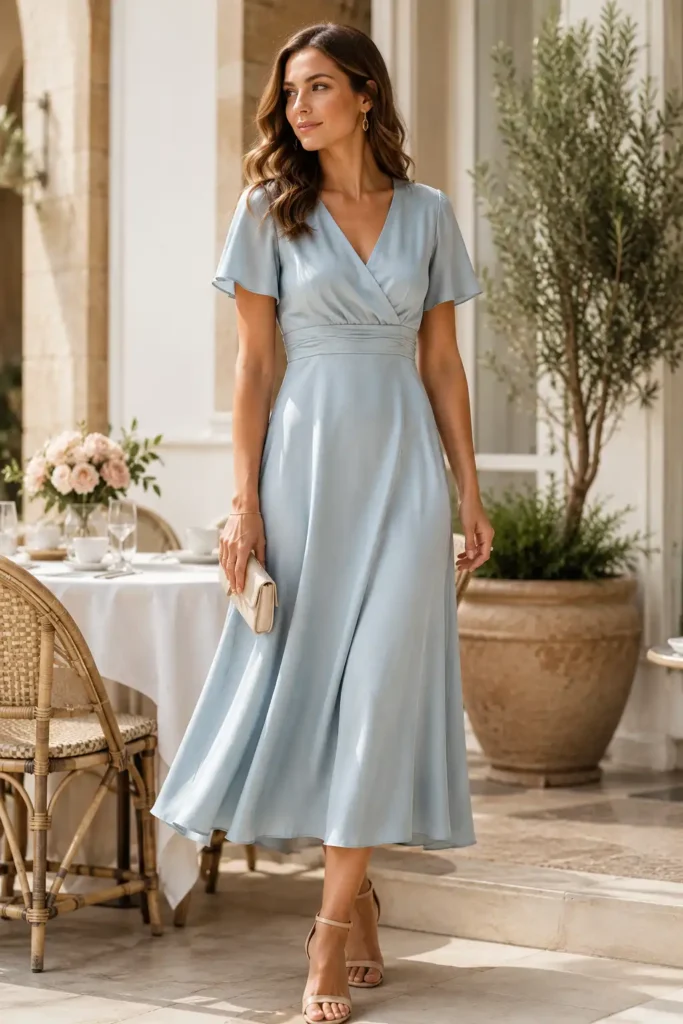
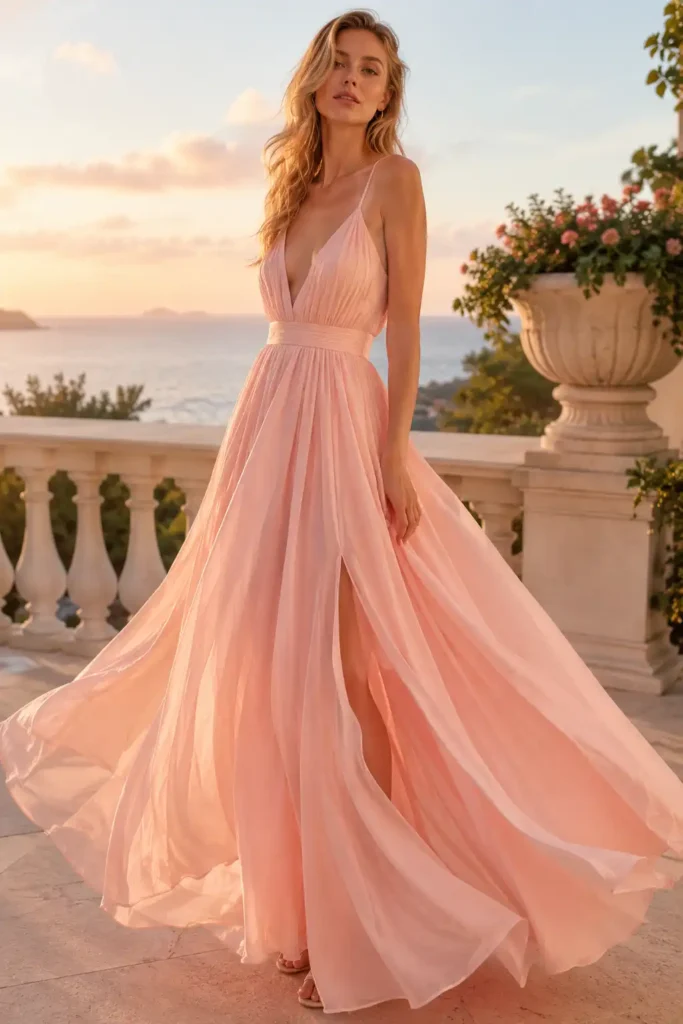
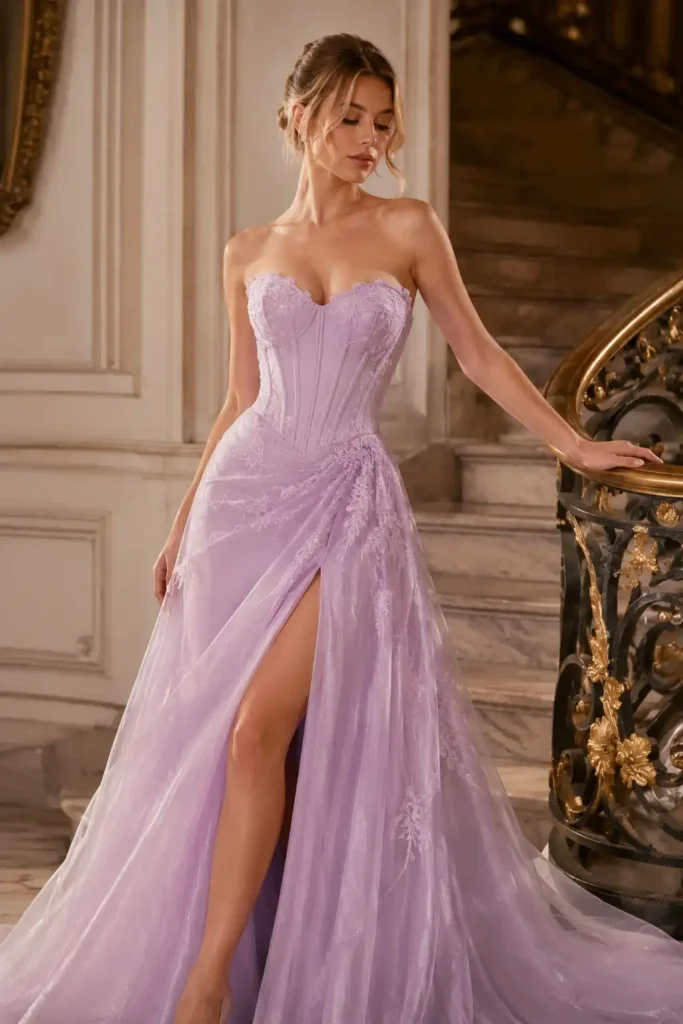
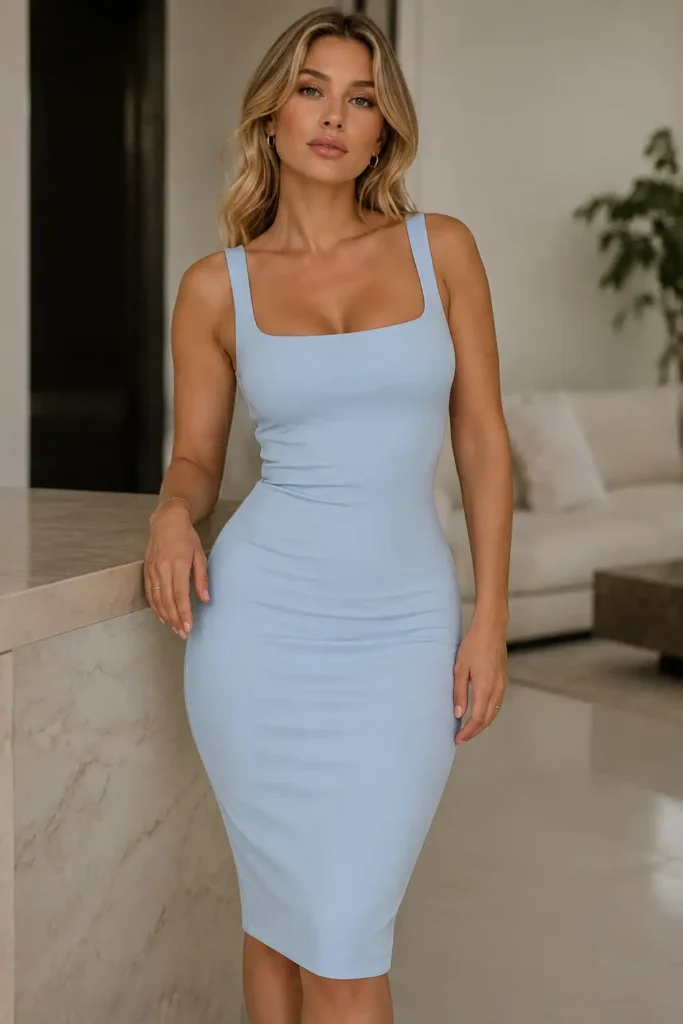
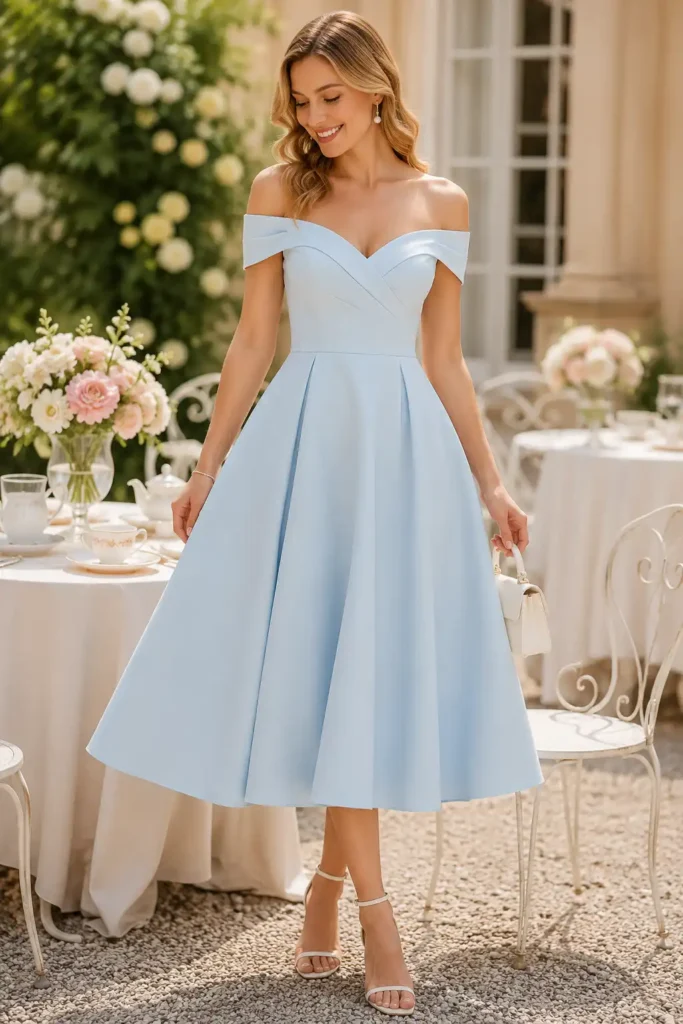
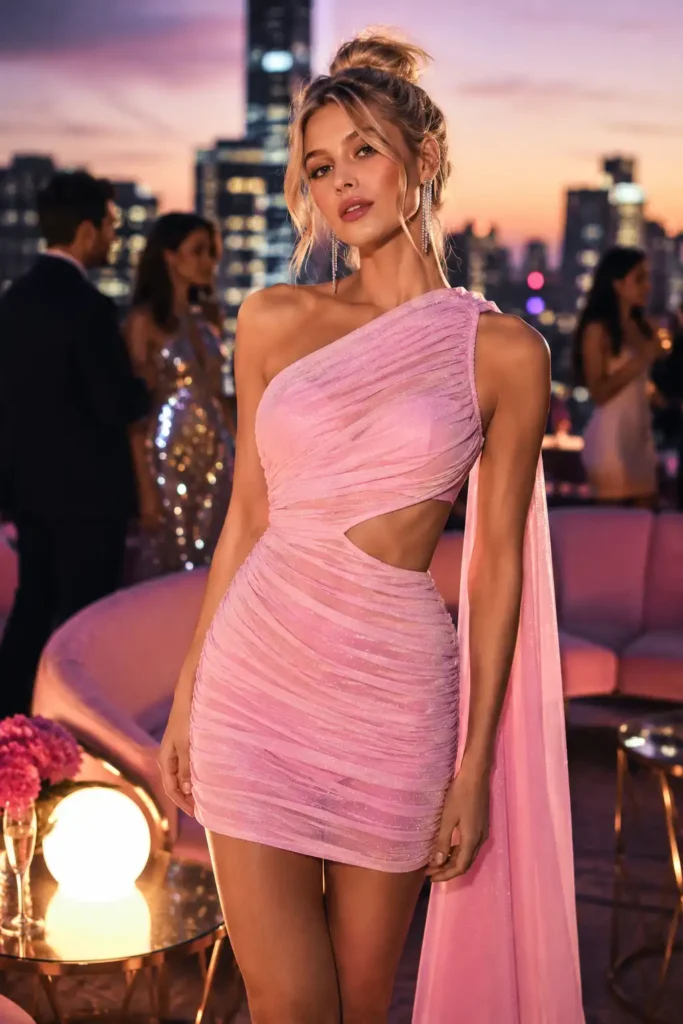
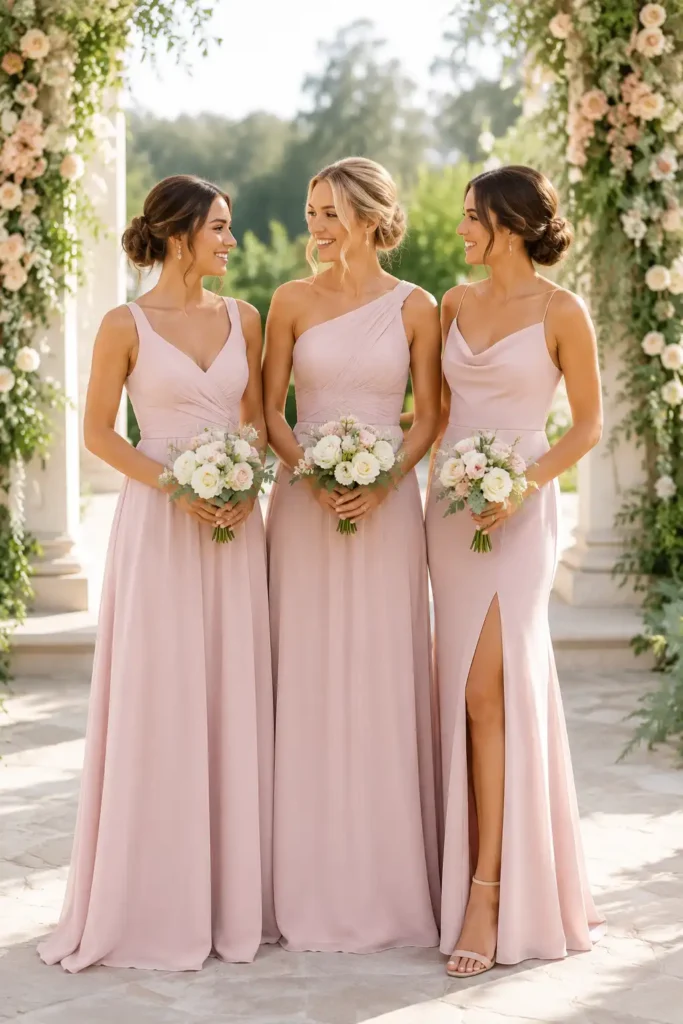
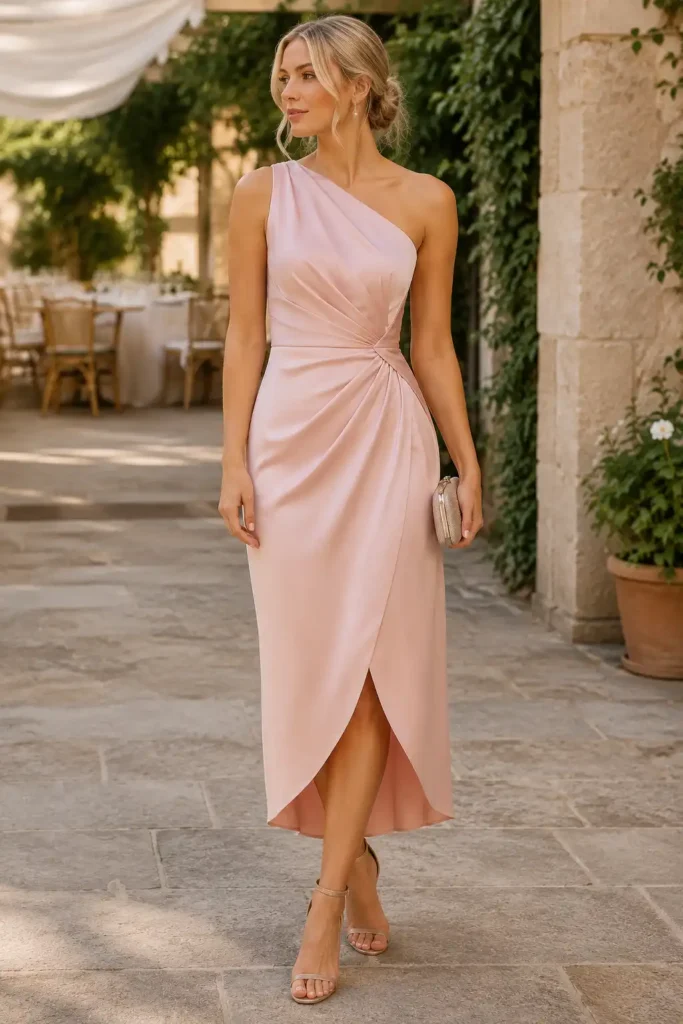
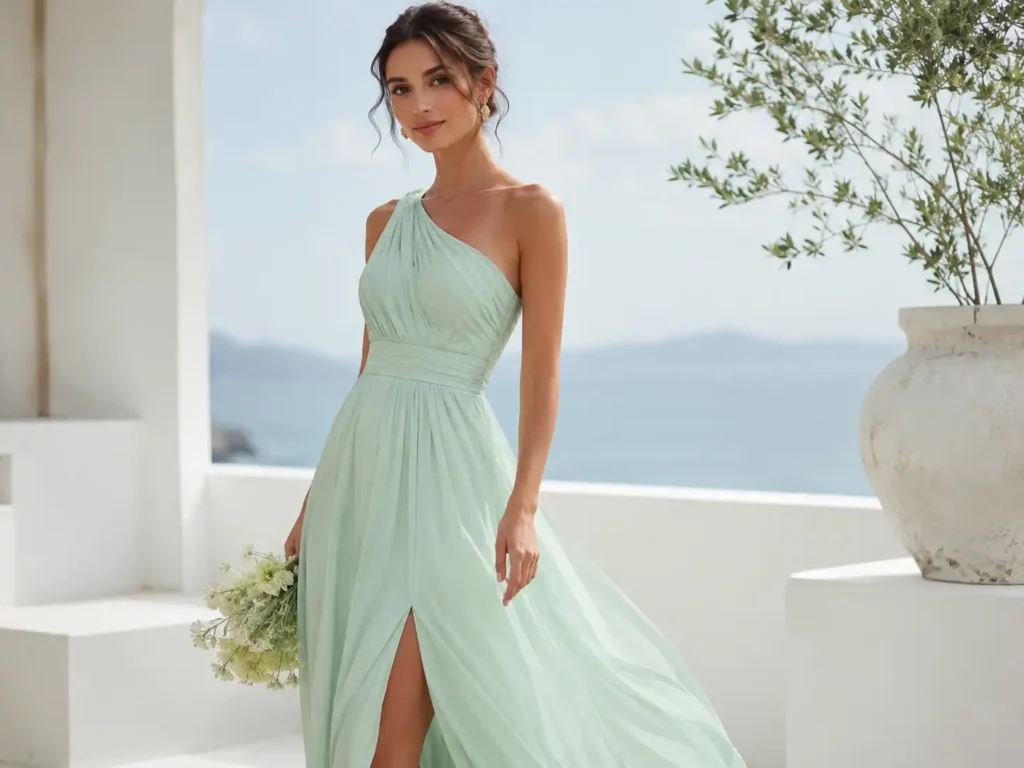
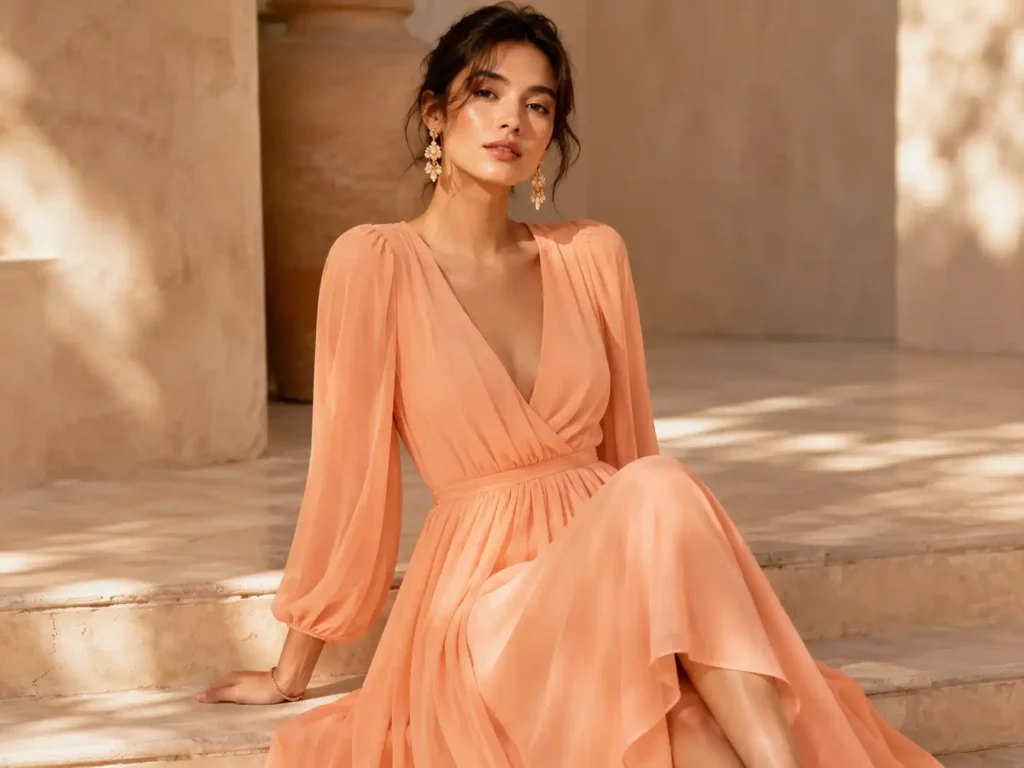
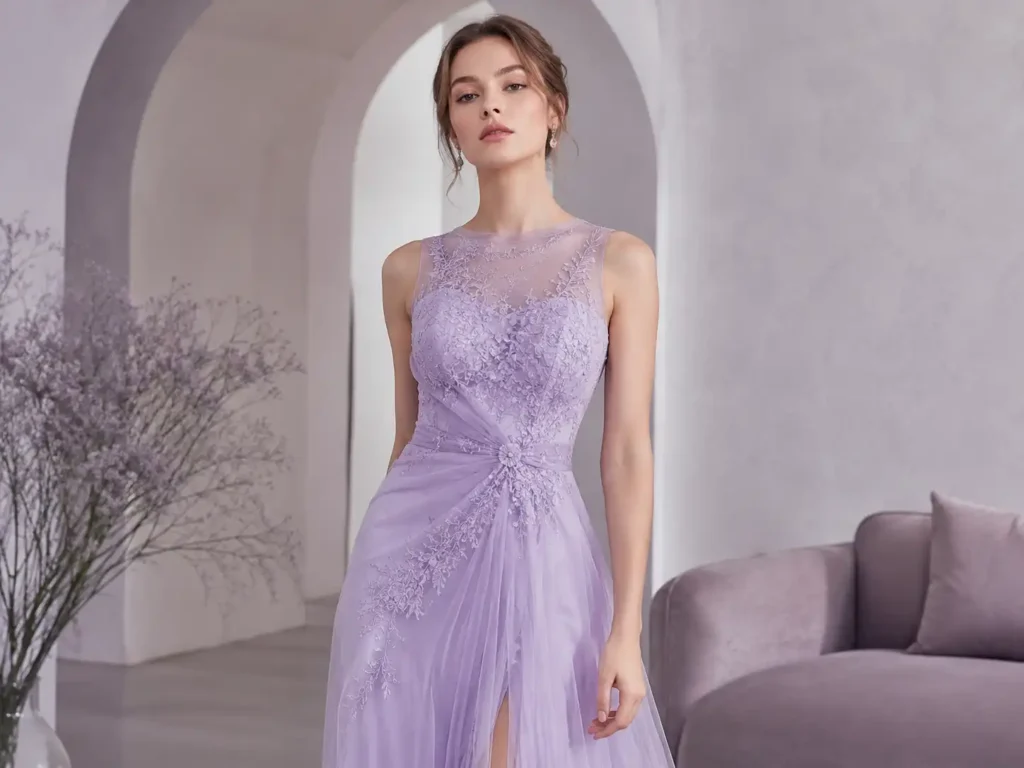
Pastel Dress Manufacturer

Custom soft-color dress development for fashion brands building coordinated seasonal, occasionwear, resort and event-led collections.

  • Pastel color programs can cover blush pink, lavender, baby blue, mint, butter yellow, peach, champagne and brand-specific shades.
  • Development support spans mini, midi and maxi dresses in satin, chiffon, crepe, mesh, lace, jersey and selected woven fabrics.
  • Ordinary dress first samples are usually planned in 10-15 days; complex corset, lace, mesh and structured styles are normally reviewed on a 15-25 day basis.
  • Production planning starts from 200 pcs per style/color, with custom-dyed shades, special fabrics and exclusive trims assessed separately.
  • Pastel-specific controls cover lab dips, opacity, lining color, dye-lot separation, stain prevention, trim matching and bulk shade approval.

Manufacturing Scale Behind Pastel Dress Programs

Soft-color collections require more than attractive samples. Development capacity, pattern control, project coordination and production inspection must remain stable across many styles, shades, sizes and delivery batches.

Since 2008

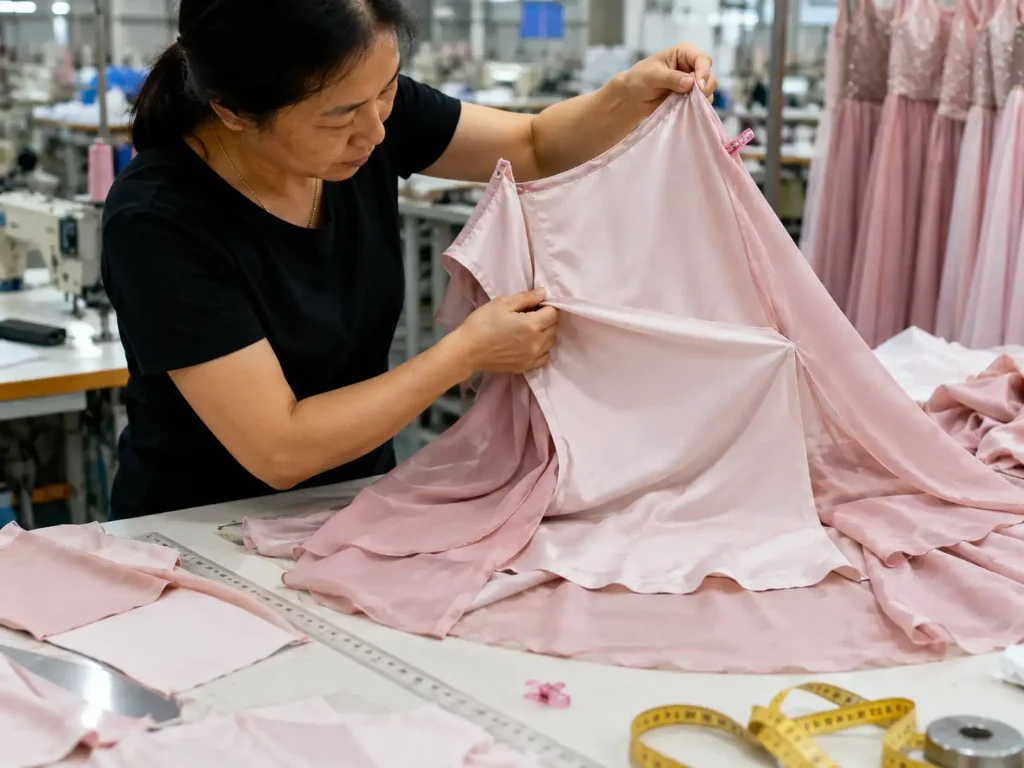
Long-term womenswear manufacturing experience supports dress development from reference images, sketches, original samples and tech packs through production-ready standards. The team understands how fabric, fit, construction, color and packing decisions interact across seasonal fashion programs.

6 Owned Factories

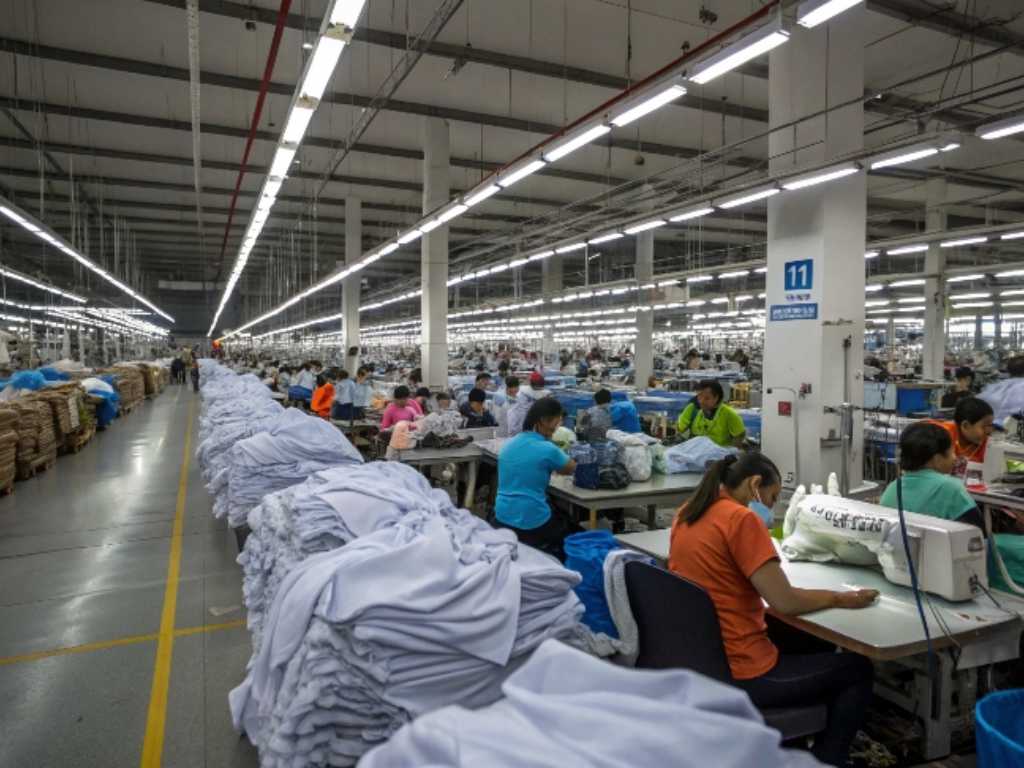
Six owned women’s fashion factories support woven, stretch, occasionwear and trend-led dress production. Styles are allocated according to silhouette, fabric behavior, construction complexity, quality requirements and launch schedule rather than placed on one undifferentiated production line.

10+ Production Partners

More than ten long-term satellite production partners add controlled capacity for multi-style launches, replenishment and seasonal peaks. Partner allocation follows product suitability, available production windows and project standards established through approved samples and manufacturing files.

100,000+ Monthly Capacity

Regular coordinated womenswear capacity exceeds 100,000 pieces per month, depending on style mix, material availability and construction difficulty. Capacity planning is designed for fashion programs involving multiple silhouettes, colors, size ratios and phased shipment requirements.

2 Sample Rooms

Two sample rooms work with pattern makers, sample machinists, fabric sourcing and merchandising teams. The structure allows first samples, revised samples, photo-ready samples and PP samples to move through separate priorities without treating every sample as the same development task.

15+ QC Inspectors

A quality team of more than fifteen inspectors covers incoming materials, cutting, in-line sewing, finished garments and packing. Pastel programs receive additional attention on shade consistency, transparency, surface marks, lining coverage and light-color handling.

Built for Fashion Brands with Seasonal Color Direction

Jinfeng Apparel works best with established product teams that need coordinated styles, commercial quantities, documented approvals and a repeatable path from color concept to branded delivery. The production model is not designed for ready-stock purchasing, one-piece fulfillment or orders built only around the lowest possible unit price. Strongest results come from clear product direction, sampling approval and real bulk plans.

Occasionwear Labels

Suitable for labels developing wedding guest, cocktail, graduation, homecoming and event dresses where blush, lavender, powder blue and champagne shades must remain consistent across satin, chiffon, lace and mesh. Color, lining, fit and finish are reviewed together rather than as separate purchasing decisions.

Fast Fashion Programs

Suitable for brands running frequent drops and multi-style assortments. Merchandising teams can organize style lists, sample priorities, fabric groups, colorways, size ratios and launch windows so development work is directed toward styles most likely to enter bulk production.

Premium Ecommerce

Suitable for online brands that depend on photo-ready samples, accurate color presentation, clean garment finishing and consistent size grading. Special attention can be given to camera-facing sheen, lining visibility, garment pressing, single-piece packing and SKU-level identification.

Retail Collections

Suitable for retail programs requiring labels, hangtags, barcodes, size stickers, carton marks, PO references and receiving instructions. Pastel assortments can be packed by style, color and size to reduce warehouse confusion and preserve shade grouping during distribution.

Why Pastel Dress Production Needs Tighter Control

Light shades expose problems that darker garments can hide. Small differences in fabric, lining, handling and finishing can change the visual result of an entire collection.

Shade Drift

A soft pink can move toward peach, grey or mauve when the fabric base, dye lot, surface shine or lighting changes. Bulk approval must compare the approved standard with actual production fabric, not rely on digital screens or a color name alone.

Visible Transparency

Chiffon, thin satin, mesh, lace and light crepe may appear acceptable on a hanger but become transparent under daylight, studio lighting or movement. Lining coverage, seam placement and garment construction need wearability review before bulk cutting.

Surface Marks

Dust, oil, needle marks, water spots, pressing shine and handling stains are more visible on pastel fabrics. Clean work areas, protected garment movement, controlled pressing and final appearance checks reduce defects that can lower retail acceptance.

Trim Mismatch

A zipper, thread, bra cup, elastic, lace edge or lining that is slightly darker or warmer can break the color story. Matching decisions need approval records so replacement materials do not quietly change the finished appearance.

Fabric Color Behavior

The same dye direction looks different on matte crepe, glossy satin, translucent chiffon and textured lace. Pastel development must consider light reflection, fabric depth, layering and the final silhouette instead of choosing colors from a flat chart only.

Repeat-Order Variation

A successful color may be reordered months later when the original dye lot is unavailable. Retained swatches, Pantone references, bulk color records and lining details make a new approval faster, while still recognizing that repeat shades require fresh comparison.

Pastel Dress Styles for Complete Fashion Collections
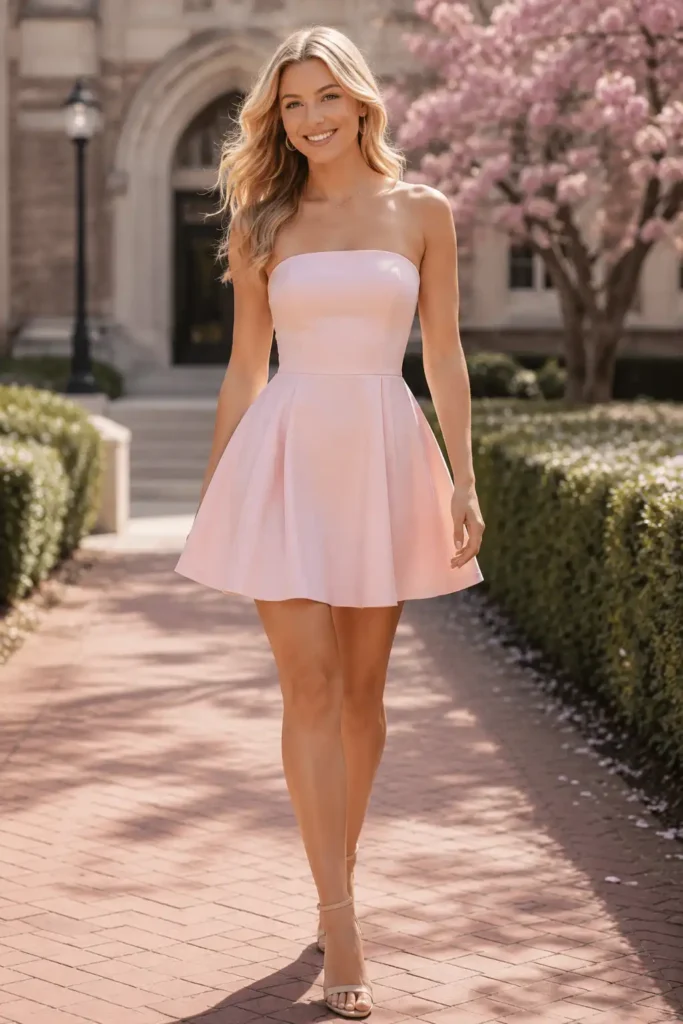
A pastel program can move across commercial silhouettes and selling occasions without losing its color identity. Each style requires its own fabric, fit, lining and construction decisions.

Pastel Mini Dresses

Mini dresses work well for graduation, homecoming, birthdays, parties and warm-season drops. Production control focuses on safe finished length, hem balance, lining coverage, zipper flatness and movement. Corset minis, A-line minis, ruched bodycon minis and soft chiffon minis can share one color story while using different internal structures.

Pastel Midi Dresses

Midi dresses support wedding guest, cocktail, brunch and occasionwear assortments. Satin bias cuts require grain and seam control; structured crepe styles need clean waist shaping; lace and chiffon designs need lining and transparency planning. Proportion is reviewed around waist position, skirt sweep, slit height and the intended shoe profile.

Pastel Maxi Dresses

Maxi dresses suit resort, evening, bridesmaid and seasonal event collections. Longer panels increase fabric consumption and expose shade variation, print direction and hem imbalance. Development includes body length, sweep, train or slit decisions, lining length, packing method and crease management for long-distance delivery.

Pastel Slip Dresses

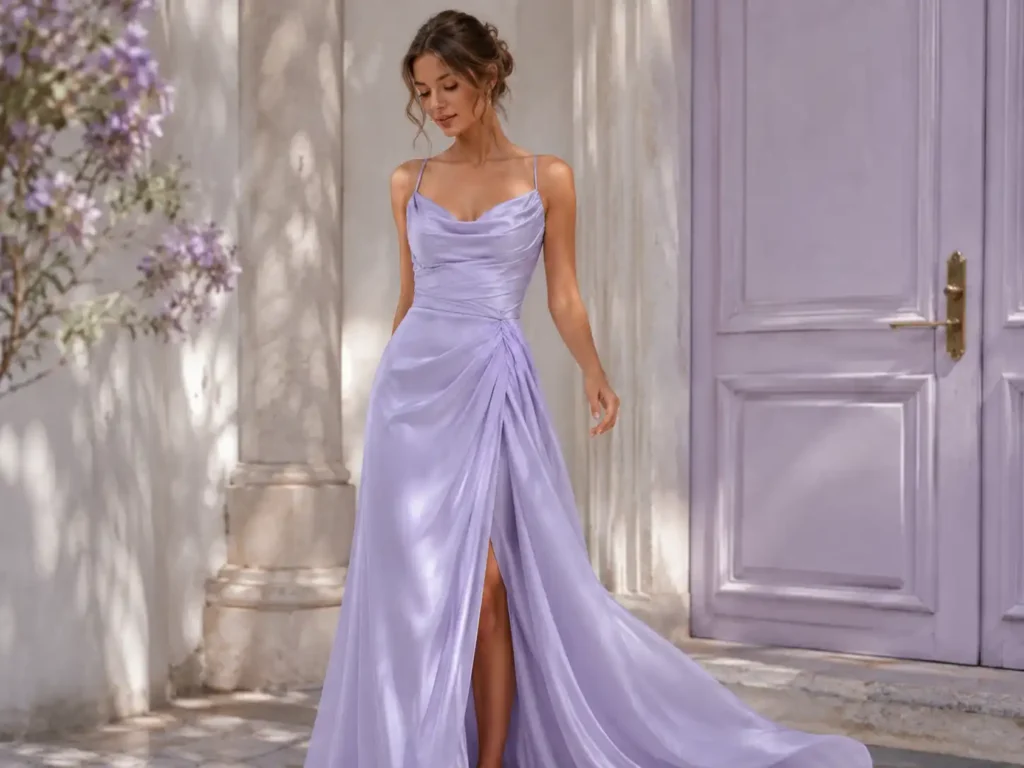
Slip dresses depend on controlled drape, bias behavior, neckline stability and strap placement. Pale satin can show seam ridges, puckering and lining edges, so seam construction and pressing need early testing. Adjustable straps, cowl necklines, back depth and body skimming are balanced for a clean retail appearance.

Pastel Corset Dresses

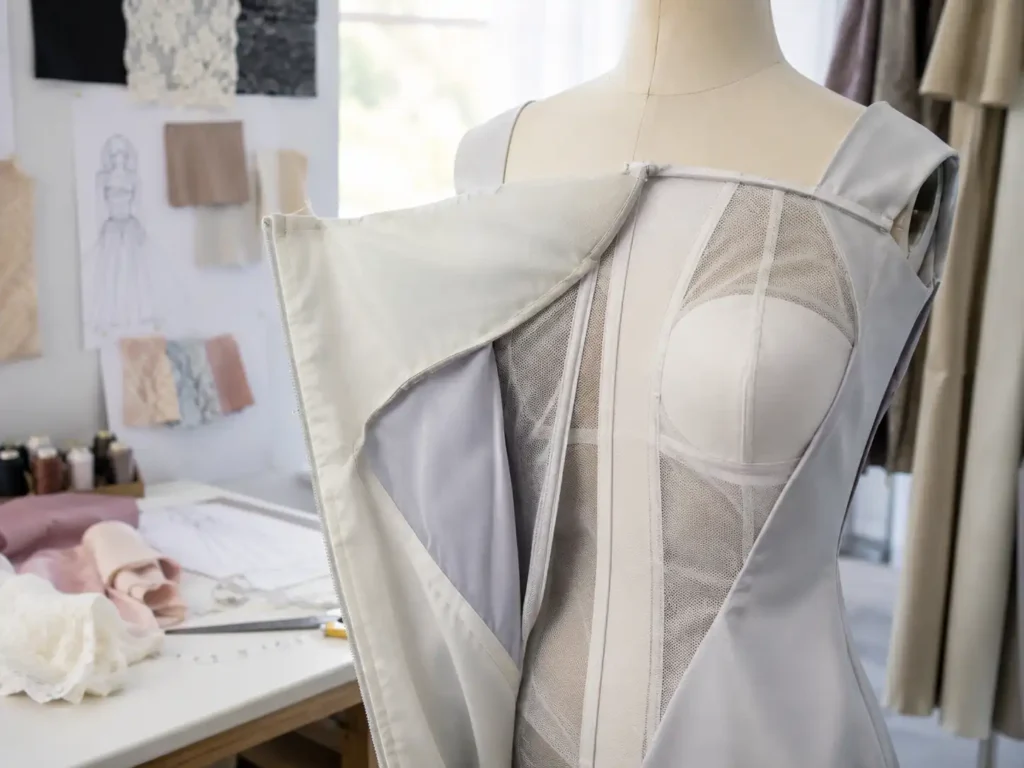
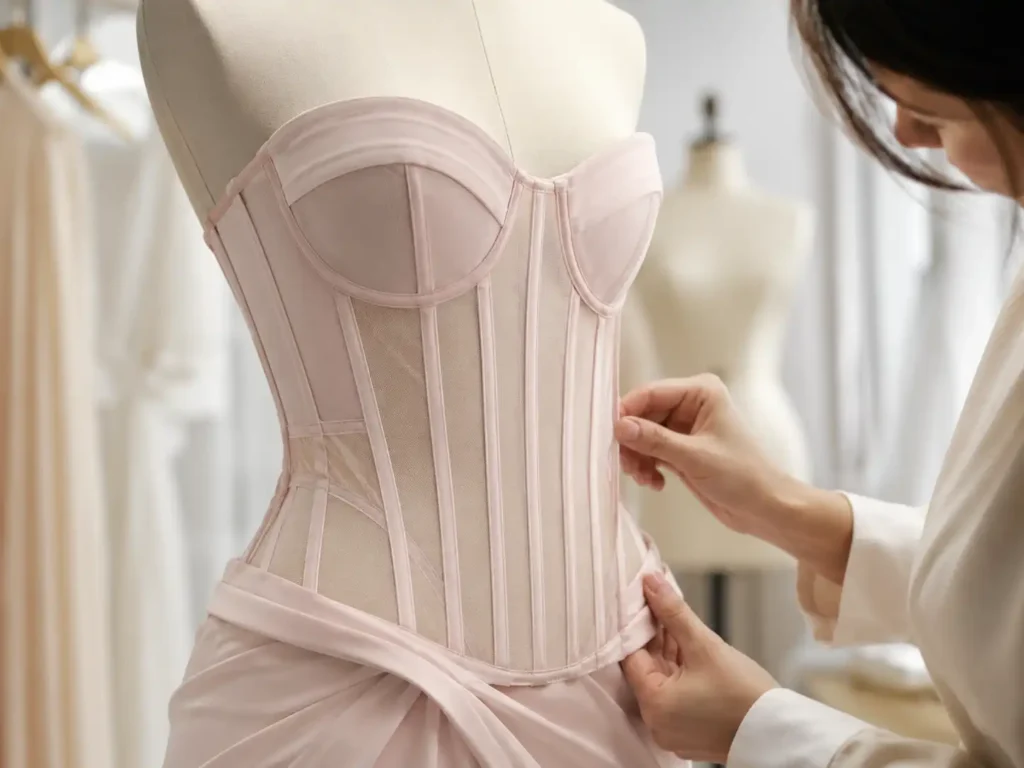
Corset dresses can combine soft color with defined structure for party, graduation and occasionwear lines. Pattern work covers bust height, cup shape, boning position, waist reduction and neckline security. Light colors also require bra cup, lining and boning channels that do not cast visible shadows through the outer fabric.

Pastel Bodycon Dresses

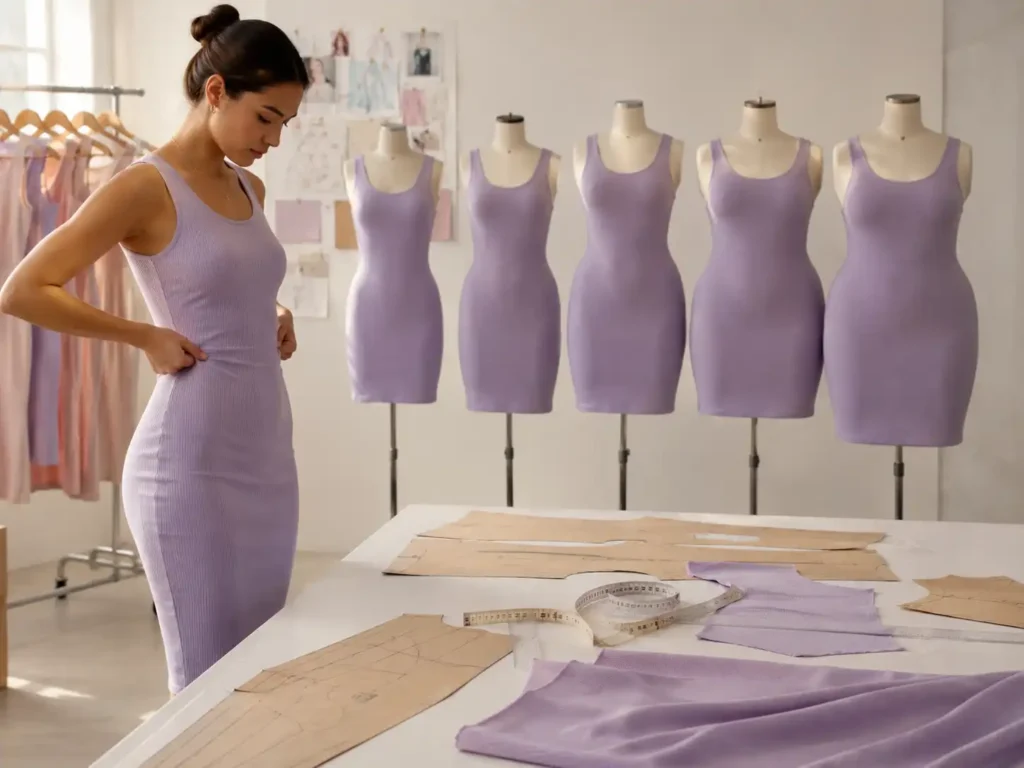
Bodycon styles need stretch recovery, lining compatibility and reliable bust-waist-hip grading. Pale jersey, ponte and mesh can reveal tension marks or uneven opacity when stretched. Fabric percentage, recovery, seam type and garment measurements are reviewed together to avoid transparent or distorted bulk garments.

Pastel A-Line Dresses

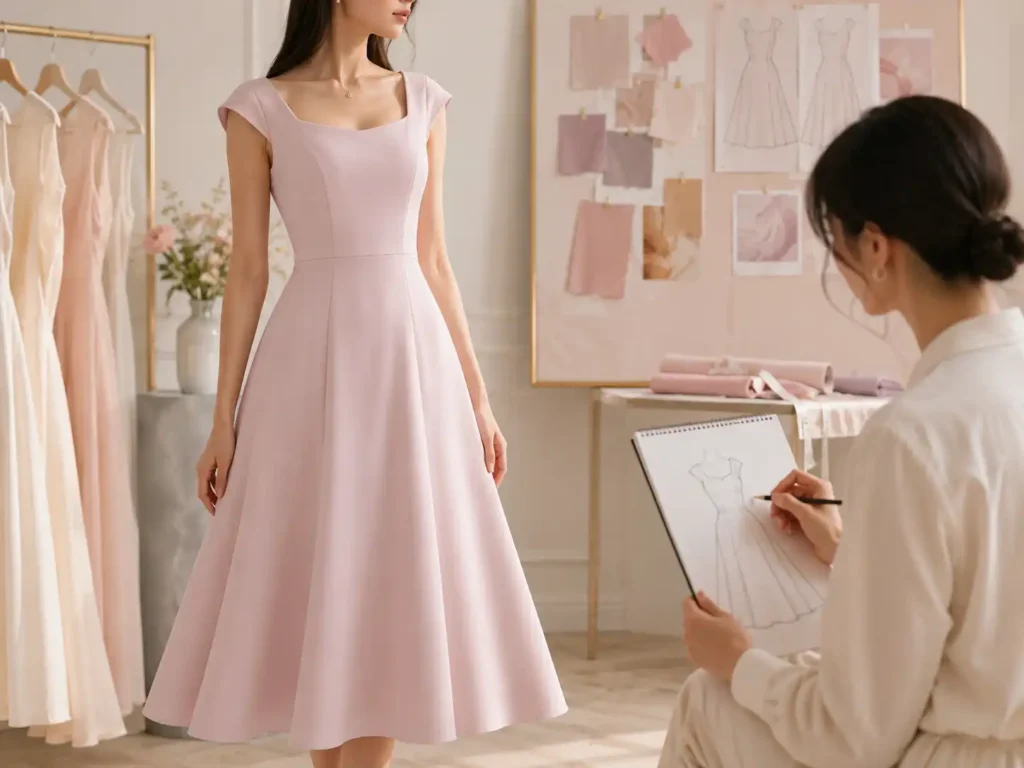
A-line dresses are commercially useful for graduation, daytime events, wedding guest and retail collections. Fit depends on bust shaping, waist placement, skirt volume and hem balance. Pastel woven fabrics can be paired with smooth linings to maintain coverage without making the silhouette heavy or stiff.

Pastel Party Dresses

Party dresses may combine ruched mesh, satin, sequins, cut-outs, lace, rhinestones or corset structures. The soft palette must remain visually clean while the design carries impact. Production review covers abrasion, embellishment security, skin comfort, zipper stress, edge finishing and protective packing.

Pastel Bridesmaid Dresses

Bridesmaid programs often require one shade across several silhouettes and sizes. Satin, chiffon and crepe must be grouped by approved dye lots, with lining and trim matched consistently. Size grading, length options, repeat color records and phased delivery planning are important when collections extend across seasons.

Wedding Guest Dresses

Wedding guest lines can include satin midi dresses, chiffon maxis, lace dresses and structured cocktail shapes. Brand teams often need coordinated blush, sage, powder blue and champagne options. Color elegance, lining comfort, photography performance and occasion-appropriate finishing receive equal attention.

Graduation Dresses

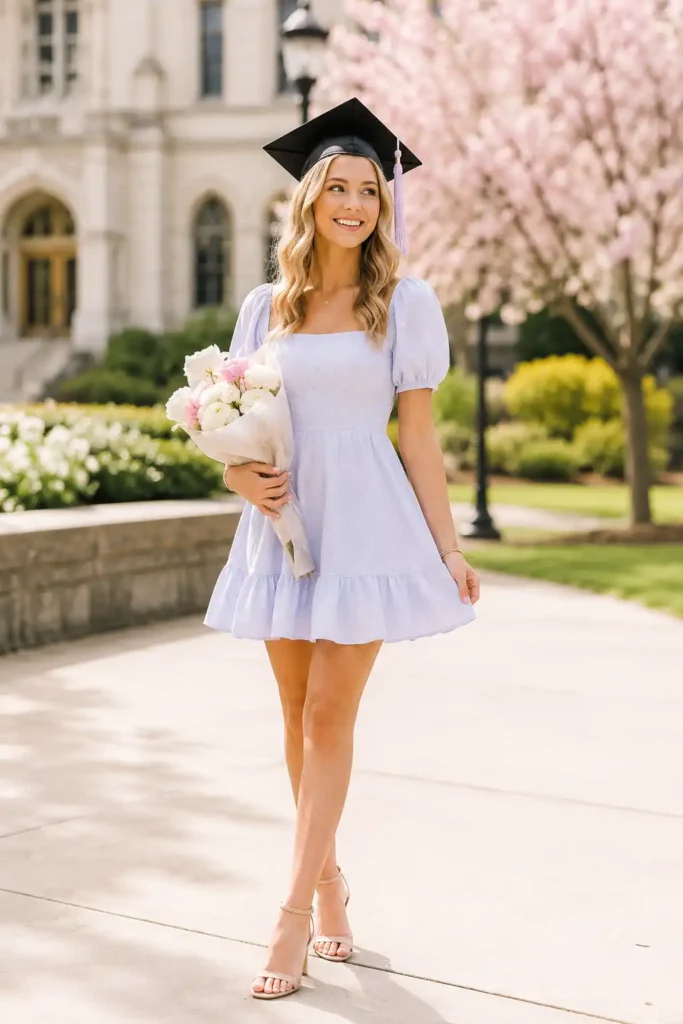
Graduation assortments favor photo-ready mini and midi silhouettes in white-adjacent and pastel shades. Key controls include short-dress safety, bust support, clean zippers, opacity under outdoor light and resistance to handling stains. Launch timing is planned backward from the graduation selling window.

Pastel Resort Dresses

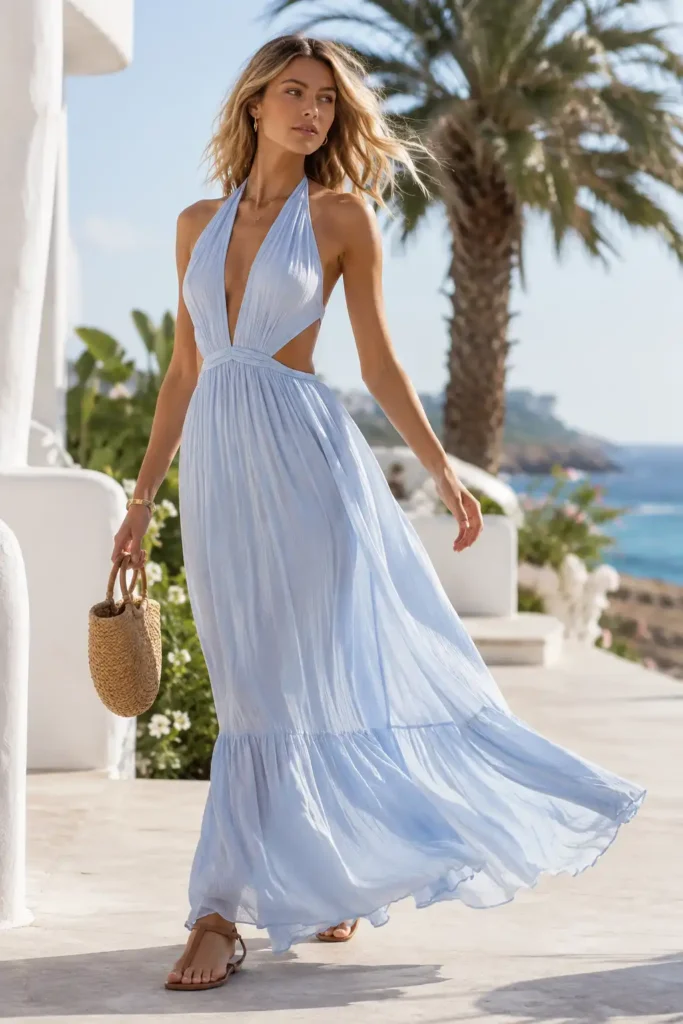
Resort collections often use airy chiffon, rayon, linen blends, printed wovens and lightweight crepe. Pastel colors need wrinkle, shrinkage and travel-packing review. Maxi, cut-out, halter, ruffle and matching-set directions can be coordinated into a wider vacation collection rather than developed as isolated pieces.

Developing a Commercial Pastel Color Story
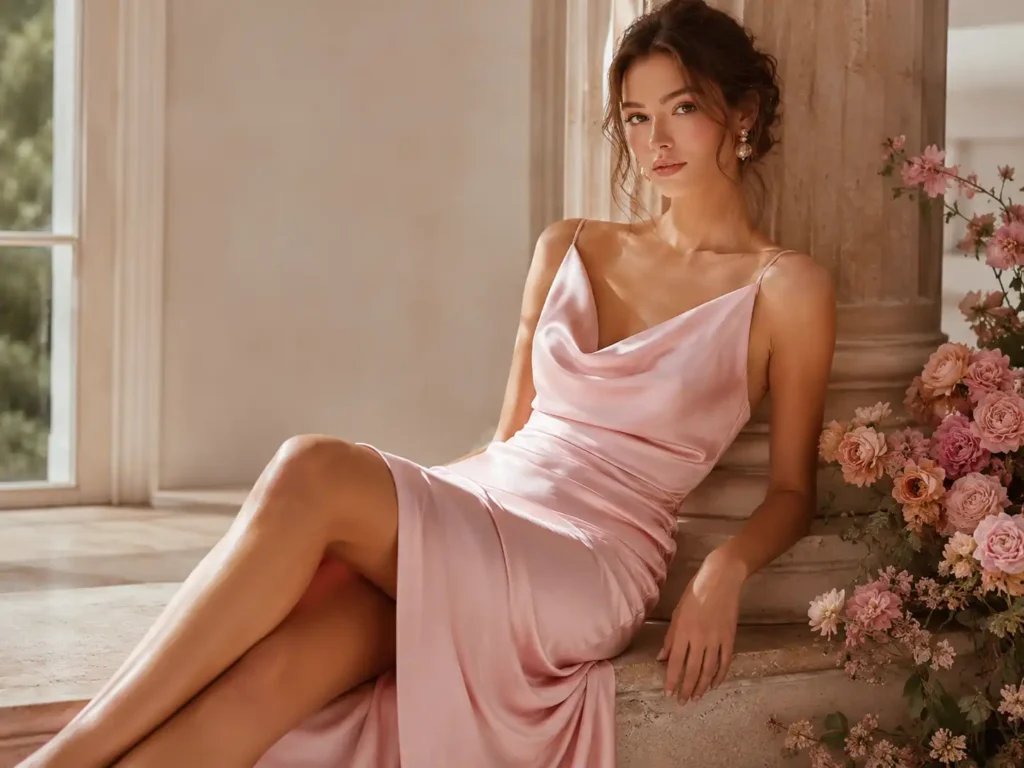
A strong palette gives each shade a commercial role. Color decisions should consider fabric behavior, wearing occasion, photography and the ability to reproduce approved shades in bulk.

Blush Pink

Blush works across satin occasionwear, chiffon bridesmaid dresses, lace midis and structured minis. The main risk is movement toward peach, mauve or grey. Approval should define the physical standard, fabric surface, lining tone and lighting conditions used for comparison.

Lavender

Lavender suits graduation, party, bridesmaid and soft evening collections. Satin may intensify blue or red undertones under light, while mesh and chiffon appear paler through layering. Dye-lot control and trim matching prevent the finished garment from looking visually fragmented.

Baby Blue

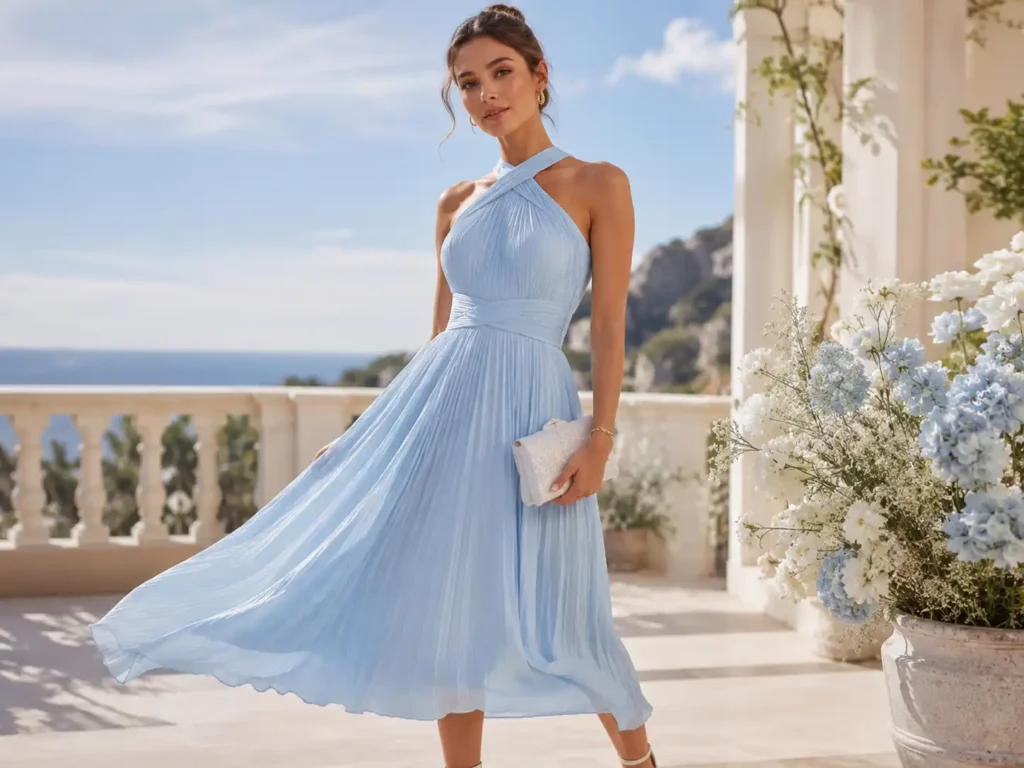
Baby blue is useful for wedding guest, resort, graduation and daytime occasionwear. Pale blue can become grey when fabric is too matte or too thin. Lining warmth, zipper tone and studio photography need review so the shade stays fresh rather than cold or washed out.

Mint Green

Mint supports spring, resort and bridesmaid collections. The shade can drift toward aqua, sage or neon depending on the dye base and fabric sheen. Lab dip comments should describe undertone direction clearly, not only ask for a color to be lighter or darker.

Butter Yellow

Butter yellow works for summer, brunch, vacation and statement daywear. Pale yellow fabrics can become transparent and may expose seam allowances or bra cups. Opacity, lining color and natural-light testing are critical before approving bulk material.

Soft Peach

Soft peach adds warmth to party, resort and occasion assortments. The shade can become too orange under warm lighting or too pink on cool fabric bases. Physical swatches and approved garment photos help align merchandising, production and campaign teams.

Powder Lilac

Powder lilac offers a cooler alternative to lavender for premium ecommerce and event dresses. Mesh overlays and lace motifs can create layered tonal effects, but the lining must be selected intentionally to avoid an unintended grey or blue cast.

Champagne Pastel

Champagne and pale nude tones suit wedding guest, evening and corset-led collections. Skin-tone proximity makes opacity and inclusivity especially important. Satin reflection, cup visibility, lining depth and trim metallics must be reviewed on the complete garment.

Matching Fabrics with Pastel Dress Categories

Fabric choice changes how a pastel shade reads, drapes and performs. The matrix below links common dress directions with color behavior and production controls.

FabricBest Pastel Dress UsesColor BehaviorKey Manufacturing Controls
SatinSlip, cocktail, bridesmaid, corset and evening dressesHigh shine can make shades appear lighter, darker or more saturated by angle.Confirm weight, shine direction, snagging risk, lining color, seam flatness and bulk shade.
ChiffonMaxi, bridesmaid, ruffle, layered and resort dressesTransparency and multiple layers change apparent depth.Review layer count, lining coverage, hem finish, shrinkage, shade grouping and handling.
CrepeMidi, A-line, office-to-event and structured dressesMatte surfaces give stable color but can look dull if the shade is too grey.Control weight, drape, pressing, seam appearance, lining and finished measurements.
MeshRuched, bodycon, cut-out and party dressesStretch and layering can make color uneven across the body.Check stretch recovery, opacity under tension, lining, gathering density and snag protection.
LaceWedding guest, occasion, corset and romantic dressesMotif depth and backing color create a two-tone visual result.Approve motif, placement, lining tone, seam matching, edge finish and shade variation.
JerseyBodycon, draped, casual and travel dressesColor may lighten when stretched and reveal construction lines.Test recovery, opacity, shrinkage, seam type, measurements and pressing temperature.
PonteBodycon, fitted midi and structured day dressesDense surfaces hold color evenly and support clean shapes.Confirm weight, compression, recovery, panel balance and size grading.
Rayon WovenResort, printed, wrap and relaxed maxi dressesSoft color appears rich but shrinkage and wrinkles can affect presentation.Review shrinkage, color fastness, seam slippage, print direction and packing.
OrganzaLayered, sleeve, ruffle and formal dressesTransparency and sheen create a luminous but variable shade.Control layer overlap, seam visibility, edge finish, static and pressing.
Sequin FabricParty, birthday, holiday and statement dressesSequin finish may shift the base color under light.Inspect sequin security, backing tone, scratch risk, seam thickness and protective packing.

A Controlled Pastel Color Approval Process

Color approval moves through physical standards and recorded decisions. Each stage reduces the chance of a beautiful sample becoming an inconsistent bulk order.

Define the Physical Color Standard

Development begins with a Pantone reference, approved fabric swatch, original garment, lab dip target or another physical color standard. Digital images can support discussion, but screen settings and photography conditions are not reliable enough to become the only bulk reference.

The project record should identify the shade name, reference number, fabric type, expected surface, intended lining and the lighting used for approval. A blush shade approved on matte crepe cannot be assumed to look identical on satin or chiffon. Each fabric direction needs its own visual review.

  • Record shade name and Pantone number when supplied.
  • Attach the standard to a specific fabric and finish.
  • Clarify acceptable undertone: warmer, cooler, greyer or brighter.
  • Confirm whether the collection needs exact matching or coordinated tonal variation

Review Lab Dips and Fabric Swatches

Custom-dyed fabric normally moves through lab dip approval before bulk dyeing. Comments should be directional and measurable: slightly less red, cleaner blue undertone, lower saturation or closer to the physical standard. Repeated comments such as “not right” slow development and increase the risk of misinterpretation.

Stock fabrics can move faster, but the actual available roll still needs review for weight, hand feel, transparency and shade. A stock lavender satin may be commercially suitable even when it does not match a reference exactly; the brand team should decide whether speed, exact color or cost has priority.

  • Compare swatches under natural and indoor light.
  • Photograph swatches beside the standard, not alone.
  • Review hand feel, weight and drape at the same time as color.
  • Confirm dyeing MOQ and material lead time before approval.

Match Lining, Zippers and Thread

Pastel dresses often contain several visible color components. Lining can make the shell appear warmer, cooler or darker. Invisible zippers may show at the seam edge. Thread becomes noticeable at hems, topstitching, lace joins and repairs. Bra cups, elastic, boning channels and mesh power layers can cast shadows through the outer fabric.

A trim approval card links every visible component to the garment shade. Exact matching is not always possible across different materials, but coordinated matching avoids random color breaks. When a supplier changes a trim batch, the replacement should be compared before production continues.

  • Approve shell, lining and underlayers together.
  • Check zipper tape, slider, thread and elastic against the garment.
  • Review cup and boning visibility on light-colored corset styles.
  • Record approved trim references for repeat orders.

Approve Bulk Shade Before Cutting

Bulk fabric approval checks actual production material after dyeing or final sourcing. The review covers dye lot, roll-to-roll variation, edge-to-center shade and the relationship between shell and lining.

Rolls with visible variation should be separated and planned so one garment does not combine mismatched panels.

Repeat orders require a new comparison even when the shade name is unchanged. Retained approved swatches, bulk color photos and dye-lot records make the process more efficient, while the new fabric still needs acceptance before cutting. Color continuity is managed through records, not assumptions.

  • Compare bulk fabric with the approved standard.
  • Separate dye lots and record roll allocation.
  • Do not mix visibly different lots within one garment.
  • Retain a bulk swatch for QC and future repeats.

Opacity, Lining and Wearability in Light Shades

Pastel fabrics must be evaluated on the body and under real lighting. Coverage decisions affect comfort, photography, returns and the final silhouette.

Light Transmission

Fabric is checked against daylight, indoor light and stronger backlighting. Chiffon, pale jersey, thin crepe, satin and mesh may look opaque on a table but reveal undergarments or seam allowances when worn. Testing includes flat fabric, stretched fabric and the complete garment.

Lining Coverage

Lining length and shape are designed around the neckline, armhole, slit, cut-out and skirt movement. Full lining is not always required, but coverage must protect the intended wearing areas without changing drape. Pale lining can brighten the shell; a deeper lining can make the shade richer.

Internal Shadows

Bra cups, boning, seam allowances, darts, pockets and reinforcement layers can show through light-colored shells. Pattern and construction planning place internal components where they support the garment without creating dark bars, visible edges or uneven color blocks.

Movement Security

A dress that looks covered while standing may become transparent when walking, sitting or stretching. Fit sessions review hem movement, slit opening, bust coverage and body tension. Adjustments can include additional lining, changed fabric weight, panel extension or a revised slit height.

Pattern and Fit Control by Dress Silhouette

Pastel color may attract attention first, but fit determines whether the garment sells, photographs well and earns repeat orders. Pattern work is adjusted to the fabric and silhouette rather than reused without review. Common production size direction is XS-XL, with extended size ranges developed from the brand’s size chart, fit model and grade rules. Final grading is confirmed by project rather than presented as a universal one-size system.
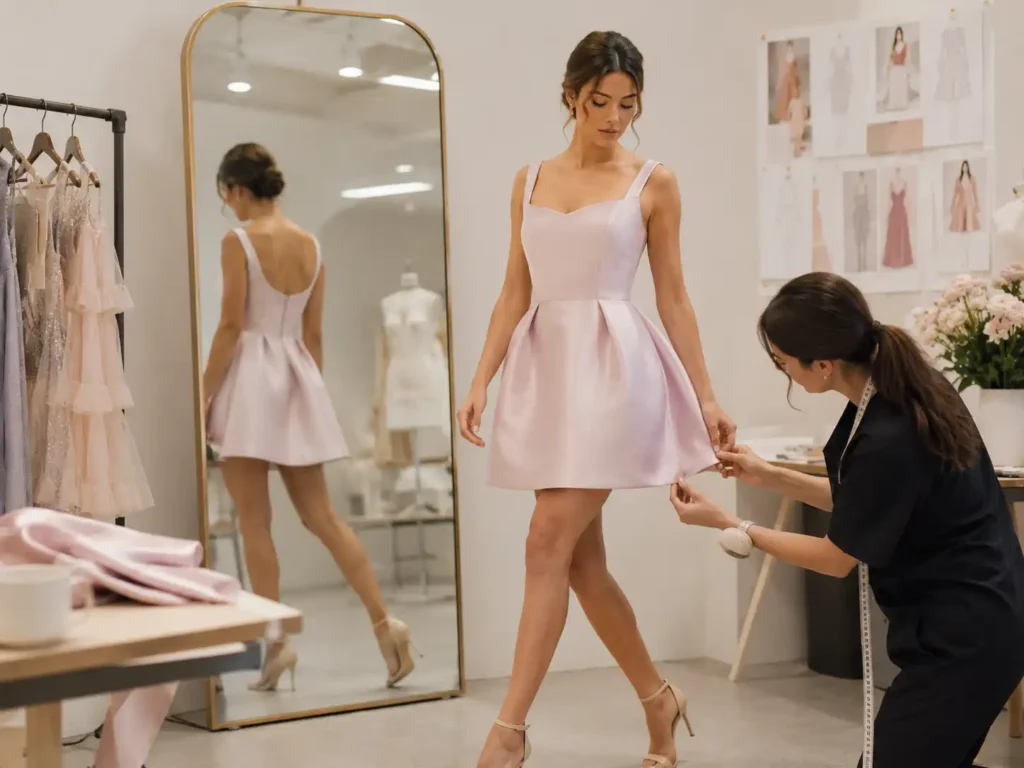
Mini Dress Balance
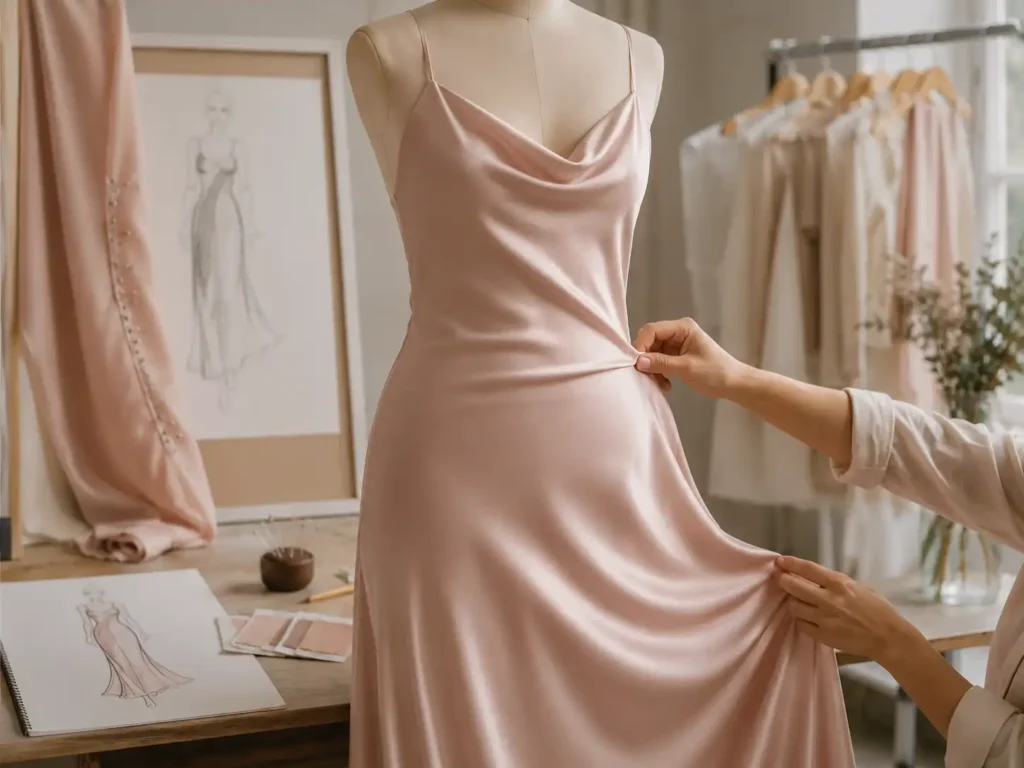
Mini dresses are checked for finished length, front-to-back balance, hem level and movement. A short skirt may lift when the waist is too tight or the back rise is insufficient. Lining and slit positions must remain secure across the size range. Graduation and party styles also receive bust-support and sitting checks.

Slip Dress Drape

Slip patterns are sensitive to grain, bias stretch and seam placement. Neckline depth, cowl volume, strap length and back shape are balanced so the garment skims rather than twists. Satin weight and lining method may require pattern adjustments even when the visual design remains unchanged.

Corset Structure

Corset development maps bust point, cup volume, underbust, waist, boning channels and closure tension. The goal is support without visible internal shadows or discomfort. Strapless necklines may use anti-slip tape, shaped cups and internal reinforcement, all reviewed against the pastel outer fabric.

Bodycon Grading

Bodycon styles require controlled negative ease and stretch recovery. XS-XL grading cannot be created by increasing every measurement equally. Bust, waist, hip, armhole and length increments follow the fabric and target fit, while opacity is checked at the highest tension areas.

A-Line Proportion

A-line dresses rely on clean bust shaping, waist placement and skirt volume. Too much flare can overwhelm a soft color; too little can restrict movement or create pulling. Darts, princess seams, panels and lining are adjusted to preserve an even silhouette across sizes.

Maxi Length Control

Maxi patterns require body-length planning, hem sweep, slit height and balance between front and back. Fabric weight may lengthen the garment after hanging. Samples can be allowed to relax before final measurement so bulk hems do not finish longer than the approved standard.

Pastel Dress Design Details Available for Customization

Soft color can support minimal silhouettes or highly detailed occasionwear. Each feature is reviewed for appearance, comfort, production repeatability and cost before sampling.

Neckline Development

Cowl, sweetheart, square, halter, deep V, asymmetric and off-shoulder necklines can be developed around bust support and fabric behavior. Light colors require clean facing, lining and edge construction so internal layers do not show through.
Close-up of light blue sleeveless dress

Straps and Sleeves

Spaghetti straps, adjustable straps, cap sleeves, puff sleeves, sheer sleeves and one-shoulder structures are matched to the dress weight. Hardware, elastic and seam reinforcement are selected to avoid visible bulk or color mismatch.

Ruching Placement

Ruching can shape mesh, jersey and satin dresses, but density and direction must remain consistent. Production instructions define gather ratios, anchor points and finished measurements so one garment does not look fuller or tighter than another.

Pleats and Draping

Pleats, tucks and draped panels create depth in pale colors. Grain direction, pressing and stitch placement affect how light moves across the garment. Pattern markers and sewing instructions help repeat the approved drape in bulk.

Ruffles and Flounces

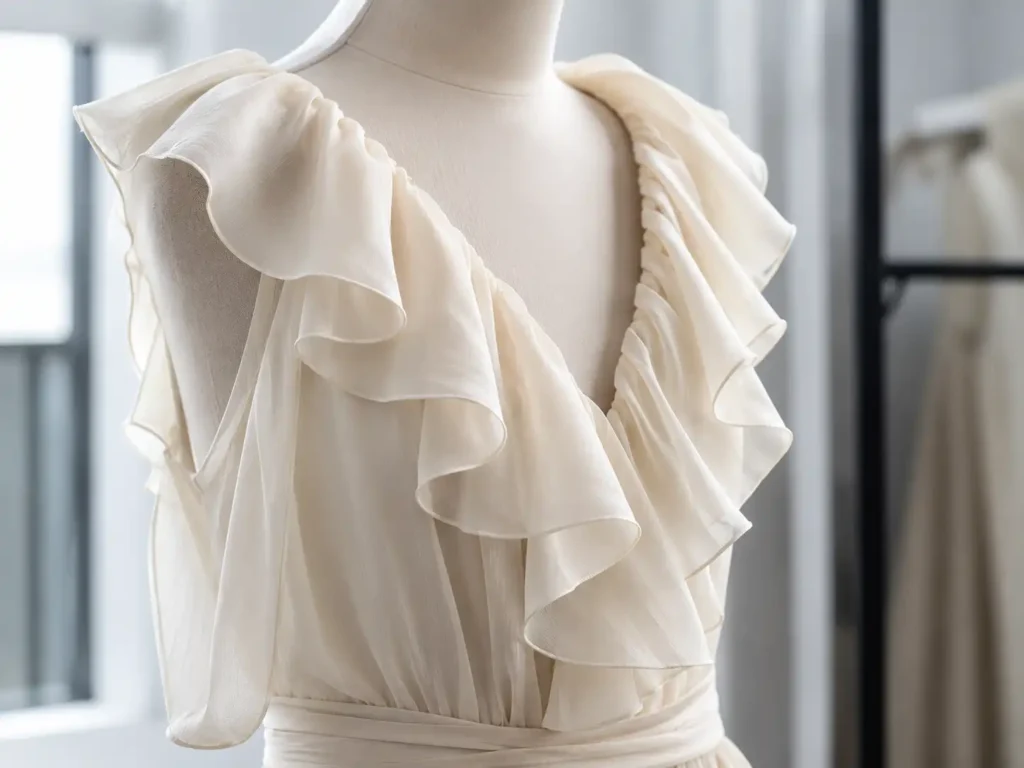
Ruffles work well in chiffon, organza, crepe and lightweight satin. The design review covers edge finish, fullness ratio, attachment line and weight. Excess fullness can make a pastel dress look costume-like, while insufficient fullness can appear flat.

Cut-Out Structures

Waist, back, side and underbust cut-outs require clean internal finishing and stable edges. Placement is checked on the body so the opening remains intentional across sizes. Pale linings and elastics are selected to avoid exposure at the edge.

Lace and Mesh Inserts

Lace motifs and mesh panels can create tonal contrast without introducing another color. Motif direction, seam joins, transparency and skin comfort are reviewed early. Power mesh may be used where support is needed, while softer mesh is used for visible areas.

Corset and Boning

Visible or concealed boning can define party and occasion silhouettes. Boning length, end protection, cup shape and channel placement are documented. In pastel styles, internal components are chosen to reduce shadowing through the shell.

Embellishment Details

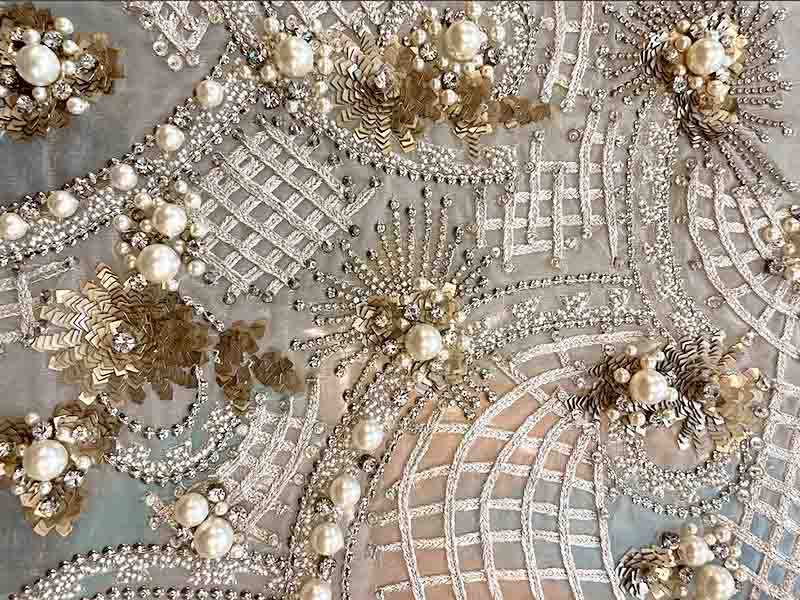
Sequins, rhinestones, beads, bows, flowers and decorative trims can be matched to a soft palette. Approval covers shine level, color, skin contact, attachment strength, weight and protective packing. Embellishment is used selectively to protect margin and production stability.

Workmanship Standards for Delicate Pastel Dresses

Pastel garments show every line, join and handling mark. Construction standards focus on clean surfaces, controlled tension and repeatable details from sample to bulk.

Clean Satin and Chiffon Sewing

Satin requires stable feed, suitable seam construction and controlled pressing. Excessive tension can create puckering, while needle damage and rough handling can leave visible marks. Seam allowance, stitch density and pressing temperature are established during sampling and transferred into sewing instructions.

Chiffon needs accurate cutting, secure but light seams and balanced hems. Multiple layers are grouped carefully so color depth remains consistent. Fine rolled hems, baby hems or lined finishes are selected according to design, fabric weight and target price. Long panels are checked for twisting and uneven drop before final inspection.

  • Control seam puckering and zipper rippling.
  • Protect fabric from snagging and oil marks.
  • Keep hem width and edge finish consistent.
  • Separate shade lots before panel assembly.

Precise Lace and Mesh Assembly

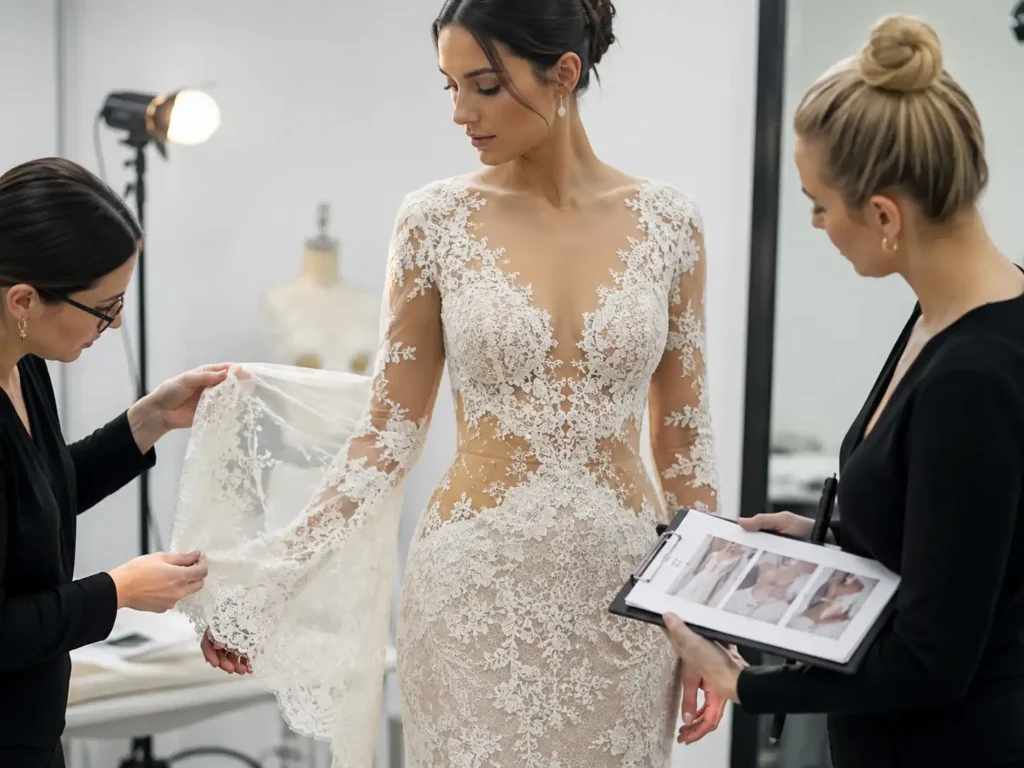
Lace placement influences both color and perceived quality. Motifs may need centering at the bodice, matching across seams or balanced placement at the neckline. Cutting plans account for motif direction and material wastage. Mesh inserts are checked for holes, pulls and tension distortion before entering sewing.

Visible joins should remain smooth without thick seam ridges. Soft lining or mesh backing can reduce skin irritation and improve coverage. On ruched styles, gathering ratios and anchor points are defined so transparency and texture stay consistent across garments and sizes.

  • Review lace motif direction and symmetry.
  • Check mesh stretch recovery and opacity.
  • Protect cut edges from runs and holes.
  • Define gathering ratios and attachment points.

Structured Corset and Bust Support

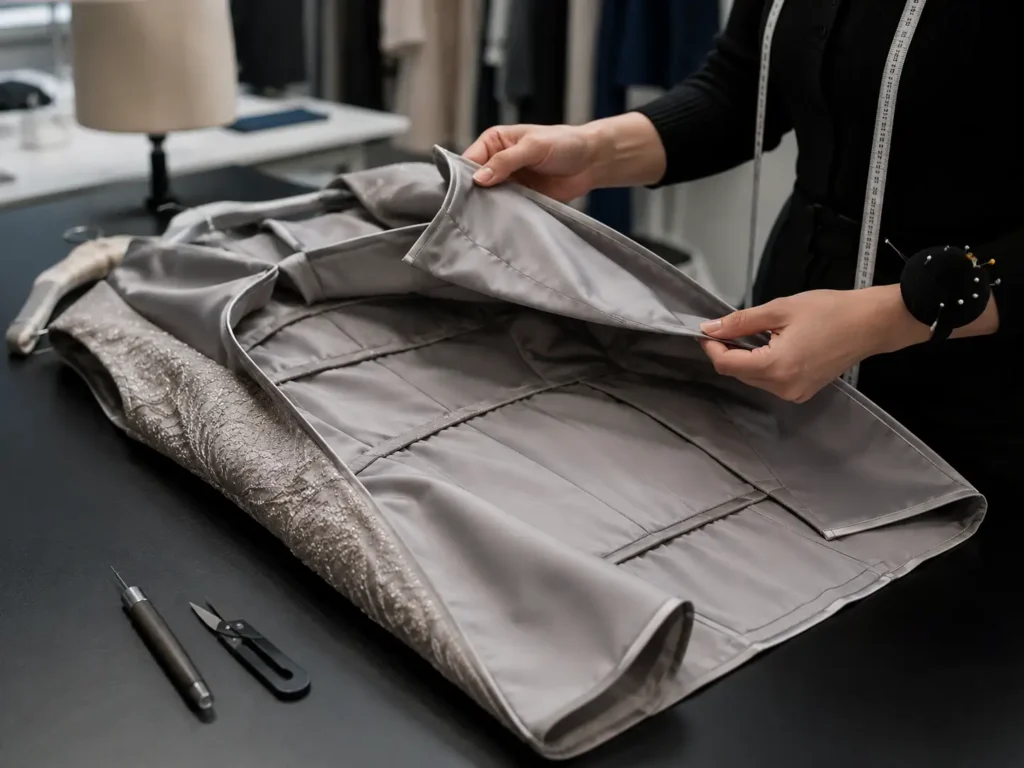
Corset workmanship begins with pattern accuracy. Cups, underbust seams, boning channels, waist seams and closures must align with the approved fit. Boning ends are protected to avoid pressure points, while cup and lining materials are selected to support the silhouette without becoming visible through the pastel shell.

Strapless styles may include anti-slip tape, internal elastic or additional support. Each element is evaluated for comfort and repeatability. Sewing lines follow the Golden sample and construction file, and in-line checks focus on cup symmetry, neckline balance, boning position and zipper closure.

  • Match cup size and bust-point placement.
  • Protect boning ends and internal seams.
  • Check neckline security and left-right symmetry.
  • Review support on the intended fit model.

Finishing and Light-Color Handling

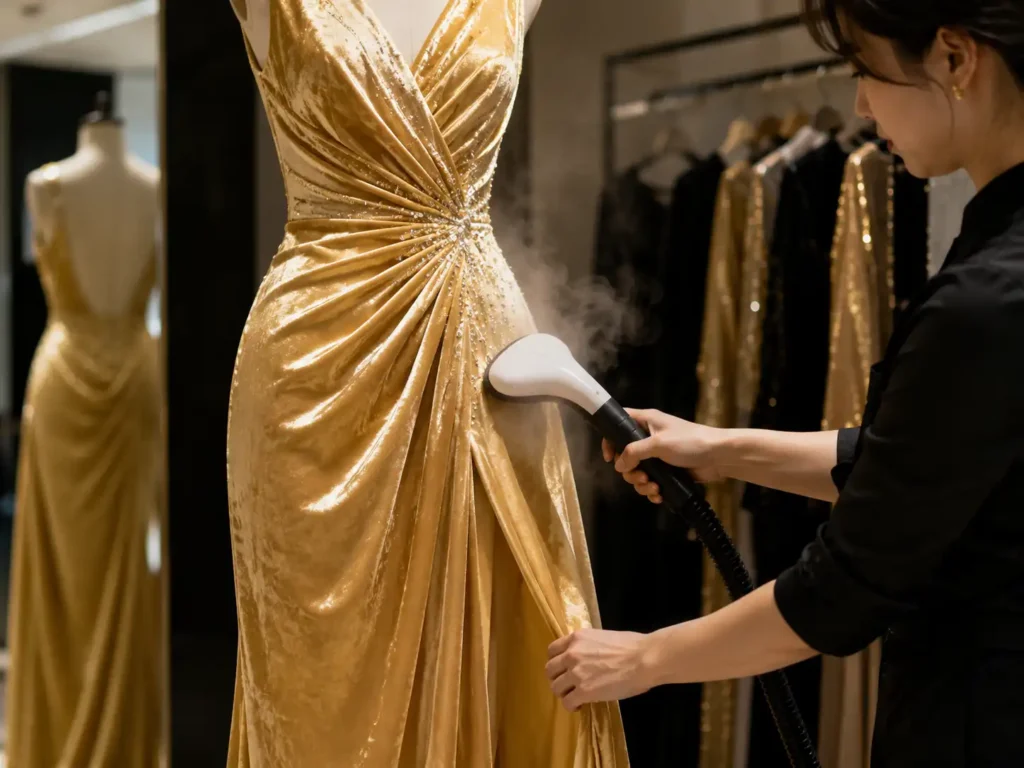
Finishing teams inspect loose threads, seam impressions, pressing marks, stains, dust and uneven hems before packing. Light garments are handled separately from dark fabrics where color transfer may occur. Work surfaces, pressing covers and packing areas need regular cleaning because small contamination is highly visible on pale shades.

Garments are pressed according to fabric behavior. Excess heat can create shine, water marks or distortion. Finished pieces are allowed to cool before folding. Tissue, protective bags or garment-specific folding may be used when embellishments, long hems or high-shine surfaces require extra protection.

  • Inspect under natural and indoor light.
  • Use clean handling and protected transfer.
  • Control pressing temperature and surface shine.
  • Pack only after garment appearance is approved.

Sampling Stages, Timing and Approval Standards

Sampling is used to build a production standard, not merely to make one attractive garment. Timing varies with structure, materials, trims and the speed of brand feedback.

Sample StageTypical ApplicationReference TimingMain Approval Focus
Simple first sampleBasic woven or knit dress with available materials7-10 daysSilhouette, measurements, fabric response and initial workmanship
Ordinary dress first sampleCommercial mini, midi or maxi dress10-15 daysFit, proportion, fabric, lining, construction and color direction
Medium-complex sampleJumpsuit, set, layered or detailed dress12-18 daysPattern balance, combined materials, trims and assembly sequence
Complex first sampleCorset, strapless, lace, mesh, sequin or evening style15-25 daysSupport, detailed construction, transparency, embellishment and fit
Special-material sampleCustom-dyed fabric, exclusive trim or certified material20-35 days or supplier-basedMaterial approval, MOQ, lead time and production feasibility
Revised sampleChanges after first or fit sample reviewUsually 7-15 daysDocumented corrections to pattern, measurements, fabric, trim or construction
PP sampleFinal pre-production standard with approved materialsUsually 7-15 daysColor, fit, BOM, labels, packing, workmanship and bulk production requirements
Photo-ready sampleLookbook, campaign, showroom or sales presentationPlanned by quantity and standardCamera-facing appearance, pressing and visual finish; not automatically the PP standard


From Sample Comments to a Locked Bulk Standard

Clear revision control prevents approved changes from disappearing between sample rounds and production. Comments are converted into updated manufacturing records.

Structured Revision

Feedback is classified by fit, fabric, construction, color, trim, workmanship, on-body effect or packing. Each comment identifies the affected area, required action and whether the pattern, size chart, BOM, sewing instruction or QC checklist must change. Photographs, measurement notes and annotated files reduce ambiguity.

PP Sample Approval

The PP sample confirms final fabric, shade, lining, trims, labels, size chart, construction, pressing and packing before bulk production. Major design changes after PP approval require a new risk, cost and timing review. Production should not start from an unapproved photo sample or an outdated revision.

Bulk Production from Approval to Branded Packing

A multi-style pastel program is managed through visible production stages. Each stage carries a specific control point before the order moves forward.

Order Handover

Approved PP samples, production quantities, colors, size ratios, BOM, sewing instructions, labels, packing requirements and delivery targets are reviewed before purchasing begins.

Material Preparation

Shell fabrics, linings, zippers, thread, cups, boning, lace, embellishments and packaging materials are purchased against confirmed references and checked when they arrive.

Pre-Production Meeting

Production, merchandising, cutting, sewing, QC and packing teams review Golden samples, key measurements, color risks, difficult construction points and rejection standards.

Fabric Relaxing and Cutting

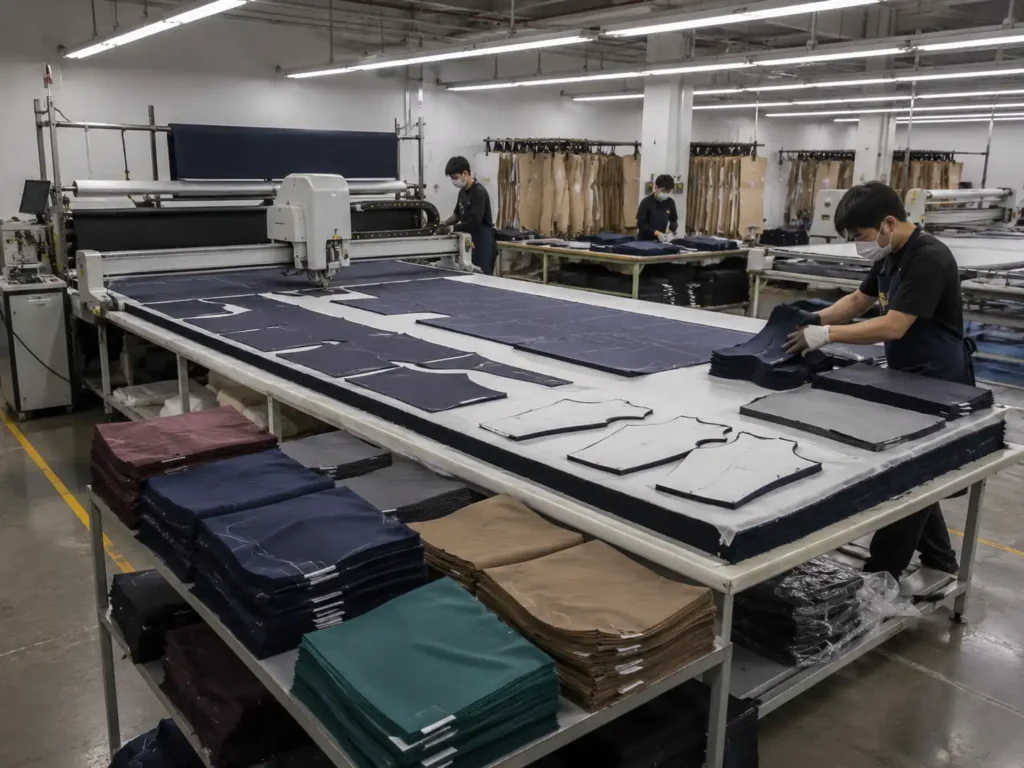
Stretch fabrics are allowed to relax where required. Cutting follows the approved pattern version, grain direction, shade lot, print or lace direction and size bundle plan.

In-Line Sewing Checks

QC checks measurements, seam quality, zipper flatness, lining, boning, ruching, lace joins, slits and symmetry while production is active so errors do not spread through the order.

Pressing and Finishing

Finished garments are trimmed, pressed and inspected for stains, shine, puckering, loose threads, uneven hems, damaged embellishment and visible internal components.

Final Inspection

Color, measurements, appearance, labeling, size identification, packing and quantity are checked. AQL or client inspection can be arranged according to project requirements.

Packing and Shipment

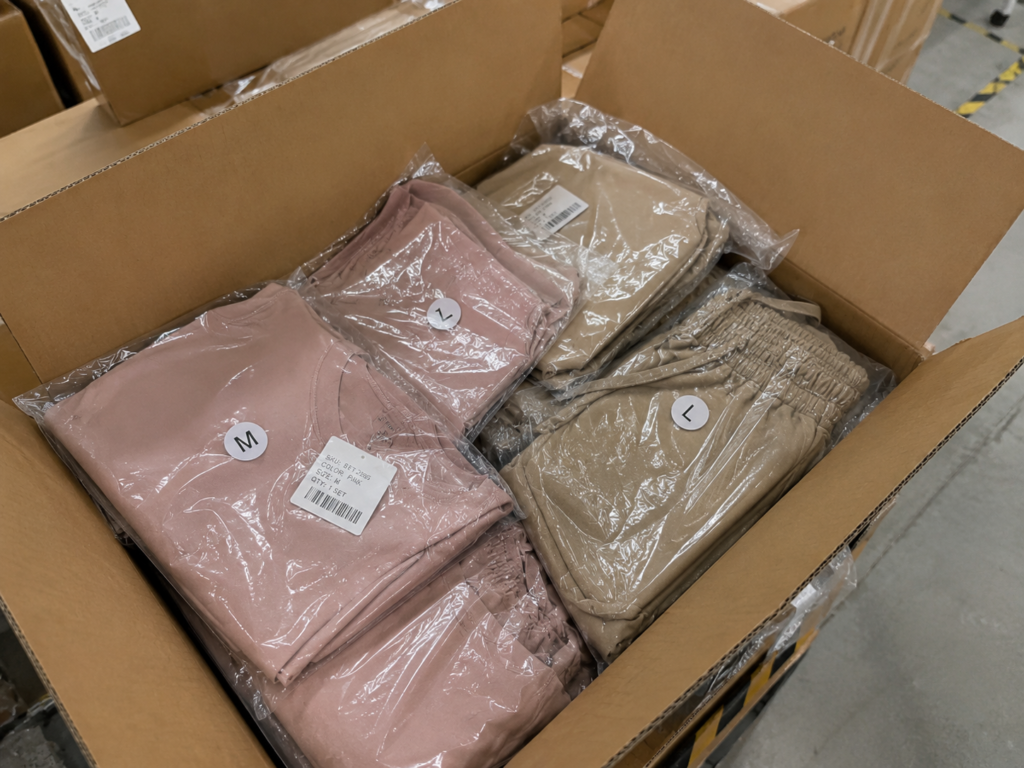
Garments are folded or hung according to instructions, packed by style-color-size, verified against carton marks and prepared with packing lists and shipment documents.

Quality Control Designed for Light-Colored Dresses

Pastel QC begins before sewing and continues through packing. The strongest control is early interception, not relying on a final check to repair an entire order.

Incoming Fabric QC

Fabric color is compared with the approved swatch, lab dip or PP sample. Inspectors also review weight, hand feel, width, shrinkage information, color fastness requirements, defects, edge-to-center shade, dye-lot variation, stretch and transparency.

Cut Panel Inspection

Cut pieces are checked for pattern version, front and back direction, grain, stretch direction, shade grouping, stains, holes, snags and correct quantity. Lace motif and print placement are reviewed before bundles move into sewing.

In-Line Construction QC

During sewing, inspectors focus on neckline shape, straps, armholes, zipper behavior, waist position, ruching, lining, boning, lace alignment, slits and seam quality. Problems are corrected before they multiply across the production run.

Measurement Control

Garments are measured against the approved size chart and tolerance. Bust, waist, hip, length, strap, neckline, armhole and slit measurements are selected according to the style. Size grading is reviewed as a system rather than checking one sample size only.

Appearance Inspection

Pastel garments are reviewed for color difference, stains, dust, pressing shine, water marks, seam impressions, transparency, visible cups or boning, damaged surfaces and uneven hems. Inspection lighting should reveal subtle surface problems.

Packing Verification

Labels, care content, hangtags, barcodes, size stickers, color stickers, polybags, carton marks and packing quantities are checked before shipment. Clean packing materials and protected folding help prevent contamination or abrasion after final inspection.

Private Label and Retail-Ready Pastel Dresses

Manufacturing continues beyond the garment. Brand identification, SKU accuracy and packing instructions are built into the development and approval process.

Brand Labels

Woven, satin, printed and heat-transfer labels can be reviewed for artwork, color, size, material, placement and comfort. Pale garments need label colors and backing materials that do not show through the shell or irritate the wearer.

Care and Size Labels

Care content, fiber information, country-of-origin wording and size identification follow brand-supplied requirements and applicable order instructions. Label position is confirmed during sample or PP approval to avoid visible distortion.

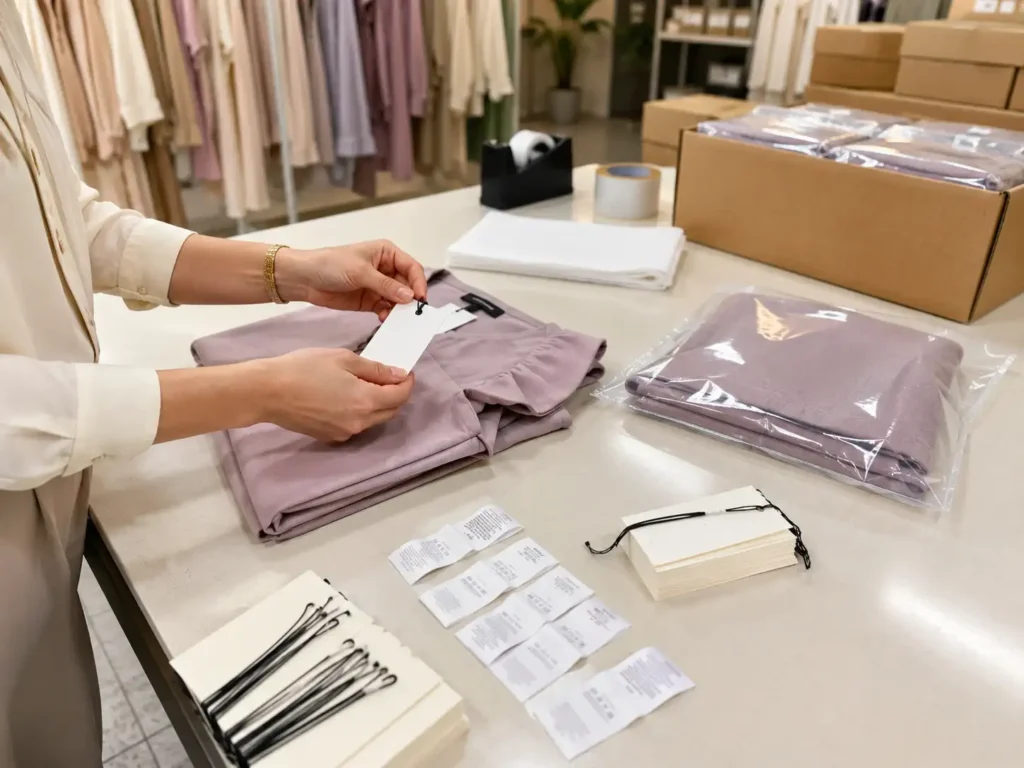
Hangtags and Strings

Hangtag paper, finish, hole position, string, seal and attachment point are checked against approved files. Pastel collections often use coordinated packaging colors, but the visual system must remain readable at warehouse and retail level.

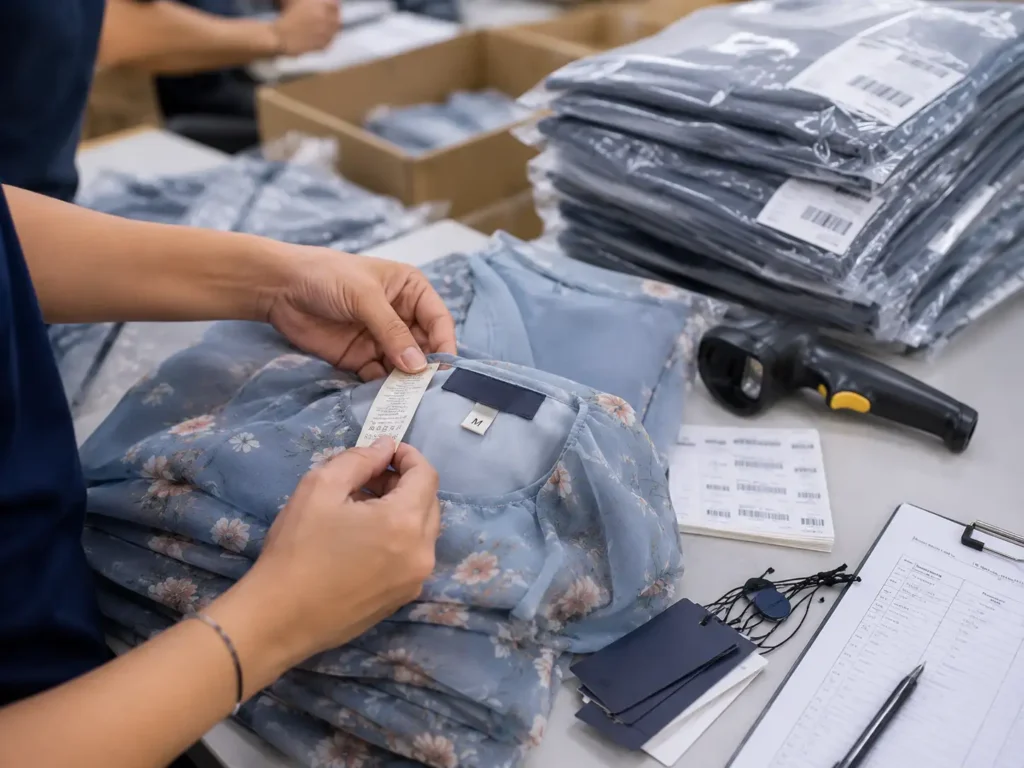
Barcode and SKU

Barcode stickers, style codes, color codes, size codes and SKU tables can be applied according to brand files. Packing QC checks scan readability, correct placement and the match between garment, polybag, carton and packing list.

Individual Packing

Garments can be folded or hung, placed in individual polybags and identified by style, color and size. Special handling can be planned for satin, embellishment, long hems, corset cups or garments needing tissue and shape protection.

Carton and Warehouse Rules

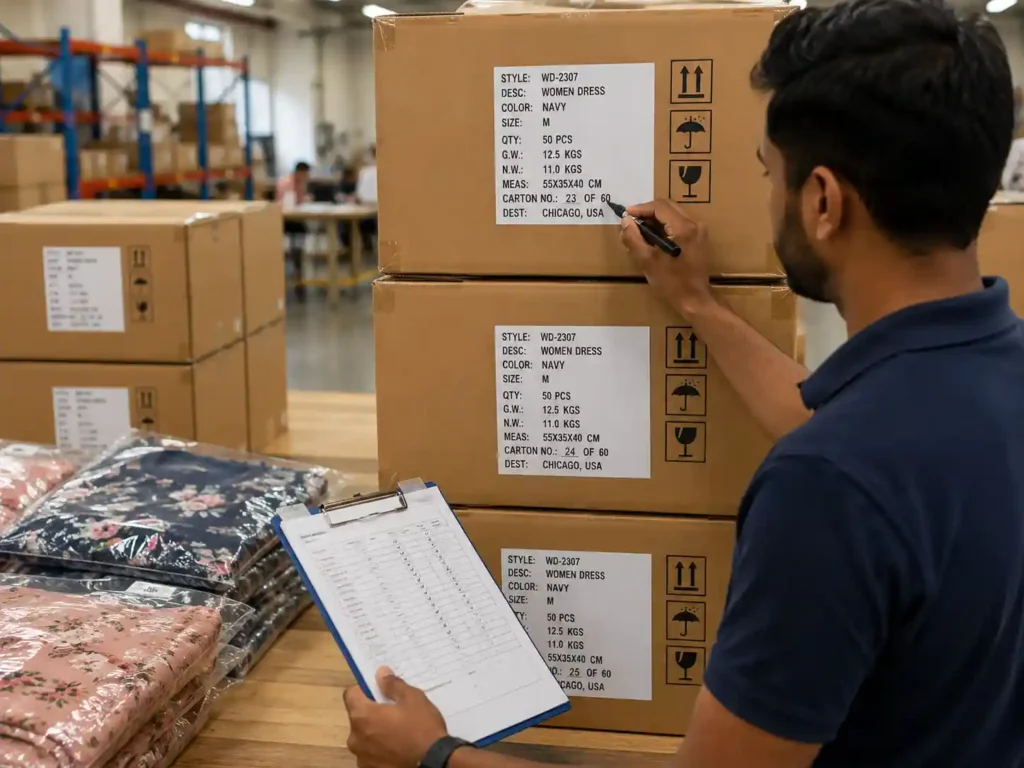
Carton marks, PO references, carton numbers, gross and net weight, color-size breakdown and receiving labels are prepared according to the approved packing instruction. Client-nominated warehouse or forwarder requirements are reviewed before bulk packing begins.

Managing Multi-Style Pastel Dress Programs

Collections involving ten to thirty styles need disciplined records and priorities. Project management connects design, materials, sampling, bulk production, packing and shipment without losing style-level detail.

Style-Level Tracking

Each style is managed by style number, silhouette, fabric, color, size range, sample version, BOM, target quantity and delivery window. Shared color names do not replace separate material and construction records.

Sample Priority Plan

Hero styles, campaign samples, salesman samples and standard development pieces can follow different priorities. A clear sample list protects launch-critical items from being delayed by lower-priority experimentation.

Material Grouping

Styles using the same satin, chiffon, mesh or lining can be grouped for purchasing and shade control. Grouping improves planning, but only after confirming that weight, finish, width and color standards are genuinely compatible.

Merchandising Coordination

More than twelve merchandisers support requirement confirmation, material tracking, sample records, production updates, packing approval and shipment coordination. Large programs can receive a defined contact and project schedule.

Production Allocation

Eighteen-plus sewing lines across the coordinated factory system allow styles to be assigned according to complexity and available capacity. Allocation is reviewed against approved standards, material timing and the planned shipment sequence.

Record Retention

Patterns, size charts, fabric references, color records, trim details, sample comments, packing requirements and shipment history are retained for repeat orders and future seasonal development, subject to NDA and brand protection.

Pastel Dress Manufacturing Case Studies

The following anonymized cases represent different pastel dress development programs, covering bridesmaid collections, seasonal fashion ranges and large private-label production programs. Brand identities, original designs and commercial details remain confidential.

Case 1: Pastel Bridesmaid and Occasionwear Collection

Project Scope

A premium occasionwear brand developed a pastel dress collection for bridesmaid, wedding guest, graduation and romantic event markets.

  • Collection size: 18 dress styles
  • Product categories: blush pink bridesmaid dresses, lavender chiffon dresses, champagne satin dresses, mint crepe dresses and lace occasion styles
  • Materials: satin, chiffon, crepe, lace, mesh and lightweight lining systems
  • Construction details: A-line dresses, slip dresses, halter styles, draped silhouettes and soft corset structures
  • Requirement: consistent pastel color direction across different fabrics and silhouettes

Development Challenges

Pastel occasionwear requires strict control because light colors easily change visually between materials.

Key challenges included:

  • Blush pink shifting toward peach or mauve
  • Lavender appearing colder or greyer under lighting
  • Champagne changing with satin reflection
  • Lace and mesh creating different depth effects
  • Maintaining consistent color across multiple sizes

Manufacturing Approach

The development team created a pastel color and construction approval system.

Key controls included:

  • Physical color reference approval
  • Fabric-specific shade review
  • Lab dip comparison when required
  • Shell and lining coordination
  • PP sample approval before bulk production

Additional attention was given to:

  • Bust coverage
  • Waist placement
  • Hem balance
  • Strap adjustment
  • Size grading

Manufacturing Value

The collection achieved a coordinated pastel occasionwear story while maintaining consistent color, comfortable fit and repeatable bulk production quality.

Case 2: Pastel Resort and Seasonal Fashion Collection

Project Scope

A contemporary fashion brand developed a pastel collection focused on spring, summer, resort and vacation markets.

  • Collection size: 16 dress styles
  • Product categories: mint resort dresses, baby blue maxi dresses, butter yellow summer dresses, peach wrap dresses and lightweight pastel midis
  • Materials: chiffon, rayon woven, linen blends, crepe, jersey and lightweight fabrics
  • Construction details: flowing maxi dresses, wrap styles, ruffle dresses, halter dresses and relaxed silhouettes
  • Requirement: soft seasonal colors with comfortable travel-friendly construction

Development Challenges

The main challenge was maintaining pastel freshness while ensuring commercial wearability.

Key risks included:

  • Lightweight fabrics becoming transparent
  • Color changing under natural sunlight
  • Wrinkles after transportation
  • Shrinkage affecting garment shape
  • Lining reducing fabric movement

Manufacturing Approach

The project focused on lightweight material control and resort-ready construction.

Key controls included:

  • Selecting fabrics according to season and silhouette
  • Reviewing pastel colors under daylight
  • Testing opacity and lining options
  • Checking shrinkage behavior
  • Confirming travel-friendly packing methods

Additional attention was given to:

  • Hem balance
  • Relaxed fit proportions
  • Fabric drape
  • Wrinkle control
  • Final appearance inspection

Manufacturing Value

The collection maintained a soft seasonal aesthetic while achieving stable coverage, comfortable wearability and export-ready presentation.

Case 3: Large Private Label Pastel Dress Collection Program

Project Scope

An established fashion brand required a complete pastel seasonal collection covering multiple colors, fabrics and retail categories.

  • Collection size: 30 dress styles
  • Production scale: 80,000+ pieces
  • Product categories: pastel mini dresses, midi dresses, maxi dresses, bridesmaid dresses, party dresses and ecommerce styles
  • Materials: satin, chiffon, lace, mesh, jersey, ponte, crepe and woven fabrics
  • Requirement: consistent quality across multiple pastel shades, SKUs and delivery batches

Development Challenges

The program required coordination across different pastel color systems.

Major challenges included:

  • Managing blush, lavender, mint, baby blue, butter yellow, peach and champagne tones
  • Maintaining shade relationships between different fabrics
  • Controlling lining and transparency requirements
  • Managing multiple size ranges
  • Coordinating private-label packing

Manufacturing Approach

The collection was divided according to product structure and material risk.

Soft Pastel Occasion Group

Focused on:

  • Satin dresses
  • Chiffon bridesmaid styles
  • Lace occasionwear
  • Color consistency

Lightweight Resort Group

Focused on:

  • Rayon and linen blends
  • Maxi dresses
  • Relaxed silhouettes
  • Travel-friendly finishing

Manufacturing Value

The program demonstrated that large pastel collections require both production capacity and detailed control of shade, fabric behavior, fit, quality and retail delivery.

MOQ, Costing and Commercial Planning

Professional quotation depends on the actual garment, not only the phrase “pastel dress.” Fabric, color method, construction, quantity and packing shape the final cost and production plan.

Production MOQ

Production planning starts from 200 pcs per style/color for suitable stock fabrics and regular constructions. Each color is normally calculated separately. Custom dyeing commonly requires a higher material commitment, often above 300-500 pcs per style/color depending on fabric type, dyeing mill, shade and supplier requirements. Special lace, sequins, exclusive trims and custom packaging may carry separate minimums.

Main Cost Drivers

Quotation considers fabric weight and width, lining, cutting consumption, pattern work, sample development, sewing time, ruching, corset structure, lace placement, embellishment, pressing, QC, packing, testing requirements, size range, color quantity, lead time and logistics. A glossy satin mini and a multi-layer chiffon maxi cannot be priced by the same generic dress formula.

Cost Optimization

Cost can be managed through suitable fabric substitution, simplified internal construction, trim alternatives, optimized cutting layouts, color consolidation, balanced size ratios and shipment planning. Changes are reviewed against the intended appearance and wearability. The goal is a commercially viable garment, not a lower quote that removes the features making the style sellable.

Repeat Orders and Seasonal Color Extensions

Pastel programs often return as replenishment, new shades or updated fabrics. Stored records shorten repeated explanation while each new material or color still receives fresh approval.

Same Style Reorder

Approved patterns, size charts, BOM files, sewing instructions, packing records and Golden sample standards support repeat production. Material availability and current dye lots are rechecked before confirming timing and price.

Same Style New Color

A new shade requires color standard, lab dip or stock swatch review, lining and trim matching, SKU updates and bulk color approval. A paper pattern may remain, but the supply chain and visual result still need validation.

Same Pattern New Fabric

Changing satin to crepe, chiffon to rayon or jersey to ponte affects drape, stretch, shrinkage, opacity and measurements. Pattern reuse is evaluated after fabric behavior review, and a new sample may be required.

Seasonal Collection Growth

A successful slip dress can extend into mini, midi, skirt, top or matching-set directions. Shared fabrics and color stories can improve assortment coherence while each silhouette receives its own fit and construction standard.

Shipping and Delivery Coordination for Global Programs

Delivery planning connects launch dates, warehouse rules, packing structure and freight cost. Route selection is reviewed before the order reaches the packing stage.

Samples and Urgent Units

Samples, approval pieces and urgent small shipments normally move by express courier or air freight. Courier address, recipient details, customs information and tracking are confirmed before dispatch. Photo-ready and PP samples can be separated when different teams need them.

Bulk Freight Planning

Regular bulk orders can move by sea, air or a combined air-and-sea plan. High-priority colors or launch sizes may travel first by air while the main volume moves by sea. SKU and carton separation must be planned before packing to keep documents accurate.

Documents and Forwarders

Support can include commercial invoices, packing lists, carton measurements, gross and net weight, carton marks, bill of lading or air waybill coordination and pickup preparation. Client-nominated forwarders and warehouse instructions can be followed. EXW, FOB, CIF, DAP and DDP are reviewed by project and destination.

Why Brands Shortlist Jinfeng Apparel

A strong pastel dress supplier must combine color knowledge with real dress development, bulk control and brand-level delivery. Jinfeng Apparel is positioned around that complete manufacturing chain.

Dress Specialization

Core production focuses on dresses, skirts, jumpsuits, matching sets and fashion womenswear, including satin, mesh, lace, sequin, bodycon, corset, resort and occasion directions.

Color Discipline

Color work covers physical standards, lab dips, fabric swatches, lining and trim matching, bulk shade approval, dye-lot separation and repeat-order records.

Development Team

Seven-plus senior pattern makers and more than twenty sample machinists support fit correction, structure review, sample revisions, PP samples and production-ready standards.

Scalable Production

Six owned factories, more than ten long-term production partners and regular monthly capacity above 100,000 pieces support multi-style and multi-batch brand programs.

Process-Based QC

Incoming materials, cutting, in-line sewing, finished garments and packing are inspected through documented standards instead of relying only on end-of-line checking.

Brand Protection

NDA-based cooperation protects tech packs, patterns, samples, private-label files, unpublished designs, order information and supply-chain details throughout development and production.

Pastel Dress Manufacturer Frequently Asked Questions

Yes. A Pantone number can guide development, but final approval should use a physical lab dip or fabric swatch on the selected material. Satin, chiffon, mesh, lace and crepe reflect color differently, so the shade is approved with the actual fabric, lining and relevant trims.
Bulk fabric is compared with the approved standard, and dye lots are recorded and separated. Incoming QC checks roll variation, edge-to-center shade and lining compatibility. Bulk color approval is completed before cutting, and visibly different lots are not mixed within one garment.
  • Satin supports slip and occasionwear
  • chiffon works for layered and flowing styles
  • crepe suits structured and matte silhouettes
  • mesh supports ruched and bodycon looks
  • lace creates tonal detail
  • jersey and ponte work for stretch-led products

Final choice depends on shade, opacity, drape, fit and target price.
Fabric is reviewed under natural, indoor and stronger light. Lining coverage, shell weight, stretch, seam placement, cups, boning and slit design are checked on the garment. Solutions may include a different lining, added coverage, revised construction or a heavier shell fabric.
Simple first samples are commonly planned in 7-10 days, ordinary dresses in 10-15 days and complex corset, lace, mesh, sequin or evening styles in 15-25 days. Custom-dyed fabrics, exclusive trims and special materials may extend the schedule.
Production normally starts from 200 pcs per style/color for suitable stock fabrics and regular constructions. Custom dyeing, special lace, sequins, exclusive trims and custom packaging may require higher or separate minimums. Each shade is normally calculated as its own color quantity.
Yes, but identical color names do not guarantee identical visual results across satin, chiffon, lace or mesh. Each fabric is reviewed against the color standard, and coordinated tonal matching may be more realistic than forcing different materials to appear perfectly identical.
Yes. Support can include brand labels, size labels, care labels, hangtags, barcode stickers, size and color stickers, individual polybags, carton marks, SKU packing and warehouse labels. Files and placement are confirmed before bulk packing.
Yes. Multi-style programs are managed by style, color, size, fabric, sample version, BOM, production order, QC checklist and packing instruction. Sample priorities and shipment phases can be planned around the launch calendar and material readiness.
Yes. NDA-based cooperation can cover tech packs, patterns, samples, color standards, trims, private-label files, packaging artwork, order quantities and unpublished designs. Public case material remains anonymous unless written authorization is provided.

Start Your Pastel Dress Manufacturing Program

Send the collection information available now, even when several technical decisions are still open. Kelly and the development team will review the style structure, color direction, fabric options, size range, quantity plan, private-label requirements and launch window before suggesting the next step.

A useful first submission normally includes reference images or tech packs, the number of styles, target quantity per style and color, preferred pastel shades, fabric direction, size chart, packaging requirements and destination market. Projects involving custom dyeing, lace, mesh, corset construction, embellishment or special testing should identify those requirements early because they affect sample timing, material minimums, cost and bulk planning.

After review, the response can cover project fit, missing information, color approval route, sampling plan, quotation requirements and a realistic production path.

  • Name and company
  • Email address
  • Tel / WhatsApp (optional)
  • Reference images, tech pack or line sheet
  • Target quantity per style and color
  • Pastel color or Pantone direction
  • Fabric and size requirements
  • Private-label and packing instructions
  • Launch date and delivery destination

Large garment factory with rows of workers sewing clothing at machines.

Tell Us About Your Dress Project

Share your product details, estimated quantity and development requirements. Our team will review your project and provide practical OEM/ODM production feedback.

Premium Women’s Apparel Production for Fashion Brands

From dress sample development to bulk production, JF Apparel supports fashion brands with confidential OEM/ODM manufacturing, reliable quality control and scalable production support.

START YOUR DRESS PROJECT

Ready to Develop Your Next Dress Collection?

Share your design concept, product requirements or sourcing plans with our team. We’ll review your project and provide practical feedback on development, materials, MOQ and production.

7-10 Days

Sample Development

200 PCS

Starting MOQ

Fast Response

Professional Follow-Up