...

Partywear Matching Set Manufacturer

Custom co-ord collections engineered for strong fit, coordinated fabrics, reliable bulk execution and retail-ready private-label delivery.

  • Develop 10-30 style partywear programs across corset tops, skirts, trousers, halters, bustiers and tailored co-ords.
  • Complex first samples using corset, mesh, lace or sequin construction normally require about 15-25 days after materials and specifications are ready.
  • MOQ starts from 200 pcs per style/color, with material and trim minimums reviewed separately before sampling.
  • Production planning can support multi-style programs in the 20,000-80,000-piece range through coordinated factory allocation, QC and packing control.

Built for Structured Partywear Production

A partywear collection needs development depth as well as production capacity. Jinfeng Apparel combines dedicated sample resources, pattern control, factory allocation and quality follow-up for coordinated tops and bottoms.

Since 2008

Long-term focus on custom women’s fashion development, sampling, bulk production and export coordination for overseas fashion programs.

6 Owned Factories

Owned women’s fashion factories support controlled production allocation across woven, stretch, occasionwear and trend-driven product structures.

10+ Production Partners

Long-term satellite factories provide additional capacity for multi-style collections when fabric, workmanship and order rhythm require specialized allocation.

2 Sample Rooms

Parallel sample development helps separate urgent campaign styles, fitting priorities and complex structure work from routine sample traffic.

7+ Pattern Makers

Senior pattern makers review bust shaping, waist placement, top length, skirt balance, trouser rise and grading before bulk release.

15+ QC Inspectors

Quality follow-up covers incoming materials, cutting, sewing, measurements, surface appearance, set pairing, packing and final sampling inspection. Review Factory Fit

Made for Established Fashion Programs

Jinfeng Apparel works best with fashion organizations that manage planned launches, defined product standards and repeatable production. The manufacturing model supports clear development files, private-label execution and coordinated bulk delivery.

Fashion and Occasionwear Brands

Suitable programs include partywear, occasionwear, holiday drops, birthday collections, clubwear, cocktail co-ords and premium ecommerce assortments. Product teams can begin from tech packs, original samples, reference images, line sheets or approved development concepts. Sampling is organized around commercial fit, fabric performance and production feasibility rather than visual imitation alone.

Sourcing and Product Teams

Sourcing offices, product developers, merchandising teams and vendor-management groups receive clearer checkpoints for fabric approval, sample versions, PP confirmation, bulk standards, QC, packaging and shipment preparation. Multi-style orders are separated by style, color, size, fabric, trim, sample version and packing instruction so approvals remain traceable from development through repeat orders.

Partywear Sets We Develop

Product development covers commercial core styles and stronger visual pieces for holiday, birthday, cocktail, club, festival and event-led collections. Every combination receives its own fit, fabric and construction review before the first pattern is cut.

Corset Top and Mini Skirt

A corset-and-mini combination depends on accurate bust volume, underbust position, boning strength, waist compression and skirt security. Jinfeng reviews cup shape, neckline exposure, back closure, lining, boning channels, crop length and the distance between top hem and skirt waist. Mini-skirt development also checks hip ease, zipper flatness, slit height and movement coverage. Satin, stretch woven, mesh overlays and embellished fabrics can be used, but shell, lining and structure must be tested together before bulk production.

Satin Cami and Maxi Skirt

Satin sets rely on surface direction, fluid drape and controlled seam appearance. The cami needs balanced strap placement, neckline stability and a hem that hangs cleanly without twisting. The maxi skirt requires a stable waist, smooth hip line, balanced flare and an accurately controlled slit. Both pieces should be cut in the same approved direction and bulk dye lot. Needle marks, seam puckering, zipper waves, press shine and snagging are reviewed during sampling and inline inspection.

Mesh Top and Ruched Skirt

Mesh party sets must balance transparency, support and stretch recovery. A fitted top may require power mesh, double-layer mesh, a strategic lining panel or an inner bust structure. The skirt needs controlled ruching so gathers remain even across sizes and do not distort the side seam. Stretch direction, elastic recovery, seam strength, neckline binding and lining coverage are checked before grading. Bulk inspection focuses on holes, pulled yarns, uneven gathers, twisted seams and mismatched transparency between both pieces.

Sequin Bustier and Trousers

A sequin bustier with matching trousers creates strong visual impact but requires disciplined surface and seam control. Sequin placement around cups, boning, zipper paths and seam allowances must be managed to avoid bulk, breakage and skin irritation. Trouser panels need consistent sequin direction, balanced rise and protected inner seams. Needle selection, machine settings, lining, edge protection and packing layers are confirmed during sampling. Final checks cover missing sequins, loose threads, scratches, zipper function and color consistency under different lighting.

Halter Top and Slit Skirt

Halter sets place more load around the neck and upper bust, so strap width, tie construction, neckline depth and support must suit the fabric and intended movement. The matching skirt needs secure waist shaping, a controlled slit and enough stride room without losing the fitted partywear line. Pattern development checks torso length, back exposure, bust containment and skirt balance across the full size range. Satin, jersey, mesh and stretch crepe all produce different results and cannot share one pattern without review.

Tailored Party Co-ord

Tailored party sets may combine a cropped blazer, structured vest or sculpted top with fitted trousers, shorts or a mini skirt. The look depends on clean lapels, stable fronts, sharp pocket placement, smooth waist shaping and precise pressing. Fabric weight, interfacing, shoulder support and lining are selected together. Trousers require rise, seat, thigh and hem balance; skirts require waistband stability and clean zipper installation. Bulk control includes panel matching, pressing standards, button placement, pocket symmetry and size consistency.

Build a Commercial Partywear Capsule

A successful drop normally combines repeatable core shapes with stronger visual statements. Development can begin with one hero set, then extend through controlled changes in bottom shape, fabric story and color placement.

Hero Set Extensions

One approved top can support a mini skirt, maxi skirt or trouser option when the waist relationship and styling remain coherent. A hero corset may also be adapted through neckline, strap or closure changes without rebuilding the entire fit language. Each extension still receives fabric-consumption, pattern and sample review because a longer skirt or heavier trouser changes drape, cost and production balance.

Fabric Story Extensions

A proven silhouette can move from satin into stretch crepe, mesh overlay, velvet or sequin only after the pattern and support requirements are reassessed. Fabric substitution affects stretch, weight, transparency, seam type, lining and pressing. Coordinated development creates a recognizable collection while protecting fit and avoiding the common error of forcing one construction method across incompatible materials.

Launch Assortment Balance

A 10-30-style program can be divided into commercial anchors, visual hero sets, color-led repeats and limited statement pieces. Core fits receive priority because they influence more SKUs. High-risk fabrics and structures enter sampling earlier. Merchandising teams can also identify priority colors and sizes for initial shipment while slower or more decorative options follow under a controlled split-delivery plan.

Fabrics Selected for Partywear Impact

Partywear fabrics create the visual effect, but their stretch, weight, transparency, surface direction and recovery determine whether the finished set can be worn, graded and repeated reliably. Fabric approval is tied to the final construction, not appearance alone.

Satin

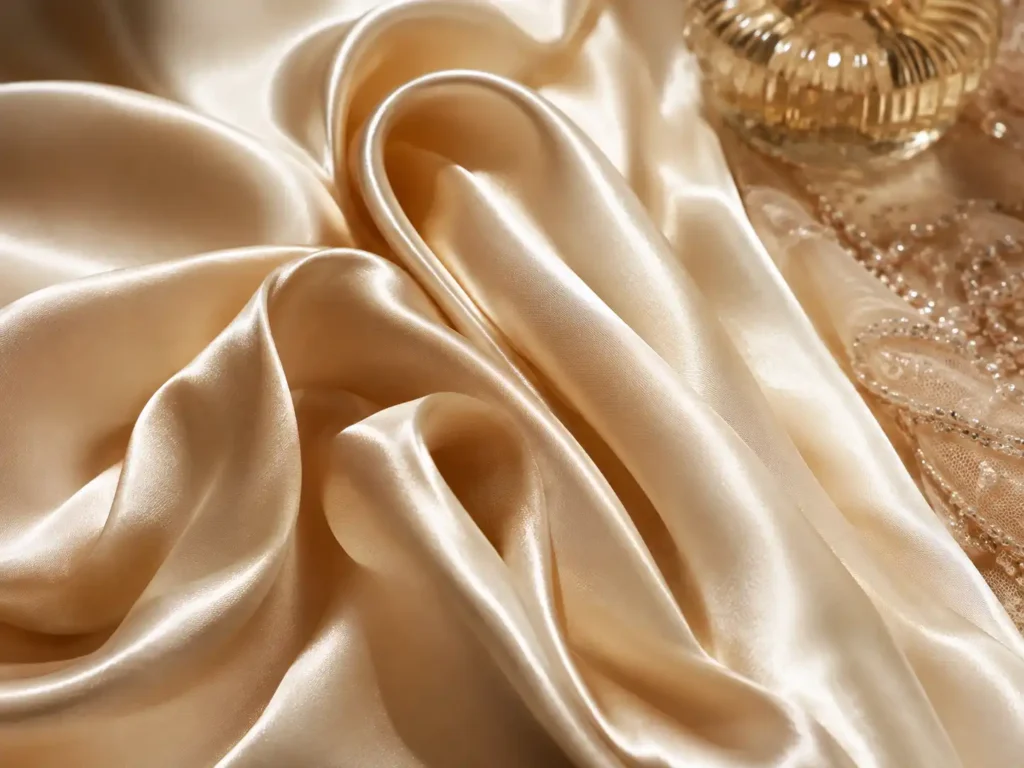
Satin offers shine, drape and a premium evening appearance, yet it exposes cutting and sewing errors quickly. Jinfeng reviews fiber content, weight, weave, bias behavior, surface direction, snag risk and shade variation before sampling. Matching tops and bottoms are cut from the same approved batch and direction whenever possible. Sewing trials focus on needle marks, seam puckering, zipper waves and pressing pressure. Bulk QC checks panel shine, color under natural and indoor light, snagging, seam appearance and protective packing.

Mesh and Power Mesh

Standard mesh provides transparency and softness; power mesh adds support and recovery for fitted tops and skirts. Development compares stretch in both directions, recovery after extension, hole size, transparency and edge stability. Double layers, lining panels, elastic binding or internal support may be required around the bust, neckline and waist. Cutting and sewing teams control pulled yarns, uneven tension and distorted openings. Set pairing also checks whether the top and bottom show the same transparency and color density.

Sequin Fabrics

Sequin fabrics differ in base cloth, sequin size, attachment method, direction and surface density. Those variables affect weight, stretch, seam bulk and comfort. Jinfeng maps sequin direction before cutting, clears or protects seam allowances when needed, and confirms lining around skin-contact zones. Sewing tests establish needle type, stitch length and reinforcement. Final control covers missing sequins, loose attachment, sharp edges, color variation, panel direction, zipper clearance and protective layers inside the polybag or garment cover.

Lace

Lace adds texture and eventwear detail but requires attention to motif direction, border use, transparency and seam placement. A matching set may use full lace, lace overlay, contrast lining or placement panels. Pattern pieces are reviewed against motif scale so bust seams, waistlines and skirt panels do not break the visual flow unnecessarily. Bulk cutting controls left-right symmetry and lot consistency. QC checks broken yarns, motif misalignment, visible seam allowances, color differences between lace and lining, and edge finishing.

Velvet

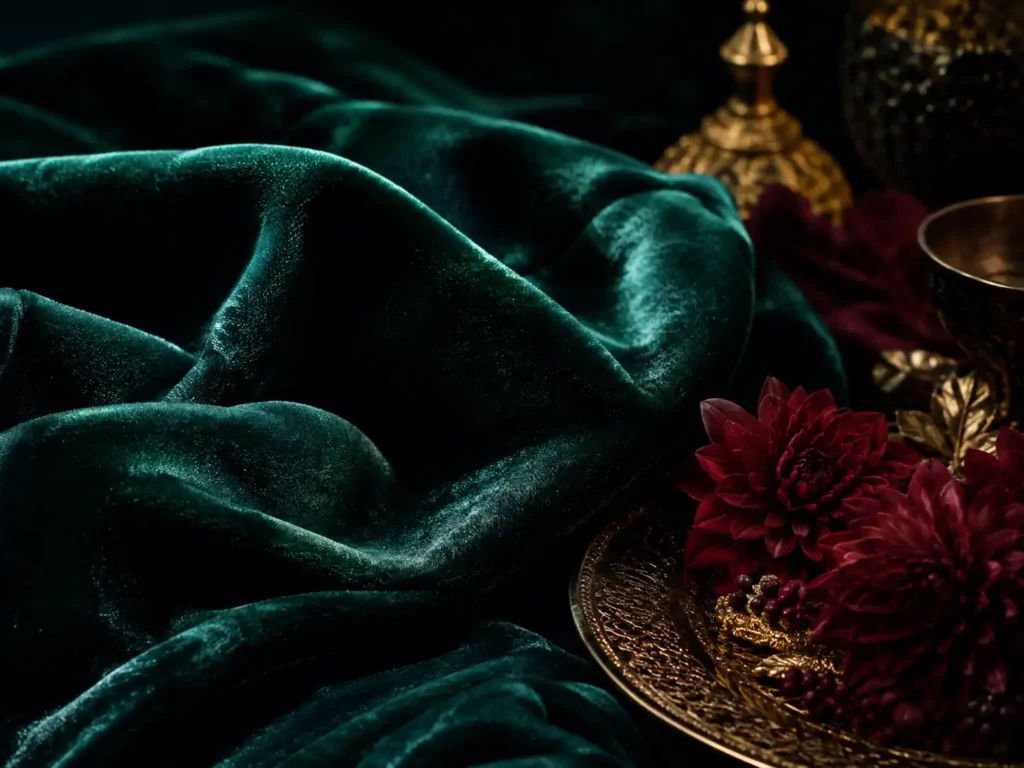
Velvet creates depth and strong seasonal appeal. Nap direction must remain consistent across every panel of both pieces or the set can appear to contain different shades. Cutting layouts follow one directional rule, while handling and pressing are controlled to reduce crushed pile and shine marks. Pattern work accounts for thickness and reduced seam flexibility. Bulk inspection checks nap direction, pressure marks, seam impressions, color under multiple angles and clean packing without heavy compression.

Stretch Knit and Jersey

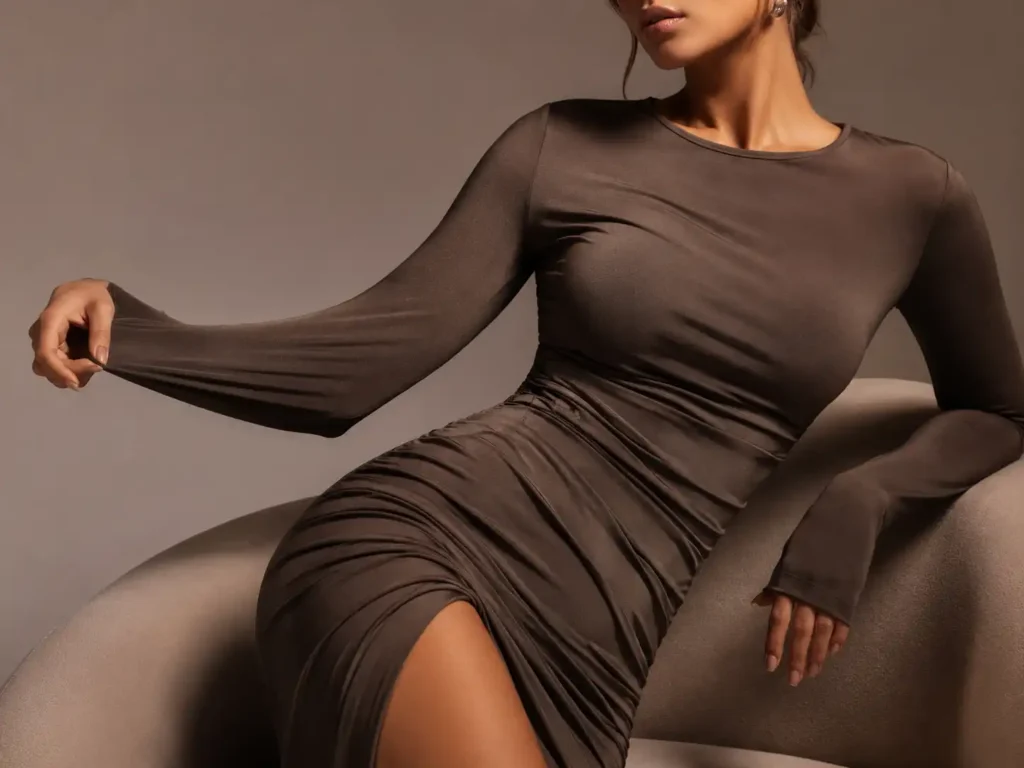
Stretch knits support bodycon party sets, ruched skirts and fitted tops, but recovery and weight must match the silhouette. Fabric tests review stretch percentage, return, opacity, pilling risk and shrinkage. Pattern ease is adjusted around bust, waist, hip and thigh rather than reduced uniformly. Stabilization may be needed at necklines, straps, zippers and waist seams. Bulk checks cover spirality, seam waviness, measurement recovery, transparency under tension and consistent stretch behavior between the top and bottom.

Fit Both Pieces as One Look

A matching set is judged through the complete silhouette. Pattern development connects bust shape, top length, waist placement, hip line, skirt balance and trouser rise so the outfit remains intentional across sizes and during movement.

Control the Upper Piece

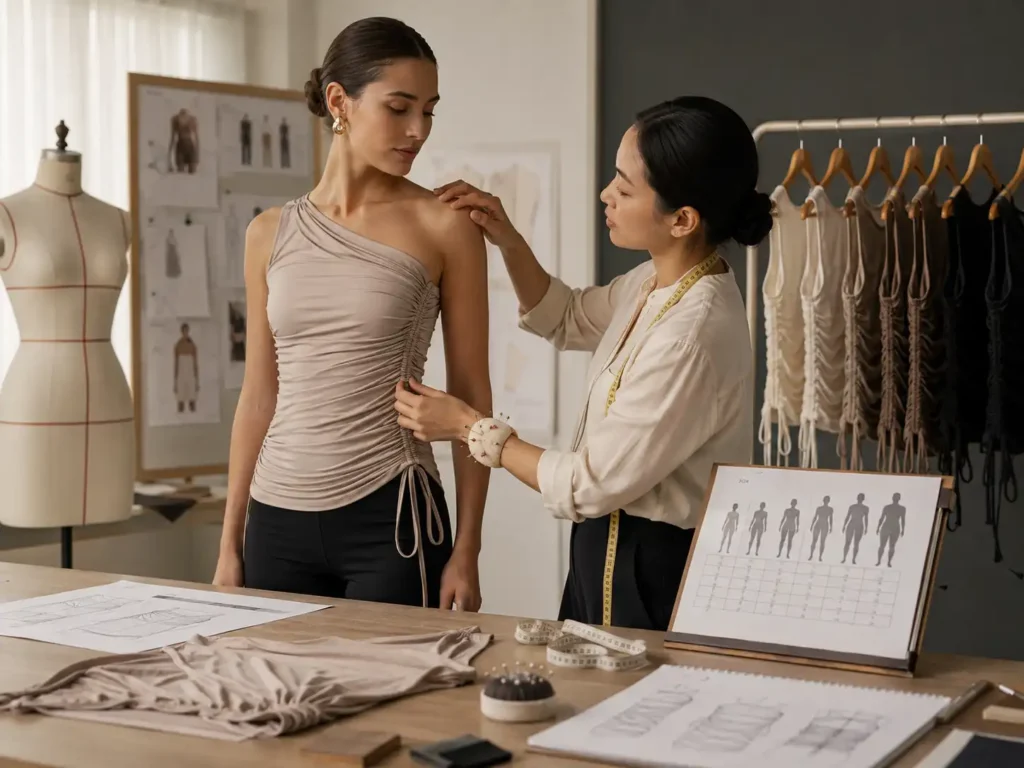
  • Corset, bustier, halter and cami tops require more than a bust measurement. Pattern makers review bust volume, cup position, underbust level, neckline depth, armhole shape, strap angle, back width and closure tension. A top that fits a mannequin can still lift, gape or roll during movement. Jinfeng uses fitting comments and measured corrections to define where support comes from: cup, boning, lining, elastic, shoulder strap, halter tie or back closure. Crop length is checked while standing, sitting and raising the arms. The hem must align with the selected skirt or trouser rise without exposing more than the intended design.

Control the Lower Piece

  • Mini skirts, maxi skirts and trousers each create different balance. Mini skirts need secure waist fit, enough hip allowance and controlled hem coverage. Maxi skirts require a stable waist, smooth hip transition, even hem sweep and a slit height that works through walking and sitting. Trousers need balanced front and back rise, seat shape, thigh room and inseam. A high-waist trouser can visually shorten a crop top, while a low-rise skirt increases exposed waist distance. Pattern review therefore treats the lower piece as part of the complete outfit rather than an isolated garment.

Grade the Complete Silhouette

  • Size grading must preserve design relationships instead of adding the same amount everywhere. Bust growth, waist growth, hip growth, top length and skirt length may follow different rules. Strap position and cup spacing also need review across the range. For XS-XL or extended size programs, Jinfeng can work from an approved base size, measurement chart and brand-specific grade rules. Separate-size selling may require independent top and bottom grading, SKU mapping and packing instructions. Bulk measurement checks compare critical points against the approved tolerance and Golden sample before sets are paired.

Construction Details Behind Partywear Sets
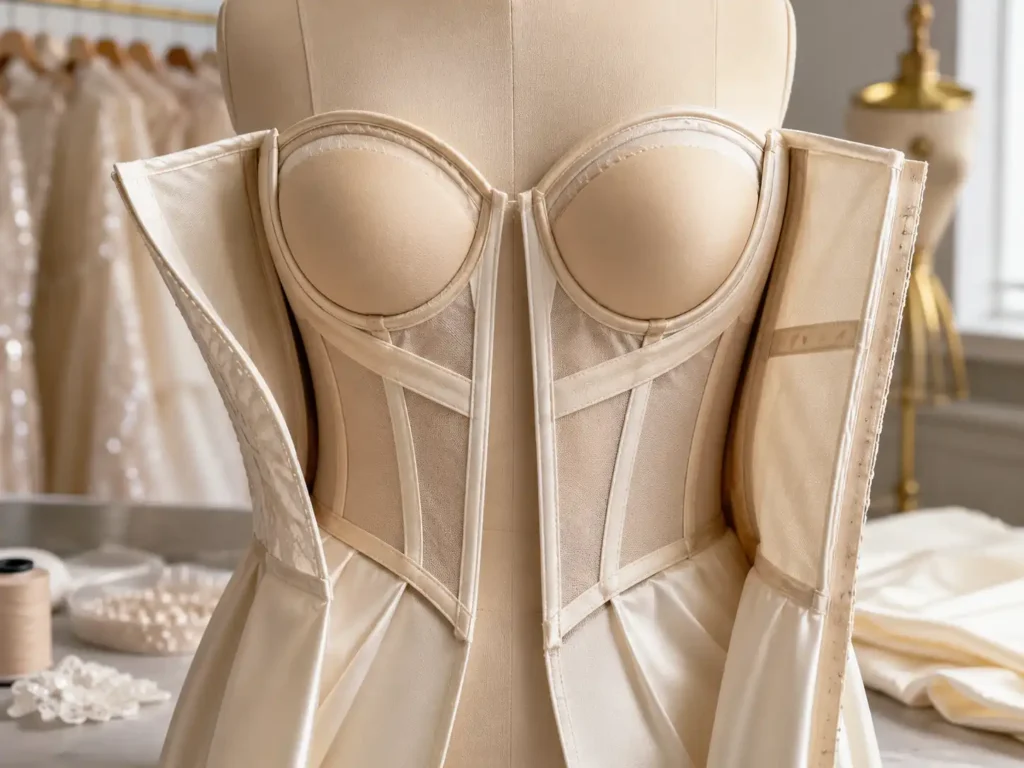
Support, comfort and surface quality come from hidden construction decisions. Cups, boning, lining, closures, straps and decorative trims must suit the selected fabric and remain available for the full bulk quantity.

Bra Cups and Bust Support

Cup shape, thickness and position influence the complete upper silhouette. A cup that is too narrow, shallow or rigid can distort the neckline and create visible edges. Jinfeng reviews cup size, placement, attachment, lining and compatibility with boning or elastic support. Sampling includes front, side and movement checks. Bulk production controls cup orientation, left-right symmetry, stitch security and consistent placement against pattern marks.

Boning and Corset Structure

Boning can shape the torso, stabilize necklines and support strapless structures. Plastic, spiral steel or other approved support options vary in flexibility, thickness and comfort. Channel width, end protection and seam placement are confirmed before bulk. Overly soft boning collapses; overly rigid support can distort the body line or cause discomfort. QC checks length, position, channel security, exposed ends and symmetry across the garment.

Lining and Coverage

Lining controls transparency, comfort, support and seam appearance. Partywear may use full lining, partial lining, self lining, power mesh or targeted modesty panels. The lining needs compatible stretch and weight; otherwise the shell can pull, sag or twist. Color is checked against satin, lace and mesh under more than one light source. Bulk inspection reviews lining exposure, edge control, twisting, seam allowance visibility and comfort at high-friction areas.

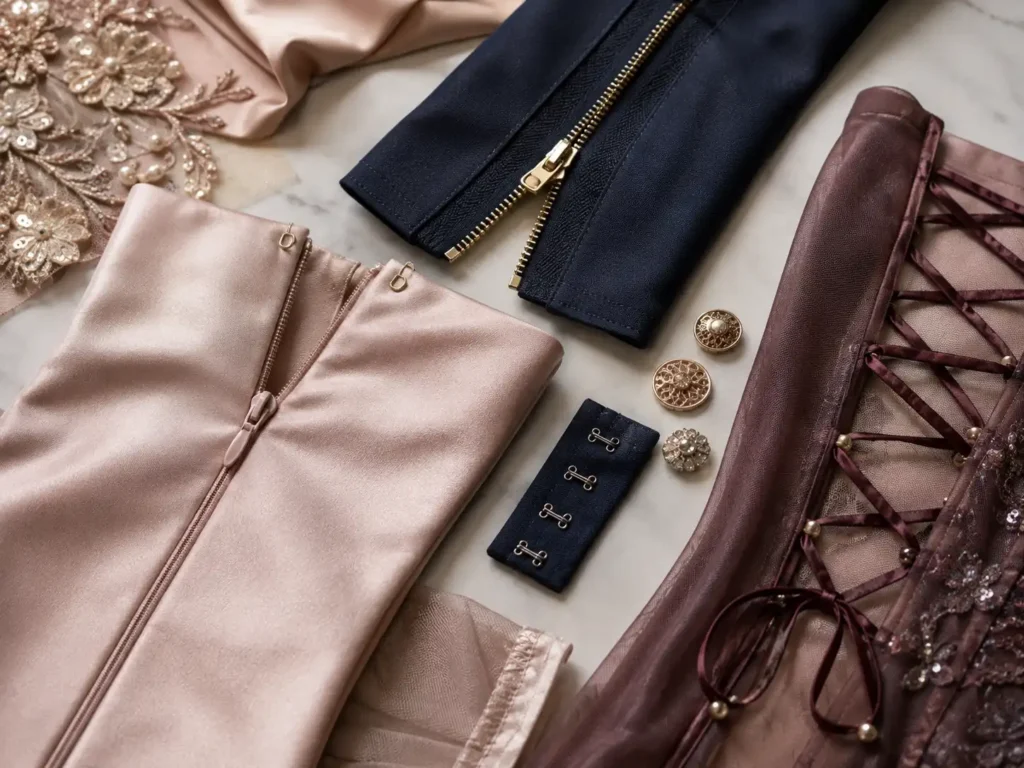
Zippers and Closures

Invisible zippers, metal zippers, hooks, buttons and adjustable ties all change fit and production risk. A zipper that is too heavy can wave on satin or distort a mesh seam. Hook position affects waist security. Back lacing requires stable eyelets and reinforcement. Jinfeng confirms length, color, tape quality, slider function and bulk availability before PP approval. Inline checks cover flatness, smooth operation, top alignment and reinforcement.

Straps and Adjusters

Straps carry load and influence neckline position. Width, stretch, angle and adjuster quality are selected for the bust structure and fabric. Halter ties need secure anchoring and comfortable edge finishing. Adjustable straps require stable rings and sliders that do not slip during wear. Pattern marks control left-right placement. Bulk QC reviews strap length, attachment strength, symmetry, hardware color and the ability to maintain the approved neckline position.

Rhinestones, Chains and Trims

Decorative elements need a defined attachment method, placement map and wearability review. Rhinestones, chains, fringe, flowers and metal trims can add weight, scratch the skin or damage nearby fabric. Sampling checks visual balance, pull strength and movement. Bulk work follows approved placement distances and reinforcement. Final inspection covers missing pieces, loose attachment, sharp edges, color mismatch, oxidation risk and protection during packing and transit.

Keep Both Pieces Visually Consistent

A matching set can fail even when both pieces pass inspection separately. Fabric batch, cutting direction, lining, thread, zipper and packaging data must remain connected so the top and bottom arrive as one approved commercial look.

RiskTypical CauseProduction Control
Color differenceDifferent dye lots, surface shine or lighting responseUse one approved bulk lot where possible; record dye lot; approve shell, lining, thread and zipper colors together.
Uneven satin shinePanels cut in opposite directionsMark face and direction before cutting; use directional lay plans for both pieces.
Print mismatchTop and bottom planned separatelyApprove placement maps, repeat scale and cut orientation as a coordinated set.
Transparency mismatchDifferent mesh layers or lining colorsConfirm layer count, lining tone and stretch density on the PP sample.
Different recoveryTop and bottom use separate stretch batchesTest stretch and recovery; keep approved batch references; recheck patterns after fabric change.
Trim color conflictZippers, thread, elastic or hardware ordered independentlyIssue one trim approval record covering both pieces and every colorway.
Size pairing errorSeparate packing streams or unclear SKU rulesDefine top/bottom size logic, scan or check pair codes, and verify before polybag sealing.
Packing abrasionSequins, stones or hardware touch the other pieceUse tissue, inner protection or separate sleeves inside the coordinated outer pack.

Send Your Set for Review

A useful assessment starts with enough information to judge structure, fabric, quantity and launch timing. Jinfeng reviews development risk before confirming sample scope, material direction and quotation requirements.

Files From Your Team

Send a tech pack, reference image, original sample or line sheet together with planned quantity per style/color, size range and launch date. Include preferred fabrics, color standards, construction notes, separate-size requirements and private-label packaging. Clear information helps the pattern, fabric and costing teams identify missing details before sampling begins, reducing late changes after the first sample is finished.

Review From Jinfeng

The initial review covers style complexity, bust and waist structure, fabric suitability, lining, special trims, pattern requirements, likely sample route, MOQ fit, material availability and bulk risks. Feedback may include fabric alternatives, construction changes, sample priorities or questions that must be resolved before quotation. A project proceeds only after both sides understand the intended product and the commercial production path.

Validate Complex Details Before Bulk

Partywear sampling is a controlled engineering stage. Appearance, fit, support, transparency, movement and repeatability are checked before the PP sample becomes the production reference.

First Sample: Confirm Direction

  • The first sample establishes the basic structure, proportion and material direction. Simple styles may require about 7-10 days; standard women’s fashion styles commonly require about 10-15 days; complex corset, strapless, lace, mesh, sequin or evening structures normally need about 15-25 days after materials and specifications are ready. The first version is not treated as a final bulk standard. Fit comments, fabric behavior, trim performance and workmanship are recorded by location and cause, then converted into pattern, measurement, BOM or sewing updates.

Revised Sample: Remove Production Risk

  • A revised sample tests the agreed corrections. Medium-complexity styles commonly need one or two revision rounds, while corset, strapless, mesh, lace and sequin structures may require around two rounds depending on fit and design changes. Review points include cup position, boning, neckline security, top length, waist placement, skirt coverage, trouser rise, mesh transparency, lining and decoration. Changing the fabric or major structure can require a fresh evaluation because stretch, drape, support, cost and pattern behavior may change together.

PP and Golden Sample: Lock the Standard

  • The PP sample confirms the final structure, measurements, grade rules, fabric, dye lot direction, lining, zippers, cups, boning, labels, packaging, workmanship and allowed tolerances before bulk. Major design changes after PP approval affect cost and timing. The Golden sample is sealed with the final pattern, BOM, trim approvals, size chart, sewing instruction, QC points and packing standard. Production teams, inspectors and repeat-order teams use the same reference instead of relying on conversation history.

From Set Concept to Bulk Production

Each stage produces a clear approval or operating file. The sequence keeps creative decisions connected to pattern work, materials, bulk standards and retail delivery.

Project Brief

Confirm product category, style count, quantities, market, size range, target launch, private-label needs and responsible contacts.

Structure Review

Assess upper and lower construction, support, lining, closures, movement, commercial fit and the relationship between both pieces.

Fabric Direction

Review weight, stretch, recovery, drape, transparency, surface direction, color method, supplier MOQ and bulk availability.

Pattern Development

Build or correct patterns around bust, waist, hip, top length, skirt balance, trouser rise, grade rules and design proportions.

First Sample

Test the initial shape, support, fabric behavior, workmanship and set proportion; record corrections by location and reason.

Revision and Fit

Update pattern, measurement chart, BOM, trims, construction and QC points; verify movement and appearance across relevant sizes.

PP Approval

Lock fabric, color, trims, labels, packaging, workmanship, tolerances and the approved production standard.

Bulk and QC

Allocate production, inspect materials, control cutting and sewing, measure garments, check surfaces, pair sets and verify packing.

Delivery and Records

Prepare shipment files, coordinate the forwarder, preserve approved patterns and material records, and document repeat-order differences.

MOQ and Cost Factors Explained

MOQ starts from 200 pcs per style/color. Final pricing depends on both pieces as a coordinated production unit, including shared materials, separate operations, set pairing and retail packaging. Special materials and trims can carry supplier minimums above the garment MOQ.

Cost FactorHow It Changes the Quote
Shell fabricWeight, width, consumption, color method, stretch, surface risk and wastage for the top and bottom.
Lining and supportFull or partial lining, power mesh, cups, boning, interfacing, elastic and reinforcement.
Pattern and gradingTwo garment patterns, coordinated proportion, size range, separate-size selling and brand grade rules.
Sewing timeCorset channels, ruching, narrow hems, zippers, clean finishing, tailored structure and surface handling.
DecorationSequin clearance, rhinestone placement, embroidery, chains, flowers, fringe and hand attachment.
Color quantitySeparate fabric purchasing, lab dips, cutting management, trim matching, labels and packing by color.
Size ratioGrading complexity, cutting efficiency, pair mapping, label counts and packing accuracy.
Sample developmentPattern work, material preparation, sewing, fitting, revisions, PP confirmation and Golden sample sealing.
Private label packingMain labels, care labels, hangtags, barcodes, polybags, inserts, protection and carton marks.
Testing and logisticsProject-specific testing, inspection, shipment method, documentation and destination requirements.

Plan Production Around Your Launch

Holiday, birthday and event-led collections lose value when approvals, materials and shipment planning happen too late. A workable calendar starts from the launch date and sets clear decision deadlines for every stage.

Prioritize Styles Before Sampling

  • A 10-30-style range should not enter the sample room without priority. Hero looks for campaign photography, commercial core sets and high-risk fabric styles need different timing. Simple pieces may reach a first sample in about 7-10 days, standard styles in about 10-15 days, and complex corset, mesh, lace or sequin work in about 15-25 days after materials and specifications are ready. Running every style at equal priority can delay the pieces that control the launch.

Lock Decisions Before Production

  • Bulk timing is issued after PP approval, material confirmation, final quantity, color breakdown, size ratio and packing requirements are known. Fabric dyeing, custom print, special trims, decoration and retail packaging can add separate preparation windows. The calendar therefore includes approval cutoffs rather than a single final ship date. Late changes to color, fabric, structure or packaging move the production plan because new materials, patterns or samples may be required.

Plan Shipment Before Packing

  • Shipment planning begins while production is running. Priority SKUs, campaign colors or core sizes can be separated for an earlier air shipment when the commercial need justifies the cost, while the main volume follows by sea. Carton labels, packing lists and warehouse instructions must support the split. Brands using an appointed forwarder can provide booking instructions, warehouse address, cut-off time and required documents before goods are released.

Control Both Pieces Through Bulk Production

Bulk production treats every matching set as one commercial product with two connected manufacturing routes. Materials, patterns, operations, QC and packing data remain linked from cutting through carton release.

Material and Cutting Control

Incoming fabric is checked against the approved type, color, hand feel, width, stretch and surface direction. Dye lots and visible shade differences are recorded before cutting. Directional materials such as satin, velvet, sequins and printed fabrics receive specific lay and marker instructions. Top and bottom panels follow the same approved direction where the design requires a unified look. Cutting bundles carry style, color, size and component identification so pieces do not enter the wrong sewing route. Lining, interfacing, mesh and support materials are verified against the production BOM before the first sewing operation begins.

Sewing and Workmanship Control

First output from key operations is reviewed before volume work continues. Corset channels, cups, zippers, waist seams, ruching, slits, trouser rise and decorative placements receive defined checkpoints. Sewing instructions identify seam type, stitch density, reinforcement, elastic length, trimming and pressing restrictions. Satin needs controlled tension and handling; mesh needs stable edges and clean stretch seams; sequins need protected seam allowances and safe inner finishing. Inline inspection catches twisting, measurement drift, uneven gathers, surface damage and trim problems before large quantities reach final finishing.

Set Pairing and Packing Release

Finished tops and bottoms are measured and inspected before pairing. Size labels, color codes, SKU data and sales configuration determine whether both pieces enter one polybag or separate inner sleeves. Pairing checks confirm the correct style, color and size combination, especially where top and bottom sizes can differ. Surface-sensitive sets may require tissue, backing cards or protective covers. Packing teams follow approved fold, barcode, polybag, carton ratio and carton-mark instructions. QC and shipment records remain linked to the same production batch for later repeat-order review.

QC Built for Partywear Sets

Quality checks cover materials, construction, measurements, appearance and pairing. Final inspection alone cannot recover errors created during fabric receiving, cutting or early sewing, so control begins before production volume builds.

Fabric Inspection

Check fabric identity, color, width, stretch, recovery, transparency, surface direction, stains, holes, pulled yarns and visible lot differences. Satin, velvet, mesh and sequin fabrics receive material-specific handling notes before cutting. Approved swatches, lab dips or physical standards remain available for comparison. Any replacement material is reviewed for pattern, lining, cost and sample impact before release.

Cutting Direction

Verify face side, grain or stretch direction, nap, print orientation, sequin direction and left-right symmetry. Top and bottom panels are checked against the coordinated marker plan. Bundle tickets identify style, color, size and component. Cut-part checks also cover notches, drill marks, seam allowances and support-piece placement so cup, boning, zipper and trim positions remain consistent.

Sewing and Structure

Inspect seam type, stitch balance, reinforcement, zipper installation, cup position, boning channels, lining, elastic, straps, ruching and decorative attachment. Key operations receive inline review instead of waiting for completed garments. Surface fabrics are checked for needle marks, puckering, scratches and crushed areas. Internal finishing is reviewed for comfort because sharp sequins, exposed boning or rough trims can create returns even when the outside looks acceptable.

Measurements and Fit

Measure critical points against the approved size chart and tolerance: bust, underbust, waist, hip, top length, strap length, skirt length, slit height, trouser rise, inseam and hem. Pattern version and grade rules must match the released production files. Measurements are checked on both pieces and compared with the Golden sample. Repeated drift triggers production correction rather than averaging the result at final inspection.

Surface and Appearance

Review color consistency, shine direction, print placement, lace motifs, sequin density, wrinkles, pressing marks, visible lining, asymmetry and overall balance. The complete set is assessed from front, side and back because separate garments can look acceptable yet fail as a coordinated outfit. Lighting-sensitive fabrics may be viewed under more than one condition to identify shade or surface differences before packing.

Pairing and Packing

Confirm correct top and bottom style, color, size, labels, barcode, SKU sticker, protective materials and polybag method. Pairing rules follow the sales model: fixed-size set, mixed-size set or separately packed pieces. Carton quantities, assortment ratios, carton marks and warehouse labels are checked against approved packing instructions. Final sampling inspection uses the agreed AQL or project requirement without replacing the earlier process checks.

Private Label Sets Ready for Retail

Private-label execution connects the garment, SKU system, warehouse process and unboxing experience. Matching sets need especially clear rules for labels, separate-size options, barcodes and surface protection.

Main and Size Labels

Main labels, size labels and care labels are positioned to remain comfortable and readable on both pieces. Fixed-size sets may use matching size labels, while mix-and-match programs need separate top and bottom identification. Label material, fold, placement and stitch method are approved before bulk. Care information must reflect the shell, lining, decoration and finishing requirements of the complete set.

Hangtags and Inserts

Hangtags can present the set name, collection story, price, composition, care or campaign information. Where both pieces share one retail unit, tag placement should not damage satin, mesh or sequin surfaces. Thank-you cards, product cards and promotional inserts are checked against the final packing sequence. Print files, paper quality, hole position and attachment method are confirmed before bulk ordering.

Barcode and SKU Logic

Barcode structure follows the selling method. One barcode can represent a fixed top-and-bottom set, while separately sold pieces require individual item codes. Mixed-size sets need an unambiguous pair code or packing instruction. Style, color and size data are cross-checked against the order file before labels are printed. Packing teams verify readable codes and correct placement before polybag sealing.

Protective Packing

Satin, velvet, rhinestone and sequin surfaces can mark or scratch the other piece during transit. Protection may include tissue, inner sleeves, backing cards, foam around hardware or a garment cover, depending on the product. Fold lines are reviewed to avoid crushing cups, boning or structured fronts. Polybag thickness and ventilation holes follow the project and destination requirements.

Carton and Warehouse Labels

Carton marks can include PO, style, color, size ratio, carton number, destination, gross weight, net weight and warehouse references. Large programs may require retailer-specific SSCC, FBA or third-party warehouse labels. Jinfeng follows approved label files and packing instructions, while final requirements are confirmed before cartons are sealed to reduce relabeling and receiving delays.

Confidential Brand Files

Logos, labels, barcodes, packaging art, unpublished styles, order quantities and launch information are managed for the related order. NDA-based cooperation is available. Production or QC photos used for progress reporting can be framed to protect design and identity details. Public marketing use requires separate authorization; private-label assets are not treated as general factory samples.

Built for Multi-Style Partywear Programs

Large collections need disciplined file control. A program containing 10-30 styles and 20,000-80,000 total pieces can involve hundreds of combinations once colors, sizes, materials and packing rules are counted.

Style-Level BOM Control

Each style carries its own shell, lining, trims, support materials, label and packaging record. Shared components are still tracked by approved specification and color. BOM updates follow sample revisions so bulk teams do not work from an older material list.

Sample Version Control

First sample, revised sample, PP sample and Golden sample are identified separately. Comments are recorded by body location, reason, action and file impact. Approved changes are transferred into the pattern, measurement chart, sewing instruction and QC checklist.

Color and Dye-Lot Control

Multiple colorways are separated by fabric batch, lining, thread, zipper, elastic and decoration. Bulk color approvals and physical references remain linked to the style. Shade risk is reviewed before panels are paired into sets.

Size and Ratio Planning

Size ratios influence cutting efficiency, pair accuracy and inventory value. Grade rules are confirmed before production. Separate-size selling requires top and bottom SKU mapping, while fixed-size sets need controlled pairing and carton assortment.

Factory Allocation

Owned factories and long-term production partners are matched by fabric, construction, workmanship and schedule. Complex corset, mesh, sequin or tailored styles are not allocated only by available capacity. One project timeline connects materials, samples, production, QC and packing across locations.

Repeat-Order Records

Approved patterns, fabric references, trim records, measurements, packing standards and QC notes are retained for future orders. Reorders still review fabric availability, dye lot, stretch, weight and any design change before production because the same name does not guarantee identical material behavior.

Representative Partywear Program Structures

The following anonymized structures reflect the scale and operating approach used for comparable brand programs. Commercial names, designs and private-label files remain protected; quantities and timelines are presented as representative project data.

US Holiday Party Drop

A representative US holiday program contained 19 matching-set styles and 48,400 total pieces across satin, mesh, sequin, stretch crepe and tailored fabric groups. The size range ran from XS to XL, with 11 color-and-style combinations receiving campaign priority. Complex first samples were scheduled in the 15-25-day range, followed by two structured fit and construction review gates. Bulk was divided by material risk rather than product name: satin direction and snag control, mesh transparency and recovery, sequin protection, and tailored pressing. Hero colors and core sizes were packed first for an earlier shipment; the remaining volume followed under the approved carton and warehouse plan.

European Eventwear Capsule

A representative European capsule included 14 styles and 27,600 total pieces, focused on corset tops with mini and maxi skirts. Four shell fabrics were paired with three lining systems, creating different support and transparency requirements. The project used separate top and bottom grade rules because the retail model allowed mixed-size selection. Cup position, boning length, waist placement and slit height were approved through revised samples before PP release. Packing used individual inner sleeves for embellished pieces inside a coordinated outer bag, reducing abrasion between garments. Barcode and SKU mapping identified both the complete look and the separate components for warehouse receiving and replenishment.

Multi-Drop Ecommerce Program

A representative multi-drop program covered 26 styles and 73,200 total pieces scheduled across three launch windows. Development priority was assigned to eight commercial core sets, ten seasonal color extensions and eight statement styles using mesh, lace and sequin surfaces. Shared pattern blocks were used only after fabric and support differences were reviewed. Production allocation followed workmanship and material category, while a central project file controlled sample version, BOM, grade rules, labels, barcodes, packing and QC. The shipment plan released priority campaign SKUs first, then consolidated the remaining volume by destination and warehouse cut-off. Repeat-order records were preserved for core fits and approved materials.

Partywear Matching Set Frequently Asked Questions

Yes. Jinfeng Apparel develops custom top-and-skirt, top-and-trouser, corset, halter, satin, mesh, lace, sequin and tailored partywear sets from tech packs, reference images, original samples, sketches or line sheets. Each project is reviewed for fabric, pattern, support, fit, bulk feasibility and private-label requirements.
Core options include corset tops with mini or maxi skirts, satin camis with bias or slit skirts, mesh tops with ruched skirts, sequin bustiers with trousers, halters with fitted bottoms, and tailored cropped jackets or vests with skirts, shorts or trousers.
Jinfeng records fabric supplier, batch, dye lot, color approval, surface direction, lining, thread and trims. Directional fabrics follow coordinated cutting instructions. Bulk pairing checks compare color, shine, transparency and trim appearance before packing the top and bottom together.
Yes, when the selling model requires separate-size selection. Top and bottom patterns, grade rules, labels, SKUs and packing instructions must be managed independently. Pairing codes or separate inner packs are confirmed before bulk so warehouse and ecommerce systems can identify each component correctly.
Common choices include satin, stretch crepe, mesh, power mesh, lace, velvet, sequin fabric, jersey and structured woven materials. The best option depends on support, stretch, transparency, drape, surface risk, target price and intended silhouette.
Simple styles may require about 7-10 days, standard women’s fashion styles about 10-15 days, and complex corset, strapless, lace, mesh, sequin or evening structures about 15-25 days after materials and specifications are ready. Revisions and custom materials add time.
MOQ starts from 200 pcs per style/color. The quantity is calculated by style and color, not by combining unrelated styles. Custom dyeing, printing, lace, sequin fabrics, special trims and private-label packaging may carry separate supplier minimums.
Bulk control covers material approval, cutting direction, pattern version, key sewing operations, measurements, surface appearance, top-and-bottom pairing, labels, barcodes, packing and final sampling inspection. PP and Golden samples connect the approved product to production and QC.
Yes. Support can include main labels, size labels, care labels, hangtags, barcodes, SKU stickers, polybags, protective inserts, carton marks and warehouse labels. Packing method is defined by whether the set sells together, separately or with mixed-size selection.
Yes. NDA-based cooperation is available for tech packs, samples, patterns, fabric and trim direction, labels, packaging, quantities, pricing and launch information. Public use of a brand name, unreleased style or private file requires separate authorization.

Develop Your Next Partywear Set

Send Kelly the product files and commercial details needed for a focused review. A useful brief includes the top and bottom design, reference images or tech packs, planned quantity per style/color, fabric direction, color plan, size range, desired selling method, private-label requirements and target launch date.

Jinfeng Apparel will review structure, fit, material suitability, trims, sampling route, MOQ, production risk and the information needed for quotation. For multi-style programs, identify campaign-priority styles and expected total volume so sample and factory allocation can be planned in the right order. Files can be shared under NDA, including unpublished designs, patterns, labels, packaging and launch information.

  • Reference image, tech pack, original sample or line sheet
  • Quantity per style/color and expected total program volume
  • Fabric, color, size range and separate-size requirements
  • Logo labels, hangtags, barcode, polybag and carton instructions
  • Target sample date, launch date and shipment destination

Tell Us About Your Dress Project

Share your product details, estimated quantity and development requirements. Our team will review your project and provide practical OEM/ODM production feedback.

Premium Women’s Apparel Production for Fashion Brands

From dress sample development to bulk production, JF Apparel supports fashion brands with confidential OEM/ODM manufacturing, reliable quality control and scalable production support.

START YOUR DRESS PROJECT

Ready to Develop Your Next Dress Collection?

Share your design concept, product requirements or sourcing plans with our team. We’ll review your project and provide practical feedback on development, materials, MOQ and production.

7-10 Days

Sample Development

200 PCS

Starting MOQ

Fast Response

Professional Follow-Up