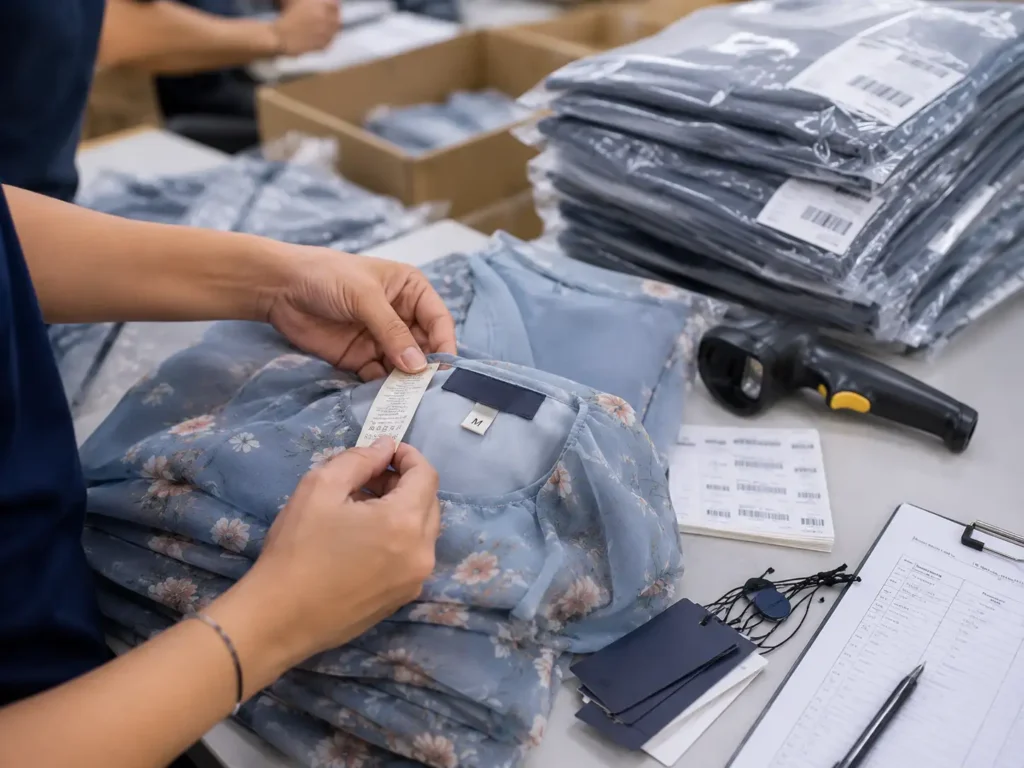
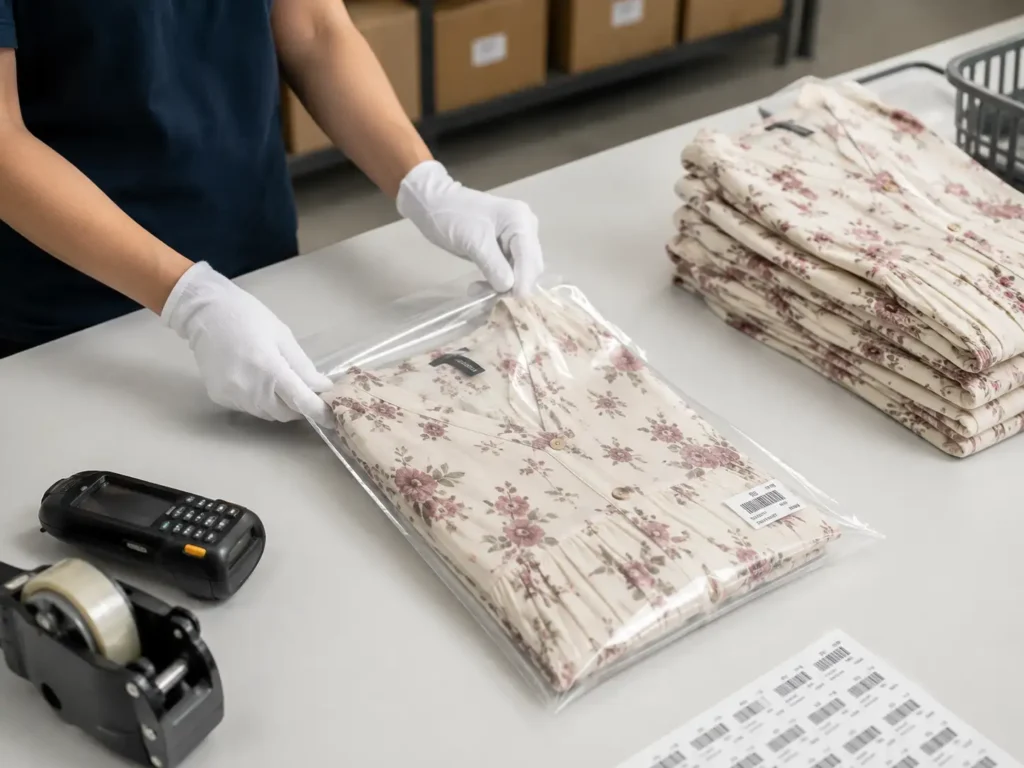
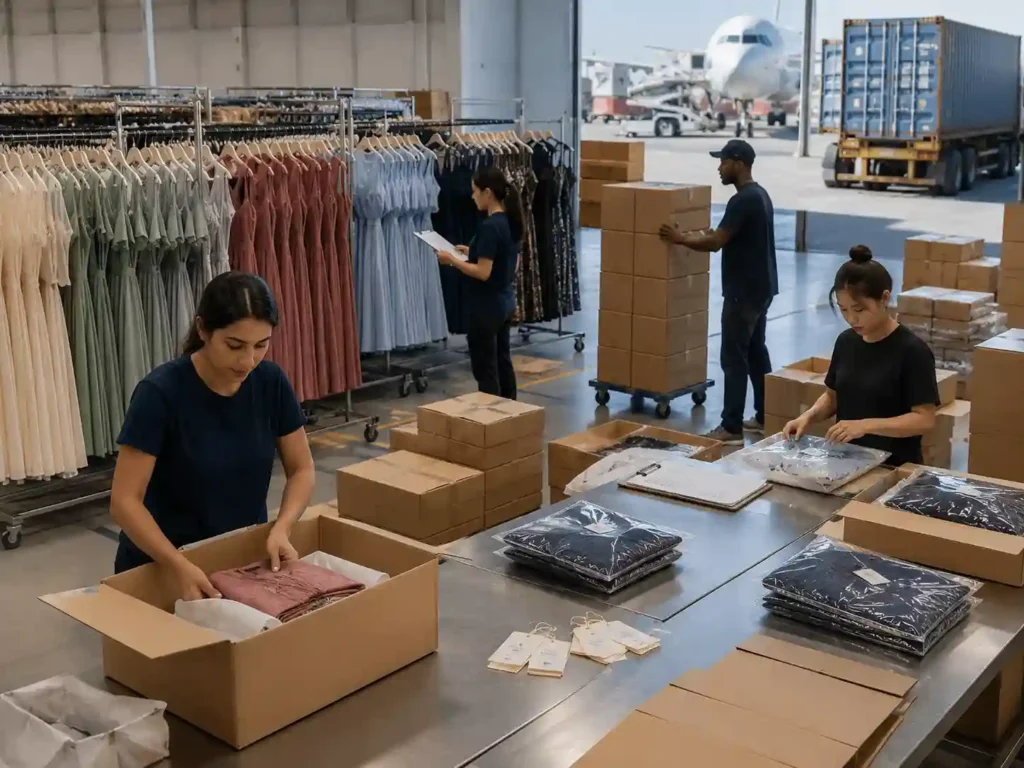
Partywear Manufacturer for US Ecommerce Brands

Custom partywear development, photo-ready sampling and scalable production for established US online fashion brands managing frequent launches and repeat orders.

  • 6 owned womenswear factories and 18+ sewing lines for multi-style partywear production.
  • 2 sample rooms, 7+ senior pattern makers and 20+ sample machinists for controlled development.
  • 15+ QC inspectors covering fabric, inline, final garment and packing checks.
  • MOQ starts from 200 pieces per style and color, subject to fabric, trims and construction.

Partywear Development Backed by Measurable Production Resources

Partywear programs require more than available sewing capacity. Development speed, pattern accuracy, complex-fabric handling, quality checkpoints and style-level coordination all affect whether approved samples can become stable commercial orders.

Since 2008

Jinfeng Apparel has focused on custom womenswear manufacturing since 2008, supporting overseas fashion programs from product review and fabric direction to sampling, bulk production, private-label packing and export coordination. Long-term experience matters in partywear because visual impact depends on small decisions: fabric direction, lining coverage, bust shaping, stretch recovery, zipper placement, embellishment protection and final pressing. The team evaluates those decisions before production release rather than leaving them for end-line inspection.

Two Sample Rooms

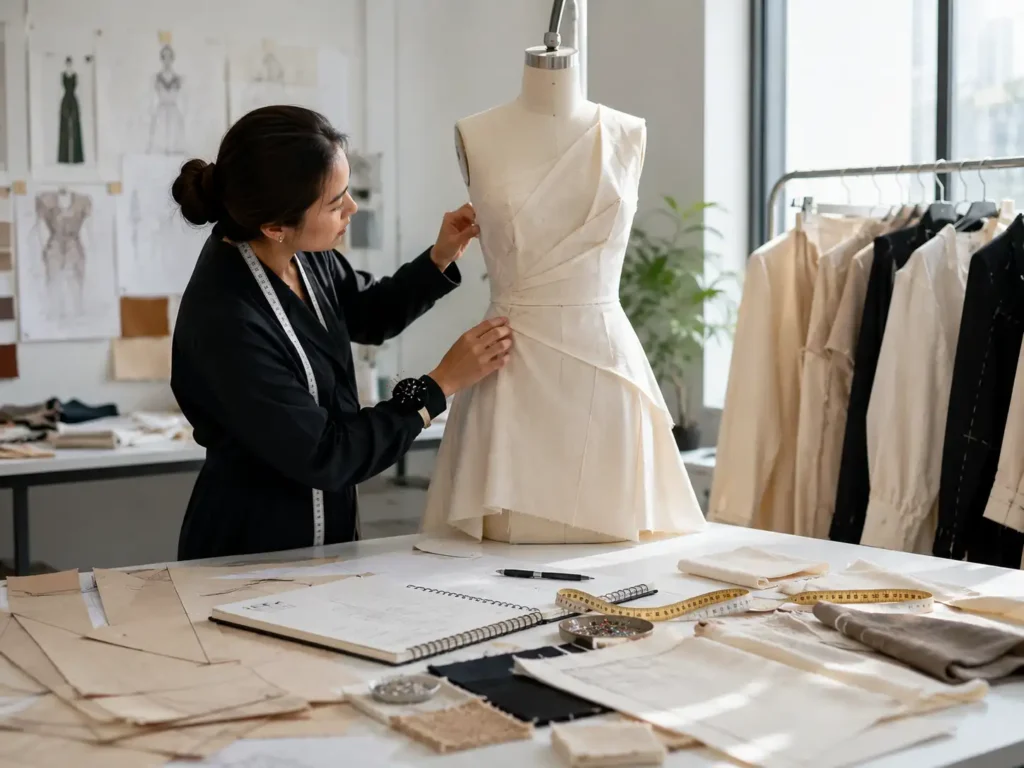
Two dedicated sample rooms allow pattern development, first samples, fit corrections, revised samples and pre-production approvals to move through a controlled workflow. Partywear styles are separated by construction risk, so a stretch mesh bodycon dress does not follow the same development logic as a boned corset dress or a sequin mini. Sample comments are translated into pattern, measurement and sewing updates before the next version begins, helping product teams review visible changes instead of repeating the same correction.

Seven Pattern Makers

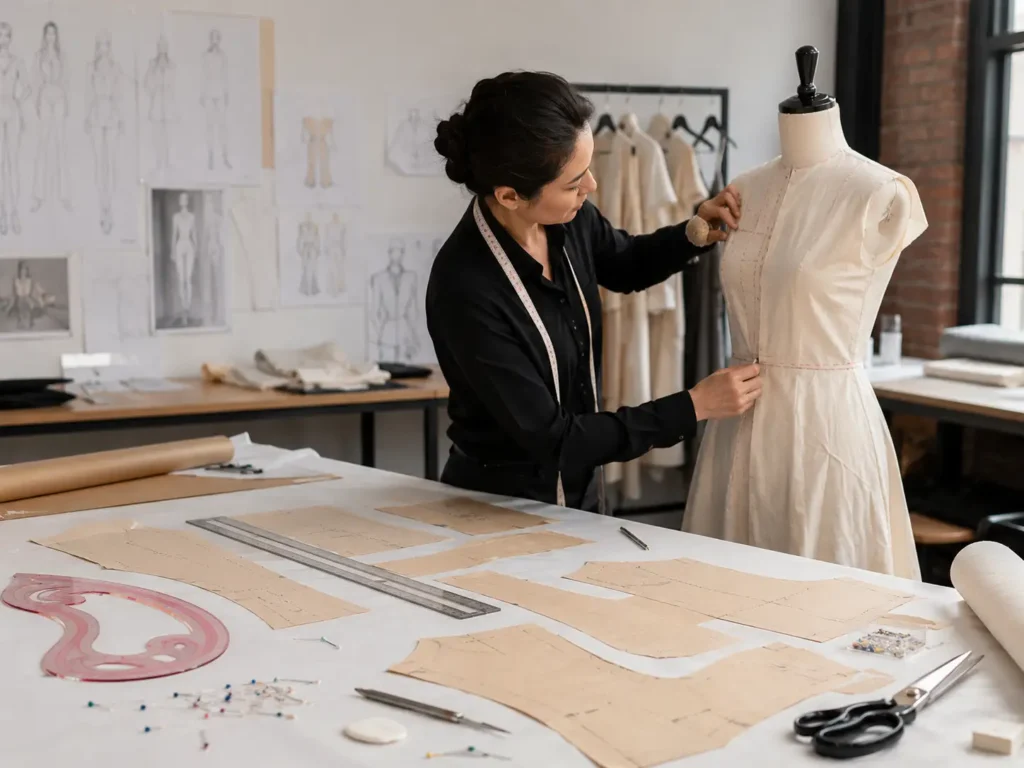
Seven or more senior pattern makers support dresses, jumpsuits, matching sets, skirts and fashion tops across woven, stretch and layered constructions. Their work covers bust volume, waist placement, hip balance, neckline security, strap position, slit height, lining length and graded-size behavior. Partywear sold online must look convincing in photography while remaining wearable across a size range, so pattern decisions are judged on appearance, movement, support and repeatability rather than mannequin presentation alone.

Twenty Sample Machinists

More than 20 sample machinists provide the sewing depth needed for concurrent style development, especially when a seasonal drop includes satin, lace, mesh, sequins and structured pieces in one line. Experienced sample sewing reveals risks that flat specifications may miss, such as bulky seam intersections, visible lining edges, zipper rippling, scratch points, weak strap joins or uneven ruching. Findings are recorded during development so bulk instructions reflect the approved construction rather than an improvised production interpretation.

Eighteen Sewing Lines

Jinfeng Apparel works with 18+ sewing lines across its owned production system, with style allocation based on fabric, silhouette, sewing complexity, quantity and required finish. Partywear orders are not assigned only by available space. Stretch bodycon styles, delicate satin pieces, sequined garments and structured corset dresses need different operator skills and handling methods. Production planning therefore groups compatible styles and protects critical operations through approved samples, technical instructions and inline inspection points.

Monthly Capacity

The coordinated production system supports 100,000+ pieces of womenswear capacity per month, depending on product mix, material readiness, style complexity and confirmed scheduling. Capacity is useful only when it remains controlled. Multi-style partywear orders are released by approved style, allocated to suitable lines and monitored through merchandising and QC checkpoints. The aim is not to push every style into production at once, but to maintain launch timing without weakening measurements, finish, packaging accuracy or approved visual standards.

Built for Established US Ecommerce Fashion Programs

Jinfeng Apparel is structured for fashion teams with defined product direction, professional sampling requirements and commercial production plans. Clear project boundaries protect development quality, costing accuracy and production scheduling from the beginning.

Strong Project Fit

The manufacturing model is well suited to established ecommerce labels, premium online womenswear brands, partywear and clubwear lines, product development teams, merchandising departments and sourcing offices managing multi-style seasonal programs. Strong project fit normally includes reference images, tech packs, original samples or line sheets; a clear quantity plan; expected size and color ranges; private-label requirements; and a launch calendar. Jinfeng can then review style feasibility, material direction, sampling priorities, MOQ structure, production allocation and delivery planning with enough information to give useful answers.
  • Defined partywear or occasionwear direction
  • Sampling budget and approval process
  • Bulk quantity plan by style and color
  • Brand labels, barcodes or packing requirements
  • Seasonal launch or replenishment schedule

Outside Core Scope

The production system is not designed around ready-stock purchasing, dropshipping fulfillment, one-off personal garments, micro-quantity trial requests or projects driven only by the lowest available unit price. Partywear development requires paid sampling, fabric confirmation, fit review, construction approval and realistic production planning. Clear boundaries also protect serious programs from being delayed by work that does not follow a commercial manufacturing process. Brands receive stronger technical attention when each project has a genuine route from development to approved bulk production.

  • No ready-stock catalog fulfillment
  • No single-piece parcel shipping
  • No personal made-to-measure service
  • No unapproved copying of market garments
  • No quotation without style and quantity review

Where Partywear Programs Lose Time and Margin

Online partywear carries a narrow tolerance for visual, fit and fulfillment errors. A garment may look strong in a concept image yet fail commercially when materials, patterns, size grading, bulk execution or warehouse data are not controlled together.

Photo Sample Mismatch

A sample may follow the general silhouette yet miss the visual qualities needed for campaign photography. Common causes include incorrect satin weight, weak corset shaping, flat ruching, excessive lining visibility, poor drape or an embellishment scale that changes the intended proportion. Jinfeng reviews fabric behavior, construction and fit before sampling, then compares each revision against the approved design direction. The goal is a sample that photographs well because the product is correctly engineered, not because temporary styling hides unresolved production problems.

Unstable Online Fit

Ecommerce shoppers cannot test the garment before purchase, so small fit errors become return reasons. Bust pressure, loose necklines, rising hems, restrictive hips, weak strap support and inconsistent length can damage reviews even when sewing appears clean. Pattern development focuses on the points that control wearability and presentation, while graded sizes are reviewed for proportion rather than enlarged mechanically. Measurement files, tolerance points and fit comments move with the style into bulk production so approved fit is not separated from production control.

Complex Fabric Failure

Partywear fabrics create different risks under cutting, sewing, pressing and packing. Satin can snag or show shade variation; mesh can stretch, tear or become too transparent; lace can lose motif alignment; sequins can drop, scratch skin or thicken seam allowances. Jinfeng assigns material-specific checks before bulk cutting and documents handling requirements through sample approval. Fabric beauty is protected only when direction, lining, needle choice, seam construction, pressing temperature and packing method work as one production plan.

Sample-to-Bulk Gap

A strong sample has little value when bulk garments change in shape, materials or finish. Gaps usually begin when sample corrections are not converted into updated patterns, bills of materials, measurements and sewing instructions. Jinfeng uses pre-production approval as a release gate. Bulk teams receive approved references and style-level requirements, while inline checks focus on the features most likely to drift. Changes after approval are reviewed for cost, timing and production impact rather than introduced informally on the sewing floor.

Launch Timing Pressure

Holiday, birthday, festival and New Year partywear depends on a fixed selling window. Late fabric approval, repeated sample comments, delayed labels or unconfirmed warehouse instructions can consume the time reserved for bulk production and transport. Jinfeng plans the project backward from the required delivery window, identifies long-lead materials early and groups sample priorities by commercial importance. Timing becomes a sequence of approvals and release dates, not a single promise made before the product structure is understood.

Packing Data Errors

A finished garment can still fail at fulfillment when size labels, barcodes, SKU stickers, polybags or carton assortments are wrong. Ecommerce operations need garment identity to match digital inventory and warehouse receiving instructions precisely. Jinfeng checks approved label artwork, size-color combinations, barcode files, polybag marking and carton information before packing begins. Packing inspection verifies physical garments against the assigned identifiers, reducing avoidable relabeling, receiving delays and inventory mismatches after the shipment reaches the United States.

Partywear Categories Developed for Ecommerce Collections

A commercially balanced partywear range usually combines high-visibility hero styles with easier-volume products. Jinfeng develops dresses, jumpsuits, sets, skirts and tops across structured, stretch, draped and embellished constructions.

Sequin Mini Dresses

Sequin mini dresses create immediate visual impact for holiday, birthday and nightlife launches, yet the category carries high sewing and comfort risk. Development covers sequin direction, motif scale, seam bulk, zipper areas, lining softness, underarm protection and hem finishing. Sample review checks movement, scratch points and visual continuity under light. Bulk instructions define where sequins must be cleared from seam allowances, where reinforcement is needed and how each garment should be folded or protected to reduce abrasion during packing and transport.

Satin Party Dresses

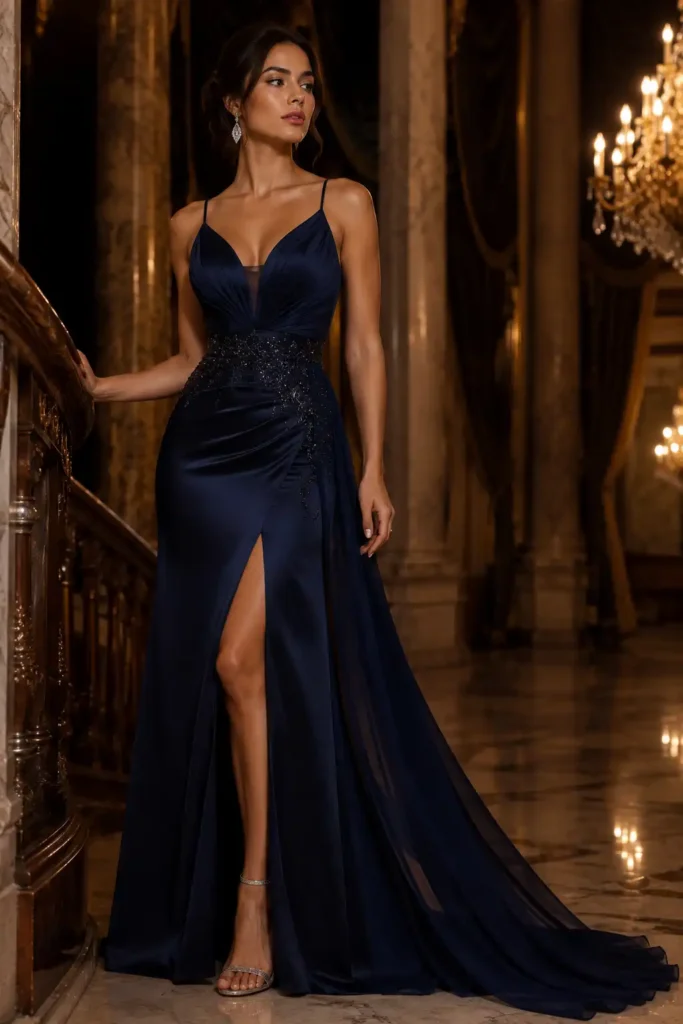
Satin party dresses work across slip, draped, ruched, corset and one-shoulder silhouettes. The fabric must be selected for weight, luster, drape, opacity and recovery from pressing. Pattern balance is especially important because satin highlights puckering, uneven seams and tension problems. Jinfeng controls fabric face direction, shade grouping, cutting orientation, needle marks, pressing temperature and packing folds. Lining and internal support are selected according to silhouette so the dress maintains a polished appearance without becoming stiff or visibly bulky.

Mesh Bodycon Dresses

Stretch mesh bodycon dresses depend on controlled negative ease, recovery and lining placement. Development reviews mesh stretch in both directions, transparency under lighting, color relationship between shell and lining, seam strength and how ruching or panels distribute tension. Bust, waist and hip shaping must hold without restricting movement. Jinfeng tests the construction through fitting and revision, then carries approved stretch direction, measurements, lining coverage and seam methods into bulk instructions. The result should remain visually clean across movement, photography and repeated wear.

Corset Party Dresses

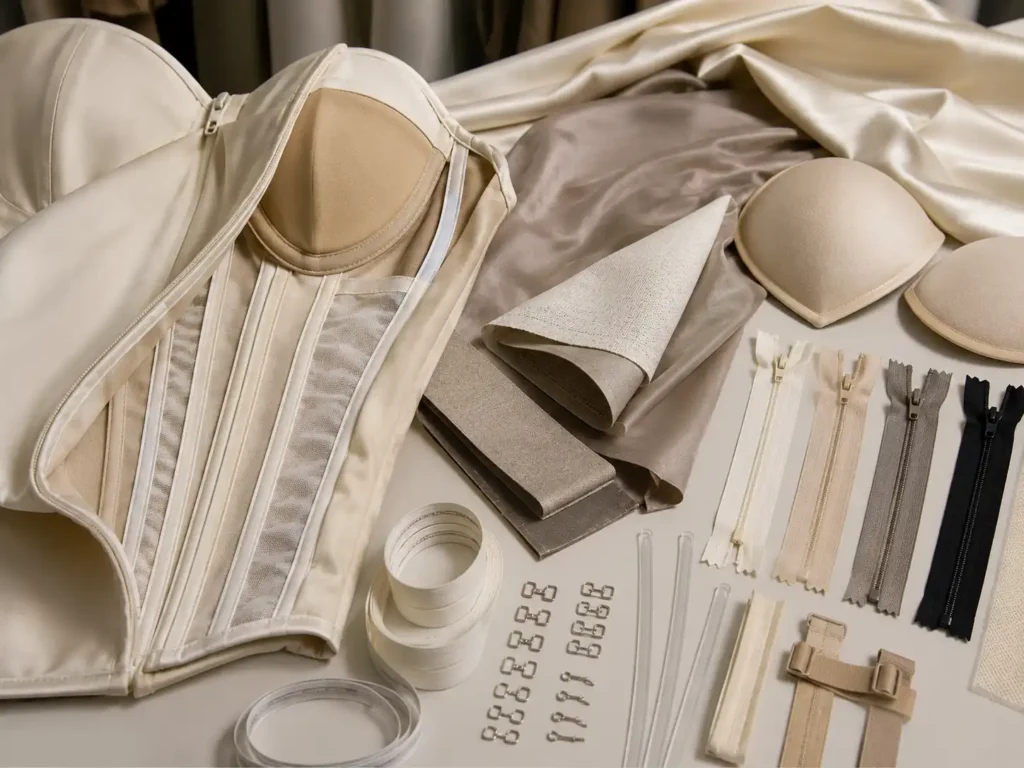
Corset party dresses require more than visible boning lines. Cup shape, under-bust placement, waist suppression, boning type, channel width, closure position and lining structure must work together. Weak internal support can collapse in photography, while excessive rigidity can create discomfort and fit complaints. Jinfeng develops the shell and internal structure as one pattern system, reviews support on body, and checks whether the approved design can be reproduced across sizes. Bulk control covers boning placement, cup symmetry, zipper function and clean internal finishing.

Cocktail Evening Dresses

Cocktail and evening dresses often combine refined drape with a stronger occasion silhouette. Common directions include cowl necks, asymmetric hems, fitted waists, floor-length skirts, open backs and statement sleeves. Material choice must match the intended price and visual level without creating production instability. Jinfeng reviews balance, movement, hem control, lining, closure and pressing requirements during sampling. For ecommerce launches, the garment must photograph elegantly from multiple angles while remaining consistent enough for size grading, bulk inspection and repeat production.

Party Jumpsuits

Party jumpsuits offer a strong alternative to dresses and can extend a collection into tailoring, satin, stretch or embellished directions. Fit control is more complex because torso length, waist position, rise, hip allowance, leg shape and neckline support interact. A jumpsuit may look correct standing still yet pull during sitting or movement. Jinfeng reviews body length and mobility during fitting, then controls inseam, rise, waist seam, zipper and lining points. Approved measurements are graded with proportion awareness rather than simple length addition.

Two-Piece Party Sets

Two-piece sets allow brands to create coordinated looks while giving shoppers styling flexibility. Corset tops with mini skirts, embellished tops with trousers, and ruched mesh tops with matching skirts are common partywear combinations. Development must align color, fabric direction, trim placement and fit between both pieces. Jinfeng manages each component as an individual garment while keeping shared materials, labels and packing instructions synchronized. Size pairing, waistband behavior and top-to-bottom proportion receive specific review before bulk production begins.

Statement Tops and Skirts

Statement tops and skirts help expand a partywear drop without relying on dress-only merchandising. Product directions can include corset tops, draped satin tops, sequined skirts, asymmetric mesh skirts and embellished separates. Smaller pieces still require disciplined construction because exposed edges, closures and lining often remain highly visible. Jinfeng develops each item for standalone wear and coordinated styling, controls compatibility across color and material groups, and prepares production files so separates can be ordered, packed and replenished accurately by style and SKU.

Build a Balanced Partywear Assortment for Online Launches

Strong collections are planned around selling moments, product roles and production risk. Randomly combining attractive references often creates uneven pricing, repeated fabrics, weak size coverage and development congestion.

Launch Architecture

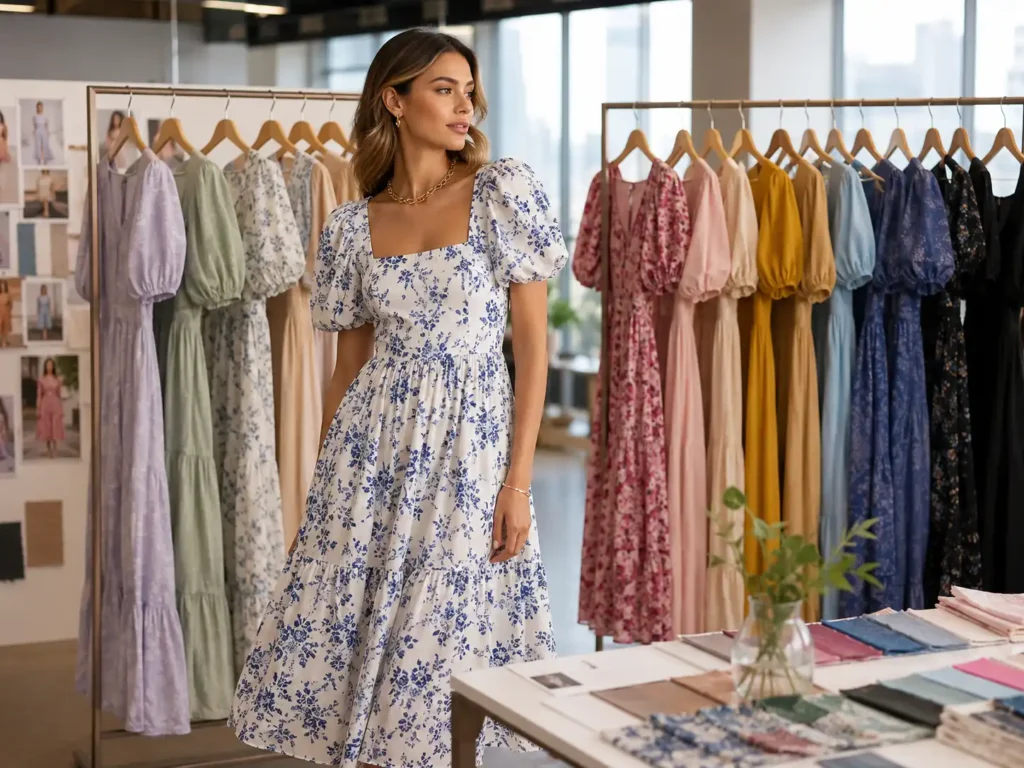
A partywear drop should have a clear commercial structure before sampling begins. Jinfeng can help organize styles by launch moment, silhouette, length and product type, allowing product teams to see where the range is overbuilt or missing an important option. Holiday and New Year programs may need sequined hero dresses, satin volume styles, fitted mesh pieces and coordinated sets, while birthday and nightlife ranges may favor mini lengths, corset shaping and stronger stretch. Priority samples are then selected according to campaign, fit risk and material lead time.
  • Hero image styles for campaign content
  • Core volume styles for broader conversion
  • Supporting separates for basket building
  • Color continuity across the drop
  • Clear approval sequence by launch priority

Fabric Price Balance

A collection made entirely from complex fabrics can create a narrow retail margin and excessive production risk. Jinfeng helps balance statement materials with more scalable constructions. Sequins, embroidered lace and structured corsetry can lead the visual direction, while satin, stretch jersey, mesh overlays and simpler coordinated pieces support volume. Material groups are reviewed for minimums, color availability, lining requirements, sewing time and packing needs. Cost control comes from intelligent assortment planning and construction choices, not from weakening every garment until the original concept disappears.
  • Premium statement materials where visibility matters
  • Repeatable base fabrics across several styles
  • Shared colors and trims where technically suitable
  • Construction adjustments that preserve appearance
  • Clear cost differences by style before approval

Repeatable Hero Styles

The best ecommerce collections identify products that can return in new colors, fabrics or seasonal updates. Jinfeng reviews whether a hero style has stable fit, reliable material supply, manageable sewing risk and clear production records. Once approved, pattern files, measurements, trims, sewing instructions and packing details are retained for future orders. A repeat style still receives batch-level review when color, fabric lot, lining or embellishment changes, but the development foundation remains available. This supports faster replenishment and controlled line extension without treating every reorder as a completely new garment.

  • Stable pattern and fit history
  • Reorder-friendly fabric and trim options
  • Color extensions with controlled approval
  • Archived packing and label files
  • Style-level records for future production

Fabric Execution Protecting the Intended Partywear Effect
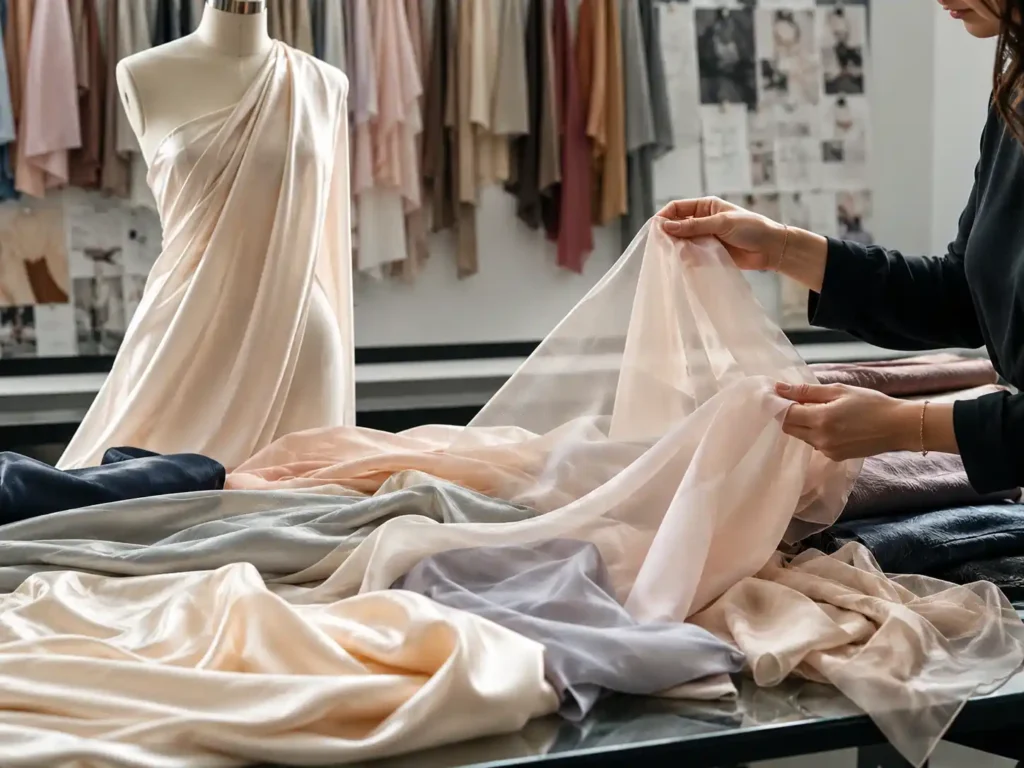
Partywear fabrics are selected for impact, but their commercial value depends on controlled cutting, sewing, pressing and packing. Each material requires a different risk plan from sample review through final inspection.

Satin Control

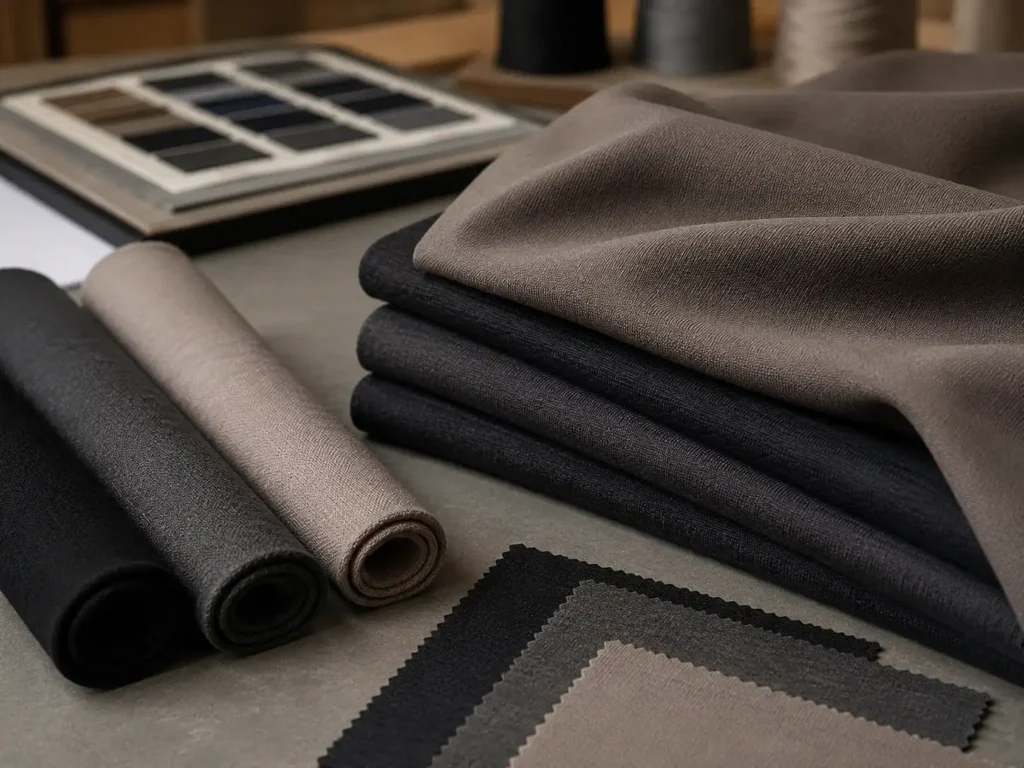
Satin quality is judged immediately through light reflection, drape and surface condition. Jinfeng reviews composition, weight, luster, opacity, stretch where applicable and resistance to snagging before approval. Cutting follows a controlled face direction so panels reflect light consistently. Sewing review focuses on puckering, needle marks, seam tension and zipper areas, while pressing avoids glazing or permanent imprints. Lining weight and color are selected to support the silhouette without showing through. Packing methods reduce hard folds and pressure points that can damage the final presentation.
  • Face direction and shade grouping
  • Needle and thread suitability
  • Puckering and seam tension checks
  • Controlled pressing temperature
  • Fold and surface protection

Mesh Control

Mesh can create sculpted transparency, soft layering or stretch compression, but the result changes quickly when stretch direction and lining coverage are wrong. Jinfeng checks lengthwise and crosswise stretch, recovery, hole stability, color under lighting and compatibility with lining. Pattern pieces are oriented according to approved stretch behavior. Seam choice balances strength with comfort, especially at side seams, armholes and fitted hips. Sample fitting confirms coverage during movement, not only in a static pose. Bulk inspection watches for pulled seams, tears, distorted panels and inconsistent ruching.
  • Stretch direction recorded before cutting
  • Transparency reviewed under bright light
  • Lining boundary confirmed on body
  • Seam strength and comfort balance
  • Hole and snag inspection during production
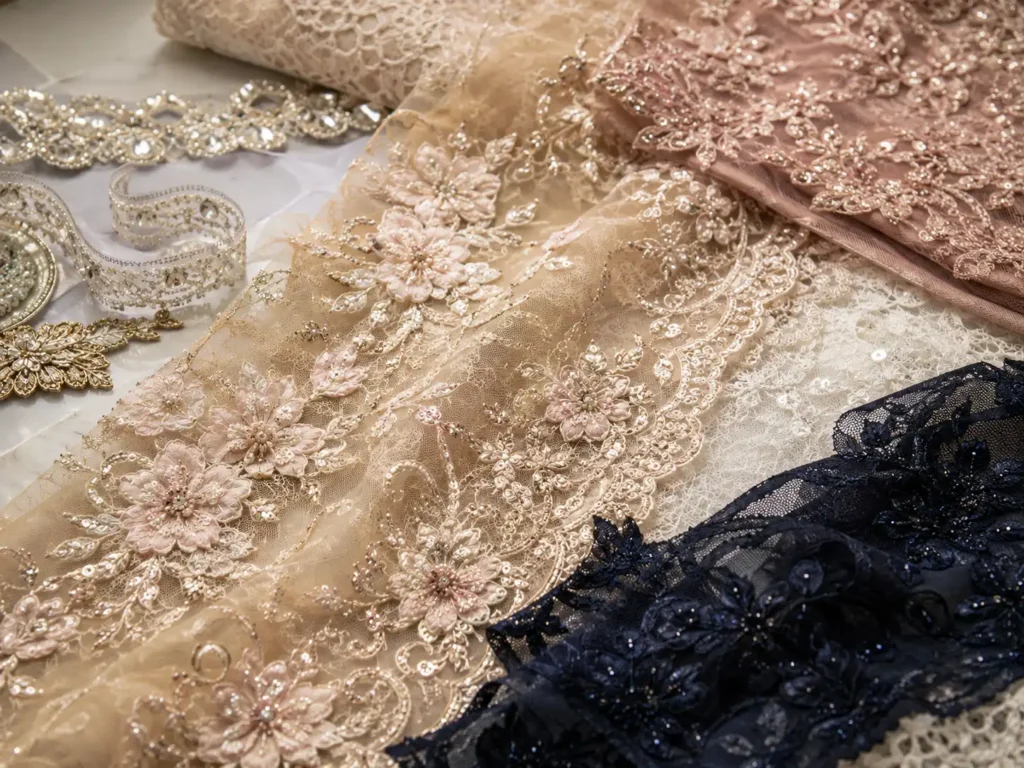
Lace Control

Lace partywear often fails when motif position, edge treatment and lining relationship are treated as decorative afterthoughts. Jinfeng reviews motif scale, usable width, border placement, symmetry needs, stretch, softness and risk of damage. Pattern placement is planned before cutting so key motifs remain balanced across bodices, sleeves or skirt panels. Lining color can soften or heighten contrast and must be approved with the lace. Sewing methods protect open areas from distortion, while final inspection checks motif alignment, broken threads, edge security and visible repair marks.
  • Motif and border planning
  • Pairing and symmetry where required
  • Lining color approval
  • Delicate edge finishing
  • Damage checks before packing

Sequin Control

Sequin fabric introduces thickness, needle risk, skin contact and surface abrasion. Jinfeng evaluates sequin attachment, base fabric stability, direction, density and repair method before sampling. Sequins may need controlled clearing from seam allowances to avoid bulky joins and broken needles. Underarm, neckline and closure areas are checked for scratch points, with soft facing or lining used where the design allows. Bulk control includes sequin loss, missing areas, zipper movement, seam appearance and protective packing. Folding is planned to prevent hard embellishment surfaces from rubbing against delicate panels.
  • Attachment and loss assessment
  • Seam allowance clearing method
  • Anti-scratch construction
  • Repair standard for missing sequins
  • Protective folding and packing

Stretch Jersey Control

Stretch jersey and ponte provide the body-hugging fit needed for many partywear silhouettes. Quality depends on recovery, opacity, weight and stability after sewing. Jinfeng checks stretch percentage in both directions, recovery after extension, edge curling, color consistency and compatibility with lining or power mesh. Pattern measurements are developed around fabric behavior rather than transferred from a non-stretch block. Sewing review covers skipped stitches, waviness, seam strength and hem recovery. Final inspection confirms measurements after finishing so garments do not leave production in a stretched or distorted state.
  • Stretch and recovery evaluation
  • Negative ease based on fabric behavior
  • Seam and hem recovery checks
  • Opacity under movement
  • Measurement confirmation after finishing
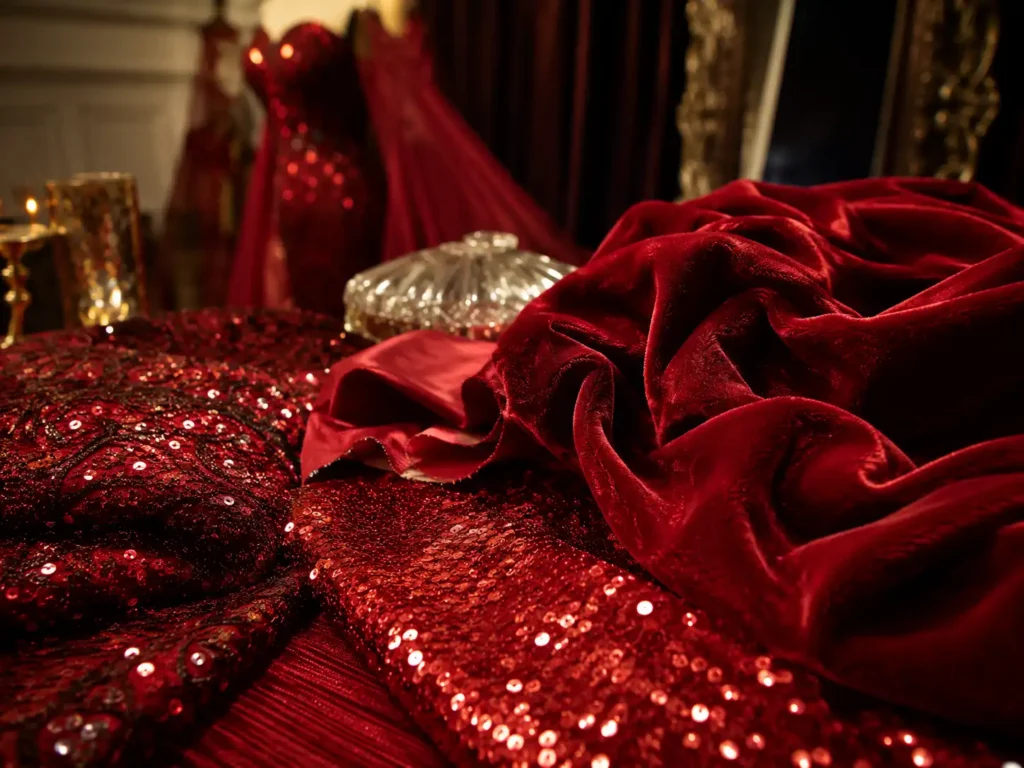
Velvet and Tulle

Velvet, organza and tulle offer texture and volume for premium partywear, yet each responds differently to handling. Velvet requires nap direction control, careful pressure and protection from crushing. Organza needs clean seam choices because internal construction may remain visible. Tulle layers must be balanced for volume, softness and hem consistency. Jinfeng reviews grain, direction, layer count, edge finishing, pressing limitations and packing space during sampling. The approved method follows the garment into bulk production so texture and volume remain consistent across the order rather than depending on individual operator judgment.
  • Nap and grain direction control
  • Layer count and volume balance
  • Visible seam construction
  • Heat and pressure limitations
  • Packing space for dimensional shapes

Fit Engineering for Partywear Sold Without Fitting Rooms

Online fit performance begins with pattern decisions, fabric behavior and size grading. Partywear must hold its visual line while allowing movement, support and coverage across the approved size range.

Bust and Cup Shape

Bust fit affects neckline security, side coverage, cup position and the entire upper-body silhouette. Jinfeng reviews cup depth, apex placement, under-bust position, neckline tension and the relationship between shell, lining and internal support. Corset and strapless styles require fitting on body rather than measurement checks alone. Sample comments are translated into pattern changes for both visible panels and internal components. Grading rules protect proportion as sizes increase, since simply enlarging the cup outline can shift support and create gaping or pressure at the neckline.
  • Cup depth and apex position
  • Under-bust support alignment
  • Neckline security during movement
  • Side coverage and armhole balance
  • Size grading by proportion

Waist and Seam Position

Partywear silhouettes often depend on a precise waist position. A seam placed too high can shorten the torso and distort the bust; a seam placed too low can weaken shaping and make the skirt hang poorly. Jinfeng checks natural waist, high-waist or dropped-waist intent against the complete garment proportion. Boning, ruching, cutouts and skirt panels are aligned to the approved line. During grading, waist position is reviewed across sizes so the design retains its shape rather than drifting vertically as body measurements increase.

  • Intended waist level confirmed
  • Bodice and skirt seam alignment
  • Ruching and cutout placement
  • Boning termination points
  • Vertical grading control

Hip and Stretch Balance

Bodycon dresses, fitted jumpsuits and narrow skirts need enough tension for shape without pulling seams, revealing lining edges or restricting movement. Jinfeng evaluates hip allowance together with fabric stretch and recovery. Fit review checks side-seam position, drag lines, seat depth, hem lift and comfort while walking or sitting. For lined styles, shell and lining must stretch compatibly. Approved negative ease is recorded by material rather than assumed across all stretch fabrics. Grading maintains body proportion while preventing larger sizes from becoming either overly compressed or visibly loose.
  • Fabric-specific negative ease
  • Side-seam and drag-line review
  • Shell and lining compatibility
  • Movement and sitting checks
  • Graded hip proportion

Strap and Neckline Security

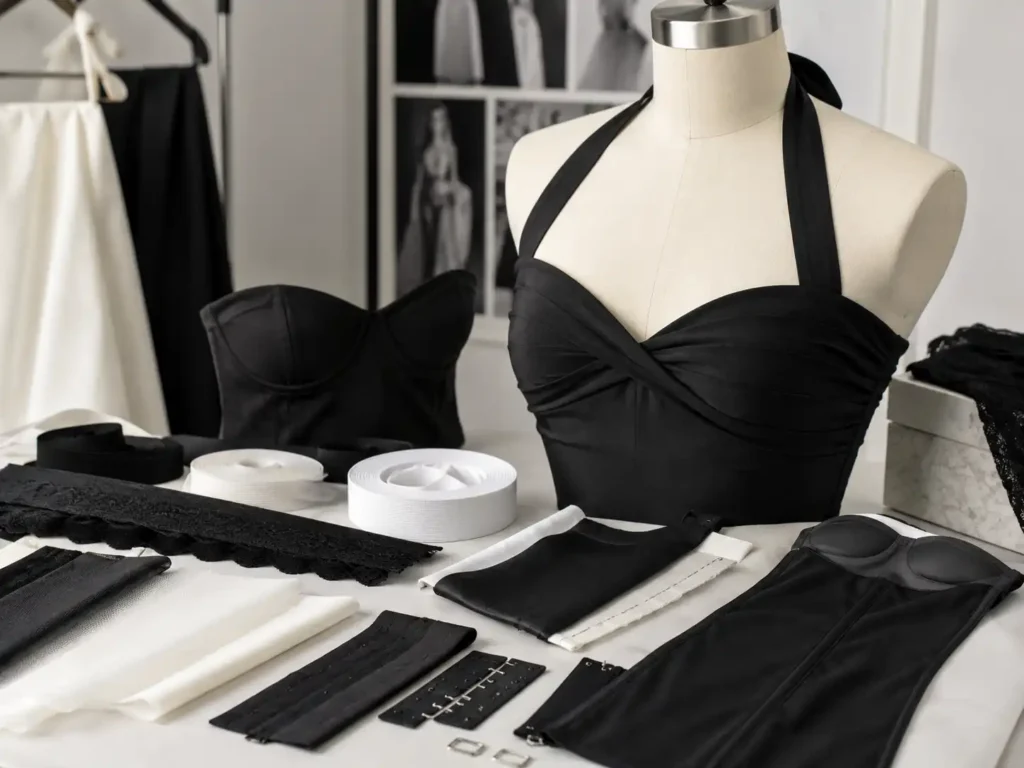
Thin straps, halter ties, one-shoulder shapes and low necklines must remain visually clean without creating constant adjustment. Jinfeng checks strap length, angle, reinforcement, hardware compatibility and how the neckline responds during movement. Backless and asymmetric styles may require internal elastic, silicone tape, hidden support or pattern tension changes, depending on the design. Sample review identifies whether support methods remain invisible from the outside. Bulk instructions define strap placement and reinforcement points so security does not vary between operators or sizes.
  • Strap length and angle
  • Reinforcement at stress points
  • Hidden support where suitable
  • Neckline tension during movement
  • Placement consistency in bulk

Hem and Slit Control

Mini lengths and high slits create strong partywear proportions but require careful movement and coverage review. Jinfeng checks finished length at front, side and back, including how the hem changes over the hip. Slit height is measured from a defined reference point and tested while walking or sitting. Lining length must remain concealed without restricting the outer garment. Asymmetric and bias-cut hems receive hanging and balance checks before final measurement. Grading protects the intended visual proportion while allowing suitable coverage across sizes.

  • Defined finished length points
  • Slit height and reinforcement
  • Lining length relationship
  • Bias or asymmetric balance
  • Movement and coverage review

Size Grading Control

Partywear grading is not a simple scale-up operation. Necklines, cups, cutouts, straps, waist seams, slit heights and embellishment positions may need separate rules. Jinfeng develops grading from the approved base pattern and checks critical points against the intended silhouette. Size sets can be reviewed where risk justifies an additional check before bulk release. Measurement charts identify points of measure and tolerances clearly, while production inspection confirms garments against the approved files. The aim is consistent design proportion, not identical appearance forced onto different body dimensions.
  • Critical-point grading rules
  • Clear points of measure
  • Proportion checks across sizes
  • Size-set review where required
  • Bulk tolerance control

Construction Details Separating Retail-Ready Partywear
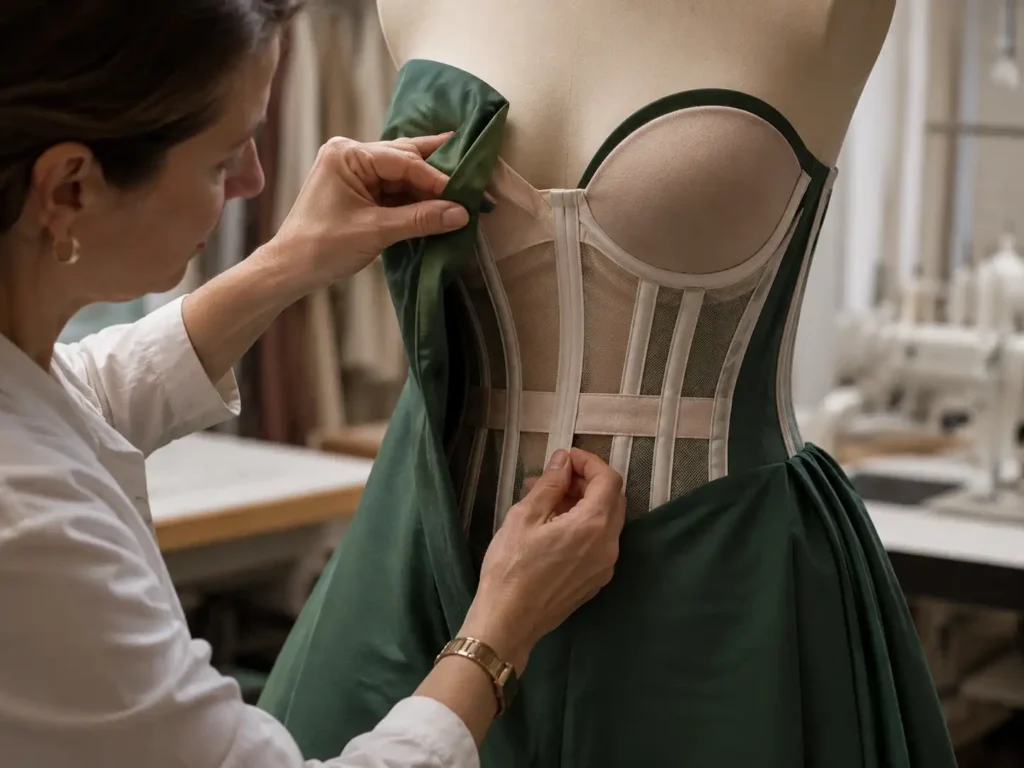
Premium appearance is built through internal structure, clean transitions and repeatable finishing. Close-up construction evidence carries more weight than broad claims because every detail can be examined during sampling and bulk inspection.

Boning and Cups

Boning and cup components must support the intended silhouette without becoming visible, uncomfortable or inconsistent across sizes. Jinfeng reviews boning material, channel width, end protection, cup shape, placement and relationship to the outer pattern. Channels are aligned to approved seam lines, while cup edges remain smooth under the shell. Sample fitting checks support, pressure and movement. Bulk inspection verifies symmetry, channel position, secure ends and correct component size. Internal construction is finished cleanly so the garment remains suitable for premium presentation and repeated wear.

Controlled Ruching

Ruching can shape the body, create visual texture and adjust coverage, but uneven gathering quickly looks defective. Jinfeng defines ruching position, finished length, distribution and securing method during sample development. The pattern and sewing instructions identify where fullness begins and ends, avoiding operator-dependent shaping. Symmetry is checked where the design requires balance, while asymmetric styles follow a controlled visual reference. Bulk inspection reviews density, direction, seam smoothness and whether gathering changes garment measurements beyond the approved tolerance.

Flat Zipper Areas

Invisible and exposed zippers must close smoothly without rippling, bulging or catching lining. Jinfeng reviews zipper length, tape weight, seam allowance, reinforcement and the stability of the surrounding fabric. Satin, stretch and sequined materials need different preparation around the opening. Sample review checks top alignment, waist-seam matching and movement under tension. Bulk inspection verifies zipper operation, flatness, hook-and-eye placement where used, and clean internal finishing. Protective methods are added when embellishment or delicate fabric could interfere with the slider.

Lining Coverage

Lining controls opacity, comfort, support and internal appearance. Jinfeng selects lining according to stretch, weight, color, hand feel and garment structure. Coverage boundaries are checked on body, especially at mesh panels, high slits, low backs and cutouts. Lining should not roll, twist, rise above the outer hem or pull against the shell. For fitted styles, compatible stretch is essential. Bulk instructions define attachment points, finished length and seam methods, while final inspection checks visibility under normal standing and movement.

Secure Strap Placement

Strap placement controls neckline shape and wearing security. Jinfeng marks attachment positions from the approved pattern and reinforces stress points according to fabric strength and design. Thin satin straps, elastic straps, chain details and adjustable hardware each require different handling. Sample fitting checks whether straps remain flat, balanced and comfortable. Bulk inspection verifies length, symmetry, hardware direction and reinforcement. For convertible designs, the approved wearing configuration and attachment method are recorded so packing teams include the correct components and instructions.

Refined Lace Edges

Lace edges can be cut to follow a motif, finished with narrow binding or enclosed within lining, depending on the design and fabric. Jinfeng reviews edge softness, stability and visibility before selecting the method. Decorative borders are positioned intentionally rather than trimmed without regard to pattern. Curved necklines and armholes receive special attention because open lace can distort under tension. Bulk inspection checks fraying, broken motifs, uneven trimming, visible repair and matching where paired edges must appear symmetrical.

Sequin Skin Protection

Sequin garments need protection at underarms, necklines, side seams, cuffs and zipper areas where hard surfaces may touch skin. Jinfeng identifies scratch zones during sample fitting and selects facing, lining, binding or controlled sequin removal according to the style. Protection must remain discreet so the garment keeps its visual impact. Bulk instructions define the approved treatment, while inspection checks sharp edges, loose pieces and rough seam intersections. Packing also separates abrasive surfaces from delicate panels to reduce damage before delivery.

Pressing and Hem Balance

Final pressing should clarify the silhouette without flattening texture, glazing satin or crushing embellishment. Jinfeng sets handling methods according to material, using controlled heat, pressure and protective layers where required. Hems are checked after the garment has settled, especially for bias-cut satin, layered tulle and asymmetric shapes. Final inspection reviews hem level, seam impressions, puckering, shine marks and unwanted creases. Packing follows the approved fold method so the finished appearance survives transport as closely as possible.

Develop Samples Ready for Fit and Campaign Review

Partywear samples must prove design direction, fit, construction and production feasibility at the same time. Jinfeng follows a staged approval path so photography preparation never replaces technical confirmation.

Design Brief Review

Development begins with the available source files: tech pack, line sheet, reference image, original sample, measurement chart or fabric direction. The team identifies the intended silhouette, selling occasion, target quantity, color plan, size range, private-label needs and required launch date. Missing information is listed before pattern work begins. A strong brief does not need to be perfect, but it must allow decisions to be recorded. Early clarification prevents sample makers from guessing at neckline depth, lining coverage, closure, length or finish.

Feasibility Assessment

Partywear references often include styling effects, edited proportions or materials that behave differently in production. Jinfeng reviews whether the concept can be developed into a wearable and repeatable garment. The assessment covers fabric behavior, internal support, seam access, embellishment placement, closure, lining, stretch, comfort and likely production risk. When a detail is technically weak, the team proposes an alternative that protects the intended appearance. Feasibility advice is given before bulk pricing is treated as final because structure and material decisions directly affect cost and timing.

Material Direction

Fabric and trim choices are reviewed alongside the pattern rather than after it. The development team considers weight, stretch, recovery, opacity, drape, luster, color availability, usable width, lining, zipper, boning, cups, hardware and labels. Stock availability can support faster development, while custom dyeing, printing or special embellishment requires additional lead time and minimums. Material selections are recorded for sample use so later revisions can be compared fairly. Unapproved substitutions are not introduced between sample versions without a clear explanation of cost and performance impact.

Pattern Development

Pattern makers translate the approved design direction into a garment structure that can be fitted, graded and repeated. Work includes seam placement, bust shaping, waist line, hip allowance, neckline, straps, length, lining and internal support. Partywear patterns are developed around actual fabric behavior, especially for stretch, bias, draped and layered styles. Critical measurements and construction notes are attached to the style file. The first pattern is a development tool rather than a final answer, and it is expected to change when fitting reveals proportion, movement or support issues.

First Sample

The first sample establishes the closest production-feasible version of the concept using the approved or agreed development materials. Sample machinists record construction difficulties, bulky joins, visible internal areas and operations that may not remain stable in bulk. The sample is checked before dispatch for obvious sewing and measurement errors, but the brand team still reviews fit, appearance and styling direction. First-sample timing is confirmed after style review because a straightforward stretch dress and a boned, sequined corset dress do not carry the same development workload.

Fit and Visual Review

Review comments should separate fit, design, material and workmanship issues. Jinfeng works from marked photos, measurement feedback, fitting notes or a live review where arranged. Comments such as “make it tighter” are converted into defined pattern or measurement changes, while visual comments are linked to a specific seam, panel, trim or fabric effect. The review also checks whether the sample remains suitable for bulk production. Changes affecting major structure, materials or embellishment are assessed for revised cost and timing before the next sample is released.

Revision Control

Each revision should solve recorded issues without reintroducing previously approved problems. Jinfeng updates the pattern, measurement chart, material record and sewing instructions according to confirmed comments. Version names and dates distinguish first sample, revised sample and pre-production sample. When several styles are developed together, a style-level revision log prevents comments from crossing between products. Complex partywear may require more than one revision because fit, support and surface appearance interact. Production begins only when the approved version is documented clearly enough for a separate bulk team to reproduce.

PP Sample Approval

The pre-production sample represents the construction, materials, measurements, labels and finishing standard intended for bulk production. Approval is recorded before cutting release. Any remaining comments are classified as required corrections, bulk-production notes or later-development ideas. Major changes after PP approval require a renewed review of price, material availability, production schedule and risk. The approved reference, updated pattern, bill of materials, measurement chart and packing instructions form the production package. Campaign photography can then rely on a product direction that has passed both visual and manufacturing review.

From Partywear Concept to Ecommerce-Ready Delivery

A defined sequence keeps approvals, materials, production and packing aligned. Every stage has a release condition so unresolved comments do not travel silently into bulk manufacturing.

Project Intake

Kelly collects style files, quantity plans, size and color ranges, target delivery, label requirements and available reference materials. The project receives an initial scope review before quotation or sampling decisions are confirmed.

Fabric Direction

Shell fabric, lining and trims are evaluated for appearance, availability, minimums, construction compatibility and cost. Development materials are approved or clearly identified as temporary before sample work begins.

Pattern Development

Senior pattern makers establish the base pattern, internal structure and measurement framework. Critical fit areas are documented for the sample team and later grading work.

Sample Review

First samples are assessed for fit, appearance, material response, sewing quality and production feasibility. Brand comments are converted into measurable actions rather than stored only in messages.

Revision Release

Updated patterns, measurements and sewing notes are issued for the next sample. Style versions remain separate across multi-style programs to protect approval accuracy.

PP Approval

Pre-production samples confirm the intended materials, construction, labels, measurements and finishing. Bulk cutting begins only after approval and material readiness are confirmed.

Bulk Production

Styles are allocated to suitable lines according to fabric, silhouette, sewing risk and quantity. Merchandising tracks materials, approvals, production progress and open decisions.

Quality Inspection

Fabric, cutting, sewing, measurements, final appearance and packing receive defined checks. Partywear-specific risks are included in the style inspection criteria.

Packing and Delivery

Approved labels, SKU data, polybags, carton marks and shipping documents are checked before dispatch. Delivery planning follows the confirmed transport method and warehouse requirements.

Control Multi-Style Programs Without Development Confusion

Partywear drops often contain 10 to 30 styles across several fabrics and construction types. Clear grouping, approval ownership and file control keep complexity from becoming repeated sampling or production delay.

Style and Risk Grouping

Jinfeng groups styles by material, silhouette and construction risk before assigning development and production resources. Stretch mesh and jersey pieces may share fit and sewing knowledge, while satin drape styles, sequined garments and structured corset pieces follow separate controls. Grouping helps the team identify shared materials without forcing incompatible products onto the same method. High-risk hero styles receive earlier sampling and approval dates, while lower-risk supporting styles can follow once color and fabric direction are stable. The sequence protects campaign priorities and reduces last-minute pressure across the entire range.
  • Material and construction families
  • Hero styles versus supporting styles
  • Long-lead trims identified early
  • Separate approval path for high-risk pieces
  • Production allocation by technical fit

Approval and File Control

Every style receives its own pattern version, measurement chart, bill of materials, sample comments, PP approval and packing information. Shared fabrics or trims are referenced consistently, but one style’s revision does not automatically change another. A named decision owner on the brand side helps prevent conflicting comments from merchandising, design and fit teams. Jinfeng merchandisers maintain open-point lists and release status so sampling, material booking and bulk planning follow confirmed decisions. File discipline is especially important when many styles use similar colors, labels or silhouettes.
  • Style-specific revision logs
  • Clear approved and pending status
  • One source for measurements and BOM
  • Recorded comments by sample version
  • Packing files linked to the correct SKU

Calendar and Capacity Control

Development dates are planned backward from campaign, warehouse or launch requirements. The calendar includes material approval, first sample, fitting, revision, PP approval, bulk allocation, QC, packing and transport. Capacity is reserved only after scope and timing are credible. A delayed hero style may be separated from ready styles rather than holding the entire order, subject to material and shipping logic. Split production or split shipment is used only when it protects the commercial plan without increasing shade, packing or documentation risk beyond an acceptable level.

  • Approval gates linked to release dates
  • Ready styles separated from delayed styles
  • Production lines matched by construction
  • Shipping waves planned by launch priority
  • Change impact reviewed before acceptance

Capacity for Seasonal Drops and Commercial Reorders

Jinfeng combines owned factories, long-term production partners and dedicated development teams to support multi-style womenswear programs. Capacity is allocated by product fit, not by available floor space alone.

Owned Factory Network

Six owned womenswear factories provide a stable manufacturing base for dresses, skirts, jumpsuits, matching sets and fashion tops. Production assignments consider fabric handling, silhouette, sewing operations, order size, quality requirements and delivery sequence. Owned capacity gives the project team greater control over scheduling, inline inspection and production records, while long-term satellite partners add flexibility when a program contains different product structures or peak-season volume. The network is managed as a coordinated system rather than an open marketplace of unrelated subcontractors.
  • 6 owned womenswear factories
  • 10+ long-term satellite partners
  • Product allocation by technical suitability
  • Coordinated merchandising and quality follow-up
  • Multi-batch production support

Flexible Line Planning

The production system includes 18+ sewing lines and 6+ flexible production lines. Flexible lines are valuable for partywear collections containing multiple styles, colors and size ratios, but frequent changeovers still require disciplined planning. Jinfeng groups compatible garments, confirms material readiness and releases approved production files before line start. Complex operations such as corset assembly, sequin handling, fine satin sewing or detailed ruching are considered during allocation. Production sequencing aims to reduce changeover errors while protecting the approved appearance of each style.
  • 18+ sewing lines
  • 6+ flexible production lines
  • Compatible style grouping
  • Controlled line changeovers
  • Style-level work instructions

Quality Control Focused on Fit, Appearance and Accuracy

Partywear inspection must protect the features shoppers notice first: silhouette, surface condition, fit, closure, comfort and finish. Ecommerce packing adds another control layer because physical garments must match digital SKU data.

Fabric and Trim Inspection

Incoming materials are checked against approved references for color, hand feel, width, visible defects, stretch, recovery, luster, motif, embellishment condition and trim specification. The inspection focus changes by material: satin needs surface and shade review; mesh needs hole and stretch checks; lace needs motif and damage review; sequins need attachment and loss assessment. Zippers, cups, boning, elastic, labels and hardware are verified before production use. Material problems are isolated early so they do not spread across cut panels or completed garments.
  • Approved material comparison
  • Shade and surface review
  • Stretch or motif verification
  • Trim function and appearance
  • Defect isolation before cutting

Cutting and Shade Control

Cutting affects final appearance before sewing begins. Jinfeng controls fabric direction, shade grouping, marker placement, stretch orientation and motif positioning according to the approved style. Satin panels must face consistently; velvet follows nap direction; lace may need paired placement; mesh and stretch fabrics require correct grain or stretch orientation. Cut components are checked for count, visible damage and key notches before bundling. Shade groups are kept identifiable so mixed panels do not create color variation within one garment.
  • Direction and nap control
  • Shade grouping
  • Motif or border placement
  • Component count and damage check
  • Bundle identification

Inline Sewing Checks

Inline inspection focuses on operations most likely to create irreversible defects. Partywear checkpoints may include bust shaping, boning channels, cup symmetry, zipper insertion, strap reinforcement, ruching distribution, lining attachment, sequin clearing and lace alignment. Inspectors review work while production is active, allowing corrections before a full batch repeats the same problem. Findings are communicated to line leaders and merchandisers, with affected pieces separated for repair or review. Inline control protects bulk consistency more effectively than relying only on final inspection after all sewing is complete.
  • Critical-operation checkpoints
  • Early detection of repeated defects
  • Corrective action during production
  • Repair and segregation control
  • Feedback linked to style instructions

Measurement and Fit Checks

Finished measurements are checked against the approved chart at defined points of measure. Critical dimensions vary by style and may include bust, under-bust, waist, hip, body length, strap length, neckline drop, slit height, inseam and finished hem. Measurements are taken after the relevant finishing stage so pressing or fabric relaxation does not create misleading results. Inspectors also observe visible fit indicators such as side-seam position, cup symmetry and hem balance. Repeated deviations trigger production review rather than isolated alteration only.
  • Approved points of measure
  • Style-specific tolerances
  • Post-finishing measurement
  • Critical proportion review
  • Escalation for repeated deviation

Final Appearance Review

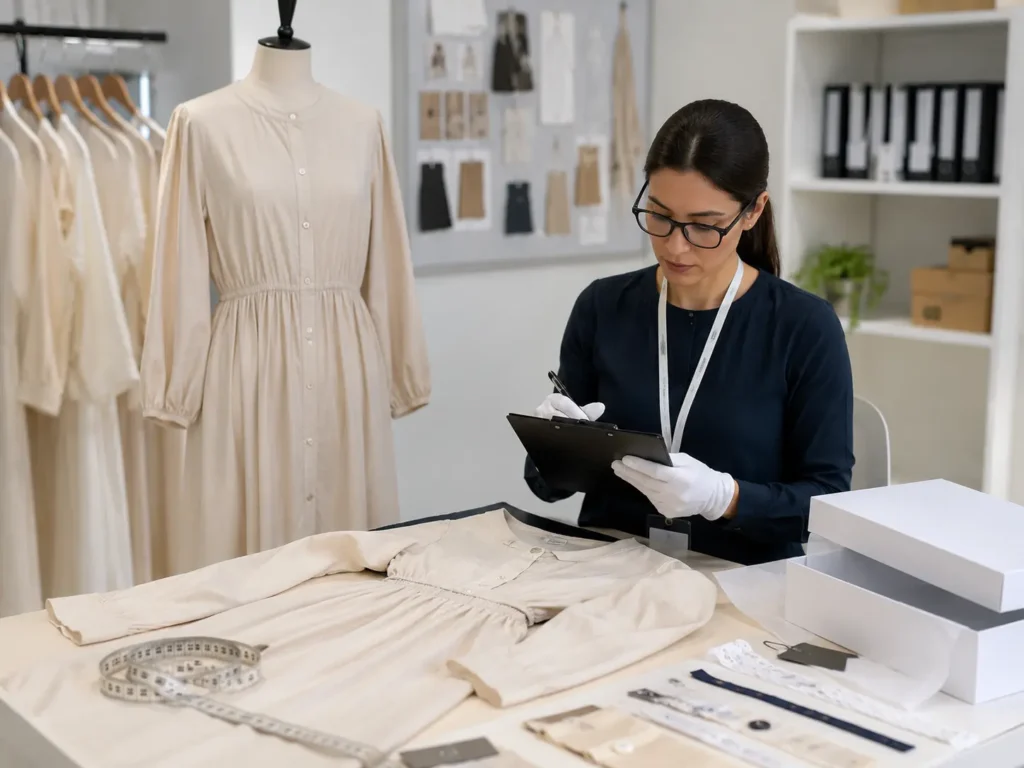
Final garment inspection combines workmanship, appearance and function. Checks cover stains, snags, holes, broken lace, missing sequins, rough edges, exposed lining, uneven ruching, zipper operation, hook-and-eye security, strap placement, pressing marks and hem balance. The garment is viewed as a retail product, not only as a sewn item. Partywear surfaces are inspected under suitable light because shine and texture can hide or exaggerate defects. Nonconforming pieces are identified before packing and handled according to the agreed inspection process.
  • Surface and embellishment condition
  • Closure and hardware function
  • Symmetry and visual balance
  • Internal and external cleanliness
  • Pressing and finished presentation

Packing and Data Checks

Packing inspection verifies garment identity as carefully as garment quality. Style, color, size, main label, care label, hangtag, barcode, SKU sticker, polybag marking and carton assortment must match the approved packing instructions. Teams check folding, protective tissue or separators where required, carton marks and quantity by box. Ecommerce orders may contain many similar black or metallic styles, making identification control essential. Final packing review reduces receiving problems, relabeling work and inventory mismatches after arrival at the fulfillment center.
  • Style-color-size verification
  • Barcode and SKU matching
  • Polybag and label checks
  • Carton assortment control
  • Protective packing review

Private-Label Packing Built for Ecommerce Fulfillment
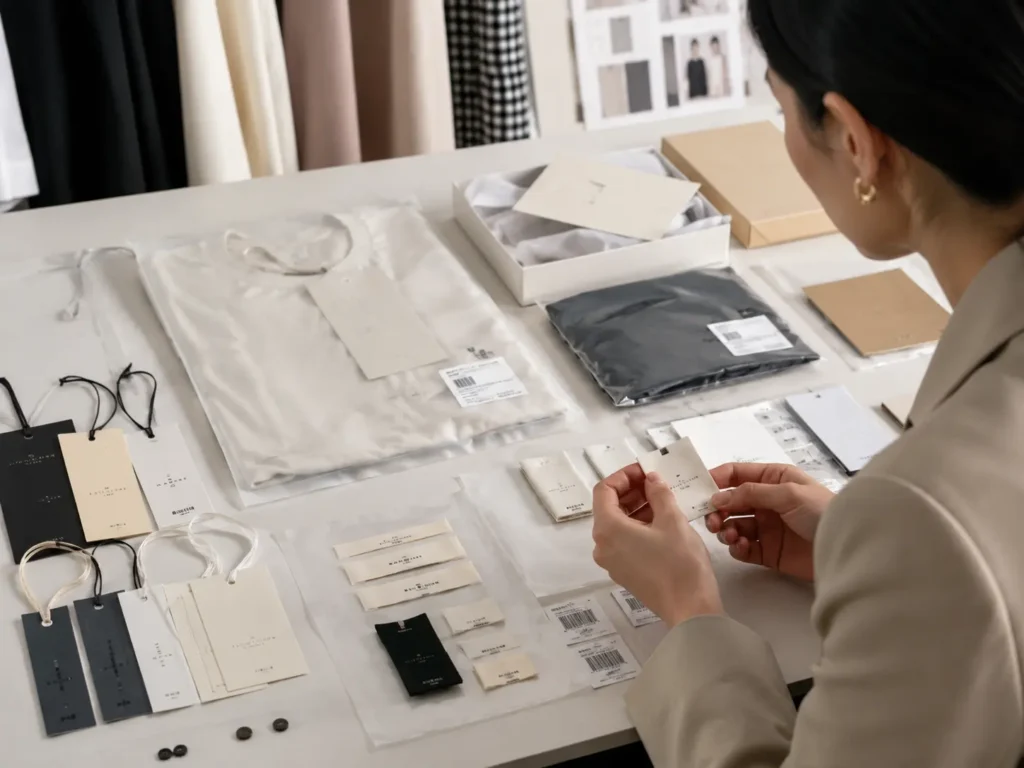
Private-label delivery covers the complete identity and packing system around each garment. Labels, barcodes, polybags and cartons must match the approved SKU structure and receiving instructions.

Garment Label System

Main labels, size labels and care labels are developed or applied according to approved artwork, materials and placement. Care content should reflect the confirmed garment composition and construction rather than a generic template. Placement is reviewed during sampling because labels can affect comfort or become visible through mesh and lightweight fabrics. Bulk checks verify label direction, size, spelling, attachment and consistency with the physical garment. A clear label approval record helps prevent late artwork changes from interrupting packing or causing incorrect information across several styles.
  • Main label and size label
  • Care label content and placement
  • Approved artwork version
  • Attachment and direction checks
  • Style-specific composition accuracy

Hangtags and Brand Materials

Hangtags, price tags, brand cards, spare-component bags or special inserts can be included according to the packing guide. Jinfeng reviews size, hole position, string or fastener, placement and required variable data. Delicate partywear needs tag placement that will not snag satin, mesh, lace or sequins. Variable information such as style, color, size or price must follow the approved data source. During packing, brand materials are matched to the correct garment and checked for appearance, quantity and secure attachment.
  • Hangtag and fastener approval
  • Variable data matching
  • Surface-safe placement
  • Brand card or insert handling
  • Quantity check before sealing

Barcode and SKU Control

Ecommerce inventory depends on accurate style, color and size identification. Jinfeng can apply barcode stickers, SKU labels and style references supplied or approved by the brand. Data files are organized to reduce confusion among similar colors, metallic finishes or repeated silhouettes. A pre-packing check compares sample labels with the packing matrix, while line checks confirm the correct identifier is applied to each garment. Barcode readability and placement are reviewed according to the provided requirement. Data changes after printing are controlled to prevent mixed versions.
  • Style-color-size matrix
  • Barcode and SKU file control
  • Sample label confirmation
  • Readability and placement review
  • Version control after updates

Polybags and Cartons

Polybags, warning text, ventilation, folding method, tissue, protective layers, carton marks and assortment plans are confirmed before bulk packing. Sequins and delicate surfaces may require separators or adjusted folding to reduce abrasion. Structured corset pieces need enough space to avoid crushing cups or boning. Carton quantity should balance shipping efficiency with garment protection and warehouse handling. Jinfeng follows the approved packing guide and checks carton count, gross and net weight, dimensions, marks and contents before export documents are finalized.
  • Garment-specific folding
  • Surface and structure protection
  • Polybag marking
  • Carton assortment and marks
  • Packing list alignment

MOQ and Costing for Commercial Partywear Programs

Jinfeng Apparel’s MOQ starts from 200 pieces per style and color. Final minimums and pricing depend on material availability, custom development, construction, size-color splitting, packing and confirmed production timing.

Cost or MOQ FactorCommercial EffectInformation Needed for Review
Base MOQStarts from 200 pieces per style and color for suitable materials and production conditionsStyle, color count, size ratio and total quantity
Stock or Custom FabricStock fabrics may support lower material minimums; custom dyeing, printing or weaving can raise minimums and lead timeComposition, weight, color, finish and certification requirement
Lace, Sequin and Special TrimsSupplier minimums, usable width, damage allowance and manual handling affect both MOQ and unit costApproved reference, trim placement and required quality level
Corset and Complex ConstructionCups, boning, layered lining, cutouts and detailed assembly increase pattern, sampling and sewing workTech pack, original sample or clear construction reference
Color and Size SplitExcessive fragmentation reduces cutting and line efficiency, even when the total order is largeQuantity by style, color and size
Labels and PackingCustom labels, barcodes, polybags, inserts and warehouse instructions add material and handling requirementsArtwork, data files, packing guide and carton requirements

Repeat Partywear Styles Without Losing Approved Details

Strong ecommerce styles often return through replenishment, new color drops or seasonal updates. Jinfeng retains development records while reconfirming every production batch where material, color, quantity or packing may have changed.

Retained Style Records

Approved patterns, measurement charts, fabric references, trim specifications, sewing instructions, sample comments, label files and packing requirements can be retained for future production. The record gives repeat orders a controlled starting point and reduces the risk of rebuilding a successful style from memory. It also helps identify what must remain unchanged and what may be updated for a new season. File retention is most valuable when the original style completed a clear PP approval and bulk-production process.
  • Approved pattern and measurement file
  • Fabric and trim reference
  • Construction and QC notes
  • Label and packing records
  • Previous color and size plan

Batch Reconfirmation

A repeat order is not released automatically. Fabric shade, stretch, luster, weight, lace motif, sequin attachment, lining, zipper and other components may vary between supplier batches. Jinfeng compares new materials with the approved record and confirms any difference before cutting. New colors, altered fabrics, revised packaging or changed size ratios may require an updated sample or approval step. Reconfirmation protects the successful qualities of the original style while allowing the brand to expand it responsibly.
  • New material batch approval
  • Color and shade confirmation
  • Updated component availability
  • Revised labels or packaging
  • Sample check when changes affect fit or appearance

Replenishment Planning

Reorder speed depends on material availability, confirmed quantity, production capacity and shipping requirements. Jinfeng reviews likely replenishment styles during the original program so suitable fabrics, trims and production records can be organized with repeat potential in mind. Sales data may support a full reorder, a color extension or a focused size replenishment, but production minimums and cutting efficiency still apply. A realistic replenishment plan balances speed with batch consistency instead of treating every urgent request as an exception to material and quality controls.
  • Quantity plan by style and color
  • Material availability check
  • Capacity and line review
  • Delivery method by launch need
  • Updated packing and warehouse data

Shipping Support for US Ecommerce Launch Calendars

Production completion is only one point in the launch calendar. Transport, customs, warehouse receiving and internal allocation must be considered before the required selling date is confirmed.

Backward Launch Planning

Jinfeng plans key milestones backward from the requested warehouse or launch window. The schedule includes material confirmation, sample review, PP approval, bulk production, final inspection, packing, document preparation, transport and receiving allowance. Holiday and New Year programs need additional protection because production and logistics capacity become tighter across the market. A late design change can consume more time than the sewing operation itself, so approval dates are treated as commercial decisions. The final production and shipping commitment is confirmed only after style, material and quantity review.
  • Required warehouse or launch date
  • Approval deadlines by style
  • Material and trim readiness
  • Production release and QC window
  • Transport and receiving allowance

Transport Mix

Samples normally move by express courier, while bulk orders may use air, sea or a planned split depending on quantity and launch priority. For early planning only, teams often reserve approximately 3-7 days for express samples, 5-10 days for air freight and 20-35 days for ocean transit to a US port, before customs clearance and warehouse receiving. Route, season, carrier and destination can change those ranges. Jinfeng can coordinate with a brand-appointed forwarder or support available shipping options under the agreed trade term.

  • Express courier for samples
  • Air freight for urgent launch quantities
  • Sea freight for planned bulk volume
  • Split shipment by approved priority
  • Forwarder coordination by project

Protect Unreleased Designs and Brand Information

Partywear programs often contain campaign-sensitive silhouettes, exclusive materials, unannounced color stories and private SKU information. Jinfeng supports NDA-based cooperation and controlled use of project files.

Protected Development Files

Confidential materials can include tech packs, line sheets, reference images, original samples, patterns, measurement charts, fabric and trim directions, label artwork, barcode files, packing designs, quantities, target prices and launch dates. Jinfeng limits project use to development, quotation, production, quality and delivery activities related to the order. Files are not treated as public marketing material. NDA terms can be reviewed before detailed design information is shared, allowing legal and operating requirements to be aligned with the project workflow.

  • Tech packs and line sheets
  • Patterns and measurement records
  • Exclusive material directions
  • Private-label and barcode files
  • Unreleased launch and quantity plans

Controlled Case Use

Public case content should not reveal a brand name, unpublished campaign image, private tech pack, exclusive fabric, commercial price or exact launch plan without permission. Jinfeng can present anonymous manufacturing evidence through product category, order scale, construction challenge and production solution. Process images must be selected carefully so confidential artwork and labels remain hidden. Controlled case use allows manufacturing competence to be shown without turning a brand’s unreleased product information into factory promotion. Written authorization is required before any identifiable brand asset is used.
  • Anonymous market and product description
  • No client identity without approval
  • No private documents or price data
  • No unreleased campaign assets
  • Permission before identifiable use

US Holiday Partywear Collection Manufacturing Case
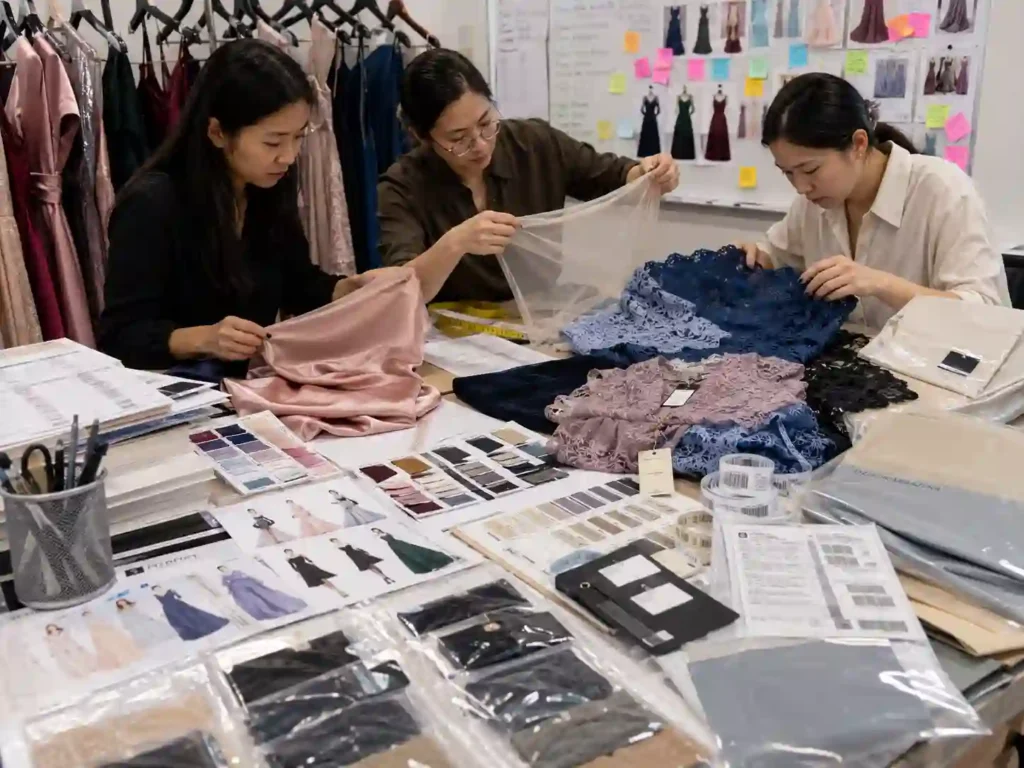
An anonymous US ecommerce fashion brand commissioned an 18-style holiday partywear program totaling 42,600 pieces. The range combined sequins, satin, stretch mesh and corset structures across six sizes and five coordinated color stories.

Program Scope and Risks

The collection included five sequin mini dresses, four satin corset dresses, four mesh bodycon dresses, three two-piece party sets and two party jumpsuits. Total quantity reached 42,600 pieces, with style quantities ranging from 1,600 to 3,400 pieces and sizes running from XS through 2XL. The main risks were sequin loss and skin contact, satin shade direction, mesh transparency, cup and boning consistency, zipper flatness, size grading and barcode accuracy across a large SKU matrix.

Development was divided by construction family rather than handled as one undifferentiated order. High-risk sequin and corset styles entered sampling first. Each style followed first sample, revision and PP approval, while shared colors and trims were reviewed together where technically suitable. The brand supplied its final barcode matrix and warehouse packing guide before bulk packing release.

  • 18 styles
  • 42,600 total pieces
  • 5 product groups
  • 5 coordinated color stories
  • 6 sizes from XS to 2XL
  • 3 controlled sample stages

Execution and Delivery Control

Production was allocated across suitable teams according to fabric and construction. Sequin styles used defined seam-clearing and anti-scratch methods; satin styles followed face-direction and shade grouping controls; mesh styles received stretch-orientation and lining-coverage checks; corset pieces were inspected for cup symmetry, boning position and closure function. Inline checks focused on critical operations before final garment inspection began.

Packing was released by approved style and SKU. Size labels, barcode stickers, polybags and carton assortments were checked against the packing matrix. The order moved in two planned shipping waves so priority campaign styles could reach the US fulfillment network first without forcing unapproved styles into production. Patterns, measurements, material references and packing records were retained for the brand’s later replenishment review.

  • Production grouped by technical construction
  • Style-level PP approval before bulk release
  • Inline and final partywear inspection points
  • Barcode and SKU verification before sealing
  • Two planned shipping waves
  • Reorder records retained by style

Verify These Capabilities Before Shortlisting a Manufacturer

A credible partywear supplier should be judged through product evidence, development discipline and bulk controls. Factory claims matter less when they cannot be connected to a sample, file, checkpoint or commercial result.

Partywear Specialization

Review whether the supplier can show relevant work across satin, mesh, lace, sequins, stretch, corset structures, jumpsuits and sets. A general dress factory may not understand the comfort, support and surface risks that define partywear. Jinfeng’s core product scope includes party dresses, cocktail dresses, evening dresses, club dresses, bodycon, corset, satin, mesh, lace, sequin styles and coordinated womenswear. Product relevance should be confirmed through current samples and construction close-ups rather than category names alone.

Sample Correction Discipline

Ask how comments move from fitting into revised patterns, measurements and sewing instructions. Repeated sample mistakes often indicate weak version control rather than difficult design. Jinfeng separates first sample, revised sample and PP approval, with style-level records for comments and changes. A sourcing team should request revision logs, updated measurement files and clear approval status during evaluation. The supplier should also explain when a requested change affects cost, material availability or production timing instead of agreeing without technical review.

Complex Material Handling

Material expertise should be visible in cutting direction, lining, seam methods, pressing and packing, not only in a fabric swatch library. Request close-up samples showing satin seams, mesh recovery, lace edges, sequin protection and stretch hems. Jinfeng links material approval to pattern, construction, QC and packing requirements. A manufacturer should identify where the material can fail and describe how the risk is checked during bulk production. Vague statements about premium fabric are not enough for commercial evaluation.

Multi-Style Capacity

Monthly capacity alone does not prove the ability to manage a 10-30 style program. Review sample-room depth, pattern resources, line allocation, merchandising structure, QC coverage and packing control. Jinfeng operates 6 owned factories, 18+ sewing lines, 6+ flexible lines, 2 sample rooms and dedicated development, merchandising and inspection teams. During evaluation, ask how incompatible fabrics are separated, how delayed styles are managed and how approved files reach each production team.

Ecommerce Packing Accuracy

A supplier serving online fashion programs must control more than garment quality. Request examples of size-color matrices, barcode approval, polybag labels, carton assortments and warehouse documentation. Jinfeng treats packing data as a separate inspection area, matching garment identity to approved SKU files before sealing. Shortlisting should include a mock packing exercise or a review of one sample carton plan, especially when the order contains similar colors, many sizes or multiple shipping waves.

Repeat-Order Readiness

Ask what records remain after the first order and how a new batch is reconfirmed. A true repeat-order system retains approved patterns, measurements, materials, sewing notes, QC points and packing files while checking new fabric and trim batches. Jinfeng supports replenishment and seasonal extensions through retained style records and batch-level approval. A supplier who promises an instant reorder without reviewing material availability, shade, stretch or changed quantities may be prioritizing speed over product consistency.

Partywear Manufacturing Frequently Asked Questions

Jinfeng develops party dresses, cocktail and evening dresses, club dresses, bodycon and corset dresses, satin, mesh, lace and sequin styles, party jumpsuits, two-piece sets, statement tops and skirts. Product review covers fabric direction, pattern, fit, lining, internal support, trims, private labels, bulk production, inspection, packing and export delivery. Final feasibility depends on the design, material, quantity and required launch schedule.
MOQ starts from 200 pieces per style and color. Final minimums depend on stock or custom fabric, dyeing or printing, special lace or sequins, trims, corset components, color-size splitting, packing and production scheduling. A multi-style order is reviewed by style and color rather than by total order quantity alone. Submit the quantity matrix with the design files for an accurate assessment.
Yes. Jinfeng can review tech packs, reference images, sketches, original samples, line sheets or measurement charts. Reference-only projects require additional decisions on fabric, construction, measurements, lining, trims and finishing before the first sample. Clear notes on target fit, price position, quantity, colors and launch timing help the team interpret the visual direction without copying unknown internal construction blindly.
Yes, subject to material availability and style review. Each material follows specific controls for direction, shade, stretch, opacity, motif, damage, seam construction, pressing and packing. Complex combinations may require additional sampling or higher material minimums. Jinfeng confirms the approved material and construction before PP approval and carries the relevant risk points into bulk inspection.
Corset development reviews cup shape, apex position, under-bust line, boning, waist suppression, closure and comfort. Bodycon development reviews stretch, recovery, negative ease, bust-waist-hip proportion, lining behavior and movement. Fit comments are converted into pattern and measurement updates. Critical grading points are defined for the approved size range before bulk production.
Timing is confirmed after reviewing style complexity, material availability and required sample stage. A straightforward stretch or woven dress usually requires less development time than a sequined, boned or multi-layered style. The schedule may include material sourcing, first sample, fit review, revision and PP sample. Jinfeng provides a style-level plan after receiving the files and comments timeline.
Bulk release follows PP approval supported by updated patterns, measurements, bill of materials, sewing instructions and packing requirements. Lines receive the approved reference and style-specific control points. Inline inspection focuses on high-risk operations, while final checks cover measurements, appearance, function and packing. Major changes after approval require renewed review before they enter production.
Yes, subject to development scope, material readiness and confirmed capacity. Styles are grouped by fabric and construction, prioritized by launch importance, and managed through individual revision and PP records. Production allocation separates incompatible technical requirements. A quantity matrix, style list, color plan and target dates are needed to build a credible sampling and production calendar.
Jinfeng supports main labels, size labels, care labels, hangtags, barcode stickers, SKU labels, polybags, carton marks and packing instructions. Artwork and variable data must be supplied or approved before bulk use. Packing inspection matches style, color, size and barcode information to the physical garment and the final carton plan.
Yes. Approved patterns, measurements, material references, construction notes and packing files can be retained for replenishment. New material batches, colors, quantities or packing changes are reconfirmed before production. Split shipments can be planned by style or launch priority when material, quality, documentation and logistics conditions support the approach. Final timing and cost are confirmed by project.

Start Your Partywear Development Review

Send the available style files and commercial plan to Kelly for an initial manufacturing assessment. Useful materials include a tech pack, line sheet, reference image, original sample, quantity by style and color, expected size range, fabric direction, private-label artwork, packing guide and required launch or warehouse date. The team will review product structure, material risk, pattern and sampling needs, MOQ fit, production allocation, packing scope and delivery planning before the project moves forward.

A complete submission helps Jinfeng return a more accurate development route instead of a generic quotation. Files do not need to be arranged perfectly, but the style identity, quantities and intended selling schedule should be clear.

  • Tech pack, sketch, reference image or original sample
  • Quantity by style, color and size
  • Fabric, lining and trim preference
  • Required sample stage and approval process
  • Main label, care label, barcode and packing files
  • Target launch, warehouse or delivery date
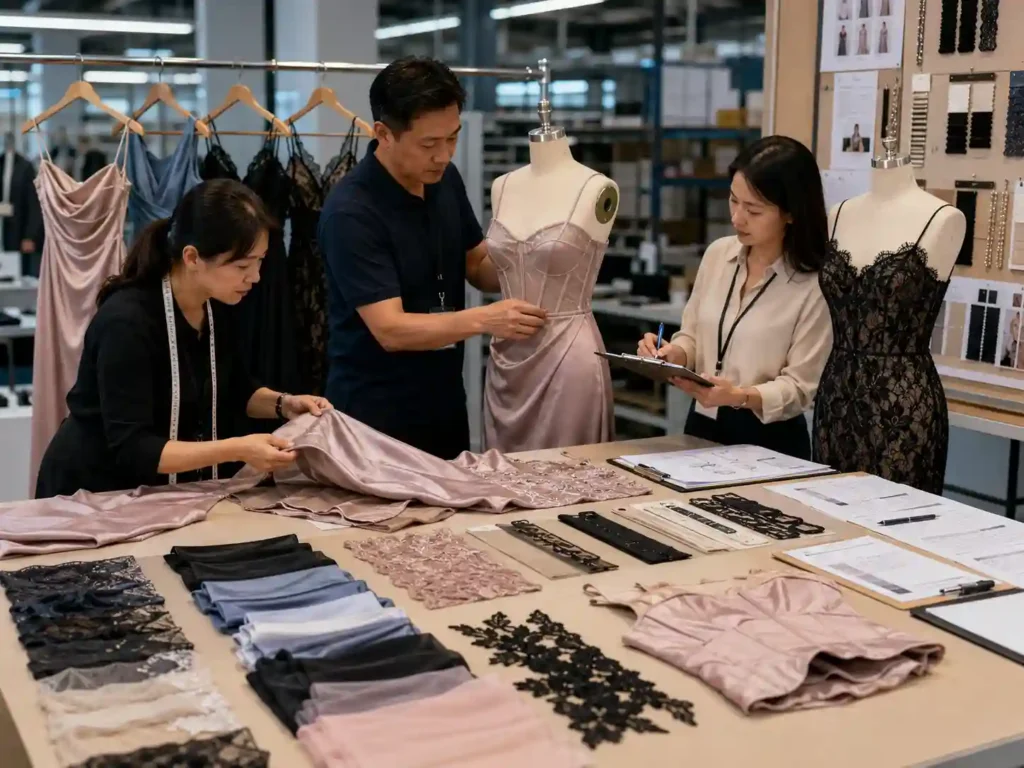
Tell Us About Your Dress Project

Share your product details, estimated quantity and development requirements. Our team will review your project and provide practical OEM/ODM production feedback.

Premium Women’s Apparel Production for Fashion Brands

From dress sample development to bulk production, JF Apparel supports fashion brands with confidential OEM/ODM manufacturing, reliable quality control and scalable production support.

START YOUR DRESS PROJECT

Ready to Develop Your Next Dress Collection?

Share your design concept, product requirements or sourcing plans with our team. We’ll review your project and provide practical feedback on development, materials, MOQ and production.

7-10 Days

Sample Development

200 PCS

Starting MOQ

Fast Response

Professional Follow-Up