Skip to content
Party Jumpsuit Manufacturer for DTC Brands
Custom party jumpsuit development built around fit, movement, launch timing, bulk consistency and private-label ecommerce delivery.
Jinfeng Apparel develops party jumpsuits for established DTC fashion brands from design review and fabric direction through pattern correction, sampling, production, quality control and branded packing. One-piece garments require more than an attractive front view: torso length, bust support, waist position, hip balance, crotch depth and leg proportion must work together across the full size range.
- Medium-complexity jumpsuit first samples: usually 12-18 days after confirmed materials and specifications.
- Corset, strapless, mesh, lace or sequin first samples: usually 15-25 days, depending on structure and trim development.
- Pattern development support: 7+ senior womenswear pattern makers and 20+ sample machinists across 2 sample rooms.
- Custom production starts from 200 pcs per style/color, subject to fabric, color, trim, construction and packing requirements.
Manufacturing Capacity for Multi-Style DTC Programs
Since 2008
Six Owned Factories
Ten-Plus Partners
100,000+ Monthly Capacity
15+ QC Inspectors
Project-Based Follow-Up
Built Around DTC Product and Launch Operations
Product Development Teams
Merchandising Teams
Operations Teams
Where Party Jumpsuits Commonly Fail
Torso Length
Crotch Balance
Bust Support
Waist-Hip Balance
Fabric Behavior
Bulk Consistency
Party Jumpsuit Styles We Develop
Product direction can range from commercial wide-leg silhouettes to highly structured statement pieces. Each style family receives a different fabric, pattern, support, construction, sampling and QC plan so the finished collection remains visually strong and production repeatable.

Bodycon Party

Wide-Leg Occasion

Corset Bodice

Strapless Statement

Halter Open-Back

Cut-Out Mesh

Sequin Holiday

Velvet Metallic

Build a Commercial Party Jumpsuit Assortment
A DTC drop performs better when visual impact, fit reliability, price architecture and reorder potential are planned together. Manufacturing feedback can help the merchandising team separate high-impact styles from dependable volume styles before sample resources and materials are committed.
- Hero Styles for Campaigns
Hero styles carry the visual identity of a launch. Corset bodices, sequins, metallic surfaces, statement cut-outs, feathers or sculpted shoulders may earn the earliest sample priority because photography, creator seeding and paid media depend on them. Development begins with the most visible risk: cup shape, neckline security, cut-out placement, embellishment layout or surface finish. A photo-ready sample is scheduled only after core proportions and material direction are stable; otherwise the campaign sample may look strong while the bulk specification remains unresolved.
- Commercial Core Styles
Core styles support conversion, size coverage and repeat sales. Wide-leg satin, ponte bodycon, one-shoulder crepe or restrained mesh-panel designs often provide a more stable balance between visual appeal and manufacturing repeatability. The development team reviews fabric availability, sewing complexity, size grading and planned retail price. A commercially strong style is not necessarily simple; it is a style whose fit, construction, material and production cost can be repeated without eroding the intended appearance.
- Color and Size Architecture
Color expansion must account for dye-lot control, lining shades, zipper color, trim minimums and inventory concentration. A launch may combine two or three core colors with a smaller number of seasonal colors, but each style/color follows the agreed MOQ and material constraints. Size architecture is reviewed against target-market data and silhouette. Close-fitting jumpsuits need careful grade rules across bust, waist, hip, torso and rise; wide-leg styles may require additional length planning and priority size ratios for warehouse allocation.
Fit Engineering for One-Piece Garments
A jumpsuit pattern cannot be created by joining a top block and trouser block without rebalancing the complete body. Fit engineering connects vertical length, circumference, posture, fabric stretch and movement across the bodice, waist, seat and legs.
Vertical Balance and Torso Control
A structured measurement chart commonly includes 18-24 control points for a party jumpsuit, depending on neckline, sleeves, support structure and leg shape. Vertical measurements often include shoulder-to-waist, high point shoulder to front waist, back neck to waist, shoulder-to-crotch, front rise, back rise, inseam and total length. Bust projection and back posture affect front and back lengths differently, so one total torso measurement cannot solve every fit issue. During a fitting, drag lines, waist displacement, crotch pressure and back pooling are mapped to the relevant pattern zones. Pattern corrections are recorded by version and transferred into revised measurements before the next sample is cut.
Bust, Waist and Hip Proportion
Party jumpsuits often require a fitted upper body and a different ease level below the waist. Bust shaping may use darts, princess seams, cups, boning or stretch panels; waist shaping may use seams, elastic or internal support; hip fit may be close, semi-fitted or relaxed.
Grade rules must preserve the design line across the size range. Increasing every circumference by the same amount can move a cut-out, cup edge, side seam or waist panel away from the intended position. Fit review therefore considers both measurements and visual landmarks such as apex position, waist seam level, pocket opening, cut-out edge and side-seam balance.
Rise, Seat and Movement
The rise is evaluated with the wearer standing, sitting and walking. Front and back crotch curves must allow movement without excess folds or exposure. Bodycon styles need controlled ease and strong recovery; woven wide-leg styles need enough seat and thigh room while preserving a clean front. When a style includes a back zipper, the zipper must open far enough for dressing without creating distortion at the seat. For side-zipped designs, the opening length and waist structure must allow the garment to pass over the hips safely.
Grade Rules Across Sizes
A sample approved in one size is only the starting point for bulk sizing. Critical measurements are graded according to the approved silhouette and target market, not copied from a generic chart. Torso length, rise, neckline depth, cup position, strap length and cut-out placement may require controlled grade values different from bust, waist or hip increments. Before production, the final pattern, size chart, grade rule and PP sample are aligned. Inline and final measurements then use the same defined points so size-control data remains comparable from cutting through packing.
Fabric Directions for Party Jumpsuits
Fabric selection controls silhouette, support, comfort, production cost and return risk. The same design can behave very differently in stretch satin, non-stretch satin, ponte, mesh or sequins, so material approval must include both appearance and construction feasibility.
| Fabric Direction | Best Commercial Use | Main Production Risk | Approval and Bulk Control |
| Stretch Satin | Fitted, corset or draped party styles | Snagging, shine variation, seam rippling, unstable stretch | Confirm GSM, stretch direction, recovery, lining, seam tension and pressing sample |
| Non-Stretch Satin | Wide-leg, halter, one-shoulder and occasion silhouettes | Wrinkles, limited movement, pulling at rise, shade direction | Approve drape, ease, nap/shine direction, lining and movement fit |
| Ponte / Roma | Bodycon and structured commercial styles | Too heavy, too soft, low recovery or bulky seams | Confirm weight, stretch/recovery, seasonal suitability and seam thickness |
| Stretch Jersey | Ruched, asymmetric and close-fitting silhouettes | Twisting, growth, transparency and uneven recovery | Relax fabric, control cutting direction, test recovery and measure after wear |
| Power Mesh | Panels, sleeves, cut-outs and layered bodycon designs | Over-stretch, exposure, edge distortion and color mismatch | Approve stretch level, opacity, lining coverage, reinforcement and binding |
| Sequin Fabric | Holiday, birthday and statement party drops | Sequin loss, skin abrasion, seam bulk and zipper obstruction | Test seam preparation, lining, comfort zones, pull resistance and packing protection |
| Velvet | Winter party, evening and premium capsule styles | Crushed pile, nap mismatch, pressure marks and heat damage | Record nap direction, approve pressing method, seam finish and packing method |
| Metallic Knit | Club, festival and campaign-led statement pieces | Coating cracks, surface marks, weak recovery and color transfer | Test stretch, abrasion, seam performance, folding and carton pressure |
| Lace | Romantic party, cocktail and occasion jumpsuits | Motif mismatch, transparency, edge fraying and placement variation | Approve lace placement, lining, seam type, symmetry and edge finish |
| Crepe / Suiting | Tailored wide-leg and office-to-evening programs | Excess stiffness, shine, seam impressions and poor drape | Confirm weight, recovery, lining, crease response and leg balance |
| Organza / Tulle | Overskirts, sleeves, bows and dimensional details | Edge damage, stiffness variation and volume inconsistency | Approve layer count, edge finish, attachment points and packing volume |
| Lining Fabrics | Coverage, comfort, support and surface protection | Static, color mismatch, restricted stretch and visible edges | Match stretch and shade, confirm length/coverage, seam allowance and comfort |
Construction Details That Protect the Design
Partywear details must hold their shape during dressing, movement, photography, packing and repeat wear. The strongest visual feature often becomes the highest manufacturing risk, so support, seam engineering and finishing are developed together. Review Construction Develop Complex Details

Corset Support

Strapless Security

Cut-Out Stability

Lining Coverage

Zipper Flatness

Leg and Hem Finish
Workmanship Standards for Partywear Production

Seam Stability

Panel Symmetry

Clean Inside Finish

Pressing Control

Trim Attachment

Final Presentation
Designed to Move Beyond the Photoshoot
Movement Test
Coverage Test
Dressing Test
From Design Brief to Approved Sample
Sampling turns a visual idea into controlled manufacturing information. Each stage has a separate purpose: direction, fit, revision, photography, pre-production approval and bulk reference. Treating every sample as the same object creates avoidable disputes later.
Project and Material Review
Development can begin from a tech pack, reference image, original sample, sketch or line sheet. A clearer brief improves pattern accuracy and quotation quality. The review covers silhouette, neckline, support structure, fabric behavior, trims, target quantity, colors, size range, packing and launch date. Material direction is screened for stretch, recovery, drape, transparency, weight, dyeing or trim minimums and expected bulk risk. A range review may be provided while details remain open; final costing requires confirmed material and construction information.
First Sample
The first sample verifies structure and direction rather than promising final bulk approval. For a medium-complexity jumpsuit, the internal reference is normally 12-18 days after confirmed specifications and available materials. Corset, strapless, lace, mesh or sequin versions commonly require 15-25 days. Custom-developed fabric or special trims may extend the first-sample window to 20-35 days or follow the supplier schedule. Review points include fit balance, material response, support, construction feasibility, appearance and cost alignment.
Revision and Fit Approval
Comments are classified by fit, material, workmanship, color, trim, measurements, styling and packing. Each approved change is transferred into updated patterns, measurement charts, sewing instructions and sample requirements. A medium-complexity style commonly needs one first sample plus one or two revised samples. Highly structured partywear may need around two revision rounds, depending on the level of design change. Revised samples are normally planned within 7-15 days after clear comments and material readiness.
PP and Golden Sample
PP approval begins only after structure, measurements, fabric, color, trims, workmanship, labels, packaging and bulk feasibility are stable. A PP sample is normally planned within 7-15 days once final materials are available. After approval, a Golden sample or sealed reference is retained as the bulk standard. Photo-ready or salesman samples may follow different quantity and appearance requirements, but they do not replace PP approval. Any later design change is reviewed for cost, timing, materials and production impact before implementation.
Complex Details Validated Before Bulk
Structure Validation
Material Validation
Wearability Validation
Development-to-Bulk Production Workflow
Project Review
Confirm product scope, files, quantity, colors, size range, target date, private-label needs and communication contacts.
Risk Analysis
Identify fit, fabric, support, trim, workmanship, MOQ, cost and schedule risks before sampling.
Material Direction
Source or review fabrics, linings and trims; compare availability, performance, supplier minimums and lead times.
Pattern Development
Create the initial pattern around target measurements, silhouette, fabric behavior and one-piece balance.
First Sample
Build a real garment for structure, fit, appearance, movement, workmanship and cost review.
Revision Control
Convert comments into updated pattern, measurement, material, trim and construction files; issue revised samples as needed.
PP Approval
Lock fabric, color, trims, measurements, construction, labels, packing and agreed inspection standards.
Bulk Production
Book materials, allocate production, cut, sew, inspect inline, finish, measure and prepare branded packing.
Inspection and Delivery
Complete final garment and packing checks, coordinate agreed inspection, prepare shipment documents and release cargo.
Factory Allocation by Jumpsuit Construction
Production is assigned according to fabric, silhouette, support structure, workmanship and volume. A stretch bodycon style, woven satin wide-leg style and heavily embellished corset style require different skills and line preparation even within one collection.
Match Style to Capability
Stretch jersey, ponte and power-mesh styles are allocated to teams familiar with fabric relaxation, stretch direction, seam extension and measurement recovery. Woven satin, crepe and suiting styles are matched to lines experienced in clean zipper installation, controlled pressing and leg balance. Corset, sequin, lace, cut-out and complex partywear are assigned only after the required sample, construction sheet and material method are confirmed. Factory allocation considers actual style complexity rather than a generic product label.
Coordinate Multi-Style Volume
A 10-30 style program may contain different materials, approval dates and shipment priorities. Production planning groups styles by construction compatibility, material arrival and finishing needs. Hero styles, high-volume commercial styles and complex embellished styles can move through separate schedules while remaining under one project timeline. Capacity is not treated as a single monthly number; availability is checked against material booking, line preparation, QC window and packing requirements.
Control External Production
Owned factories and long-term satellite partners operate within confirmed project requirements. The production location is selected according to product fit, capacity and specialist experience. Sample standards, approved materials, measurement charts, sewing instructions, QC points and packing files follow the order.
When a brand requires factory disclosure, audit review or written approval before allocation, the requirement should be stated during vendor onboarding and confirmed before bulk commitment.

Bulk Quality Control for Consistent Fit
Bulk control starts before cutting. The approved pattern, size chart, grade rules, PP sample, Golden sample, material records and packing files form the reference set. Inspection points then follow the same definitions from incoming material through final cartons.
| Production Stage | Control Focus | Main Risk | Record or Output |
|---|---|---|---|
| Incoming Fabric | Color, surface, weight/specification, width, stretch, recovery, defects and lot separation | Shade variation, wrong stretch, surface damage, unstable hand feel | Fabric inspection and batch record |
| Trims and Support | Zippers, cups, boning, elastic, hooks, labels and decorative items | Wrong color, weak attachment, sharp edge, size mismatch | Trim approval and incoming check |
| Pre-Production | PP sample, pattern version, size chart, grade rule, construction and packing | Old files, unapproved changes, inconsistent instructions | PP meeting record and sealed standard |
| Cutting | Fabric direction, marker, panel placement, size identification and bundle control | Nap mismatch, asymmetry, mixed sizes, distorted stretch | Cutting inspection and bundle record |
| Inline Sewing | Critical seams, cup/boning position, zipper, waist seam, cut-outs and measurements | Drifting construction, seam tension, placement error | Inline report and corrective action |
| Garment Measurement | Bust, waist, hip, torso, rise, inseam, total length and style-specific points | Size inconsistency and poor grade progression | Measurement report against tolerance |
| Final Appearance | Symmetry, surface, pressing, stain, loose threads, movement and closure | Visual defects, marks, poor operation, discomfort | Final garment inspection |
| Labels and Packing | Label identity, barcode, SKU, size/color sticker, folding, protection and carton marks | Warehouse errors, mixed SKU, surface damage in transit | Packing inspection and carton record |
| Shipment Release | Inspection status, packing list, carton count, documents and pickup instruction | Incomplete release, document mismatch, wrong cargo routing | Release confirmation and shipment file |
Production Planning Around Your Launch Calendar
A launch date becomes manageable when the timeline starts with campaign and warehouse milestones, then works backward through sampling, approvals, material booking, production, QC, packing and transport. A single promise such as “fast delivery” does not protect a seasonal drop.
Work Backward From Arrival
The timeline should identify campaign sample date, photo date, content handoff, website launch, warehouse receiving, freight cut-off and desired buffer. Sampling and bulk schedules are then connected to those milestones. Complex materials, custom color, sequins, special trims and branded packaging are booked earlier because supplier lead times may exceed sewing time. A multi-style program may require staged PP approvals instead of waiting for every style to close on one date.
Prioritize High-Impact Styles
Hero styles may receive earlier pattern and sample capacity because campaign production depends on them. Commercial core styles may move in parallel once their material and fit risks are lower. The team can separate photo-ready samples from PP samples, but the difference must remain clear: a photo sample serves content creation, while a PP sample locks production. Campaign pressure should not push an unapproved style into bulk.
Plan Production and Freight
After PP approval and material arrival, bulk timing is confirmed by style complexity, quantity, color/size spread, production allocation, inspection and packing. As a planning reference, a multi-style party jumpsuit program may require approximately 35-55 days for bulk manufacturing after final approvals and materials, with longer windows for heavy embellishment or custom-developed materials. When timing is tight, a priority air shipment and remaining sea shipment can be evaluated by SKU, carton and warehouse requirements.

Repeat Successful Styles Without Starting Over
Product Records
Reorder Review
Multi-Batch Delivery
Private Label and Ecommerce-Ready Delivery

Brand Labels
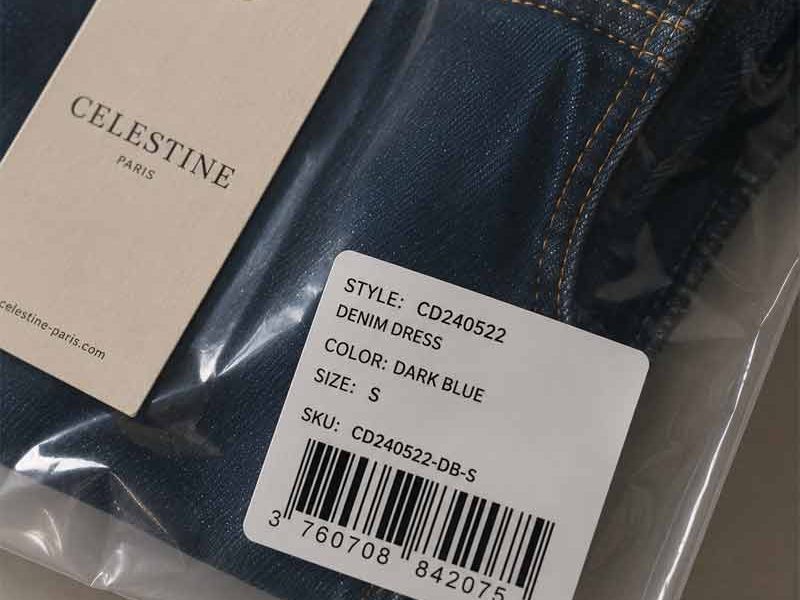
Barcode and SKU
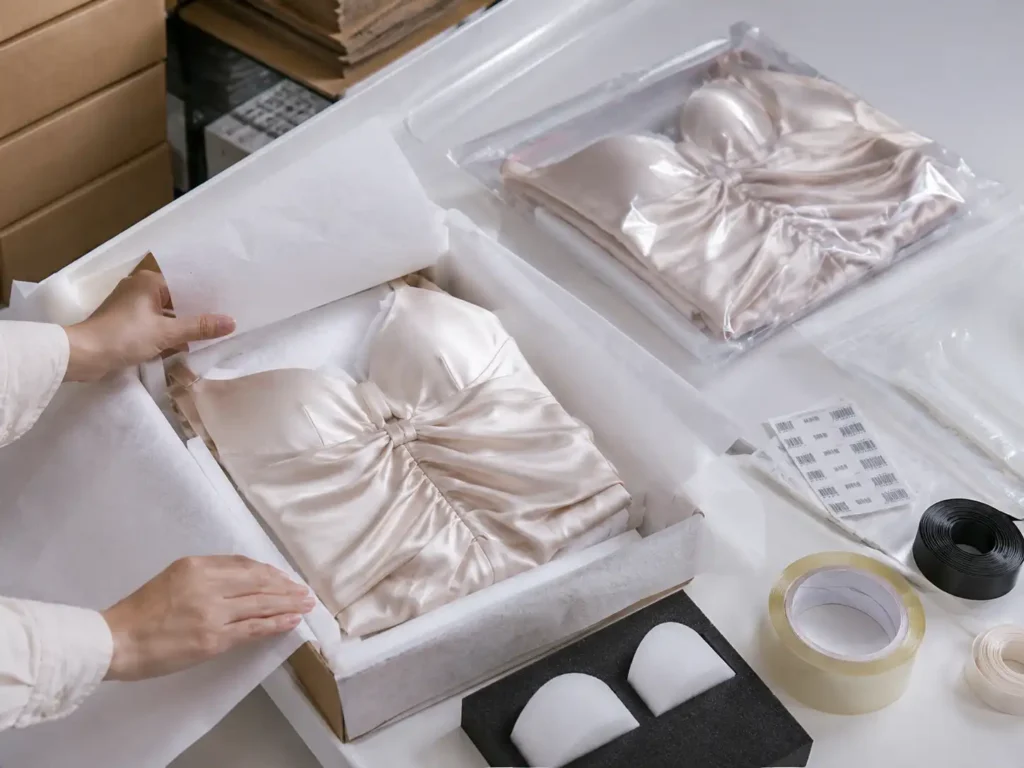
Protective Packing
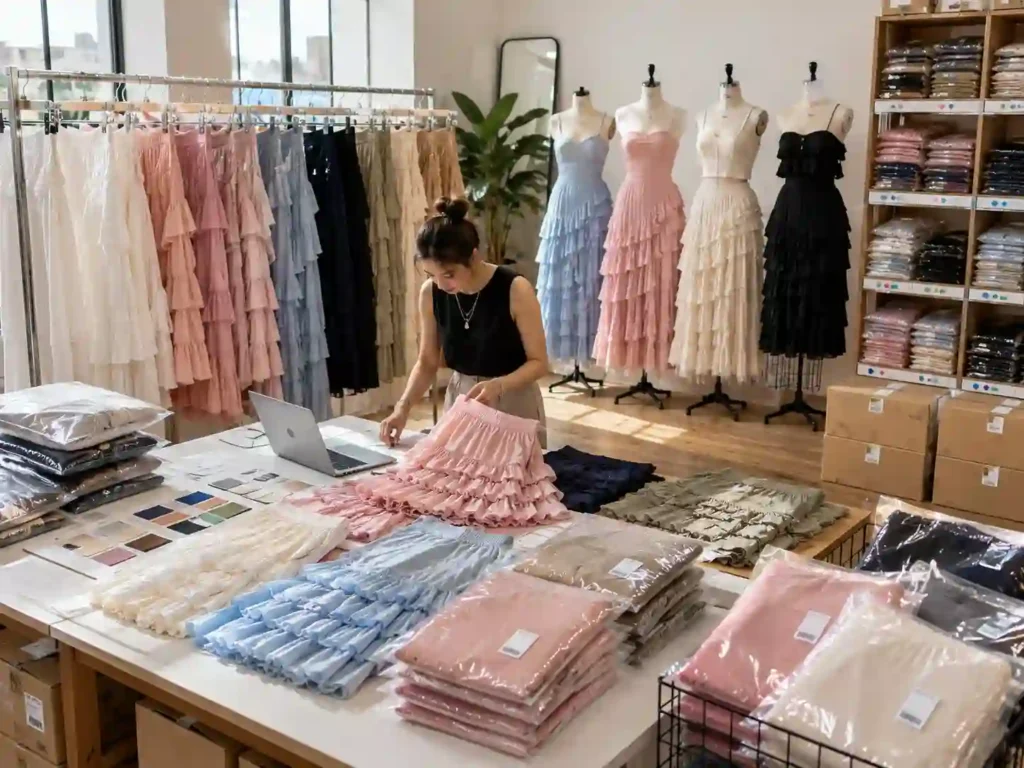
Ecommerce Presentation
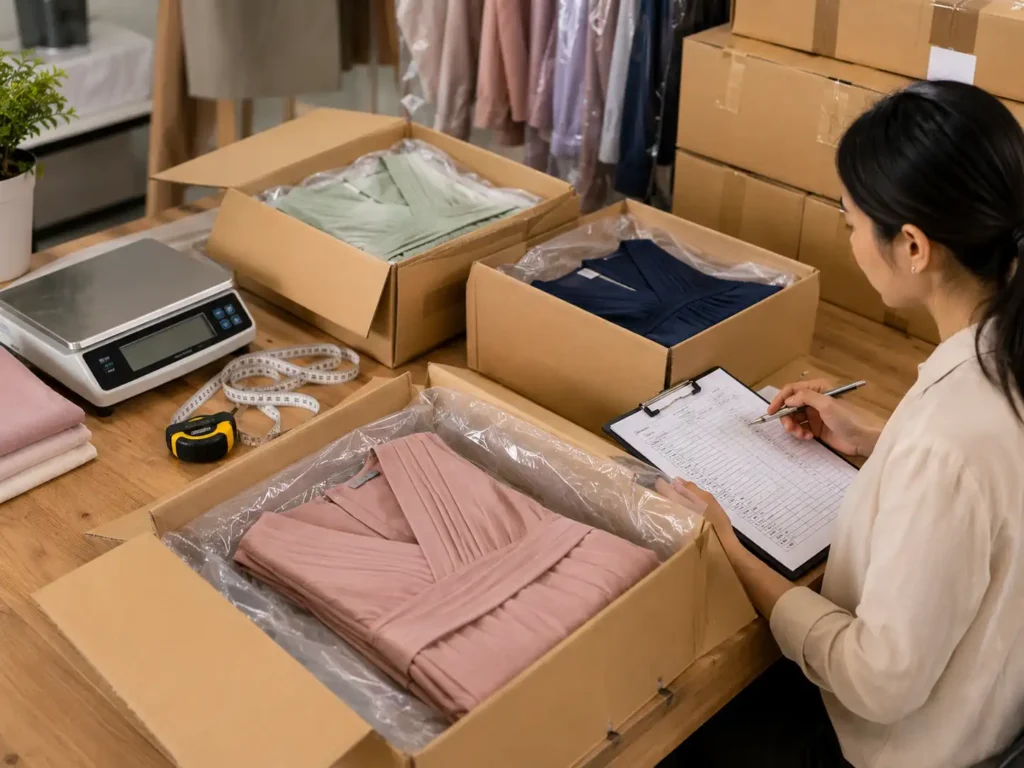
Carton Planning

Export Documents
A Manufacturing System Built for Brand Growth
OEM Development
ODM Support
Private Label
NDA Protection
Version Control
Inspection Support
Phased Production
Kelly as Contact
Party Jumpsuit Programs for DTC Fashion Brands
Client names, logos, tech packs and unpublished designs remain confidential. The following anonymized programs use realistic order structures aligned with Jinfeng Apparel’s multi-style brand work and illustrate how product risk, sampling, production and delivery are managed at commercial scale.
US Holiday Party Drop
An established US DTC partywear label developed an 18-style holiday jumpsuit program totaling 42,600 pieces across black, red, emerald, silver and champagne color stories. The assortment combined six sequin styles, four corset-satin styles, five stretch bodycon styles and three wide-leg crepe styles in sizes XS-XL. The program required campaign samples for eight hero styles before the full PP sequence was complete.
- Development focus: cup position, strapless security, torso/rise balance, sequin comfort zones and wide-leg length.
- Sampling: 14-23 days for first samples by complexity; one to two revisions for medium styles and approximately two revisions for corset/sequin styles.
- Bulk plan: styles grouped into stretch, woven and embellished production packages; 46-day manufacturing window after staggered PP approvals and material readiness.
- QC focus: critical jumpsuit measurements, sequin loss, zipper flatness, surface marks, barcode/SKU accuracy and protective packing.
- Delivery: priority hero colors prepared for air shipment; remaining commercial volume planned by sea with separate packing lists.
Premium Ecommerce Launch
A premium US ecommerce womenswear brand placed a 24-style occasion and party jumpsuit program totaling 68,400 pieces. The collection covered stretch satin, power mesh, ponte, velvet and metallic knit, with 2-4 colors per style and sizes XS-XXL. Product teams wanted a controlled size range for close-fitting styles and a more relaxed grade for wide-leg silhouettes.
- Development focus: 20+ measurement points on fitted styles, including front/back torso, rise, inseam, cup position, strap length and cut-out placement.
- Material control: stretch/recovery tests for ponte and jersey; pressing and fold trials for velvet and metallic surfaces; lining compatibility for mesh.
- Production: 24 styles released in three approval groups instead of waiting for one final date; total bulk window 52 days after group materials and PP approvals.
- Packing: style-color-size barcode logic, individual polybags, protective tissue for surface-sensitive styles and warehouse carton labels.
- Outcome: repeatable core blocks created for a later color extension and a smaller replenishment batch of proven styles.
Multi-Batch Partywear Program
A North American fashion group coordinated a 12-style private-label party jumpsuit program totaling 27,600 pieces, followed by a 16,800-piece replenishment of five strong styles. Initial products included one-shoulder crepe, halter satin, mesh-panel bodycon, velvet wide-leg and two structured bustier styles. The first order required private-label packaging, client inspection support and two warehouse receiving dates.
- First order: 12 styles, 27,600 pieces, sizes S-XXL, five main fabric directions and two phased shipments.
- Replenishment: five selected styles, 16,800 pieces, revised size ratios based on sales and warehouse stock.
- Reorder control: retained pattern and measurement records, reapproved dye lots, confirmed replacement zipper availability and updated barcode files.
- QC resolution: an early inline zipper-rippling issue was traced to seam stabilization and tension; affected work was corrected and reinspected before finishing.
- Delivery planning: first batch released for the launch window, second batch followed with consistent carton and SKU separation.

Frequently Asked Questions About Party Jumpsuit Manufacturing

Start Your Party Jumpsuit Development
Send Kelly a focused project brief for an initial feasibility and quotation review. Useful files include a tech pack, line sheet, reference image, original sample photos, measurement chart, fabric swatch or preferred material direction. Add the planned quantity per style/color, size range, color plan, target market, private-label and packaging requirements, campaign date and requested warehouse arrival window. The team will review structure, fit risk, material direction, trim development, sample timing, MOQ fit, production planning and the information still needed before formal sampling or final quotation.
- Name and company
- Email address
- Tel / WhatsApp (optional)
- Target quantity per style/color
- Size range and target market
- Fabric and color direction
- Launch or warehouse date
- Message and file upload