Party Dress Manufacturer for Fashion Brands
Jinfeng is a China-based party dress manufacturer focused on women’s fashion production since 2008. From sample development to bulk production, each stage is structured to support fast-moving brands with consistent quality, accurate fit, and reliable delivery across multiple collections.
- Women’s dress-focused production experience
- Fast sampling (7–12 working days) with in-house team
- 18 production lines, scalable to 100,000 pcs/month
- Strong pattern development for fitted silhouettes
- Stable bulk production for repeat orders



Who Jinfeng Works Best With
Built for brands that need faster sampling, clearer development control, and more stable dress production across ongoing collections.
Fast Fashion Women’s Brands
Jinfeng is a strong fit for women’s fashion brands that launch new dress styles frequently and need a supplier that can keep up with trend cycles. These brands usually focus on bodycon dresses, party dresses, occasionwear, fashion sets, and fitted women’s products. They care about sample speed, visual impact, fit consistency, and the ability to move quickly from development to repeat production. With in-house sample support, 18 production lines, and a factory structure developed around women’s fashion, Jinfeng is better aligned with these needs than a general garment supplier.
E-commerce & DTC Fashion
Online-first brands often operate with fast inventory turnover, multiple SKUs, and strong reliance on product imagery. In this type of business, a dress manufacturer needs to support fast sample turnaround, flexible order quantities, and reliable bulk execution across repeated launches. Jinfeng can support these brands with sample development, scalable production, and better coordination between design input and manufacturing follow-up, especially in trend-driven women’s dress categories.
Occasionwear & Partywear Labels
Brands focused on occasion dressing need more than standard sewing capability. Their products often involve satin, mesh, lining, shape-sensitive fits, and more detailed construction. Jinfeng is more suitable for this segment because its women’s fashion production is already built around dresses, fitted styles, and event-focused categories. That makes it easier to support repeat occasionwear development without rebuilding the process from zero each season.
Boutique Chains & Multi-Store Retailers
Retailers with physical stores or regional chains often need a mix of tested styles, seasonal launches, and repeat replenishment. They usually need a supplier that can handle both smaller first runs and larger restocks with stable quality. Jinfeng’s production structure is helpful here because it is not limited to a single workshop. With 4 factories, including 3 dedicated to women’s fashion, it is better positioned to support product continuity and rolling order schedules.
Private Label Dress Brands
Brands with their own label system, packaging standards, and design direction need a manufacturer that can follow product instructions while also supporting execution details. Jinfeng is suitable for this type of cooperation because it can work from tech packs, sample references, and packaging requirements, while also handling labels, logo application, and bulk coordination. This is especially relevant for brands building stronger product identity across dresses and occasionwear lines.
Growing Brands Ready to Scale
Some brands are no longer in the startup stage but are not yet working with fully structured manufacturing partners. These brands usually want to improve sample quality, increase production stability, and reduce the risk of changing suppliers as order volume grows. Jinfeng is a stronger match here because it can support small-to-mid production first, then grow into more stable repeat manufacturing through its pattern team, sample rooms, merchandiser follow-up, and scalable capacity.
Jinfeng Manufacturing Snapshot
| Category | Capability |
|---|---|
| Production Structure | 4 factories supporting women’s fashion and casual production |
| Monthly Capacity | Around 100,000 pcs with additional expansion space |
| Development Support | 2 sample rooms with dedicated development workflow |
| Pattern Capability | 7 pattern makers focused on fit and silhouette accuracy |
| Sampling Team | 20 sample sewers supporting multiple styles |
| Production Lines | 18 structured lines for different garment types |
| Order Flexibility | Supports multi-style orders and rolling production |
| MOQ Range | Starting from 200 pcs depending on style |
Key Techniques Used in Party Dress Manufacturing
Technical methods used to support fit, structure, finishing, and visual consistency in party dress development and bulk production.
Sequin Embellishment & Reinforcement
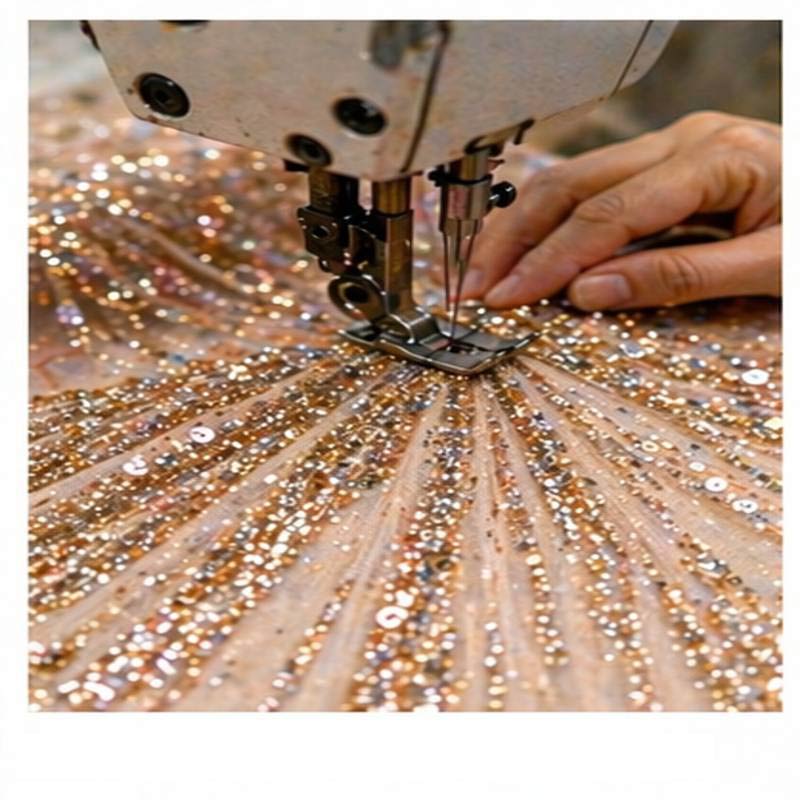
Sequin application requires controlled placement and secure stitching to ensure durability during wear and washing.
- Full sequin or panel embroidery techniques
- Reinforced stitching to prevent shedding
- Flexible base fabrics for movement
- Balanced weight distribution for comfort
Bias Cut & Drape Control
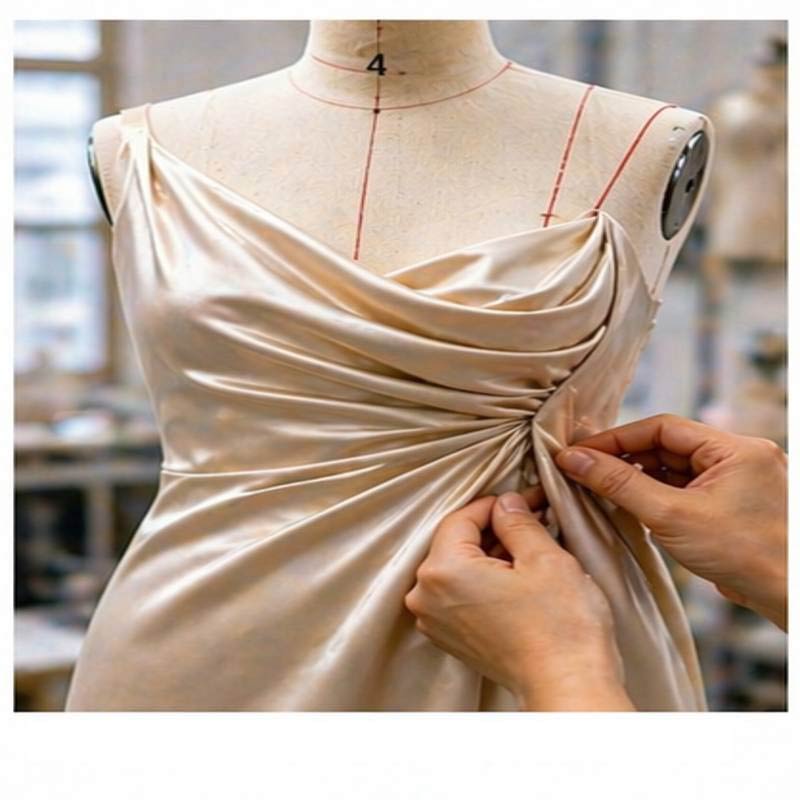
Bias cutting enhances natural body flow and allows fabrics to drape smoothly along curves.
- 45-degree fabric cutting technique
- Improved fluidity and silhouette shaping
- Requires precise fabric handling
- Used in satin and slip dress styles
Ruching & Gathering Construction
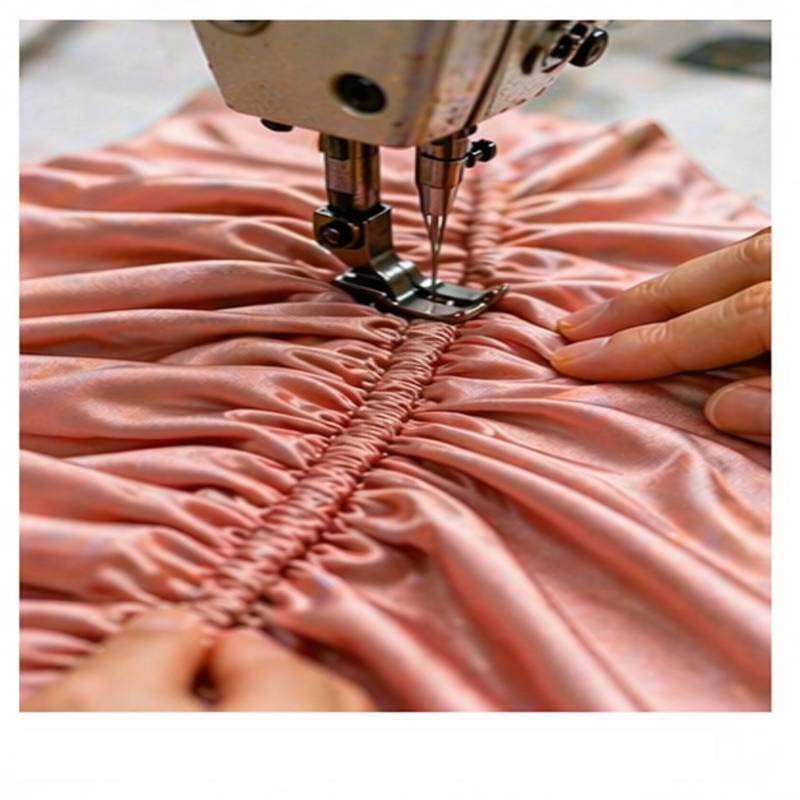
Ruching techniques shape the garment through controlled fabric gathering and tension.
- Even distribution of gathered fabric
- Stretch compatibility for body fit
- Shape-enhancing effect
- Consistency control during bulk production
Double-Layer & Lining Structure
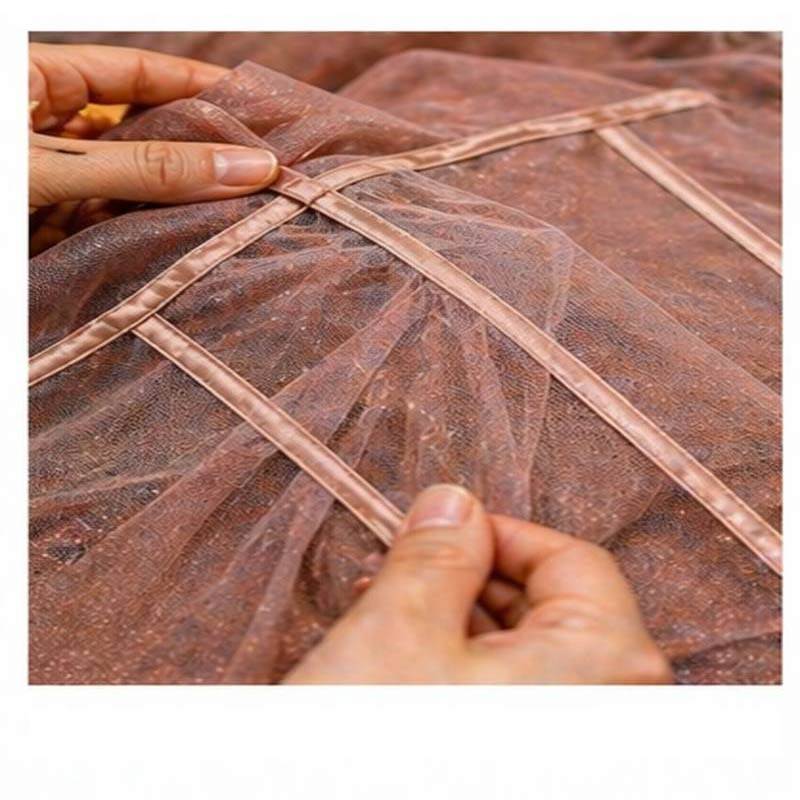
Layered construction improves comfort, opacity, and garment stability.
- Inner lining for support and coverage
- Outer layer for design and texture
- Prevents transparency issues
- Improves overall garment structure
Corset & Internal Support Construction
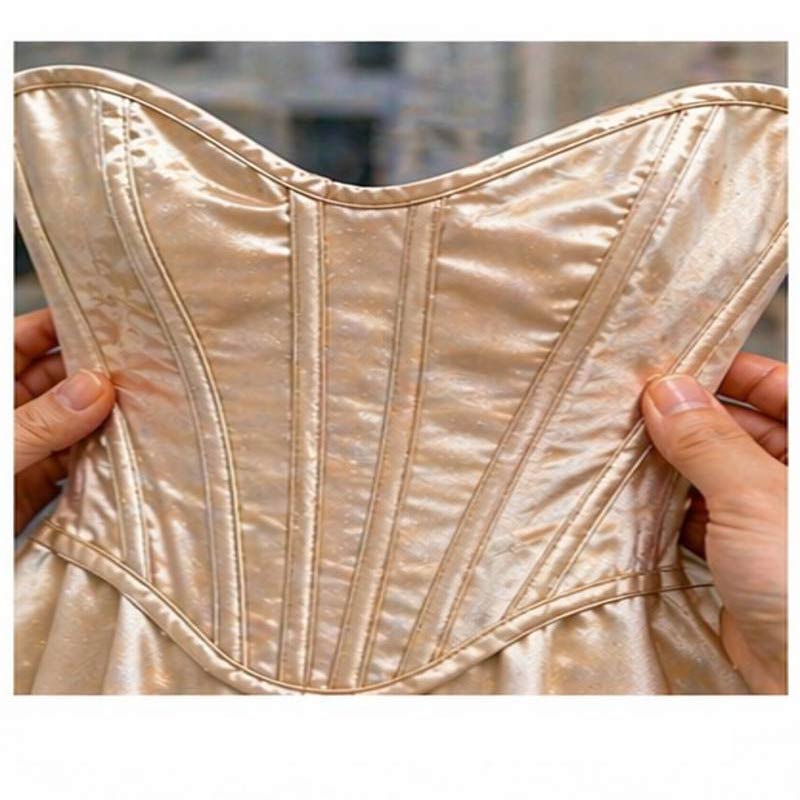
Structured designs use internal support elements to shape and hold the garment in place.
- Boning and internal reinforcement
- Upper body contour shaping
- Combination of rigid and flexible materials
- Suitable for fitted and occasionwear styles
Stretch Panel & Contour Construction
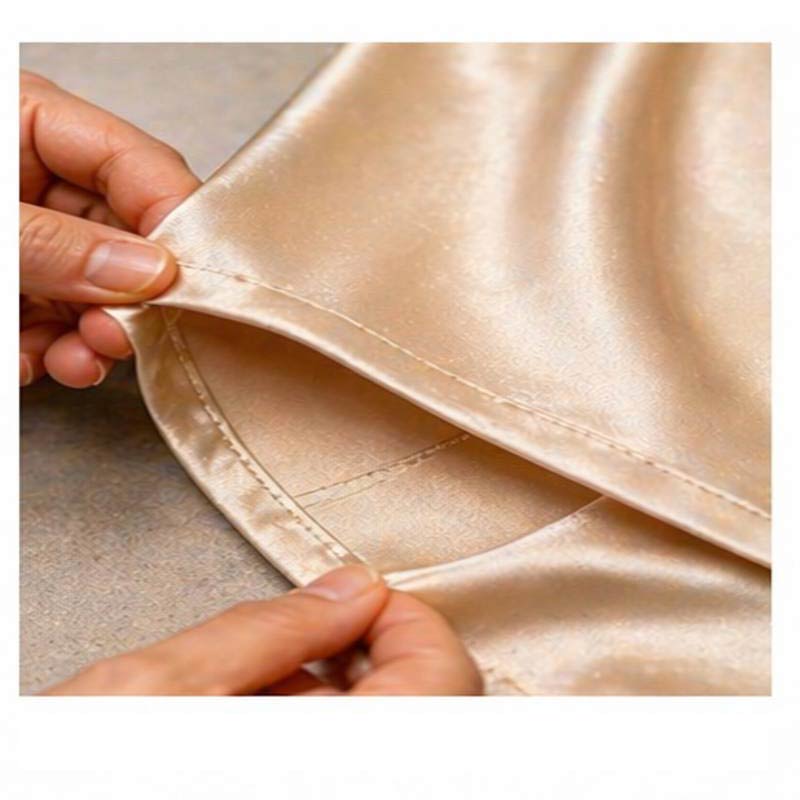
Stretch panel techniques allow garments to follow body curves while maintaining structure.
- Strategic panel placement
- Balance between stretch and stability
- Improved fit and comfort
- Common in bodycon and sculpt styles
Custom Party Dress Types
Dress types defined by naming, fabric direction, and target usage scenarios
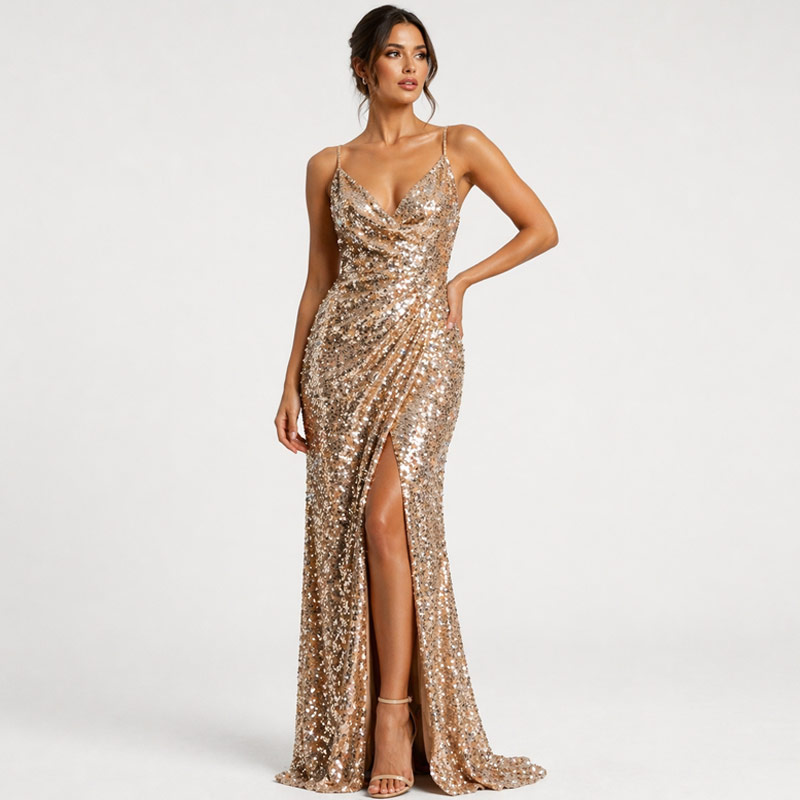
Sequin Party Dresses
- Examples : Sequin Dress / Sparkle Party Dress
- Fabrics options: Sequin mesh, stretch sequin, lined embellishment fabrics
- Target Users: Night events, parties, clubwear, statement fashion collections
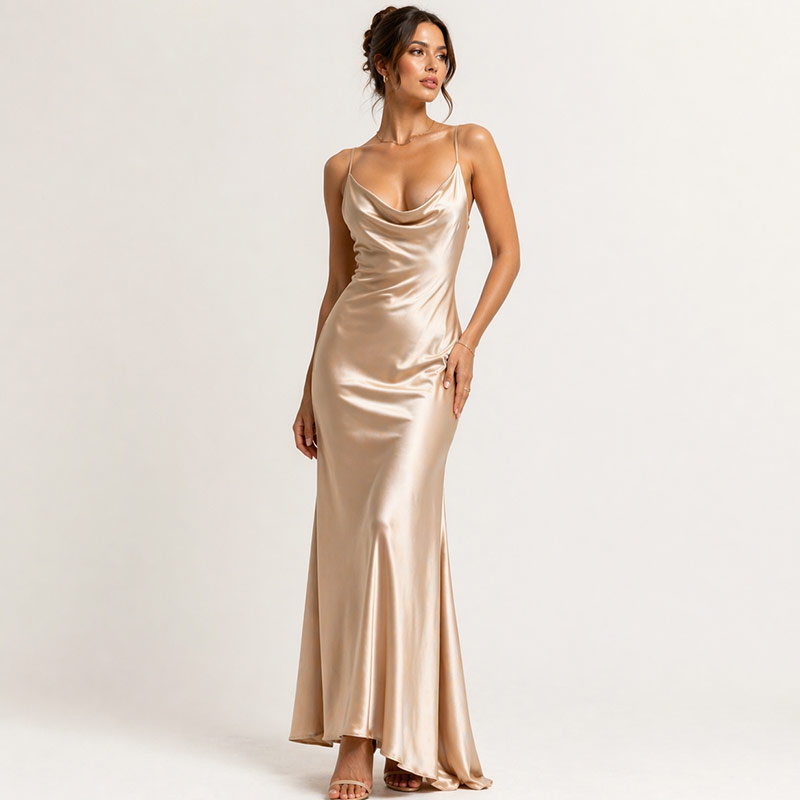
Satin Slip Dresses
- Examples : Satin Slip Dress / Silk-Look Dress
- Fabrics options: Polyester satin, stretch satin, matte satin blends
- Target Users: Evening wear, summer collections, minimal fashion brands
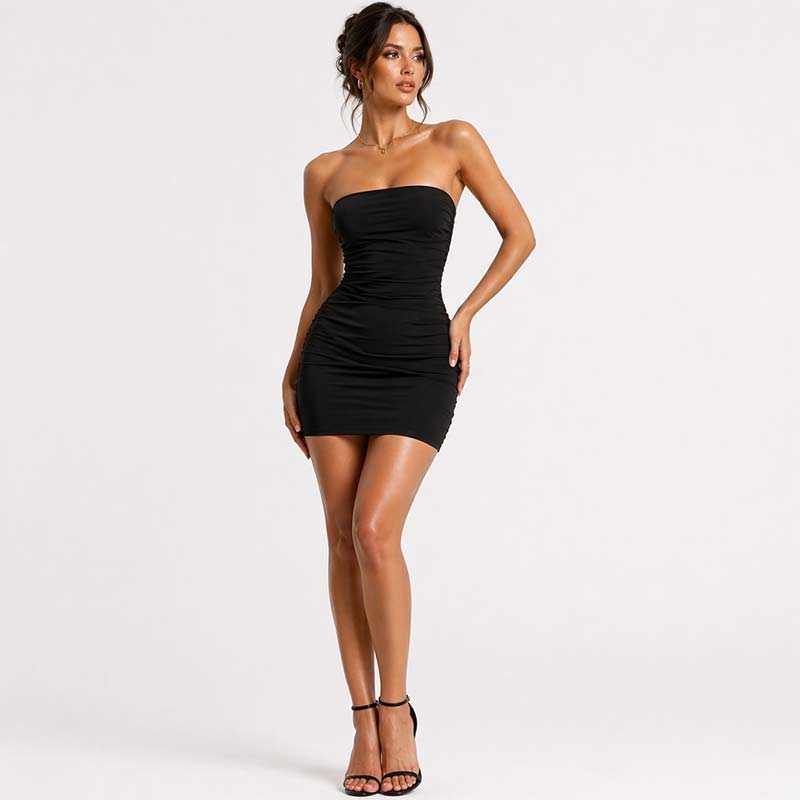
Bodycon Dresses
- Examples : Bodycon Dress / Fitted Stretch Dress
- Fabrics options: Nylon-spandex, polyester-spandex, ribbed knit fabrics
- Target Users: Trend-driven brands, social wear, figure-enhancing styles
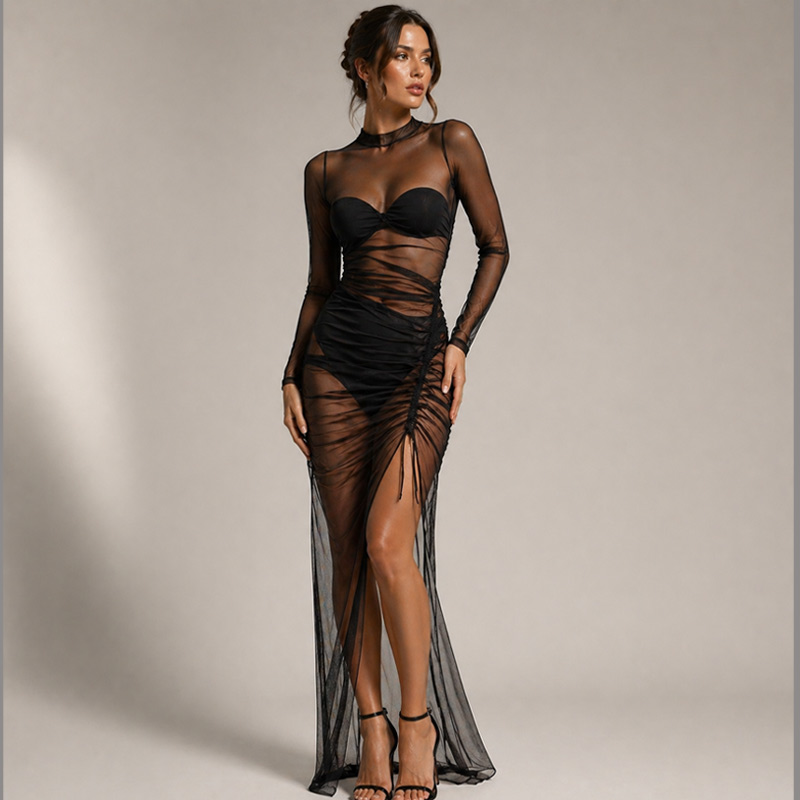
Mesh Dresses
- Examples : Mesh Dress / Sheer Layer Dress
- Fabrics options: Stretch mesh, power mesh, double-layer mesh fabrics
- Target Users: Partywear, layering styles, social media fashion brands
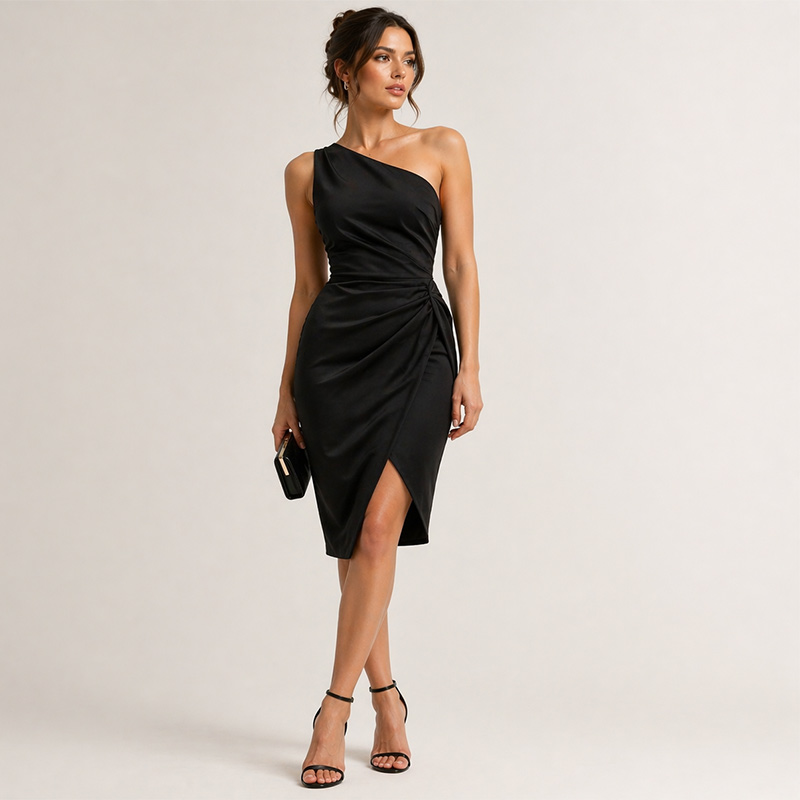
Cocktail Dresses
- Examples : Cocktail Dress / Semi-Formal Dress
- Fabrics options: Crepe, structured polyester, satin blends
- Target Users: Events, evening occasions, semi-formal collections
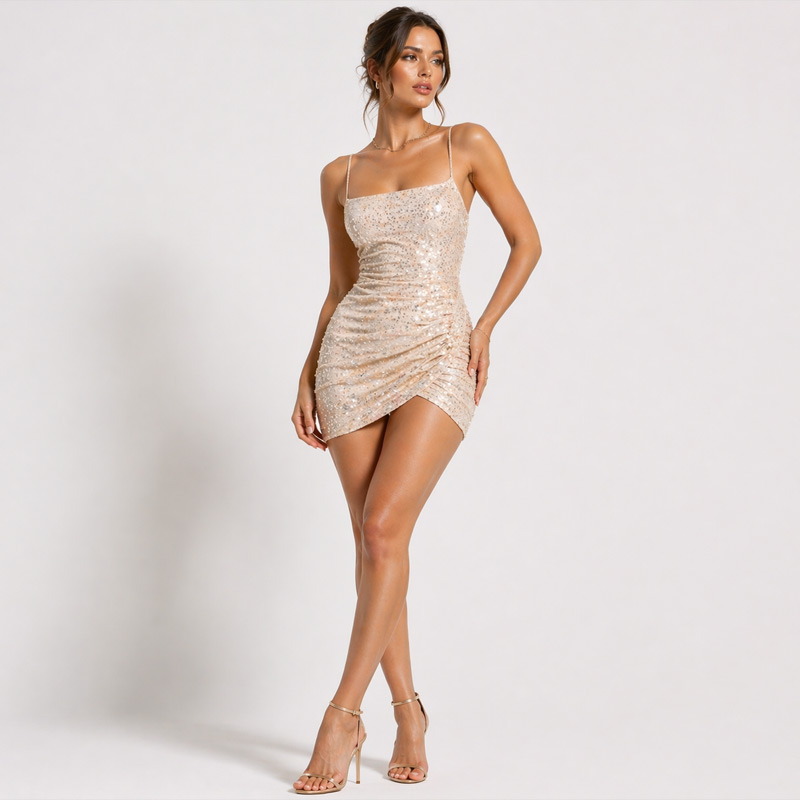
Mini Party Dresses
- Examples : Mini Dress / Short Party Dress
- Fabrics options: Stretch knit, satin, mesh, lightweight woven fabrics
- Target Users: Fast fashion brands, nightlife, seasonal trend collections
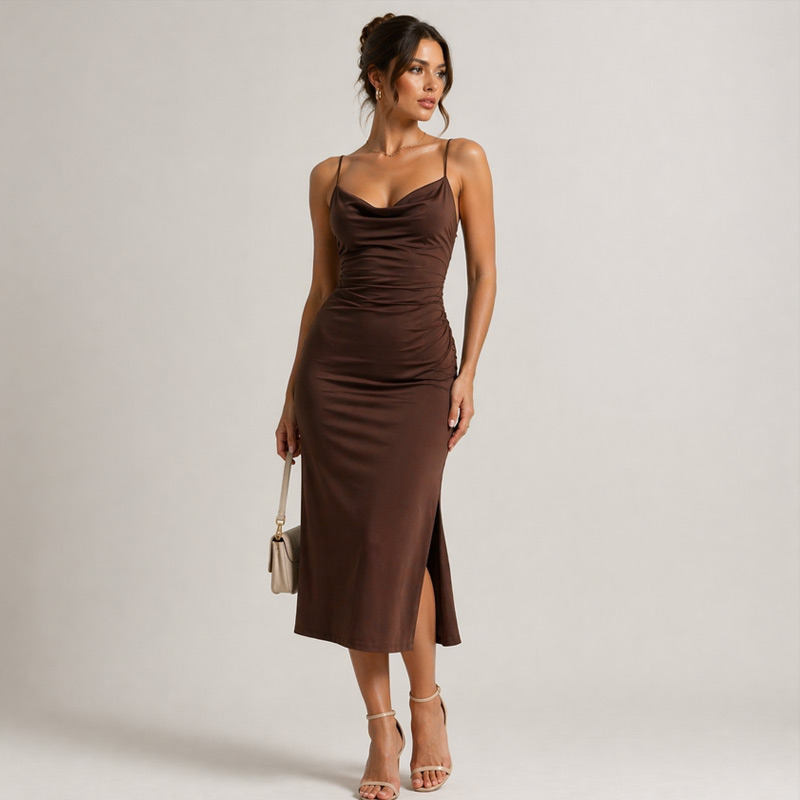
Midi Dresses
- Examples : Midi Dress / Mid-Length Dress
- Fabrics options: Crepe, knit blends, satin, lightweight structured fabrics
- Target Users: Daily wear, casual to semi-formal, broader market appeal
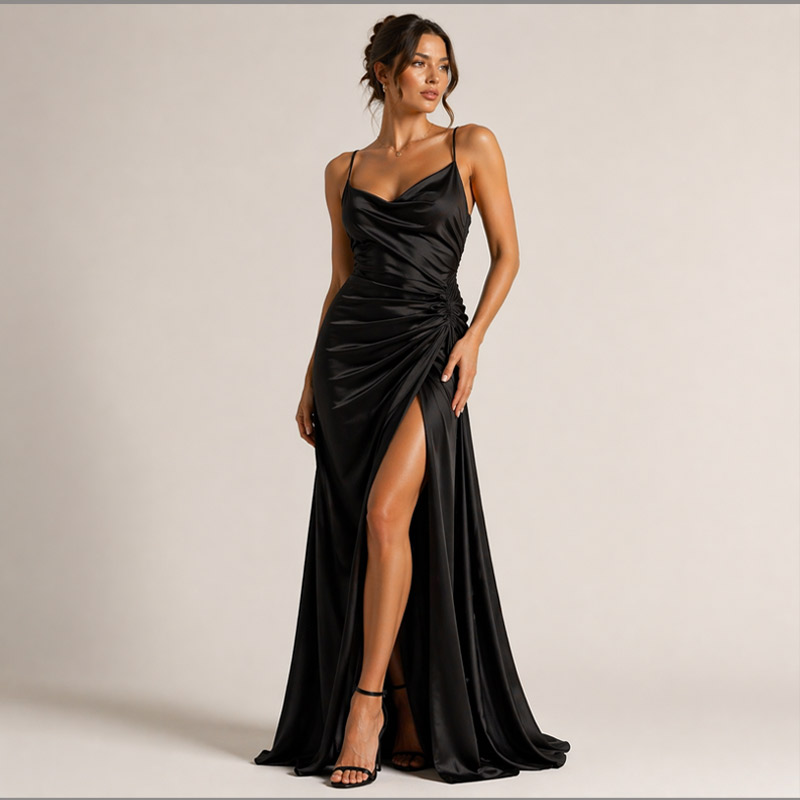
Maxi Dresses
- Examples : Maxi Dress / Long Evening Dress
- Fabrics options: Chiffon, satin, soft woven fabrics, layered textiles
- Target Users: Formal events, evening wear, occasion collections
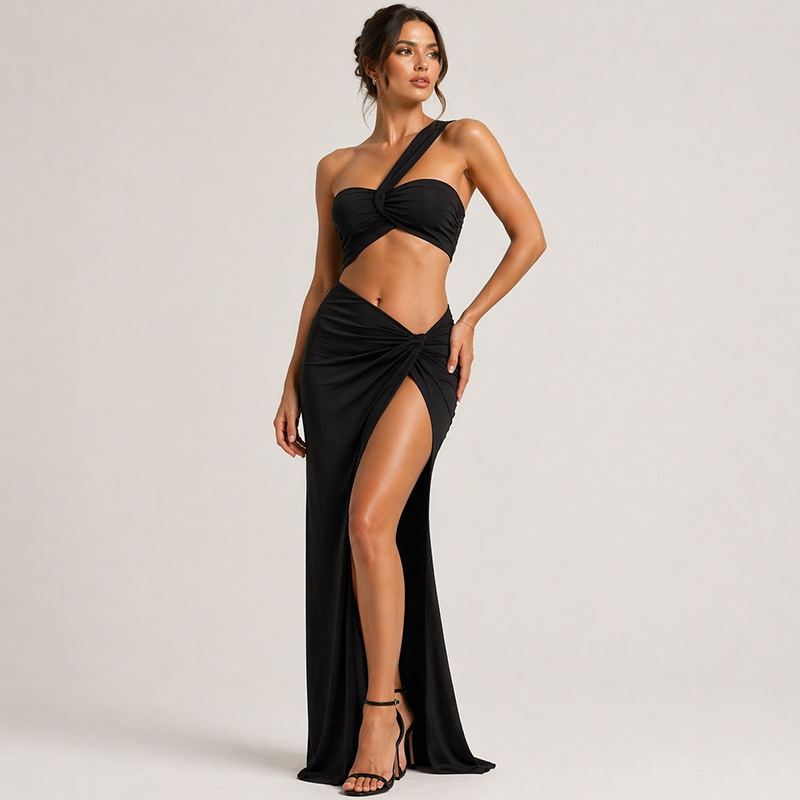
Cut-Out Dresses
- Examples : Cut-Out Dress / Open Detail Dress
- Fabrics options: Stretch fabrics, knit blends, structured elastics
- Target Users: Trend-focused brands, social media fashion, bold styling
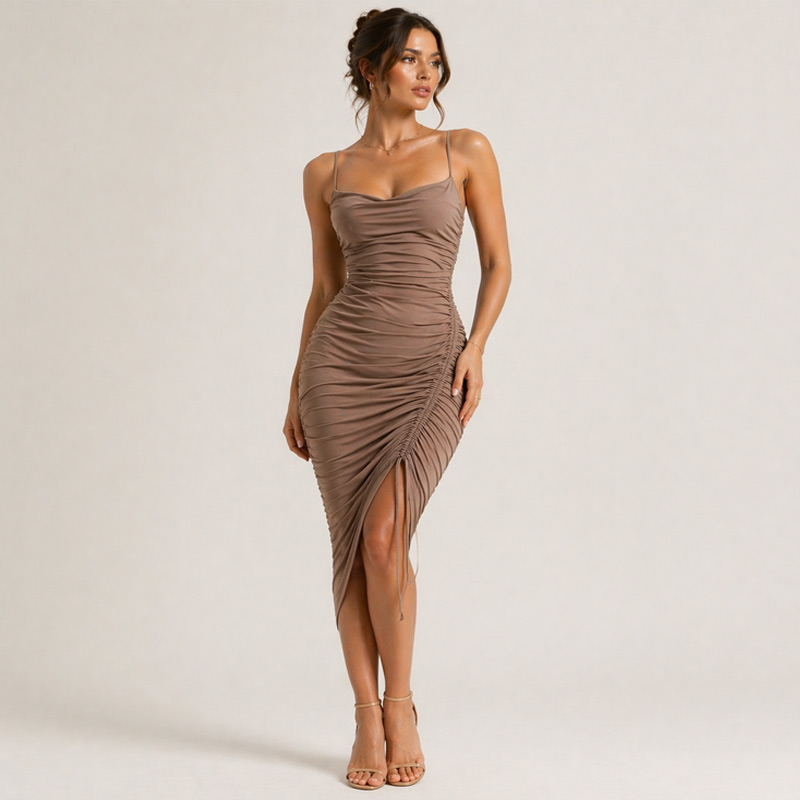
Ruched Dresses
- Examples : Ruched Dress / Gathered Bodycon Dress
- Fabrics options: Stretch jersey, spandex blends, soft knit fabrics
- Target Users: Body-shaping collections, contour styles, event wear
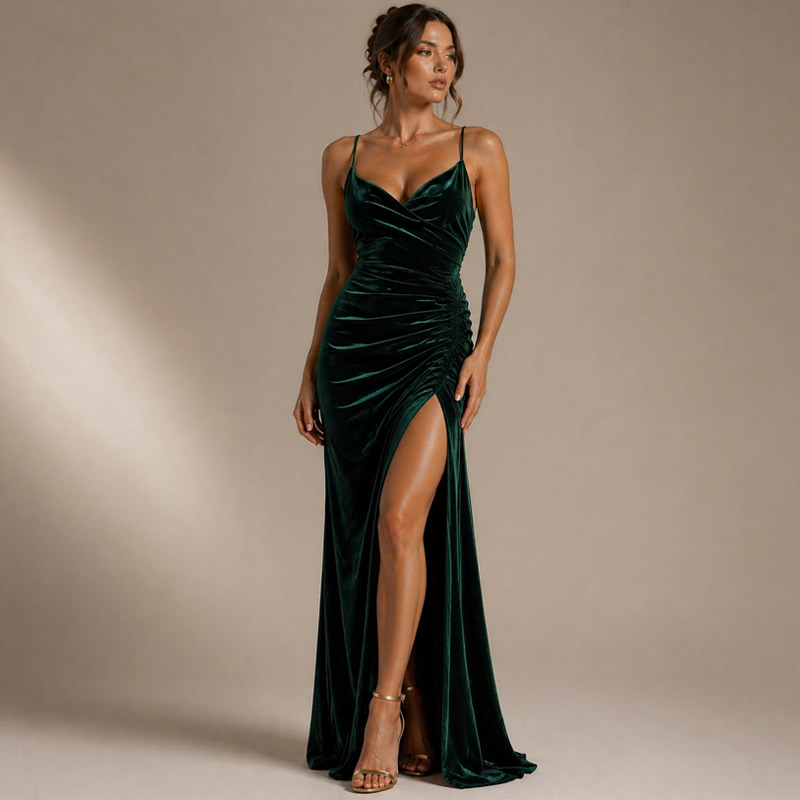
Velvet Dresses
- Examples : Velvet Dress / Soft Texture Dress
- Fabrics options: Stretch velvet, polyester velvet, crushed velvet
- Target Users: Fall/winter collections, evening wear, premium styles
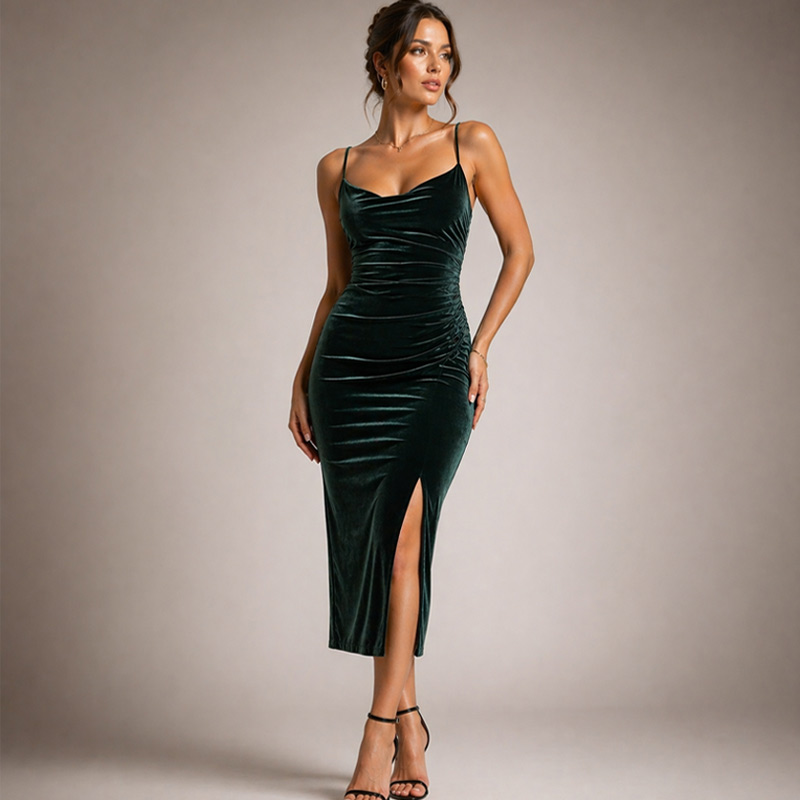
Corset Dresses
- Examples : Corset Dress / Structured Bustier Dress
- Fabrics options: Structured woven, satin, boning-supported materials
- Target Users: Occasionwear, premium collections, fashion-forward brands
Fabric Selection for Different Dress Categories
Fabric selection affects drape, fit, appearance, and production stability across different dress categories and construction needs.
Sequin Party Dresses
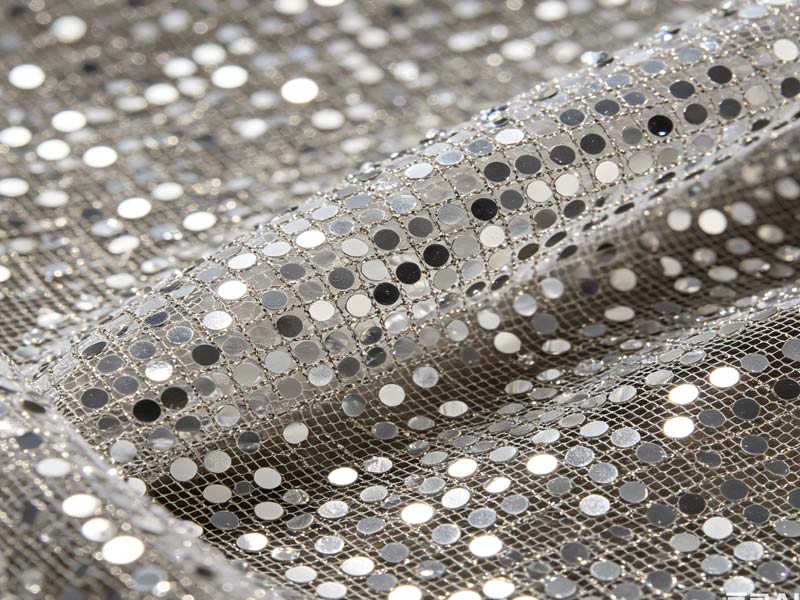
Recommended Fabric Direction:
- All-over sequin with mesh base
- Stretch sequin fabrics
- Lightweight sequin constructions
- Matte or glossy finishes
- Reinforced base fabrics
- Lining-compatible materials
Fabric Advantages:
- Strong visual impact for eventwear
- Reflective surface enhances styling
- Flexible base improves comfort
- Lightweight options reduce wear fatigue
- Structured backing supports shape
- Durable construction for repeated use
Key Development Focus:
- Controlling garment weight
- Preventing sequin shedding
- Reinforcing high-stress seams
- Aligning sequin direction
- Maintaining stretch recovery
- Ensuring bulk consistency
Satin Slip Dresses
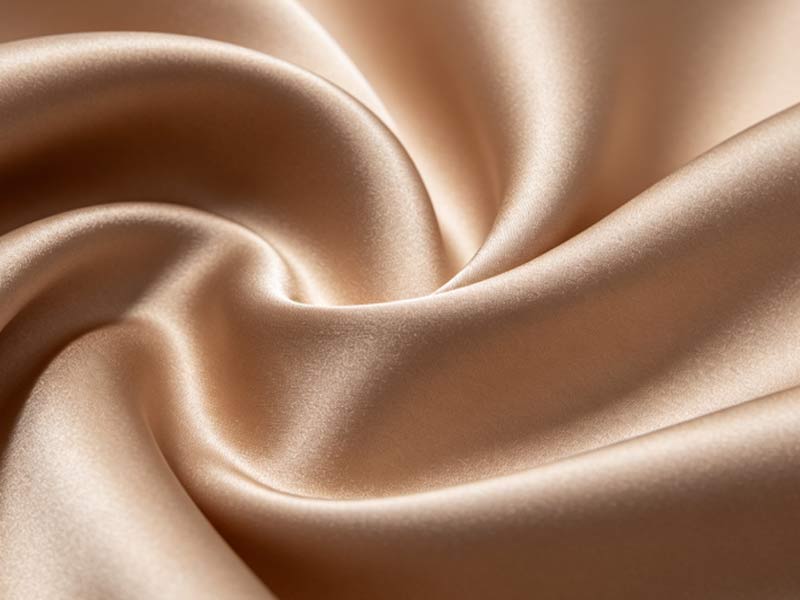
Recommended Fabric Direction:
- Silk-like polyester satin
- Matte satin finishes
- Stretch satin blends
- Lightweight satin fabrics
- High-density satin options
- Wrinkle-resistant blends
Fabric Advantages:
- Smooth surface for clean appearance
- Natural drape enhances silhouette
- Light reflection creates premium look
- Soft hand feel improves comfort
- Stretch improves wear flexibility
- Stable structure supports repeat production
Key Development Focus:
- Precision in bias cutting
- Controlling shine consistency
- Preventing fabric distortion
- Smooth seam finishing
- Maintaining drape after washing
- Managing fabric slipping in sewing
Bodycon Dresses
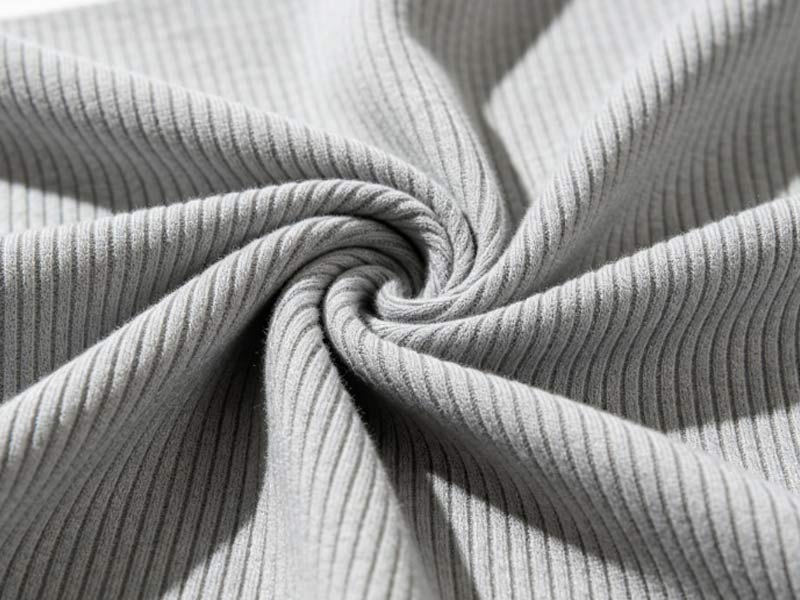
Recommended Fabric Direction:
- Nylon-spandex blends
- Polyester-spandex fabrics
- Ribbed stretch knits
- Double-layer constructions
- High-recovery elastic fabrics
- Compression materials
Fabric Advantages:
- High stretch for body contour
- Strong recovery maintains shape
- Close fit enhances silhouette
- Comfortable wear for tight styles
- Supportive structure for shaping
- Consistent elasticity across sizes
Key Development Focus:
- Balancing stretch and support
- Accurate contour patterning
- Preventing long-term deformation
- Maintaining comfort in fit
- Consistent stretch in bulk
- Precision in size grading
Mesh Layered Dresses
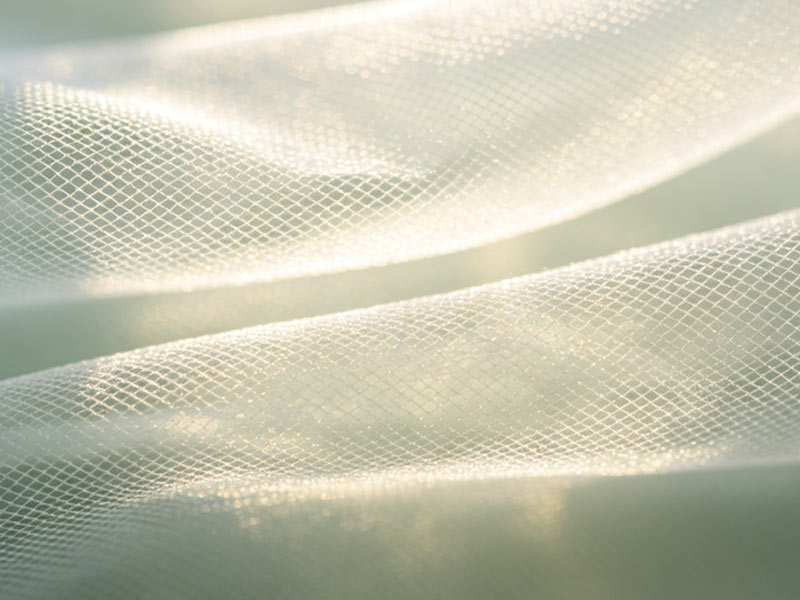
Recommended Fabric Direction:
- Soft stretch mesh
- Power mesh fabrics
- Lightweight transparent mesh
- Double-layer combinations
- Printed mesh materials
- Breathable synthetics
Fabric Advantages:
- Lightweight and breathable
- Flexible for layered designs
- Transparency adds styling depth
- Stretch improves movement
- Easy combination with lining
- Suitable for trend-driven styles
Key Development Focus:
- Controlling transparency levels
- Aligning multiple layers
- Managing stretch differences
- Preventing twisting or shifting
- Clean edge finishing
- Stability during wear
Cocktail Dresses
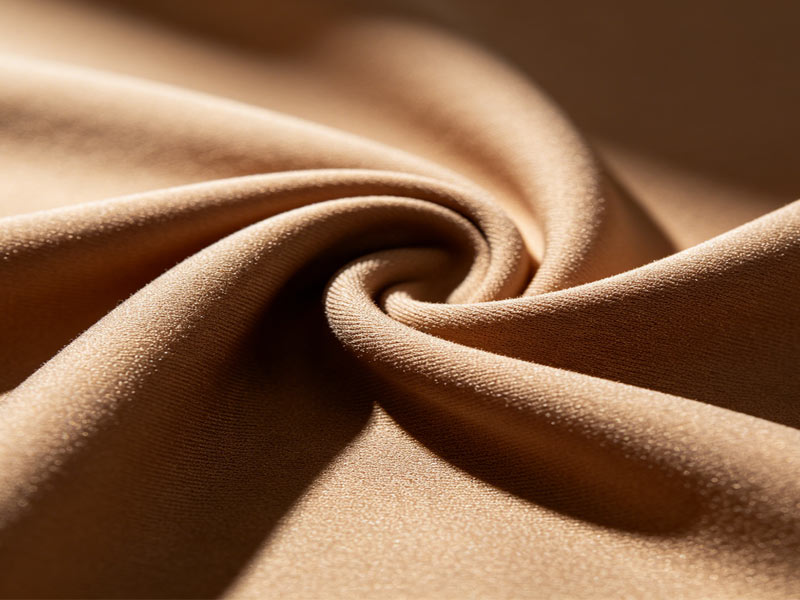
Recommended Fabric Direction:
- Structured woven fabrics
- Crepe and blended crepe
- Satin blends with body
- Medium-weight polyester
- Stretch woven fabrics
- Shape-retaining blends
Fabric Advantages:
- Provides structured silhouette
- Holds shape during wear
- Smooth surface for clean lines
- Balanced stiffness and flexibility
- Durable for repeated use
- Suitable for formal styling
Key Development Focus:
- Maintaining garment structure
- Clean cutting and finishing
- Accurate tailoring execution
- Balancing comfort and shape
- Consistency across batches
- Stability in different conditions
Velvet Party Dresses
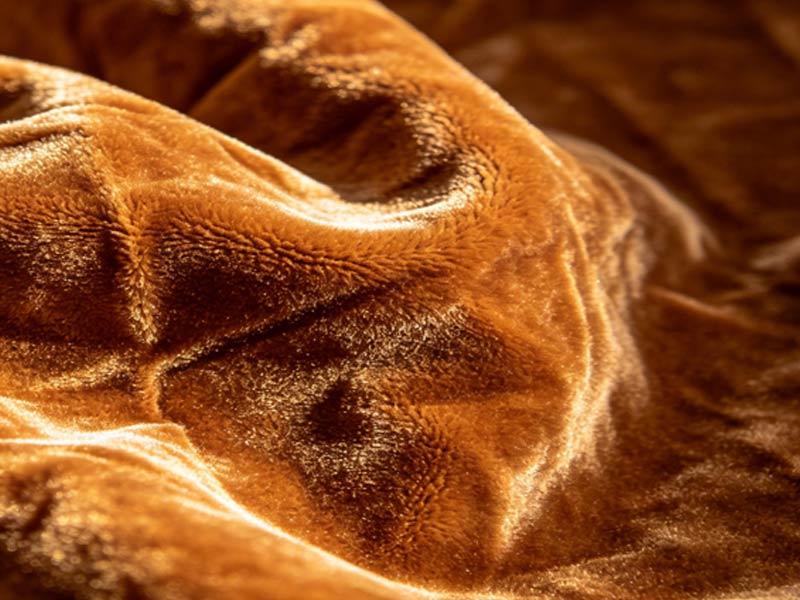
Recommended Fabric Direction:
- Stretch velvet fabrics
- Polyester velvet
- Crushed velvet textures
- High-density velvet
- Lightweight velvet options
- Matte velvet finishes
Fabric Advantages:
- Rich texture enhances visual depth
- Soft surface improves comfort
- Strong color saturation
- Suitable for seasonal collections
- Flexible for fitted styles
- Premium appearance for eventwear
Key Development Focus:
- Controlling pile direction
- Avoiding shading variation
- Precision in cutting alignment
- Preventing surface marking
- Maintaining color consistency
- Stability during storage
Brand Logo, Label, and Packaging Solutions
Supporting brand identity through garment details and presentation.
Custom Logo Application
Logo application is handled based on garment type, fabric compatibility, and brand positioning. Different techniques are selected to ensure durability, visual clarity, and alignment with the overall product design. Logo placement is also considered during development to maintain balance and consistency across styles.
- Printing methods: screen print, heat transfer, digital print (DTG) depending on fabric and design
- Embroidery options for premium or textured finishes
- Placement options: chest, back, hem, sleeve, or inside labels
- Color matching to maintain brand consistency across batches
- Durability testing to ensure logos remain stable after washing and wear
Garment Labels & Tags
Garment labeling is produced to match brand identity while meeting production and retail requirements. Labels are developed alongside garments to ensure correct sizing, positioning, and comfort. Both visual presentation and practical use are considered during development.
- Woven labels, printed labels, satin labels, or heat transfer labels
- Neck labels, care labels, size labels, and brand tags
- Soft-touch materials for comfort, especially for fitted garments
- Consistent sizing and placement across production runs
- Compliance with care instructions and international labeling standards
Hangtags & Branding Cards
Hangtags and branding cards help communicate product information and reinforce brand image at the point of sale. They are designed to align with the garment style and target market, supporting both physical retail and e-commerce presentation.
- Custom printed hangtags with logo, product details, and pricing information
- Material options such as paperboard, textured paper, or specialty finishes
- String, pin, or plastic fastener attachment options
- Inclusion of QR codes, barcodes, or brand storytelling elements
- Matching design style with packaging and overall brand identity
Packaging Solutions
Packaging is arranged based on product type, shipping method, and brand requirements. The goal is to protect garments during transportation while maintaining a clean and professional presentation for end customers.
- Individual polybags, zip bags, or custom printed packaging
- Folded or hanger packing depending on garment structure
- Protection for delicate fabrics such as satin, mesh, or sequins
- Bulk carton packing optimized for shipping efficiency
- Optional branded packaging for retail or direct-to-consumer use
Custom Branding Integration
Brand elements are integrated across garments and packaging to create a consistent identity. This includes aligning logo, labels, and packaging materials so that all touchpoints reflect the same brand direction.
- Consistent logo application across garments and accessories
- Coordination between labels, hangtags, and packaging
- Alignment with brand color systems and visual guidelines
- Adaptation for different product categories within the same brand
- Support for long-term branding consistency across collections
One-Stop Branding Support
Branding elements are handled alongside garment production, allowing brands to manage product development, labeling, and packaging within one system. This reduces coordination between multiple suppliers and helps maintain consistency across production cycles.
- Centralized coordination for garments, labels, and packaging
- Reduced lead time by handling multiple processes together
- Easier management of repeat orders and restocking
- Flexibility for updating branding elements in future collections
- Suitable for brands scaling across multiple product lines
OEM & ODM Party Dress Development
Solving technical challenges in dress development through pattern, fabric, and production expertise. Development support covers custom dress execution from design input and sample review to production-ready styles and repeat manufacturing.
Sequin Party Dresses
Development Challenge:
Sequin fabrics add weight and reduce flexibility, often leading to poor fit, seam breakage, or discomfort during wear.
Jinfeng Solution:
- Adjust base patterns to distribute garment weight evenly
- Use stretch lining or mesh backing for improved flexibility
- Reinforce high-stress areas to prevent seam failure
- Control sequin direction and panel alignment during cutting
Satin Slip Dresses
Development Challenge:
Satin is slippery and sensitive to cutting errors, which can result in uneven drape, twisting seams, or inconsistent shine.
Jinfeng Solution:
- Apply precise bias cutting for natural drape alignment
- Stabilize fabric during cutting to prevent distortion
- Optimize seam finishing to avoid puckering
- Select satin types based on structure and light reflection
Bodycon Dresses
Development Challenge:
Stretch fabrics behave differently under tension, making it difficult to maintain consistent fit, shape, and recovery across sizes.
Jinfeng Solution:
- Balance stretch ratio with pattern adjustment for contour fit
- Test fabric recovery before bulk production
- Use double-layer construction where needed
- Refine grading to ensure consistent fit across sizes
Mesh Layered Dresses
Development Challenge:
Layered mesh can shift during sewing, causing misalignment, twisting, or uneven transparency.
Jinfeng Solution:
- Align layers through controlled pattern cutting
- Match stretch properties between inner and outer fabrics
- Secure layers during sewing to prevent movement
- Adjust layering thickness for consistent transparency
Cocktail Dresses
Development Challenge:Structured dresses require precise balance between rigidity and comfort, often leading to stiffness or poor mobility.
Jinfeng Solution:
- Select fabrics with controlled structure and flexibility
- Adjust internal construction to support movement
- Optimize seam placement for better shaping
- Maintain clean finishing for formal appearance
Ruched Dresses
Development Challenge:
Ruching requires consistent tension and placement; uneven gathering can distort the garment shape during bulk production.
Jinfeng Solution:
- Control gathering distribution through pattern design
- Standardize ruching techniques for repeatability
- Match fabric stretch with ruching structure
- Test multiple samples to confirm final shape
Cut-Out Dresses
Development Challenge:
Cut-out designs weaken garment structure and create stress points that may lead to deformation or tearing.
Jinfeng Solution:
- Reinforce edges around cut-out areas
- Adjust pattern to maintain balance and fit
- Use stable fabrics to support open structures
- Test stress points during sampling phase
Corset & Structured Dresses
Development Challenge:
Corset designs require internal support systems that must balance shaping with comfort and durability.
Jinfeng Solution:
- Integrate boning and support layers into pattern design
- Combine rigid and flexible materials for balance
- Adjust structure based on body contour
- Ensure stability during repeated wear and washing
Dress Sample Development Process
A structured sample process helps reduce revisions, shorten timelines, and improve production readiness before bulk manufacturing begins.
Step 1 — Design Review
Jinfeng reviews the tech pack, reference sample, or clear design image to understand silhouette, construction, fit expectations, and key dress details before development begins.
Step 2 — Fabric and Trim Confirmation
Fabric direction, lining, zippers, and trims are reviewed before sample work starts so the product can move forward with fewer avoidable changes later.
Step 3 — Pattern Making
The pattern team builds the first version based on garment shape, construction details, and expected fabric performance, especially for fitted or occasion-driven dresses.
Step 4 — Sample Sewing
The sample is developed through Jinfeng’s in-house sample rooms. Standard styles usually take around 7–12 working days, while more complex dresses may take 12–15 working days.
Step 5 — Fit Review and Revision
Feedback is reviewed and pattern adjustments are made based on fit, drape, and construction results. The goal is to shorten correction rounds and prepare the style for production more efficiently.
Step 6 — Sample Approval for Bulk
Once the dress sample is confirmed, production planning moves forward with clearer standards for material, measurements, and construction execution.
Common Risks When Working With a Dress Manufacturer — And How Jinfeng Handles Them
Dress production risks often begin in sampling, fit control, fabric matching, communication, or bulk coordination.
| Common Risk | What Usually Happens | How Jinfeng Handles It |
|---|---|---|
| Sample accuracy risk | First samples look far from the original design, causing multiple revision rounds and delayed launches | Jinfeng uses 2 sample rooms, 7 pattern makers, and 20 sample sewers to improve first-sample execution and shorten correction cycles |
| Fit consistency risk | Approved samples fit well, but bulk production becomes inconsistent across sizes or repeat orders | Pattern adjustments are made based on fabric behavior and silhouette needs, especially for bodycon, occasionwear, and fitted dresses |
| Fabric mismatch risk | Sample fabric and bulk fabric behave differently, affecting drape, structure, and visual result | Fabric and trims are reviewed before production, and sourcing support is used to reduce sample-to-bulk gaps |
| Bulk stability risk | The first order is acceptable, but repeat orders lose consistency or become harder to manage | Jinfeng’s 4-factory structure, 18 production lines, and merchandiser support help keep production more stable across rolling orders |
| Delivery delay risk | Production slows down during busy seasons or multi-style orders, affecting launch calendars | Clear production allocation and timing control help Jinfeng support standard dress production in around 20–30 days for most regular styles |
| Communication risk | Slow response, unclear updates, or disconnected order follow-up creates avoidable problems | English-speaking communication is supported by email, WhatsApp, WeChat, and video calls, with 8 sales staff and 8 merchandisers helping coordinate projects |
Bulk Production Process for Dress Orders
A structured bulk workflow helps maintain dress quality, production timing, and repeat-order consistency from pre-production to shipment.
Step 1 — Pre-Production Confirmation
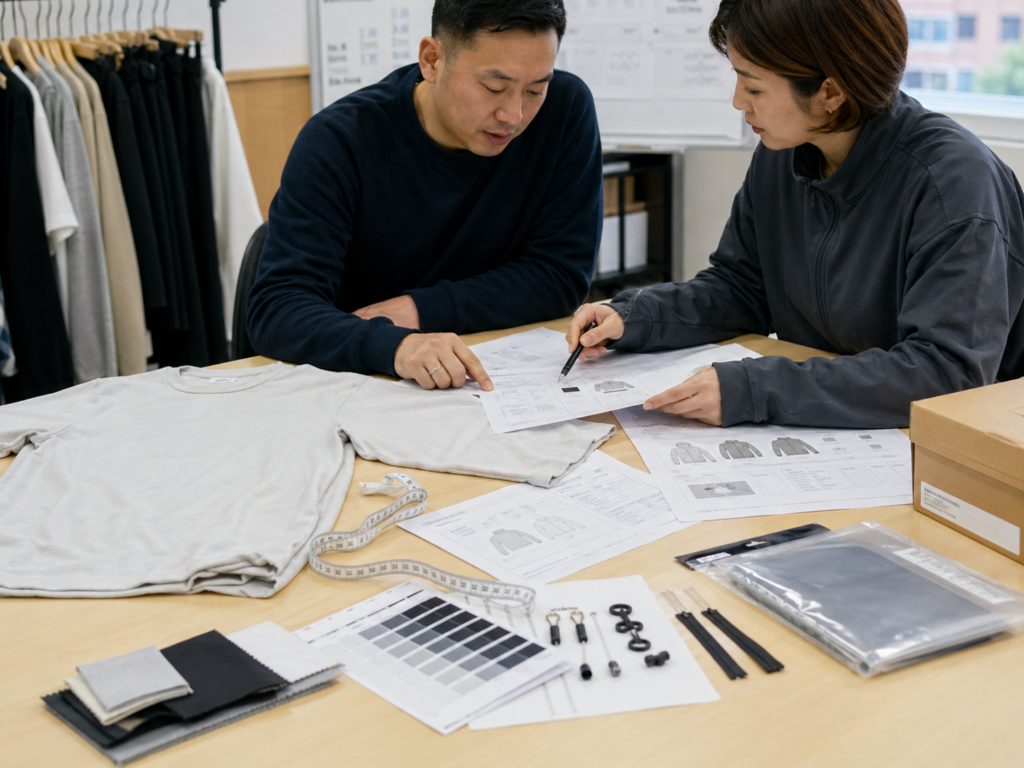
Before bulk starts, key details such as approved sample, measurements, fabric, trims, and packing instructions are reconfirmed.
Step2 — Fabric Inspection and Cutting
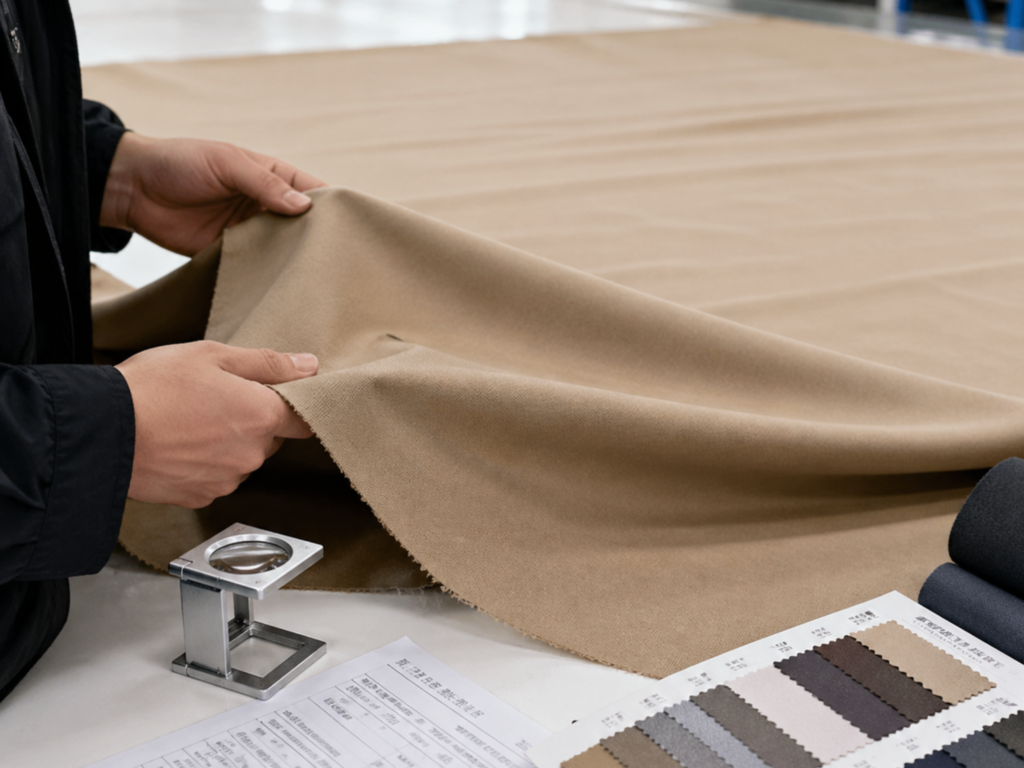
Materials are checked before cutting begins to reduce defects, color variation, or batch inconsistency that could affect the dress outcome later.
Step 3 — Sewing Line Allocation
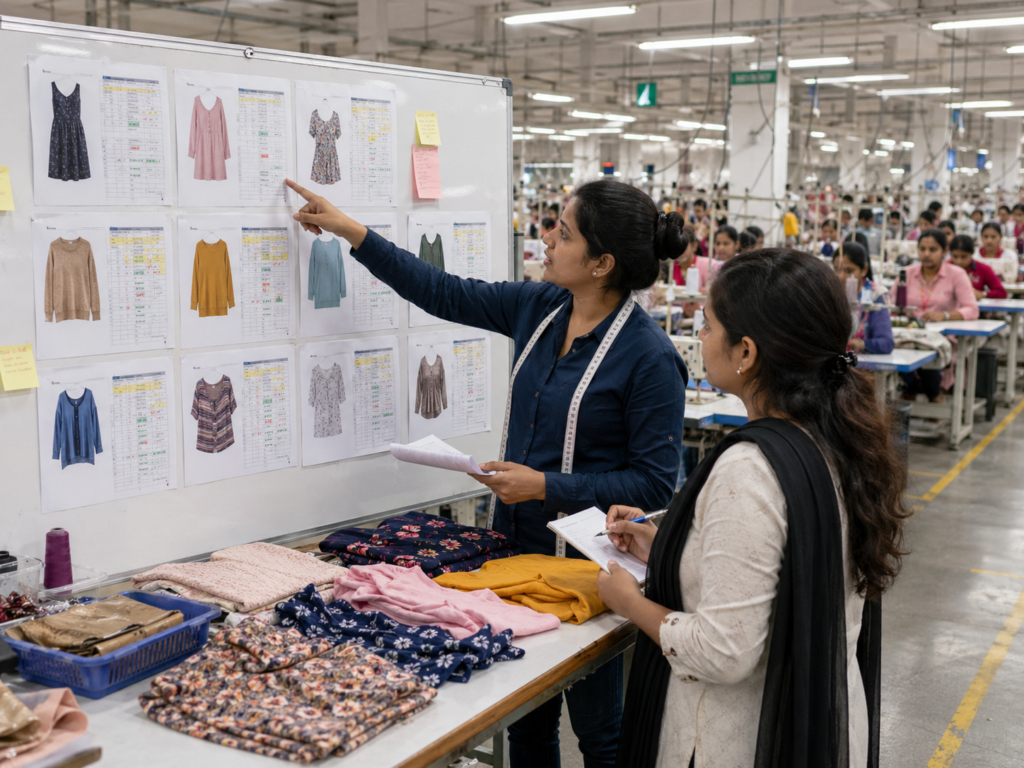
Styles are assigned according to production type and factory coordination needs. Jinfeng’s 4-factory structure helps support better line matching across women’s fashion categories.
Step 4 — Inline Production Check
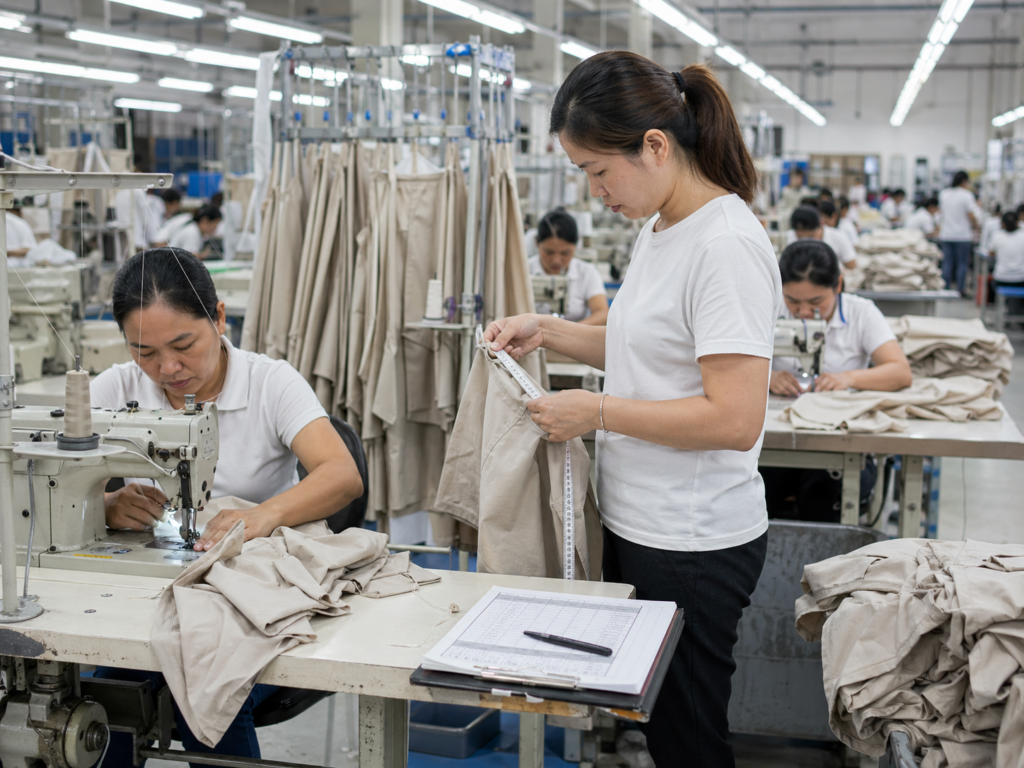
During production, workmanship, measurements, and construction details are monitored to catch problems early instead of leaving everything until final inspection.
Step 5 — Final Inspection
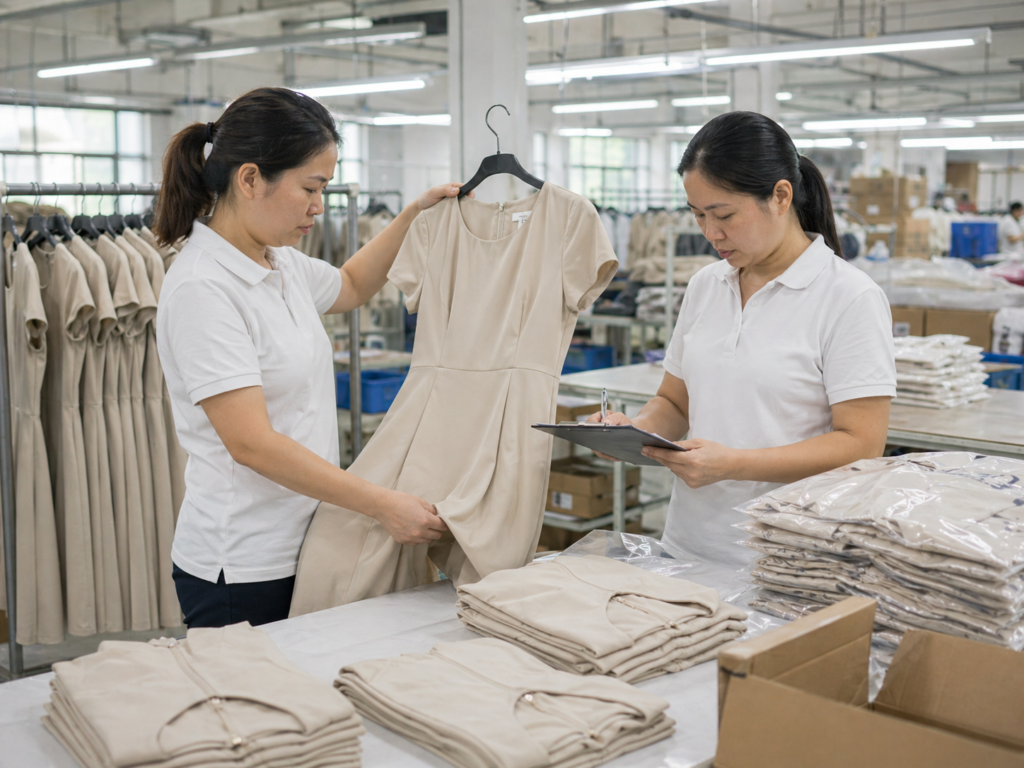
Finished dress orders are reviewed again before packing to confirm quality consistency, garment appearance, and order readiness.
Step 6 — Packing and Shipment
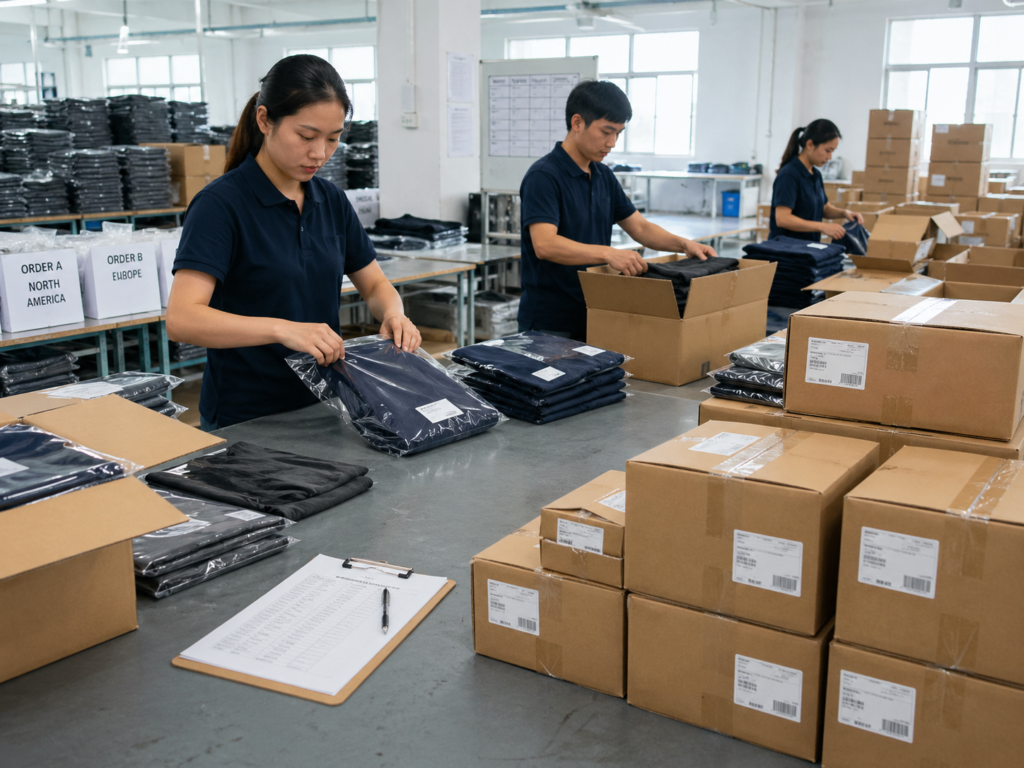
Approved goods move into packaging and shipment coordination based on the required delivery method, order structure, and destination plan.
Quality Control, Safety, and Compliance Support
Structured quality control from fabric inspection to final shipment, with practical support for international brand requirements
Fabric Inspection Before Cutting
Before production starts, fabrics are checked to reduce problems at the bulk stage. For party dresses, this step is especially important because satin, mesh, sequins, velvet, and stretch fabrics can react differently during cutting and sewing.
Key checks include:
- Fabric surface defects
- Shade and color consistency
- Shrinkage risk when required
- Fabric width and usable quantity
- Suitability for the intended dress style
Jinfeng uses fabric inspection support and pre-production review to catch material issues early, before they affect garment output
Handling Sensitive Party Dress Fabrics
party dress fabrics often require different handling methods. A single construction method cannot be applied to every material, especially when the garment depends heavily on fit, shine, drape, or surface texture.
Common focus areas:
- Satin: smooth seam finishing and cutting control
- Mesh: layer alignment and transparency control
- Velvet: pile direction and surface protection
- Sequins: shedding control and seam reinforcement
- Stretch fabrics: recovery, tension, and fit balance
These details are reviewed during sampling and adjusted before bulk production when needed.
In-Line Production Monitoring
Quality control is not left until the final stage. During sewing, line supervisors and QC staff check garment construction, seam quality, measurements, and overall shape against approved samples.
For fitted party dresses, early monitoring helps control issues such as uneven tension, twisting seams, loose stitching, or inconsistent shape. This is particularly important for bodycon, ruched, mesh-layered, and structured dress styles.
Final Inspection Before Packing
Finished garments are inspected before packing and shipment to confirm that bulk goods follow approved requirements. The inspection focuses on appearance, measurements, stitching, labeling, and packing accuracy.
For export orders, this step helps reduce unnecessary after-shipment disputes and gives brands a clearer final checkpoint before goods leave the factory.
Sample Reference and Order Records
Approved samples are kept as production references, especially for repeat orders and long-term collections. Jinfeng records key order details such as pattern versions, measurements, fabric information, trims, construction notes, and packing requirements.
This makes future reorders easier to manage because the team does not need to restart from zero. For brands with core styles or seasonal repeats, this record system helps keep production more organized over time.
Brand Labeling and Market Requirements
For international brands, quality control also includes correct execution of branding and market details. Labels, hangtags, care instructions, size marks, SKU stickers, and packaging requirements can be arranged based on the client’s guidelines.
This is important for brands selling through e-commerce, wholesale, retail stores, or overseas warehouses, where incorrect labeling can affect receiving, fulfillment, and customer experience.
Communication During Quality Control
Clear communication helps prevent small issues from becoming shipment problems. Jinfeng’s sales and merchandising teams follow projects from sampling to shipment and can share updates through email, WhatsApp, WeChat, video calls, or photos when needed.
The communication focus is simple: confirm early, adjust quickly, and keep the client informed before production moves too far forward.
Shipping, Lead Time, and Delivery Support
Different dress programs require different lead times, shipment methods, and delivery terms based on launch timing and inventory plans.
| Item | Typical Range / Options |
|---|---|
| Sample Lead Time | 7–12 working days days for standard styles; 12–15 working days for more complex dresses |
| Bulk Lead Time | 30–35 days for simple styles; 40–45 days for standard styles; 45–50days for more complex designs |
| Express Shipping | 3–7 working days |
| Air Freight | 5–8 working days |
| Sea Freight | 20–35 working days |
| Delivery Terms | EXW, FOB, CIF, DDP |
| Extra Support | Split shipment and overseas warehouse coordination |
How Brands Work With Jinfeng
Examples of how dress development, sampling, and production challenges were handled across different markets and product needs.
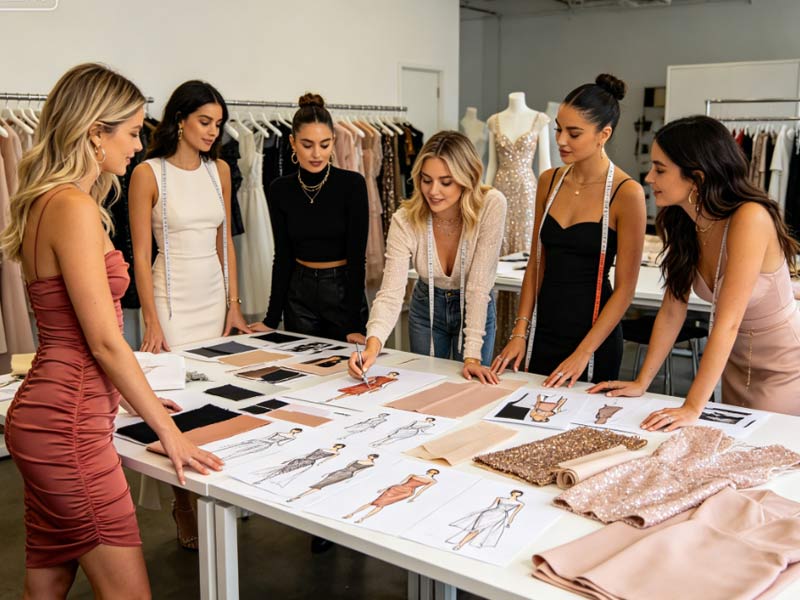
CASE 1 — US Fast Fashion Brand (Los Angeles)
A Los Angeles-based fast fashion brand focusing on bodycon and party dresses with frequent weekly product drops.
Challenges:
- Sampling delays from previous suppliers (working days)
- Poor fit consistency in bodycon styles
- Bulk production not matching approved samples
- Difficulty managing multiple styles at once
Solution:
- Sampling handled within 7–10 working days using in-house pattern team
- Fit adjustments based on stretch fabric behavior
- Sample records archived for repeat styles
- Parallel production across multiple lines for different SKUs
Results:
- Sampling cycle reduced by 30–40%
- First-order bulk approval rate improved significantly
- Repeat styles reordered without redevelopment
- Monthly production stabilized across 8–12 styles per drop
CASE 2 — UK Occasionwear Brand (London)
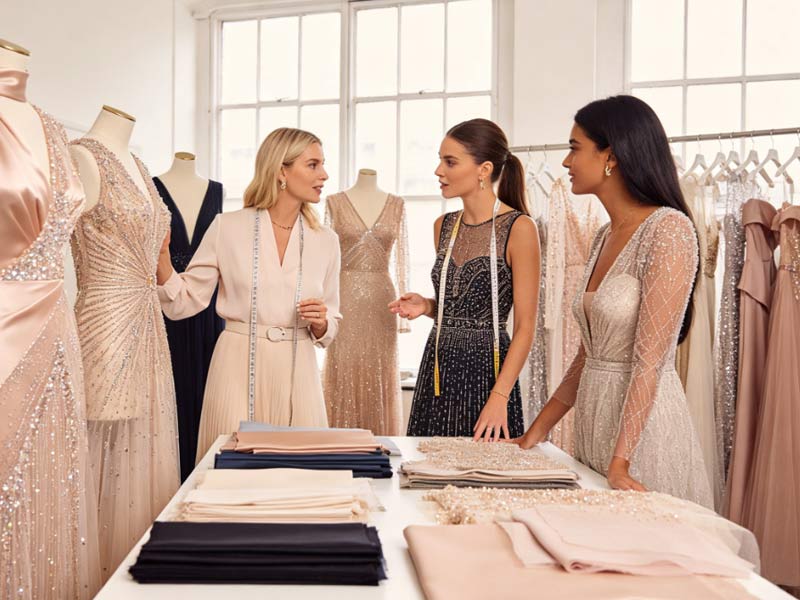
A London-based brand specializing in occasionwear, including satin, mesh, and sequin dresses for events and seasonal collections.
Challenges:
- Inconsistent fabric sourcing between orders
- Difficulty maintaining same drape and color across batches
- Complex styles requiring better pattern control
- Limited flexibility for repeat seasonal collections
Solution:
- Fabric sourcing aligned with previous orders for continuity
- Construction notes and patterns archived for repeat production
- Pattern adjustments made for different fabric types
- Production planning aligned with seasonal launches
Results:
- Fabric consistency maintained across 3+ repeat orders
- Reduction in re-sampling for seasonal collections
- Improved product continuity across collections
- Stable delivery for holiday and event campaigns
CASE 3 — Australia E-commerce Brand (Sydney)
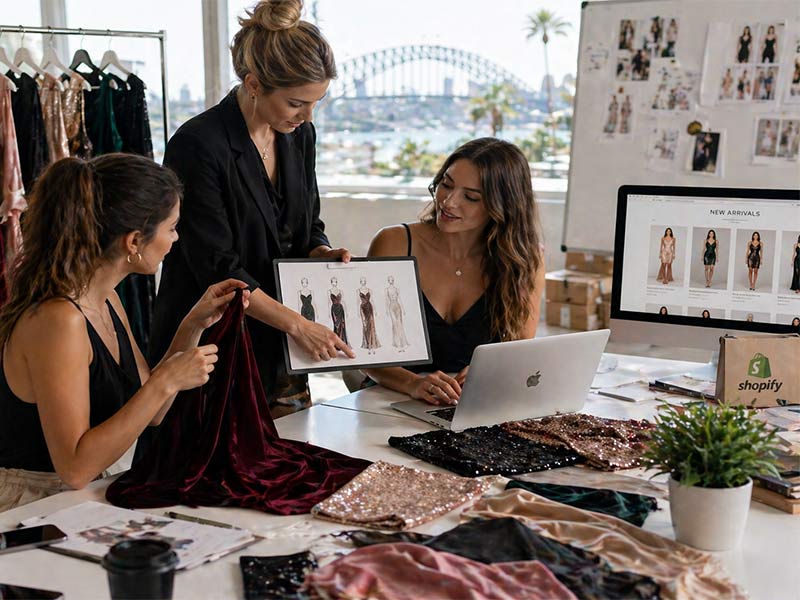
An Australia-based DTC brand running online sales through Shopify, focusing on trendy party dresses and small-batch testing.
Challenges:
- Need to test multiple styles with limited initial quantities
- Fast turnaround required for trending products
- Scaling best-sellers quickly after validation
- Managing both small and larger orders with one supplier
Solution:
- Initial production starting from 200–300 pcs per style
- Sampling completed within 7–12 working days
- Flexible production scheduling for multiple SKUs
- Capacity expansion using multiple production lines
Results:
- Successfully launched 10+ new styles per month
- Best-selling styles scaled to 1,000–3,000 pcs per reorder
- Reduced supplier switching and coordination time
- Improved response speed to market trends
Compliance, Certification, and Quality Assurance
Jinfeng’s quality control system is built around practical factory management, from fabric inspection and in-line production checks to final garment inspection before shipment. For party dress production, this is especially important because fabrics such as satin, mesh, sequins, velvet, and stretch materials require different handling during cutting, sewing, and finishing.
Certification and audit references include:
- ISO 9001 — supports quality management and production control
- SMETA — supports social responsibility and ethical trade review
- BSCI — supports business social compliance requirements
- OEKO-TEX? — supports textile safety and material-related requirements
- GOTS — supports organic textile and responsible sourcing standards
- Alibaba Gold Supplier — supports verified supplier and export capability review
These references help international fashion brands evaluate Jinfeng from multiple angles, including production management, compliance awareness, material safety, and long-term supplier reliability. Together with in-house sampling, order records, and production follow-up, they form a stronger evidence chain for brands looking for a dependable party dress manufacturer in China.
Frequently Asked Questions

Start Your Party Dress Production
Move from design concept to sampling and bulk production with a structured process
- Prepare Your Design Information
Development usually begins with a tech pack, reference garment, or clear design images. Providing measurements, fabric expectations, and target quantity helps speed up evaluation and reduce revisions. With clearer inputs, sampling can be arranged more efficiently and aligned with your intended fit, construction, and overall product positioning from the beginning. - Start Sampling and Development
Once details are confirmed, sampling is scheduled through internal pattern and sample teams. Typical sampling time is 7–12 working days, depending on design complexity. Adjustments are made based on fit, fabric behavior, and construction details, helping move styles into production with fewer changes and a more stable development process. - Move Into Bulk Production
After sample approval, production is arranged based on order size and style requirements. With multiple production lines and coordinated workflow, orders can scale from initial runs to larger quantities. Production timelines are aligned with your launch schedule, supporting both new collections and repeat styles across different seasons.
Jinfeng supports party dress brands that need more than basic production. With structured development, flexible manufacturing, and repeat-order stability, the goal is to help collections move from concept to market with fewer delays and stronger consistency.