Skip to content

Panelled Dress Construction
Engineered panel lines, controlled fit and production-ready dress development for fashion brands building structured, body-contoured and occasionwear collections.
- 7+ senior womenswear pattern makers develop and correct panel geometry around bust, waist, hip, neckline, armhole and dress length.
- 2 sample rooms and 20+ sample machinists support first, fit, revised, photo-ready, PP and Golden sample development for structure-sensitive dresses.
- 15+ QC inspectors cover pattern version, panel direction, seam allowance, symmetry, measurements, lining, zipper flatness and finished-garment appearance.
- MOQ starts from 200 pcs per style/color, with final feasibility reviewed against fabric availability, panel complexity, trims, size range and production scheduling.
Pattern Development Capacity Behind Panelled Dresses
Since 2008
7+ Pattern Makers
2 Sample Rooms
20+ Sample Machinists
15+ QC Inspectors
200 Pcs Per Style/Color
What Makes Panelled Dress Construction Different
Shape Through Seams
More Connected Pieces
Higher Bulk Sensitivity
Panelled Dress Structures We Develop

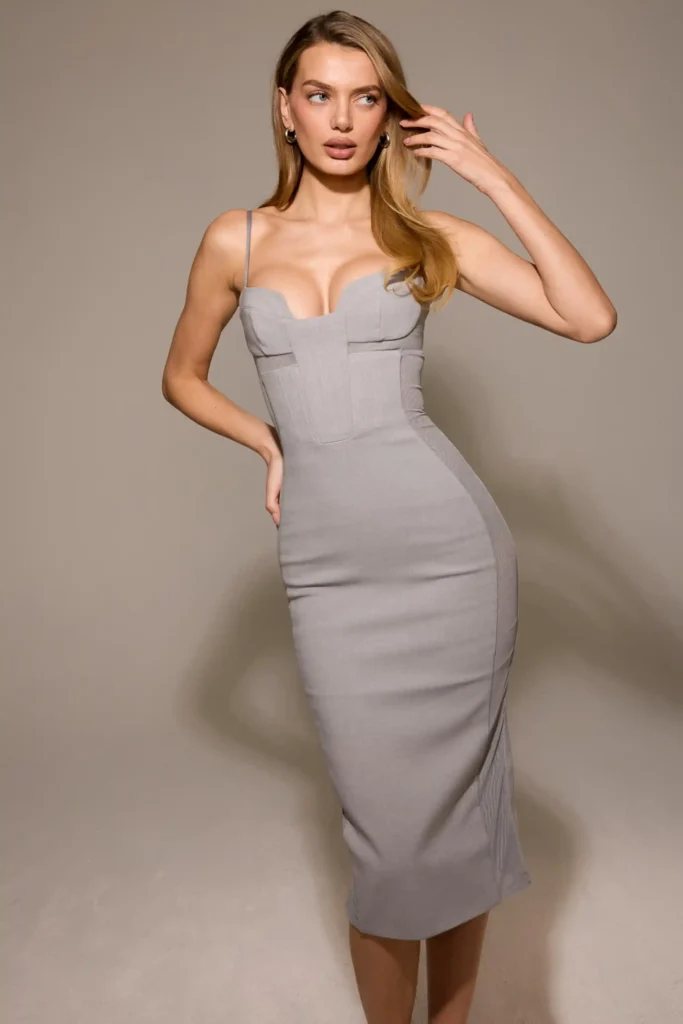
Princess-Seam Dress

Multi-Panel Fit-and-Flare

Structured Panel Mini

Panelled Bodycon

Panelled Corset Dress

Panelled Occasion Dress
How We Engineer Panel Lines and Pattern Balance
Panelled dress development begins with geometry. Seam lines must support the intended silhouette while adjacent pattern pieces remain sewable, measurable and scalable across sizes. Jinfeng treats panel placement, curve shaping, seam matching and pattern balance as connected engineering decisions rather than isolated styling details.
Panel Placement Follows Body Proportion
A panel line is strongest when it supports both the design and the body underneath it. The development team reviews where the seam starts, where it crosses the bust or waist, how it travels over the hip and where it finishes. A line that appears elegant on a flat sketch can move visually once the garment is worn, especially when the fabric stretches, drapes or is pulled by a fitted waist.
Key control points include bust and upper-bust coverage, waist position, high- or low-waist intent, hip contour, front length, back length, armhole shape, neckline depth and hem balance. On princess-seam bodices, the curved section must create volume without producing a pointed bust line. On fit-and-flare designs, the same upper panels may need to release gradually into skirt volume while keeping the waist clean.
Pattern development also considers how the line will read from different angles. A seam that looks centered from the front can appear to swing toward the side when the hip is too tight or the front length is insufficient. Fit photos from front, side and back therefore become part of the pattern decision, not merely a final presentation check.
Adjacent Curves Must Match Before Sewing
Every panel seam has a partner. When a side-front curve is changed to improve bust shaping, the matching center-front or side panel needs to be checked for seam length and transition. Jinfeng reviews mating seam lengths, notch positions, seam endpoints and the smoothness of the joined line before a revised pattern is approved.
The goal is not to force one panel into another during sewing. Excessive easing on a curve can create puckering; insufficient ease can flatten the intended shape. Notches and balance points help sample machinists distribute the curve consistently and give production teams a repeatable reference. Seam allowances are also reviewed because wide or inconsistent allowances around tight curves can affect pressing and finished shape.
Once a fit correction is accepted, the related pattern pieces are updated together. The revised size chart, measurement record and construction notes follow the same version. That discipline reduces the risk of a sample room using one correction while production cuts from an older pattern version.
Front-to-Back Balance Protects the Silhouette
Panelled dresses are sensitive to vertical balance. Bust volume, waist shaping and hip ease can change front length, while back shaping and zipper construction influence how the garment hangs behind. Jinfeng checks front length, back length, side seam behavior, waist level and hem balance before the pattern is treated as bulk ready.
Balance is especially important in structured mini, bodycon, corset and fitted midi dresses. A front that is too short may pull the hem upward; an overly tight hip can drag vertical panels off line; an incorrect waist position can make the entire panel architecture look misplaced. Corrections are judged against target body proportions and intended styling, not only against a single circumference measurement.
The final pattern must therefore satisfy three conditions at the same time: the seam lines look intentional, the garment fits the target body, and the construction can be repeated in production. A visually attractive sample that depends on hand manipulation or inconsistent easing is not a safe bulk standard.

Fit Control for Bust, Waist and Hip Panels
Fit is where panel engineering becomes visible. Jinfeng reviews panelled dresses on the body and translates fitting comments into pattern corrections, measurement updates and revised samples. The aim is a stable silhouette that remains wearable and scalable instead of a one-size sample that only looks correct on a mannequin.
Bust and Upper-Bust Control
Curved upper panels influence coverage, volume and neckline stability. A seam passing too far from the intended bust position can flatten the chest, create excess fabric or push the visual line outward. Jinfeng checks bust circumference together with upper-bust relationship, neckline depth, armhole coverage and front length so the panel curve supports the intended silhouette rather than creating local tension.
For strapless, corset-inspired or deep-neck designs, fit review may also involve lining, bra cups, boning or anti-slip support. Panel shaping cannot be judged independently from those components because internal structure changes how the outer fabric sits. When the body effect is wrong, the team determines whether the cause comes from pattern geometry, fabric behavior, support construction or a combination of factors before revising the sample.
Fit photos from front, side and back help locate whether the panel seam is standing away from the body, collapsing, shifting toward the armhole or being pulled by the waist. Clear photographic feedback is recorded alongside measurements so the correction can be transferred into the revised pattern rather than handled as an informal sewing adjustment.
Waist Definition and Vertical Line
The waist acts as a visual anchor for many panelled dresses. A few millimeters of pattern change can alter whether a seam appears straight, curved or displaced once the garment is worn. Jinfeng reviews waist circumference, waist height, panel width and the relationship between front and side panels to keep shaping clean without creating excessive tightness.
High-waist and low-waist designs need different proportional logic. A high waist can lengthen the leg visually but will distort a panel line if the transition into the hip is too abrupt. A low waist must preserve enough ease for movement while maintaining the intended Y2K or elongated torso effect. Sampling therefore evaluates appearance and comfort together.
Waist corrections are not applied to one pattern piece in isolation. When center and side panels share the shaping, reduction or release is distributed across relevant seams so the dress remains balanced.
The revised seam lengths and grading points are then checked before the next sample is cut.
Hip Contour and Movement
can twist panels toward the front or back, lift the hem and create horizontal strain lines. Too much ease can soften the intended contour and make seam lines look disconnected from the body.
Jinfeng checks hip circumference, high-hip relationship, seat shape, side-panel balance and movement comfort according to the silhouette.
Bodycon and stretch-panel dresses require additional review of fabric recovery; woven panel dresses rely more heavily on accurate ease distribution and seam shaping. Slits, lining and hem width are considered at the same time because they influence movement below the hip.
The fit target is not maximum tightness. The target is controlled shape with enough movement for the intended occasion and market. Once approved, the relevant measurements and panel corrections are carried into the final pattern and grading rules so larger and smaller sizes do not lose the original proportion.

Fabric Direction for Stable Panelled Construction
Fabric changes how every panel behaves. Drape, stretch, thickness, surface direction and seam slippage can turn the same paper pattern into very different garments. Material selection is therefore reviewed together with silhouette and construction, not after the panel pattern has already been fixed.
| Fabric Direction | Panel Behavior | Construction Focus | Sample Check |
|---|---|---|---|
| Crepe / structured woven | Holds clean seam lines with moderate drape | Curve shaping, seam pressing, zipper balance | Waist definition, seam smoothness, hem balance |
| Satin / stretch satin | Shows seam waviness, grain and pressing marks easily | Grain direction, seam tension, lining, careful pressing | Shine consistency, puckering, zipper flatness |
| Ponte | Supports body contour with controlled stretch | Stretch direction, recovery, seam stability | Bust-waist-hip fit, side-panel recovery |
| Jersey / stretch knit | Moves strongly with body and can distort vertical lines | Fabric relaxing, stretch direction, seam stabilization | Twisting, recovery, length ride-up |
| Lace with lining | Motif and transparency complicate panel joins | Motif placement, lining color, seam bulk | Panel continuity, coverage, edge quality |
| Mesh / power mesh | Lightweight or elastic panels can stretch during sewing | Stretch control, lining relationship, edge stability | Transparency, neckline/armhole stability |
| Organza / tulle layers | Volume comes from layering rather than body contour | Panel layer matching, seam bulk, hem finishing | Layer balance, shape retention, symmetry |
Cutting Control for Multi-Panel Dress Pieces
Pattern Version Control
Grain and Stretch Direction
Panel Bundling by Size
Sewing Workmanship That Keeps Panel Lines Clean
Panelled dresses expose workmanship quickly because every seam becomes part of the visual architecture. Jinfeng reviews curved seam joining, seam allowance, symmetry, lining, zipper integration and pressing as linked construction controls, with approved changes recorded in sewing instructions and QC checkpoints.
Curved Seams Need Controlled Joining
Curved panel seams should meet smoothly without a sharp corner, bubble or flattened shape. Sample machinists align notches and balance points, control the feed of each curve and evaluate whether seam allowance needs clipping, grading or pressing adjustments according to the fabric. The sewing method changes with material: structured crepe may hold a curve firmly, while satin can show every tension error and mesh may stretch under the presser foot.
A good seam is judged from both sides of the garment. Outside, the line should flow continuously and stay free of puckering. Inside, the allowance should remain controlled enough for comfort and pressing. When a sample requires excessive manipulation to look correct, the pattern is reviewed again rather than relying on sewing skill to compensate for inaccurate geometry.
Production instructions then record the approved construction method so bulk sewing follows the same logic. Stitch type, seam allowance, thread color, zipper position, lining method and important symmetry points can be included according to the style.
Symmetry and Panel Junctions
Panelled designs often create visible junctions at neckline, waist, side seam, hem or across color-blocked sections. Misalignment of only a few millimeters can be obvious when two seam lines are expected to meet. Jinfeng checks left/right symmetry and junction position during sample review and in-line production rather than leaving the issue for final inspection.
The control becomes more important when a dress combines panel seams with ruching, lace placement, topstitching, color blocking or an invisible zipper. Each added detail creates another visual reference point. A zipper that pulls one back panel higher than the other can make the entire back construction look crooked even if the individual seams were sewn correctly.
Panel junctions are therefore reviewed as a garment-level appearance issue. The goal is continuity of the design line across the whole dress, not simply acceptable stitch quality on each individual seam.
Lining, Zipper and Pressing
Lining affects how panelled dresses move, cover the body and hold shape. It should support the outer shell without pulling the panel seams out of position.
Jinfeng checks lining length, attachment points, slit relationship and stretch compatibility where applicable. Structured bodices may require additional support; fluid satin styles need lining that does not fight the outer drape.
Invisible zippers are reviewed for flatness, seam continuity and top-edge alignment. Pressing is equally important because multiple curved seams can create bulk or visible ridges if handled poorly. Satin, velvet and embellished fabrics require material-specific heat and pressure decisions.
Final appearance is checked after pressing because a seam that looks acceptable immediately after sewing can still become visually uneven once the garment is finished.

Common Panelled Dress Production Risks
Panelled construction creates a predictable group of failure modes. Early identification matters because repeated cutting or sewing errors can spread across a large order quickly. Jinfeng reviews construction risk during development, sampling, PP approval and in-line production so the response is tied to the actual cause rather than cosmetic rework at the end.
| Production Risk | Likely Cause | Sample Check | Bulk Control |
|---|---|---|---|
| Panel seam shifts off intended line | Pattern imbalance or fit tension | Front/side/back fit review | Measurement and symmetry checkpoints |
| Curved seams pucker | Mismatched curves, tension or fabric slippage | Seam smoothness after pressing | Sewing method and in-line inspection |
| Left/right panels look uneven | Inaccurate cutting or assembly | Symmetry comparison | Cutting bundle and sewing QC |
| Waistline becomes distorted | Uneven shaping across panels | Waist-level fit review | Final pattern and grade-rule control |
| Hip pulls panels forward | Insufficient ease or recovery | Walking and side-view fitting | Hip measurement and fabric control |
| Satin panels show shade differences | Grain or shine direction inconsistency | Light-direction sample review | Panel direction control at cutting |
| Graded sizes lose panel proportion | Enlargement applied without shape review | Size-set or measurement review by project | Grade-rule and measurement QC |
| Sample and bulk look different | Pattern, sewing or material handover gap | PP approval against final files | PP lock, sewing instructions, QC checklist |
Sampling Panelled Dresses Before Bulk Production
Sampling is used to validate structure, fit, fabric and sewing before production standards are locked. Jinfeng can begin from a tech pack, reference image, original sample, sketch or line sheet, but more complete information produces faster and more accurate decisions on panel geometry, material direction and revision priorities.
Project Review
Pattern Development
First Sample
Fit Review
Revised Sample
PP and Golden Standard
Pattern Correction Before Bulk Cutting Begins
The safest point to fix a panelled dress is before bulk cutting. Jinfeng converts fit comments, measurement differences and sample observations into revised pattern files, updated size information and PP standards so production teams are not asked to solve unresolved development problems on the sewing line.
Fit Feedback Becomes Pattern Action
Comments such as “the waist looks loose,” “the bust seam sits too far outside,” or “the side panel twists” are not treated as final instructions by themselves. The pattern team identifies the structural cause by comparing fit photos, garment measurements, target size specifications and the location of the visible problem.
A waist issue may require redistributing shaping across two or more panel seams rather than removing the entire amount from one side. A bust line that sits incorrectly may involve front length, upper-bust width or seam placement rather than only bust circumference. Hip twisting can come from insufficient ease, fabric recovery or an imbalanced front/back relationship.
Once the cause is established, the relevant pattern pieces are revised together. Updated pattern version, measurement record and sample comments keep the correction traceable for the next sample and for production preparation.
Revised Samples Verify the Correction
A correction is considered successful only after the garment result improves. Revised samples allow the team to check whether seam lines now sit in the intended position, whether the waist and hip remain balanced and whether adjoining curves still sew cleanly. Visual improvement is judged together with movement and measurement rather than by flat-lay appearance alone.
When the change affects a major structural area, another fit review may be necessary before PP. Minor approved corrections can sometimes move directly into the next confirmation stage depending on the project. The decision is based on risk, not on an arbitrary rule that every style needs the same number of rounds.
The revision record also protects communication. Important construction changes should not remain only in chat messages. Pattern, size chart, BOM, fabric approval, trim approval, sewing instructions, label files, packing instructions and QC checkpoints are updated as relevant to the confirmed change.
Final Pattern Locks the Bulk Geometry
Before bulk cutting, the final pattern must correspond to the approved PP standard. Panel shape, seam allowance, notch positions, size grading and key measurements are checked against the approved sample and production information.
If the brand changes fabric, silhouette, length or major construction after PP approval, the impact on cost, timing and sample requirements should be reviewed again.
Panelled dresses are especially sensitive to uncontrolled late changes because one altered pattern piece can affect neighboring panels, lining and grade rules.
Locking the final geometry protects the production team from working with moving targets and reduces the chance of bulk output drifting away from the approved fit.

Size Grading Without Losing Panel Proportion

Bust-Waist-Hip Relationship

Vertical Placement

Curves and Seam Matching

Measurement QC
From Approved Sample to Repeatable Bulk Standard
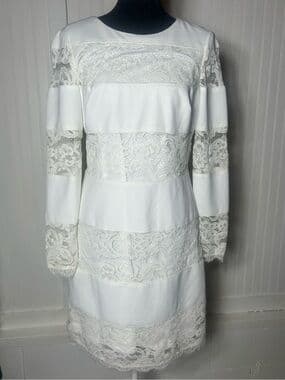
A good sample does not automatically create good bulk. Jinfeng transfers approved panel geometry, measurements, fabric references, sewing methods and QC points into production files so the factory works from the same standard confirmed during development.
- Final Pattern and Size Chart
The production handover begins with the approved pattern version and corresponding size chart. Grade rules, key panel measurements and any fit-sensitive points are aligned before cutting. Old sample patterns are not treated as interchangeable with the final bulk pattern. - Fabric and Trim References
Fabric type, color, direction, stretch behavior, lining and relevant trims are linked to the approved construction. Satin shine direction, stretch orientation, lace placement or structured support materials can change how panels perform, so material substitution is evaluated rather than inserted without review. - Sewing Instructions
Approved construction is communicated through sewing instructions covering relevant seam allowance, stitch method, zipper position, lining relationship, panel junctions and detail placement. Production teams need a repeatable method, especially when curved seams or visible symmetry points define the look of the dress. - QC Checklist and PP Lock
The PP standard establishes what production should reproduce. Fabric, color, measurements, construction, trims, labels and packing are locked according to the project. QC checkpoints then focus on the details most likely to drift, including panel direction, symmetry, seam quality, measurements and finished appearance.
Sample-to-bulk transfer is where experienced development teams distinguish themselves from factories that treat sampling and production as disconnected activities. The same decisions that made the approved sample successful must remain visible in the production files, line instructions and inspection criteria.
Production Capacity for Multi-Style Dress Programs
Panelled dress orders may involve different fabrics, silhouettes, color groups and launch priorities. Jinfeng allocates production according to product risk instead of assuming every dress belongs on the same line. The broader manufacturing system supports regular bulk programs while complex first-time styles remain matched to more suitable production units.
6 Owned Fashion Factories
10+ Long-Term Partners
18+ Sewing Lines
6+ Flexible Lines
Quality Control for Panelled Dress Consistency
Incoming Material QC
Cutting QC
Sewing QC
Garment Measurement
Finished garments are measured against the approved size specification and tolerance requirements for the project.
Bust, waist, hip, length and other fit-sensitive points are checked according to style. Panel placement is reviewed together with measurements because a garment can meet a circumference while still showing visual distortion if the balance is wrong.
Pressing and Appearance
Pressing review checks whether curved seams lie smoothly and whether satin, velvet or other sensitive fabrics have developed shine, marks or distortion.
Panelled dresses often contain more seam bulk than simple two-piece bodies, so pressing quality has a direct influence on the final silhouette and photography result.
Packing QC
Labels, hangtags, barcodes, size stickers, folding, polybags, carton marks and packing ratios are checked according to confirmed requirements. Structured or crease-sensitive dresses may need packing decisions that protect seam shape and pressing results during transport. Private-label presentation remains part of the finished-garment standard rather than a separate afterthought.
Structured Dress Case From Development to Bulk
An anonymous premium fashion brand developed an 18-style structured dress program with Jinfeng Apparel, totaling approximately 46,000 pieces across the collection. The range combined panelled mini and midi silhouettes, fitted woven dresses and structure-sensitive occasion styles. The commercial challenge was not simply producing many styles; the brand needed panel lines, fit proportions and size grading to remain consistent as different fabrics and constructions moved from sample development into bulk.
Development Challenge
Several styles used vertical and curved panel seams to define the bust, waist and hip. Early sampling showed that some panel lines shifted visually after fitting, while selected woven fabrics created different drape and seam behavior from the reference concepts. The development team also had to keep waist placement and dress length consistent across a multi-style range without making every silhouette feel identical.
Jinfeng reviewed panel geometry, bust-waist-hip relationships, fabric direction and seam balance with the brand’s fit comments. Pattern corrections were recorded by version so adjoining panels could be updated together. Structured styles received additional checks around lining, zipper flatness and pressing because those details affected how the panel lines appeared on the finished garment.
Sample and Fit Revision
The program moved through first samples, fit review, revised samples and PP approval according to the risk of each style. Fit feedback focused on front/side/back appearance, waist placement, hip contour, panel symmetry and movement. Where a correction changed the curve of one panel, mating seam lengths and related pattern pieces were checked again before the next sample.
The brand used a shared size architecture across the collection, but grade rules were reviewed by silhouette rather than copied blindly from one dress to another. Fitted mini styles, structured midi styles and stretch-influenced pieces required different attention to vertical placement and ease distribution.
Bulk Control
After PP lock, final patterns, size information, material references, sewing instructions and QC checkpoints were transferred into production.
Panel direction, size bundling, seam symmetry and key measurements were checked during cutting and sewing. Production was allocated by fabric and construction complexity so higher-risk styles did not rely on the same handling as simpler pieces.
The 46,000-piece program was managed as a collection rather than eighteen unrelated orders. Pattern, fabric, color and production records were retained to support future revisions, repeat colors and related silhouettes.The result was a repeatable manufacturing standard built around approved geometry and fit instead of depending on one successful sample.
How to Qualify a Panelled Dress Manufacturer
Pattern Team
Sample Room
Fabric Judgment
Grading Method
PP Control
Cutting Discipline
In-Line QC
Design Protection
Project Fit, MOQ and File Preparation
Best Project Inputs
MOQ and Material Boundary
Panelled Dress Construction Frequently Asked Questions
Start Your Panelled Dress Development
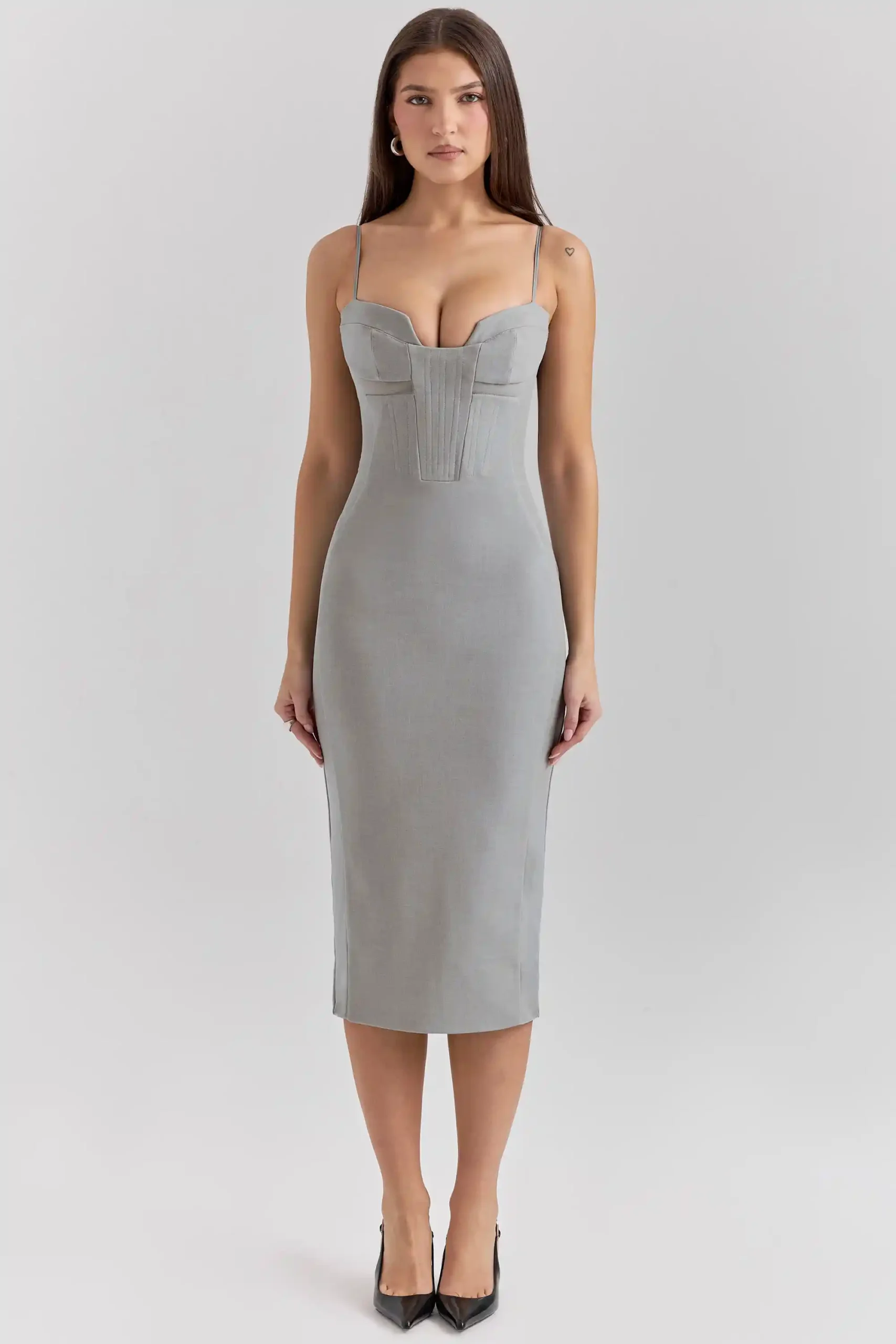
Panelled dresses reward accurate development and punish shortcuts. Share your design files early enough for the pattern, fabric, fit and production risks to be reviewed before bulk decisions are fixed. Jinfeng Apparel can evaluate whether the proposed panel layout is suitable for the target silhouette, how the fabric may influence seam behavior, what sampling route is appropriate and which controls should carry into PP and bulk production.
For a useful first review, please provide:
- Style image, sketch, line sheet or tech pack
- Target fabric or material reference
- Quantity per style/color
- Planned size range and target market
- Key fit or construction requirements
- Label and packing needs where relevant
- Target delivery window
- Existing sample or fit comments if available
Sensitive projects can begin under NDA before detailed tech packs, patterns, sample photos or unreleased collection information are shared. The first discussion is used to identify feasibility, missing information, development priorities and the next appropriate step rather than pushing an unresolved design directly into production.