Organza Dress Manufacturer

Custom organza dress development for fashion brands requiring controlled volume, clean transparency, stable layering, and repeatable bulk production.

  • Organza options commonly range from 30-100 gsm, with no stretch, high transparency, and medium-to-high structure for statement silhouettes.
  • MOQ starts from 200 pcs per style/color, subject to fabric supply, custom color, print, decoration, private labels, and production planning.
  • Standard dress first samples normally require 10-15 days; structured, layered, corset, embroidered, or special-trim styles commonly require 15-35 days.
  • 2 sample rooms, 7+ senior pattern makers, 20+ sample machinists, and 15+ QC inspectors support development through PP approval and bulk release.

Manufacturing Facts Behind Organza Dress Programs

Organza exposes weak fabric selection, uneven layering, rough finishing, and poor packing quickly. A dependable program needs measurable development resources, organized production allocation, and quality checkpoints suited to transparent structured fabric.

Since 2008

Jinfeng Apparel has focused on custom women’s fashion manufacturing since 2008. Long-term work across partywear, occasionwear, evening dresses, prom styles, wedding guest collections, and private-label womenswear provides a broad base for organza development. Experience is applied to material behavior, pattern proportion, sample correction, production handover, finishing, packing, and repeat-order records rather than used as a general marketing claim.

Six Owned Factories

Six owned women’s fashion factories support woven and knit product groups. Organza styles are allocated according to silhouette, layer count, sleeve structure, lining, decoration, order quantity, color split, and delivery plan. A simple puff-sleeve mini and a structured formal gown do not follow one generic production route. Factory matching begins after style difficulty and workmanship are reviewed.

Ten Plus Partners

More than ten long-term satellite production partners add support for multi-style and multi-batch programs. Approved patterns, materials, sewing instructions, measurement charts, QC points, labels, and packing requirements remain controlled through the central project process. Additional capacity does not replace PP approval or documented handover. Each participating unit works from approved records.

Two Sample Rooms

Two sample rooms support first samples, fit samples, revised samples, photo-ready samples, salesman samples, PP samples, and Golden samples. Sample purpose is defined before work begins so a visually refined photo sample does not accidentally become an unverified production standard. Organza projects receive extra review for stiffness, transparency, lining boundary, layer balance, edge finish, and packing recovery.

Seven Plus Pattern Makers

More than seven senior pattern makers work on bust, waist, armhole, sleeve cap, waistline, skirt sweep, layer length, lining length, and hem balance. Their role is to translate visual ideas into measurable patterns suited to grading and bulk reproduction. Fit feedback is recorded by location and measurement rather than handled as a vague request to make a sample look better.

Fifteen Plus QC Inspectors

More than fifteen QC inspectors support incoming material review, cutting checks, sewing inspection, finished measurement, appearance review, packing verification, and AQL or third-party inspection coordination when required. Organza-specific checks focus on snags, holes, shade, edge fraying, layer alignment, seam visibility, pressing marks, and packing compression.

Built for Fashion and Occasionwear Programs

Organza projects perform best when development, launch planning, sizing, private labels, and bulk controls are managed as one program. The following brand profiles commonly require the strongest organza manufacturing support.

Global Fashion Brands

Large fashion brands often develop 10-30 styles in one seasonal order and need consistent fabric direction, approvals, size grading, packaging, and shipment records across the full range. Jinfeng organizes every style by pattern version, BOM, fabric, lining, color, size ratio, QC checklist, and packing instruction. Multi-style coordination protects consistency when mini, midi, maxi, puff-sleeve, ruffle, and formal silhouettes share fabrics or color stories.

Occasionwear Labels

Occasionwear collections depend on photo-ready appearance, secure fit, refined lining, balanced volume, and controlled finishing. Organza may be used for overskirts, statement sleeves, layered skirts, rosettes, flounces, or full garments. Development support connects the visual result to production limits, garment comfort, packing method, and repeat-order availability.

Premium Ecommerce Brands

Online fashion programs need strong front, side, and back appearance, reliable measurements, clean packing, barcode accuracy, and reduced return risk. Organza transparency, sleeve volume, hem balance, and compression marks can affect product photography and unboxing. Photo samples, PP standards, size checks, and retail-ready packing are coordinated around the launch calendar.

Product Development Teams

Product developers need more than a sewing quotation. They need material options, structure feedback, pattern interpretation, sample comments, grade rules, and a clear production route. Jinfeng reviews reference images, tech packs, original samples, sketches, line sheets, target prices, and material preferences before confirming a sample plan.

Sourcing Offices

Sourcing teams evaluate supplier fit through MOQ clarity, production structure, QC processes, inspection access, document support, confidentiality, private labels, and delivery coordination. Organza experience must be visible in material controls and workmanship details rather than only in product photos. Project files can include inspection requirements, warehouse guides, carton marks, packing lists, and client-appointed forwarder instructions.

Private Label Programs

Private-label programs require coordinated main labels, size labels, care labels, hangtags, barcodes, SKU labels, polybags, stickers, cartons, and warehouse marks. Organza adds extra placement concerns because tags, seams, and care labels may show through transparent areas. Branding and packing are reviewed alongside garment construction instead of being added after production.

Why Organza Dresses Fail in Bulk Production

A strong sample can lose shape, balance, or finish when material details and construction settings are not locked. Six recurring problems explain many sample-to-bulk disputes in organza programs.

Volume Becomes Flat

Skirt and sleeve volume depends on fabric weight, stiffness, grain, layer count, gather ratio, panel width, seam position, lining, and pressing. A replacement roll with softer hand feel can flatten a silhouette even when the composition name appears identical. Bulk approval should record fabric code, physical swatch, layer arrangement, gather amount, and finished measurements rather than relying on the word organza alone.

Transparency Looks Wrong

Outer fabric, lining color, lining length, seam allowance, interfacing, zipper tape, labels, and underlayers can become visible through organza. A lining chosen from a screen image may shift the final tone or make the garment look heavy. Shell and lining must be reviewed together under controlled lighting before PP approval.

Layers Become Uneven

Uneven cutting, incorrect panel numbering, mixed layer lengths, fabric movement, or inconsistent gathering can create crooked tiers and unbalanced hems. Problems become more visible on wide skirts and high-low designs. Layer maps, cut-panel checks, bundle control, and finished hanging inspection reduce accumulated variation.

Edges Fray Quickly

Organza edges can loosen during cutting, handling, sewing, fitting, or repeated correction. The correct finish depends on fabric density, transparency, edge location, desired stiffness, seam visibility, and cost target. Edge tests should be completed on the selected material before final construction is written into the sewing instruction.

Hems Lose Balance

Multiple layers, curved panels, directional grain, uneven tension, and different lining lengths can produce a visibly uneven hem. Floor-length and asymmetric styles may require hanging, reshaping, and rechecking before final hemming. Front, back, side, and layer-specific lengths should be measured against the approved sample.

Packing Crushes Shape

Puff sleeves, bows, rosettes, peplums, overskirts, and stiff layered skirts can be flattened by tight folding or excessive carton pressure. Pressing cannot always restore heavily compressed details after long transit. Packing approval should consider tissue support, sleeve filling, hanger packing, carton fill ratio, and recovery checks after a simulated packed period.

From Design Reference to Delivered Organza Dresses

A controlled workflow connects visual design, physical materials, measurable fit, bulk production, and branded delivery. Each stage has a separate approval purpose and a defined handover record.

Project Review

Reference image, tech pack, original sample, size chart, quantity, fabric direction, target price, launch date, and private-label needs are reviewed before a quotation route is selected.

Fabric Direction

Physical organza swatches are compared for weight, hand feel, stiffness, transparency, color, width, surface, and bulk availability. Lining and trim choices are reviewed at the same time.

Pattern Development

The approved concept becomes a pattern covering bodice balance, sleeve volume, layer geometry, waistline, skirt sweep, lining, closure, and grade rules.

Sample Development

First samples test silhouette, fabric behavior, construction, fit, and feasibility. Comments are converted into measurable pattern, material, and workmanship corrections.

PP Approval

The PP sample confirms final shell fabric, lining, trims, construction, measurements, labels, finishing, and packing before production release.

Material Control

Bulk material, shade, width, defects, labels, trims, and packaging are checked against approved standards before cutting.

Bulk Production

Cutting, sewing, inline review, finishing, measurement, and production reporting follow approved project files and inspection points.

Final QC

Appearance, measurements, layer balance, workmanship, labels, barcodes, packing, and carton information are checked before release.

Export Delivery

Commercial invoice, packing list, carton data, forwarder coordination, and air, sea, or split-shipment planning are prepared according to the project.

Custom Organza Dress Styles We Manufacture

Organza can create crisp sleeves, floating layers, sculpted ruffles, transparent overlays, and formal volume. Every silhouette needs a separate fabric, pattern, lining, workmanship, QC, and packing route.

Organza Mini Dress

Mini styles use organza for youthful volume, structured sleeves, bubble skirts, or crisp overlays. Development focuses on safe finished length, stable waist position, lining coverage, side-seam balance, and comfortable sitting movement. Bulk control includes front and back length, lining length, zipper flatness, layer symmetry, and packing recovery. Stiffness must support the design without creating a rigid or inexpensive hand feel.

Organza Midi Dress

Midi organza dresses suit cocktail, wedding guest, event, and premium ecommerce collections. Proportion between bodice, waistline, skirt volume, and calf length needs careful review because stiff fabric can visually shorten the body. Sampling checks hem level, layer difference, movement, seat volume, sleeve proportion, lining coverage, and photo performance from front, side, and back.

Organza Maxi Dress

Maxi styles require controlled skirt sweep, balanced front and back lengths, even layers, manageable weight, and stable movement. A large volume of stiff organza can become difficult to pack and expensive to ship. Pattern engineering balances panel count, gather ratio, seam position, lining, floor clearance, and carton volume before bulk consumption is finalized.

Organza A-Line Dress

A-line organza dresses use the material’s body to create clean shape without excessive gathering. Fit attention stays on bust, waist, side seam, armhole, zipper, and the transition from fitted bodice to structured skirt. The hem must remain even across all panels and sizes. Lining should support opacity without pulling the outer shell inward.

Fit and Flare Dress

Fit-and-flare styles combine a controlled bodice with fuller skirt volume. Waist seam thickness, bust fit, lining attachment, zipper movement, gather distribution, and skirt balance determine whether the silhouette looks refined or bulky. Size grading should preserve the waist-to-skirt relationship rather than increasing every area at one uniform rate.

Puff Sleeve Dress

Organza is well suited to puff sleeves because medium-to-high stiffness can hold volume with less internal support. Sleeve cap height, gather ratio, sleeve width, cuff opening, underarm comfort, and left-right symmetry must be tested in a real sample. Packing should protect the sleeve from long compression. A recovery check can confirm whether the shape returns after unpacking.

Ruffle Organza Dress

Ruffles may appear at neckline, shoulder, sleeve, waist, skirt, hem, or asymmetric seams. Width, curve, grain, layer count, edge finish, spacing, and attachment tension control the final movement. Bulk consistency depends on cut templates, measured placement, controlled edge treatment, and comparison with the approved sample.

Corset Organza Dress

Corset organza dresses combine a transparent or sculptural outer layer with cups, boning, lining, seam support, zipper or lacing, and a fitted waist. Organza alone cannot provide reliable body support. Sampling checks upper bust, underbust, cup position, neckline, boning comfort, waist compression, side seam, and the relationship between internal structure and outer transparency.

Cocktail Organza Dress

Cocktail designs need a balance of statement appearance, movement, comfort, and retail wearability. Midi or short lengths, controlled volume, clean lining, elegant color, and reliable zippers carry more commercial value than excessive layers alone. Finishing, pressing, and packing receive strong attention because semi-formal products are judged closely in stores and ecommerce photography.

Prom Organza Dress

Prom and homecoming styles often use bold color, corset tops, A-line volume, bows, rosettes, glitter details, or multi-layer skirts. Seasonal timing, photo samples, size coverage, support, and dance movement influence the development route. Production should be planned backward from campaign, preorder, warehouse, and event dates rather than from sewing completion alone.

Printed Organza Dress

Printed organza introduces color penetration, transparency, motif scale, repeat, direction, placement, and shade concerns. The same artwork can look lighter or less saturated on a transparent base than on an opaque woven fabric. Artwork files, usable width, print method, color standard, repeat information, garment mockup, and cut placement should be clarified before bulk print quantity is booked.

Floral Organza Dress

Floral organza may use print, embroidery, applique, 3D flowers, rosettes, or combinations. Decoration density must preserve lightness and avoid pulling, distortion, sharp edges, or local stiffness. Attachment method, placement map, left-right balance, color matching, durability, and packing protection should be confirmed through a complete sample.

Organza Dresses for High-Impact Fashion Occasions

Organza is chosen for visual volume and strong camera presence. Product planning should connect the garment to a selling season, campaign deadline, price position, size range, and delivery route.

Party Collections

Party ranges often require short lengths, bold sleeves, bows, ruffles, fitted waists, bright colors, and clean photo performance. Development checks sitting comfort, sleeve recovery, lining coverage, zipper operation, and the condition of the garment after packing. Core colors may carry deeper quantities while statement colors are planned around fabric availability and per-color MOQ.

Wedding Guest

Wedding guest organza dresses need refined volume, elegant color, stable necklines, comfortable movement, and polished finishing. Midi, maxi, one-shoulder, off-shoulder, bow, and floral styles are common directions. Color approval, lining tone, modesty, hem balance, and wrinkle control carry strong importance for premium eventwear.

Prom and Homecoming

Prom and homecoming programs are seasonal and highly visual. Corset bodices, fit-and-flare silhouettes, large bows, rosettes, printed organza, and layered skirts must be developed early enough for photo samples, line review, PP approval, production, QC, and transit. Size grading and bust support should be confirmed before campaign inventory is committed.

Cocktail and Eventwear

Cocktail organza styles require controlled structure rather than bridal volume. Clean waistlines, elegant mini or midi proportions, reliable zippers, discreet lining, and balanced ruffles make the product easier to wear and sell. The manufacturing route should protect a premium appearance while keeping garment weight, packing, and production time commercially workable.

Graduation Collections

Graduation launches often use white, ivory, light blue, pink, or floral organza. Light colors increase transparency, stain, shade, and cleanliness risks. Short lengths and youthful silhouettes also require careful coverage. Photo samples, production cleanliness, lining, barcode accuracy, and delivery timing should be planned around a narrow selling season.

Seasonal Statement Drops

Statement drops may use one strong organza idea across dresses, skirts, tops, matching sets, or detachable details. Shared material, color, trim, and packing systems can improve collection consistency and reduce unnecessary fragmentation. Repeat potential should be considered before selecting a highly exclusive material with difficult replenishment.

Choose the Right Organza for Your Design

Organza name alone does not define performance. Fiber, weight, yarn, finish, surface, width, stiffness, transparency, and supplier consistency change the final silhouette, sewing route, lining need, cost, and packing behavior.

Organza DirectionHand FeelTransparencyStructureSuitable UsesMain Risk
Polyester OrganzaCrisp to firmHighMedium-highCommercial party, prom, ruffle, sleeve, and overlay stylesPlastic-like hand feel or harsh stiffness when poorly selected
Nylon OrganzaLight and crispHighMediumPuff sleeves, layered skirts, flounces, and light overlaysSnagging, surface marks, and edge damage
Silk OrganzaDry, refined, lightHighNatural medium structurePremium occasionwear, designer-led styles, and refined volumeHigher cost, care requirements, and supply conditions
Soft OrganzaSofter and less rigidHighLow-mediumFloating layers, soft sleeves, and less sculptural dressesInsufficient volume or collapsed design
Stiff OrganzaFirm and sculpturalHighHighStatement sleeves, bows, peplums, and structured skirtsExcessive rigidity, bulk, discomfort, and packing difficulty
Printed OrganzaDepends on baseHighDepends on baseFloral dresses, seasonal capsules, and transparent print effectsLow color density, repeat errors, direction, and shade variation

Lining Systems for Sheer Organza Dresses

Lining controls opacity, skin comfort, color depth, internal support, seam visibility, movement, and garment weight. The correct system depends on silhouette, shell color, design intent, target market, and retail position.

Full Dress Lining

Full lining covers bodice and skirt for stronger opacity, cleaner internal construction, and easier wear. It suits light colors, formal dresses, fitted bodices, and products where visible body exposure is not intended. The lining should not pull the organza inward or become longer than the outer layer. Stretch, weight, and drape must work with the shell.

Bodice Only Lining

Bodice-only lining supports neckline, bust, armhole, zipper, cups, boning, or facings while keeping the skirt lighter. The lower lining boundary must remain clean and should not show as a harsh line through the shell. Waist seam thickness and lining attachment are checked during fitting.

Short Skirt Lining

A short lining under a midi or maxi shell creates controlled transparency below the lining edge. The lining length, side seam, hem, body movement, and target market preference should be approved on body rather than only on a hanger. Color contrast between lining and shell also affects the visual result.

Matching Color Lining

A matching lining strengthens the organza color and gives a more saturated appearance. Dye-lot difference between shell and lining can create an unintended mismatch, especially under bright studio lighting. Color standards should include both materials and any zipper or thread visible through the shell.

Nude Tone Lining

Nude lining can create a light, floating appearance while maintaining coverage. The selected tone should suit the brand’s intended market and product presentation. One universal nude cannot represent every market or model. Coverage, seam visibility, cups, boning, and label placement need extra care.

Structured Underlayer

Corset, prom, formal, and sculptural organza dresses may need internal layers such as stable lining, cups, boning, interfacing, net support, or an underskirt. The organza remains the visual shell while internal materials provide shape and security. Support layers must stay discreet and comfortable through all planned sizes.

Layer Control and Balanced Skirt Volume

Layered organza creates depth, color, and movement only when every level is planned. Uncontrolled layers increase waist bulk, cutting waste, sewing time, packing volume, and hem variation without guaranteeing a stronger visual result.

Single Layer

A single organza layer works for sleeves, overskirts, overlays, peplums, or transparent details. Clean seam allowance, edge finish, lining relationship, and surface condition become highly visible. Single-layer styles often require the most disciplined internal finishing because no additional layer hides the construction.

Double Layer

Two layers can increase color depth and volume while preserving a lighter feel than a heavy support structure. Layer orientation, grain, seam joining, and length difference affect whether the layers move together or separate. The pattern should identify whether layers share a seam or remain independent.

Multi-Layer Skirt

Three or more layers suit prom, formal, statement, and dramatic party dresses. Each layer needs a code, finished length, panel map, gather ratio, seam position, and attachment order. Waist construction should distribute thickness. Excessive seam build-up can make the waist bulky and affect zipper movement.

Tiered Construction

Tiered skirts use separate horizontal sections. Tier height, circumference, gather ratio, join position, and edge finish control the final proportion. Small inconsistencies become larger toward the hem because each tier carries more width. Tier measurements and notches should guide assembly rather than visual guessing.

Asymmetric Layers

High-low, diagonal, waterfall, and asymmetric layers create strong movement but require accurate left-right orientation and controlled hanging. Front, side, and back reference points must be defined. Packing and steaming should preserve the intended fall without turning a deliberate angle into an accidental uneven hem.

Hem Balance

Hem balance is checked after sewing, finishing, and suitable hanging or relaxation. Every outer and lining layer should be reviewed separately. Floor-length styles also need target footwear and floor-clearance direction. Final inspection should compare layer spacing and circumference, not only one center-front length.

Combining Organza With Other Dress Fabrics

Fabric combinations can improve opacity, comfort, support, surface contrast, movement, and commercial wearability. Compatibility must be tested through color, weight, shrinkage, seam behavior, pressing, and finished-garment balance.

Organza and Satin

Satin provides opacity, shine, and drape while organza adds crisp volume. The two materials should be color matched under the same lighting. Satin seam puckering and organza transparency require separate sewing controls. Common uses include corset bases, slip underdresses, waist panels, bows, and layered overskirts.

Organza and Lace

Lace adds motif and texture while organza provides structure or transparent support. Placement, motif direction, edge treatment, lining, seam overlap, and color should be approved in a complete sample. Dense lace can pull light organza and may need localized reinforcement.

Organza and Tulle

Tulle creates softer volume and organza provides sharper shape. Combining both can reduce waist bulk while building depth in prom and formal skirts. Layer order, hand feel, edge visibility, static, and packing recovery should be checked.

Organza and Mesh

Mesh can provide stretch, contour, or invisible support around necklines and panels, while organza adds sculptural details. Stretch difference can cause pulling if seam design and stabilization are not planned. Transparency and skin comfort should be reviewed together.

Organza and Crepe

Crepe gives a more stable opaque base and controlled drape, making organza suitable for sleeves, ruffles, bows, or overskirts without turning the full garment into a high-volume piece. The contrast suits cocktail and modern occasionwear collections.

Organza and Lining

Soft woven, satin-like, stretch, or structured linings can change the shell color, weight, movement, and comfort. Lining selection should follow garment fit and construction rather than being chosen only by cost. Shell and lining shrinkage, shade, seam, and pressing compatibility require review.

Color, Print, Embroidery, and Embellishment Options

Organza accepts color and surface decoration in many forms, but transparency and low fabric weight amplify shade, placement, pulling, and attachment issues. Decoration should protect lightness and repeatability.

Stock Colors

Available colors can support faster development and smaller material commitments than custom dyeing. Stock status, roll quantity, batch, width, stiffness, and hand feel still need confirmation before sampling and bulk booking. A stock swatch is not a promise of future replenishment.

Custom Dyeing

Custom color requires Pantone or a physical standard, lab dip approval, minimum dye quantity, bulk shade review, and matching lining, zipper, thread, and trims. Transparent fabric may appear different over a white card, lining, or body. MOQ and timing follow the fabric supplier and color route.

Digital Printing

Digital print supports floral, abstract, gradient, and seasonal artwork. Color density, repeat, direction, usable width, scale, and translucency should be tested on the actual organza base. Garment mockups help place motifs across seams and layers.

Light Embroidery

Light embroidery can add floral, line, or logo-inspired decoration. Stitch density, backing, thread, motif size, direction, and edge distance should avoid puckering or pulling the organza. A trial panel and complete sample are required before bulk embroidery.

Beads and Rhinestones

Localized beads or rhinestones may suit necklines, waistlines, flowers, or evening details. Weight, sharp edges, skin contact, attachment, washing or care direction, and spare allowance need review. Heavy decoration may require a stable underlayer rather than direct attachment to one light organza layer.

Sequins and Applique

Sequins, petals, lace applique, and 3D elements can create strong surface interest. Placement maps, left-right balance, edge security, damage risk, lining, pressing, and packing protection must be confirmed. Decoration density affects labor, sample time, unit cost, and bulk inspection.

Tech Pack and Production Feasibility Review

A detailed review before sampling identifies conflicts among design, organza behavior, fit, target price, MOQ, decoration, packing, and launch timing. Blind agreement at quotation stage often creates expensive revisions later.

Files We Review

A project can begin from a tech pack, reference image, original sample, sketch, line sheet, or detailed construction notes.

More complete information improves sample accuracy, cost assessment, and schedule planning. Useful files include front and back views, measurements, grade rules, fabric and lining direction, color plan, trim details, artwork, label files, packing requirements, quantity per style/color, target price, and launch date.

  • Reference image, sketch, line sheet, or original sample information
  • Measurement chart, grade rule, target market, and fit preference
  • Fabric, lining, color, print, embroidery, and trim direction
  • Quantity by style/color and private-label packing requirements

Risks We Evaluate

The development team checks whether the selected organza can hold the required sleeve, bow, ruffle, peplum, or skirt volume. Transparency, lining, seam visibility, edge finish, movement, comfort, size grading, and packing recovery are reviewed. Cost and MOQ pressure are evaluated at the same time. A design with custom-dyed organza, exclusive print,

3D flowers, corset support, several colors, and specialty packaging follows a different route from a stock-color puff-sleeve mini.

  • Material stiffness or softness conflicts with the intended silhouette
  • Layer count creates excessive waist bulk or packing volume
  • Support, lining, or coverage is missing from the design file
  • Decoration density exceeds the fabric’s stable handling range

Development Route

After review, Jinfeng prepares a route covering material sourcing, sample type, pattern work, sample fee, estimated timing, approval stages, and information still required. A reference image may support an initial range review, but final costing needs confirmed fabric, construction, quantity, colors, sizes, branding, and packing. When a risk is identified, proposed options may include a different organza weight, localized support, adjusted gather, revised layer construction, alternative lining, simplified decoration, or a packing change. The intended appearance remains the priority.

  • Initial feasibility feedback before formal sample development
  • Clear distinction between first sample, photo sample, and PP sample
  • Recorded changes before revised pattern or bulk release
  • Quotation updated after material and construction confirmation

Pattern Development for Structured Organza Dresses

Organza does not drape over weak pattern balance in the same way as a soft fabric. Rigid transparency makes bust, waist, armhole, sleeve, layer, and hem errors visible. Pattern work must control appearance and wearability together.

Build the Bodice First

Development begins with shoulder width, neckline, upper bust, full bust, underbust, armhole, side seam, front length, back length, waist position, and closure. A strong skirt cannot correct an unstable bodice.

For lined or structured styles, outer organza, lining, cups, boning, facing, interfacing, and zipper must work as one shape. Seam thickness and transparency are reviewed at neckline, armhole, center front, side seam, and waist.

Fit photos and measurements are used to identify whether an issue comes from pattern balance, fabric stiffness, support, or construction.

  • Control neckline depth and gaping
  • Protect underarm coverage and movement
  • Balance front and back length through the bust
  • Confirm zipper or opening stability

Engineer Sleeve Volume

Statement sleeves require precise sleeve-cap height, bicep width, sleeve length, lower opening, gather position, grain, and attachment. Volume should relate to shoulder width, neckline, bodice length, and skirt scale.

A larger sleeve is not automatically stronger. Excess volume may collapse, twist, press against the body, or become difficult to pack. The sample should be reviewed on body, from side view, and after compression recovery.

Grade rules should preserve design proportion. Increasing width without adjusting cap or cuff can change the sleeve shape in larger sizes.

  • Set measurable gather or pleat distribution
  • Compare left and right sleeve reference points
  • Check arm lift, forward reach, and seated comfort
  • Approve packing support for high-volume sleeves

Control Waist and Layers

Organza layers can build thickness at waist seams. Pattern design may distribute gathers across panels, reduce unnecessary layers in seam allowance, use separate support, or change attachment order to preserve a clean waist.

For fit-and-flare, corset, and party styles, waist position influences leg proportion and skirt volume. Fit comments should identify whether the waist needs to move, reduce, expand, or change shape.

Lining and seam allowances are included in thickness review because an attractive outer sketch can hide a bulky internal join.

  • Measure waist seam thickness and zipper movement
  • Define layer attachment and seam allowance reduction
  • Preserve waistline position through grading
  • Compare silhouette before and after lining attachment

Balance Skirt and Hem

Skirt development controls panel count, flare, gather, pleats, layer lengths, lining length, side seam, front-back balance, and finished sweep. Asymmetric or high-low styles need fixed reference heights rather than visual trimming alone.

Maxi and floor-length garments may require hanging and rechecking before final hem approval. The base size and graded sizes should maintain the intended relationship between waist, hip, knee, calf, and floor clearance.

A size range is developed from the brand’s approved measurement chart and grade rule. Jinfeng does not impose one generic retail size system on every market.

  • Approve front, side, and back hem references
  • Check every outer and lining layer separately
  • Record finished sweep and layer spacing
  • Verify graded proportions in selected size-set samples when required

Precision Cutting for Delicate Organza

Transparent, lightweight panels reveal cutting damage, direction errors, asymmetry, stains, and bundle mistakes easily. Cutting control begins before the first layer reaches the table.

Fabric Inspection

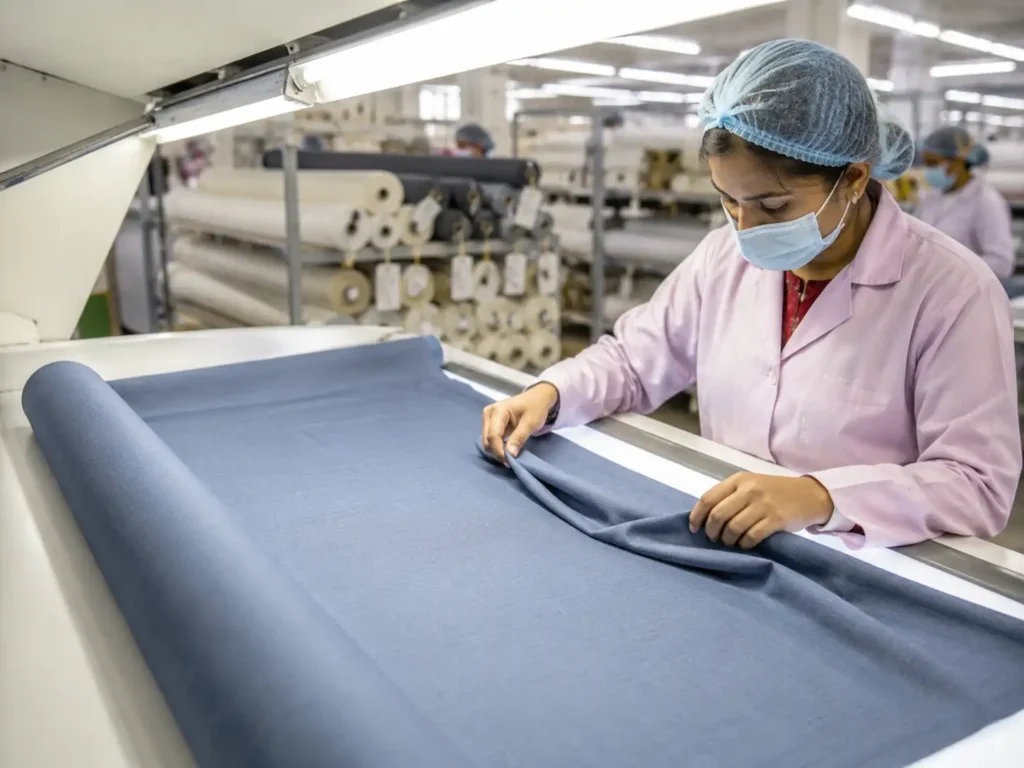
Bulk rolls are reviewed for shade, width, holes, snags, stains, crease marks, surface lines, stiffness, transparency, and lot consistency. Defect mapping helps keep damaged areas outside usable garment panels. Physical behavior is compared with the approved swatch or PP material.

Pattern Version

Final pattern files, grade rules, layer maps, lining patterns, and cut quantities are checked before marker release. Old sample versions should not remain in the cutting flow after a revision is approved. Pattern version control is especially important for multiple similar styles in one collection.

Grain Direction

Grain and direction affect stiffness, flare, print orientation, surface reflection, and left-right consistency. Sleeve, bow, ruffle, and asymmetric panels are marked clearly to prevent reversed orientation. Directional print or surface requires additional marker discipline.

Layer Identification

Every organza, lining, tulle, net, satin, or support layer receives a clear code and cut quantity. Layered skirts can contain similar-looking pieces with different lengths or shapes. Numbering and bundle records reduce mixed-layer assembly.

Symmetry Control

Left and right sleeves, bows, flounces, petals, straps, and bodice panels are paired. Notches, reference points, and placement marks guide sewing and decoration. Mirror errors should be detected before assembly rather than corrected by pressing.

Clean Handling

Cutting surfaces, tools, hands, bundles, and storage should protect pale and transparent organza from dust, oil, sharp edges, and pressure marks. Cut panels are moved with controlled support to avoid distortion and snagging. Clean handling is especially important for white, ivory, and pastel programs.

Seams, Edges, and Hem Finishing

Organza finishing must remain clean from both outside and inside. Seam and edge choices depend on fabric density, transparency, position, stiffness, lining, design language, durability, and target cost.

Transparent Seam Control

  • Visible seam allowance, thread, overlock, tape, zipper tape, and lining joins can affect the finished appearance. Seam width and treatment should be agreed during sampling. Narrower is not always stronger, while wider may become visually heavy.
  • Thread color, stitch density, tension, and pressing are tested on the selected fabric. Internal edges near skin contact should remain comfortable.
  • The approved sewing instruction should identify seam type by location rather than using one method for the full garment.
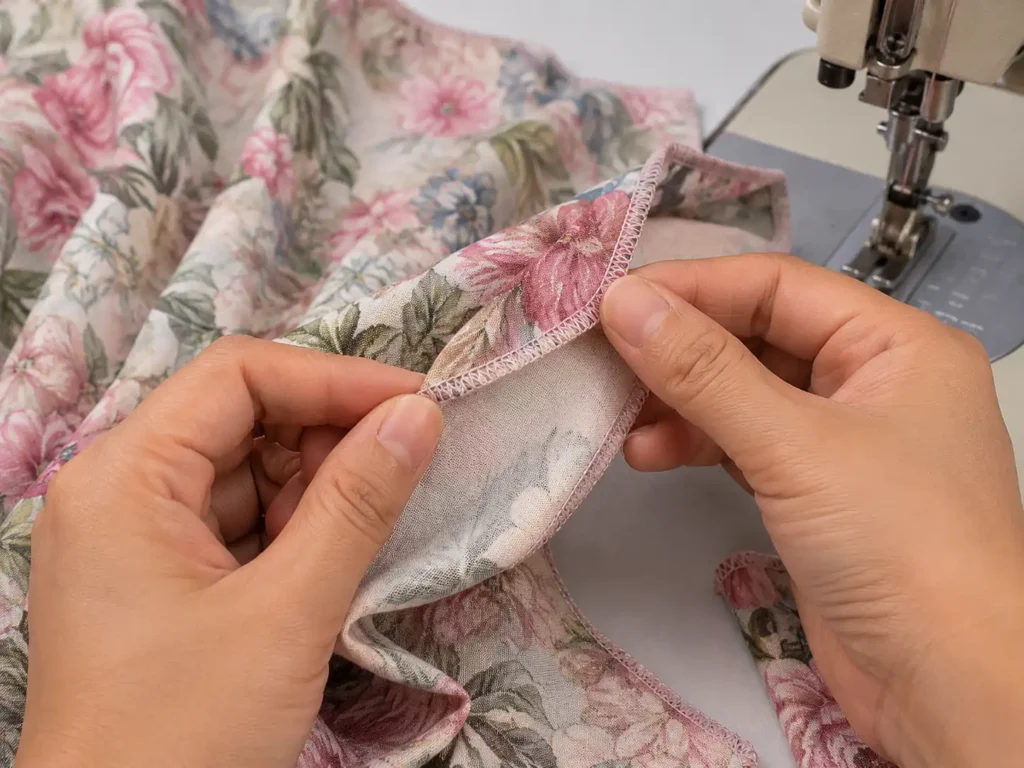
Edge Finishing

  • Raw edges on ruffles, sleeves, flowers, bows, overlays, and internal seams may need different finishes. Options are selected after testing for fraying, curling, stiffness, transparency, and visual effect.
  • Heat-based or fused solutions require temperature control and material testing. Sewn edges require stable tension and consistent width. Decorative raw-edge effects still need durability assessment.
  • Bulk QC checks whether the edge method remains even and whether handling has caused new fraying or damage.

Narrow Hem Balance

  • Narrow hems can pull, wave, twist, or become uneven when fabric tension changes. Curved hems and wide skirts increase the difficulty. Trial sewing should confirm hem width, machine setting, handling, and appearance.
  • Multi-layer hems are checked individually. A clean outer hem does not compensate for a lining or inner layer extending below the approved level.
  • Floor-length and asymmetric designs may require hanging before final hem measurement.

Ruffle Edge Consistency

  • Ruffles multiply edge length and make small width or tension changes visible. Cut templates, edge finish, gather ratio, attachment line, and spacing should remain measurable.
  • The team compares ruffle projection, curve, overlap, and left-right balance with the approved sample. Pressing should shape rather than flatten the edge.
  • Packing support is reviewed when large ruffles or flounces can crease permanently.

Organza Dress Sample Development and Timing

Sampling converts design information into physical standards for fabric, fit, volume, layering, workmanship, labels, and packing. Timing begins after required files, sample payment, and usable materials are confirmed.

Design and Fabric Review

Reference images, tech packs, measurements, quantity, organza direction, lining, trims, color, decoration, and launch needs are reviewed before pattern work. Material swatches are compared for 30-100 gsm reference range, stiffness, transparency, width, hand feel, and supply conditions. Initial questions are grouped to reduce repeated communication cycles.

First Pattern and Sample

The first pattern builds bodice, sleeve, waist, skirt, layers, lining, and closure. The first sample checks silhouette, proportion, material, fit, construction, transparency, support, and general feasibility rather than serving as an automatic bulk standard. A standard dress first sample normally requires 10-15 days. Medium-complex layered styles commonly require 12-18 days.

Complex Sample Route

Corset, strapless, embroidered, multi-layer, 3D floral, sequin, or highly structured organza styles commonly require 15-25 days. Custom fabric, special color, exclusive print, or custom trim may require 20-35 days or the supplier development cycle. Timing changes when material, artwork, or construction is revised during the process.

Fit and Revision

Fit comments are recorded by measurement, location, visual reference, and construction. Pattern, BOM, sewing notes, lining, layer dimensions, and trim details are updated before a revised sample is released. Revised samples normally require 7-15 days, depending on the change scope and material readiness.

Photo and Sales Samples

Photo-ready samples prioritize approved appearance, pressing, color, fit, and detail for campaign or ecommerce use. Salesman samples support line review, showroom presentation, or internal selling. Any difference between a photo sample and the intended production standard should be documented. Final bulk materials still require PP confirmation.

PP and Golden Samples

The PP sample confirms final fabric, lining, trims, measurements, workmanship, labels, pressing, and packing before line release. PP samples normally require 7-15 days after final materials are available. A sealed Golden sample can support production comparison, QC, repeat orders, and dispute review.

Locking the Standard Before Bulk Production

Bulk should not begin from an unresolved sample. Approved physical references and updated documents convert development decisions into repeatable production and inspection standards.

Approved PP Sample

The PP sample represents the approved appearance and construction using bulk-intent materials. Open comments should be closed before production release. Changes after approval are reviewed for cost, material, pattern, and schedule impact. The sealed sample remains available during cutting, sewing, finishing, and final inspection.

Final Pattern Files

Pattern corrections from fit and appearance review are transferred into the final pattern and grade rule. Old versions are removed from active production use. Layer maps, lining patterns, sleeve details, ruffle dimensions, and decoration templates are included where needed.

Measurement Standards

The approved measurement chart defines points of measure, tolerances, sample size, and grade logic. Organza-specific points may include sleeve volume, layer length, lining length, bow size, ruffle width, and hem references. Selected size-set samples can verify grading before full production when the range or risk requires it.

Material and Trim Record

Fabric code, composition, swatch, color, lining, zipper, thread, cups, boning, decoration, labels, and packing materials are recorded in the BOM or project file. Supplier substitutions require renewed approval when appearance or performance can change.

Sewing and QC Points

Approved seam, edge, layer, sleeve, ruffle, lining, zipper, support, pressing, and decoration methods are written into production instructions and QC checkpoints. A verbal approval alone is not enough for multi-style or multi-factory programs.

Packing Standard

Folding, tissue, sleeve support, hanger use, polybag, barcode, SKU label, size sticker, assortment, carton ratio, and carton marks are confirmed before packing materials are released. Packing is treated as part of product quality because compression can change organza shape.

Workmanship Behind Premium Organza Dresses

Premium workmanship is visible in symmetry, internal cleanliness, controlled edges, stable volume, smooth closures, balanced layers, and a garment that recovers after packing. Close-up evidence should support every claim.

Sleeve Attachment

Sleeve notches, cap position, gather distribution, seam allowance, underarm join, lining, and left-right symmetry are checked before and during sewing. Puff and balloon sleeves should hold shape without pulling the neckline or restricting movement. Close-up images should show the sleeve head, underarm, cuff, and inside finish.

Even Gathering

Gathering is controlled by measured panel length, ratio, notches, distribution points, and attachment length. Uneven density can shift the silhouette or create local bulk. First-piece review compares the gather against the approved sample before repeated sewing continues.

Balanced Ruffles

Ruffle width, curve, edge, spacing, overlap, and attachment tension are inspected across neckline, shoulder, bodice, skirt, and hem positions. Left-right or front-back details should remain visually balanced. Placement references help prevent drift over long production runs.

Smooth Zippers

Invisible or regular zippers should move smoothly and lie flat without pulling organza, lining, support layers, or waist seams. Zipper color and tape may be visible through the shell. Opening length, top finish, waist alignment, and lower endpoint are compared with the approved standard.

Clean Lining

Lining should cover planned areas, remain shorter than outer layers where required, avoid twisting, and connect cleanly at neckline, armhole, waist, zipper, and hem. Excess tension can collapse organza volume. Internal photos provide strong evidence of controlled construction.

Stable Waist Seams

Waist seams can become bulky when several organza and lining layers meet. Seam allowance reduction, grading, pressing, joining order, and internal support are planned to preserve fit and zipper movement. The waistline should remain level and visually clean from every angle.

Secure Decorations

Flowers, bows, beads, rhinestones, sequins, applique, and detachable elements are checked for placement, attachment, sharp edges, comfort, left-right balance, and packing protection. Decoration records should identify position and quantity to support repeatable bulk work.

Balanced Hems

Outer shell, inner organza layers, lining, and support layers are assessed separately after finishing. Hem width, edge, front-back level, side balance, and layer spacing should match the approved standard. Maxi or asymmetric styles may require additional hanging and final shaping.

Bulk Production Through Defined Control Points

Bulk manufacturing begins after required sample, fabric, trim, label, packing, and commercial approvals. A standard approved program is often planned around a 20-30 day manufacturing window after material readiness and PP approval. Complex multi-style programs require a project-specific schedule.

PP Approval

Approved sample, measurement chart, BOM, patterns, construction notes, label placement, and packing instruction become the production reference.

Material Booking

Bulk organza, lining, zippers, trims, decoration, labels, hangtags, and packaging are booked according to approved specifications and supplier conditions.

Incoming Inspection

Fabric shade, width, holes, snags, marks, stiffness, transparency, lot consistency, and quantity are reviewed before cutting.

Factory Allocation

Styles are allocated according to fabric, silhouette, layer count, workmanship, order quantity, color count, QC needs, and delivery sequence.

Cutting Control

Marker, grain, direction, left-right pieces, layer code, size bundle, print placement, and cut quantity are checked before sewing.

Sewing and Inline Review

Early pieces and production units are checked for sleeve shape, gathering, ruffles, lining, waist seam, zipper, edge finish, and key measurements.

Finishing and Measurement

Garments are trimmed, shaped, pressed, measured, and reviewed for stains, snags, holes, asymmetry, loose threads, and pressing marks.

Packing QC

Labels, barcodes, SKU, size, color, folding, protection, polybags, assortment, carton marks, and carton data are checked.

Shipment Release

Final inspection results, packing list, commercial invoice, carton information, forwarder arrangements, and delivery sequence are confirmed before release.

Organza-Specific Quality Control

Quality control follows organza from roll inspection through packed shipment. The highest risks are transparency, surface damage, shade, edge fraying, layer imbalance, seam visibility, compression, and sample-to-bulk material change.

Incoming Fabric QC

Bulk rolls are reviewed against approved material information for color, lot, width, quantity, hand feel, stiffness, transparency, surface, holes, snags, stains, crease marks, print, embroidery, and usable condition.Shade comparison should consider direction and lighting. Shell organza, lining, zipper, thread, and decoration colors are reviewed as a coordinated set. When a replacement lot differs in stiffness or transparency, development approval may need to reopen before cutting.Defect mapping and roll records help prevent damaged areas from entering visible garment panels.

  • Compare bulk hand feel and stiffness with the approved swatch
  • Check transparent fabric over the approved lining color
  • Record lot and shade information for multi-batch production
  • Separate damaged, marked, or heavily creased sections

Cutting and Bundle QC

Cutting checks cover final pattern version, marker, grain, fabric direction, print or motif orientation, left-right panels, layer numbering, size bundles, notches, placement marks, and cut quantity.

Transparent panels are inspected for holes, snags, stains, and cut-edge damage before sewing. Multi-layer skirts require clear identification because similar panels may differ only by length or flare.

Bundle control keeps size, color, shell, lining, and decoration parts together and reduces cross-style mixing in large collections.

  • Confirm pattern and grade version before marker release
  • Pair sleeves, bows, petals, and asymmetric panels
  • Identify every outer, inner, lining, and support layer
  • Protect pale panels from dirt and sharp surfaces

Sewing and Inline QC

Inline review checks seam allowance, stitch tension, thread, edge finish, gathering, ruffle placement, sleeve symmetry, lining attachment, zipper flatness, waist thickness, decoration position, and key measurements.

First-piece checks are important because one incorrect gather ratio, sleeve notch, or layer order can repeat across hundreds of garments. Problems should be corrected at source rather than hidden during pressing.

QC feedback may include photos, marked images, measurements, checklists, videos, and repair comparison records according to project needs.

  • Compare early pieces with PP or Golden samples
  • Measure high-risk points during production
  • Stop repeated defects before full-line continuation
  • Update instructions when an approved repair changes construction

Finished Garment QC

Finished garments are checked for measurements, overall appearance, layer balance, hem level, sleeve shape, ruffle position, lining coverage, zipper, seams, edges, decoration, stains, snags, holes, pressing marks, and loose threads.

Selected garments may be reviewed on a form or through movement checks when fit, sleeve, short length, or formal structure needs additional confirmation. Size and color breakdowns are matched with production records.

Client inspection, AQL inspection, or third-party inspection by SGS, Intertek, BV, ITS, or another agreed party can be coordinated by project.

  • Check outside and visible internal construction
  • Compare each organza and lining layer separately
  • Verify approved measurements and tolerances
  • Review garment condition after finishing and before packing

Packing and Release QC

Packing review covers main label, size label, care label, hangtag, barcode, SKU label, size sticker, color sticker, polybag, tissue, sleeve or flower support, folding, assortment, carton ratio, carton marks, gross weight, net weight, and carton size.

An organza garment can pass sewing inspection and still fail at delivery when a bow is crushed, sleeves are flattened, barcode is wrong, or the lining is exposed by poor folding. Approved packing is therefore part of final quality.

Packing lists and shipment documents are checked against style, color, size, quantity, and carton records.

  • Test the approved folding or hanging method
  • Protect high-volume sleeves, flowers, bows, and skirts
  • Confirm barcode scan and SKU accuracy
  • Release only after garment and packing status are accepted
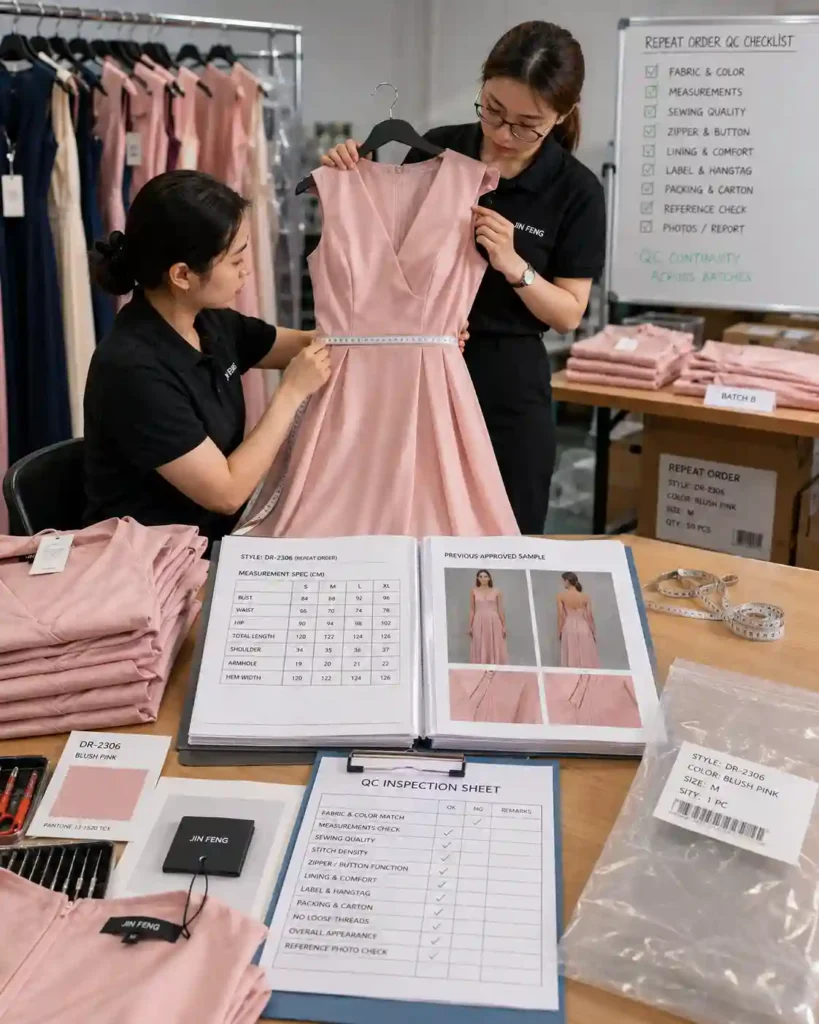
Preventing Common Organza Dress Defects

Defect prevention is most effective when every risk has a known source, control action, and inspection stage. The matrix below connects visible problems with the production point where action should begin.

RiskLikely CausePrevention ActionControl Stage
Frayed edgesUnsuitable finish, rough handling, weak edge densityTest edge methods on approved fabric and protect cut panelsSample, cutting, sewing
Uneven layersWrong panel code, cutting shift, inconsistent gatheringUse layer maps, numbering, bundle checks, and measured attachmentCutting, inline, final
Crushed volumeTight folding, high carton pressure, unsupported sleeves or bowsApprove tissue, support, hanger, carton ratio, and recovery testPacking, pre-shipment
Hem imbalanceLayer length error, grain, tension, insufficient hangingMeasure each layer after finishing and recheck on a level referenceFinishing, final QC
Snags or holesSharp surfaces, rough tools, decoration, handling damageClean work areas, protect panels, inspect before and after sewingIncoming, cutting, inline
Visible heavy seamsWide allowance, dark thread, unsuitable seam methodApprove seam width, thread, internal finish, and lining relationshipSample, sewing QC
Transparency mismatchWrong lining color, length, layer count, or supportReview shell and lining together under controlled lightingSample, PP, final
Pressing marksExcess temperature, pressure, direct contact, poor testSet tested pressing method and monitor finishingSample, finishing QC
Shade variationMixed dye lots, directional view, shell-lining mismatchSeparate lots and approve bulk color as a coordinated material setIncoming, cutting
Decoration distortionExcess weight, dense stitching, weak reinforcementRun trial panels and support local attachment where neededSample, inline, final

Pressing, Finishing, and Shape Protection

Organza finishing should remove handling creases, shape sleeves and layers, and improve presentation without flattening structure, producing shine, marking the surface, or damaging decoration.

Temperature Testing

Pressing temperature and contact method are tested on the selected organza, lining, trim, print, embroidery, and decoration. Fiber composition and finish can react differently even within the same material category. A safe setting should be recorded before production finishing begins.

Steam Control

Steam can relax creases and help shape volume, but uncontrolled moisture or pressure may change hand feel, distort layers, or leave marks. Operators need clear direction for sleeves, bows, ruffles, waist seams, and hems. Decorated areas may require indirect treatment.

Layer Reshaping

Every skirt and lining layer is separated, shaped, and checked rather than pressed as one block. Layer spacing, asymmetric angles, tier overlap, and hem balance are restored after sewing and movement. The approved sample provides the visual reference.

Sleeve Recovery

Puff and balloon sleeves are shaped around the approved cap, gather, and cuff. Excessive pressing can remove the intended volume, while insufficient shaping can leave random creases. Packing recovery should be considered during final finishing.

Appearance Review

Finished garments are checked for shine, water marks, pressure marks, stains, snags, loose threads, seam puckering, asymmetry, and surface damage. Transparent light colors receive extra cleanliness control. Repairs should be documented when they affect construction or final appearance.

Packing Handover

Garments move to packing only after finishing status is accepted. The packing team receives the approved folding, support, labels, barcode, polybag, assortment, and carton instructions. A clean handover prevents freshly shaped organza from being compressed incorrectly.

Private Label and Retail-Ready Packing

Private-label delivery requires garment, branding, SKU, packing, carton, and warehouse information to remain consistent. Transparent organza adds placement and visibility concerns for every label and tag.

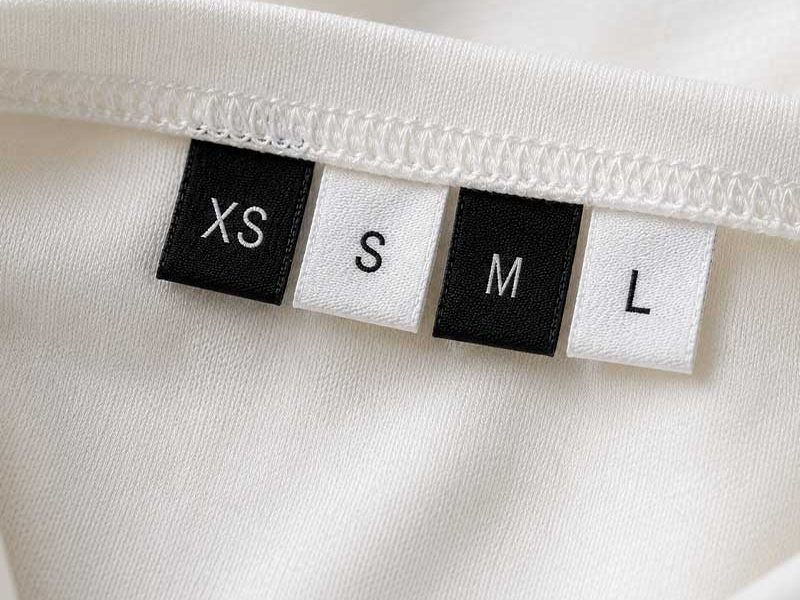
Woven Labels

Main-label material, color, size, fold, position, and stitch should suit the neckline and lining. A dark or thick label can show through pale organza or irritate the skin. Artwork and sample approval are required before bulk label use.
4.-Size-Labels

Size Labels

Size labels follow the approved brand system and must match garment measurements, polybag stickers, barcode data, and carton assortment. Mixed size systems create costly warehouse and return problems. Placement should remain discreet through transparent areas.
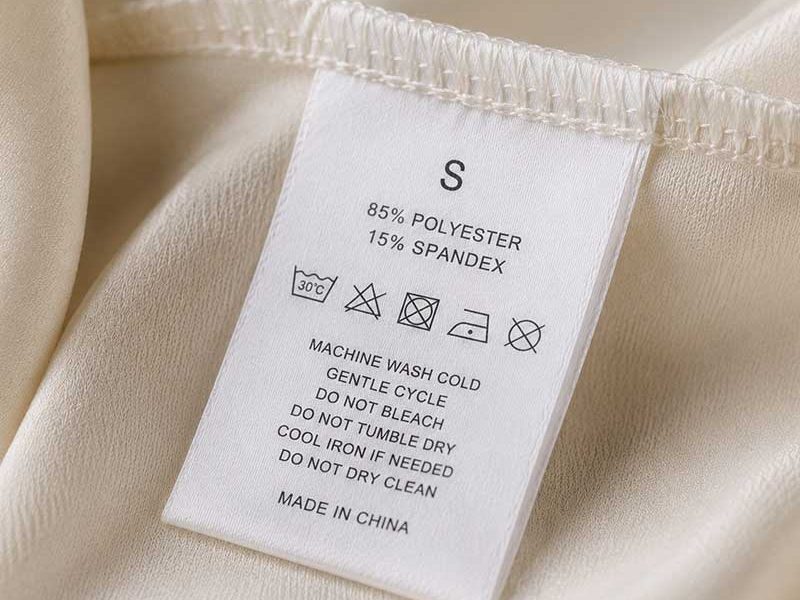
3. Care Labels

Care Labels

Care label content may include composition, care direction, country of origin, size, language, and brand information according to market requirements. The approved content should match the actual shell, lining, and decoration. Position must protect comfort and appearance.

Hangtags

Hangtag artwork, paper, finish, string, fastener, style number, price field, and attachment position are checked. Sharp plastic or metal fasteners should not snag organza. Alternative attachment positions may be needed for delicate or transparent garments.

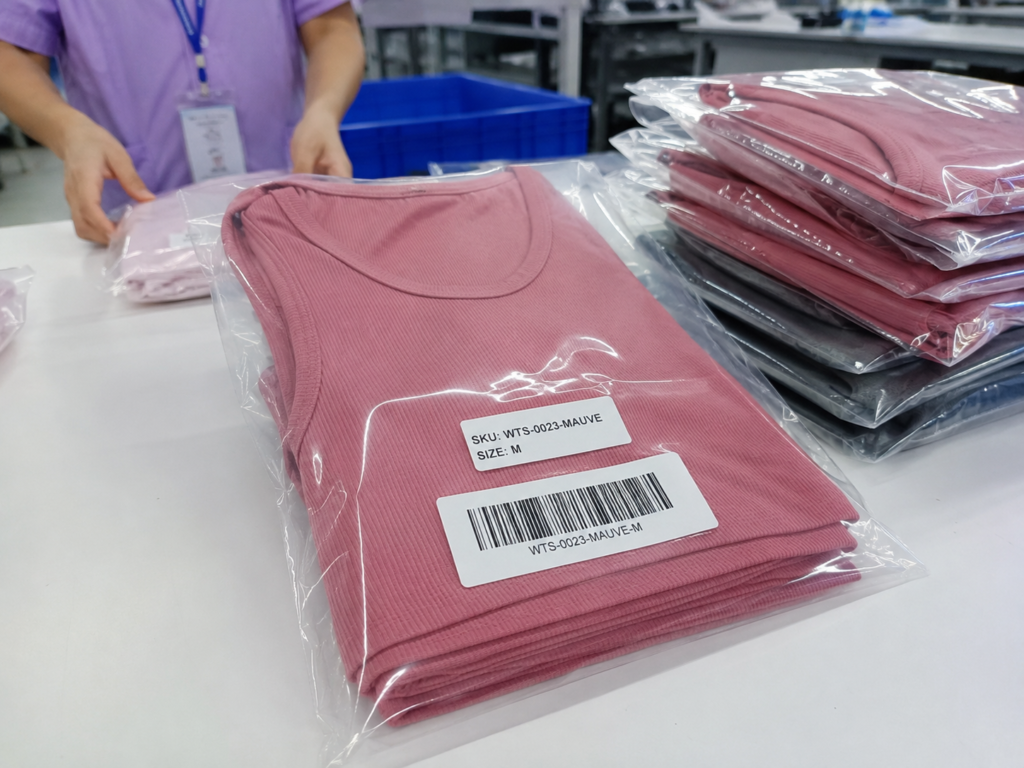
Barcode and SKU

Barcode files, SKU tables, style-color-size mapping, sticker position, and scan function are verified before packing. Data should match purchase orders and warehouse guides. Random scan checks reduce receiving and inventory errors.

Polybags and Cartons

Polybag size, thickness, warning text, ventilation, closure, folding, tissue, support, carton dimensions, assortment, weight, and carton marks are reviewed together. Packing should protect organza shape while meeting freight and warehouse requirements.

MOQ, Cost, and Quotation Factors

MOQ starts from 200 pcs per style/color. Final order structure and pricing depend on fabric supply, color, layer count, consumption, pattern complexity, workmanship, decoration, size range, private labels, packing, QC, and delivery requirements.

MOQ by Style and Color

One style in one color at 200 pieces can enter normal evaluation. One style split into 100 black and 100 white pieces does not normally meet the per-color structure. Four styles at 50 pieces each also do not form a standard 200-piece style/color quantity. A collection can share selected fabrics, linings, zippers, labels, or packaging when design allows, but every style and color still needs clear quantity planning. Custom-dyed organza, exclusive print, special embroidery, 3D flowers, custom hardware, or supplier-controlled materials may require higher minimums.

Main Cost Drivers

Pricing includes shell fabric, lining, consumption, trims, pattern work, sampling, cutting, sewing time, edge finishing, pressing, QC, packing, wastage, testing or certification where required, logistics terms, and reasonable factory margin. Organza costs rise with wide skirt sweep, multiple layers, dense gathering, curved ruffles, structured sleeves, corset support, embroidery, hand decoration, delicate handling, and high-volume packing. A broad size range can change average fabric consumption and marker efficiency. Many colors or packaging versions also divide production efficiency.

Cost Optimization

Cost control should preserve the signature silhouette, fabric appearance, fit, and retail presentation. Options may include an approved stock organza, alternative weight, adjusted layer count, optimized panel layout, shared trims, consolidated colors, simplified hidden construction, or a different packing tier. Every proposal is compared with the intended visual result. Removing support, lining, or necessary QC to reach a number creates higher risk later. A target price can guide material and construction options, but final quotation follows confirmed specifications.

Sample and Schedule

Standard organza dress first samples generally require 10-15 days. Medium-complex layered styles generally require 12-18 days. Corset, embroidered, decorated, or highly structured styles commonly require 15-25 days. Custom fabric or special trims may require 20-35 days or the supplier cycle. A standard approved bulk program is often planned around 20-30 days after material readiness and PP approval. Multi-style collections, custom materials, extensive handwork, staged deliveries, or added inspection require a project-specific plan. Transit timing depends on destination, freight mode, forwarder schedule, customs, and seasonal conditions.

Planning Samples, Production, and Launch Dates

An organza launch should be scheduled backward from campaign, preorder, warehouse receiving, retail delivery, or event season. Fabric and approval delays usually create more risk than sewing time alone.

Project File Deadline

Complete reference images, tech packs, measurements, quantity, colors, organza direction, lining, trims, labels, packing, destination, and launch target allow the team to identify missing information early. Incomplete files may begin a feasibility review but cannot support final costing or a locked schedule.

Fabric Approval Window

Stock swatches, supplier availability, custom dyeing, print, embroidery, lining, and trims are planned before the first sample. Custom color or exclusive surface development can become the critical path. Physical approval is preferred for stiffness, transparency, and color.

Sample and Revision Window

The launch plan should include first sample, fit review, comment preparation, revised sample, photo sample where required, PP sample, and approval communication. Each sample has a separate purpose. Fast comments help protect the schedule more effectively than skipping approval stages.

Material and Capacity Booking

Bulk organza, lining, trims, labels, and packaging are booked after commercial and technical direction is confirmed. Production allocation considers style count, complexity, quantity, color split, QC, and delivery sequence. Seasonal programs benefit from early capacity discussion.

QC and Packing Window

Incoming inspection, inline review, final measurement, appearance checks, client or third-party inspection, repair, packing QC, barcode checks, and shipment documents need protected time in the plan. Urgency should not remove the control stages required for delivery reliability.

Freight and Warehouse Date

Express, air, sea, DDP where available, FOB, EXW, CIF, DAP, or a client-appointed forwarder can be coordinated according to destination and project. Transit planning works backward from the warehouse date. Split shipment may protect a campaign or event window when selected quantities move earlier.

Manufacturing Capacity Behind Organza Programs

Capacity becomes useful only when development, factory matching, merchandising, QC, packing, and records stay coordinated. Organza orders are allocated by product requirements rather than placed into one undifferentiated line.

Development Resources

Two sample rooms, 7+ senior pattern makers, and 20+ sample machinists support first patterns, first samples, revisions, photo samples, PP samples, and Golden samples. Development purpose and version are recorded. Organza-specific records cover fabric, lining, layer maps, sleeve, ruffles, hem, pressing, and packing.

Factory Network

Six owned women’s fashion factories and more than ten long-term satellite production partners support woven, knit, occasionwear, partywear, dress, jumpsuit, set, and private-label programs. Allocation considers silhouette, material, skill requirement, order scale, color count, schedule, and inspection.

Monthly Planning

The coordinated manufacturing system supports more than 100,000 pieces of monthly capacity across suitable women’s fashion programs, subject to product mix, material supply, complexity, QC requirements, and seasonal allocation. Capacity is discussed by style and delivery sequence rather than promised as an unlimited number.

Merchandising Control

12+ merchandisers support project files, material follow-up, sample comments, production schedules, approval records, packing information, and communication between development, production, QC, and logistics. Multi-style orders are separated by style, color, size, version, and factory.

Quality and Finishing

15+ QC inspectors and 30+ finishing and packing workers support material, cutting, sewing, garment, pressing, label, barcode, packing, and carton checks. Organza handling emphasizes cleanliness, surface protection, shape, and packing recovery.

Repeat Order Records

Pattern versions, measurement charts, fabric references, trim details, sewing instructions, QC notes, labels, packing, and carton requirements can be retained for repeat and multi-batch production. New fabric lots, colors, sizes, decoration, or packing still require renewed confirmation.

Real Organza Dress Production Evidence

Manufacturing proof should show physical materials, patterns, samples, cut panels, sewing, inspection, finishing, and packing without exposing confidential brand information. Each visual should explain the control being demonstrated.

Swatch Review

Show coded organza and lining swatches beside notes for weight, stiffness, transparency, color, width, hand feel, and intended use. Avoid unlabelled decorative flat lays.

Fabric Inspection

Show rolls or panels being reviewed for shade, holes, snags, marks, width, surface, and lot condition. Include inspection records or defect marking without revealing supplier-sensitive data.

Pattern Development

Show pattern pieces, layer maps, sleeve geometry, ruffle templates, measurement notes, or paper corrections. Keep client names, tech packs, and unreleased full designs out of view.

Sample Sewing

Show sample machinists working on sleeves, layers, lining, zippers, or edges. Close-ups should demonstrate relevant construction rather than generic sewing machines.

Cutting Control

Show clean cutting surfaces, directional placement, paired panels, size bundles, layer codes, or print positioning. Protect client artwork and order details.

Inline Inspection

Show inspectors comparing early production with an approved sample, measuring high-risk points, checking sleeves, ruffles, hems, lining, or zippers.

Finishing Review

Show controlled pressing, sleeve shaping, layer separation, hem review, stain check, and final measurement. Avoid images that flatten organza or hide construction problems.

Packing Preparation

Show tissue, sleeve support, garment bags, labels, barcodes, polybags, carton marks, and packing trial. Blur or remove private SKU, barcode, and brand data.

Organza Dress Manufacturing Case Studies

The following anonymous programs show how multi-style organza orders can be managed across fabric, fit, sample approval, production, QC, private labels, and delivery. Quantities and results are presented as representative project records for planning purposes.

US Partywear Launch

A United States fashion brand developed 18 organza-led party styles across puff-sleeve minis, ruffle midis, bow dresses, and organza-over-satin silhouettes. The combined order reached 36,800 pieces across core black, white, pink, red, and seasonal colors. The first sample round showed three recurring risks: sleeves lost volume after packing, white shell and lining created an unintended color shift, and several ruffles looked uneven across left and right sides. Jinfeng revised the sleeve-cap and gather settings, approved shell and lining together, introduced measured ruffle placement points, and completed a packing recovery trial before PP approval. Bulk control used approved fabric swatches, final patterns, sleeve and ruffle measurement points, first-piece review, inline comparison, and packing support. The launch moved in two batches, with campaign quantities shipped by air and the main volume moving by sea. The retained pattern, color, lining, label, and packing records supported a later color extension review.
  • Program scale: 18 styles and 36,800 total pieces
  • Main controls: sleeve recovery, lining color, ruffle symmetry, split shipment
  • Outcome: approved visual volume maintained through packed delivery checks

UK Occasionwear Collection

A United Kingdom occasionwear label developed 24 organza and organza-combination styles, including wedding guest midis, asymmetric overlays, floral print dresses, and satin-base organza designs. The production program totaled 58,400 pieces across multiple color groups and size ratios. The main challenge was consistency across custom colors, printed organza, lining, zippers, and transparent seam appearance. Lab dips and print strike-offs were reviewed with physical lining options. Several styles received seam and lining revisions after the first sample because internal construction was too visible under studio lighting. Jinfeng separated material approvals by style group, standardized selected lining and zipper colors, locked print direction and usable width, and used PP samples for every construction family. Finished checks included color, transparency, hem balance, zipper flatness, labels, barcode, and retail packing. Multi-style carton breakdown and warehouse marks were coordinated with the appointed forwarder.
  • Program scale: 24 styles and 58,400 total pieces
  • Main controls: custom color, print direction, visible seams, retail packing
  • Outcome: coordinated shell, lining, trim, barcode, and warehouse delivery records

Australian Statement Drop

An Australian premium ecommerce brand planned 12 statement organza styles across oversized bows, rosette details, asymmetric layers, detachable sleeves, and fitted base dresses. The first production order totaled 22,600 pieces, followed by a separate repeat program after launch review. Large decorative elements increased sample time, unit labor, packing volume, and damage risk. Several early rosettes flattened during a packing simulation, and one detachable sleeve system did not remain aligned during movement. Jinfeng adjusted the internal anchoring, reduced local material build-up, changed the detachable attachment direction, and developed separate tissue and part-protection instructions. Bulk production used placement templates, decoration quantity records, first-piece comparison, pull and movement checks, garment-level packing trials, and random recovery checks after packed storage. The repeat program reused approved patterns and decoration records while reconfirming organza lot, color, labels, and packaging availability.
  • Program scale: 12 styles and 22,600 first-order pieces
  • Main controls: rosette recovery, detachable sleeves, decoration maps, packing trial
  • Outcome: repeat-order preparation supported by retained patterns and construction records

Frequently Asked Questions About Organza Dresses

Jinfeng develops organza mini, midi, maxi, A-line, fit-and-flare, puff-sleeve, ruffle, corset, cocktail, prom, printed, floral, layered, formal, and organza-combination dresses. Final feasibility depends on material, lining, support, decoration, size range, quantity, packing, and schedule.
Common directions include polyester, nylon, silk, soft, stiff, and printed organza, generally within a 30-100 gsm reference range. Availability, color, width, stiffness, transparency, hand feel, supplier MOQ, and lead time are confirmed by project.
Most organza dresses need full or partial lining because transparency is high. Sleeves, overlays, or selected lower sections may remain sheer. Lining color, length, weight, stretch, seam, and support are approved with the outer fabric.
Shell and lining are reviewed together under controlled light. The team checks layer count, lining tone and length, seam allowance, zipper tape, labels, cups, boning, interfacing, and visible internal construction before PP approval.
MOQ starts from 200 pcs per style/color. Custom-dyed organza, exclusive print, embroidery, specialty decoration, custom trims, private-label materials, and supplier-controlled fabrics may require higher minimums.
Standard dress first samples normally require 10-15 days. Medium-complex layered styles commonly require 12-18 days. Corset, embroidered, decorated, or highly structured designs commonly require 15-25 days. Custom fabric or special trims may require 20-35 days or supplier timing.
Bulk control uses approved materials, final patterns, measurement charts, layer maps, sewing instructions, PP or Golden samples, first-piece checks, inline inspection, finished measurement, appearance review, packing QC, and final inspection.
Yes. Jinfeng supports main labels, size labels, care labels, hangtags, barcodes, SKU labels, polybags, stickers, carton marks, mixed-size packing, warehouse labels, and client packing instructions subject to artwork and supplier conditions.
Yes. NDA-based cooperation can protect tech packs, original samples, patterns, measurements, materials, trims, labels, packaging files, quantities, pricing, and unreleased designs. Public case content remains anonymous without written permission.
Send a reference image or tech pack, measurement chart, quantity per style/color, fabric and lining direction, colors, size range, trims, decoration, private-label needs, packing, target price, destination, and required launch or warehouse date.

Start Your Organza Dress Manufacturing Project

Send your tech pack, reference images, original sample details, sketch, or line sheet to Kelly for an initial project review. Jinfeng Apparel will evaluate organza direction, stiffness, transparency, lining, layers, sleeve or ruffle structure, pattern risk, size range, sample route, MOQ fit, private-label requirements, packing, bulk feasibility, and delivery planning before confirming the next step. Clear information allows the development team to identify material, fit, construction, cost, and schedule risks early and prepare a more accurate sampling or quotation route.

  • Reference image, sketch, line sheet, original sample details, or tech pack
  • Target quantity by style/color and planned size ratio
  • Organza type, weight, color, print, lining, and trim preferences
  • Measurement chart, grade rule, fit market, and model information where available
  • Main label, size label, care label, hangtag, barcode, polybag, and carton requirements
  • Target sample date, campaign date, warehouse date, destination, and freight preference
  • Testing, inspection, compliance document, NDA, or client-forwarder requirements
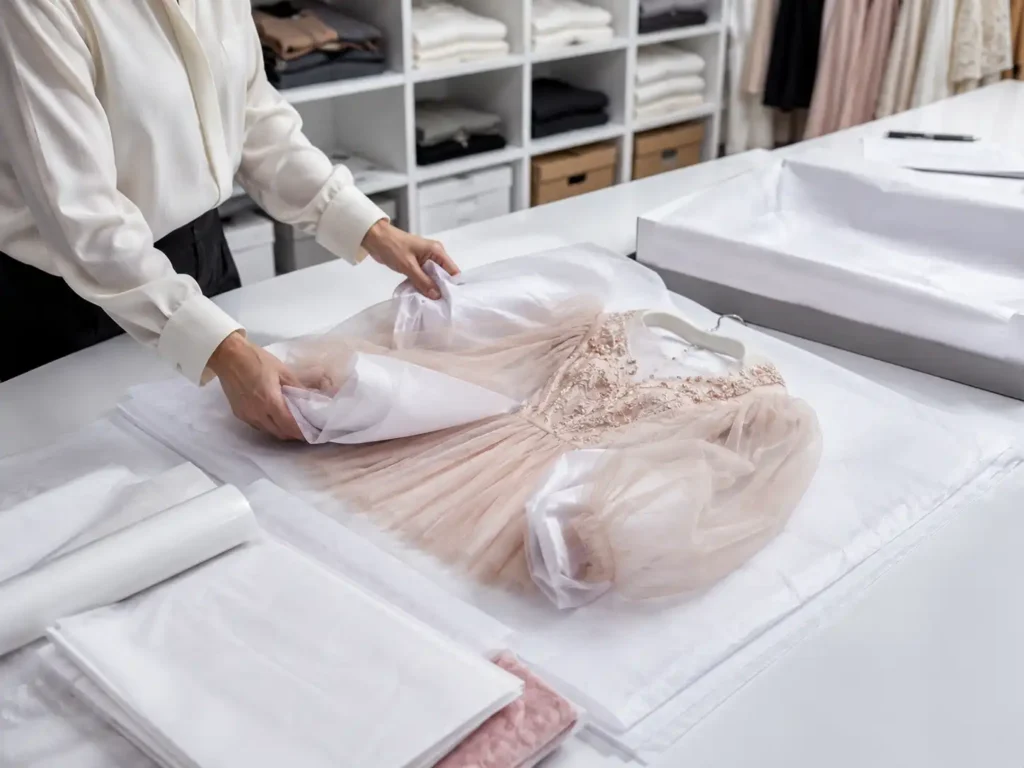
Tell Us About Your Dress Project

Share your product details, estimated quantity and development requirements. Our team will review your project and provide practical OEM/ODM production feedback.

Premium Women’s Apparel Production for Fashion Brands

From dress sample development to bulk production, JF Apparel supports fashion brands with confidential OEM/ODM manufacturing, reliable quality control and scalable production support.

START YOUR DRESS PROJECT

Ready to Develop Your Next Dress Collection?

Share your design concept, product requirements or sourcing plans with our team. We’ll review your project and provide practical feedback on development, materials, MOQ and production.

7-10 Days

Sample Development

200 PCS

Starting MOQ

Fast Response

Professional Follow-Up