Organic Cotton Dress Manufacturer

Custom organic cotton dress manufacturing for global fashion labels that need credible material sourcing, accurate fit, controlled shrinkage, and stable sample-to-bulk execution.

  • Organic cotton woven, jersey, rib, poplin, lining, and blend directions reviewed by fabric type, color, supplier batch, certification scope, and MOQ.
  • 2 sample rooms, 7+ senior pattern makers, and 20+ sample machinists support structured dress development before bulk release.
  • MOQ starts from 200 pcs per style/color, subject to fabric availability, custom dyeing, printing, trims, packaging, and production scheduling.
  • 6 owned women’s fashion factories and 10+ long-term production partners support multi-style programs and repeat orders.

Manufacturing Facts Behind Every Organic Cotton Dress Program

A material claim is only one part of a successful collection. Development capacity, pattern control, production allocation, and inspection discipline determine whether approved organic cotton can become a consistent dress range.

Since 2008

Jinfeng Apparel has focused on custom women’s fashion manufacturing since 2008. Long-term experience covers dress development, fabric sourcing, pattern correction, sample review, bulk production, private-label packing, and export coordination for established fashion labels across the United States, United Kingdom, Europe, Australia, and Canada.

6 Owned Factories

Six owned women’s fashion factories provide a stable production base for dresses, skirts, jumpsuits, matching sets, tops, and private-label womenswear. Assigned production is selected according to fabric structure, sewing complexity, order volume, quality requirements, and launch schedule rather than sending every style to the same line.

10+ Production Partners

More than 10 long-term satellite production partners expand capacity during seasonal programs and multi-style launches. Allocation remains controlled through approved patterns, fabric references, sewing instructions, measurement files, label placement, packing requirements, and inspection checkpoints.

2 Sample Rooms

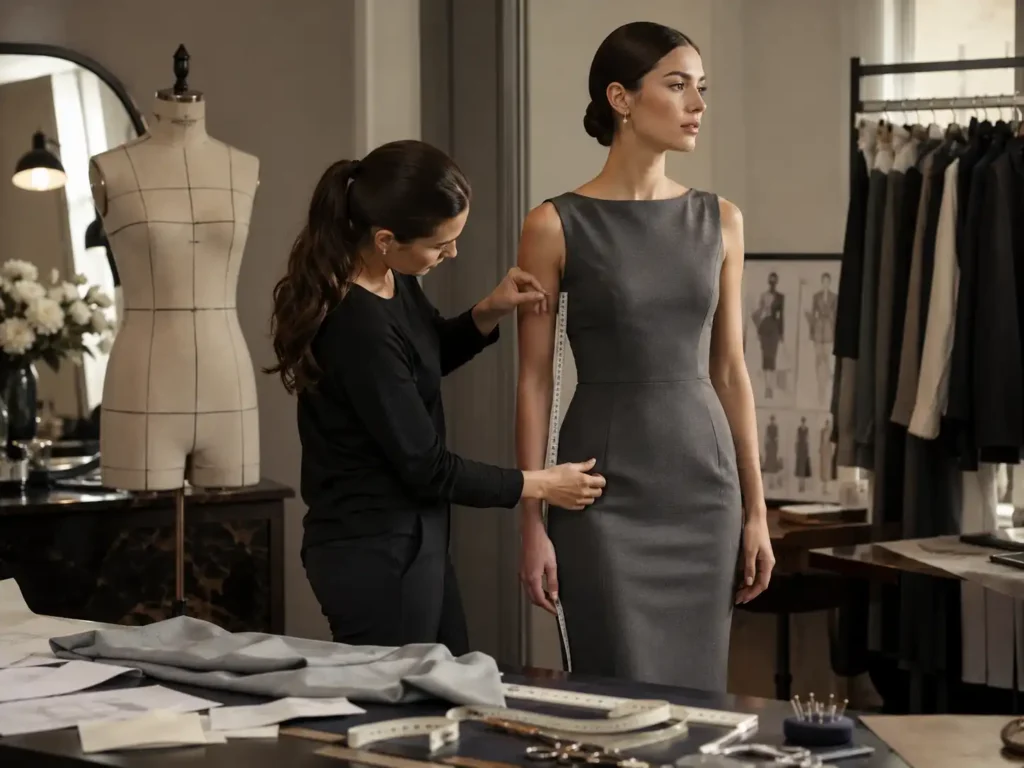
Two sample rooms support first samples, fit samples, revised samples, photo samples, PP samples, and golden samples. Organic cotton projects benefit from early validation of transparency, shrinkage, drape, surface appearance, neckline stability, waist position, dress length, and lining performance.

7+ Pattern Makers

Seven or more senior pattern makers support silhouette development, fit correction, grading, and pattern updates when fabric weight, stretch, shrinkage, lining, or construction changes. Pattern decisions are recorded before bulk production so approved fit does not depend on verbal instructions.

15+ QC Inspectors

A team of 15+ QC inspectors supports incoming material checks, cutting review, inline inspection, measurement control, final inspection, and packing verification. Inspection points are linked to the PP sample, size chart, sewing standard, labels, and packing instructions.

Built for Established Fashion and Sourcing Teams

Jinfeng Apparel supports organizations that manage seasonal assortments, private-label programs, multi-style production, repeat orders, and documented material requirements. Each project begins with product direction, quantity planning, fabric criteria, and an approval path.

Sustainable Fashion Labels

Organic cotton programs need more than environmental language. We help product teams translate material requirements into fabric specifications, dress silhouettes, sample standards, testing needs, label information, and bulk controls that can be followed by sourcing, production, and quality teams.

Premium Ecommerce Brands

Online fashion labels depend on fit consistency, clean product photography, stable color, accurate size grading, and controlled returns. Organic cotton fabric is reviewed for drape, transparency, washing response, and construction suitability before the approved look moves into bulk production.

Fashion Retailers

Retail programs often require multiple styles, size ratios, barcode systems, packing rules, carton marks, inspection records, and delivery windows. Jinfeng coordinates development and production around merchandising calendars while keeping style, color, size, label, and packing information separated.

Private-Label Programs

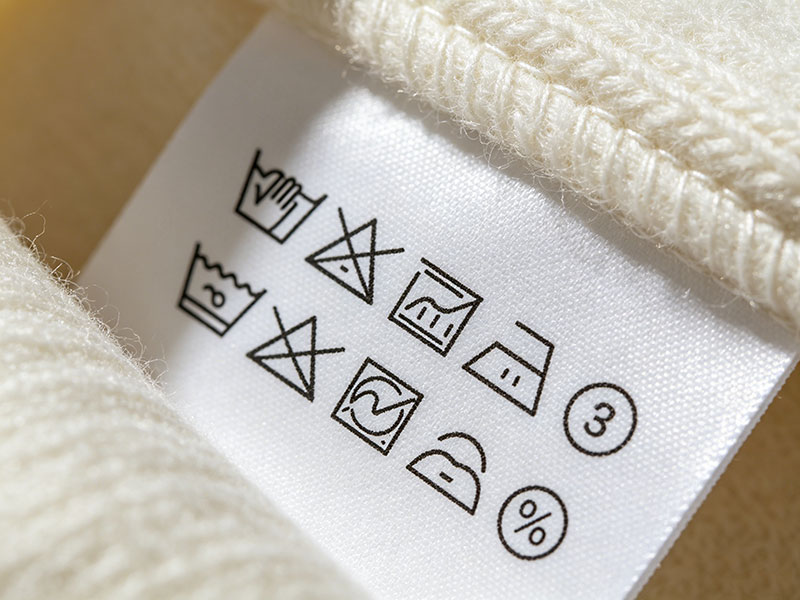
Private-label support covers main labels, size labels, care labels, fiber content information, hangtags, barcode stickers, SKU labels, polybags, carton marks, and warehouse receiving requirements. Sustainability wording and certification logos are only applied when supporting documents and usage conditions are confirmed.

Product Development Teams

Development teams can submit tech packs, reference samples, sketches, line sheets, size charts, or original garments. Our pattern, sample, and fabric teams review feasibility, material direction, construction risks, fit priorities, and the approval sequence before production planning.

Sourcing Offices

Sourcing offices need clear supplier capability, assigned-factory information, material documentation, project tracking, QC checkpoints, packing data, and shipment coordination. Jinfeng can organize information around the selected factory, fabric mill, order batch, and market requirement.

Where Organic Cotton Dress Programs Commonly Lose Control

Organic cotton dresses can fail even when the fabric claim is valid. The larger risks usually appear when material evidence, garment structure, fit, shrinkage, color, production handover, and labeling are managed as separate tasks.

Unclear Material Scope

A supplier may show a certificate without confirming whether the fabric type, composition, color, process, or order batch falls within the relevant scope. Jinfeng reviews available mill documents against the selected fabric and planned order before quotation and label preparation.

Sample-Bulk Fabric Gaps

A sample may use a soft development fabric while bulk production uses a heavier, stiffer, or different dye lot. Drape, transparency, waist shape, gathering volume, and dress length can change. Bulk fabric approval is therefore treated as a production gate, not a purchasing formality.

Shrinkage After Washing

Natural-fiber fabrics can change in length and width after washing or finishing. Unchecked shrinkage can move the waist seam, shorten the skirt, tighten the bust, distort side seams, or expose the lining. Shrinkage review is linked to pattern allowance and measurement control.

Weak Dress Fit

A factory may understand cotton sewing but lack women’s dress fit experience. Bust balance, waist position, hip ease, armhole shape, neckline depth, strap length, hem sweep, and lining length require coordinated pattern and sample decisions.

Color and Batch Variation

Stock colors, custom dye lots, lining colors, threads, zippers, buttons, and labels can appear different under daylight, studio lighting, and retail lighting. Color approval needs a clear reference and recorded batch information before repeat orders or split deliveries.

Unsupported Label Claims

Terms such as organic, certified organic cotton, GOTS, or OEKO-TEX should not be printed from a marketing brief alone. Fiber content, certificate scope, logo rules, market wording, and client approval need to be aligned before care labels and hangtags enter production.

Confirm the Right Production Fit Before Development Starts

Clear qualification protects the collection calendar, material budget, and sample workload. Jinfeng Apparel is structured for branded development followed by planned bulk production, private-label execution, and repeat-order management.

Best Fit for Jinfeng

Programs are well matched when the brand has a defined product direction, reference styles or tech packs, planned quantities, a professional sampling process, fabric or certification requirements, a size range, packaging instructions, and a target launch window. Multi-style seasonal programs and repeat orders can be planned through a shared development calendar.

Project Conditions to Confirm

Before sampling, both teams should confirm style count, quantity per style/color, organic cotton requirement, acceptable fabric alternatives, target market, color strategy, testing needs, size chart, label information, packaging level, and approval responsibilities. Missing inputs are identified during project review rather than discovered after materials are ordered.

One Manufacturing Chain from Material Review to Delivery

A controlled organic cotton dress program connects development, materials, fit, production, inspection, and brand delivery. The same approved information must travel through every stage.

OEM Development

Production from client tech packs, original samples, size charts, artwork, fabric requirements, trims, and packaging instructions.

ODM Support

Product structure analysis, fabric direction, pattern development, sample preparation, and production planning from references or collection direction.

Fabric Sourcing

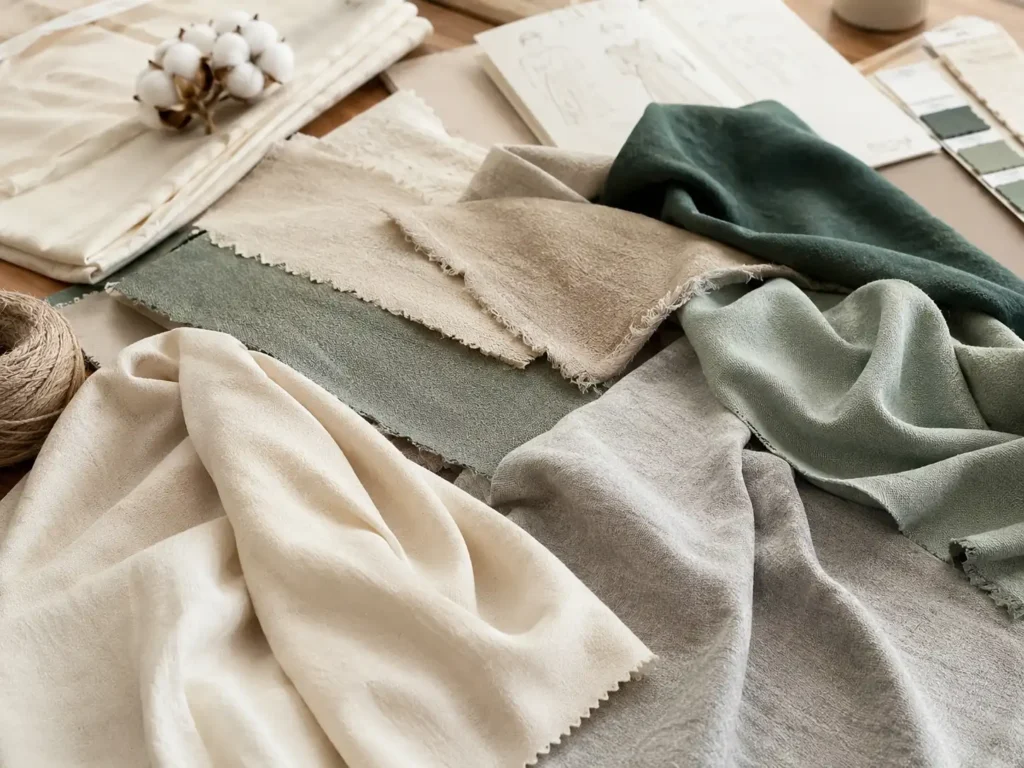
Organic cotton and GOTS-related fabric resources reviewed through qualified mills by construction, color, supplier batch, certification scope, MOQ, and availability.

Pattern Making

Pattern development and correction around silhouette, body balance, fabric behavior, shrinkage, lining, construction, and size grading.

Sample Development

First sample, fit sample, revised sample, photo sample, PP sample, and golden sample management according to project needs.

Bulk Production

Factory allocation, material release, cutting, sewing instructions, inline control, finishing, inspection, packing, and multi-batch coordination.

Private Label

Main labels, size labels, care labels, hangtags, barcodes, SKU stickers, polybags, carton marks, and packing rules.

Export Delivery

Packing lists, commercial invoices, carton data, shipment photos, nominated forwarder coordination, and air or sea shipment planning.

Follow a Controlled Path from Fabric Brief to Shipment

Every stage has a decision, a record, and an approval owner. Skipping a gate can create material substitutions, fit changes, label errors, or bulk delays later.

Product Brief

Tech pack, reference sample, target market, quantity, size range, color plan, launch window, and private-label needs are reviewed together.

Fabric Direction

Construction, composition, weight, hand feel, drape, transparency, shrinkage, color, supplier documents, MOQ, and lead time are compared.

Swatch Approval

Approved fabric references, color swatches, bulk lot expectations, and certificate scope are recorded before pattern and sample decisions are locked.

Pattern and Sample

Pattern balance, fit, measurements, lining, trims, sewing methods, and wash response are verified through the required sample stages.

PP Approval

Bulk fabric, color, construction, labels, packing, measurements, and workmanship are confirmed in the PP sample and production file.

Bulk Control

Incoming materials, cutting, first-piece review, inline inspection, measurements, finishing, and corrective actions are tracked during production.

Final Release

Appearance, measurements, labels, assortment, packaging, carton marks, and shipment documents are checked before cargo release.

Repeat Records

Patterns, measurements, fabric references, dye lots, trims, sewing notes, QC points, and packing details are retained for future orders.

Build Collections Around Season, Channel, and Wear Occasion
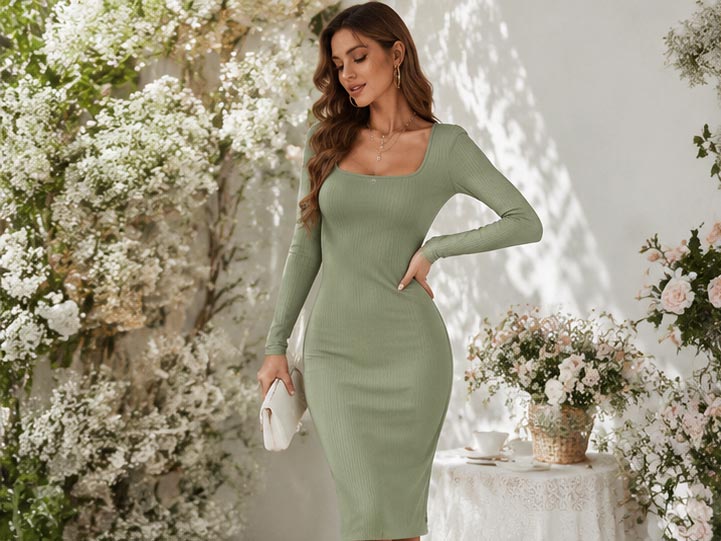
A strong assortment balances silhouettes, fabrics, colors, price levels, and launch timing. Organic cotton should serve the merchandising plan rather than become the only story.

Spring Summer Drops

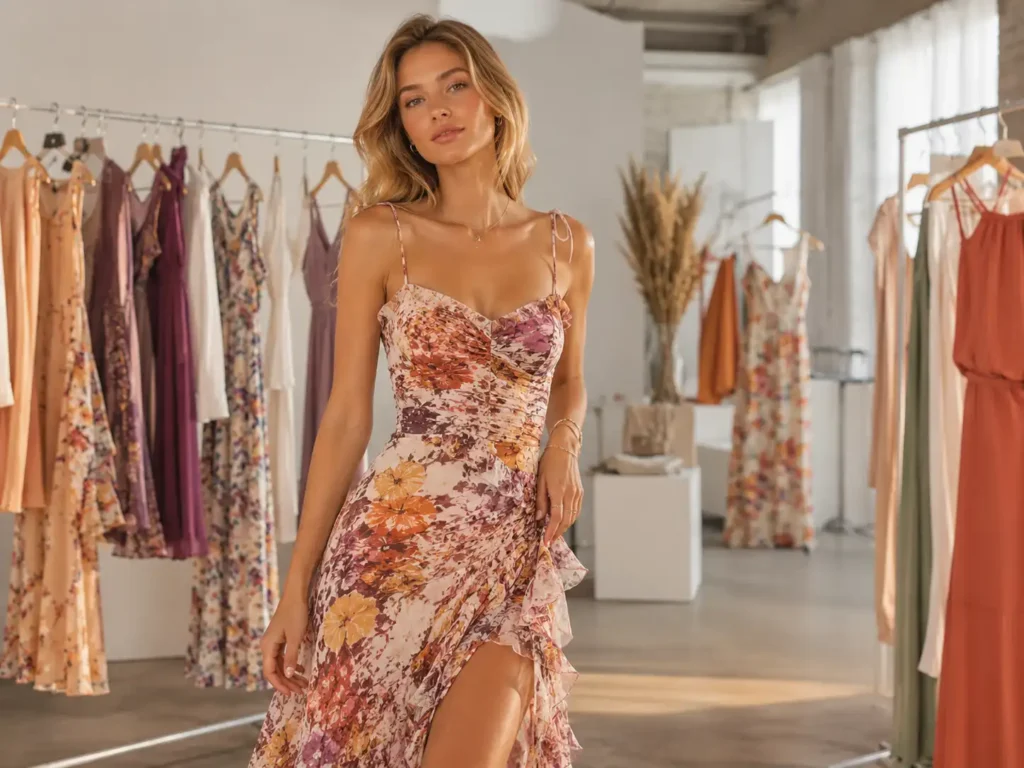
Lightweight woven dresses, crisp poplin shapes, soft jerseys, and breathable linings can be grouped across mini, midi, and maxi lengths. Early fabric booking is important when custom colors or certified mills are required for several launch dates.

Resort Collections

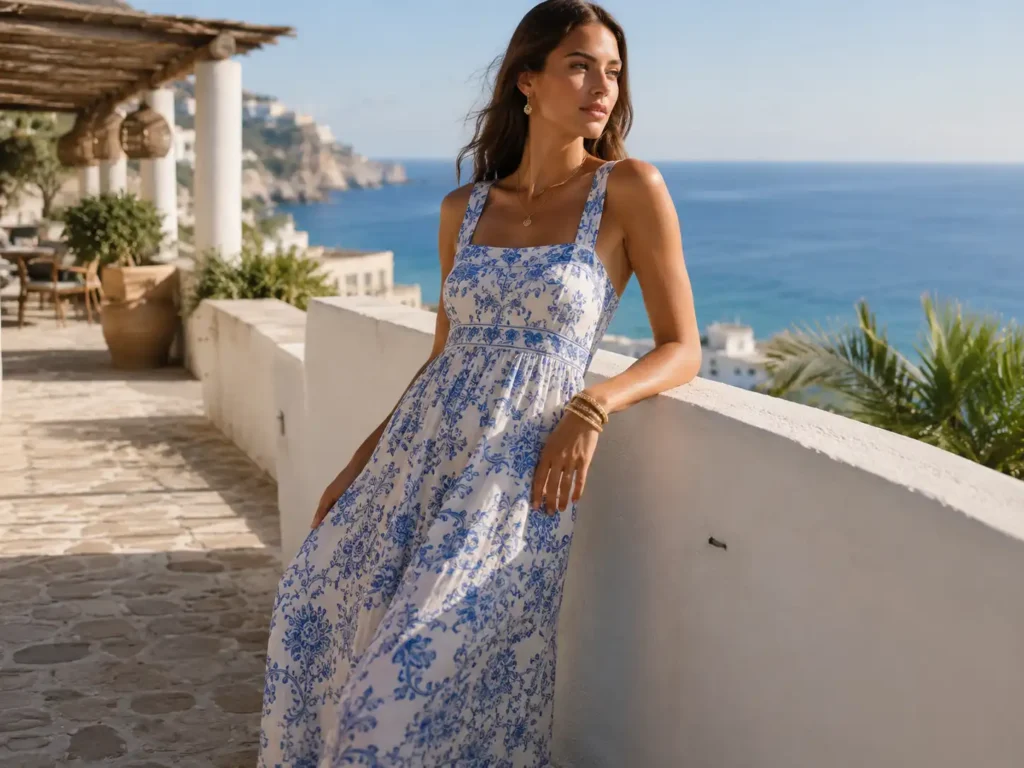
Resort ranges benefit from voile, lawn, double gauze, soft poplin, exclusive prints, relaxed waist treatments, and easy packing. Development should test transparency, movement, wrinkling, and the condition of the garment after folding and transport.

Everyday Daywear

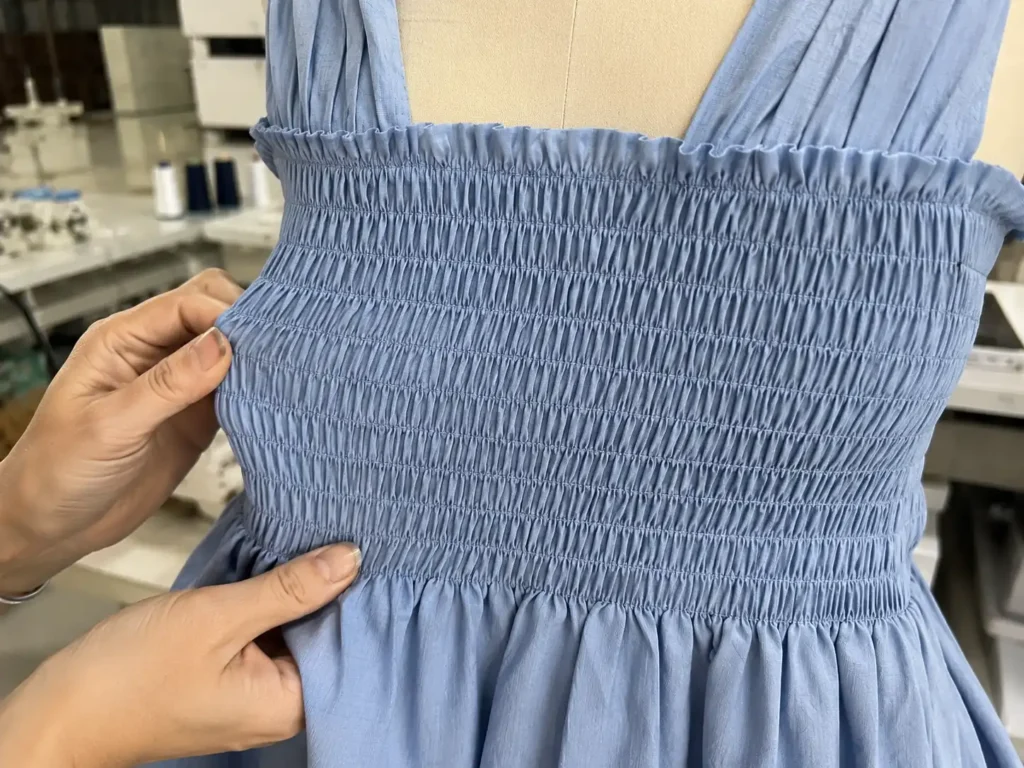
Shirt dresses, wrap dresses, smocked dresses, utility dresses, and jersey shapes can provide repeat-selling volume. The strongest programs use stable fabrics, commercial fits, reliable care instructions, and colorways that can be reordered.

Premium Ecommerce

Photography, fit reviews, size accuracy, color presentation, and packaging condition carry extra importance online. Photo samples and PP samples should reflect the approved bulk material, trims, and finishing standard as closely as possible.

Boutique Retail

Boutique programs often need coordinated variety across fabrics, sleeve shapes, lengths, prints, and colors. Fabric grouping and shared trims can help manage complexity without making the assortment visually repetitive.

Seasonal Capsules

A capsule can combine 10-30 styles with shared fabric families, coordinated color stories, and different silhouettes. Jinfeng groups development by fabric, construction, sample priority, and production route so several styles can progress without losing individual approvals.

Match Fabric Behavior to the Intended Dress Silhouette

The same fiber can produce crisp, fluid, textured, compact, or stretch results. Pattern, lining, seam construction, and finishing must follow the chosen fabric rather than a generic cotton standard.

Structured A-Line and Shirt Shapes

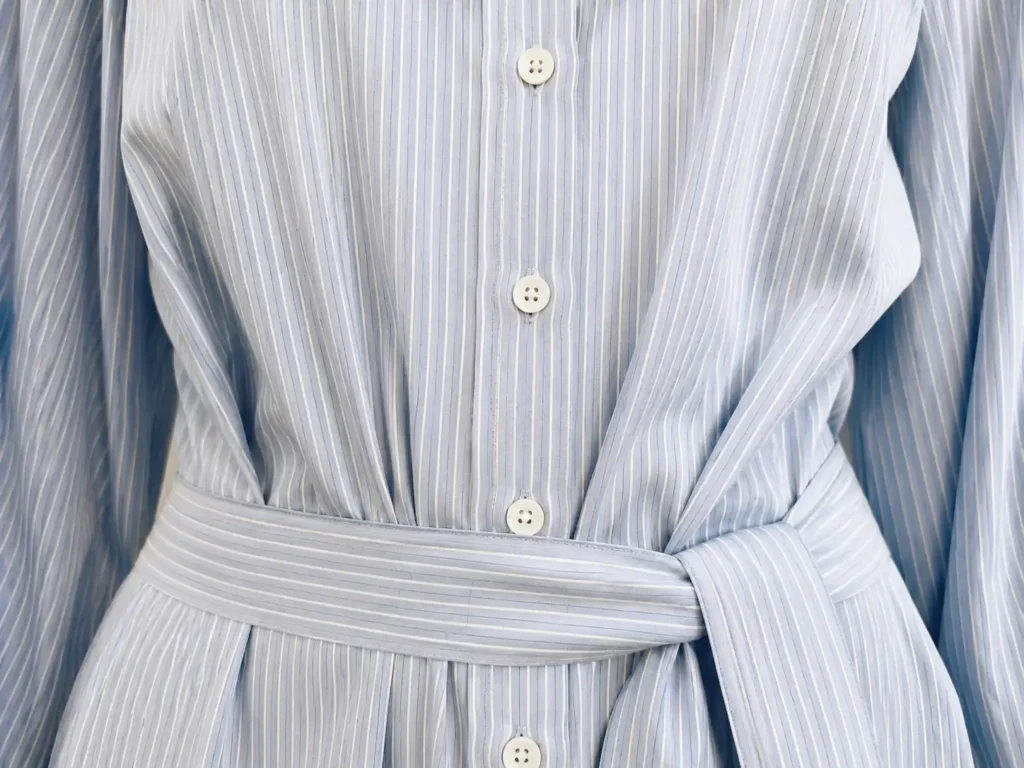
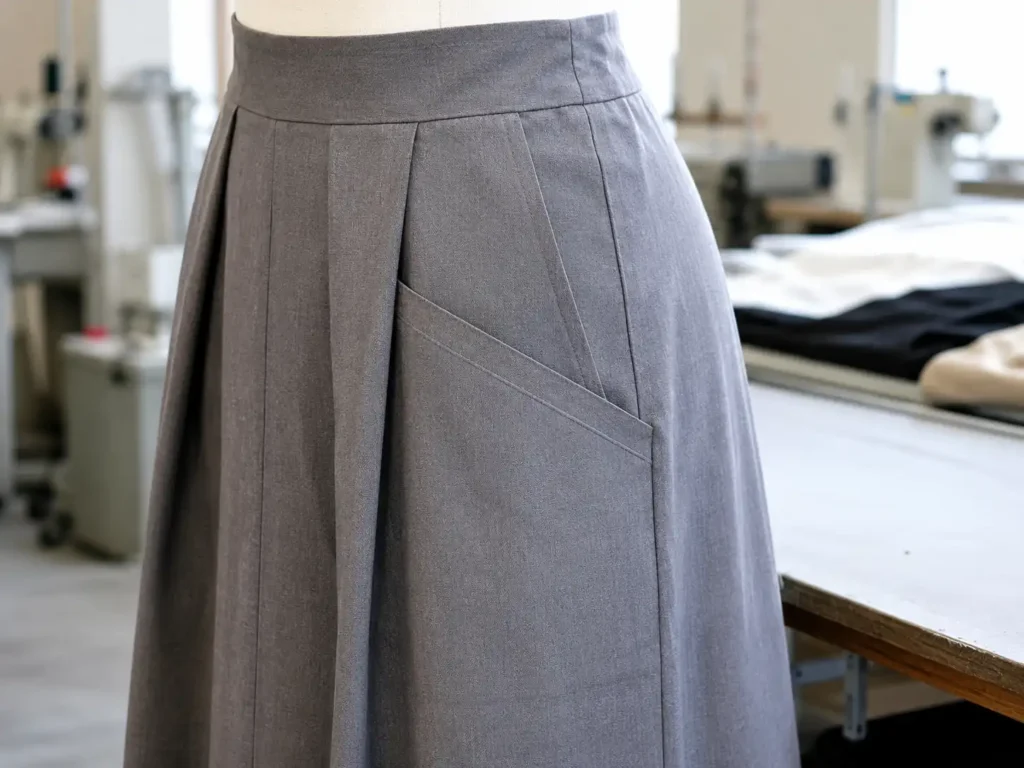
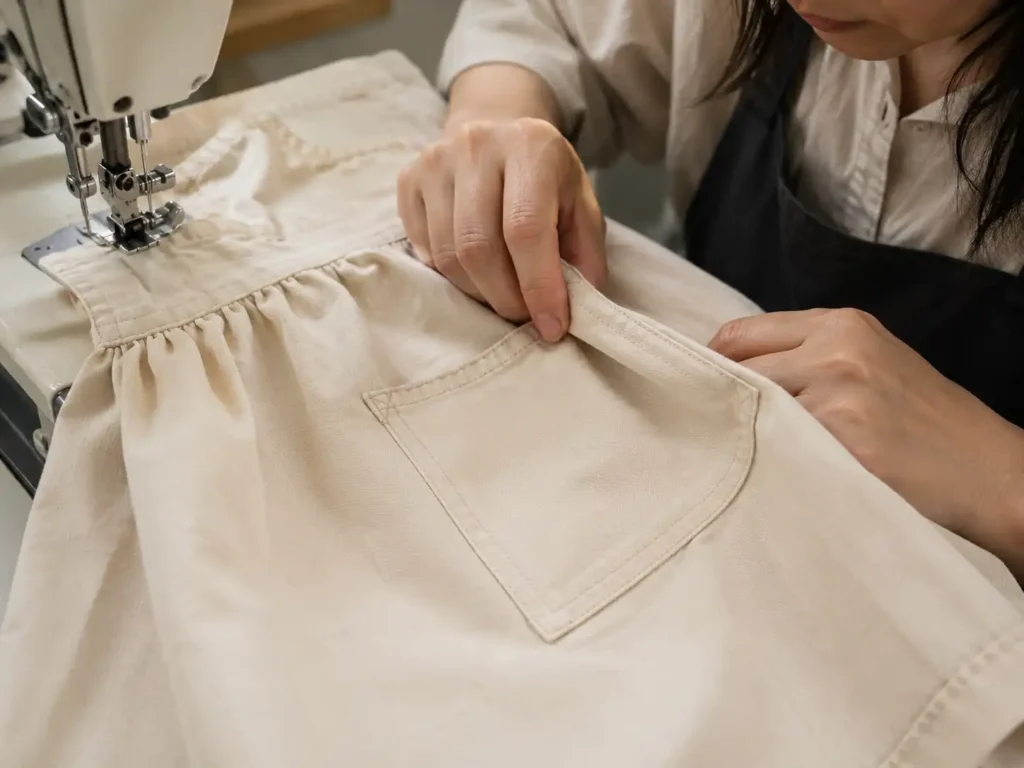
Organic cotton poplin and lightweight twill can support collars, plackets, waist seams, shaped panels, utility pockets, and controlled A-line skirts. A crisp fabric reveals puckering, uneven topstitching, and pressing marks quickly, so seam allowance, stitch density, needle selection, thread tension, and pressing sequence need to be defined during sampling. Shrinkage around collars, cuffs, plackets, and waistband areas is reviewed because layered construction may respond differently from the body panels. For a cleaner retail appearance, pattern balance must account for pocket weight, button spacing, sleeve mobility, and the relationship between waist shaping and skirt volume.

Gathered and Tiered Silhouettes

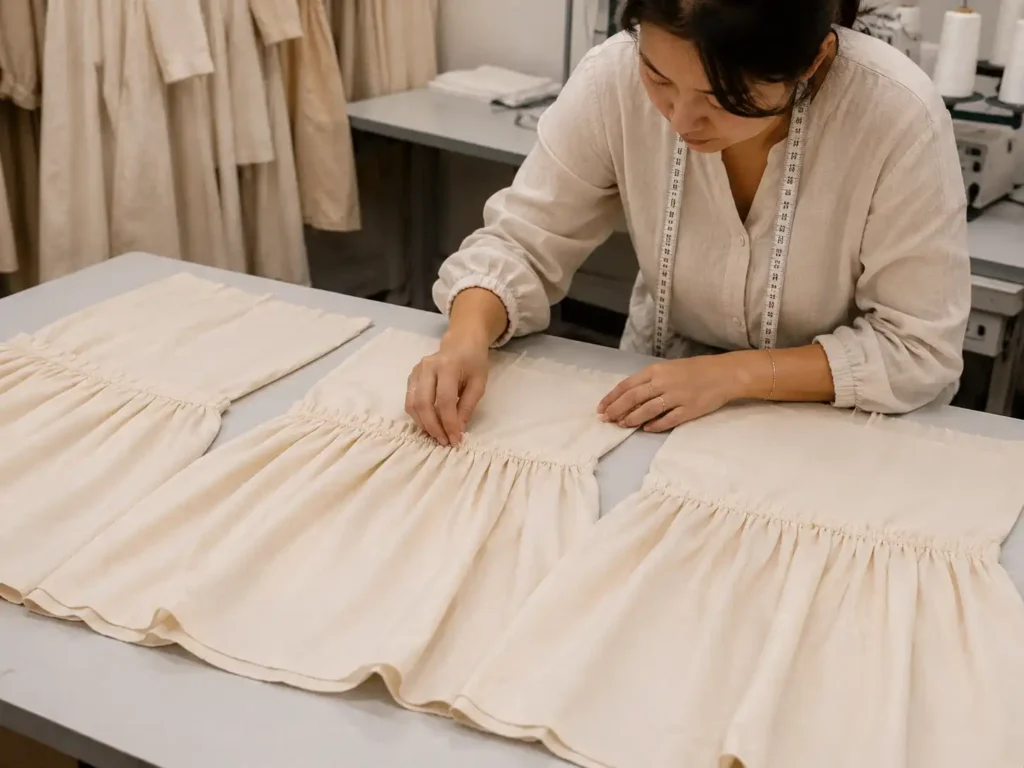
Voile, lawn, double gauze, and soft woven cotton work well for gathered bodices, tiered skirts, puff sleeves, and relaxed resort dresses. The main engineering question is volume: too little gathering looks flat, while too much creates heavy seams, bulky waistlines, and uneven tier distribution. Seam strength, gathering ratio, tier depth, lining, and hem weight are tested in the sample. Lightweight organic cotton can be transparent, so lining or double-layer construction is planned together with the outer fabric. Bulk production needs accurate notch placement and panel bundling so gathering stays consistent across sizes.

Fitted Jersey and Rib Dresses

Organic cotton jersey and rib require a pattern developed around stretch percentage, recovery, fabric weight, opacity, and wash behavior. A body-skimming dress cannot be graded like a non-stretch woven style. Bust, waist, hip, armhole, neckline, and dress length must be checked after the fabric has relaxed. Neck binding, shoulder reinforcement, side seam balance, hem construction, and twisting risk are reviewed during sampling. If the fabric loses recovery after washing, the approved silhouette may become loose or distorted, so dimensional stability and wear recovery matter as much as the first fitting.

Relaxed Wrap and Resort Dresses

Soft woven cotton and light jersey can support wrap dresses, kaftan-inspired shapes, slip-on dresses, and travel collections. The relaxed appearance still needs controlled overlap, neckline coverage, tie position, shoulder balance, pocket placement, and hem level. Fabric transparency and wrinkling should be assessed under daylight and after packing. A looser silhouette also needs size discipline: excess ease may look oversized rather than intentional, while insufficient ease can pull across the bust and hip after washing.

Design Details Engineered for Repeatable Bulk Production
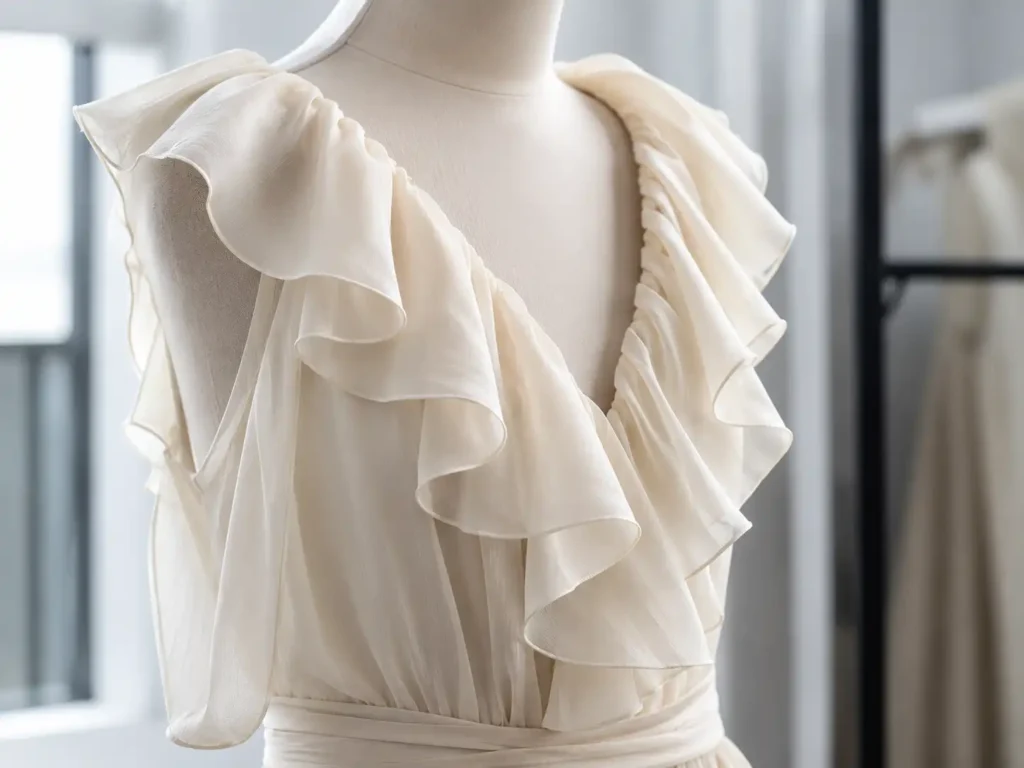
Decorative details change fabric stress, sewing time, wash behavior, and fit. Each detail needs a construction method that can be repeated across sizes and production batches.

Ruffles and Flounces

Ruffle ratio, grain direction, edge finish, attachment line, and fabric weight determine movement. Lightweight cotton may need narrow hemming or lining support, while structured poplin requires lower gathering volume to avoid bulky seams.

Pintucks and Pleats

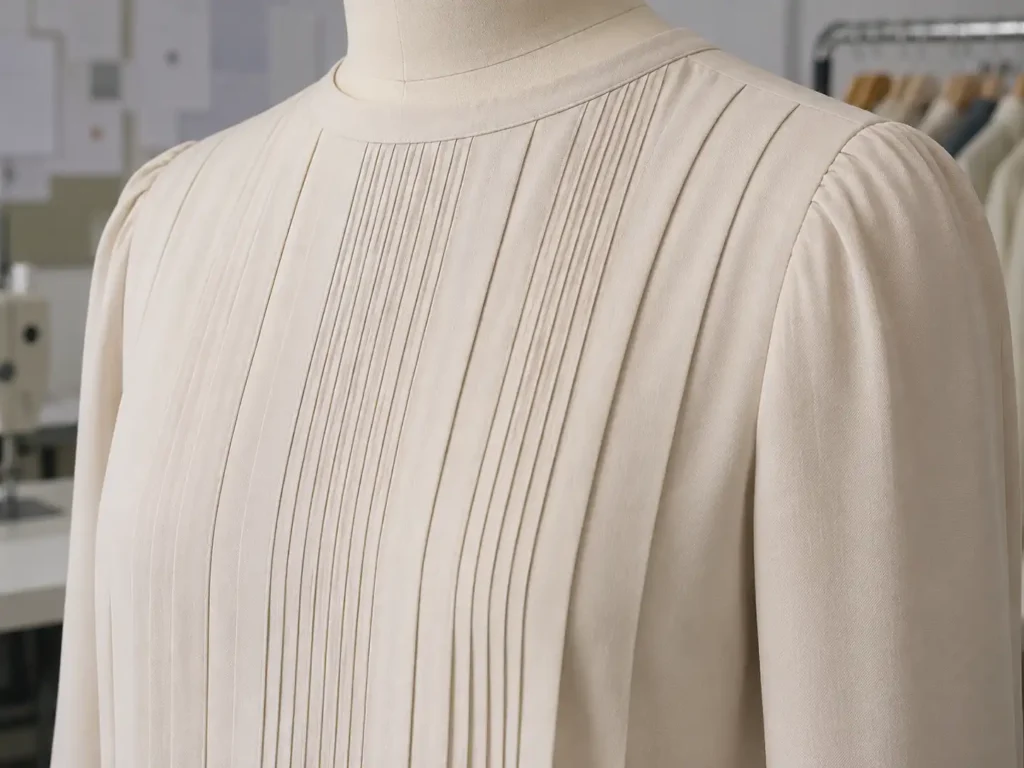
Pintucks and pleats need accurate marking, equal depth, stable pressing, and compensation for fabric shrinkage. Misaligned details become highly visible on solid poplin or lawn, especially around front bodices and shirt-dress panels.

Smocking Control

Elastic thread tension, row spacing, panel width, seam joining, and recovery are established in the approved sample. Bulk checks compare panel dimensions before and after stretching so bust and waist comfort remain consistent.

Button Plackets

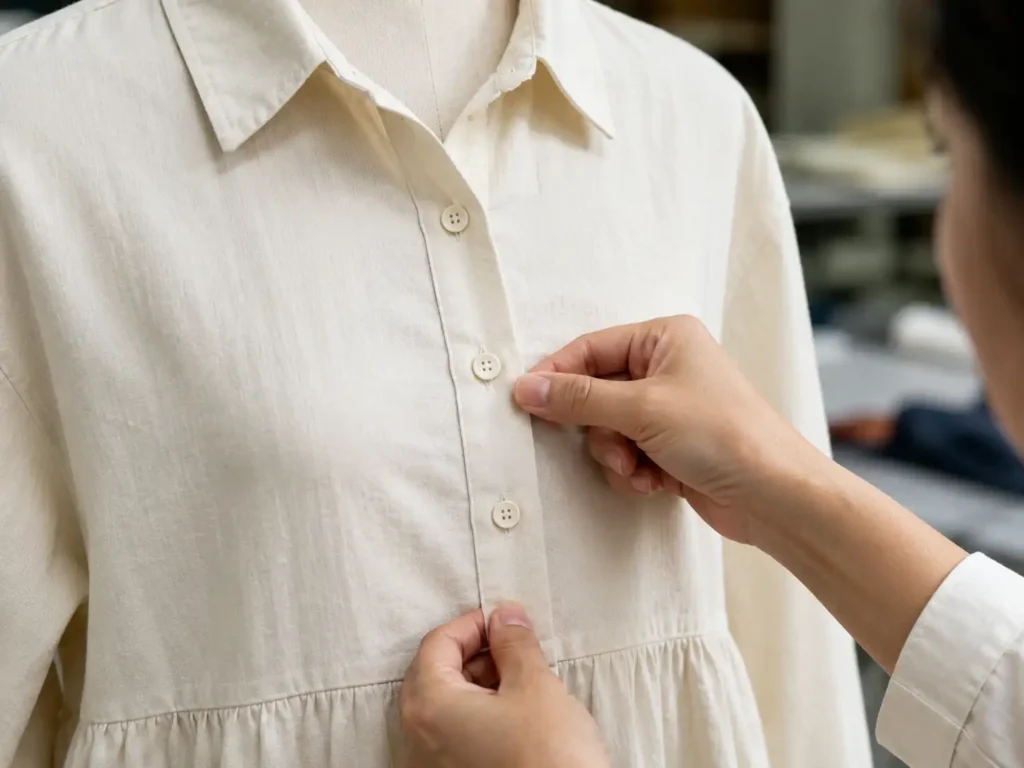
Button size, buttonhole density, placket width, reinforcement, spacing, and shrinkage are linked. Lightweight fabrics may require hidden support; heavier fabrics may need adjusted folding to keep the placket flat.

Tie and Strap Details

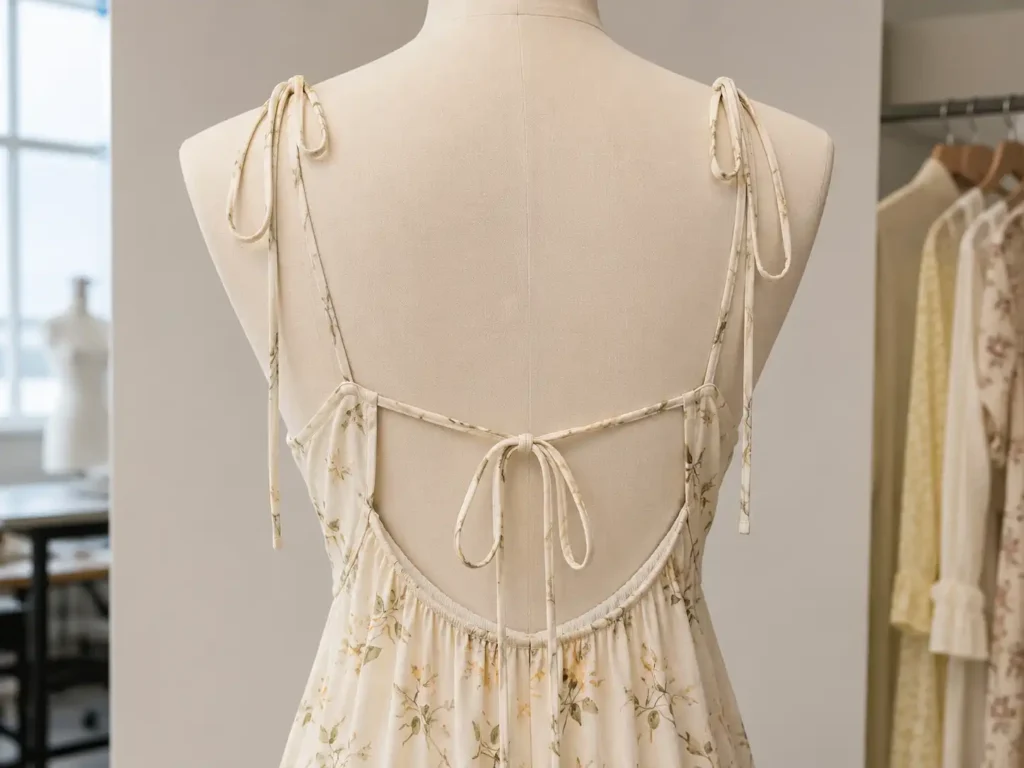
Tie lengths, strap widths, attachment strength, adjusters, and neckline coverage are tested on the sample. Narrow organic cotton straps can twist or shrink, so finished width and reinforcement need a defined standard.

Pocket Construction

Patch, side-seam, and utility pockets affect garment balance and seam bulk. Pocket bag size, opening reinforcement, placement, and fabric weight are reviewed so pockets remain useful without distorting the skirt or hip area.

Embroidery Placement

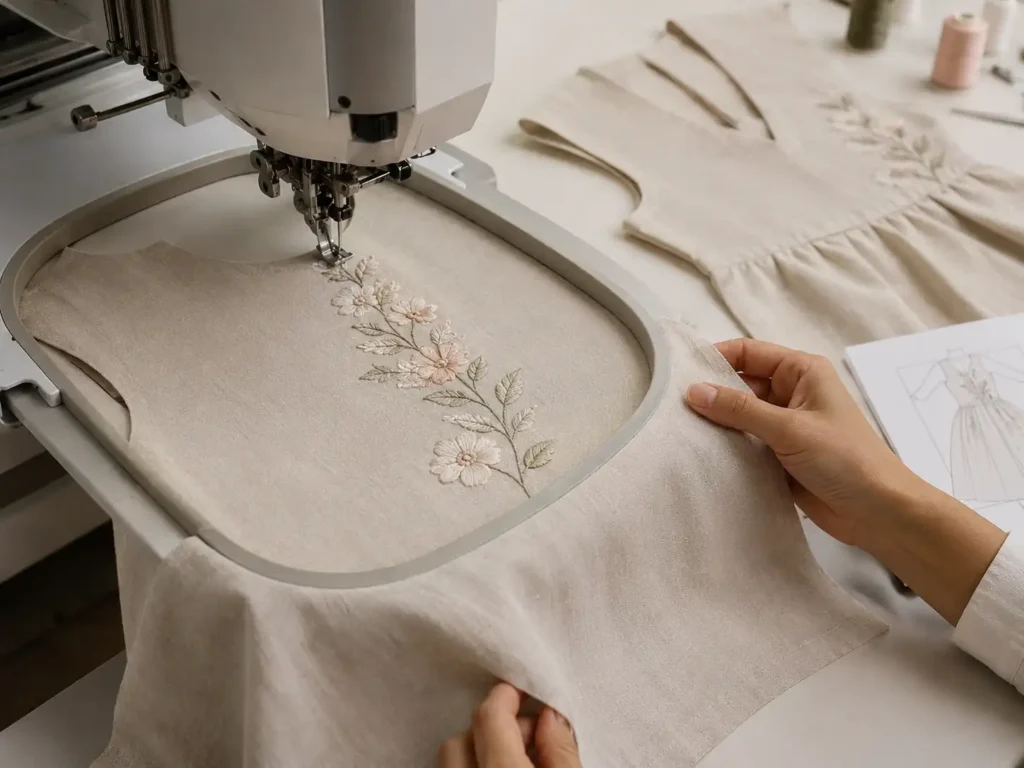
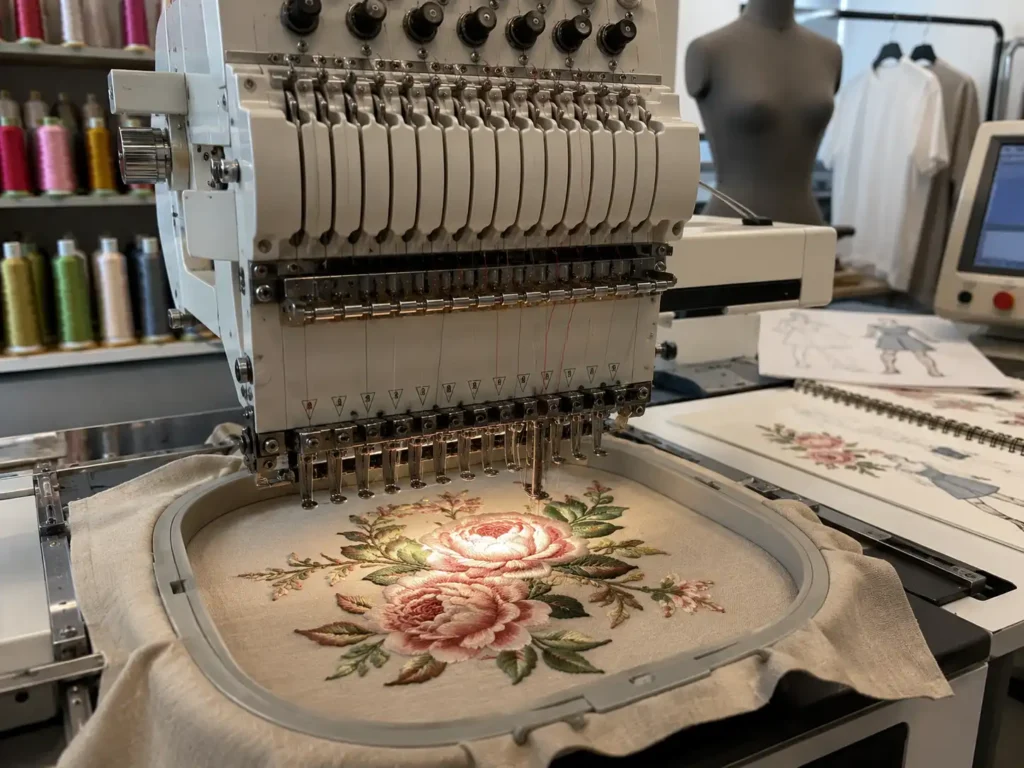
Embroidery density, backing, placement, thread color, shrinkage, and skin comfort need approval. Heavy embroidery can stiffen lightweight cotton or pull the fabric, so stitch count and support material are tested before bulk.

Contrast Topstitching

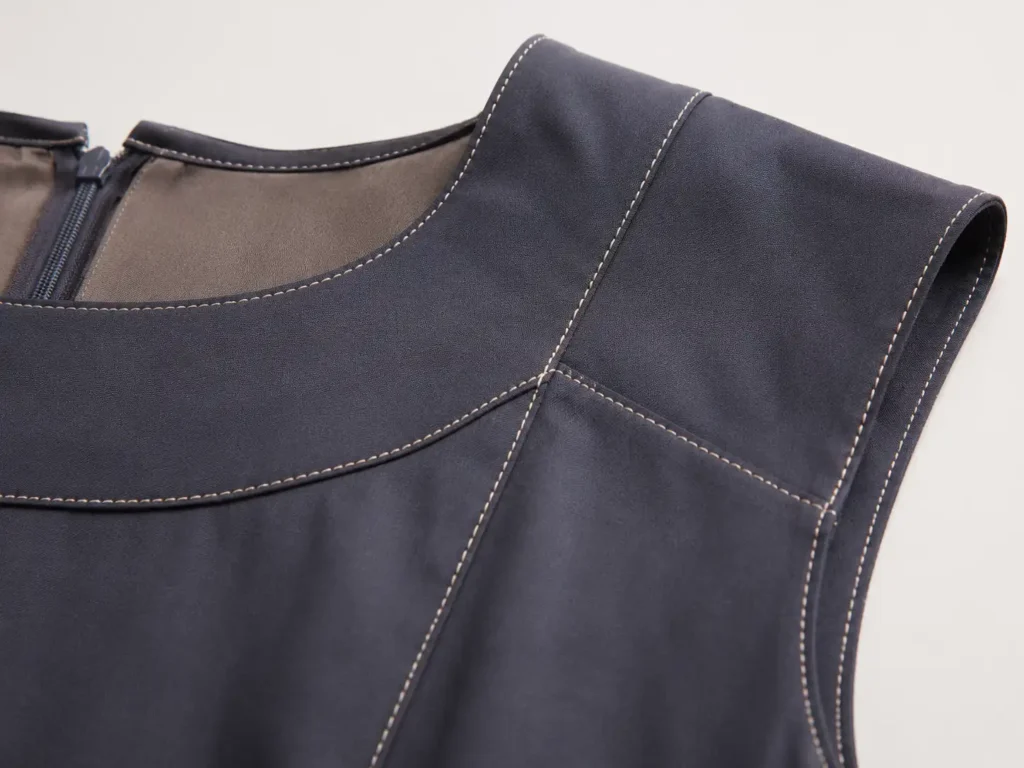
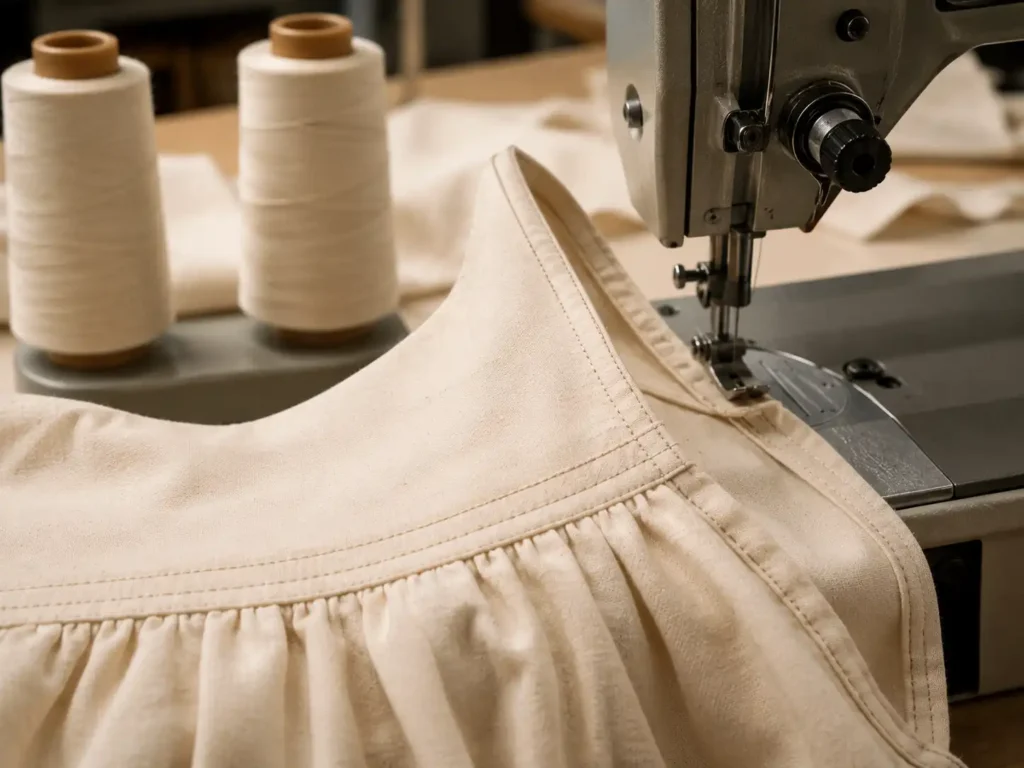
Visible topstitching requires stable seam allowance, consistent stitch density, clean corners, and controlled thread tension. Contrast color makes even small alignment errors obvious, especially on shirt dresses and utility silhouettes.

Lining and Modesty

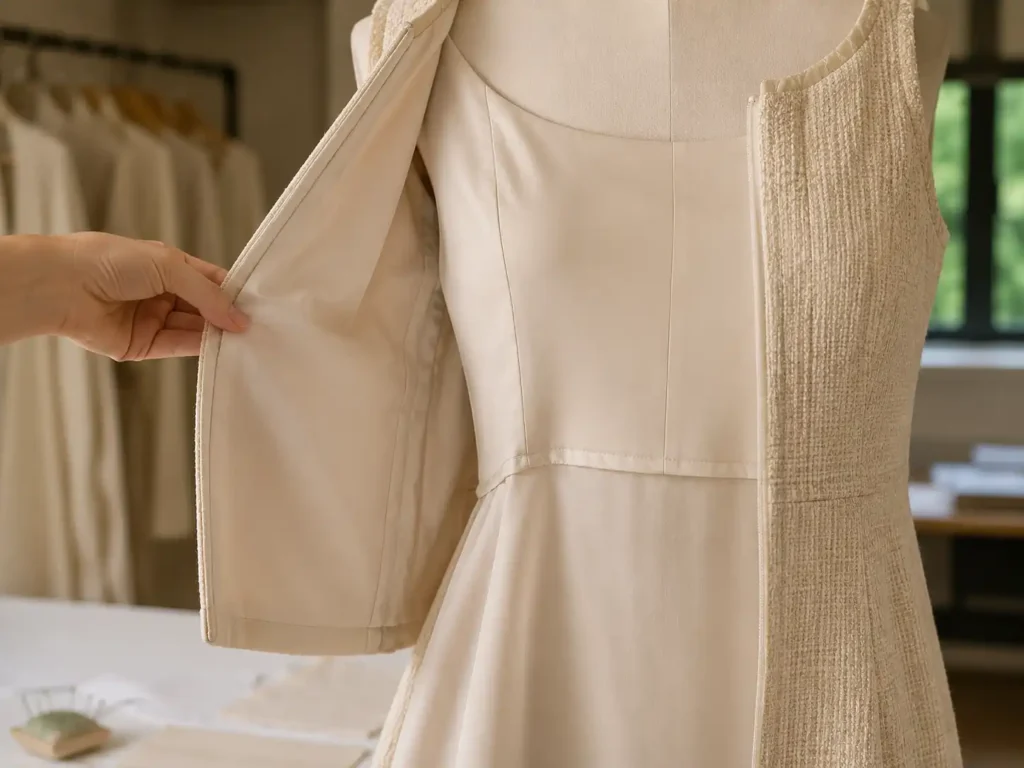
Lining choice affects breathability, opacity, drape, seam bulk, and label claims. Lining length, attachment, color, composition, and washing response are approved with the outer fabric rather than added at the end.

Organic Cotton Fabric Options for Dress Development
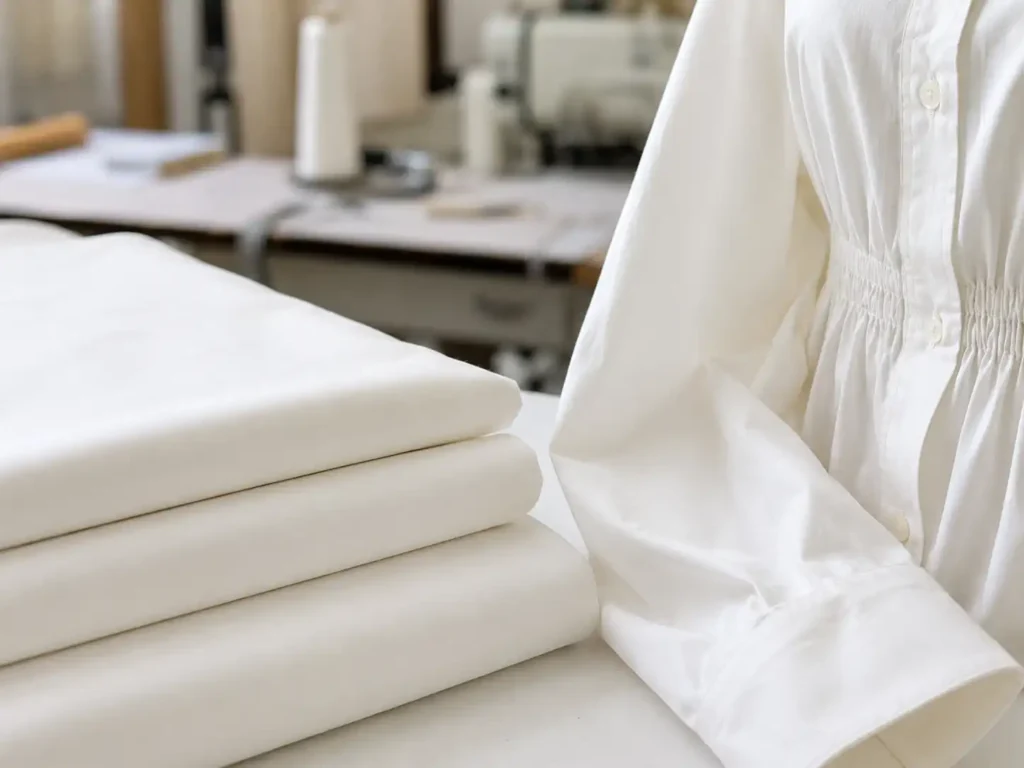
Fabric selection is based on garment result, not fiber name alone. Weight, weave or knit structure, transparency, stretch, hand feel, shrinkage, color, and supplier documentation are reviewed together.

Organic Cotton Poplin

Poplin provides a clean surface, moderate structure, and strong suitability for shirt dresses, A-line shapes, fitted bodices, puff sleeves, and utility details. Development checks seam puckering, collar and placket stability, wrinkle appearance, opacity in pale colors, and shrinkage after washing. Custom colors may require lab dips and mill MOQ confirmation.

Organic Cotton Voile

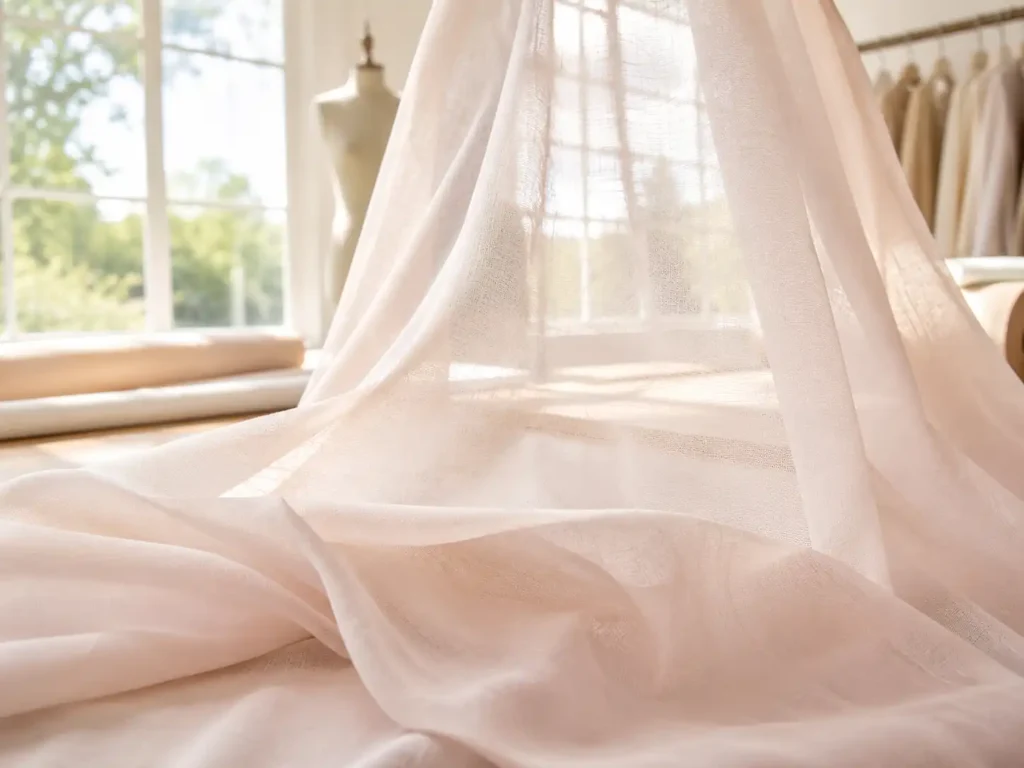
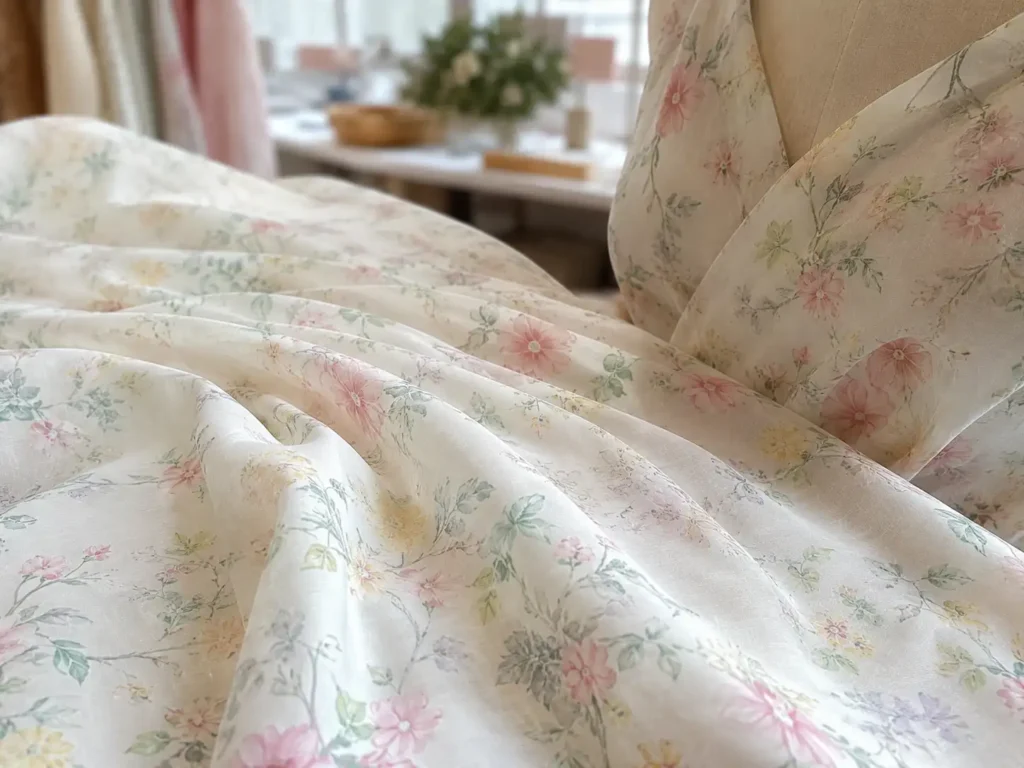
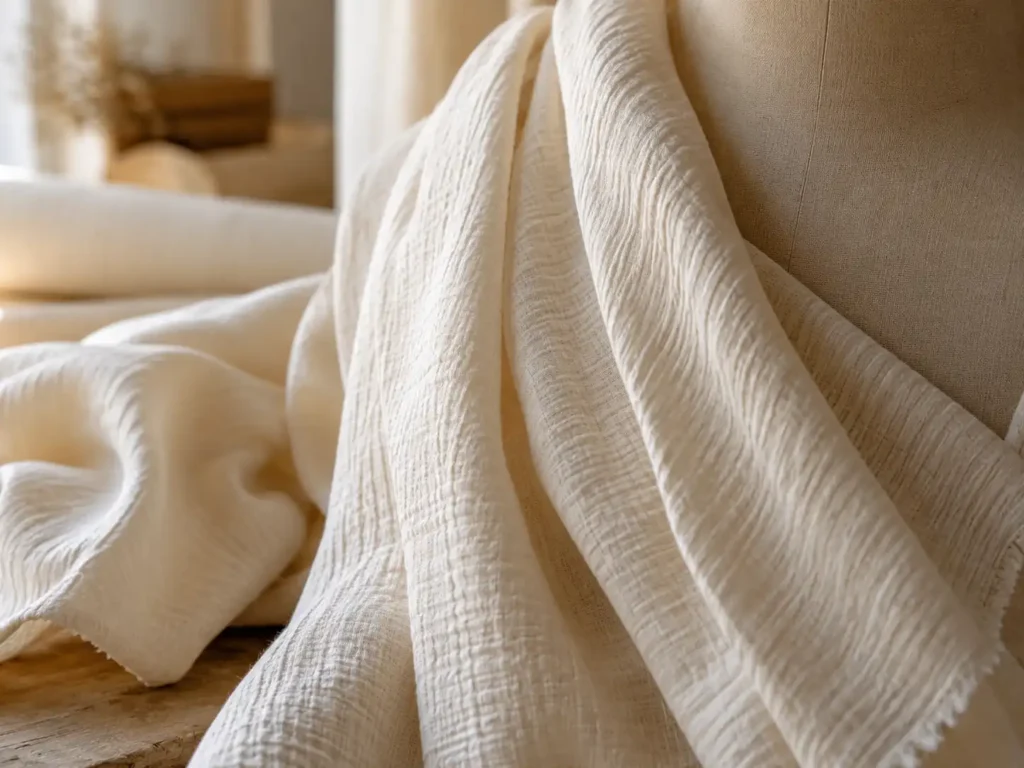
Voile is lightweight, breathable, and suitable for summer, resort, gathered, tiered, and printed dresses. Transparency is a primary decision. Lining, double layers, seam strength, gathering ratio, and needle selection are tested early. Very light voile can shift during cutting, so fabric relaxation, spreading, and bundle control are important.

Organic Cotton Lawn

Lawn offers a smooth, fine surface with a lighter hand than poplin. It works well for feminine day dresses, detailed blouses, smocking, pintucks, ruffles, and delicate prints. Development focuses on opacity, seam slippage, edge finishing, shrinkage, and whether the fabric can support the chosen bodice structure.

Organic Cotton Twill

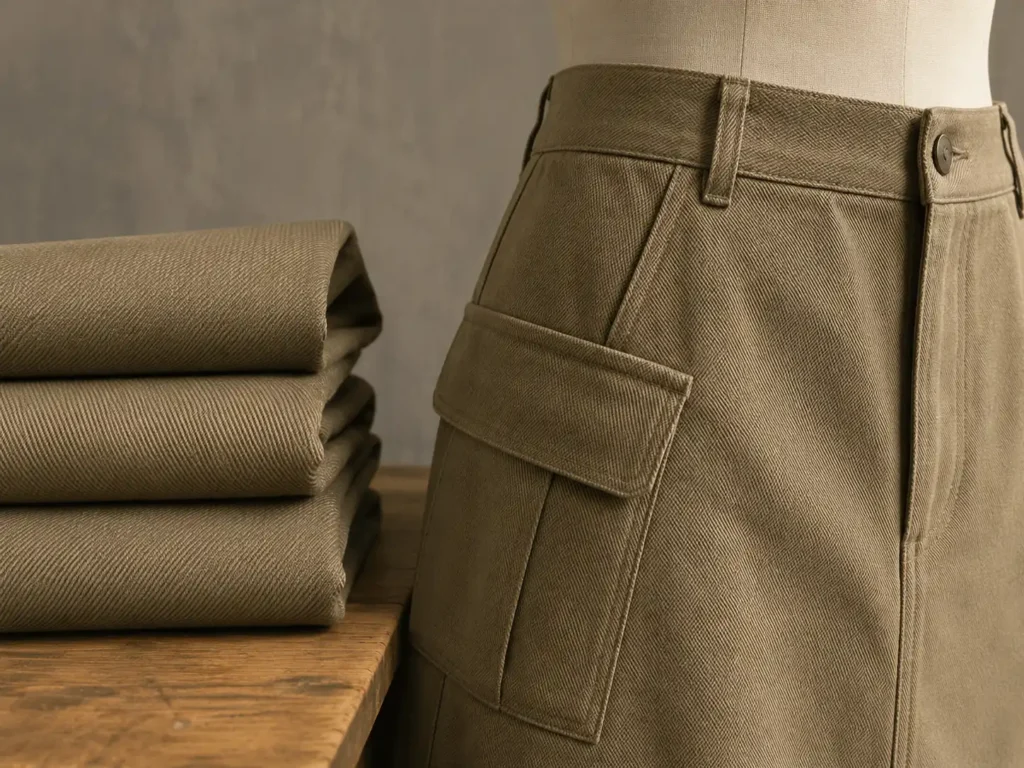
Twill provides more body and durability for utility dresses, structured midi dresses, overshirt dresses, and workwear-inspired silhouettes. Weight, drape, pocket bulk, topstitching, wash appearance, and colorfastness are reviewed. Heavier twill can increase seam thickness and affect waist shaping or gathered areas.

Organic Cotton Jersey

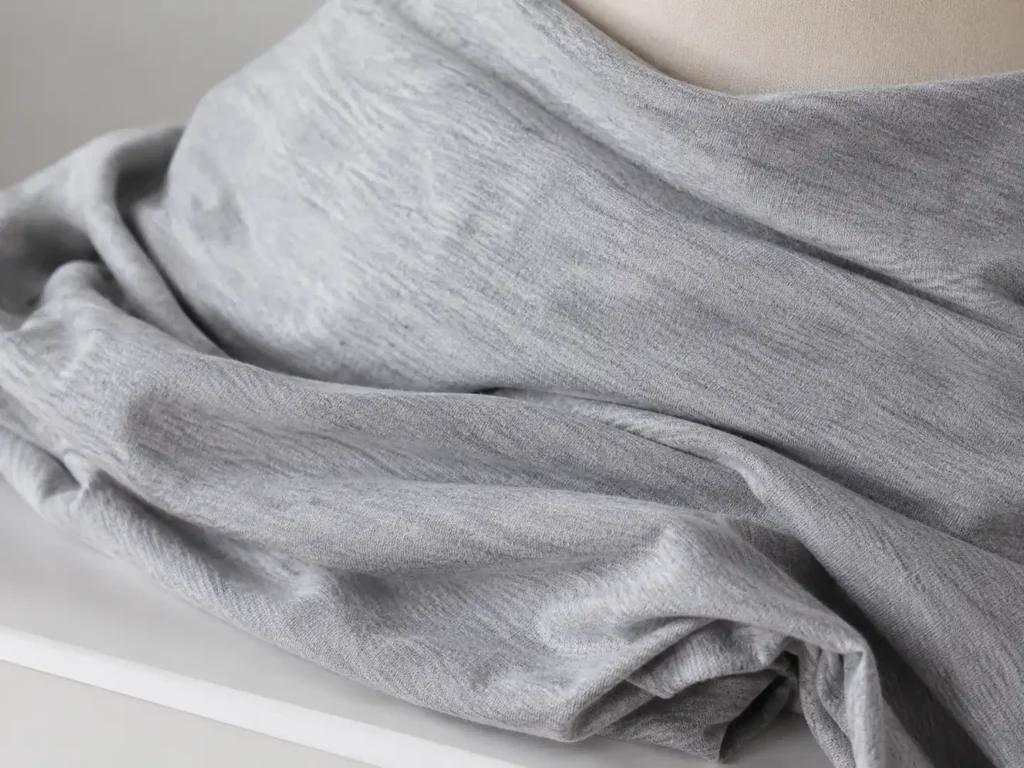
Jersey supports T-shirt dresses, relaxed shapes, fitted casual dresses, and layering pieces. Stretch direction, recovery, spirality, surface smoothness, opacity, neck binding, and wash shrinkage are checked before grading. The pattern is developed from the actual fabric rather than transferred from a woven style.

Organic Cotton Rib

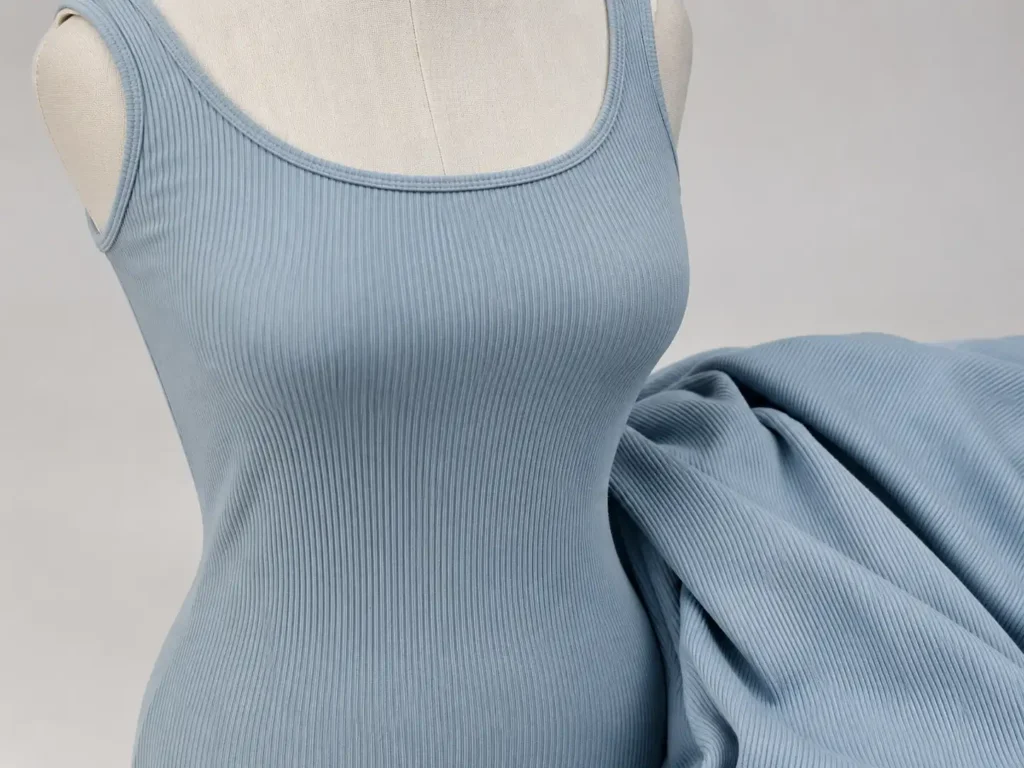
Rib offers texture and body-following stretch for fitted dresses, tanks, long-sleeve dresses, and matching sets. Recovery, width stability, growth during wear, seam waving, and garment length after washing need close control. Lighter colors may require opacity review or double-layer construction.

Organic Double Gauze

Double gauze creates a soft, breathable, textured appearance for relaxed daywear, resort dresses, loose sleeves, and maternity-inspired shapes. The open structure can distort during cutting and sewing. Shrinkage, seam strength, edge handling, and the finished wrinkle character should be approved before bulk production.

Organic Cotton Blends

Organic cotton may be blended with linen, modal, viscose, elastane, or other fibers to change drape, recovery, softness, wrinkle behavior, or durability. Composition percentages and certification scope must be confirmed for the selected supplier batch. Label wording follows the approved material information, not a general collection statement.

Compare Organic Cotton Fabrics by Dress Application

Fabric DirectionSuitable Dress TypesCore AppearanceMain Development Controls
Organic Cotton PoplinShirt, A-line, structured mini, utility midiCrisp, clean, stablePuckering, shrinkage, opacity, collar and placket stability
Organic Cotton VoileResort, tiered, gathered, printed maxiAiry, light, fluidTransparency, lining, seam strength, cutting movement
Organic Cotton LawnFeminine day, smocked, pintuck, ruffle dressesFine, smooth, lightweightSeam slippage, opacity, edge finish, shrinkage
Organic Cotton TwillUtility, structured midi, workwear dressesFirm, durable, matteWeight, seam bulk, topstitching, wash appearance
Organic Cotton JerseyT-shirt, relaxed, fitted casual dressesSoft, stretchableRecovery, spirality, neck stability, wash shrinkage
Organic Cotton RibBody-skimming, tank, long-sleeve dressesTextured, elasticGrowth, recovery, opacity, hem wave, length stability
Organic Double GauzeRelaxed, resort, loose day dressesSoft, textured, breathableDistortion, shrinkage, seam strength, wrinkle character
Organic Cotton BlendOccasion-casual, fluid midi, travel dressesVariable by blendComposition, claim scope, drape, stretch, label accuracy

Define Organic Cotton as a Sourcing Specification

An organic cotton brief should describe the material, evidence, performance, and label expectation. A single phrase in a design file is not enough for reliable quotation or production planning.

Material Definition Before Quotation

The brief should state whether the requirement is organic cotton fiber, certified organic cotton fabric, a named certification route, or a specific percentage within a blend. Product teams should also define woven or knit structure, approximate weight, hand feel, stretch, opacity, color, finishing, print, and end-use performance. Without these inputs, suppliers may quote different materials under the same broad description. Jinfeng reviews the requirement and identifies which variables need mill confirmation before a firm material proposal can be issued.

Evidence Needed for Brand Claims

Available documentation may include a fabric supplier certificate, scope information, composition details, batch references, purchase records, and transaction-related documents where applicable. The exact file set depends on the mill, certification route, order batch, color, process, and client requirement. Jinfeng can coordinate available information but does not replace the certification body, importer, or legal adviser responsible for final market claims. Sustainability wording on labels, hangtags, ecommerce listings, and campaign materials should follow the verified evidence.

Performance Requirements Still Matter

Certification does not automatically determine softness, drape, shrinkage, opacity, colorfastness, pilling, or sewing performance. Two certified fabrics can produce very different dresses.

Swatches and samples are therefore evaluated for garment behavior as well as documentation.

A dress must satisfy brand appearance, fit, care, and production requirements while the material claim remains supportable.

GOTS and Organic Cotton Support by Project

Organic cotton and GOTS-related fabric options can be sourced through qualified mills when required. Availability, certification scope, color, composition, supplier batch, MOQ, price, and lead time are confirmed before quotation.

Mill Confirmation

Fabric proposals are connected to an identified mill or supplier. Jinfeng reviews the available construction, composition, color range, stock status, custom-dye possibility, order minimum, and supporting documents before recommending the option for sampling.

Certificate Scope

A certificate should be checked for holder, validity, product or process scope, and relevance to the selected fabric. A logo or old file is not treated as proof for every color, finish, or order. Additional batch or transaction documents are discussed when required by the brand.

Order-Batch Review

Stock availability and certificate status can change between sampling, bulk ordering, and repeat production. The approved fabric reference, supplier batch, color, composition, and supporting records are reviewed again before bulk material release.

Review Fabric Documents Before Production Commitments

Documentation is most useful when linked to the actual material being purchased. Jinfeng organizes available information around the selected supplier, fabric code, color, batch, order quantity, and intended claim.

Supplier and Fabric Identity

The review begins with the company named on the document and the supplier offering the fabric. Fabric code, composition, structure, width, weight, color, finish, and stock or production status are matched against the proposed swatch. Any difference between a generic certificate and the actual fabric is raised before approval.

Validity and Scope Check

Validity dates and scope wording are reviewed before a material is presented as certification-related. Product teams should confirm whether the file covers the relevant fiber, processing stage, fabric category, and supplier operation. Custom dyeing, printing, finishing, or subcontracted processing may require additional review.

Color and Batch Availability

A certified fabric in one color does not automatically mean every shade is available under identical conditions. Stock colors, custom dye lots, printed versions, lining, and repeat batches may have different MOQ, lead time, and document availability. Bulk ordering is therefore tied to the approved color and supplier batch.

Claim and Label Alignment

Fiber content labels, hangtags, ecommerce descriptions, and campaign wording should use the same verified material information. Certification logos or specific claims are not added until usage rules and supporting documents are confirmed by the brand. Final legal wording remains under the importer or brand’s market compliance process.

Certified Fabric Changes MOQ, Color, and Lead Time

Certified material is not automatically available under the same conditions as ordinary stock fabric. Mill minimums, color development, finishing, testing, and document requirements influence the commercial plan.

Stock Fabric Route

Available stock colors can shorten material preparation and may align more easily with the standard MOQ of 200 pcs per style/color. Stock still needs confirmation for quantity, batch, hand feel, width, weight, color consistency, certificate scope, and continuity for repeat orders.

Custom Color Route

Custom colors normally require a Pantone reference, lab dip approval, mill minimum, dyeing schedule, shade review, and bulk color confirmation. Lining, thread, zipper, button, label, and packaging colors may also need matching. A custom shade should be planned before the sample calendar is finalized.

Support Material Claims with Testing and Garment Evidence

Testing is planned according to fabric, dress construction, destination market, retailer protocol, and brand standard. Jinfeng can coordinate SGS, Intertek, BV, ITS, TüV, or appointed laboratories by project.

Fiber Composition

Composition testing may be requested when the label, claim, blend percentage, or supplier information needs independent confirmation. The test method and tolerance should follow the destination market or brand protocol.

Dimensional Stability

Shrinkage and dimensional stability testing help assess changes in bust, waist, hip, dress length, sleeve length, and panel balance after washing. Results can affect pattern allowance and care instructions.

Colorfastness

Colorfastness may be checked for washing, rubbing, perspiration, or other conditions according to the fabric and market requirement. Deep shades, prints, trims, and contrast linings deserve extra attention.

Seam Performance

Seam strength, seam slippage, stitch performance, and attachment security can be tested when lightweight woven fabrics, smocking, pockets, buttons, or stressed areas create risk.

Chemical Requirements

Tests for pH, formaldehyde, azo dyes, and restricted substances may be coordinated when required. The final test list follows the client standard, retailer manual, or destination-market protocol.

Label Validation

Care instructions, fiber content, country of origin, style information, and claim wording should be checked against approved data. Jinfeng prepares labels from confirmed information supplied or approved by the brand.

Send the Inputs Needed for an Accurate Project Review

Complete information allows the fabric, pattern, sample, cost, and production teams to assess the same project rather than making separate assumptions.

Style Information

Provide a tech pack, reference garment, sketches, clear front and back images, construction notes, or a line sheet. Include intended silhouette, length, neckline, sleeve, closure, pockets, lining, and design details.

Fabric Requirement

State organic cotton expectations, preferred construction, weight, stretch, hand feel, color, print, certification route, claim wording, acceptable alternatives, and testing needs.

Quantity Plan

List quantity per style/color, size range, size ratio, launch priority, repeat-order potential, and whether delivery will be single-batch or split by market, warehouse, or launch date.

Measurement Standard

Submit garment measurements, body measurements, grade rules, fit comments, tolerances, model information, or an approved reference sample. A photo alone cannot establish a reliable size standard.

Brand Components

Provide main label, size label, care label, hangtag, barcode, SKU, style number, color name, polybag, carton, and warehouse instructions. Sustainability wording should be separated from decorative artwork for review.

Commercial Timing

Share the target photo date, sales sample date, launch date, warehouse date, preferred shipping route, and any testing or audit gates. The calendar is confirmed after fabric and construction review.

Approve Fabric Direction Before Pattern Decisions Are Locked

A fabric photo cannot show stretch recovery, thickness, transparency, surface feel, or washing behavior. Swatch approval establishes the material reference used for pattern and sample development.

  • Shortlist by Garment Result: The fabric team compares options against silhouette, structure, drape, opacity, lining, print, color, target price, MOQ, documentation, and delivery needs. A crisp shirt dress and a soft tiered maxi may both use organic cotton, yet the required constructions are completely different. The shortlist should be narrow enough for meaningful comparison rather than a large set of unrelated swatches.
  • Record the Approved Reference: Approved swatches are recorded with supplier, fabric name or code, composition, weight, width, stretch, hand feel, drape, transparency, color, dye lot, MOQ, price record, lead time, shrinkage note, colorfastness note, and approval photos where available. The information supports sampling, bulk ordering, and later repeat production.
  • Reassess Any Fabric Change: Changing fabric during sampling can alter drape, stretch, shrinkage, lining needs, seam construction, pattern balance, unit cost, MOQ, and production timing. A replacement is compared against the original reference, and a revised sample may be required before the new material becomes the bulk standard.

Develop Samples That Validate Fit, Fabric, and Production

A sample is a controlled experiment for material, pattern, construction, measurements, labels, and finishing. Different sample stages answer different production questions.

  • First Sample

    The first sample translates the tech pack, reference, or design direction into a physical garment. It tests silhouette, fabric suitability, construction feasibility, overall balance, lining, closures, pockets, and major details. The goal is not to declare a final standard immediately. The first sample identifies decisions that need correction before the development path becomes more expensive.

  • Fit and Revised Samples

    Fit review checks measurements, body balance, bust coverage, waist position, hip ease, armhole comfort, neckline stability, dress length, slit, hem, and movement. Consolidated comments are converted into a revision record covering pattern, measurements, fabric, trims, sewing methods, and approval status. If fabric changes, the pattern may need reassessment because weight, stretch, drape, and shrinkage can alter the approved fit.

  • Photo and Sales Samples

    Photo samples need accurate color, surface condition, pressing, label placement, and visual proportion because campaign images can influence merchandising decisions. Sales samples may require full size, color, or assortment information depending on the program. Neither automatically replaces the PP sample unless the brand and production team formally confirm the same material and construction standard.

  • PP and Golden Samples

    The PP sample locks bulk fabric, color, trims, construction, measurements, labels, packing, and workmanship before mass production. A golden sample becomes the physical comparison standard for production and inspection. Changes after PP approval are treated as controlled revisions because they can affect material ordering, cost, schedule, pattern files, sewing instructions, and QC criteria.
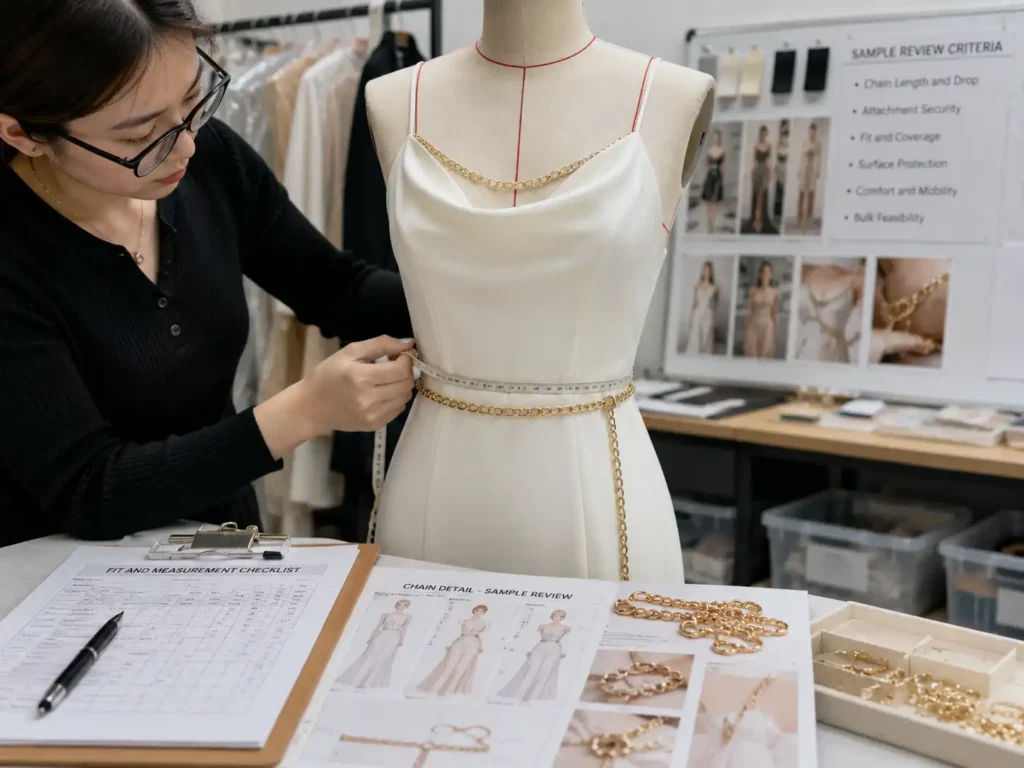
Lock the Approved Standard Before Bulk Production

Bulk consistency improves when three standards are separated clearly: fit approval, pre-production approval, and the physical golden reference.

Fit Sample Standard

The fit sample confirms pattern balance, measurements, comfort, coverage, and silhouette. Fabric may still be developmental if the final bulk material is not ready. Any difference from the intended bulk fabric is recorded for later reassessment.

PP Sample Standard

The PP sample should use approved bulk fabric, color, trims, labels, construction, and packing components whenever possible. Production should not begin until open issues are documented and resolved by the responsible teams.

Golden Sample Standard

The golden sample remains available to production and QC as a visual and construction reference. It is supported by the final pattern, size chart, bill of materials, sewing instructions, label placement, packing instructions, and critical inspection points.

Develop Custom Color, Print, and Embroidery with Control
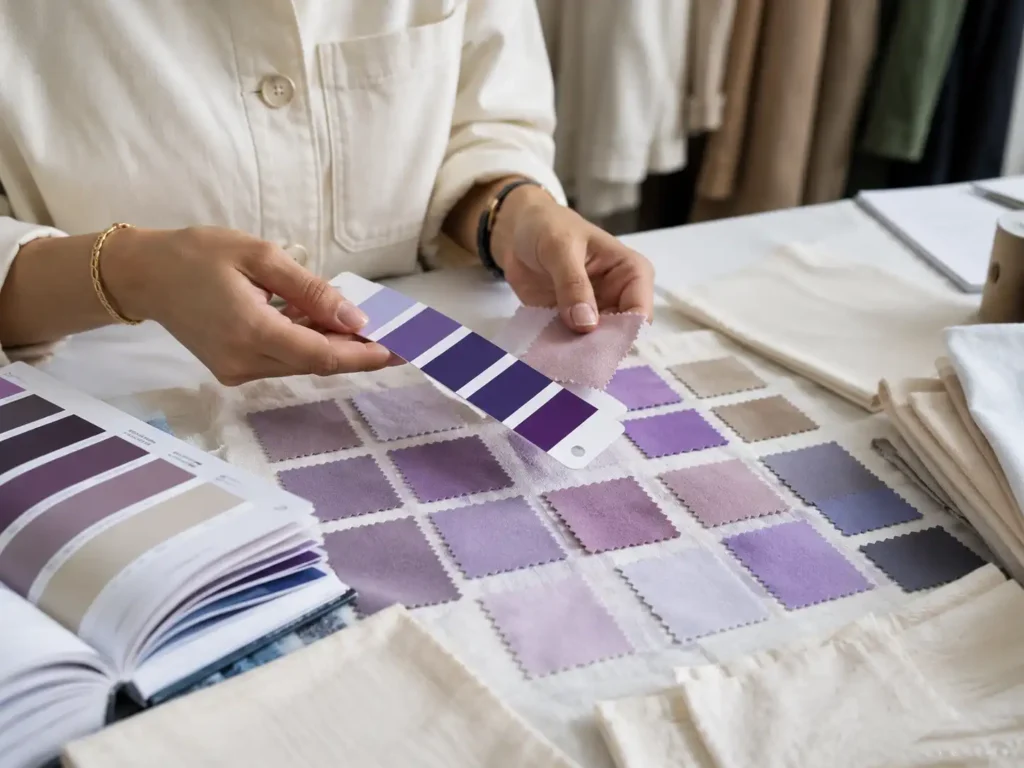
Color and surface decoration are commercial decisions and production systems. Organic cotton base fabric, process route, shrinkage, hand feel, and documentation must be evaluated together.

Pantone and Lab Dips

Custom colors begin with an agreed reference, preferably a Pantone code or approved physical swatch. Lab dips are reviewed under suitable lighting before bulk dyeing. Shade bands, lining, thread, zipper, buttons, labels, and packaging colors may need coordinated approval.

Digital Printing

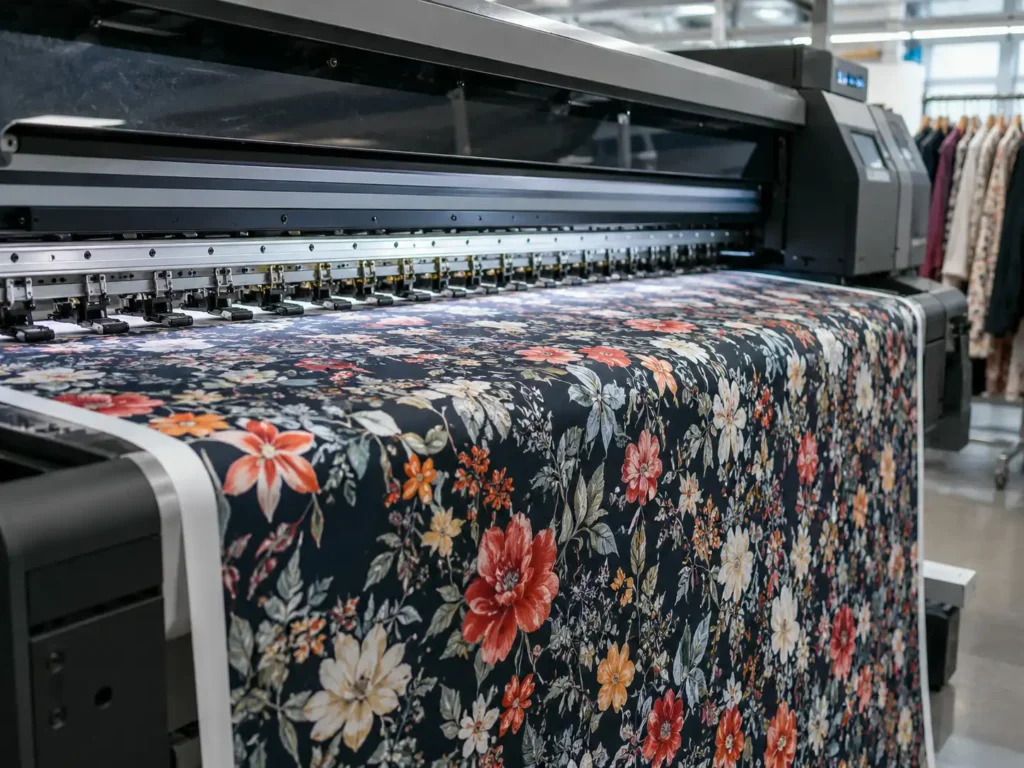
Digital printing supports detailed artwork, multiple colors, and smaller print repeats, subject to the printer and base-fabric minimum. Artwork resolution, repeat size, scale, color profile, fabric preparation, wash performance, and print hand feel are reviewed through a strike-off.

Screen Printing

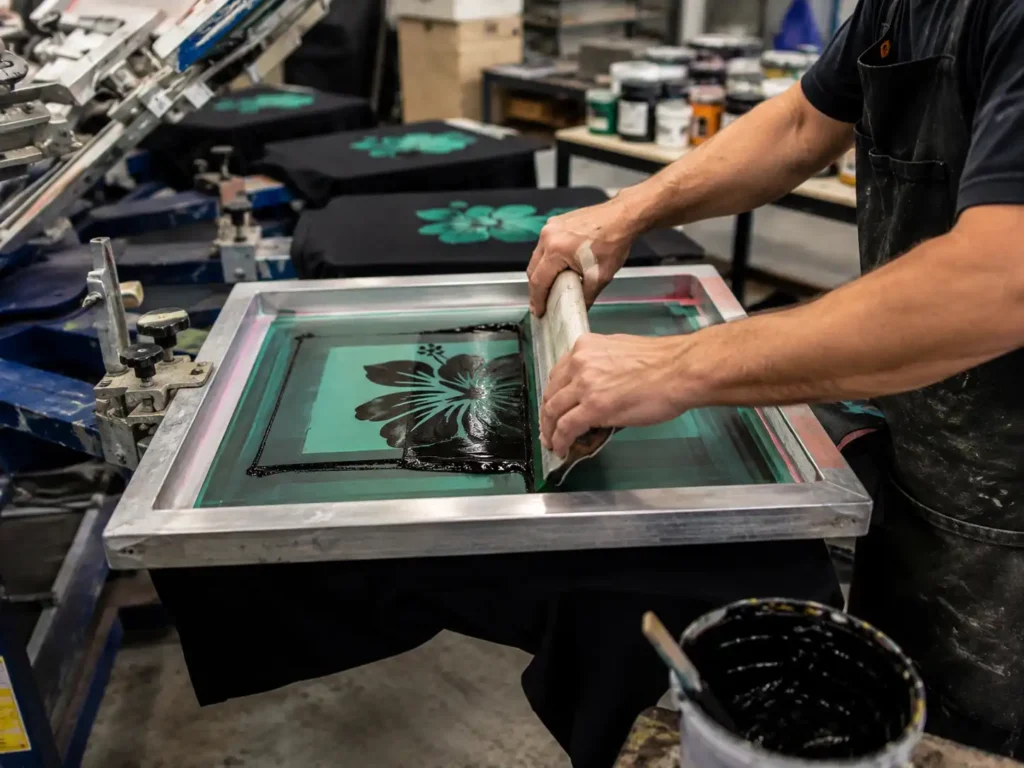
Screen printing can suit larger production, stronger solid colors, and repeated motifs. Screen count, color separation, minimum run, registration, ink hand, colorfastness, and fabric shrinkage influence the result and commercial plan.

Placement Printing

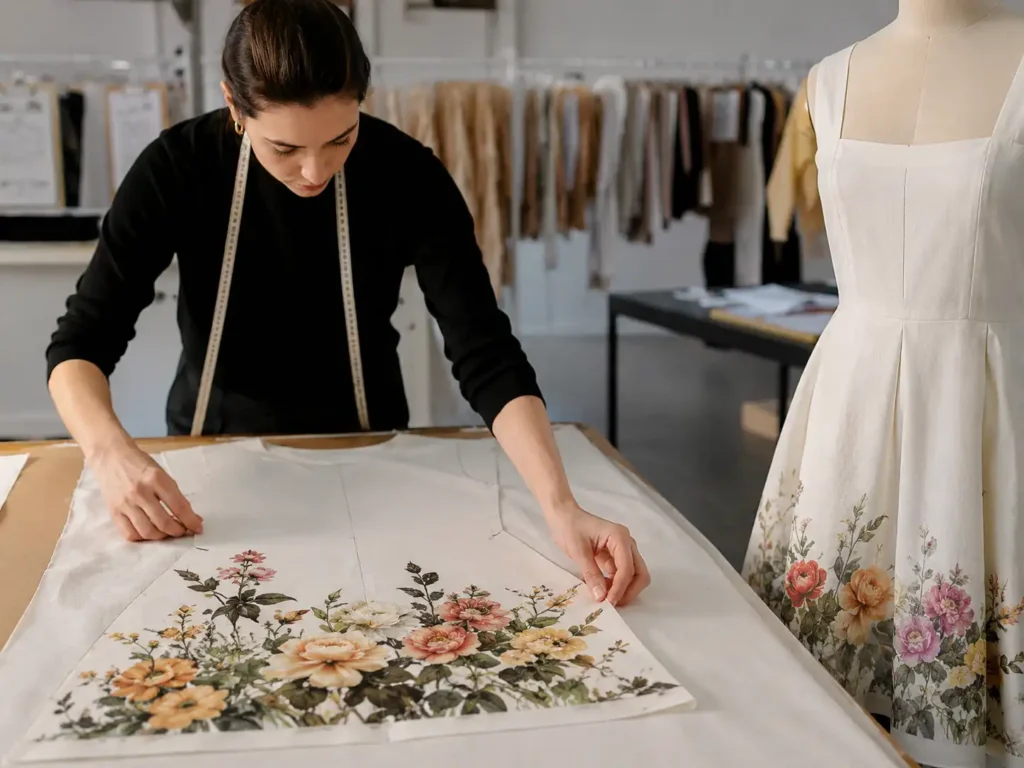
Placement prints must align with pattern pieces, seam lines, neckline, waist, pockets, and size grading. Artwork position is defined on a garment or pattern map. Bulk cutting and printing require clear orientation and tolerance standards.

Embroidery Programs

Embroidery is planned around stitch density, backing, thread, placement, edge distance, fabric stability, wash response, and skin comfort. Heavy embroidery can distort lightweight voile or lawn, so support material and reduced density may be required.

Repeat and Direction

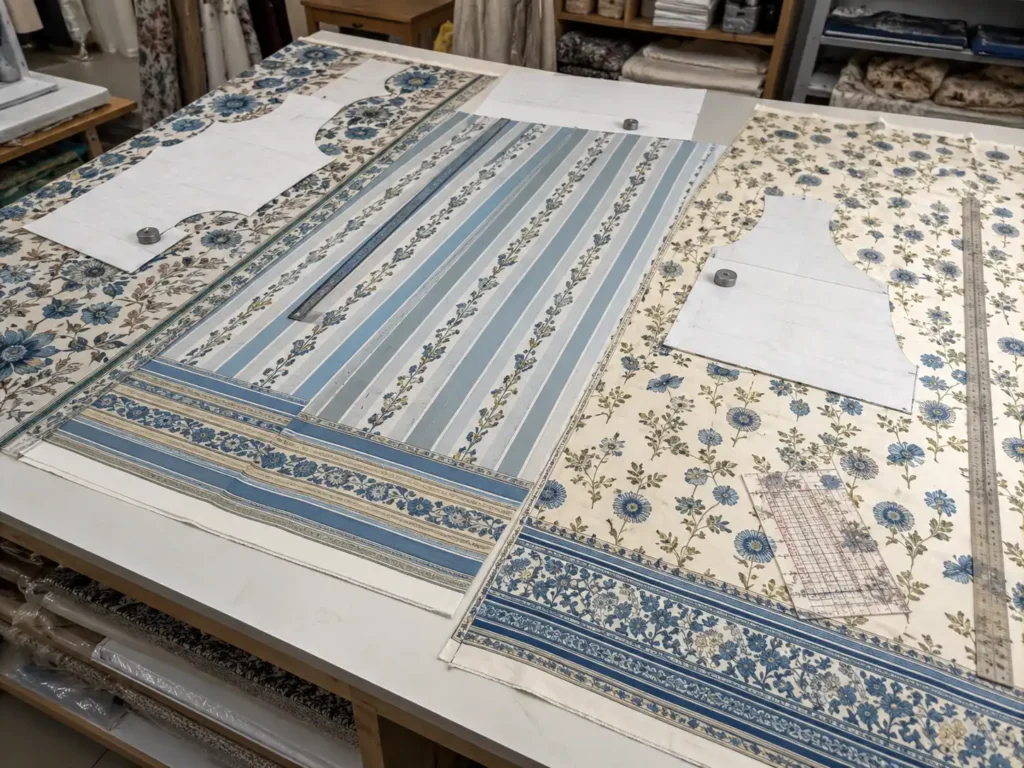
Directional prints, border designs, engineered motifs, stripes, or checks affect fabric consumption and cutting yield. Repeat size, motif position, panel direction, matching requirements, and waste allowance are considered before pricing.

Plan MOQ and Cost Around the Actual Material

Jinfeng Apparel’s standard MOQ starts from 200 pcs per style/color. Organic cotton programs are quoted after fabric, color, certification scope, trims, construction, size breakdown, packaging, testing, and production scheduling are reviewed.

Fabric Minimums

A mill may set minimums by fabric code, color, dye lot, print design, finishing route, or certification program. One dress style in two colors normally requires separate planning for each color. Several styles can sometimes share a base fabric, but shared purchasing must still respect the mill’s minimum and the approved material specification.

Construction Cost

Unit cost reflects fabric consumption, lining, trims, pattern work, cutting yield, sewing minutes, pressing, QC, packaging, loss allowance, testing, logistics preparation, and reasonable factory margin. Smocking, embroidery, print matching, complex plackets, tiered skirts, pockets, and detailed topstitching create different labor and risk profiles.

Cost Control Without Weakening Appearance

Commercial optimization may come from fabric grouping, color-count control, shared trims, construction simplification, print-scale adjustment, size-ratio planning, packaging tiers, or order consolidation. The goal is cost control without weakening brand-level appearance, fit, or claim integrity.

Approve Bulk Fabric Before Cutting Begins

Bulk fabric approval connects the development sample with the production material. A visually similar substitute is not released without comparison because small differences can alter fit and garment appearance.

Fabric Identity Check

Supplier, fabric code, composition, width, weight, stretch, finish, color, dye lot, and available documents are matched against the approved reference.

Hand Feel and Drape

The bulk lot is compared for softness, crispness, surface texture, body, fluidity, and recovery. Changes are assessed for pattern, gathering, lining, pressing, and finished silhouette.

Color and Shade

Bulk color is compared with the approved swatch or lab dip. Shade grouping may be used when natural-fiber dye lots show variation. Panels within one garment should come from compatible shade groups.

Width and Consumption

Usable width affects marker planning and fabric consumption. Narrower-than-approved fabric can increase cost or create insufficient material. Width and defects are reviewed before cutting plans are finalized.

Shrinkage and Stability

Wash or relaxation checks are performed according to the project requirement. Results are compared with pattern allowances and measurement standards before the bulk marker is released.

Surface Defects

Slubs, holes, stains, weaving faults, print defects, color bars, and contamination are identified according to fabric type and inspection method. Defect mapping supports cutting decisions and claims to the supplier where applicable.

Sewing Standards for Clean Organic Cotton Dress Construction
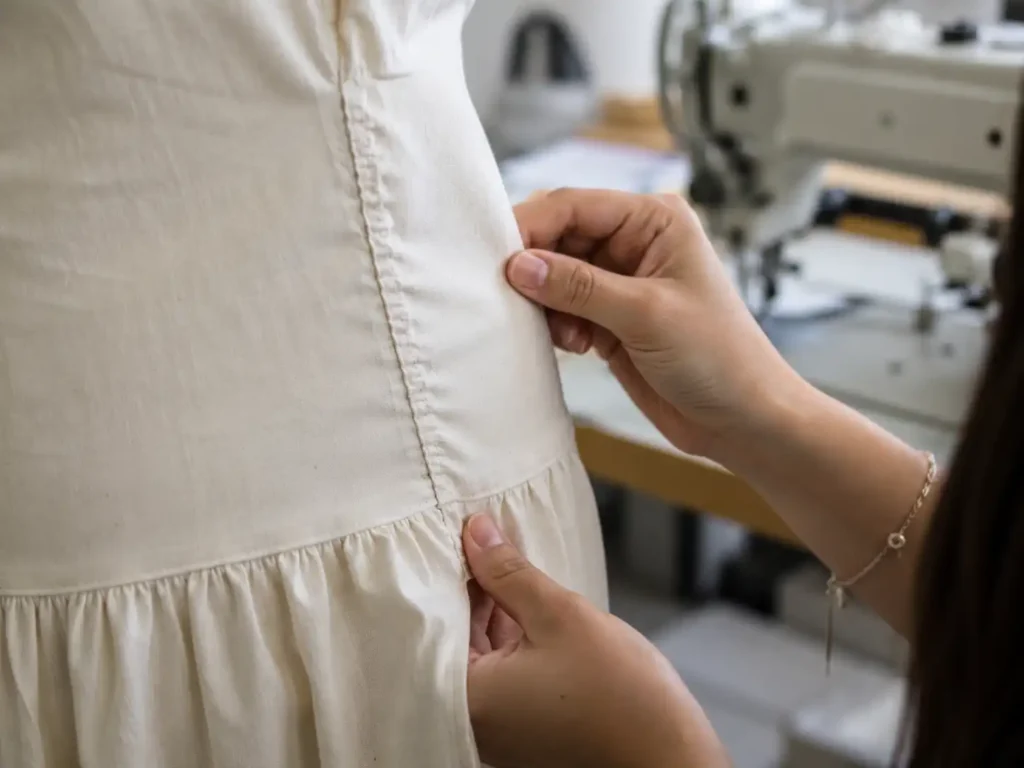
Cotton surfaces reveal seam shape, puckering, stitch alignment, pressing, and handling marks. Workmanship standards are set according to fabric construction and dress design.

Seam Puckering

Needle size, thread, stitch density, feed balance, seam allowance, and pressing affect puckering. Crisp poplin and lightweight lawn make irregular seams highly visible, especially along plackets, princess seams, side seams, and hems.

Neckline Stability

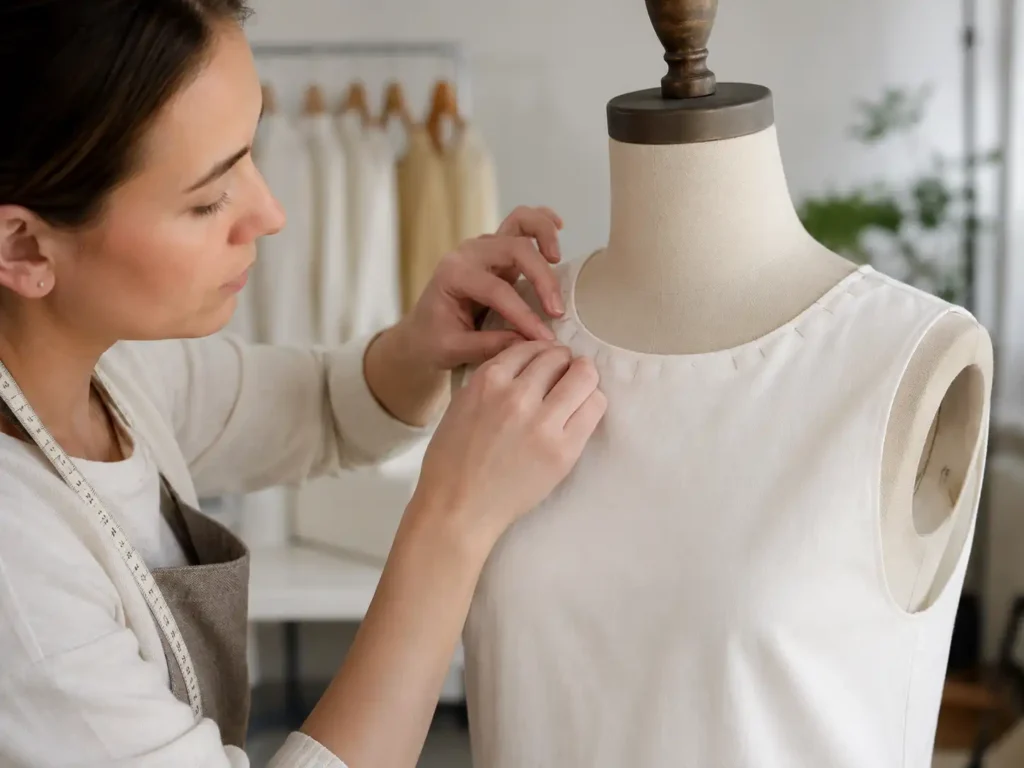
Facings, bindings, lining, stay tape, seam direction, understitching, and pressing are selected to keep necklines flat. Lightweight fabric can stretch or gape during sewing if the edge is not stabilized.

Armhole Finishing

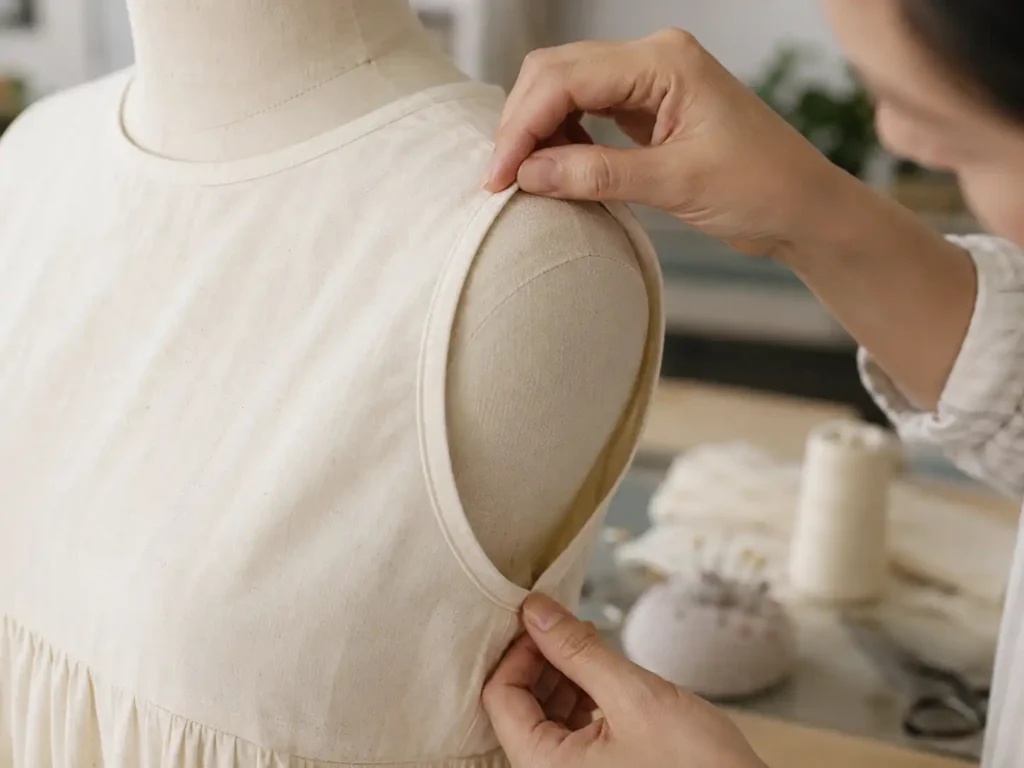
Armholes may use lining, bias binding, facing, sleeve construction, or clean finishing. Seam bulk, mobility, edge shape, and lining roll are checked so the armhole stays comfortable and visually clean.

Waistline Control

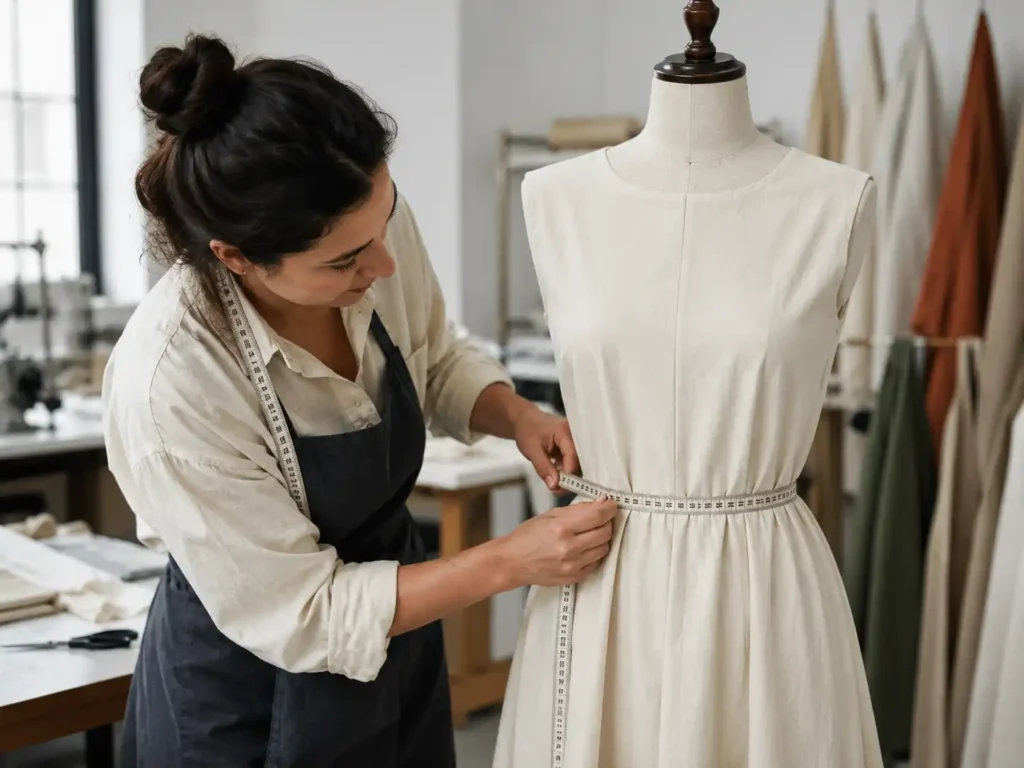
Waist seams, elastic channels, smocking, drawstrings, ties, and waistbands need accurate position and equal tension. Uneven waistlines distort proportion and make size differences more noticeable.

Gathering Consistency

Gathering ratios, notch positions, stitch rows, seam joining, and distribution are standardized. Production checks compare fullness across panels and sizes so tiers and sleeves do not appear uneven.

Placket and Button Work

Placket width, button spacing, buttonhole size, reinforcement, thread tension, and edge alignment are checked against the PP sample. Shrinkage can pull a placket out of shape if layered areas are not prepared correctly.

Pocket Reinforcement

Pocket openings, corners, side-seam entries, patch placement, and pocket bags are reinforced according to expected use. Heavy pocket bags or incorrect placement can pull light skirts and change the silhouette.

Hem Construction

Narrow hems, blind hems, double-turn hems, coverstitch hems, and lined hems are selected according to fabric and style. Hem wave, twisting, uneven length, and pressing shine are monitored.

Thread and Topstitching

Thread fiber, thickness, color, strength, and appearance are matched to the fabric. Contrast topstitching needs especially consistent density, spacing, corners, and backtacking because errors remain visible.

Final Inspection Before Organic Cotton Dresses Ship

Final inspection verifies the finished order against approved product, size, label, packing, and shipment requirements. It does not replace earlier material and inline control.

Measurement Accuracy

Critical points are checked by size against the approved chart and tolerance. The inspection method follows the same reference used during sampling and production.

Overall Appearance

Garments are reviewed for silhouette, symmetry, pressing, wrinkles, stains, contamination, shade, fabric defects, twisting, and visible repair marks.

Workmanship

Seams, topstitching, gathering, smocking, buttonholes, zippers, pockets, hems, linings, thread trimming, and reinforcement points are inspected.

Functional Checks

Closures, ties, adjusters, buttons, snaps, elastic, pockets, and other functional components are operated and checked for security and ease of use.

Label Accuracy

Main labels, size labels, care labels, fiber content, country of origin, hangtags, barcodes, SKU stickers, style numbers, and color names are matched with approved files.

Packing Release

Size and color assortment, folding, polybags, warning text where required, carton quantity, carton marks, packing list, and shipment information are checked before release.

Private-Label Packaging with Accurate Product Information

Brand presentation and compliance information continue after sewing. Label and packing files are controlled as production components with approval status, quantity, placement, and version records.

Main Labels

Woven, printed, heat-transfer, or other approved brand labels are developed from artwork, dimensions, color, fold, placement, and attachment instructions. Brand marks are protected under project confidentiality.

Size Labels

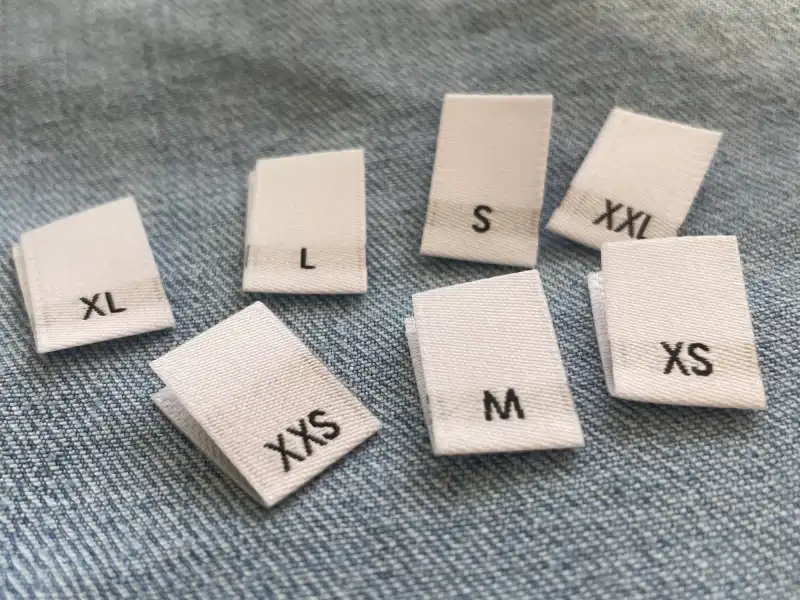
Size coding follows the approved range and brand convention. Production and packing teams verify the relationship between garment measurements, sewn size labels, barcode data, and carton assortment.

Care Labels

Care labels may include fiber content, care instructions, country of origin, brand or importer information, style data, and other market-required details supplied or approved by the brand. Organic wording is aligned with available evidence.

Hangtags

Hangtags can carry brand design, product story, barcode, price area, fiber information, and approved sustainability messaging. Specific certification marks are used only under confirmed rules and authorization.

Polybags and Inserts

Polybags, tissue, cards, stickers, fold boards, and protective materials are selected according to retail or ecommerce needs. Warning statements, ventilation holes, size stickers, and barcode placement are confirmed where required.

Cartons and Warehouse Data

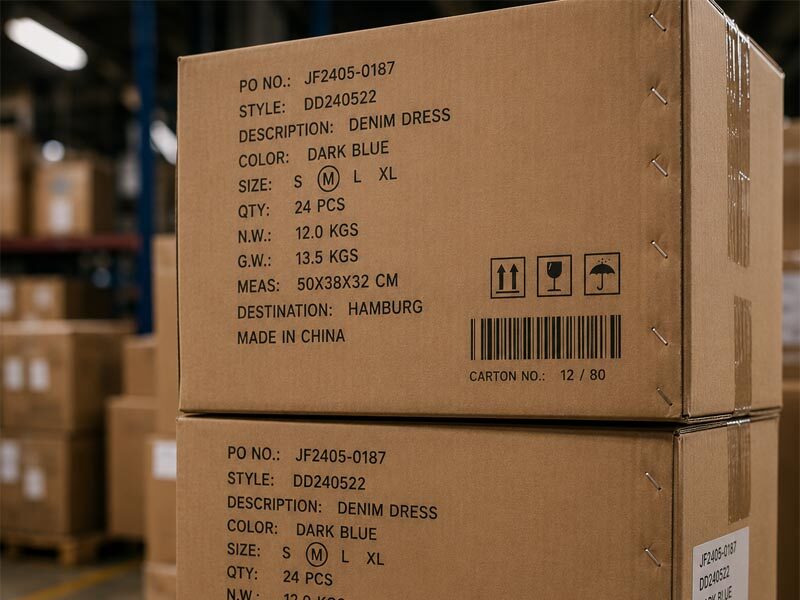
Carton marks, style/color/size breakdown, carton quantity, gross and net weight, measurements, warehouse labels, and packing lists are prepared for the receiving route. Split deliveries receive separate carton and document control.

Scale Multi-Style Programs and Repeat Orders with Records

Jinfeng’s production model combines owned factories, long-term partners, flexible lines, merchandising, QC, and retained project files. Capacity is allocated according to product complexity and approval status.

100,000+ Monthly Capacity

Regular monthly capacity exceeds 100,000 pieces across the production system. Actual allocation for organic cotton dresses depends on style mix, fabric readiness, construction complexity, inspection requirements, and launch dates.

18+ Sewing Lines

More than 18 sewing lines support different garment structures and volume levels. Styles are routed according to fabric, workmanship, order size, and operator capability rather than balanced only by quantity.

6+ Flexible Lines

Flexible production lines support multi-style collections, replenishment, color extensions, and phased releases. They are especially useful when a program contains several silhouettes sharing fabric or trims.

12+ Merchandisers

Merchandisers and order follow-up specialists coordinate files, approvals, material status, sample comments, production progress, packing details, and shipment information across teams.

30+ Packing Workers

Finishing and packing personnel support thread trimming, final appearance, folding, labels, polybags, assortment, carton packing, carton marks, and shipment preparation.

Repeat-Order Records

Patterns, grading, measurements, fabric references, colors, dye lots, trims, sewing notes, labels, packing methods, and QC points are retained. Repeat orders still receive review when material batches, colors, construction, or market requirements change.

Plan Sampling, Production, and Delivery Around Launch Dates

An organic cotton program needs a calendar built from approval gates, material availability, testing, production, packing, and transport. Dates are confirmed after style and fabric review rather than assumed from order quantity alone.

Planning GateApproval or Input RequiredCommon Timing Risk
Project ReviewComplete style files, quantities, market, size range, fabric and claim requirementsMissing construction details or unclear certification request
Fabric SearchMill options, swatches, stock status, color route, MOQ, documentsCustom dyeing, print development, limited certified stock
First SampleApproved fabric direction, pattern inputs, trims, measurement basisFabric substitution, complex construction, incomplete size chart
RevisionConsolidated fit comments and change recordMultiple conflicting comment sources or fabric changes
PP ApprovalBulk fabric, color, trims, labels, packing, measurements, workmanshipLate label artwork, unapproved bulk color, open fit issues
Bulk ProductionMaterial arrival, final pattern, sewing file, QC checklistSplit material deliveries, shade issues, unresolved workmanship
Final InspectionCompleted order, approved assortment, labels and packingMeasurement rework, packing mismatch, barcode errors
ShipmentPacking list, invoice, carton data, booking and warehouse instructionsLate booking, document changes, warehouse cut-off dates

Organic Cotton Dress Programs with Measurable Production Scope
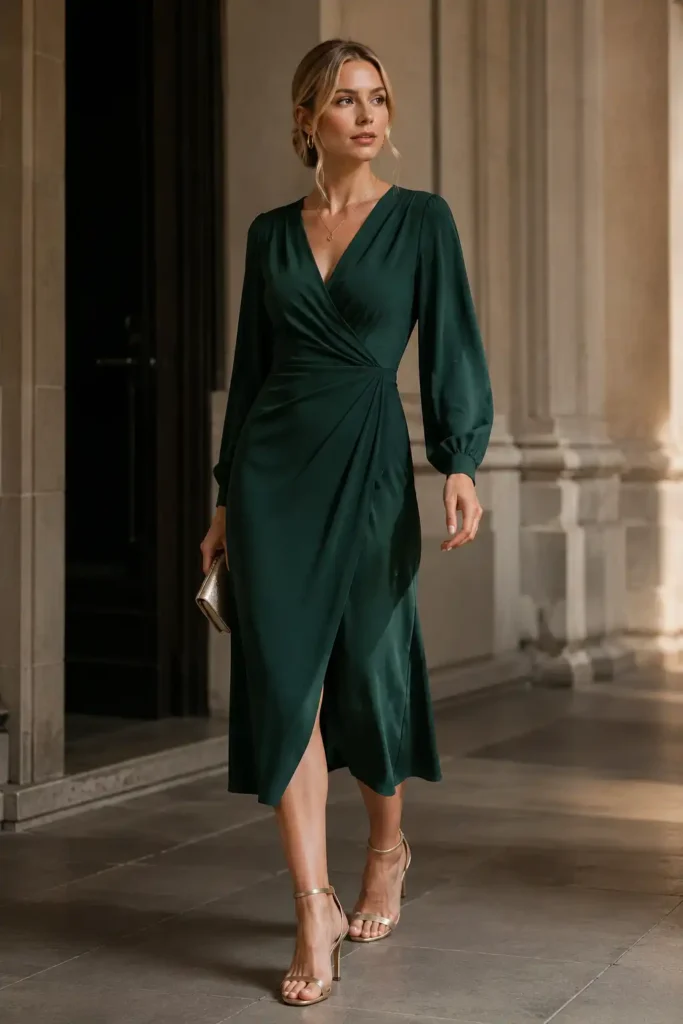
The following anonymized examples reflect the scale and operating logic of multi-style fashion programs. Brand names, original designs, commercial prices, and protected files remain confidential.

United States Premium Ecommerce Collection

  • Order profile: 18 dress styles, 34,800 total pieces, 6-size range, 4 solid colors, 2 exclusive prints, and two main organic cotton fabric directions. The assortment combined mini shirt dresses, smocked midis, tiered maxis, and relaxed jersey dresses.
  • Main challenge: the poplin and voile options had different transparency, shrinkage, and drape. Several light colors required lining, while printed voile needed artwork-scale approval and direction control. The size range also required different gathering distribution and strap lengths rather than uniform grading.
  • Jinfeng approach: styles were grouped by fabric base and construction. Fabric swatches, color approvals, print strike-offs, fit samples, and PP samples were managed as separate gates. Twelve critical measurements were recorded for fitted bodices and long silhouettes. Bulk fabric was reviewed for width, color, hand feel, and shrinkage before cutting. Inline QC focused on smocking tension, neckline stability, waist position, dress length, lining, and print orientation.
  • Delivery structure: the first launch group was packed by style and size for priority shipment, while the remaining assortment followed the main cargo plan. Pattern, fabric, label, and packing records were retained for color extensions and repeat production.

United Kingdom Contemporary Dress Program

  • Order profile: 12 styles, 22,400 total pieces, 5-size range, 3 fabric bases, and two production batches. Products included structured poplin shirt dresses, wrap midis, utility dresses, and organic cotton blend day dresses.
  • Main challenge: the collection used closely related neutral colors, yet fabric, lining, thread, button, and zipper shades came from different suppliers. The brand also required consistent shirt-dress plackets, collar shape, pocket position, and topstitching across several silhouettes.
  • Jinfeng approach: a single color approval file linked outer fabric, lining, trims, labels, and packaging. Placket and collar construction were standardized through PP samples and sewing instructions. First-piece review checked button spacing, waist position, pocket placement, sleeve mobility, and seam puckering. Shade groups were separated during cutting. Care-label content was aligned with approved fiber information and the intended market.
  • Delivery structure: the 22,400 pieces were separated into two batches by launch priority. Independent packing lists and carton marks were prepared for each release while the same pattern, workmanship, and label standards remained in force.

Australian Resortwear Collection

  • Order profile: 24 styles, 61,200 total pieces, 6-size range, 8 solid or printed colorways, and three lightweight woven constructions. The range included tiered maxis, puff-sleeve midis, tie-strap minis, gathered resort dresses, and relaxed cover silhouettes.
  • Main challenge: lightweight fabrics needed transparency control, stable seams, controlled gathering, and travel-friendly packing. Printed styles required direction, repeat, and panel placement review. Long silhouettes also needed hem balance and consistent lining length across sizes.
  • Jinfeng approach: swatches were assessed under daylight for opacity and color. Lining was selected together with the outer fabric. Sample reviews covered bust coverage, waist placement, strap length, tier proportions, pocket bulk, dress length, and walking movement. Bulk cutting used print direction and shade-group controls. Inline inspection focused on gathering distribution, tier joining, seam strength, neckline stability, hem level, and packing condition.
  • Delivery structure: selected launch styles and priority sizes were prepared for an air allocation, while the main quantity followed the sea shipment plan. Carton data, SKU breakdown, and packing lists were separated by route and warehouse requirement.

Why Fashion Brands Choose Jinfeng for Organic Cotton Dresses

The strongest advantage is not a generic environmental promise. It is the ability to connect material requirements with women’s dress development, production records, quality control, and brand delivery.

Dress Development Focus

Jinfeng specializes in women’s fashion, including mini, midi, maxi, shirt, wrap, smocked, jersey, resort, occasion, and private-label dresses. Fabric decisions are translated into pattern, lining, construction, and retail appearance.

Evidence-Based Sourcing

Organic cotton and GOTS-related options are reviewed by mill, fabric type, composition, color, supplier batch, certificate scope, MOQ, price, and lead time. Unsupported claims are not used as a substitute for documents.

Pattern and Fit Control

Two sample rooms, 7+ senior pattern makers, and 20+ sample machinists support fit correction and sample progression. Measurements, pattern revisions, and approval notes are recorded before grading and bulk production.

Sample-to-Bulk Transfer

The approved pattern, fabric reference, trims, sewing instructions, measurement chart, labels, packing, and QC checklist move together into production. PP and golden samples provide physical standards.

Multi-Style Capacity

Six owned factories, 10+ long-term partners, 18+ sewing lines, and 6+ flexible lines support seasonal collections, phased production, and repeat orders when materials and approvals are ready.

Brand Protection

NDA-based cooperation can protect tech packs, original samples, patterns, size charts, materials, trims, labels, packaging, order information, and unpublished designs throughout development and production.

Organic Cotton Dress Manufacturing Frequently Asked Questions

No. Organic cotton and GOTS-related fabric resources are sourced by project through qualified mills. Fabric type, composition, color, supplier batch, certificate scope, validity, MOQ, price, and lead time must be confirmed before quotation and production.
Yes, suitable resources can be reviewed through the fabric supply network. Available options depend on woven or knit construction, weight, color, stock status, custom dyeing, printing, mill minimums, documentation, and the required claim.
Possible directions include organic cotton woven fabric, poplin, voile, lawn, twill, jersey, rib, lining, double gauze, and blends. Final availability is confirmed from actual mills and supplier batches.
MOQ starts from 200 pcs per style/color. Custom-dyed colors, exclusive prints, certified materials, special trims, complex construction, and private-label packaging may carry separate supplier minimums.
Yes. Tech packs, original samples, sketches, reference images, line sheets, size charts, artwork, and packaging instructions can be reviewed. Complete files support more accurate fabric, sample, cost, and production planning.
Sample timing is quoted after style complexity, fabric availability, trims, certification review, custom color or print development, and the required sample stage are understood. Fabric changes or incomplete comments can extend the calendar.
Bulk fabric is reviewed for dimensional stability according to project requirements. Results are connected to pattern allowance, dress measurements, cutting, wash response, and final inspection. Woven and knit constructions are evaluated differently.
Yes. Jinfeng can coordinate SGS, Intertek, BV, ITS, TüV, or appointed laboratories for fabric or garment testing based on product, market, retailer protocol, and agreed test items. Testing costs and samples are confirmed per project.
Yes. Main labels, size labels, care labels, hangtags, barcodes, SKU stickers, polybags, inserts, carton marks, and warehouse information can be produced from approved files. Claim wording and certification logos require verified support.
Yes. Pattern files, measurements, fabric references, color records, trims, sewing notes, labels, packing methods, and QC points can be retained. Repeat material batches and new colors still require confirmation before production.

Start Your Organic Cotton Dress Project

Send enough information for a meaningful review rather than a generic price estimate.

Jinfeng Apparel will assess dress structure, organic cotton direction, mill availability, certification scope, MOQ, sample route, production risks, private-label needs, and the approval calendar. A clear brief helps Kelly coordinate fabric, pattern, sample, merchandising, QC, packing, and logistics teams around the same commercial goal.

Please include:

  • Company name and destination market
  • Tech pack, reference sample, sketch, or clear garment images
  • Style count and quantity per style/color
  • Preferred organic cotton construction, composition, weight, color, and hand feel
  • GOTS or other certification-related requirement, including expected documents
  • Size range, size chart, grade rules, and fit priorities
  • Custom color, print, embroidery, trims, lining, and closure details
  • Main labels, care labels, hangtags, barcode, SKU, polybag, and carton requirements
  • Target photo date, launch date, warehouse date, and preferred shipping route
  • Testing, factory-audit, inspection, or market-label requirements
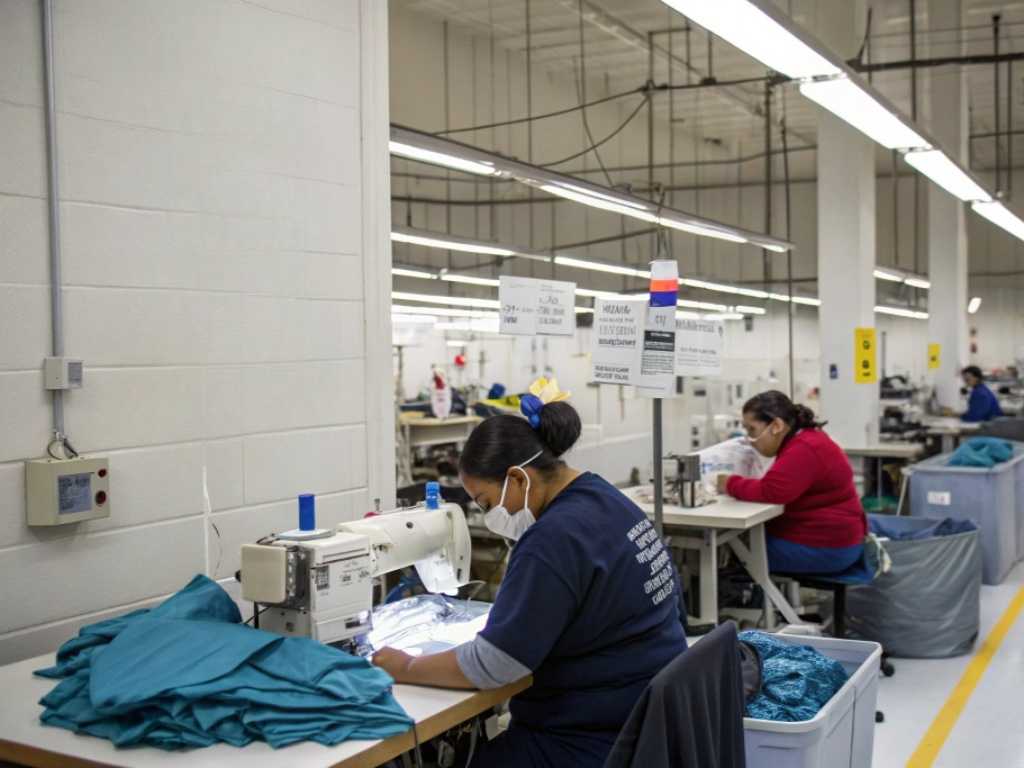
Female garment workers sewing blue fabric at industrial sewing machines.

Tell Us About Your Dress Project

Share your product details, estimated quantity and development requirements. Our team will review your project and provide practical OEM/ODM production feedback.

Premium Women’s Apparel Production for Fashion Brands

From dress sample development to bulk production, JF Apparel supports fashion brands with confidential OEM/ODM manufacturing, reliable quality control and scalable production support.

START YOUR DRESS PROJECT

Ready to Develop Your Next Dress Collection?

Share your design concept, product requirements or sourcing plans with our team. We’ll review your project and provide practical feedback on development, materials, MOQ and production.

7-10 Days

Sample Development

200 PCS

Starting MOQ

Fast Response

Professional Follow-Up