Skip to content
One-Shoulder Dress Development
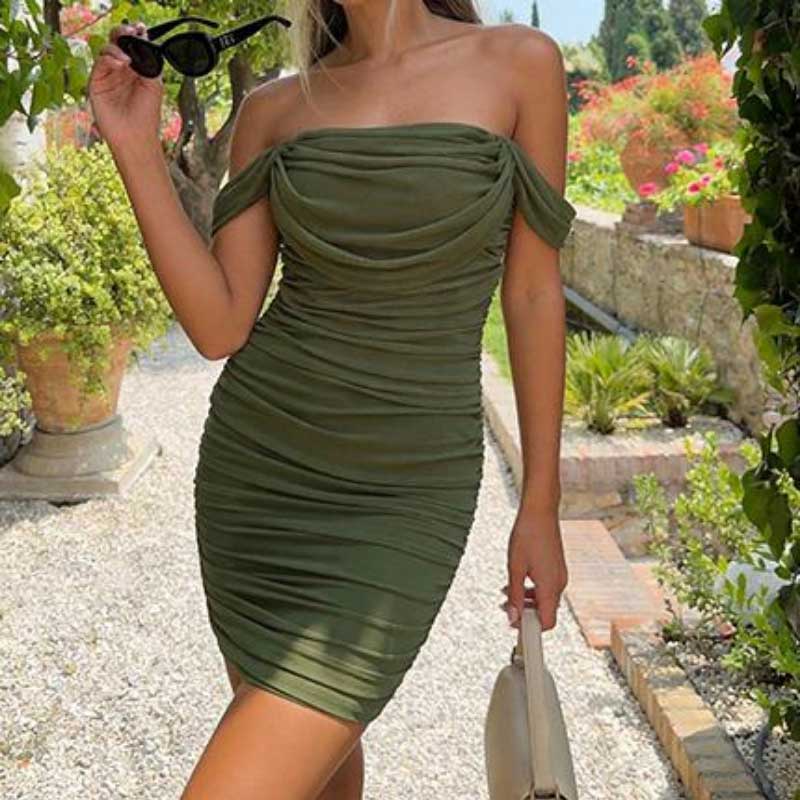
Built for fashion brands that need one-shoulder concepts translated into stable, production-ready garments through asymmetric pattern control, fit validation, revision and bulk execution.
Jinfeng Apparel develops one-shoulder dresses for fashion brands that need more than an attractive asymmetric neckline. Our development work focuses on shoulder stability, diagonal neckline control, open-side bust coverage, underarm height, side-seam balance, lining behavior and reliable sample-to-bulk transfer. Projects can start from a tech pack, reference image, original sample, sketch or line sheet, then move through structure review, pattern development, fit validation, revision, PP approval and bulk production.
- 8 core fit checks: shoulder, neckline, bust, underarm, left/right balance, side seam, lining and zipper/closure.
- 2 sample rooms supporting development and revision work.
- 7+ senior pattern makers with one-shoulder, bodycon, halter, strapless and occasion-dress pattern experience.
- 20+ sample machinists supporting first samples, fit samples, revisions and PP samples.
Development Capacity Behind Every One-Shoulder Sample
7+ Pattern Makers
2 Sample Rooms
20+ Sample Machinists
15+ QC Inspectors
200 pcs/style/color
100,000+ pcs/month
Where One-Shoulder Dress Development Usually Fails
Shoulder Drops
Open Side Gapes
Neckline Twists
Side Seam Rotates
Bust Feels Unstable
Underarm Feels Wrong
Lining Pulls
Heavy Fabric Drags
Built for Brand-Led Product Development Teams
Product Development Teams
Sourcing Teams
Occasionwear Brands
Premium Ecommerce Brands
One-Shoulder Dress Styles We Can Develop
One-shoulder is a structural idea, not a single silhouette. A fitted jersey mini, satin cocktail dress and sequined evening style may share the same asymmetric visual direction while requiring different pattern ease, support, lining and finishing decisions. Development begins by matching the intended look with the fabric behavior and wearing situation.

One-Shoulder Mini

Bodycon One-Shoulder

Satin Cocktail

Wedding Guest Midi

Ruched One-Shoulder

Mesh One-Shoulder

Sequin Party Dress

Evening One-Shoulder

Asymmetric Pattern Engineering for Stable Fit
A one-shoulder pattern should not be treated as a standard sleeveless block with one side removed. The supported and unsupported sides carry different loads, while the diagonal neckline connects two points that react differently when the wearer moves. Pattern development therefore starts with the intended shoulder anchor, bust coverage, neckline angle and side height, then checks how those points interact with fabric stretch, drape and garment length.
Our pattern team reviews front and back balance together. The shoulder-side body length must not pull the open side upward, while the unsupported side cannot drop and create gaping. Upper-bust shape, armhole contour and side-seam placement are reviewed on the sample, because a correction made in one area can shift tension elsewhere. When a fabric has noticeable stretch or recovery, the draft is adjusted after fabric behavior is understood rather than relying only on static body measurements.
For brand programs, the goal is not merely an attractive sample. Fit comments, measurements and approved corrections are translated into the final pattern and grade rules so the asymmetric relationship can be carried through multiple sizes. Jinfeng Apparel has 7+ senior pattern makers working across one-shoulder, halter, strapless, bodycon, backless and occasion-dress structures, allowing related fit risks to be diagnosed within a broader womenswear pattern system.
Pattern Control Points
Shoulder anchor point; shoulder length and angle; diagonal neckline; open-side bust height; upper-bust tension; underarm height; side-seam balance; front/back length; lining relationship; zipper or closure position.
Grading Focus
US, UK, EU and AU size development can be reviewed by project. The one-shoulder relationship must remain stable as bust, upper-bust, armhole and body length change across the range.

Shoulder, Neckline and Bust Stability Control
A visually clean one-shoulder dress depends on controlled tension around the upper body. The shoulder side needs enough security to hold the garment without creating uncomfortable pressure, while the open side must stay close to the body without relying on excessive tightness. We evaluate those areas together because tightening one point can rotate the neckline, raise the underarm or pull the side seam out of position.
Shoulder stability is reviewed through shoulder point, angle, width, fabric recovery and the weight of the skirt or decoration below. The diagonal neckline is checked for a continuous line rather than a local correction at the top edge. On the open side, upper-bust fit, side height, lining and internal support are reviewed according to the design. A minimalist jersey mini may need very different support from a structured satin cocktail dress or a sequin evening style.
Fit review should include front, side and back views plus movement. Arm lifting, walking and sitting can reveal exposure or rotation that is not visible in a static front photograph. Approved corrections are measured and recorded so the decision becomes part of the pattern and QC standard rather than remaining a subjective visual comment.
Security Without Over-Tightening
The objective is a stable neckline and bust with wearable pressure. Excess tension can distort the bodice, create drag lines or make the shoulder uncomfortable.
Open-Side Coverage
Bust coverage and underarm height are checked against the brand’s intended exposure level, sample size and target market before grading is finalized.
Movement Review
Static fit is not enough. Movement helps reveal shoulder slip, neckline opening, side-seam rotation and lining pull before the style moves toward PP approval.
Fabric Direction Changes the One-Shoulder Pattern
Fabric selection changes more than the surface look of a one-shoulder dress. Weight, stretch, recovery, drape and transparency can alter shoulder tension, neckline shape, bust coverage and side-seam balance. For that reason, a pattern approved in one fabric is not automatically production-ready in another. A fabric change during sampling may require revised measurements, lining, construction or a new fit review.
Material decisions are reviewed against the intended silhouette, price position, color plan, MOQ and launch timing. Stock materials can simplify early development when suitable options exist, while custom-dyed, embellished, certified or special fabrics may introduce separate supplier minimums and longer material preparation.
| Fabric Direction | Best Use | Typical Development Risk | Control Focus |
|---|---|---|---|
| Satin | Cocktail / occasion | Slippage, wrinkling, neckline distortion | Drape, lining, zipper flatness, pressing |
| Stretch Satin | Fitted / bodycon | Uneven pull on one side | Recovery, negative ease, bust balance |
| Crepe | Structured occasion | Weight or stiffness changes neckline | Shoulder support, seam balance, drape |
| Jersey | Bodycon / party | Excess stretch or weak recovery | Stretch direction, recovery, side seam |
| Ponte / Roma | Structured fitted | Bulk can affect edge shape | Ease, neckline finish, seam thickness |
| Velvet | Party / evening | Weight and nap direction | Shoulder load, cutting direction, lining |
| Mesh | Sheer / cut-out | Transparency, edge growth, stretch | Layering, lining, recovery, edge finish |
| Sequin Fabric | Statement party | Weight, abrasion, dropped sequins | Shoulder load, seam treatment, lining |
Construction Details That Keep the Asymmetry Clean
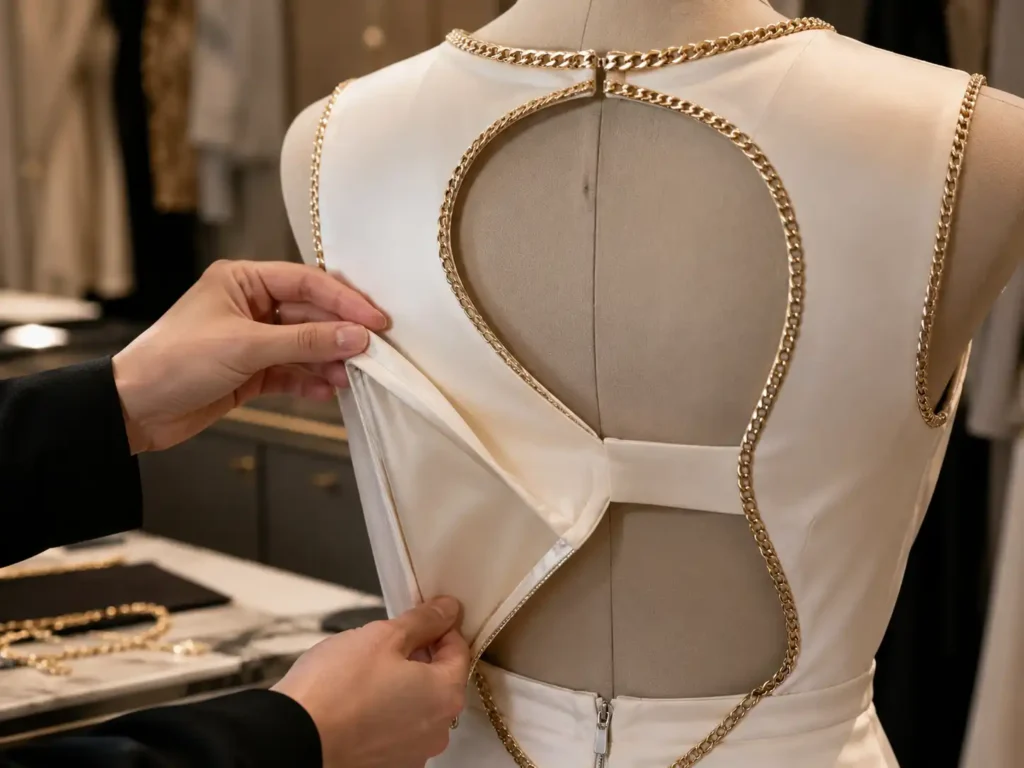
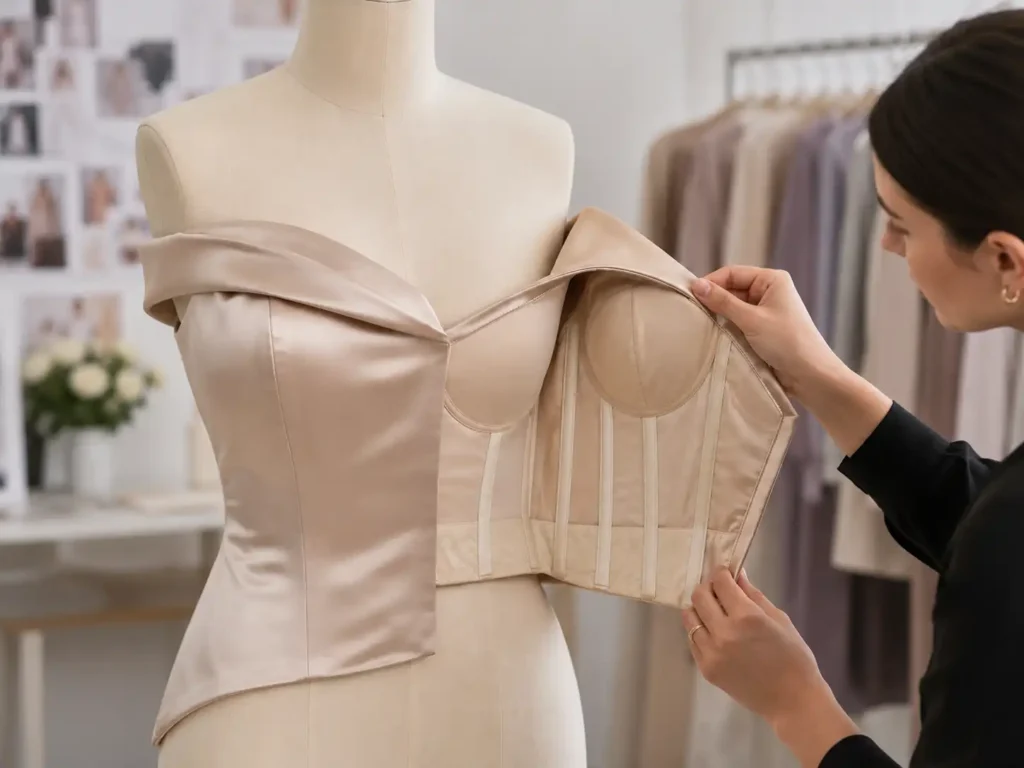
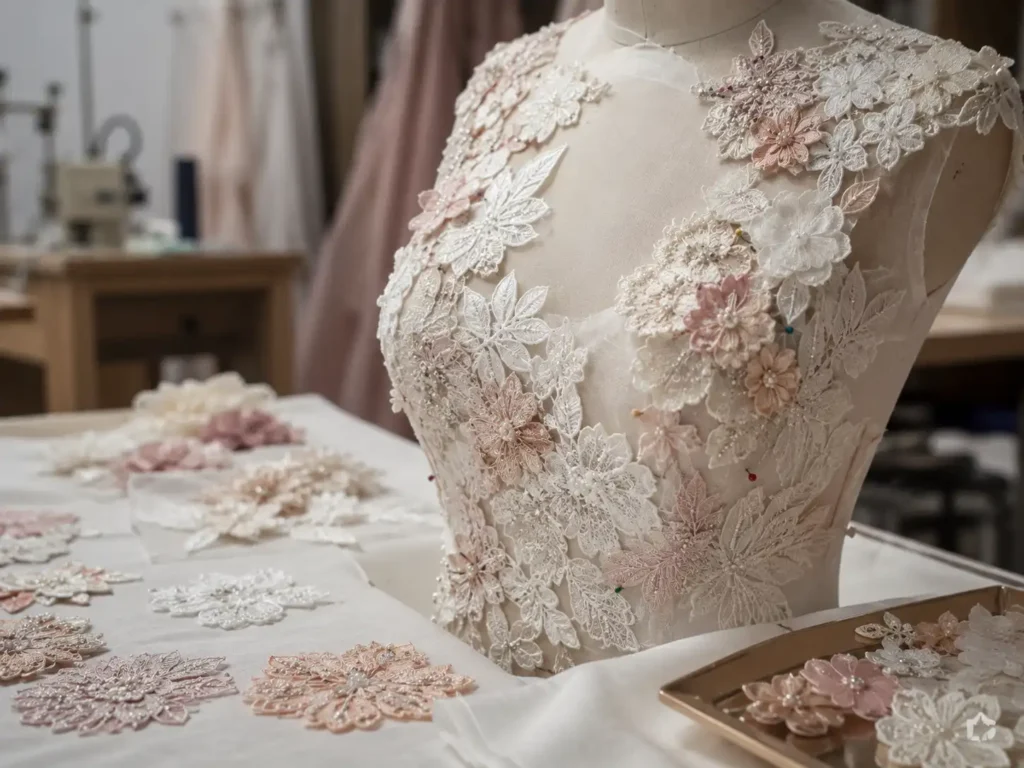
Construction choices should support the pattern rather than fight it. Lining length, zipper position, seam allowance, edge finishing and internal support can all change the tension of the upper body. We review each element in relation to the fabric and silhouette before the PP sample is locked.
Lining Balance

Closure Position
Internal Support

Edge Finish
Decorative Weight

Pressing and Finish
Start Development from the Files You Already Have
Tech Pack
Reference Image
Original Sample
Sketch
Line Sheet
Size Chart

First Sample and Fit Sample Validation
The first sample is used to make the design physically testable. It verifies the basic one-shoulder structure, fabric behavior, proportion, lining, closure and construction feasibility. A first sample does not need to be treated as the final bulk standard; its value is to expose decisions that are difficult to judge from a drawing or flat specification.
Fit validation then moves from appearance to body performance. The supported shoulder, open-side bust, diagonal neckline, underarm height, side seams, waist, hip, length and lining are reviewed against the intended fit. Depending on the style, movement checks can include walking, arm lifting and sitting. Front, side and back images are more useful than a single front photo because asymmetric problems often appear in rotation or side exposure.
Jinfeng Apparel’s sampling system can move through first sample, fit sample, revised sample, photo-ready sample, salesman sample and PP sample according to project needs. Simple styles commonly require less development time than complex corset, sequin, lace, mesh or heavily structured one-shoulder garments. Typical sample references are 7-10 days for simple styles, 10-15 days for standard dresses and 15-25 days for complex styles, while special material preparation follows supplier readiness.
Fit Feedback We Need
Mark the exact issue, show front/side/back views, identify the garment size and record any measurement change rather than using general comments such as “make it fit better.”
Photo-Ready Review
For ecommerce and campaign use, fabric shine, drape, pressing, zipper flatness, lining coverage and model fit can be reviewed separately from final PP approval.
CTA: Start Sample Development | Send Fit Comments
Revision Records Turn Fit Comments into Production Data
Sample revision is managed by cause, not by vague visual adjustment. A loose shoulder can involve shoulder position, length, fabric recovery or body balance; an open-side gap can involve upper-bust shape, neckline, side height or lining. Each issue is classified before the pattern or construction is changed so one correction does not create a new problem elsewhere.
Revision records can capture sample version, client comment, change location, measurement before and after, pattern impact, material impact, construction impact, cost impact, lead-time impact and the next sample action. Approved changes are then reflected in updated patterns, measurement charts, fabric or trim records, sewing instructions and QC checkpoints.
Major structure changes, fabric replacement or new support construction may require more than a local alteration. When the change affects drape, stretch, lining, closure or sewing time, the development plan and quotation basis are rechecked before the next sample is made.

Shoulder Too Loose
Review shoulder anchor, angle, length and fabric recovery; update pattern; confirm whether lining or support also needs adjustment; recheck neckline after the change.

Side Bust Gaping
Review upper-bust fit, open-side height, neckline shape and lining tension; confirm exposure level; update measurement and pattern before revised sampling.

Side Seam Twisting
Review asymmetric pull, fabric stretch direction, front/back balance and sewing tension; correct the cause before bulk cutting standards are fixed.
Lock the PP Sample Before Bulk Production
Final Pattern
Final Materials
Final Measurements
Final Construction
Labels and Packing
QC Checkpoints

Transfer the Approved Sample into Repeatable Bulk Standards
Strong samples do not guarantee strong bulk production unless approved decisions are transferred to the production team. Our handover connects the final pattern with the size chart, fabric reference, trim reference, sewing instruction, label placement, packing instruction and QC checklist. The production unit should not need to reinterpret the style from photographs after sampling is complete.
For one-shoulder dresses, handover records call attention to the asymmetric points most likely to drift in bulk: shoulder length, neckline angle, open-side bust height, underarm position, side-seam balance, lining attachment, zipper flatness and decorative weight. The same points are used during inline and final checks so a problem can be corrected before it spreads across the full order.
Golden samples can be retained for high-requirement or repeat-order programs as a physical reference for appearance, construction and QC comparison. Pattern, BOM, fabric, trim, packing and QC records also help reduce repeated development work when a brand reorders the same style or extends it into new colors.
One-Shoulder Dress QC Uses Product-Specific Checkpoints
Quality control starts before final inspection. Fabric and trims are reviewed before cutting, key construction points are checked during sewing, measurements are compared during production and finished garments are checked again before packing. One-shoulder styles need additional attention because small differences in shoulder length, neckline angle or side height can create a visible fit problem even when general dress measurements are within range.
Jinfeng Apparel has 15+ QC inspectors supporting fabric, cutting, inline, measurement, finished-garment and packing checks. Client inspection standards, AQL requirements and third-party inspection requirements can be reviewed by project when they are provided in advance.
| One-Shoulder QC Point | What Is Checked | Risk If Missed |
|---|---|---|
| Shoulder length | Measurement and consistency against approved sample | Dropping or unequal upper-body balance |
| Shoulder position | Anchor point, angle and visual placement | Garment rotation or discomfort |
| Neckline angle | Diagonal line and edge stability | Twisting, waving or visible mismatch |
| Bust coverage | Open-side height and stability | Gapping or unwanted exposure |
| Underarm height | Coverage and movement comfort | Exposure or restricted arm movement |
| Left/right balance | Bodice level and asymmetric tension | One side lifts or drops |
| Side seam | Vertical position without forward/back rotation | Twisted silhouette and grading inconsistency |
| Lining | Length, attachment, coverage and tension | Outer shell pulls or lining shows |
| Zipper / closure | Flatness, position and operation | Bulging or body distortion |
| Shoulder security | Construction and material hold | Slippage or structural weakness |
Production Capacity for Multi-Style Brand Programs
6 Owned Factories
10+ Satellite Partners
18+ Sewing Lines
6+ Flexible Lines
12+ Merchandisers
30+ Finishing Staff
MOQ, Development Time and Cost Drivers
MOQ
Sample Timing
Bulk Timing

Anonymous One-Shoulder Occasionwear Development Program
A representative anonymized premium ecommerce program involved 18 occasionwear styles and approximately 36,000 garments across satin, crepe, lace and selected stretch constructions. Several styles used one-shoulder or asymmetric upper-body details, creating a development focus around shoulder security, open-side bust coverage, lining color, diagonal neckline balance and photo-ready appearance.
The first development round separated visual issues from structural issues. Satin one-shoulder samples were reviewed for neckline shape, zipper flatness and drape; stretch styles were checked for single-side pull and side-seam rotation; lace combinations required placement and lining review. Fit comments were converted into revised pattern and measurement notes before revised samples were made. Photo-ready requirements were confirmed separately from the PP standard so campaign appearance did not replace production approval.
After PP approval, final pattern, material references, sewing instructions, one-shoulder QC points and packing requirements were handed into bulk production. The program was managed as a multi-style collection rather than a series of isolated garments, allowing development priorities, material groups and production follow-up to be coordinated around the launch schedule.
Program Snapshot
- 18 styles
- about 36,000 garments
- satin, crepe, lace and stretch fabrics
- first sample -> revised sample -> PP sample
- ecommerce and occasionwear focus
Main Development Risks
Shoulder stability, open-side coverage, lining balance, satin drape, side-seam rotation, lace placement and photo-ready finishing.
Production Controls
Final patterns, approved materials, sewing instructions, one-shoulder QC points, labeling and packing requirements were transferred after PP approval.
Protect Unreleased Designs Before You Share Development Files
Design Files
Brand Materials
Unreleased Styles
One-Shoulder Dress Development Frequently Asked Questions

Start Your One-Shoulder Dress Development
- Tech pack, reference image, sketch, line sheet or original-sample photos
- Target fabric or fabric direction, including stretch or woven preference
- Sample size, full size range and target market
- Planned quantity per style/color and color plan
- Label, packaging and retail/ecommerce requirements
- Target sample date, launch date or delivery window