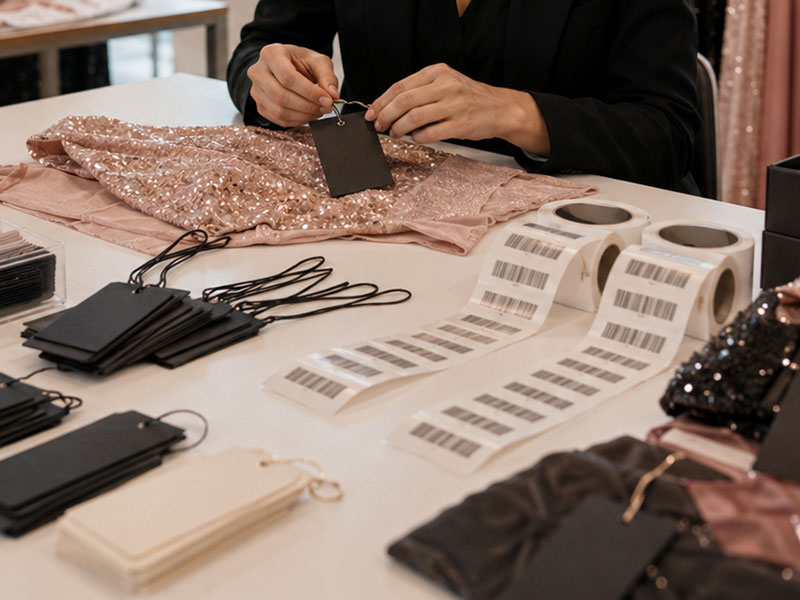
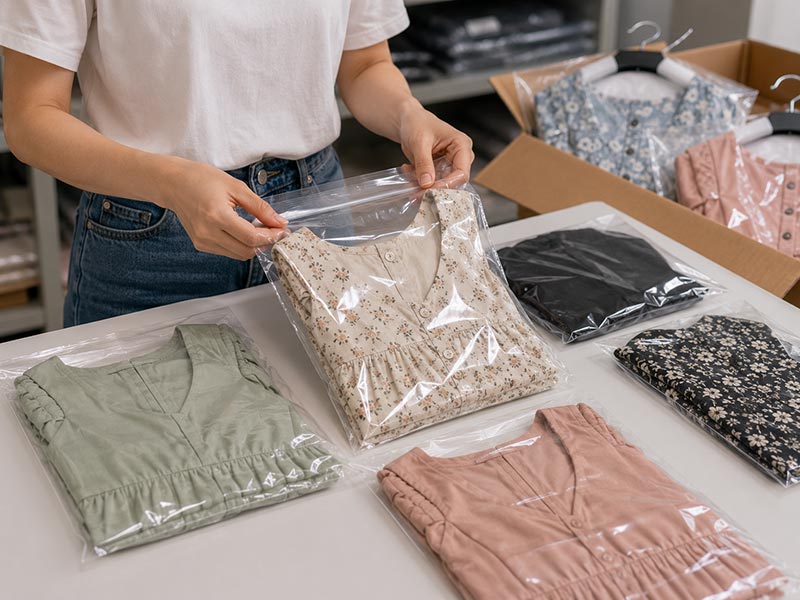
Office-to-Evening Dress Manufacturer for Womenswear Brands

Develop polished dresses that hold a professional silhouette through the workday and transition naturally into dinners, events and evening occasions.

  • Eight fit checkpoints guide development: bust, waist, hip, shoulder, armhole, neckline, front-to-back length balance and slit position.
  • Six core fabric directions are reviewed for structure, recovery and polish: crepe, ponte, suiting, jersey, viscose blends and stretch satin.
  • Standard sample development is normally planned within 7-25 working days; bulk production is commonly scheduled within 35-50 working days after PP approval and material readiness.
  • MOQ starts from 200 pcs per style/color, subject to fabric availability, color development, trims, construction, packaging and production timing.

Manufacturing Capacity Built Around Fit-Led Dress Programs

Office-to-evening collections depend on disciplined development, not isolated sample making. Jinfeng Apparel combines dedicated pattern, sample and production resources for multi-style womenswear programs.

Since 2008

Long-term womenswear manufacturing experience supports product decisions around fabric behavior, fit correction, construction risk and bulk repeatability rather than simple picture-based execution.

6 Owned Factories

Owned factories allow style allocation by woven, knit, occasionwear and construction requirements. A tailored crepe sheath and a ponte column dress do not need the same production setup.

10+ Partner Factories

Long-term satellite partners add flexible capacity for coordinated seasonal programs while Jinfeng retains development files, quality standards, packaging instructions and shipment control.

2 Sample Rooms

Separate sample-room capacity supports concurrent first samples, fit revisions, photo samples and PP samples across a wider line sheet without mixing sample versions.

7+ Pattern Makers

Senior pattern makers translate design intent into balanced bust, waist, hip, armhole, neckline and length proportions for fitted, semi-fitted and tailored silhouettes.

100,000+ Monthly

Monthly capacity supports established brands with multi-style, multi-color and multi-size programs. Final allocation still depends on fabric, complexity, approval timing and confirmed production windows.

Designed for Established Womenswear Programs and Buying Teams

The strongest fit comes from brands with a clear product direction, professional sampling requirements and a planned bulk program rather than ready-stock purchasing.

Contemporary Womenswear Brands

Suitable for labels building polished dresses around office, dinner, event and multi-channel use. Development can begin from a tech pack, approved sample, line sheet, reference images or a defined product brief.

  • Seasonal collections
  • Core style replenishment
  • Multi-color development

Product and Sourcing Teams

Useful for teams that need clearer control of fabric approvals, fit comments, sample versions, PP locking, production allocation and private-label delivery across several styles.

  • Documented approvals
  • Measured fit changes
  • Bulk-ready handover

Program Fit Boundaries

Jinfeng Apparel is structured for custom development and bulk production. The service model is not built around ready stock, one-piece fulfillment, unapproved copying or price-only micro orders.

  • MOQ by style/color
  • Paid sample development
  • Confirmed bulk planning

What Makes a Dress Work from Office to Evening

A successful day-to-night dress keeps professional coverage and visual control during working hours, then gains evening relevance through proportion, fabric quality and refined details rather than excessive decoration.

Professional Structure Without Uniform Stiffness

Office suitability begins with coverage, proportion and movement. Necklines must remain stable when sitting or leaning forward; armholes need enough coverage without cutting into the underarm; skirt length and slit position must work while standing, walking and sitting. A strong shoulder line or defined waist can add authority, but excessive stiffness often reduces comfort over an eight- to ten-hour wear period. Jinfeng reviews the relationship between fabric weight, stretch, lining, seam placement and silhouette before the first pattern is completed. A tailored sheath may need controlled waist suppression and hip ease, while a wrap midi requires neckline security, overlap depth and tie placement. A blazer dress needs lapel balance, front closure security and a hem that remains level when the wearer moves. The goal is a polished shape that still feels natural in meetings, travel and desk work. Fit comments are translated into measurable actions: moving the waist seam, increasing back length, redistributing bust volume, opening the armhole, adjusting hip ease or changing slit height. Those decisions protect professional appearance without turning the product into rigid corporate wear.

Evening Polish Without Losing Daytime Credibility

Evening relevance comes from controlled refinement. A matte crepe dress can gain sophistication through asymmetric draping, a cleaner shoulder line or a narrow metal closure. A ponte column dress can move from work to dinner through sculpted seaming and a precise neckline. Stretch satin can be introduced as a panel, collar, cuff or softly draped bodice rather than covering the entire garment in high shine. Subtle back details, refined hardware, covered buttons, tonal lace or a measured slit can lift the product after working hours without creating a nightclub-only result. Color also matters: black, navy, chocolate, deep burgundy, forest green and controlled jewel tones often support both environments, while lighter colors need careful lining and transparency review. Jinfeng evaluates each design against three commercial questions: Will the garment look professional under office lighting? Will it remain comfortable after prolonged sitting and movement? Will the silhouette still feel elevated when the outer layer is removed? A dress that satisfies all three delivers broader wearability, a longer selling window and stronger repeat-order potential.

Office-to-Evening Dress Collection Range

A balanced collection mixes stable core silhouettes with selected statement details. Each style below serves a different merchandising role while remaining compatible with office and evening use.

Tailored Sheath Dress

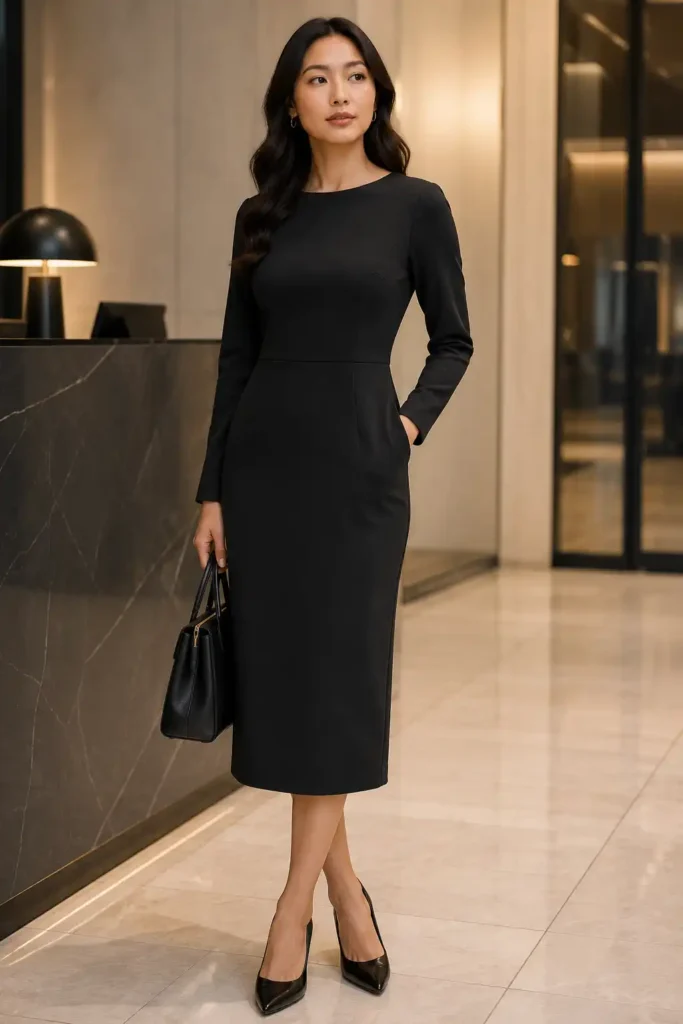
A clean sheath gives brands a dependable office-to-dinner core style. Crepe, stretch suiting and compact woven blends provide structure without excessive bulk. Development focuses on bust shaping, waist suppression, hip ease, back length, vent or slit position and zipper flatness. A fully fixed silhouette can feel restrictive after several hours, so movement allowance and fabric recovery must be reviewed together. The strongest versions use restrained necklines, balanced shoulder coverage and precise pressing. Bulk QC should confirm waist level, side-seam balance, hem level, lining length and measurements at bust, waist and hip.

Wrap Midi Dress

A wrap midi creates visual flexibility and works across office, travel and evening settings, but neckline and overlap control are critical. Matte jersey, crepe jersey, viscose blends and soft woven crepe are common directions. Jinfeng reviews front overlap depth, waist tie placement, internal fastening, skirt opening and the effect of stretch on neckline stability. A wrap that looks secure on a mannequin may open while sitting or walking. Sampling therefore needs movement review, not only static photos. Bulk production should control tie length, panel symmetry, neckline binding, hem sweep and print alignment where applicable.

Blazer Dress

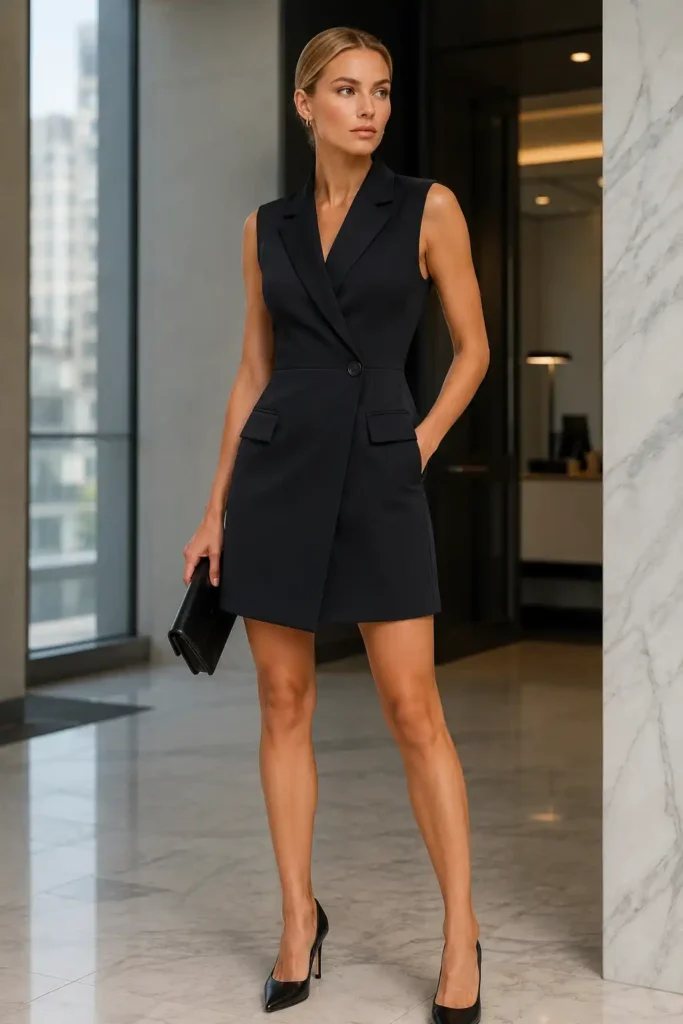
A blazer dress delivers the strongest tailored identity in the range. Suiting, stretch suiting, crepe and ponte can be selected according to season and price position. Development covers lapel roll, shoulder balance, sleeve mobility, front closure strength, chest coverage and hem proportion. Inner buttons, modesty snaps or concealed closures may be needed to prevent gaping. Interlining and lining must support the silhouette without making the garment heavy. Key bulk checks include lapel symmetry, button placement, pocket position, sleeve pitch, pressing shine and front-edge balance.

Ponte Column Dress

Ponte supports fitted office-to-evening silhouettes because it combines stretch, recovery and surface stability. The product can be sleeveless, short-sleeved or long-sleeved, with princess seams, waist shaping or clean vertical panels. Fabric GSM and recovery affect whether the dress smooths the body or stretches out at the seat and knee. Jinfeng compares hand feel, opacity, edge curl and recovery before sampling. Pattern work focuses on negative ease, armhole comfort and neckline stability. Bulk checks cover panel matching, seam waviness, measurement recovery, hem behavior and pressing temperature.

Crepe A-Line Midi

A crepe A-line midi offers professional coverage with softer movement than a fitted sheath. The style works well with short sleeves, long sleeves, V-necks, high necks and subtle drape details. Fabric weight determines whether the skirt hangs cleanly or collapses around the hips. Pattern development controls waist placement, skirt sweep, pocket bulk, lining and hem balance. A-line shapes also need accurate grain direction so the side seams remain vertical. Bulk inspection should review drape, skirt symmetry, pocket opening, zipper area, waist seam and the relationship between shell and lining.

Shirt Midi Dress

A shirt midi brings familiarity and commercial breadth, especially for brands selling across office, travel and weekend channels. Poplin blends, Tencel, viscose twill, crepe and light suiting can each create a different price and season position. The main risks are front placket gaping, collar imbalance, sleeve restriction, waist tie movement and uneven hems. Jinfeng can review hidden snaps, button spacing, placket reinforcement and side-seam shaping. Bulk control should verify collar points, placket alignment, button security, pocket level, cuff size and garment length by size.

Draped-Waist Dress

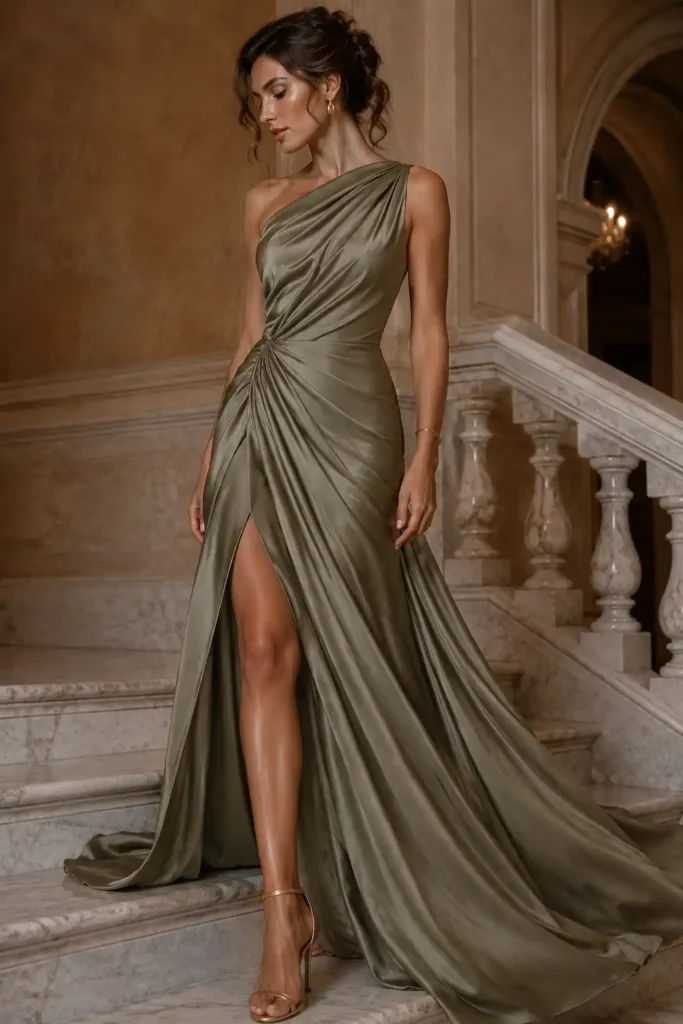
Draping adds evening character without relying on heavy trim. Crepe, matte jersey, satin-backed crepe and viscose blends can create controlled folds around the waist or hip. The pattern must secure fold direction and avoid excess bulk at the side seam. Draping also affects size grading: a fold that looks balanced in the sample size may shift in larger or smaller sizes unless anchor points and grade rules are defined. Jinfeng records pleat direction, tack points, seam placement and pressing method. Bulk QC checks drape symmetry, tack security, waist position and consistent fold depth.

Sleeved Cocktail Dress

A sleeved cocktail dress can bridge office and evening when length, neckline and fabric are moderated. Crepe, lace combinations, stretch satin details and velvet for colder seasons can support premium positioning. Sleeve head, upper-arm ease and lining comfort matter because polished appearance can be lost when sleeves twist or restrict movement. Lace or satin details require color and texture matching with the base fabric. Bulk checks include sleeve pitch, cuff opening, neckline stability, lining coverage, seam smoothness, zipper flatness and pressing marks.

Design Details That Control Day-to-Night Balance

Small structural decisions determine whether a dress remains polished from morning meetings through evening plans. Each control point needs a clear sample standard and a repeatable bulk method.

Neckline Coverage

Neckline depth is reviewed in standing, seated and forward-leaning positions. For wrap, V-neck and draped styles, Jinfeng checks overlap, edge tension and internal fastening. A neckline can be lowered for evening appeal while still retaining office security through hidden snaps, modesty panels or improved pattern shaping. Bulk QC compares neckline width, depth and symmetry against the approved measurement file.

Slit Height

Slits affect movement and evening styling, but placement must remain controlled when sitting or climbing stairs. Jinfeng confirms slit start point, overlap, seam reinforcement and lining relationship during fitting. Side, front and back slits behave differently across fitted and A-line silhouettes. Bulk inspection checks opening length, bar tacks, seam strength, hem alignment and whether the slit twists away from the intended position.

Waist Placement

A waist positioned 1-2 cm too high or low can change the entire product. Jinfeng evaluates natural waist, raised waist, dropped waist and draped waist treatments against the target body proportion. Seams, belts and ties are measured from fixed reference points rather than judged visually. Grade rules must preserve the intended proportion across sizes. Bulk checks verify waist level, side-seam alignment and matching across panels.

Armhole Mobility

Sleeveless and fitted-sleeve dresses need enough movement for commuting, typing and reaching without exposing the bra or creating gaping. Jinfeng reviews armhole depth, shoulder width, sleeve pitch and upper-arm ease. Stretch fabric does not automatically solve a poor armhole shape. Fit revisions may adjust front and back armhole curves separately. Bulk QC compares armhole shape, binding tension and sleeve attachment against the approved sample.

Lining Coverage

Lining controls opacity, comfort, static and shape. Office-to-evening dresses often use shell fabrics with different stretch or drape than the lining, so compatibility matters. Jinfeng confirms lining length, neckline and armhole finish, slit opening and ease. Light colors may require opacity checks under office and flash lighting. Bulk inspection looks for lining pull, twisting, show-through, uneven length and exposed seam allowances.

Pocket Structure

Pockets add office utility but can distort fitted silhouettes. Pocket bag size, opening position, reinforcement and fabric thickness must be planned before the pattern is finalized. Jinfeng may reduce bulk through lighter pocketing, concealed openings or adjusted seam placement. Sample review includes phone or card loading where relevant. Bulk QC checks pocket symmetry, opening stretch, visible impressions and whether the pocket changes hip shape.

Zipper Flatness

Invisible zippers often reveal quality problems around the waist, hip or center back. Fabric stretch, seam stabilization and zipper length influence whether the area ripples or stands away from the body. Jinfeng reviews zipper tape color, insertion method, top closure and seam allowance. Bulk checks focus on smooth operation, left-right alignment, flatness, color match and reinforcement at high-stress points.

Hem Balance

A clean hem must remain level while the wearer stands and moves. Bias areas, draped panels, stretch fabrics and asymmetric designs can drop after hanging. Jinfeng allows suitable hanging or relaxation before final hemming when fabric behavior requires it. Shell and lining lengths are confirmed separately. Bulk inspection checks front-to-back balance, side-seam drop, stitch appearance, pressing and consistency across sizes.

Fabric Direction for Structure, Comfort and Polish

Fabric choice sets the limits for silhouette, comfort, wrinkle behavior and evening finish. Jinfeng compares physical swatches, weight, stretch, recovery, opacity, surface and bulk availability before sampling.

 
FabricBest UsesCommercial PropertiesDevelopment ChecksBulk Risks
Stretch CrepeSheath, A-line midi, draped waistMatte surface, clean drape, moderate wrinkle resistanceWeight, stretch direction, opacity, seam slippageShade variation, puckering, press marks
Ponte / RomaColumn, body-skimming, panelled midiStructure, stretch, recovery, opacityGSM, recovery, edge curl, surface stabilityKnee/seat growth, seam waviness, heat sensitivity
Stretch SuitingBlazer dress, tailored sheathProfessional hand, sharp seams, controlled shapeComposition, stretch, interlining match, crease recoveryPress shine, bubbling, seam imbalance
Matte JerseyWrap, ruched, travel-friendly midiSoft movement, comfort, lower crease visibilityRecovery, shrinkage, spirality, neckline behaviorGrowth, twisting, edge stretching
Viscose BlendShirt midi, soft A-line, draped stylesBreathable hand, fluid movement, natural appearanceShrinkage, colorfastness, seam strength, wrinkle recoveryDimensional change, creasing, shade variation
Stretch SatinDraped bodice, panel details, cocktail stylesEvening sheen, fluid drape, elevated appearanceSnag risk, shine direction, opacity, stretch recoveryNeedle marks, pulls, color shift, press impressions


Fit Engineering for an Entire Working Day

Fit is evaluated through real wearing positions. The goal is not simply a close silhouette; the garment must preserve coverage, comfort and proportion through standing, sitting and movement.

Standing Balance and Visual Proportion

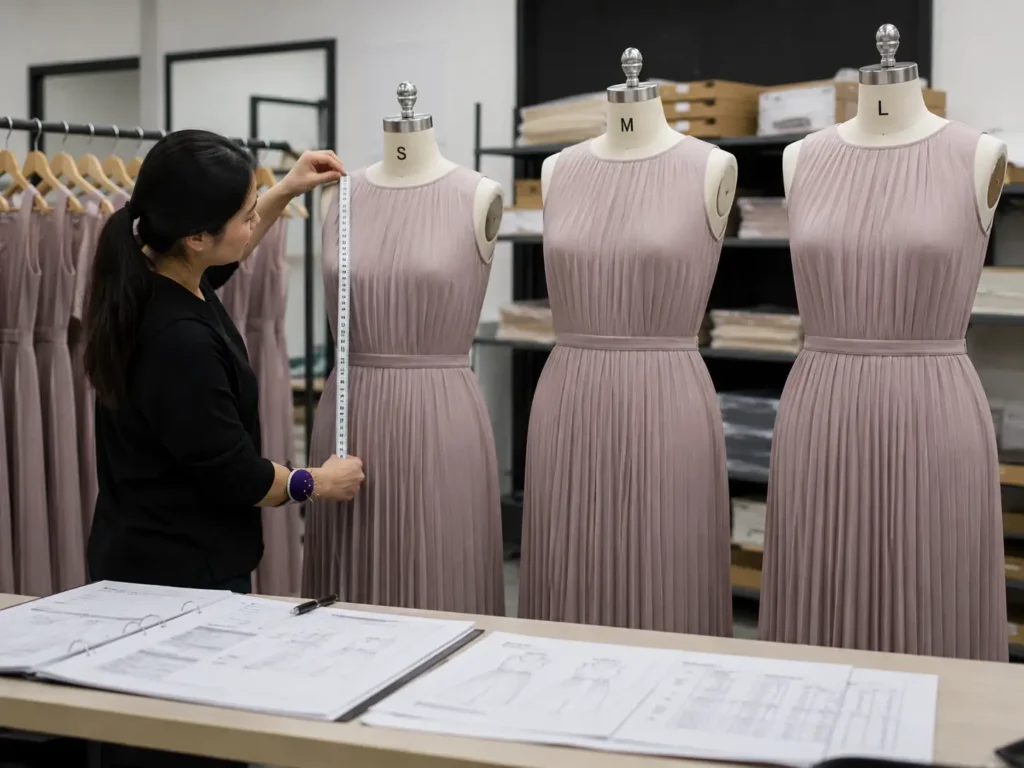
The first fit review establishes the dress on the body: shoulder level, neckline position, bust shaping, waist placement, hip line, side-seam direction, skirt fall and front-to-back length. Jinfeng checks whether vertical seams hang straight and whether the garment rotates toward the front or back. Fitted dresses need controlled ease rather than indiscriminate tightness. The approved ease varies by fabric recovery and brand fit direction. Ponte may use closer body measurements than woven crepe, while a tailored sheath needs enough hip and back-waist ease to prevent horizontal drag lines. Waist seams, belts and drape anchors are measured from stable landmarks. On asymmetrical designs, both intended asymmetry and unintended imbalance must be separated. The sample is photographed from front, side and back, then measurement comments are linked to visible fit issues. A raised front hem may come from insufficient bust length; diagonal hip lines may indicate inadequate hip ease or an incorrect side-seam shape. Addressing the cause, rather than only changing hem length, produces a pattern that can be graded and repeated.

Sitting Comfort and Coverage Control

Office wear fails quickly when a dress becomes restrictive or exposes more than intended in a seated position. Jinfeng reviews waist pressure, back length, hip ease, skirt rise, slit opening, wrap overlap and neckline security while the model sits naturally. Fitted woven styles may need extra back-waist length or a refined hip curve so the garment does not pull upward. Stretch fabrics need recovery checks after sitting because a comfortable fabric can still bag at the seat or knee.

Slits are measured in the seated position, not only against a standing form. Wrap styles are checked for opening at the thigh and neckline. Short sleeves and fitted sleeves are reviewed with arms forward to simulate typing or desk work. Where needed, revisions include increasing back length, reshaping the seat, adjusting slit height, deepening overlap, moving the waist or changing fabric stretch. Those changes are then recorded in the revised pattern and measurement chart rather than left as informal sewing adjustments.

Walking, Reaching and Layering

Day-to-night dresses often move through commuting, meetings, travel and evening venues, so the sample must work beyond a static fitting. Walking review covers stride, skirt opening, hem movement and whether side seams twist. Reaching and arm movement reveal shoulder, sleeve-pitch and armhole problems. Blazer dresses and sleeved styles are tested with forward and upward arm positions, while sleeveless designs are checked for bra exposure and underarm gaping. Layering also matters: the dress may be worn under a blazer or coat during the day and alone at night. Bulky shoulder details, raised sleeve heads or thick waist treatments can create pressure under outerwear. Jinfeng can refine seam position, sleeve crown, shoulder width, armhole depth or trim placement to reduce conflict. For stretch garments, measurements are rechecked after movement to assess recovery. The approved fit standard combines visual photographs, a signed measurement chart, pattern revision notes and the final sample, giving production teams a clear reference rather than a subjective instruction to make the dress “more comfortable.”

Pattern and Sample Capacity for Concurrent Style Development

Multi-style programs need clear ownership of patterns, sample versions and fit comments. Jinfeng separates development records so each style moves forward against its own approval status.

Two Sample Rooms

Two sample rooms support parallel development across woven, knit and occasion-led styles. Project scheduling distinguishes first samples, revised samples, photo samples and PP samples so a line sheet does not rely on one mixed queue.

Seven Pattern Makers

More than seven senior pattern makers support fit-led development. Work includes style structure analysis, base-pattern selection, pattern correction, size-chart interpretation, graded-rule planning and sample-comment conversion.

Twenty Sample Machinists

More than twenty sample machinists support construction testing across crepe, suiting, jersey, ponte, satin, lace and mixed-material styles. Sample sewing also reveals seam, trim and finishing risks before bulk allocation.

From Design Reference to Approved Production Sample

A controlled sample path prevents attractive concepts from reaching bulk before fit, fabric and construction are ready. Each stage has a separate purpose and approval record.

Project Review

Jinfeng reviews the tech pack, reference sample, image set or line sheet together with quantity, size range, target market, delivery window and private-label needs. The team identifies structural risks, missing measurements, uncertain materials and areas requiring physical confirmation before pricing or pattern work.

Fabric Direction

Available and developable fabrics are screened by composition, weight, stretch, recovery, opacity, hand feel, surface and color plan. Photos, videos, swatches, color cards or lab dips can support selection. Custom-dyed, printed or certified materials are reviewed against supplier MOQ and lead time.

Pattern Development

Pattern makers translate the approved design direction into measured structure. Bust, waist, hip, shoulder, armhole, neckline, dress length, slit and lining are planned together. Construction notes record seam type, reinforcement, closure, trim and finishing requirements.

First Sample

The first sample tests the combined design, fabric and pattern direction. Standard structures are often planned within 7-15 working days after materials and requirements are confirmed. Complex tailoring, special fabrics or extensive trims may require 15-25 working days.

Fit Revision

Comments are converted into measurable revisions: move waist 1 cm, increase back length, adjust hip ease, reshape armhole, change neckline depth or reset slit position. Revised samples commonly require 5-10 working days after comments and materials are confirmed, depending on change scope.

PP and Golden

The PP sample locks the bulk reference after fabric, color, trims, measurements, labels and packaging are confirmed. A Golden sample may be retained as the physical benchmark. Changes after PP approval require a controlled review because they can affect cost, materials, pattern files and production timing.

How We Test the Dress on the Body

Fit comments become useful only when each visible issue is connected to a pattern, fabric or construction action. Jinfeng uses multiple viewing positions to isolate the real cause.

Front, Side and Back Review

The front view checks neckline position, bust shaping, waist level, center-front direction and skirt balance. The side view reveals bust length, waist pitch, seat shape, hem lift and side-seam movement. The back view checks shoulder blades, back-waist length, zipper flatness, hip line and vent position. Photographs are compared with the measurement chart and pattern landmarks. A lifted front hem may need more bust length rather than a longer hem; a back zipper wave may come from excessive back length, poor stabilization or incompatible fabric stretch. For draped and ruched styles, fold direction and anchor points are assessed separately from overall fit. Jinfeng records approved changes in pattern notes and sample comments so the next sample is not based on memory or verbal interpretation.

Seated and Movement Review

The model sits, walks and moves the arms to reveal coverage and recovery issues that a standing photograph cannot show. The review covers wrap opening, slit exposure, waist pressure, skirt rise, neckline movement, armhole gaping and sleeve restriction. Stretch styles are rechecked after movement for seat or knee growth. Woven tailored styles are inspected for drag lines and stress at the zipper, side seam and slit. If the dress is designed to work under a blazer, shoulder and sleeve bulk are reviewed while layered. Comments may lead to altered overlap, redistributed ease, adjusted sleeve pitch, a lower or higher slit, improved lining movement or a different fabric direction. The fit report keeps movement notes specific enough for pattern revision and later bulk measurement control.

Sample Approval Evidence

Day-to-night dresses often move through commuting, meetings, travel and evening venues, so the sample must work beyond a static fitting. Walking review covers stride, skirt opening, hem movement and whether side seams twist. Reaching and arm movement reveal shoulder, sleeve-pitch and armhole problems. Blazer dresses and sleeved styles are tested with forward and upward arm positions, while sleeveless designs are checked for bra exposure and underarm gaping. Layering also matters: the dress may be worn under a blazer or coat during the day and alone at night. Bulky shoulder details, raised sleeve heads or thick waist treatments can create pressure under outerwear. Jinfeng can refine seam position, sleeve crown, shoulder width, armhole depth or trim placement to reduce conflict. For stretch garments, measurements are rechecked after movement to assess recovery. The approved fit standard combines visual photographs, a signed measurement chart, pattern revision notes and the final sample, giving production teams a clear reference rather than a subjective instruction to make the dress “more comfortable.”

Locking the Approved Sample into Bulk Production

Bulk consistency depends on a precise transfer from development to production. Jinfeng turns the approved sample into a production file rather than relying on visual memory.

The Bulk-Ready Technical Package

Before material preparation and cutting, the approved style should have a final pattern, confirmed size chart, grade rules, shell and lining references, color approval, trim card, construction notes, label placement, packaging instruction and QC checklist. For office-to-evening dresses, the handover pays special attention to neckline depth, waist location, hip ease, armhole shape, slit start point, lining length, zipper position and hem balance. Fabric notes can include usable width, stretch direction, relaxation or pre-shrink requirements, grain direction and shade control. The sewing file records stabilizing, reinforcement, seam allowance, stitch type and pressing precautions where relevant. Private-label instructions link each style and color to the correct main label, care label, size label, hangtag, barcode, polybag and carton breakdown. A missing or ambiguous item is resolved before bulk begins. Production teams then work from a controlled reference set: PP or Golden sample, approved measurements and written instructions.

Change Control After PP Approval

Late changes are one of the largest risks in a multi-style program. A revised neckline, new fabric, changed zipper, altered size ratio or updated packaging file can affect cost, supplier MOQ, pattern, material usage, lead time and already prepared components. Jinfeng records the requested change, identifies affected files and confirms whether a new sample, revised approval or production adjustment is required. Changes are not treated as informal messages. When a style is already in material preparation or cutting, the commercial and timing consequences must be reviewed before implementation. The same discipline protects repeat orders: historical patterns, fabric references, trim details, measurements, packing instructions and QC records are retained, then reviewed against any new color, fabric batch or design change. A repeat order can start faster, but it still requires material and production confirmation because the original result cannot be assumed without checking current supply conditions.

Production Control for Multi-Style Dress Programs

A 10-30 style program cannot be managed as one large order. Jinfeng groups styles by fabric, construction, launch priority, trims, color and factory capability before production allocation.

Style Grouping

Styles are grouped by woven, knit, tailoring, drape, special fabric and trim requirements. Shared materials can be coordinated, while incompatible constructions remain separated to protect workmanship and line efficiency.

Factory Allocation

Owned and long-term partner factories are matched to product structure, material behavior, order quantity and delivery window. A blazer dress, ponte column and satin drape style can follow different production routes under one project plan.

Material Readiness

Shell, lining, zippers, buttons, labels and packaging are tracked against the approved bill of materials. Fabric color, batch, usable width and inspection status are checked before cutting plans are released.

Cutting Control

Fabric relaxation, grain direction, nap or shine direction, shade separation and marker planning are applied according to material. Cut panels are bundled by style, color and size to reduce mix-ups.

Inline Follow-Up

Production progress is reviewed by style and stage rather than only by total quantity. Inline checks target the specific risks of each product: zipper flatness, neckline, lapel, side-seam balance, stretch recovery, drape or lining.

Shipment Planning

Packing, client inspection, AQL review, export documents and shipment batches are scheduled against the brand launch plan. Split shipment can be evaluated where approved styles have different completion or warehouse priorities.

Workmanship and Quality Controls That Protect the Silhouette
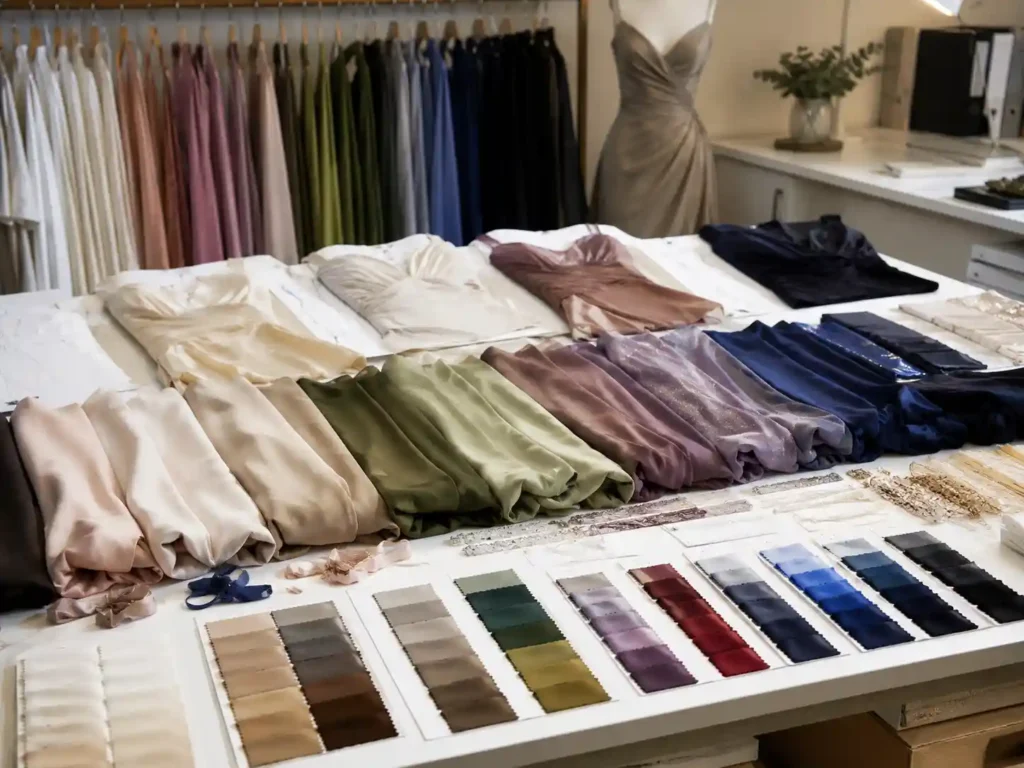
Quality control follows the product risk. Office-to-evening dresses need measurements, visual balance and finishing control from incoming fabric through packed garments, not only a final random check.

Incoming Fabric

Fabric is reviewed for color, surface, width, weight, stretch, recovery, defects and batch consistency according to project needs. Crepe may require seam-slippage awareness; ponte needs recovery and surface checks; satin needs snag and shine-direction control. Approved bulk color and fabric references are linked to the style file before cutting.

Grain and Cutting

Pattern placement controls grain, nap, shine direction, print position and stretch direction. Shade lots are separated where necessary. Cut panels are checked for size, notches, matching and defects before bundles move to sewing. Poor grain control can twist side seams or make a skirt hang unevenly even when sewing measurements appear correct.

Seam Construction

Seam type and allowance are selected for fabric weight, stretch and stress. Fitted areas, slits, pockets, wrap ties and closure points may need reinforcement. Inline checks look for puckering, skipped stitches, stretched seams, uneven topstitching and weak bar tacks. The aim is clean appearance and stable wear, not only seam completion.

Zippers and Closures

Invisible zippers, front closures, inner buttons, snaps and hooks are checked for alignment, operation, security and color match. Blazer and wrap dresses may use concealed support closures to maintain coverage. Bulk inspection compares placement to the approved sample and verifies reinforcement at stress points.

Lining and Interior

Lining length, ease, opacity, attachment and slit construction are inspected against the shell. Interior seam finishes, facing edges, labels and support components must remain comfortable during prolonged wear. The lining should not pull the shell, twist, show below the hem or restrict the stretch behavior of the outer fabric.

Measurement Control

Measurements are checked at defined points such as bust, waist, hip, shoulder, armhole, sleeve, front and back length, slit and hem. Tolerances are set by product and measurement point rather than using one general number. Results from sample approval guide inline and final measurement checks across sizes.

Pressing and Appearance

Pressing temperature, pressure and method are matched to fabric. Suiting can show shine; satin can record impressions; ponte can flatten or glaze; crepe can pucker if handled poorly. Appearance inspection covers lapels, seams, drape, waistline, hem, surface and overall silhouette under suitable lighting.

Packing and Final

Labels, size stickers, barcodes, polybags, folding and carton marks are verified by style, color and size. Final inspection may include appearance, measurements, workmanship and packing, followed by AQL or client inspection where arranged. Inspection findings are recorded and corrected before approved shipment release.

Private-Label Packing Ready for Retail and Ecommerce
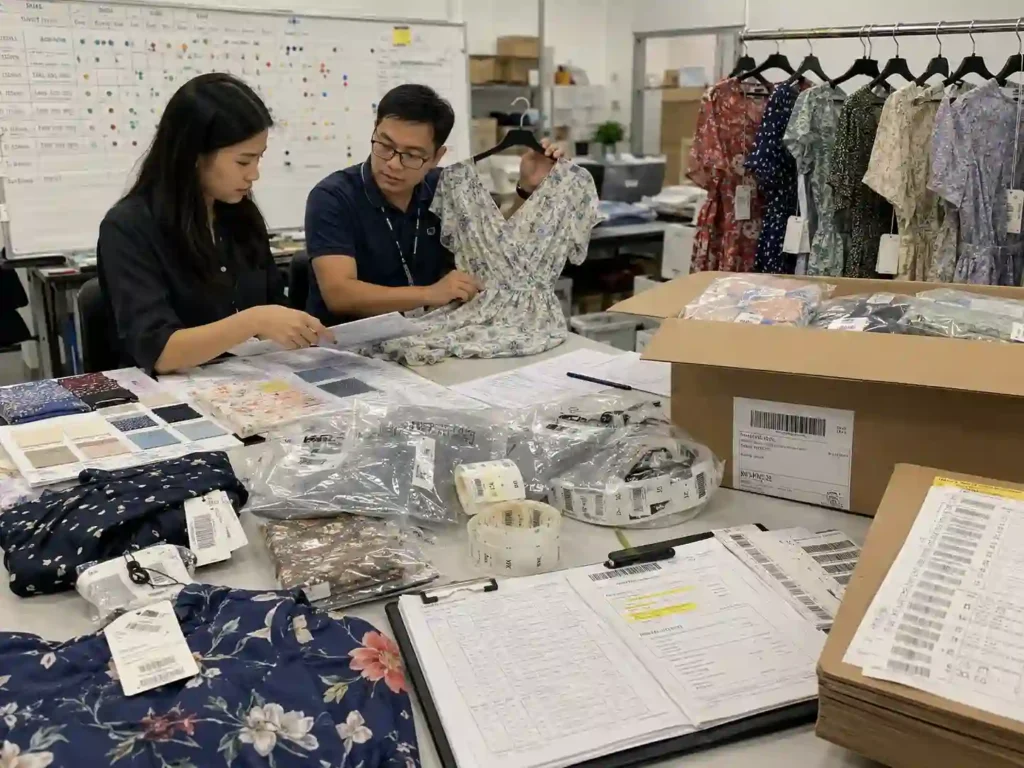
Brand presentation continues after garment inspection. Labels, barcodes, folding and carton identification must remain accurate across every style, color and size.

Main Label

Main-label material, size, fold, color, edge comfort and placement are confirmed before bulk. Neck and side-seam positions are reviewed against neckline shape, lining and wearing comfort.

Care Label

Care-label artwork can include fiber content, care instructions, size, country of origin, importer or RN information and batch references as supplied and approved by the brand. Final wording remains subject to market requirements and brand confirmation.

Size Label

Size labels must match the approved size chart, garment bundle, polybag sticker and carton breakdown. US, UK, EU, AU, petite, tall and plus-size systems require clear mapping to prevent warehouse and return problems.

Hangtag Set

Hangtags, strings, seals and placement are checked for material, print, hole position and brand presentation. Multiple tag components can be packed by style and market with clear assembly instructions.

Barcode and SKU

Barcode files, SKU text, style number, color name and size are verified against packing lists. Scan checks or visual verification can be included according to the project plan.

Polybag and Carton

Polybag thickness, warning text, ventilation, size sticker, folding board and packing ratio are confirmed. Carton marks and size-color breakdown support warehouse receiving and multi-batch delivery.

MOQ and Cost Planning for Multi-Style Collections

MOQ starts from 200 pcs per style/color. Final feasibility and cost depend on the complete production structure rather than total order quantity alone.

FactorStarting StructureWhat Raises MOQ or CostJinfeng ReviewBrand Input
Style / Color Quantity200 pcs per style/color starting pointSplitting one style into many low-quantity colorsProduction efficiency, cutting, QC and packing structureQuantity by style, color and size
FabricStock or commercially available materialCustom dye, print, lace, sequin, certified or exclusive fabricSupplier MOQ, lead time, shade and test requirementsPreferred fabric and acceptable alternatives
ConstructionStandard sheath, A-line, wrap or jersey styleTailoring, corsetry, mixed materials, heavy trim or complex drapePattern time, sample rounds, sewing content and QC riskTech pack, reference sample or clear detail images
TrimsStandard zipper, button and basic label setCustom hardware, molded trims or special closuresSupplier MOQ, tooling, finish and bulk availabilityTrim artwork, finish and quality level
Size and Color MixBalanced XS-XL ratio within approved quantityExcessive size splits, petite/tall/plus extensions or many colorwaysGrading, cutting bundles, measurement and SKU complexitySize chart, grade rules and size ratio
PackagingStandard private-label packingPrinted polybags, premium boxes, complex tag sets or market-specific packsPackaging supplier MOQ, assembly time and warehouse requirementsArtwork, barcode files and packing manual
Production WindowPlanned order after PP approval and material readinessCompressed launch window or repeated late changesCapacity allocation, airfreight risk and rework exposureTarget delivery and approval deadlines

Planning Samples and Production Around Your Launch Calendar

Delivery planning starts from the warehouse or launch date and works backward through photography, approvals, materials, production, QC and shipment. Each deadline needs an owner and an approval status.

Launch and Warehouse

Confirm the selling date, warehouse receiving window, market and shipping route. The schedule should include internal buffer for receiving, content, merchandising and unexpected inspection findings rather than treating ex-factory date as the final milestone.

Photo Sample

Campaign or ecommerce samples may be needed before PP approval. Their purpose, fabric, color and fit status must be identified clearly so visual samples do not become the accidental bulk reference. Photo-sample deadlines are planned separately from production approval.

PP Approval

Bulk timing begins only after the production standard is locked. The PP approval covers fabric, color, fit, measurements, construction, trims, labels and packaging. Delayed comments or post-approval changes move the production start or create additional risk.

Material Arrival

Fabric and trims are ordered against approved specifications. Stock materials can shorten planning, while custom dye, print, lace, certified fabric, custom hardware and packaging need supplier lead time. Incoming inspection must remain inside the schedule.

Bulk and QC

Bulk production is commonly scheduled for about 35-50 working days after PP approval and material readiness, depending on style count, complexity, quantity and capacity. Inline, finishing, final and packing checks are built into the production window rather than added at the end.

Shipment Strategy

Sea, air or approved split shipment can be evaluated according to launch priority, cost and completion status. Commercial invoice, packing list, carton marks and other agreed export documents are prepared against the final shipment plan.

Repeat Orders, Collection Continuity and Design Protection

Long-term programs become more efficient when approved records remain available and confidential. Jinfeng supports seasonal development, replenishment and controlled updates without treating every order as a new unknown project.

Production Records

Approved patterns, size charts, fabric references, color records, trim details, construction notes, label placement, packing instructions and quality findings can be retained for repeat-order review. Current material availability and production conditions are still reconfirmed before restart.

Collection Continuity

Brands can extend a successful silhouette into new colors, sleeves, lengths, fabrics or related styles. Core fit standards can be preserved while controlled design changes are sampled and approved. Multi-batch production and replenishment can be planned around sales and warehouse needs.

NDA Protection

Jinfeng supports NDA-based cooperation and protects tech packs, samples, patterns, trims, label files, packaging, unpublished designs, order quantities and launch plans. Brand names and identifiable commercial information are not used publicly without authorization.

Frequently Asked Questions

Common directions include stretch crepe, ponte, stretch suiting, matte jersey, viscose blends and controlled stretch satin. Selection depends on silhouette, season, wrinkle expectations, recovery, opacity, price position and bulk availability. Jinfeng reviews physical material references before sampling rather than choosing by fabric name alone.
Fit review covers standing, sitting, walking, reaching and layering. Bust, waist, hip, armhole, neckline, front and back length, slit and fabric recovery are evaluated together. Comments are converted into measurable pattern changes and confirmed in revised samples.
Yes. Reference images can begin a feasibility review, but accurate development also needs target quantity, size range, fabric direction, color plan, brand fit requirements, construction details and launch timing. A tech pack or original sample usually improves speed and precision.
Standard structures are commonly planned within 7-15 working days after requirements and materials are confirmed. Tailoring, special fabrics, complex drape or extensive trims may require 15-25 working days. Revised samples often need 5-10 working days, depending on comments and material changes.
MOQ starts from 200 pcs per style/color. It is calculated by style and color, not by total pieces across several styles. Custom-dyed, printed, certified, lace, sequin, special trims or premium packaging may carry separate supplier MOQ.
Yes. XS-XL and extended size programs can be distributed within the confirmed quantity for each style/color. The brand should provide an approved size chart, grade rules where available and a realistic size ratio. Petite, tall and plus-size extensions may require separate fit and grading review.
Bulk begins after PP approval and confirmation of fabric, color, trims, measurements, labels, packaging and production files. Starting without a locked production standard increases fit, quality and schedule risk. Changes after PP approval are reviewed for cost and timing impact.
Bulk production is commonly scheduled within 35-50 working days after PP approval and material readiness. Final timing depends on style count, order quantity, fabric and trim lead time, construction complexity, capacity, inspection and packing requirements.
Yes. Support can include main labels, care labels, size labels, hangtags, barcode or SKU stickers, polybags and carton marks. Artwork, label wording, market information and barcode data require brand approval. Some packaging items have separate supplier MOQ.
Yes. Jinfeng supports NDA-based cooperation and protects tech packs, samples, patterns, trims, label files, packaging, unpublished designs, quantities and launch information. Identifiable project information is not published without authorization.

Start Your Office-to-Evening Dress Program

Send the available project information for a structured review by Kelly and the development team. A reference image or tech pack helps identify silhouette and construction; quantity by style and color confirms production fit; fabric preferences guide cost, hand feel and risk review; the size range supports pattern and grading planning; private-label files define packing needs; and the target delivery date allows sample, PP, production, inspection and shipment milestones to be planned.

When information is incomplete, Jinfeng can begin with a feasibility discussion, but accurate sample and bulk planning requires confirmed product details. Attach line sheets, original samples, measurement charts, artwork or existing quality standards where available.

  • Reference image, tech pack, original sample or line sheet
  • Target quantity for every style and color
  • Fabric direction, color plan and acceptable alternatives
  • Size range, size chart and expected size ratio
  • Main label, care label, hangtag, barcode and packaging requirements
  • Photo-sample deadline, PP deadline and target warehouse date
  • Target market, inspection standard and shipment destination
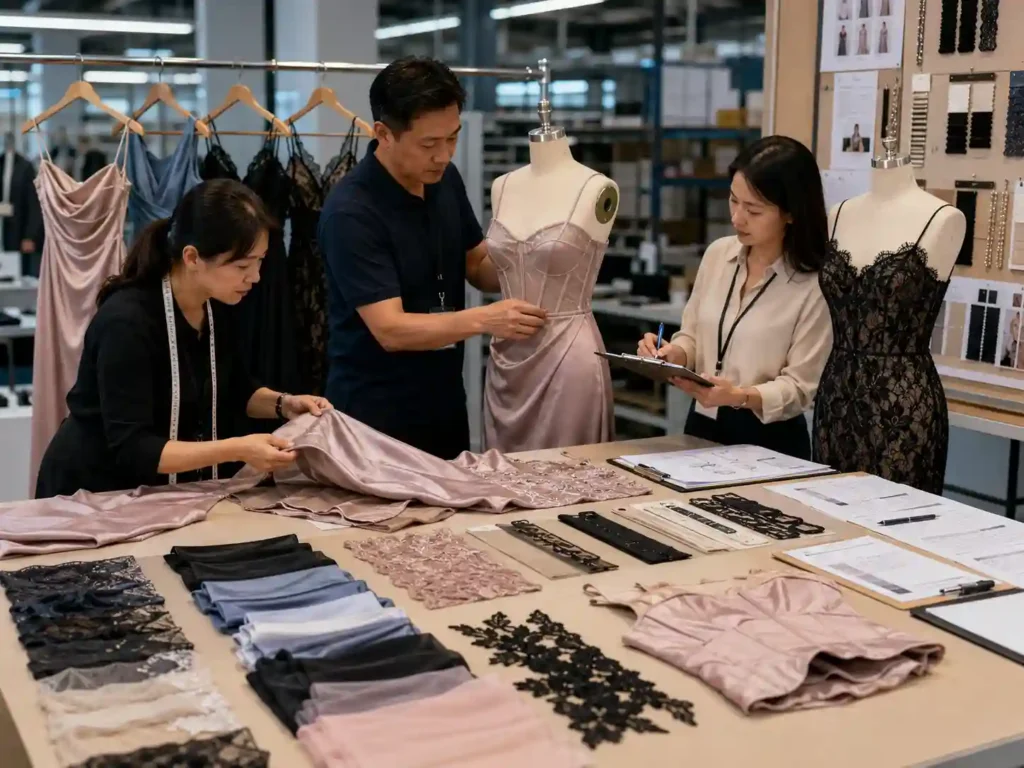
Tell Us About Your Dress Project

Share your product details, estimated quantity and development requirements. Our team will review your project and provide practical OEM/ODM production feedback.

Premium Women’s Apparel Production for Fashion Brands

From dress sample development to bulk production, JF Apparel supports fashion brands with confidential OEM/ODM manufacturing, reliable quality control and scalable production support.

START YOUR DRESS PROJECT

Ready to Develop Your Next Dress Collection?

Share your design concept, product requirements or sourcing plans with our team. We’ll review your project and provide practical feedback on development, materials, MOQ and production.

7-10 Days

Sample Development

200 PCS

Starting MOQ

Fast Response

Professional Follow-Up