Skip to content
Office Dress Manufacturer
Custom office dresses developed for professional appearance, reliable fit, everyday movement and consistent multi-size production.
Jinfeng Apparel develops structured office dresses, work dresses and office-to-evening collections for established fashion brands, retail groups and apparel sourcing teams. Every program can cover fabric sourcing, pattern development, sample fitting, production engineering, bulk manufacturing, quality inspection, private-label packing and export coordination.
- 12+ office dress silhouettes for workwear and office-to-evening collections
- 6 critical fit zones reviewed: shoulder, bust, waist, hip, armhole and hem
- MOQ starts from 200 pieces per style and color
- 2 sample rooms supported by 7+ senior pattern makers
- Structured knit, crepe, suiting and stretch-woven fabric development
- Multi-style collection planning for seasonal and repeat-order programs
Manufacturing Capacity Built for Office Dress Programs
Since 2008
6 Owned Factories
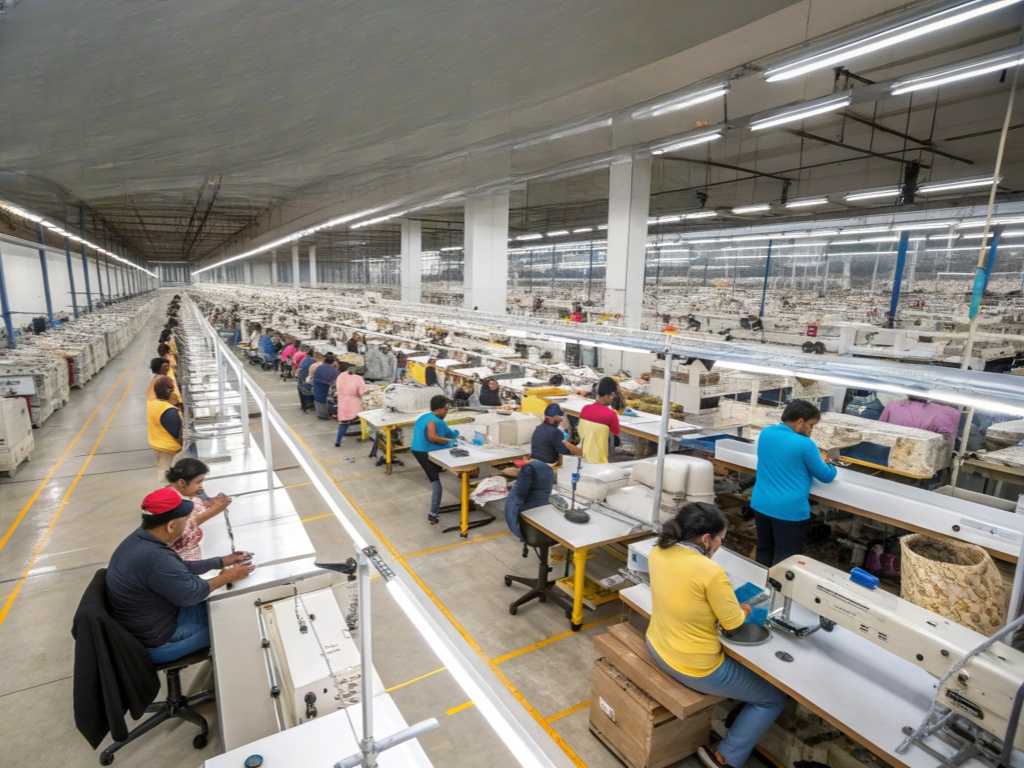
Six owned women’s fashion factories support different garment structures and production requirements. Office dress programs can be allocated according to woven or knit construction, sewing complexity, order scale, delivery window and finishing standards rather than being assigned to an unsuitable line.
10+ Production Partners
100,000+ Monthly Capacity
7+ Pattern Makers
15+ QC Inspectors
Who We Manufacture Office Dresses For
Established Fashion Brands
Workwear Fashion Labels
Premium Ecommerce Brands
Fashion Retailers
Sourcing Teams
Product Development Teams
What an Office Dress Manufacturer Must Control
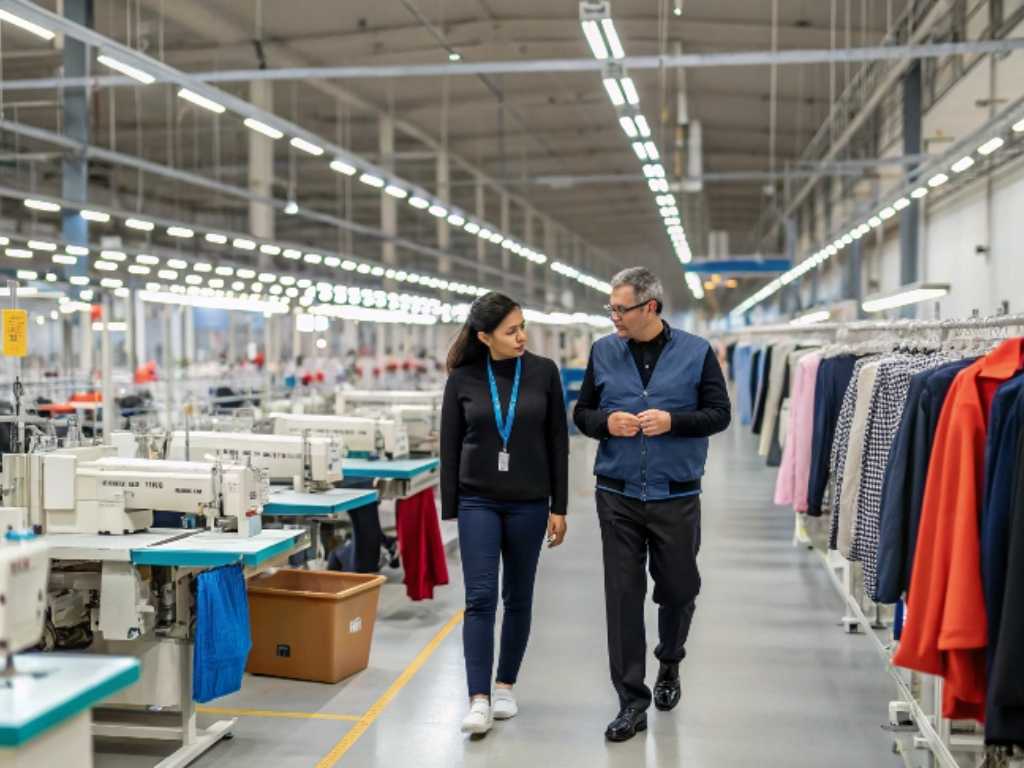
An office dress manufacturer develops and produces women’s dresses for professional environments while balancing structure, suitable coverage, movement comfort, fabric durability, stable sizing and retail-level finishing.
A capable manufacturer does not treat an office dress as a basic dress in a darker color. Professional wear must remain balanced while standing, sitting, walking, reaching and wearing a jacket. Necklines, armholes, waistlines, slits, hems and linings require controlled proportions. Fabrics need enough body to preserve shape, but excessive rigidity can restrict movement and reduce comfort.
- Manufacturing work normally includes fabric evaluation, pattern development, sample fitting, construction engineering, size grading, bulk fabric control, sewing standards, pressing methods, measurement inspection and branded packing.
- For established brands, the final objective is repeatability. A successful sample must become a stable production standard across colors, sizes and later reorder batches.
Production Problems That Damage Office Dress Performance
Standing Fit Only
Weak Fabric Structure
Restricted Arm Movement
Uncontrolled Coverage
Bulk Measurement Drift
Uneven Pressing
From Design Brief to Finished Office Dresses
Project Review
Fabric Direction
Pattern Development
First Sample
Fit Revision
PP Sample
Bulk Production
Quality Inspection
Packing and Delivery
Office Dress Styles We Manufacture

Sheath Dress
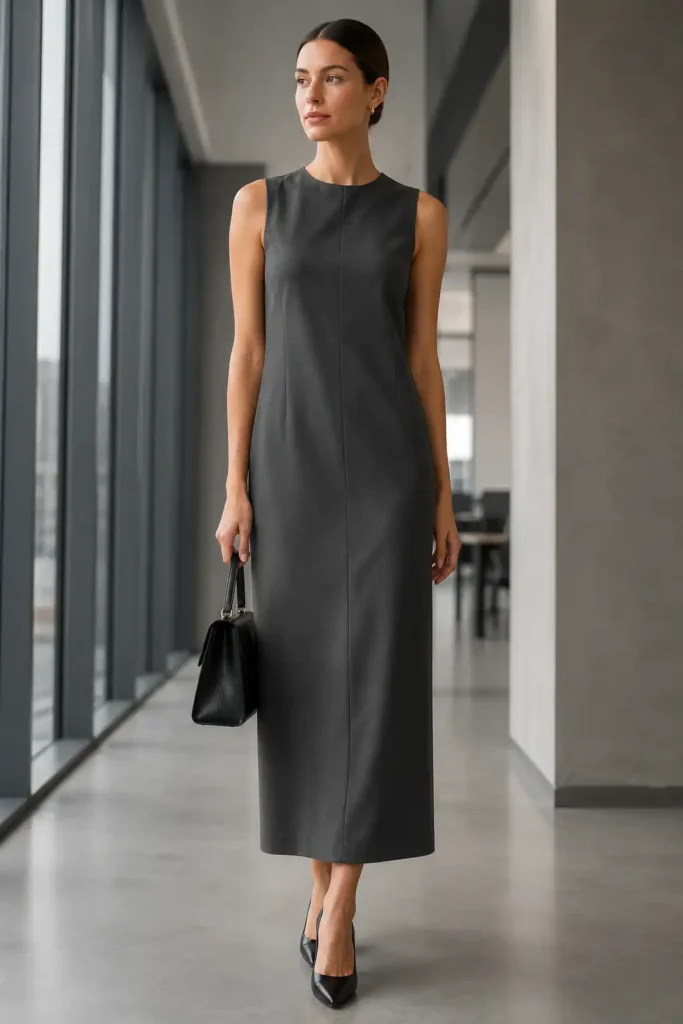
Column Dress

Pencil Dress

A-Line Dress

Wrap Dress

Shirt Dress

Midi Office Dress

Knee-Length Dress

Structured Knit Dress

Blazer Dress

Pleated Office Dress

Office-to-Evening Dress
Office-to-Evening Dresses With Controlled Versatility

Professional Necklines

Defined Waistlines

Controlled Slits
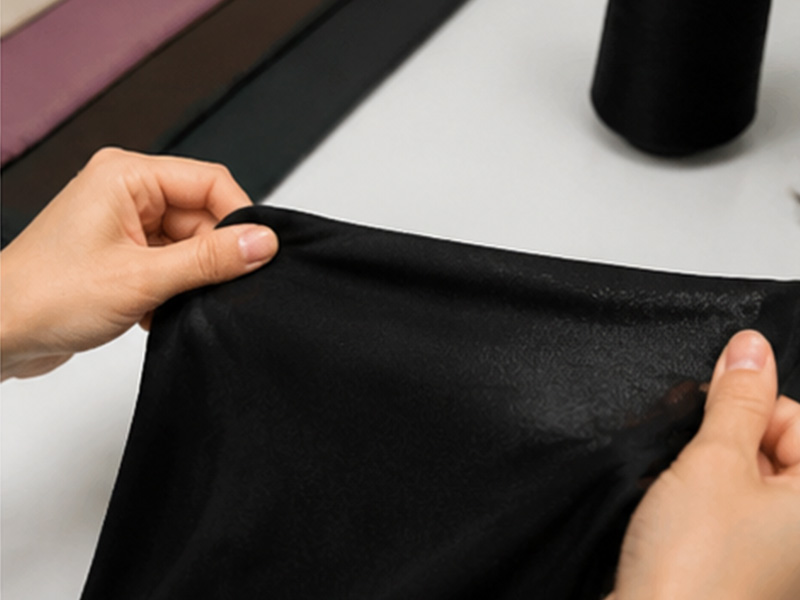
Comfort Stretch

Refined Surface Direction

Day-to-Night Colors
Build a Commercial Office Dress Collection

Core Sheath Style

Comfort Knit Style

Modern Shirt Dress

Statement Blazer Dress

Seasonal Color Style

Office-to-Evening Style
Office Dress Solutions for Different Working Scenarios
Daily Office
Client Meetings
Business Travel
Presentation Day
Corporate Events
Office Dinner
Hybrid Work
Seasonal Workwear
Fabrics Selected for Professional Office Dresses
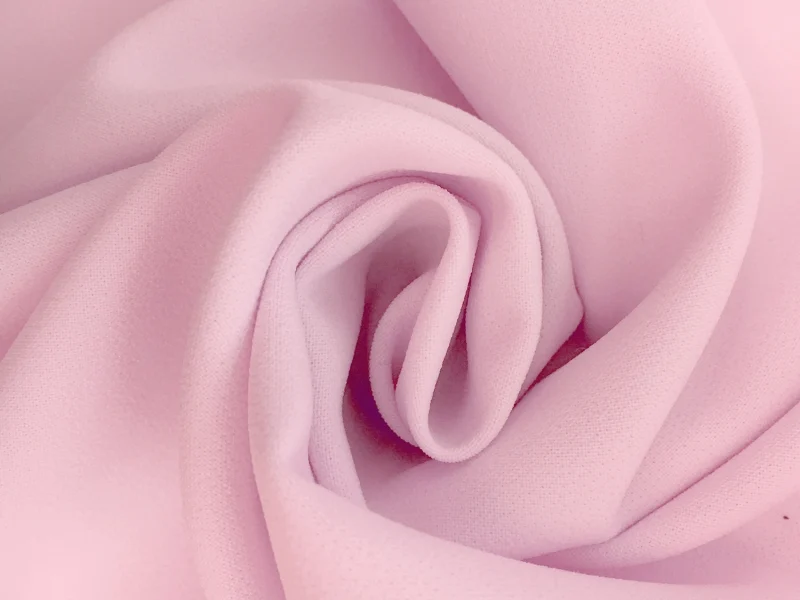
Stretch Suiting

Ponte and Roma

Crepe
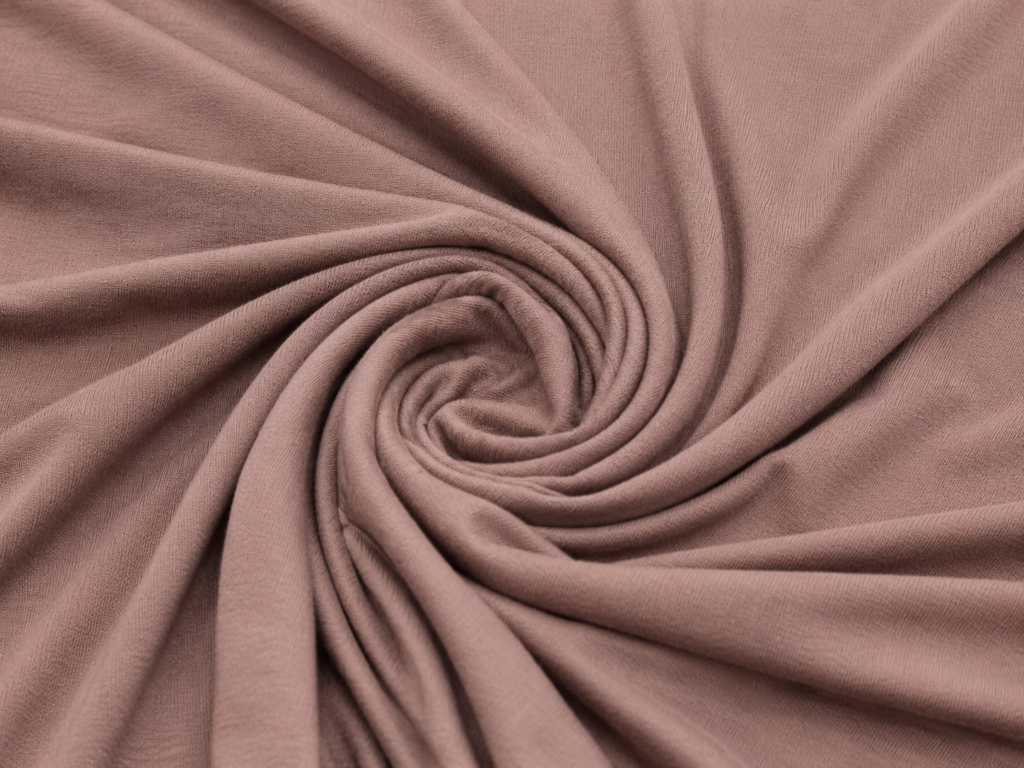
Structured Jersey
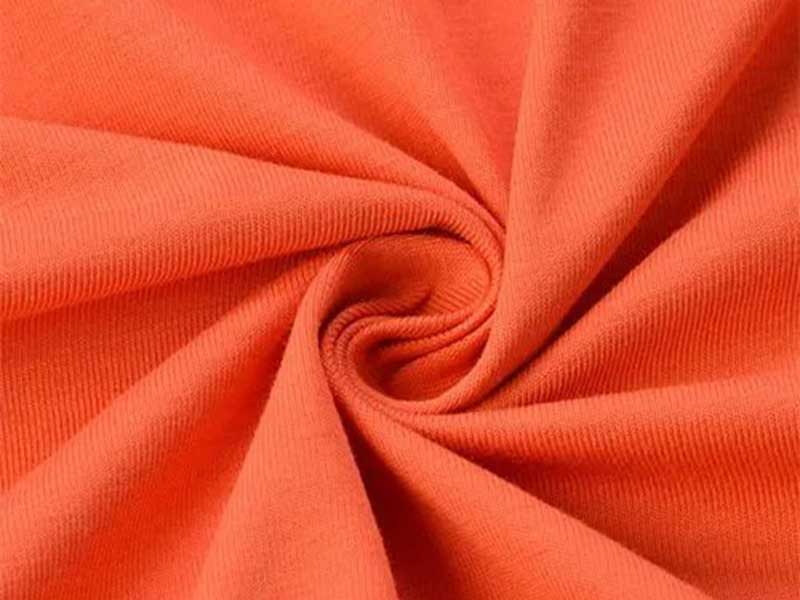
Polyester Blends
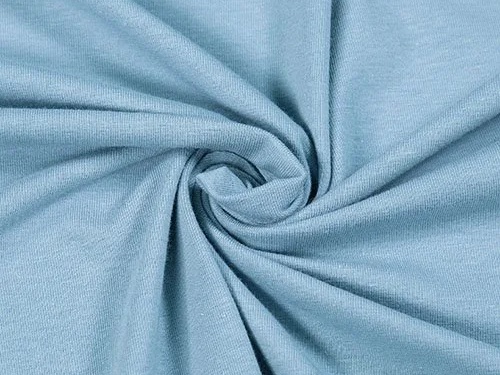
Cotton Blends
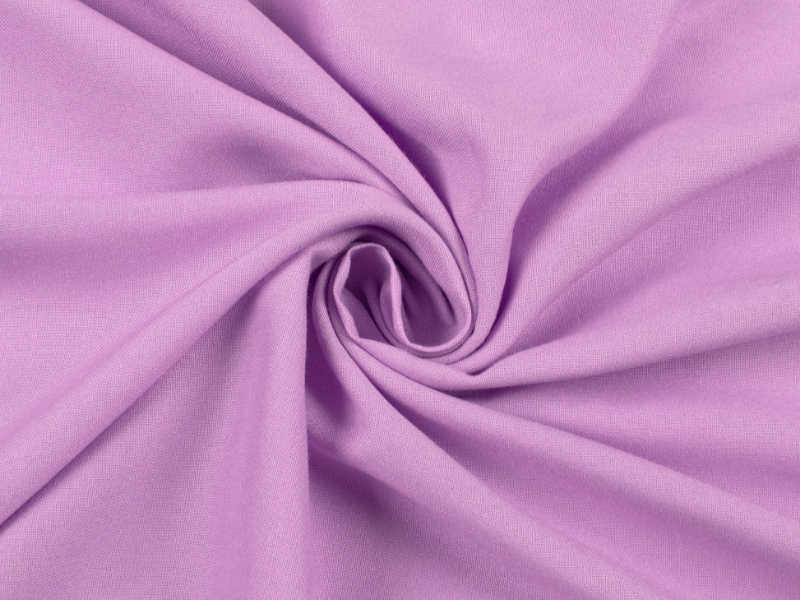
Viscose Blends

Lining Materials
Office Dress Fabric Performance Comparison
| Fabric Direction | Suitable Styles | Structure | Stretch | Wrinkle Behavior | Main Control Points |
|---|---|---|---|---|---|
| Stretch suiting | Sheath, pencil, blazer dress | High | Low to moderate | Usually controlled | Recovery, shade, interfacing, pressing shine |
| Ponte / Roma | Fitted knit, column, midi | Medium to high | Moderate to high | Generally stable | Pilling, recovery, opacity, seam stretch |
| Crepe | Wrap, midi, A-line, office-to-evening | Medium | Depends on construction | Moderate | Drape, snagging, shrinkage, seam appearance |
| Structured jersey | Soft fitted dress, hybrid workwear | Medium | Moderate | Usually controlled | Recovery, edge stabilization, opacity |
| Polyester blend | Multiple commercial silhouettes | Variable | Variable | Often controlled | Hand feel, shine, static, pilling |
| Cotton blend | Shirt dress, summer workwear | Medium | Low to moderate | More visible creasing | Shrinkage, colorfastness, pressing |
| Viscose blend | Relaxed midi, wrap, soft A-line | Soft to medium | Variable | Moderate | Shrinkage, seam slippage, dimensional stability |
| Lightweight lining | Woven and tailored dresses | Supportive | Low | Depends on fiber | Static, shrinkage, hem exposure, shell compatibility |
Fit Engineering for Office Dress Performance
Professional dresses must preserve a clean silhouette without limiting normal movement. Pattern decisions should be connected to real wearing positions, fabric properties and the intended size range.
Shoulder and Neckline Balance
The shoulder line sets the entire upper-body balance. Excess width can create a dropped, loose appearance; insufficient width can pull the neckline and sleeve. Neckline shape must remain flat without gaping, rolling or exposing more during movement.
Development checks include shoulder slope, back-neck balance, front-neck depth, facing stability, sleeve insertion and jacket compatibility. Fit comments should identify exact pattern points rather than using general comments such as “make the top better.”
Waistline and Body Proportion
Waist position influences leg proportion, torso length and overall professional appearance. Natural-waist, raised-waist and shaped-panel constructions all require different balance.
Pattern makers review waist circumference, front-to-back distribution, dart intake, waist-seam level and sitting comfort.
A fitted waist should look defined while allowing breathing and seated movement. Fabric stretch cannot replace correct dimensions.
Hip Ease and Seat Comfort
Hip and seat measurements require functional ease based on silhouette and fabric. A pencil dress needs controlled shaping and slit support, while an A-line dress can distribute ease through the skirt.
Seated fitting helps identify upward riding, side-seam movement, horizontal pulling and lining restriction. Measurements may need adjustment across the back hip, upper thigh or waist-to-hip length.
Armhole and Sleeve Mobility
Office activities often involve reaching, typing and wearing outer layers. Armhole depth, shoulder width, sleeve cap and bicep dimensions must work together.
An armhole that is too deep may lift the entire dress when the arm moves. A sleeve cap that is too narrow can restrict movement and create drag lines. Sample fitting should review front reach, side lift and seated posture.
Measurement and Size Grading Control
Base Size Confirmation
Ease by Fabric Type
Bust and Waist Grading
Hip and Seat Grading
Armhole and Sleeve Grading
Length and Slit Position
Measurement Tolerances
Bulk Size Inspection
Construction Details That Define Office Dress Quality
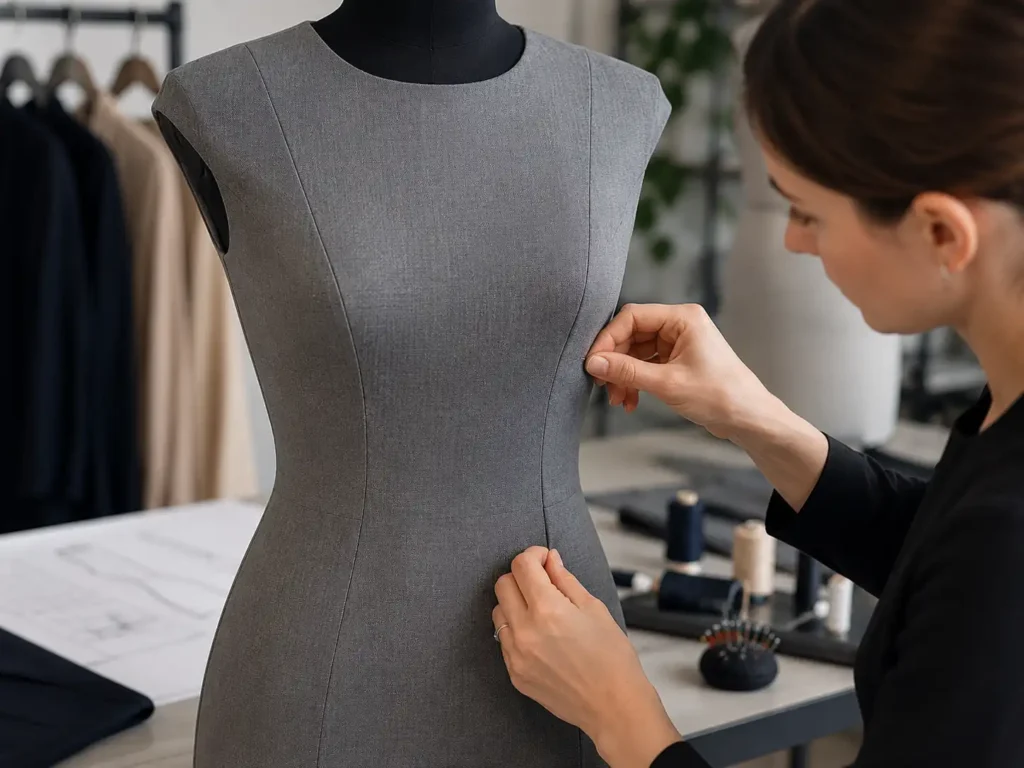
Darts and Princess Seams
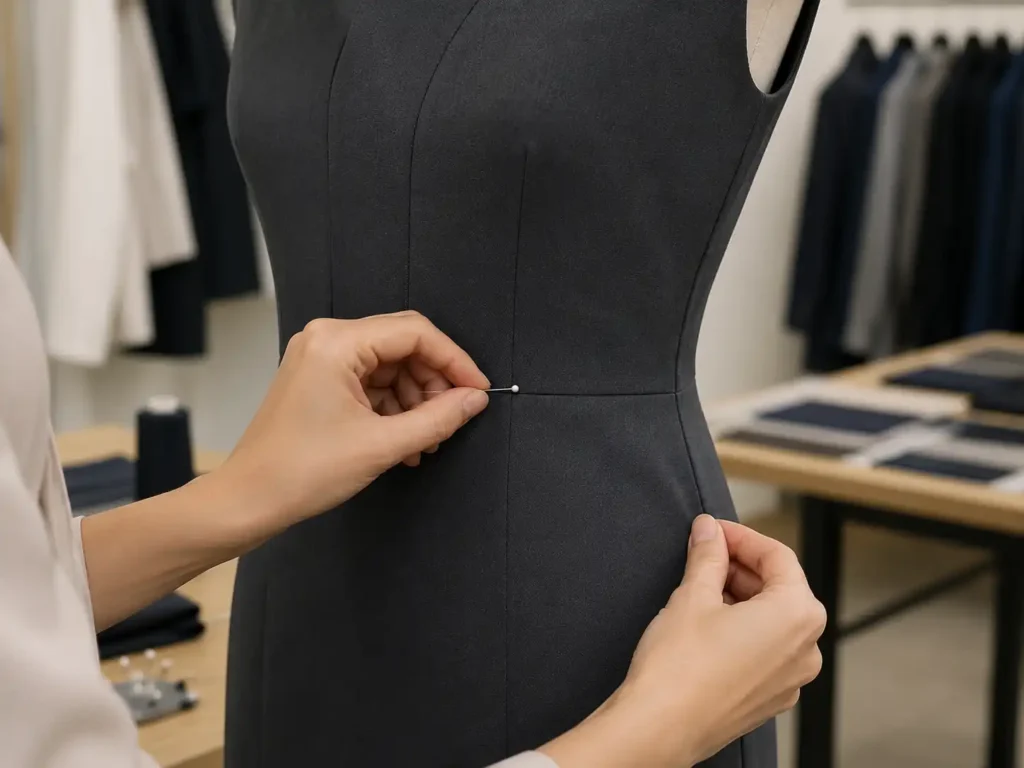
Waist Seams
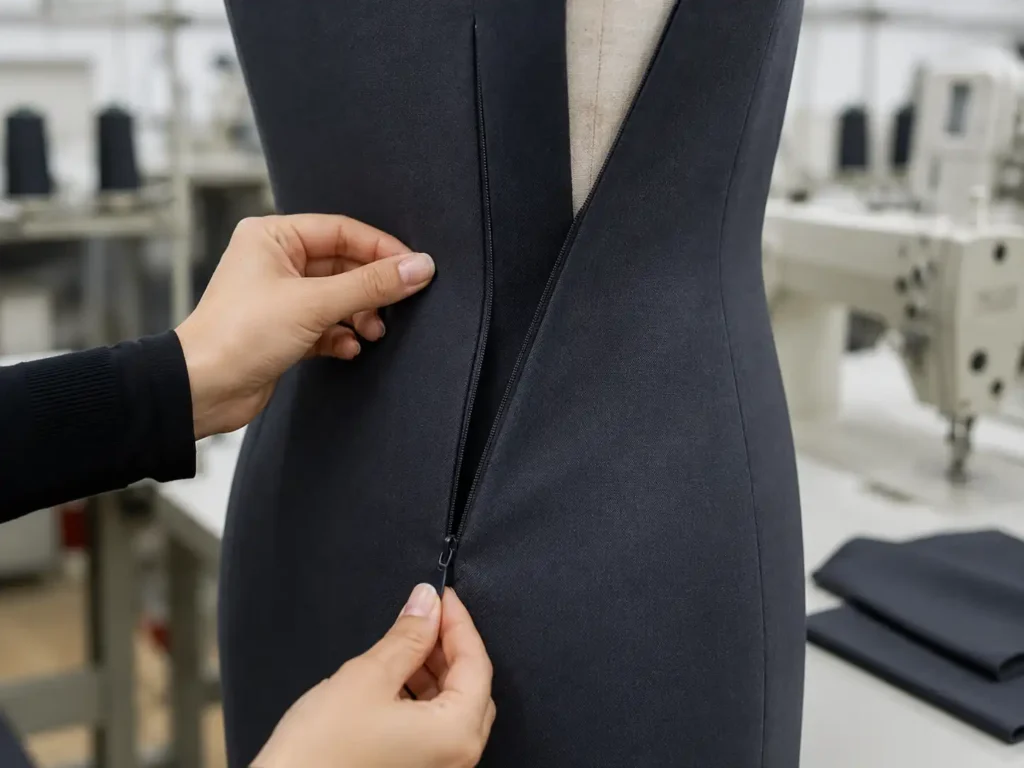
Back and Side Zippers

Slit Construction
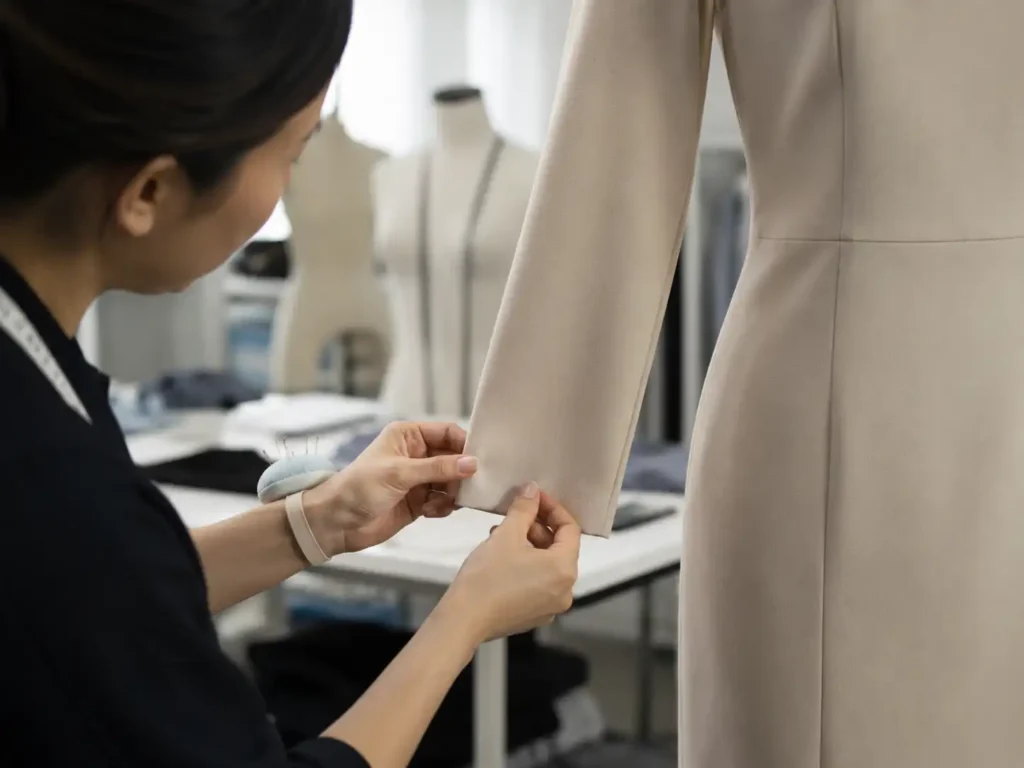
Sleeve Openings

Lining Structure
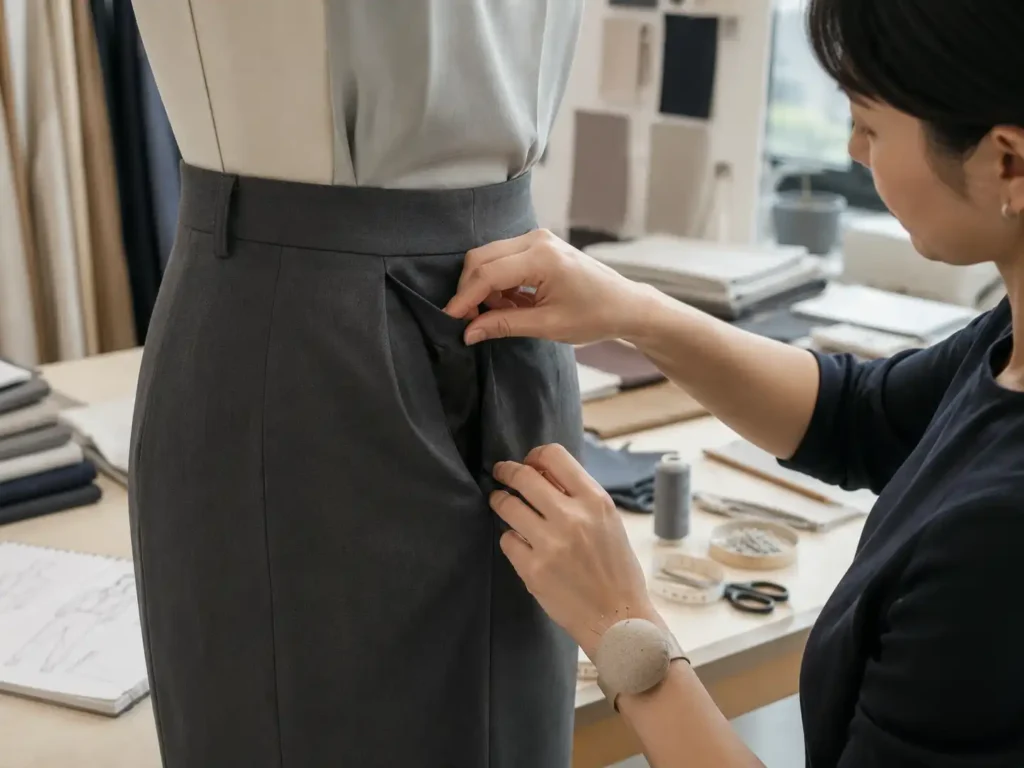
Pocket Engineering

Hem and Pressing
All-Day Comfort Without Losing Professional Structure
Sitting Ease
Walking Movement
Breathability
Stretch Recovery
Coverage Control
Wrinkle Recovery
Files Needed for Accurate Office Dress Development
Tech Pack
Reference Image
Original Sample
Size Chart
Fabric Preference
Color Plan
Quantity Plan
Launch Date
Office Dress Sample Development Process
Sampling converts a concept into a garment that can be measured, fitted, photographed and prepared for repeatable production. Each round should resolve defined questions rather than create endless visual changes.
Style and Fabric Review
Development begins by reviewing intended silhouette, use scenario, target market, target price, size range and quantity plan. The team evaluates whether the proposed fabric can support the required structure, drape, coverage and movement.
Where the original material is unavailable or commercially unsuitable, alternative fabrics can be compared by composition, weight, stretch, hand feel, width, price, availability and production risk.
Pattern Development
Pattern makers translate sketches, samples or technical files into garment structure. Office dress patterns require controlled shoulder balance, bust shaping, waist position, hip ease, sleeve mobility, skirt opening and hem level.
Construction details are reviewed before cutting. Complex waist panels, lapels, linings, pockets and concealed zippers may require additional pattern pieces or stabilization.
First Sample and Fitting
The first sample verifies silhouette, proportions, fabric behavior and construction logic. Fitting should include front, side and back views as well as sitting and movement observations.
Comments need to be measurable. “Reduce front waist by 1 cm,” “raise back slit by 2 cm” or “increase bicep width by 1.5 cm” can be transferred into production files. General comments cannot be controlled reliably.
Approval for Production
After revisions are completed, the PP sample confirms bulk materials, approved colors, measurements, labels, workmanship and packing direction.
The approved standard is then transferred into the production pattern, BOM, sewing instructions and QC checklist.
Sample Types Used Before Bulk Production
First Sample
Fit Sample
Revised Sample
Photo-Ready Sample
PP Sample
Golden Sample

Manufacturing System for Multi-Style Office Dress Orders
Office dress collections often combine woven, knit and tailored structures. Jinfeng Apparel organizes development and production through coordinated teams rather than sending every style into one identical manufacturing route.
- Two sample rooms support development, fitting and revision work. Seven or more senior pattern makers manage pattern structure and size grading, while more than twenty sample machinists produce first samples, revised samples, photo-ready samples and PP samples.
- Six owned factories and more than ten long-term production partners support style allocation according to construction type, material, order quantity and schedule. Eighteen or more sewing lines and six or more flexible production lines form part of the wider production system.
- Twelve or more merchandisers coordinate materials, approvals, production status, packing and delivery information. Fifteen or more QC inspectors support inspection, while more than thirty finishing and packing workers handle thread trimming, pressing review, folding, labels, polybags and carton preparation.
The system is designed to keep approved standards connected from sample room to bulk line. Production partners receive confirmed patterns, specifications, approved samples and inspection points before work begins.
Managing Collections With 10 to 30 Styles
Style Classification
Fabric Consolidation
Sample Calendar
Approval Sequence
Factory Allocation
Size and Color Ratios
Multi-Batch Delivery
Repeat Orders
Sewing and Workmanship Standards for Office Dresses
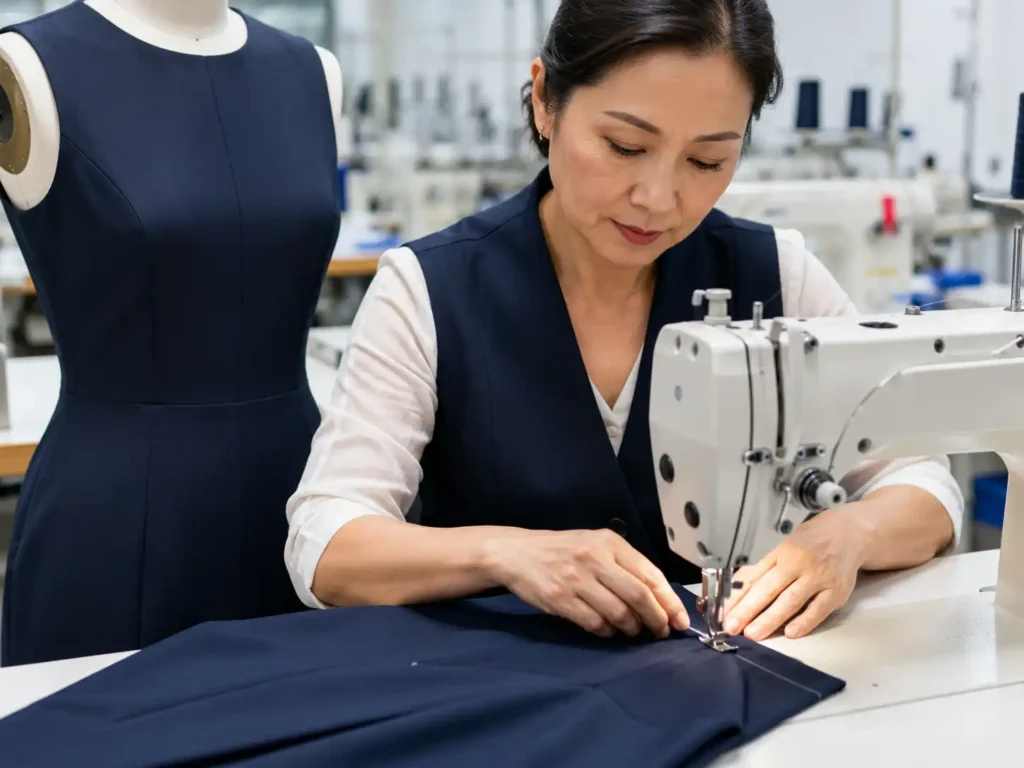
Seam Control
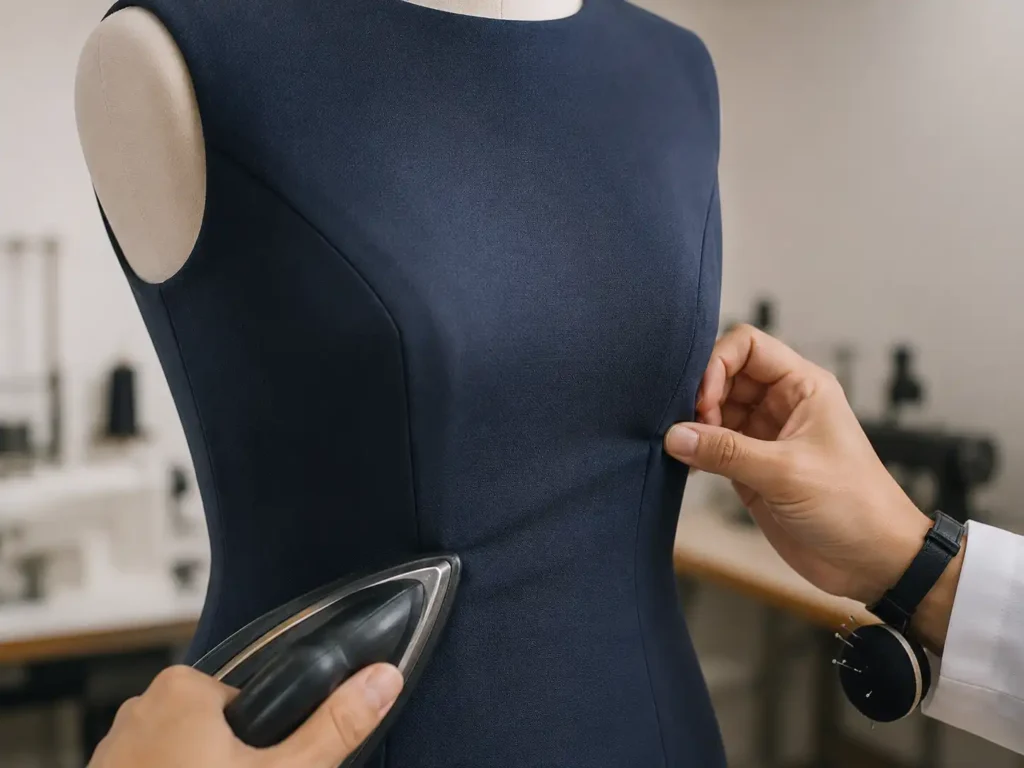
Dart Finishing
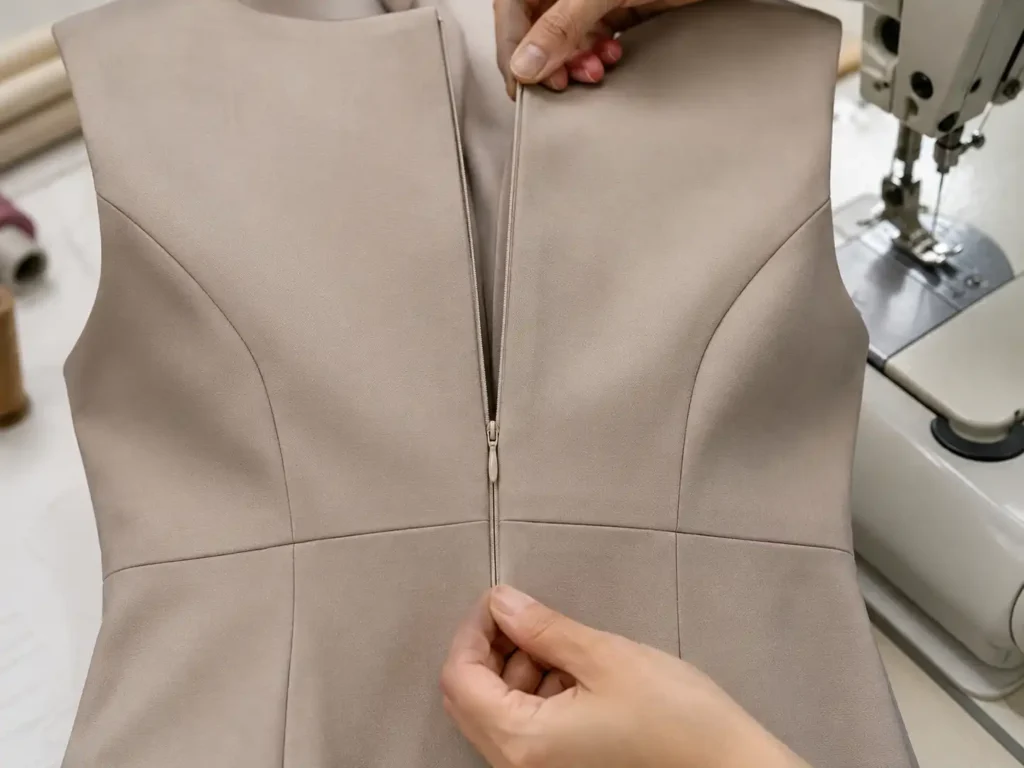
Zipper Installation

Panel Alignment

Lining Attachment
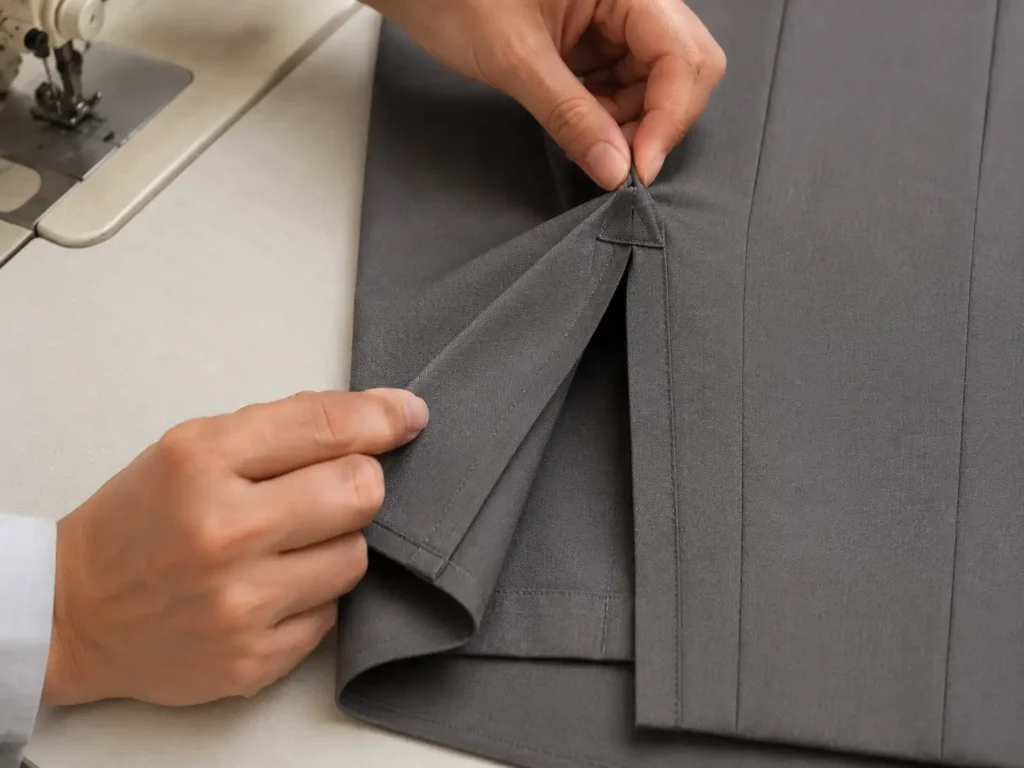
Slit Reinforcement

Button and Fastener Security

Pressing Discipline

Office Dress Quality Control From Fabric to Carton
| QC Stage | Main Office Dress Checks | Risk Controlled |
|---|---|---|
| Fabric arrival | Composition reference, weight, width, color, hand feel, stretch, surface and shade grouping | Wrong material, inconsistent lots, unsuitable stretch |
| Cutting | Grain direction, pattern placement, shade separation, panel accuracy and lining pieces | Twisting, mismatched panels, color variation |
| Sewing start | Approved sample, pattern, seam construction, dart shape, zipper method and slit reinforcement | Incorrect workmanship entering full production |
| Inline inspection | Seam quality, panel alignment, measurements, sleeve balance, waist level and zipper smoothness | Repeated defects across the line |
| Final measurement | Bust, waist, hip, shoulder, armhole, sleeve, length, lining and slit position | Size inconsistency and fit complaints |
| Appearance inspection | Symmetry, stains, loose threads, puckering, pressing shine and hem balance | Poor retail presentation |
| Label and packing | Main label, care label, size label, hangtag, barcode, folding, polybag and ratio | SKU errors and warehouse rejection |
| Shipment preparation | Carton mark, quantity, gross and net weight, carton size and documents | Delivery and receiving discrepancies |
What Determines Office Dress Production Cost
Main Fabric
Lining and Interfacing
Construction Complexity
Pattern and Sampling
Trims and Closures
Pressing and Finishing
Quality Requirements
Packing Requirements
Cost Optimization
Office Dress MOQ and Order Planning
One Style, One Color
One Style, Two Colors
Multiple Styles
Stock Fabric
Custom Color
Custom Weaving or Printing
Special Trims
Private-Label Packing
Private-Label and Retail-Ready Office Dress Packing

Woven Main Labels
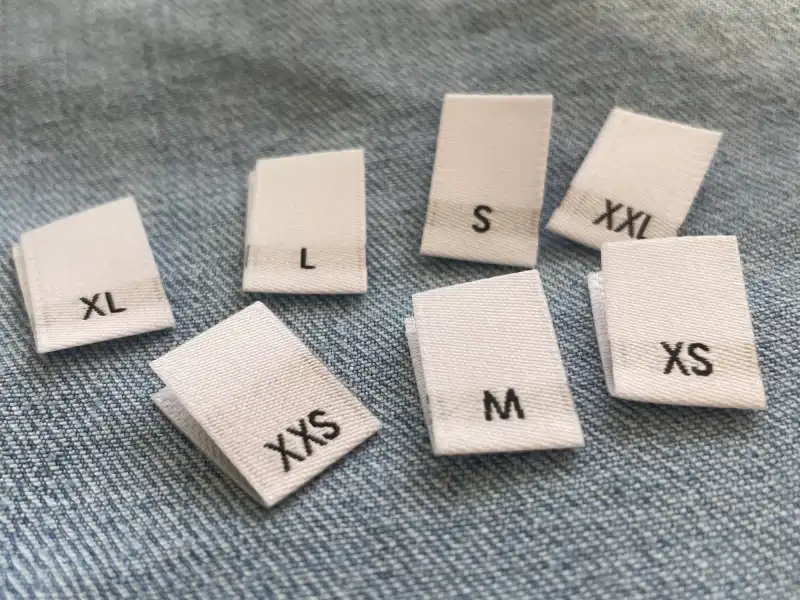
Size Labels
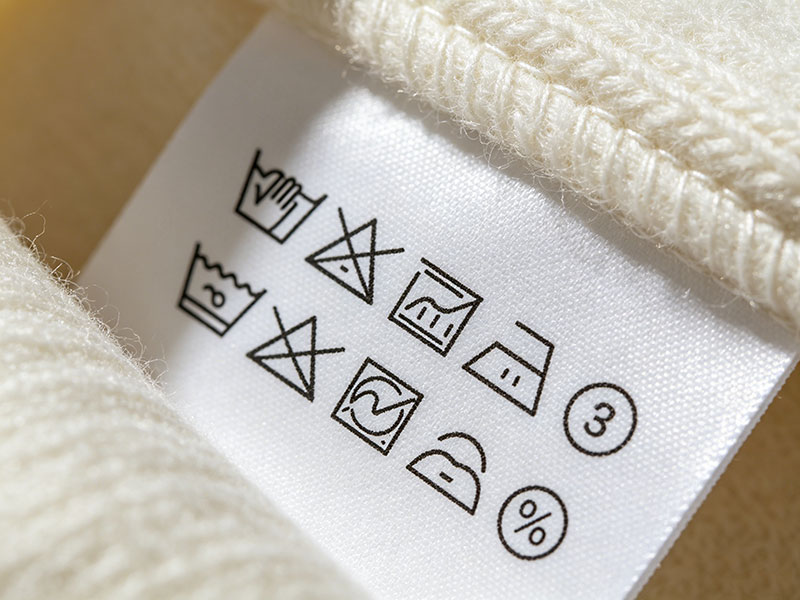
Care Labels

Hangtags
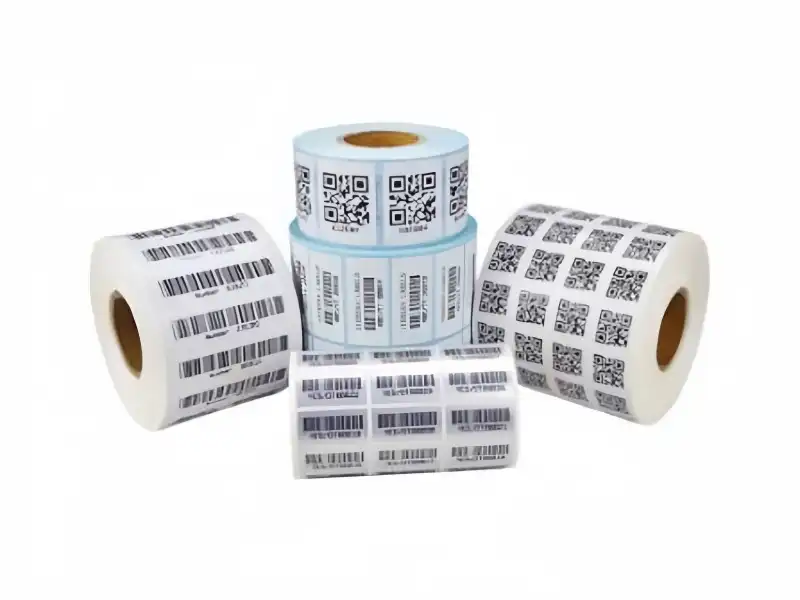
Barcode and SKU Labels

Polybags and Stickers
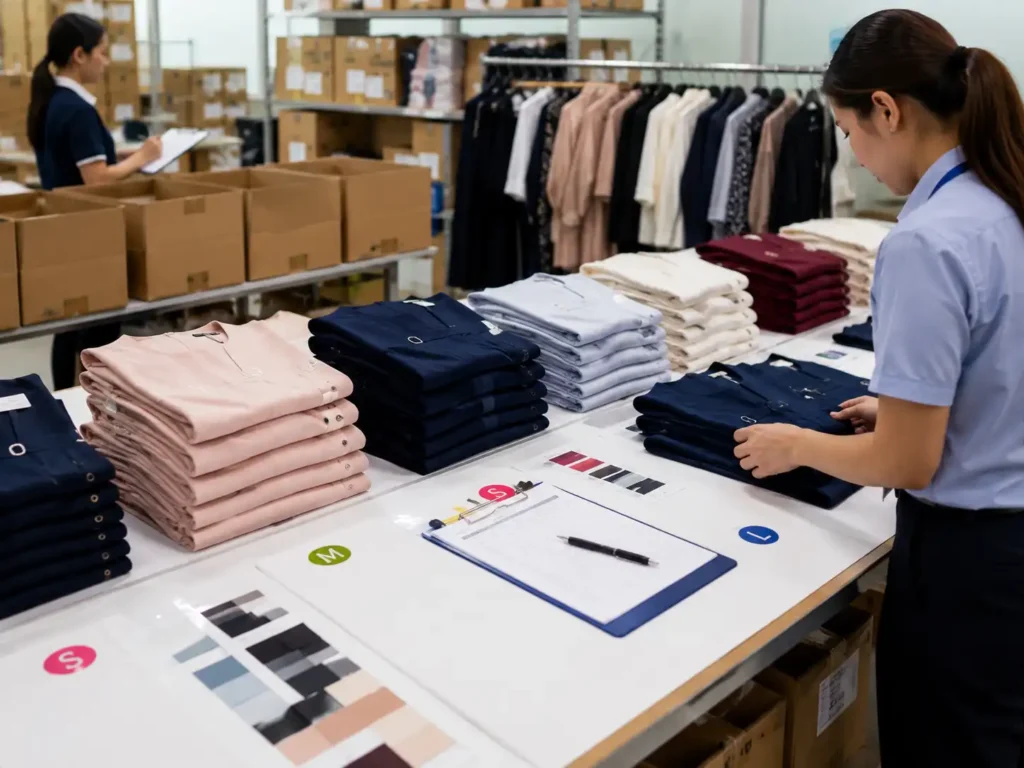
Folding and Size Ratios
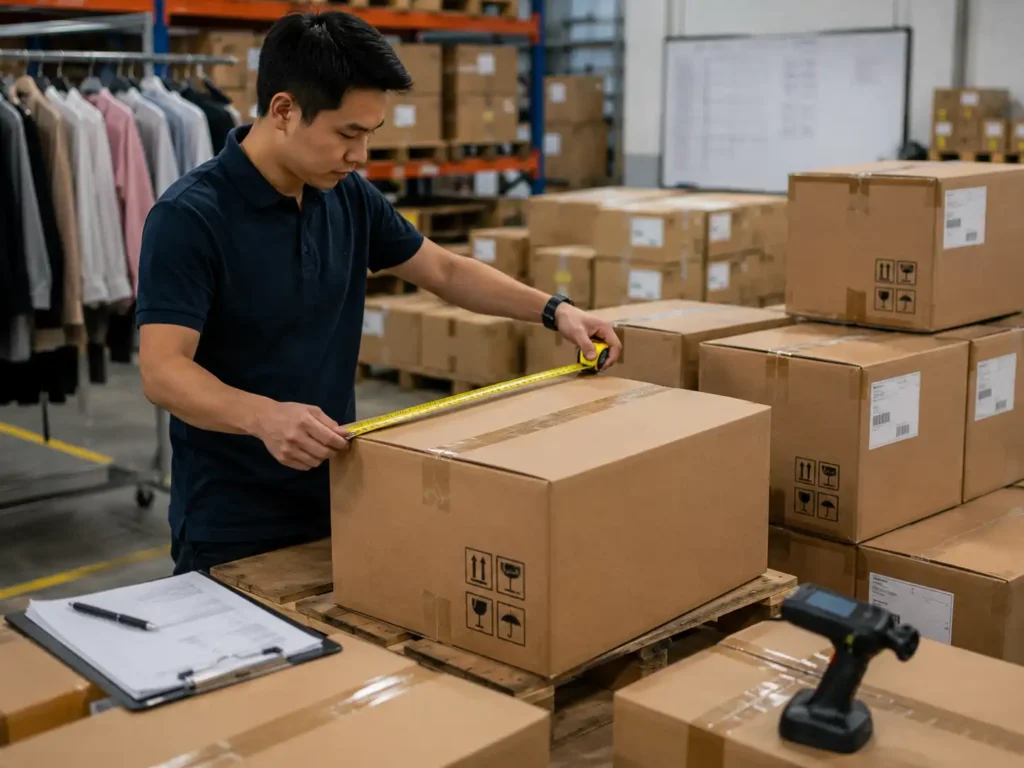
Cartons and Carton Marks

Sample, Production and Delivery Timeline Planning
Office dress schedules should be built backward from campaign photography, sales meetings, warehouse receiving or launch dates. Material development and sample revisions often determine the critical path.
- Simple office dress samples may take approximately 7 to 10 days when the design, material and measurements are clear. Regular structured dresses commonly require around 10 to 15 days. Styles with tailored lapels, complex panels, special trims or difficult materials may require 12 to 25 days or longer.
- Revised samples and PP samples are scheduled according to the number of corrections, material availability and approval requirements. Major design changes can create a new development stage rather than a minor revision.
- Bulk production timing is confirmed after PP approval, material readiness, quantity, style count, size range and packing work are clear. Multi-style programs need an integrated schedule covering material booking, factory allocation, sewing, QC and packing.
- Freight planning should begin before production finishes. Express, air freight, sea freight, split shipment and client-appointed forwarders can be reviewed according to volume, launch priority and cost targets.
Design Protection and Compliance Coordination
Protected Development Files
Unreleased Styles
Private-Label Files
Factory Review Support
Material Documentation
Inspection Coordination
Office Dress Programs Managed From Sample to Delivery
United States Workwear Collection
- Market: United States
- Product Direction: Sheath dresses, wrap dresses, ponte midis and blazer dresses
- Style Count: 14 styles
- Total Order: 28,800 pieces
- Color Plan: 2 to 4 colors per style
- Size Range: US 2–14

United Kingdom Office-to-Evening Range
- Market: United Kingdom
- Product Direction: Crepe midi dresses, structured jersey dresses and refined wrap styles
- Style Count: 22 styles
- Total Order: 51,600 pieces
- Color Plan: Core neutrals plus seasonal jewel tones
- Size Range: UK 6–18
The project required dresses suitable for office hours, business dinners and retail events. Main risks involved wrap-front coverage, slit height, stretch recovery and consistent grading through the larger sizes. Fabric review compared several crepe and jersey options by weight, recovery, opacity and pressing behavior.
Fit samples were assessed in standing and seated positions. Wrap overlap, inner fastening, sleeve width and lining ease were adjusted before PP approval. Production was divided across suitable woven and knit lines. Inspection concentrated on neckline stability, side-seam balance, slit position, finished length and fabric relaxation. Size-ratio packing was prepared for several retail destinations.

North American Multi-Season Program
- Market: United States and Canada
- Product Direction: Shirt dresses, pencil dresses, A-line work dresses, tailored sets and core sheath styles
- Style Count: 18 styles
- Total Order: 72,000 pieces
- Delivery Structure: Three production and shipment batches
- Size Range: XS–XXL
Frequently Asked Questions About Office Dress Manufacturing
Jinfeng Apparel can develop sheath dresses, pencil dresses, A-line dresses, wrap dresses, shirt dresses, structured knit dresses, midi work dresses, blazer dresses and office-to-evening styles. Product feasibility depends on fabric, construction, target fit, quantity and production schedule.
The basic MOQ starts from 200 pieces per style and color. Custom-dyed fabrics, exclusive printing, special trims, certified materials and custom packaging may have separate minimum requirements.
Yes. Reference images can be reviewed for silhouette, construction and fabric direction. Additional details, measurements, quantity, target market and material expectations improve development accuracy.
Yes. Tech packs can be reviewed for measurements, construction, trims, artwork, labels and packing requirements. Any unclear or conflicting information should be resolved before sample cutting.
Common directions include stretch suiting, ponte, Roma, crepe, structured jersey, polyester blends, cotton blends and viscose blends. Final selection depends on silhouette, season, target price, stretch, opacity and structure.
Simple styles may take around 7 to 10 days. Regular structured dresses often require 10 to 15 days, while tailored or complex products may need 12 to 25 days or longer depending on materials and revisions.
Yes. Size grading can be developed from an approved base size and brand measurement system. Fabric behavior, silhouette, coverage and target market should be considered before final grading rules are released.
A PP sample is strongly recommended before bulk production. It confirms approved materials, color, construction, measurements, labels and packing direction and becomes a key production reference.
Yes. Jinfeng Apparel supports multi-style womenswear programs, seasonal collections, repeated color programs and multi-batch delivery. Each style and color still needs a workable production quantity.
Yes. Available support includes woven labels, size labels, care labels, hangtags, barcode stickers, polybags, stickers, cartons, carton marks and warehouse labels.

Start Your Office Dress Manufacturing Project
Useful files include tech packs, reference images, line sheets, original sample photographs, size charts, fabric swatches, color standards, quantity plans, private-label artwork and target delivery dates.
A complete brief helps the team evaluate pattern complexity, suitable fabrics, sample requirements, MOQ structure, production allocation, quality checkpoints, packing work and delivery feasibility. When some files are still under development, available information can be reviewed first and missing requirements can be identified before quotation or sampling begins.
Please include:
- Company and brand name
- Main contact and email
- Office dress styles or product direction
- Quantity per style and color
- Target size range
- Preferred fabric or performance needs
- Private-label and packaging requirements
- Target sample date
- Required delivery window
- Tech pack, reference image or line sheet upload