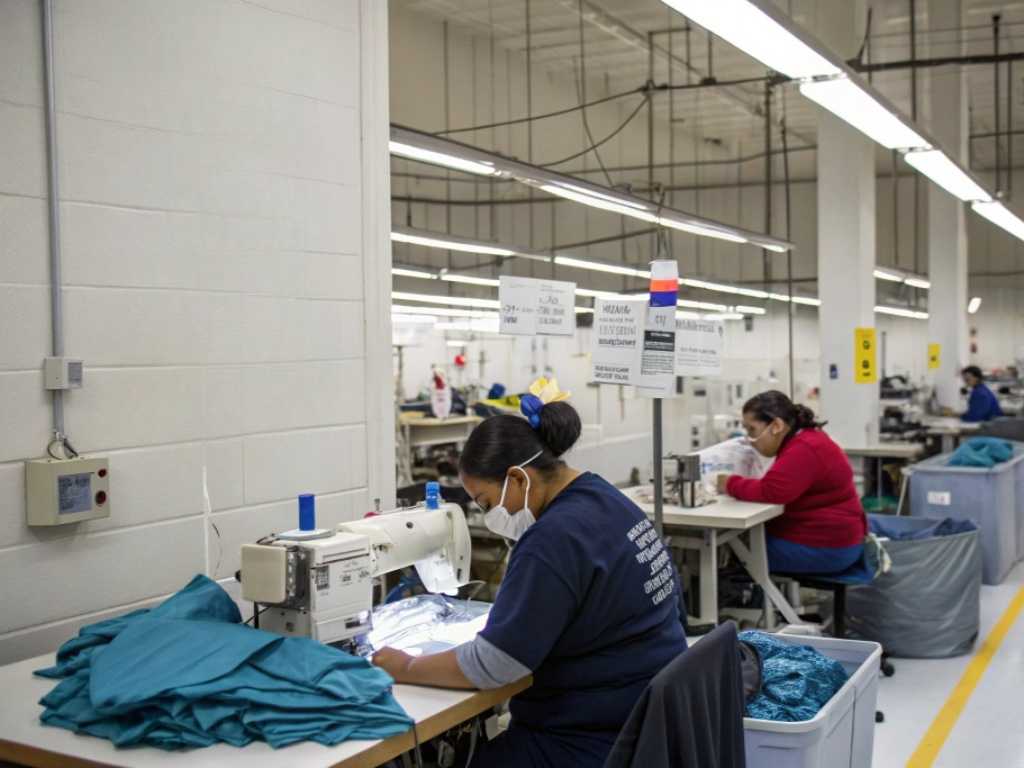
OEKO-TEX Fabric Dress Manufacturer
Custom dress development built around verified fabric resources, controlled fit, stable bulk execution, and accurate private-label delivery.
- Since 2008, Jinfeng Apparel has focused on premium custom womenswear manufacturing in Guangdong, China.
- 6 owned women’s fashion factories and 10+ long-term production partners support multi-style dress programs.
- MOQ starts from 200 pcs per style/color; certified fabrics may carry separate mill MOQ requirements.
- OEKO-TEX fabric options are reviewed by fabric type, color, supplier batch, certificate scope, validity, cost, and lead time.
- Development covers tech pack review, fabric sourcing, pattern making, first sample, revised sample, PP sample, bulk production, QC, private-label packing, and export coordination.
Manufacturing Capacity for Certified Fabric Dress Programs
Since 2008
6 Owned Factories
10+ Production Partners
18+ Sewing Lines
2 Sample Rooms
15+ QC Inspectors
Built for Established Fashion Development Teams
Global Fashion Brands
Sourcing Departments
Product Development Teams
Quality Teams
Premium Ecommerce Brands
Private Label Programs
Common Risks in OEKO-TEX Fabric Dress Sourcing
Wrong Certificate Scope
Sample-Bulk Material Changes
Uncontrolled Color Batches
Unverified Components
Weak Traceability
Inaccurate Label Claims
What OEKO-TEX Means for Dress Development
OEKO-TEX requirements should be translated into material, component, documentation, and production decisions. Clear definitions prevent inaccurate claims and reduce approval delays.
Fabric Certification and Finished Garment Certification
OEKO-TEX fabric support normally begins with a certificate held by a textile mill, dye house, trim supplier, or another material supplier. The certificate must be checked against the actual fabric article, composition, color direction, processing route, and validity period. A certified main fabric does not automatically make the assembled dress a certified finished product.
A finished garment can include shell fabric, lining, sewing thread, elastic, zipper tape, hooks, buttons, lace, mesh, cups, boning, labels, printing, transfer film, coatings, and finishing treatments. Any intended finished-product claim must be reviewed against the required coverage for all relevant components.
Jinfeng Apparel therefore treats certification as a controlled sourcing and documentation process rather than a decorative logo.For development, the most useful starting point is a written requirement: fabric-level certification only, certified components, finished-garment certification support, a restricted substances requirement, or a retailer-specific compliance standard. Each route changes material options, MOQ, sample timing, testing needs, cost, and label wording.

Product Class and Intended Skin Contact
Dress categories involve different levels of skin contact. A bodycon dress, slip dress, fitted jersey dress, or unlined mesh dress can remain in direct contact with skin for long periods. An outer occasion dress with full lining presents a different component arrangement. Product class and intended use should therefore be reviewed with the certificate holder or authorized testing route.
Jinfeng Apparel organizes the dress BOM so shell, lining, trims, support materials, labels, and packing are not treated as one undefined item. Clear component mapping makes certificate review more efficient and helps identify which parts require alternative sourcing or additional testing.
Facility Standards and Material Standards
Material certification and factory-level sustainability or social compliance programs serve different purposes. A fabric certificate cannot replace production-process review, quality management, social audit documentation, or environmental management evidence. Likewise, a factory audit does not prove that every fabric used in a dress carries a valid material certificate.
For vendor approval, Jinfeng Apparel can coordinate factory profiles, process information, QC procedures, packing procedures, available audit-related records, and material supplier documentation according to the assigned production unit. All claims remain tied to current, verifiable records.
How Jinfeng Supports Certified Fabric Projects
Certified Fabric Sourcing
- Fabric direction is matched to dress construction.
- Supplier identity and article information are recorded.
- Certificate scope and validity are requested before approval.
- Custom color, printing, dyeing, and finishing are evaluated separately.
- Alternative fabrics can be proposed when the original direction creates excessive MOQ or timing risk.
Certificate and Batch Review
Document review focuses on whether available evidence corresponds to the intended material. A certificate image without a matching supplier, article, scope, or validity record is not enough for production approval.
- Certificate holder and number are checked.
- Product description and material composition are compared.
- Validity period is recorded.
- Approved color and fabric article are linked to the project.
- Bulk purchase records are maintained for production and repeat orders.
Dress Manufacturing Control
Once material direction is approved, Jinfeng Apparel controls the transformation from fabric to dress. Pattern shape, lining coverage, seam structure, trim choice, pressing method, measurement tolerance, and packing method are developed around the selected material.
- First sample verifies silhouette and material behavior.
- Revised samples capture fit and construction comments.
- PP sample locks production details.
- Golden sample guides sewing, QC, and repeat orders.
- Bulk records connect material purchase, production, inspection, labels, and packing.
How We Review Fabric Certificates Before Sampling
Define Material Need
Identify Supplier
Collect Certificate
Match Scope
Approve Swatch
Lock Bulk Record
OEKO-TEX Fabric Directions for Custom Dresses
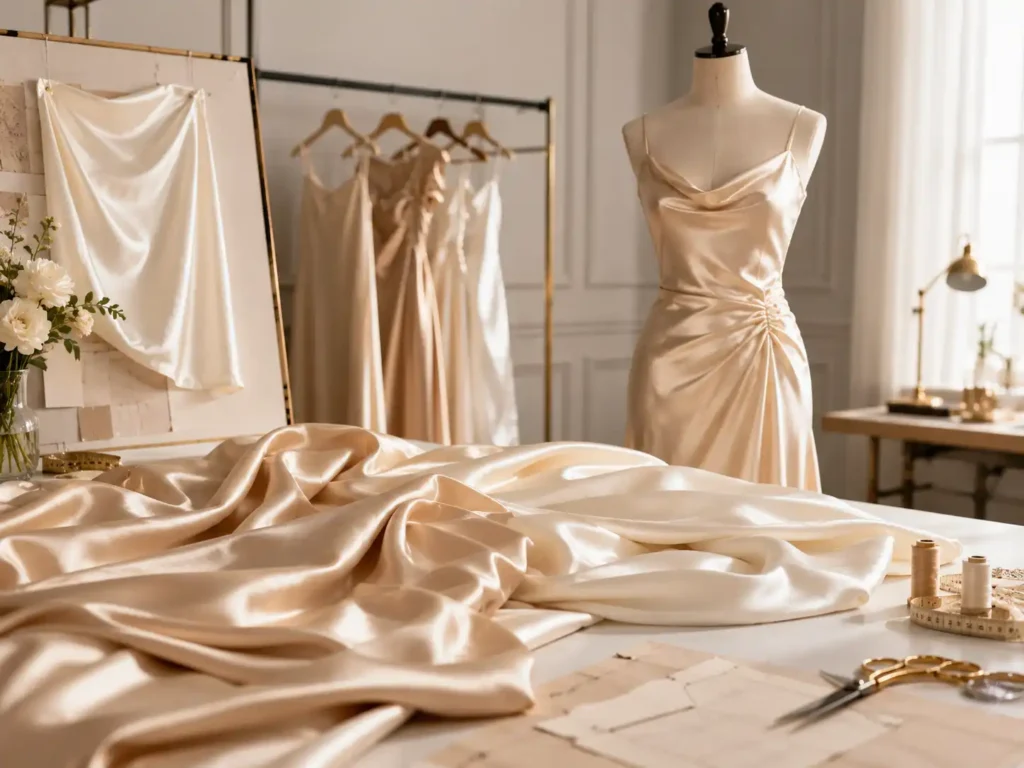
Satin and Stretch Satin
- Typical weight direction: approximately 75-180 gsm depending on construction.
- Key controls: face consistency, shade variation, zipper flatness, seam tension, and press marks.
- Certified sourcing: supplier article, finish, color, and batch must be confirmed.
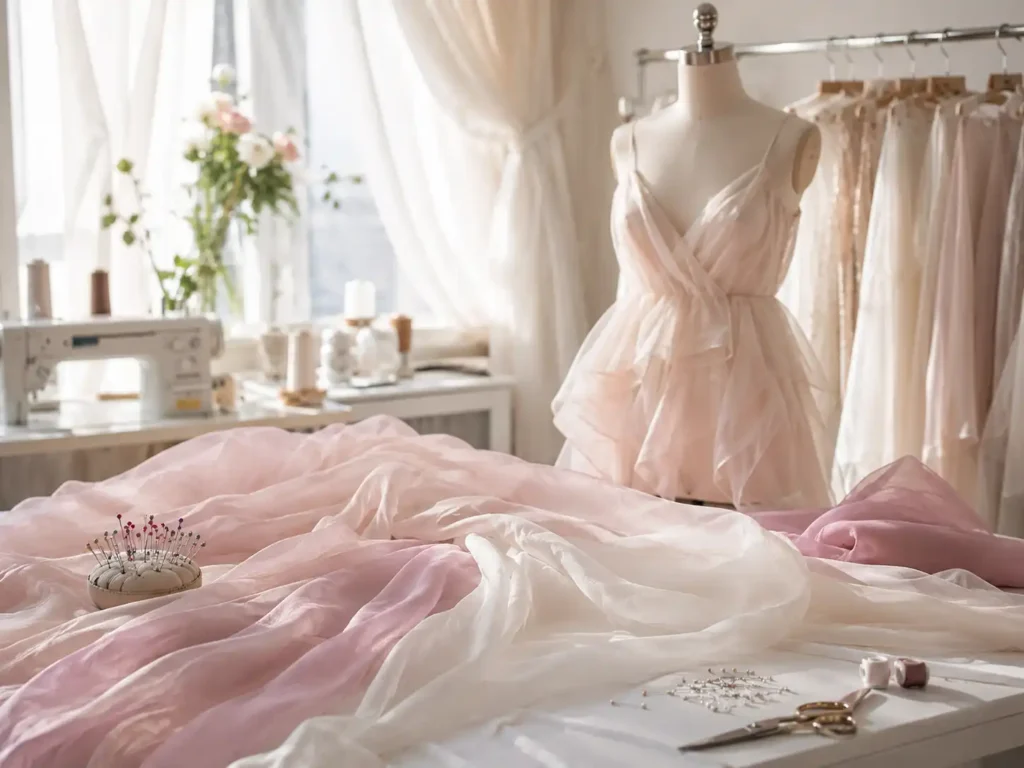
Chiffon and Georgette
- Typical weight direction: approximately 40-100 gsm.
- Key controls: lining coverage, layer count, hem balance, seam strength, and color matching.
- Certified sourcing: printed, dyed, and recycled versions require separate article review.
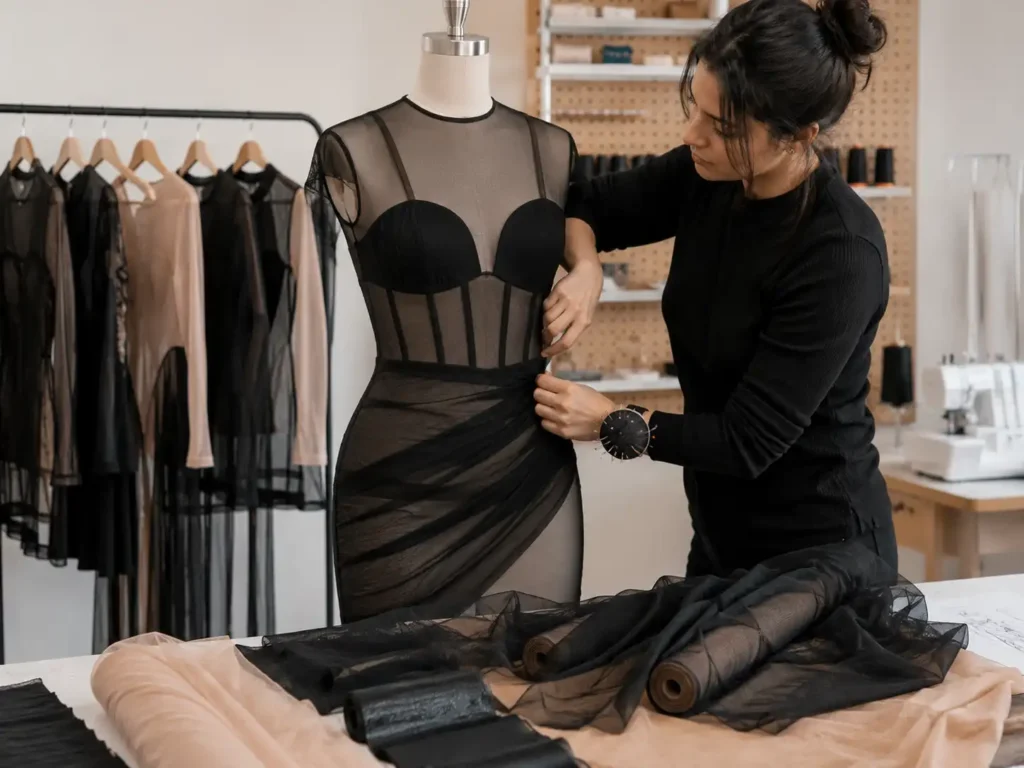
Mesh and Power Mesh
- Typical weight direction: approximately 50-180 gsm.
- Key controls: transparency, stretch direction, recovery, hole damage, neckline stability, and skin comfort.
- Certified sourcing: base fiber, elastane level, dye process, and color scope must be matched.
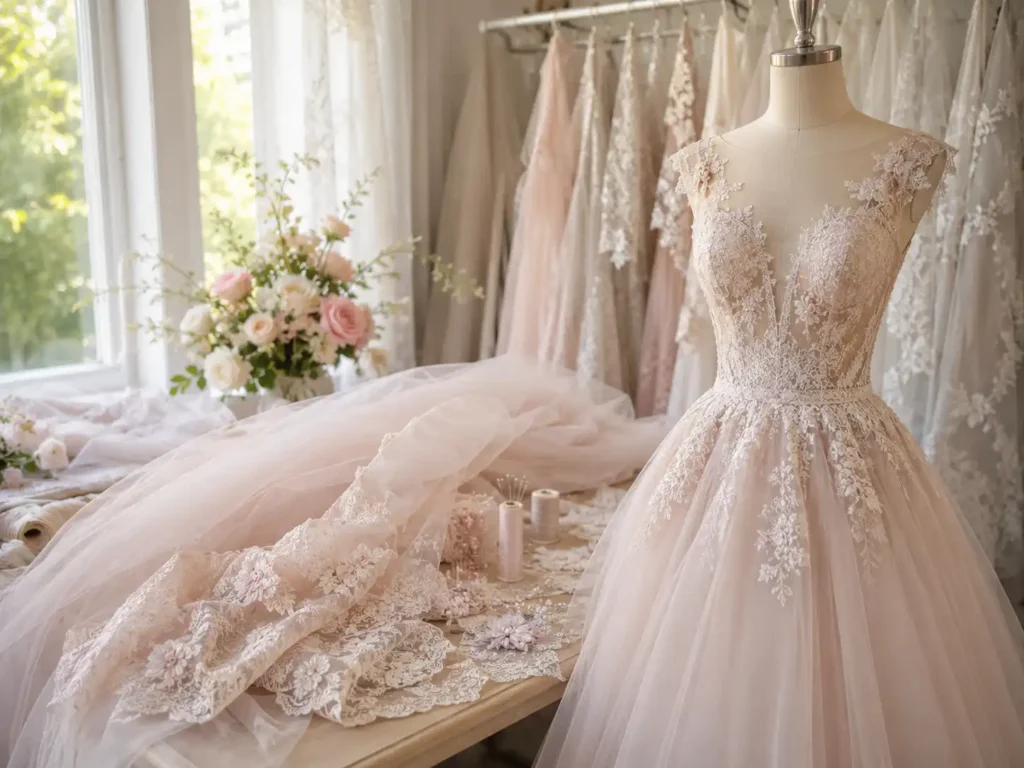
Lace and Tulle
- Key controls: motif alignment, edge finishing, patching, seam placement, layer count, and skin contact.
- Certified sourcing: ground fabric, embroidery yarn, coating, sequins, or bonded details may require separate review.

Jersey and Ponte
- Typical weight direction: jersey 140-260 gsm; ponte often 240-420 gsm.
- Key controls: relaxation, twisting, side-seam balance, neckline stability, recovery, and wash shrinkage.
- Certified sourcing: composition, elastane percentage, color, and batch must match the approved sample.
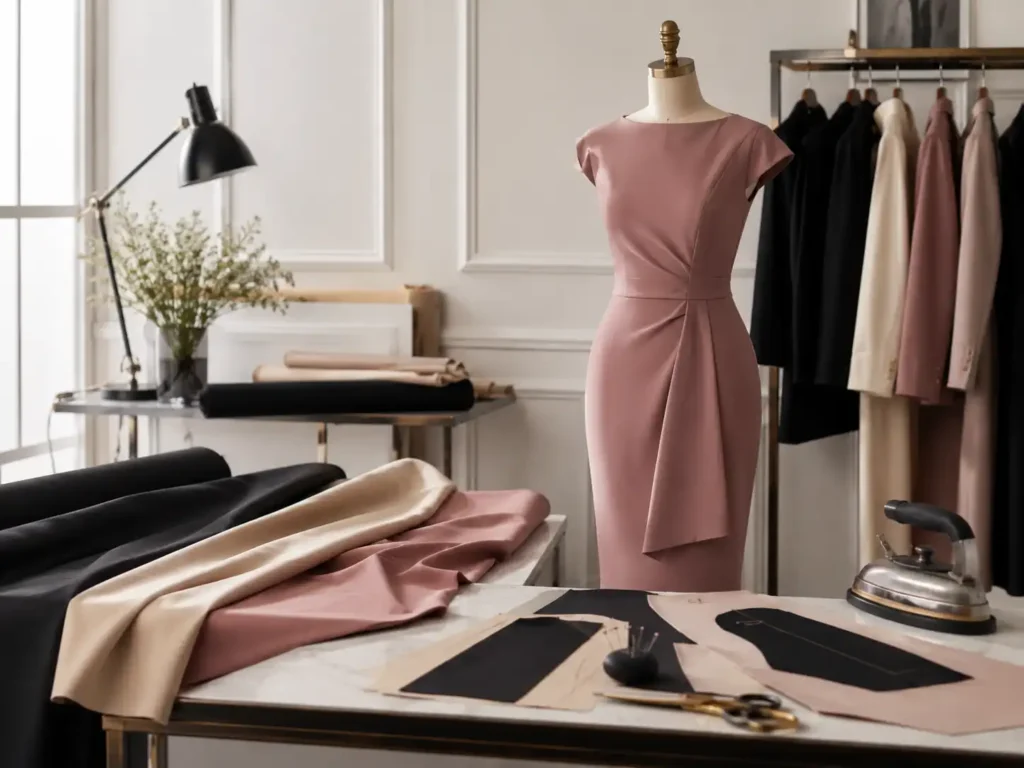
Crepe and Suiting
- Typical weight direction: approximately 150-380 gsm.
- Key controls: grain direction, zipper flatness, seam impressions, waist shaping, and pressing.
- Certified sourcing: fiber composition, finish, and dyed color are checked by article.

Cotton and Blends
- Typical weight direction: approximately 100-260 gsm.
- Key controls: pre-production shrinkage, fabric relaxation, print alignment, seam slippage, and care labeling.
- Certified sourcing: organic, conventional, blended, printed, and coated versions follow different document routes.
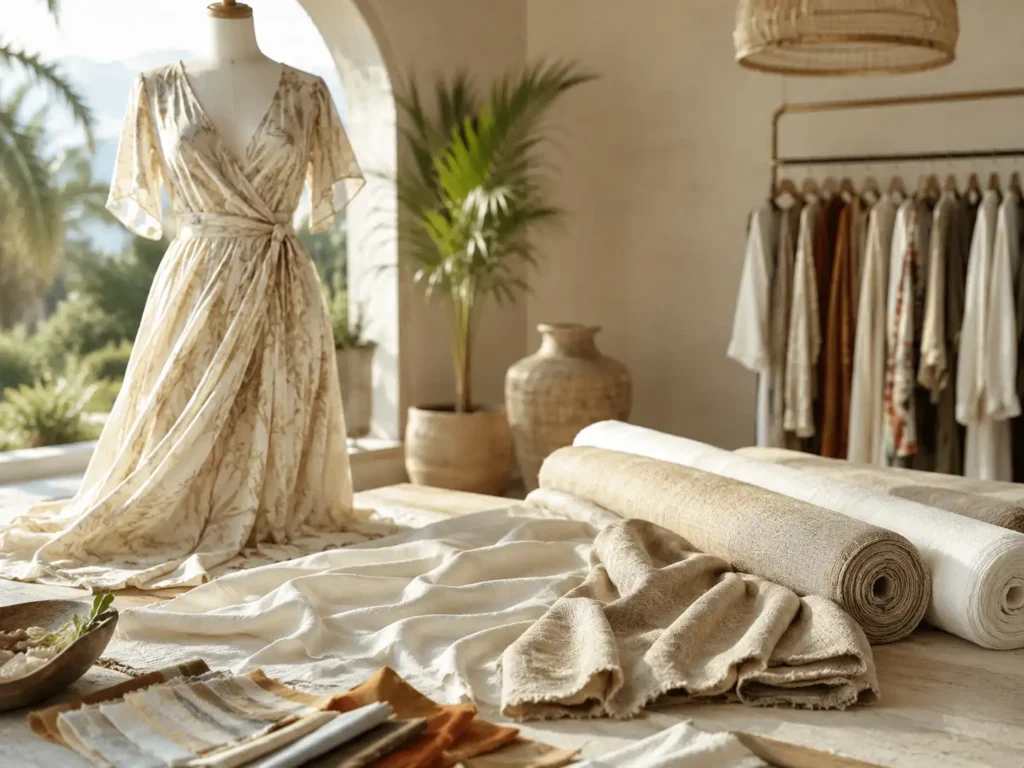
Rayon, Viscose, Linen
- Typical weight direction: approximately 90-240 gsm.
- Key controls: shrinkage testing, grain stability, hem drop, color fastness, and care instructions.
- Certified sourcing: blend ratio, dyeing method, print route, and batch availability are reviewed.
Dresses Developed with Certified Fabric Options
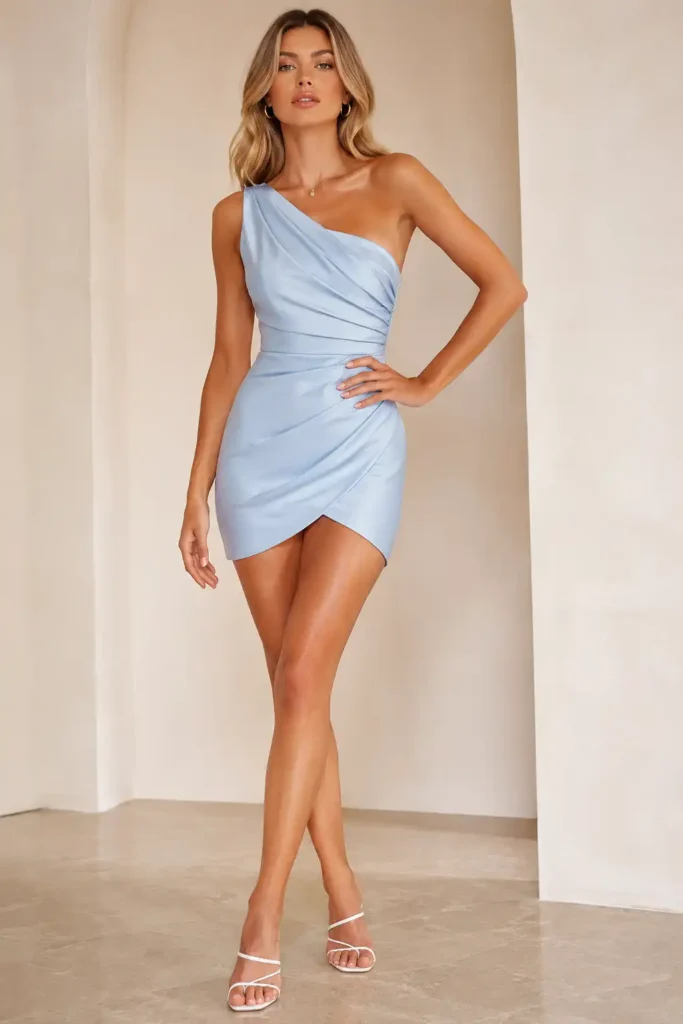
Mini Dresses

Midi Dresses
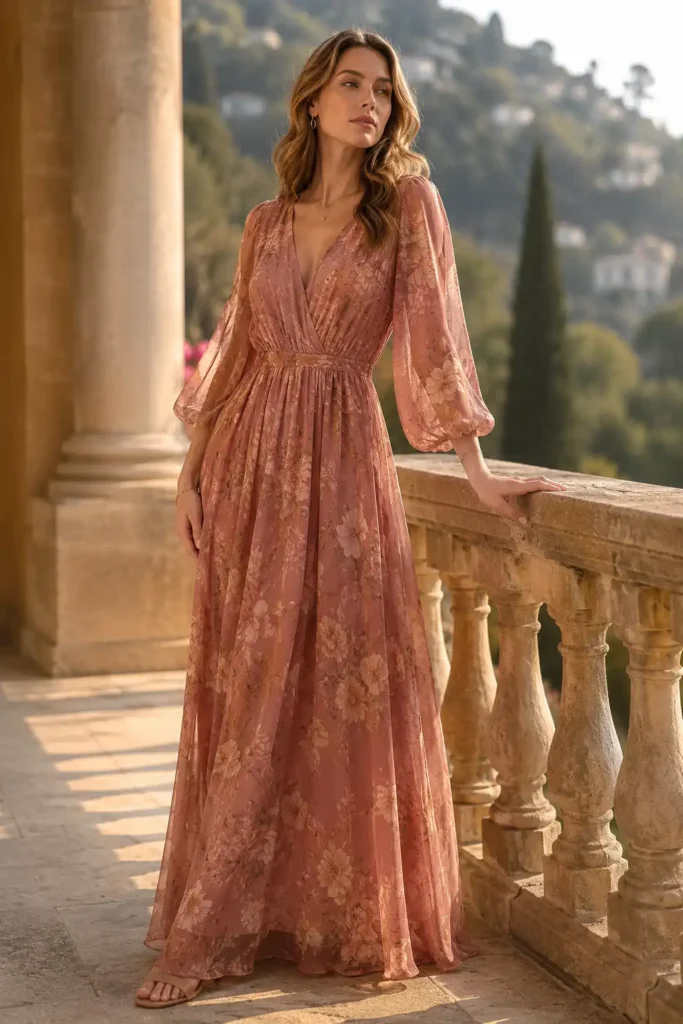
Maxi Dresses
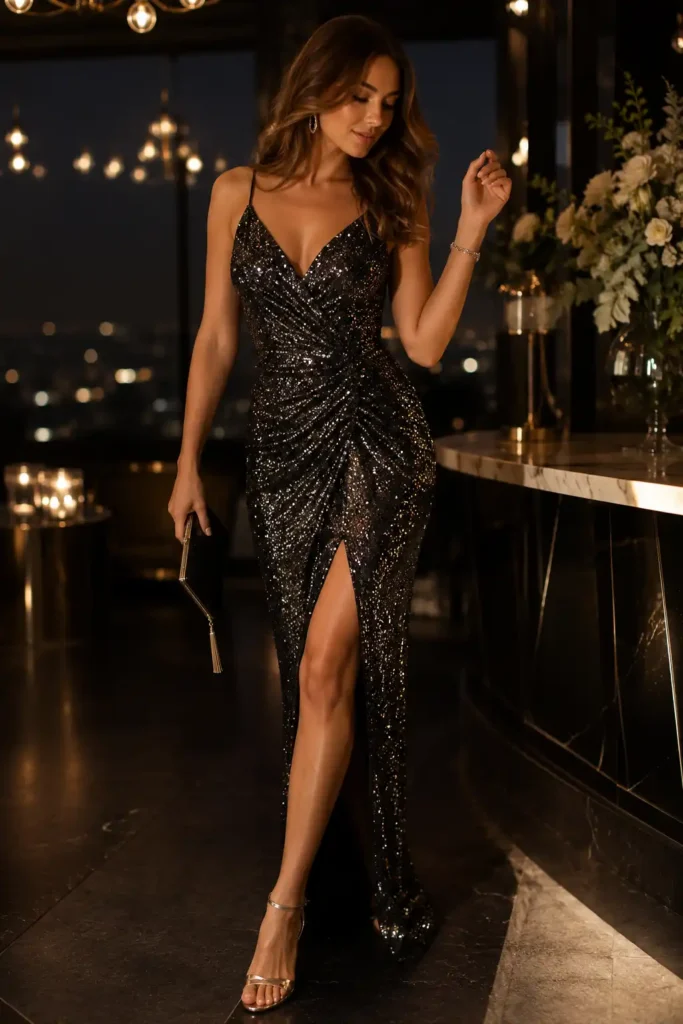
Party Dresses
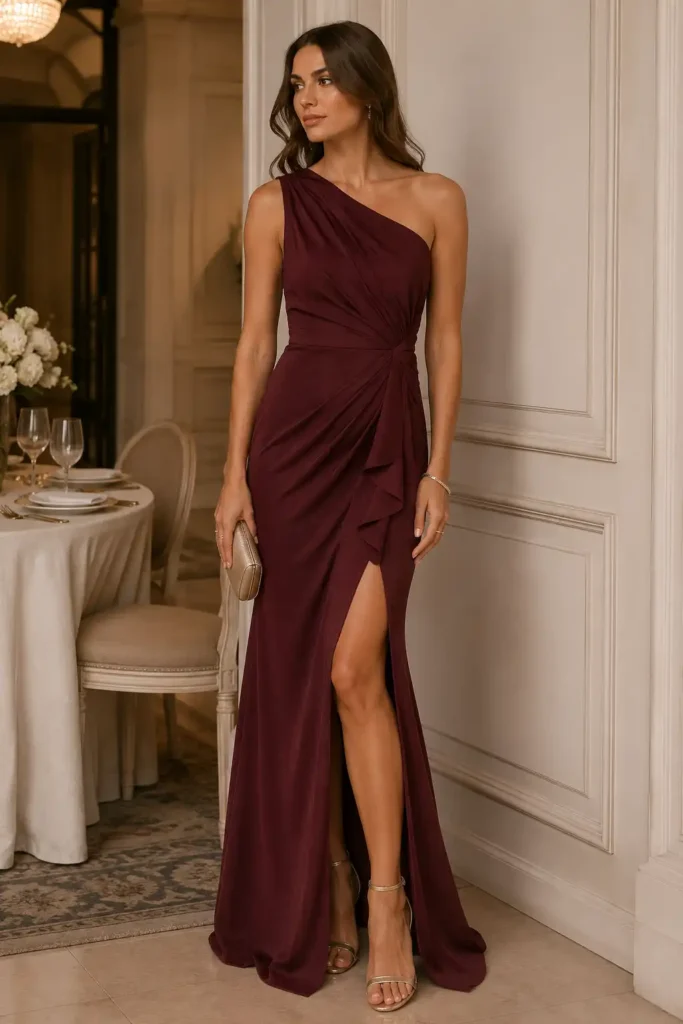
Occasion Dresses
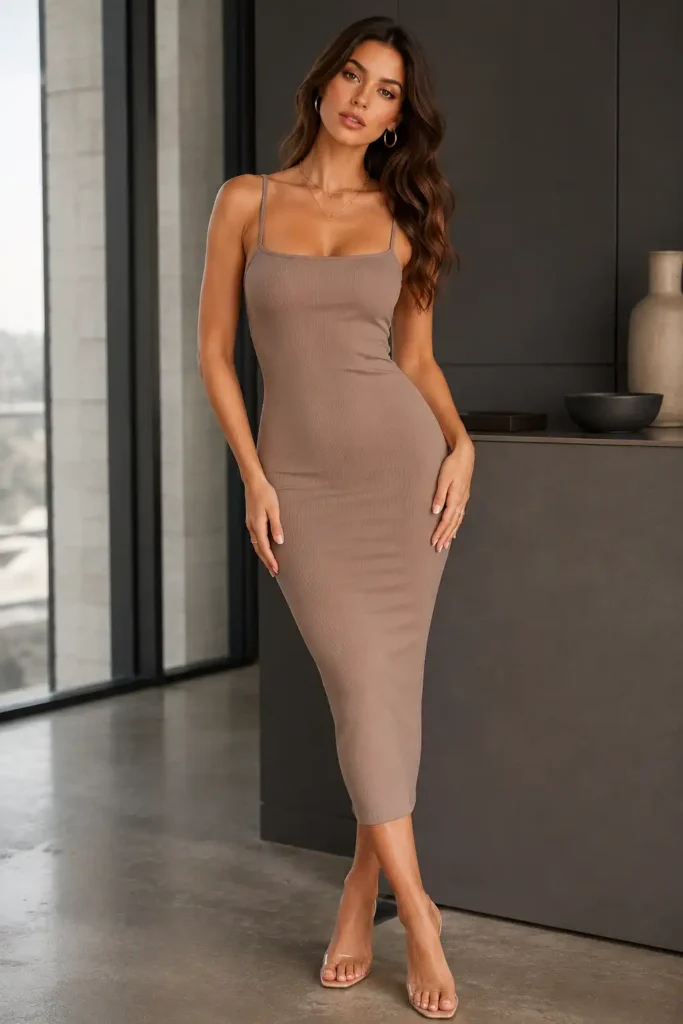
Bodycon Dresses
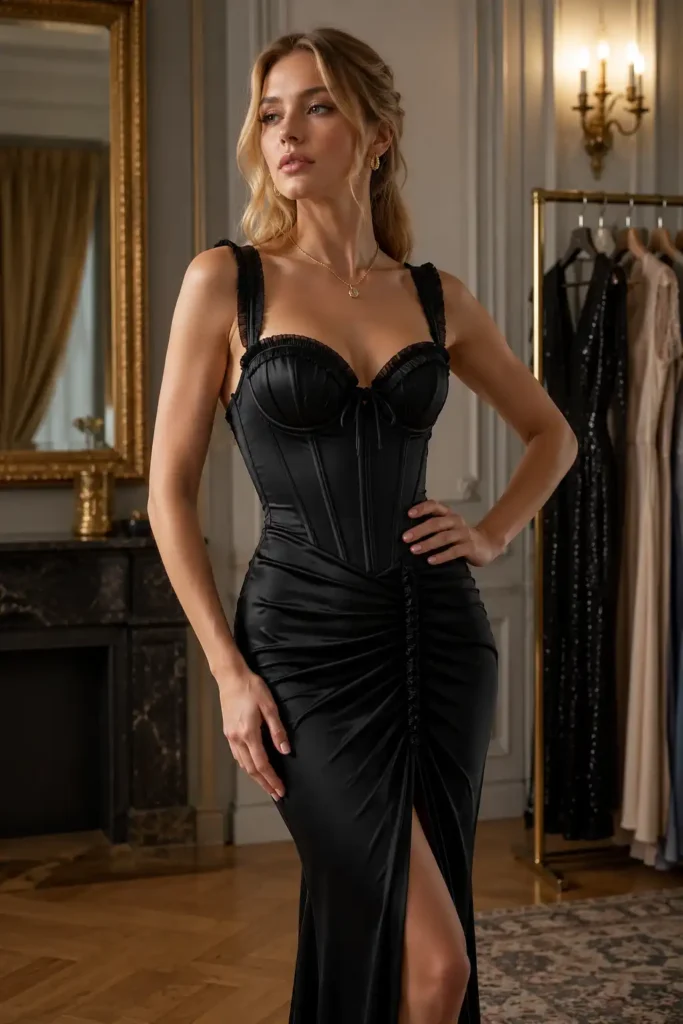
Corset Dresses
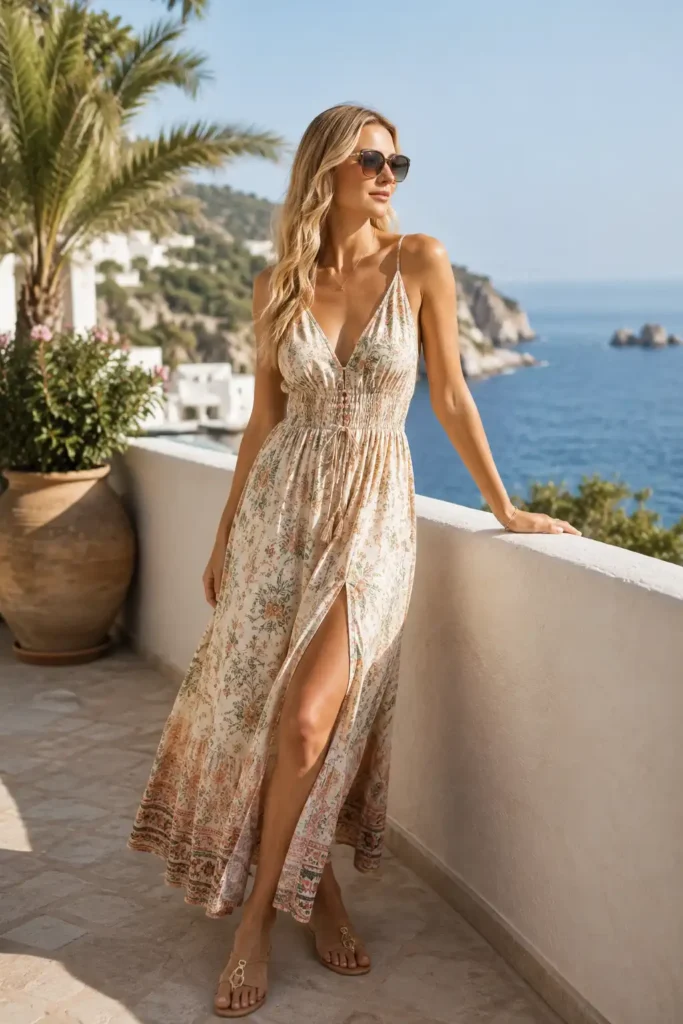
Resort Dresses
Match Certified Fabrics to Dress Construction
| Fabric Direction | Suitable Dress Types | Construction Focus | Main Production Risk | QC Priority | Certificate Review |
|---|---|---|---|---|---|
| Stretch satin | Slip, bodycon, corset, occasion | Grain, drape, lining, seam tension | Snagging, seam puckering, shade variation | Face direction, zipper flatness, press marks | Supplier article, finish, color, batch |
| Chiffon/georgette | Maxi, resort, layered, sleeve styles | Layer count, lining, hem | Fraying, seam slippage, uneven hem | Transparency, seam strength, hem level | Dyed/printed article and color scope |
| Power mesh | Bodycon, ruched, cut-out, support panels | Stretch direction, pattern reduction | Recovery loss, holes, neckline distortion | Stretch recovery, opacity, seam security | Composition, elastane level, color |
| Lace/tulle | Occasion, evening, corset, layered skirts | Motif placement, lining, edge finish | Snagging, mismatch, skin irritation | Motif alignment, hole check, edge quality | Ground, embroidery, coating, decoration |
| Jersey | Casual, bodycon, draped, midi | Relaxation, negative ease, neckline | Twisting, shrinkage, measurement drift | Recovery, side seams, wash dimensions | Composition, weight, color, batch |
| Ponte/Roma | Structured midi, office, bodycon | Shape retention, seam bulk | Press marks, stiffness variation | Measurement, seam balance, recovery | Fiber blend, weight, dyed article |
| Crepe/suiting | Office, cocktail, tailored mini | Grain, waist shaping, zipper | Seam impression, press damage | Drape, zipper, silhouette | Composition, finish, color |
| Rayon/viscose/linen | Resort, casual midi, printed maxi | Shrinkage, grain, hem drop | Skew, wrinkle, wet shrinkage | Pre-test, hem balance, care label | Blend, print route, dye batch |
Complete Component Review Beyond Main Fabric
A dress is a system of materials. Shell fabric, lining, thread, closure, support, decoration, labels, and finishing all affect comfort, durability, compliance, and claim accuracy.
Shell, Lining, and Sewing Thread
The shell carries most visual and tactile value, but lining often remains in direct skin contact. Lining must match opacity, stretch, recovery, drape, color, and care behavior. A non-stretch lining inside a stretch bodycon dress can restrict movement; a heavy lining under chiffon can destroy flow; a pale lining beneath mesh can change the photographed color.
Sewing thread also matters. Thread type, strength, stretch, heat resistance, and color must suit shell and lining. Stretch mesh and jersey need seam systems that move with the garment. Satin requires controlled needle and thread selection to reduce visible holes and puckering. If a finished-product certification claim is planned, relevant component documentation must be reviewed rather than assuming shell fabric coverage extends automatically.
Zippers, Elastic, Cups, and Boning
Closures and support materials directly affect function. Invisible zipper tape, metal parts, hooks, snaps, elastic, anti-slip tape, bra cups, underwire, and boning can remain close to skin or carry structural stress. Every item must be evaluated for specification, color, comfort, durability, MOQ, development cycle, and documentation needs.
Regular zippers can require approximately 3-10 days for standard development, while special versions may take 7-15 days. Metal zipper development can require approximately 7-15 days for regular options and 15-25 days for special options.
Those component cycles can influence sampling and bulk planning even when shell fabric is available.
Lace, Sequins, Printing, and Finishing
Decorative materials can introduce separate chemical, physical, and documentation risks. Lace may include a ground, embroidery yarn, coating, bonded film, sequins, beads, or metallic elements. Printed fabric involves ink systems, pretreatment, fixation, and washing. Sequin fabric adds surface damage, skin abrasion, needle breakage, and packing concerns.
Any certification or restricted-substance requirement should define whether decoration and finishing are included. Jinfeng Apparel maps each item in the BOM, records supplier and article information, and flags components requiring alternative sourcing, supporting documents, or third-party testing.

Design Review Before Certified Fabric Sourcing
A suitable certificate does not rescue an unsuitable fabric. Development begins by checking whether the material can deliver the silhouette, fit, price, production efficiency, and launch plan.
Structure and Silhouette Review
Tech pack review starts with neckline, shoulder, bust, waist, hip, skirt shape, slit, cut-out, sleeve, closure, lining, support, and finishing. A bias-cut slip dress needs drape and grain control. A corset mini needs support and recovery. A ruched mesh dress needs stretch direction and lining coordination. A tailored midi needs body and press stability.
Jinfeng Apparel identifies high-risk areas before sourcing: low necklines, strapless stability, deep backs, high slits, fitted hips, cut-outs, heavy decoration, asymmetric hems, layered transparency, and narrow seam allowances. Risk review protects sample quality and prevents unsuitable materials from entering production.
Commercial and Material Review
Material selection also depends on target quantity, color count, size range, launch date, target cost, and sales channel. A certified stock color may fit a faster program, while a custom color may require lab dip approval, minimum dye quantity, additional lead time, and stricter shade control. Multiple colors and fragmented quantities can change material economics even when total order volume looks high.
Jinfeng Apparel compares fabric composition, weight, width, stretch, recovery, hand feel, drape, transparency, shrinkage, color fastness, MOQ, price, and lead time. Alternative options are explained by visual effect and production impact, not only by unit cost.
Information Needed for Development
Reliable review works best with a tech pack, reference image, original sample, sketch, size chart, BOM, fabric swatch, color direction, quantity per style/color, target market, private-label requirement, packaging plan, and launch date. Missing information can be developed through discussion, but final quotation and production timing require confirmed materials and construction.
For standard dress samples, first-sample timing commonly falls around 10-15 days after materials and details are confirmed. Simple styles may require around 7-10 days. Complex corset, strapless, lace, mesh, sequin, or evening styles commonly require around 15-25 days. Custom fabric, special trims, or certified-material sourcing can extend the cycle.

Fit and Measurement Control for Custom Dresses
Fit must be engineered around fabric behavior. A pattern approved in one weight or stretch level cannot be transferred blindly to another material without checking balance, ease, recovery, and finished measurements.
Critical Measurement Points
Dress measurement control covers bust, upper bust, underbust, waist, high waist, low waist, hip, front length, back length, skirt length, strap length, armhole, neckline depth, back height, slit height, sweep, sleeve, and lining length. Jumpsuit-related developments add rise, inseam, thigh, and torso length.
Sensitive points vary by style. Bodycon dresses depend on bust-waist-hip relationships and stretch recovery. Strapless dresses require upper-bust security, anti-slip control, and stable zipper position. Maxi dresses require total length and hem balance. Cut-out and low-back styles require coverage and tension control.
Fabric Impact on Pattern
Stretch percentage alone is not enough. Recovery, direction, weight, thickness, and surface friction change fit. Power mesh may stretch strongly but need controlled reduction. Ponte may stretch less while holding shape. Satin may show every seam and tension difference. Chiffon may hang longer after sewing. Rayon and viscose can drop at the hem or shrink after care treatment.
Before pattern approval, Jinfeng Apparel checks fabric relaxation, grain, drape, stretch direction, transparency, lining interaction, and shrinkage risk. Material replacement can trigger pattern updates, revised samples, or new PP approval.
Tolerance and Size Grading
Bulk garments require agreed measurement tolerances rather than unrealistic zero-error expectations. Tolerances should follow product type, fabric behavior, measurement method, and brand standard. Stretch dresses and structured woven dresses require different control logic.
Grade rules are reviewed across the full size range. A style may look balanced in size S yet fail in larger sizes if neckline depth, strap length, armhole, bust shaping, waist position, slit height, or skirt length are graded mechanically. Jinfeng Apparel records measurement comments in the updated size chart, pattern file, QC checklist, and Golden sample standard.

From Fabric Approval to Production-Ready Sample
Requirement Review
Fabric Shortlist
Pattern Development
First Sample
Revised Sample
PP and Golden Sample
Bulk Production Process for Certified Fabric Dresses
PP Sample Lock
Fabric Purchase
Incoming Inspection
Relaxing and Cutting
Sewing Production
Inline Inspection
Final QC and Pressing
Packing and Delivery
Fabric Batch Traceability from Sample to Reorder
Traceability protects color, hand feel, fit, compliance records, and repeat-order speed. A repeat order should begin with preserved evidence rather than memory.
Sample and Approval Records
Approved records include fabric name, supplier, article, composition, weight, width, stretch, hand feel, drape, transparency, color, approved swatch, approval photos, certificate reference, MOQ, price, lead time, shrinkage risk, color-fastness notes, and sample version.
The approved fabric is connected to the PP sample and Golden sample. Any substitution is compared by composition, weight, stretch, hand feel, color, cost, MOQ, lead time, and pattern impact. Substitution requires written approval and may require a revised sample.
Bulk Roll and Dye-Lot Control
Bulk records can include purchase quantity, delivery date, dye lot, roll number, shade group, inspection result, cutting allocation, and remaining quantity. Shade-sensitive materials are grouped to reduce visible variation within one garment or one carton assortment.
Satin, velvet, mesh, lace, printed fabrics, and pale lining combinations require special attention. Face direction, pile direction, print orientation, lace placement, and lining shade are included in cutting and production control.
Repeat-Order Management
Jinfeng Apparel preserves pattern versions, fabric references, trim details, size charts, sewing instructions, label files, packing requirements, QC notes, and historical order records. Repeat orders can therefore begin from an organized baseline.
Original fabric may become unavailable, change price, change certificate status, or move to a new dye lot. Repeat orders still require confirmation of current article, certificate, color, MOQ, lead time, and physical performance. Record preservation speeds review without removing necessary controls.

Quality Control from Fabric to Packed Dresses
Fabric Inspection
Cutting Inspection
Inline Sewing Check
Measurement Inspection
Final Garment Check
Packing Inspection
Testing and Compliance Support for Global Markets

Fabric Performance Testing

Garment Testing

Third-Party Coordination
Third-party laboratories or inspection companies can be coordinated according to destination market and brand standard. Required test method, laboratory, sample size, submission timing, report holder, payment arrangement, and retest process are confirmed before booking.
Available support can include material samples, finished garments, BOM information, fabric details, care instructions, packing samples, and factory coordination. No blanket guarantee is made for every regulation or every test; compliance planning follows the confirmed specification and verified result.
Private Label and Accurate Product Communication
Woven Labels
Size Labels
Care Labels
Hangtags
Barcodes and SKU
Polybags and Cartons
MOQ, Cost, and Lead-Time Planning
| Cost or Timing Variable | Commercial Impact | MOQ Impact | Timing Impact | Required Confirmation |
|---|---|---|---|---|
| Certified stock fabric | Faster sourcing when article and color are available | More likely to support 200 pcs/style/color | Depends on current stock and batch | Supplier, article, color, quantity, certificate |
| Custom-dyed certified fabric | Adds lab dip, dye planning, shade approval, and mill booking | Usually higher than stock fabric | Added approval and production time | Pantone, minimum dye quantity, lab dip, bulk shade |
| Custom printing | Adds artwork, strike-off, print route, repeat, and fixation | Mill or printer minimum applies | Strike-off and print production extend schedule | Artwork, repeat, color standard, print method |
| Special lace or mesh | Decoration, ground, stretch, and width affect sourcing | Supplier-specific minimum | Special production may extend sampling | Composition, motif, width, stretch, certificate scope |
| Lining and trims | Finished-product requirements may involve multiple suppliers | Separate component MOQ may apply | Development can add days or weeks | Article, color, material, documentation, approval sample |
| Testing | Laboratory booking, samples, reports, and retest affect cost | No direct garment MOQ change, but sample quantity required | Report cycle must fit launch plan | Test method, lab, sample count, acceptance level |
| Multiple colors | Fragments fabric purchase and production setup | MOQ applies per style/color | More lab dips, shade approvals, and packing files | Quantity by color, dye route, size ratio |
| Complex construction | Raises pattern, sewing, pressing, inspection, and revision work | Garment MOQ remains project-based | Sample and bulk cycles increase | PP sample, operation plan, QC points |
| Private-label packaging | Labels, tags, bags, boxes, and warehouse files add setup | Packaging suppliers may set separate MOQ | Artwork and production must be scheduled | Artwork, quantities, languages, barcode, packing method |
Capacity for Multi-Style Certified Fabric Programs

Collection Planning
Seasonal programs commonly contain 10-30 styles with different fabrics, colors, size ratios, complexity levels, and launch priorities.
Jinfeng Apparel groups styles by material family, construction risk, sample status, and production route.
Hero styles and photo samples can receive priority without blocking the remaining collection.

Project Tracking
A managed program can include project launch, requirement confirmation, timeline planning, fabric progress, trim progress, sample progress, revision records, PP approval, bulk updates, QC feedback, packing confirmation, shipment arrangement, and after-shipment review.
Communication can use email, WhatsApp, video meetings, Excel files, PDF tech packs, annotated photos, sample videos, and progress sheets. Important approvals are converted into controlled records rather than left in informal chat.
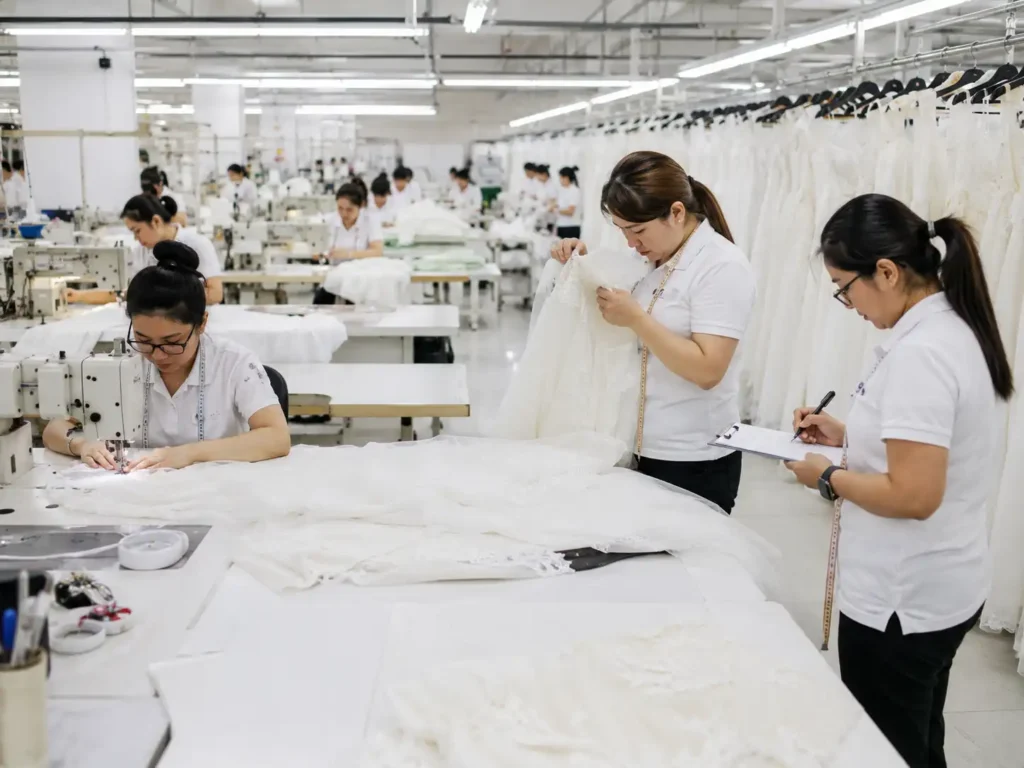
Production Allocation
Certified Fabric Dress Project Case Studies
U.S. Occasionwear Program
U.K. Ecommerce Dress Program
Australian Resortwear Program
How to Qualify an OEKO-TEX Dress Supplier
Dress Experience
Certificate Verification
Fabric Approval
Sample-Bulk Control
Batch Traceability
Fit and Grading
QC and Testing
Private Label Accuracy
Frequently Asked Questions About OEKO-TEX Dresses
Yes. Jinfeng Apparel can review OEKO-TEX fabric resources through relevant material suppliers according to fabric type, color, article, supplier batch, certificate scope, validity, MOQ, price, and lead time. Availability is confirmed for each project rather than assumed across all fabrics.
No blanket claim is made. A certified main fabric does not automatically certify the assembled dress. Finished-product claims depend on certificate scope, components, production route, testing, and authorization. Requirements must be defined before sourcing and labeling.
Review covers certificate holder, number, validity, product description, composition, fabric article, processing route, color or batch relevance, and relationship to the actual supplier. Supporting swatches and purchase records are linked to the project.
Yes. Nominated material can be reviewed for article, certificate, composition, weight, width, color, MOQ, lead time, performance, shipping arrangement, and responsibility for quality issues. Final suitability still requires sample and production verification.
Standard MOQ starts from 200 pcs per style/color. Certified fabrics, custom dyeing, printing, special lace, special trims, and private-label packaging may carry separate supplier minimums. Quantity must be planned by style and color.
Simple first samples commonly require around 7-10 days after confirmation. Standard dress first samples commonly require around 10-15 days. Complex corset, strapless, lace, mesh, sequin, or evening styles commonly require around 15-25 days. Special or certified materials can extend timing.
A change is possible only after comparing composition, weight, stretch, hand feel, drape, transparency, color, MOQ, cost, lead time, certificate status, and pattern impact. A revised sample or new PP sample may be required.
Testing coordination can be arranged according to target market and brand standard. Test method, laboratory, sample quantity, cost, report timing, acceptance criteria, and retest procedure are confirmed before submission.
Only wording and marks supported by valid authorization and relevant certificate scope should be used. Jinfeng Apparel can implement approved artwork but does not create certification rights. Legal and brand approval should be completed before printing.
Jinfeng Apparel preserves patterns, size charts, fabric references, supplier articles, trims, sewing instructions, QC notes, label files, packing requirements, and order history. Current fabric availability, certificate status, color, and dye lot are reconfirmed for each repeat order.

Start Your OEKO-TEX Fabric Dress Project
Send a clear project brief so Kelly and the development team can review material direction, certificate requirements, construction risk, sampling route, MOQ, cost structure, and production planning.
A useful submission normally includes:
- Tech pack, reference images, original sample photos, sketches, or line sheet
- Dress category and number of styles
- Quantity per style/color and planned size range
- Preferred fabric composition, weight, stretch, hand feel, and color
- Required OEKO-TEX scope or retailer compliance manual
- Lining, trims, cups, boning, zipper, decoration, and closure requirements
- Private-label artwork, barcode, packaging, and warehouse instructions
- Target market, launch date, and preferred shipment window