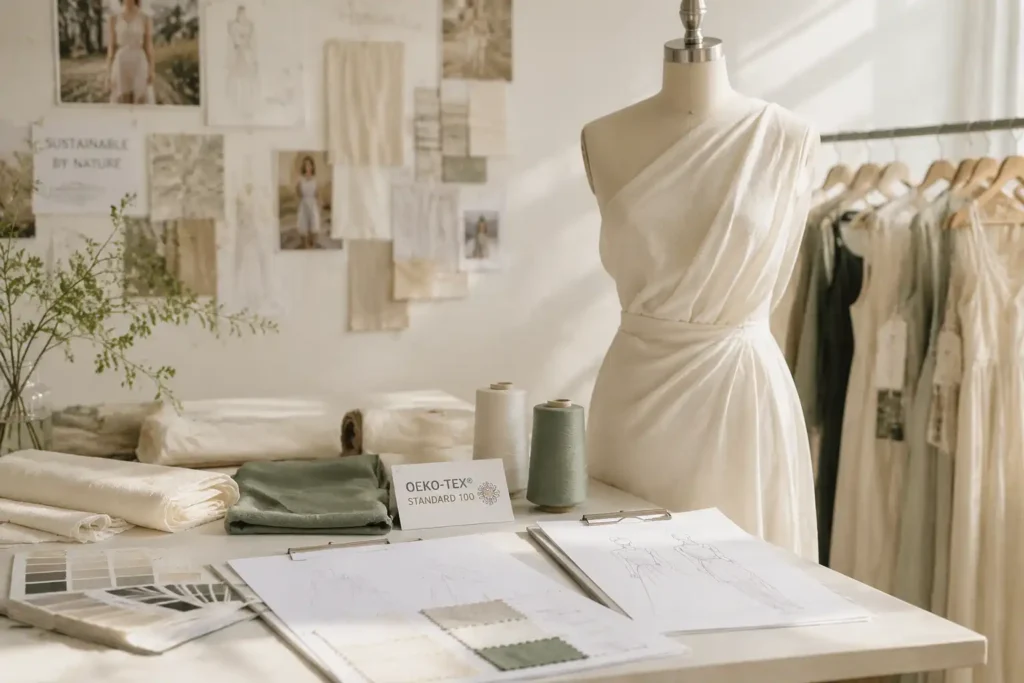
ODM Dress Development Manufacturer for Fashion Retail Brands
From retail concept and line planning to production-ready dresses, controlled bulk execution and branded delivery.
- Since 2008, focused on premium custom womenswear and dress development for established fashion retail programs.
- 2 sample rooms, 7+ senior pattern makers and 20+ sample machinists support multi-style development and revision control.
- 6 owned women’s fashion factories, 10+ long-term satellite production partners and 18+ sewing lines support planned scale.
- Development covers fabric direction, pattern engineering, sampling, PP approval, bulk QC, private labels, packing and export coordination.
Development Capacity Built Around Retail Programs
Since 2008
6 Owned Factories
10+ Production Partners
2 Sample Rooms
7+ Pattern Makers
15+ QC Inspectors
Designed for Established Fashion Retail Operations
Fashion Retail Brands
Product Development Teams
Sourcing and Merchandising
ODM Development Beyond Basic OEM Execution
Brand-Led ODM
File-Led OEM
Start From the Information Already Available
Collection Brief
Reference Images
Line Sheet
Original Sample
Tech Pack
Launch Calendar
From Retail Direction to Production Standard
Requirement Review
Structure Analysis
Fabric Direction
Pattern Development
Sample Making
Revision and PP
Bulk and QC
Retail Delivery
Dress Categories Developed for Retail Assortments
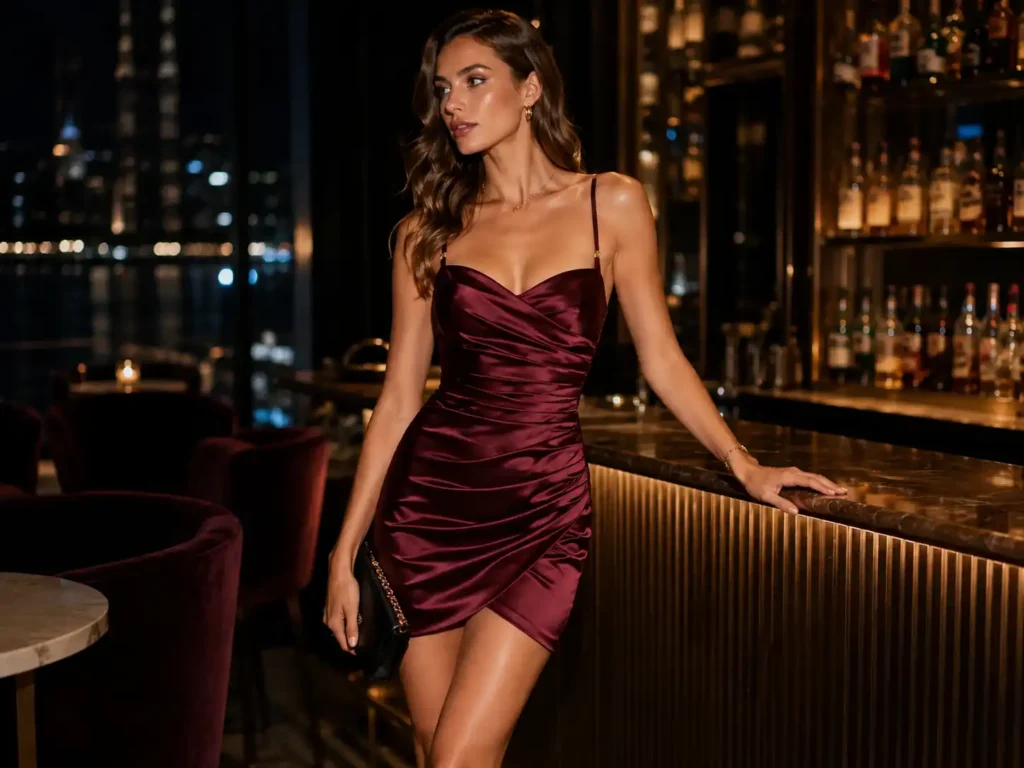
Party and Cocktail
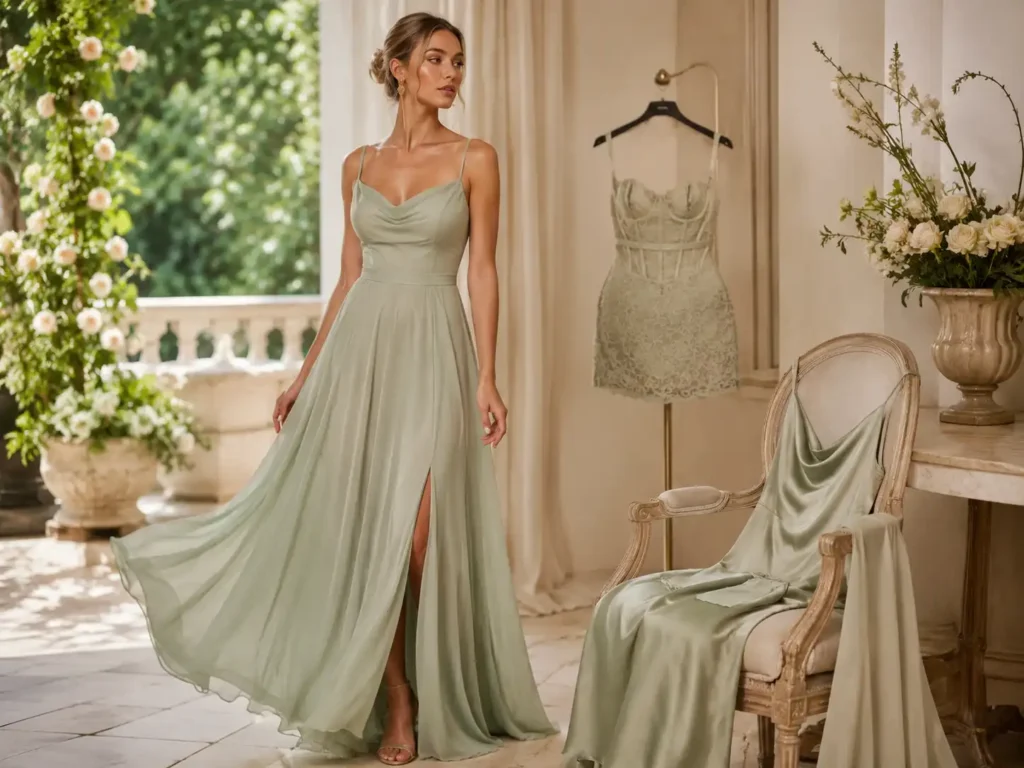
Occasion and Evening
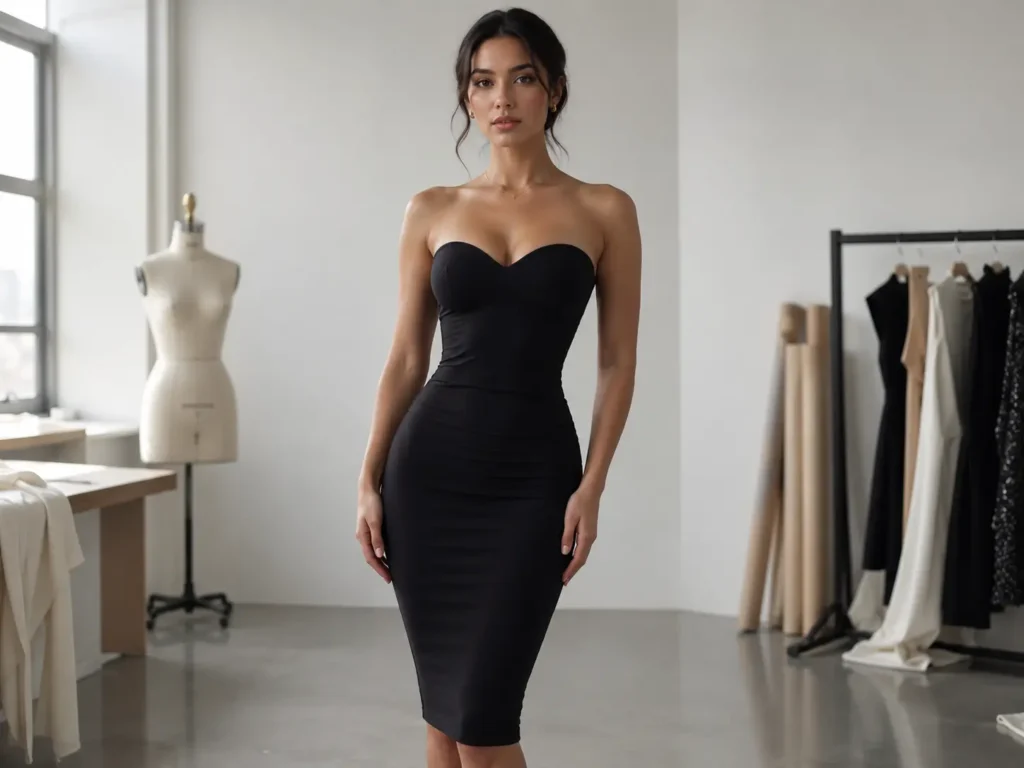
Bodycon and Club

Corset and Structured

Resort and Vacation

Graduation and Prom

Wedding Guest

Retail Extensions
Silhouette Engineering for Fit and Sell-Through

Bodycon

A-Line
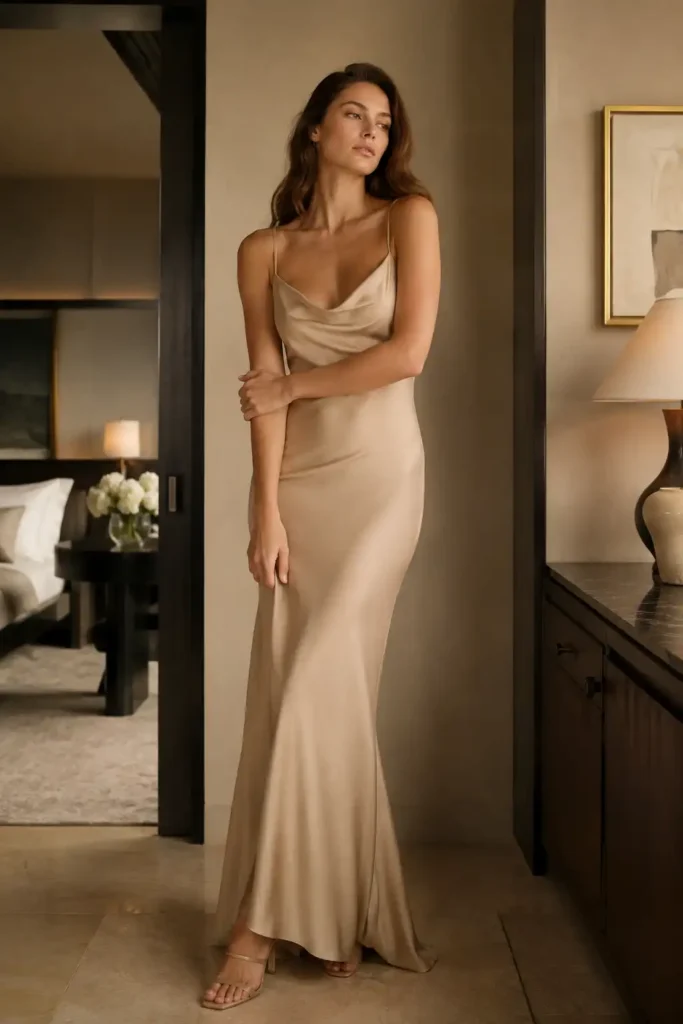
Slip
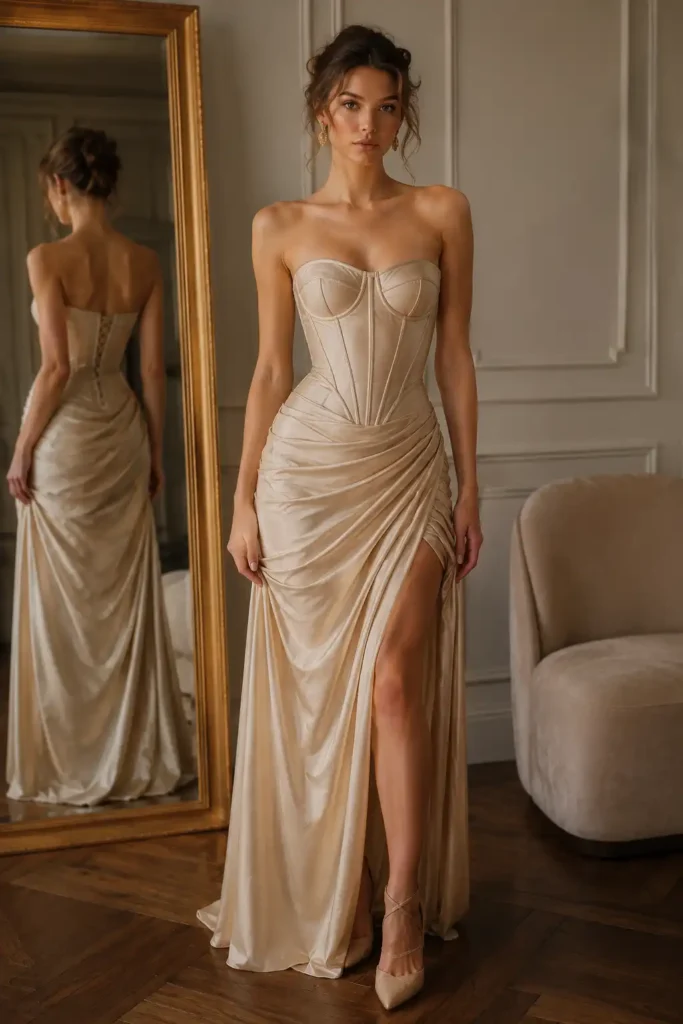
Corset
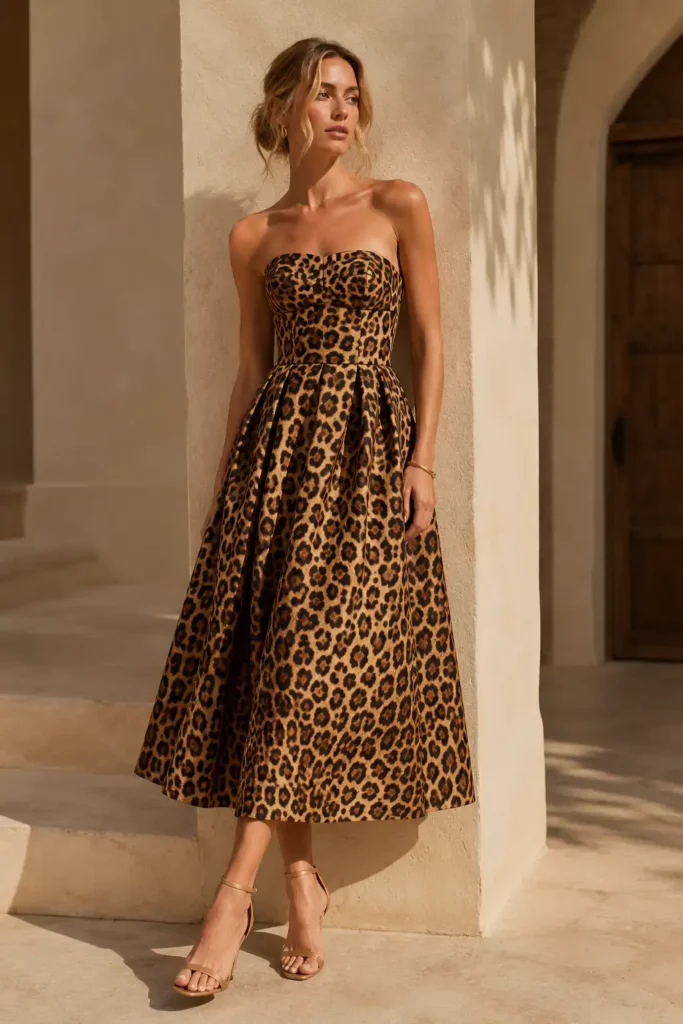
Strapless

Halter

One-Shoulder

Backless
Fabric Direction Matched to Dress Structure
Material choice changes fit, drape, transparency, cost, MOQ, sewing method and bulk risk. Jinfeng compares each option against the intended silhouette and retail position before final sample approval.
| Style Type | Recommended Fabrics | Use Carefully | Primary Control Points |
|---|---|---|---|
| Bodycon dress | Ponte, jersey, spandex blends, stretch satin, power mesh | Non-stretch chiffon, rigid organza | Recovery, opacity, hip fit, side seams, wash stability |
| Corset dress | Structured satin, lace, mesh, firm woven, velvet | Very thin chiffon, unstable lightweight knits | Cup shape, boning, lining, seam strength, top-edge support |
| Slip dress | Satin, stretch satin, crepe, viscose woven | Bulky lace, stiff suiting | Drape, grain or bias direction, straps, neckline, seam distortion |
| Party dress | Sequin, satin, mesh, lace, stretch knit | Rough low-density fabric | Snagging, transparency, decoration security, skin comfort, packing |
| Maxi dress | Chiffon, rayon, viscose, satin, printed woven | Heavy ponte, rigid denim | Hem balance, drape, lining length, print direction, pressing |
| Wedding guest | Satin, chiffon, lace, crepe | Thin unstable jersey | Shade consistency, lining, grading, zipper, multi-batch color control |
| Resort dress | Rayon, viscose, chiffon, linen blend, printed woven | Heavy velvet, dense structured knit | Wrinkle behavior, transparency, print direction, lightweight packing |
| Office-to-evening | Crepe, ponte, suiting, structured knit | Highly transparent mesh | Shape retention, comfort stretch, neckline, slit, clean pressing |
Design Details Resolved Before Sampling
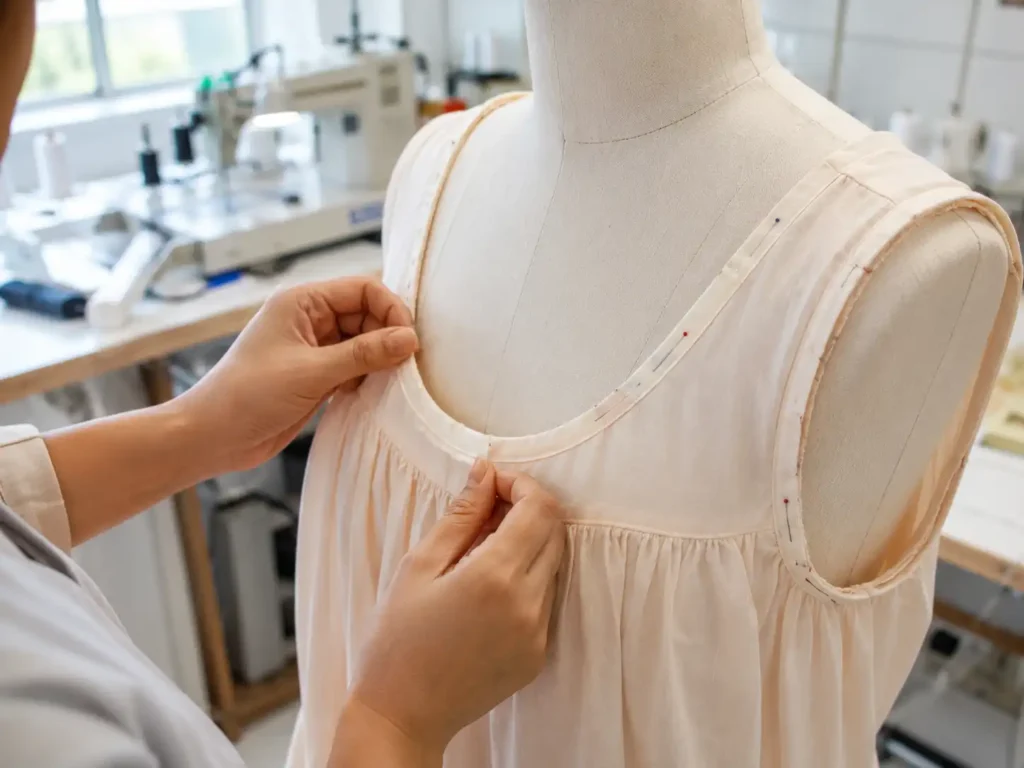
Necklines and Coverage
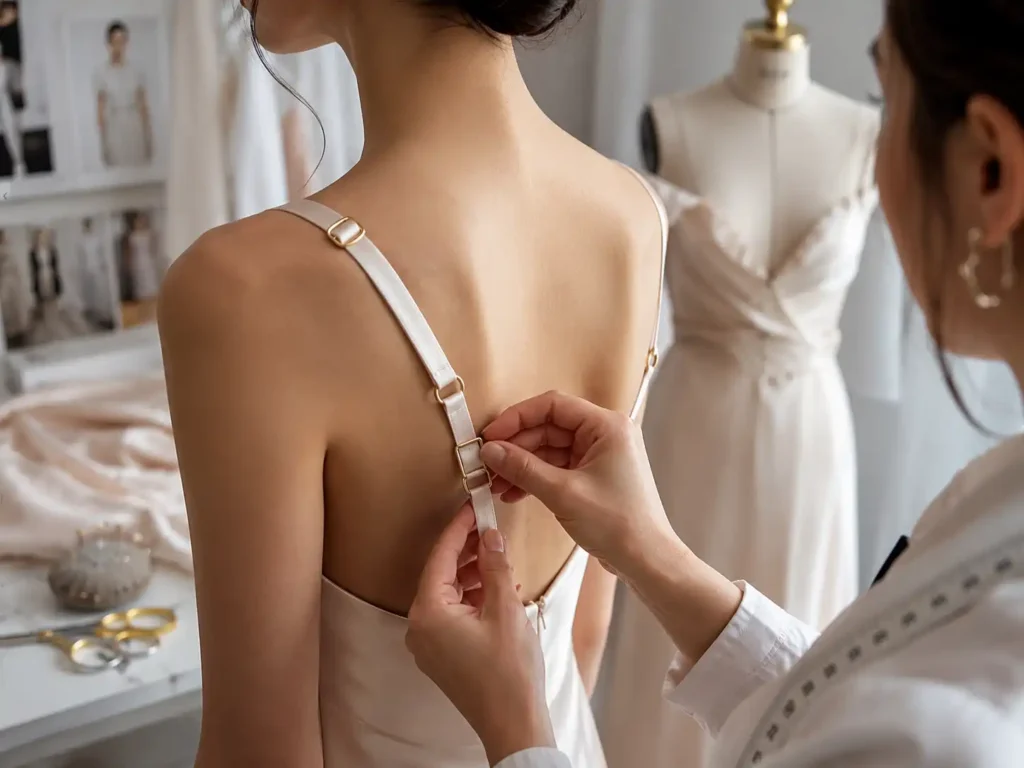
Straps and Adjusters

Cut-Out Placement

Ruching and Draping

Slits and Openings

Length and Hem
Construction Decisions Behind Premium Dress Execution

Lining Systems

Closures

Bust Support
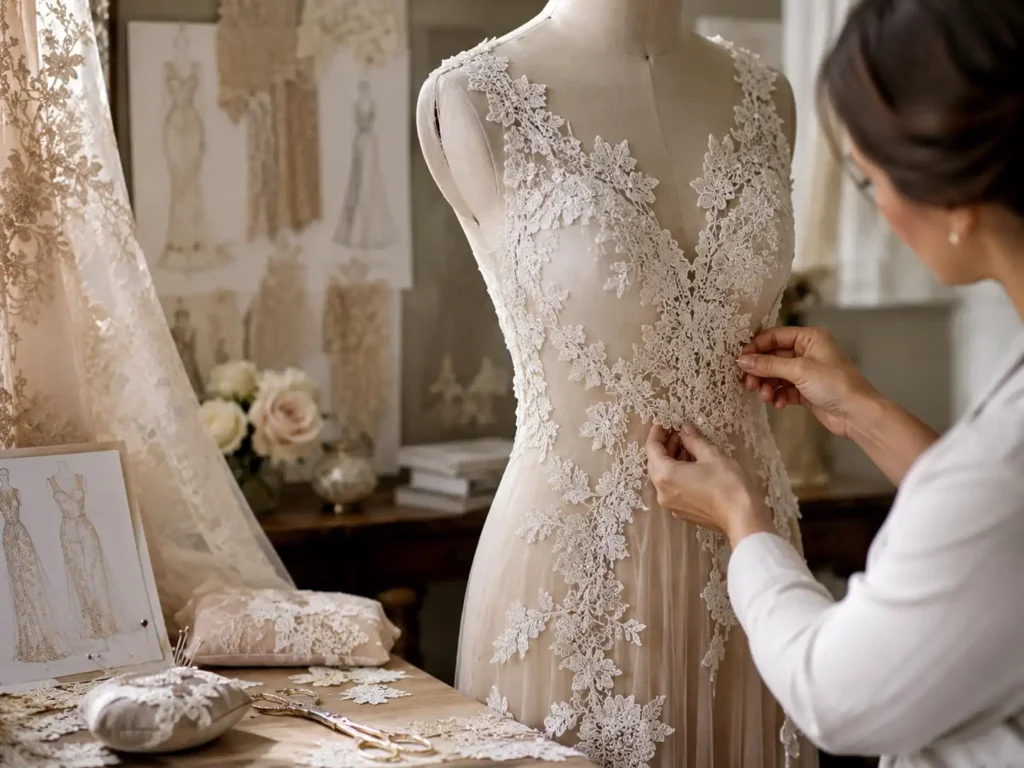
Lace Placement
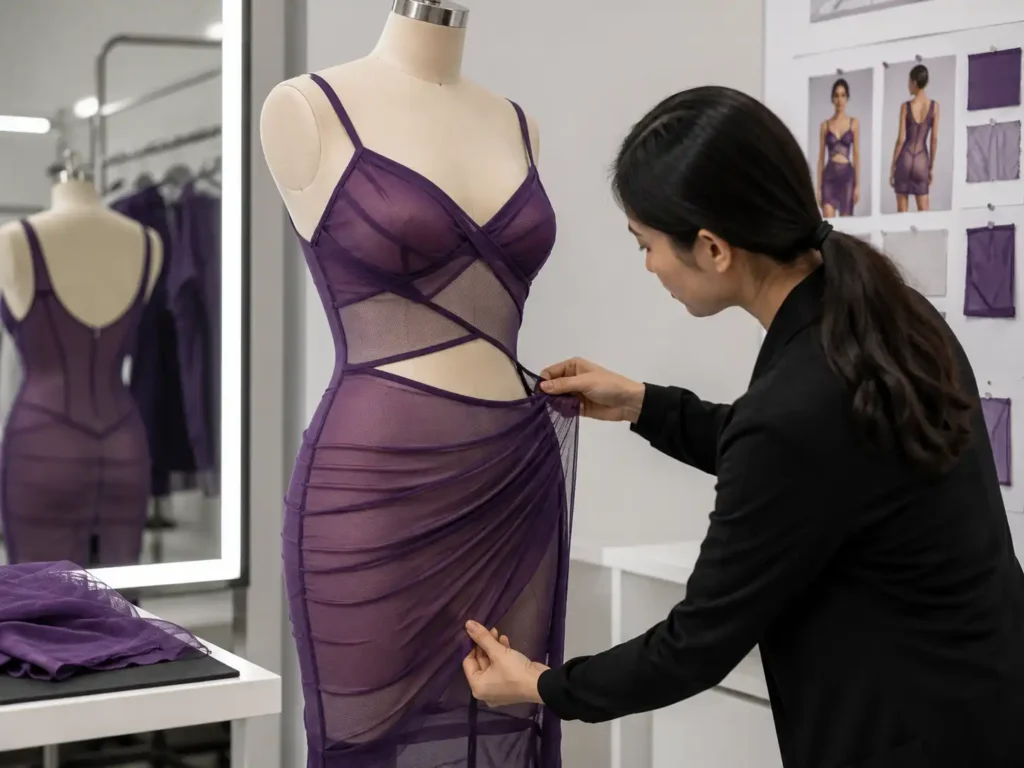
Mesh Handling

Sequin Protection
Sample Timing Based on Real Style Complexity
Simple Styles: 7-10 Days
Standard Dresses: 10-15 Days
Complex Styles: 15-25 Days
Sample Comments Converted Into Production Files

Measurement Review

Pattern Revision

Material Update

Approval Status
Multi-Style Development Without Losing Control
Fabric Grouping
Pattern Families
Priority Sequencing
Revision Tracking
Cost Architecture
Bulk Readiness
Production Allocation by Fabric and Construction
Woven Dress Lines
Knit and Stretch Lines
Occasionwear Lines
Flexible Production Lines
Project Management
Finishing and Packing
Bulk Workmanship Controlled at the Detail Level

Cutting Accuracy
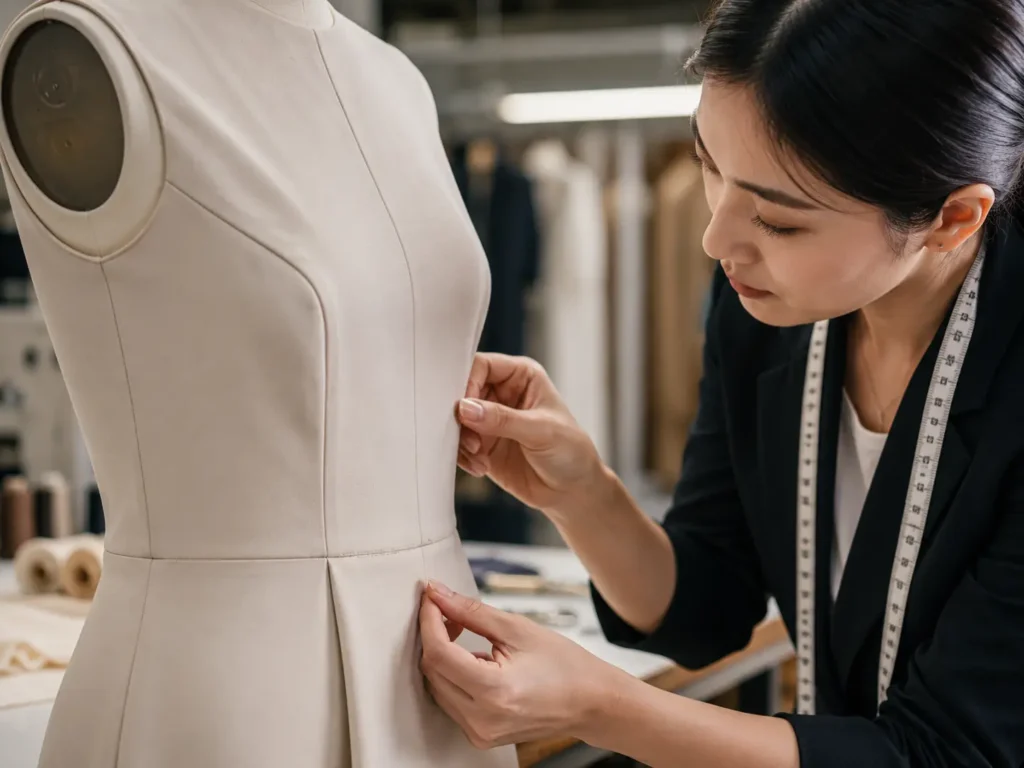
Seam Stability

Zipper Flatness
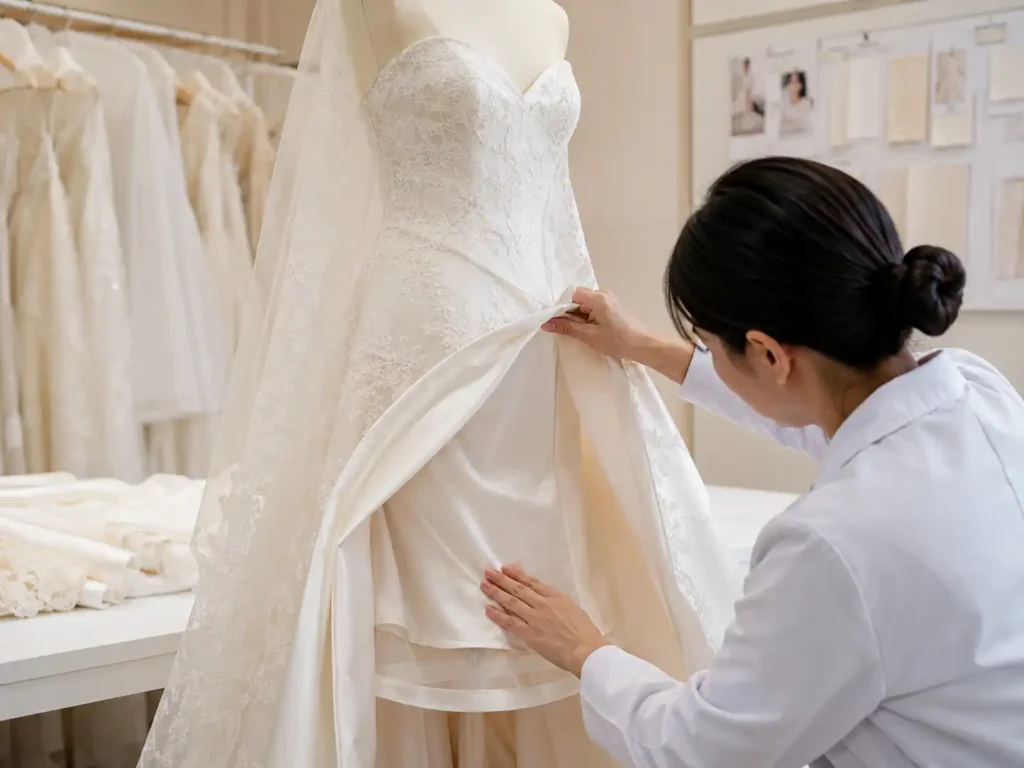
Lining Control
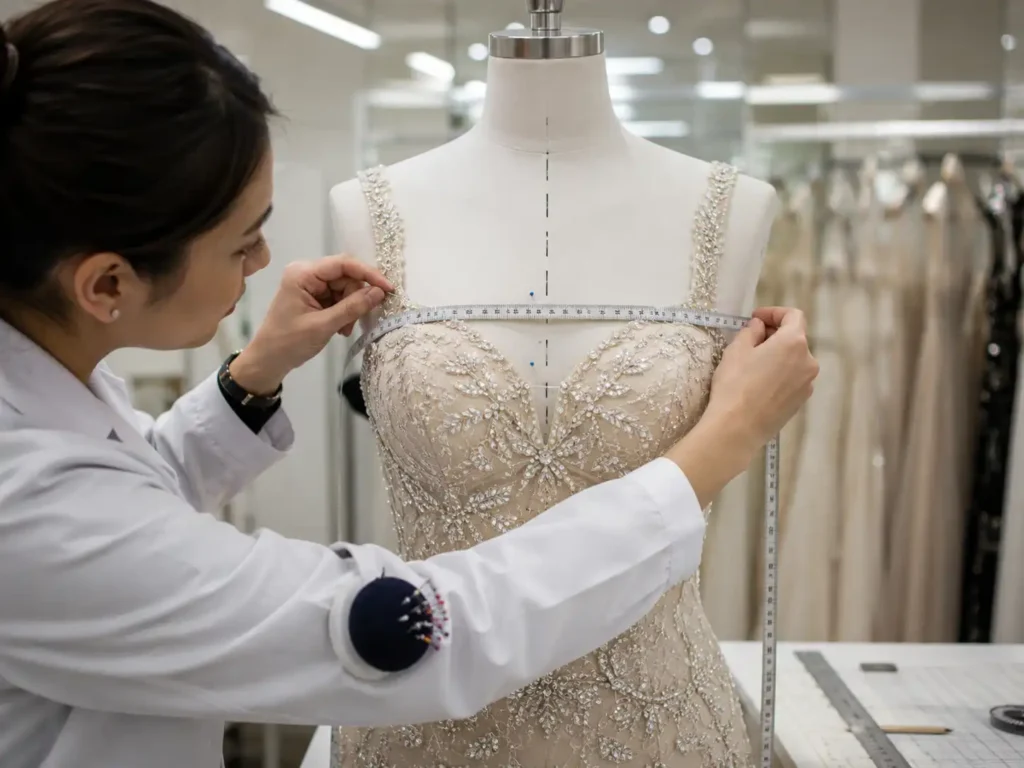
Symmetry and Balance

Pressing and Presentation
Quality Control From Fabric Arrival to Carton Release
Incoming Fabric
Trims and Labels
Cutting Check
Inline Sewing
Measurement Check
Appearance Check
Packing Check
Pre-Shipment Review
Retail-Ready Private Label Delivery

Garment Labels

Hangtags and Tickets
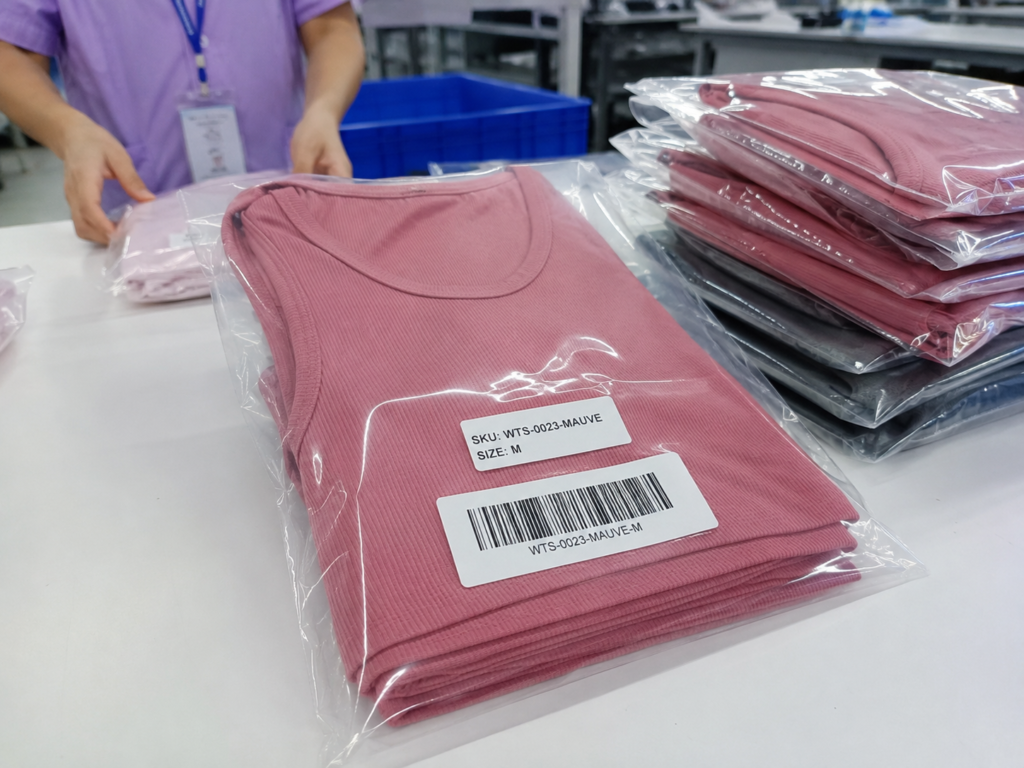
Barcode and SKU

Individual Packing
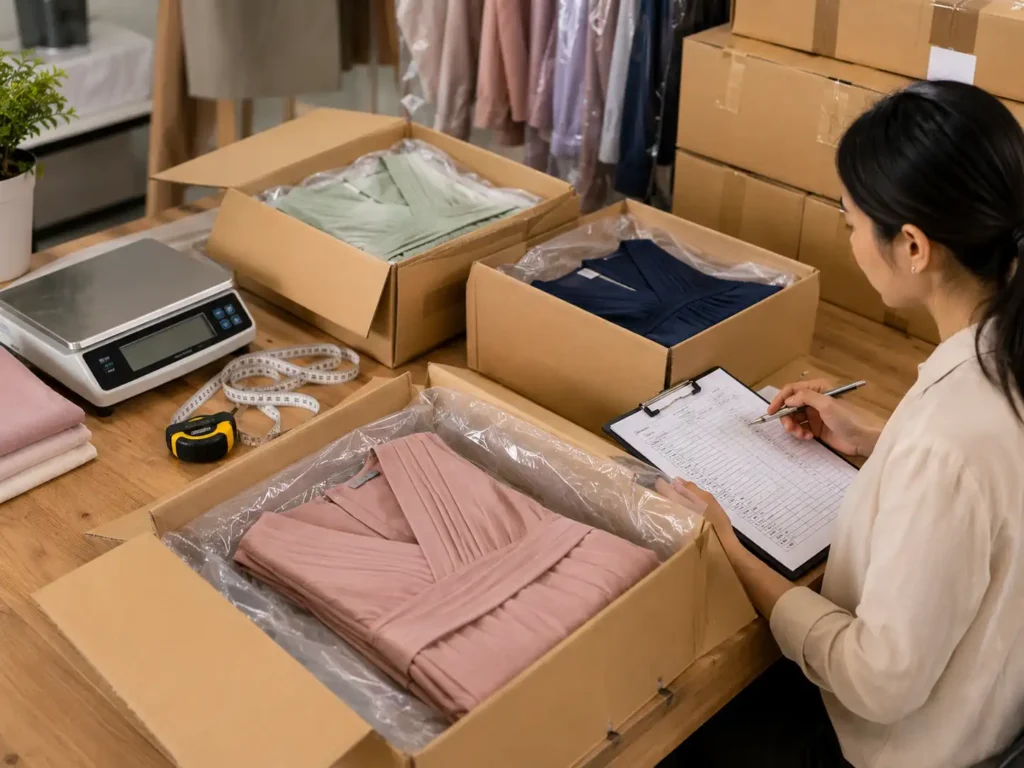
Carton Planning
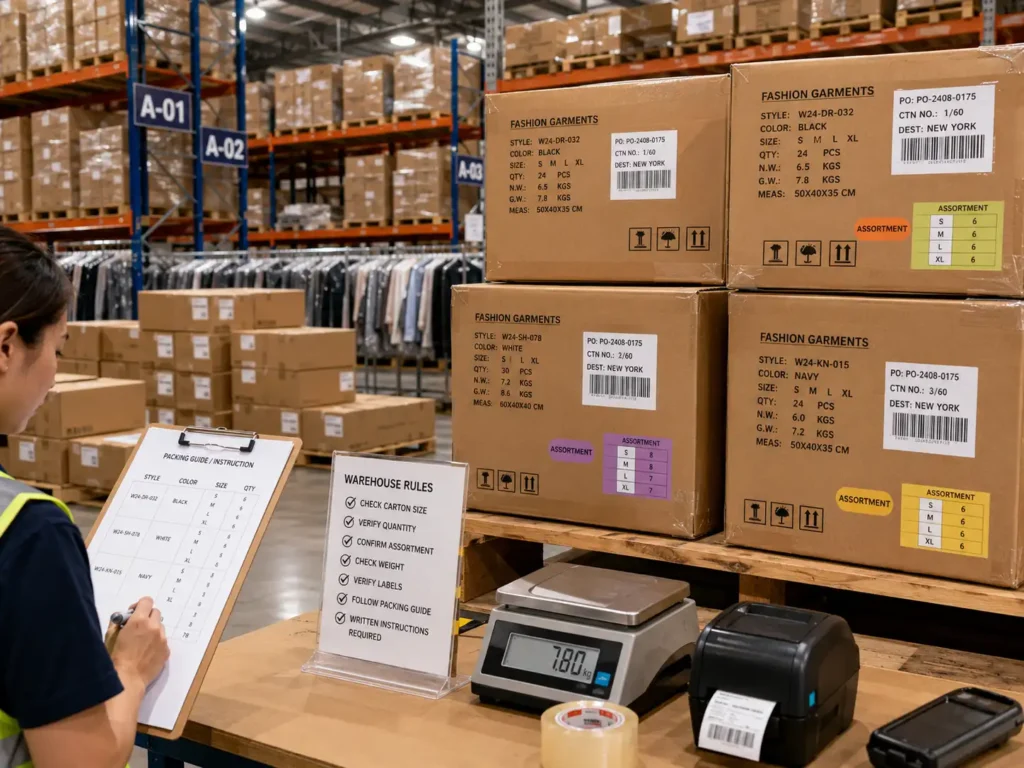
Warehouse Support
Development Scheduled Around the Retail Calendar
Photo and Sales Samples
Bulk Milestone Planning
Phased Delivery
Anonymous Retail Programs With Measurable Scale

US Occasionwear Program

Australian Partywear Program
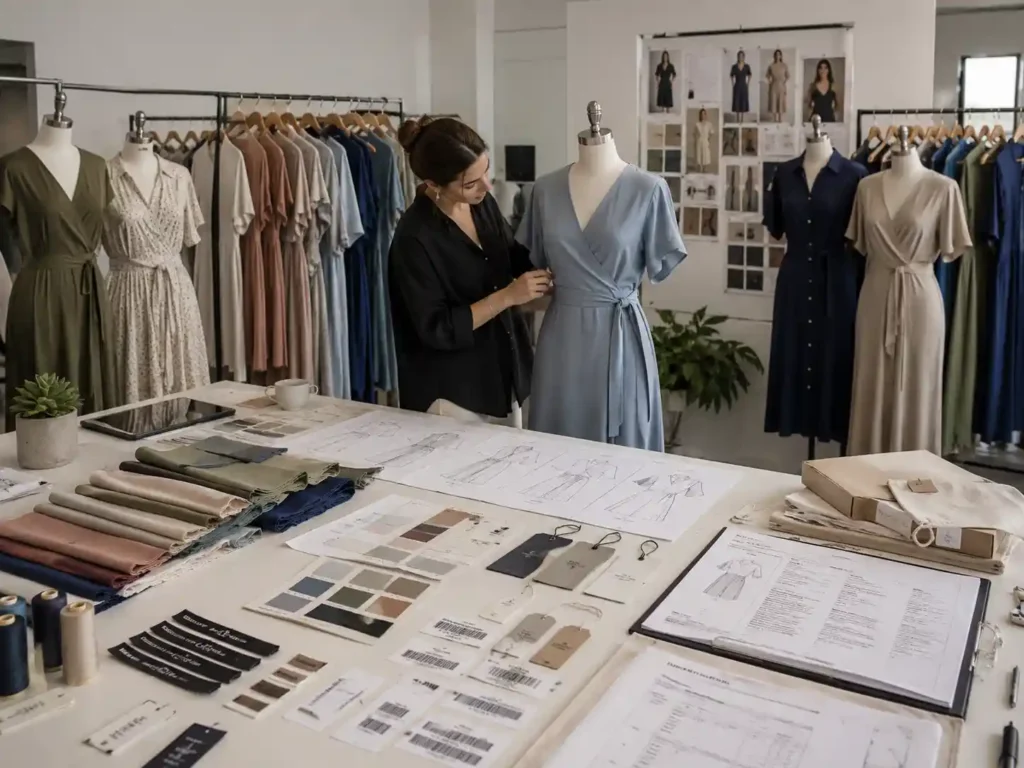
US Private-Label Program
NDA Protection for Unreleased Retail Collections
Protected Development Assets
Controlled Public Proof
A Dress-Focused Alternative to Broad Sourcing Platforms
Specialized Dress Knowledge
Scalable Production Structure
Retail Program Discipline
Supplier Approval and Testing Coordination
Factory Review Support
Material Documentation
Third-Party Testing
Order Planning, MOQ and Cost Boundaries
Reliable quotations require a defined style, material direction, construction level, quantity and delivery plan. MOQ is calculated by style and color, while special fabrics, trims, labels and packaging may carry separate supplier minimums.
| Planning Item | Standard Position | Variables Requiring Review |
|---|---|---|
| Garment MOQ | Starts from 200 pcs per style/color | Fabric stock, custom color, printing, lace, sequin, trims, size split, packaging and schedule |
| Sample Timing | Simple 7-10 days; standard 10-15 days; complex 15-25 days | Material readiness, custom trims, pattern complexity, revision scope and supplier lead time |
| Style Count | Retail programs commonly managed in groups of 10-30 styles | Priority sequence, shared fabrics, hero SKUs, approval speed and bulk readiness |
| Bulk Quantity | Planned according to style/color and purchase-order breakdown | Factory allocation, material lot, color/size ratio, phased shipment and seasonal capacity |
| Cost Drivers | Fabric, trims, pattern, sewing time, finishing, QC, packing, loss and testing | Target appearance, construction level, private-label scope, delivery method and compliance plan |
| Bulk Schedule | Confirmed after materials, PP approval and production allocation | Style complexity, quantity, peak season, special processes, inspection and packing requirements |
Frequently Asked Questions About ODM Dress Development

Build the Next Retail Dress Collection With Jinfeng
Send the available project information for a structured review. Kelly and the development team will evaluate the style mix, fabric direction, pattern risk, sample sequence, MOQ fit, private-label requirements and production timing before recommending the next step. A useful first submission includes enough commercial and technical context to separate hero styles, volume styles and long-lead constructions. The goal is not a rushed quotation; the goal is a development and production route capable of preserving the approved appearance across 10-30 styles and a meaningful retail order.
- Company and target market
- Line sheet, reference images, original sample or tech pack
- Style count and priority hero SKUs
- Target quantity per style/color
- Fabric, color and size direction
- Photo-shoot, launch and warehouse dates
- Label, barcode and packing requirements
- Inspection, testing or factory-approval requirements