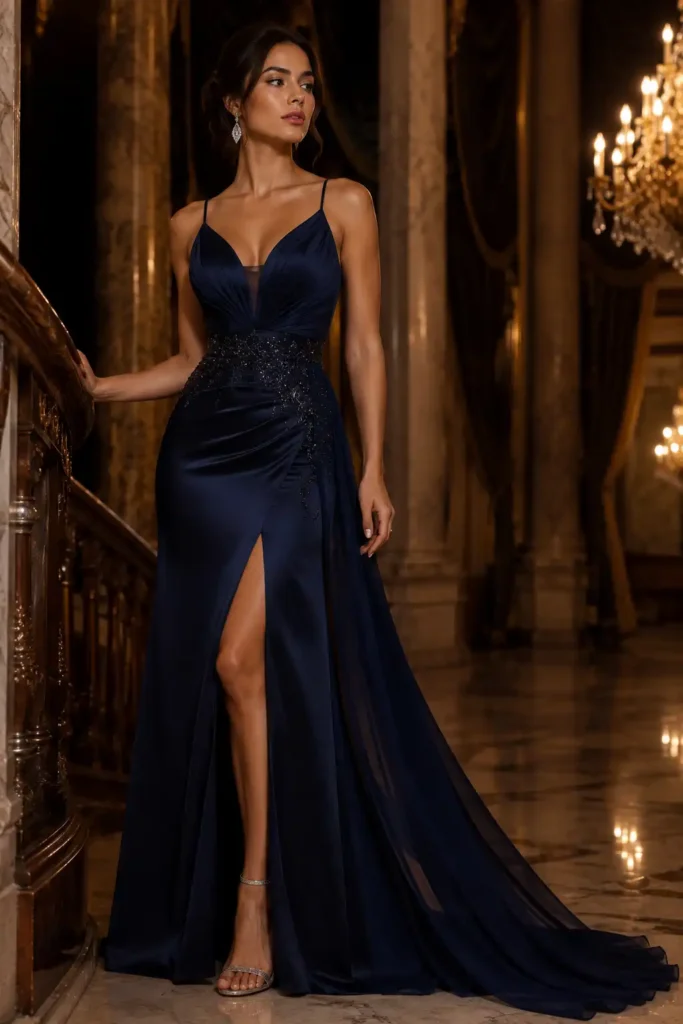
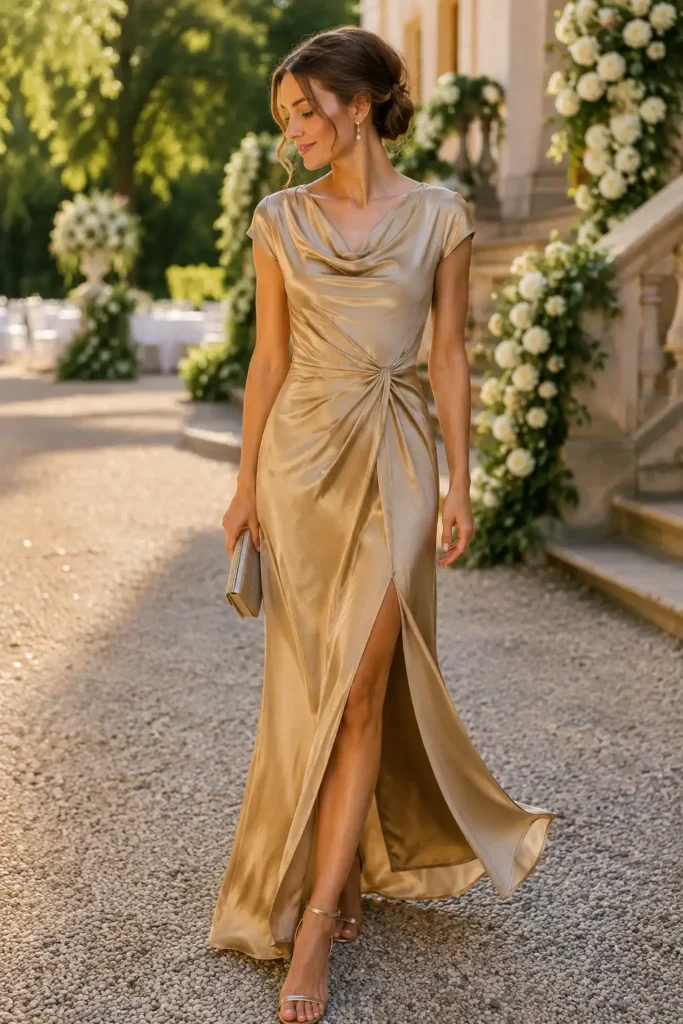
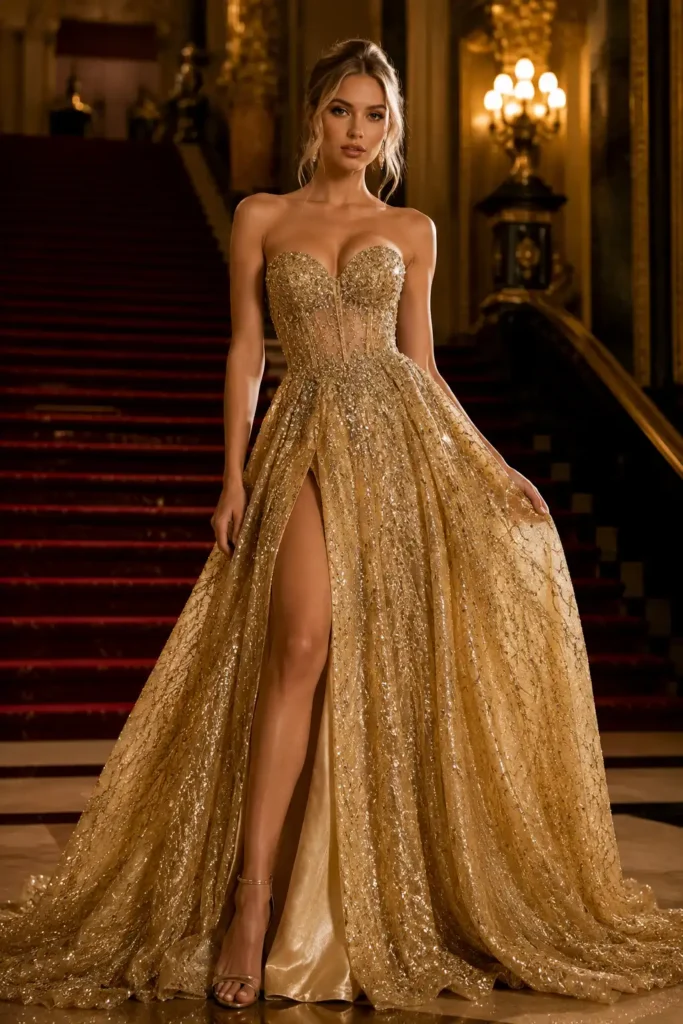
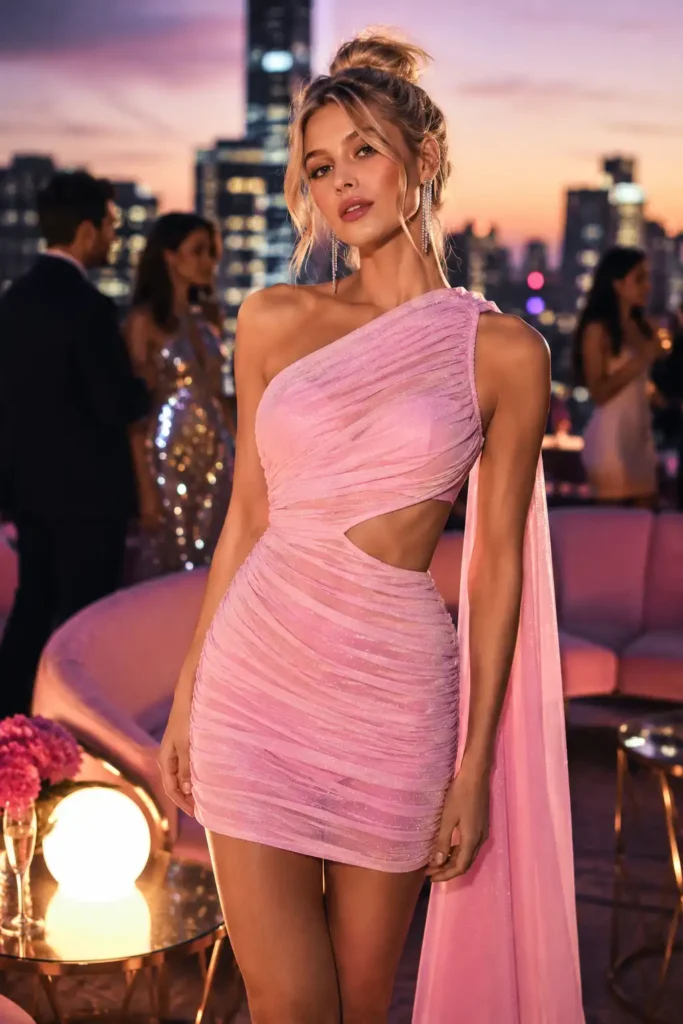
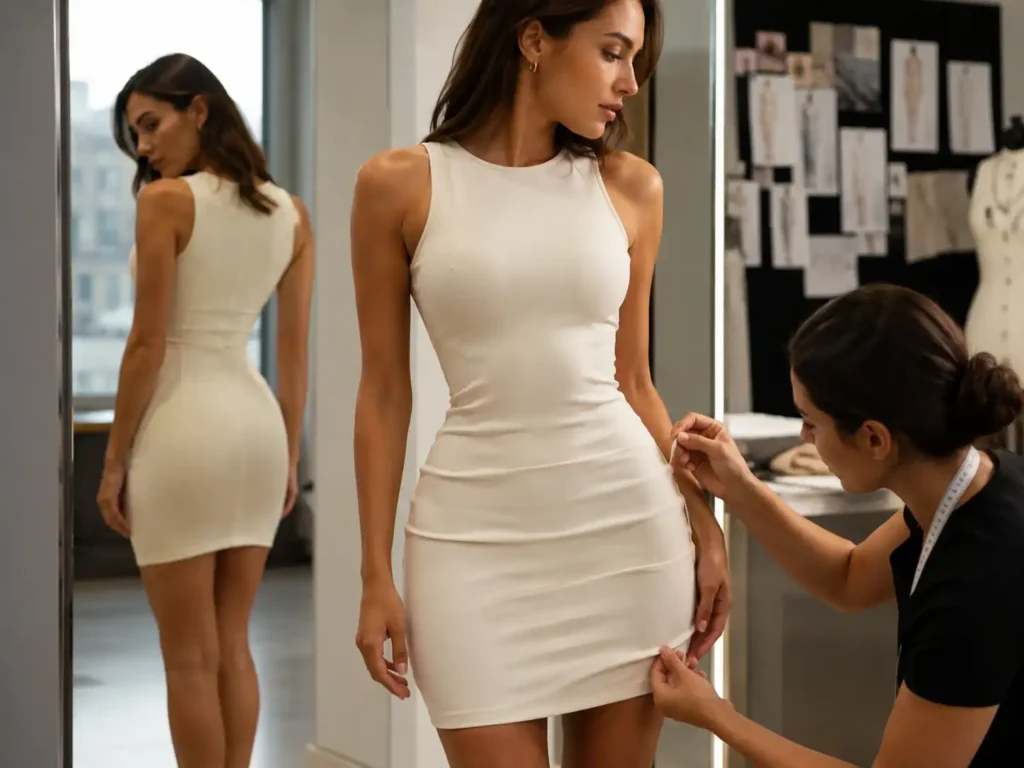
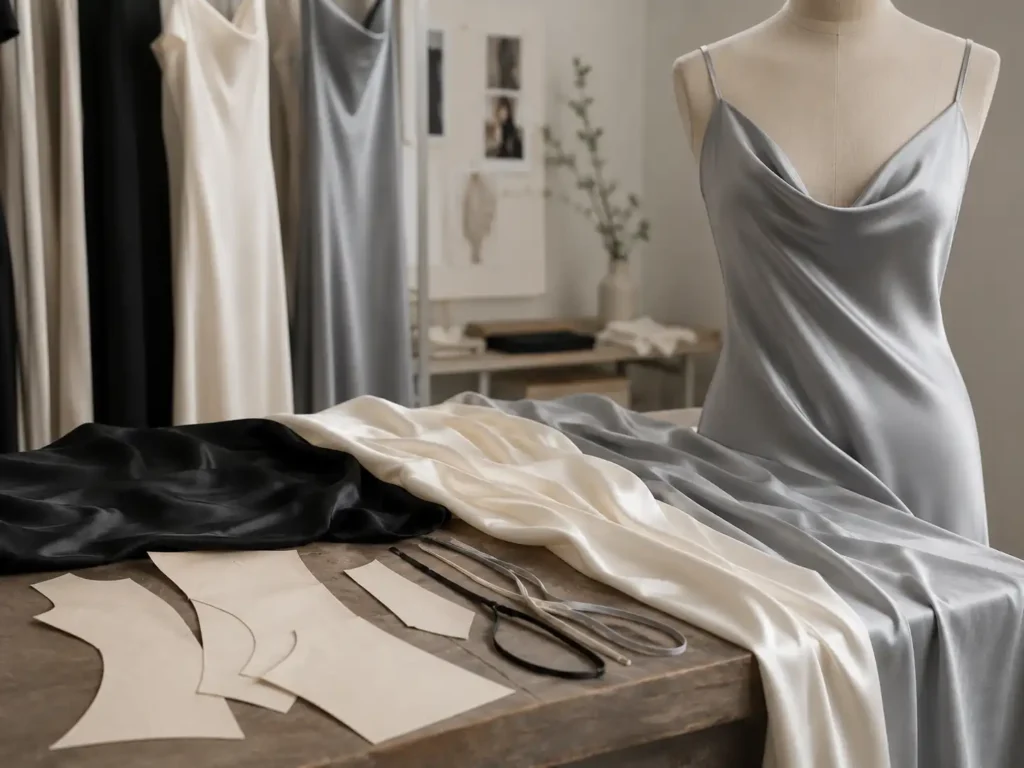
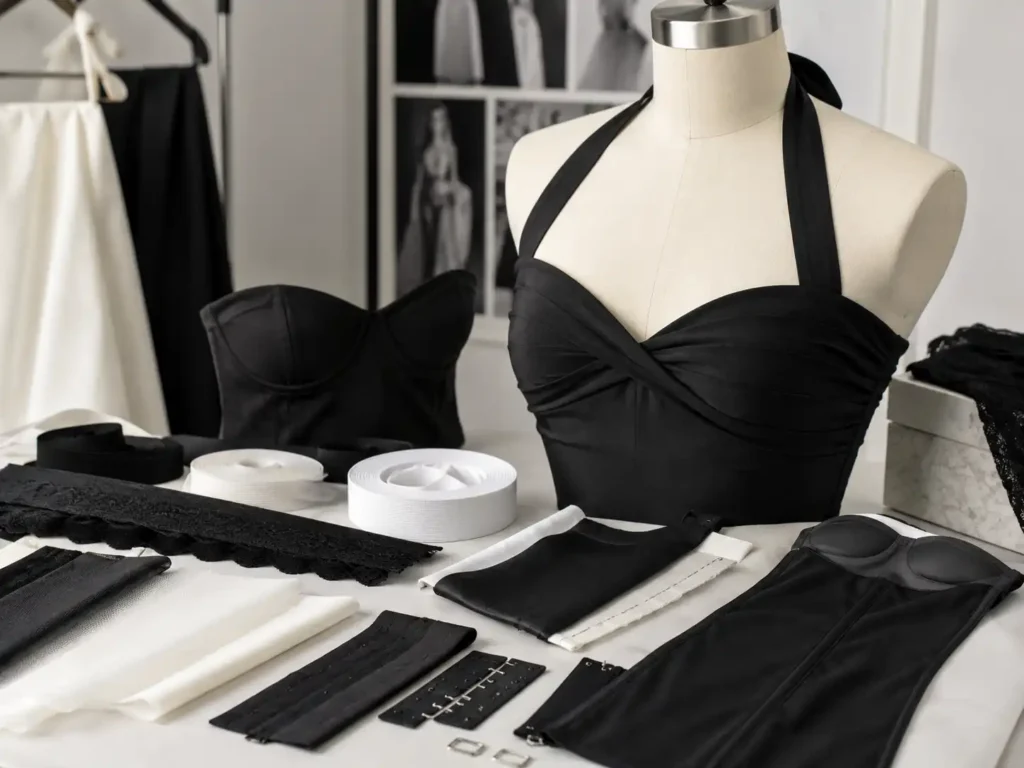
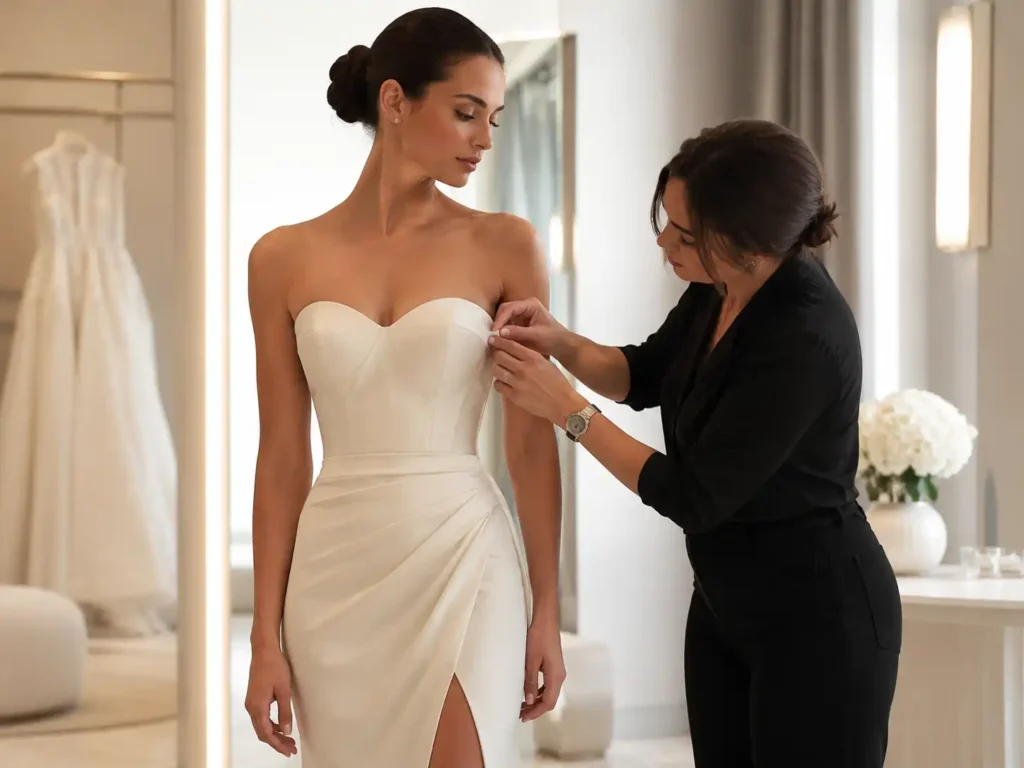
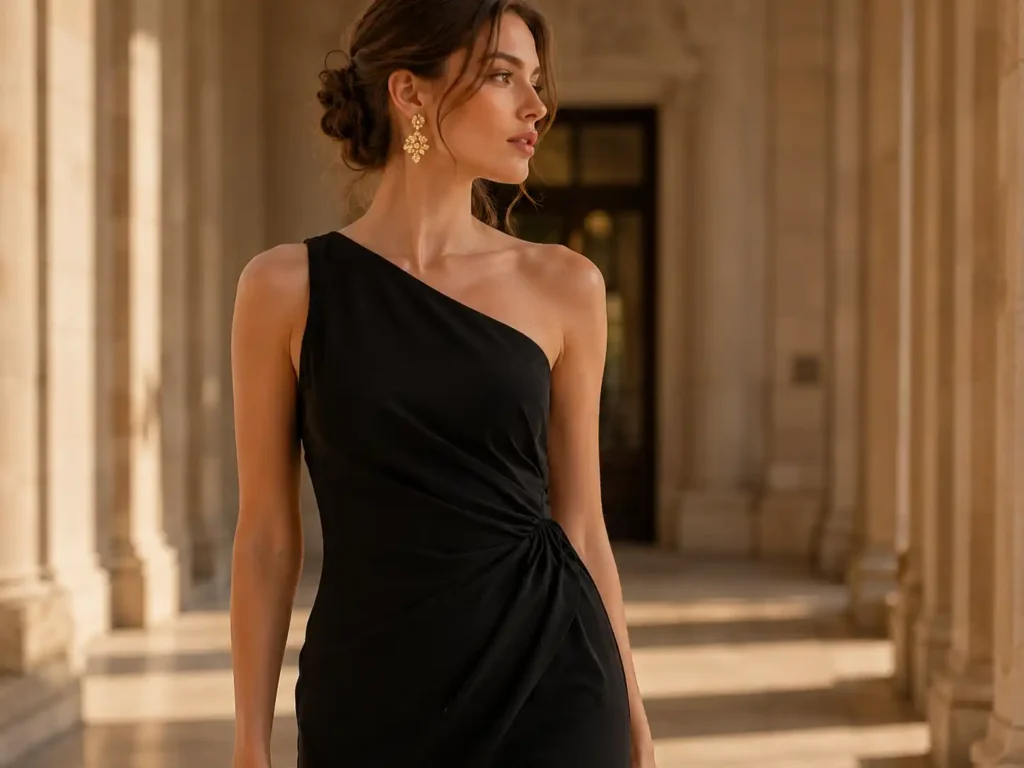
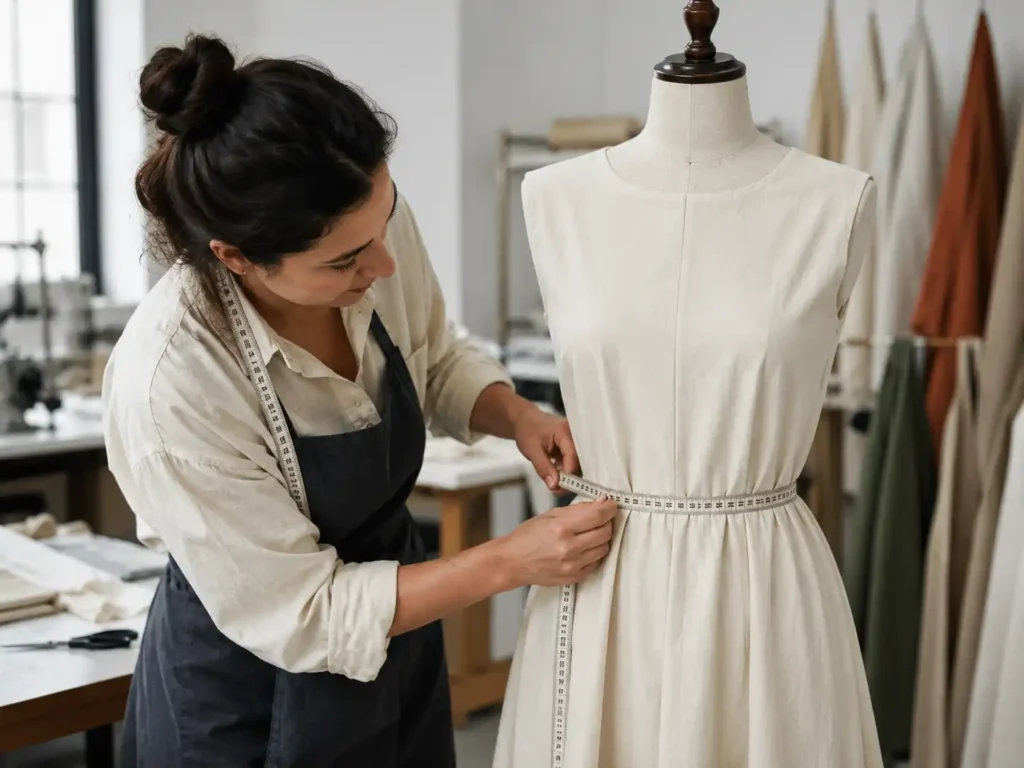
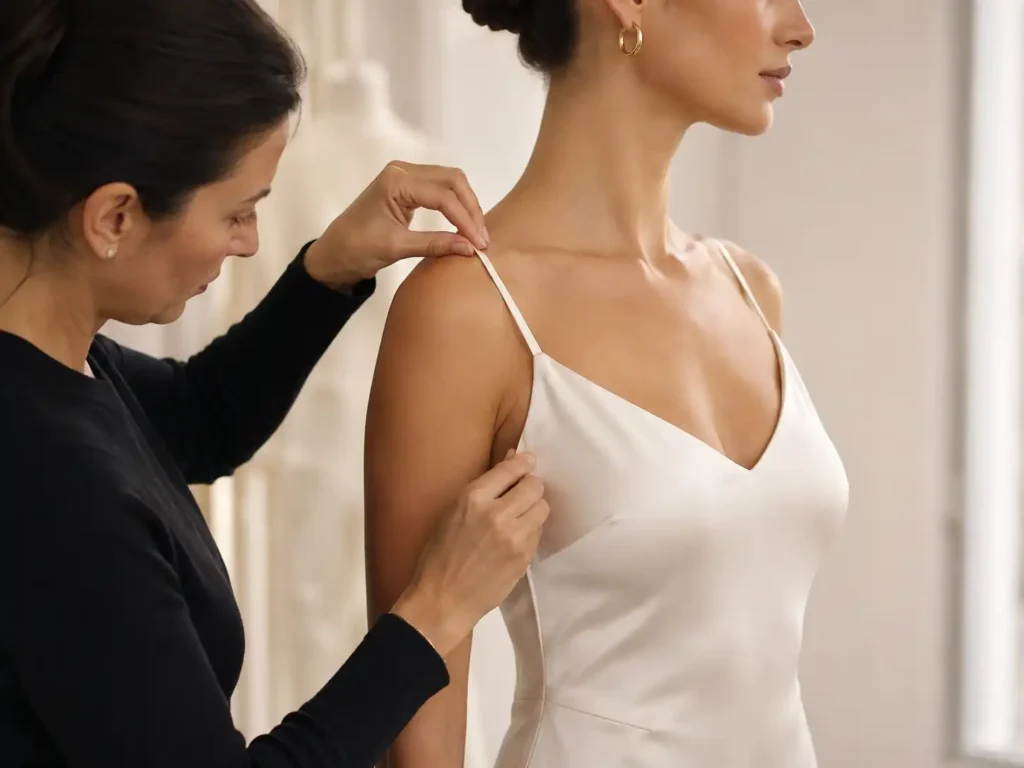
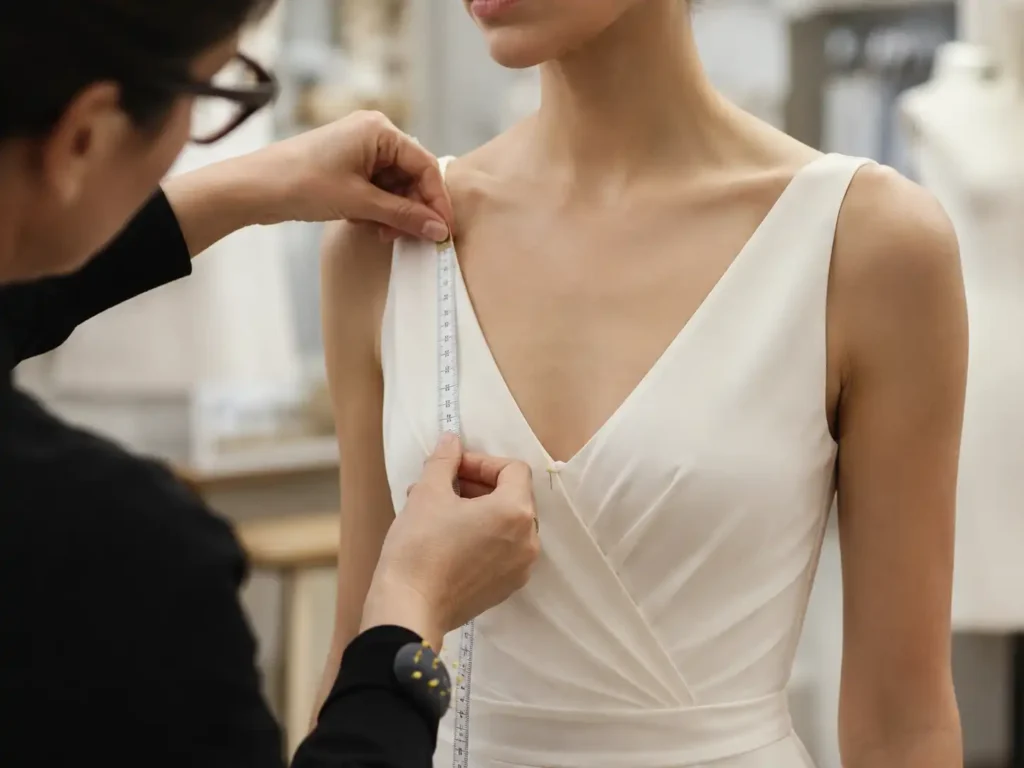
Occasionwear Manufacturer for US and UK Brands

Custom occasionwear development built around fit, fabric performance, controlled construction and reliable retail delivery.

Jinfeng Apparel supports established fashion brands, sourcing teams and product development departments with occasion dresses, jumpsuits and coordinated sets developed from tech packs, original samples, sketches or line sheets.

  • Since 2008, focused on custom womenswear development and production.
  • 6 owned women’s fashion factories plus 10+ long-term production partners.
  • 2 sample rooms, 7+ senior pattern makers and 20+ sample machinists.
  • 15+ QC inspectors supporting fabric, sewing, garment and packing checks.
  • Collection programs commonly cover 10-30 styles and 20,000-80,000 total pieces.
  • MOQ starts from 200 pieces per style and color, subject to fabric, trims and construction.

Manufacturing Capacity for Serious Occasionwear Programs

Reliable occasionwear manufacturing needs more than sewing capacity. Development teams must translate design intent into approved patterns, controlled materials, repeatable sewing instructions, measurable QC points and retail-ready packing. Jinfeng Apparel combines dedicated development resources with a multi-factory production system for seasonal collections and repeat programs.

Since 2008

Long-term womenswear manufacturing experience supports decisions around pattern proportion, fabric behavior, construction risk, bulk consistency and export execution. The focus remains premium custom dresses, skirts, jumpsuits, matching sets and private-label women’s collections rather than stock garments.

6 Owned Factories

Owned production resources provide a stable base for woven dresses, fashion jersey, structured styles, partywear and coordinated sets. Factory allocation depends on fabric type, construction difficulty, planned quantity, size range and delivery sequence rather than placing every style into one production line.

10+ Production Partners

Long-term partner factories add category flexibility and production balance when a collection contains mixed fabrics or different construction levels. A satin slip dress, a corset mini dress and a sequin evening dress require different sewing experience, finishing control and packing methods, so production planning follows product needs.

2 Sample Rooms

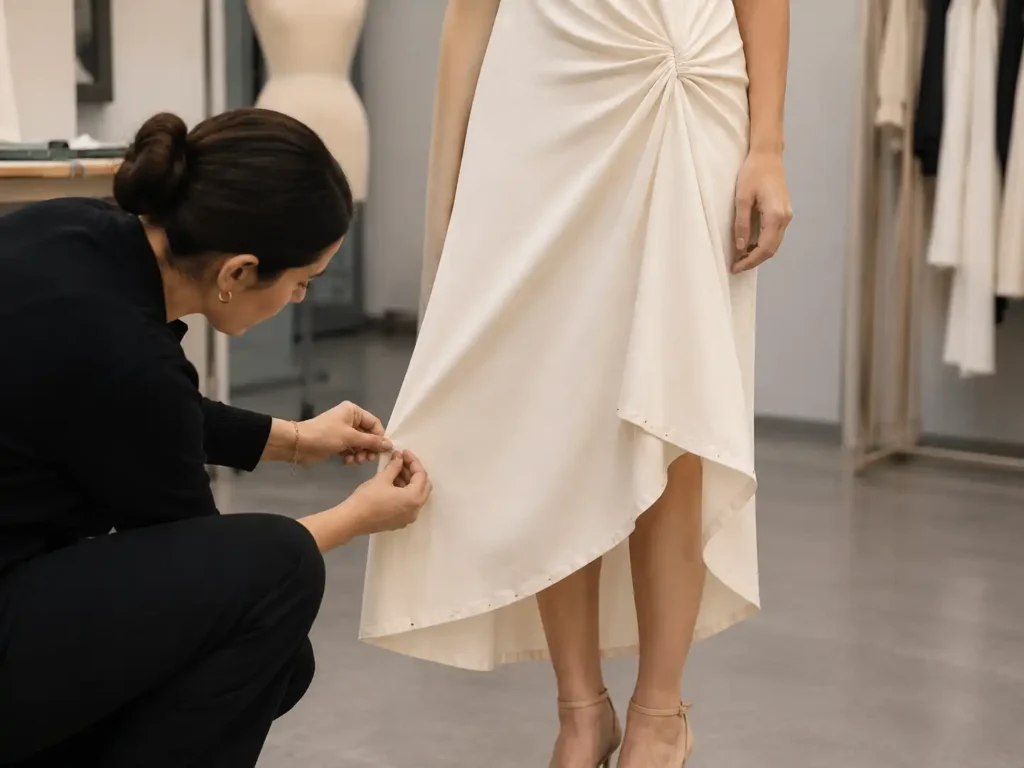
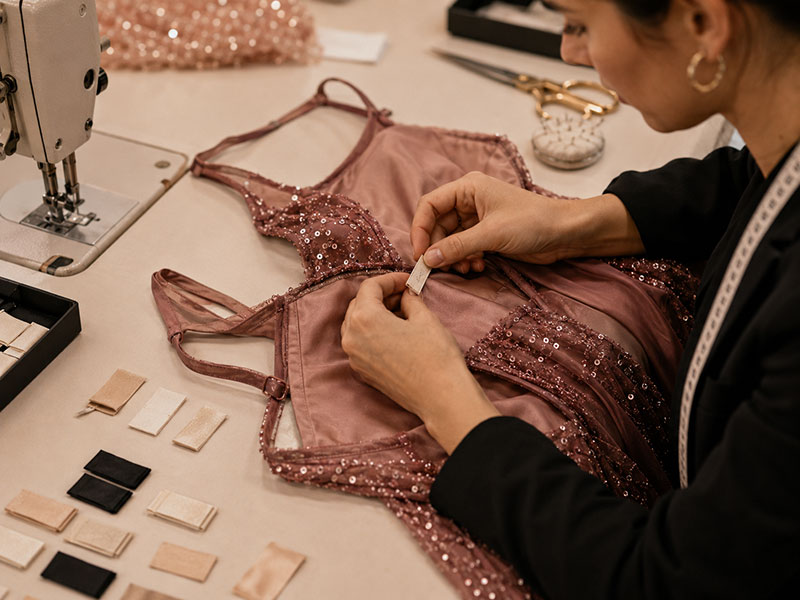
Separate sample-room resources support first samples, fit samples, revised samples, photo-ready samples, salesman samples, PP samples and golden samples. Sampling is treated as product engineering for bulk production, not as a decorative prototype stage.

7+ Pattern Makers

Senior womenswear pattern makers work on bust, upper bust, underbust, waist, hip, neckline, armhole, strap length, back height, slit position, lining length and hem balance. Pattern correction is recorded before approved measurements move into grading and bulk QC.

15+ QC Inspectors

Quality checks cover incoming fabrics, cutting, first bulk pieces, inline sewing, finished garments, measurements, pressing, labels, packing and shipment preparation. Inspection points change by product: satin requires snag and shade control, lace needs placement checks, mesh needs transparency control, and sequins need security and anti-scratch handling.

Built for Established Fashion and Sourcing Teams

Jinfeng Apparel is structured for brands with defined product direction, professional sampling requirements and planned bulk production. Clear project boundaries protect development quality, production scheduling and communication efficiency for long-term occasionwear programs.

Best Fit Programs

The strongest fit includes established US fashion brands, UK occasionwear labels, premium ecommerce companies, specialty retailers, sourcing offices, product development teams and private-label dress programs. Projects usually contain a clear range plan, target market, launch window, size scope, fabric direction and meaningful bulk potential. Multi-style collections, seasonal drops, repeated core styles and phased deliveries can be organized through documented sample, production and packing stages.

Production Boundaries

The manufacturing model is not designed for ready-stock purchasing, one-piece fulfillment, personal tailoring or 1-50 piece trial orders. Commercial planning begins from 200 pieces per style and color, while special lace, custom dyeing, exclusive prints, sequins, molded hardware or highly divided color-size plans may require higher material commitments. Clear boundaries allow the team to protect sample accuracy, bulk consistency and delivery planning.

One System for US and UK Occasionwear Markets

American and British occasionwear share a need for strong visual appeal, dependable fit and seasonal timing, yet the product mix and merchandising language often differ. Development starts from each brand’s approved size chart, grade rules, label content, packing specification and launch plan rather than applying one generic market formula.

Market FocusCommon Product DirectionsDevelopment PrioritiesCommercial Timing
United StatesProm, homecoming, graduation, cocktail, party, formal gowns, evening minis, occasion setsPhoto impact, bust support, active-event comfort, color range, petite/regular/plus planning, SKU accuracyProm and graduation calendars, holiday party drops, social-commerce launches
United KingdomWedding guest, occasion midi, cocktail, bridesmaid, evening, race-day inspired styles, polished setsRefined midi proportion, elegant coverage, drape, lace placement, satin finish, versatile event dressingSpring-summer wedding season, autumn events, festive occasionwear, retail intake windows
Shared RequirementsSatin, lace, mesh, chiffon, crepe, velvet, sequins, jumpsuits and matching setsApproved fit blocks, repeatable patterns, material control, PP approval, measurement QC, retail packingSample approval must leave enough time for material booking, production, inspection and transport

Occasionwear Categories for Commercial Collections
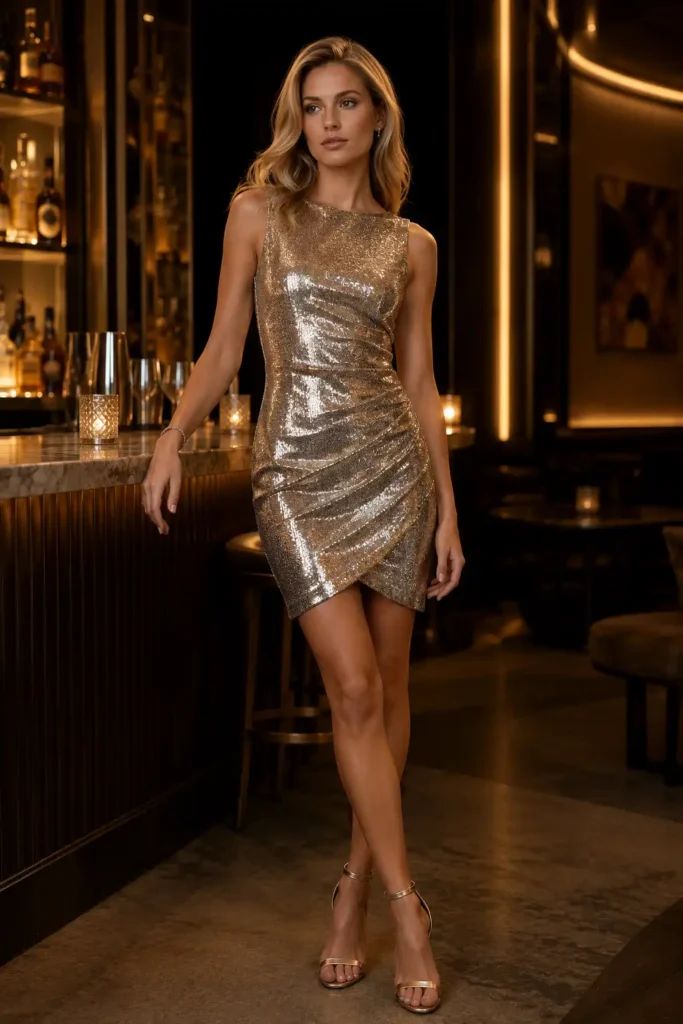
A commercial occasionwear range needs enough variety to serve different events, price points and selling periods without losing a coherent brand identity. Jinfeng Apparel develops dresses, jumpsuits and sets across structured, fluid, embellished and softly tailored directions.

Cocktail Dresses

Cocktail programs commonly use mini or midi lengths, shaped waists, clean necklines, controlled slits and fabrics such as satin, crepe, lace, velvet or compact jersey. Development focuses on a polished silhouette that works in photography while remaining comfortable through sitting, walking and social movement. Zipper flatness, lining coverage, hem balance and bust security receive early sample review because small faults are highly visible on fitted cocktail shapes.

Evening Dresses

Evening dresses may require floor-length hems, bias drape, layered chiffon, structured bodices, deep necklines, open backs or statement embellishment. Pattern development must balance elegance with stability: long hems should hang evenly, necklines should remain secure, and heavy decoration should not distort the garment. Bulk control includes fabric shade, seam smoothness, lining length, pressing quality and protective packing for delicate surfaces.

Wedding Guest Dresses

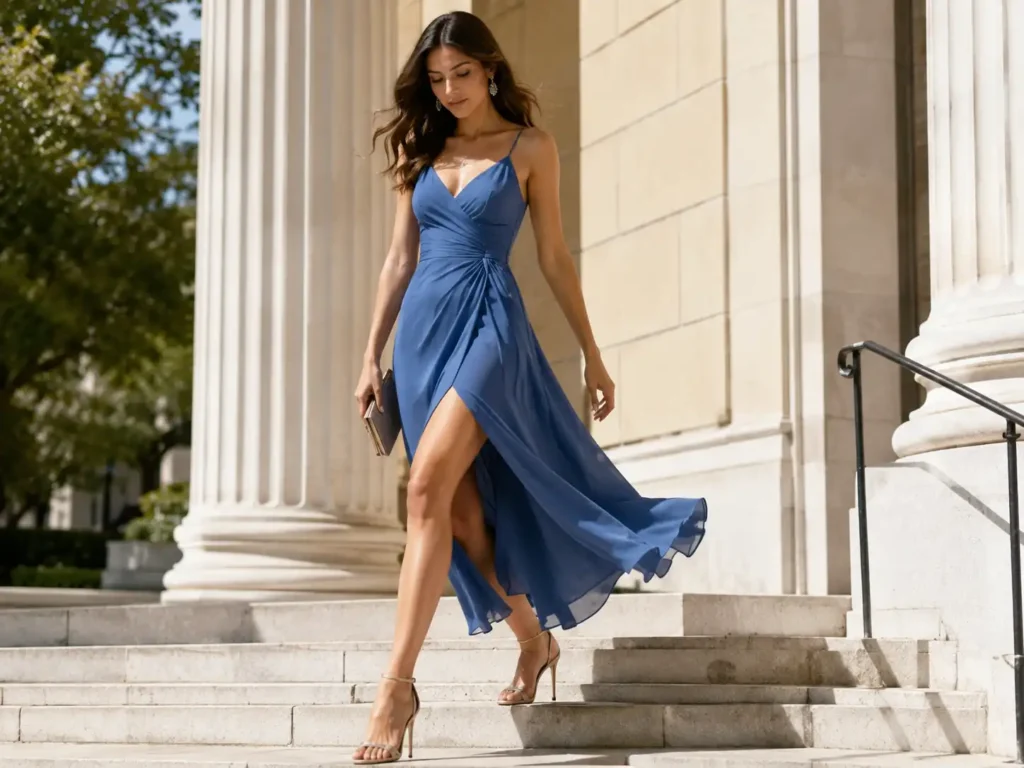
Wedding guest collections often combine satin midis, printed chiffon, lace details, crepe silhouettes and polished sleeves. Commercial success depends on versatile colors, flattering proportion and refined finishing rather than bridal-level construction. Key checks include opacity under daylight, sleeve mobility, slit height, neckline coverage, print placement, lace symmetry and crease control after packing.

Prom Dresses

Prom ranges rely on strong visual impact, color, movement and body support. Corset bodices, tulle volume, satin shine, sequins, fitted mermaid lines and open backs are common. Sample review covers cup position, boning direction, waist placement, skirt volume, dance movement, hem length and embellishment security. Production planning also needs a disciplined color and size breakdown because prom collections can create a large number of SKUs.

Graduation Dresses

Graduation dresses frequently use white, ivory, light blue, pink, yellow or floral directions in mini and midi lengths. Light colors increase transparency, stain and handling risks, so lining, bust coverage, undergarment compatibility and clean packing matter. Sample approval should also confirm safe length, strap stability and how the dress appears under direct photography.

Party Dresses

Partywear ranges can include bodycon, ruched, cut-out, asymmetric, mesh, sequin and satin designs. Visual energy cannot replace construction control. Ruching must remain balanced, cut-outs need stable edges, mesh must recover after stretch, sequins must not scratch the skin, and straps must hold their position during movement. Each decorative effect is translated into measurable sewing and QC instructions before bulk production.

Occasion Jumpsuits

Occasion jumpsuits offer an alternative to dresses and can extend a collection into tailored, wide-leg, halter, corset or one-shoulder directions. Pattern review includes torso length, waist placement, rise, hip ease, leg balance, zipper access and sitting comfort. Fabric weight and stretch also affect how the garment moves and whether the waist and crotch remain clean after extended wear.

Matching Sets

Coordinated tops and skirts or trousers can increase outfit flexibility and support higher basket value. Development controls color batch, fabric direction, waist placement, top length, size pairing and separate packaging. A corset top with a satin midi skirt, a lace top with tailored trousers or a draped blouse with a matching skirt should look intentional as a set while remaining wearable as separate pieces.

Collection Architecture Beyond a Single Dress

Occasionwear programs perform better when styles are planned as a commercial assortment rather than isolated designs. Product grouping helps control fabric commitments, sample priorities, color stories, price structure and launch timing across 10-30 styles.

Mini and Midi Capsule

A focused mini-and-midi capsule can share core colors, linings, zippers and selected fabrics while serving different age groups and events. Mini styles bring stronger trend energy; midi styles provide broader wedding guest and cocktail use. Shared material groups reduce fragmentation, but each silhouette still needs its own fit, length and movement review.

Cocktail to Evening

A graduated range can move from clean cocktail dresses into statement evening gowns through length, fabric weight, construction and decoration. The collection may begin with crepe and satin core styles, then add mesh, lace or sequin hero pieces. Consistent neckline language, color direction and finishing standards maintain brand identity across price points.

Wedding Guest Story

Wedding guest assortments often benefit from one coordinated color story across printed chiffon, satin, lace and crepe. Sleeve options, midi lengths, jumpsuits and matching sets expand coverage without making the collection feel repetitive. Fabric approval should consider photography, daylight opacity, crease recovery and how different materials sit together online or in store.

Prom and Graduation Drop

Prom and graduation share a seasonal youth market but require different product solutions. Prom favors corsetry, volume, sparkle and long hems; graduation favors lighter colors, photo-friendly minis and controlled coverage. Separate sample priorities and packing standards keep delicate gowns from delaying simpler graduation styles.

Dress and Set Assortment

Adding a coordinated set beside dresses gives merchandising teams more outfit options and helps extend successful fabric stories. Proportion is critical: top length, waist placement, skirt or trouser rise and overall balance must be reviewed together. Packaging and size labeling should also prevent mismatched set components.

Hero and Core Styles

A balanced collection includes hero styles for campaign imagery, core commercial shapes for volume and supporting styles for assortment depth. Hero pieces may carry complex embellishment or structure, while core styles rely on repeatable fit and material availability. Sample-room capacity is prioritized around launch importance, fabric readiness and construction risk.

Fabrics That Define Occasionwear Quality

Occasionwear quality is often judged before a seam is examined. Light reflection, drape, transparency, hand feel, surface cleanliness and recovery shape the first impression. Material selection therefore connects visual direction with pattern behavior, sewing method, QC and packing.
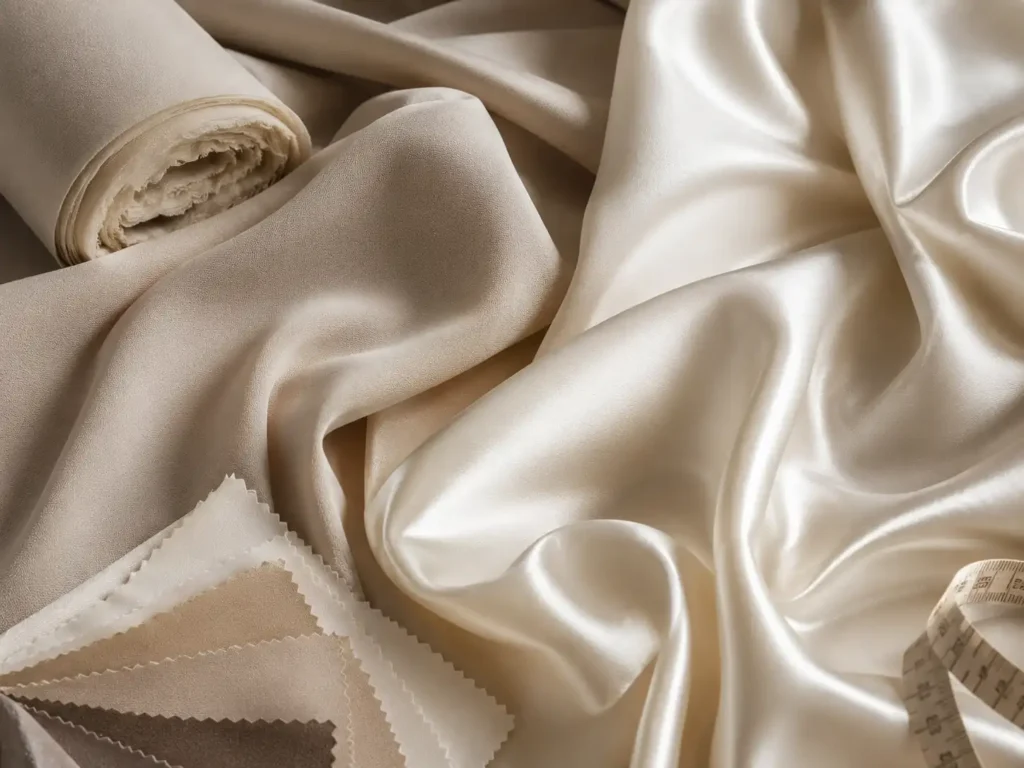
Satin - Shine Without Distortion

Satin can create a premium result, yet its smooth reflective surface exposes cutting, sewing and pressing faults immediately. Fabric direction must remain consistent because mixed grain or nap-like reflection can make panels appear different in color. Shade variation is reviewed before cutting, especially when multiple rolls are used for one color. Sharp edges, rough work surfaces and unsuitable handling can create snags that remain visible under photography.

Pattern shape also affects the finish. A tight seam over the hip can ripple; an unbalanced zipper can bulge; an unsuitable lining can pull the shell; excessive pressing can leave shine or seam impressions. Sample review checks drape, seam tension, zipper installation, bust and hip ease, lining behavior and recovery after packing. Bulk instructions define cutting direction, needle choice, handling points, pressing temperature and packing folds.

For collections with several satin colors, each color should be reviewed under consistent lighting. Dark shades reveal pressure marks, while pale shades can show transparency and seam allowance shadows. Material approval should cover color, weight, width, hand, drape and usable cutting quality rather than relying on a small swatch alone.
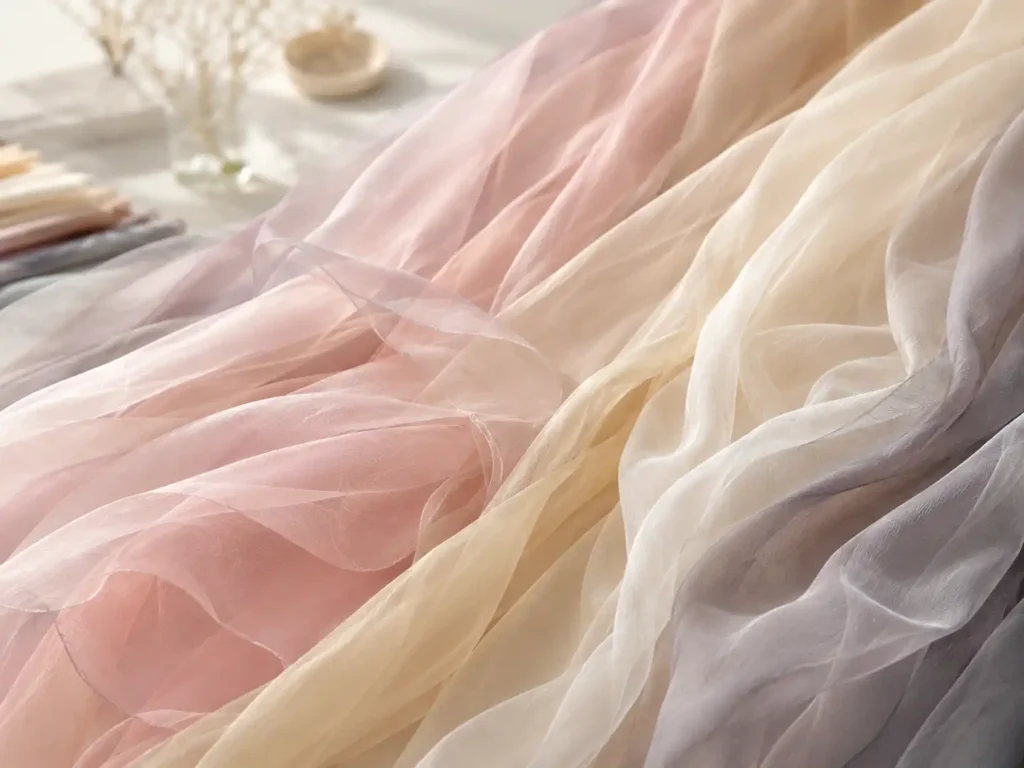
Chiffon - Lightness With Control

Chiffon brings movement and softness to wedding guest, evening and bridesmaid styles, but its low stability creates cutting and sewing risks. Fabric layers can shift, narrow seams can pull, and long hems can become uneven after hanging. A production-ready sample needs enough time to settle before final hem balance is approved, particularly on bias or circular skirts.

Transparency control begins with the relationship between shell color, lining color and lining length. A lining that looks acceptable indoors may appear too short or too light in daylight photography. Pleats, gathers and layered panels should be checked for consistent fullness from size to size. Fine fabrics also need snag prevention during sewing, finishing and packing.

Bulk control includes layer alignment, notch accuracy, seam handling, neckline stability, armhole finish, lining attachment, hem level and pressing. For printed chiffon, print direction and placement require additional planning. Long dresses are packed to reduce deep folds while protecting delicate surfaces from rough labels, clips and carton pressure.
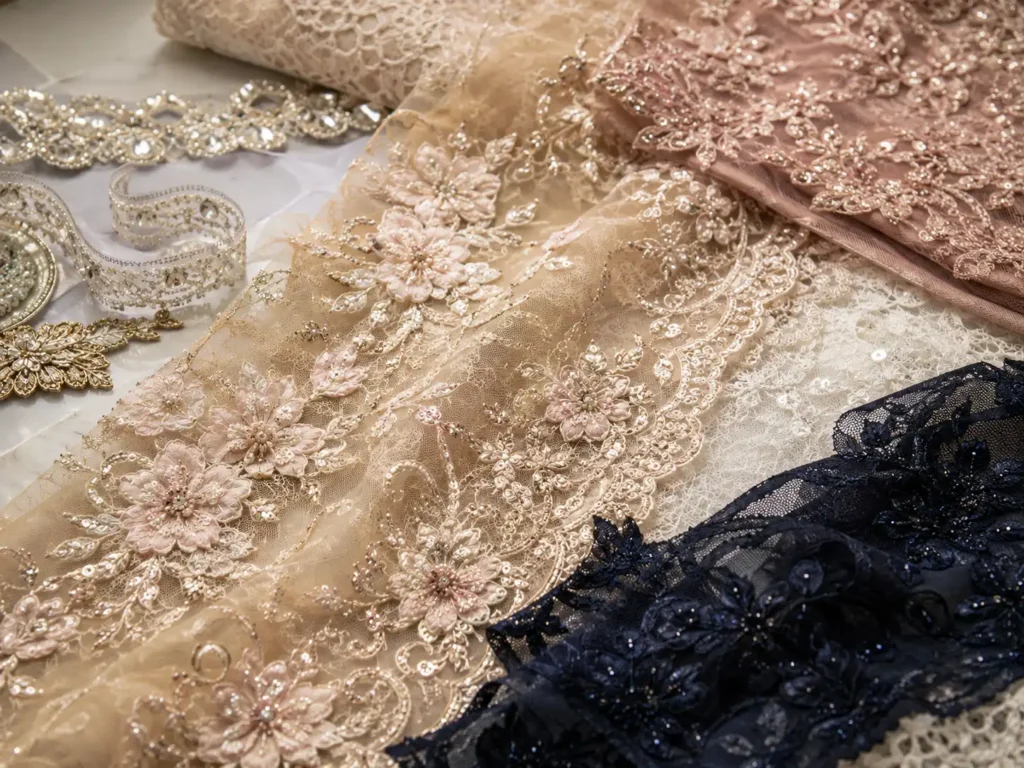
Lace - Placement Is Construction

Lace quality depends on more than motif appearance. Repeat size, scalloped edges, transparency, stretch, weight and backing influence both cost and construction. A design with centered motifs, mirrored panels or scalloped hems requires placement planning before bulk cutting. Poor planning creates visible asymmetry and excessive waste.

During sampling, the team checks motif position at the neckline, center front, waist, side seams, cups, sleeves and hem. If lace is combined with mesh or satin, color compatibility and seam bulk are reviewed together. Lining may need to match skin tone, shell tone or a contrast concept; each direction changes the final visual effect.

Bulk control uses approved placement references, cutting markers and detail photos. Applique edges, joining seams and scallop alignment are inspected under consistent lighting. Delicate lace also needs clean handling and separate protection from zippers, hooks, sequins and rough hangtags during packing.
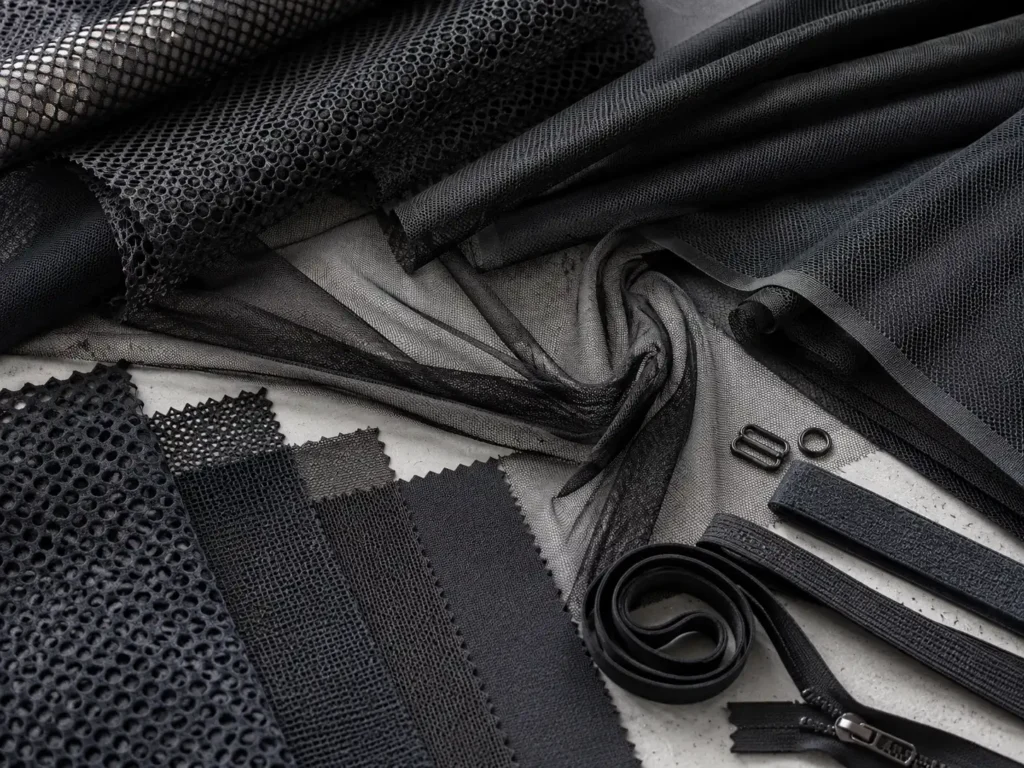
Mesh - Transparency With Stability

Mesh creates illusion necklines, panels, sleeves, corset overlays and fitted silhouettes. The key variables are transparency, stretch direction, recovery, softness and edge stability. A mesh that appears suitable on a roll may become too transparent when stretched over the body, so sample evaluation must take place at the intended wearing tension.

Pattern development controls where the mesh carries load and where it only creates a visual effect. Necklines, armholes and cut-outs may need clear elastic, binding, lining support or reinforced seams. Poor recovery can cause neckline gaping, sleeve growth or distortion around cut-outs. Rough mesh can also reduce comfort on underarms, necklines and waist seams.

Bulk checks cover stretch direction, panel symmetry, transparency, seam allowance visibility, holes, pulls, recovery and edge finish. Packing pressure should not crease structured mesh panels or allow hooks and embellishments to catch the fabric.

Sequins - Impact Without Damage

Sequin fabrics create high visual value but increase risks across cutting, sewing, comfort, inspection and transport. Sequin size, base fabric, attachment method and motif direction affect the correct production method. Heavy or densely covered materials can distort seams, strain zippers and increase garment weight.

Sample preparation reviews where sequins must be removed from seam allowances, how edges are finished, whether the base fabric stretches, and where the garment touches skin. Lining should protect the wearer from scratch points without making the dress too heavy or rigid. Hand-finished areas may be required around necklines, armholes, zippers or decorative motifs.

Bulk inspection includes sequin loss, attachment security, missing areas, sharp edges, seam thickness, zipper operation and surface cleanliness. Garments are protected from mutual abrasion, and packing materials are chosen so decorative surfaces do not catch on labels, closures or neighboring garments.
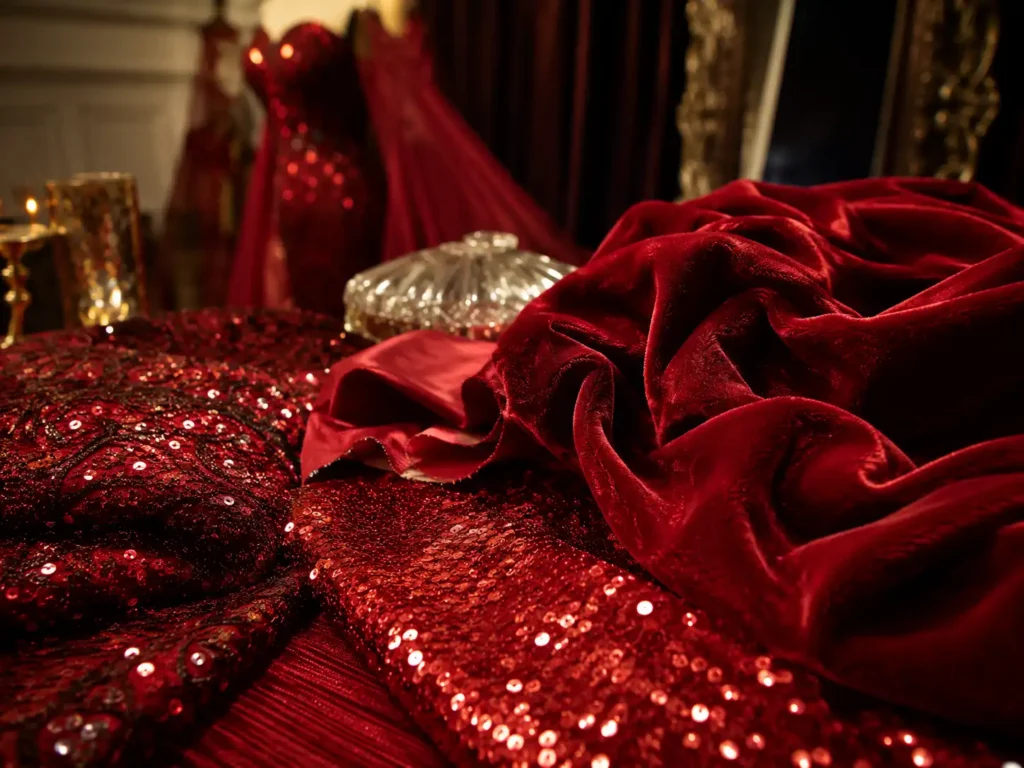
Crepe and Velvet - Controlled Surface and Drape

Crepe is useful for refined midi dresses, jumpsuits and softly tailored occasionwear because it offers structure without excessive shine. Weight and recovery must match the silhouette: lightweight crepe may show lining or body contours, while heavy crepe can reduce movement. Seam smoothness, drape, pressing and hem balance determine whether the garment looks polished.

Velvet adds depth and seasonal richness but requires strict direction control. Panels cut in different directions can appear like different colors. Pressure, steam and folding may crush the pile, and seam marks can remain visible. Sample and bulk instructions therefore define cutting direction, pressing method, hanging time and packing support.

Both fabrics need shade review under directional lighting. Crepe is checked for pulled seams and unwanted shine; velvet is checked for pile consistency, pressure marks and surface contamination. Protective finishing and packing preserve the approved appearance through transport.

Fit and Silhouette Control for Occasion Dresses
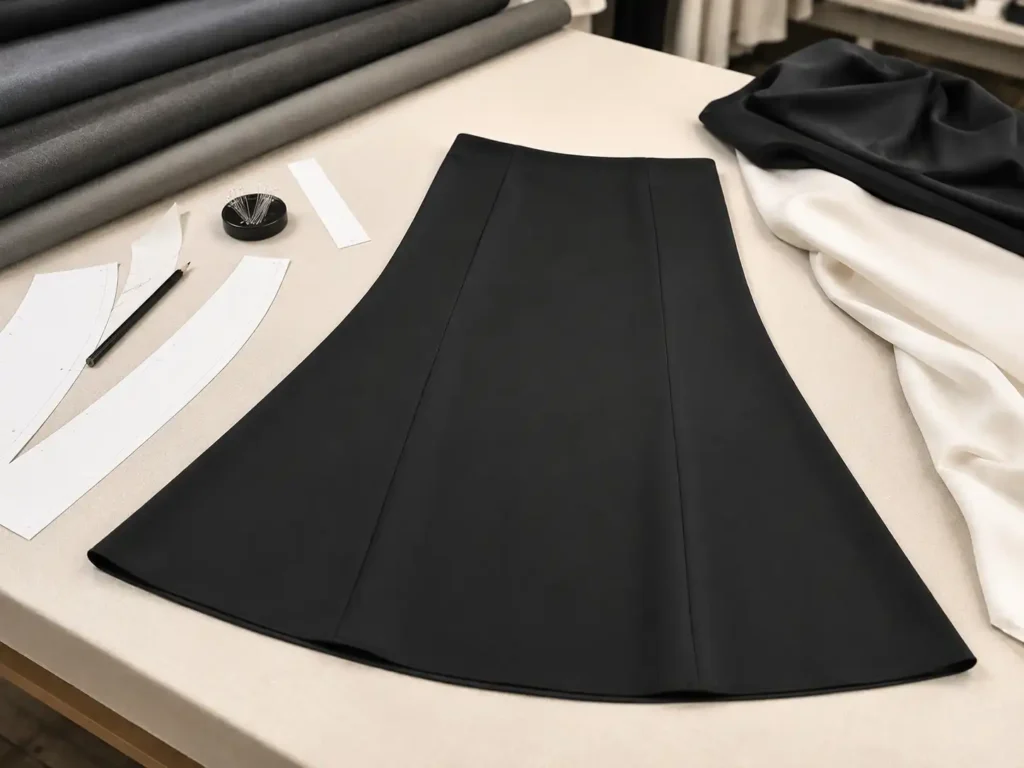
A strong silhouette must remain stable across sizes, movement and bulk production. Pattern work focuses on measurable control points rather than appearance alone, using approved size charts, fit comments, revised patterns and PP confirmation.

A-Line Balance

A-line dresses require a clean relationship between bust, waist, hip release and hem sweep. Too little release makes the skirt pull; too much can erase the intended waist. Checks include waist placement, side-seam direction, skirt fullness, hem level and lining behavior across mini, midi and maxi lengths.

Bodycon Recovery

Bodycon fit depends on fabric stretch, recovery and compression as much as measurements. Pattern reduction must match the actual material, while lining and seam construction should not restrict movement or create ridges. Bulk QC monitors bust, waist, hip, length, side-seam twisting and recovery after handling.

Slip Dress Drape

Slip dresses need controlled bust coverage, neckline shape, strap length, bias behavior and hip ease. A fluid shell can grow after hanging, so hem confirmation follows material settlement. Straps, facings and lining must remain smooth without pulling the neckline or creating visible bulk.

Corset Structure

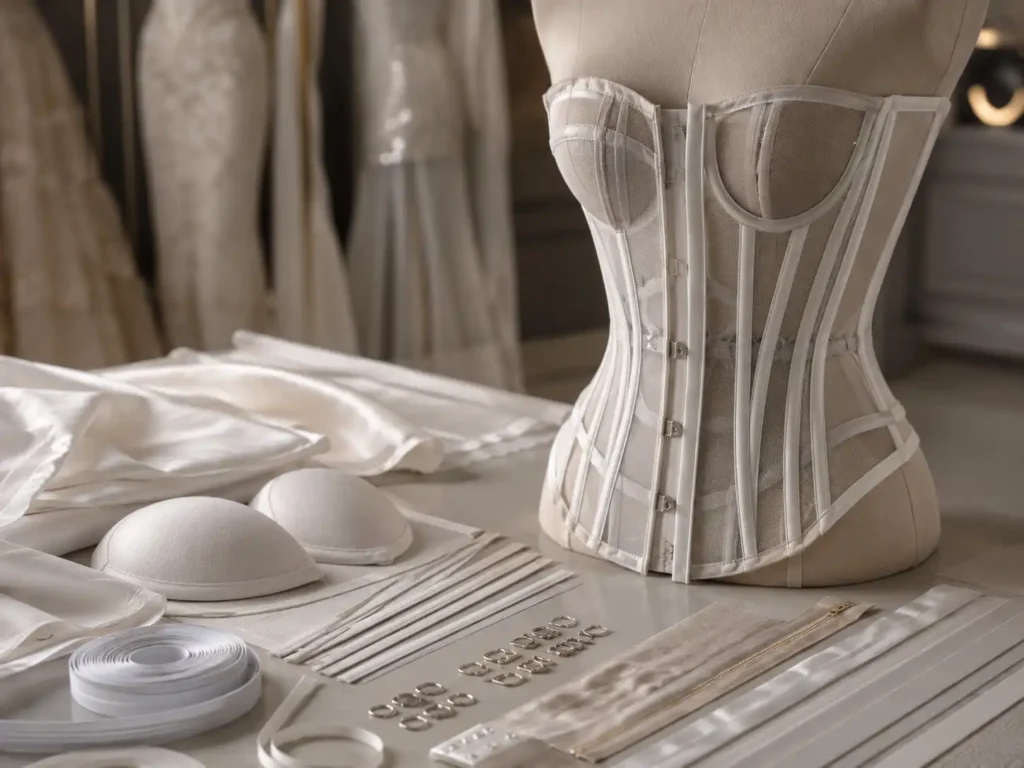
Corset dresses combine cup shape, underbust position, boning, waist contour, lining and closure strength. Pattern sections should support the body without excessive pressure or gaping. Sample review checks cup placement, top-edge security, boning ends, zipper operation, seam symmetry and movement.

Halter Support

Halter styles transfer part of the garment load to the neck or upper back. Strap width, tie length, neckline tension, bust support and back opening must be balanced. A halter that looks correct on a mannequin can create neck pressure or side-bust exposure during wear, so movement testing is important.

Strapless Stability

Strapless designs need a stable upper edge, correct underbust and waist shaping, suitable boning or internal support and secure closure. Excess ease causes slipping; excessive reduction causes distortion and discomfort. Sample approval covers top-edge position, grip, cup fit, back height and arm movement.

One-Shoulder Alignment

One-shoulder dresses rely on controlled asymmetry. The supported side must carry enough tension without pulling the opposite neckline, twisting the bodice or raising one side of the hem. Pattern balance, seam direction, drape placement and closure position are checked together.

Mermaid Proportion

Mermaid silhouettes need accurate bust-waist-hip shaping and a carefully placed flare point. A flare that begins too high can add volume; too low can restrict walking. Long hems also need stable front, side and back balance, especially when the style includes stretch lining, train panels or heavy decoration.

Control Points That Prevent Bulk Fit Failures

Small fit and measurement errors become large commercial problems when repeated across thousands of garments. The following control points are reviewed during pattern development, sampling, grading and bulk inspection.

Bust Position

Bust width alone does not control fit. Apex position, upper bust, underbust, cup shape, neckline depth and side coverage determine whether a structured or low-cut dress remains secure. Measurement comments are linked to pattern changes rather than corrected only through sewing adjustments.

Waistline Placement

High, natural and low waist positions change the entire silhouette. Waistline review considers front and back balance, torso length, seam direction, ruching placement and how the waist moves across sizes. Incorrect placement can make a dress look short-waisted or distort a fitted hip line.

Hip Ease

Fitted occasionwear needs enough hip ease for sitting and walking without losing a clean shape. Fabric stretch and lining stretch are reviewed separately. Side seams, back seams, zipper length and slit design all influence movement and visual balance around the hip.

Strap Length

Shoulder and halter straps affect neckline position, armhole coverage, bust support and back height. Adjustable hardware may solve part of the range, but strap position and angle still need pattern control. Bulk measurement includes finished strap length and attachment symmetry.

Neckline Depth

A neckline must deliver the intended visual effect without unplanned exposure or gaping. Deep V, cowl, square, sweetheart and asymmetrical necklines each require different stabilization. Tape, lining, mesh, cups or internal support may be needed depending on fabric and wear tension.

Armhole Coverage

Armholes that are too deep expose the bra or side bust; armholes that are too tight restrict movement and pull the neckline. Review includes front and back armhole shape, strap position, lining, underarm seam thickness and size grading.

Slit Height

Slits influence movement and visual proportion but can create exposure risk when sitting or walking. Finished height is measured from a defined reference point, not judged by eye. Reinforcement, lining opening and seam strength are checked during sampling and bulk production.

Lining Length

Lining controls opacity, comfort, drape and seam appearance. It should remain hidden during normal movement and photography without restricting the shell. Chiffon, lace, mesh, satin and sequin styles each require different lining weight, stretch and finished length.

Hem Balance

Mini hems need safe, consistent length; midi hems need proportion; maxi and floor-length hems need even front, side and back balance. Bias fabrics and circular skirts may grow after hanging, so final approval considers material settlement, footwear assumptions and train design.

Design Details That Must Survive Production

Occasionwear value often sits in the details. Ruching, drape, corsetry, cut-outs, slits and decorative surfaces must be translated into repeatable construction, measurable positioning and inspection criteria before the design enters bulk production.

Ruching Direction

Ruching can shape the body, hide seam transitions and create visual energy, yet uneven gathering makes a garment look inconsistent immediately. Development defines the base panel length, gathered length, direction, anchor points and finished distribution. Bulk inspection compares left-right symmetry, waist position, seam tension and how the ruching changes across sizes.

Draped Panels

Drape depends on fabric weight, grain direction, pattern volume and attachment points. A panel can collapse, twist or become too bulky when the material changes. Sample review checks the dress on body and in motion, then records key folds, anchor positions and acceptable variation for production.

Corset Internals

Internal cups, boning, elastic, underbust support and closure reinforcement determine whether a corset dress feels secure. Components are selected as one system rather than separate trims. Cup size, boning channel, top-edge finish, lining and zipper tolerance are confirmed before PP approval.

Cut-Out Stability

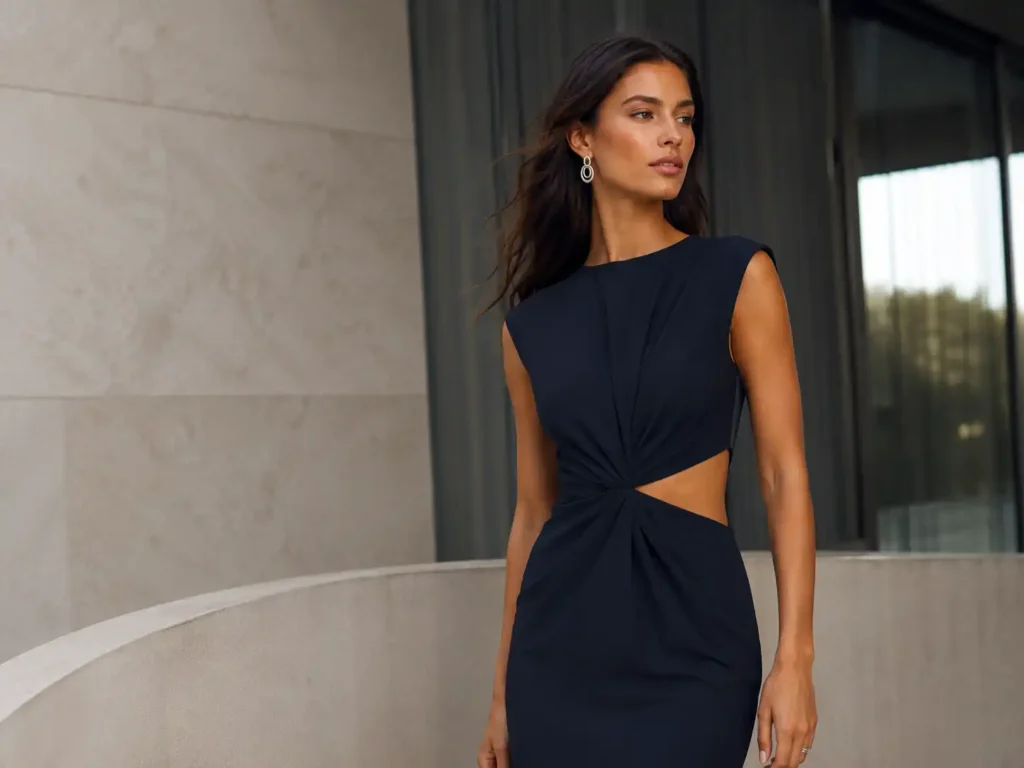
Cut-outs need accurate placement, clean edges and enough support to prevent stretching or exposure. Mesh inserts, elastic, binding or fused support may be used according to the design. Finished measurements include cut-out width, height and distance from structural seams so placement remains consistent across sizes.

Slit Construction

A slit is not only an opening in a seam. Reinforcement, lining finish, seam allowance, zipper relationship and walking tension affect durability. High slits receive movement review and stress checks, while finished height is included in the measurement and QC reference.

Embellished Surfaces

Sequins, rhinestones, beads, feathers, fringe and applique can add strong commercial impact but also create weight, abrasion and packing risks. Placement, attachment method, seam transitions and replacement tolerance are defined during sampling. Finished garments receive surface inspection and protective packing appropriate to the decoration.

From Design Reference to Approved Sample

Sample development converts creative direction into a production standard. Jinfeng Apparel can begin from a tech pack, original garment, sketch, line sheet or clear reference images, then review construction, fabric, trims, fit, MOQ and bulk risk before a sample plan is released.

Project and Feasibility Review

The first review identifies silhouette, length, fabric behavior, lining, closures, cups, boning, embellishment, labels and packing requirements. The team also checks whether the requested material and construction can support the intended visual result at the planned quantity. A reference image may show the desired look, but it does not always reveal internal structure, fabric weight or measurement logic.

Brands receive clearer feedback when they provide target market, size range, quantity per style and color, launch date, target price direction and private-label requirements. Missing information is listed before costing or sampling moves forward. Complex designs may be separated into structural, material and decorative decisions so risks can be solved in the correct order.

Pattern and First Sample

Pattern development establishes bust, waist, hip, neckline, armhole, strap, back height, slit, lining and hem relationships. The first sample tests design structure, fabric direction, proportion, sewing feasibility and cost logic. Its role is not to hide problems; it is to expose them early enough for correction.

Fit comments should combine measurements, on-body photos and clear written notes. Comments such as “too loose” or “not flattering” become actionable only when linked to the exact area, preferred change and approved size chart. Pattern makers then update the pattern rather than relying on temporary sewing alterations.

Revision and Photo-Ready Samples

Revised samples confirm pattern changes, material replacements, trim changes and improved construction. Each round records what changed, why it changed and whether the point is approved. A revision log prevents earlier comments from being lost when a 10-30 style collection moves through several sample rounds.

Photo-ready or salesman samples may be prioritized for campaign shoots, wholesale appointments or internal line reviews. Priority is based on launch importance, fabric readiness, hero SKU status and bulk timeline. A photo sample can be approved for imagery while still requiring final production checks before PP approval.

PP and Golden Sample Control

The PP sample is the production reference for fabric, color, measurements, construction, trims, label placement and packing direction. Approval should occur only after major fit and construction risks are resolved. Changes after PP lock can affect materials, cost, pattern, production timing and QC, so any late change needs a formal review.

A golden sample or approved reference garment supports production handover and final comparison. Final pattern, size chart, grade rule, trim reference, sewing instruction, label artwork, packing instruction and QC points are aligned before bulk cutting. The objective is a controlled transfer from development to production, not a verbal handoff.

Workmanship for Complex Occasionwear Styles

Occasionwear workmanship is judged in the areas most difficult to hide: bodice interiors, zipper seams, lace joins, lining attachment, embellished edges, ruching balance and long hems. Clean outside appearance must be supported by stable internal construction.

Structured Bodices and Corsetry

Structured bodices are built around pattern balance and component compatibility. Cups should sit at the correct bust position; boning should support without poking; lining should cover internal construction cleanly; top edges should remain stable; and closures should operate without distortion. A strong bodice cannot be created by adding random boning to a weak pattern.

During sampling, the team reviews cup shape, underbust, side support, boning length, channel position, seam allowance, zipper strength and movement. Boning ends are protected, while seam thickness is managed so the outside remains smooth. For strapless or open-back designs, internal elastic or grip support may be considered according to the intended construction.

Bulk workmanship checks include left-right symmetry, cup height, boning position, top-edge level, zipper flatness, hook-and-eye security and lining cleanliness. Finished measurements and visual references are used together because a bodice can meet width measurements and still sit incorrectly on the body.

Lace, Mesh and Embellished Finishing

Lace and mesh often create the most visible detail areas in occasionwear. Motifs should align with the approved placement plan, while joins remain clean and stable. Scalloped edges, applique and illusion panels need controlled trimming and secure attachment. Mesh should not stretch out of shape around necklines, armholes or cut-outs.

Sequin and embellished garments require a different sewing route from plain woven styles. Decoration may need removal from seam allowances, followed by hand finishing around joins, zippers or edges. Lining and binding protect the skin from rough surfaces. Loose threads, missing pieces, sharp points and heavy seam build-up are checked before pressing and packing.

Clean finishing also includes what is not visible in campaign photography: secure seam ends, covered internal edges, correct label attachment and surfaces protected from hooks, zippers and abrasive packaging. These details reduce returns, complaints and transit damage.
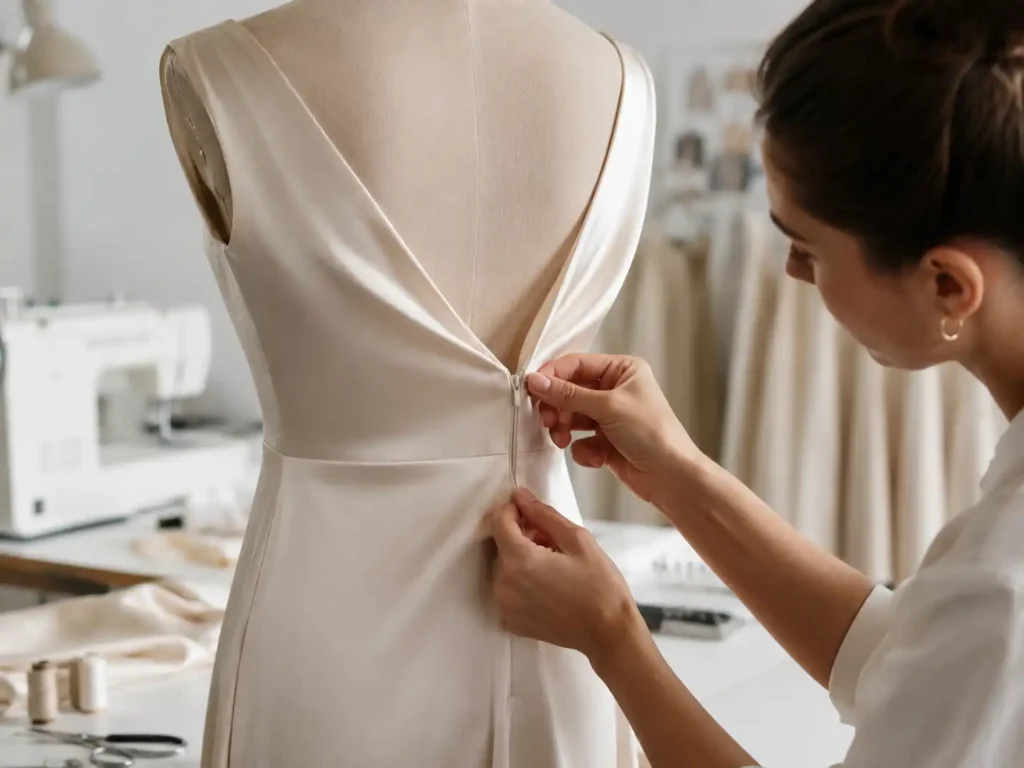
Zippers, Linings and Hem Execution

Invisible zippers should close smoothly without rippling, twisting or pulling the waistline. Zipper length, seam support and lining attachment are planned together. On satin and fitted crepe, even a small tension difference can produce visible bulging. On corset styles, the zipper must also withstand bodice tension.

Linings should support opacity and comfort without changing the outer silhouette. Stretch compatibility, weight, color, finished length and attachment points are reviewed by style. A rigid lining under a stretch shell can restrict movement; a weak lining can grow or show through; an incorrect color can alter lace, mesh or pale satin appearance.

Hems are finished according to material and silhouette. Chiffon and circular skirts need controlled balance; satin needs clean, low-mark handling; velvet needs pile protection; embellished hems need secure edges. Long garments are checked after hanging so growth or distortion can be corrected before bulk standards are locked.

Quality Control Across Fabric, Fit and Packing

Quality control follows product risk rather than a single generic checklist. Each occasionwear program receives inspection points for its fabrics, silhouette, construction, measurements, decoration, labels and delivery format.

Incoming Fabric

Fabric checks cover color, shade, width, weight direction where required, visible faults, hand, stretch, recovery, transparency, motif condition and usable cutting quality. Satin, velvet, lace, mesh, chiffon and sequins receive different handling notes before cutting begins.

Cutting Control

Cutting inspection reviews grain, nap, print or lace placement, paired parts, size identification and bundle accuracy. Directional fabrics are kept consistent, while delicate materials are protected from rough surfaces, contamination and unnecessary movement.

First Bulk Piece

The first bulk piece is compared with the approved PP reference for measurements, shape, construction, trims, labels and critical appearance points. Production volume does not become a substitute for early confirmation.

Inline Sewing

Inline checks identify repeat defects while correction is still possible. Focus areas include seam tension, zipper flatness, strap position, ruching distribution, lace matching, mesh distortion, lining attachment, sequin security and measurement stability.

Finished Garment

Finished inspection covers measurements, fit-related points, symmetry, hems, slits, surface cleanliness, pressing, loose threads, closures, decoration and overall appearance. Sensitive styles are reviewed under lighting that reveals shade, shine, transparency or surface marks.

Packing Release

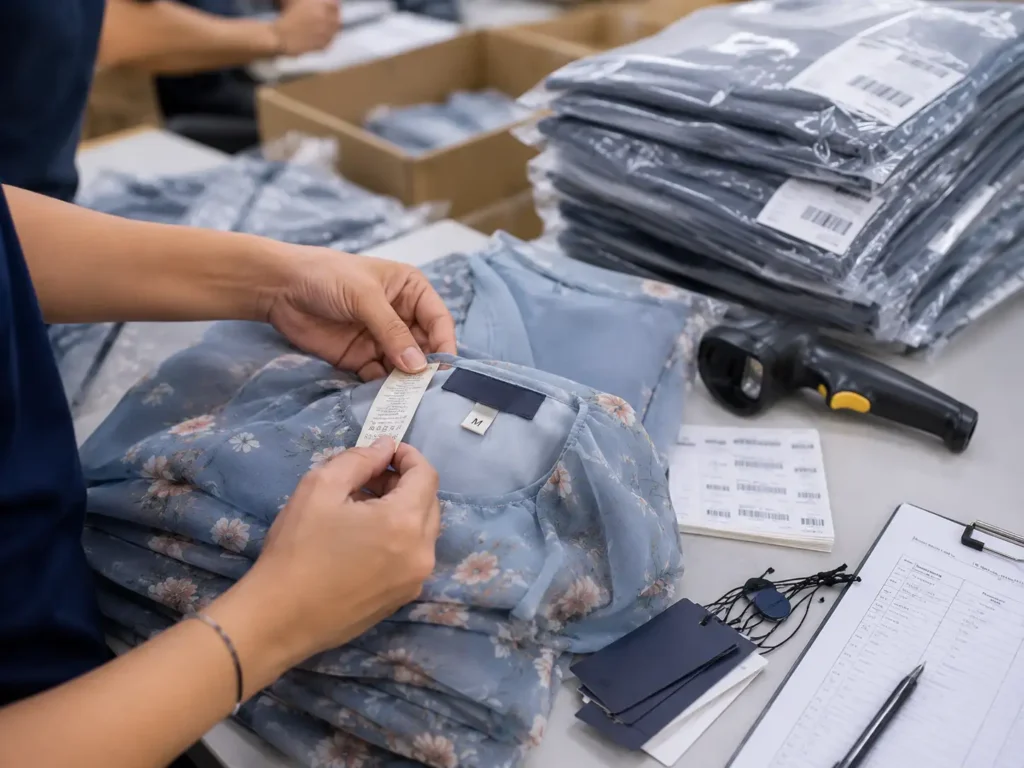
Packing checks confirm label content supplied by the brand, size and color identification, barcode or SKU matching, folding, polybag protection, carton ratios, carton marks and shipping documents. Garment quality is not considered complete until the correct product is packed under the correct identity.

Managing Multi-Style Collections at Scale

Occasionwear programs with 10-30 styles require disciplined grouping, priorities and status control. Jinfeng Apparel organizes product development and production around fabric groups, construction families, launch importance, quantity and factory suitability.

Collection and Sample Planning

A line sheet is reviewed by style, color, size range, target quantity, fabric direction, construction difficulty, sample type and launch date. Styles are grouped where materials or construction overlap, while hero SKUs and photo samples receive clear priority. A revision tracker records pattern changes, material replacements, comments, approvals and pending decisions.

Multi-style sampling does not mean every style moves at the same speed. A complex corset-sequin gown may need more review than a clean crepe midi. The project schedule therefore protects critical dates while allowing enough time for high-risk products. Fabric readiness, trim lead time and client feedback speed are visible in the plan.

Production Allocation

Six owned factories and more than ten long-term production partners provide options for matching products to suitable teams. Allocation considers woven or stretch construction, fabric sensitivity, corsetry, embellishment, style quantity, color count, size range, packing requirements and delivery sequence. Styles sharing approved materials may be grouped, but technical suitability remains the primary decision.

A production plan also protects capacity for corrections and inspections. Loading every style at once can reduce control, especially when a collection mixes satin, mesh, lace, sequins and structured pieces. Phased starts allow the team to confirm first bulk pieces and resolve material-specific risks before later styles enter full production.

SKU and Delivery Coordination

Color, size and style combinations can create hundreds of SKUs in a 20,000-80,000 piece program. SKU control connects purchase orders, labels, barcodes, packing ratios, carton marks and shipping documents. Master files are reviewed before packing materials are released.

Phased shipments may be considered when launch timing, warehouse intake or material readiness differs by style. Split delivery is planned with the brand and forwarder rather than used to hide delays. Pattern, fabric, trim, QC and packing records are retained to support repeat orders and reduce redevelopment work.

Private Label and Retail-Ready Delivery

Private-label execution connects the garment to the correct brand, size, SKU, warehouse and sales channel. Label and packing details are treated as controlled production information, not as last-minute accessories.

Main Labels

Woven or printed main labels follow approved artwork, dimensions, colors, fold type and placement. Attachment method is reviewed so labels remain secure without distorting delicate necklines, mesh panels or lined bodices.

Size Labels

Size labels follow the brand’s approved US, UK or internal size notation. The production reference remains the confirmed size chart and label artwork; size numbers are not changed through informal market conversion.

Care Labels

Care and fiber-content artwork is supplied or approved by the brand according to its market requirements. Placement, language layout, dimensions and attachment are checked against the approved file before bulk packing.

Hangtags

Hangtags may include style, color, size, price, season, fiber or marketing information. String, pin, seal and attachment location are selected to avoid damage to satin, lace, mesh, sequins or delicate finishes.

Barcode and SKU

Barcode and SKU stickers must match style, color and size across the garment, polybag and carton plan. A single data error can create warehouse receiving problems even when garment quality is correct, so files are checked before printing and again during packing.

Polybag and Carton

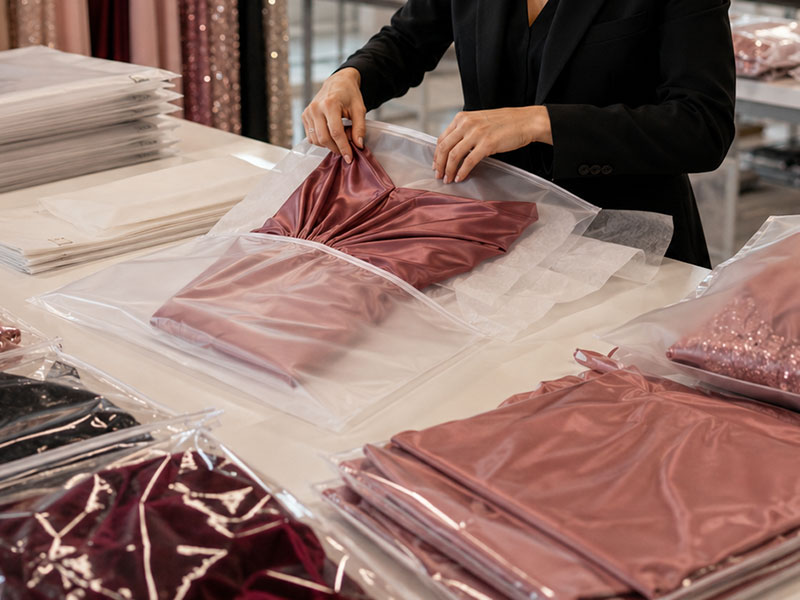
Folding, tissue, polybag type, warning text, size stickers, ratio packing, carton marks and carton dimensions follow the approved packing specification. Embellished or structured garments receive extra protection against crushing, abrasion and hook damage.

MOQ and Cost Planning for Occasionwear

MOQ starts from 200 pieces per style and color. Final feasibility depends on material commitments, color development, trims, construction, size division, packing and the production calendar. Accurate planning begins with a line sheet and quantity breakdown rather than one combined collection total.

Complexity LevelTypical ConstructionMain Cost DriversPlanning Notes
StandardClean mini or midi dress, regular lining, standard zipper, limited panelsShell fabric, lining, cutting, sewing, pressing and packingBest suited to available fabrics, focused colors and efficient size ratios
DetailedLace or mesh panels, ruching, asymmetric drape, sleeves, high slit, layered shellPlacement cutting, added sewing time, material waste, fit review and detail QCSample approval should define position, symmetry, transparency and finishing
ComplexCorset structure, cups, boning, sequins, applique, layered tulle, hand-finished areasPattern development, specialized trims, handwork, seam protection, inspection and protective packingMaterial MOQ and lead time may rise; PP lock is required before bulk production

Plan Sampling and Production Around Launch Dates

Occasionwear sells within event calendars. Prom, graduation, wedding season, holiday parties and retail intake windows leave limited room for late fabric approval, unresolved fit or unplanned packing changes. A workable schedule starts from the required warehouse date and moves backward through transport, packing, QC, production, PP approval and sampling.

Sample Priority

Hero campaign styles, photo samples and technically complex products are identified first. Fabric availability, trim lead time, sample difficulty and review speed determine the order in which styles move. A 10-30 style collection is easier to control when priority reflects launch value rather than treating every style as equally urgent.

PP Approval Window

PP approval should leave enough time for material booking, cutting preparation, production allocation and first bulk-piece review. Approving a garment while bust support, slit height, lining, lace placement or label artwork remains unresolved transfers avoidable risk into bulk production.

Production and QC Window

The production schedule includes material arrival, cutting, line loading, first bulk confirmation, inline inspection, finishing, final inspection and packing. Delicate or embellished styles need additional handling and QC time. Capacity claims are less useful than a style-level schedule showing when each group enters production and inspection.

Shipping and Warehouse Intake

Courier, air and sea options can be coordinated with the brand or its nominated forwarder. The correct method depends on destination, quantity, carton volume, launch urgency and warehouse requirements. Shipping documents, carton marks and packing lists are prepared from approved order data. Delivery commitments are confirmed after the production and logistics route is reviewed.

Compliance Support and Confidential Development

Established brands often require factory information, audit coordination, material records, inspection support and strict design confidentiality. Documentation is confirmed according to the factory, material supplier, product and current project rather than presented as one blanket claim.

Audit and Document Support

Jinfeng Apparel can coordinate factory profiles, production-process information, QC procedures, packing workflows and available audit-related documentation for project review. Requirements such as Sedex- or BSCI-related evaluation are confirmed against the actual factory assigned to the order and the latest available records.

Material and Testing Support

OEKO-TEX, GOTS, GRS or other material-related claims depend on the exact supplier, fabric type, color, batch, certificate scope, validity, MOQ and lead time. The sourcing team can help identify suitable options and provide available documents for review. Fabric or garment testing and third-party inspection can be coordinated according to agreed project requirements.

NDA and Design Protection

NDA-based cooperation can cover tech packs, original samples, patterns, size charts, fabric and trim plans, labels, packaging, prices, quantities, launch schedules and unreleased designs. Brand names and confidential product information are not published without authorization. Anonymous project descriptions focus on product challenge, process and result rather than revealing protected identity.

Occasionwear Programs for US and UK Markets

The following anonymous program profiles use realistic collection structures and order ranges for established fashion brands. They illustrate how product risk, sample priorities, production control and retail packing can be organized across 10-30 styles and 20,000-80,000 total pieces.

US Satin Occasionwear Program

A US fashion brand planned a 16-style occasionwear drop containing satin minis, draped midis, corset dresses and two evening maxi styles. Total order quantity reached 36,800 pieces across four core colors and an XS-XL size range. The main risks were satin shade consistency, zipper rippling, bust support, lining show-through and SKU complexity. Development began by separating the line into three technical groups: fluid satin styles, structured corset styles and long evening silhouettes. Eight campaign styles received first sample priority, while the remaining styles followed after fabric direction and shared trim standards were confirmed. Pattern revisions focused on cup position, waist placement, hip ease, strap length and hem balance. Bulk production used color-lot separation, approved cutting direction, first bulk-piece checks and inline review of zipper flatness, ruching and lining. Packing files controlled 320+ style-color-size SKU combinations, with barcode checks at garment, polybag and carton levels. The program was released in two planned shipment waves so campaign and core commercial styles reached the warehouse first. Key program data:

  • 16 styles
  • 36,800 total pieces
  • 4 core colors
  • XS-XL size range
  • 2 planned shipment waves
  • Main materials: satin, mesh lining, cups and boning

UK Wedding Guest Collection

A UK occasionwear label developed 12 wedding guest and cocktail styles across satin, crepe, lace and chiffon. The order totaled 24,600 pieces, with a strong midi focus and selected jumpsuit and matching-set extensions. Product review concentrated on elegant proportion, sleeve movement, daylight opacity, lace placement, satin pressing and consistent UK size labeling. The line was grouped by material so shared colors and linings could be approved together. Lace styles received placement maps for necklines, bodices and scalloped hems. Chiffon styles were allowed to settle before final hem confirmation. Satin midis received zipper and pressing trials to prevent seam impression and waist rippling. Photo samples were prioritized for six hero styles before the full PP round. Bulk QC used style-specific checkpoints rather than one shared checklist. Midi length, slit height, lining length, sleeve opening, neckline coverage and barcode identity were measured or verified before packing. Delicate lace and satin pieces used protected folding, while embellished styles were isolated from rough hangtag attachments. Key program data:

  • 12 styles
  • 24,600 total pieces
  • 5 fabric groups
  • UK 6-18 size scope based on approved charts
  • 6 priority photo samples
  • Main categories: wedding guest midi, cocktail dress, jumpsuit and set

Multi-Style Private Label Program

A multi-channel fashion company planned 24 occasionwear styles for US and UK sales, covering satin, lace, mesh, compact jersey, crepe and sequins. Total quantity reached 68,400 pieces across dresses, jumpsuits and coordinated sets. The program required separate market labels, more than 700 SKU combinations, staged sample approval and three warehouse intake windows. Project control began with a master line sheet linking style codes, market, fabric, color, size range, quantity, label version, packing method and required delivery group. Styles were allocated by material and construction suitability. Corset and sequin products moved through additional sample and workmanship review, while simpler crepe and jersey styles entered earlier production after PP approval. A shared revision tracker prevented US and UK comments from being mixed. Label artwork and size notation remained market-specific, while garment construction stayed aligned wherever product specifications were shared. Barcode data was validated before printing, and carton plans were linked to warehouse intake windows. Three planned shipment groups reduced pressure on the final deadline without hiding unfinished styles. Key program data:

  • 24 styles
  • 68,400 total pieces
  • 6 material groups
  • 700+ SKU combinations
  • 2 market-specific label systems
  • 3 planned warehouse intake windows

How to Evaluate an Occasionwear Manufacturing Partner

A strong supplier decision should rely on evidence across development, materials, production, QC, private labels and delivery. Price matters, but an unrealistically low quote often excludes the controls needed to protect fit, appearance and launch timing.

Product Specialization

Ask for evidence across satin, lace, mesh, chiffon, sequins, structured bodices, jumpsuits and coordinated sets. A factory that only shows basic casual dresses may not understand occasionwear surface control, internal support, lining or protective packing.

Pattern Capability

Confirm whether experienced pattern makers review bust, waist, hip, neckline, straps, armholes, slits, lining and hem balance. Sample comments should become pattern revisions and approved measurements, not informal sewing adjustments.

Sample Discipline

Review the path from first sample to fit, revised, photo-ready and PP approval. Suppliers that push unresolved fit or construction directly into bulk production create avoidable risk. Revision records and PP lock indicate stronger project control.

Production Proof

Ask how styles are allocated, how first bulk pieces are approved and how sewing standards reach production teams. Large capacity without style-level planning does not guarantee consistent delivery across mixed occasionwear materials.

QC Evidence

A useful QC plan identifies fabric, cutting, sewing, measurement, finishing and packing checks by product risk. Satin shade, lace placement, mesh transparency, sequin loss, zipper shape, lining exposure and barcode identity should not be left to final random inspection alone.

Brand Delivery

Confirm NDA support, labels, barcodes, SKU files, packing ratios, carton marks, shipping documents and repeat-order records. A finished garment is only commercially complete when the correct product reaches the correct warehouse under the correct identity.

Frequently Asked Questions About Occasionwear Manufacturing

Jinfeng Apparel develops cocktail dresses, evening dresses, wedding guest dresses, prom and graduation dresses, party dresses, occasion jumpsuits, matching sets, corset dresses, satin dresses, lace dresses, mesh dresses, chiffon dresses, sequin dresses and private-label occasionwear collections. Programs can combine mini, midi, maxi and floor-length silhouettes across structured, fluid, embellished and softly tailored directions.
Yes. Development can begin from clear reference images, sketches, original samples, line sheets or tech packs. Better results come from adding target market, size range, quantity per style and color, fabric direction, launch date and label requirements. The team first reviews structure, material, trims, fit risk, MOQ and production feasibility before confirming sampling and costing steps.
Yes. Production can follow separate brand-approved US and UK size charts, grade rules and label notation. The approved measurements remain the reference; size numbers are not treated as automatic equivalents between markets. Critical points can include bust, waist, hip, dress length, strap length, armhole, neckline depth, slit height, lining length and jumpsuit rise.
MOQ starts from 200 pieces per style and color. Fabric availability, custom dyeing, special lace, exclusive prints, sequins, cups, boning, custom hardware, color count, size division, packing and construction complexity can change the required quantity. A line sheet with quantity by style, color and size is needed for an accurate assessment.
Each material receives a different control plan. Satin focuses on shade, direction, snagging, seam tension and pressing. Lace focuses on motif placement, symmetry and edge finishing. Mesh focuses on stretch direction, transparency, recovery and holes. Sequins focus on loss, sharp edges, seam thickness, attachment security and protective packing.
Available sample stages include first samples, fit samples, revised samples, photo-ready samples, salesman samples, PP samples and golden samples. Not every style requires every stage. The sample route depends on construction complexity, campaign needs, fit risk, materials and launch timing. Bulk production should begin only after the agreed PP standard is approved and transferred into production files.
The schedule is confirmed after reviewing style count, material availability, construction, sample stages, approval speed, quantity and delivery destination. Complex corset, lace, sequin or multi-style programs need more development and production control than clean core dresses. A launch plan should work backward from warehouse intake through transport, packing, final QC, bulk production, PP approval and sample review.
Yes. Multi-style programs are organized by fabric group, construction family, sample priority, launch importance, quantity and factory suitability. A master line sheet and revision tracker control style status, colors, sizes, labels, packing and approvals. Each style and color must still meet the applicable MOQ and material requirements.
Yes. Programs can include main labels, size labels, care labels, hangtags, barcode or SKU stickers, polybags, folding instructions, size-ratio packing, carton marks and packing lists. Artwork and market-specific content are supplied or approved by the brand. Barcode and SKU files are checked against style, color and size before bulk packing.
Yes. Client or third-party inspection can be coordinated according to the agreed project. Factory and audit-related documents are reviewed against the actual production site and current records. Material certificates depend on the exact supplier, fabric, color, batch and valid scope. NDA-based cooperation can protect tech packs, patterns, samples, materials, labels, prices, quantities and unreleased designs.

Send Your Occasionwear Collection for Review

Share enough project information for a useful first assessment.

Jinfeng Apparel reviews product structure, fabric direction, trims, fit risks, sample requirements, MOQ, production routing, private labels and delivery planning before confirming the next step.

A complete line sheet or tech pack creates the clearest result, while reference images can also be reviewed when supported by target quantities and market information. Please include:

  • Brand or company name and website
  • Target market: United States, United Kingdom or both
  • Tech packs, line sheet, original sample photos or reference images
  • Quantity by style and color
  • Size range and approved measurement chart
  • Preferred fabrics, colors and trims
  • Main labels, care labels, hangtags, barcode and packing requirements
  • Required sample type, including photo-ready or salesman samples
  • Target launch date and warehouse destination
  • Any audit, inspection, testing or NDA requirements

Tell Us About Your Dress Project

Share your product details, estimated quantity and development requirements. Our team will review your project and provide practical OEM/ODM production feedback.

Premium Women’s Apparel Production for Fashion Brands

From dress sample development to bulk production, JF Apparel supports fashion brands with confidential OEM/ODM manufacturing, reliable quality control and scalable production support.

START YOUR DRESS PROJECT

Ready to Develop Your Next Dress Collection?

Share your design concept, product requirements or sourcing plans with our team. We’ll review your project and provide practical feedback on development, materials, MOQ and production.

7-10 Days

Sample Development

200 PCS

Starting MOQ

Fast Response

Professional Follow-Up