
Occasionwear Capsule Manufacturer
Coordinated dresses, jumpsuits, matching sets and separates developed from range direction to retail-ready delivery for established fashion brands.
- Structured for capsule programs of 10-30 coordinated styles and approximately 20,000-80,000 total pieces, subject to product mix, color count and construction complexity.
- 2 sample rooms, 7+ senior pattern makers and 20+ sample machinists support grouped development, fit correction, revision control and PP approval.
- 6 owned women’s fashion factories, 10+ long-term satellite partners, 18+ sewing lines and 6+ flexible production lines support multi-style allocation.
- MOQ starts from 200 pcs per style/color, with fabric, trim, size ratio, packing and launch timing reviewed before quotation.
Built for Structured Occasionwear Collection Programs
Occasionwear Brands
Product Teams
Private Label Programs
Where Multi-Style Occasionwear Programs Lose Control
Disconnected Product Mix
- Define hero, commercial and supporting SKUs.
- Balance mini, midi, maxi and non-dress options.
- Keep occasion coverage clear rather than random.
Fabric Color Mismatch
- Compare fabrics under consistent lighting.
- Confirm lining and zipper color relationships.
- Separate approved references by material group.
Sampling Bottlenecks
- Set hero SKU priority.
- Group related fabrics and trims.
- Track approval status by style.
Inconsistent Fit Standards
- Maintain a master size direction.
- Review garment-specific ease and support.
- Record approved fit comments by style.
Fragmented MOQ Planning
- Consolidate colors where commercially sensible.
- Share suitable fabrics across selected styles.
- Confirm supplier minimums before final range approval.
Missed Launch Windows
- Lock approvals before bulk cutting.
- Protect a QC and rework window.
- Separate urgent SKUs only when records remain clear.
Build a Balanced Occasionwear Product Mix

Statement Mini Dresses
- Common directions: corset, bodycon, ruched, halter, strapless.
- Critical controls: bust, waist, hip, hem length and lining.
- Best role: campaign hero or event-led launch style.

Commercial Midi Dresses
- Common directions: draped, fitted, A-line, one-shoulder, slip.
- Critical controls: waistline, slit, hem balance, lining and drape.
- Best role: broader-volume commercial anchor.
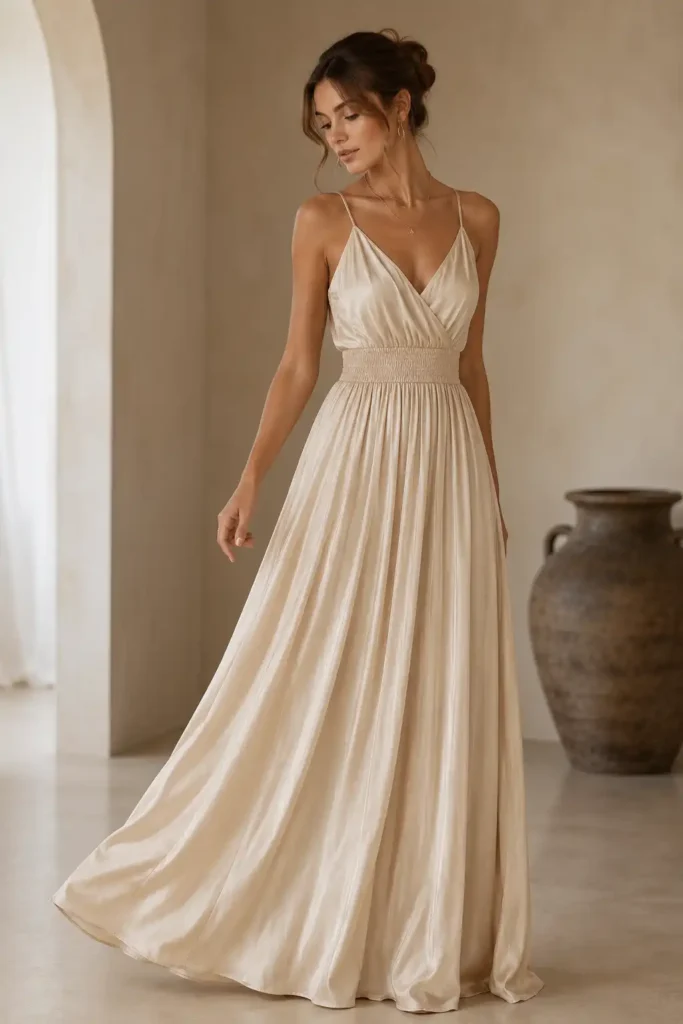
Evening Maxi Dresses
- Common directions: column, draped, layered, slit, corset gown.
- Critical controls: length, hem level, lining drop and packing.
- Best role: formal tier or premium statement piece.

Occasion Jumpsuits
- Common directions: wide-leg, corset, halter, one-shoulder.
- Critical controls: torso, rise, waist, hip and zipper access.
- Best role: alternative to dresses within the same color story.

Coordinated Matching Sets
- Common directions: corset top and skirt, crop top and maxi skirt.
- Critical controls: color batch, size pairing and proportion.
- Best role: adaptable occasion option with styling depth.

Occasion Separates
- Common directions: satin skirt, mesh top, corset top, tailored vest.
- Critical controls: color continuity, sizing and garment pairing.
- Best role: range extension and merchandising flexibility.
From Mood Board to a Controlled Range Plan
Development begins by turning creative references into a working range structure. Each style receives a defined role, material direction, fit risk, sample priority and production path before resources are committed.

Start with Complete Project Inputs
Useful inputs include a mood board, line sheet, tech packs, reference images, original garments, target retail market, planned price architecture, color story, size range, launch date and private-label requirements. A complete file is not required for every style at the first conversation, yet enough information must be available to judge product complexity and material direction. Where a reference image replaces a tech pack, measurements, construction assumptions and unclear details are identified before pattern work begins.
- Style count and product roles.
- Quantity per style/color and size range.
- Fabric, color, trim and packaging direction.
- Campaign, launch and warehouse timing.

Map Styles by Product Role
Range mapping separates campaign heroes from commercial anchors and supporting pieces. The process also identifies repeated silhouettes, unnecessary color fragmentation and styles that can share fabric or trim resources. For a 10-30 style program, grouping reduces duplicated development work and keeps approvals focused. A capsule with six statement dresses and no commercial anchor may need adjustment, while an assortment with repeated basic shapes may need stronger visual hierarchy.
- Hero group: strongest image impact and launch priority.
- Commercial group: broader fit and repeat potential.
- Support group: jumpsuits, sets or separates completing the offer.

Group Fabric and Trim Families
Styles are arranged by satin, mesh, lace, crepe, jersey, sequin or structured fabric families. Trims such as zippers, boning, cups, sliders, elastic, rhinestones, labels and packaging are reviewed alongside fabric groups. Shared resources can improve continuity, yet reuse only works where stretch, weight, transparency, support and sewing behavior remain suitable. A trim selected for a light slip dress may not support a corset style even when color looks similar.
- Confirm which materials can be shared.
- Separate complex or supplier-limited materials.
- Flag custom dyeing, print or trim minimums early.
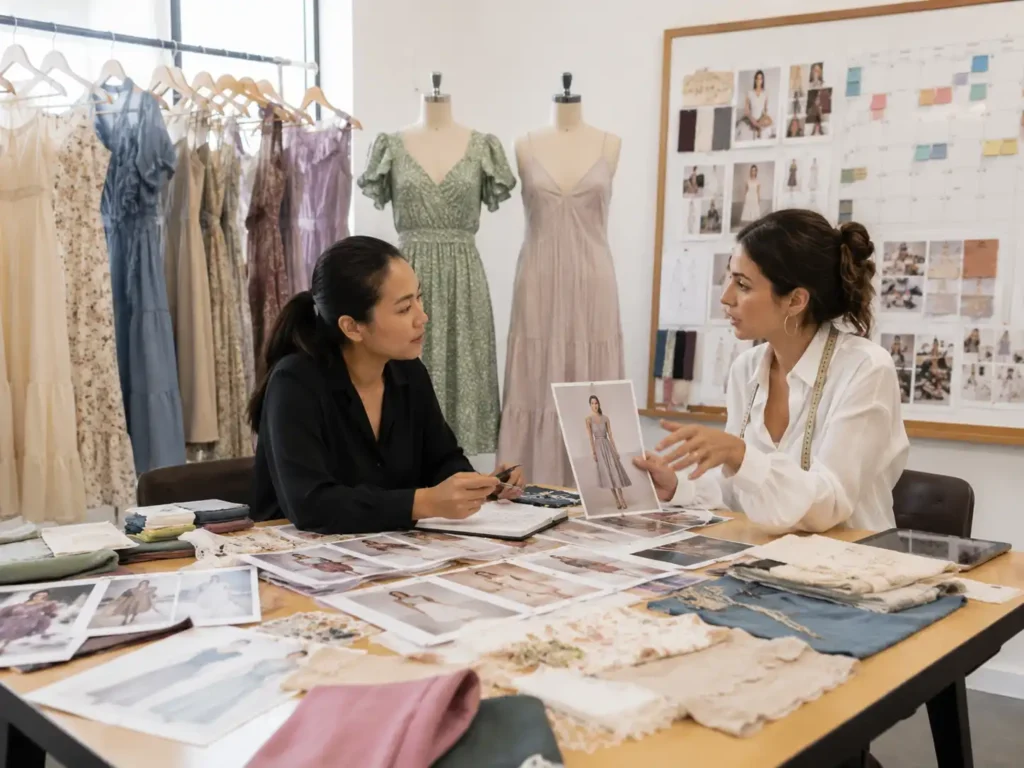
Set Sample Priority Before Cutting
Sampling priority is based on launch importance, fabric readiness, pattern complexity, photo needs and bulk risk. Hero styles may move first for campaign preparation, while styles sharing an unapproved fabric wait until the material direction is locked. Each style receives a status such as input review, pattern, first sample, revision, photo-ready, PP ready or approved. Clear status ownership avoids confusion when several garments are moving through different rounds at the same time.
- Priority 1: hero and high-risk styles.
- Priority 2: fabric-linked commercial styles.
- Priority 3: support styles after shared standards are approved.
Coordinate Fabrics and Colors Across the Collection
Occasionwear depends heavily on sheen, drape, transparency, stretch and texture. Material decisions must be reviewed across the full assortment because one color can behave very differently in satin, lace, mesh and lining.
Build Fabric Groups by Function
Fabric grouping begins with garment performance rather than color alone. Matte satin may suit a draped midi, stretch satin can support a fitted mini, crepe can stabilize a structured silhouette, and power mesh may provide controlled stretch. Chiffon, organza, tulle and lace create volume or transparency but often require lining, edge treatment or reinforcement. Jinfeng Apparel reviews fiber content, weight, width, stretch direction, recovery, drape, shine, transparency, shrinkage risk, stock position and supplier stability before recommending a bulk path.
- Drape group: satin, crepe, chiffon and rayon blends.
- Structure group: heavier satin, suiting, organza and bonded options.
- Stretch group: jersey, ponte, stretch satin and power mesh.
- Texture group: lace, sequin, velvet and embroidered surfaces.
Control a Cross-Fabric Color Story
Pantone references are useful, yet physical approval remains essential. Satin reflects highlights, mesh reveals the lining beneath it, lace creates open and dense areas, and velvet changes with pile direction. A nominal burgundy or champagne can therefore appear several shades apart. Jinfeng Apparel uses approved swatches, lab dips where required, lining comparisons, zipper and thread checks, and bulk shade references. Material direction is recorded by style so production teams do not substitute a visually similar but technically different fabric without review.
- Approve shell and lining together.
- Check color under studio and neutral lighting.
- Record shade references by material and supplier batch.
- Confirm zipper, thread and trim relationships.
Plan Material Tiers Around Price
A capsule often needs more than one material cost level. Hero styles may justify premium lace, heavier satin, specialty sequin or added structure, while commercial styles may use a controlled alternative with similar color and drape. Cost is affected by fiber content, weight, width, lining, fabric loss, color count, dyeing method, print method, embellishment and supplier MOQ. Cost optimization should protect the garment silhouette and brand presentation rather than replacing a key fabric with the cheapest available option.
- Protect non-negotiable visual and fit features.
- Use fabric alternatives only after sample evaluation.
- Consolidate colors where it improves material efficiency.
- Keep hero and commercial price tiers commercially clear.

Specialized Handling for Occasionwear Materials

Satin Control
- Review weight, stretch and shine direction.
- Control zipper flatness and seam tension.
- Protect surfaces during finishing and packing.

Mesh Control
- Confirm transparency against lining and skin tone direction.
- Stabilize openings and stress points.
- Check stretch recovery and layer alignment.

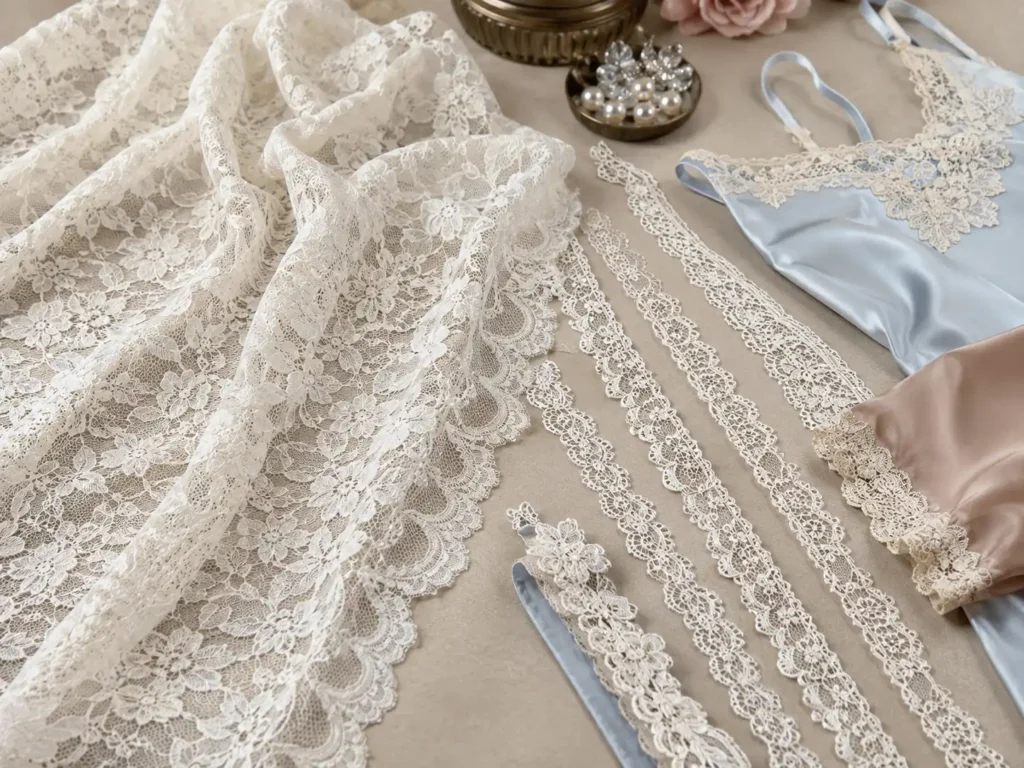
Lace Control
- Plan motif placement and cutting loss.
- Match lining color and density.
- Inspect joins, edges and damaged motifs.
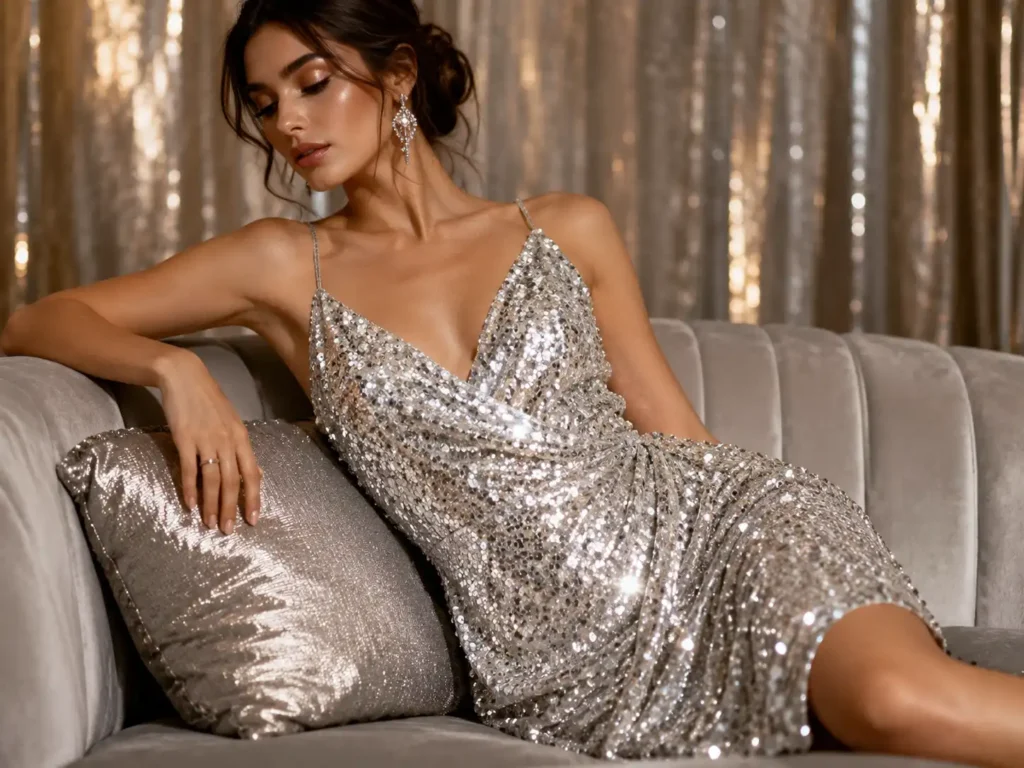
Sequin Control
- Control seam thickness and needle damage.
- Protect skin-contact areas with lining or clean finish.
- Use packing methods suited to fragile surfaces.
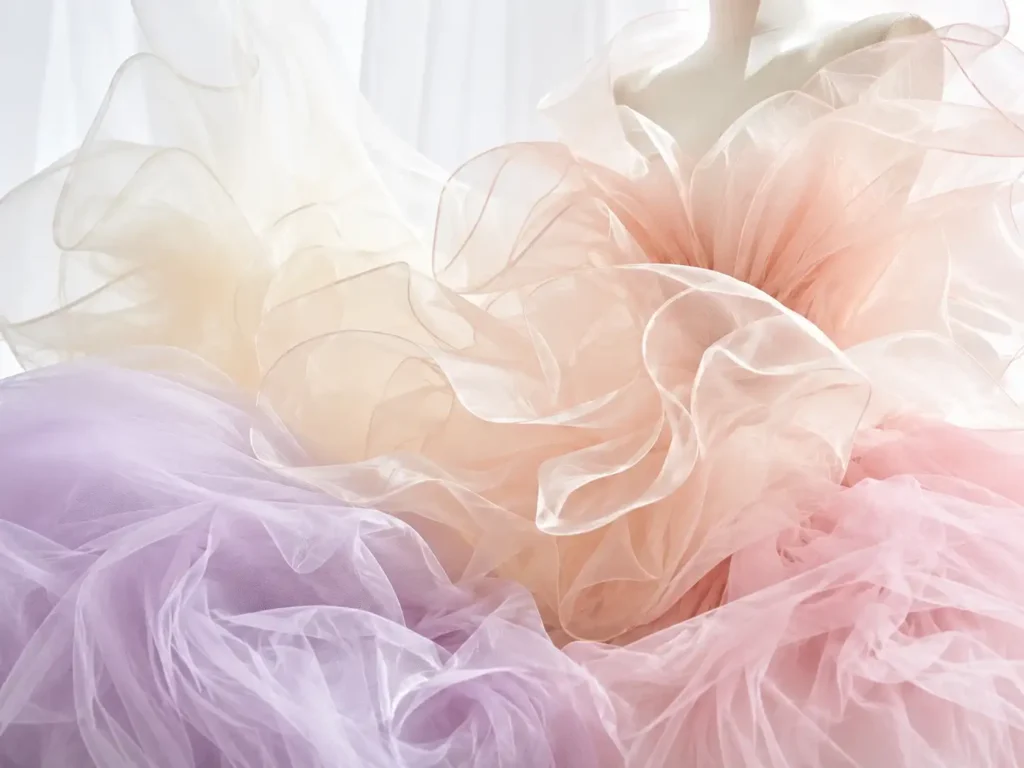
Tulle and Organza
- Confirm layer count and volume target.
- Control heat, pressure and seam tension.
- Review hem balance and shape recovery.
Corsetry and Trims
- Confirm cup, boning and closure placement.
- Test trim attachment at stress points.
- Protect embellishment during pressing and shipment.
Multi-Style Sampling Without Version Confusion
Jinfeng Apparel uses 2 sample rooms, 7+ senior pattern makers and 20+ sample machinists to move coordinated styles through defined sample stages, revision records and approval status controls.

Use the Right Sample Stage
First samples test the initial interpretation of structure, measurements, fabric and construction. Fit samples focus on balance and on-body performance. Revised samples convert recorded comments into updated patterns, measurements and sewing instructions. Photo-ready samples may be prepared for campaign needs, while PP samples lock bulk standards. Golden Samples become the physical reference for production, QC, packing and later repeat orders. Sample naming and version dates prevent an outdated garment from being used as the final standard.
- First sample: structure and initial execution.
- Fit or revised sample: correction and verification.
- Photo-ready sample: campaign appearance where required.
- PP and Golden Sample: bulk production reference.

Group Samples by Dependency
A 10-30 style capsule should not move as one undifferentiated queue. Styles are grouped by fabric, pattern family, trim dependency, complexity and launch priority. Several satin styles may wait for one approved shade and weight, while a corset hero style can begin pattern work earlier because it carries greater fit risk. Related silhouettes can share approved construction logic, but each style retains its own measurements, comments and status. Grouping creates speed through clarity rather than rushing every sample at once.
- Fabric groups reduce repeated material decisions.
- Pattern groups identify related fit and construction work.
- Trim groups prevent late closure or hardware changes.
- Priority groups protect campaign and bulk timing.

Turn Comments into Controlled Revisions
Feedback should not remain only in email, chat or marked photos. Each comment is categorized as fit, measurement, material, color, trim, workmanship, design proportion, label, packing or cost alignment. Approved changes are transferred into patterns, size charts, trim records, sewing instructions and QC checkpoints before the revised sample begins. Approval status is visible by style, reducing the risk of cutting bulk from an old pattern or using a trim that was replaced during development.
- Record comment source and sample version.
- Assign the change to a pattern, material or construction file.
- Confirm completion before the next approval round.
- Lock PP information before bulk cutting.

Plan Timing Around Material Readiness
No universal sample lead time fits every occasionwear program. Timing depends on the completeness of files, fabric availability, custom color requirements, trim development, pattern complexity, sample quantity, revision scope and courier plan. Jinfeng Apparel issues a project timeline after reviewing those variables. Clear line sheets, size charts and material direction reduce avoidable confirmation loops, while custom lace, sequins, dyeing or hardware can extend the schedule and should be identified before launch commitments are fixed.
- Timeline starts after requirements are sufficiently clear.
- Complex material sourcing is separated from sewing time.
- Revision timing reflects the scale of pattern or material change.
- Courier dispatch is planned after internal sample checking.
A Controlled Process from Line Sheet to Delivery
Every stage has a defined input, decision and production output. The project advances only when the information required for the next stage is clear enough to protect fit, material, cost and launch timing.
| Stage | Main Inputs | Control Decision | Output |
|---|---|---|---|
| Project Review | Line sheet, tech packs, images, quantities, size range, target market | Style risk, material direction, MOQ fit and missing information | Project scope and review notes |
| Range Mapping | Style list, product roles, color story and launch priorities | Hero, commercial and support groups; sample order | Range map and priority plan |
| Fabric Direction | Swatches, Pantone references, target handfeel and price tier | Weight, stretch, drape, shine, transparency, supplier minimums | Approved or shortlisted material records |
| Pattern and First Sample | Measurements, structure notes, approved development material | Fit balance, construction feasibility and visual proportion | First sample and initial measurement report |
| Revision and Photo Review | Consolidated comments, fitting notes and image feedback | Pattern, fabric, trim, workmanship and detail changes | Revised or photo-ready sample |
| PP and Golden Sample | Final material, measurements, trims, labels and packing instructions | Bulk standard, QC checkpoints and approved appearance | PP approval and Golden Sample reference |
| Bulk Production and QC | Final production file, quantity split and production allocation | Material, cutting, sewing, measurement, finish and packing checks | Inspected bulk goods and issue records |
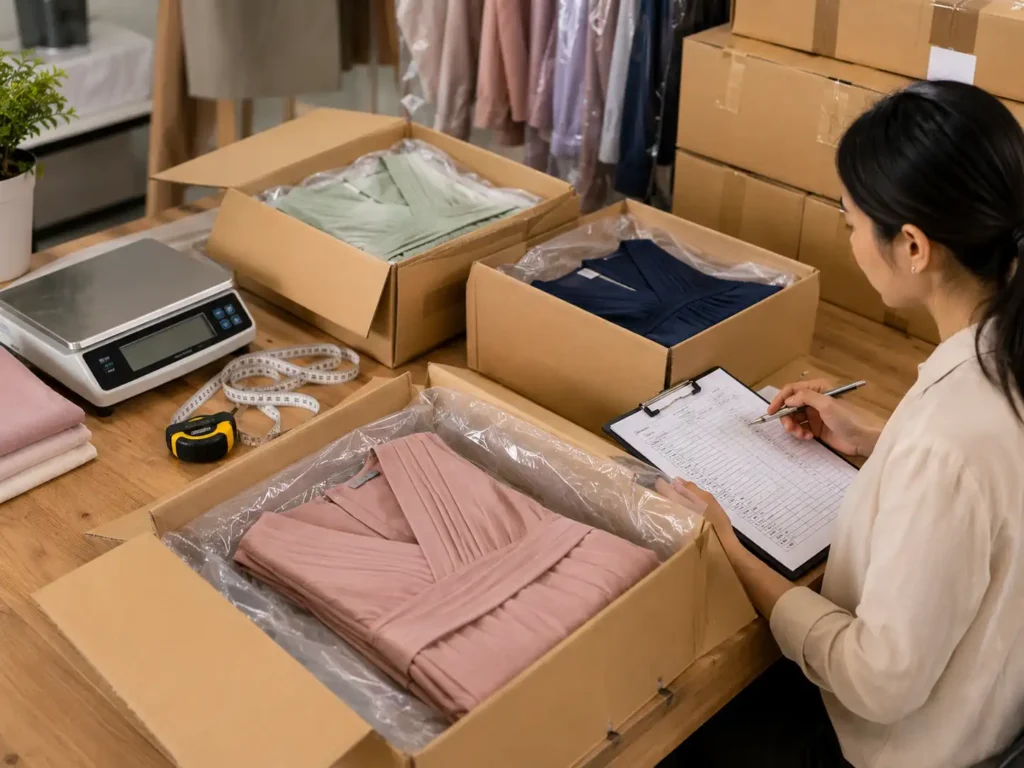
| Packing and Delivery | SKU plan, barcode files, carton marks, forwarder and warehouse rules | Packing accuracy, shipment split and documentation | Retail-ready shipment and delivery files |
Plan Production Backward from Your Launch Date
Occasionwear follows selling windows such as wedding season, graduation, summer events and holiday parties. The working calendar should begin with the required warehouse or campaign date, then protect each approval and production gate in reverse order.
Lock the Commercial Dates First
The most important dates are not only the public launch. Campaign shooting, product photography, line review, sales appointments, warehouse booking and marketplace intake may happen earlier. Jinfeng Apparel records the date when each sample or bulk group must be physically available, then separates campaign sample needs from bulk delivery needs. A photo-ready garment may move ahead of the wider sample group, while bulk cutting still waits for PP approval and final material confirmation.
Protect Approval and QC Windows
A production schedule needs room for material arrival, PP confirmation, bulk sewing, in-line review, finishing, measurement checks, packing verification and corrective action. Removing every buffer may create an attractive promised date but a weak delivery plan. Jinfeng Apparel uses clear approval gates so late design changes are visible as timing and cost decisions rather than hidden inside the production calendar.
Use Split Shipment Selectively
For launch-sensitive programs, urgent SKUs or selected quantities can be reviewed for air shipment while the remaining goods move by sea. A common planning range is 10-30% of urgent units by air, subject to SKU priority, freight cost and warehouse requirements. Split shipment requires separate invoices, packing lists, carton marks and quantity records, so it is used only when the commercial benefit outweighs the added coordination.

Plan MOQ and Cost Across Multiple Styles
MOQ starts from 200 pcs per style/color. Fabric minimums, color development, trims, construction, size range and packing can raise the working requirement or change the cost structure for individual styles.
| Program Condition | MOQ / Cost Effect | Recommended Control |
|---|---|---|
| Stock fabric, standard color | Often suitable for the standard garment MOQ | Confirm stock quantity, batch consistency and replenishment risk |
| Shared fabric across styles | Can improve material coordination and purchasing efficiency | Each style/color still requires production MOQ review |
| Many color splits | Creates smaller material and production lots | Consolidate colors or prioritize stronger commercial options |
| Custom dyeing | Supplier dye-lot minimum and lab-dip approval apply | Confirm shade, lead time, repeatability and excess material plan |
| Custom print | Print method, color count and placement affect minimums | Review repeat, shrinkage, direction and cutting loss |
| Special lace or sequin | Supplier MOQ and usable-width loss may be higher | Confirm motif, surface quality, lining and replacement availability |
| Corset or embellished structure | More trims, pattern work and sewing time | Protect fit and support; simplify only non-critical details |
| Private-label packing | Label and packaging suppliers may set separate minimums | Group approved labels, barcodes and packaging specifications early |
Move Approved Samples into Controlled Bulk Production
Jinfeng Apparel uses 6 owned women’s fashion factories, 10+ long-term satellite partners, 18+ sewing lines and 6+ flexible production lines to allocate styles by material, structure, order scale and timing.
Build a Complete Production Handover
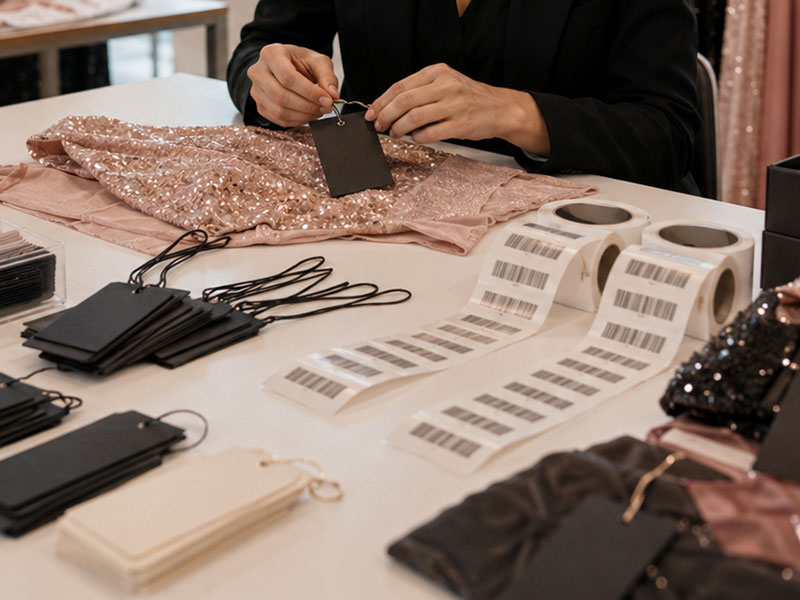
Bulk production does not begin from a verbal sample approval. The handover package includes the final pattern, size chart, fabric reference, trim card, construction notes, approved sample status, label placement, hangtag and barcode files, packing instructions, carton marks and QC checkpoints. Changes made during sampling are transferred into controlled documents before cutting. The Golden Sample provides a physical comparison point, while written files protect details that may not be visible in one garment.
- Final pattern and measurement chart.
- Approved fabric, trims and construction standard.
- Label, packing and carton instructions.
- Critical QC points by style.
Match Styles to the Right Production Unit
Woven dresses, stretch styles, complex occasionwear, structured gowns, jumpsuits and matching sets need different production experience. Allocation considers fabric behavior, garment structure, quantity, color split, sewing difficulty, finishing requirement and launch timing. Jinfeng Apparel does not assume every factory should make every style. Related styles may be grouped where the production unit has suitable experience, while complex pieces can be assigned separately under the same project management and QC framework.
- Woven dress focus for satin, crepe, chiffon and lace styles.
- Complex-material allocation for mesh, sequin and structured pieces.
- Flexible-line use for coordinated multi-style programs.
- Unified project records across production units.
Track Multi-Style Progress by Stage
A large capsule can include fabrics arriving at different times, styles passing different sample rounds and several production units working in parallel. Merchandising records follow material arrival, cutting, sewing, in-line review, finishing, packing and completed quantities by style. Jinfeng Apparel has 12+ merchandisers and order follow-up specialists supporting timeline updates, issue escalation and document coordination. Visibility helps prevent one delayed style from remaining hidden until the final shipment window.
- Track fabric and trim readiness.
- Track cutting, sewing, finishing and packing status.
- Record issues, corrective action and reinspection.
- Separate approved phased delivery where required.
Protect Repeat-Order Standards
Pattern files, measurement charts, fabric references, trim details, construction notes, label placement, packing instructions and QC observations are retained for future production. Repeat orders still require confirmation of material batch, color, supplier availability and any design change, yet stored records reduce the risk of rebuilding the style from memory. New colors or fabric substitutions are treated as controlled developments rather than assumed to match an earlier production run automatically.
- Retain approved pattern and measurement records.
- Confirm new material batches and colors.
- Reuse Golden Sample and QC references where valid.
- Update files when any repeat-order detail changes.
Private Label Packing for Multi-SKU Collections

Woven and Size Labels

Care Label Placement
Hangtags and Barcodes
SKU and Color Stickers

Polybag and Size Ratios
Carton Marks and Documents
Protect Designs and Support Brand Requirements
Design Confidentiality
Jinfeng Apparel supports NDA-based cooperation and protects tech packs, line sheets, original garments, patterns, measurement files, fabric and trim plans, private-label artwork, order information, launch dates and unpublished designs. Brand names, logos, product files, real purchase orders, prices and internal communication are not published without written permission. Case studies use anonymized market, product, material, style count, order range, challenge and solution information so manufacturing capability can be discussed without exposing a partner’s identity.
- NDA support by project.
- Restricted use of files and unpublished designs.
- Anonymous case communication without brand disclosure.
Compliance and Inspection Support
- Client or nominated third-party inspection support.
- Testing arranged according to market and project needs.
- Certificates checked against supplier, material and validity scope.
Occasionwear Capsule Manufacturing Frequently Asked Questions
It is a coordinated multi-style development and production program built around a focused occasion, color story, fabric direction, silhouette mix and launch schedule. The range may include mini, midi and maxi dresses, jumpsuits, matching sets and separates. Jinfeng Apparel manages style grouping, material direction, sampling, PP approval, bulk allocation, QC, private-label packing and delivery as one connected project.
Yes. Development can begin from line sheets, tech packs, sketches, original garments, fabric swatches or reference images. Jinfeng Apparel identifies missing measurements, unclear construction, material risk, trim requirements and fit concerns before pattern work. More complete files improve quotation accuracy and timeline control, while reference-image projects require additional interpretation and confirmation.
Jinfeng Apparel supports multi-style programs, including brand projects commonly planned around 10-30 styles. Capacity and sample order are evaluated against fabric readiness, construction complexity, color count, launch timing and total quantity. Styles are grouped by fabric, pattern family, trim dependency and priority rather than pushed through one undifferentiated queue.
Core options include mini, midi and maxi dresses, cocktail dresses, wedding guest styles, evening dresses, bodycon and corset dresses, jumpsuits, matching sets, skirts and fashion tops. The final mix should reflect product roles, target occasions, price architecture, size requirements and the brand’s launch strategy.
MOQ starts from 200 pcs per style/color. Fabric supplier minimums, custom dyeing, custom print, specialty lace, sequin surfaces, hardware, color fragmentation, size split and private-label packing can affect the final requirement. A multi-style capsule does not automatically combine all styles into one 200-piece total.
Yes, where weight, stretch, drape, transparency, support and sewing behavior remain suitable for each garment. Shared fabrics and trims can improve collection continuity and material efficiency. Every proposed reuse is reviewed against structure and fit because a material suitable for a slip dress may not support a corset or fitted jumpsuit.
Samples are grouped by fabric, pattern complexity, trim dependency and launch priority. Each style has a named sample stage, version record, comments, approval status and updated production files. First, fit, revised, photo-ready, PP and Golden Samples serve different purposes. Bulk cutting begins only after the required standards are approved.
Yes. Jinfeng Apparel supports those occasionwear materials and structures with material-specific development and QC logic. Controls include satin shade and zipper flatness, mesh transparency and recovery, lace placement and lining, sequin security and anti-scratch packing, plus cup, boning, closure and stress-point review for corset construction.
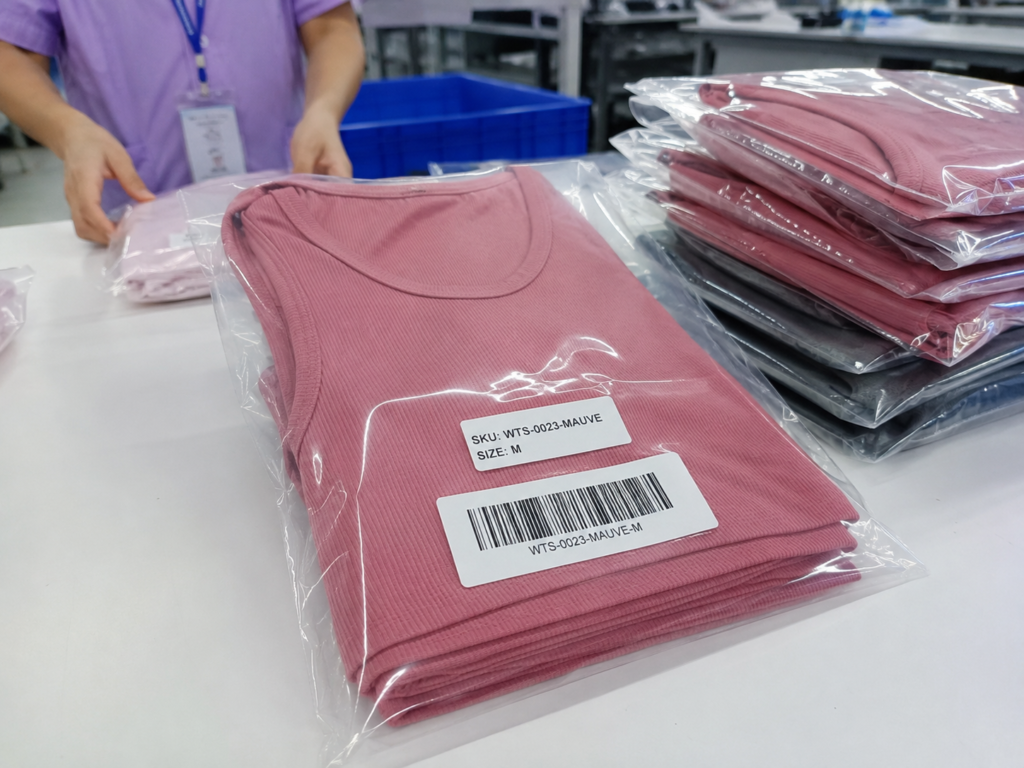
Yes. Support can include woven labels, size labels, care labels, hangtags, barcodes, SKU stickers, polybags, size-ratio cartons, carton marks, packing lists and warehouse labels. Files must be approved before packing, and style, color and size records are checked against the physical garments.
Please provide the style list, line sheet or reference files, quantity per style/color, target market, size range, fabric and color direction, private-label requirements, campaign or launch timing, delivery location and any inspection or compliance requirements. Jinfeng Apparel will review feasibility, material direction, MOQ fit, development risk and the information needed for quotation.

Start Your Occasionwear Capsule Project
Send the information already available, whether it is a full line sheet, a set of tech packs, reference images or an original garment direction.
Jinfeng Apparel will review style count, silhouette mix, fabric and trim requirements, size range, quantity per style/color, private-label needs, inspection requirements and launch timing before recommending the next development step. Clear project inputs allow the team to identify shared materials, complex styles, sample priorities, MOQ risks and production allocation early. A structured review also helps separate campaign sample needs from bulk delivery requirements and gives both sides a realistic basis for costing, sampling and scheduling.
- Company name, website and primary market
- Line sheet, tech packs, sketches or reference images
- Planned style count and quantity per style/color
- Fabric, color and trim direction
- Size range and preferred base size
- Private-label, barcode and packing requirements
- Campaign, launch, warehouse and delivery dates
- Inspection, testing or nominated-forwarder requirements
- Upload fields: Name, Tel/WhatsApp, Email, Message and Files


