
Multi-Occasion Dress Collection Manufacturer
Coordinated dress collection development for fashion brands selling across wedding, party, evening, graduation, resort and holiday occasions.
Jinfeng Apparel develops multi-occasion dress collections from line sheet review, fabric direction and pattern development through multi-style sampling, PP approval, bulk production, quality control, private-label packing and export delivery. Programs are structured for brands managing several silhouettes, fabrics, colors and launch windows within one collection.
- Typical collection scope: 10-30 styles developed under one coordinated product plan.
- Typical brand order scale: 20,000-80,000 pieces across approved styles, colors and size ratios.
- Standard MOQ starts from 200 pieces per style and color, subject to fabric, trims and construction.
- Development support includes 2 sample rooms, 7+ senior pattern makers and 20+ sample machinists.
Collection Capacity Built for Multi-Style Programs
Since 2008
6 Owned Factories
10+ Production Partners
100,000+ Monthly Capacity
15+ QC Inspectors
12+ Merchandisers
Built for Structured Dress Collection Programs
Established Fashion Brands
- Seasonal or continuous dress launches
- Multi-channel retail and ecommerce distribution
- Repeat-order and collection extension potential
Prepared Development Teams
- Target quantities by style and color
- Fabric and trim direction
- Launch date and packaging requirements
Batch Production Projects
- MOQ from 200 pieces per style/color
- Multi-size orders within the confirmed quantity
- Sampling fees charged for development work
What Is a Multi-Occasion Dress Collection Manufacturer?
One Versatile Dress
One Collection, Many Occasions
Dress Categories Across Multiple Wearing Occasions
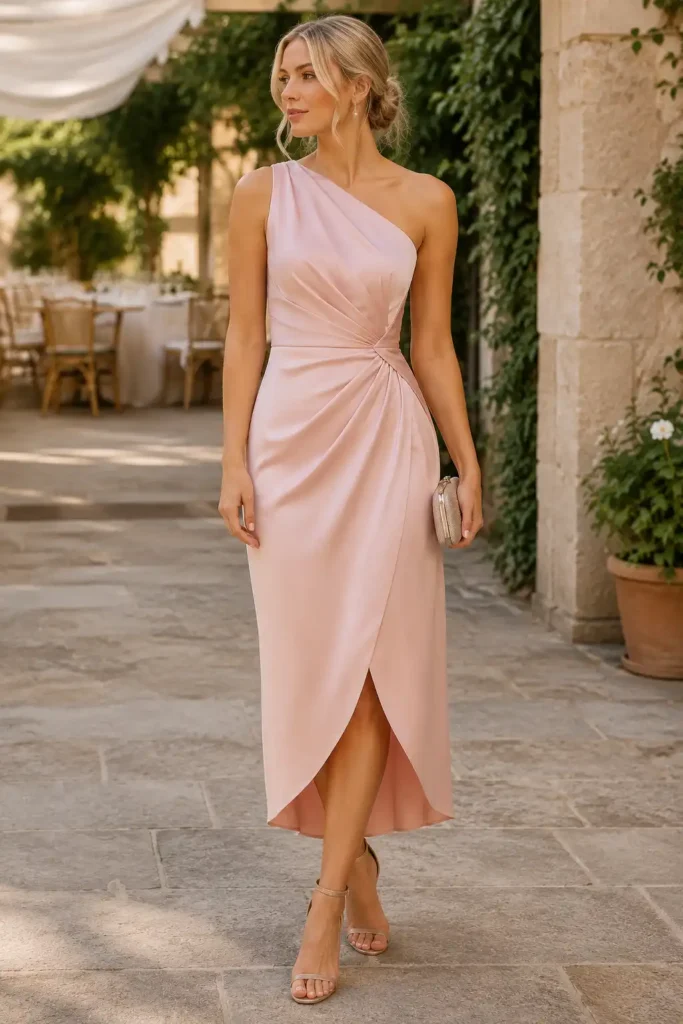
Wedding Guest Dresses

Cocktail Dresses

Party Dresses

Evening Dresses

Graduation Dresses

Resort Dresses

Dinner and Date Dresses

Holiday Event Dresses
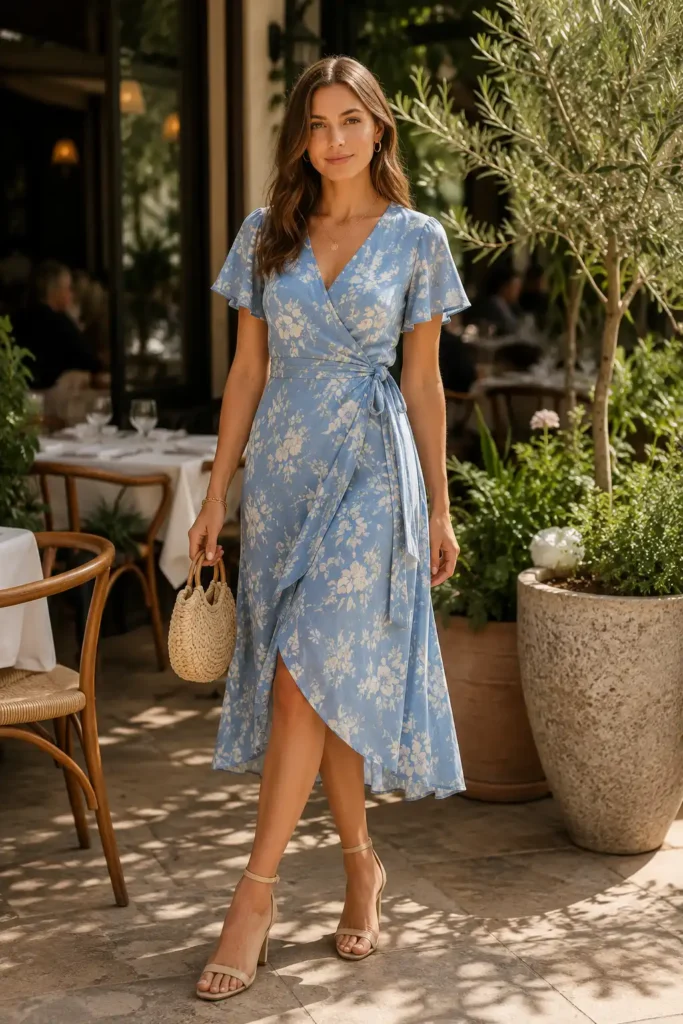
Brunch and Garden Dresses
Build a Commercially Balanced Occasion Dress Collection
Hero Styles
Commercial Core
Occasion Extensions
Fabric Extensions
Color Extensions
Repeatable Styles
Match Silhouettes, Lengths and Fabrics to Each Occasion
Product roles become clearer when silhouette, length, fabric and fit priorities are reviewed together. The matrix below can guide an initial line-sheet discussion before individual style development begins.
| Occasion Role | Typical Length | Common Silhouettes | Fabric Direction | Primary Fit Focus |
|---|---|---|---|---|
| Day Wedding | Midi / Maxi | A-line, wrap, halter, soft corset | Chiffon, crepe, lace, print | Bust coverage, movement, opacity |
| Cocktail | Mini / Midi | Bodycon, one-shoulder, asymmetric | Stretch satin, crepe, mesh | Waist shaping, neckline, zipper |
| Formal Evening | Midi / Maxi | Column, draped, corset, slit | Heavy satin, velvet, crepe | Support, hem balance, slit safety |
| Party | Mini / Midi | Ruched, cut-out, mesh, sequin | Jersey, mesh, sequins, satin | Recovery, lining, stress points |
| Graduation | Mini / Midi | Fit-and-flare, corset, A-line | Satin, crepe, lace, woven | Safe length, light-color opacity |
| Resort | Midi / Maxi | Halter, slip, tiered, wrap | Chiffon, rayon, linen blend | Drape, transparency, packing |
| Date Night | Mini / Midi | Slip, bodycon, backless, halter | Satin, jersey, ponte, mesh | Bust, hip fit, seated comfort |
| Holiday Event | Mini / Maxi | Velvet column, sequin mini | Velvet, sequin, metallic satin | Pile direction, snagging, pressing |
Fabric Direction for Multi-Occasion Dress Collections

Satin and Crepe
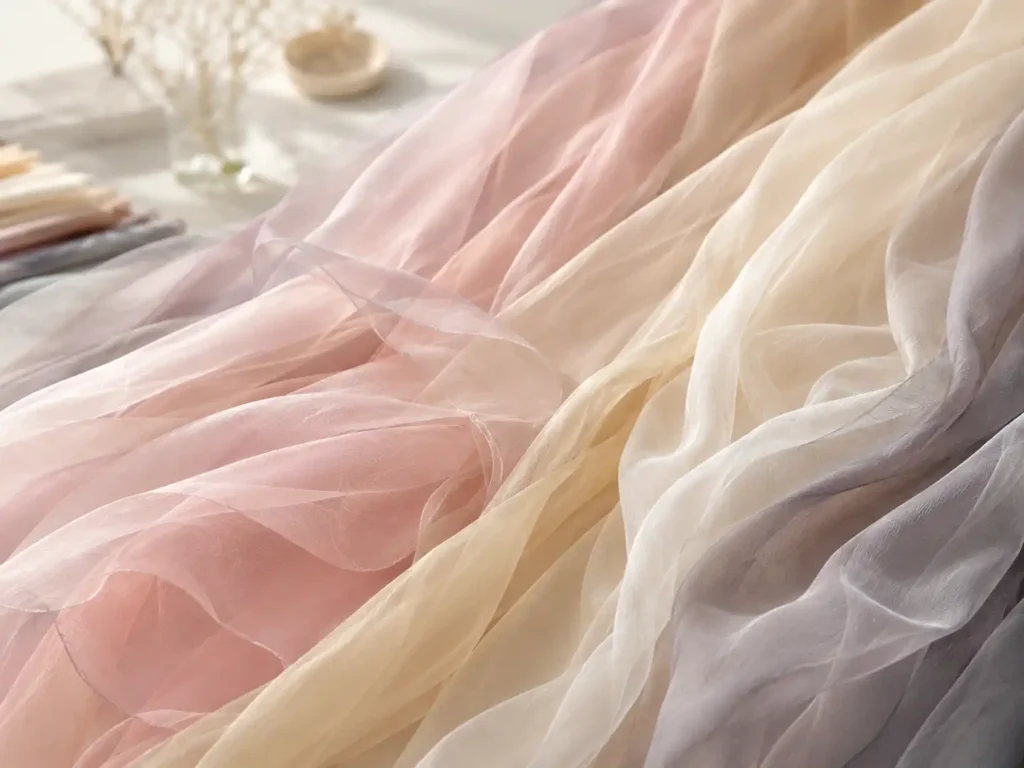
Chiffon and Organza

Mesh and Tulle

Lace and Embroidery
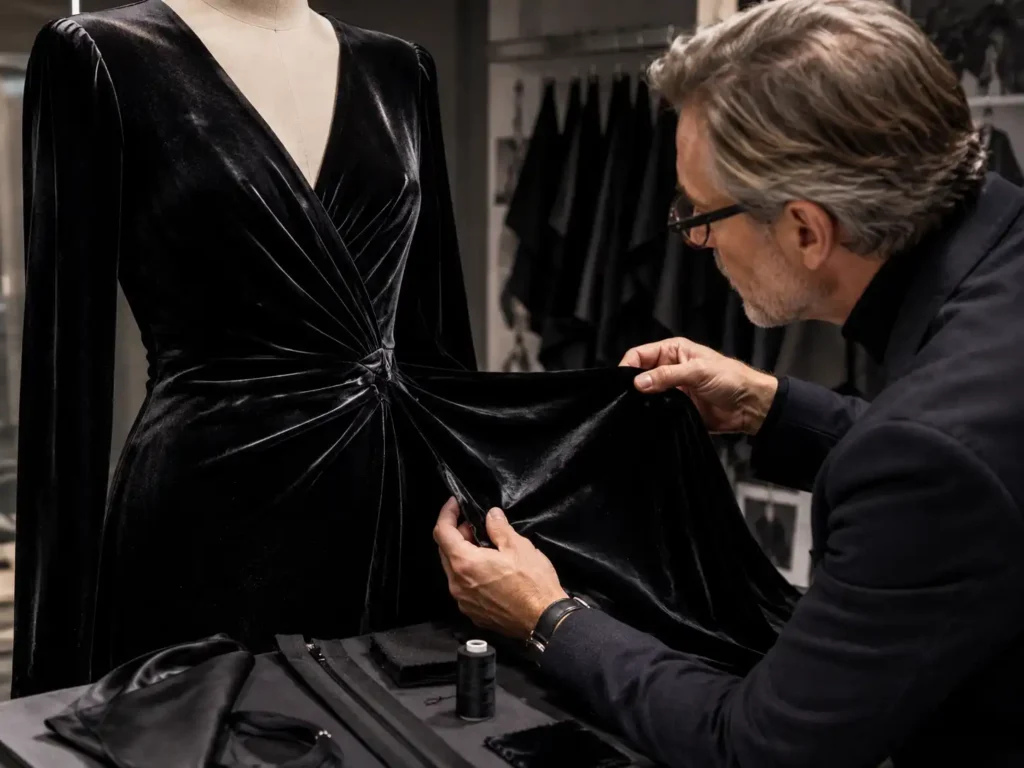
Velvet and Sequins
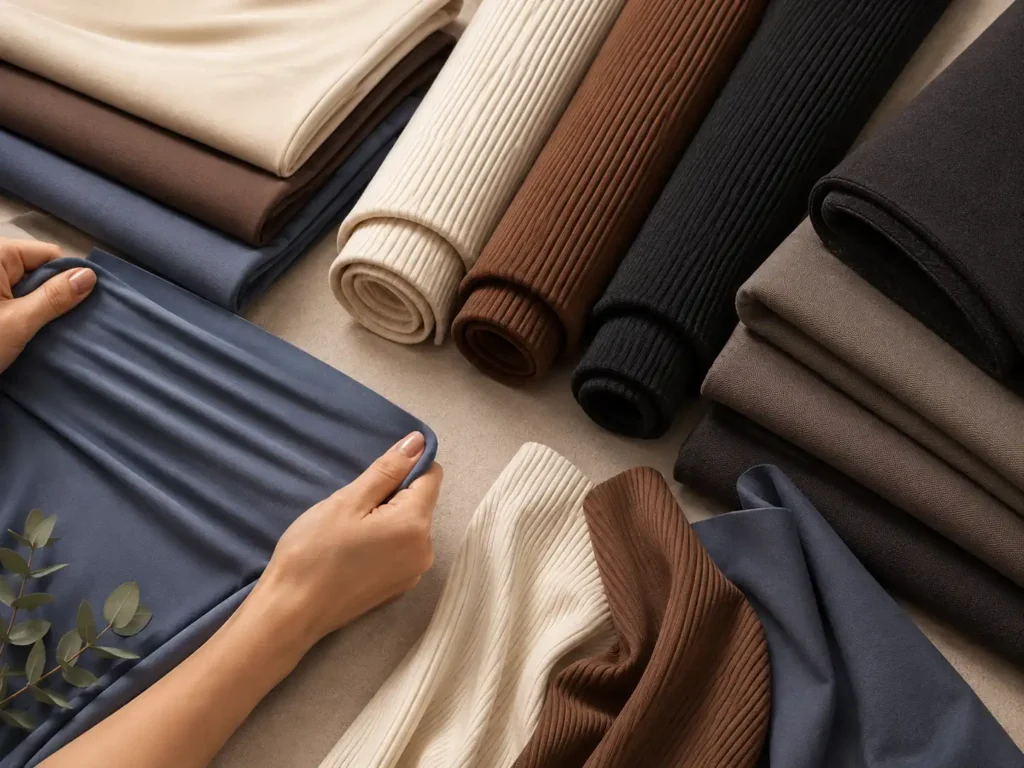
Jersey, Ponte and Knit
Fit Engineering Across Different Dress Structures

Bust and Neckline

Waist Position

Hip and Ease
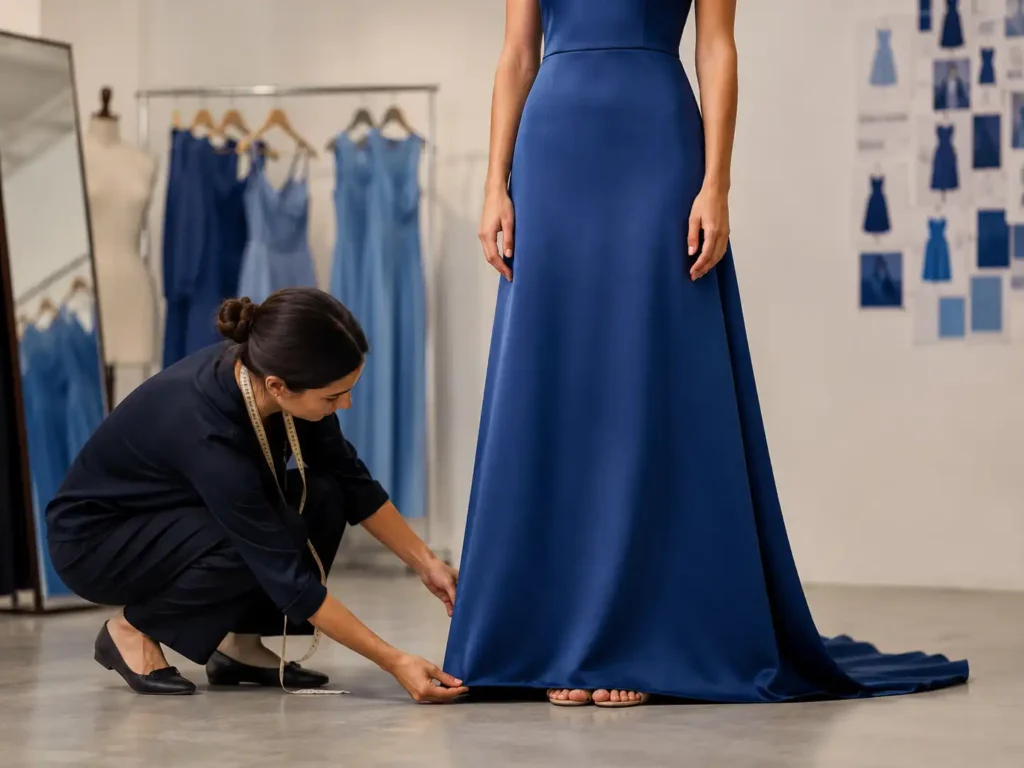
Length and Hem

Internal Support
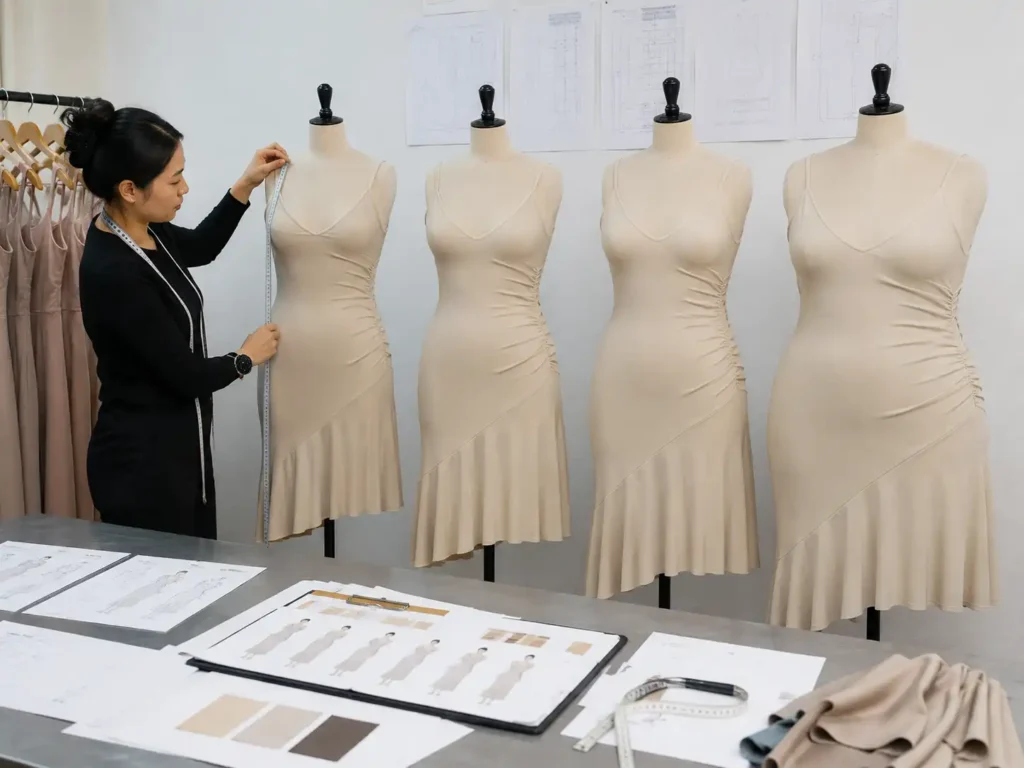
Size Grading
Grading must preserve design proportions, not only add equal amounts around the body. Neckline depth, strap length, cut-out width, cup position, slit height and hem length may need controlled rules across sizes. Bulk orders can include multiple sizes within the confirmed style/color quantity, based on the brand’s size chart and size ratio. Measurement tolerances should be defined for critical points before production.
Design Details That Define Each Occasion

Ruching and Draping

Corsetry and Boning
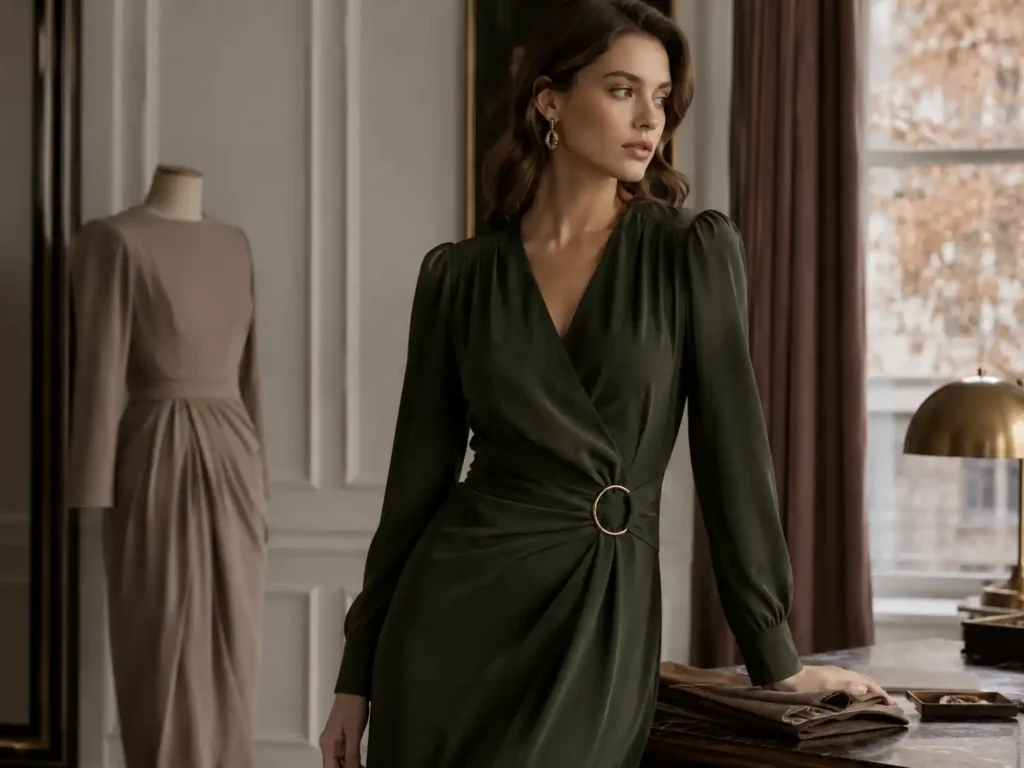
Straps and Sleeves
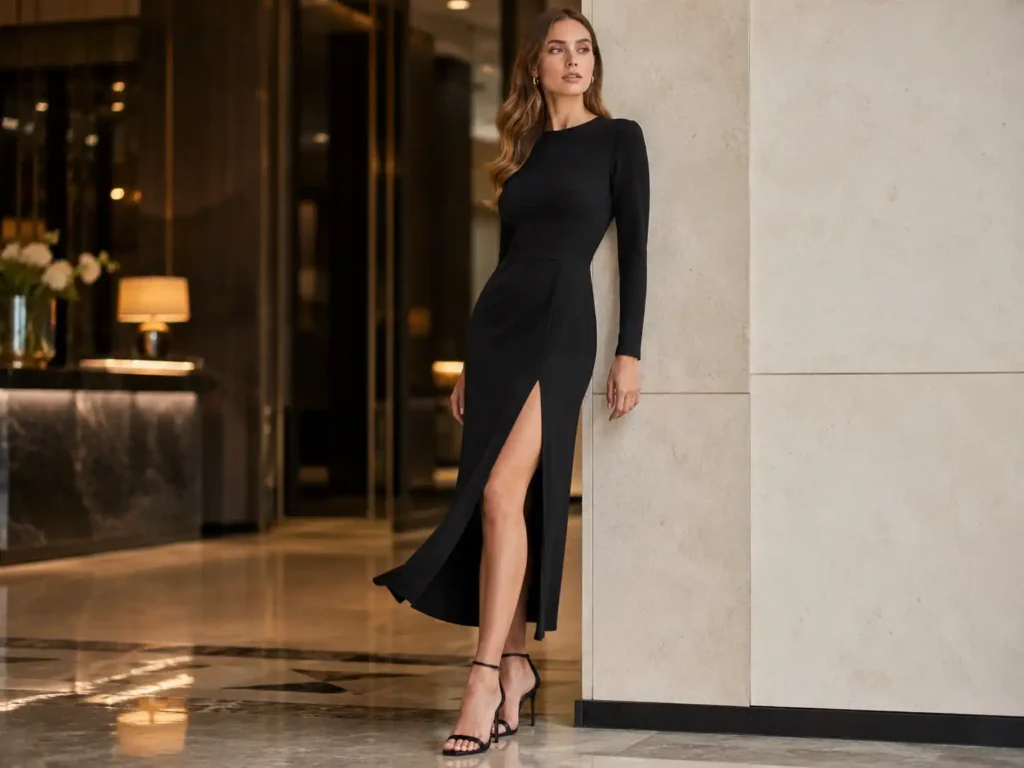
Slits and Cut-Outs

Lace Placement

Print Placement

Sequins and Embellishment

Zippers and Closures

Lining and Clean Finish
Workmanship Standards for Multi-Occasion Dress Production

Cutting Direction

Seam Selection
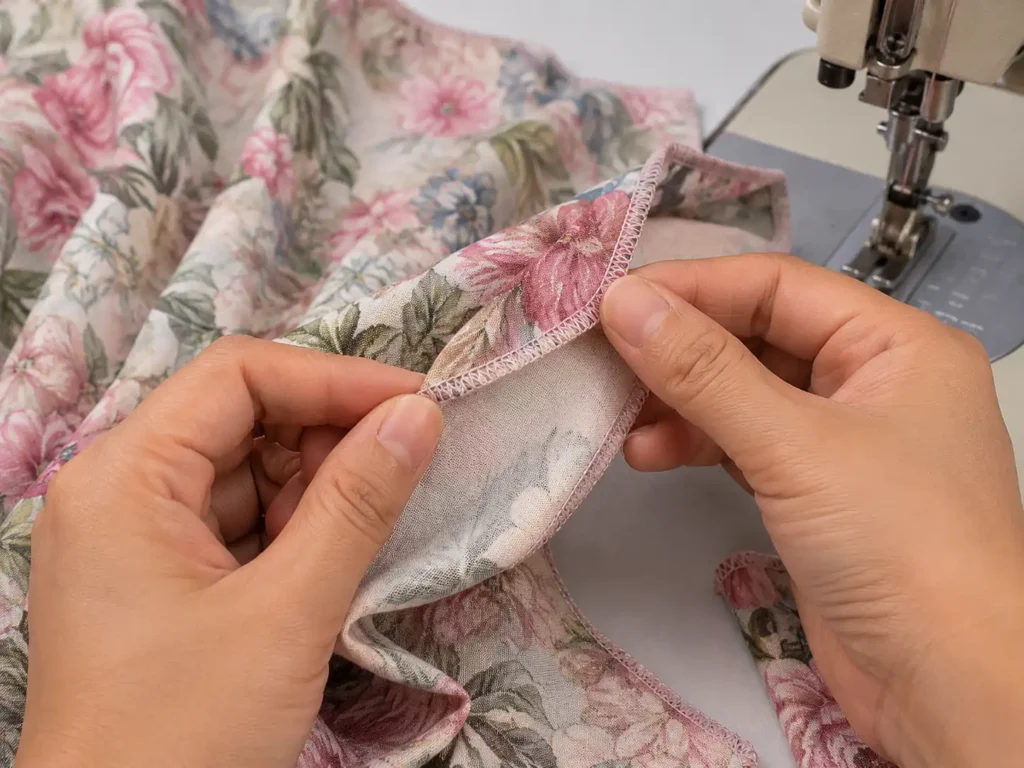
Edge Finishing

Pressing Control
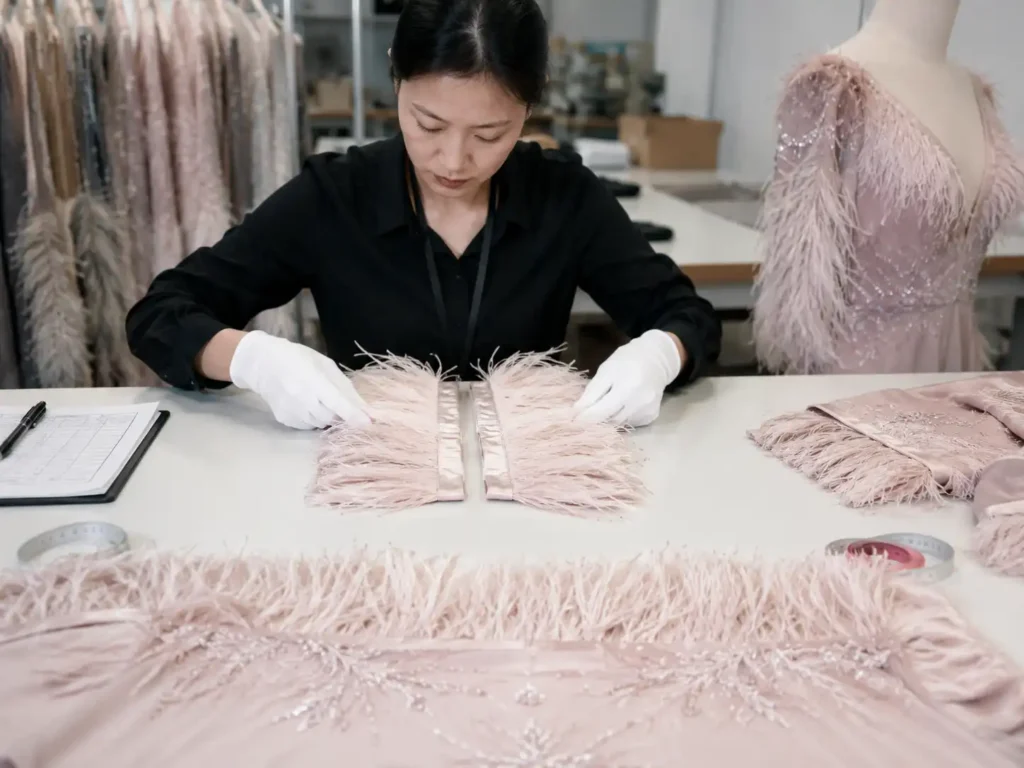
Symmetry and Balance
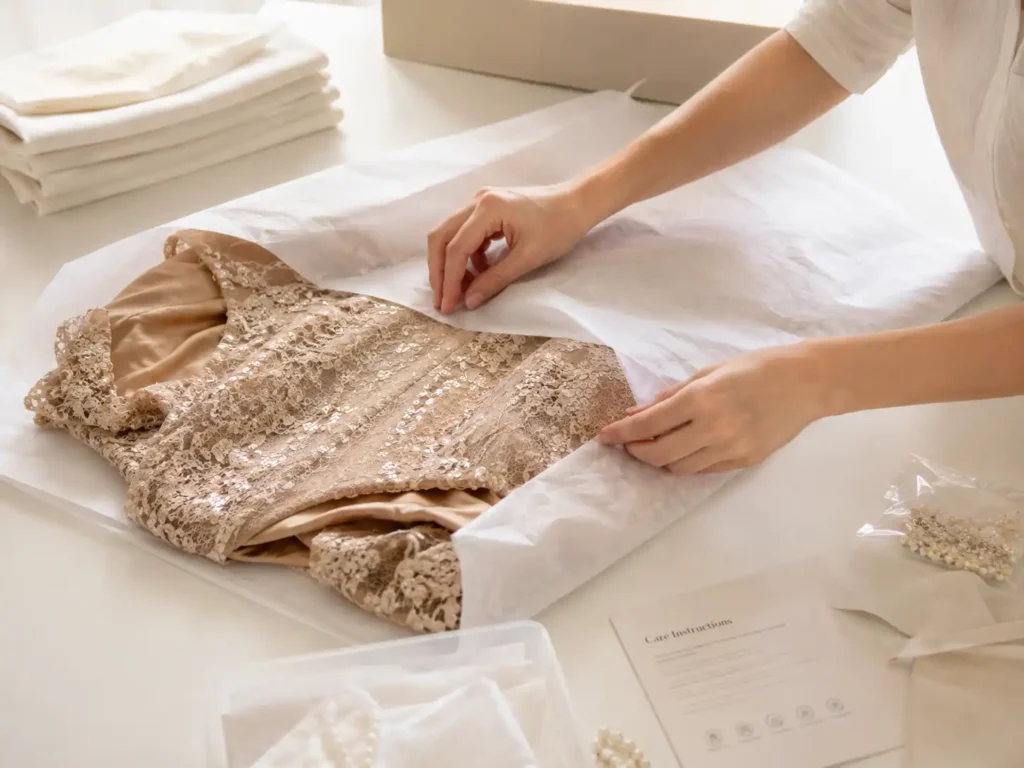
Protective Packing
Balance Commercial Price Tiers Across the Collection
Fabric Consolidation
Construction Editing
Trim Control
Color Planning
Size-Ratio Planning
Split Delivery
Manage Multi-Style Sampling Without Losing Control
Line Sheet Review
Sample Priority
Fabric Groups
Revision Tracker
PP Approval

From Collection Brief to Retail-Ready Delivery
Collection Brief
Feasibility Review
Material Direction
Pattern Development
First Samples
Revision and Fit
PP Lock
Bulk and QC
Delivery and Records
Match Each Style With the Right Production Unit
Owned Factory Control
Six owned women’s fashion factories support core dress programs, complex products, sample-to-bulk transfer and repeat orders.
- Mini, midi, maxi and occasion dresses
- Satin, mesh, lace, bodycon and structured styles
- Project standards controlled by Jinfeng Apparel
Specialized Partners
- Factory match by fabric and construction
- Capacity support for multi-style orders
- Long-term partners, not temporary unknown workshops
Central Project Standards
Allocation can change by style, but approval and quality records stay centralized.
- Final pattern and size chart
- Approved fabric and trim references
- QC checklist, label placement and packing instructions
Control Quality Across Styles, Fabrics and Production Batches
Incoming Material QC

Cutting Control

Inline Sewing Check

Measurement Control

Final Garment Inspection

Packing and SKU Check
Private Label, Launch Planning and Repeat-Order Support
Private Label Delivery
- Packaging supplier MOQ may differ from garment MOQ
- Label position and barcode data are approved before packing
- Retail-ready and ecommerce-ready methods are reviewed by project
Launch Calendar
- Hero styles can move first when approved earlier
- Air and sea split shipment may be evaluated
- Late design or material changes require schedule review
Repeat and Extension
- Repeat colors and replenishment
- Same pattern in a new fabric
- Seasonal extensions and multi-batch delivery
MOQ and Size Planning for Multi-Style Collections
Jinfeng Apparel’s standard MOQ starts from 200 pieces per style and color. The quantity is not calculated by combining unrelated styles or colors. Multiple sizes can be distributed within the confirmed style/color quantity according to the approved size chart and ratio.
| Order Structure | General Assessment | Planning Note |
|---|---|---|
| 1 style x 1 color x 200 pcs | Can be reviewed | Sizes may be split within the 200 pieces |
| 1 style x 2 colors x 200 pcs each | Can be reviewed | Each color has its own fabric, cutting, SKU and QC work |
| 1 style x 2 colors x 100 pcs each | Usually below standard MOQ | A combined total does not replace per-color MOQ |
| 4 styles x 50 pcs each | Does not meet standard MOQ | Each style/color needs an efficient production quantity |
| 10-30 style collection | Supported by project review | Every style/color is assessed with fabric and production grouping |
| Custom dye, print, lace or sequin | Separate review required | Fabric supplier MOQ may be higher than garment MOQ |
| Multiple sizes within MOQ | Supported | Submit size chart and size ratio before production |
| Petite, tall or extended sizes | Development review required | Grading, consumption and QC scope may change |
Multi-Occasion Collection Project Profiles

US Occasionwear Program

UK Multi-Channel Collection
A UK retailer required 16 dress styles covering day wedding, dinner, holiday and formal evening use. The order totaled 27,200 pieces across four fabric groups and UK sizes 6-16. Product planning separated eight commercial core styles, five elevated occasion styles and three statement pieces. Two satin colors showed a visible shade shift between fabric lots during incoming inspection. The affected lot was isolated before cutting, the approved physical standard was rechecked under natural and indoor lighting, and replacement material was confirmed. Bulk production continued by unaffected color group, avoiding a full-program delay.

Australian Resort-to-Party Range
Frequently Asked Questions About Multi-Occasion Collections
It is a coordinated assortment of dresses designed for several wearing occasions, such as wedding guest, cocktail, party, evening, graduation, resort and holiday events. Each style has a clear product role, while the collection maintains a consistent brand direction, size logic, quality level and private-label presentation.
Yes. Jinfeng Apparel can review line sheets, tech packs, reference images, original samples or sketches. A stronger review also includes style quantities, colors, size range, fabric direction, target price level, packaging requirements and launch date. Complete information improves the accuracy of material, MOQ, cost and sampling decisions.
The standard MOQ starts from 200 pieces per style and color. Several styles cannot be combined to reach one 200-piece total, and two colors normally require 200 pieces per color. Custom dyeing, custom printing, certified fabrics, lace, sequins, special trims and custom packaging may have separate supplier MOQ.
Yes. Multiple sizes can be distributed within the confirmed style/color quantity according to the brand’s size chart and size ratio. XS-XL, numeric sizing or another market-specific system can be reviewed. Petite, tall, extended-size or highly fragmented ratios may require additional grading, consumption and QC evaluation.
Styles are grouped by fabric, construction, trim requirement and launch priority. Hero styles and photo samples can be moved first, while products waiting for custom materials follow a separate schedule. Every style uses a revision tracker covering pattern, measurement, fabric, trim, sewing method and approval status before PP lock.
Every bulk style needs a clearly approved production standard. A PP sample is normally used to lock fabric, color, measurement, construction, trims, labels and packing. A photo sample or salesman sample is not automatically the final bulk standard. Changes after PP approval require written review because they can affect cost, material purchasing and timing.
Yes. Jinfeng Apparel develops satin, mesh, lace, chiffon, crepe, velvet, jersey, ponte and sequin dresses. Material-specific risks are reviewed during sampling, including satin shade and snagging, mesh transparency and recovery, lace placement and damage, velvet pile direction, and sequin shedding or skin contact.
Yes. Available items include woven labels, size labels, care labels, hangtags, hang strings, barcode stickers, SKU labels, polybags, stickers, inserts, cartons, carton marks and warehouse labels. Garment MOQ and packaging MOQ are separate; printed bags, woven labels or special boxes may have their own supplier minimums.
Yes. Jinfeng Apparel supports NDA-based cooperation and protects tech packs, original samples, patterns, unpublished designs, label files, packaging files, prices and order information. Brand names, logos, sample photographs and exact commercial data are not disclosed without authorization. Case studies are normally presented anonymously.
Yes. Approved pattern, measurement, fabric, trim, workmanship and packing references can be retained for repeats. Reorder feasibility still depends on material and trim availability. When an original material is unavailable, a substitute is reviewed for weight, stretch, drape, color, surface and sewing behavior before approval.

Start Your Multi-Occasion Dress Collection
Send the available collection materials to Kelly for an initial project review. A complete brief allows Jinfeng Apparel to assess style complexity, fabric direction, MOQ, sample requirements, production allocation, private-label scope and launch timing with fewer assumptions.
Line sheets and tech packs are preferred, but clear reference images or original samples can also support the first evaluation when the product direction is well defined.
- Line sheet, tech packs, reference images or original samples
- Number of styles and occasion categories
- Target quantity per style and color
- Fabric, lining and trim direction
- Color plan and size range
- Target launch or warehouse date
- Main labels, care labels, hangtags and barcode requirements
- Polybags, carton marks, warehouse labels and delivery instructions


