Skip to content

Multi-Language Care Label Solutions
Global Womenswear Manufacturing Support for Market-Ready Care Labels
A multi-language care label is only useful when every line of information still matches the finished garment. Jinfeng Apparel integrates care-label preparation into custom womenswear development, private-label production, bulk quality control and packing, helping fashion brands manage approved label information across dresses, skirts, jumpsuits, matching sets and other women’s fashion programs.
- Custom care labels commonly start from 500-1,000 pcs, depending on material, content and specification.
- Standard care-label development is commonly 7-15 days; special constructions or specifications may require 15-25 days.
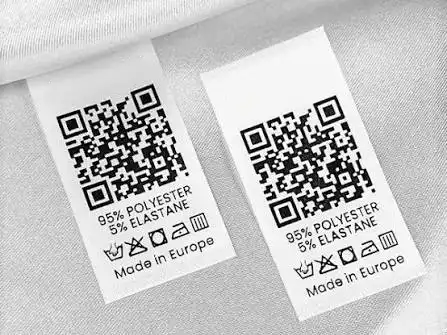
- Content can include fiber composition, care instructions, size, country of origin, brand data, RN or importer information supplied by the brand, batch references and approved QR information.
- Multi-language content, label size, material, fold type and sewing position can be customized to the approved project specification.
- 15+ QC inspectors support garment, label, packing and pre-shipment checks across private-label womenswear orders.
- Label execution can be coordinated with size labels, hangtags, barcodes, SKU stickers, polybags, carton marks and warehouse instructions.
Built for Global Womenswear Label Programs
Global Fashion Brands
Sourcing Teams
Sourcing offices often manage many styles, factories, approval files and delivery dates at once. A structured label workflow helps keep care labels, size labels, hangtags, barcodes and packing files aligned with the correct PO, style, color and size breakdown.
Retail Programs
Product Teams
QA and Compliance Teams
Private-Label Collections
Manufacturing Capacity Behind Label Execution
Since 2008
6 Owned Factories
10+ Production Partners
2 Sample Rooms
15+ QC Inspectors
200 pcs Style/Color MOQ
Where Multi-Language Care Labels Go Wrong
Composition Mismatch
Wrong Market Version
Translation and Spelling Errors
Incorrect Care Method
Poor Label Placement
SKU and Packing Mismatch
What a Multi-Language Care Label Solution Includes

Start With the Finished Garment
Care-label planning should begin with what is actually being produced. Fabric composition, lining composition, trims that affect care, garment structure and any material changes during sampling all matter. A satin corset dress with lining and internal support cannot be treated like an unlined jersey dress simply because both products are sold under the same brand.
Jinfeng can organize care-label information from fabric supplier data, testing reports where applicable, approved product specifications and the brand’s labeling instructions. When material information changes, the related label file should return to review before bulk use. The aim is not to replace the brand’s compliance function; it is to prevent production from using label information that no longer matches the approved garment.
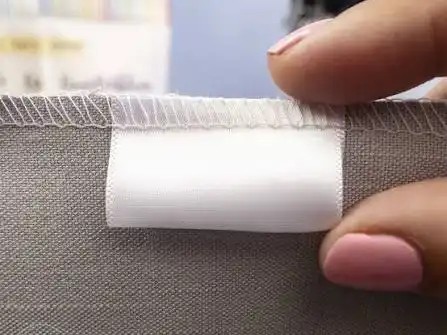
Build a Controlled Label File
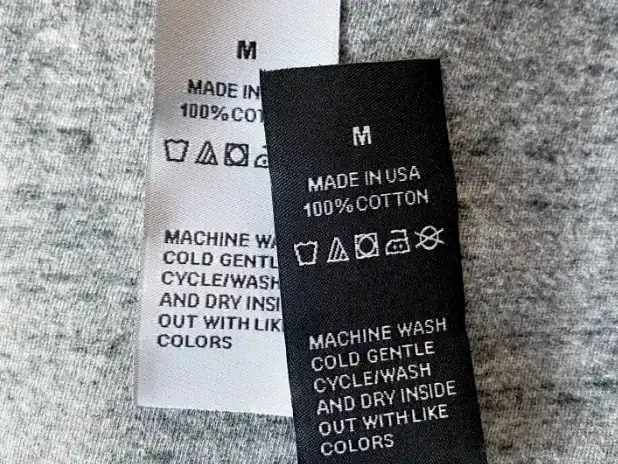
The working label file may contain fiber composition, care instructions, washing symbols, size, country of origin, brand identification, RN or importer details supplied by the brand, style or batch references and approved QR information.
Not every field belongs on every label.
Final content depends on destination market, brand policy, retailer requirements and the garment itself.
Multi-language programs add another control layer: language order, text length, symbol use, line breaks, label dimensions and fold construction.
Jinfeng can prepare a production-ready label draft around the confirmed specification, then return it for brand approval before bulk label manufacturing.
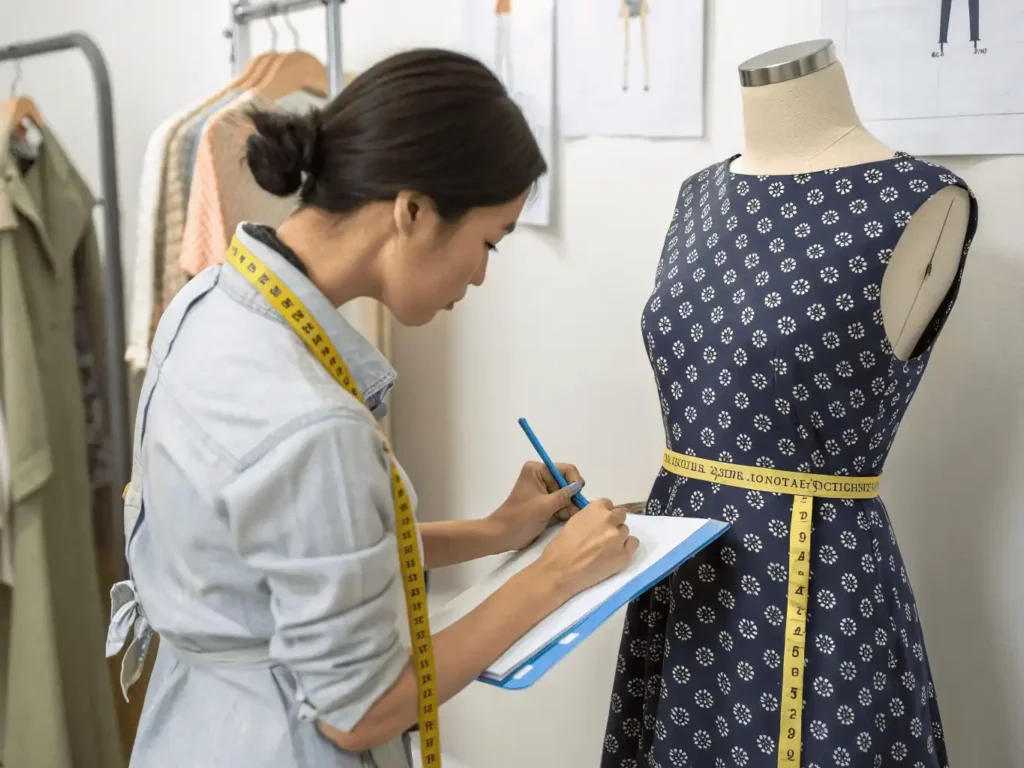
Connect Approval to Production
Approval only has value if the sewing and packing teams receive the same version. Jinfeng’s production order records include garment style, color, size, quantity, fabrics, trims, PP sample version, care-label information, hangtag requirements, packing instructions, delivery details and quality requirements. Keeping label data inside the main order file reduces the risk of an approved PDF being separated from the garment that it belongs to.
Once the final version is approved, bulk checks should confirm content, position, size, style reference and the relationship with the other private-label components. For repeat orders, archived files can improve efficiency, but material batch, color, label inventory and market allocation still need to be rechecked before reuse.
Information That Can Appear on Care Labels
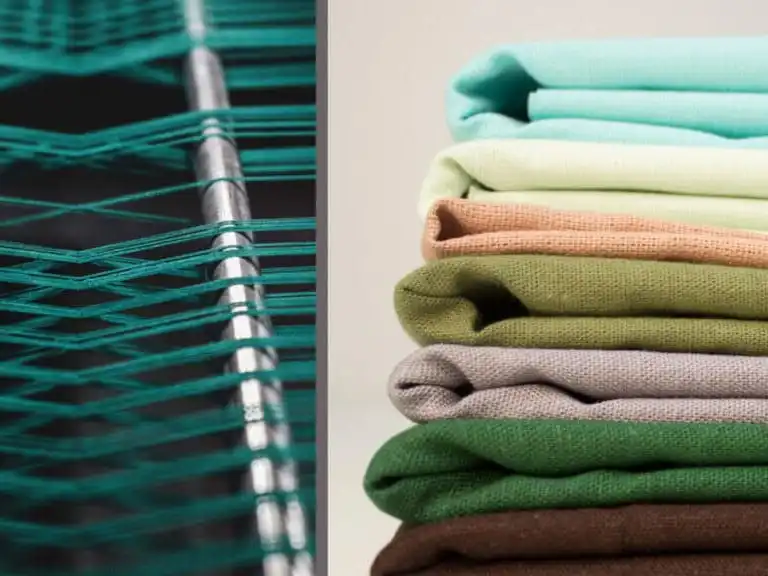
Fiber Composition
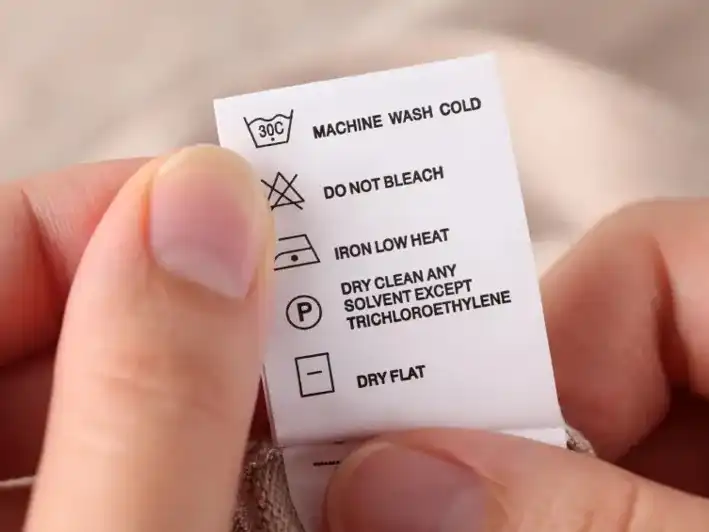
Care Instructions
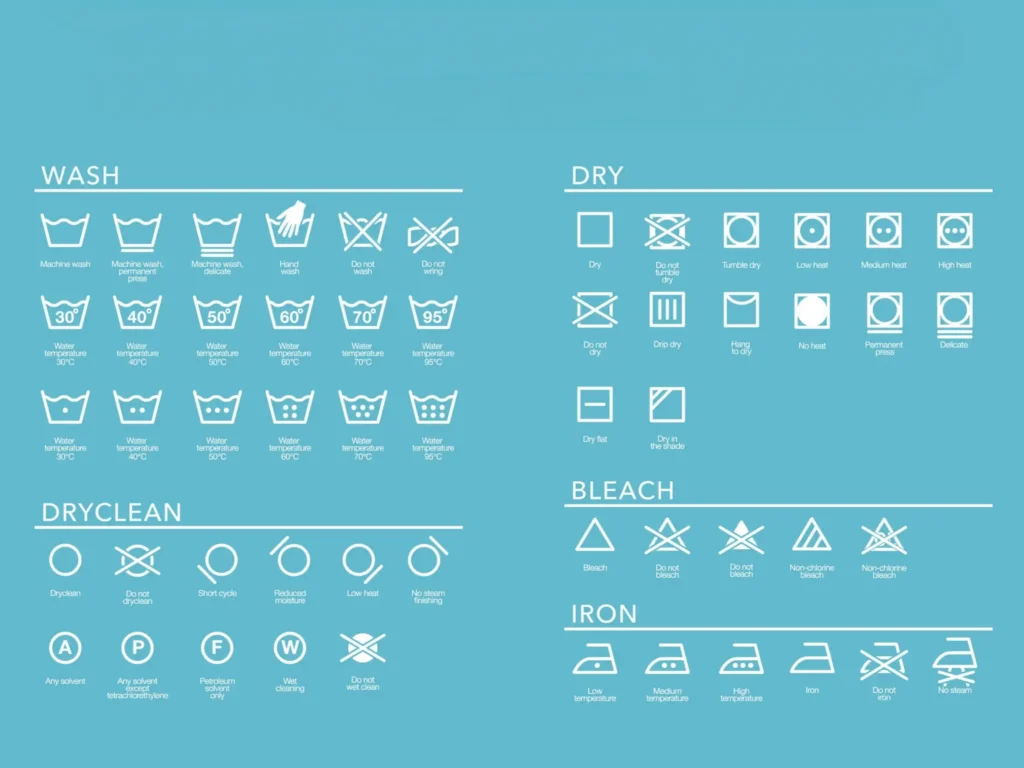
Care Symbols
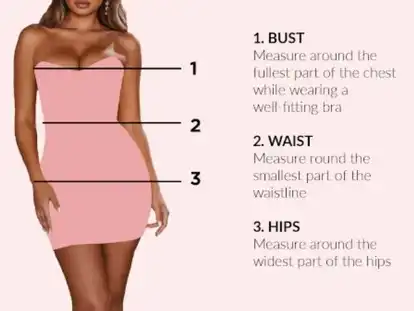
Size Information
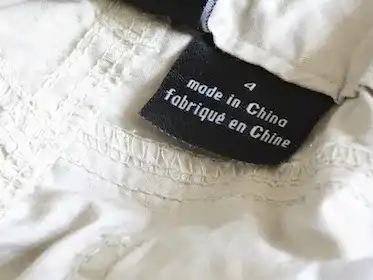
Country of Origin

Brand and Responsible-Party Data

Style and Batch References

QR Information
Care Label Planning by Destination Market
Market rules are not interchangeable. The table below is a production-planning guide, not legal advice. Final wording, language, symbol use and responsible-party information should be confirmed by the brand or its appointed compliance adviser before Jinfeng releases the label for bulk production.
| Market | Core Planning Point | Language / Care Consideration | Jinfeng Production Role |
|---|---|---|---|
| United States | Covered textile wearing apparel generally requires care instructions; textile rules separately address fiber content, country of origin and responsible business identity. | Brand confirms approved US wording and any symbol format used. | Prepare approved content, artwork, label construction, placement and bulk verification. |
| Canada | Federal textile labeling focuses on fiber content and dealer identity; fibre-related information is generally bilingual English/French. Federal care labeling is voluntary, but any care information used should be accurate. | Plan English/French fibre information and confirm any retailer, provincial or brand-specific care requirements. | Build the approved Canadian version and keep it separated from other market files. |
| European Union | Fibre-composition labeling is required for applicable textile products, and the composition information generally needs the official language(s) of the Member State where the product is offered unless national rules provide otherwise. | Country allocation can create several language versions even when the garment is the same. | Match approved market/language files to the correct order allocation and packing plan. |
| United Kingdom | Textile labels must show fibre content for applicable products. Care instructions are normally handled through brand, retailer and product-care policies rather than the UK textile fibre rule itself. | Keep UK fibre wording and brand-approved care information in the correct version. | Produce and verify the approved UK label as part of private-label delivery. |
| Australia | Covered clothing and textile products are subject to a mandatory care-labelling information standard; care instructions may be given in English, by the recognized international care symbols, or both. | Brand confirms the final care instruction or symbol set and any additional market information. | Apply the approved Australian care-label version and verify it before shipment. |
Garment Materials Change Care Instructions
The label should follow the garment, not the other way around. Jinfeng’s womenswear material system covers satin, stretch satin, chiffon, lace, mesh, power mesh, jersey, rib knit, ponte, crepe, velvet, sequin fabrics, organza, tulle, rayon, viscose, linen, denim, suiting and blended fabrics. Each group creates different care and labeling risks.
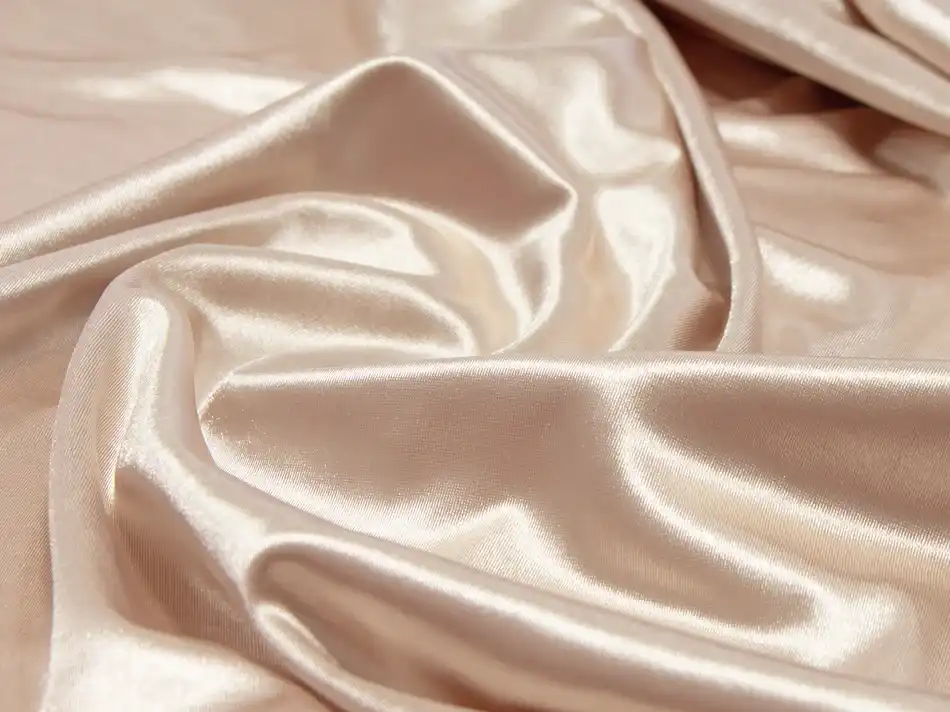
Satin and Stretch Satin
Satin combines a visually sensitive surface with pressing, snagging and wrinkle risk. A structured satin dress may also contain lining, cups, boning or anti-slip tape, so care information should be reviewed against the full garment rather than the shell fabric alone. Heat settings, mechanical washing and drying choices can affect shine, wrinkling or surface damage. During development, Jinfeng checks fabric behavior, lining compatibility and pressing requirements before the label is finalized.
A common production mistake is carrying an early care instruction into bulk after the fabric has changed from standard satin to stretch satin or a different fiber blend. The visual effect may look similar, yet stretch content, recovery and heat response can change the suitable care method. Final composition and approved care wording should be locked together.
Mesh and Sheer Constructions
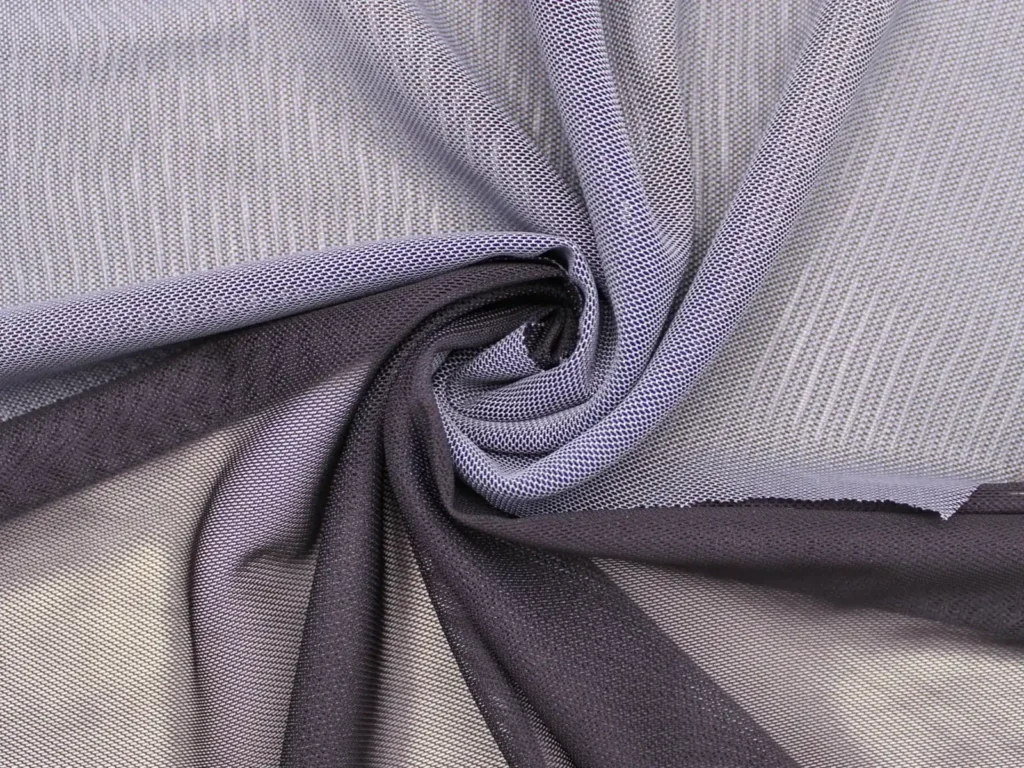
Mesh dresses often rely on several materials at once: outer mesh, lining, power mesh, elastic, binding and sometimes cups or boning.
A label based only on the visible outer mesh can therefore miss the construction that determines cleaning behavior. High heat, aggressive mechanical action or unsuitable drying can distort stretch mesh, affect edge finishing or change fit.
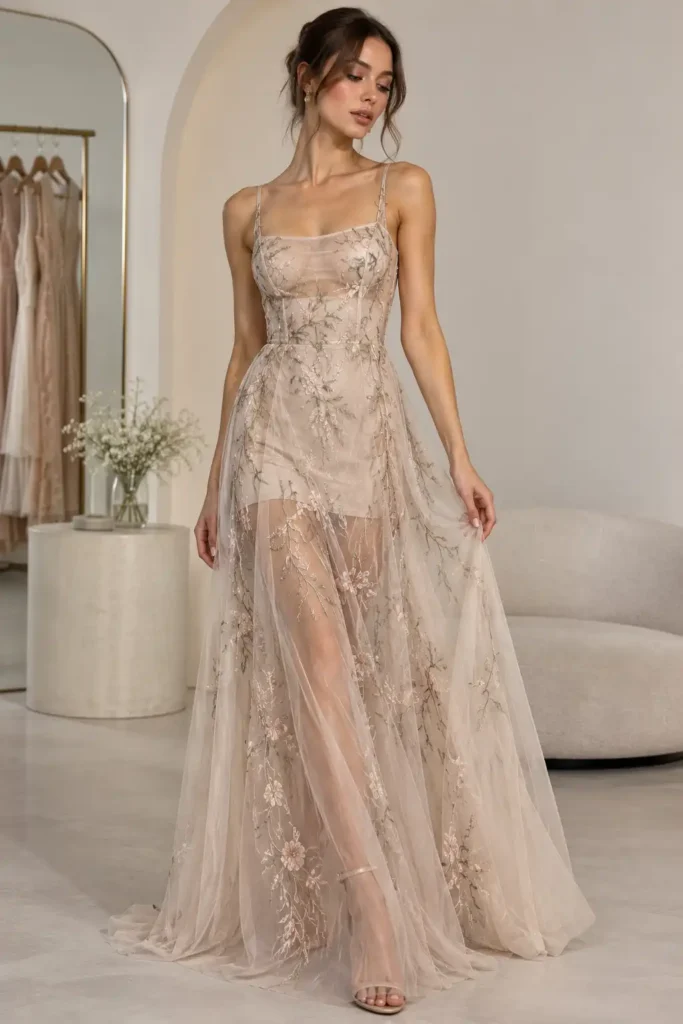
Placement is equally important. Long labels can show through transparent panels or create an obvious dark block against a sheer garment.
Jinfeng reviews side-seam, lining-attached and other discreet positions during development so the approved label remains readable without becoming a visual defect.
Lace and Sequin Styles
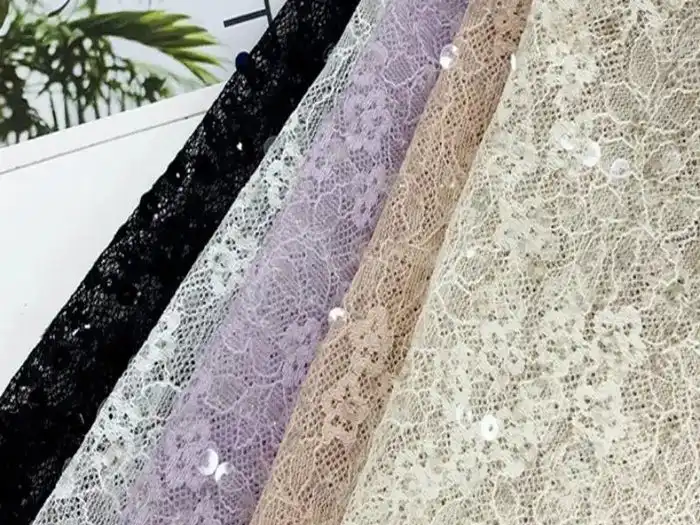
Lace needs attention to motif structure, delicate edges, lining, embroidery and decorative elements. Sequin garments add abrasion, surface catching and decoration-security concerns. A care statement that is acceptable for a plain polyester dress may be unsuitable for a heavily embellished version made from a similar base fiber.
Care labels for these products should reflect the complete construction and the brand’s tested or approved care method. Jinfeng can coordinate fabric or garment testing through third-party laboratories when required by the project, then update production requirements and label files according to the approved result.

Jersey, Rib and Bodycon Styles
Stretch garments depend on recovery, dimensional stability and seam behavior. Washing and drying can affect length, width, neckline shape and side-seam twist even when the fabric initially looks stable. Bodycon products therefore benefit from care decisions made alongside shrinkage, recovery and measurement review rather than from a generic knit label.
For repeat styles, the same paper pattern with a new fabric blend should trigger a fresh review. A switch in weight, elastane percentage or yarn construction can change wash behavior enough to justify new sampling, testing or label wording.
Managing Many Languages Without Losing Clarity
Control the Information Block
Use Approved Symbols Carefully
Choose the Label Construction
A short single-panel printed label can work for a limited language set. Larger global programs may require folded, multi-panel or longer labels. Material thickness, fold edges, print density and seam allowance affect whether the finished label feels soft or bulky against the skin.
Fit the Label to the Garment
Care Label Placement by Womenswear Construction
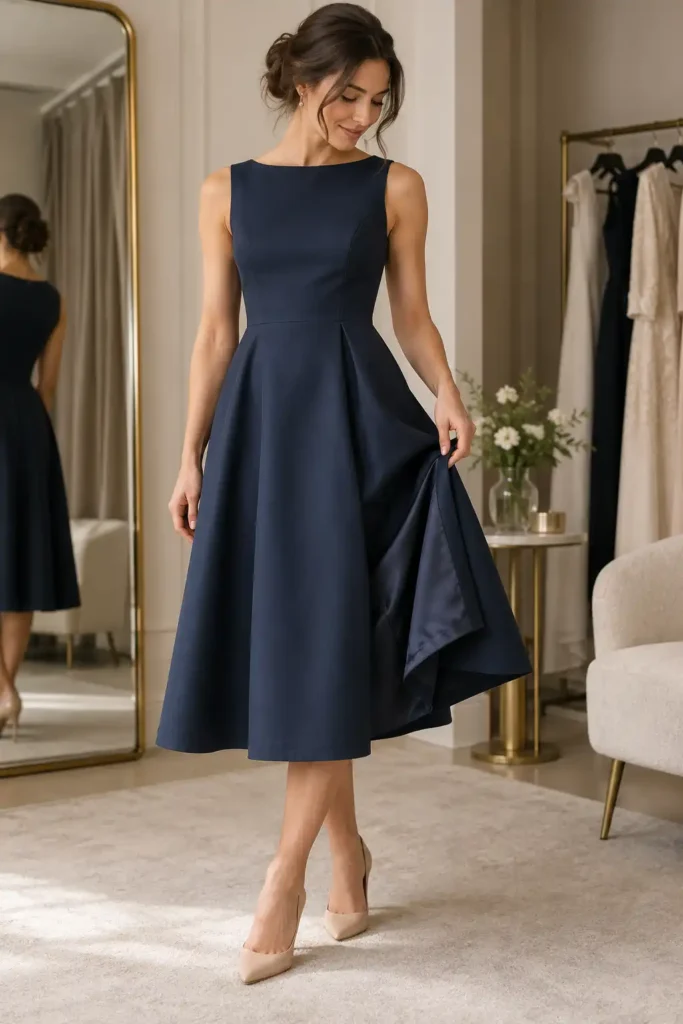
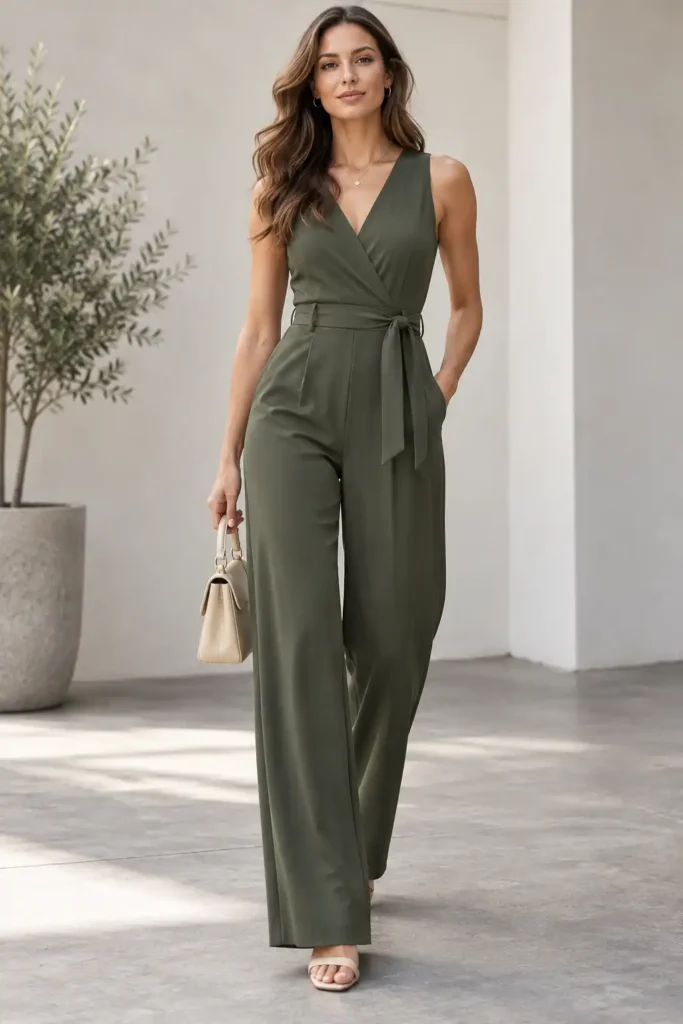
Label placement should protect readability without damaging fit, comfort or appearance. Jinfeng does not apply one universal sewing position across every dress, skirt or jumpsuit. The preferred location is reviewed against seams, lining, zippers, transparency and skin contact.
Lined Dresses
Sheer and Mesh Dresses

Backless and Strapless Styles

Bodycon and Jersey Styles

Skirts and Matching Sets
Jumpsuits
Label Artwork Review Before Bulk Production
An approved care label is a controlled production file. Before bulk use, Jinfeng reviews the artwork against the current garment specification and the client’s private-label instructions, then routes the final version through confirmation rather than relying on informal messages or old files.
File Inputs
A useful review package includes the care-label artwork, destination market, product/style number, confirmed fabric and lining composition, size range, approved care method, language version, brand or responsible-party information where required, and any QR or batch reference. When several markets share one style, each market version should be named clearly enough to prevent accidental substitution.
Jinfeng can work from client-supplied artwork or prepare a production draft from approved project information. The brand remains responsible for approving final market wording. Once the layout is prepared, spelling, language order, fiber percentages, size, country-of-origin text, brand data, label dimensions, material, fold type and sewing position are checked before release.
Version Lock
Bulk errors often happen when the right information exists but the wrong file reaches production.
Version control should identify which artwork belongs to which PO, style, color/size allocation and destination.
A revised label should replace the prior working version in the production file rather than circulate as an extra attachment with a similar filename.
The PP or pre-production stage is a useful point to freeze label details together with the final garment.
Major material changes after that point should trigger another review because composition, care method, cost, timing or testing needs may change.
Production Handover
Jinfeng’s production documentation records the style, color, size, quantity, fabrics, trims, PP sample version, care-label content, hangtag requirements, packing requirements, delivery method and QC notes.
Label information therefore moves into bulk as part of the same production package used by merchandising, sewing, QC and packing teams.
For sensitive programs, client label artwork, barcodes, SKU lists and packaging files are kept for the corresponding order and are not used for unrelated projects.
NDA-based cooperation can be arranged when required.
From Approved Data to Bulk Label Execution
Confirm Target Markets
Confirm Material Data
Confirm Care Method
Build Label Artwork
Review and Approve
Lock With PP Files
Apply in Bulk
Verify Before Packing
QC checks content, position, size/style match and relationship with size labels, hangtags, barcodes, SKU stickers, polybags and carton data before shipment.
Care Labels Within Private-Label Delivery
Main Labels
Size Labels
Care Labels
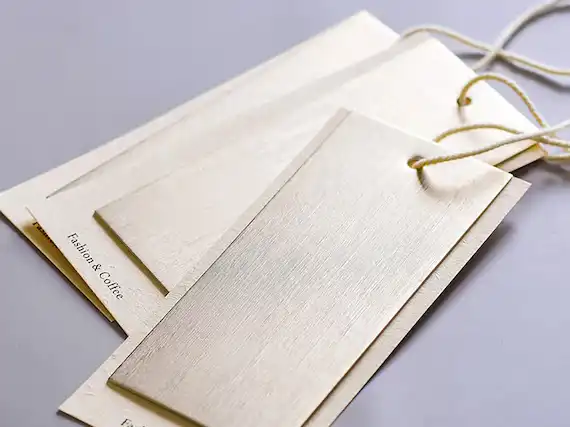
Hangtags
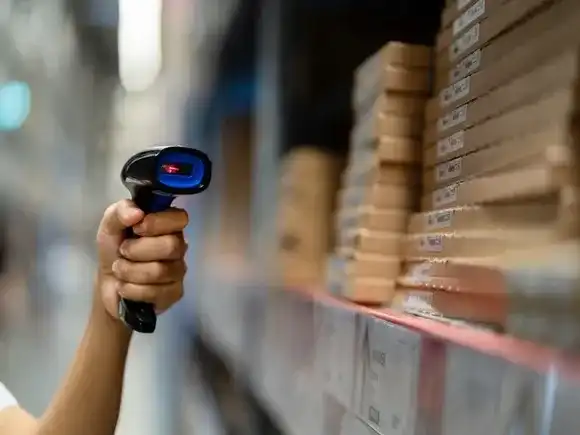
Barcode and SKU Data
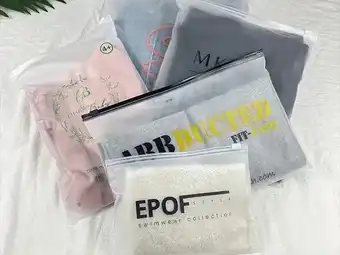
Polybags and Cartons
Label QC and Version Control
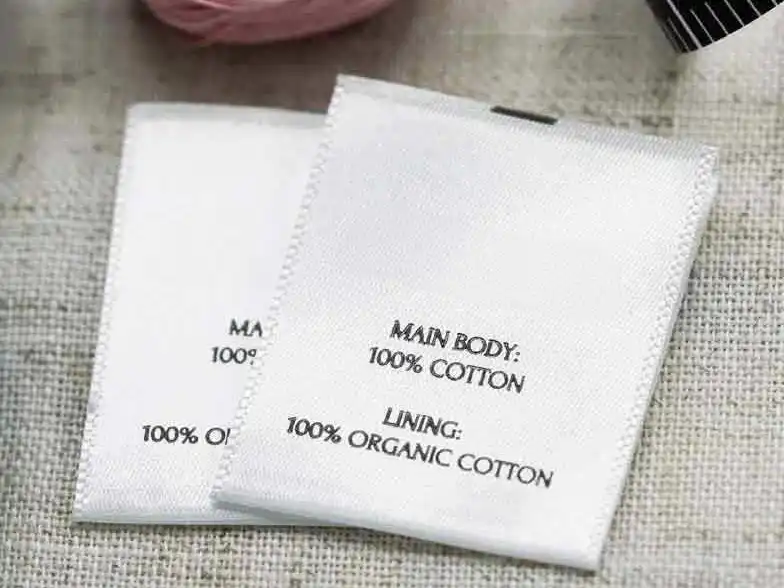
Label QC is performed as part of garment and packing control, not as a final glance at a printed tag. The most important checks connect the physical label with the approved artwork, garment identity and packing data.
| QC Checkpoint | What Jinfeng Verifies | Risk Reduced |
|---|---|---|
| Content | Approved composition, care wording, language block and supplied brand/market data | Incorrect or outdated information |
| Artwork Version | File name, revision, style/PO allocation and approval status | Old or wrong market version entering bulk |
| Label Construction | Material, dimensions, fold, print clarity and edge condition | Poor readability, discomfort or inconsistent presentation |
| Garment Match | Style, size, color allocation and relevant material record | Correct label sewn into the wrong garment |
| Placement | Approved position, orientation, seam attachment and visibility | Scratching, show-through, distortion or inconsistent sewing |
| Durability | Print condition and label attachment; wash durability reviewed where required | Fading, loose labels or unreadable information |
| Private-Label Match | Main label, size label, care label, hangtag, barcode and SKU relationship | Mixed brand or size information |
| Packing Match | Polybag sticker, color/size ratio, carton mark and packing list | Warehouse receiving and shipment errors |
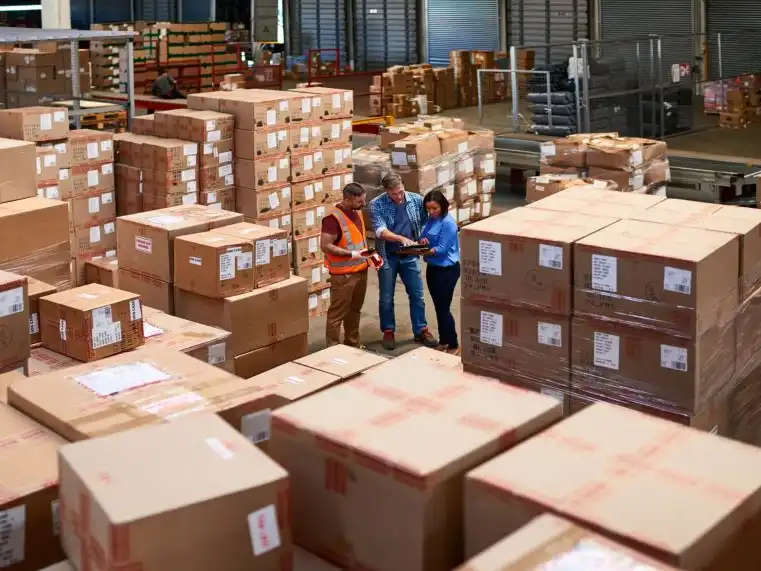
Packing and Shipment Verification
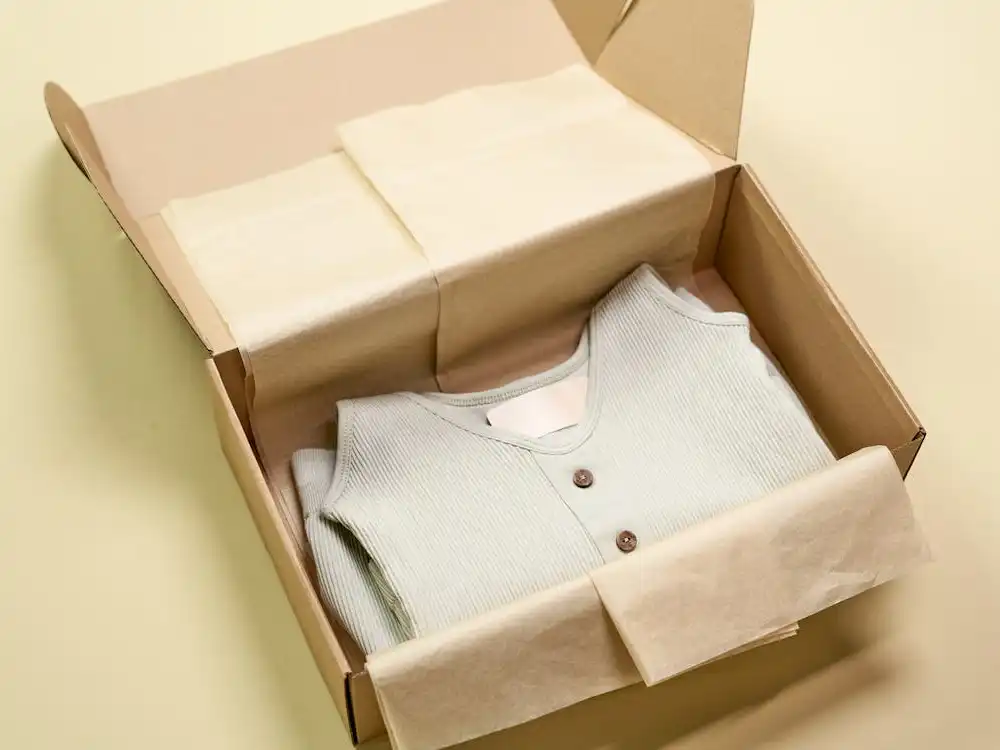
Retail-ready delivery depends on information consistency from the garment to the outer carton. Jinfeng’s packing checks connect labels with SKU, size, color, packing ratio and warehouse instructions so a finished collection can move through receiving without avoidable relabeling work.
Garment-Level Check
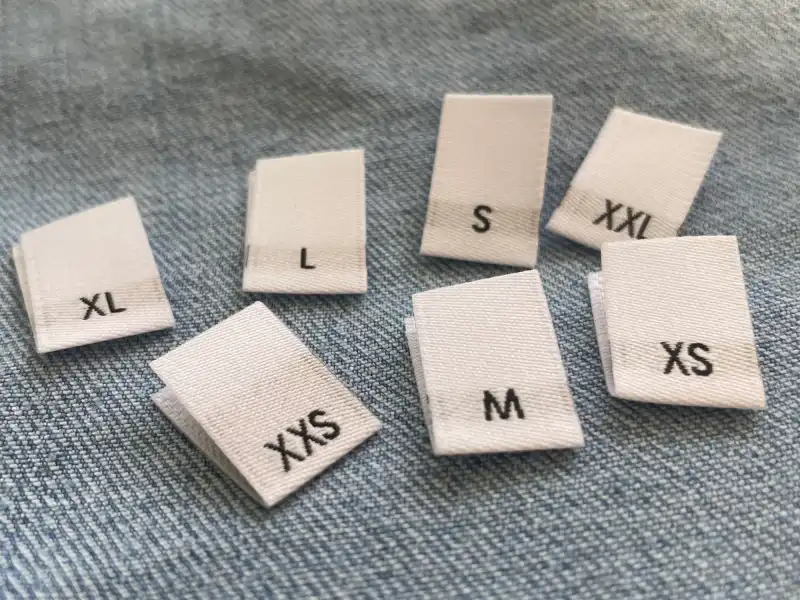
Before packing, the garment is reviewed for the correct main label, size label, care label, hangtag, barcode and other approved private-label items. The size printed or woven into each label should match the physical garment and its sales data.
A mixed order of 18 styles can quickly produce hundreds of style-color-size combinations. The risk does not come from one complex item; it comes from repetition. Clear style references, separated packing areas and checklist-based verification help prevent two similar dresses from receiving each other’s labels or hangtags.
Polybag and SKU Check
The polybag may carry barcode, size, color, SKU, warning information or warehouse-specific stickers. These identifiers need to match the garment inside. When individual-market versions are used, packing should preserve the market allocation instead of recombining units after label application.
Carton and Document Check
Carton marks, carton quantity, color-size ratio, gross/net weight, PO information and packing list should reflect the contents packed inside. Pre-shipment review can include final garment condition, measurements, packing, carton marks, quantity breakdown and shipping documents.
Jinfeng can also support client-appointed AQL or third-party pre-shipment inspection. Inspection standards, sampling level, defect classification and release criteria should be confirmed according to the client’s quality manual or appointed inspection company.
Compliance and Testing Support for Label Decisions
Material Information
Fabric Testing
Garment Testing
Third-Party Coordination
AQL and Inspection
Compliance Boundaries
Manufacturing Evidence Behind Care Label Control
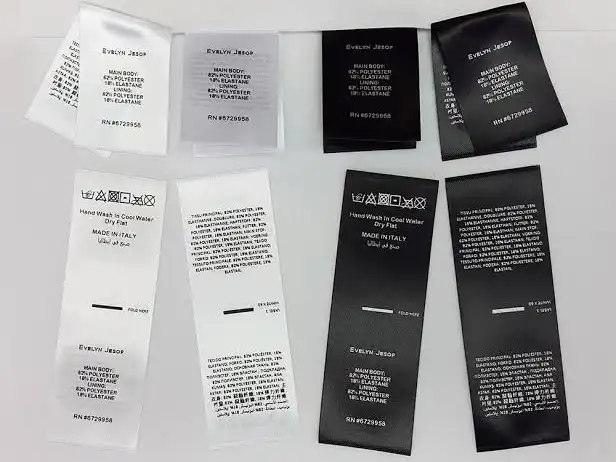
Care Label Artwork Review
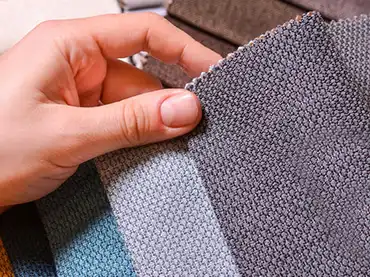
Fabric and Composition Check
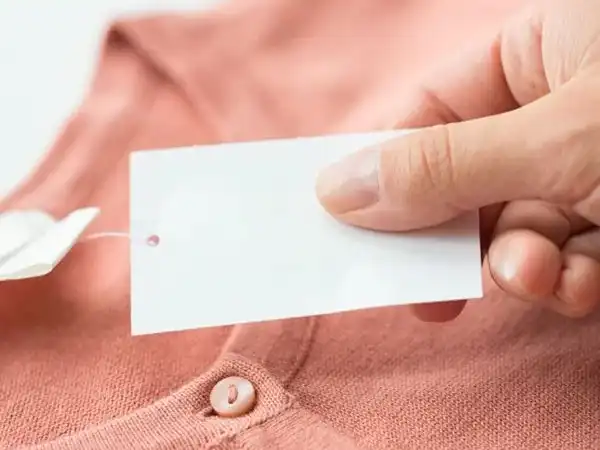
Label Placement Sample
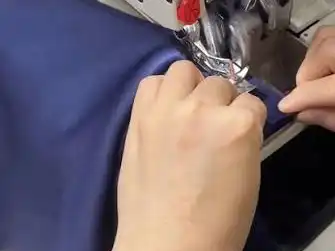
Sewing-Line Control
Label and Barcode QC
Packing Verification
Prepare Care Label Files Before Production
Product Information
Market Information
Artwork and Data
Multi-Language Care Label Frequently Asked Questions
Yes. Jinfeng can support customized care-label content, languages, material, dimensions and placement for private-label womenswear. The final legal wording and market-specific language requirements should be confirmed by the brand or its appointed compliance adviser before bulk production.
The brand or its appointed compliance adviser should approve final translations and regulatory wording. Jinfeng can prepare the production artwork from approved information, check layout and manufacturing details, and make sure the confirmed version is used in the correct garment program.
Yes. Jinfeng can organize composition information from fabric supplier records, material documents, approved specifications and third-party testing reports where applicable. The data should reflect the final shell, lining and relevant textile components rather than an early development estimate.
Yes, when the brand supplies or approves the required symbol system. Jinfeng can incorporate approved care symbols into the artwork and check print clarity, layout and label dimensions before bulk use.
Sometimes, but not automatically. Language, fibre-labeling rules, care requirements, retailer manuals and responsible-party information can differ by market. The brand should confirm whether one combined label is acceptable or whether separate market versions are needed.
Yes, QR codes can be added according to the approved project specification. The code should be reviewed for dimensions, print quality, scanability and destination link before the label is released for bulk production.
Jinfeng links the approved label version to the production order, style, PP file and packing requirements. QC then checks garment-label matching, placement and private-label consistency before packing and shipment.
The position depends on garment construction. Side seams, lining seams, waist areas or other internal locations may be used depending on transparency, skin contact, back design, zipper placement, lining and label length. Sensitive styles should confirm placement on the sample.
Custom care labels commonly start from 500-1,000 pieces depending on material, content and specification. Standard development is commonly around 7-15 days, while special specifications may take approximately 15-25 days. Actual timing should be confirmed before production.
Yes. Jinfeng can coordinate project-based work with SGS, Intertek, Bureau Veritas, ITS or client-appointed laboratories and inspectors for fabric tests, garment tests, AQL and pre-shipment checks. Scope, standards, timing and fees are confirmed by project.

Review Your Multi-Market Label Program
If your collection is moving into several markets, care labels should be planned with the garments rather than added after production is already underway.
Jinfeng Apparel can review your womenswear styles, final fabric and lining information, target markets, approved care-label wording, language versions, label construction, placement, private-label files and packing requirements as one manufacturing package. The most useful starting point is a real program file rather than a generic request for “multilingual labels.”
For a more accurate project review, send:
- Style images, line sheet or tech packs
- Target markets and required language versions
- Confirmed or proposed shell and lining composition
- Approved care instructions and symbols, if available
- Care-label artwork or reference format
- Size range and quantity per style/color
- Main label, size label, hangtag and barcode/SKU files
- Polybag, carton mark and warehouse instructions
- Target sample, bulk and delivery window