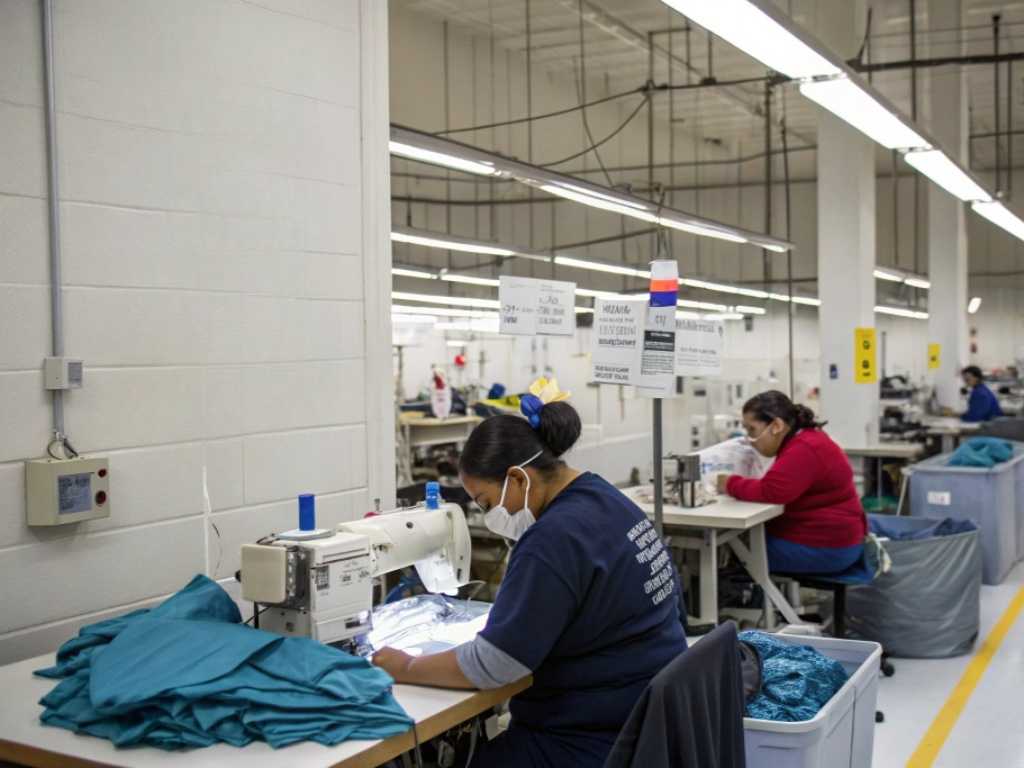
Multi-Fabric Dress Manufacturer
Engineered dress development for styles combining satin, mesh, lace, chiffon, jersey, sequins, linings and structural components.
- 9-point fabric compatibility review: weight, stretch direction, recovery, shrinkage, drape, opacity, color relationship, heat sensitivity and seam behavior.
- Structured development support: 2 sample rooms, 7+ senior pattern makers and 20+ sample machinists for complex dress construction and fit correction.
- Bulk quality control: 15+ QC inspectors covering incoming fabrics, cutting direction, sewing, measurements, finishing, labels, packing and shipment preparation.
- Brand-order production model: MOQ starts from 200 pieces per style/color, with multi-style collection planning and production allocation across 6 owned factories and 10+ long-term production partners.
Development Capacity for Complex Fabric Combinations
Since 2008
6 Owned Factories
10+ Production Partners
2 Sample Rooms
7+ Pattern Makers
15+ QC Inspectors

Multi-Fabric Construction & Related Terms
Examples include a satin bodice joined to a chiffon skirt, stretch mesh panels inserted into a jersey bodycon dress, lace laid over a solid lining, sequins applied over mesh, or a corset shell supported by lining, bra cups and boning. Each zone can have a different weight, stretch rate, surface friction, shrinkage level and pressing limit. Pattern pieces, seam types and handling instructions must therefore be assigned by material zone.
- Fabric blend: one textile made from two or more fibers, such as polyester-spandex. It may still behave as one fabric during cutting and sewing.
- Patchwork dress: multiple fabric pieces arranged mainly for visual blocks, prints or color contrast. Placement and matching become central.
- Mixed-media dress: fabric combined with beads, sequins, rhinestones, feathers, chains or molded accessories. Surface protection and attachment strength require extra control.
- Layered dress: several layers may use the same or different fabrics. Layer length, opacity, hem balance and total weight must be checked together.
Built for Established Fashion and Sourcing Teams
Global Fashion Brands
Occasionwear Labels
Premium Ecommerce
Sourcing Companies
Product Developers
Retail Programs
Where Multi-Fabric Dresses Commonly Break Down
Uneven Stretch
Conflicting Shrinkage
Weight Imbalance
Surface Damage
Color Conflict
Bulk Replication
Multi-Fabric Dress Styles We Develop
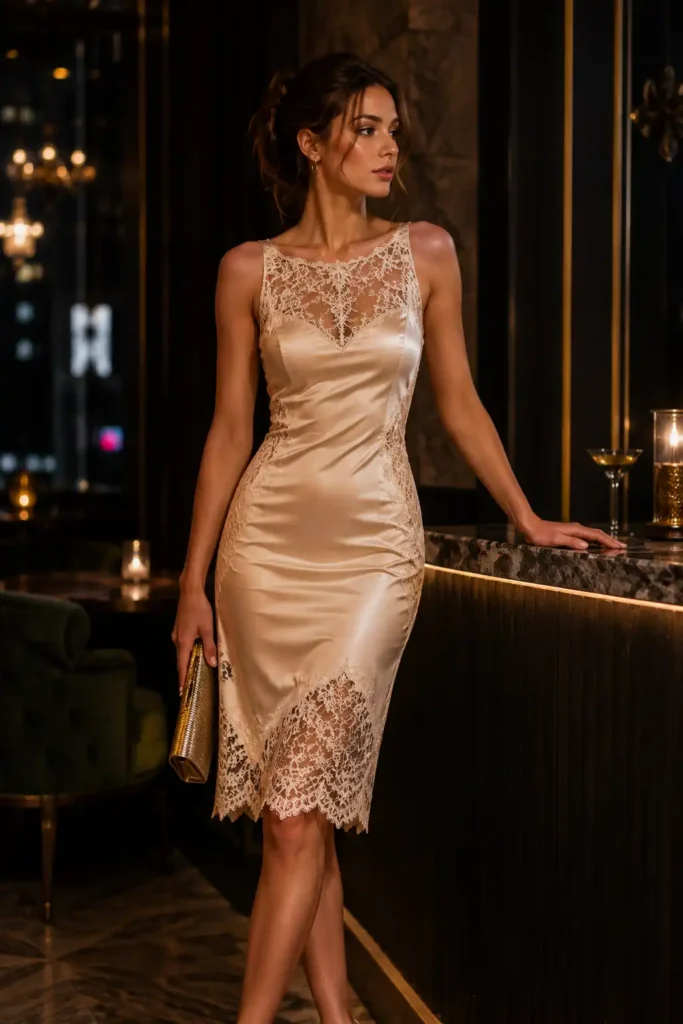
Satin Lace Cocktail Dress
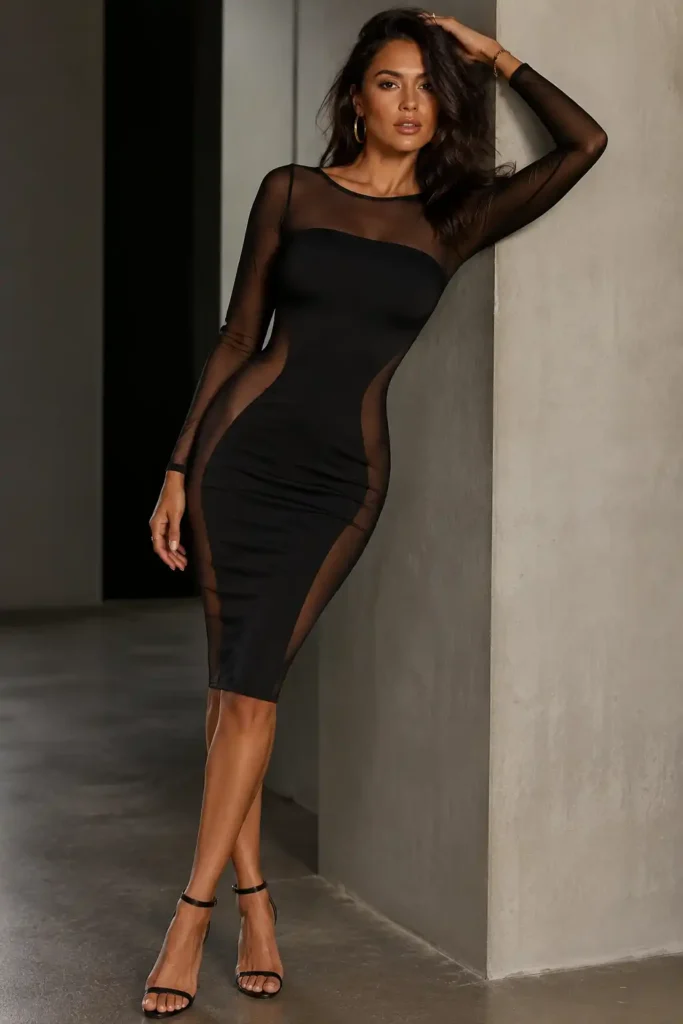
Mesh Jersey Bodycon Dress
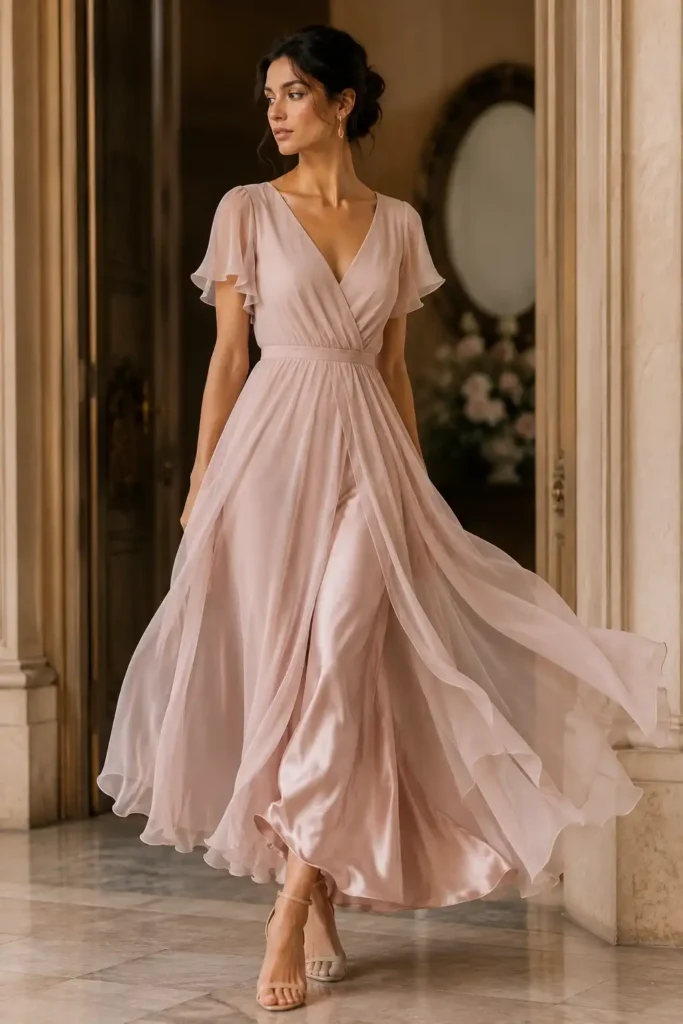
Chiffon Satin-Lined Dress
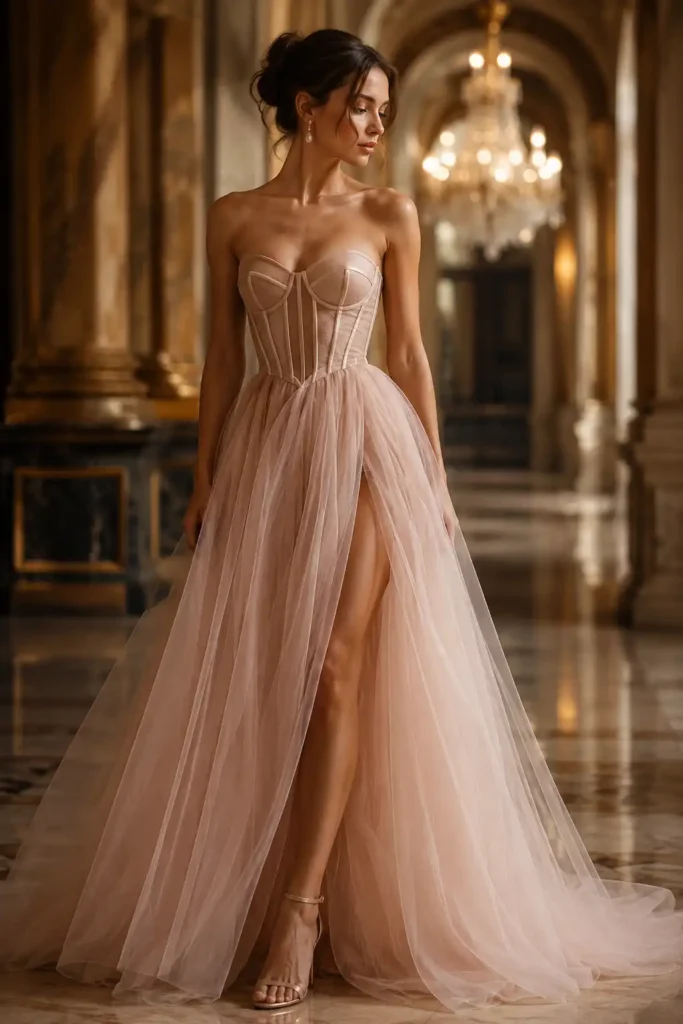
Corset Tulle Occasion Dress
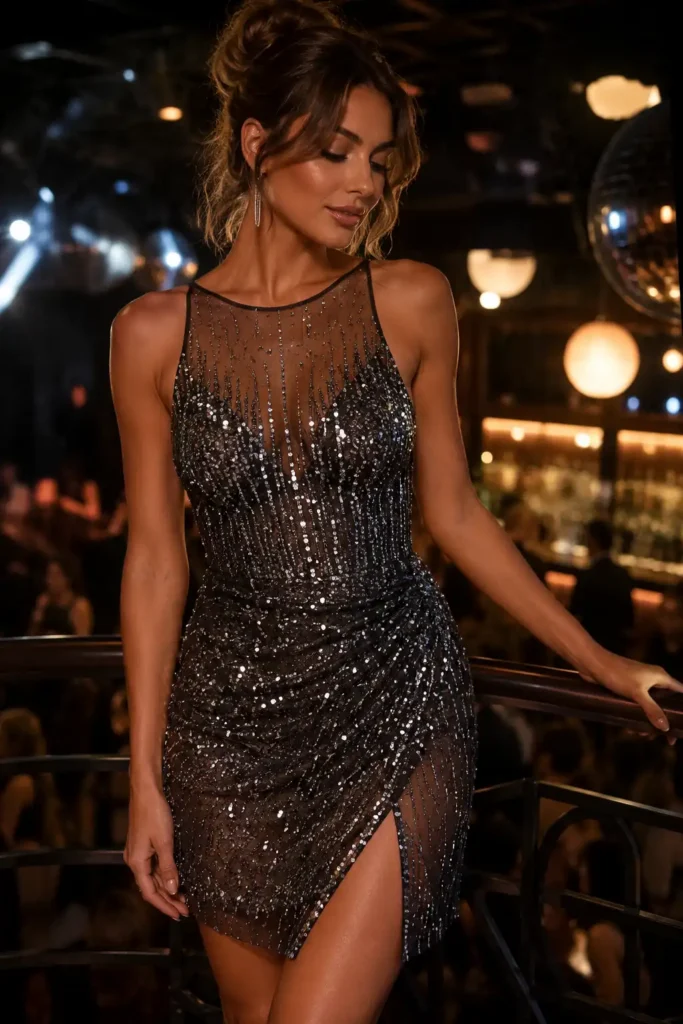
Sequin Mesh Party Dress
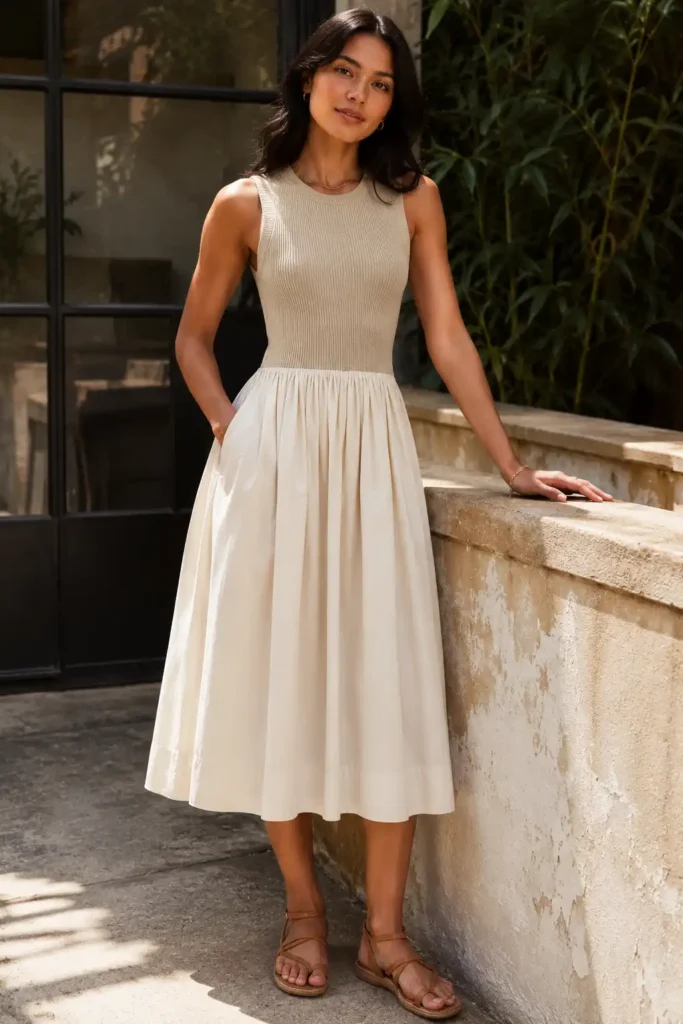
Knit Woven Midi Dress
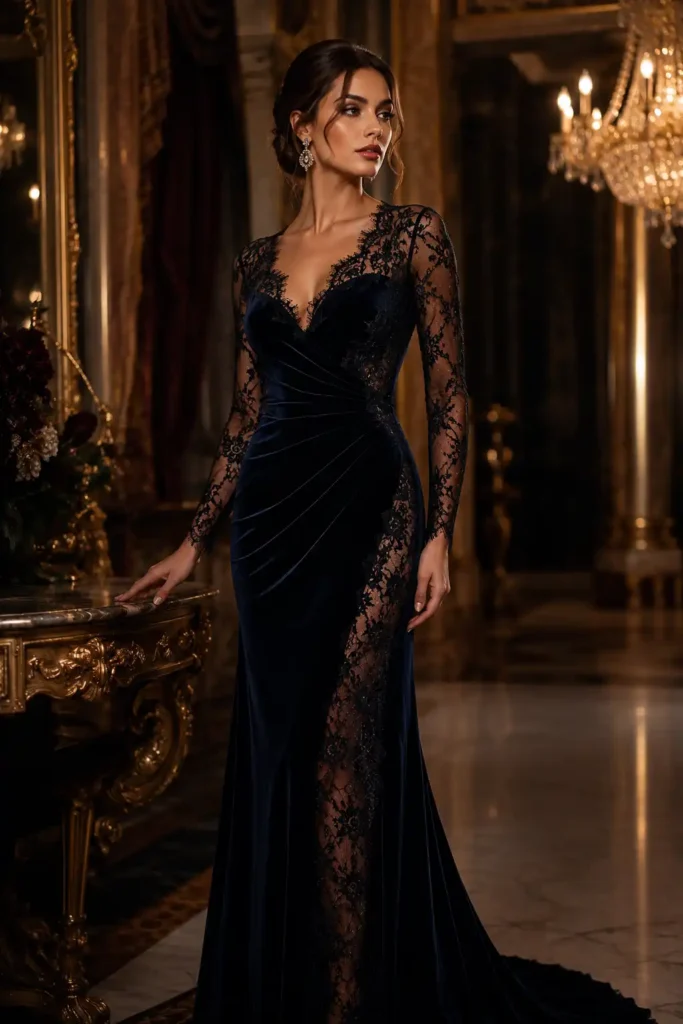
Velvet Lace Evening Dress
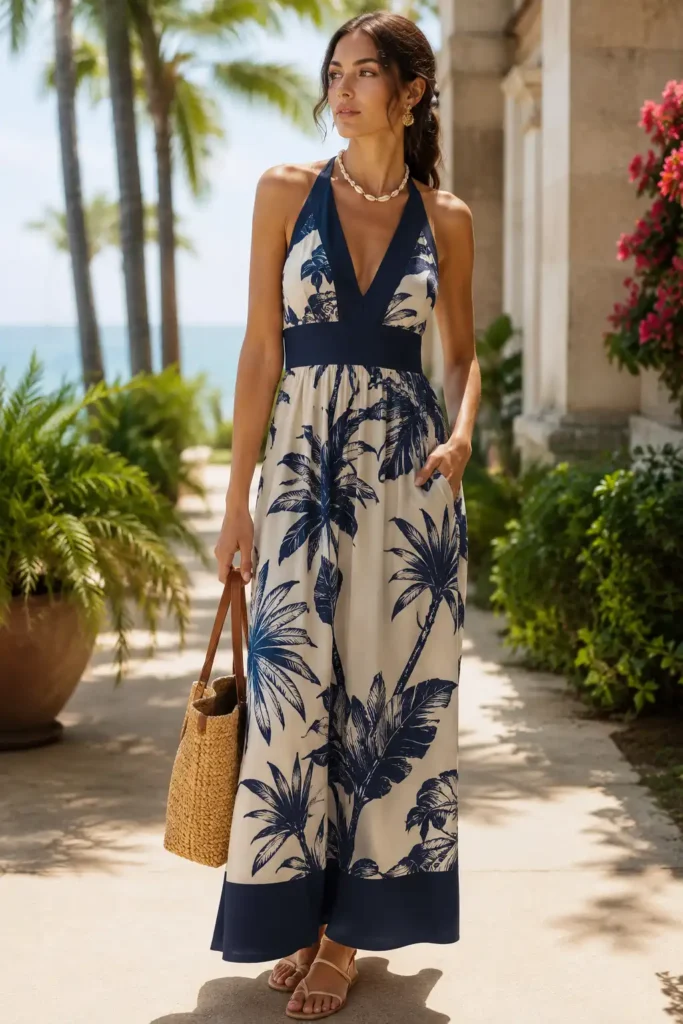
Print Solid Resort Dress
Fabric Combination Selection Matrix
| Fabric Combination | Best Suited To | Main Risk | Development and QC Focus |
|---|---|---|---|
| Satin + Lace | Cocktail, wedding guest, occasion dresses | Shade mismatch, motif imbalance, satin puckering | Approve layered color; control lace placement, satin direction, lining tone and seam visibility. |
| Mesh + Jersey | Bodycon, club, cut-out styles | Uneven stretch and panel distortion | Match stretch direction and recovery; stabilize necklines, side seams and cut-out edges. |
| Chiffon + Lining | Maxi, resort, bridesmaid, event dresses | Transparency, uneven hem, layer drag | Confirm lining weight and length; control grain, seam finish, hanging time and final hem balance. |
| Sequin + Mesh | Party, holiday, performance-inspired fashion | Scratch risk, dropped sequins, seam bulk | Clear seam areas, protect skin, secure edges, test attachment and use pressure-conscious packing. |
| Corset Shell + Tulle | Prom, evening, structured occasionwear | Support imbalance and excess bulk | Coordinate cups, boning, lining, waist seam, skirt weight and closure strength. |
| Knit + Woven | Midi, day-to-night and contrast-panel dresses | Shrinkage and ease conflict | Separate pattern logic; control waistband, joining seam, recovery and post-press measurement. |
| Velvet + Lace | Evening, festive and premium seasonal dresses | Nap direction, crushing and lace damage | Use directional cutting; protect surfaces during sewing, pressing, finishing and packing. |
| Print + Solid | Resort, summer and fashion collections | Print placement and color imbalance | Approve motif direction, panel position, color story, shade relationship and size grading. |
How We Control Fabric Compatibility
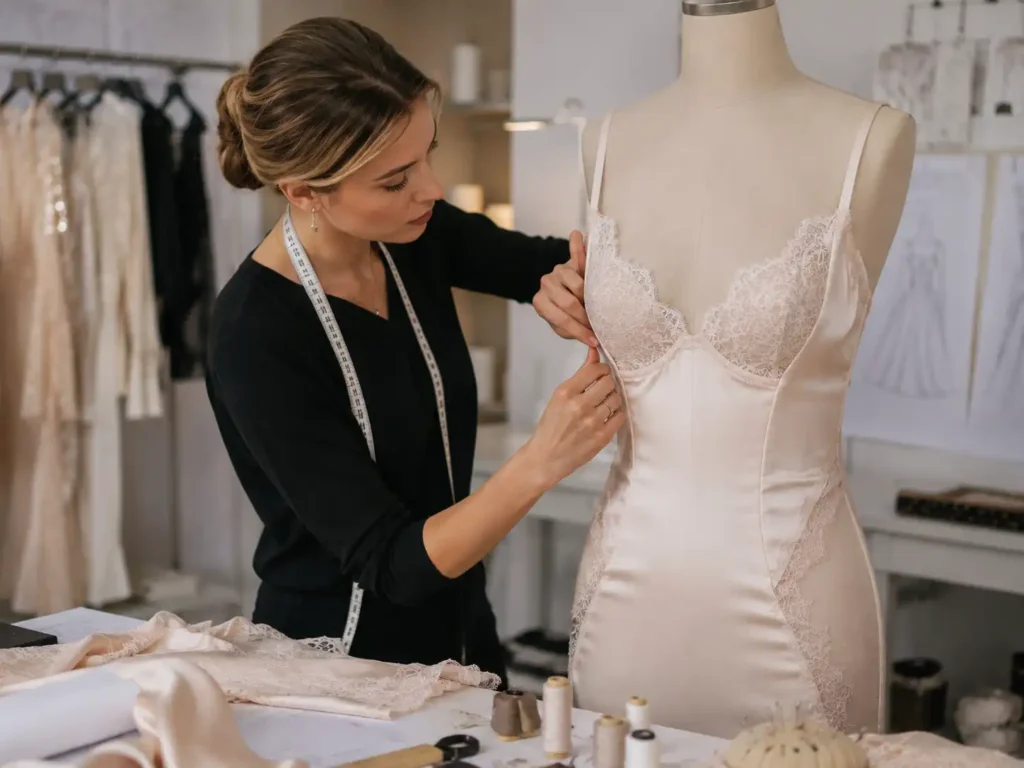
Compatibility is reviewed before the first pattern is treated as production-ready. Jinfeng Apparel compares materials as a connected garment system, then records the approved direction for sampling, grading, cutting, sewing, pressing and inspection.
Mechanical Compatibility
Fabric weight, stretch percentage, stretch direction, recovery and shrinkage affect pattern ease and seam behavior. A mesh insert can recover faster than the surrounding jersey; a woven waist panel may restrict a stretch body; a heavy skirt can pull a soft neckline downward. Pattern pieces are assigned by material zone, and joining seams are reviewed for reinforcement, elastic support, stay tape or alternative construction. Where wash or steam response may change fit, development comments record the expected dimensional risk before PP approval.
Visual and Surface Compatibility
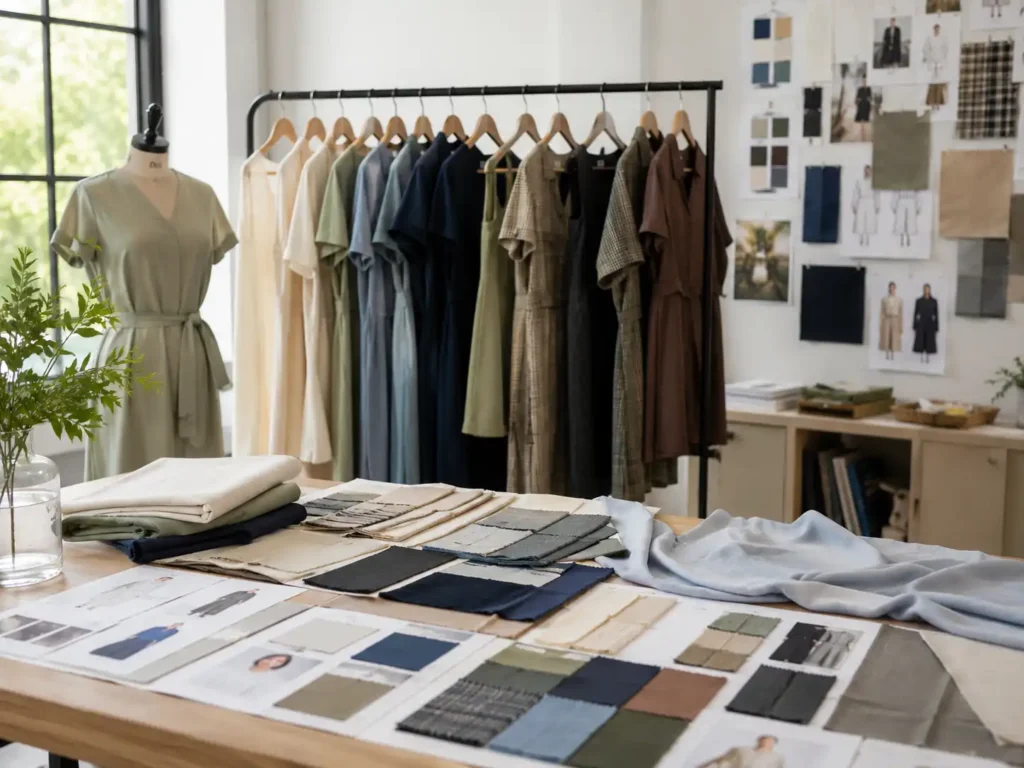
Opacity, shine, texture and color are judged in layered form, not only as isolated swatches. A beige lining can alter lace depth; a dark mesh can look lighter when stretched; satin grain can make one panel appear off-shade; velvet nap can reverse the visual tone. Physical swatches, lining trials and sample photographs under more than one lighting condition help confirm the intended appearance. Surface-sensitive fabrics receive limits for pinning, pressing, folding and carton pressure.
Supply Compatibility
A design may be technically sound but commercially unstable when one fabric has a high supplier minimum, long dyeing schedule or inconsistent repeat availability. Jinfeng Apparel reviews stock status, dye-lot control, trim lead time, color count, size split and expected repeat orders before locking the BOM. Alternative fabrics can be compared by hand feel, weight, stretch, drape, opacity, cost and supply continuity without weakening the intended silhouette.
Pattern Engineering for Different Fabric Behaviors
A multi-fabric dress cannot rely on one uniform ease rule. Pattern development must account for where the garment stretches, where it carries weight, where it needs support and how each zone changes through grading and finishing.
- Stretch and Non-Stretch Zones
Stretch panels are mapped according to direction and recovery. A bodycon silhouette may use jersey through the torso, power mesh for support and non-stretch satin as a visual panel. The pattern maker balances negative ease, seam position and neckline stability so one zone does not drag another out of shape. Joining seams are reviewed on-body, especially around the bust, waist, hip, armhole and cut-out areas.
- Bust, Waist and Hip Balance
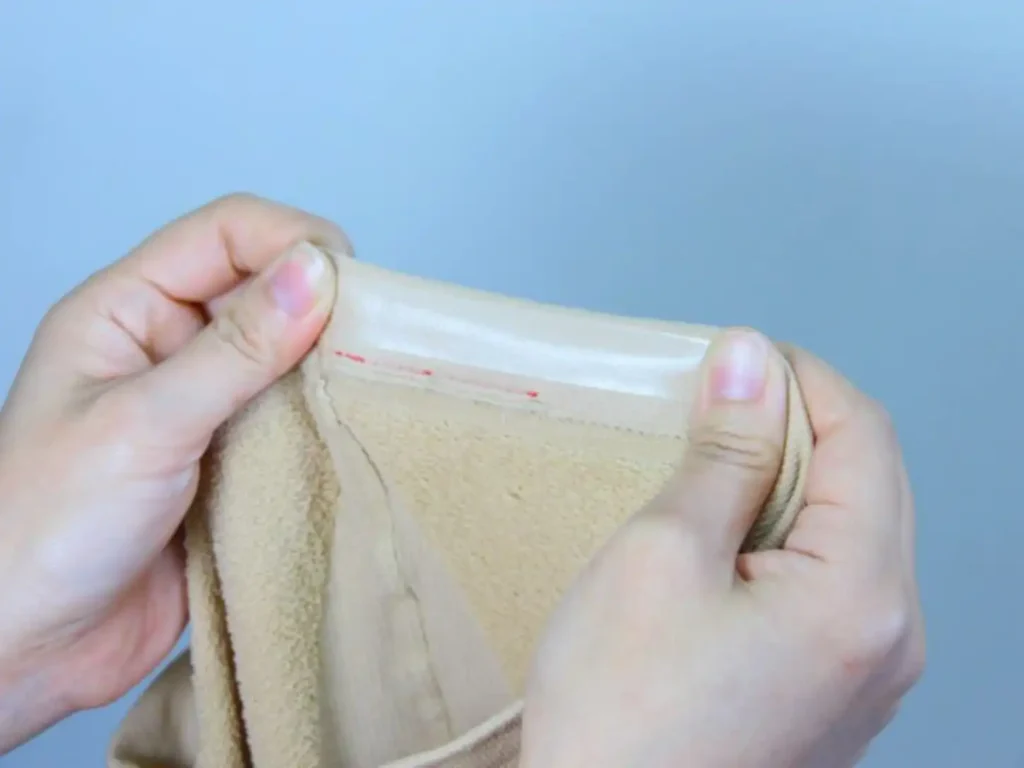
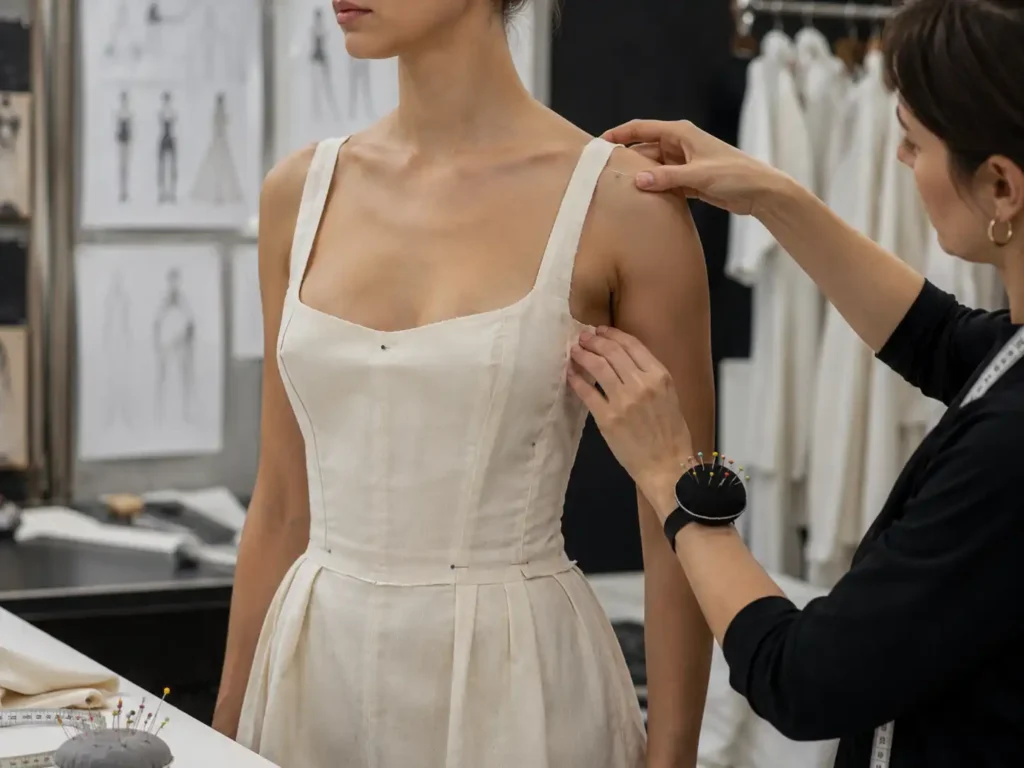
Complex dresses often fail because the design is graded as a flat shape rather than a three-dimensional body structure. Jinfeng Apparel reviews bust coverage, under-bust position, waist placement, hip curve, strap length and skirt balance. Corset, strapless, deep-V and cut-out styles may require cups, boning, elastic, anti-slip tape or additional lining. Fit comments are converted into updated patterns and measurement files before bulk production.
- Direction, Nap and Motif
Satin shine, velvet nap, print orientation, lace motifs and one-way sequins require directional cutting. Marker efficiency cannot override visual consistency. Pattern and cutting instructions identify grain lines, nap direction, matched seams, center-front motifs and placement tolerances. Grading is checked to keep decorative features balanced across the selected size range, rather than forcing every size to use the same visual spacing.
- Layer and Hem Balance
Chiffon, tulle, lining and asymmetric layers can settle at different rates after sewing and pressing. Skirts may need controlled hanging before final hemming. Lining length is approved relative to the shell and intended movement. Uneven stretch, bias sections and heavier trims are considered before the hem is finalized, reducing bulk complaints about dipped sides or exposed lining.
Workmanship Built Around Each Material Zone
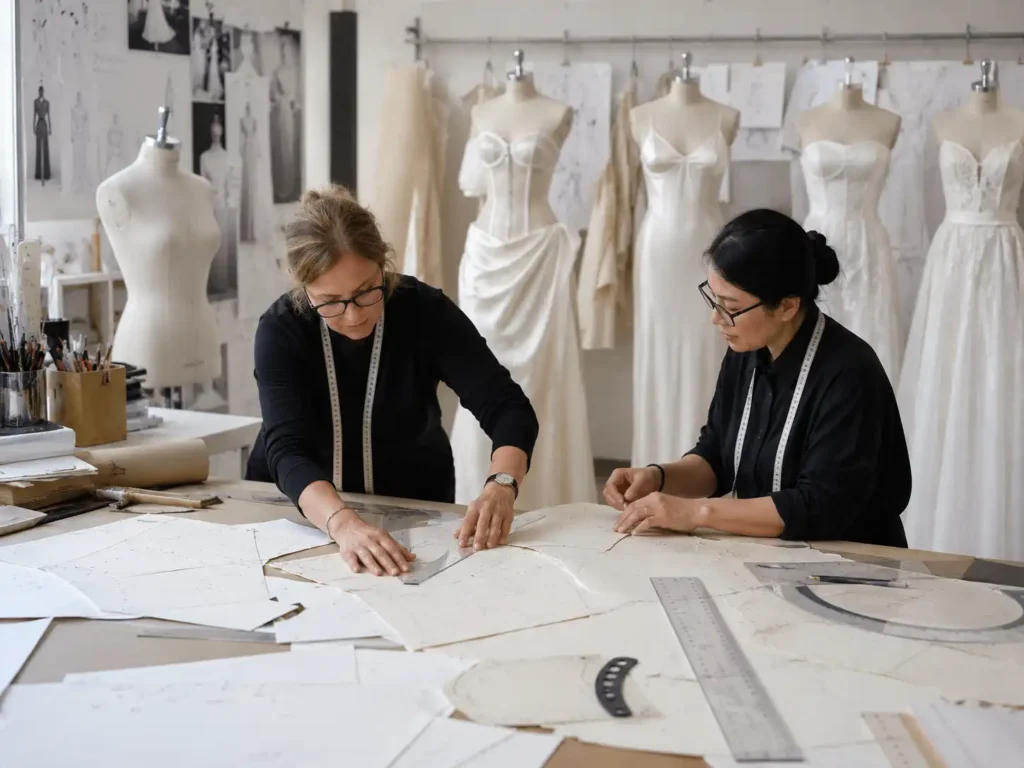
Clean workmanship depends on matching the stitch, seam, needle handling, feed control, reinforcement and finishing method to each material. One standard construction sheet is rarely enough for a dress containing several fabric behaviors.
Needle, Thread and Stitch Selection
Fine mesh, chiffon and satin need controlled needle penetration to reduce pulls, visible holes and puckering. Stretch jersey requires a stitch system that moves with the fabric without breaking. Dense sequin or embellished areas need seam clearance and protection from broken needles. Thread size, elasticity and color are reviewed against both shell and lining so the inside finish supports the outside appearance.
Seam Stabilization
Stay tape, elastic, clear elastic, lining support or narrow interfacing may be used at necklines, shoulder seams, waist seams and openings. Stabilization should stop distortion without making the edge rigid. Stitch tension and feeding are adjusted so a stretch layer does not grow against a stable layer. Critical seams are checked after pressing, not only immediately after sewing.
Clean Internal Finishing
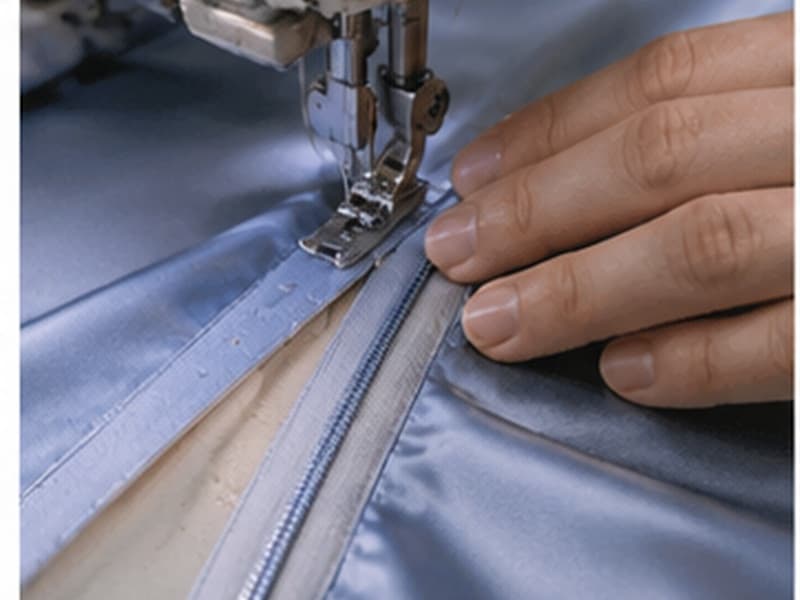
Premium dresses require controlled seam allowance, enclosed edges where appropriate, neat lining attachment and protected skin-contact areas. Lace edges, sequin backs, boning channels and zipper ends should not create scratching or bulky ridges. Understitching, binding, facing, narrow hems or lining bags are selected according to fabric thickness and the required retail appearance.
Pressing and Shape Setting
Pressing temperature, pressure and dwell time vary across satin, velvet, mesh, lace, jersey and embellishment. A method suitable for one panel can permanently mark another. Work instructions separate sensitive zones, define whether pressing cloths or low pressure are needed, and control folding after finishing. Final inspection checks shine marks, crushed pile, seam impressions, puckering and distorted hems.
Linings, Closures and Structural Components

Lining Systems
Zippers and Openings

Bra Cups

Boning Support
Anti-Slip Control
Straps and Hardware

From Design Reference to Approved Sample
Sampling converts a visual concept into measurable, repeatable production instructions. Jinfeng Apparel can begin from a tech pack, original sample, sketch, line sheet or clear reference images, then build a staged approval path around the selected materials.
1. Structure and Feasibility Review
The development team identifies every material zone, seam line, support component, transparency area and wear-risk point. Fabric sourcing, color direction, trim specifications, expected quantity and delivery window are reviewed before the pattern is finalized. Concerns such as incompatible stretch, high material minimums or unstable repeat supply are raised early.
2. Pattern and First Sample
Pattern makers assign ease, grain direction and construction by material behavior. The first sample checks silhouette, proportion, material interaction and basic workmanship. Complex styles may need substitute development fabrics when final custom-dyed materials are not yet available; any substitution is recorded so visual and mechanical differences remain visible during review.
3. Fit and Revision
Fit comments can cover bust-waist-hip proportion, neckline, strap, armhole, waistline, skirt length, slit, lining, transparency, seam tension and on-body balance. Revisions are documented by version, cause, action, cost effect and schedule effect. Significant pattern, fabric or construction changes normally require a revised sample rather than verbal approval.
4. PP and Golden Sample Approval
Bulk production begins only after final fabric, colors, trims, pattern, measurements, construction, labels and packing are confirmed. The PP or Golden sample becomes the comparison reference for the production team and QC staff. Any later approved change is added to the production file before release.
What Must Be Locked Before Bulk Cutting
Material Approval
Fit Approval
Production Approval
Send the Right Files for a Faster Review
For Tech-Pack-Ready Programs
- Tech pack and construction sketches
- Fabric composition, weight or swatch direction
- Color plan and Pantone references
- Size range and order ratio
- Private-label and retail packing files
- Launch date or warehouse delivery window
For Reference-Led Development
- Front, back and close-up references
- Desired fit and length direction
- Fabric feel, stretch and transparency preference
- Expected collection size and total quantity
- Required labels, hangtags and packaging
- Photo-shoot and bulk delivery priorities

Production Allocation for Multi-Style Dress Collections
A collection containing 10 to 30 styles should not be treated as one undifferentiated production block. Jinfeng Apparel groups styles by fabric behavior, construction complexity, sample readiness, material arrival and delivery priority before factory allocation.
Factory Matching by Product Logic
Jinfeng Apparel operates 6 owned women’s fashion factories and works with 10+ long-term satellite production partners. Allocation is based on dress category, knit or woven behavior, occasionwear complexity, fabric sensitivity, order quantity and schedule. A mesh bodycon program, a chiffon maxi group and a corset-tulle group may require different production units even when they belong to the same seasonal collection.
Style Grouping and Sample Priority
Styles are grouped by shared materials, trims, construction and launch priority. Hero styles or photo-shoot samples can be prioritized without allowing unfinished revisions to disrupt the rest of the range. Revision status, PP approval and material readiness are tracked by style, color and size group so production release follows confirmed files rather than sales urgency alone.
Multi-Batch Delivery Planning
Large collection orders may be divided by launch wave, priority color, best-selling size range or transport mode. First-release quantities can be prepared separately from the remaining bulk when approved by the brand. Packing lists, carton marks and SKU separation are aligned with the delivery plan. Express, air, sea or air-and-sea split shipment can be reviewed according to cost and launch timing.
Repeat-Order Records
Patterns, measurement files, fabric references, trims, construction notes, packing instructions and QC records are retained for repeat-order support. New dye lots, substituted fabrics, added colors or changed size ratios still require confirmation because material and supply conditions can change between production cycles.
Testing and Compliance Support by Project
Material Performance
Third-Party Coordination
Document Accuracy
MOQ, Cost and Schedule Planning
| Planning Factor | Commercial Impact | What to Confirm |
|---|---|---|
| MOQ | MOQ starts from 200 pcs per style/color. Special fabrics, custom dyeing, exclusive lace, sequins, molded trims or highly fragmented color-size splits can raise material minimums. | Quantity by style/color, fabric source, color count, size ratio and repeat-order plan. |
| Fabric Count | More materials increase sourcing, approval, inspection, wastage and coordination. A low-cost contrast panel can still add schedule and handling cost. | BOM, consumption by zone, supplier availability and acceptable alternatives. |
| Color Development | Custom colors may require lab dips, dye-lot approval and supplier minimums. Different surfaces may need separate color matching. | Pantone or physical standard, lining color, surface shine and approval method. |
| Sample Schedule | Timing depends on pattern complexity, final-fabric availability, custom trims and number of revisions. A schedule is issued after project review rather than promised from images alone. | Sample type, required fabric, fit model needs, review speed and photo-shoot priority. |
| Bulk Production | Production timing begins after PP approval and material readiness. Multi-style programs are scheduled by factory allocation, style priority and delivery wave. | PO plan, approved sample, confirmed materials, color-size breakdown and required ship date. |
| Size Range | Broader grading, plus-size extension or complex bust structure adds pattern and fit review. One grade rule may not suit every fabric zone. | Base size, full size chart, grading rules, tolerances and fit approval method. |
| Private Label | Labels, hangtags, barcodes, special polybags and carton marks add development and approval steps. | Artwork, material, size, attachment position, SKU data and packing standard. |
| Logistics | Express, air, sea, FOB, CIF, DAP and DDP by project have different cost and timing structures. Split shipment can support launch priorities. | Destination, delivery term, carton plan, nominated forwarder and warehouse cut-off. |

Private Label Delivery and Repeat-Order Control
A dress is not retail-ready when sewing ends. Jinfeng Apparel coordinates garment identity, SKU information, presentation, carton preparation and repeat-order records so complex collections can move into retail, ecommerce or warehouse systems with fewer avoidable errors.
Private Label Components
- Main labels, care labels, size labels, hangtags, barcode stickers, polybags, tissue, protective layers and carton marks are reviewed against the final product.
- Label composition and care information should match the approved fabrics.
- Attachment location is checked so labels do not show through mesh, irritate the skin or damage delicate surfaces.
Retail and Ecommerce Packing
- Packing can be organized by SKU, color, size ratio, store or delivery wave.
- Surface-sensitive dresses may need individual protection, hanger packing or reduced folding pressure.
- Barcode, size sticker, polybag warning, carton quantity and carton mark are checked before shipment.
- Warehouse labels and client-nominated forwarder instructions can be coordinated when supplied in advance.
Repeat-Order Records
Jinfeng Apparel retains final patterns, measurement files, fabric references, color records, trim details, sewing instructions, PP or Golden sample references, packing requirements and QC notes. Repeat production can start from a clearer baseline, while new material lots, changed colors, substituted trims and revised quantities are re-approved before release.
NDA and Design Protection
NDA-based cooperation is supported. Tech packs, samples, patterns, line sheets, trims, private-label artwork, unpublished designs, order quantities and launch information are managed as project information. Brand names and unreleased products are not used in public content without authorization.
Multi-Fabric Collection Production Case
Case 1: Occasionwear Brand Multi-Fabric Collection Development
Project Scope
A premium occasionwear brand developed a seasonal collection combining satin, lace, chiffon, mesh and structured lining systems.
- Collection size: 24 dress styles
- Product categories: wedding guest dresses, evening dresses, cocktail dresses and formal occasion styles
- Fabric combinations: satin + lace, chiffon + lining, mesh + jersey, corset shell + tulle
- Order structure: multiple colors with commercial size ranges
- Production requirement: consistent appearance across different fabric constructions
Development Challenges
The main challenge was maintaining the same design language across different materials. Satin required shine control and smooth finishing, lace required motif placement accuracy, chiffon required hem balance, while stretch mesh required controlled recovery.
Several styles required additional adjustment around:
- Bust and waist shaping
- Neckline stability
- Stretch and non-stretch joining areas
- Lining length and transparency control
- Seam reinforcement
Manufacturing Approach
The development team separated each style into different material zones and created individual construction instructions.
Key controls included:
- Fabric compatibility review before sampling
- Pattern adjustment based on stretch and weight differences
- Physical color approval across different surfaces
- Fit correction before PP sample approval
- Fabric-specific sewing and pressing standards
Manufacturing Value
The collection achieved consistent quality across multiple fabric categories by treating each style as an individual technical project while maintaining one unified production system.
Case 2: Fashion Ecommerce Brand Fast Collection Launch
Project Scope
A growing online fashion brand required rapid development of a multi-style dress collection for a seasonal launch.
- Collection size: 18 styles
- Product direction: going-out dresses, party dresses and social event styles
- Development method: reference images + design concepts
- Materials: jersey, mesh, satin, printed woven fabrics and lightweight linings
- Requirement: fast sampling and commercial-ready production
Development Challenges
The brand needed to move from design inspiration to production quickly while maintaining fit consistency.
Main development risks included:
- Different fabric behavior between samples and bulk materials
- Limited development time before launch
- Multiple color variations
- Maintaining visual consistency for ecommerce photography
Manufacturing Approach
The project followed a simplified but controlled development workflow:
- Design reference review and construction analysis
- Fabric recommendation and sourcing confirmation
- First sample development
- Fit adjustment based on model evaluation
- Production release after final approval
Additional controls included:
- Clear BOM records
- Measurement confirmation
- Sample version tracking
- Color approval before bulk cutting
- Priority production planning for launch styles
Manufacturing Value
The structured development process helped the brand reduce unnecessary revisions while preparing a complete seasonal collection within the planned launch window.
Case 3: High-Complexity Structured Dress Engineering Program
Project Scope
A fashion label required development of highly detailed dresses combining multiple fabrics and internal support structures.
- Collection type: premium partywear and statement dresses
- Key styles: corset dresses, sequin dresses, layered tulle dresses
- Materials: sequins, mesh, lace, satin, tulle, lining and structural components
- Production requirement: high visual impact with stable wearing comfort
Development Challenges
The main difficulty was balancing appearance, structure and comfort.
Critical areas included:
- Corset support and body shaping
- Boning placement
- Sequin seam management
- Lace and mesh protection
- Internal finishing quality
- Weight distribution between bodice and skirt
Manufacturing Approach
The production team created detailed construction standards for each component.
Control points included:
- Internal structure review before sampling
- Bust, waist and hip fitting analysis
- Reinforced seams for heavy materials
- Sequin protection during sewing and packing
- Controlled pressing methods for sensitive surfaces
- Final inspection focused on appearance and wearer comfort
Manufacturing Value
The program demonstrated the importance of combining pattern engineering, workmanship control and material management when producing complex multi-fabric dresses.
Frequently Asked Questions
A multi-fabric dress combines two or more separate materials within one garment. Examples include satin with lace, mesh with jersey, chiffon with lining, or a corset shell with tulle and support components. Each material zone needs compatible pattern, seam, pressing and QC instructions.
Yes, after reviewing stretch direction, recovery, shrinkage, weight and seam behavior. Knit and woven sections usually need separate ease rules and a controlled joining seam. A fit sample is important because the woven zone can restrict movement while the knit zone may grow or recover differently.
Control begins with fabric compatibility, grain direction, needle and thread selection, stitch balance, feed handling, seam stabilization and pressing limits. Satin, chiffon, mesh and stretch fabrics may require different handling. Inline inspection is used to catch waves or tension imbalance before final finishing.
Jinfeng Apparel reviews physical swatches, Pantone direction, lab dips when applicable, surface shine, stretch transparency and layered appearance. Identical dye references can look different on matte, glossy and sheer surfaces, so final approval should be based on the assembled color relationship rather than isolated swatches only.
MOQ starts from 200 pieces per style/color. The final minimum depends on fabric availability, custom dyeing, lace or sequin supplier minimums, special trims, color count, size split, construction complexity, packaging and production schedule.
A reliable schedule is issued after reviewing pattern complexity, material availability, custom trims and required sample type. First, fit, revised, photo-ready, PP and Golden samples have different purposes. Major fabric or structure changes can add another sample stage, so images alone are not enough for a firm timing promise.
Yes. Clear front, back and detail references can start an initial assessment. Better results come from adding target measurements, fabric preference, quantity, color plan, size range, selling market and desired delivery window. An original sample or tech pack provides stronger control when available.
The pattern team separates stretch and non-stretch behavior, then checks bust, waist, hip, length, neckline, strap and lining measurements. Grading rules may change around corset structures, mesh panels or woven inserts. The approved measurement chart, tolerances and sample become the bulk reference.
Yes. Jinfeng Apparel can coordinate main labels, care labels, size labels, hangtags, barcodes, polybags, carton marks and retail or ecommerce packing. Artwork, material, attachment position, SKU data and packing ratios should be approved before production release.
Testing and inspection can be coordinated according to the selected materials, production factory, destination market and brand requirements. Scope, laboratory or inspection company, sample quantity, cost responsibility and approval timing should be confirmed for each order. Certificates are verified by supplier, validity and applicable scope.

Start Your Multi-Fabric Dress Program
Send Kelly the information needed to evaluate your dress structure, material plan, pattern work, sample path, order quantity, private-label requirements and delivery window.
A clear brief allows Jinfeng Apparel to identify fabric conflicts, missing specifications, supplier minimums and production risks before a formal development route is prepared. For multi-style collections, include the line sheet and quantity plan so styles can be grouped by material, complexity and launch priority. NDA-based cooperation is available for unreleased designs and confidential product files.
- Tech pack, original sample, sketch or front/back reference images
- Fabric composition, swatches, weight, stretch or hand-feel direction
- Target quantity by style and color
- Planned size range and order ratio
- Color standards, trims and structural components
- Main label, care label, hangtag, barcode and packaging requirements
- Target market, quality or testing requirements
- Photo-shoot date, launch date or warehouse delivery window