Skip to content
Monochrome Dress Collection Manufacturer
Coordinated black, white, grey and tonal dress collections developed for global fashion brands from concept review to retail-ready delivery.
- 10-30 Styles Per Collection: Structured development for coordinated mini, midi, maxi, bodycon, corset, slip and occasion silhouettes.
- 200 Pcs Per Style/Color: Production planning begins from confirmed style, color, fabric, trims, size range and launch schedule.
- 2 Sample Rooms: Collection work is supported by 7+ senior pattern makers and 20+ sample machinists for parallel development.
- Color-Controlled Execution: Black undertones, white transparency, tonal fabric differences, linings, trims and bulk dye lots are reviewed before production.
Manufacturing Capacity for Coordinated Dress Collections
Since 2008
6 Owned Factories
10+ Production Partners
100,000+ Pcs Monthly
15+ QC Inspectors
30+ Packing Staff
Built for Brand-Level Collection Development
Fashion Brand Teams
Sourcing and Development
Retail and Ecommerce
Why Monochrome Collections Expose Manufacturing Weaknesses
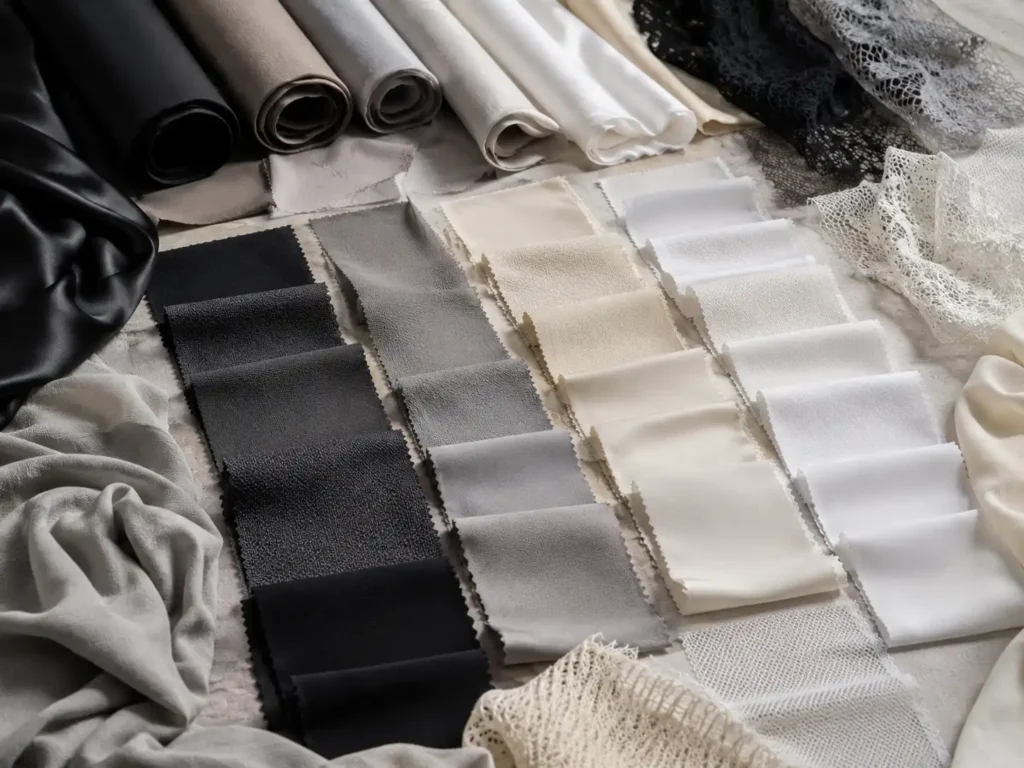
Color Is Not One Value
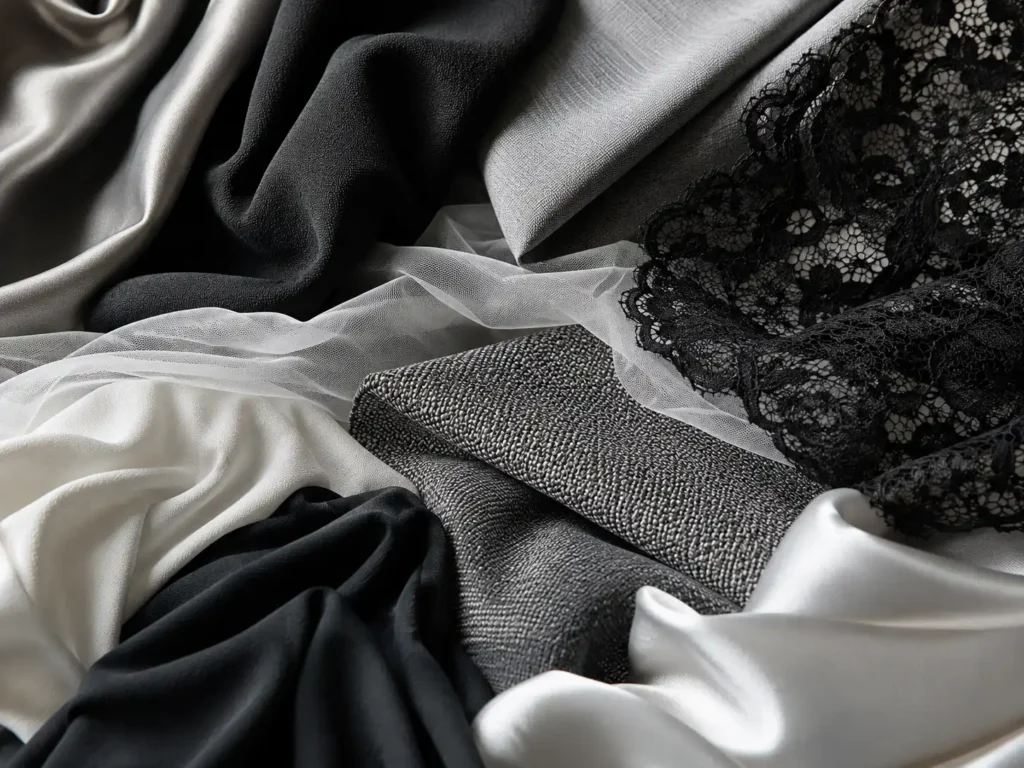
Texture Carries the Story
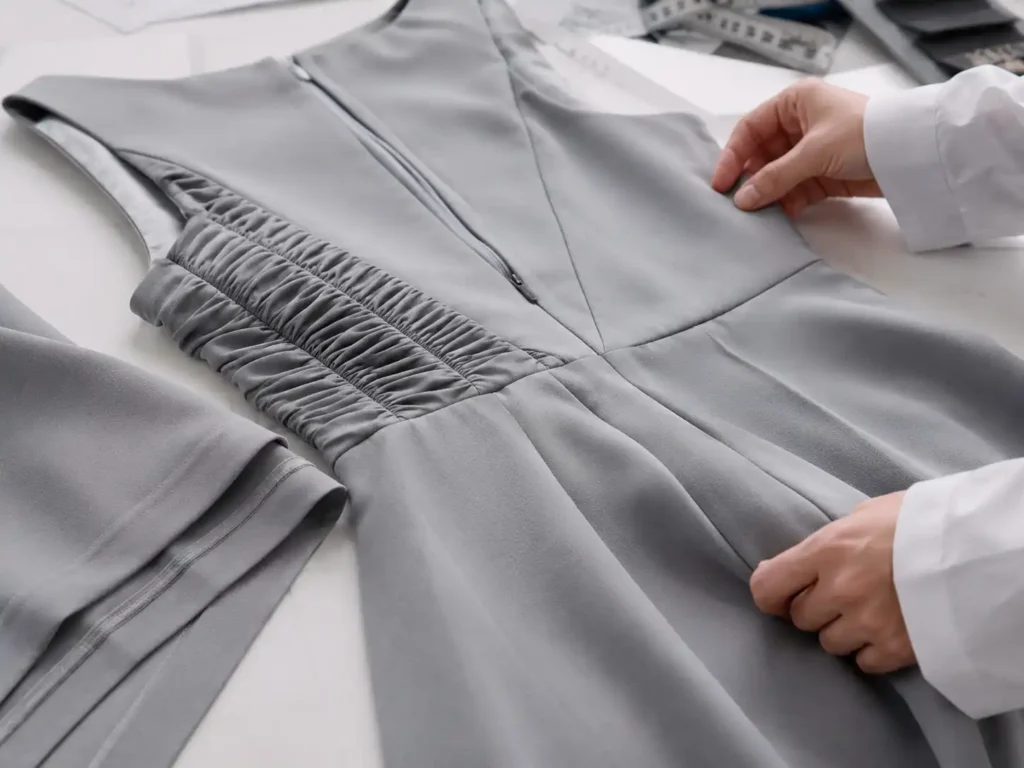
Details Become Highly Visible
Three Ways to Build a Monochrome Collection
Black and White
Neutral Tonal Range
Single-Color Depth
Dress Styles for a Commercial Monochrome Range
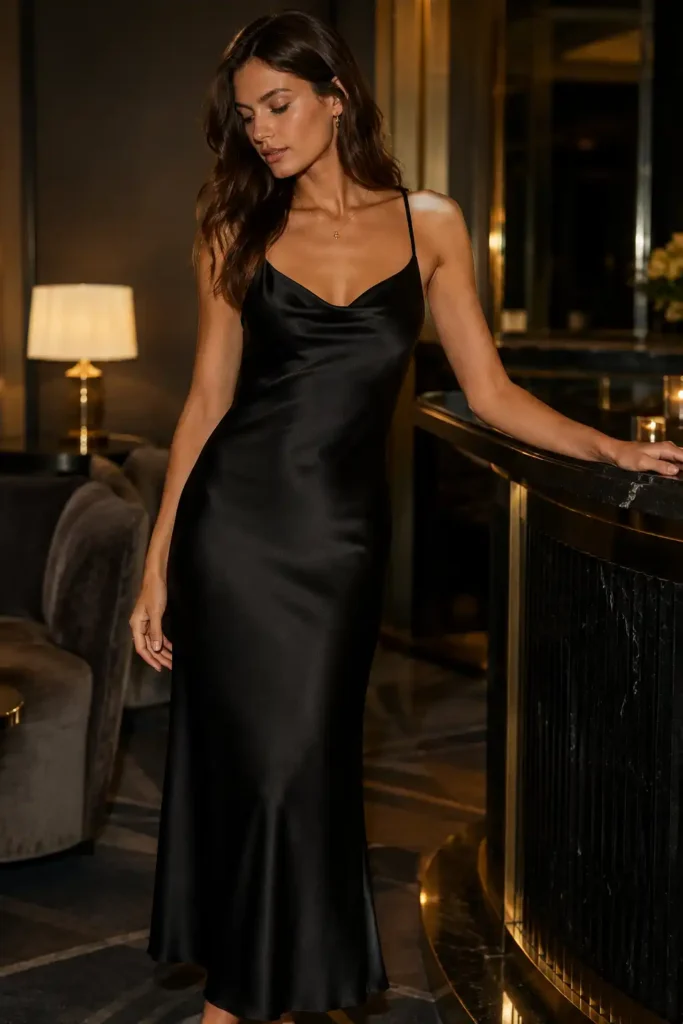
Satin Slip Dress
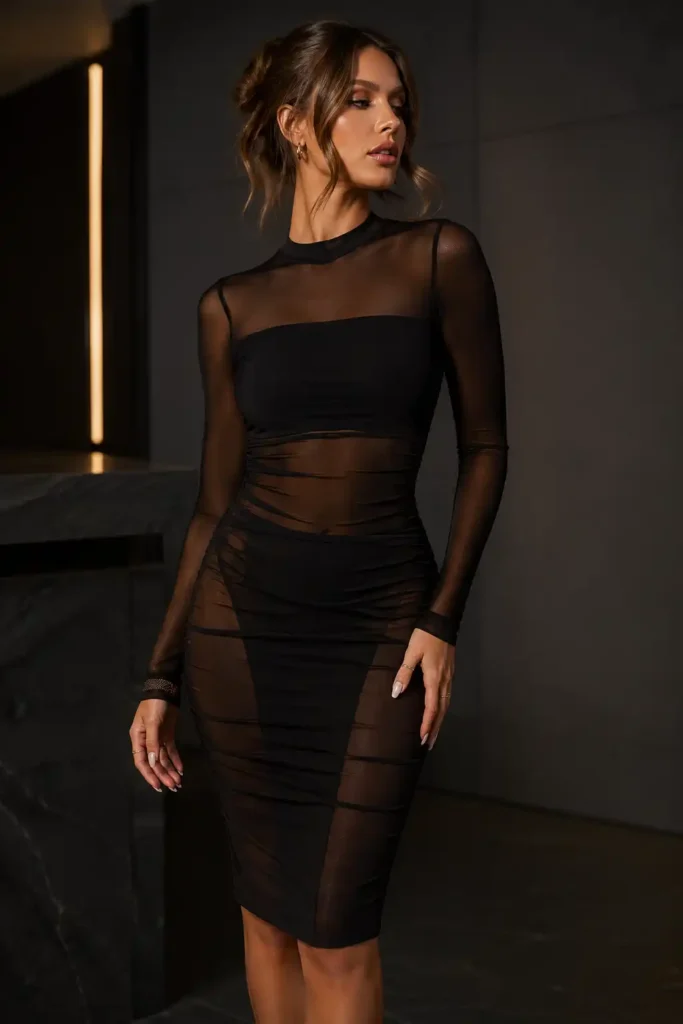
Mesh Bodycon Dress
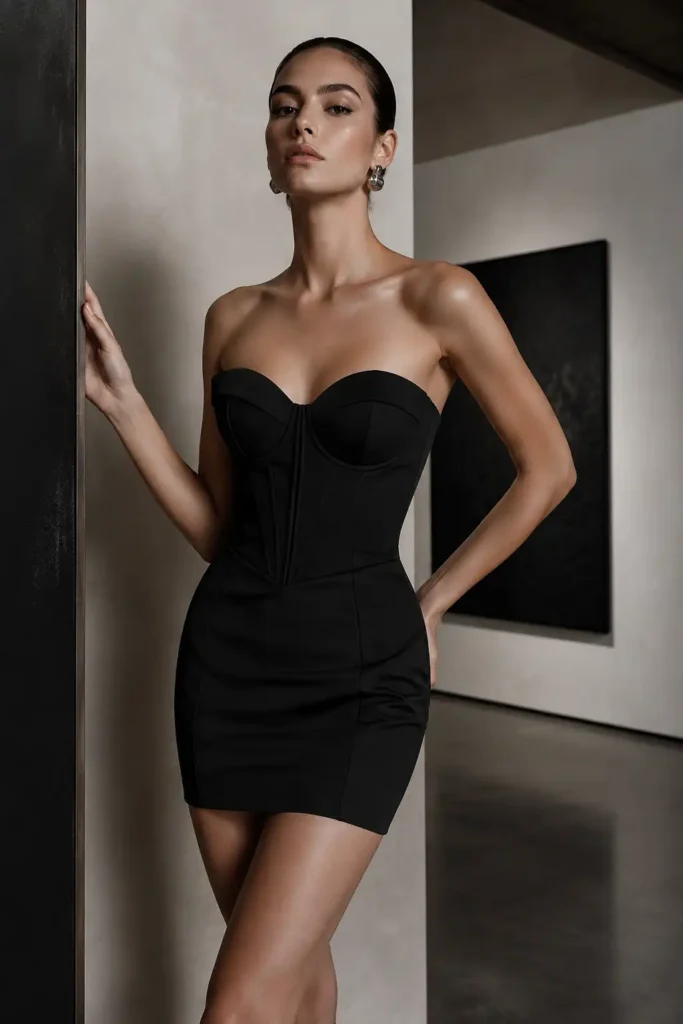
Corset Mini Dress
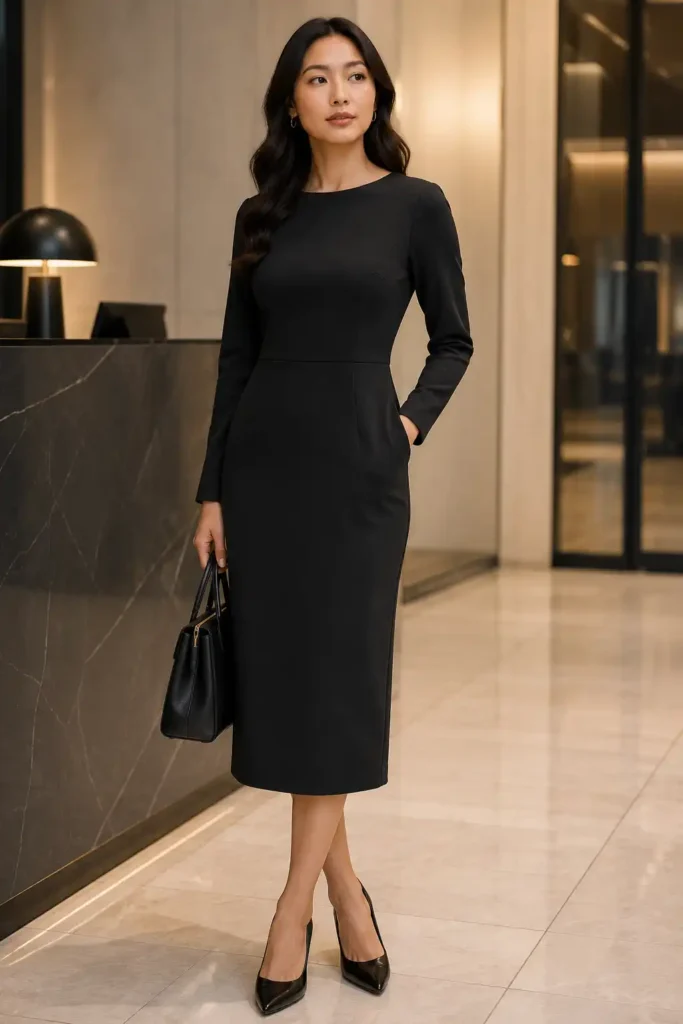
Ponte Midi Dress
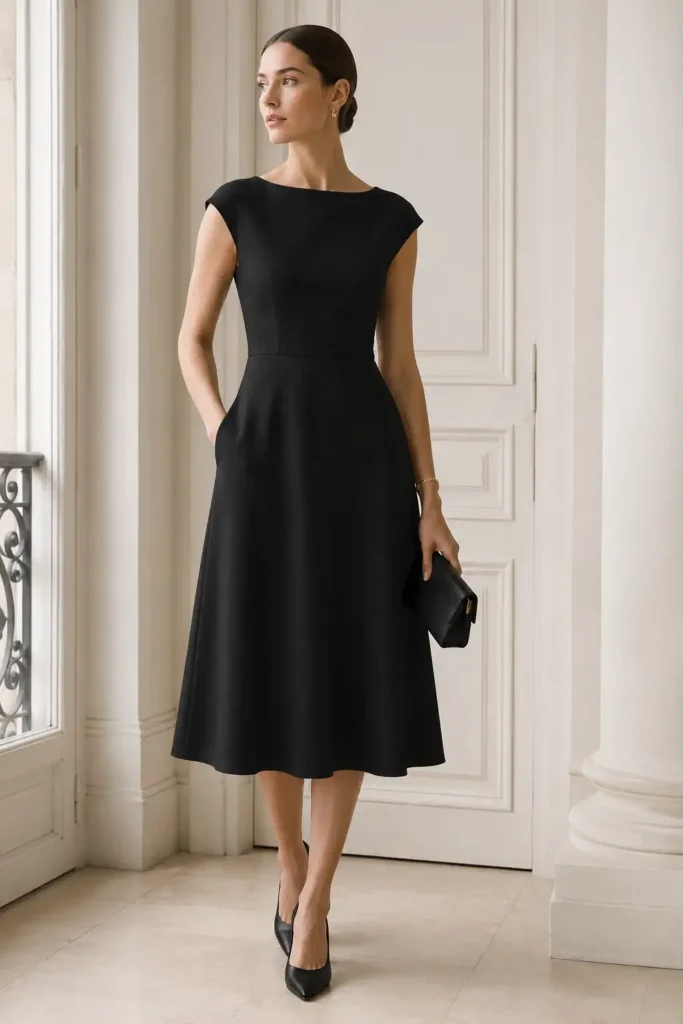
Crepe A-Line Dress
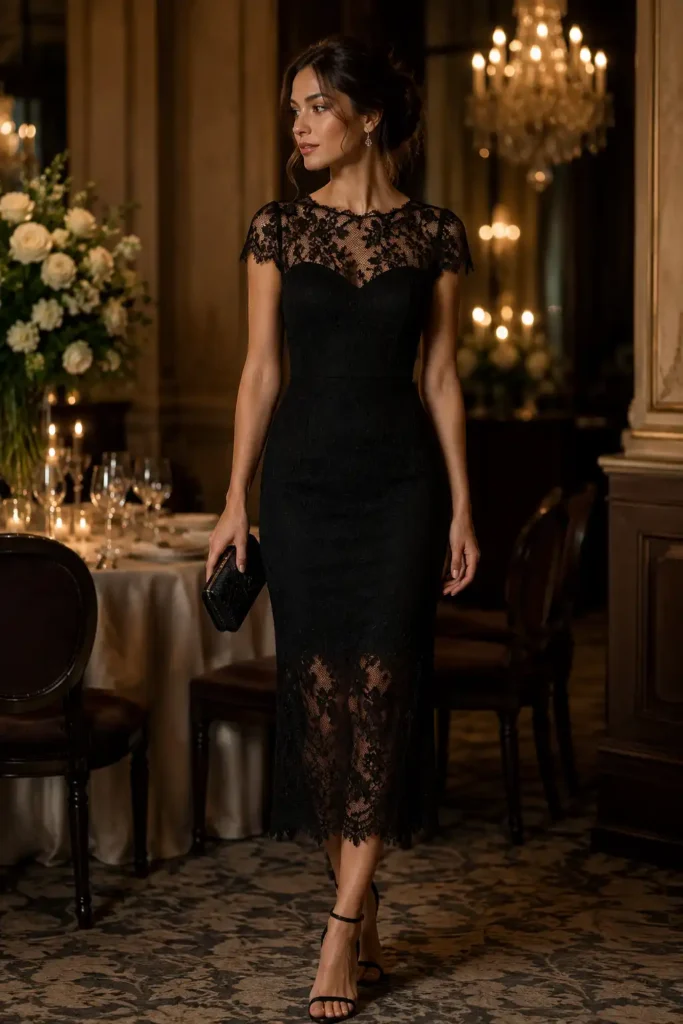
Lace Occasion Dress
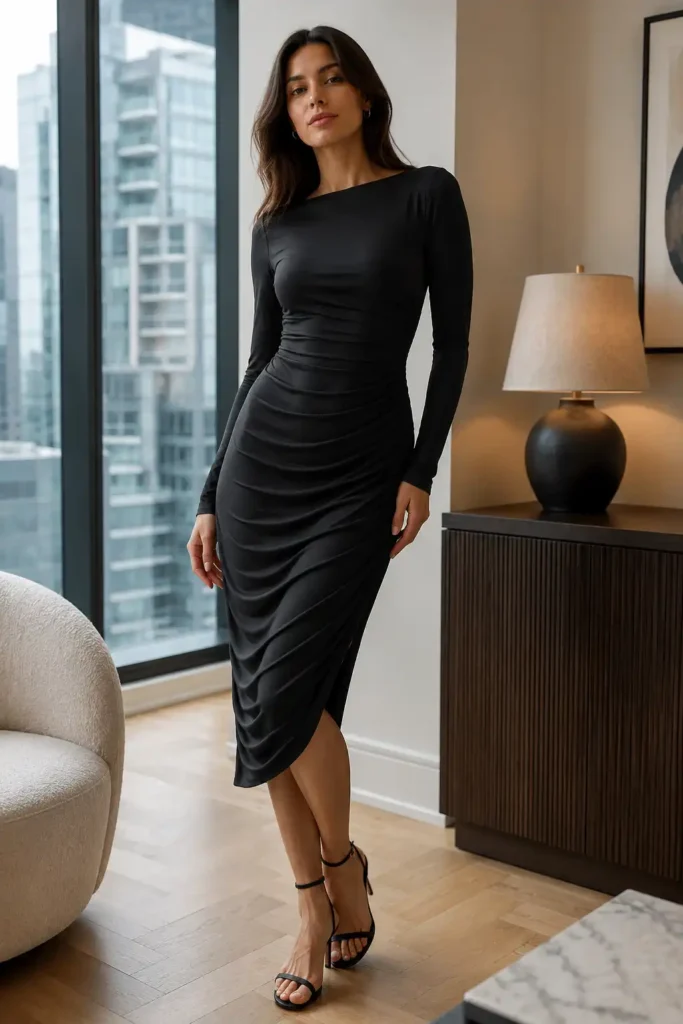
Jersey Ruched Dress
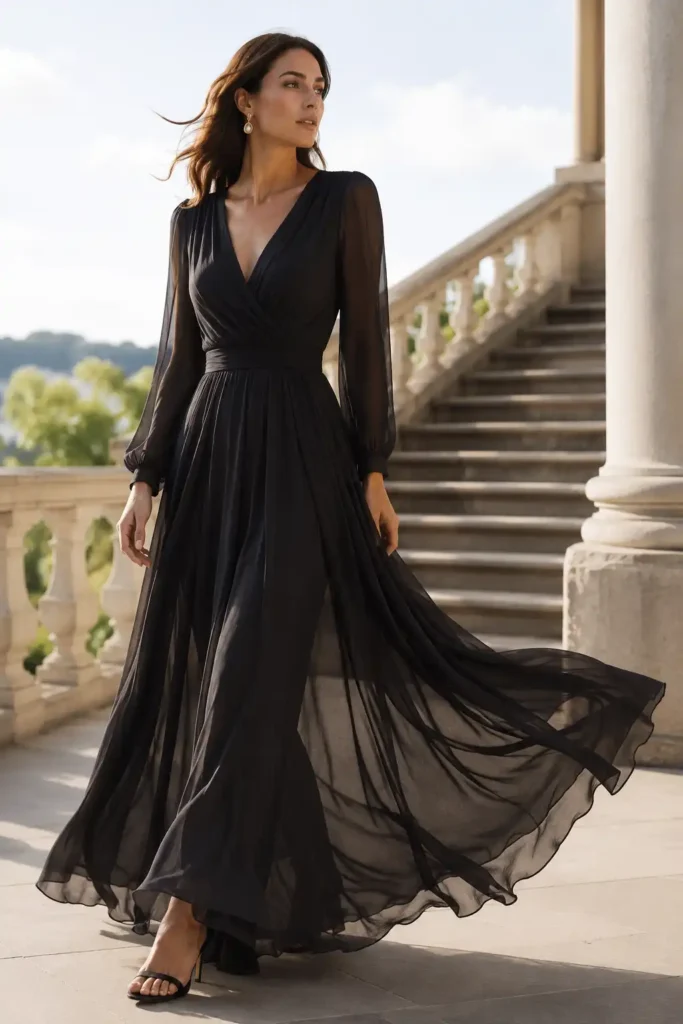
Chiffon Maxi Dress
Color and Fabric Approval Matrix
Color approval must connect visual intent with physical fabric behavior. Pantone references can guide development, while fabric swatches, lab dips and bulk references provide the production standard.
| Color Direction | Best-Suited Materials | Main Approval Points | Bulk Risk to Control |
|---|---|---|---|
| Neutral Black | Satin, jersey, ponte, crepe, lace, mesh | Undertone, face direction, gloss, lining, thread and zipper tape | Blue-black/red-black mismatch, dye-lot variation, pressing shine |
| Optical White | Crepe, ponte, structured woven, selected jersey | Opacity, optical brightness, lining coverage, stain handling | Transparency, yellow cast, visible seam allowance, handling marks |
| Ivory/Cream | Satin, lace, chiffon, crepe, mesh overlay | Warmth, lining tone, lace-base match, trim color | Yellow variation, mismatched whites, dirty appearance under cool light |
| Grey/Charcoal | Ponte, jersey, suiting, crepe, satin | Warm/cool balance, depth, surface finish, thread match | Green or purple cast, cross-fabric tone separation |
| Chocolate/Espresso | Satin, velvet, jersey, crepe, ponte | Red/brown balance, gloss direction, lining and zipper colors | Deep-shade dye variation, surface shading, reorder mismatch |
| Single Tonal Hue | Mixed matte, gloss, sheer and textured fabrics | Master swatch, depth hierarchy, fabric-specific acceptance range | Every fabric matching numerically but failing visually as a collection |
Fabric Textures That Create Monochrome Depth
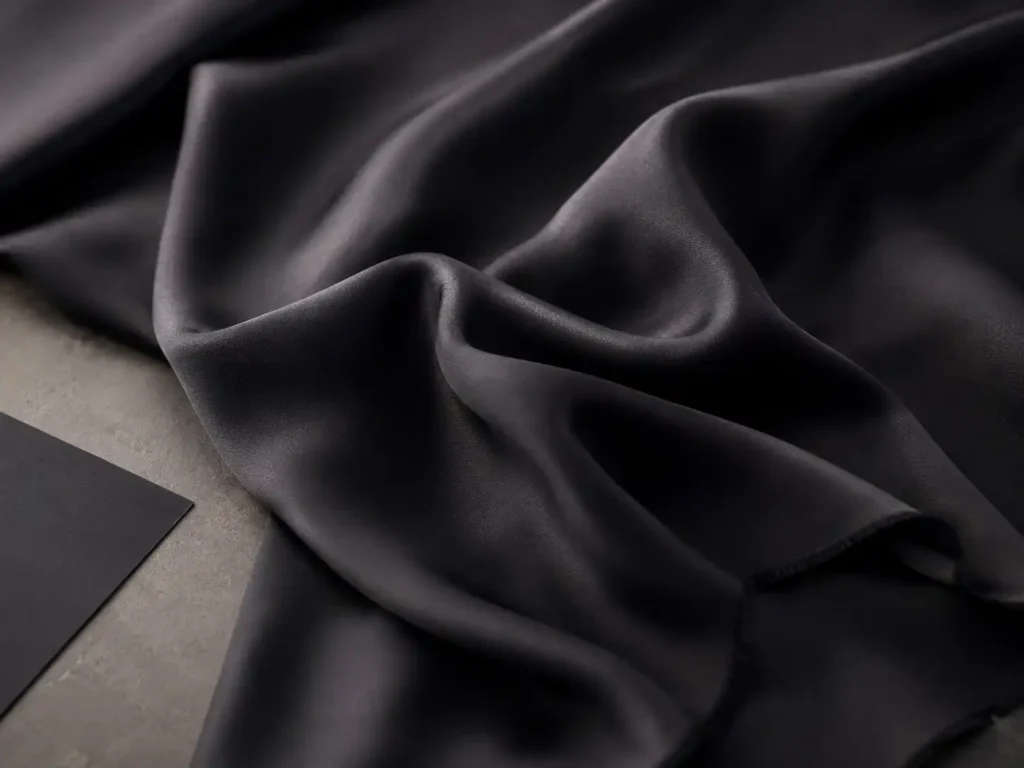
Matte Satin
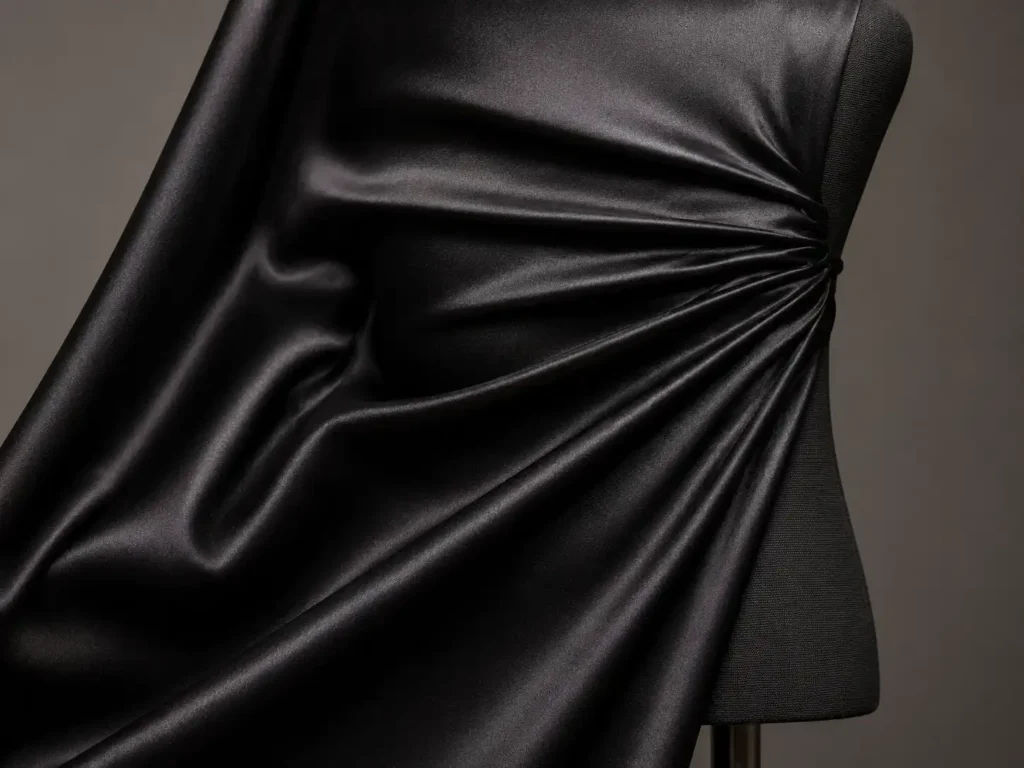
Stretch Satin
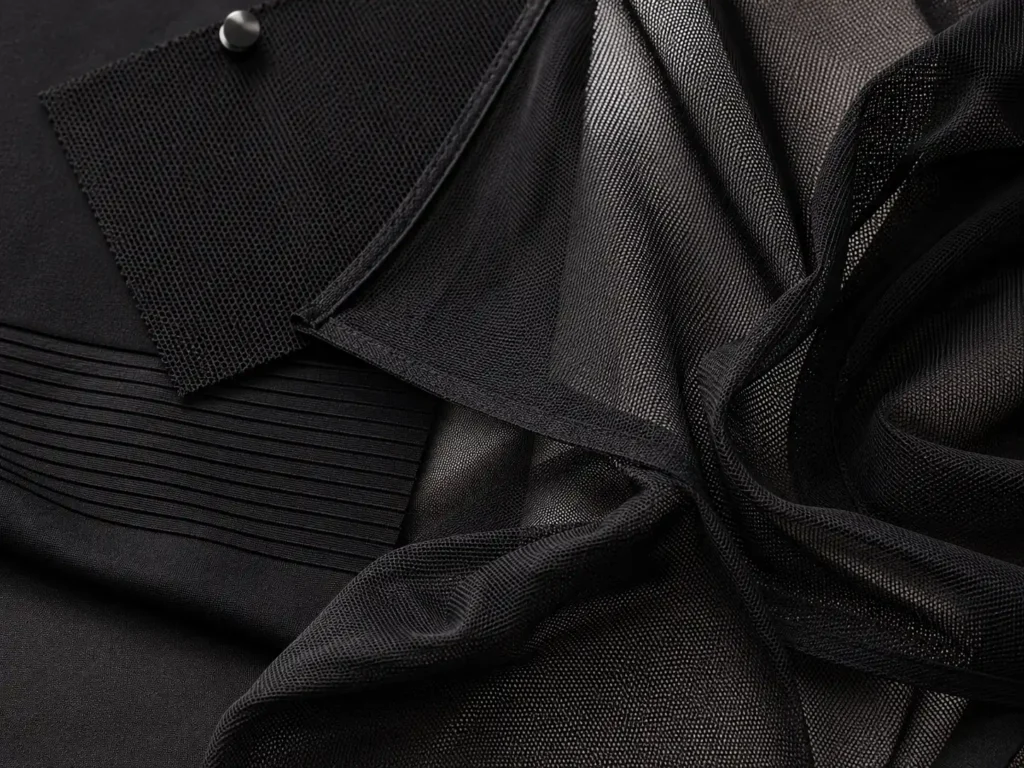
Power Mesh
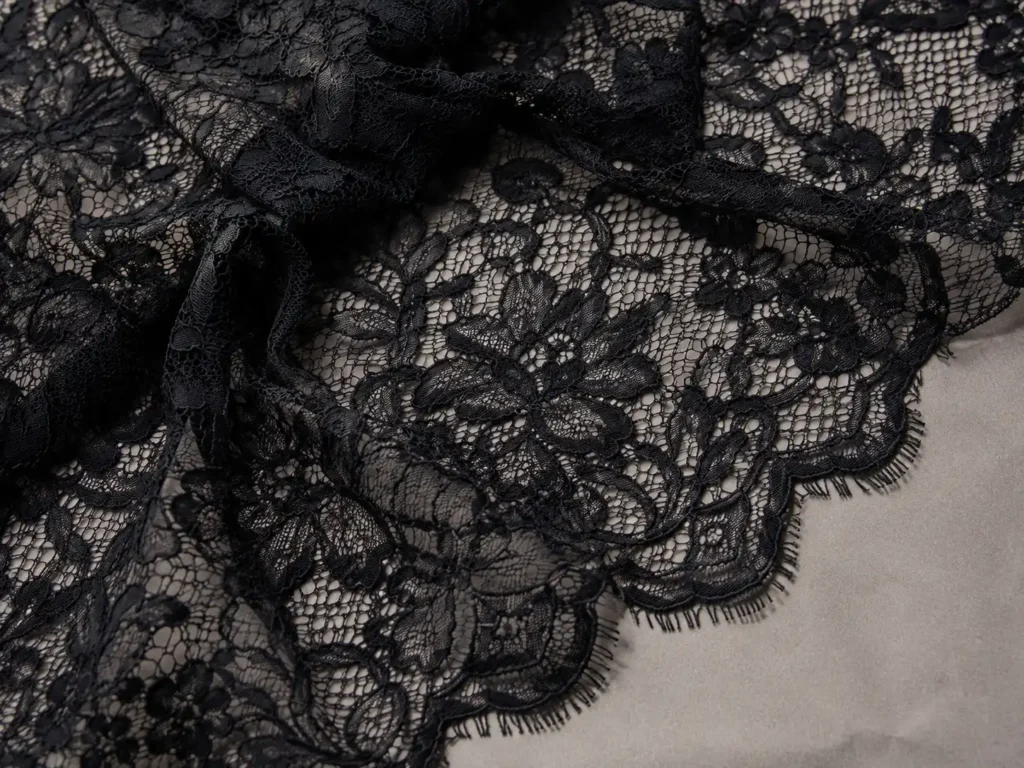
Fashion Lace
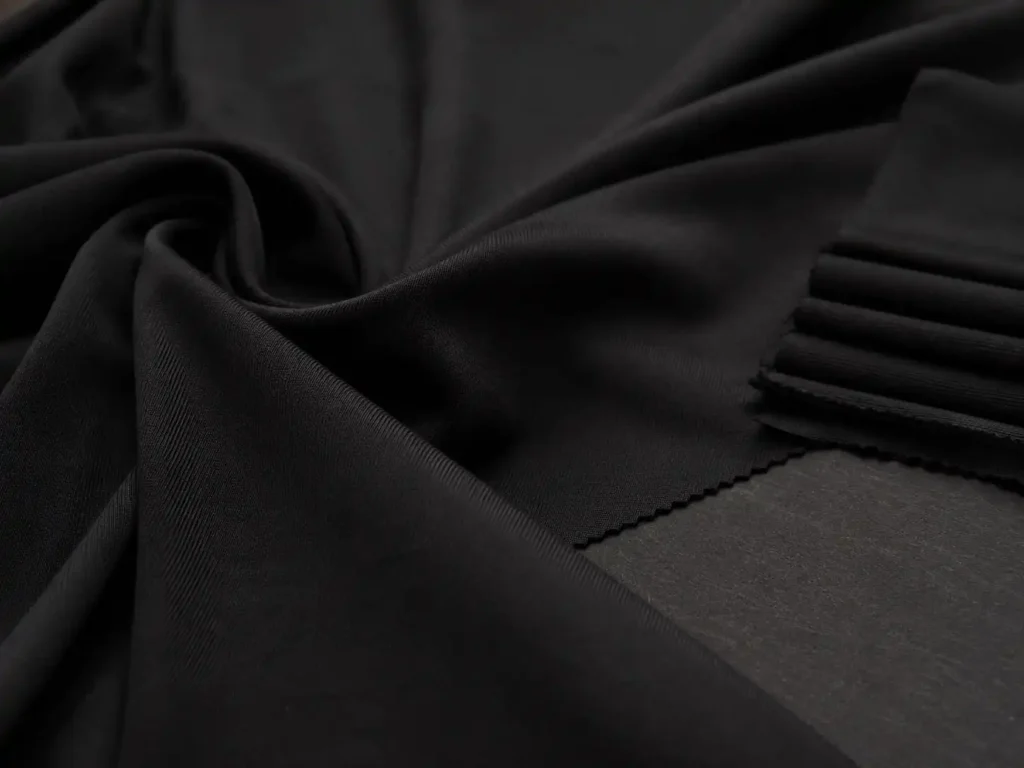
Jersey Knit
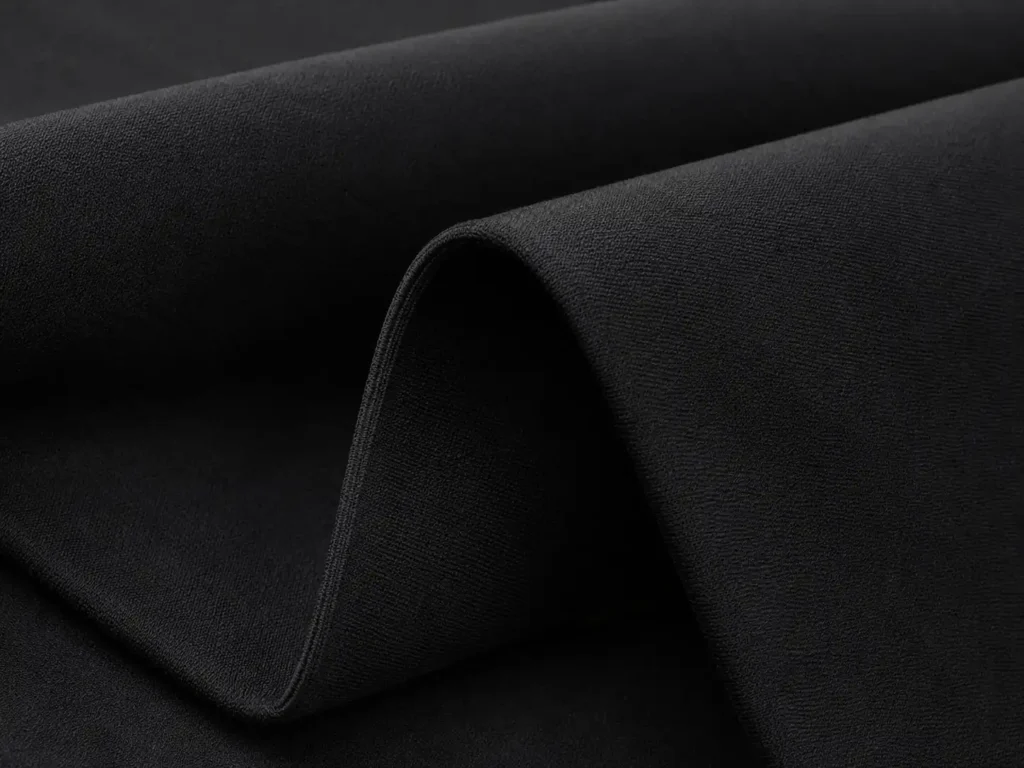
Ponte Roma
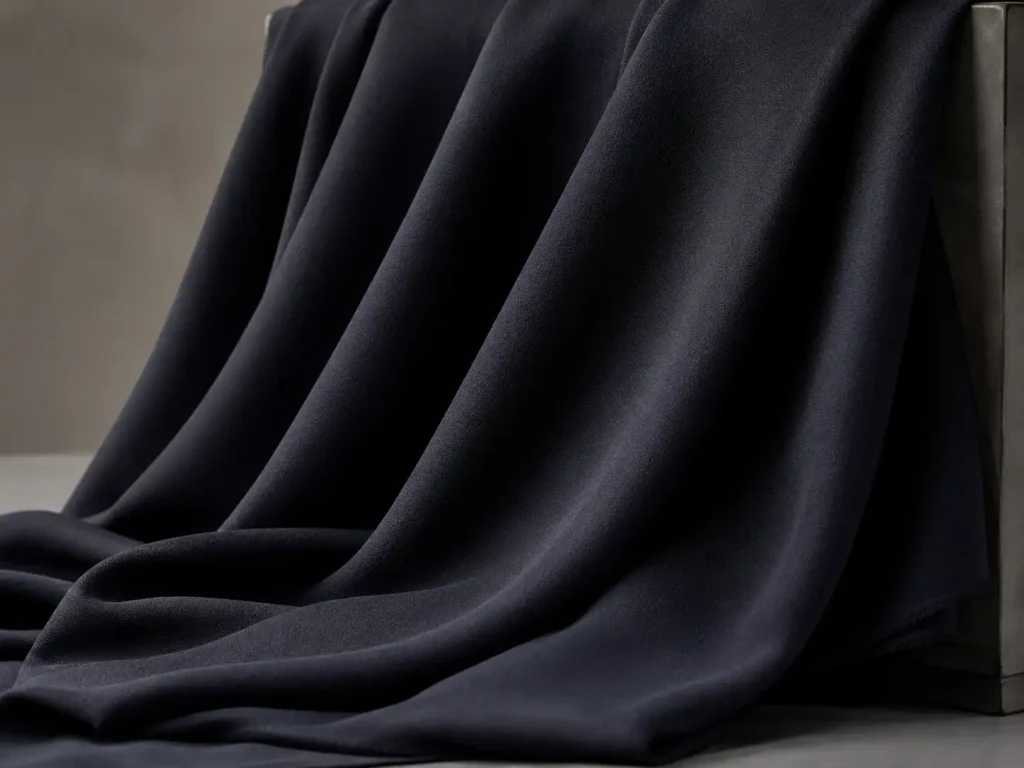
Soft Crepe
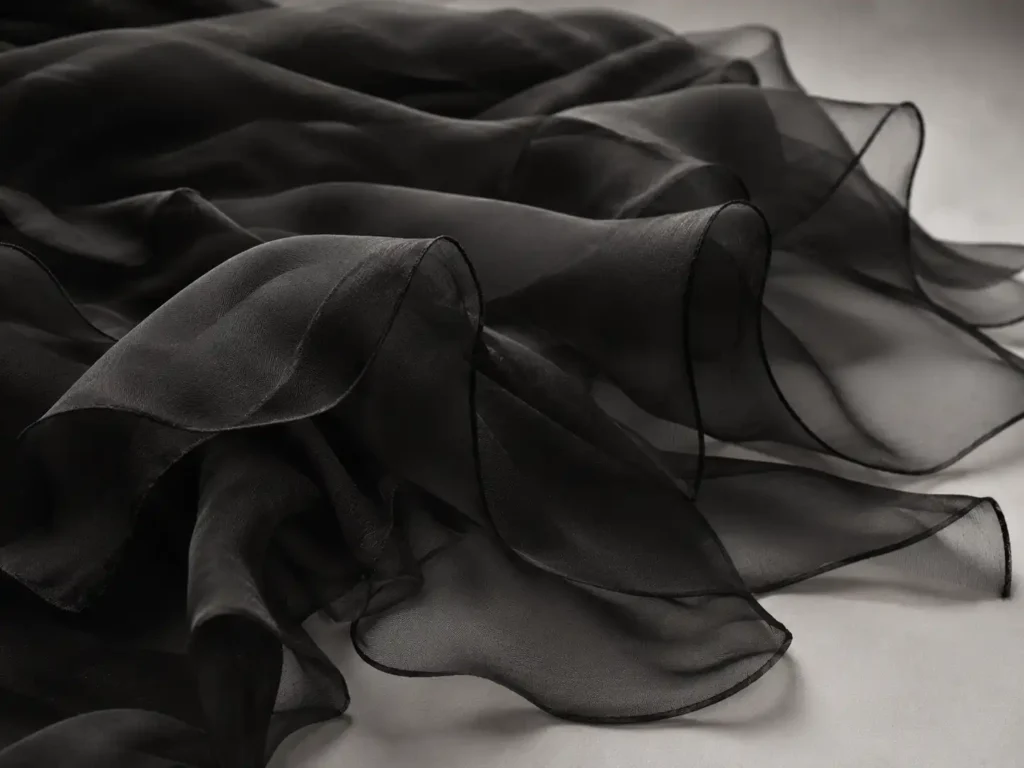
Chiffon Layering
Silhouette Architecture Across the Collection
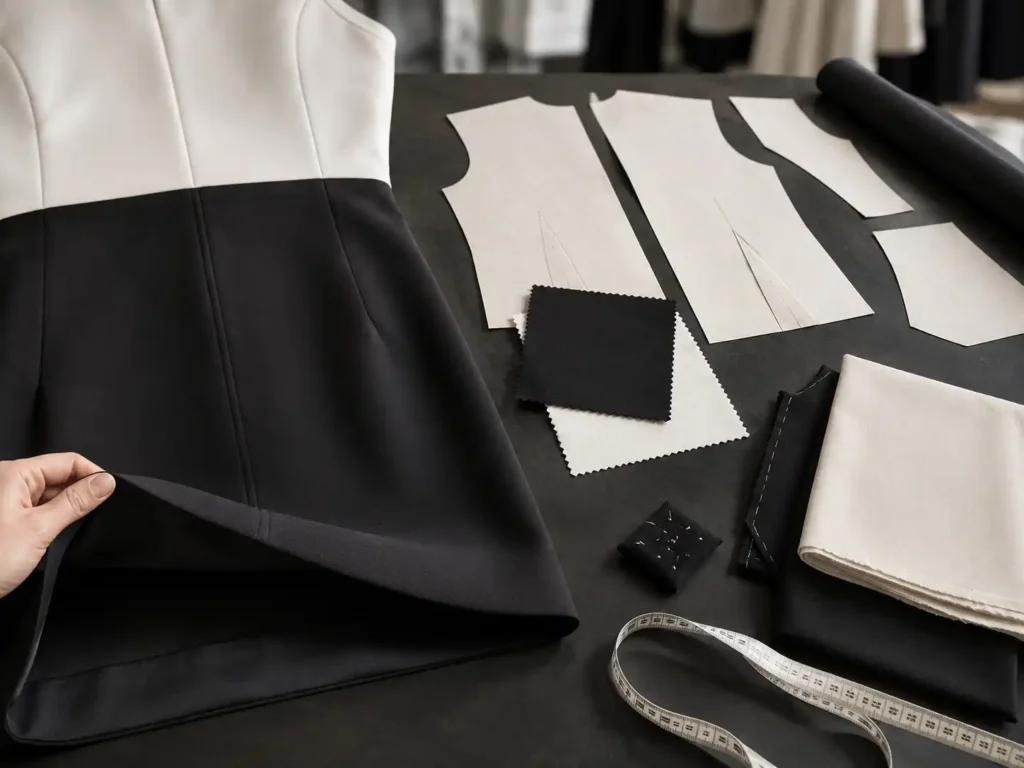
Mini Proportion
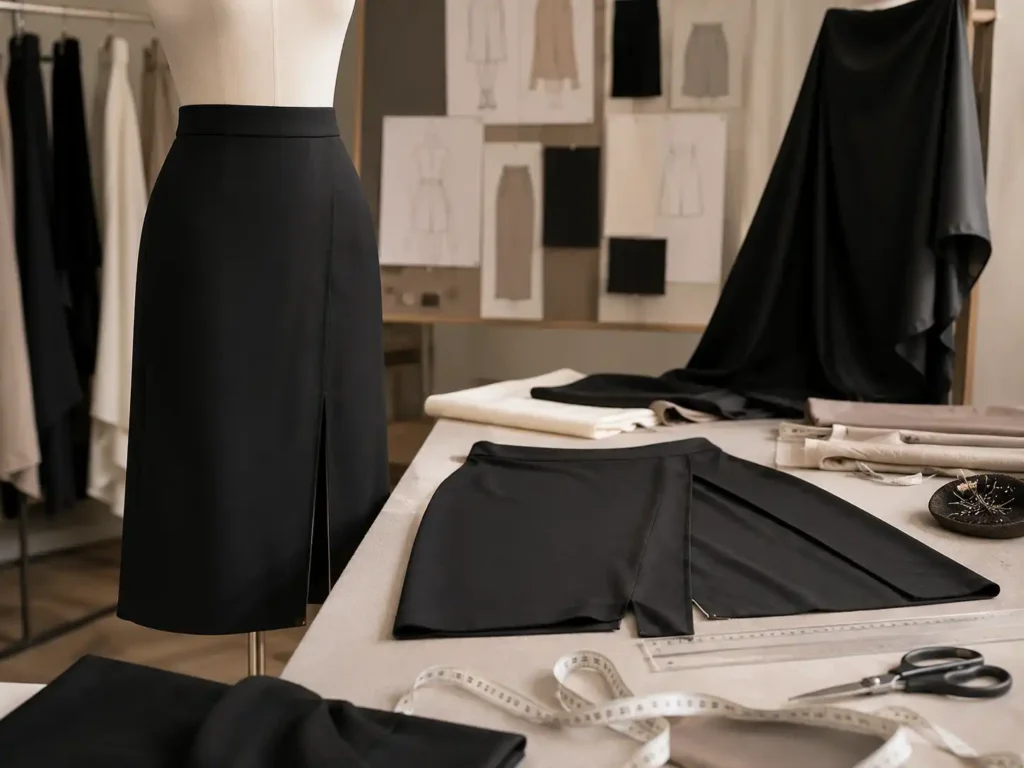
Midi Balance
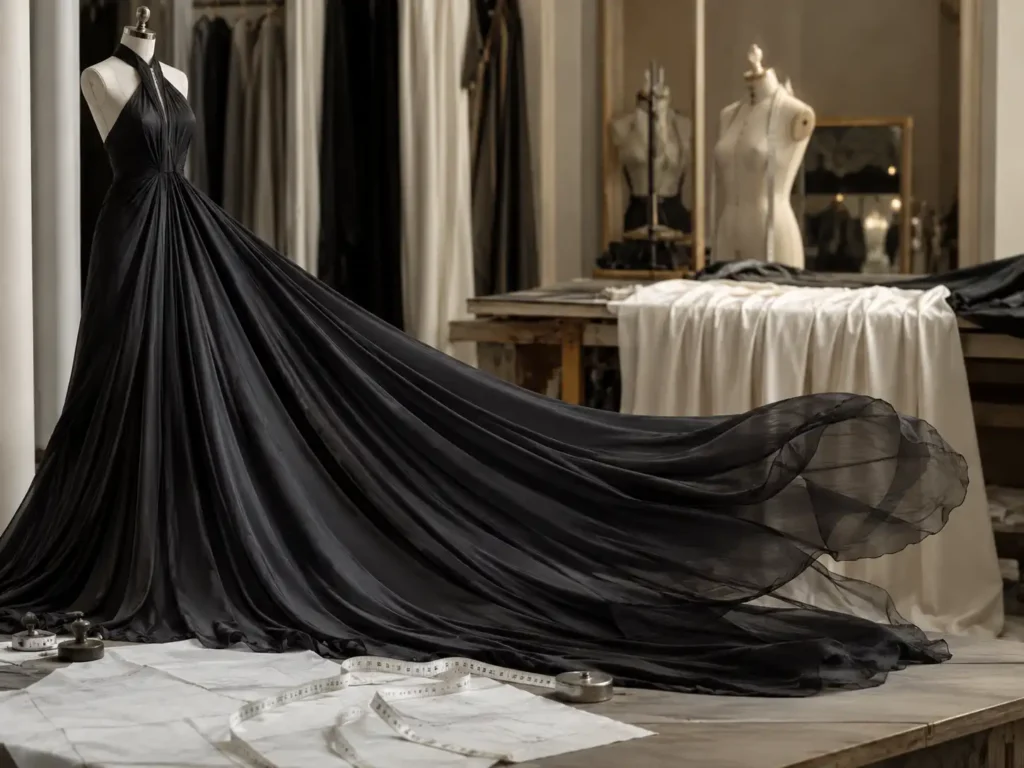
Maxi Movement
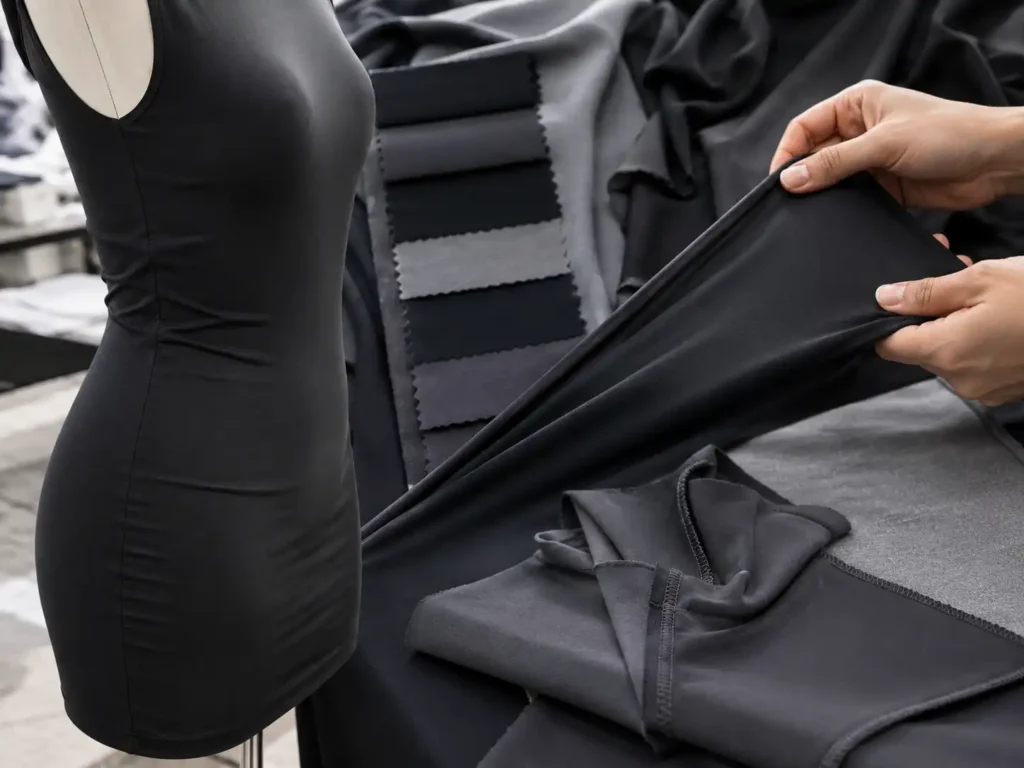
Bodycon Fit
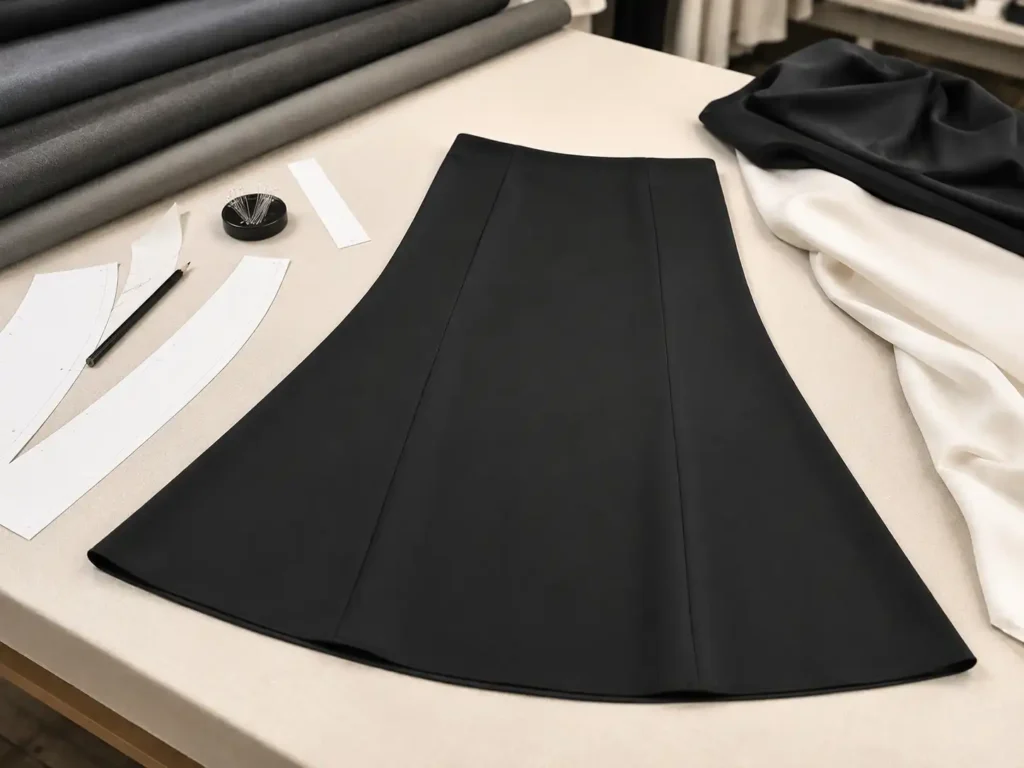
A-Line Shape
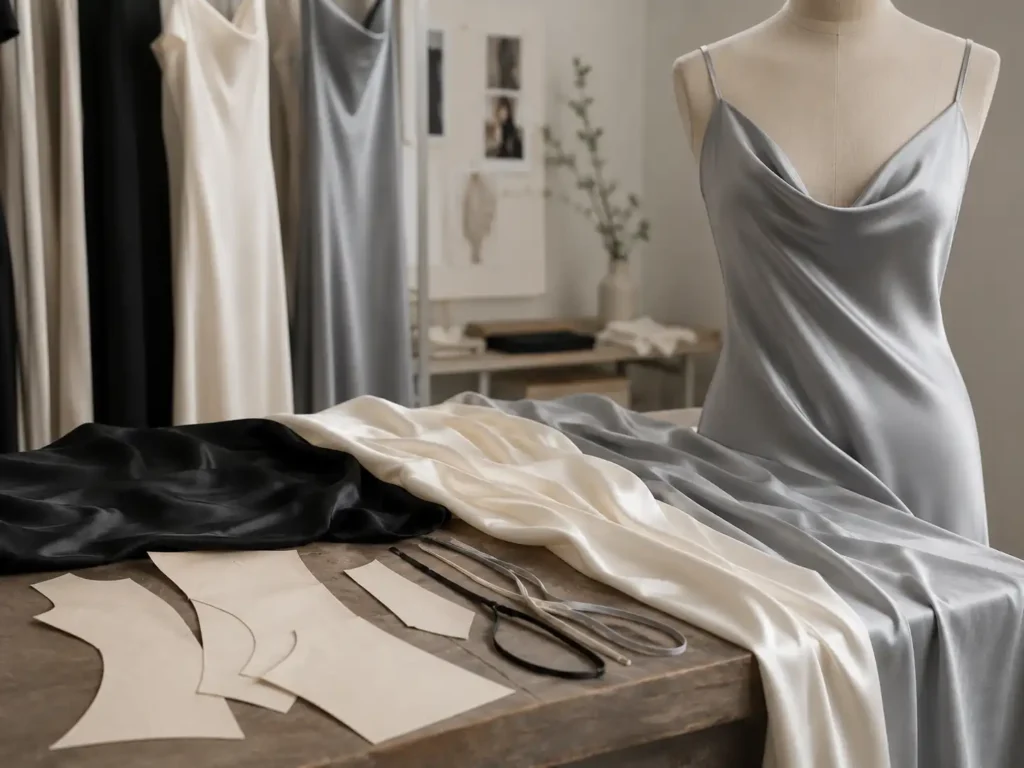
Slip Line
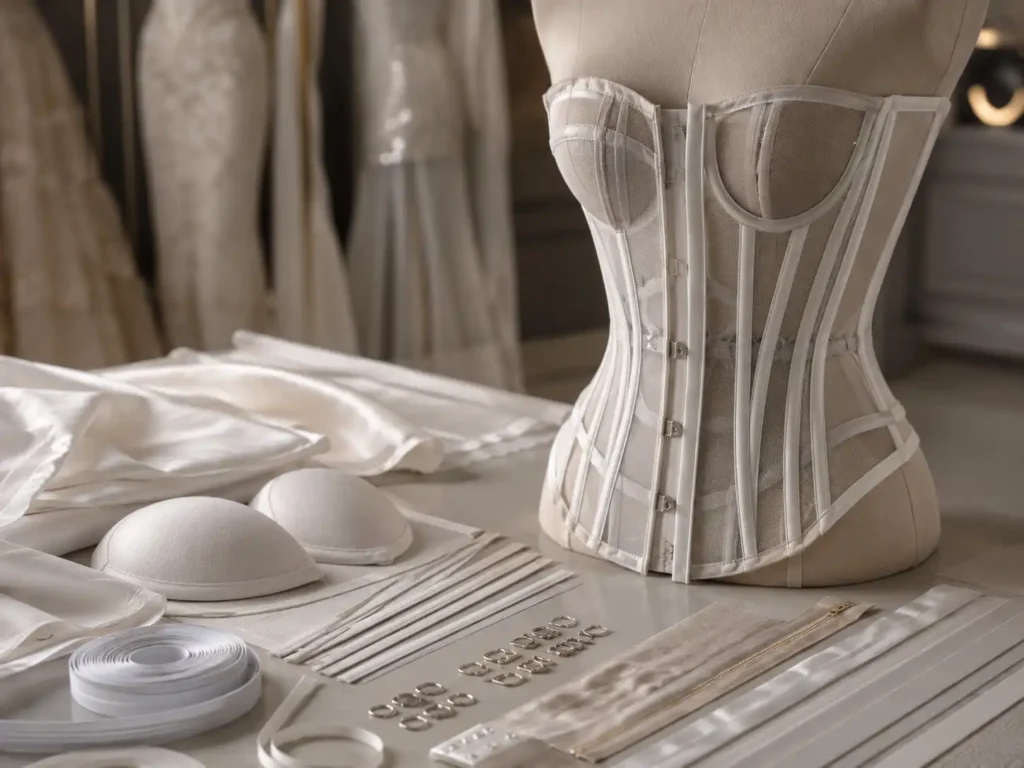
Corset Structure
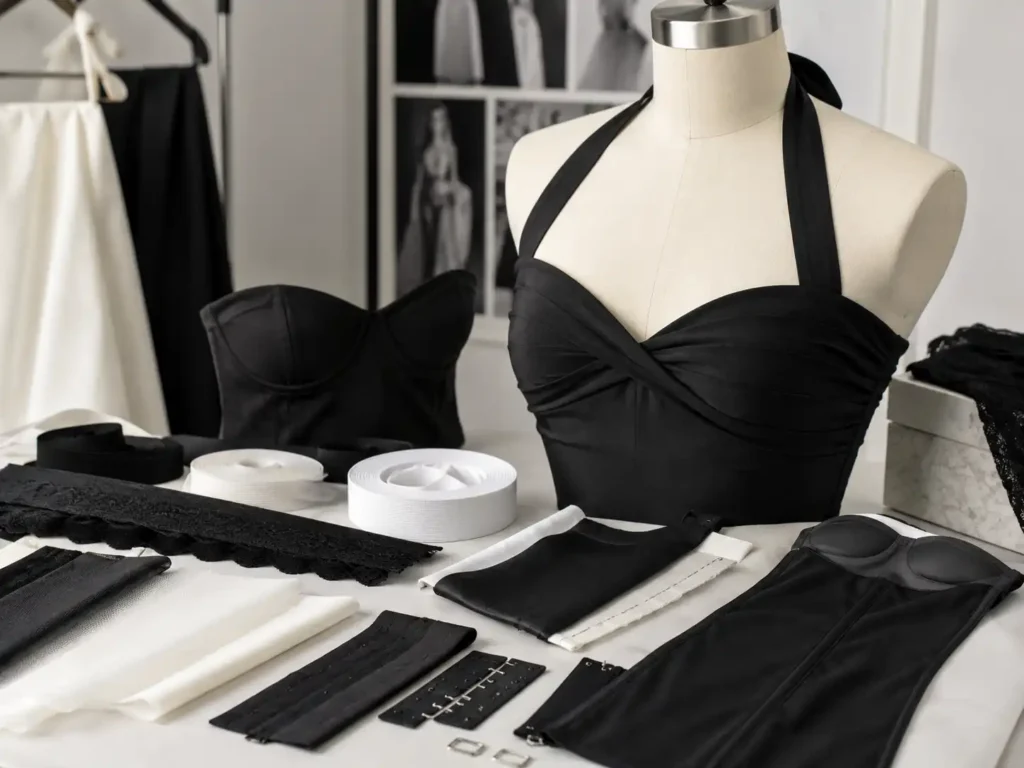
Halter Strapless
Design Details That Keep the Range Cohesive

Neckline Language
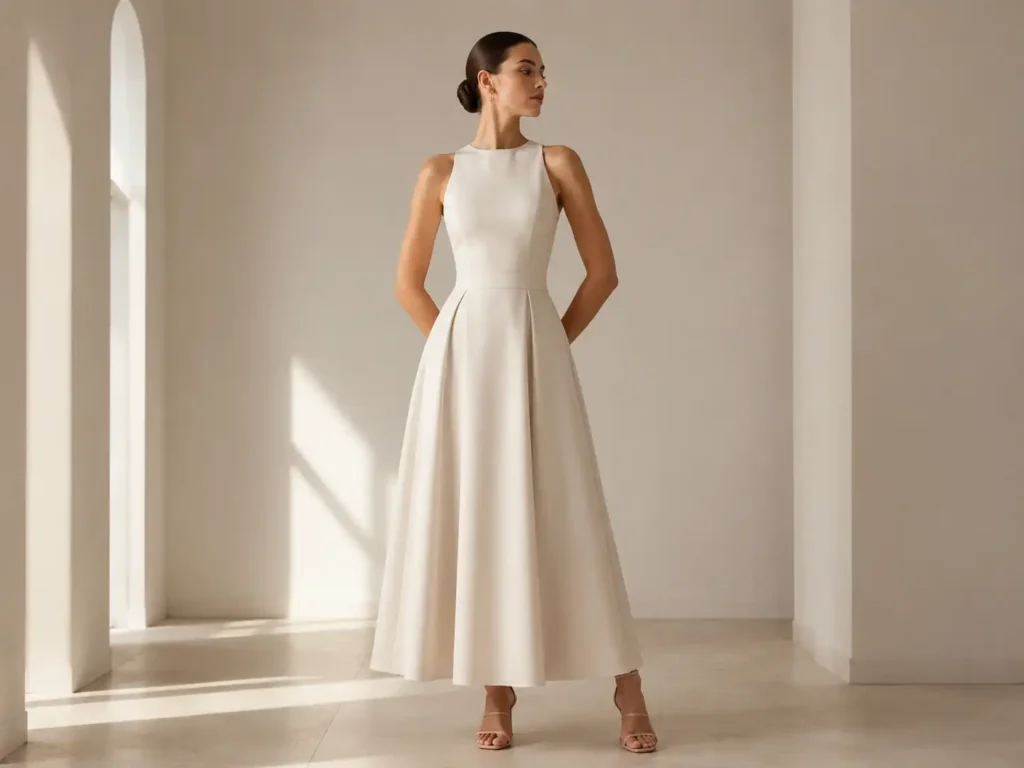
Waist Placement
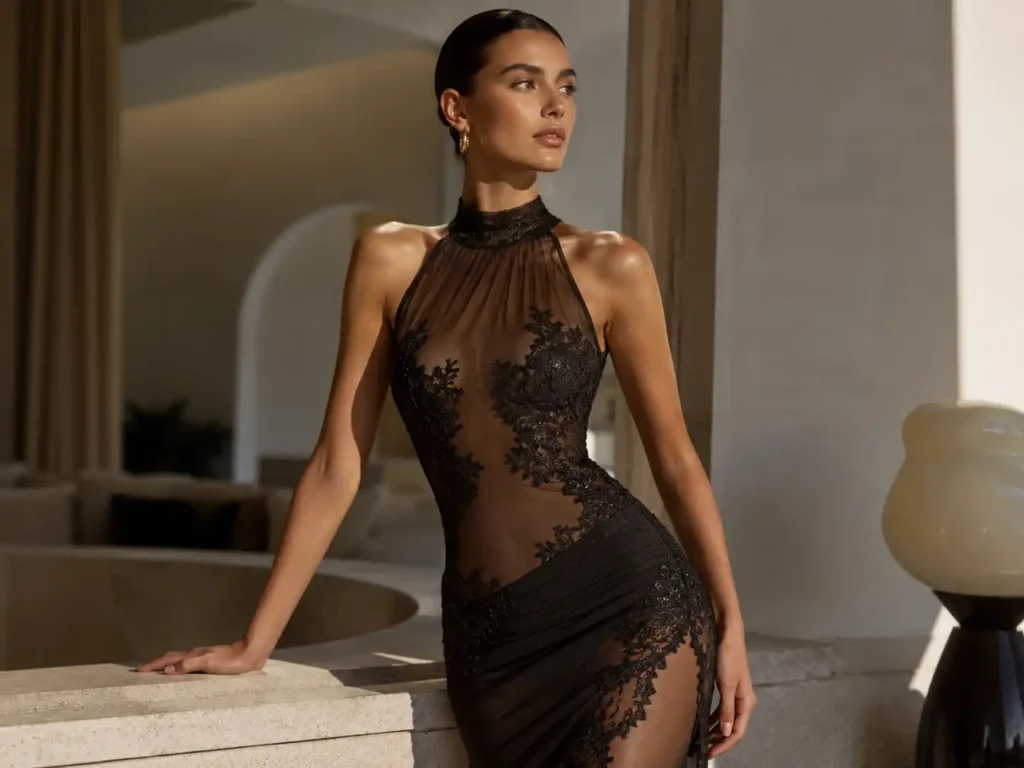
Controlled Transparency
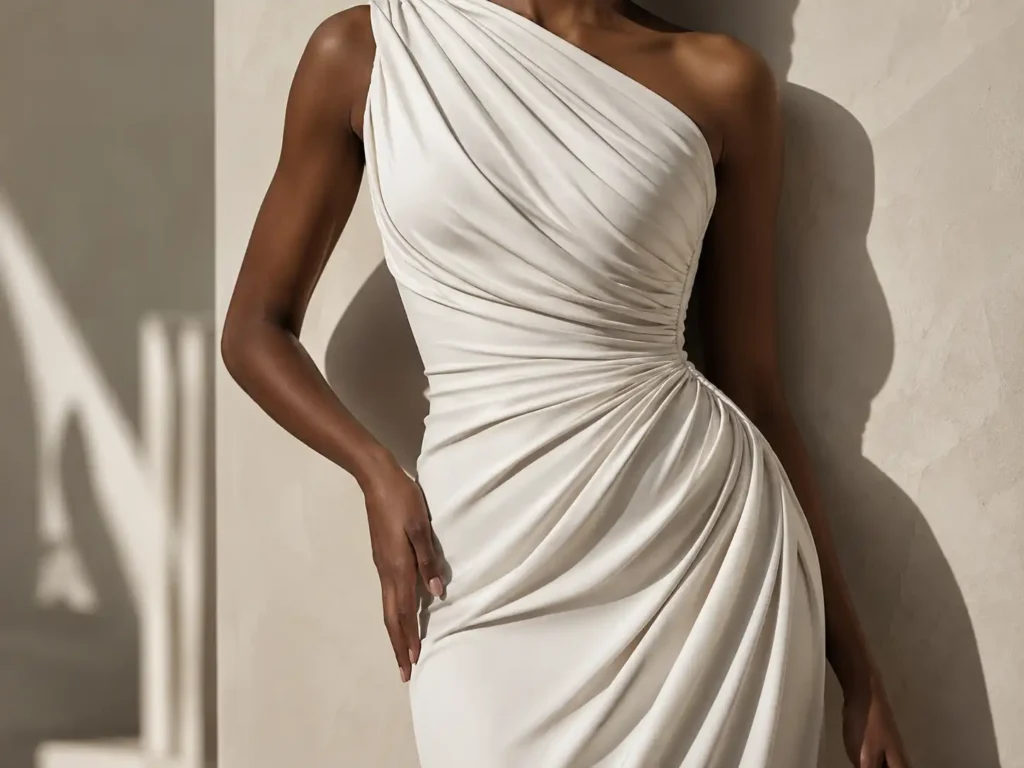
Ruching and Draping
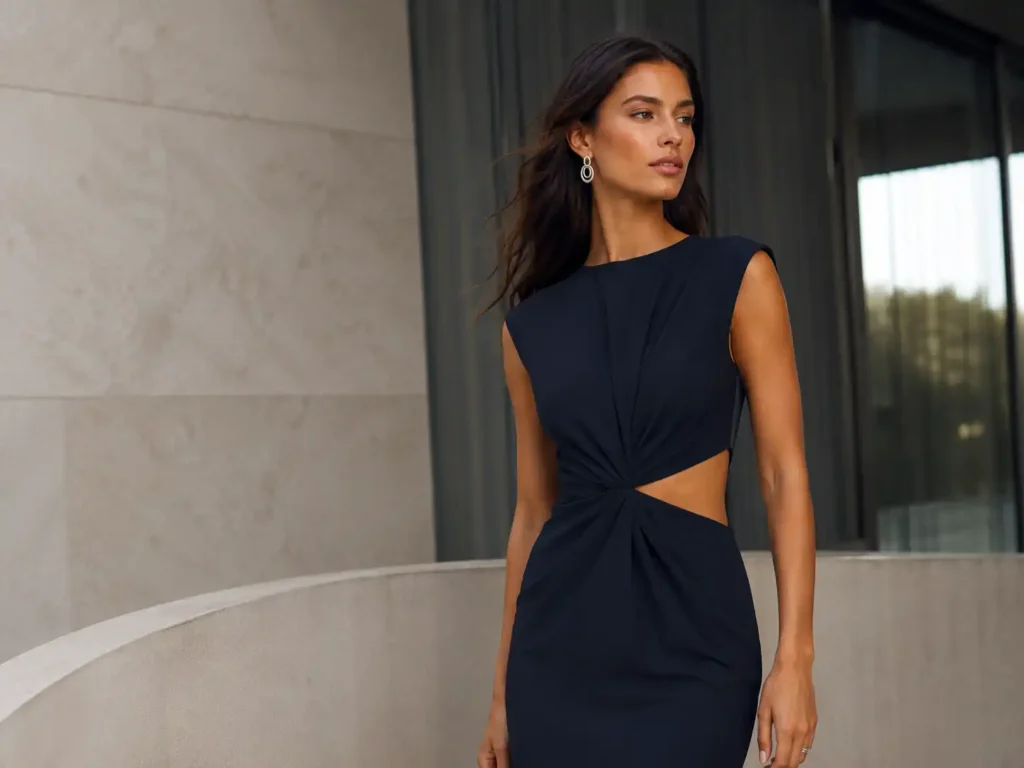
Cut-Out Stability
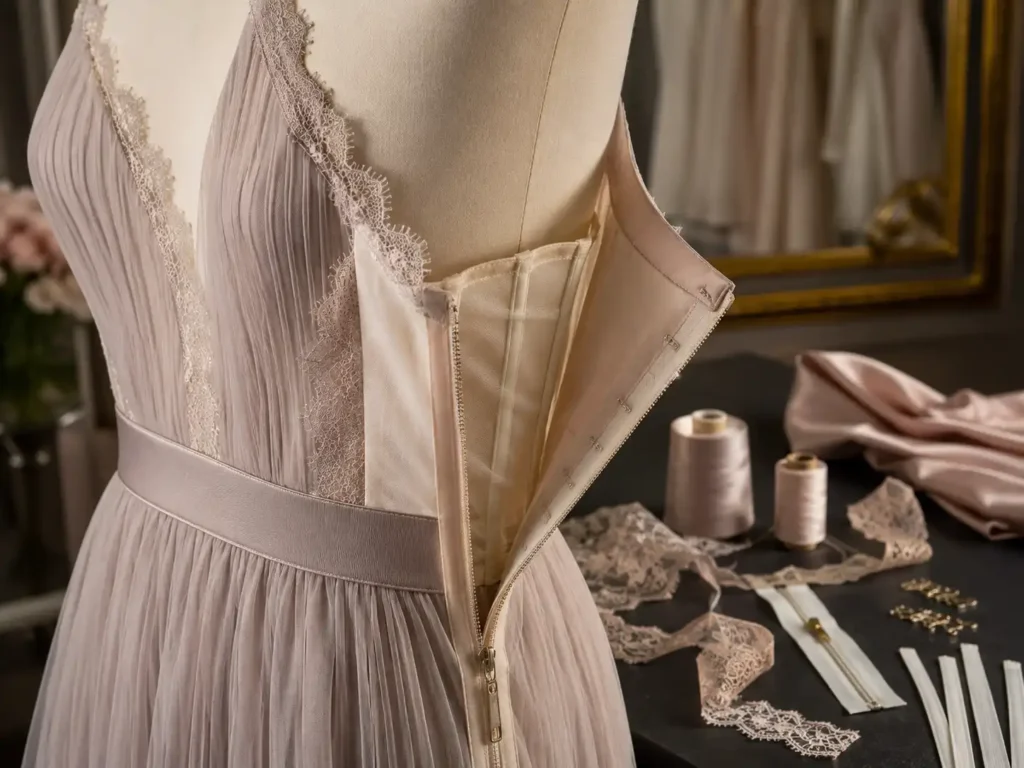
Trim Integration
From Collection Brief to Bulk Production
Collection Review
Color Architecture
Fabric and Trims
Pattern Development
First Samples
Revision Control
PP and Handover
Bulk and Delivery
Multi-Style Sampling Without Version Confusion
Hero Style Priority
Fabric Grouping
Pattern Complexity
Revision Tracker
Photo Sample Planning
Approval Dashboard
Sample Approval Must Create a Production Standard
A visually acceptable sample is not enough. The approved garment must be translated into controlled production files so pattern, material, construction, labels and inspection remain aligned across factories and batches.
Fit and Pattern Lock
The final pattern version, base-size measurements, grading rules, seam allowances, neckline depth, waist placement, hip shape, hem length and construction balance are documented before cutting. Changes made during fitting are transferred into the pattern and measurement file rather than left only in comments. Stretch and non-stretch styles use different tolerance logic, and fabric behavior is considered before final approval.
- Locked records: final pattern, size chart, grade rule, tolerance, fit notes and approved sample reference.
- Critical checkpoints: bust stability, waist position, hip ease, strap length, slit safety, lining length and hem balance.
Material and Construction Lock
Shell fabric, lining, interlining, mesh, lace, zippers, thread, elastic, boning, cups and decorative trims are listed in the BOM or trim card. Fabric face, direction, shade reference, placement and handling instructions are confirmed. Sewing details include seam type, stitch behavior, ruching ratio, zipper method, lining attachment, hem finish, pressing and final appearance. Approved private-label and packing files are linked before production release.
- Locked records: fabric reference, color standard, trim card, construction sheet, label placement and packing instruction.
- Change control: post-approval changes require review of cost, material availability, sample need and production schedule before acceptance.
Black, White and Tonal Shade Control
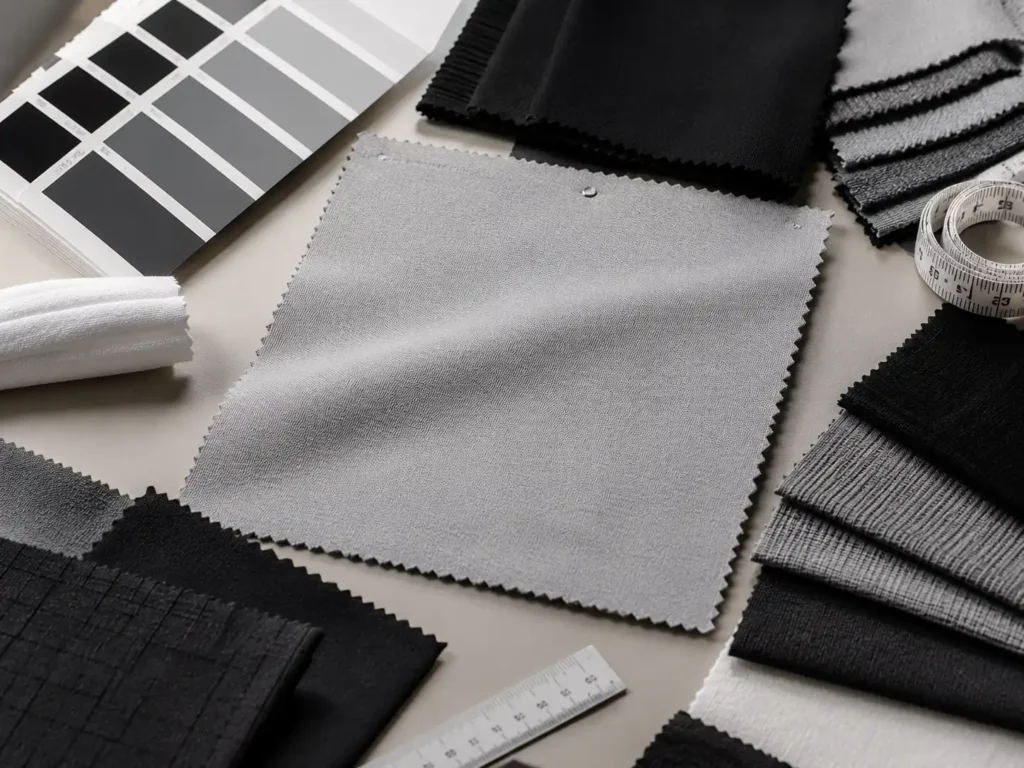
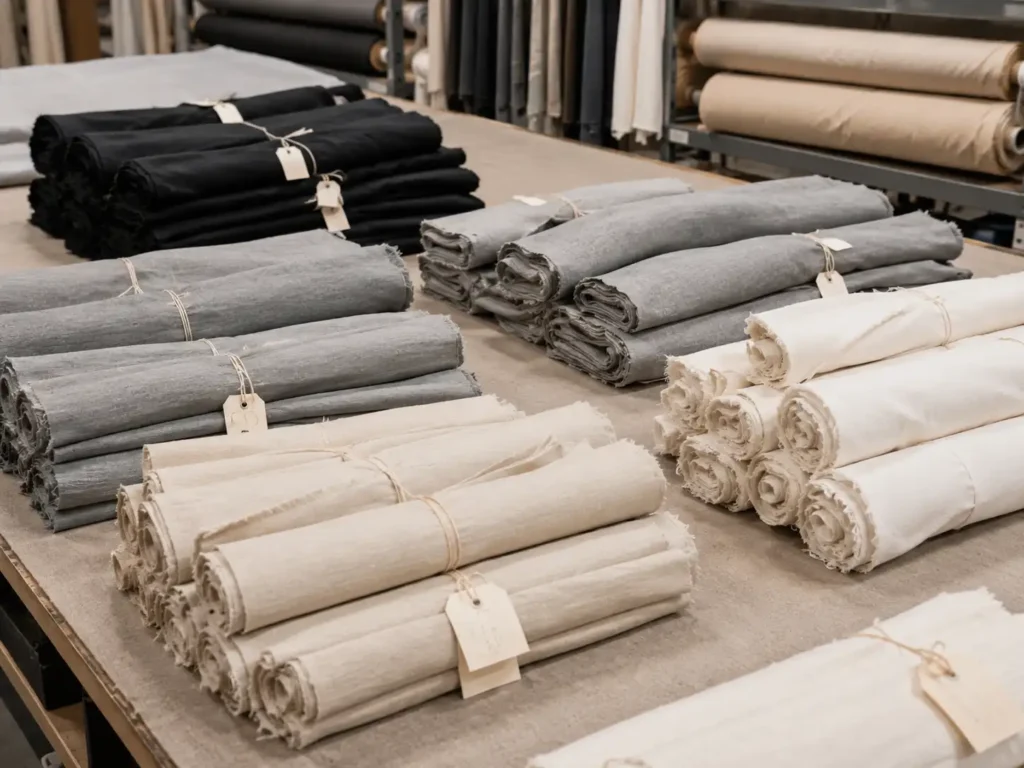
Master Swatch
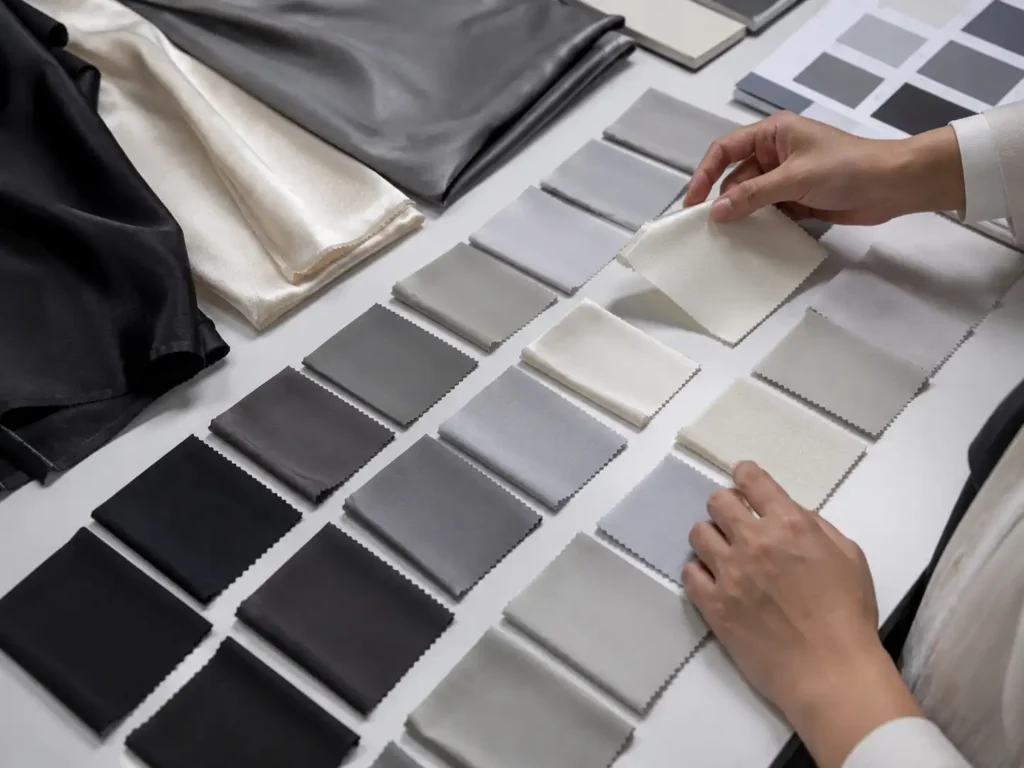
Lab Dip Review
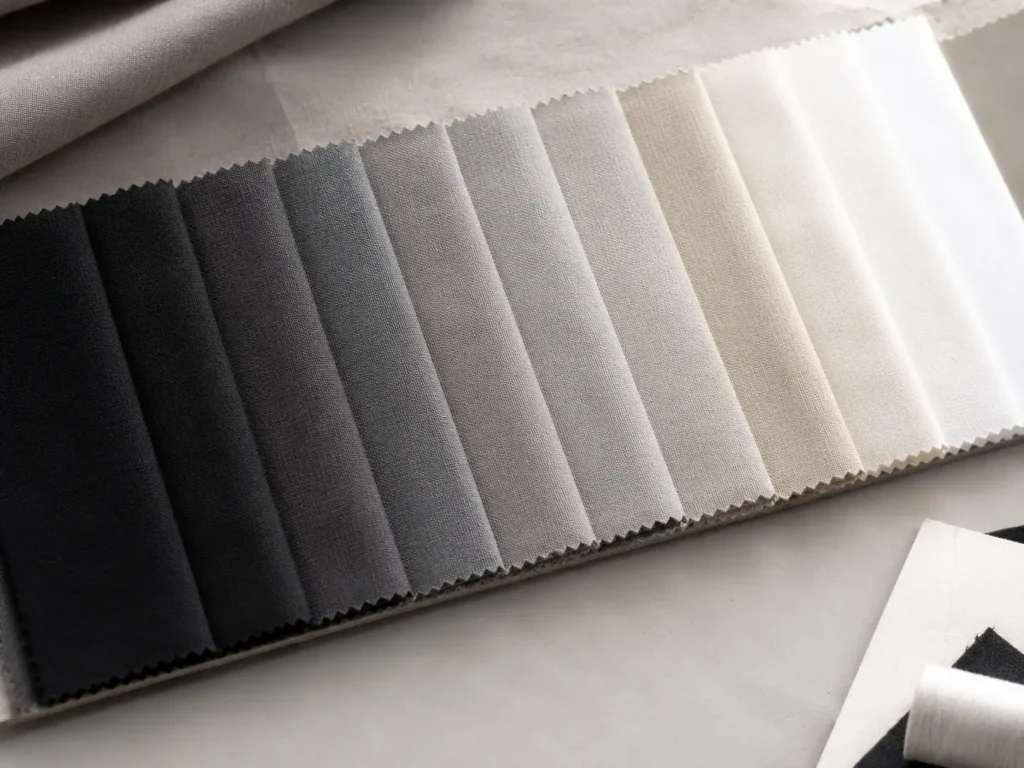
Shade Band
Dye-Lot Separation
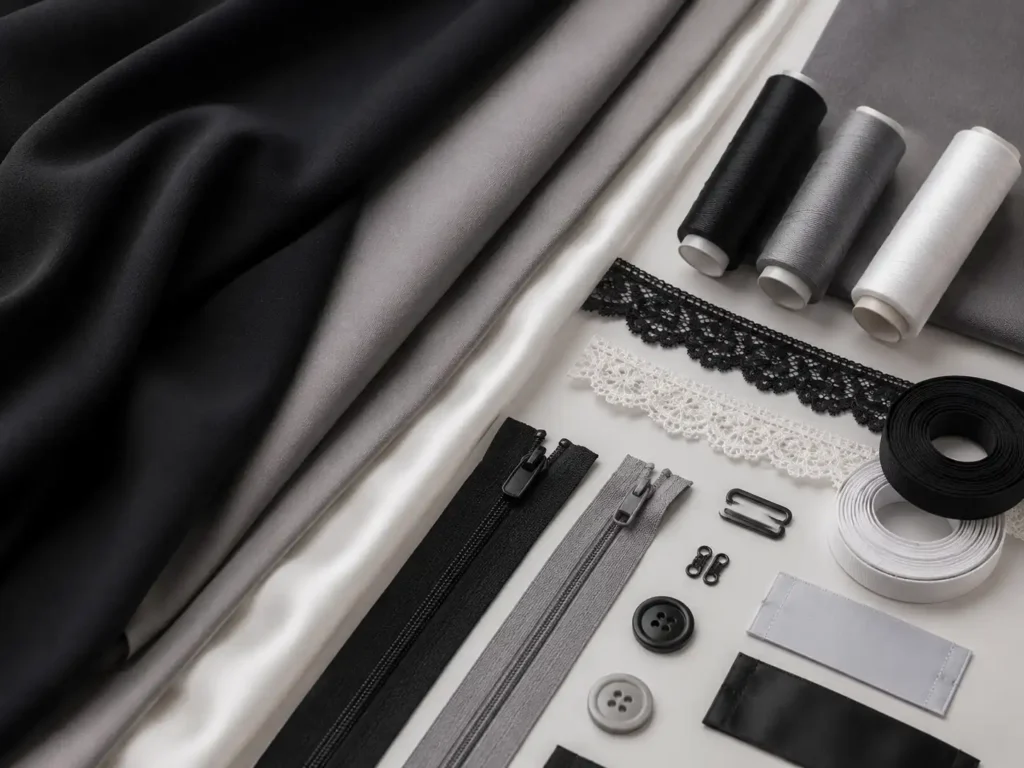
Lining and Trims
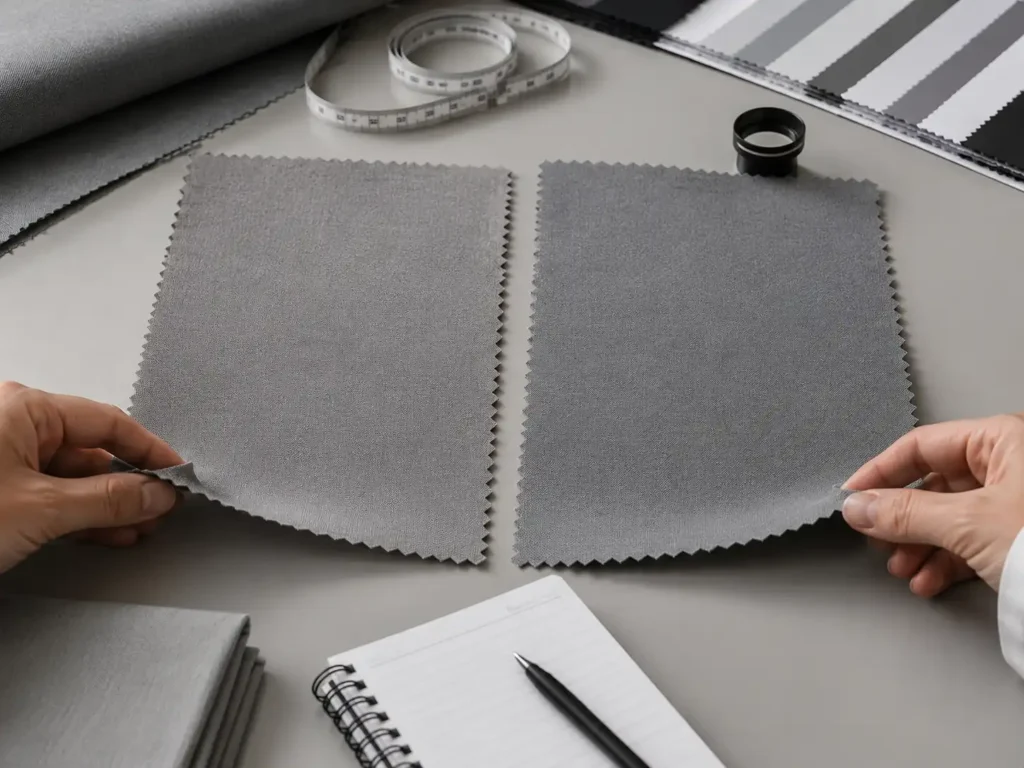
Reorder Comparison
Size and Fit Control Across XS-XL
A strong base-size sample does not guarantee a stable size run. Grading, fabric stretch, support structure, length and tolerance must be reviewed according to silhouette and material.
| Control Area | What Is Reviewed | Typical Risk | Production Check |
| Bust/Upper Bust | Cup position, neckline, armhole, support, stretch or ease | Gaping, compression, exposure, strapless slipping | PP measurement, on-body fit, inline measurement |
| Waist/Torso | Waist placement, torso length, seam shape, boning or elastic | High/low waist mismatch, pulling, rolling | Pattern version, grade rule, bundle control |
| Hip/Seat | High hip, full hip, negative ease, lining and movement | Drag lines, tightness, side-seam shift | Fabric relaxation, cutting check, garment measurement |
| Length/Hem | Front/back length, mini safety, midi balance, maxi sweep | Uneven hem, size-to-size length jumps, lining exposure | Hanging review, hem guide, final measurement |
| Straps/Neckline | Strap length, attachment, reinforcement, depth and stability | Twisting, gaping, neckline growth, asymmetry | Construction sample, inline visual check, pull check by requirement |
| Stretch/Recovery | Stretch ratio, recovery, shrinkage, torque and negative ease | Garment growth, side-seam twist, inconsistent fit | Fabric test records, relaxation, finished measurement |
| Size Identification | Size label, sticker, barcode, bundle and carton ratio | Wrong size packed, mixed bundles, warehouse receiving error | Packing audit, carton count and document cross-check |
Workmanship Details Visible in Minimal Dresses

Zipper Flatness

Ruching Symmetry

Strap Alignment
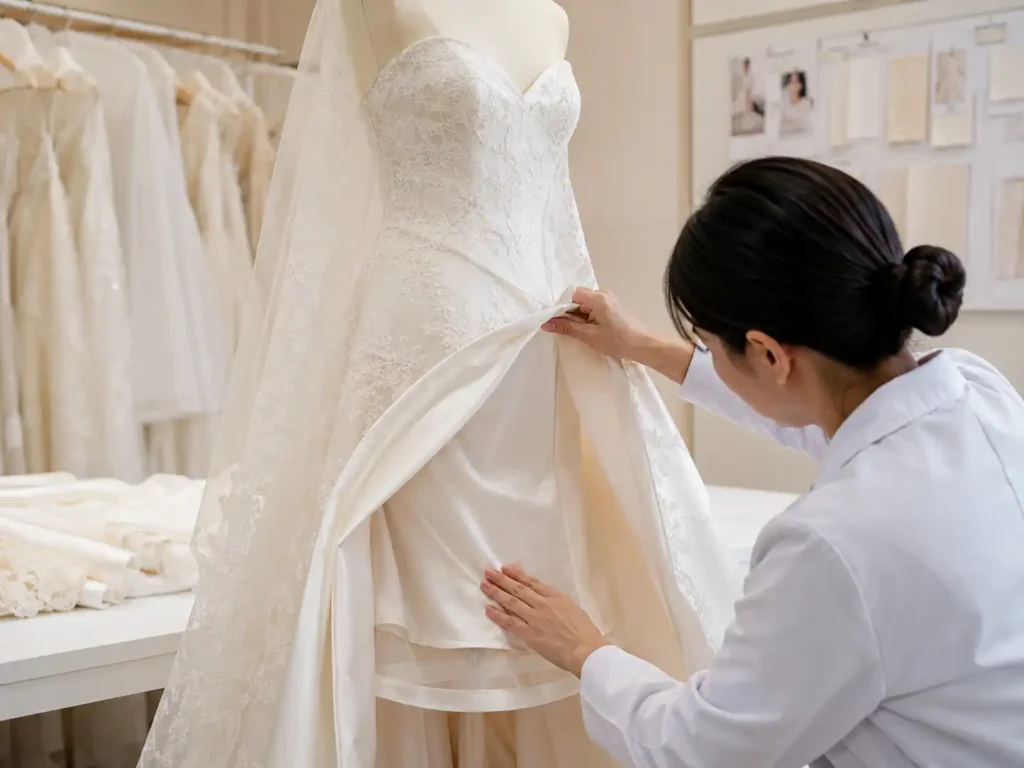
Lining Control

Hem Finish

Pressing and Packing
Production Planning for 10-30 Style Collections
Factory Allocation
Material Booking
Line Balancing
Launch Priority
Progress Tracking
Capacity Structure
Quality Control for Color, Fit and Presentation

Incoming Fabric

Cutting Control
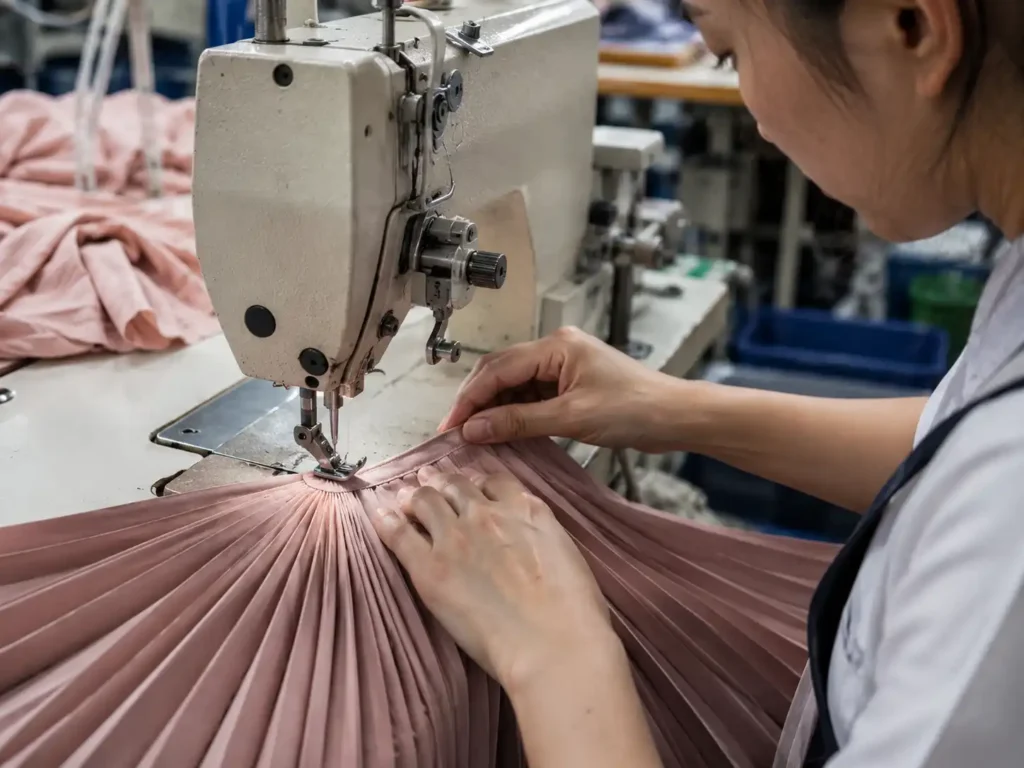
Inline Sewing

Finished Measurement
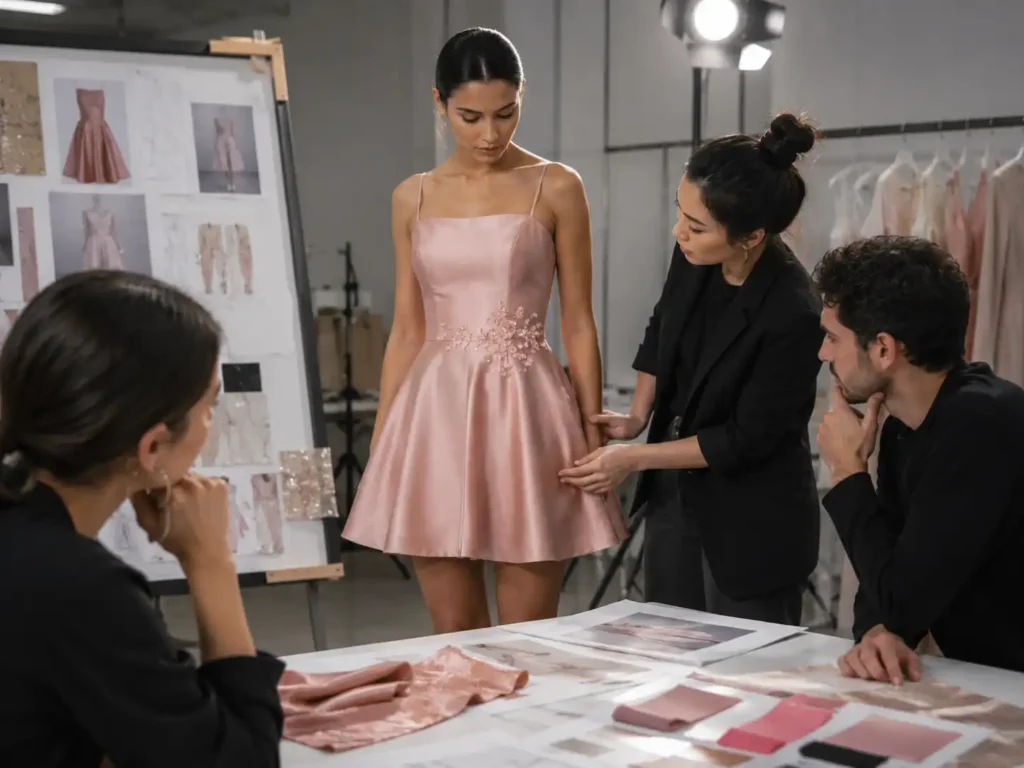
Visual Collection Check
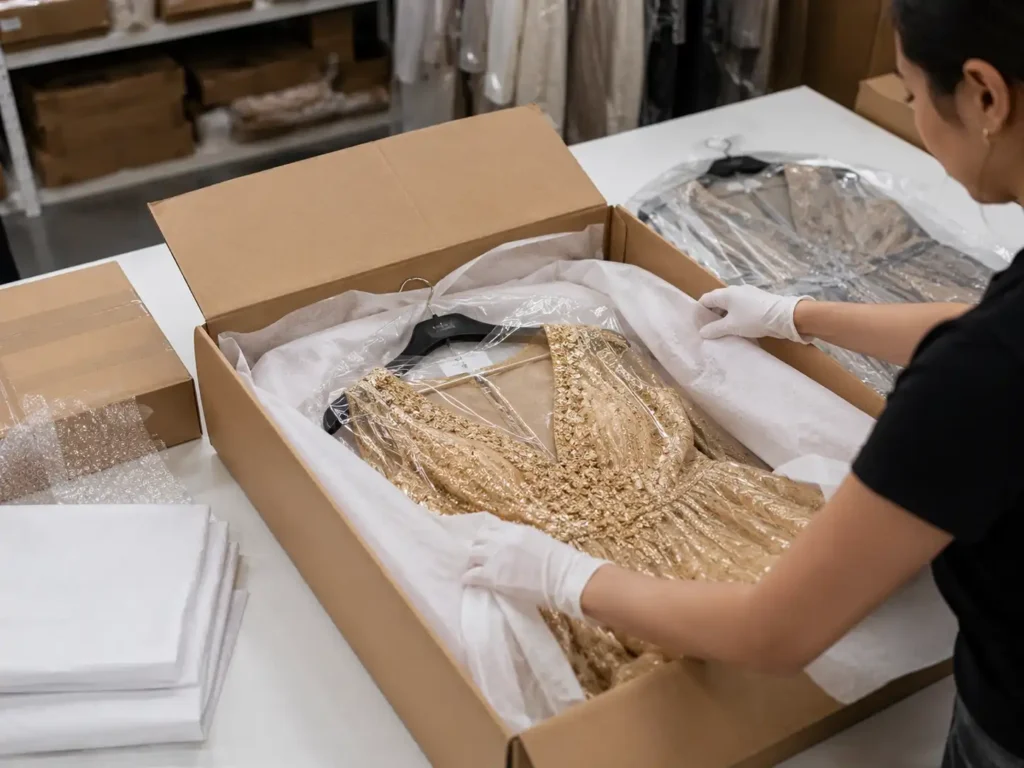
Packing Audit
Private-Label Packing and Warehouse Readiness
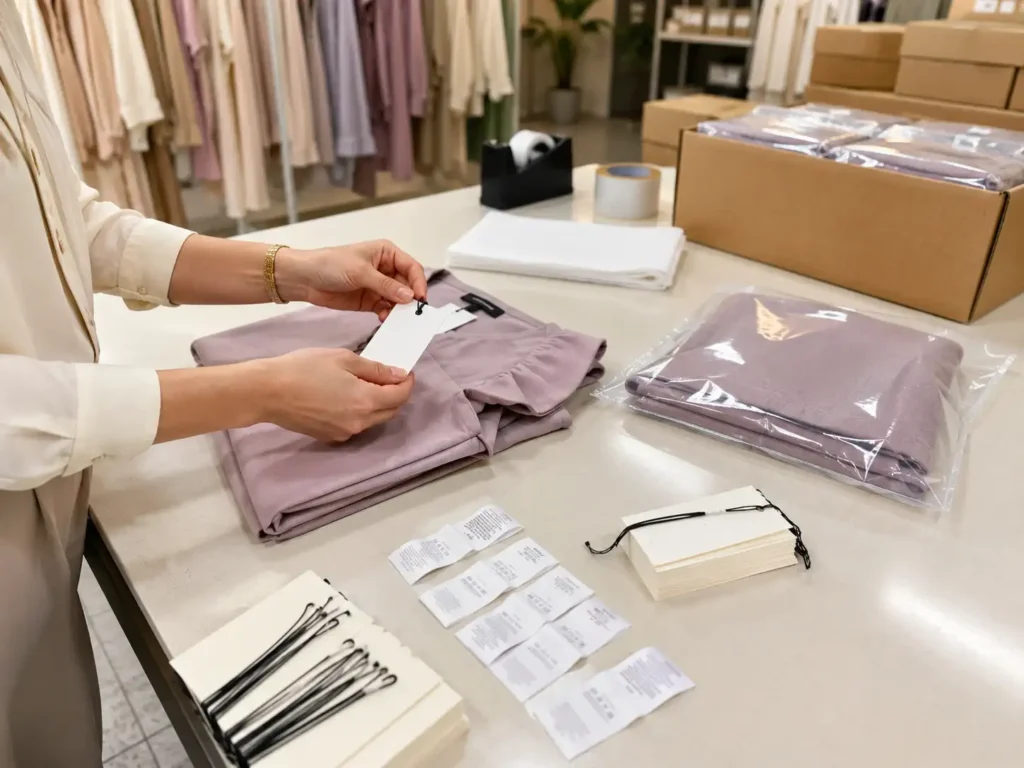
Brand Labels
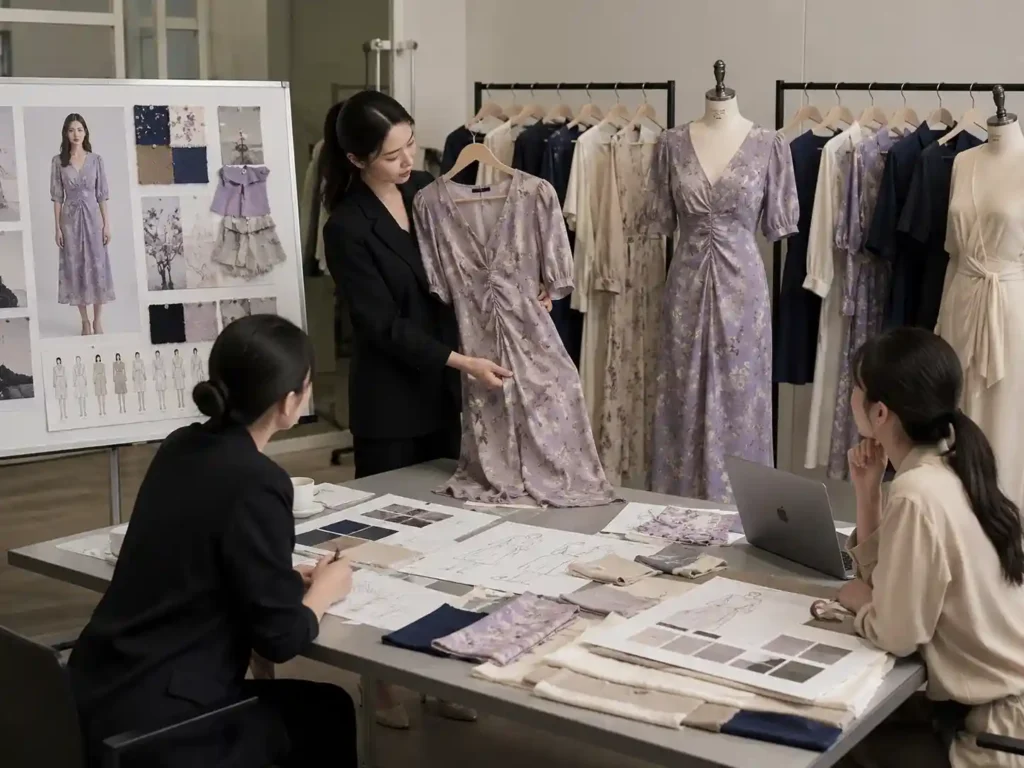
SKU Identification
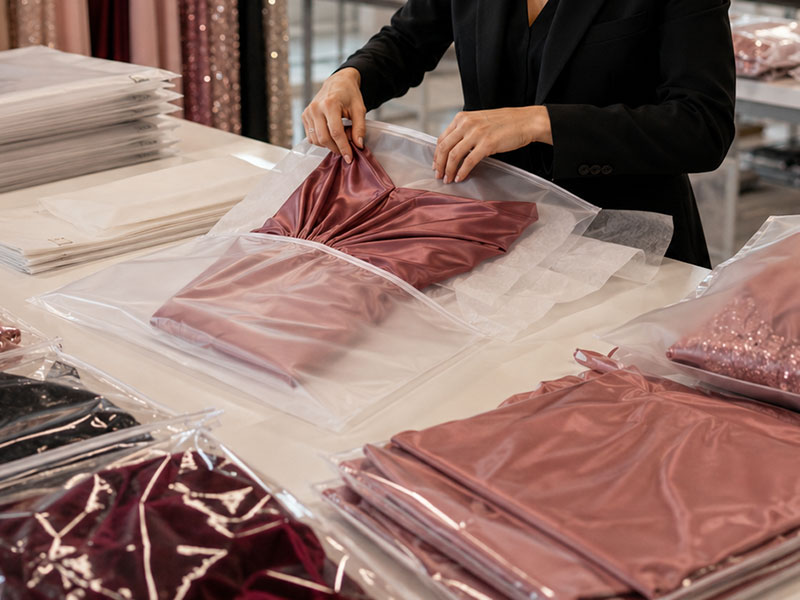
Garment Protection
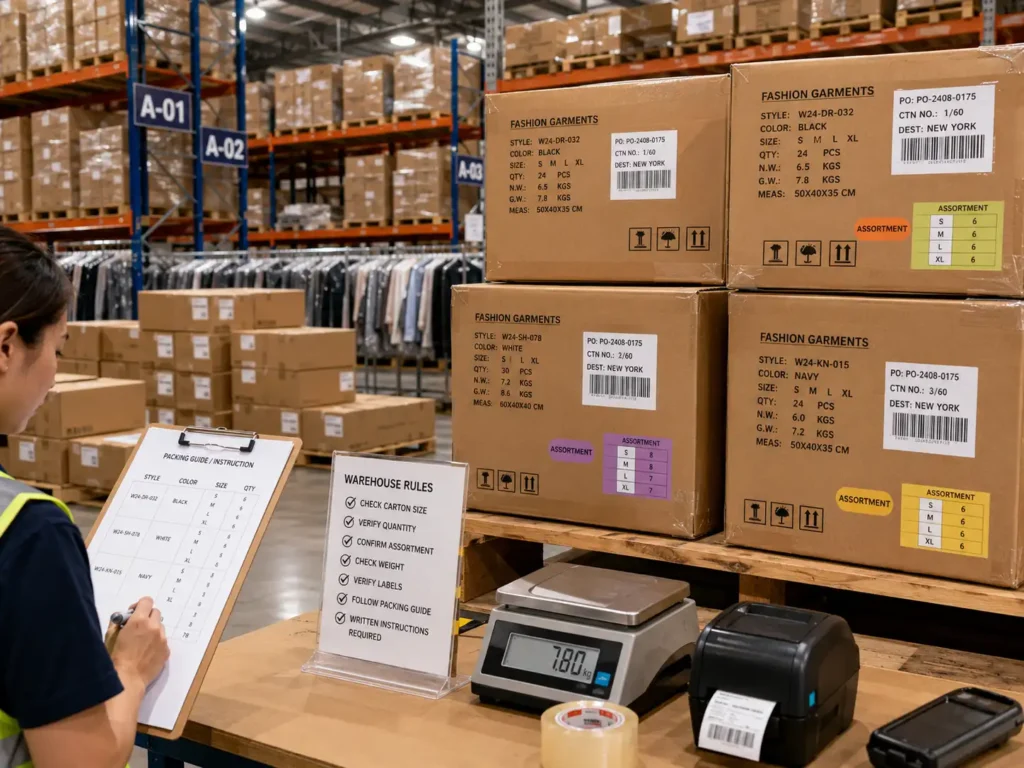
Carton Planning

Shipping Documents
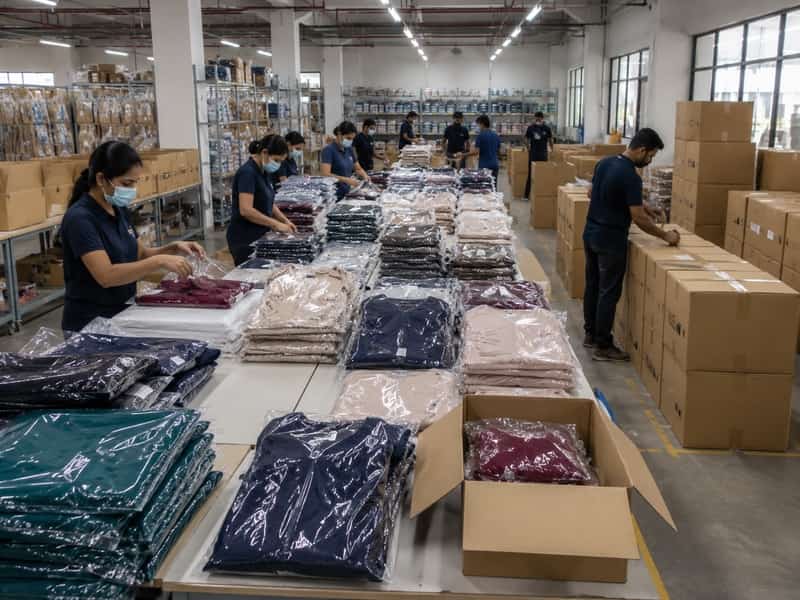
Delivery Options
Collection Records, Reorders and Design Protection
Repeat-Order Records
NDA-Based Cooperation
Monochrome Dress Collection Case Studies
Monochrome collections require different manufacturing strategies depending on brand positioning, product complexity and commercial goals. Jinfeng Apparel supports fashion brands from initial concept review to sampling, bulk production, quality control and repeat-order development.
Case Study 1: US Ecommerce Brand Expanding a Multi-Style Monochrome Collection
Brand Background
A US ecommerce womenswear brand planned a monochrome collection for a seasonal launch, focusing on high-selling silhouettes across partywear, occasionwear and everyday fashion categories.
The collection included:
- Satin slip dresses
- Mesh bodycon dresses
- Corset mini dresses
- Ponte midi dresses
- Lace occasion dresses
- Chiffon maxi dresses
Color direction:
- Black
- Ivory
- Charcoal
The final program included:
- 18 styles
- XS-XL size range
- 42,600 pieces total production quantity
Development Challenge
The brand needed multiple fabrics to create visual depth while maintaining a consistent monochrome identity.
The main challenges included:
- Different black shades between satin, mesh and jersey
- Ivory transparency issues
- Lining color differences
- Fabric-specific fitting changes
- Multiple launch deadlines
A black satin dress and a black mesh dress could not simply share one color standard because surface reflection and fabric density changed the visual effect.
Jinfeng Solution
Jinfeng organized the collection through separate development groups:
Satin Group
Controlled:
- Surface shine
- Dye-lot consistency
- Pressing quality
- Zipper flatness
Result
The collection achieved:
- 18 coordinated dress styles completed
- 42,600 pieces produced
- Three planned shipment waves
- Production standards archived for future color extensions
The brand continued using the approved patterns and production records for later seasonal drops.
Case Study 2: European Premium Occasionwear Brand Developing Luxury Monochrome Dresses
Brand Background
A European premium occasionwear label wanted to create a refined monochrome collection focused on elegant silhouettes and luxury finishing.
The collection included:
- Satin evening dresses
- Structured corset dresses
- Lace overlay dresses
- Draped midi dresses
- Asymmetric occasion dresses
Main colors:
- Deep Black
- Soft Ivory
- Warm Grey
Development Challenge
The brand’s positioning required extremely clean workmanship because minimal colors expose every production detail.
Key concerns:
- Satin pressing marks
- Uneven seams
- Visible lining edges
- Corset structure balance
- Trim color differences
Unlike printed dresses, monochrome designs cannot hide construction imperfections.
Jinfeng Solution
The development focused on three areas:
Fabric Control
Materials were reviewed for:
- Weight
- Surface finish
- Drape
- Transparency
- Recovery
Pattern Engineering
Senior pattern makers adjusted:
- Bust shaping
- Waist position
- Skirt balance
- Corset support
- Size grading
Result
The brand received:
- Production-ready patterns
- Approved fabric standards
- Consistent luxury finishing
- Repeat-order development foundation
The monochrome system became the base for future seasonal collections.
Case Study 3: Emerging Fashion Brand Building Its First Monochrome Collection
Brand Background
A growing womenswear brand wanted to launch its first monochrome dress collection but needed professional manufacturing support from concept to production.
The initial direction included:
- Minimal dresses
- Resort silhouettes
- Feminine fitted styles
- Black and neutral color stories
The brand provided:
- Reference images
- Mood boards
- Design inspiration
Development Challenge
The brand had strong creative ideas but lacked technical production experience.
Main challenges:
- Choosing suitable fabrics
- Converting images into patterns
- Controlling production cost
- Selecting commercial silhouettes
- Creating private-label standards
Jinfeng Solution
Jinfeng supported the complete ODM development process.
Design Evaluation
Reviewed:
- Construction feasibility
- Fabric suitability
- Production risks
- Commercial potential
Sample Development
Created:
- First samples
- Fit samples
- Revised samples
- PP samples
Production Optimization
Adjusted:
- Fabric alternatives
- Construction methods
- Trim selection
- Packaging requirements
Result
The brand successfully launched its first monochrome collection with:
- Complete production files
- Approved samples
- Private-label packaging
- Repeat-order capability
The first collection became the foundation for future seasonal product expansion.
Frequently Asked Questions
The standard MOQ starts from 200 pieces per style and color. MOQ is calculated by style and color rather than by the combined collection total. Custom-dyed fabrics, special lace, trims, packaging or supplier-specific materials may carry separate minimums that are confirmed during project review.
Yes. Collection programs are grouped by launch priority, fabric family, pattern complexity, trim readiness and approval status. Hero styles can move first, while related styles follow controlled workstreams. A line sheet, target quantity, size range and calendar help the team build a realistic sample and production plan.
Standard dress samples generally require about 7-10 working days after complete specifications, measurements and fabric direction are confirmed. Corset, layered mesh, lace placement, sequin, cut-out or complex occasion styles commonly require 10-15 working days or longer depending on material sourcing and construction.
Yes. Satin, mesh, lace, jersey, ponte and crepe can work together, but exact numeric color matching is not the only goal. Physical swatches are reviewed for undertone, depth, gloss, transparency and collection harmony. Dye lots, lining and trims are controlled during bulk production.
Opacity is managed through fabric density, lining color, lining coverage, double layers, seam placement and fitting review. White and ivory garments are checked under daylight and strong photography lighting where relevant. Internal seam allowances and labels are also considered because they can show through lightweight fabrics.
PP approval is recommended as the production gate, especially for new styles, complex construction, custom-dyed materials, new labels or new packaging. The required sample route depends on program risk. First samples and photo samples do not automatically replace a production-approved standard.
A base pattern can provide a starting point, but a fabric change requires review of stretch, recovery, weight, drape, thickness, shrinkage, transparency, lining and seam method. Satin, crepe, jersey and ponte will not produce the same fit from an unchanged pattern.
The process uses confirmed size charts, grade rules, pattern version control, fabric relaxation, cutting checks, inline measurements, finished garment measurements, tolerance review and comparison with the approved reference. Fit-critical points vary by silhouette and fabric.
Yes. Woven labels, care labels, size labels, hangtags, barcode stickers, color stickers, polybags, carton marks and packing ratios can be produced or packed according to approved files. Artwork, quantities and placement must be confirmed before bulk preparation.
Yes, staged delivery can be planned for hero SKUs, campaign dates, wholesale commitments or warehouse schedules. Air, sea or split shipment options are reviewed according to quantity, timing, destination and freight cost. Materials and PP approvals still need to be completed before dispatch planning.
Yes. NDA-based cooperation can cover tech packs, line sheets, patterns, samples, labels, packaging, unreleased designs and commercial information. Anonymous case descriptions can demonstrate manufacturing experience without exposing confidential brand details.
Provide the line sheet or reference images, tech packs where available, target quantities by style and color, size range, fabric direction, trim requirements, label and packaging files, required testing, destination and launch date. A quotation becomes more accurate when structure, materials and delivery expectations are defined.

Send Your Monochrome Collection for Review
Share your line sheet, tech packs, reference images or original samples with Jinfeng Apparel. Kelly and the development team will review the style count, product mix, fabric and color direction, construction complexity, size range, target quantities, private-label requirements and launch schedule.
The first response can identify missing information, material risks, likely sample routes and the data needed for an accurate quotation. Mature collection planning begins with clear files and a realistic approval calendar, especially when several fabrics must work inside one black, white, grey or tonal story.
- Style information: line sheet, tech pack, sketch, reference image or original sample.
- Commercial plan: quantity by style and color, size range, launch date and destination market.
- Material direction: preferred fabrics, Pantone references, physical swatches, lining and trim requirements.
- Private-label files: labels, hangtags, barcode data, polybag, carton ratio and warehouse instructions.