Skip to content

For a TikTok-led festival brand, a mini dress is rarely just another seasonal item. It is often the product that brings the most attention, the most styling content, the fastest customer reaction, and at the same time, the highest pressure on fit, fabric, confidence, and speed to market. A mini dress can make a collection feel exciting in ten seconds. It can also create problems just as quickly when the sample looks good on camera but fails in real wear, or when the first batch sells well but the second batch does not feel the same.
That is why many growing brands eventually realize that the real challenge is not finding a factory that can simply sew a dress. The real challenge is finding a manufacturing partner that understands what makes a festival mini dress work as a product. That includes silhouette, fabric behavior, bust support, hem balance, lining, color response, fit consistency, and the ability to move from concept to sample to bulk without losing control.
For most TikTok festival brands, the best mini dress is not just the boldest style. It is the one that creates strong first-click interest, holds its shape in real wear, fits the intended customer with fewer complaints, and can be reordered without quality drift. The best results usually come from a clear balance between visual appeal, wearable construction, and stable production.
Imagine a brand preparing for a summer launch. The campaign mood is strong. The styling is right. Influencers are ready to post. Early comments are full of intent. Then the sample comes in too sheer, too short, too tight in the bust, or too weak at the straps. Suddenly the problem is no longer traffic. The problem is product reality. This guide is written to help brands avoid that gap and make better mini dress decisions from the start.
Mini Dress Trends
For TikTok festival brands, trend direction should never be treated as decoration alone. A mini dress trend only becomes valuable when it can help the brand do three things at the same time: attract attention fast, match what the customer actually wants to wear, and hold up well enough to support repeat sales instead of one-time clicks. This is where many brands misread the category. They focus too much on what looks exciting in a moodboard and not enough on what helps a dress sell across product photos, try-on videos, customer reviews, real events, and reorders.
In the mini dress category, trend is not just about silhouette. It is also about neckline, fabric surface, hem feeling, body fit, styling ease, and how quickly a shopper can imagine where she would wear the dress. A good trend-led mini dress feels current, but it also reduces uncertainty. The customer should not need to think too long. She should be able to understand the product quickly: what kind of look it creates, how bold it feels, whether it suits a festival setting, and whether it seems wearable enough to justify the purchase.
For festival-driven brands, the strongest mini dress trends usually sit in the overlap between visual impact and real use. They often have enough shape to stand out in short-form content, enough comfort to survive several hours of wear, and enough styling flexibility to work with boots, sneakers, jackets, metallic accessories, or bags. If a style only works for one highly edited photo, it may create attention, but it is less likely to create repeat demand.
A more practical way to judge mini dress trends is to look at them through customer behavior. In most festival and social-first fashion categories, customers are usually asking a version of the same questions, even if they do not say them out loud:
- Will this mini dress make me feel attractive right away?
- Will it still feel good when I move, sit, or dance?
- Will it look flattering under daylight, flash, and video?
- Is it easy to style with things I already own?
- Does it feel fashion-forward without feeling too hard to wear?
- Is it worth buying for more than one event?
That is why the best trend planning is never just trend tracking. It is trend translation. A brand needs to take what is visually current and turn it into something customers can actually wear, trust, and reorder.
What Mini Dress Styles Sell?
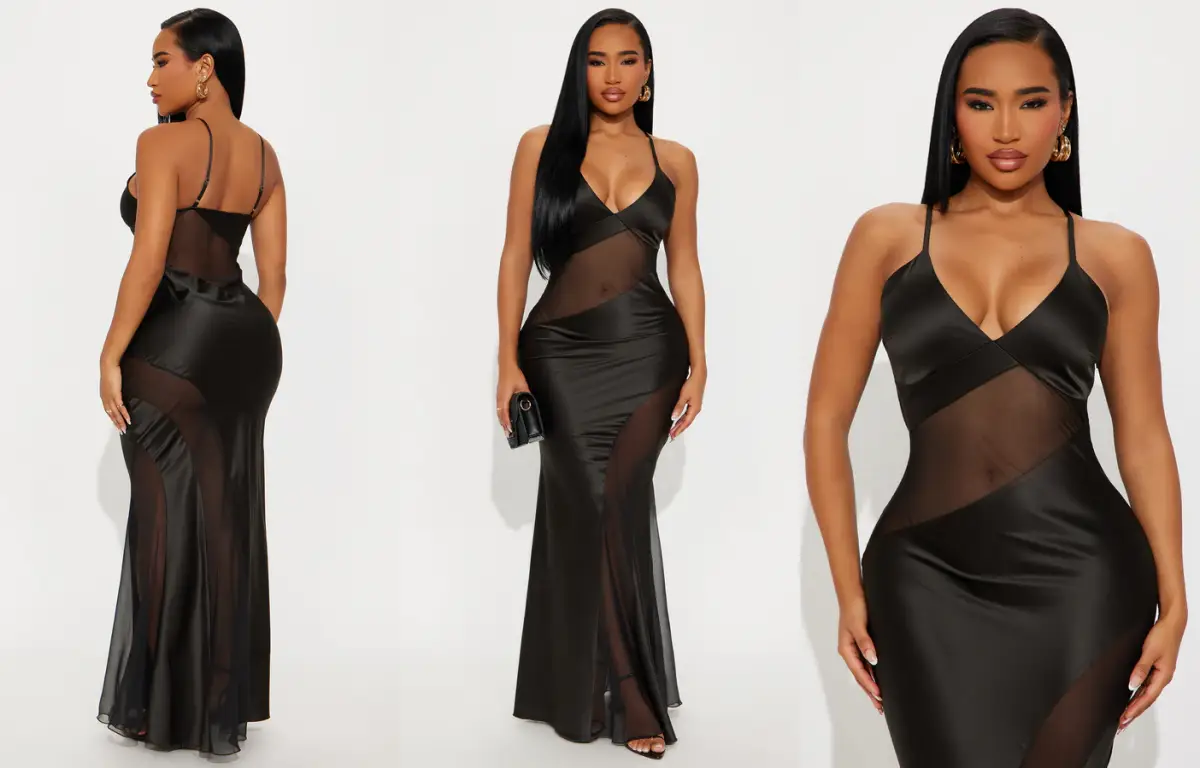
The mini dress styles that sell most consistently are usually the ones that communicate their value in seconds. For festival and TikTok-focused brands, that is especially important because the buying journey often starts with a fast scroll, a creator video, or a short try-on clip. If the dress reads clearly at first glance, it has a better chance of winning attention and converting interest into clicks.
In practice, some mini dress directions tend to perform more strongly because they already match clear usage scenarios. A bodycon mini dress signals shape and confidence. A ruched mini suggests flattering flexibility. A corset-inspired mini feels more elevated and occasion-ready. A slip mini feels lighter, more relaxed, and more vacation-friendly. An A-line mini often feels easier, younger, and less restrictive.
These styles sell not only because they are visually familiar, but because customers already know how to place them in their lives. That matters. The easier it is for the customer to picture the product in a real context, the easier it is for the product to move.
A practical sales-oriented view looks like this:
| Mini Dress Style | What Customers Usually Like About It | Why It Sells | Main Risk |
|---|---|---|---|
| Bodycon mini | Looks sculpted and confident | Strong visual impact, good for party styling | Fit complaints if too tight or too thin |
| Ruched mini | Feels more flattering and forgiving | Easier body acceptance, good repeat potential | Can look bulky if gathering is not clean |
| Corset mini | Feels more premium and dramatic | High event value, strong styling identity | More difficult bust fit and support control |
| Slip mini | Looks easy and polished | Good for summer and layered styling | Less support, more fabric-dependent |
| A-line mini | Feels playful and wearable | Wider size comfort, easier movement | May feel less striking if fabric is weak |
| Square-neck fitted mini | Looks clean and modern | Easy to style, trend-forward but practical | Needs stable strap and neckline control |
Many brands make the mistake of choosing styles based only on what looks the most dramatic during content creation. That can work for a short moment, but the styles that usually perform better over time are the ones with stronger balance. They still look good in a fast video, but they also reduce hesitation at the point of purchase.
When planning a mini dress line, it often helps to divide the collection into three product roles:
- one attention-grabbing style that builds visual excitement
- one safer bestseller shape with stronger repeat potential
- one versatile style that can work across multiple festival and party occasions
That kind of structure usually performs better than offering many similar dresses that compete with each other without clear differences.
Which Mini Dress Shapes Trend?
Shape is one of the most important commercial decisions in the mini dress category because it decides what the dress communicates before the customer reads anything else. Shape tells the customer whether the product is bold, soft, sexy, easy, playful, or sharp. In festival fashion, this matters even more because the shopper is often buying into a mood, not just a garment.
At the moment, the shapes that tend to work best for festival brands usually combine two qualities. They feel body-aware, and they are easy to understand visually. That is why fitted shapes continue to perform well. They create a clear outline on camera, they work naturally in try-on content, and they often pair well with high-contrast accessories like boots or metallic jewelry.
The strongest trending shape directions often include:
- contour bodycon silhouettes
- ruched side-body shapes
- square-neck fitted minis
- corset-waist mini dresses
- soft A-line or skater-inspired minis
- asymmetrical mini dresses with a controlled fit
Each of these shapes appeals to slightly different customers.
Contour bodycon styles usually attract shoppers who want a stronger, more sculpted look. These dresses often perform well in nightlife, party, and statement festival styling because they feel direct and visually confident.
Ruched styles often perform well because they soften fit pressure. Customers may not always say it that way, but ruching helps many shoppers feel more comfortable with bodycon dressing because it creates shape without demanding a perfectly smooth body line.
Corset-waist and bust-defined shapes often appeal to customers looking for a more elevated or dramatic look. These shapes can feel more special, which makes them suitable for higher-value product positioning, but they also require better technical execution.
A-line and skater-inspired minis remain useful because not every festival customer wants extreme tightness. These shapes bring more movement and can widen the product’s appeal, especially for customers who want a mini length without heavy body compression.
The key is not asking which shape is the most fashionable in isolation. The better question is which shape suits the target customer and the intended use. That is what turns a shape trend into a real product decision.
This comparison can help:
| Shape Direction | Best For | Customer Feeling | Product Advantage | Development Challenge |
|---|---|---|---|---|
| Bodycon | Partywear, nightlife, bold festival looks | Sculpted, sexy, confident | Strong click appeal | Recovery, sheerness, ride-up |
| Ruched fitted | Broad festival audience | Flattering, easier to wear | Better repeat potential | Pattern balance, seam control |
| Corset mini | Premium eventwear | Structured, dressed-up | Higher perceived value | Support, fit complexity |
| A-line mini | Day events, broader styling | Playful, easy, breathable | Lower fit stress | Needs strong upper-body balance |
| Asymmetrical mini | Trend-focused drops | Distinctive, editorial | Visual standout | Length and balance accuracy |
For most growing brands, a balanced shape mix often works better than leaning too hard into one extreme. A collection that includes only very tight dresses may look strong in campaign content but may narrow the brand’s customer base. A collection that includes only easy shapes may feel too safe. The sweet spot is usually a range with different levels of confidence and wearability.
Are Mini Dress Prints Important?
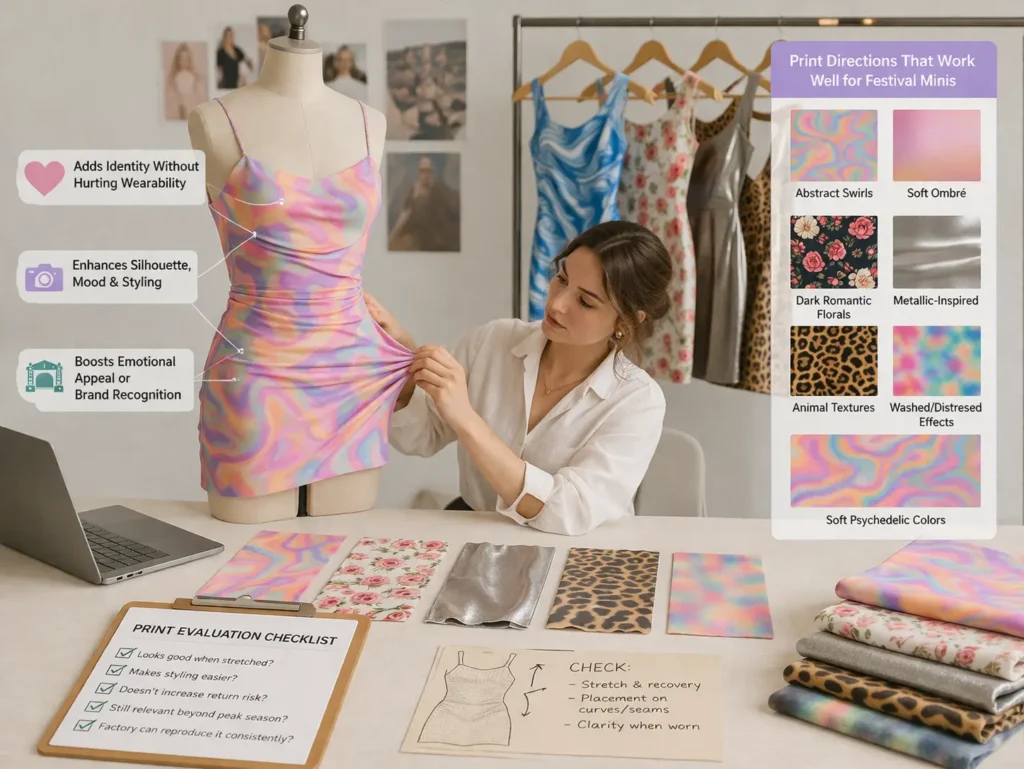
Print can absolutely help a mini dress stand out, but it should not be treated as the main reason the dress works. In many cases, customers respond first to silhouette, fit mood, and styling potential. Print becomes valuable when it adds identity without making the product harder to wear, harder to style, or harder to reproduce consistently.
For festival collections, print usually works best in one of two ways. It either creates emotional excitement, or it helps define brand identity. If it does neither, it can become unnecessary noise.
There are some common print directions that tend to fit festival mini dresses well:
- abstract swirls
- soft ombré effects
- dark romantic florals
- metallic-inspired surfaces
- animal-inspired textures
- washed or distressed visual effects
- soft psychedelic color play
However, not every print that looks interesting on a flat image becomes a strong product. Mini dresses are small garments with strong body curvature, so print placement matters a lot. A print may stretch across the hip, twist at the side seam, or lose clarity once the dress is worn.
That is why brands should evaluate print through a few practical lenses:
- Does the print still look good when the garment stretches?
- Does the print make the dress easier or harder to style?
- Does the print increase return risk because customers may see it as too specific?
- Will the print still feel relevant after the peak festival season?
- Can the factory keep the print effect stable in sampling and bulk?
In many successful collections, solids and prints play different roles. Solids usually support core and repeat products. Prints usually support standout pieces and campaign energy.
This kind of mix often makes sense:
| Product Role | Best Surface Direction | Why |
|---|---|---|
| Core bestseller | Solid color | Easier styling, stronger repeat potential |
| Statement launch dress | Distinct print or texture | Builds visual excitement and drop identity |
| Mid-level volume style | Controlled print or tonal effect | Adds interest without narrowing audience too much |
| Repeat reorder style | Black, red, white, chocolate, cobalt | Safer color continuity and easier production planning |
Many brands overestimate how much print alone creates demand. In reality, customers often care more about whether the dress feels wearable and flattering. A strong solid-color mini dress with good shape and good styling support can outperform a louder printed dress if it gives the customer more confidence.
Which Mini Dress Colors Perform Best?
Color plays a bigger role in mini dress conversion than many brands expect. The same silhouette can feel completely different depending on color. It can look more premium, more playful, more nightlife-driven, more romantic, or more trend-led.
In festival categories, colors that tend to perform well usually fall into a few groups:
- black for confidence, versatility, and easier styling
- red for stronger attention and event appeal
- white or ivory for fresh summer energy
- chocolate and espresso tones for a richer fashion feel
- cobalt, lime, or vivid pink for more playful trend energy
- silver-gray or muted metallic tones for night styling
Each color direction brings a different commercial effect.
Black is usually one of the safest and strongest choices because it reduces visual noise, works with many accessories, and often gives customers more confidence in fitted styles. It is especially useful for bodycon, ruched, and square-neck mini dresses.
Red can be very effective for event-focused or nightlife mini dresses because it creates stronger emotional energy. It is often selected by customers who want the dress to feel more bold and intentional.
White and ivory can work very well for summer festival styling, especially in softer or more romantic silhouettes, but they require stronger fabric and lining control.
Chocolate, deep brown, and espresso shades have become useful because they can make even simple mini dresses feel more fashion-oriented and elevated.
Bright colors can work well for campaign energy and content visibility, but they are often more seasonal and may create slightly narrower reorder windows than darker neutrals.
A useful color planning structure looks like this:
| Color Type | Best Use | Customer Benefit | Factory Consideration |
|---|---|---|---|
| Black | Core fitted mini dresses | Easy to wear, easier to trust | Usually simpler to scale |
| Red | Party and statement styles | Strong attention, emotional pull | Needs shade consistency |
| White/Ivory | Summer drops, soft romantic looks | Fresh and light appearance | Higher lining and opacity pressure |
| Brown tones | Elevated trend product | Feels richer and more premium | Shade approval is important |
| Bright fashion color | Limited launch or content hook | More visual energy | More seasonal demand risk |
Brands should also think about color in relation to volume. Not every successful silhouette needs five color options immediately. In many cases, one strong core color and one stronger fashion color is a healthier starting point than spreading inventory across too many shades.
What Customers Actually Notice in Trend-Driven Mini Dresses
Customers do not only respond to what is fashionable. They respond to what helps them feel confident with low effort. That is a more useful standard when evaluating mini dress trends.
In real shopping behavior, customers usually notice these things first:
- whether the shape feels flattering
- whether the neckline looks secure
- whether the hem feels too short or just right
- whether the color feels easy to style
- whether the dress seems wearable beyond one single post
- whether the overall look matches the occasion they have in mind
This is why the strongest mini dress trends are often the ones that make fashion feel easier, not more complicated. They still offer excitement, but they remove friction.
A smart trend-led mini dress usually does at least four things well:
- creates immediate visual identity
- fits a real event or styling situation
- makes the customer feel attractive quickly
- has enough technical stability to support repeat manufacturing
That last point matters more than many brands expect. If a mini dress trend is too fragile to sample well or too difficult to reproduce cleanly, it becomes expensive to sustain.
Mini Dress Trend Planning for Festival Brands
Trend planning works best when it connects content, customer behavior, and production reality. A strong product is not just one that looks current. It is one that fits the timing of the season, the styling habits of the customer, and the technical ability of the supplier.
For festival mini dresses, brands often do better when they organize their trend planning around these questions:
- Is this style for daytime festivals, nighttime events, or mixed use?
- Is the target customer looking for shape, comfort, or both?
- Does this trend need high structure, or can it work in a simpler build?
- Will this style still feel relevant beyond a very short seasonal moment?
- Can this dress be sampled and repeated without losing quality?
Here is a useful planning table:
| Planning Area | Weak Decision | Strong Decision |
|---|---|---|
| Silhouette | Looks trendy but unclear in use | Clear fit identity and occasion match |
| Color | Too many fashion shades too early | Focused color direction with volume logic |
| Eye-catching but hard to wear | Print that supports styling and brand image | |
| Shape mix | Too many similar styles | Range with clear product roles |
| Scaling potential | Trendy but hard to repeat | Visually strong and production-friendly |
A mini dress trend should not only create attention. It should create confidence for the customer and clarity for the brand. That is what makes it commercially useful.
A Practical Product Mix for a Festival Mini Dress Line
For many TikTok festival brands, a good opening mini dress assortment does not need to be large. It needs to be clear. A focused range usually performs better than a crowded one, especially when the goal is to learn what the customer responds to and then scale the right styles.
A practical mini dress assortment might include:
- one bodycon mini in a core dark color
- one ruched mini with broad fit appeal
- one higher-energy statement mini in a stronger color or special texture
- one easier A-line or softer-fit mini for wider wearability
This kind of mix gives the brand several advantages:
- stronger visual variety without confusion
- clearer campaign storytelling
- better testing across customer preferences
- easier data reading after launch
- better foundation for reorders
The best mini dress trends are not the ones that chase novelty the hardest. They are the ones that help the brand launch faster, sell more clearly, and build styles that customers actually want to wear again.
Mini Dress Fit
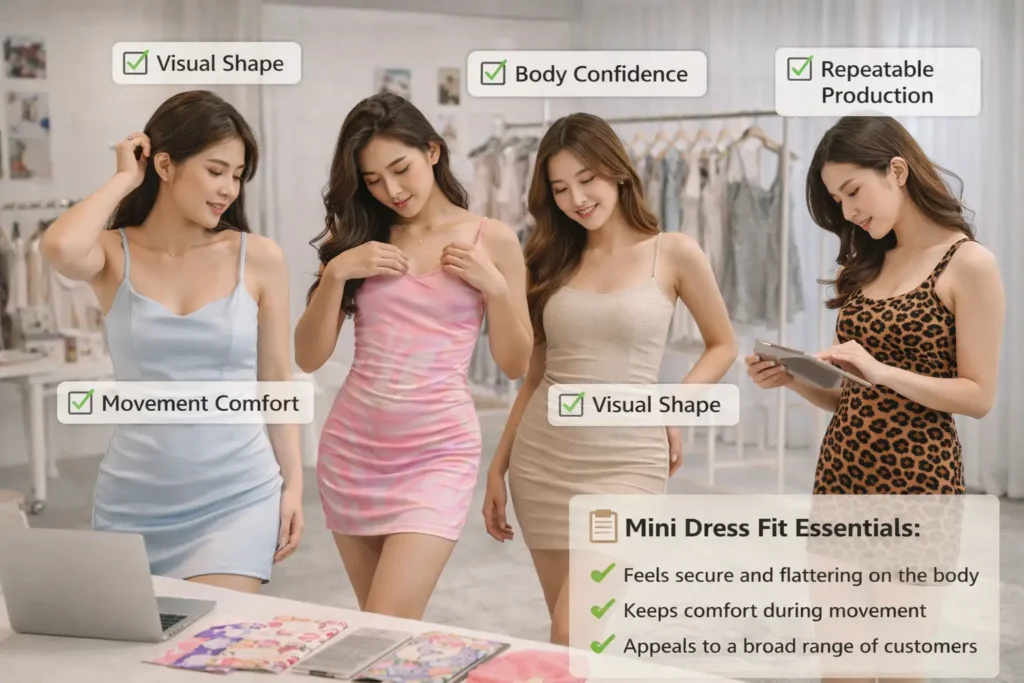
Fit is the point where customer interest becomes either confidence or hesitation. A mini dress can look strong in campaign photos, but the decision to keep it, wear it, recommend it, and reorder it usually comes down to fit. This is especially true for TikTok festival brands, where the product often needs to do several things at once. It has to look exciting in a short video, feel flattering in real life, stay in place during movement, and work across enough body variation to keep return pressure under control.
For mini dresses, fit is more sensitive than in many other categories because the garment is short, body-aware, and visually exposed. Small issues become obvious very quickly. A neckline that drops slightly too low can make the wearer feel unsafe. A hem that is one or two centimeters too short can change the dress from fun to stressful. A fabric with weak recovery can make a fitted style look good on the first try-on and lose shape by the second.
This is why brands should never treat fit as a simple size-chart issue. Fit is a product decision. It affects conversion, customer reviews, photo confidence, event wearability, and repeat sales. In festival categories, a mini dress often succeeds when it helps the customer feel attractive without making her feel restricted, overexposed, or forced to keep adjusting the garment.
The strongest fit strategy usually balances four practical needs:
- visual shape
- movement comfort
- body confidence
- repeatable production
If one of these is missing, the product becomes harder to scale. A mini dress that looks great but feels unstable will create complaints. A mini dress that feels easy but lacks shape may fail to attract enough attention. A mini dress that fits only one body type very well may get early praise but weaker repeat performance.
A more commercially useful question is not “Is the fit tight enough?” It is “Does the fit support the kind of customer experience this dress promises?”
How Should a Mini Dress Fit?
A mini dress should feel secure, flattering, and usable for the occasion it is designed for. That sounds simple, but many weak products fail because they are developed around appearance alone. A festival mini dress should not only look right for ten seconds in a fitting room. It should still feel right after walking, sitting, dancing, standing outdoors, and wearing it for several hours.
The first thing a brand needs to define is the intended fit mood. Not every mini dress needs the same kind of fit. A contour bodycon mini and a relaxed A-line mini cannot be judged by the same standard.
A good fit usually starts with product purpose:
| Product Type | Main Fit Goal | What Customers Usually Expect |
|---|---|---|
| Bodycon mini | Shape and support | Sculpted look without feeling trapped |
| Ruched mini | Flattering flexibility | Easier body confidence, less pressure |
| Corset mini | Structured upper body | Secure bust, defined waist, stable hold |
| Slip mini | Smooth drape | Light feel, clean line, low bulk |
| A-line mini | Easy movement | More comfort, less cling, softer fit |
Once the style role is clear, the fit standards become easier to set.
For most successful mini dresses, customers usually want these things from fit:
- the bust area should feel held, not risky
- the waist should feel shaped, not punishing
- the hip should look smooth without over-pulling
- the hem should feel short but still wearable
- the fabric should stay close to the body without showing every weakness
- the dress should not need constant adjustment
This is why mini dress fit is often judged through wear behavior, not just measurement charts. A technically correct chest width or waist measurement is useful, but it is not enough on its own. The real test is how the garment behaves on the body.
A practical wear test should always include:
- standing naturally
- walking several steps
- sitting down
- lifting the arms
- turning side to side
- checking the garment under daylight and indoor light
These actions reveal common fit problems much faster than static photos.
A mini dress that fits well should usually show these signs:
- the neckline stays in place
- the straps do not fall or dig too deeply
- the hem stays balanced between front and back
- the dress returns to shape after movement
- the wearer does not keep pulling it down or adjusting it
- the lining does not twist or bunch
For festival brands, that last point matters more than it seems. The customer wants to feel free enough to enjoy the event, take photos, post content, and move normally. If the dress demands too much attention from the wearer, it weakens the product experience.
Do Mini Dress Details Matter?
Yes. In many cases, details are what decide whether a mini dress feels professionally developed or only visually appealing. Customers may first notice the silhouette, but once they put the dress on, small construction details become very important. These details often shape comfort, hold, entry ease, and overall trust in the garment.
The most commercially useful mini dress details often include:
- adjustable straps
- hidden zipper placement
- elastic back support
- full or partial lining
- light bust shaping
- gripper tape on strapless or low-cut styles
- well-positioned seams
- stabilizing tape at neckline edges
- built-in shorts for selected festival styles
Each of these can solve a real customer concern.
Adjustable straps are one of the simplest and most effective fit tools. They allow the upper body to adapt across different torso lengths and bust positions. For brands, this can reduce complaints without changing the whole pattern.
Elastic back panels are also useful. They improve comfort and entry while helping the garment stay close to the body. This is especially effective in styles that need a more fitted look but cannot rely on stretch fabric alone.
Lining matters for both comfort and confidence. In mini dresses, customers often worry about sheerness, cling, and surface smoothness. A good lining can reduce all three. But lining must be chosen carefully. A lining that is too heavy can trap heat. A lining that is too stiff can distort the outer silhouette. A lining that is too short may cause discomfort or visible imbalance.
Here is a practical detail guide:
| Detail | Customer Benefit | Brand Benefit | Common Mistake |
|---|---|---|---|
| Adjustable straps | Better upper-body fit | Fewer fit complaints | Weak attachment points |
| Elastic back panel | More comfort and flexibility | Better size tolerance | Too much stretch, weak shape |
| Full lining | Better confidence and comfort | Higher perceived quality | Too much bulk or heat |
| Grip tape | Better neckline security | Stronger event wearability | Poor placement, skin irritation |
| Hidden zipper | Cleaner look | Easier fit shaping | Hard entry if seam allowance is weak |
| Bust shaping | Better support | Higher value feel | Poor cup proportion |
Many mini dress returns are caused by details being underdeveloped rather than the main silhouette being wrong. A dress may look attractive, but if the zipper is difficult, the bust feels unsafe, the straps slip, or the lining clings badly, customers quickly lose patience.
For festival products, these details become even more important because the dress is expected to stay wearable for longer periods, under more movement, and often in warmer conditions.
Which Mini Dress Fits Repeat Best?
The mini dresses that repeat best are usually the ones that combine a strong look with manageable fit risk. This does not always mean the simplest dress, but it usually means the dress has enough flexibility in construction or fabric to work across a broader part of the target customer base.
In many product lines, the most repeatable mini dress fit directions are:
- ruched bodycon mini dresses
- square-neck fitted mini dresses with adjustable straps
- contour minis in dense stretch fabric
- lightly structured mini dresses with elastic back panels
- A-line minis with secure upper-body support
These styles tend to perform well because they offer shape without becoming too narrow in fit tolerance. Customers often feel more confident reordering or trying another color when the first experience felt stable and easy to trust.
Repeatable fit usually depends on several technical strengths:
- the fabric behaves consistently
- the grading is realistic across sizes
- the garment has enough support in high-risk areas
- the dress holds its line after wear
- the factory can reproduce the approved fit without drift
Brands that want stronger repeat performance should evaluate a mini dress through three levels:
| Fit Level | Key Question | What Good Looks Like |
|---|---|---|
| First try-on | Does it flatter at first glance? | Good shape and balanced proportion |
| Real wear | Does it stay comfortable and secure? | Low adjustment, stable hold |
| Repeat production | Can this fit be recreated reliably? | Consistent measurement and behavior |
A dress may pass the first level and still fail the second or third. That is why some products sell well once but struggle to become true repeat items.
For example, a very tight bodycon mini in a low-density fabric may look strong on a fit model but create higher return pressure once customers try it in their own size. A ruched fitted mini in a better density fabric may create slightly less drama in one photo, but often performs better over time because it is easier to wear and easier to trust.
Brands that want repeat sales should look closely at these fit qualities:
- body confidence
- movement tolerance
- entry ease
- upper-body security
- length stability
- color-to-color consistency
- size-to-size predictability
The more dependable these are, the easier it becomes to turn one good product into a real program.
Main Fit Problems That Lead to Returns
Returns often happen because the product did not behave the way the customer expected. In the mini dress category, fit-related returns are especially common because the garment is short, close to the body, and tied closely to confidence.
The most common fit-driven return reasons usually include:
- too short in real wear
- too sheer under tension or daylight
- too tight at hip or bust
- too loose at neckline or upper body
- straps falling or cutting in
- ride-up when walking
- zipper difficulty
- uneven size feeling across the size run
These problems can often be reduced early if the brand and factory focus on the right checkpoints during development.
A helpful return-risk table looks like this:
| Return Trigger | What the Customer Feels | Likely Cause | What Should Be Checked |
|---|---|---|---|
| Too short | Feels exposed when moving | Front/back length imbalance | Wear test in motion |
| Too tight at hip | Pull lines and discomfort | Grading or fabric tension issue | Hip ease and recovery |
| Bust insecurity | Fear of slipping or gaping | Weak support or neckline logic | Bust fit, strap placement |
| See-through effect | Lack of confidence in light | Low density fabric or weak lining | Opacity test under tension |
| Ride-up | Constant adjustment | Weak recovery or short pattern | Walking test, hem behavior |
| Uneven sizing | One size feels off | Pattern grading inconsistency | Multi-size fit review |
For most festival brands, reducing fit returns is not just about avoiding cost. It is about protecting brand trust. A customer who loves the styling and hates the wear experience is less likely to come back, even if the campaign was strong.
How Mini Dress Length Should Be Judged
Length is one of the most sensitive mini dress fit decisions because it strongly affects confidence, styling, and usability. Many brands make the mistake of judging length only in a static front-facing standing pose. That does not reflect how customers actually wear the garment.
Length should always be reviewed in relation to:
- body size and proportion
- stretch level of the fabric
- front and back drop balance
- rise movement when walking
- styling context
- customer age and confidence level
A very short dress may look exciting in a shoot but become difficult in real wear. This is especially true in stretch styles, where the fabric tension can visually shorten the dress once it is on the body.
A more practical length review includes:
- standing still
- taking steps
- sitting on a chair
- lifting one arm
- leaning slightly forward
- checking front, side, and back views
This kind of test often reveals problems early. For many customers, the difference between “fun mini” and “too stressful to wear” is very small.
A useful way to think about mini dress length is not simply short versus less short. It is whether the length matches the promise of the dress. A nightlife bodycon mini can be shorter if the upper body is secure and the fabric holds well. A festival day dress may need a little more balance to support movement and comfort.
How Bust Fit Changes the Whole Product Experience
Bust fit is one of the biggest decision points in mini dresses. Customers can sometimes tolerate a slightly snug waist or a slightly short hem if the upper body feels secure. But if the bust area feels wrong, the entire dress often feels unwearable.
Customers usually notice bust fit through these signals:
- does it feel held or exposed
- does the neckline stay where it should
- do the cups or shaping sit correctly
- do the straps actually support the garment
- does the chest flatten, gap, or strain
Bust fit issues are common in:
- corset mini dresses
- strapless or low-cut styles
- square-neck fitted dresses
- satin slip minis
- styles with cup seams or hard shaping
Here is a practical bust-fit framework:
| Bust Area Issue | Customer Reaction | Product Effect |
|---|---|---|
| Gaping neckline | Feels unsafe | Lower confidence, likely return |
| Over-compression | Feels uncomfortable | Less wear time, negative review |
| Poor cup position | Looks wrong on body | Weak photo and try-on result |
| Weak strap support | Constant adjustment | Product feels low quality |
| Flat shaping | Dress loses intended look | Lower perceived value |
A stronger mini dress usually treats bust support as part of the design, not just as a size outcome. This is why good factories often recommend small technical adjustments during sampling, especially on fitted or occasion-driven mini dresses.
How Fabric and Fit Work Together
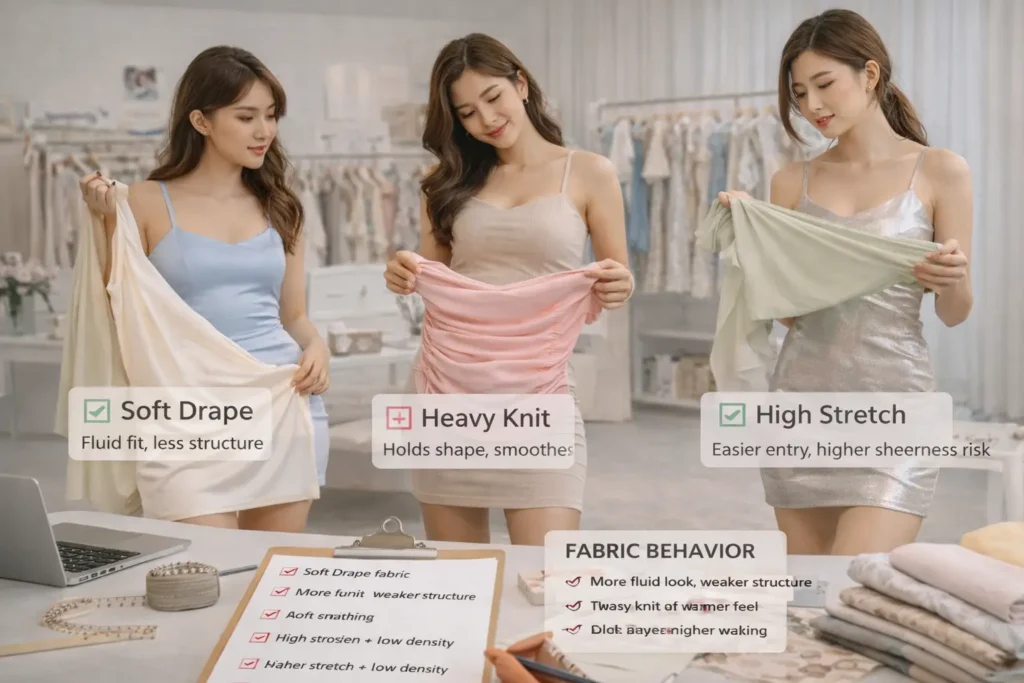
Fit cannot be judged separately from fabric. The same pattern can behave very differently in a soft jersey, dense nylon-spandex, crepe woven, satin woven, or mesh layered structure. This is why one of the biggest development mistakes is approving fit too early before the final fabric logic is clear.
Fabric affects fit in several ways:
- stretch changes body tension
- density changes opacity and contour
- recovery changes stability after movement
- weight changes hem drop and body line
- surface smoothness changes how the dress looks on curves
For example:
| Fabric Behavior | Fit Effect |
|---|---|
| High stretch + low density | Easier entry but higher sheerness risk |
| Medium stretch + strong recovery | Better contour and hold |
| No stretch woven | Cleaner shape but less movement tolerance |
| Soft drape fabric | More fluid look, weaker structure |
| Heavy knit | Better smoothing, warmer feel |
This is why brands should always review fit and fabric together, not as separate approval steps.
Size Range and Grading Matter More Than Many Brands Expect
A mini dress that fits well in one sample size is not enough. Commercial success depends on how the fit behaves across the full size range. If the size grading is too aggressive, one end of the run may become too tight, too short, or too loose. That leads directly to inconsistency and return pressure.
Brands should pay close attention to:
- bust grade growth
- waist and hip balance
- strap proportion
- length changes by size
- neckline behavior across the size set
- how fabric recovery responds in larger sizes
This is especially important for fitted mini dresses, where size changes are more visible.
A practical grading check includes:
| Area to Grade Carefully | Why It Matters |
|---|---|
| Bust | Changes support and neckline security |
| Hip | Affects pulling, twisting, and movement |
| Length | Affects confidence and real wearability |
| Strap position | Changes upper-body balance |
| Waist shaping | Changes silhouette and comfort |
For brands that want fewer complaints and stronger repeat demand, size grading deserves much more attention than it often gets.
What Customers Really Want From Mini Dress Fit
Even when customers use different words, they are usually looking for the same outcome. They want a mini dress that gives them shape without stress. They want to look attractive without feeling overexposed. They want the dress to feel designed for wearing, not just for posting.
In practical terms, most customers want:
- a flattering line
- enough support to feel secure
- enough comfort to stay in the dress
- enough quality to justify the price
- enough consistency to trust the brand again
That is why fit should be treated as one of the most important parts of mini dress development. Good fit increases conversion, reduces return pressure, improves review quality, and makes reorders easier. Poor fit can weaken all of those at once.
For brands building mini dresses for festival and TikTok-led collections, the strongest fit decisions are usually the ones that combine a clear silhouette with stable wear behavior. A dress does not need to fit everyone. But it does need to fit its intended customer well enough that she feels confident buying it, wearing it, and coming back for the next one.
Mini Dress Fabric
Fabric is often the quiet reason why one mini dress becomes a bestseller and another becomes a return problem. Many customers first notice the silhouette, color, and styling. But once the dress arrives, fabric decides how the garment actually feels on the body, how secure it feels under light, how it responds to movement, how long it keeps its shape, and whether the customer thinks the product was worth the price. For TikTok festival brands, this matters even more because the mini dress usually needs to pass several tests at once. It has to look good in short video, work under outdoor light and flash, feel wearable in warm conditions, and still hold enough structure to support the intended fit.
That is why fabric should never be treated as a background sourcing choice. In the mini dress category, fabric is part of the product identity. It influences:
- how the dress fits
- how the dress photographs
- how premium or cheap the surface looks
- how much support the dress gives
- how much lining is needed
- how likely the garment is to wrinkle, cling, stretch out, or become see-through
- how easy the style is to repeat in bulk production
For many fashion brands, especially newer festival brands, the first fabric mistake usually happens at the concept stage. A dress is imagined based on visual mood alone. Then the actual sample is made in a fabric that cannot carry the shape, cannot handle the tension, or does not feel right against skin. The dress may still be “close” to the original idea, but the final product is weaker than it should be.
A better approach is to choose fabric based on what the dress must do in real life.
For example:
| Product Goal | Fabric Priority |
|---|---|
| Strong bodycon shape | Recovery, density, hold |
| Soft festival movement | Drape, comfort, lightness |
| Premium party look | Surface finish, structure, visual depth |
| Broad repeatability | Stability, easy sourcing, consistent behavior |
| Summer outdoor wear | Breathability, opacity, skin comfort |
For mini dresses, the best fabric choice usually balances five practical factors:
- appearance
- support
- comfort
- durability
- production stability
If one of these is missing, the product often feels less convincing once customers start wearing it.
What Mini Dress Fabrics Work Best?
The best mini dress fabric depends first on silhouette and use. A fitted contour mini dress needs a very different fabric from a soft slip mini or an A-line woven festival dress. That sounds obvious, but in real production many brands still choose fabric too late, or choose based on feel alone without considering how the fabric will behave once cut and sewn.
The most useful mini dress fabrics usually fall into a few broad categories.
Stretch knits are often used for bodycon and contour mini dresses. These fabrics are popular because they support shape, move with the body, and work well in social content where the dress needs a clear outline. But not all stretch knits perform equally. The difference between a strong dense knit and a weak soft knit can completely change the customer experience.
Woven fabrics are often used for more structured or draped mini dresses. Satin, crepe, poplin, woven blends, and light textured fabrics can create a cleaner or more elevated look. But these fabrics usually need more careful pattern and construction planning because they do not forgive fit errors the way some stretch fabrics do.
Mesh-layered fabrics are often used in party mini dresses, ruched styles, and occasion-driven festival looks. These can create visual softness, dimension, and a more trend-led feel. But they also create extra pressure around lining, seam control, opacity, and comfort.
Here is a practical fabric comparison for mini dress development:
| Fabric Type | Best For | Main Strength | Main Risk | Customer Experience |
|---|---|---|---|---|
| Nylon-spandex knit | Bodycon, contour mini dresses | Strong stretch and hold | Can feel too tight or warm if too dense | Secure, sculpted |
| Polyester-spandex knit | Fashion fitted mini dresses | Cost balance and shape retention | Quality varies by fabric source | Smooth, easy, wearable |
| Rib knit | Casual fitted minis | Texture and body-following fit | Weak recovery can stretch out | Soft, trend-friendly |
| Ponte or double knit | Structured fitted minis | Strong shape control | Can feel heavy in hot weather | Clean, supportive |
| Satin woven | Slip minis, party styles | Shine and drape | Wrinkles easily, low support | Polished, dressy |
| Crepe woven | Modern clean mini dresses | Better body and less shine | Less stretch, fit must be accurate | Refined, slightly firmer |
| Mesh with lining | Ruched, layered, evening minis | Depth and softness | Needs strong opacity control | Light, feminine, trend-led |
| Cotton-blend woven | A-line or summer minis | Breathability and comfort | Less dramatic drape | Easy, daytime-friendly |
A useful rule for brands is this: the more fitted the mini dress, the more carefully fabric performance needs to be controlled. In a loose blouse or oversized hoodie, a small fabric weakness may be forgiven. In a mini dress, especially a short and body-aware one, that same weakness becomes obvious immediately.
Many customers do not describe fabric technically, but they still judge it very clearly. They usually notice things like:
- whether it feels thin
- whether it feels hot
- whether it clings in the wrong way
- whether it smooths or exaggerates the body
- whether it looks cheap under light
- whether it wrinkles too fast
- whether it feels safe enough to wear outside
That means the best mini dress fabric is not the one that sounds luxurious in product copy. It is the one that supports the intended wear experience.
Is a Stretch Mini Dress Better?
A stretch mini dress is often easier to fit and easier to sell, but it is not automatically better. Stretch solves some problems, but it can also create new ones if the fabric is too weak, too thin, too shiny, or too unstable. For festival brands, this is an important distinction because stretch garments often look strong in short videos but may disappoint later if the fabric quality is not right.
The main benefit of stretch is movement. A customer can walk, sit, dance, and adjust more easily in a dress that moves with the body. Stretch can also help the dress cover a wider part of the target size range, especially in fitted silhouettes. This is one reason why stretch mini dresses are often attractive for newer brands. They can feel more forgiving in early launches.
But stretch only works well when recovery is strong. Recovery is what helps the fabric return to shape after being pulled, worn, or tried on. If recovery is weak, the dress may start to bag out at the hip, lose neckline stability, or look less smooth after just one wear.
This is where many customer disappointments begin. The dress may seem fine at first. Then after one evening, the product no longer feels sharp. The fit becomes softer in the wrong places. The hem drops differently. The overall look loses confidence.
A strong stretch mini dress usually needs the following:
- enough elasticity for movement
- enough density to prevent transparency
- enough recovery to hold its line
- enough softness to avoid feeling rigid
- enough surface quality to look clean on camera and in daylight
The commercial difference between strong stretch and weak stretch is significant.
| Stretch Fabric Behavior | What Happens in Wear | Customer Reaction |
|---|---|---|
| Good stretch + good recovery | Dress moves and returns well | More trust, better reviews |
| Good stretch + poor recovery | Dress loosens and shifts | Looks lower quality |
| High stretch + low density | Easy entry but may become sheer | Less confidence |
| Medium stretch + stronger density | Better contour and hold | Feels more premium |
| Soft stretch + shiny finish | Easy wear but may look cheaper | More mixed response |
For brands, stretch fabric should also be evaluated according to event use. A mini dress made for festivals usually goes through longer wear time than a dress used only for one dinner or one short styling moment. Heat, body movement, sun, friction, and sweating all change how the fabric performs.
That is why brands should ask the factory more direct questions when reviewing stretch fabric:
- What is the fabric weight?
- How much does it recover after tension?
- Does it become sheer when stretched over the hip?
- Is the surface too shiny under daylight?
- Does it need full lining or partial lining?
- Will this fabric behave the same way in darker and lighter colors?
A stretch mini dress can absolutely be the right choice. In fact, for fitted festival mini dresses, it often is. But the value comes from controlled stretch, not from stretch alone.
How Does Mini Dress Fabric Change Shape?
Fabric changes shape because it changes how the dress sits, pulls, falls, and returns on the body. A sketch may show the dress one way, but the fabric determines how close the real result gets to that idea. This is one of the biggest reasons early samples need careful review. Two mini dresses made from the same pattern can look very different if the fabric changes.
A dense knit usually gives a cleaner and more sculpted line. A softer knit may make the same dress look more relaxed or less controlled. A drapey woven may create elegance, but it may also reduce bust support and make the hem move differently. A firmer woven may hold shape better but feel less comfortable if the pattern is too tight.
This is why fabric should always be chosen before the fit is finalized. When brands choose the final fabric too late, they often end up correcting the wrong things. They may blame the pattern when the real issue is the material.
Here is a simple comparison:
| Same Design Feature | In Soft Stretch Knit | In Dense Stretch Knit | In Woven Satin | In Crepe Woven |
|---|---|---|---|---|
| Body line | Softer, more forgiving | Cleaner, more sculpted | Less contour unless shaped | More stable but less elastic |
| Hem behavior | More movement | Holds position better | Flows more, may shift | Cleaner fall |
| Bust support | Lower without added structure | Better support | Needs construction help | Depends on shaping |
| Ruching effect | Softer and more fluid | More controlled and compact | Less natural | Structured and crisp |
| Surface look | Casual or soft | Sharper and premium if quality is good | Dressy and shiny | Modern and refined |
Fabric also changes the visual size of details. A narrow strap in one fabric may look elegant. In another fabric, it may look weak. A curved seam may appear clean in a stable material and distorted in a soft one. A square neckline may hold beautifully in a denser knit and collapse in a more fluid fabric.
For mini dresses, fabric-driven shape changes are especially important in these areas:
- bust line
- waist curve
- hip tension
- hem swing
- neckline stability
- side seam control
- ruching shape
- lining balance
Brands that understand this early usually get stronger samples faster. Brands that ignore it often spend more time correcting visible problems one by one without solving the real cause.
How Fabric Weight Affects Wearability
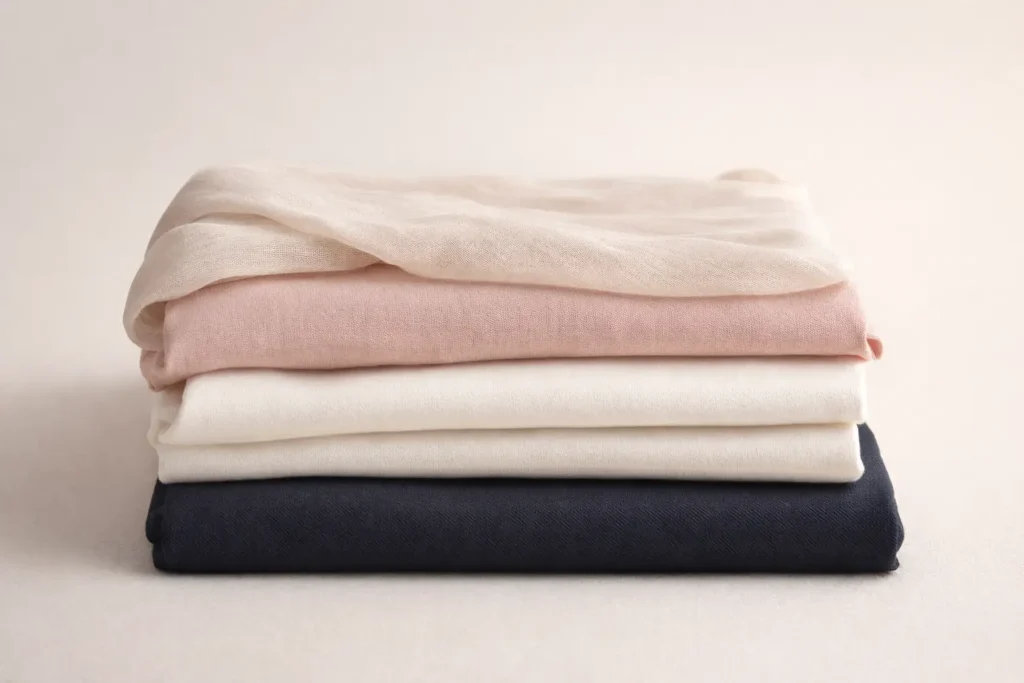
Fabric weight matters more than many customers realize, because it changes both feel and performance. A mini dress that is too light may feel flimsy, clingy, or too revealing. A mini dress that is too heavy may feel hot, rigid, or less suitable for summer and festival settings.
For mini dresses, fabric weight should be judged according to style and season. A very fitted contour mini usually benefits from a little more substance. A soft slip mini or easy summer festival mini may need a lighter hand feel, but still enough opacity to avoid risk.
A practical way to think about weight:
| Fabric Weight Feel | Best Use | Possible Benefit | Possible Problem |
|---|---|---|---|
| Very light | Layered or draped summer mini | Airy and soft | Sheer, less stable |
| Medium-light | Easy woven mini dresses | Better comfort in heat | Needs lining in many colors |
| Medium | Broadest use for many mini dresses | Good balance of comfort and structure | Depends heavily on fabric quality |
| Medium-heavy | Bodycon, contour, ponte-based mini | Smoother line and better support | Can feel warm or less flexible |
| Heavy | Structured fashion mini | Strong shape retention | Less breathable, harder for summer |
Many customers cannot name fabric weight, but they react to it very quickly through comments such as:
- “It feels cheap.”
- “It feels too thick.”
- “It’s see-through in sunlight.”
- “It’s flattering.”
- “It hugs in the right way.”
- “It’s too hot to wear for long.”
These are all fabric-weight and fabric-performance reactions, even if the customer does not use technical words.
For festival brands, this matters because comfort strongly affects actual wear time. A dress that looks good but feels too heavy in hot weather may get posted once and then never worn again. A dress that feels too thin may get returned immediately.
Which Fabrics Feel Best in Warm Festival Weather?
Festival mini dresses are often worn outdoors, in warm temperatures, under strong light, and for longer periods than standard eventwear. This means skin feel and temperature response matter a lot. A fabric that feels acceptable in a sample room may become uncomfortable after several hours outside.
For warmer settings, customers usually prefer fabrics that offer:
- enough breathability
- enough softness against skin
- enough opacity
- enough movement
- enough support without overheating
There is always a tradeoff here. The most supportive bodycon fabric may not be the coolest fabric. The lightest summer fabric may not offer enough shape. The right choice depends on the brand’s customer and product promise.
A practical festival-weather guide looks like this:
| Fabric Direction | Warm Weather Suitability | Why |
|---|---|---|
| Dense nylon-spandex | Medium | Strong support but can feel warm |
| Softer poly-spandex knit | Medium to good | Better comfort if density is balanced |
| Rib knit | Medium | Soft feel but depends on thickness |
| Satin woven | Medium | Light feel but can show sweat and wrinkle |
| Crepe woven | Good | Often easier to wear in heat if lined well |
| Mesh overlay + light lining | Good | Breathable feel with visual interest |
| Cotton-blend woven | Good | Easier comfort, more casual appearance |
Festival customers also care about practical comfort in ways brands sometimes overlook:
- Will the fabric stick to the skin?
- Will sweat show easily?
- Will the lining trap too much heat?
- Will the dress feel heavier later in the day?
- Will the color look good in direct sun?
These are real wear questions, and they directly affect whether the customer sees the dress as a strong product or only a nice-looking one.
Does Mini Dress Fabric Need Lining?
Many mini dresses benefit from lining, but the right lining strategy depends on the fabric, silhouette, and target use. Lining can improve confidence, comfort, and quality feel. It can also create problems if it is chosen without enough care.
Lining is usually helpful because it can:
- reduce transparency
- improve surface smoothness
- reduce cling
- make the dress feel more finished
- help the outer fabric sit better on the body
But lining can also create new risks:
- too much heat
- extra bulk
- stiffness that changes the outer shape
- twisting between inner and outer layers
- visible lining edges in short silhouettes
This is why lining should be evaluated as part of the fabric plan, not added automatically at the end.
A useful lining guide:
| Outer Fabric Type | Lining Need | Why |
|---|---|---|
| Low-density stretch knit | Often yes | Helps with opacity and confidence |
| Dense stretch knit | Sometimes partial | May already provide enough coverage |
| Satin woven | Usually yes | Helps comfort and coverage |
| Mesh outer | Yes | Needed for wearability |
| Crepe woven | Depends on color and density | Darker colors may need less support |
| Light cotton blend | Depends on opacity | White or pale colors often need lining |
For mini dresses, lining length and attachment also matter. A badly planned lining can affect hem movement and create discomfort during walking. This is especially visible in fitted mini dresses and ruched styles.
What Fabric Problems Usually Cause Complaints?
Fabric-related complaints are very common in the mini dress category because customers can feel the difference immediately. The product may pass visually, but if the fabric experience feels wrong, the whole dress feels weaker.
The most common complaints usually come from these issues:
| Fabric Problem | What the Customer Notices | Likely Effect |
|---|---|---|
| Too thin | See-through or insecure feel | Return or negative review |
| Too shiny | Looks less premium | Lower perceived value |
| Weak recovery | Dress loses shape fast | Lower trust |
| Too rough | Uncomfortable against skin | Less wear time |
| Too heavy | Feels hot or stiff | Poor festival suitability |
| Wrinkles easily | Looks messy after short wear | More hesitation to repurchase |
| Static cling | Dress sticks awkwardly | Weak styling experience |
Many of these complaints can be reduced early if the brand requests practical tests during sampling:
- tension test under light
- movement test
- sitting test
- recovery test after wear
- lining check
- daylight and flash photo review
That process is especially important for light colors, fitted silhouettes, and festival-specific styles.
How Fabric Affects Product Price and Perceived Value
Fabric is one of the biggest drivers of both cost and perceived value. Customers may not know the exact fabric composition, but they quickly decide whether the dress feels worth the asking price. This means the right fabric can support stronger pricing, while the wrong fabric can make even a good design feel overpriced.
In practical terms:
- better density usually improves confidence
- better recovery usually improves repeat wear
- better surface finish usually improves first impression
- better lining usually improves quality feel
- better hand feel usually improves customer trust
But higher cost does not always mean better performance. Some expensive-looking fabrics are difficult to maintain, too delicate, or less comfortable in real wear. For festival brands, the smartest fabric is usually the one that creates the strongest balance between look, wearability, and repeat production.
A useful cost-value view:
| Fabric Choice | Cost Effect | Value Effect |
|---|---|---|
| Low-cost thin stretch | Lower cost | Often weaker confidence and more complaints |
| Mid-range dense stretch | Moderate cost | Often strongest commercial balance |
| Premium woven with lining | Higher cost | Better for elevated product positioning |
| Fashion texture or mesh layer | Moderate to higher cost | Good for statement pieces if executed well |
This is why many strong collections combine fabric levels. A brand may use a more stable commercial fabric for core repeat mini dresses, then use more expressive or decorative fabrics for selected statement styles.
What Customers Really Want From Mini Dress Fabric
Most customers are not asking for technical fabric language. What they really want is simple. They want the dress to feel good enough that they do not regret the purchase. They want it to look flattering without feeling cheap. They want enough support to feel confident and enough comfort to keep it on.
In practical terms, customers usually want fabric that feels:
- soft enough
- thick enough
- smooth enough
- secure enough
- breathable enough
- stable enough to trust
That is why mini dress fabric deserves much more attention than brands sometimes give it. A strong silhouette may attract the click, but fabric often decides whether the product becomes a keeper, a return, or a reorder.
For festival and TikTok-led mini dress collections, the best fabric choices are usually the ones that support both excitement and reality. The dress should still look good in motion, still feel good after hours of wear, and still hold its value once the customer receives it in hand. That is what turns a trend-led mini dress into a real product customers want to buy, wear, and come back for again.
Mini Dress Styling
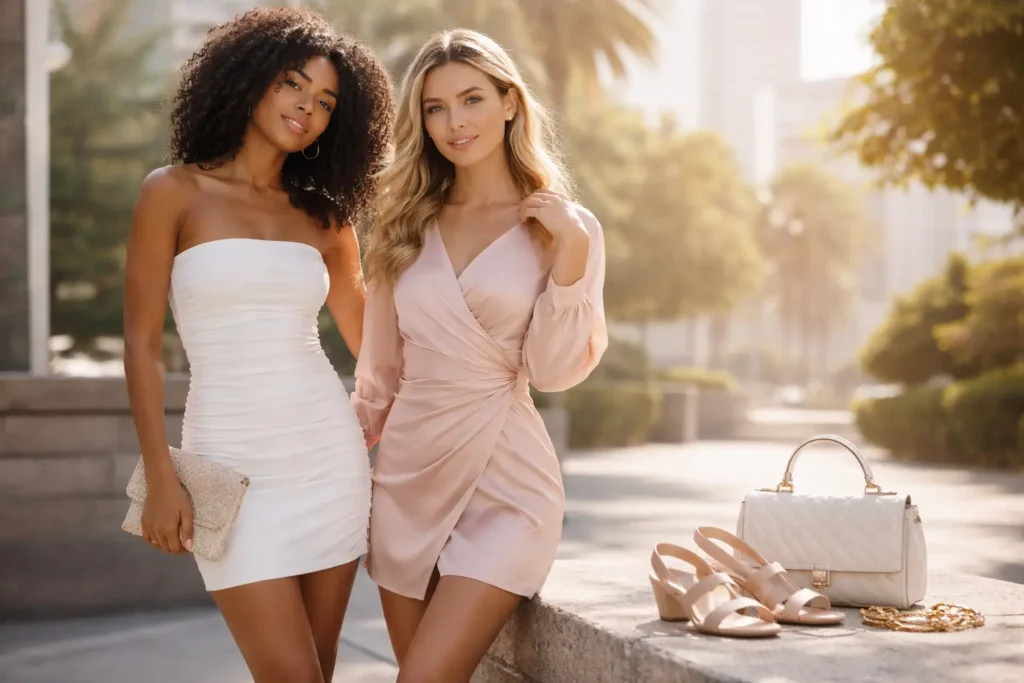
Styling is one of the most commercially important parts of a mini dress product story, especially for TikTok festival brands. A customer usually does not buy the dress as an isolated object. She buys the feeling, the occasion, the identity, and the ease of imagining herself in the full look. That is why styling has a direct effect on click-through, add-to-cart behavior, return confidence, and repeat interest.
For festival brands, styling does several jobs at once. It helps the customer understand where the dress fits in her life. It helps her decide whether the dress feels bold, easy, sexy, playful, polished, or worth the price. It also reduces hesitation. When the styling feels clear, the customer spends less energy trying to figure out how the product works.
This is especially important in mini dresses because the garment itself often carries strong emotional weight. A mini dress can feel exciting, but also risky. The right styling can reduce that risk. It can make the customer think, “I know how I would wear this,” instead of, “This looks good, but I’m not sure it’s for me.”
A strong styling plan usually improves these areas:
- product clarity
- first impression
- perceived versatility
- customer confidence
- average order value potential
- repeat purchase logic across colors and similar silhouettes
For many fashion brands, styling is also where the brand voice becomes most visible. Two brands can sell similar mini dress shapes, but the styling direction can make one feel nightlife-driven, one feel soft and romantic, one feel cool and urban, and one feel premium and polished.
A useful way to think about mini dress styling is this: the dress is the center, but the styling is what tells the customer how to read it.
How to Style a Mini Dress for Festival
A festival mini dress should look expressive, but it should also feel usable. That balance matters. If the styling is too simple, the product may not stand out enough. If the styling is too heavy, the customer may admire the content but feel the look is unrealistic for her own life. The strongest styling usually creates inspiration without making the product feel difficult.
For a festival setting, styling often needs to reflect real event conditions. That includes heat, walking, dancing, day-to-night transitions, and photo moments. A mini dress should not only look good in a clean studio shot. It should still make sense with layers, shoes, and accessories that the customer would actually wear for hours.
A practical festival mini dress look often includes these styling layers:
- one strong shoe direction
- one outer layer if the event goes into evening
- jewelry that matches the mood of the dress
- a bag that feels visually right and event-appropriate
- sunglasses, belt, or hair accessories where relevant
The exact combination depends on the dress type.
For example:
| Mini Dress Type | Best Festival Styling Mood | Most Effective Add-Ons |
|---|---|---|
| Bodycon mini | Bold, confident, nightlife energy | Boots, statement earrings, mini bag |
| Ruched mini | Flattering, feminine, easy confidence | Strappy sandals, layered jewelry, cropped jacket |
| Corset mini | Elevated, sharper, dressed-up | Heeled boots, metallic accessories, compact bag |
| Slip mini | Light, effortless, warm-weather styling | Sandals, shoulder bag, soft jewelry |
| A-line mini | Playful, daytime festival use | Sneakers or boots, sunglasses, light layer |
The styling should also make the occasion clear. Many customers decide faster when they can recognize the context immediately. The dress should feel like it belongs somewhere real:
- music festival
- beach event
- rooftop party
- weekend trip
- day-to-night city outing
- summer concert
- birthday or holiday event
If the styling shows no clear scenario, the mini dress becomes harder to position. Customers may still like it, but they hesitate longer because they cannot picture the use.
For brands, a practical styling plan often includes at least three ways to present the same dress:
- the main campaign look
- a more wearable or accessible version
- a secondary styling direction for broader use
This approach helps the product feel more flexible and usually reduces the “too specific” feeling that can weaken conversion.
Which Shoes Match a Mini Dress?
Shoes are one of the most powerful styling tools in the mini dress category because they can completely change the tone of the dress without changing the dress itself. The same mini dress can feel edgy, relaxed, premium, playful, or nightlife-ready depending on what sits below the hem.
For festival customers, shoes also carry practical meaning. They signal how the dress is meant to be worn. This matters because shoes influence how comfortable, bold, and realistic the whole outfit feels.
In most mini dress styling systems, shoes usually fall into four commercial groups:
- boots
- sandals
- sneakers
- heels
Each changes the product story.
Boots are often one of the strongest options for festival mini dresses. They add contrast, attitude, and structure. They also help visually ground shorter silhouettes. This is one reason why bodycon and ruched mini dresses often perform well with boots in campaign content. The overall look feels stronger and more intentional.
Sandals usually create a lighter and more open mood. They work well with slip minis, softer ruched styles, and warmer-weather collections. Strappy sandals can make the dress feel more dressed-up. Flat or lower sandals can make the styling feel more vacation-oriented.
Sneakers can be very useful when the brand wants the mini dress to feel easier, younger, or more wearable beyond one event. They are especially helpful with A-line minis, cotton-blend minis, and more casual festival looks.
Heels usually push the dress into a more nightlife or eventwear category. This can work well, especially for premium-looking party minis, but brands should be careful not to overuse heels in all content if the dress is meant to feel more broadly wearable.
A practical shoe guide:
| Shoe Type | Best With | What It Adds | Customer Effect |
|---|---|---|---|
| Chunky boots | Bodycon, corset, ruched minis | Edge, weight, confidence | Makes the look feel more festival-ready |
| Cowboy boots | Slip, ruched, bodycon minis | Open-air event energy | Strong visual personality |
| Strappy sandals | Slip minis, fitted soft dresses | Lightness, femininity | Makes the dress feel more summer-friendly |
| Sneakers | A-line, casual fitted minis | Ease, movement, realism | Makes styling feel less risky |
| Heeled sandals or boots | Party minis, statement looks | More height and polish | Raises event value but can narrow use |
For many customers, the right shoe pairing reduces styling anxiety. If the product page shows only one hard-to-copy shoe option, the dress may feel harder to buy. If the customer sees the dress work with multiple shoe directions, she sees more possibilities.
This is why many strong brands show at least two shoe directions for best-selling mini dresses:
- one aspiration look
- one easier real-life styling look
That combination tends to improve both desire and usability.
Do Accessories Change a Mini Dress Look?
Yes, and often more than the dress itself. Accessories can shift a mini dress from simple to premium, from soft to bold, from casual to party-ready, or from trend-driven to timeless. For mini dresses, where the base silhouette is often simple, accessories carry a large part of the final impression.
In festival styling, accessories are especially important because they help build a full identity around the dress. They also let the customer see how the dress can fit into her own life. Many customers do not style from scratch. They style from cues. Accessories give them those cues.
The most commercially useful accessories for mini dresses usually include:
- earrings
- layered necklaces
- bracelets or cuffs
- belts
- sunglasses
- mini bags or shoulder bags
- hats or hair accessories
- outerwear pieces
Each of these changes the reading of the dress.
For example, layered metallic jewelry can make a black bodycon mini feel more nightlife-focused. A belt can reshape an A-line mini and add more structure. Slim sunglasses can make a basic fitted mini feel more editorial. A shoulder bag can make a satin slip mini feel more polished and city-ready.
Accessories also affect perceived value. A dress styled with thoughtful details often looks more complete, which can support higher pricing and stronger emotional response. But there is an important balance. The dress should not depend on heavy accessories just to feel interesting. A strong mini dress should still look good with minimal styling. Accessories should elevate it, not rescue it.
A practical accessory effect table:
| Accessory | Best Used For | Styling Effect |
|---|---|---|
| Statement earrings | Party minis, strapless or low-neck styles | Adds energy near the face |
| Layered necklaces | Slip minis, square-neck dresses | Creates softness and visual depth |
| Belt | A-line or looser mini dresses | Defines waist and adds structure |
| Sunglasses | Daytime festival looks | Makes the outfit feel more complete |
| Small shoulder bag | Most mini dress types | Adds polish and city-ready feel |
| Metallic cuff or bracelet | Bodycon and corset minis | Adds stronger party attitude |
| Light jacket | Day-to-night styling | Improves practicality and versatility |
For brands, accessories are also a useful product testing tool. If the mini dress still looks strong when styled with just one or two accessories, it usually means the core product is doing its job. If the dress needs many accessories to feel complete, the silhouette or surface may not be strong enough on its own.
How to Layer a Mini Dress Without Losing Shape
Layering is one of the most important styling tools for festival mini dresses because events often shift from hot daytime conditions to cooler evenings. It also helps customers feel that the dress has more wearing occasions, which can increase purchase confidence.
The challenge is that layering can either improve the mini dress or weaken it. The wrong outerwear can hide the silhouette, distort proportion, or make the dress feel bulky. The right layer keeps the shape visible while adding function and mood.
The best outer layers for mini dresses usually include:
- cropped jackets
- oversized denim jackets
- fitted leather-style jackets
- light knit layers
- open shirts in casual festival styling
The reason cropped or shorter layers often work well is proportion. Mini dresses usually benefit from visible waist or hip line. If the outer layer is too long and too heavy, the dress may lose its shape and become visually flat.
A useful layering guide:
| Outer Layer | Best With | Why It Works | Risk |
|---|---|---|---|
| Cropped jacket | Bodycon, ruched, corset minis | Keeps the waist visible | Too short can feel overly styled |
| Oversized denim jacket | Slip, fitted casual minis | Adds balance and ease | Can overpower petite silhouettes |
| Fitted moto-style jacket | Structured or nightlife minis | Adds edge and shape | Can feel too heavy in hot weather |
| Light cardigan or knit | Softer slip or A-line minis | Adds softness and versatility | Can reduce visual sharpness |
| Open shirt layer | Casual summer minis | Easy daytime festival mood | Less useful for dressier products |
Layering is also one of the clearest ways to extend the commercial life of a mini dress. A dress that works only alone may feel very seasonal. A dress that works with outerwear, boots, and alternate accessories often becomes easier to market beyond one short weather window.
For customers, this matters because it changes the value calculation. The dress no longer feels like a one-use item. It feels more flexible.
How Styling Changes Perceived Fit
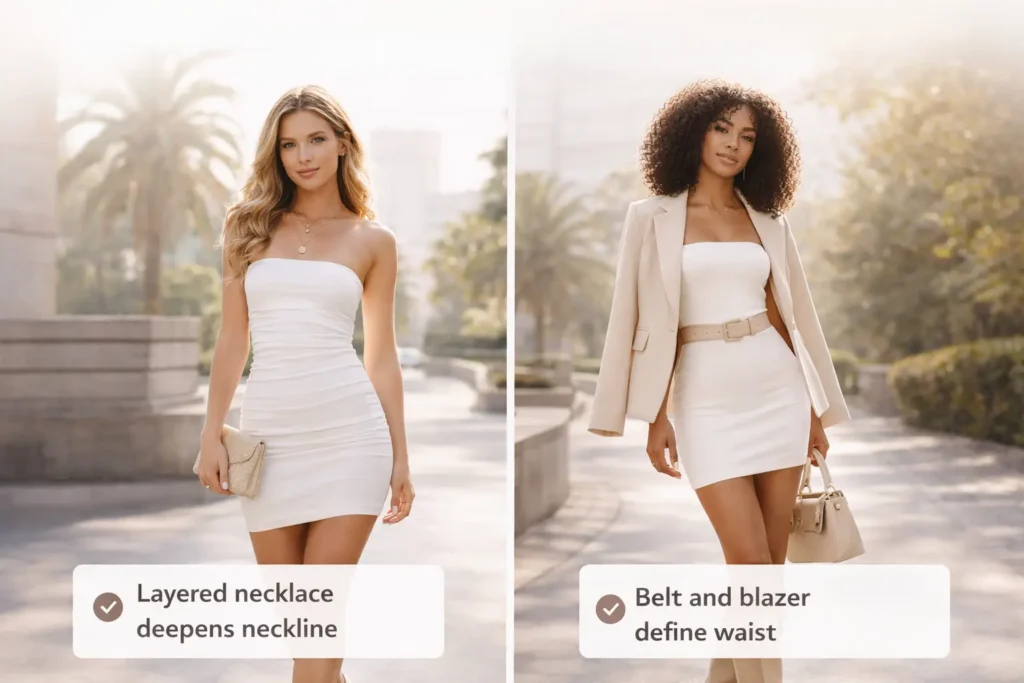
Styling affects not only mood but also how customers perceive fit. This is especially important for mini dresses because body confidence is a major purchase driver. The same dress can feel easier, more flattering, or more intimidating depending on styling choices.
For example:
- boots can make a short hem feel more balanced
- a jacket can reduce upper-body exposure and make the look feel safer
- a belt can give more shape to a looser silhouette
- layered jewelry can shift attention upward
- a structured bag can make the look feel more polished and complete
This is why styling should always support the fit logic of the dress.
A mini dress with a very short hem often benefits from more grounded shoe choices. A softer and less structured mini dress may benefit from accessories that bring more clarity and shape. A bold bodycon dress may need styling that makes it feel intentional rather than overdone.
Here is a practical fit-styling relationship table:
| Fit Situation | Helpful Styling Move | Why It Helps |
|---|---|---|
| Very short hem | Boots or more grounded shoes | Creates visual balance |
| Low neckline | Layered necklace or jacket | Softens exposure and adds control |
| Simple silhouette | Strong bag or earrings | Adds interest without changing fit |
| Looser upper body | Belt or more structured outer layer | Improves overall definition |
| Bodycon tension look | Cleaner accessories | Prevents the look from feeling crowded |
For customers, good styling often makes the dress feel more wearable even before they try it. That is a big reason why strong styling increases conversion.
Which Mini Dress Styling Looks Most Wearable?
Wearable styling does not mean boring styling. It means the look feels realistic enough that the customer can imagine repeating it. This is very important for mini dresses because customers may hesitate if the outfit feels too specific, too high-maintenance, or too dependent on a full event context.
In general, the most wearable styling looks tend to include:
- one clear shoe direction
- one simple bag
- one jewelry story
- one optional layer
- one beauty or hair mood that fits the dress
That kind of structure often works better than trying to add everything at once.
A practical wearable styling comparison:
| Styling Type | Strength | Risk | Best Use |
|---|---|---|---|
| Minimal styling | Easy to understand | May feel too plain | Core mini dress product pages |
| Festival-forward styling | High visual energy | Can feel too specific | Campaign and launch content |
| Day-to-night styling | Strong commercial value | Needs careful balance | Best for versatile mini dresses |
| Nightlife styling | Strong emotional pull | Can narrow audience | Statement bodycon or corset minis |
For most product pages, a combination usually works best:
- one stronger hero styling look
- one easy wearable styling look
- one slightly different occasion styling look
This gives customers more than one way to understand the product, which usually improves confidence.
What Customers Actually Want From Styling
Customers do not only want the dress to look fashionable. They want help seeing how it fits into their own wardrobe and life. In real shopping behavior, styling usually answers practical questions such as:
- Can I wear this with boots I already own?
- Does this dress only work at night, or can I style it for daytime too?
- Will I need a jacket?
- Does it look better with simple jewelry or statement pieces?
- Is this more of a festival look or a broader party look?
- Can I wear it more than once without it feeling repetitive?
That is why good styling is not just about visual mood. It is about reducing uncertainty.
A strong mini dress styling plan often does these things for the customer:
- shows at least one full outfit direction
- gives more than one shoe idea
- makes the event context clear
- suggests how to adapt the dress to different times of day
- helps the dress feel easier to own
For brands, this matters because styling can improve more than presentation. It can improve perceived value, support higher conversion, and make reorders easier by helping the customer trust the category more.
Styling Planning for Mini Dress Collections
For a mini dress collection, styling should not be decided one product at a time without system thinking. A better approach is to create a styling structure across the collection so that each dress has its own role while still fitting the overall brand mood.
A useful collection-level styling plan often includes:
- one darker, more confident look direction
- one lighter and more daytime-friendly direction
- one more elevated event direction
- one easy repeatable styling formula across several dresses
This helps the collection feel intentional rather than random.
A practical styling matrix might look like this:
| Dress Role | Main Styling Direction | Best Supporting Pieces |
|---|---|---|
| Core bestseller mini | Clean and wearable | Boots, small bag, simple jewelry |
| Statement party mini | Sharper and bolder | Heeled boots, metallic details, cropped jacket |
| Soft summer mini | Light and open | Sandals, shoulder bag, layered necklace |
| Easier casual mini | Relaxed but styled | Sneakers, sunglasses, denim layer |
This kind of system also helps with content planning, product photography, and customer understanding.
Why Styling Affects Sales More Than Many Brands Expect
Styling has a direct effect on product performance because customers judge mini dresses emotionally and practically at the same time. The dress may attract attention because of the silhouette, but styling often decides whether the customer can picture herself wearing it. That picture is what moves the product from interest to purchase.
In a practical sales sense, styling usually helps by:
- making the dress feel more complete
- making the occasion clearer
- making the fit feel less risky
- increasing the number of ways the customer can imagine wearing it
- supporting price perception
- creating stronger campaign and social content
A mini dress with weak styling may still be a good product, but it often has to work harder. A mini dress with strong styling usually feels easier to understand, easier to want, and easier to buy.
For festival and TikTok-led brands, the best styling is usually the styling that keeps the dress exciting while making ownership feel simple. The customer should look at the product and feel that it belongs in a real moment she wants to have. When that happens, the styling is doing its job.
Mini Dress Production
For a TikTok festival brand, production is where product ambition meets commercial reality. A mini dress can look exciting in a moodboard, photograph well in the first sample, and still fail once it enters bulk production if the pattern is not stable, the fabric changes too much, the sewing method is not matched to the style, or the factory cannot keep the same feel across repeated runs. That is why production should never be treated as a final step after design. In the mini dress category, production is part of the product itself.
Customers may never see the production process directly, but they feel the result immediately. They notice whether the dress holds its shape, whether the zipper feels smooth, whether the lining sits correctly, whether the hem hangs evenly, whether the neckline stays in place, and whether the reorder in another color feels just as good as the first piece they bought. In other words, production quality directly affects conversion, customer trust, return rate, reorder confidence, and long-term brand credibility.
For festival mini dresses, production pressure is even higher because the category usually combines several difficult factors at once:
- shorter garment length
- closer body fit
- higher visual sensitivity
- stronger demand for speed
- stronger seasonality
- more frequent use of fashion fabrics, ruching, lining, shaping, and special trims
A weak production process often leads to the same problems again and again:
- samples that look good but cannot be repeated accurately
- bulk pieces that feel different from the approved sample
- unstable measurements across sizes
- delays caused by fabric replacement or trim issues
- inconsistent stitching in body-sensitive areas
- reorders that are slower or weaker than expected
For growing brands, these problems do more than create inconvenience. They affect stock planning, paid marketing timing, influencer seeding, customer satisfaction, and margin. A mini dress that misses the season by even two or three weeks may become much harder to sell at full price. A mini dress that arrives with too many quality complaints can damage trust across the whole category.
This is why good production should answer a few very practical business questions:
- Can the dress be developed from image, sample, or tech pack with enough accuracy?
- Can the factory match the right fabric to the right silhouette?
- Can the approved sample be repeated in bulk without a big drop in quality?
- Can the style move from small test order to larger repeat order smoothly?
- Can the factory support both speed and consistency?
Jinfeng’s structure is useful here because the company is not operating only as a sewing workshop. It has a wider manufacturing base that supports both development and scale.
| Production Area | Jinfeng Capability | Why It Matters for Mini Dress Brands |
|---|---|---|
| Sample rooms | 2 | Supports parallel development on multiple styles |
| Pattern makers | 7 | Helps improve fit logic, grading, and correction speed |
| Sample sewers | 20 | Allows faster first samples and revision rounds |
| Purchasing staff | 3 | Helps coordinate fabrics, linings, trims, and accessories |
| Sales staff | 8 | Supports communication and order coordination |
| Follow-up staff | 8 | Helps track production details and progress |
| Production lines | 18 | Improves ability to handle repeat orders and scale |
| Factory space | Around 5,000 sqm | Supports structured workflow across development and production |
| Monthly output | Around 100,000 pcs | Suitable for brands that want repeatable volume |
| Additional capacity | 50,000 to 80,000 pcs | Useful for successful styles that need quick expansion |
For TikTok festival brands, this kind of structure matters because many launches do not fail at the trend stage. They fail at the execution stage. The brand may know what it wants to sell, but without a supplier that can turn that idea into a stable product, the commercial result remains fragile.
How Do You Sample a Mini Dress?
Sampling is the first real test of whether a mini dress idea can become a dependable product. It is also one of the most important stages for controlling cost later. A good sample process does not only make the dress look close to the original concept. It helps the brand identify technical risks early, while changes are still easier and cheaper to make.
Most mini dress sampling starts from one or more of these inputs:
- a detailed tech pack
- a reference garment
- design sketches
- target fabric ideas
- inspiration images
- size specs and fit comments
The stronger the input, the faster the factory can translate the idea into a workable sample. But even when input is incomplete, experienced development teams can still help by identifying what needs to be clarified. This is especially useful for smaller or newer brands that know the look they want but do not yet have perfect technical files.
For mini dresses, sample development is usually more sensitive than for many casual garments because the dress often includes several difficult elements:
- close fit through bust, waist, or hip
- short hemline
- stretch or body tension
- lining requirements
- neckline security
- shape-dependent details such as ruching, corset seams, or asymmetry
That is why a first sample should never be judged only by appearance on a hanger. It should be worn and checked through movement. A proper sample review should include:
- front, side, and back fitting view
- walking test
- sitting test
- arm movement test
- daylight review
- opacity check
- neckline and bust hold check
- hem balance check
- zipper and entry test
A strong mini dress sample often answers three levels of questions:
| Sampling Level | Main Question | What the Brand Should Check |
|---|---|---|
| Visual level | Does the dress look close to the intended design? | Silhouette, neckline, proportion, surface feel |
| Wear level | Does the dress function properly on the body? | Security, movement, comfort, opacity |
| Production level | Can this dress be repeated cleanly in bulk? | Construction logic, fabric stability, trim practicality |
In many cases, brands benefit from thinking about the first sample as a learning tool, not a final approval moment. The first sample often reveals:
- whether the original fabric idea was correct
- whether the neckline needs more support
- whether the hem should be adjusted
- whether the fit is too aggressive or too weak
- whether lining should change
- whether certain details add value or only complexity
A realistic mini dress sampling process usually includes at least one revision round, and sometimes more for more difficult styles.
Jinfeng’s usual timing can support this pace:
| Sampling Type | Typical Timing |
|---|---|
| Standard mini dress sample | 5 to 7 days |
| More complex mini dress sample | 7 to 10 days |
That timeline is useful for brands with fast launch cycles, but speed still works best when the sample comments are clear. Good revisions usually come from specific feedback, such as:
- increase front length by 1.5 cm
- reduce neckline drop
- change lining to improve opacity
- tighten upper-body hold
- reduce side seam tension at hip
- adjust strap placement
- improve zipper entry
The more specific the sample review, the faster the product usually improves.
What Makes Mini Dress Quality Stable?
Stable quality comes from systems, not luck. One good sample is not enough. A strong production partner needs to repeat the approved standard across different pieces, sizes, colors, and future orders. This is where many brands begin to see the difference between a supplier that can make clothing and a supplier that can support long-term growth.
Mini dresses are especially sensitive because any small inconsistency becomes very visible. On a body-hugging dress, a slight change in seam tension or fabric stretch can affect fit. On a short dress, a small difference in hem finish or length becomes obvious. On a lined style, poor attachment or mismatched lining behavior can change comfort immediately.
Stable quality in mini dress production usually depends on control in these areas:
- fabric consistency
- shrinkage handling
- pattern accuracy
- cutting precision
- sewing method selection
- seam tension control
- lining attachment
- trim consistency
- in-line measurement checks
- final inspection standards
A practical way to understand this is to look at the most common mini dress quality failures:
| Problem Area | What Goes Wrong | What Customers Notice |
|---|---|---|
| Fabric lot variation | Same style feels different across orders | One reorder feels thinner, stiffer, or looser |
| Cutting variation | Pattern pieces shift slightly | Uneven fit, twisting, or different drape |
| Sewing tension issues | Seams stretch or gather incorrectly | Pulling lines, seam distortion |
| Poor neckline stability | Unsupported opening loses control | Slipping, gaping, weak hold |
| Weak zipper construction | Closure area is stressed | Hard entry, seam strain, early damage |
| Inconsistent lining | Inner layer behaves differently | Discomfort, twisting, visible unevenness |
| Poor hem control | Short garment length varies too much | Some pieces feel riskier to wear |
To reduce these problems, a reliable factory should not wait until the end of production to check quality. The best control happens across the whole workflow.
A more stable production system usually includes:
- fabric checking before cutting
- shrinkage testing when needed
- approval against the production standard before bulk starts
- in-line checks on key operations
- measurement checks during production
- end-line review before final packing
- comparison back to the approved sample
Mini dresses often need more attention than looser products in these “control points”:
| Control Point | Why It Matters More for Mini Dresses |
|---|---|
| Bust area | Affects security and shape |
| Waist seam | Affects silhouette and comfort |
| Hip area | Affects tension and movement |
| Hemline | Affects confidence and wearability |
| Strap attachment | Affects upper-body support |
| Lining edge | Affects comfort and smoothness |
For brands, stable quality is not only about avoiding complaints. It also supports stronger pricing and stronger reorders. Customers are much more likely to trust a dress category when the first purchase feels reliable.
Can a Mini Dress Scale Fast?
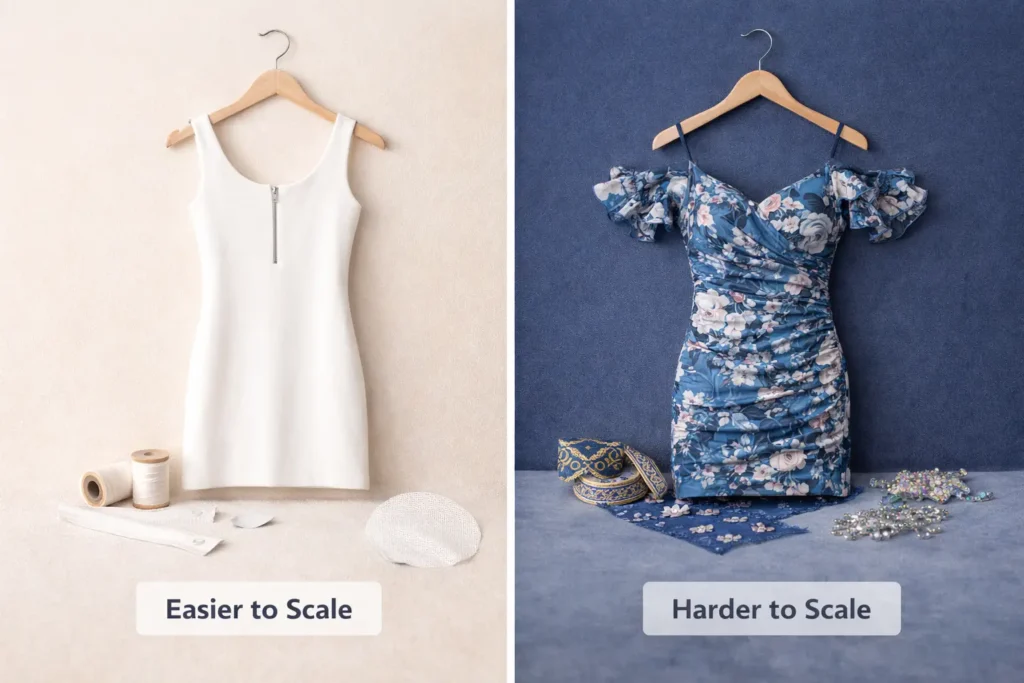
A mini dress can scale fast, but only if it is technically ready to scale. Many brands assume scaling is mainly about available sewing capacity. Capacity is important, but it is only one part of the picture. A style scales well when the product itself is already prepared for repetition.
A mini dress is easier to scale when these things are already stable:
- approved pattern and measurements
- confirmed fabric source
- tested fit
- practical construction method
- available trims and accessories
- clear packing and labeling standard
- realistic lead time plan
This matters a lot for TikTok festival brands because product demand can change quickly. One creator post, one good ad set, or one successful drop can push a style beyond the original quantity plan. If the brand is not ready, momentum is lost. If the supplier is not ready, the reorder may arrive too late or feel inconsistent.
A scalable mini dress usually has these characteristics:
| Scaling Factor | Easier-to-Scale Style | Harder-to-Scale Style |
|---|---|---|
| Fabric | Stable, commonly sourced knit or woven | Rare, unstable, or difficult special fabric |
| Construction | Clear seam structure, repeatable operations | Heavy detail, many sensitive operations |
| Fit | Proven and broadly workable | Very narrow fit tolerance |
| Trim use | Common zipper, basic trims | Special hardware, hard-to-source trims |
| Surface effect | Easy to repeat | Print placement or special treatment sensitive |
| Lining | Straightforward attachment | Complex layered construction |
That does not mean more complex styles are wrong. It simply means they need more careful planning. A heavily structured corset mini with shaped cups, special trims, and layered fabrics may create stronger visual drama, but it also takes more control and often more time to scale well.
By comparison, a ruched fitted mini in a stable stretch fabric may be easier to reorder and easier to grow quickly after a successful test.
Jinfeng’s production base helps here because the company has 18 production lines and room for added capacity. That matters for brands that want to start with a test order, then move into larger quantities without changing suppliers immediately.
| Volume Stage | Brand Situation | Production Need |
|---|---|---|
| 200 to 500 pcs | New style test, niche launch | Flexible startup and close tracking |
| 1,000 to 5,000 pcs | Confirmed demand, campaign push | Stable planning and stronger line support |
| 5,000 pcs and above | Repeat winner, stronger scale | Better capacity planning and process control |
For festival mini dresses, scale is not just about making more pieces. It is about making more pieces without losing what made the original product work.
How Do You Control Bulk Production on a Mini Dress?
Bulk production control is what protects the product after the sample is approved. This is the stage where the brand’s expectations meet factory workflow in real volume. If bulk control is weak, the dress may still arrive, but the overall product feel can shift enough to create quality complaints or weaken customer trust.
For mini dresses, strong bulk control usually focuses on a few high-risk areas:
- fabric replacement or batch change
- measurement drift during cutting or sewing
- seam distortion on stretch fabric
- neckline instability
- uneven zipper setting
- lining mismatch
- inconsistent pressing and finishing
- poor final folding or packing for delicate garments
A useful bulk-production checklist for mini dresses includes:
| Bulk Check Area | What Should Be Confirmed |
|---|---|
| Fabric | Same hand feel, same color, same behavior as approved |
| Pattern | Correct version used for production |
| Size set | Grading and measurement logic confirmed |
| Sewing | Correct seam type and machine handling |
| Lining | Correct material and attachment method |
| Trim | Right zipper, label, hook, strap, or accessory |
| Finishing | Threads cleaned, shape maintained, no pressing damage |
| Packing | Fold method suitable for fabric and wrinkle risk |
For many brands, one of the most important things is having a clear “approved standard” sample or production reference. This becomes the benchmark during bulk. Without that, production decisions become more subjective.
Mini dresses also benefit from closer follow-up because the product is body-sensitive. A small problem that might not matter much in a relaxed-fit garment becomes much more serious in a fitted mini dress.
What Usually Delays Mini Dress Production?
Brands often think delays are caused only by factory speed, but delays usually come from several linked decisions across development and order handling. Understanding these causes early helps brands plan more realistically.
The most common delay points usually include:
- fabric not confirmed on time
- fit comments arriving too late
- changes made after the sample should have been locked
- unclear trim specification
- print or embellishment details not finalized
- shipping plan decided too late
- order quantity changed after material booking
A practical delay table looks like this:
| Delay Cause | What Happens | How to Reduce Risk |
|---|---|---|
| Late fabric approval | Bulk cannot start cleanly | Lock fabric earlier |
| Repeated style changes | Pattern and sample work restart | Freeze design before bulk |
| Unclear trim info | Sourcing and construction slow down | Confirm zipper, labels, hardware early |
| Poor communication on fit | Wrong revision focus | Give specific comments with photos or notes |
| Last-minute quantity change | Material and line planning affected | Keep quantity change window limited |
| Shipping arranged too late | Finished goods miss launch plan | Plan freight at approval stage |
Jinfeng can support different delivery methods, which helps brands align speed and cost better:
| Shipping Method | Typical Time | Best Use |
|---|---|---|
| Express | 3 to 7 days | Urgent sample or small launch batch |
| Air freight | 5 to 8 days | Faster launch timing for bulk |
| Sea freight | 20 to 35 days | Better cost control for planned volume |
The company can also support FOB, CIF, DDP, split shipment, and coordination with overseas warehouse logic. That gives brands more flexibility when handling different launch structures.
What Makes a Mini Dress Easy to Reorder?
A mini dress becomes easy to reorder when the first production cycle is documented and controlled properly. This is one of the biggest hidden advantages of good production management. The first order is not only about making units. It is also about creating a repeatable product record.
A reorder usually runs more smoothly when the following are clearly locked:
- approved fabric quality and color standard
- final pattern version
- measurement chart
- trim and accessory details
- label and packaging instructions
- production notes from the first run
- known fit comments and solved issues
Here is a simple reorder readiness view:
| Reorder Factor | Weak Setup | Strong Setup |
|---|---|---|
| Fabric reference | General description only | Exact quality reference confirmed |
| Fit approval | Verbal approval | Approved measurements and comments recorded |
| Color standard | Visual memory | Clear standard kept on file |
| Trim record | Partial notes | Full trim details confirmed |
| Packaging | Re-decided each order | Same standard can be repeated |
This matters a lot for TikTok and festival brands because winning styles often need quick restocks or second drops in new colors. If the first order was handled loosely, the reorder becomes slower and riskier. If the first order was documented well, the style becomes a much stronger commercial asset.
Why Production Strength Matters to Customers
Customers may never ask how many production lines a factory has or how many sample sewers are involved. But they absolutely feel the result. Production strength affects the end product in ways customers immediately notice:
- whether the mini dress feels secure
- whether it fits like the photos suggest
- whether the fabric behaves well after wear
- whether the reorder in another color feels consistent
- whether the brand seems trustworthy
In practical terms, customers want the dress to feel like a finished product, not an experiment. That means:
- no unstable neckline
- no obvious sheerness problem
- no weak zipper feel
- no strange seam twisting
- no major difference between pieces
- no big drop in quality from first order to second order
For brands, that is why production should be seen as one of the strongest parts of customer experience. Good production reduces returns, protects reviews, supports reorders, and makes the mini dress category easier to grow.
Why Jinfeng Is a Practical Production Partner for Mini Dress Brands
Jinfeng is especially suitable for overseas brands that need more than a simple low-cost supplier. The company has the structure to support the full path from development to repeat production.
Its women’s wear capability is especially relevant for mini dress brands because the company already works deeply in categories that require stronger fit understanding and more careful manufacturing control, including:
- dresses
- sets
- fashion tops
- body-sensitive styles
- occasionwear
- partywear
- contour and sculpt product lines
The factory structure also helps reduce one-point dependency because Jinfeng works across four factories, including three women’s fashion production units and one unit focused on T-shirts, sweatshirts, and print products.
That matters for brands that care about:
- faster sample support
- better fit translation from concept to product
- stable line planning
- stronger repeat order handling
- room to scale when a style performs well
If a brand is building festival mini dresses for TikTok-led growth, the strongest production partner is usually not the one that only gives the lowest number. It is the one that helps the product move cleanly from concept to sample to bulk to reorder without losing too much time, too much consistency, or too much customer trust.
Start Your Mini Dress Production with Jinfeng
If your brand is developing a new mini dress collection, testing a festival drop, or preparing repeat production on a winning style, Jinfeng can support the next step with custom development, sample making, bulk production, and delivery planning.
You can send:
- tech pack
- reference images
- target fabric idea
- sample garment
- expected quantity
- size range
- target launch date
- label, print, or trim requirements
From there, the team can review the style, assess feasibility, confirm development direction, and help build a practical plan for sampling and production.
If you want your mini dress to do more than look good in content, if you want it to fit well, hold up in production, and support reorders with more confidence, now is a good time to start the conversation with Jinfeng.
Mini Dress Orders
Managing mini dress orders effectively is critical for festival and TikTok brands. Orders are not just a count of pieces; they represent timing, demand prediction, cost control, and customer satisfaction. A poorly handled order can result in delayed launches, stock shortages, or overstock, which directly affects revenue, social campaign performance, and brand reputation. For mini dresses, which are short, body-aware, and style-sensitive, order planning needs extra precision because small errors in quantity, size distribution, or fabric allocation can create visible problems for customers and influencers.
Many brands underestimate the importance of structured ordering. It’s not enough to know “how many dresses we want.” You need to understand how the style will scale, how sizes and colors distribute, how production timing aligns with marketing, and how reorders can be handled without compromising quality. For TikTok festival launches, fast-moving trends mean that timing and flexibility are just as important as volume.
How to Plan Mini Dress Orders
Effective mini dress order planning starts with understanding demand at multiple levels. A strong approach usually includes:
- Test or small-batch orders to validate fit, fabric, and styling
- Full-volume orders based on verified demand, content performance, or influencer reach
- Reorder planning for top-performing styles with the same fabric, trim, and size distribution
By planning in these stages, a brand reduces risk while maintaining speed to market. This is crucial for festival-focused products, where a single viral video or TikTok trend can quickly increase demand.
A practical order planning table:
| Order Stage | Typical Quantity | Purpose | Key Notes |
|---|---|---|---|
| Test batch | 200–500 pcs | Check fit, fabric, and social performance | Can adjust sizing and styling |
| Mid batch | 1,000–5,000 pcs | Expand successful styles | Coordinate production lines and fabric consistency |
| Full batch | 5,000+ pcs | Peak season or strong viral product | Ensure repeatable quality and stable supply |
Which Factors Affect Order Size
Several factors influence how a mini dress order should be structured:
- Style complexity: Fitted, ruched, or lined minis may require smaller test batches due to more technical production steps.
- Fabric availability: Limited-stock fabrics or seasonal colors may restrict the maximum batch size.
- Sales channel: Social-driven launches can create spikes in demand, requiring more agile orders.
- Customer size range: If a brand offers extended sizing, the order needs proportional allocation across sizes to prevent stockouts in key SKUs.
- Reorder potential: High-performing colors or styles may need planned reorders to avoid lost sales.
A sample size allocation table for a test batch:
| Size | Quantity | Notes |
|---|---|---|
| XS | 10% | Ensure at least a few pieces for fit testing |
| S | 30% | Common customer size, higher demand |
| M | 35% | Main selling size, critical to have enough stock |
| L | 20% | Covers larger size customers, balance with demand |
| XL | 5% | Optional based on brand size range |
This kind of allocation helps brands avoid both excess and scarcity, especially during fast-moving launches.
Do Mini Dress Orders Need Flexible Quantities?
Yes. Festival and TikTok launches are unpredictable. A style that seems minor during sampling can suddenly spike due to influencer exposure, trends, or seasonality. Having flexible order capacity allows brands to respond without compromising quality. For example, Jinfeng’s production lines allow an initial batch of 500 pieces to scale up quickly to 1,500–5,000 pieces without changing suppliers.
Flexible orders also support risk management:
- Small batch first reduces potential overstock.
- Medium batch expansion after testing ensures the style is validated.
- Large batch scaling captures maximum demand while keeping quality consistent.
How to Manage Multiple Mini Dress Orders
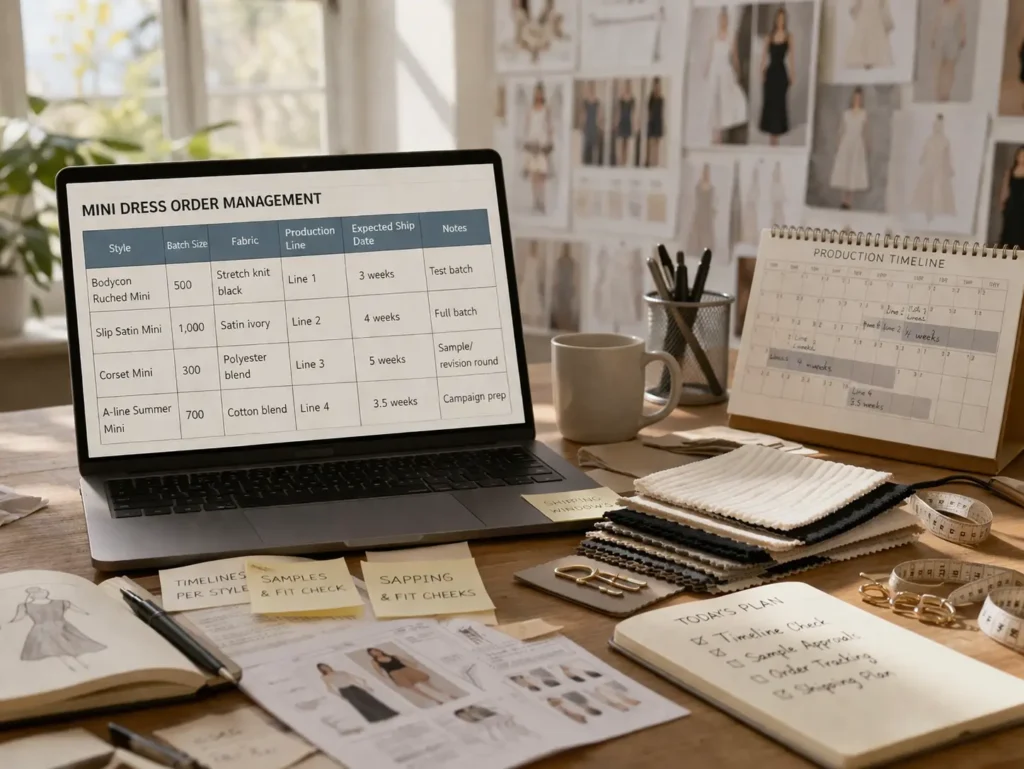
Brands often launch multiple mini dress styles simultaneously. Managing multiple orders effectively requires:
- Clear production timelines per style
- Separate fabric, trim, and color allocation
- Coordinated sample approval and fit check per style
- Tracking order status per production line
- Planning shipping windows for different markets
A simple order management table:
| Style | Batch Size | Fabric | Production Line | Expected Ship Date | Notes |
|---|---|---|---|---|---|
| Bodycon Ruched Mini | 500 | Stretch knit black | Line 1 | 3 weeks | Test batch |
| Slip Satin Mini | 1,000 | Satin ivory | Line 2 | 4 weeks | Full batch |
| Corset Mini | 300 | Polyester blend | Line 3 | 5 weeks | Sample/revision round |
| A-line Summer Mini | 700 | Cotton blend | Line 4 | 3.5 weeks | Campaign prep |
This table helps brands monitor each style separately while keeping the overall collection on schedule.
What Customers Notice About Order Accuracy
Customers rarely see production details, but they notice the result:
- Are all sizes in stock?
- Does the color match the product page?
- Does the fit and fabric remain consistent across repeats?
- Are limited-edition or trending colors available before they sell out?
A mini dress order that fails in any of these areas can reduce conversion, harm customer trust, and create social media complaints. That’s why planned order sizes, distribution, and repeatable production are critical.
Why Jinfeng Supports Reliable Mini Dress Orders
Jinfeng’s system helps brands manage mini dress orders efficiently:
- 18 production lines provide capacity to handle small, medium, or large batches.
- 2 sample rooms and pattern experts support initial fit validation before bulk orders.
- 4-factory structure reduces single-point failure and ensures multiple styles can be produced simultaneously.
- Flexible shipping options (FOB, CIF, DDP, split shipments) allow brands to align orders with launch campaigns.
- Detailed communication with business and follow-up teams ensures order tracking, quality checks, and timely delivery.
This structure makes it easier for TikTok festival brands to:
- test new mini dress styles quickly
- scale orders according to real demand
- maintain consistent quality across all sizes and colors
- meet launch dates for social-driven campaigns
- minimize risk of stockouts or production errors
Brands that handle mini dress orders strategically usually see faster conversions, stronger social content performance, and smoother reorders. Jinfeng’s production and order systems are designed to support this reliability from test batch to full-volume repeat orders.
Conclusion
In the end, a successful mini dress is not created by trend alone. It is built through a chain of good decisions: choosing the right silhouette, matching the right fabric, refining the fit, planning the styling clearly, controlling sampling carefully, and placing orders in a way that supports both launch speed and repeat demand. For TikTok festival brands, this matters even more because customers react fast, compare quickly, and expect the product to look exciting online while still feeling reliable in real wear.
That is why the best manufacturing partner is not simply the one that can make a dress. It is the one that can help turn an idea into a wearable, repeatable, and commercially stable product. Jinfeng is well suited for that role. With deep experience in women’s fashion manufacturing, strong sample development support, flexible order ranges, and the production capacity to grow with your brand, Jinfeng can help you move from concept to sample to bulk with more confidence.
If you are planning your next mini dress collection, testing a festival drop, or looking for a factory that can support custom development and long-term repeat orders, now is a good time to get in touch with Jinfeng. Share your tech pack, reference images, target quantity, and timeline, and let the team help you build mini dresses that not only look right in content, but also perform well in real business.