Skip to content
Midi Occasion Dress Manufacturer
Custom midi occasion dress development for fashion brands, occasionwear labels, ecommerce fashion teams, and private-label womenswear collections.
Jinfeng Apparel helps fashion brands develop midi occasion dresses from reference image, tech pack, fabric direction, and pattern development to sample review, bulk production, quality control, and private-label packing. Based in Guangdong, China, Jinfeng supports dress programs for the United States, United Kingdom, Europe, Australia, and Canada with OEM, ODM, and custom womenswear manufacturing.
- Since 2008— women’s fashion manufacturing experience for custom dress, skirt, jumpsuit, set, and private-label programs.
- 2 sample rooms + 7+ senior pattern makers— midi length, bust balance, waist placement, hem sweep, slit height, lining, and grading review before bulk.
- 6 owned women’s fashion factories + 10+ long-term satellite partners— production structure for multi-style occasionwear programs and phased delivery.
- MOQ from 200 pcs/style/color— suitable for organized custom production, not stock resale or micro-order fulfillment.
- Anonymous midi occasionwear program range: 16–24 styles / 27,200–62,400 pcs— wedding guest, cocktail, graduation, and partywear midi dress programs across US, UK, and Australian markets.
Manufacturing Facts for Midi Occasion Dress Programs
Since 2008
- Women’s fashion manufacturing experience since 2008.
- Dress, skirt, jumpsuit, set, and private-label support.
- Sample and production records support future repeat orders.
Guangdong Supply Chain
Jinfeng Apparel is based in Guangdong, China, one of the strongest apparel and fabric supply regions. Local fabric, trim, and finishing resources help teams compare satin, chiffon, lace, mesh, sequin, crepe, jersey, and ponte options before sample development begins.
- Guangdong fabric and trim resource access.
- Satin, chiffon, lace, mesh, sequin, crepe, jersey, and ponte review.
- Fabric direction checked before sample cutting.
Factory Network
- 6 owned women’s fashion factories.
- 10+ long-term satellite production partners.
- Production allocation by fabric, structure, and schedule.
MOQ Planning
- MOQ from 200 pcs per style/color.
- Fabric and trim minimums reviewed separately.
- Style, color, and size planning confirmed before quotation.
Custom Development
- OEM from tech pack or original sample.
- ODM from reference image or style direction.
- Sample-to-bulk workflow under one project record.
Private Label
Brand labels, size labels, care labels, hangtags, barcode stickers, SKU labels, polybags, stickers, thank-you cards, cartons, carton marks, and warehouse labels can be arranged according to final packing requirements and supplier MOQ.
- Woven labels, size labels, and care labels.
- Hangtags, barcode stickers, and SKU labels.
- Polybags, carton marks, and packing records.
Built for Serious Midi Occasion Dress Programs
Occasionwear Labels
- Fabric direction and fit review.
- Lining, slit, and hem control.
- PP approval and packing file coordination.
Party Dress Brands
- Sample correction and seam control.
- Trim matching and zipper review.
- Photo-ready finishing and bulk reference setup.
Premium Ecommerce Brands
- Photo-ready sample preparation.
- Pressing, detail finishing, and fit notes.
- Batch records for repeatable online launches.
Boutique Chains
Boutique chains often need multi-style, multi-size, multi-color dress programs with retail-ready labeling and carton organization. Jinfeng supports private-label packing, barcode stickers, size-ratio packing, and carton mark preparation, helping teams reduce receiving confusion after shipment.
- SKU labels and barcode stickers.
- Packing list and carton mark coordination.
- Warehouse label support when files are provided.
Sourcing Offices
Sourcing teams need clear feasibility comments before moving to sample cost and bulk planning. Jinfeng reviews style structure, fabric risk, trim availability, MOQ impact, construction difficulty, and delivery schedule so sourcing offices can compare dress programs with clearer production boundaries.
- Program review and cost factors.
- Production planning and MOQ review.
- QC checkpoints by fabric and construction risk.
Product Developers
Product developers need a supplier able to turn ideas into production-ready garments. Jinfeng can enter development from tech pack, original sample, line sheet, sketch, or reference photo, then manage pattern work, fit sample, revised sample, PP sample, and bulk file confirmation.
- Pattern correction and measurement review.
- Sample comments converted into revision actions.
- Production file setup before bulk handover.
Common Risks in Midi Occasion Dress Production
Length and Proportion
- Center back length and side seam balance.
- Waist level, hip ease, and hem shape.
- Model fitting, grading logic, and final measurement checklist.
Fabric Surface Risk
Occasion fabrics often create production risks. Satin can show crease marks and puckering. Chiffon can shift during cutting. Mesh can stretch out of shape. Lace can vary in motif placement. Sequin can increase weight and seam thickness. Jinfeng checks fabric handfeel, surface reaction, lining need, sewing difficulty, pressing method, and packing protection before bulk files are approved. Fabric review helps prevent a strong sample from becoming unstable bulk production.
- Fabric lot, shrinkage, and transparency review.
- Seam response, color matching, and pressing safety.
- Packing method for delicate or decorated surfaces.
Sample-to-Bulk Gap
A strong first sample does not automatically become stable bulk. Different fabric lots, trim substitutions, sewing speed, pressing temperature, and packing method can change the result. Jinfeng works through sample comments, revised sample, PP sample, production file, measurement record, fabric reference, and QC checklist before bulk sewing starts. The goal is to turn sample approval into a production standard, not a visual guess.
- PP approval and bulk reference.
- Inspection notes and packing approval.
- Repeat-order records for future replenishment.
Midi Occasion Dress Categories We Develop

Satin Midi Dress
- Satin weight, shine, and surface review.
- Seam puckering, zipper tension, and pressing control.
- Waist, hip, and hem balance before bulk.

Chiffon Midi Dress
- Transparency and lining length review.
- Layer construction and tier balance.
- Hem finishing and cutting movement control.
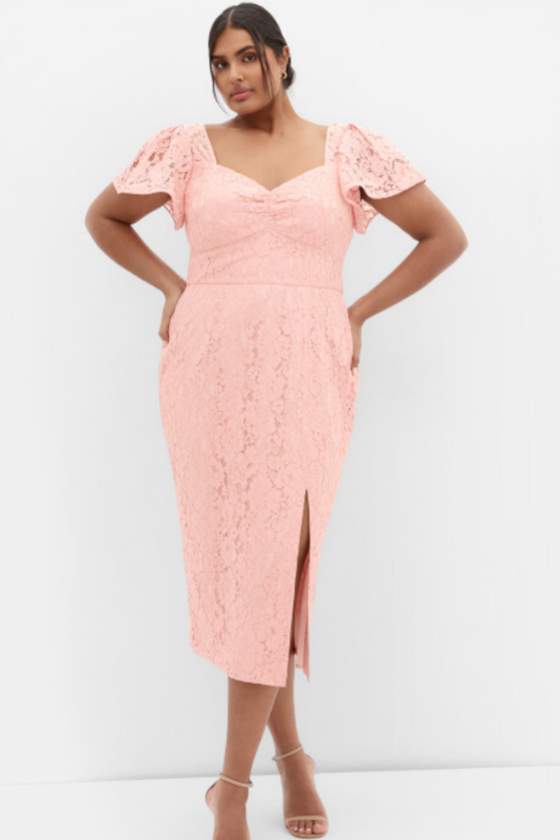
Lace Midi Dress
- Lace motif and scallop edge planning.
- Lining shade and seam matching.
- Zipper, sleeve, and waist shaping review.

Mesh Midi Dress
Mesh midi dresses are often used for partywear, bodycon, and semi-sheer occasion programs. Development focuses on stretch recovery, lining coverage, neckline support, sleeve shape, and seam strength. Jinfeng checks transparency level, print alignment, elastic behavior, and size grading to avoid twisting or loose tension after fitting.
- Stretch recovery and transparency control.
- Lining coverage and neckline support.
- Print alignment and grading review.

Sequin Midi Dress
- Sequin direction and motif repeat.
- Lining, zipper, and underarm comfort.
- Seam trimming and packing protection.

Corset Midi Dress
- Boning, cup, and top-edge stability.
- Waist pressure and body length review.
- Fit sample notes before PP approval.

Ruched Midi Dress
- Ruching placement and marking points.
- Stretch ratio and lining attachment.
- Symmetry and photo sample review.
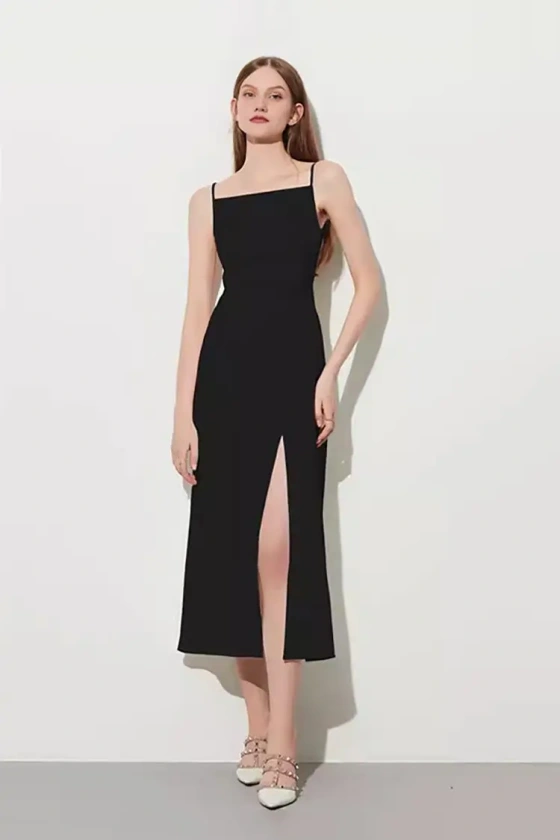
Slip Midi Dress
- Bias effect and side seam hang.
- Strap placement and bust coverage.
- Hem wave, pressing, and packing review.
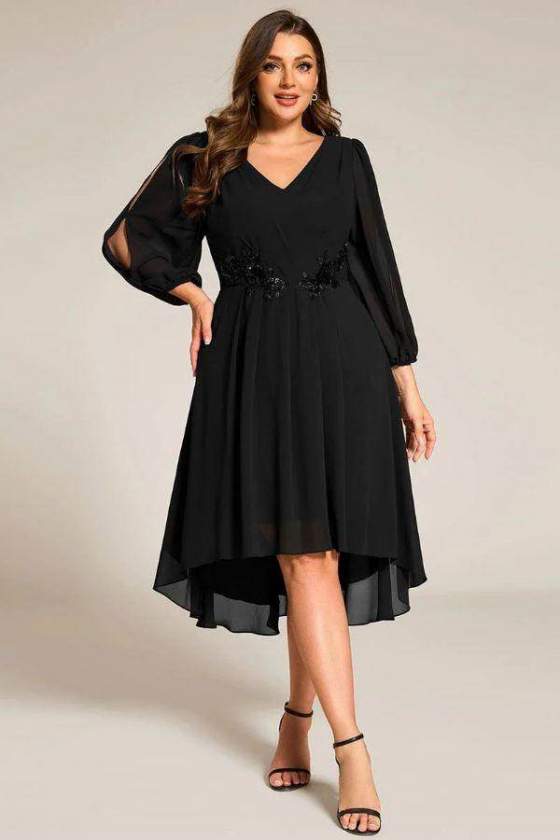
A-Line Midi Dress
- Waist placement and skirt sweep.
- Lining shape and hem balance.
- Pattern volume and grading control.

Cocktail Midi Dress
- Fitted bodice and neckline review.
- Movement, coverage, and inner structure.
- Retail packing and finish control.

Graduation Midi Dress
- Photo-friendly color and length control.
- Strap security and waist shaping.
- Lining coverage and seasonal schedule review.

Wedding Guest Midi
- Elegant proportion and movement review.
- Print placement, lining, and transparency check.
- Hangtag, SKU, and size-ratio packing.
Occasion Scenarios for Midi Dress Development
Wedding Guest
- Seasonal color and fabric direction.
- Neckline security and lining level.
- Hem movement and private-label packing.
Cocktail Event
Cocktail midi dresses need a sharper visual effect than daytime dresses. Corset bodices, one-shoulder necklines, ruching, satin, mesh, and fitted silhouettes work well. Jinfeng checks seam tension, body fit, slit height, zipper quality, and pressing so the final garment keeps a refined event-ready shape.
- Body fit and seam tension.
- Slit height and zipper quality.
- Pressing for event-ready shape.
Graduation Season
- Clean color and size range planning.
- Photo-ready sample schedule.
- Hem, strap, and packing ratio review.
Birthday Dinner
Birthday dinner midi dresses often need stronger social media appeal through shine, color, bodycon fit, off-shoulder styling, or lace-up backs. Jinfeng supports design translation from reference image to sample, with attention to stretch, lining, ruching, zipper placement, and garment comfort.
- Shine, color, and visual impact.
- Stretch, lining, and ruching control.
- Zipper placement and wearing comfort.
Evening Party
- Sequin, velvet, satin, mesh, and lace handling.
- Lining and seam comfort.
- Packing protection and QC notes.
Semi-Formal Event
- Fabric drape and waist shaping.
- Neckline and sleeve opening review.
- Measurement tolerance across sizes.
Resort Occasion
- Lightweight fabric and shrinkage review.
- Print placement and seam finish.
- Travel-friendly fold and recovery.
Holiday Collection
- Velvet, satin, sequin, mesh, and lace review.
- Deep color consistency and lining.
- Trim durability and packaging protection.
Fabric Choices for Midi Occasion Dress Manufacturing
Satin

- GSM direction and fabric weight.
- Lining, seam response, and color tone.
- Pressing method and packing fold control.
Chiffon

- Layer count and transparency.
- Hem finish and cutting control.
- Lining color and layer balance.
Lace
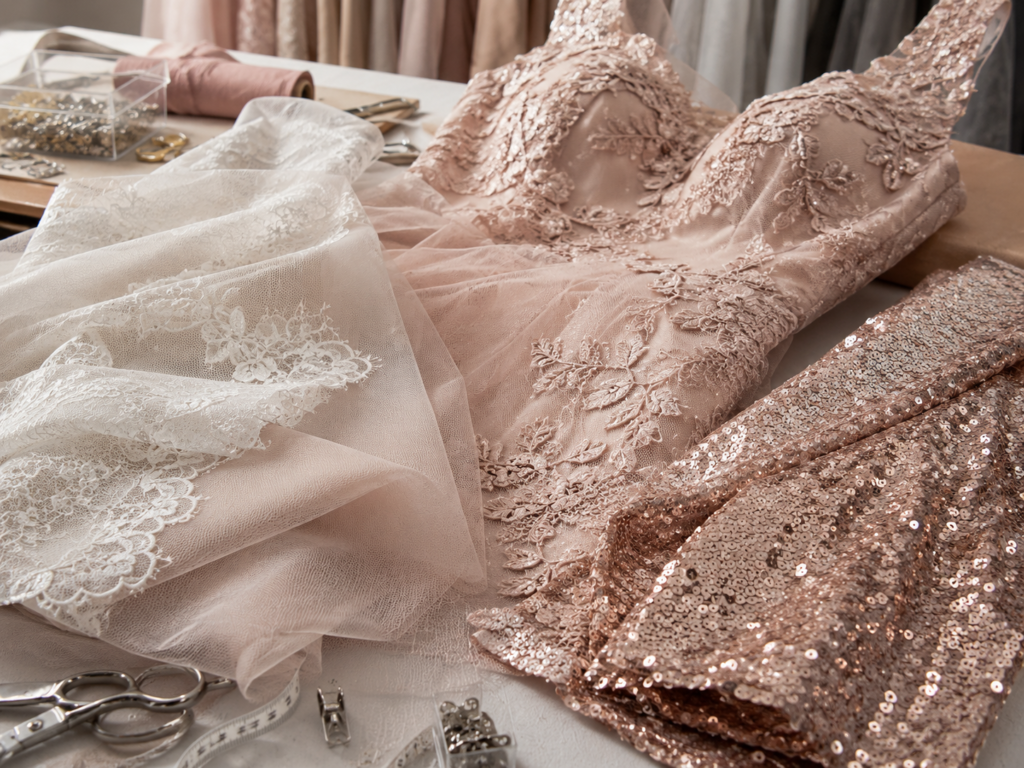
- Motif direction and edge finish.
- Lining shade and zipper area.
- Seam comfort and stretch control.
Mesh
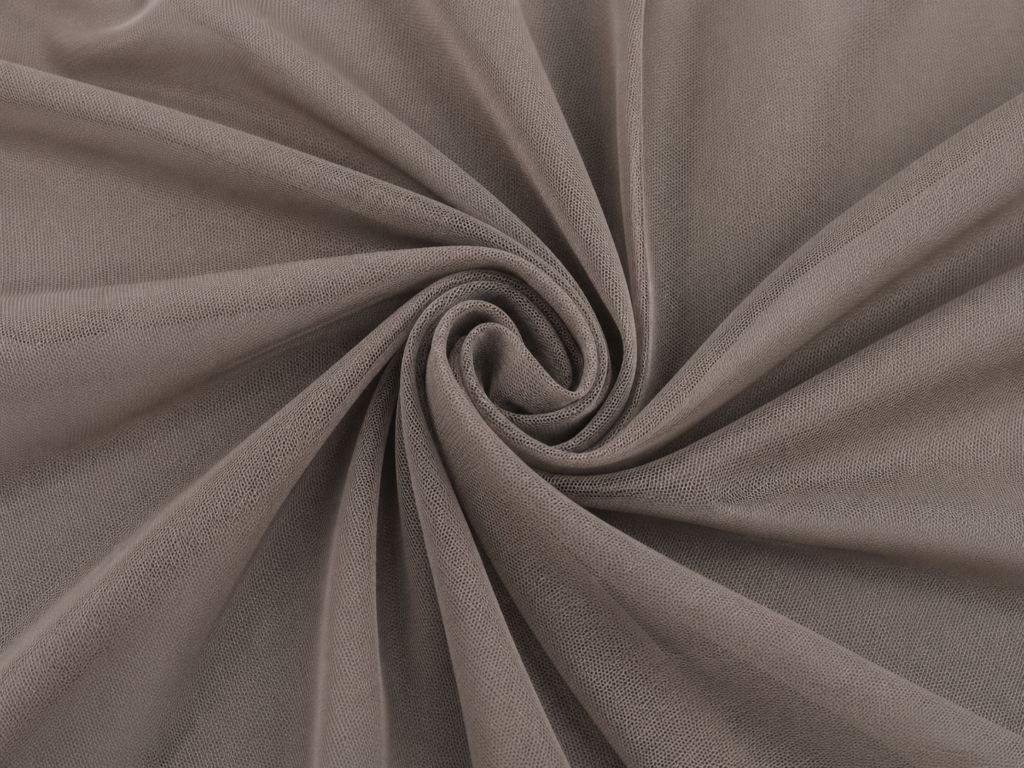
- Stretch ratio and coverage.
- Print placement and seam strength.
- Neckline stability and grading.
Sequin

- Weight and sequin direction.
- Lining, seam trimming, and zipper placement.
- Packing protection and garment handling.
Velvet

- Nap direction and shade matching.
- Seam pressure and pressing method.
- Storage and packing protection.
Crepe
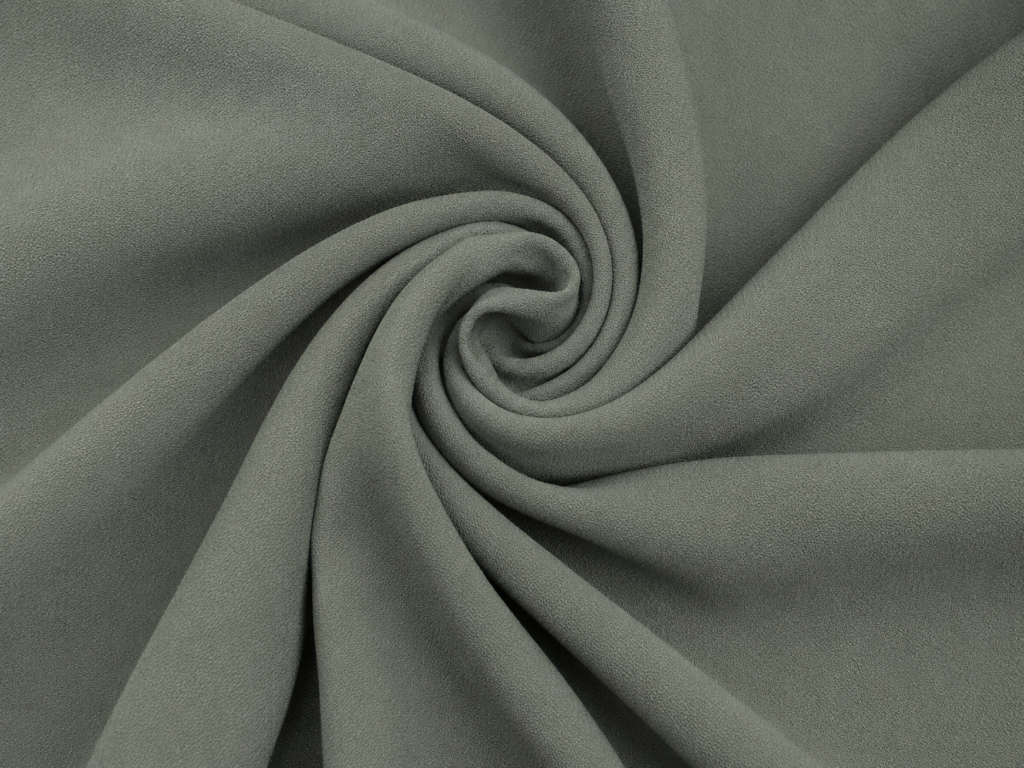
- Shrinkage and drape.
- Seam response and hem balance.
- Pressing and color consistency.
Jersey

- Stretch recovery and sewing tension.
- Coverage and neckline stability.
- Size grading and measurement tolerance.
Ponte

- Thickness and panel shaping.
- Seam bulk and pressing method.
- Size stability and movement allowance.
Midi Length and Fit Control for Bulk Production
Bust Fit
- Bust width and cup shape.
- Neckline height and side coverage.
- Lining attachment and model fitting notes.
Waist Position
- Waist level and dart balance.
- Panel join and side seam line.
- Fit sample comments before PP approval.
Hip Ease
- Hip width and fabric recovery.
- Lining ease and side seam balance.
- Measurement tolerance and movement review.
Hem Sweep
Hem sweep affects movement, body proportion, and event usability. A-line, chiffon, and pleated midi dresses need enough sweep for movement, while bodycon and slip dresses need clean balance without twisting. Jinfeng reviews sweep width, slit need, hem curve, lining length, and pressing method so the dress hangs correctly after unpacking.
- Sweep width and hem curve.
- Slit height and lining length.
- Final pressing and hang balance.
Slit Height
- Slit height and reinforcement.
- Lining stop point and movement test.
- Size grading and seam stability.
Size Grading
- Grading rule and tolerance.
- Pattern balance and size ratio.
- Bulk measurement check by size.
Design Details for Midi Occasion Dress Collections

Halter Neck
- Strap width and neckline drop.
- Armhole curve and back shape.
- Tie, closure, and fabric stretch review.

Strapless Bodice
- Boning and top-edge grip.
- Bust height and underarm coverage.
- Body length and pressure distribution.
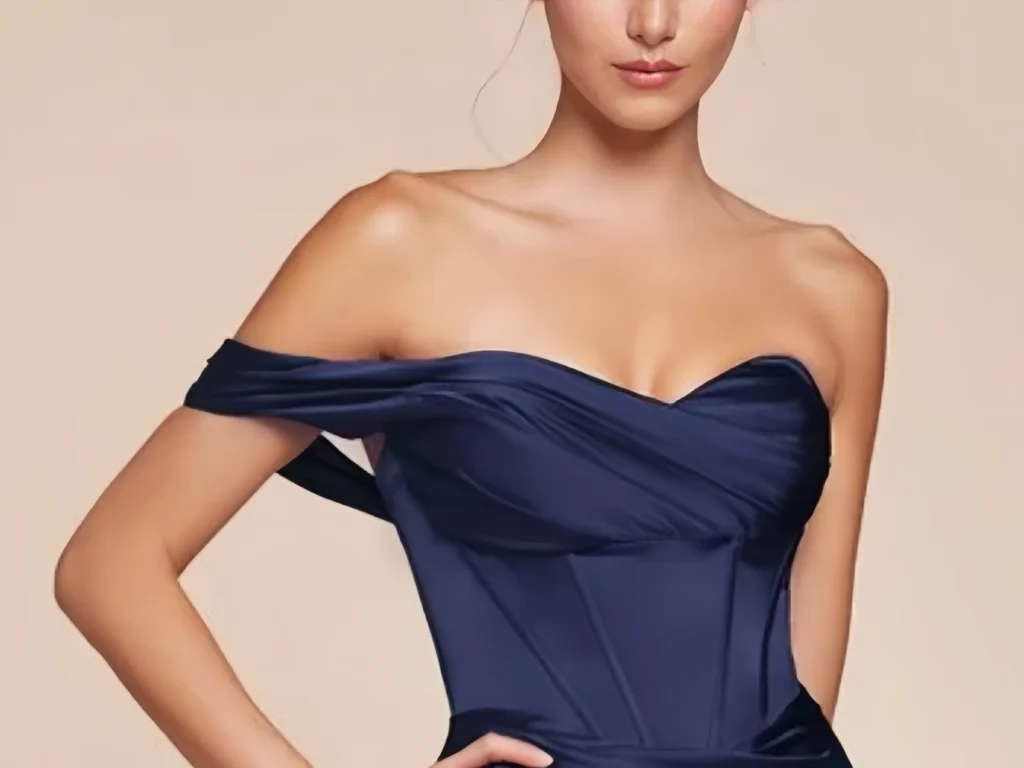
One Shoulder
- Shoulder slope and neckline tension.
- Side seam balance and armhole opening.
- Lining attachment and fit correction.

Off Shoulder
- Elastic placement and sleeve seam.
- Bust coverage and neckline height.
- Movement and recovery review.

Deep V Neck
- Neckline depth and bust spacing.
- Inner tape, lining, and front seam.
- Size grading and tension control.

Corset Bodice
- Panel proportion and boning.
- Cup shape and waist support.
- Top-edge finishing and PP approval.

Ruched Detail
- Gather ratio and marking points.
- Side seam control and symmetry.
- Lining attachment and recovery.
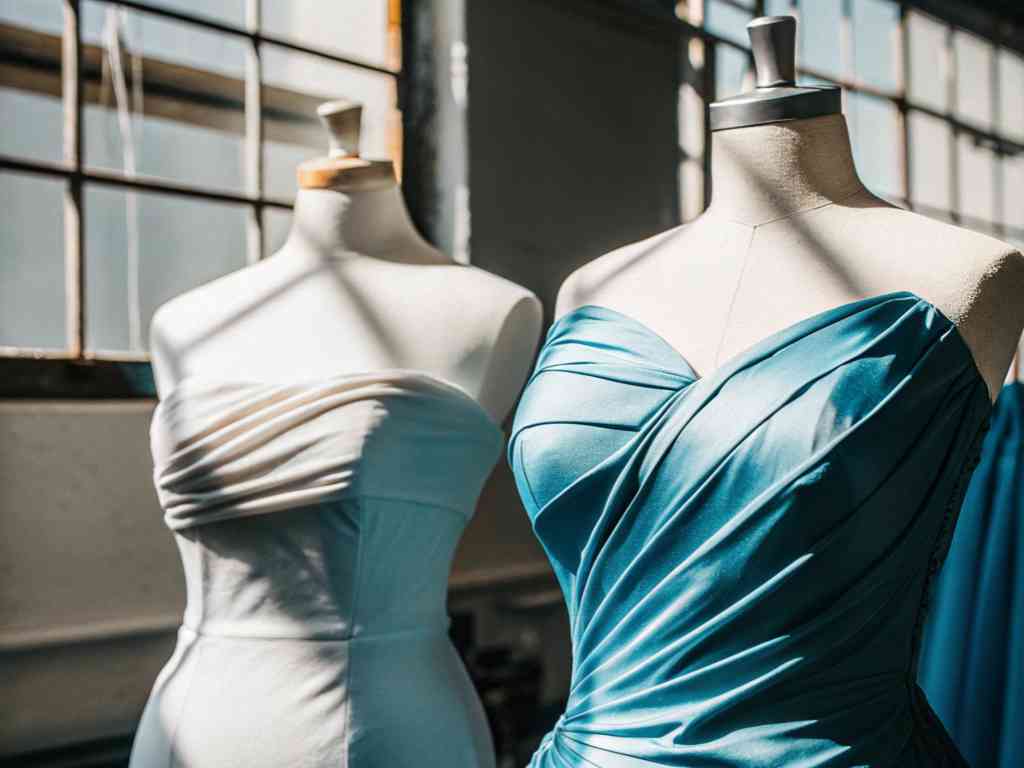
Draped Panel
- Panel direction and fold placement.
- Fabric fall and waist anchoring.
- Pressing limits and grading review.
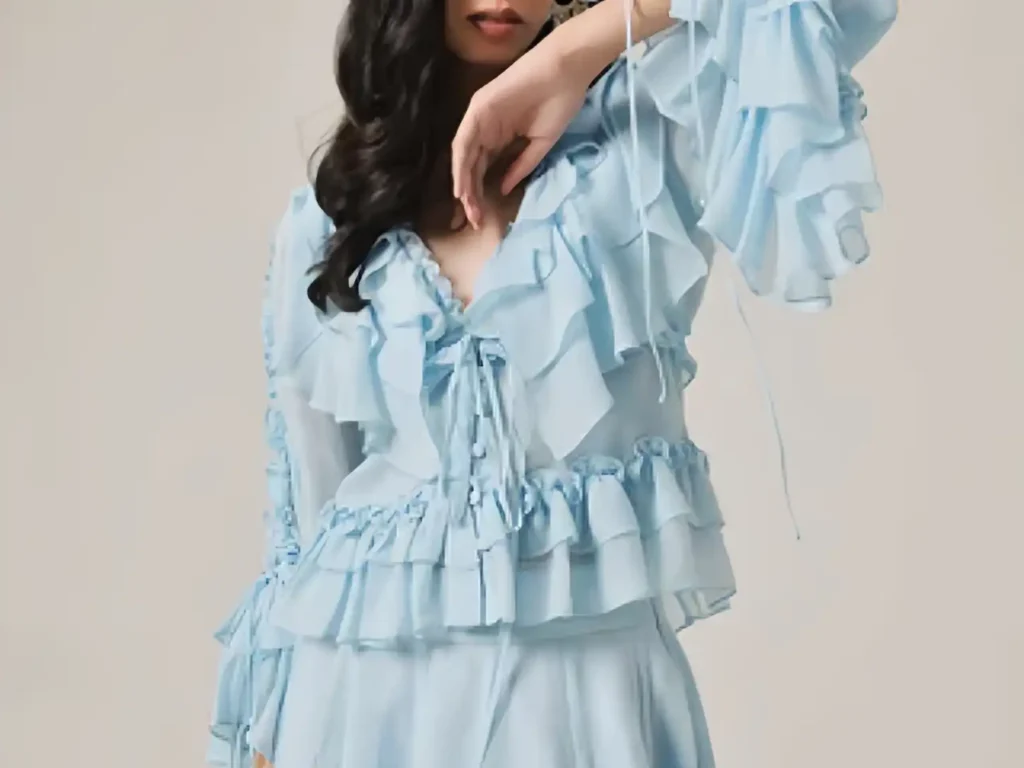
Ruffle Trim
- Ruffle width and layer count.
- Hem finish and attachment method.
- Fabric direction and pressing notes.

Side Slit
- Slit height and reinforcement.
- Lining stop and seam allowance.
- Pressing and walking review.

Backless Shape
- Back drop and strap balance.
- Side coverage and closure security.
- Facing, lining, and fit stability.

Lace-Up Back
- Eyelet or loop strength.
- Panel reinforcement and modesty panel.
- Cord quality, spacing, and stitch standard.
Workmanship Details Behind Occasion Dress Quality
Lining Control
For satin, chiffon, lace, mesh, and sequin midi dresses, lining decisions must be confirmed before PP sample approval.
- Lining shade and handfeel.
- Stretch direction and seam allowance.
- Hem length and movement control.
Zipper Setting
Bulk garments need clear zipper standards so sewing lines do not create waves or tension marks.
- Invisible zipper, back zipper, and side zipper review.
- Reinforcement and seam allowance.
- Smooth closure and zipper flatness.
Boning Support
Fit sample and PP sample review help confirm structure before bulk.
- Boning channel and top-edge stability.
- Waist shaping and support.
- Comfort testing before bulk.
Seam Finish
Seam finishing affects garment durability, surface smoothness, and comfort.
Satin needs low-pucker seams, chiffon needs light finishing, lace needs neat edge control, and sequin needs bulk reduction. Jinfeng sets seam expectations according to fabric and structure, then checks sewing lines during production.
- Seam allowance and overlock.
- Binding or French seam where suitable.
- Edge trimming and thread tension.
Hem Finish
Midi dresses make hem quality highly visible. Uneven hems, twisted curves, or heavy folds can reduce garment value.
Jinfeng reviews hem method based on fabric, such as rolled hem for chiffon, clean blind hem for selected woven styles, narrow hem for light fabrics, or reinforced hem where needed.
- Hem curve and layer alignment.
- Pressing and lining length.
- Final measurement and hang balance.
Pressing and Packing
Occasion dresses can lose value after poor pressing or tight packing. Satin, velvet, pleated, and sequin garments require careful handling. Jinfeng reviews pressing temperature, fold position, hanging need, polybag size, and carton placement before shipment.
Photo sample, PP sample, and packing approval help protect final appearance.
- Pressing standard and crease prevention.
- Fold plan and garment protection.
- Carton loading and packing method.
OEM and ODM Workflow for Midi Occasion Dresses
Project Review
- Reference, tech pack, and sample review.
- Fabric, size, quantity, and launch schedule.
- Risk points marked before quotation.
Fabric Direction
Fabric direction is discussed before sample cutting.
Jinfeng can support sourcing or comparison for satin, chiffon, lace, mesh, sequin, velvet, crepe, jersey, ponte, and printed fabrics.
Fabric choice affects MOQ, price, drape, pressing, lining, sewing method, and final timeline.
- Fabric category and supplier availability.
- MOQ, cost, and delivery impact.
- Lining and pressing considerations.
Pattern Development
Pattern work translates the design into garment structure.
Jinfeng reviews bust, waist, hip, neckline, sleeve opening, center back length, hem sweep, and lining shape.
For corset, ruched, bodycon, and slip styles, pattern balance must be checked before the first sample.
- Bust, waist, hip, and neckline.
- Sleeve opening and center back length.
- Hem sweep and lining shape.
First Sample
The first sample tests style feasibility, fabric behavior, and basic fit.
It is not treated as the final bulk standard.
Jinfeng checks construction, measurements, finishing, trim use, and garment appearance before collecting revision comments from the brand team.
- Structure and fit feasibility.
- Construction and trim review.
- First sample comments before revision.
Fit Review
Fit review focuses on bust, waist, hip, length, strap position, slit height, sleeve comfort, and movement.
The team can compare sample comments against the original tech pack or reference image, then prepare revision notes for pattern and sewing adjustment.
- Bust, waist, hip, and length.
- Strap, slit, and sleeve comfort.
- Revision notes for pattern adjustment.
Revised Sample
A revised sample helps confirm improvement after fit, fabric, or construction changes. Changes may include neckline adjustment, lining length, zipper placement, seam finish, ruching balance, hem shape, or detail placement. Revision comments should be locked before PP sample work begins.
- Neckline, lining, and zipper updates.
- Ruching, hem, and detail placement.
- Approved comments prepared for PP sample.
PP Sample
The PP sample is the production reference before bulk. Jinfeng checks approved fabric, trims, measurements, construction, label placement, packing method, and QC notes.
Bulk production should begin only after PP approval and production file confirmation.
- Approved fabric and trims.
- Measurements and construction locked.
- Label placement and packing confirmed.
Bulk Production
Bulk production follows the confirmed production file, including fabric, trims, pattern, size chart, color, labels, packing, QC checklist, and delivery plan. Jinfeng manages production steps from material confirmation, cutting, sewing, and pressing to garment inspection, packing, and shipment coordination.
- Material, cutting, sewing, and pressing.
- Garment inspection and packing.
- Shipment coordination and repeat records.
Sample Development for Photo-Ready Midi Dresses
First Sample
- Fabric behavior and structure check.
- Length, neckline, and movement review.
- Risk notes before revision.
Fit Sample
- Bust, waist, hip, and strap review.
- Slit, sleeve, lining, and hem check.
- Pattern adjustment before PP route.
Revised Sample
- Neckline, waist, and zipper updates.
- Ruching, lining, and slit control.
- Written comments converted into sample actions.
Photo Sample
- Surface finish and pressing.
- Fabric shine, drape, and model fit.
- Visual consistency before campaign use.
PP Sample
- Fabric, trims, and measurements approved.
- Sewing method and label placement locked.
- Packing method and QC notes confirmed.
Golden Sample
- Golden sample for QC and production comparison.
- Pattern, measurement, and fabric records.
- Repeat orders still checked by current material status.

MOQ, Samples and Timeline Planning
| Planning Item | Jinfeng Apparel Standard | What Can Change the Plan |
|---|---|---|
| Standard MOQ | From 200 pcs per style/color | Fabric supplier MOQ, custom dyeing, printing, lace, sequin, special trims, or packaging |
| MOQ Calculation | Calculated by style and color | Multiple styles cannot simply combine into one MOQ |
| Sample Fee | Charged separately | Pattern work, fabric sourcing, trims, sewing, measurement checking, and revision workload |
| Sample Types | First sample, fit sample, revised sample, photo sample, PP sample, golden sample | Complex structure, special fabric, and multiple revisions can extend development |
| Bulk Preparation | PP sample, fabric, trims, size chart, color, and packing approval | Late changes may affect cost and delivery schedule |
| Size Range | Based on client size chart and size ratio | Fitted styles, stretch fabrics, and corset structures need closer grading review |
| Packing | Basic private-label support can be arranged | Custom labels, hangtags, barcode stickers, polybags, and cartons may have supplier MOQ |
| Quotation Factors | Fabric, trims, pattern, sewing time, lining, QC, packing, logistics, and reasonable factory margin | Complex details, testing requests, and special delivery terms |
Bulk Production Control for Midi Occasion Dresses
PP Approval
- PP sample and production file confirmation.
- Fabric, trims, measurements, and label placement.
- Cutting, sewing, inspection, and packing reference.
Fabric Confirmation
Fabric lot, color tone, handfeel, shrinkage, transparency, and surface behavior must be reviewed before cutting.
Satin, chiffon, lace, mesh, velvet, and sequin need special attention. Jinfeng checks material against approved direction so bulk production does not shift away from sample expectations.
- Fabric lot and color tone.
- Handfeel, shrinkage, and transparency.
- Surface behavior and sample matching.
Cutting Control
Cutting affects size stability, print placement, motif alignment, and garment balance.
Jinfeng reviews pattern layout, fabric direction, cutting marks, layer control, and panel organization. For chiffon and mesh, shifting control is important; for lace and sequin, motif and direction require additional checking.
- Pattern layout and fabric direction.
- Cutting marks and layer control.
- Motif, print, and panel organization.
Sewing Control
- Seam quality and thread tension.
- Zipper, lining, and boning.
- Ruching, slit, and hem finish.
Pressing Control
Pressing can improve or damage occasion fabrics. Satin can show crease marks, velvet can lose pile depth, chiffon can distort, and pleats need careful handling. Jinfeng confirms pressing method according to fabric and garment structure before final finishing.
- Fabric-safe pressing method.
- Satin, velvet, chiffon, and pleat handling.
- Final finish before packing.
Packing Control
- Fold method and polybag size.
- Label placement and size ratio.
- Carton loading and carton mark.
Quality Control for Midi Occasion Dress Orders
Incoming QC
- Fabric, trims, lining, and zipper.
- Lace, sequin, labels, and packing materials.
- Color tone, surface marks, and shrinkage.
Cutting QC
- Panel shape and grain direction.
- Print placement and lace motif position.
- Size markers and layer accuracy.
Sewing QC
- Seam quality and zipper smoothness.
- Lining attachment, boning, and straps.
- Ruching, slit, and thread tension.
Measurement QC
- Bust, waist, hip, and shoulder.
- Armhole, sleeve opening, and center back length.
- Hem sweep, lining length, and slit height.
Finishing QC
Finishing QC checks pressing, loose threads, surface cleanliness, hem balance, trim security, label position, and garment appearance. Occasion dresses must arrive with a polished look, so pressing and final handling receive extra attention for satin, velvet, lace, chiffon, and sequin styles.
- Pressing and loose thread control.
- Surface cleanliness and hem balance.
- Trim security and label position.
Packing QC
- Hangtags, labels, barcodes, and SKU labels.
- Polybags, size ratio, and carton marks.
- Packing list and inspection coordination.
Private Label Packing for Midi Occasion Dresses

Woven Label
- Label size, fold type, and color.
- Neckline, back seam, or inner facing placement.
- Edge finish and stitching position.
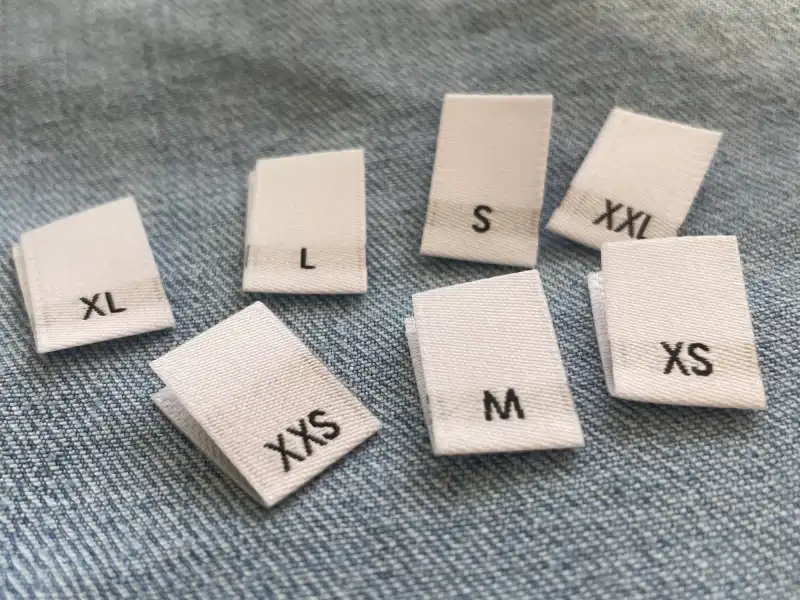
Size Label
- Size naming and placement.
- Size range and packing ratio.
- Order allocation by style and color.
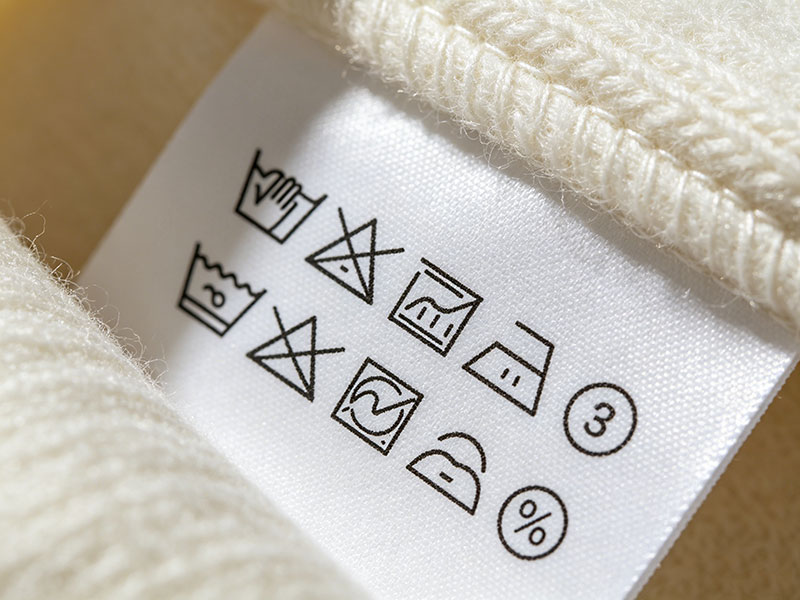
Care Label
- Fabric and wash information.
- Care label artwork review.
- Placement and sewing method.

Hangtag
- Hangtag placement and string method.
- SKU sticker area and attachment position.
- Supplier MOQ and print preparation.
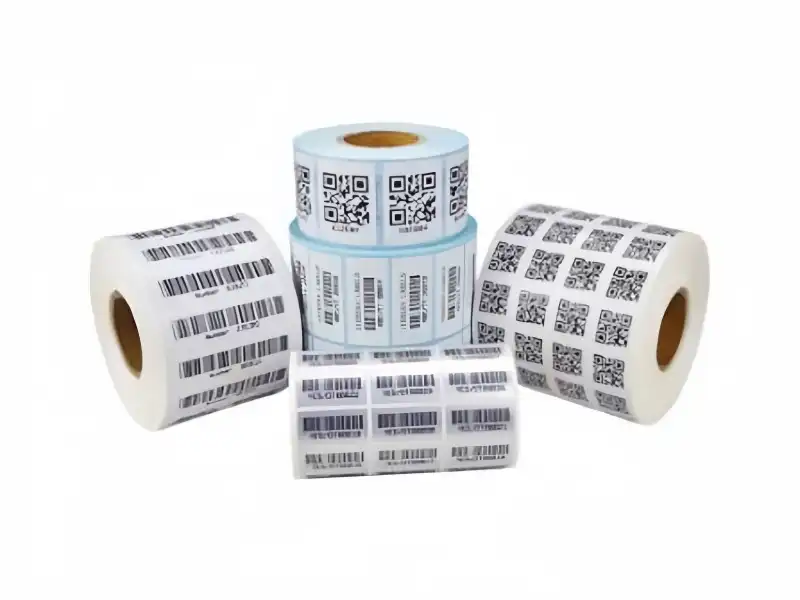
Barcode Sticker
- Barcode file and SKU reference check.
- Placement by hangtag, polybag, or carton.
- Scan and receiving accuracy.

SKU Label
- Style, color, and size mapping.
- Polybag or carton application.
- Packing accuracy for large programs.

Polybag
- Polybag size and warning text.
- Ventilation holes and sticker position.
- Fold planning for delicate fabrics.
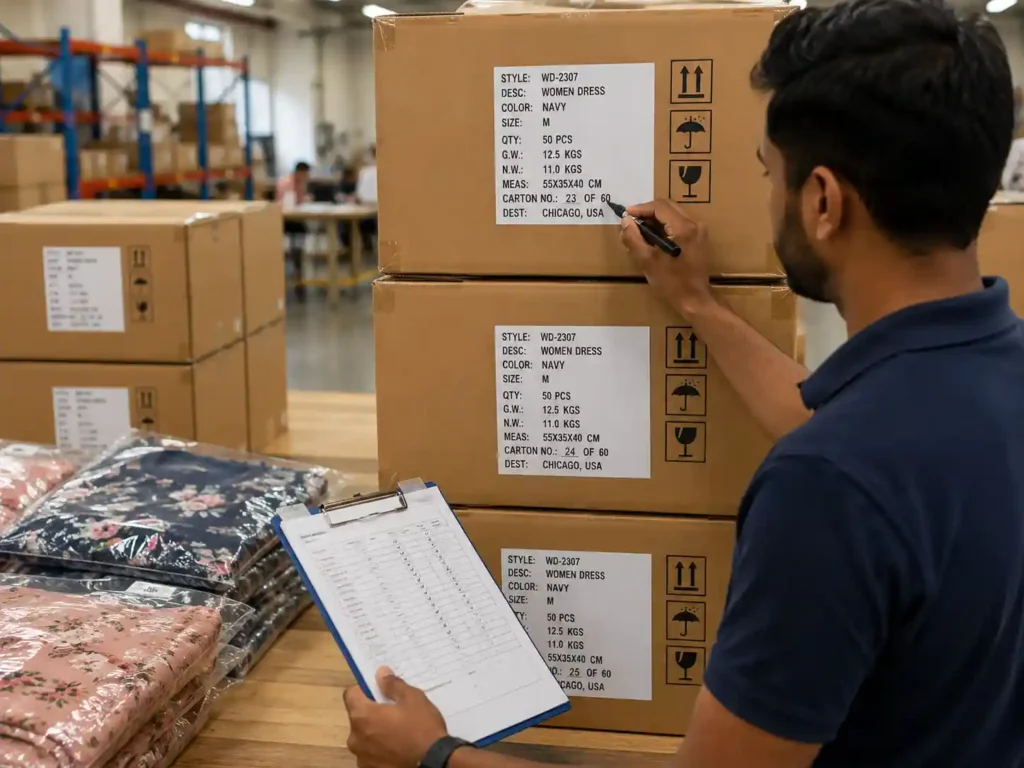
Carton Mark
Carton marks support warehouse receiving and shipment tracking. Jinfeng can prepare carton marks based on style number, color, size, quantity, carton number, gross weight, net weight, and destination requirements.
- Style, color, size, and quantity.
- Carton number, gross weight, and net weight.
- Destination information and shipment tracking.

Packing Record
- Label, carton, and polybag records.
- Size ratio and packing notes.
- Updated requirement review before each new batch.

Retail-Ready Delivery Support for Dress Programs
| Brand Team Provides | Jinfeng Apparel Supports | Why It Matters |
|---|---|---|
| Final tech pack | Pattern, sample, and production file alignment | Keeps dress structure consistent from sample to bulk |
| Size chart and size ratio | Multi-size cutting and measurement QC | Helps manage fit consistency across selected sizes |
| Fabric direction | Fabric sourcing, comparison, and approval support | Reduces late-stage material changes |
| Label artwork | Main label, size label, and care label coordination | Supports private-label garment presentation |
| Barcode and SKU files | Sticker placement and packing organization | Helps warehouse receiving and style tracking |
| Polybag requirement | Fold method, sticker position, and packing note | Protects garment appearance during transit |
| Carton mark format | Carton labeling and packing list support | Reduces receiving confusion after shipment |
| Inspection standard | QC checklist and client inspection coordination | Aligns production with brand quality expectations |
Cost Factors for Midi Occasion Dress Manufacturing
Fabric Cost
- Fabric type, weight, and width.
- Supplier MOQ and color development.
- Surface effect and production handling.
Construction Cost
- Pattern work and sample correction.
- Lining, boning, and layered structure.
- Sewing time and workmanship difficulty.
Trim Cost
- Zipper, elastic, hook, and eyelet review.
- Lace trims, cords, lining, and boning.
- Sourcing lead time and supplier MOQ.
Sample Cost
- Pattern, fabric, and trim work.
- Sewing, measurement, and sample review.
- Revision workload and project deduction review.
QC Cost
- Material, cutting, and sewing checks.
- Measurement, finishing, and packing review.
- Style-specific QC for complex dresses.
Packing Cost
- Woven labels, hangtags, and barcode stickers.
- Printed polybags and thank-you cards.
- Cartons, carton marks, and warehouse labels.
Design Protection for Unreleased Dress Programs
File Protection
- Tech packs and reference photos.
- Original samples, line sheets, and sketches.
- Pattern notes, fabric direction, trims, and packing files.
Brand Protection
- Brand names, logos, and unpublished styles protected.
- Private labels, hangtags, and barcode files controlled.
- Anonymous case format available.
Repeat Records
- Pattern, measurement, and fabric records.
- Trim, label, and packing standards.
- Repeat-order review with fresh material checks.
Midi Occasion Dress Program Examples
U.S. Occasionwear Program

A U.S. occasionwear team prepared a 24-style midi dress program for spring and early summer selling windows. Total planning reached 62,400 pcs across satin slip dresses, ruched mesh dresses, corset midi dresses, and A-line wedding guest styles. Main risks included satin seam puckering, mesh stretch recovery, fitted size grading, and private-label packing accuracy.
- 24 styles / 62,400 pcs / 4 product groups — project data: satin slip dresses, ruched mesh dresses, corset midi dresses, and A-line wedding guest styles; technical difficulty: satin, mesh, corset, and A-line shapes required different production controls; solution: Jinfeng separated the program by fabric group before sampling.
- 4 high-risk points — project data: satin seam puckering, mesh recovery, fitted grading, and packing accuracy needed review; technical difficulty: one generic standard could not protect all styles; solution: fit comments were reviewed by silhouette and fabric behavior.
- PP sample and bulk file control — project data: PP sample references, measurement files, and packing files were prepared; technical difficulty: sample approval needed to become production language; solution: PP notes, fabric records, and QC checkpoints were aligned before cutting.
- SKU-based packing plan — project data: several color and size ratios required warehouse-ready packing; technical difficulty: barcode or carton mark errors could affect receiving; solution: packing files were organized by SKU, color, and size ratio.
UK Wedding Guest Edit

A UK wedding guest dress label planned an 18-style midi occasion edit with 38,000 pcs across lace, chiffon, satin, and floral printed woven fabrics. The brand needed polished eventwear styling without heavy formalwear construction. Main challenges included lace motif placement, chiffon hem balance, lining transparency, and repeated color approval.
- 18 styles / 38,000 pcs / 4 fabric groups — project data: lace, chiffon, satin, and floral printed woven midi dresses; technical difficulty: each fabric group carried different cutting, sewing, and finishing risks; solution: Jinfeng grouped styles by fabric behavior before sample approval.
- Lace and chiffon controls — project data: lace motif placement and chiffon hem balance were key; technical difficulty: lace and chiffon can lose visual quality through poor placement or uneven layers; solution: lace styles received motif and lining checks, while chiffon styles focused on layer balance and hem finish.
- Color and lining review — project data: repeated color approval and lining transparency required review; technical difficulty: wedding guest styles rely heavily on color tone and refined coverage; solution: color references, lining notes, and sample comments were recorded before PP approval.
- Retail-ready packing — project data: care labels, hangtags, barcode stickers, and size-ratio cartons were required; technical difficulty: multi-style packing could create shipment confusion; solution: Jinfeng prepared packing files and QC checkpoints by style/color/size.
Australia Partywear Drop

An Australia partywear brand prepared a 16-style capsule with 27,200 pcs across sequin midi dresses, satin corset styles, one-shoulder mesh dresses, and fitted ruched jersey looks. The main concern was visual impact for ecommerce photos while keeping comfort and construction stable.
- 16 styles / 27,200 pcs / 4 style groups — project data: sequin midi dresses, satin corset styles, one-shoulder mesh dresses, and ruched jersey looks; technical difficulty: high visual impact fabrics needed stronger comfort and structure review; solution: Jinfeng checked garment weight, seam comfort, lining coverage, zipper placement, and boning position.
- Photo sample preparation — project data: campaign samples needed strong shine, drape, and detail placement; technical difficulty: photo samples still needed PP confirmation before bulk; solution: photo samples supported visual review while PP samples locked production references.
- Fabric-specific QC notes — project data: sequin, satin, mesh, and jersey needed separate checks; technical difficulty: each material failed in different ways; solution: QC notes focused on sequin seam trimming, satin pressing, mesh stretch control, and jersey measurement tolerance.
- Packing protection — project data: decorated and fitted styles required careful polybag and carton handling; technical difficulty: sequin and satin surfaces could be damaged by pressure; solution: packing method and barcode placement were confirmed before shipment.
Why Brands Choose Jinfeng Apparel for Occasionwear
Dress Focus
- Dress-led womenswear manufacturing.
- Occasionwear, partywear, and wedding guest support.
- Sample-to-bulk control for custom styles.
Fabric Review
- Fabric direction and lining review.
- Surface risk and trimming options.
- Supplier MOQ and production planning.
Pattern Support
- Custom structure and fit correction.
- Grading and sample revision.
- Bust, waist, hip, length, and hem sweep control.
Bulk Planning
- Factory matching by product risk.
- Production file and sample approval.
- QC planning by fabric and construction.
Private Label
- Woven, size, and care labels.
- Hangtags, barcodes, and SKU labels.
- Polybags, carton marks, and warehouse labels.
Long-Term Support
- Seasonal collection development.
- Repeat orders and multi-batch planning.
- Pattern, fabric, trim, and packing records.
Information Needed Before Quotation
Reference Image
Send clear front, back, and detail images when tech packs are not ready.
Reference images help the development team review silhouette, neckline, length, closure, fabric look, and sewing difficulty.
- Front, back, and detail views.
- On-body photos when available.
- Close-up images for trims and construction.
Tech Pack
A tech pack helps speed up review. Useful details include measurements, construction notes, fabric specification, trim details, label placement, stitch requirements, and packing instructions.
- Measurements and construction notes.
- Fabric specification and trim details.
- Label placement and packing instructions.
Target Quantity
Share quantity by style and color.
MOQ is calculated per style/color, and supplier MOQ may affect special fabric, trims, printing, dyeing, or packaging.
- Quantity by style/color.
- Size ratio and color split.
- Launch priority by style.
Fabric Preference
Mention satin, chiffon, lace, mesh, sequin, velvet, crepe, jersey, ponte, or other fabric direction.
Fabric affects sample result, cost, sewing method, QC focus, and delivery timing.
- Fabric category and handfeel.
- Drape, stretch, transparency, and shine.
- Special fabric or trim requirement.
Size Range
Provide size chart and size ratio when available.
Fitted midi occasion dresses need careful bust, waist, hip, length, slit, and armhole review across sizes.
- Base size and size range.
- Size chart and size ratio.
- Fit notes from previous samples.
Color Plan
Share Pantone, lab dip request, fabric swatches, or color references.
Custom dyeing or special color development may change MOQ, cost, and timeline.
- Pantone or swatch reference.
- Lab dip or color approval needs.
- Multi-color planning by style.
Label Files
Prepare logo, woven label, care label, size label, hangtag, barcode, and SKU files when private-label packing is needed.
Vector artwork is preferred for accuracy.
- Logo and woven label files.
- Care label and size label files.
- Hangtag, barcode, and SKU files.
Launch Date
Share target launch date, photo shoot date, warehouse deadline, or selling season. Schedule planning should include sample, revision, PP approval, production, inspection, and shipping.
- Photo shoot or campaign date.
- Warehouse deadline or selling season.
- Production and shipping plan.
Midi Occasion Dress Manufacturing FAQ

Start Your Midi Occasion Dress Program
Jinfeng Apparel can review your midi occasion dress program before formal development begins. Send reference images, tech packs, original samples, line sheets, or sketches so Kelly and the development team can check garment structure, fabric direction, fit risk, MOQ, sample plan, private-label requirements, and bulk production schedule.
For accurate review, share quantity by style/color, preferred fabrics, size range, color plan, label artwork, packing needs, destination market, and target launch date. Clear project files make it easier to prepare useful quotation direction, sample route, and production plan.
Please prepare:
- Reference images or tech packs.
- Target quantity by style/color.
- Fabric direction or swatches.
- Size chart and size ratio.
- Color plan or Pantone references.
- Label and packing files.
- Warehouse or delivery requirements.
- Target launch date.