 Skip to content
Mesh Top Manufacturer for Fashion Brands
Custom sheer, stretch, printed and embellished mesh tops developed for fashion collections, private labels and repeatable bulk production.
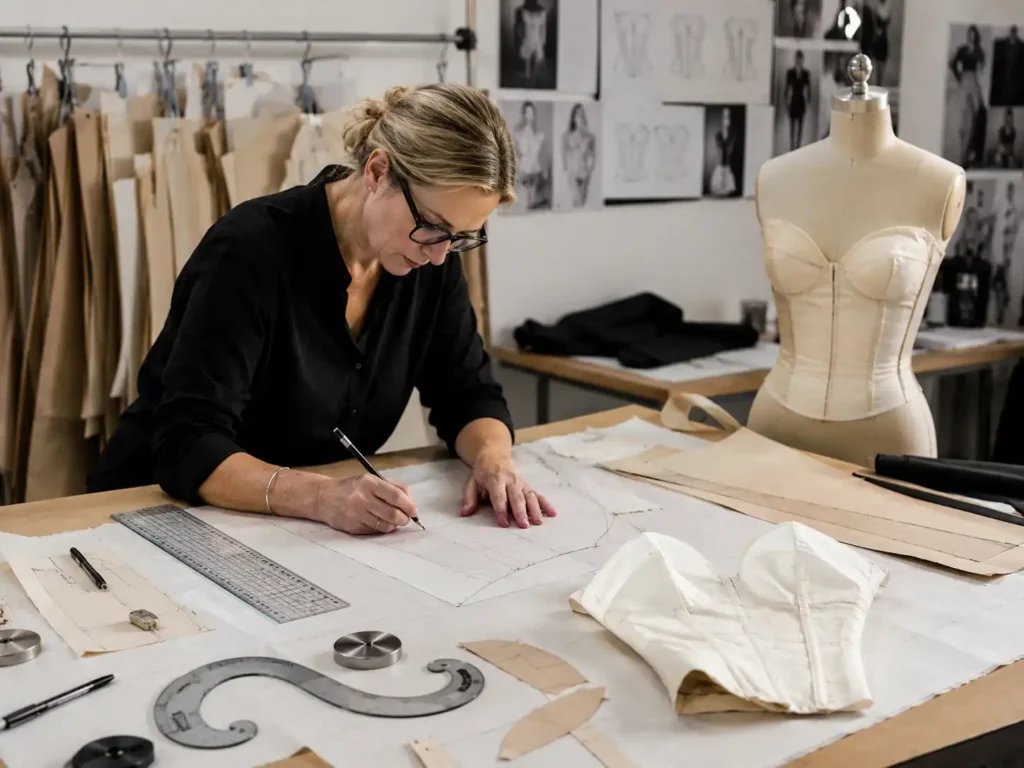
Jinfeng Apparel helps fashion brands turn reference images, samples, sketches and tech packs into production-ready mesh tops. Development covers mesh selection, transparency planning, stretch and recovery, pattern correction, sample revision, print or embellishment execution, bulk quality control and branded packing.
- MOQ starts from 200 pcs per style/color for custom mesh top programs.
- 2 sample rooms and 7+ senior pattern makers support stretch-fit development.
- 15+ QC inspectors check transparency, measurements, seams, decoration and packing.
- 100,000+ pcs regular monthly capacity supports multi-style seasonal production.
Fashion Mesh Tops Built for Brand Collections
Fashion-Led Mesh Development
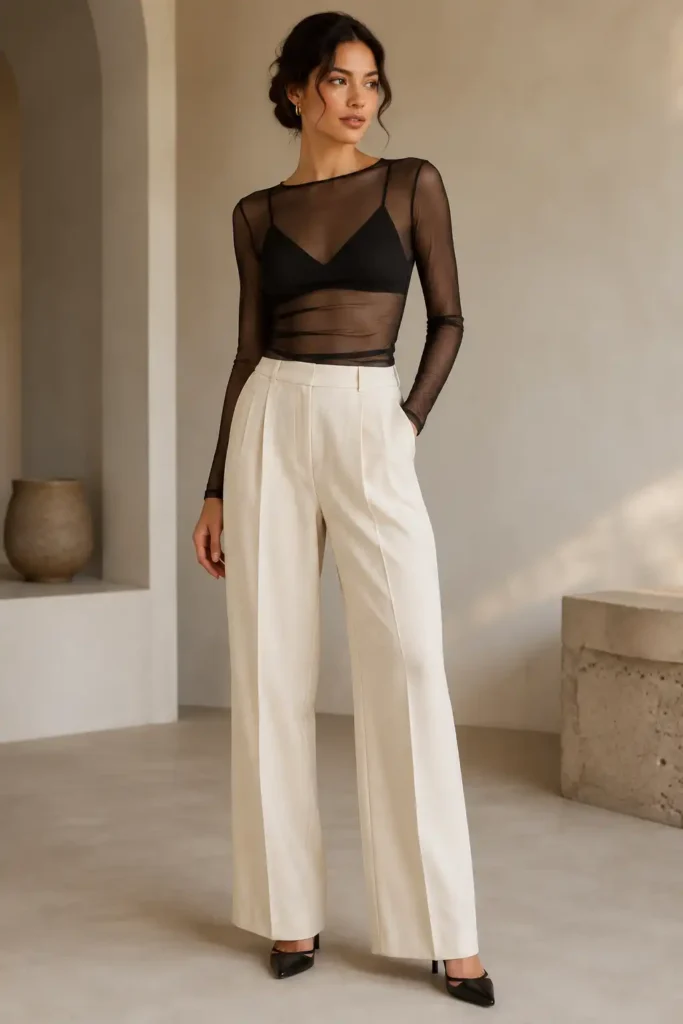
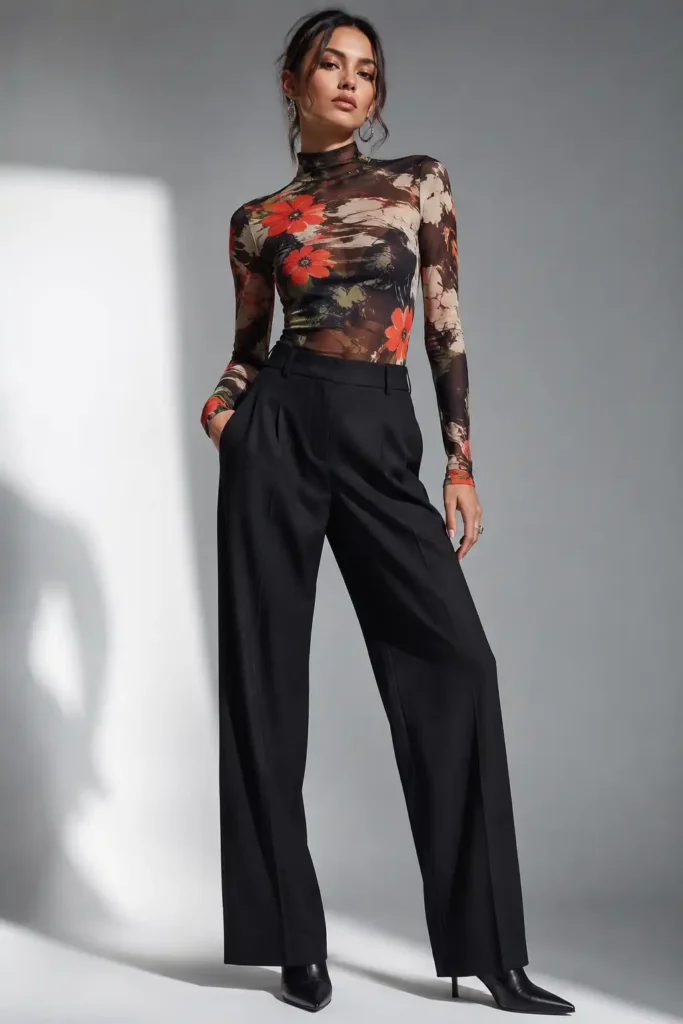
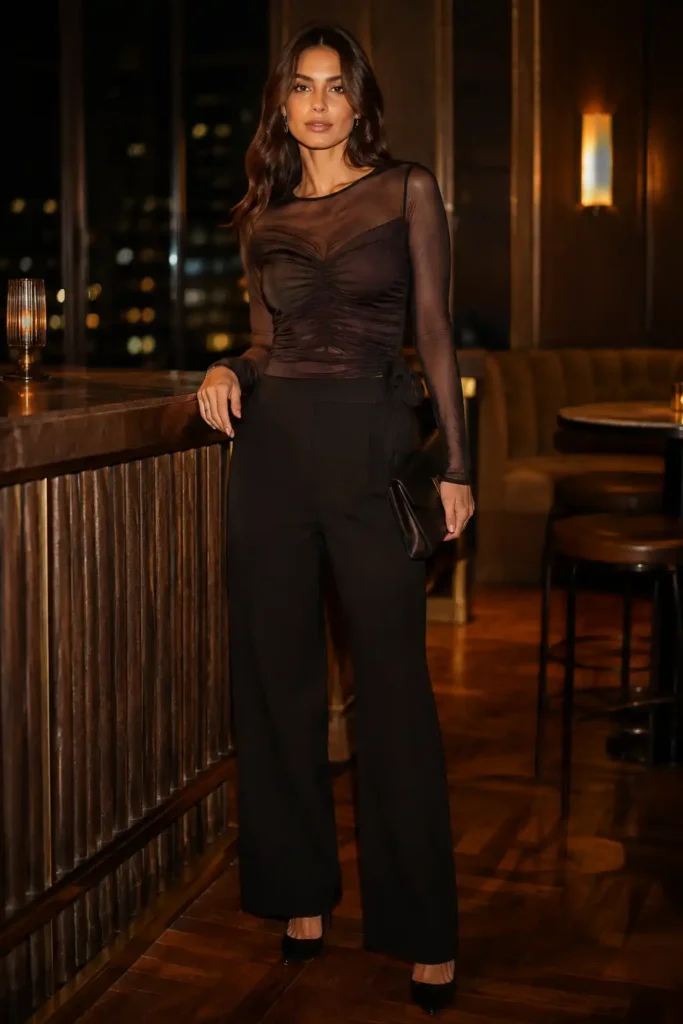
Fashion mesh tops are developed around the visual and commercial role of each style. A sheer long-sleeve top may need controlled transparency and a clean second-skin fit, while a ruched crop top needs stable gathering, balanced side seams and enough recovery to hold its shape. Printed mesh requires artwork scaling and stretch testing. A mesh corset top may combine power mesh, lining, cups, boning and decorative outer layers. Development decisions are linked to the target outfit, selling season, size range, price position and intended styling.
- Sheer, semi-sheer and zoned-coverage constructions
- Fitted, cropped, asymmetric, corset and bodysuit silhouettes
- Printed, flocked, embroidered, rhinestone and sequin surfaces
- Partywear, occasionwear, festival, resort and ecommerce collections
Custom Production, Not Open Stock
- OEM, ODM and private-label mesh top manufacturing
- Pattern, sample, PP approval and bulk production support
- Branded labels, barcodes, polybags and carton requirements
- Long-term records for repeat orders and seasonal extensions
Development Capacity Behind Every Mesh Top Program
Since 2008
Two Sample Rooms
Seven-Plus Pattern Makers
Twenty-Plus Sample Machinists
Fifteen-Plus QC Inspectors
Built for Fashion Brands with Structured Production Plans
Global Fashion Brands
Premium Ecommerce Brands
Partywear and Clubwear Labels
Occasionwear Collections
Product Development Teams
Sourcing and Private-Label Programs
Where Mesh Top Development Commonly Goes Wrong
Wrong Mesh Selection
Uncontrolled Transparency
Weak Stretch Recovery
Wavy or Damaged Seams
Distorted Prints and Decoration
Sample-to-Bulk Differences
Custom Mesh Top Styles for Fashion Collections
Sheer Long-Sleeve Top
Printed Mock-Neck Top
Ruched Mesh Top
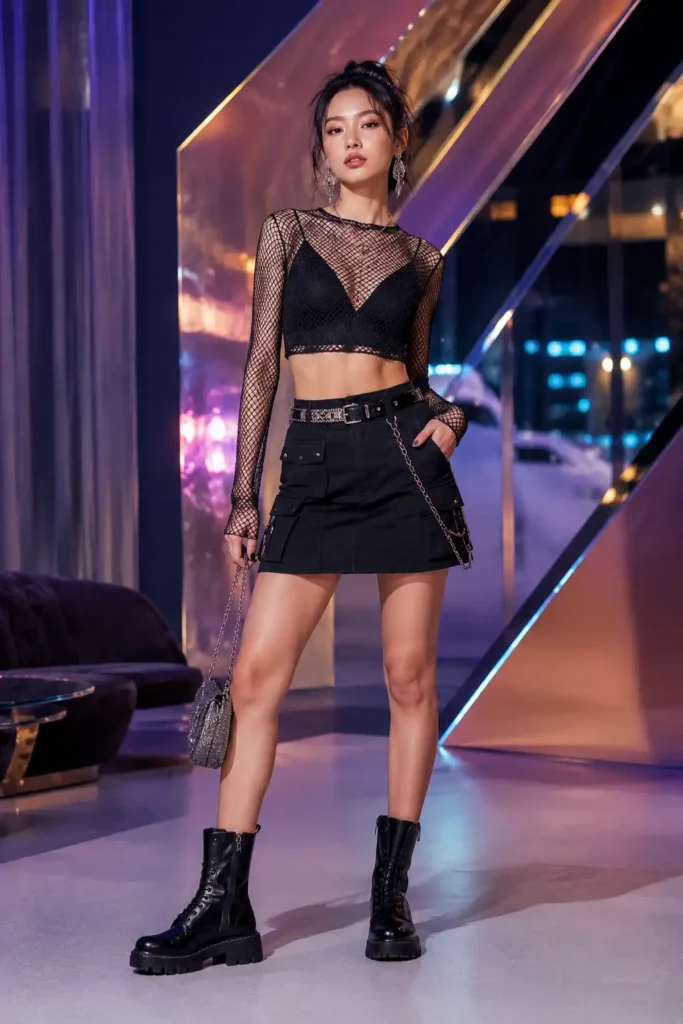
Mesh Crop Top

Off-Shoulder Mesh Top
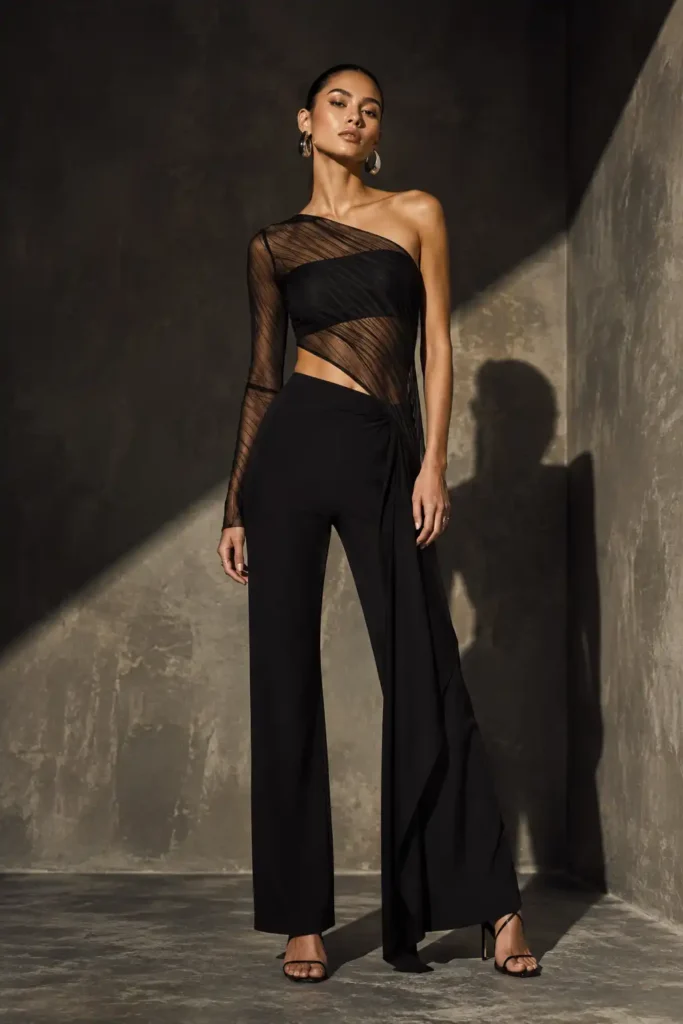
Asymmetric Mesh Top
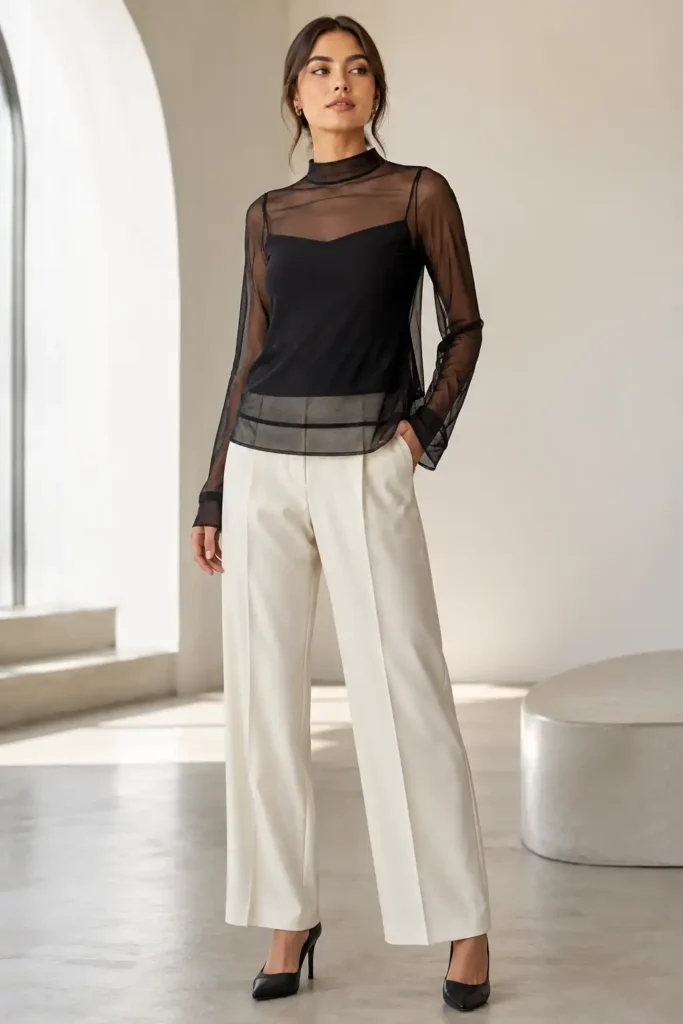
Double-Layer Mesh Top
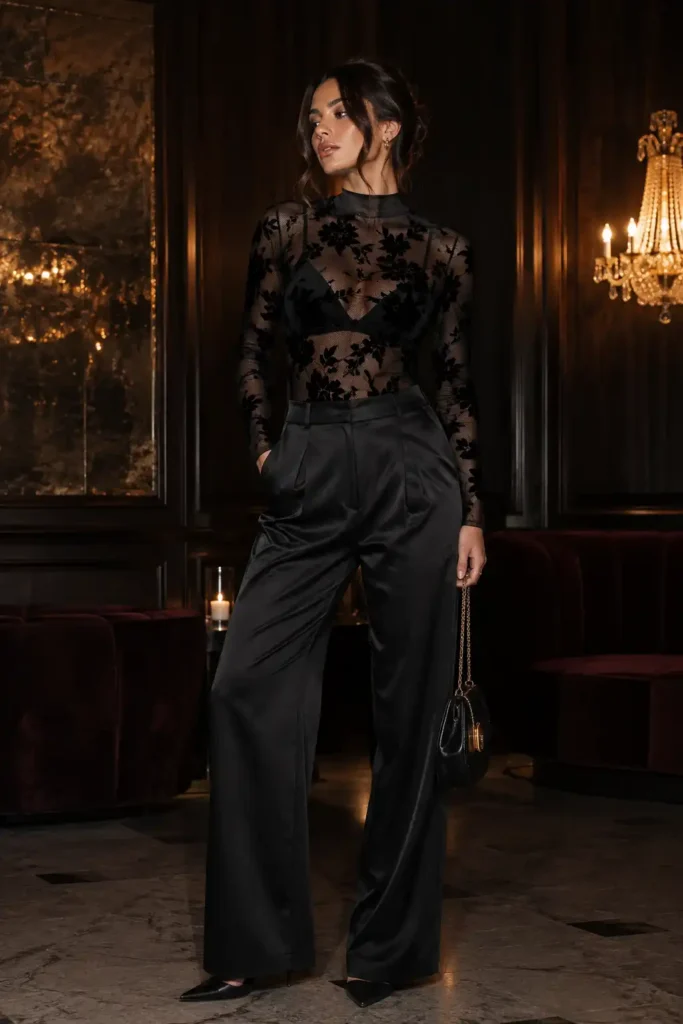
Flocked Mesh Top
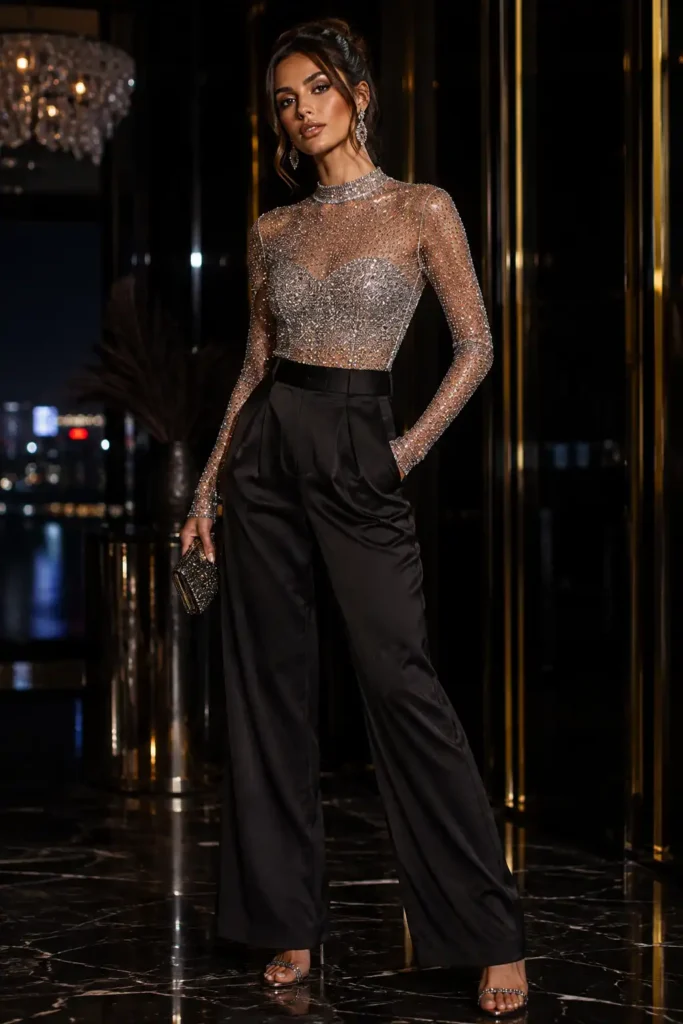
Rhinestone Mesh Top
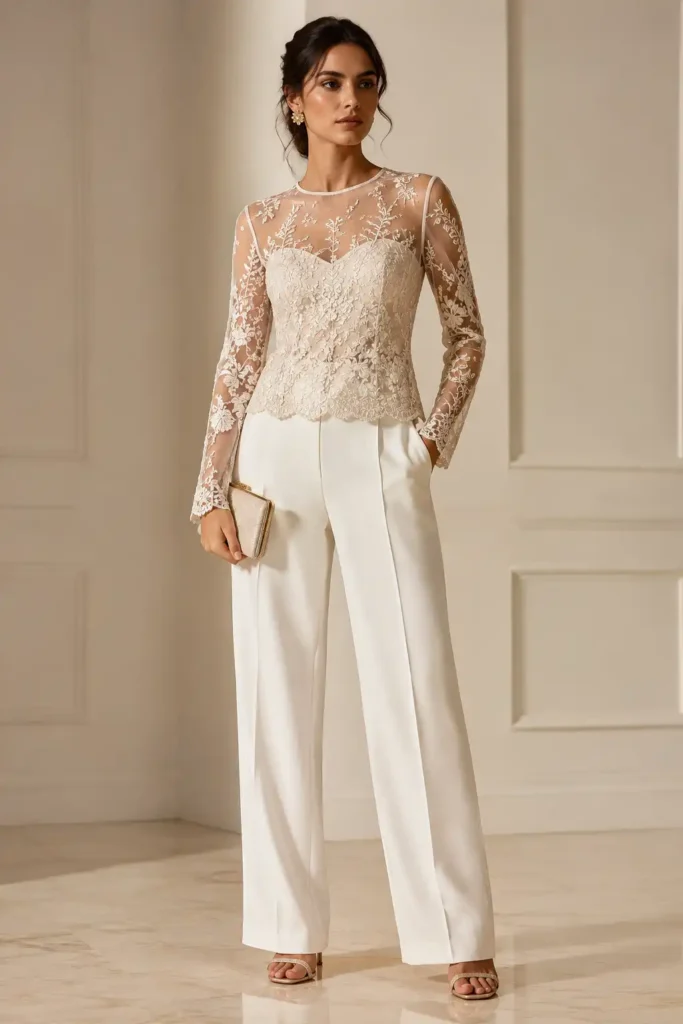
Embroidered Mesh Top
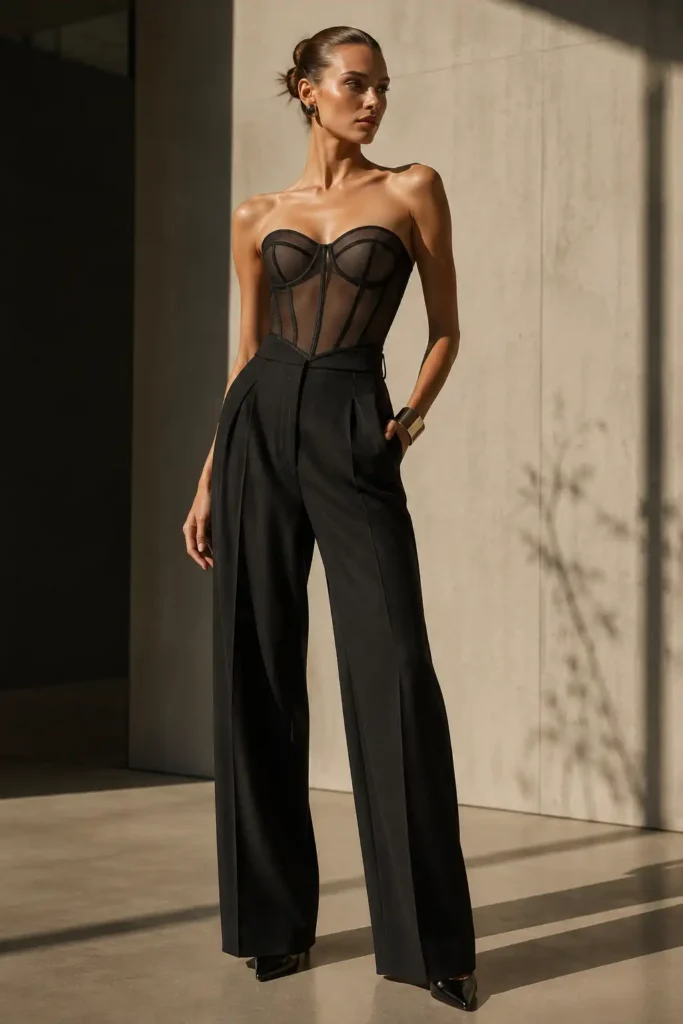
Mesh Corset Top
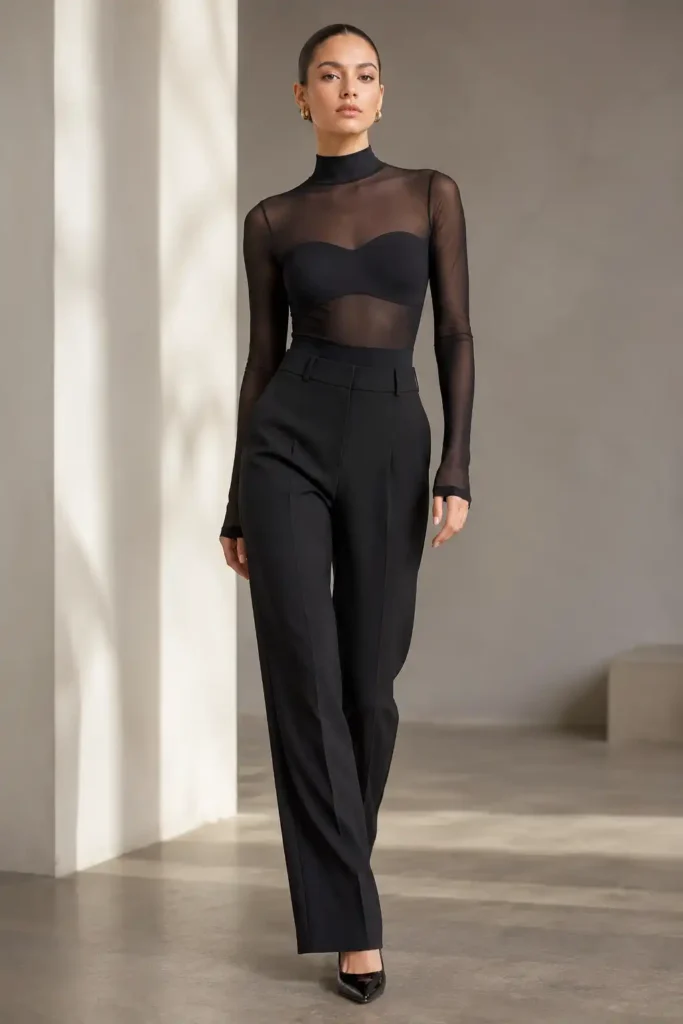
Mesh Bodysuit Top
Build Mesh Tops into a Complete Fashion Capsule

Top and Mini Skirt

Top and Maxi Skirt

Top and Wide-Leg Pants

Corset and Matching Bottom

Bodysuit and Party Separates
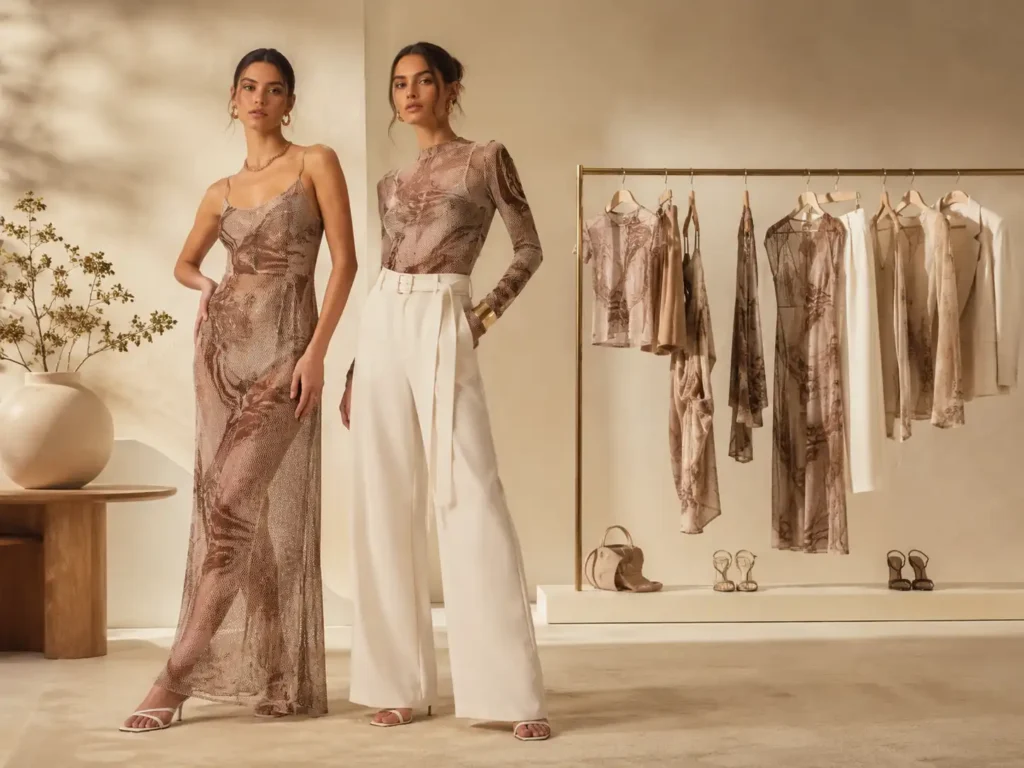
Mesh Dress and Top Capsule
Mesh Fabric Comparison for Fashion Tops
Material approval comes before final pattern approval. Mesh weight, gauge, softness, stretch, recovery, transparency and surface treatment influence fit, sewing, coverage, cost and bulk consistency. Jinfeng Apparel reviews the intended silhouette and selling position before recommending a fabric direction.
| Mesh Direction | Typical Character | Best-Suited Styles | Development Focus | Main Bulk Risks |
|---|---|---|---|---|
| Soft Sheer Mesh | Lightweight, soft hand, high transparency | Layering tops, sleeves, draped styles | Skin feel, neckline finish, single or double layer | Snags, holes, seam waves, excessive transparency |
| Stretch Mesh | Flexible with body fit and moderate recovery | Fitted tops, crop tops, mock-neck styles | Horizontal and vertical stretch, recovery, negative ease | Loose neckline, body growth, size inconsistency |
| Power Mesh | Firmer support and compression | Corset hybrids, bodysuits, internal support panels | Comfort, seam strength, layer compatibility | Excess pressure, bulky seams, restricted movement |
| Fine-Gauge Mesh | Small openings and a refined visual surface | Premium sheer tops, embroidered styles | Needle selection, transparency, surface damage | Needle holes, snagging, yarn cuts |
| Printed Mesh | Strong color and trend expression | Statement tops, resort and ecommerce capsules | Print repeat, artwork scale, stretch distortion | Color variation, pattern mismatch, distorted motifs |
| Flocked or Decorated Mesh | Raised texture, sparkle or surface depth | Partywear and occasionwear | Stretch loss, motif placement, skin contact, packing | Shedding, missing decoration, pressure marks |
Control Transparency Without Losing the Design Intent
Transparency is a design specification, not an accidental result. Coverage should be approved by garment zone, color, layer count and intended styling before production standards are locked.
Single-Layer Sheer Construction
Single-layer mesh creates the strongest transparent effect and the lightest hand. It works well for layering tops, printed second-skin silhouettes and statement sleeves. Pattern fit must account for increased transparency when the fabric stretches across the bust, upper arm and shoulder blades. Seam allowances, labels and internal threads remain visible, so finishing quality is especially important.
Approval should define whether the garment is designed to be worn over a bra, camisole, bodysuit or matching base. Studio photography can make a top appear less transparent than natural daylight, while pale colors may reveal more than dark shades. A single-layer sample should be reviewed on a body form or fit model under several lighting conditions before coverage is accepted.
Double-Layer Mesh Construction
Two layers reduce transparency and can produce a richer color without adding a separate lining fabric. Layering also changes stretch and recovery. Two pieces cut in the same direction usually move together more predictably, while opposite directions may increase support but reduce flexibility. The pattern may require adjustment because a double layer often fits firmer than a single layer.
Production must prevent one layer from twisting or creeping away from the other. Key points include neckline alignment, side seams, armholes and hems. A basting or control method may be required during sewing. Final inspection checks trapped folds, misaligned prints, inconsistent color depth and different layer tension between left and right sides.
Zoned Lining and Coverage Panels
Zoned lining protects specific areas while preserving transparent sleeves, shoulders, back or waist sections. Common solutions include a lined front body, bust panel, built-in bandeau, shaped cup area or partial inner layer. Lining should match the stretch and recovery needs of the outer mesh. A rigid lining under a stretch body can restrict movement and create pulling lines.
Coverage shape should be approved on the body, not only from a flat pattern. The top edge of a bust panel can become visible under strong lighting or shift during movement. Lining color also matters: a matching tone looks integrated, a skin tone creates an illusion effect, and a contrast tone becomes part of the design.
Transparency Approval Conditions
A consistent review method reduces subjective decisions. Jinfeng Apparel can prepare samples for assessment against white, black and skin-tone backgrounds, then record the approved layer and lining direction. Natural light, standard indoor light and studio lighting may all be considered for image-driven products. The final tech pack or approval record should identify lined zones, lining color, seam visibility expectations and acceptable transparency.
Bulk inspection compares the approved standard with production pieces from different sizes. Larger sizes may stretch more across selected areas, so coverage should be checked across the size range. A transparent style is successful when the result looks intentional in every approved size and color.
Engineer Stretch, Recovery and Fit Together
Mesh fit is created by the relationship between pattern dimensions and fabric behavior. High stretch alone does not guarantee comfort, recovery or size stability.
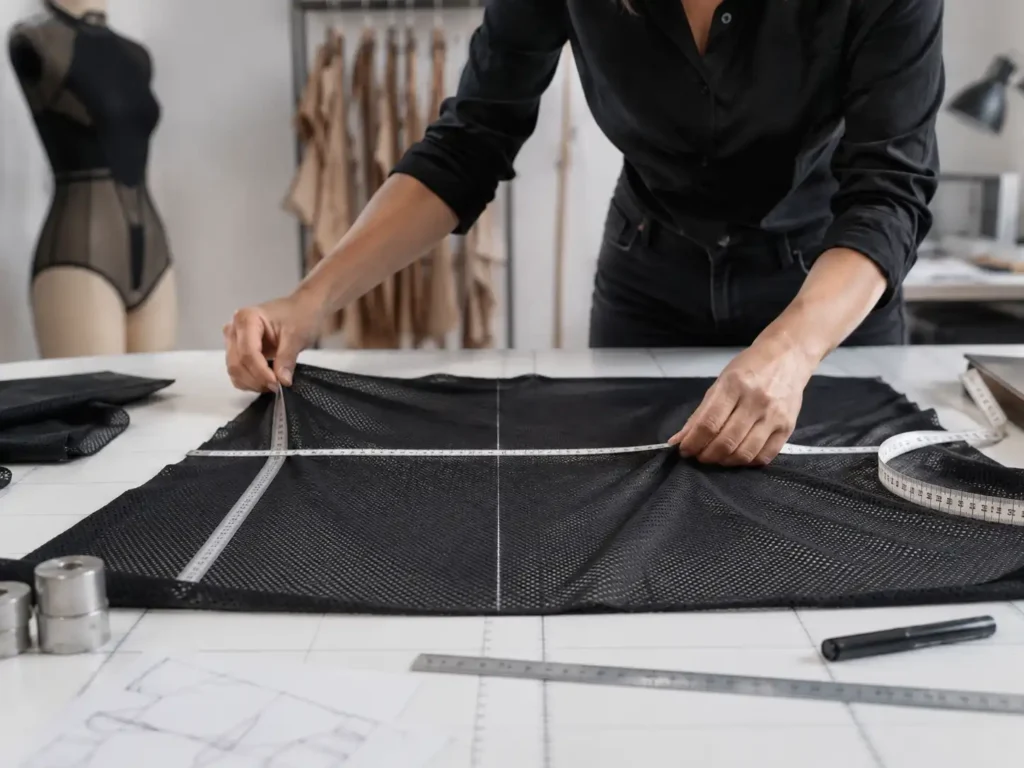
Measure Stretch in Both Directions
Horizontal stretch affects bust, waist, neckline and upper-arm fit. Vertical stretch influences garment length, shoulder drop and sleeve growth. Some meshes stretch strongly across the width but very little along the length; others move in both directions. Printed, flocked or embroidered areas may behave differently from the open mesh around them.
During development, the team compares the fabric in the intended cutting direction and records how the garment should sit on the body. A fitted top may use controlled negative ease, while a draped or ruched style requires extra length and distribution. Patterns should not be graded from generic stretch assumptions when the selected fabric behaves differently.
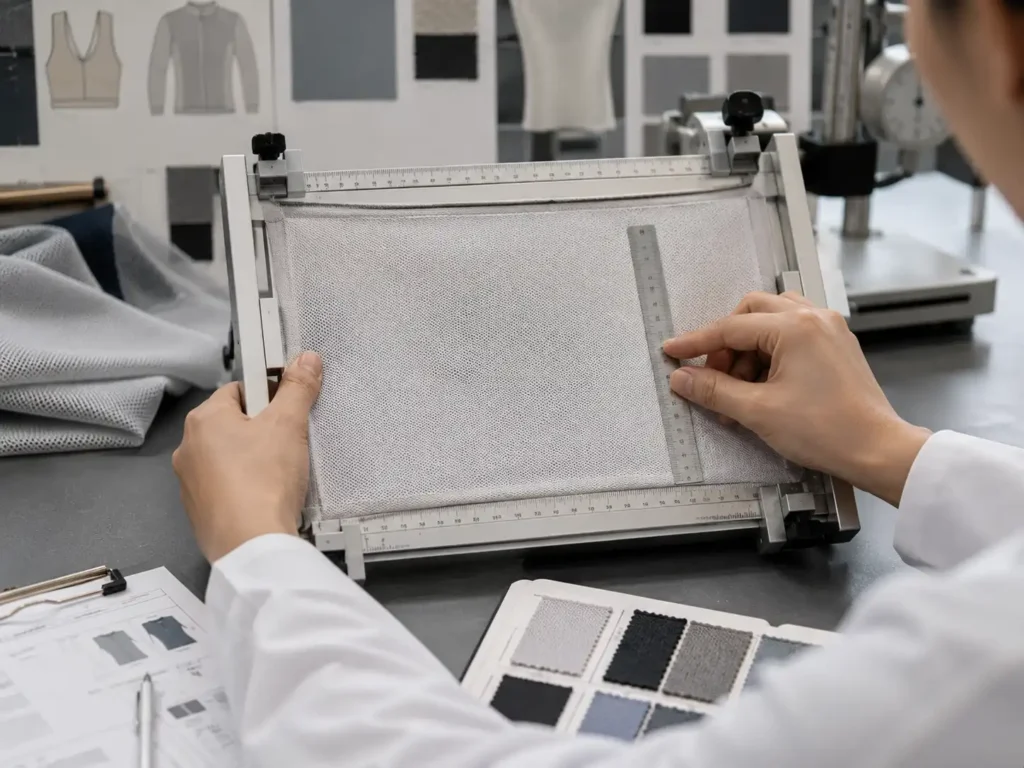
Check Recovery After Extension
Recovery describes how closely the material returns to its original dimension after being stretched and released. Weak recovery can create loose necklines, bagged elbows, extended hems and uneven side seams. Repeated handling during sewing may also affect a lightweight mesh before the garment is worn.
Recovery should be evaluated alongside layer count, print and decoration. A rhinestone panel or flocked motif can make one area less elastic, causing nearby sections to carry more strain. Binding, elastic and lining need compatible recovery. The approved sample provides the reference for shape retention, but bulk material still requires verification before cutting.
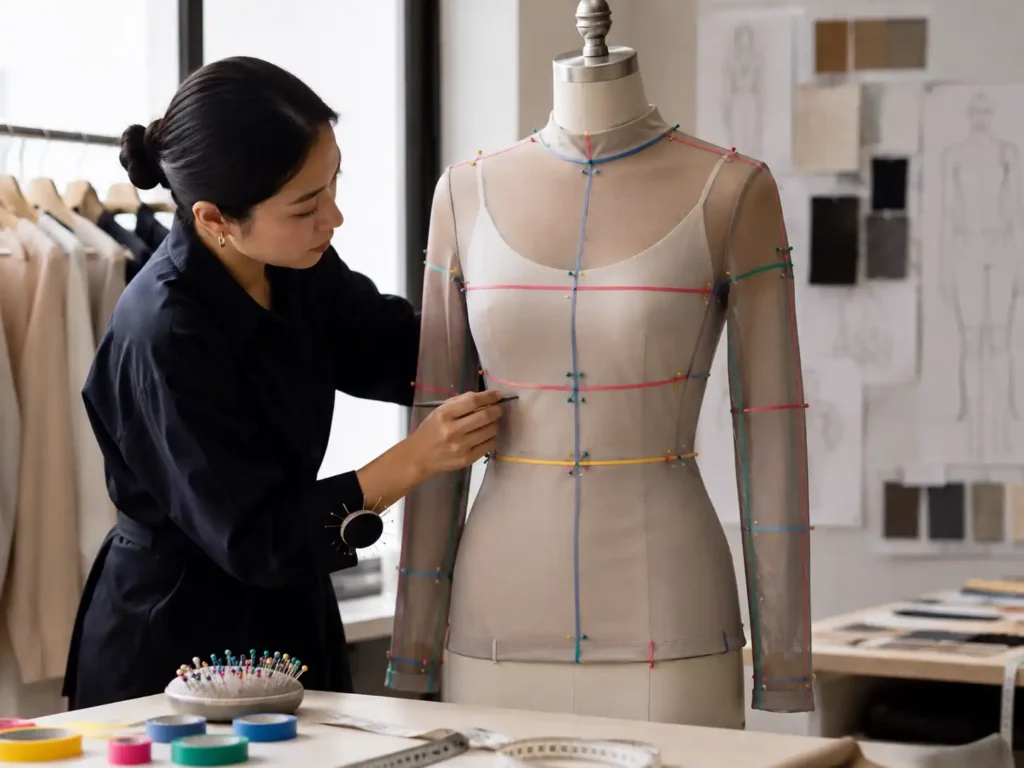
Set Fit by Garment Zone
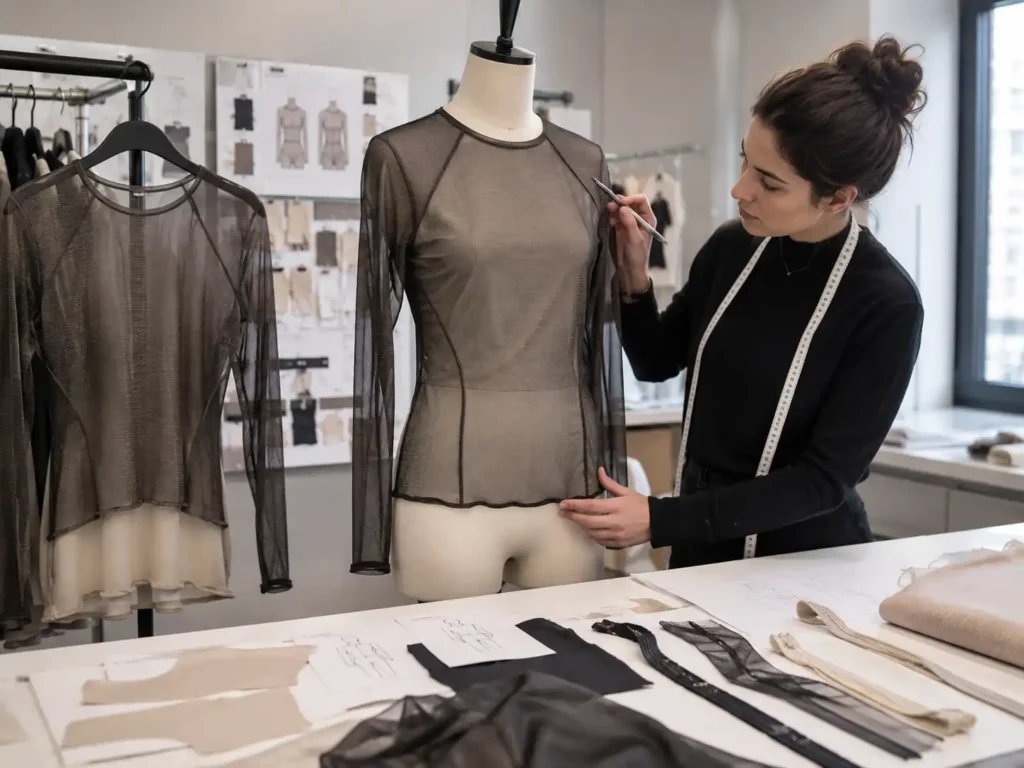
A close-fitting mesh top is not equally tight everywhere. Bust and upper arm need movement, the neckline needs stability, and the waist may need closer contouring. Underarm coverage should prevent excessive exposure without cutting into the body. Sleeve caps, cuffs and mock necks must stretch enough for dressing and then recover.
Key measurements often include bust, waist, shoulder, across front, across back, armhole, bicep, sleeve length, neckline opening, body length and hem width. Size grading should preserve the visual proportions of the design. A common size range may run from XS to XL, while broader ranges can be developed with dedicated grade rules and fit reviews rather than simple percentage scaling.
Recheck Fit After Construction Changes
A change from single to double layer, a new lining, denser print or added embroidery can alter stretch enough to require pattern revision. Switching between polyester-spandex and nylon-spandex mesh may also change recovery and hand feel even when weight looks similar. Fit approval should therefore follow the final material direction.
The PP sample should represent the confirmed fabric, layer structure, trims, sewing method and size specification. Any late substitution needs technical review before bulk use. Stable production comes from locking the relationship between material and pattern, not from approving each component separately.
Sew Lightweight Mesh Without Waves or Damage
Workmanship determines whether a mesh top looks refined or improvised. Needle choice, stitch balance, seam allowance, feeding and finishing methods are tested against the selected fabric before bulk production.
Needle, Thread and Stitch Selection
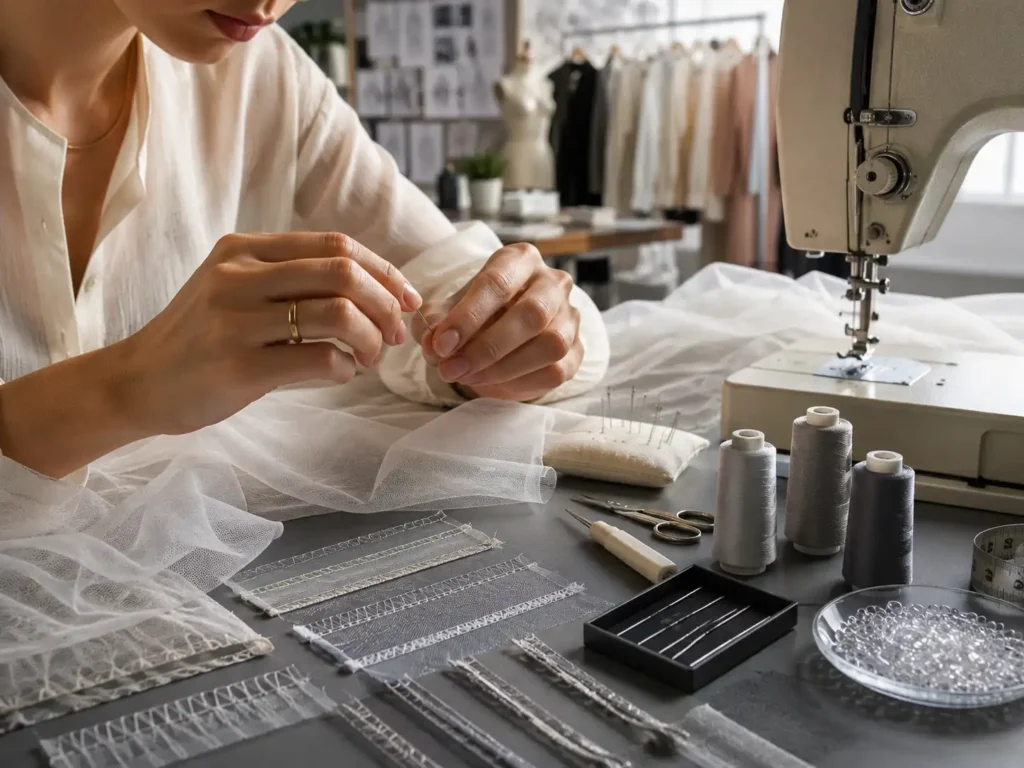
Fine mesh can be damaged by a large or blunt needle. An unsuitable point may cut yarns, create permanent holes or cause runs near the seam. Thread should be strong enough for the required stretch without looking heavy through a sheer layer. Stitch length and density must balance seam security with material protection.
The sewing method depends on the garment zone. Side seams may use a balanced overlock, while a mock neck or hem may require coverstitch, narrow binding or a clean folded finish. A corset hybrid can combine stretch seams with more structured internal construction. Sample trials establish the method before bulk operators follow the approved sewing instruction.
Control Feed and Seam Tension
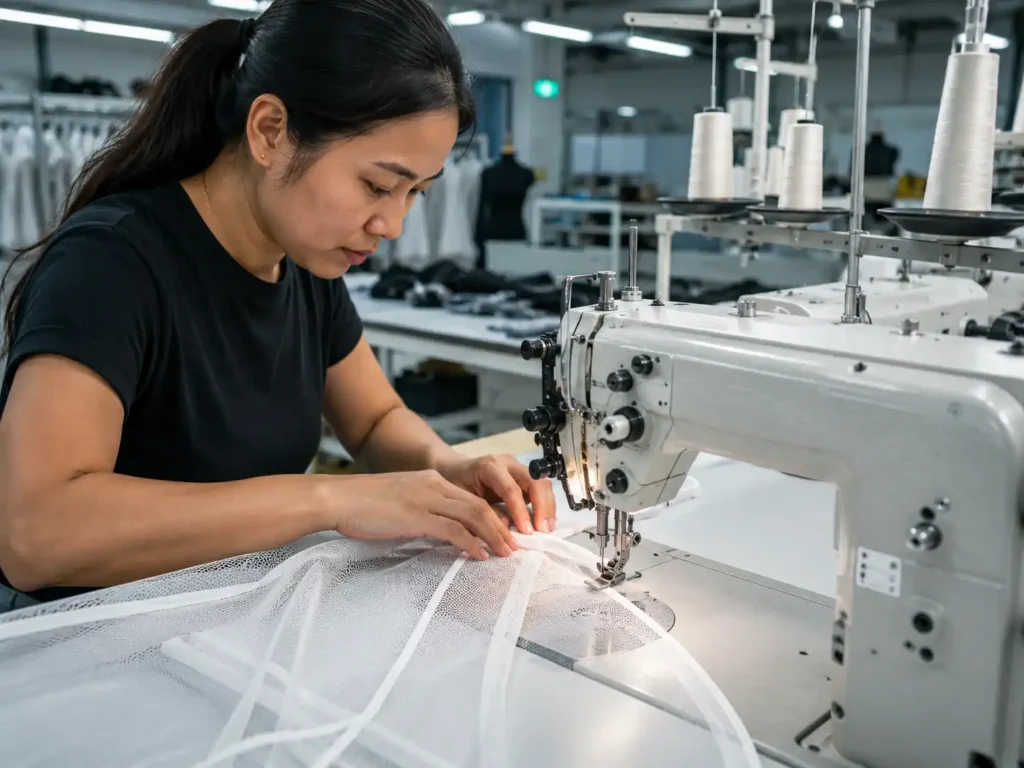
Light mesh stretches easily under the presser foot. Unequal feeding or excessive tension creates wavy seams, stretched hems and twisted panels. Differential feed, handling pressure and machine settings are adjusted according to fabric behavior and seam direction. Curves around the neckline and armhole often need different control from straight side seams.
Operators should avoid pulling the fabric while sewing. Cut panels also need careful bundling so edges are not distorted before they reach the line. Inline checks compare seam length and garment shape against the approved piece. Small waviness may become more visible after pressing or on the body, so correction should happen early.
Finish Necklines, Armholes and Hems
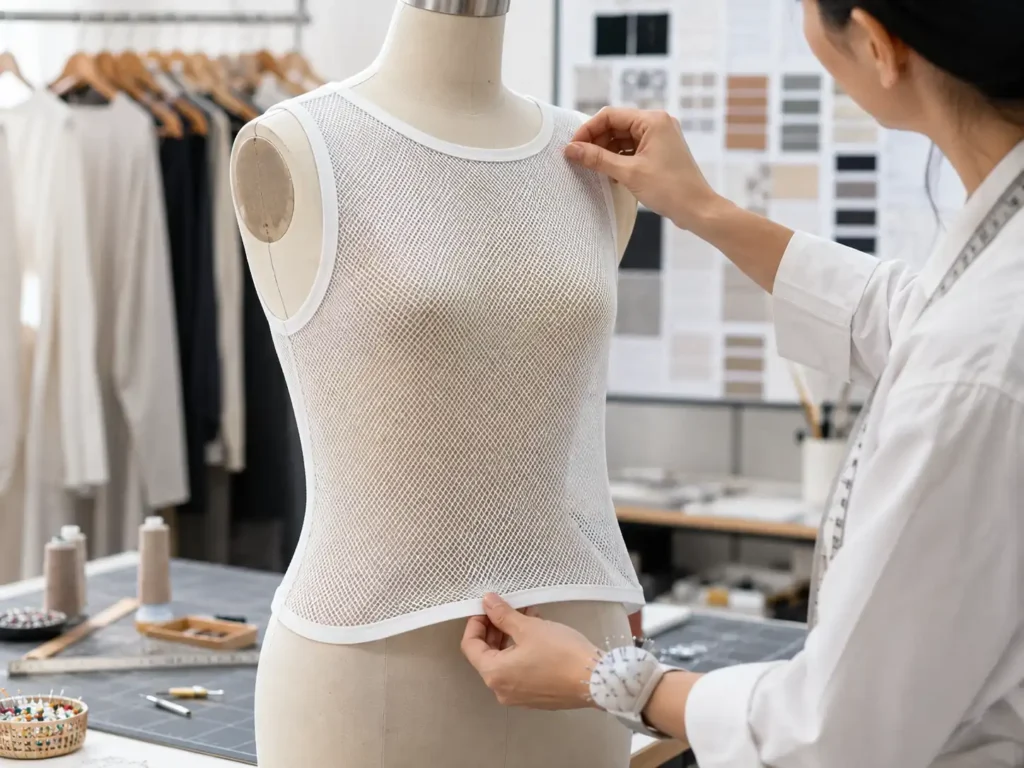
Visible edges define the quality level of a mesh top. Binding width, elastic tension, folded edge depth and stitch placement should remain consistent. A binding that is too tight causes puckering; one that is too loose creates gaping. A narrow hem can roll or flare if the feed is not balanced. Raw-cut edges may suit selected designs but need stability and clean cutting.
For sheer garments, internal seam bulk and thread tails remain visible. Labels and care instructions should be positioned to reduce distraction and discomfort. The chosen finish should support both the visual direction and the wear requirements, rather than applying one standard method to every mesh style.
Protect the Garment Through Finishing
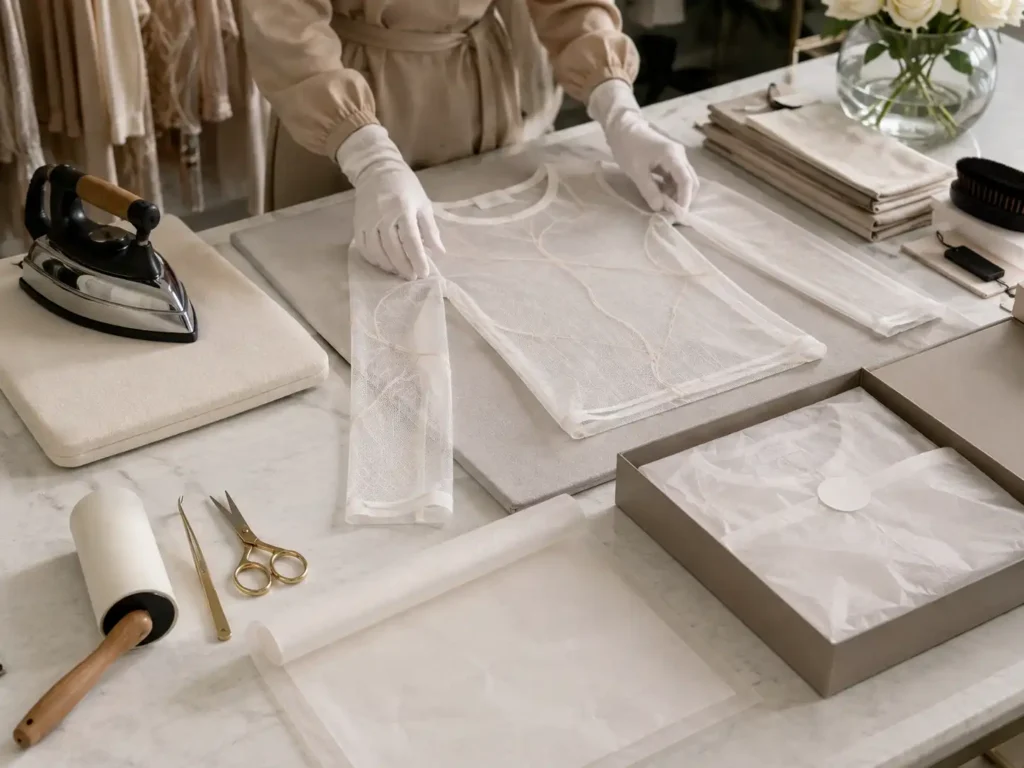
Mesh is vulnerable to hooks, rough surfaces, sharp trim edges and excessive heat. Loose threads should be trimmed without cutting the base fabric. Pressing temperature and pressure must suit the fiber and any surface decoration. Flocked mesh should not be crushed; rhinestones and sequins need protective handling; printed mesh requires care against color transfer.
Final workmanship review checks snags, holes, seam security, edge finish, symmetry, measurements and appearance on a hanger or form. Packing follows the material risk: tissue, protective layers or individual folding methods may be used for embellished or delicate surfaces.
Develop Prints and Embellishments for Stretch Mesh
All-Over Digital Print
Placement Print
Flocked Mesh
Rhinestone Application
Embroidered Mesh
Sequin or Beaded Mesh
Pattern Development for Close-Fitting Mesh Tops
A production pattern must convert the intended visual effect into repeatable body proportions. Mesh patterns are developed against the selected material, approved construction and target size chart.

Build the Base Around Fabric Behavior
Pattern development starts with fabric direction, stretch and recovery. A block created for jersey or woven fabric cannot be transferred automatically to fine mesh. Negative ease is allocated by body zone, while seam position and layer count influence the required dimensions. A single-layer sheer top may allow more flexibility than a double-layer or flocked version.
The first pattern defines neckline shape, shoulder width, armhole, bust, waist, body length, sleeve and hem. Style elements such as ruching, cut-outs, asymmetric panels and corset seams are added after the base proportions are understood. Clear measurement points and construction notes help sample makers reproduce the intent.
Correct Bust, Neckline and Armhole Balance
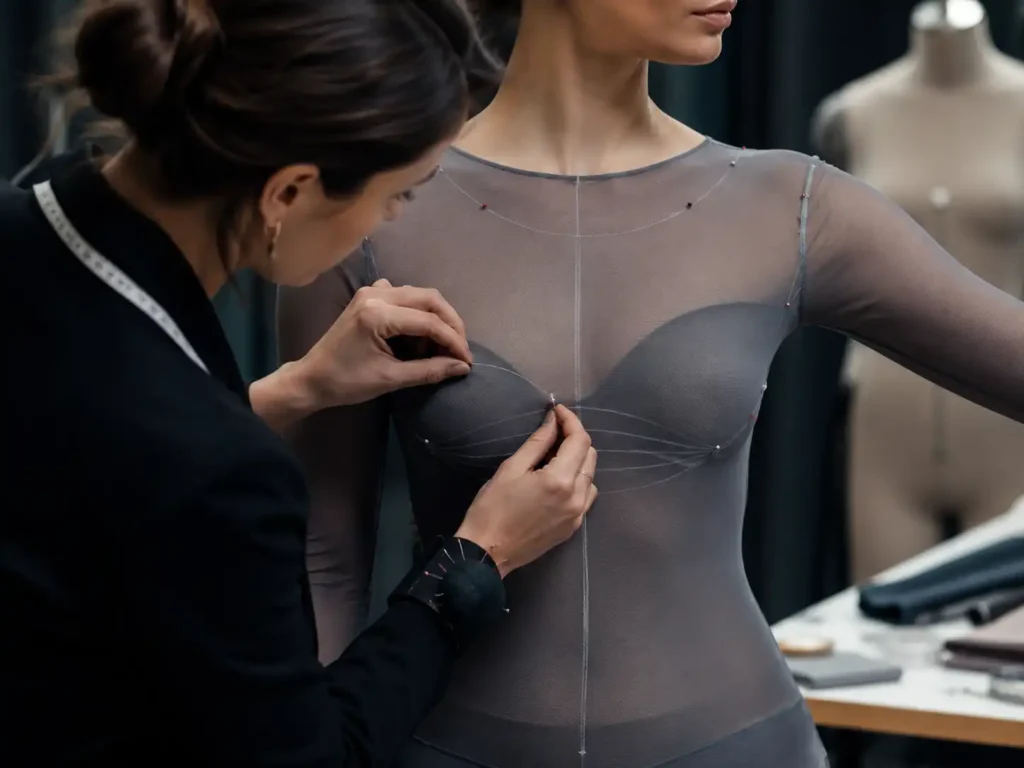
The bust area determines transparency, comfort and garment stability. A fitted mesh top should contour without excessive strain lines or uncontrolled exposure. Neckline depth and opening width need enough stretch for dressing while remaining stable after wear. Armholes should cover the intended area and allow movement without cutting into the body.
Fit review looks at the front and back balance, side-seam position, shoulder drag, underarm folds and neckline recovery. For corset hybrids, cup position, upper-bust line and internal support are reviewed separately from the decorative outer mesh. Corrections are recorded before the revised sample is made.
Grade Sizes Without Losing Proportion
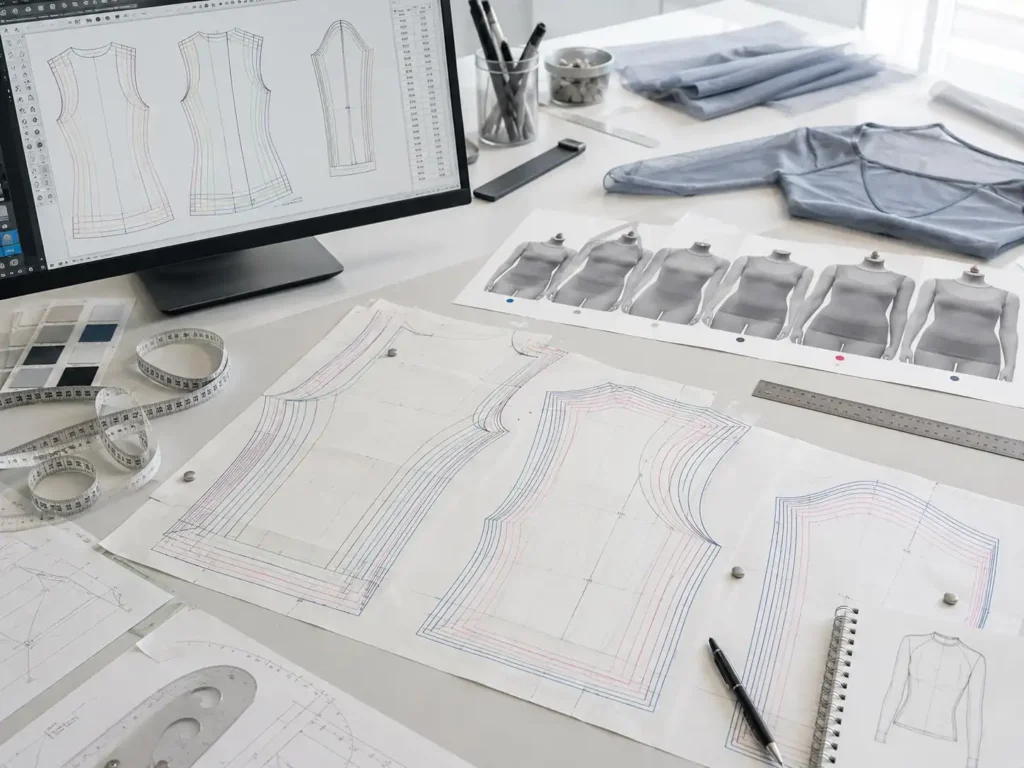
Size grading affects more than bust and waist width. Shoulder, armhole, bicep, sleeve length, neckline opening and body length must grow according to the brand’s size standard. A fitted top may need different rules from a relaxed layering piece. Larger sizes can create greater fabric extension, so transparency and recovery should be reviewed across selected sizes.
Many collections use XS-XL, while broader ranges can extend below or above those sizes when dedicated grade rules and fit information are available. Jinfeng Apparel can work from a supplied size chart and grade rule or help identify missing measurements before sampling. Final tolerances are confirmed by style and fabric.
Lock the Production Pattern at PP Stage
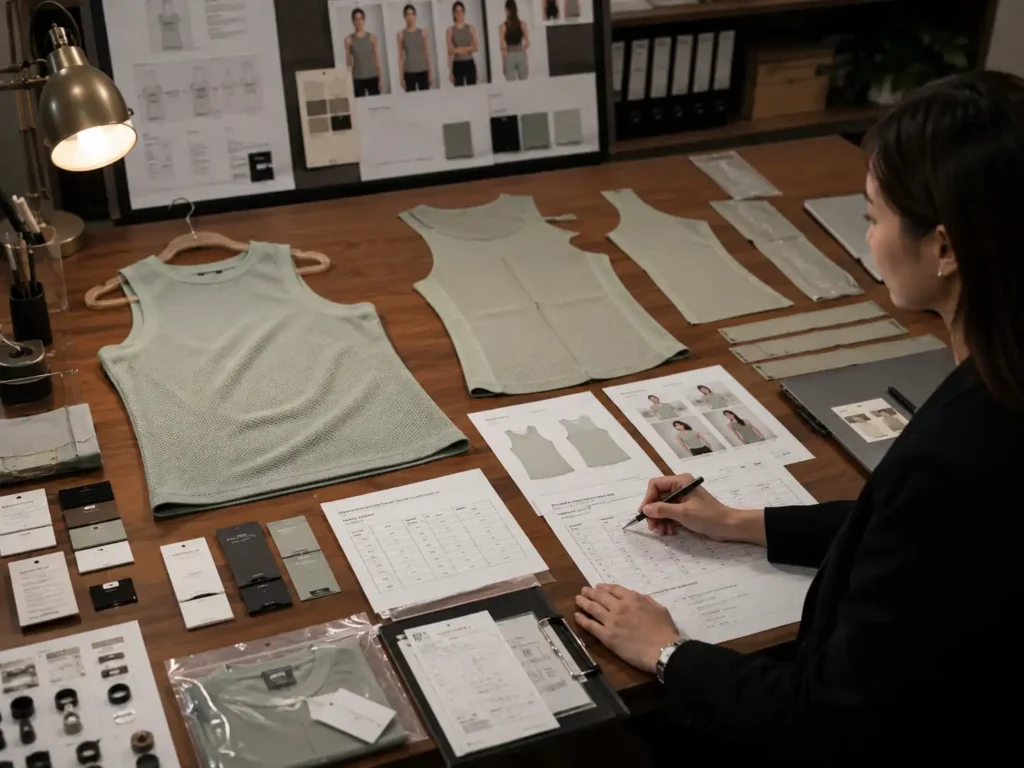
The production pattern is not final after the first sample. Revisions may follow fit comments, fabric change, lining adjustment, artwork development or trim confirmation. The PP sample should represent the approved bulk standard, including final pattern, material, construction, labels and packing direction.
After approval, the team records the PP pattern, measurement chart, grade rule, sewing instruction and key QC points. Repeat orders can move more efficiently because records are retained, although new colors, new fabrics or changed construction still require review before the previous pattern is reused.
Move from Reference to Production-Ready Mesh Tops
Project and Style Review
Mesh and Trim Direction
Pattern and First Sample
Fit and Transparency Review
Revised Sample Approval
PP Sample and Bulk Lock
Scale Approved Mesh Tops into Controlled Bulk Production
Bulk production follows the approved PP standard, not a simplified interpretation of the sample. Style allocation, material control, cutting, sewing, inspection and packing are coordinated around the confirmed order plan.
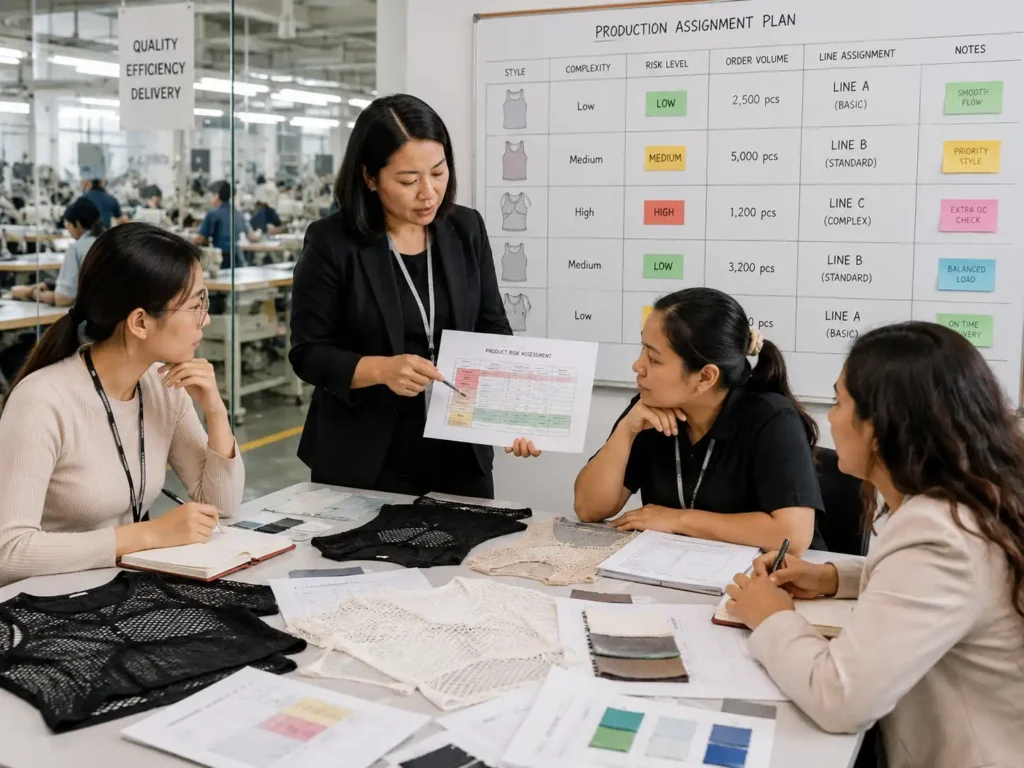
Assign Production by Product Risk
Jinfeng Apparel operates six owned women’s fashion factories and works with more than ten long-term satellite production partners. Styles are assigned according to mesh type, silhouette, decoration, order volume, size range and delivery window. A straightforward stretch-mesh top and a rhinestone corset hybrid should not be placed on the same production logic.
Multi-style programs are grouped by fabric, pattern complexity and process. Hero styles, photo samples and long-lead materials can be prioritized. More than twelve merchandisers support information flow between development, sourcing, production, QC, packing and logistics. The objective is clear responsibility and consistent production documents rather than spreading styles across available lines without control.
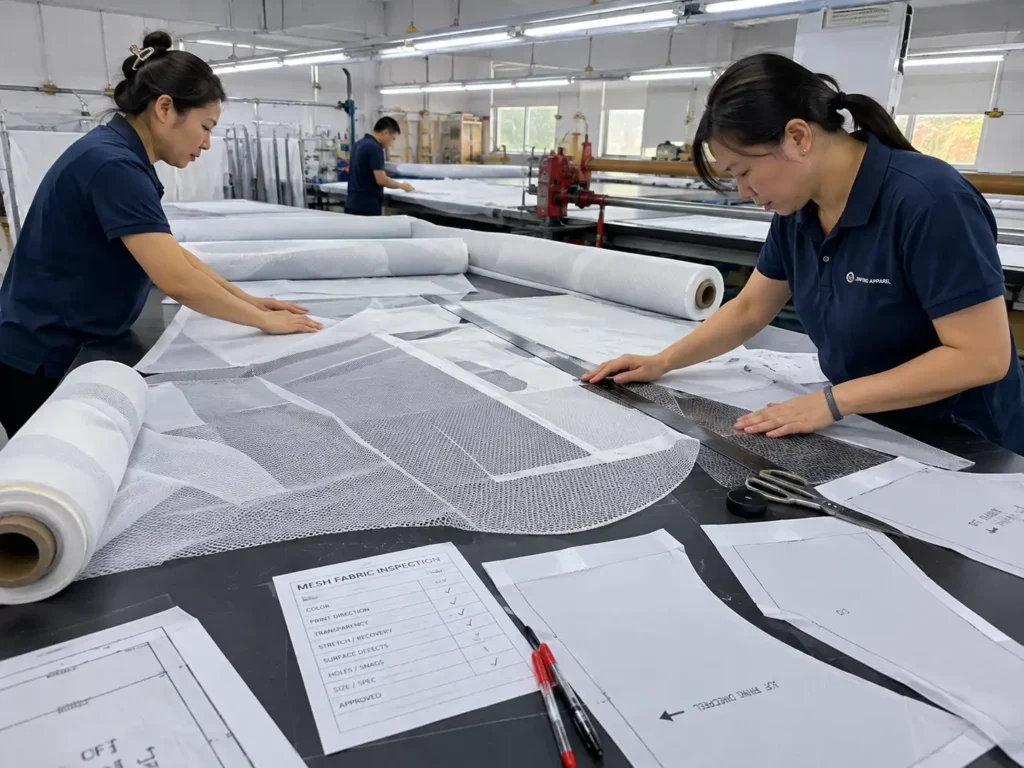
Control Material and Cutting
Incoming mesh is reviewed against approved direction for color, hand feel, stretch, recovery, transparency, surface appearance and visible damage. Dye lots and print lots are identified where required. Fabric relaxation may be planned before cutting when stretch and handling behavior make it necessary. Cutting direction is controlled because mesh performance and surface design can change with orientation.
Cut panels are checked for size, print direction, motif placement, holes and edge damage. Bundling and piece identification reduce mixing across colors, sizes or artwork positions. For double-layer styles, both layers need consistent direction and pairing. Problems found before sewing are less costly than corrections after the garment is assembled.
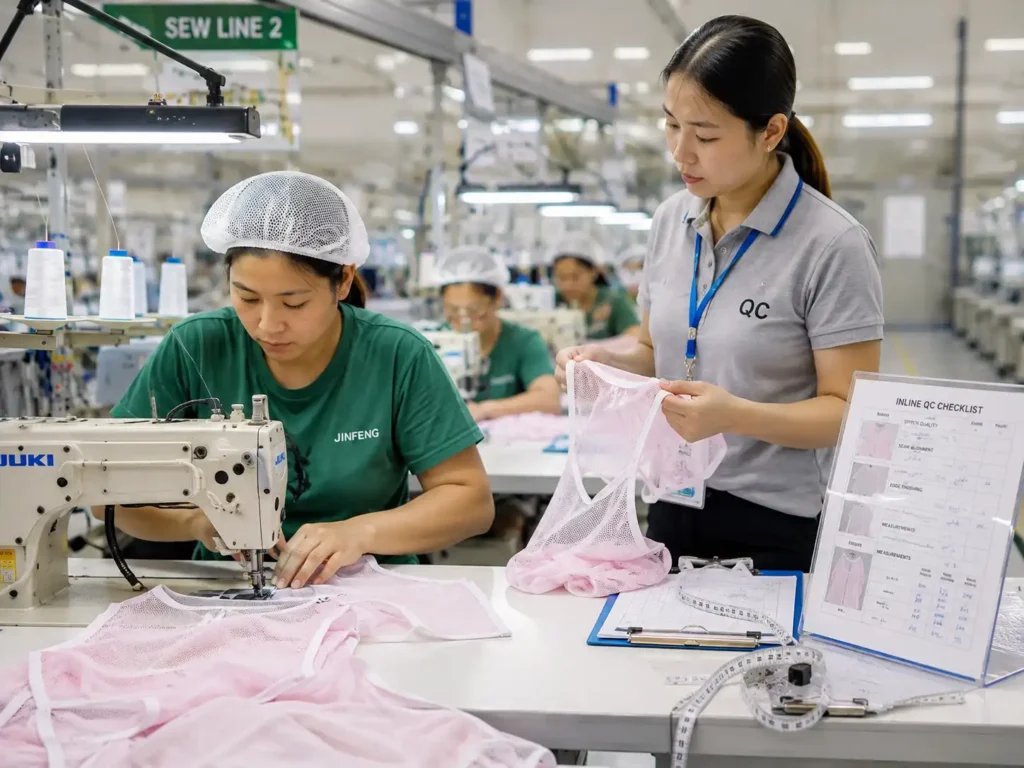
Manage Sewing and Inline Quality
Production begins with an approved first piece or line standard. Operators follow sewing instructions for seam allowance, stitch method, binding, lining, ruching and trim placement. Inline checks review seam waves, needle damage, measurements, symmetry and workmanship while production is still running. A mesh defect can spread quickly if tension or handling is wrong, so early correction matters.
QC and production teams compare pieces with the PP sample and measurement chart. Printed and embellished styles receive additional checks for orientation, position and missing components. Repairs should not create visible needle holes or rough areas. Finishing and pressing methods are matched to the material and surface treatment.
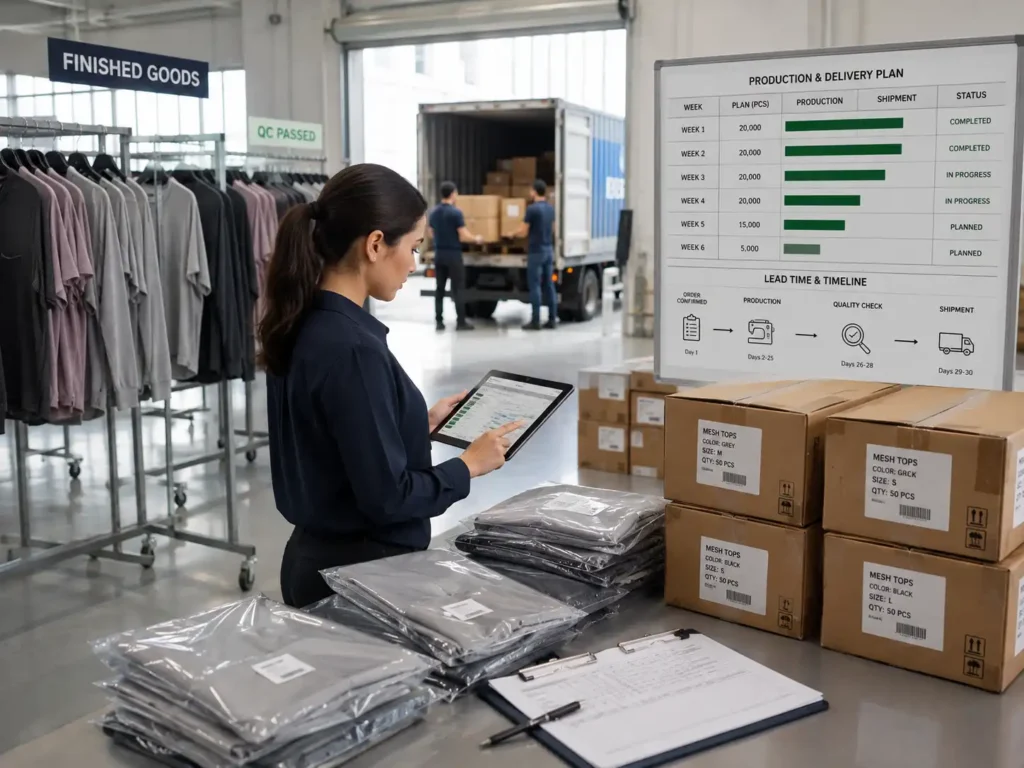
Plan Capacity, Lead Time and Delivery
Regular monthly production capacity exceeds 100,000 pieces across the network, but every order is scheduled by complexity and material readiness. A regular mesh top program with approved materials commonly plans around 30-45 days for bulk production after PP approval and fabric readiness. Custom printing, heavy embellishment or extensive handwork may require 45-60 days or a phased schedule.
Large seasonal programs may use multi-batch delivery when launch dates, warehouse capacity or material timing differ across styles. Final lead time is confirmed from style list, quantities, color splits, size ratios, packing and inspection requirements. Production planning should be completed before a fixed launch promise is made.
Mesh Top Quality Checks Before Private-Label Packing
Quality control begins with fabric and continues through cutting, sewing, measurements, decoration, finishing and packing. A mesh-specific checklist keeps transparent, stretch and surface-design risks visible at every stage.
| Inspection Stage | Main Risks | Core Checks | Production Evidence |
|---|---|---|---|
| Incoming Mesh | Wrong stretch, shade variation, holes, surface damage | Color, hand feel, weight direction, stretch, recovery, transparency, dye or print lot | Approved swatch comparison and incoming inspection record |
| Cutting | Wrong direction, distorted panels, misplaced artwork | Grain or stretch direction, panel dimensions, print position, holes, layer pairing | Cutting check and bundle identification |
| Sewing | Waves, needle holes, broken seams, bulky edges | Stitch balance, seam allowance, neckline, armhole, hem, binding, lining attachment | First-piece and inline inspection |
| Measurement | Inconsistent fit across sizes | Bust, waist, shoulder, armhole, sleeve, body length, hem and style-specific points | Measurement report by sampled sizes |
| Print or Flocking | Distorted motifs, shade issues, shedding | Scale, direction, placement, color, stretch behavior and surface condition | Approved artwork and surface comparison |
| Embellishment | Missing stones, sharp backing, loose attachment | Position, count, attachment security, skin contact and symmetry | Placement template and inspection record |
| Final Garment | Snags, holes, stains, asymmetry, poor transparency control | Appearance, workmanship, measurements, layer alignment, labels and care details | Final inspection against PP sample |
| Packing | Pressure marks, label errors, SKU mixing | Folding, tissue or protection, barcode, polybag, size-color ratio, carton marks | Packing approval and carton check |
Private-Label Mesh Tops Ready for Every Sales Channel
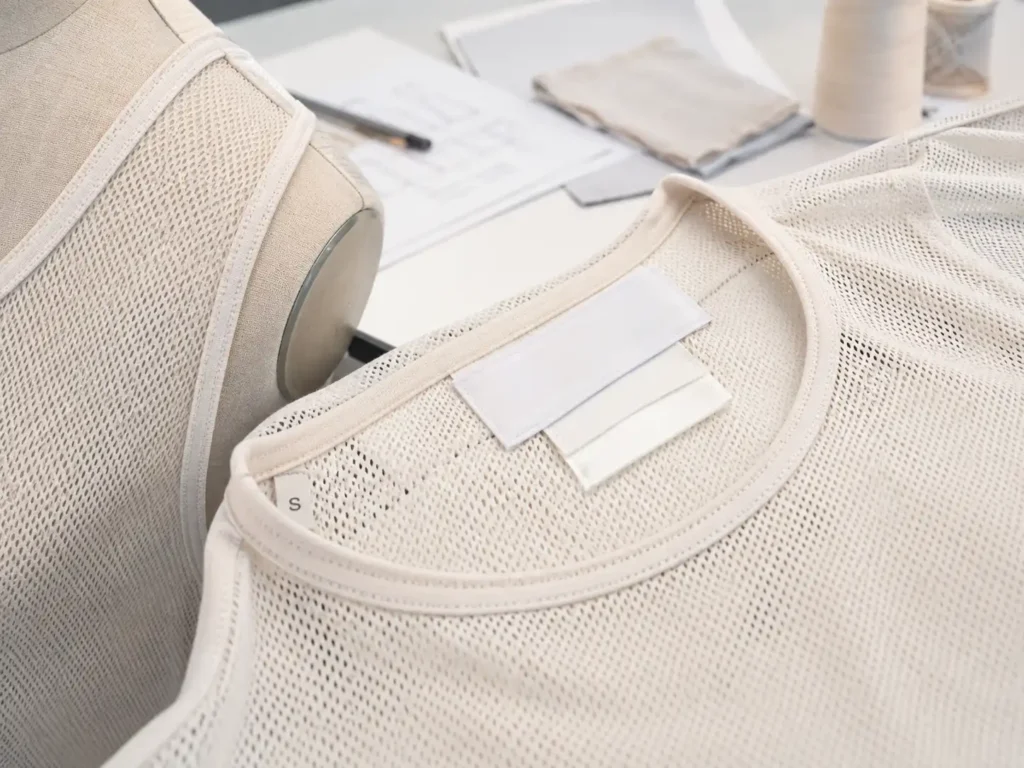
Main and Size Labels
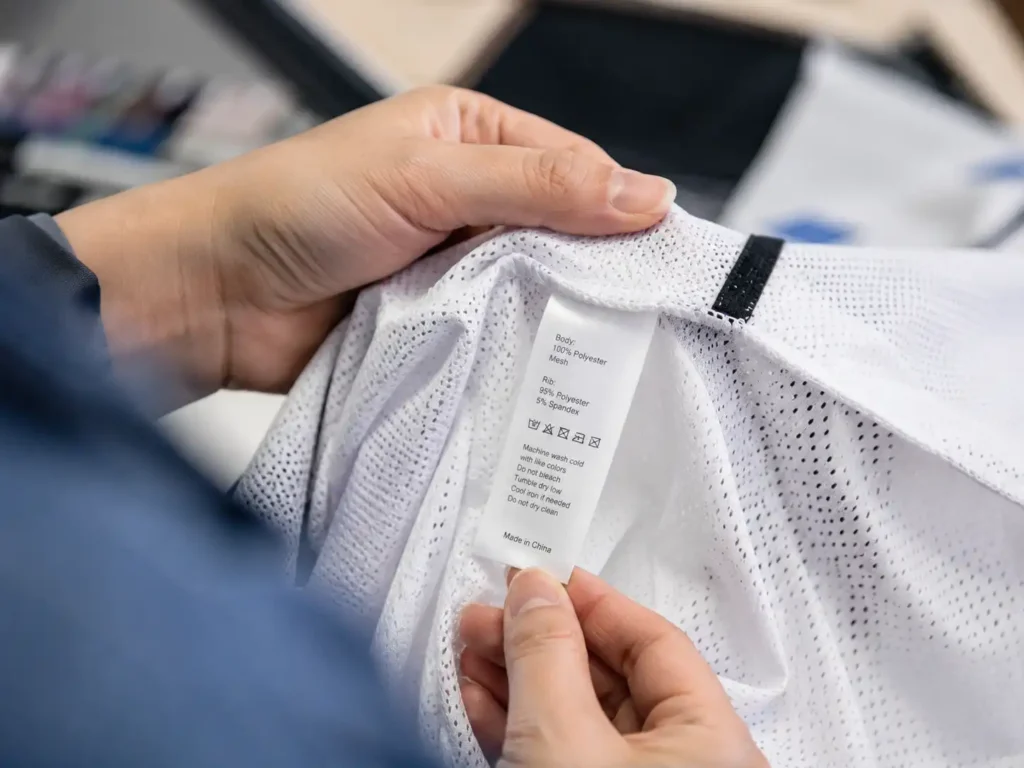
Care and Composition Labels
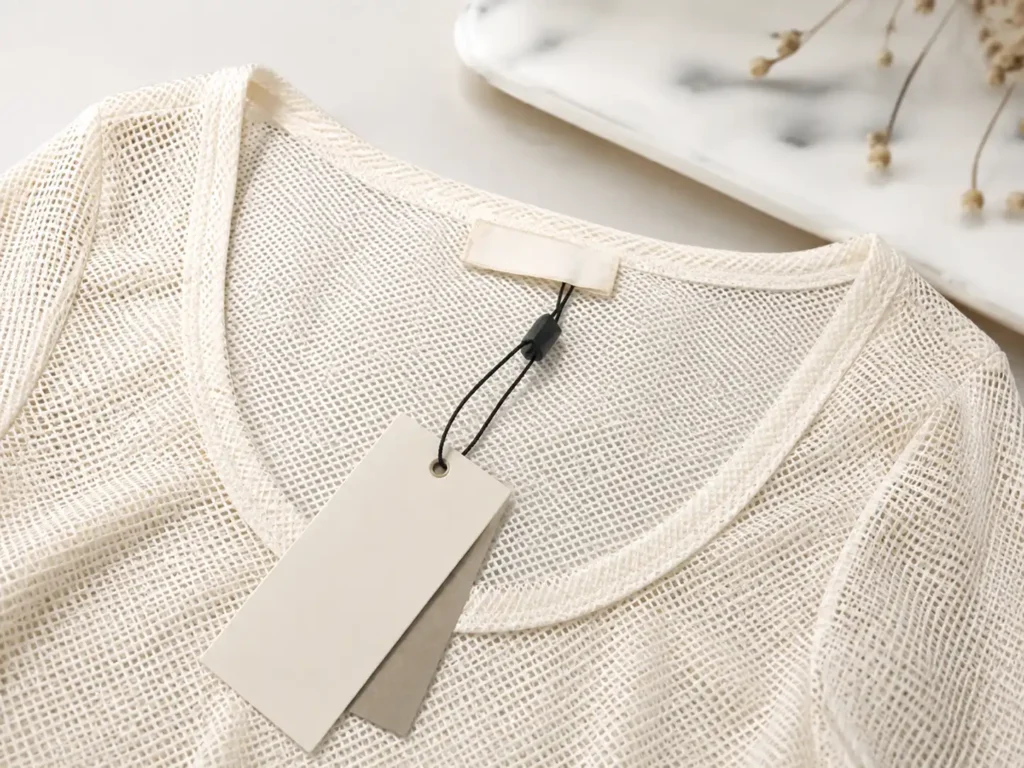
Hangtags and Hang Strings
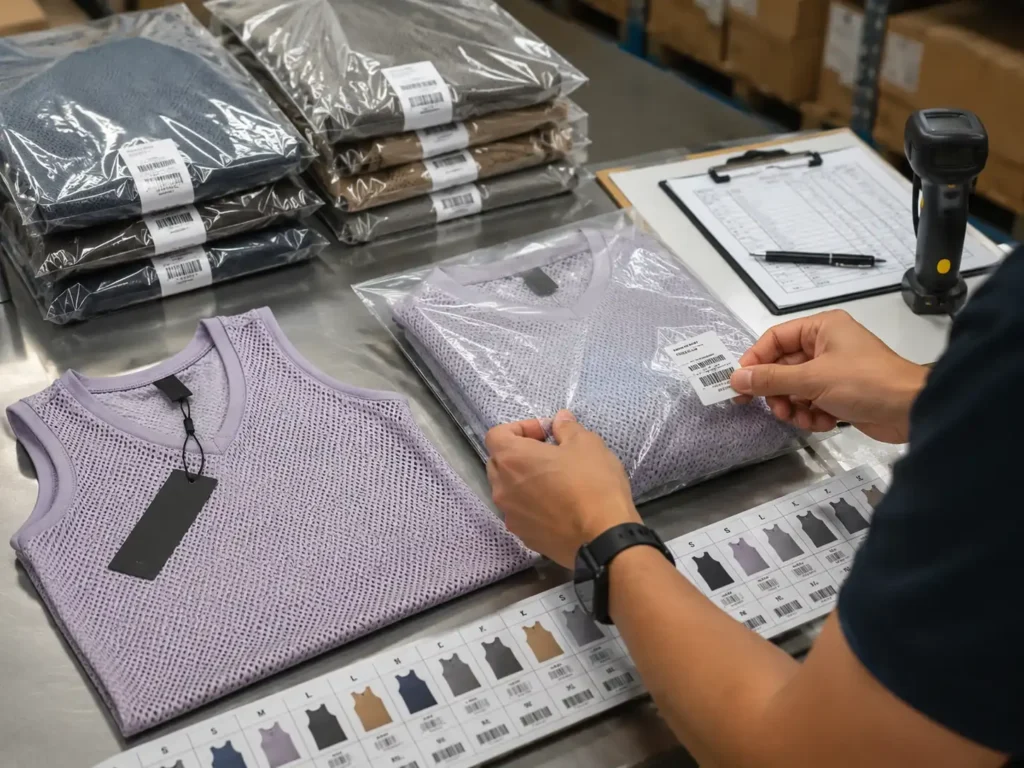
Barcode and SKU Labels
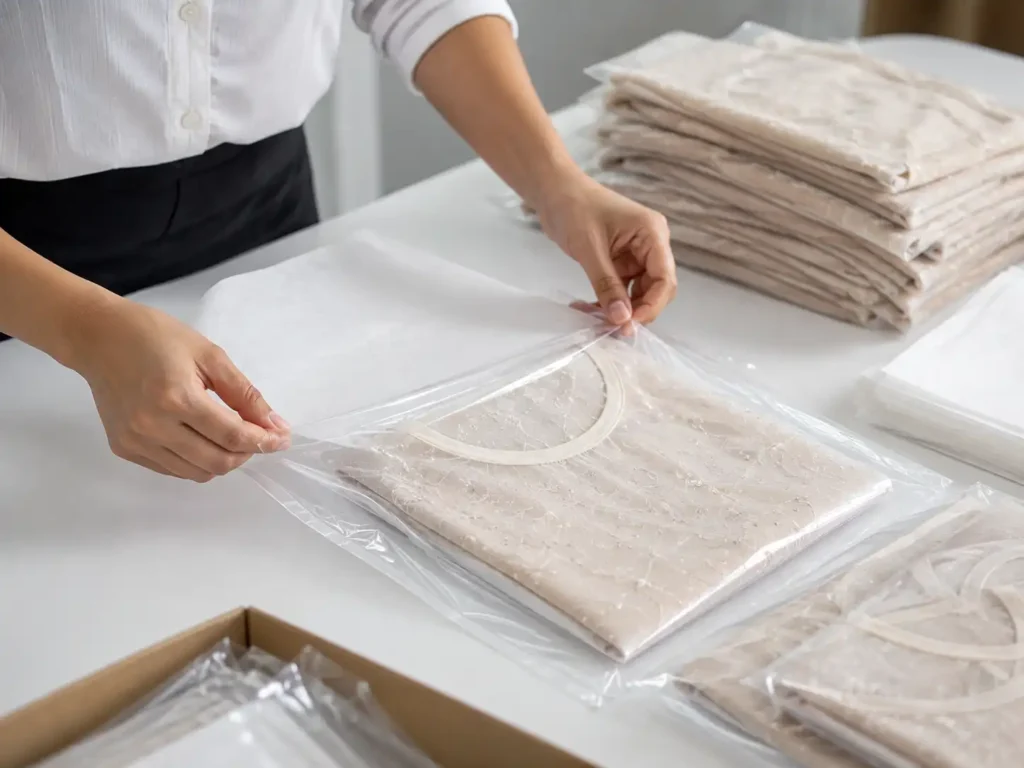
Polybags and Protective Folding
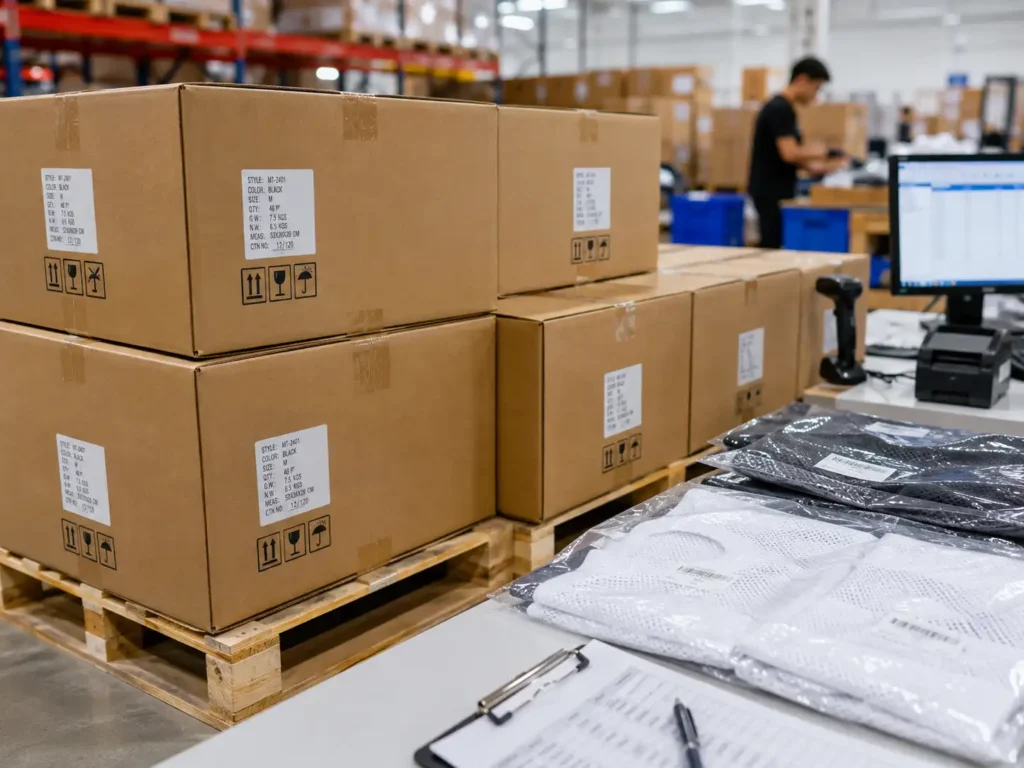
Cartons and Warehouse Marks
MOQ and Cost Planning for Custom Mesh Tops
MOQ starts from 200 pcs per style/color, subject to fabric availability, color development, trims, construction, packaging and production schedule. Accurate pricing requires enough information to calculate material use, process time and project-specific risk.
How MOQ Applies
MOQ is calculated by style and color rather than by combining unrelated designs. One style in one color can be reviewed from 200 pieces.
One style in two colors normally requires 200 pieces per color. Several styles at quantities below the per-style and per-color minimum do not form one standard production quantity.
Custom-dyed mesh, exclusive prints, flocking, embroidery, sequins, rhinestones, specially developed lining or custom trims may have higher supplier minimums.
A 10-30 style collection can still be planned efficiently by grouping shared fabrics, colors, linings and processes, but each style remains subject to production feasibility and material minimums.
Information Needed for a Reliable Quote
Send the design or tech pack, target quantity by style and color, size range, mesh preference, lining direction, print or artwork files, embellishment details, labels, packing and delivery window. An original sample can also be reviewed when a supplier transfer or fit redevelopment is required.
A photo without construction, fabric and quantity information only supports an early feasibility discussion. Final bulk pricing follows material confirmation, pattern or sample review and clear packaging requirements. Sample cost and sample timing are quoted separately because a first sample includes development work rather than bulk sewing alone.
Main Cost Drivers
Mesh cost is influenced by composition, weight, width, gauge, stretch, finish, color and required quantity. Garment cost increases with double layers, zoned lining, ruching, corset structure, embroidery, rhinestones, sequins, placement print, complicated bindings, broad size ranges and protective packing. Tight deadlines may also reduce material or production options.
Cost optimization should protect the visual goal. Possible routes include selecting an alternative mesh with similar hand feel, reducing unnecessary double layers, adjusting decoration density, consolidating colors, using shared trims across a capsule or improving cutting efficiency. Every change is reviewed for fit, transparency and retail appearance before approval.
Material Compliance and Design Protection by Project
Fabric Documentation
Testing and Audit Support
NDA and Design Protection
Mesh Top Development Cases for Fashion Collections
Printed Mesh Drop for a US Fashion Brand
Embellished Party Capsule for a UK Label
Multi-Style Mesh Program for an Australian Group
Frequently Asked Questions About Custom Mesh Tops

Start Your Mesh Top Program with Jinfeng Apparel
Send your reference image, tech pack, original sample or line sheet to begin a focused project review.
Kelly and the development team will examine the silhouette, mesh direction, transparency, lining, stretch, construction, print or embellishment, size range, quantity and launch window before recommending a sampling and quotation path. More complete information leads to a more accurate assessment of material options, MOQ, sample timing, bulk cost and production scheduling.
Please prepare:
- Style image, sketch, original sample or tech pack
- Quantity by style and color
- Preferred mesh, hand feel and transparency level
- Size range and measurement standard
- Print, embroidery, flocking or embellishment files
- Main labels, care labels, barcodes and packing requirements
- Target PP approval date and delivery window
- Destination market and inspection requirements

