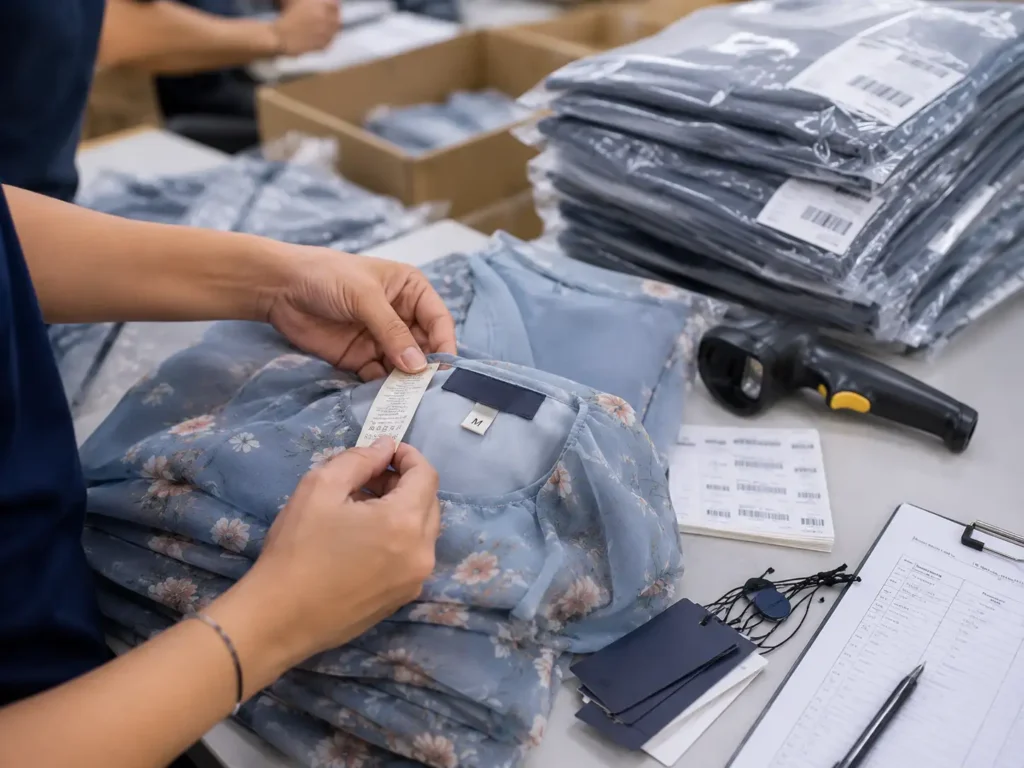
...

Mesh Matching Set Manufacturer

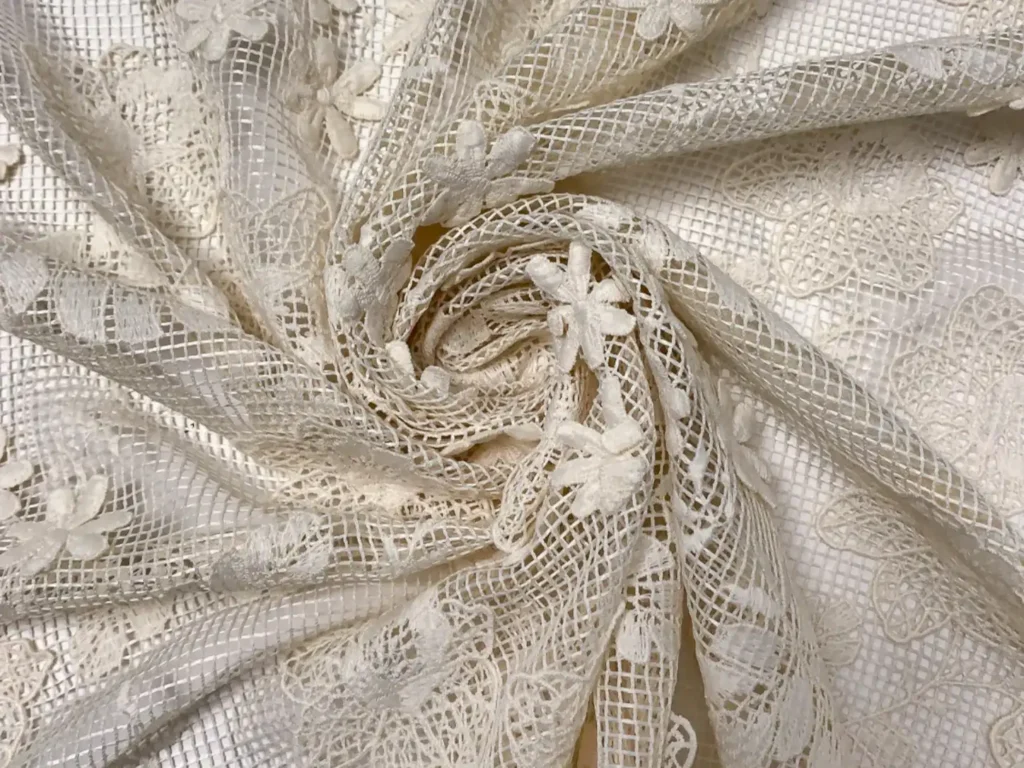
Custom mesh co-ords developed for global fashion brands, from fabric direction and paired fit to bulk production and private-label delivery.

  • 8 core mesh directions evaluated for stretch, support, transparency, print, surface stability, and lining compatibility.
  • 5 paired-control checkpoints cover color batch, top-to-bottom proportion, size pairing, trim consistency, and SKU accuracy.
  • MOQ starts from 200 pieces per style and color, subject to fabric, print, trim, and packaging requirements.
  • US, UK, EU, AU, alpha, extended, petite, and tall size development can follow the brand’s own chart and grade rules.

Jinfeng Apparel develops mesh matching sets as complete retail looks rather than unrelated tops and bottoms. Fabric stretch, recovery, transparency, lining coverage, waist placement, garment length, embellishment weight, and packing logic are reviewed together before production. The result is a coordinated set built for campaign imagery, reliable fit, repeatable bulk quality, and private-label delivery across partywear, clubwear, resortwear, festival fashion, and premium ecommerce collections.

Built for Serious Womenswear Production

Mesh matching sets require stable development resources because fabric behavior, paired sizing, and surface protection must stay controlled from the first pattern through final packing. Jinfeng Apparel combines long-term womenswear experience, dedicated sample development, multi-factory capacity, and project-based quality management for complex fashion programs.

Since 2008

Jinfeng Apparel has focused on custom women’s fashion manufacturing since 2008. Long-term experience matters when a set combines stretch mesh, lining, ruching, cut-outs, corset details, flared trousers, maxi skirts, or delicate embellishment. The team evaluates not only how a sample looks, but whether the chosen construction can be repeated across sizes, colors, and bulk quantities without losing the approved silhouette.

Six Owned Factories

Six owned women’s fashion factories support dresses, skirts, jumpsuits, matching sets, tops, and private-label collections. Production allocation follows fabric type, construction difficulty, order scale, and delivery plan. A high-risk mesh style is not placed blindly into any available line; the assigned unit must match the sewing behavior, lining structure, finishing method, and quality checkpoints required by the approved sample.

100,000+ Monthly Capacity

Monthly capacity exceeds 100,000 pieces across the wider manufacturing system. Capacity is managed by style group, fabric group, production complexity, and shipment phase. For a mesh collection containing 10-30 styles, planning must protect development quality while keeping fabric arrival, cutting, sewing, inspection, packing, and staged delivery aligned with the brand’s launch calendar.

Two Sample Rooms

Two sample rooms support first samples, fit samples, revised samples, photo-ready samples, salesman samples, PP samples, and golden-sample control. Mesh styles often need more than one validation point because a change in fabric weight, stretch, or lining can alter neckline stability, crop length, waist tension, skirt drape, trouser shape, and transparency. Sample development is used to resolve those variables before bulk commitment.

Seven Pattern Makers

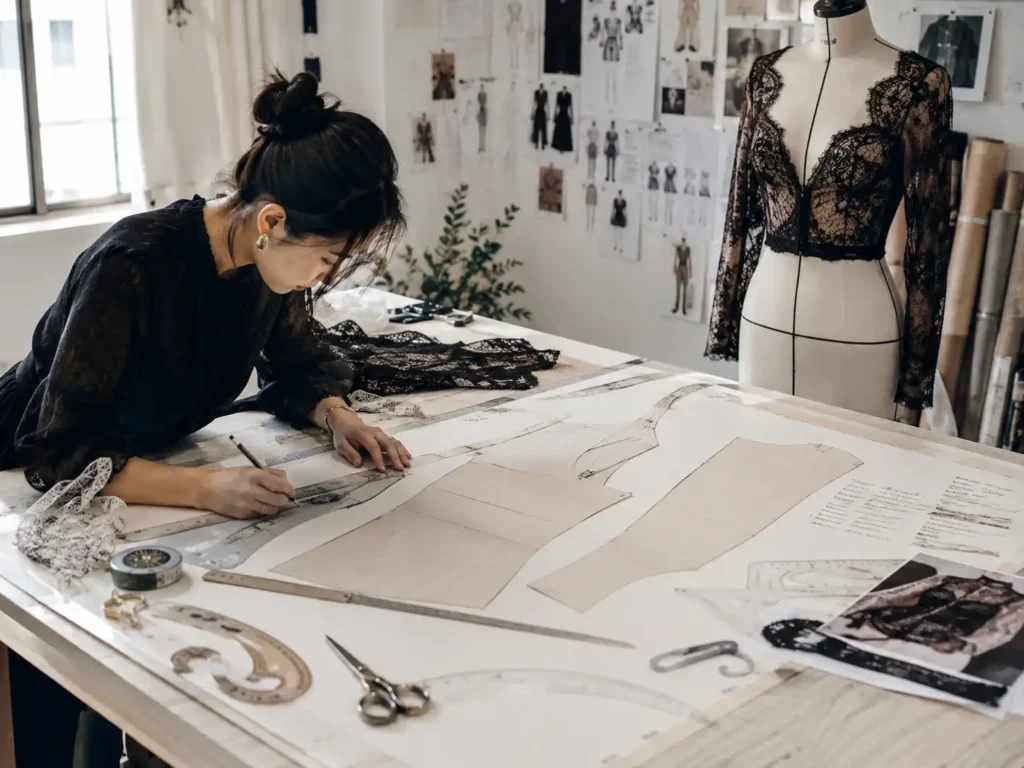
Seven-plus senior pattern makers handle women’s fit development, pattern correction, size-chart conversion, grading preparation, and bulk pattern confirmation. For matching sets, upper and lower pieces are reviewed as one visual system. Bust placement, underbust, crop length, waist height, hip ease, rise, slit height, and total outfit proportion are coordinated instead of being approved as isolated garments.

Fifteen QC Inspectors

Fifteen-plus quality inspectors support incoming material checks, cutting review, inline inspection, measurement control, final inspection, and packing verification. Mesh-specific attention includes holes, snags, seam waviness, recovery, uneven ruching, lining exposure, print shift, loose decoration, shade variation, and top-to-bottom size or SKU mismatch. Inspection standards are prepared around the approved style rather than reduced to a generic checklist.

Who We Develop Mesh Sets For

The strongest mesh programs come from brands with a clear sales channel, product direction, quantity plan, fit standard, and launch calendar. Development priorities change by market position, so each project begins by identifying the commercial role of the set before fabric, pattern, cost, and packaging decisions are made.

Global Fashion Brands

Global brands usually require disciplined approvals, repeatable sizing, documented revisions, brand protection, and multi-style production control. Jinfeng Apparel supports tech pack review, fabric and trim development, sample version management, PP approval, measurement standards, private labels, bulk QC, shipping documents, and repeat-order records. The goal is to place mesh sets into an established vendor system without creating hidden fit, color, packaging, or delivery risk.

Premium Ecommerce Brands

Premium ecommerce labels depend heavily on campaign imagery, product-page consistency, fit credibility, and lower return risk. Mesh garments must photograph well without becoming unstable in real wear. Development therefore considers transparency under studio light, lining coverage, waistband security, strap position, stretch recovery, garment length, and the relationship between the top and bottom when photographed together from front, side, and back views.

Partywear Labels

Partywear programs often combine mesh with ruching, bodycon shaping, cut-outs, rhinestones, corset features, slits, and high-stretch linings. Visual impact alone is not enough. Construction must keep the bust covered, the waist secure, the hip line smooth, the slit wearable, and the embellishment stable. Jinfeng Apparel develops the look while checking whether the approved details can be reproduced across the full size range.

Clubwear Brands

Clubwear sets rely on sharp proportions, strong body shaping, controlled sheerness, and confident movement. Common products include mesh crop tops with mini skirts, corset tops with ruched skirts, and long-sleeve mesh tops with fitted trousers. The development team reviews neckline depth, cut-out position, lining zones, elastic tension, closure security, and seam durability so the outfit remains visually bold without becoming unreliable during wear.

Resortwear Collections

Resortwear mesh sets may use soft mesh, printed mesh, loose overlays, maxi skirts, flared trousers, or lightweight cover-up structures. Priorities include drape, breathability, travel packing, print direction, length balance, and easy layering over bodysuits or swim-inspired pieces. Jinfeng Apparel treats resort mesh as fashion womenswear, coordinating transparency, movement, and retail presentation rather than positioning the program as technical swimwear production.

Sourcing Teams

Sourcing offices and vendor-management teams need clear facts: manufacturing scope, MOQ logic, sample process, fit responsibility, material approval, production planning, QC nodes, label control, packing accuracy, audit cooperation, and shipment documentation. Jinfeng Apparel can work with formal tech packs, line sheets, SKU files, barcode tables, warehouse guides, inspection requirements, and nominated forwarders for structured multi-style programs.

Where Mesh Matching Sets Commonly Fail

Mesh exposes problems that heavier fabrics often hide. Small errors in stretch direction, seam tension, lining length, color batch, or size pairing can become immediately visible on the body. A reliable program identifies those risks before the first sample and converts every approved decision into a bulk-production standard.

Wrong Transparency

A fabric can look acceptable when folded on a sourcing table yet become far more transparent after stretching over the bust, waist, hips, or seat. Lighting also changes the result. Development checks the mesh alone, over the selected lining, and on a fitted sample. Coverage zones are marked clearly so production does not shorten, shift, or substitute the lining without approval.

  • Review in natural and indoor light
  • Check stretched and relaxed states
  • Confirm front, side, and back coverage

Weak Stretch Recovery

High stretch does not automatically mean strong recovery. Mesh that remains extended after wear can create sagging necklines, loose waistbands, baggy knees, distorted ruching, or uneven hems. Fabric review compares stretch direction, extension, recovery, hand feel, and surface behavior. Pattern ease and elastic tension are then adjusted to the actual material rather than copied from a visually similar reference garment.
  • Match pattern ease to recovery
  • Check waistband rebound
  • Re-measure after fit testing

Mismatched Color Batches

A matching set loses value when the top and bottom appear slightly different under retail lighting or photography. Shade variation may come from separate dye lots, different mesh and lining combinations, or inconsistent print bases. Material booking should group paired components, record approved color references, and reserve the same available batch where feasible. Final packing also checks that paired pieces belong to the correct color and style program.
  • Confirm lab dip or physical standard
  • Match shell and lining color
  • Pair sets by approved batch

Poor Set Proportions

A crop top may fit correctly on its own while leaving an awkward gap above a low-waist skirt. A maxi skirt can overwhelm a short top, and a fitted top may conflict with a loose trouser rise. Jinfeng Apparel reviews the complete outfit on a fit model, checking crop length, waist height, exposed midriff, skirt or trouser length, and overall silhouette before approving the set.
  • Fit the outfit together
  • Approve front and side balance
  • Record top-to-bottom measurements

Wavy Mesh Seams

Fine or stretch mesh can ripple when needle choice, seam tension, feed control, edge handling, or lining relationship is unsuitable. Waviness is especially visible around necklines, armholes, hems, cut-outs, and zippers. Sample sewing trials identify the appropriate construction before bulk. Inline inspection then checks seam appearance in both relaxed and lightly stretched conditions rather than judging the garment only when laid flat.
  • Validate seam method in sampling
  • Control stretch during sewing
  • Inspect curved and exposed edges

Incorrect Size Pairing

A correct top packed with the wrong bottom creates a complete set failure even when both pieces pass individual inspection. Paired products require a defined SKU structure, label map, packing instruction, and final verification point. Size combinations can follow one-size pairing, coordinated alpha sizes, or a brand-approved mixed-size system, but the rule must be documented before packing begins.
  • Match size labels and SKU files
  • Verify both pieces before sealing
  • Separate cartons by packing rule

Custom Mesh Sets We Manufacture

Jinfeng Apparel develops mesh sets around the commercial look, fit requirement, fabric behavior, and planned retail presentation. Each product group below can be adapted through silhouette, transparency, lining, print, decoration, color, size, label, and packaging specifications while preserving a coordinated top-and-bottom result.

Mesh Crop Top Sets

Mesh crop top sets include long-sleeve tops with mini skirts, halter tops with maxi skirts, bandeau tops with ruched bottoms, and lined crop tops with flared trousers. Development focuses on bust placement, armhole shape, strap length, hem tension, crop length, and the space created above the waistband. The top and bottom are fit together so the exposed waist area remains intentional across the base size and grading plan.
  • Best for partywear, clubwear, and festival drops
  • Common fabrics: stretch mesh, printed mesh, soft mesh
  • Main risks: neckline stretch, hem rolling, waist-gap imbalance

Mesh Skirt Sets

Mesh skirt sets can pair a fitted top, corset top, bodysuit-inspired top, or draped halter with mini, midi, or maxi skirts. Skirt development covers waistband recovery, hip fit, lining length, slit safety, ruching balance, and hem movement. A transparent outer shell may require short lining, full lining, built-in briefs, or selective double layers depending on the intended market and campaign styling.
  • Options: mini, midi, maxi, asymmetric, slit, ruched
  • Main controls: waist stability, hip ease, coverage, hem balance
  • Retail benefit: strong complete-look value with separate-wear potential

Mesh Pants Sets

Mesh pants sets commonly combine crop tops, bodysuit-style tops, corset tops, or long-sleeve tops with fitted trousers, leggings, flares, or wide-leg pants. Lower-body development must account for rise, crotch depth, hip stretch, knee recovery, inseam, flare opening, and lining placement. Printed mesh also requires thoughtful motif scale and placement so the top and trousers feel coordinated without forced matching.
  • Best for clubwear, festival fashion, and statement collections
  • Main risks: seat transparency, knee bagging, twisted legs, uneven flare
  • Fit review: standing, walking, sitting, and light movement

Corset Mesh Sets

Corset mesh sets combine transparent surfaces with structured bust and waist shaping. The upper piece may use cups, lining, boning, underbust seams, panels, hook-and-eye closures, zippers, or adjustable straps. Support materials must not distort the mesh or become visually heavy. The matching skirt or trouser is then balanced against the corset length, waist position, and level of compression to create one controlled silhouette.
  • Suitable for premium partywear and occasion-led capsule ranges
  • Main controls: cup position, support, boning comfort, seam symmetry
  • Bulk focus: consistent structure without rough internal finishing
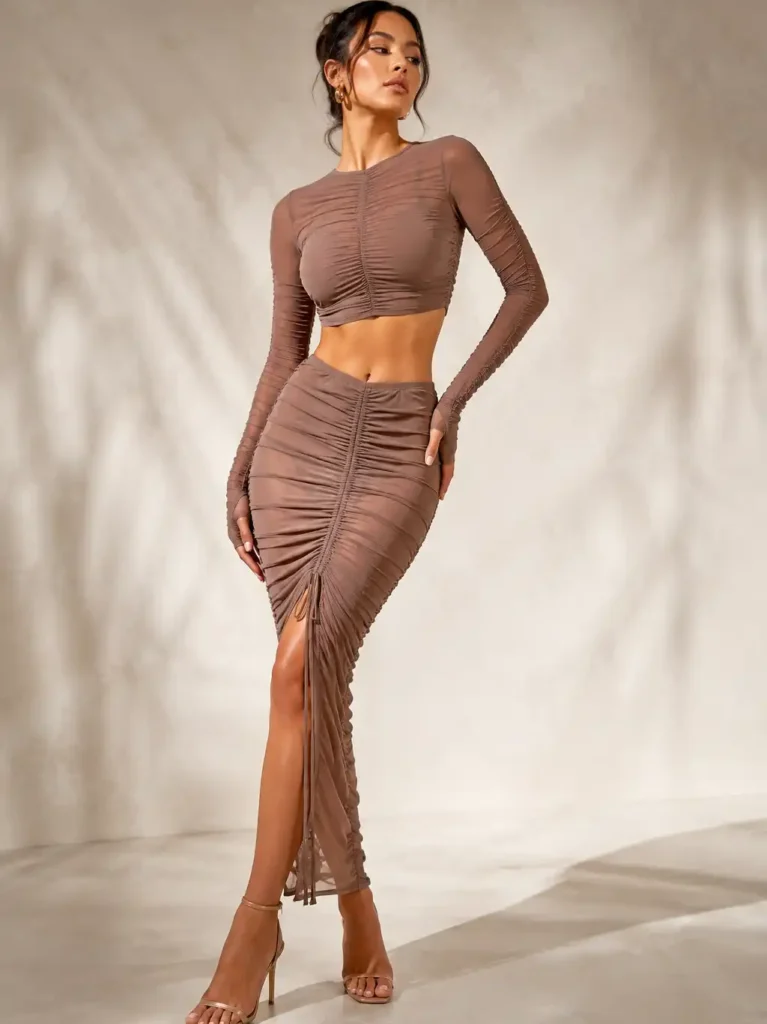
Ruched Mesh Sets

Ruching adds body contour, surface texture, and adjustable visual proportion, but uncontrolled gathering creates inconsistent lengths and uneven left-right appearance. Jinfeng Apparel sets the gathering ratio, anchor points, elastic specification, seam length, and finished measurement during sampling. Both pieces are compared together because excessive ruching in the top and bottom can shorten the outfit or create an unbalanced silhouette.
  • Common placements: side seams, center front, center back, hip panels
  • Main risks: uneven gathering, twisting, loose elastic, length variation
  • QC focus: symmetry, finished length, recovery, and seam security

Printed Mesh Sets

Printed mesh sets can use all-over graphics, florals, gradients, abstract patterns, animal motifs, or engineered placements. Development considers base-fabric color, mesh openness, print saturation, stretch distortion, repeat size, seam interruption, and lining influence. The top and bottom should belong to the same visual story even when motifs are not matched point for point. Bulk approval includes print color, scale, hand feel, and placement tolerance.
  • Suitable for resort, vacation, party, and digital-first collections
  • Main risks: pale print, distortion, batch shift, unwanted seam breaks
  • Planning need: print method, artwork file, color standard, repeat direction

Three-Piece Mesh Sets

Three-piece sets may combine a bralette, shrug, and skirt; a crop top, overlay, and trousers; or a lined base piece with removable mesh layers. The extra component increases styling flexibility but also adds more labels, measurements, SKU rules, and packing checks. Development must define how each piece fits alone and how all three sit together, especially around neckline, sleeve, waist, and overall length.
  • Strong for campaign styling and higher perceived outfit value
  • Main controls: component compatibility, size pairing, complete packing
  • Packing need: clear three-piece checklist before polybag sealing

Resort Mesh Sets

Resort mesh sets can include relaxed tops with wide-leg trousers, draped halters with maxi skirts, lightweight overlay sets, or soft printed mesh co-ords. Fabric choice leans toward drape, breathability, softness, and packability rather than strong compression. Hem length, static behavior, transparency, print direction, and recovery after folding are reviewed so the set can move from campaign photography to travel use without losing its intended look.
  • Best for vacation, cruise, beach-club, and summer capsule programs
  • Main risks: excessive transparency, weak drape, travel creasing, long hems
  • Construction focus: clean edges, soft lining zones, light internal finishes

Mesh Sets Designed for Your Market

The same mesh fabric can perform very differently across party, resort, festival, or occasion collections. Product development starts with the selling environment, campaign direction, wearing conditions, and expected retail price so the construction supports the market position rather than following a generic set formula.

Partywear

Partywear sets need polished body shaping, strong photography, secure coverage, and refined finishing. Stretch mesh may be combined with ruched linings, corset panels, satin details, rhinestones, or slits. Development balances visual impact with bust security, comfortable elastic tension, smooth zippers, stable waistlines, and lining that remains hidden while the wearer moves, sits, and turns.

Clubwear

Clubwear favors sharper cut-outs, fitted silhouettes, sheer zones, asymmetric lines, and striking proportions. Construction still needs discipline: exposed seams must remain clean, straps should stay positioned, waistbands must recover, and high-stress areas require reinforcement. Jinfeng Apparel reviews how the full outfit behaves in movement rather than approving the look only from a static front photograph.

Festival Fashion

Festival sets often involve printed mesh, flares, shrugs, cut-outs, layered pieces, rhinestones, or three-piece combinations. Comfort and durability matter because garments may be worn for long hours. Fit testing considers arm movement, sitting, walking, stretch recovery, decoration security, and skin contact. Packing may need extra protection for embellished surfaces without adding unnecessary bulk.

Resortwear

Resort mesh is usually softer, lighter, and more fluid. The set may sit over a lining, bodysuit, swim-inspired base, or separate inner garment. Development checks drape, airflow, static, hem movement, folding recovery, and print direction. The styling should feel effortless, but the factory standard still needs exact measurements, clean edges, stable straps, and coordinated color between all visible layers.

Vacation Collections

Vacation sets are built around easy outfit planning, strong social imagery, and lightweight packing. Printed mesh top-and-skirt sets or top-and-trouser sets can create a high-impact look without heavy construction. The product team reviews whether the garment recovers after packing, whether long hems are manageable, and whether the lining provides enough coverage for the target sales market.

Occasionwear

Occasion-oriented mesh sets require a more refined finish than casual co-ords. Lining, internal support, seam placement, closure quality, and embellishment must feel deliberate. The outfit may combine a corset top with a maxi skirt, an asymmetric top with a fitted midi, or a structured top with elegant trousers. Every visible edge and internal contact point is reviewed for appearance and comfort.

Select the Right Mesh for Each Set

Fabric selection controls the final silhouette, transparency, recovery, comfort, print result, and production risk. Jinfeng Apparel reviews mesh by composition, weight, stretch direction, recovery, hand feel, openness, color, surface stability, lining compatibility, MOQ, cost, and lead-time impact. A reference image may guide the look, but the approved fabric must support the actual pattern and bulk plan.

Mesh DirectionTypical BehaviorSuitable Set ApplicationsDevelopment FocusMain Bulk Risk
Stretch MeshFlexible, body-following, medium to high transparencyBodycon tops, fitted skirts, fitted pants, ruched setsStretch direction, recovery, pattern ease, seam tensionSagging, wavy seams, size drift
Power MeshFirmer support, stronger compression, lower drapeCorset panels, support zones, waist panels, structured topsCompression level, comfort, lining, panel shapeExcess pressure, visible panel edges
Soft MeshLightweight, fluid, delicate surfaceSleeves, overlays, maxi skirts, relaxed resort setsDrape, snag resistance, clean edge finishingHoles, snags, unstable hems
Printed MeshVisual surface changes with stretch and liningResort sets, party co-ords, flared trousers, maxi skirtsArtwork scale, color, distortion, repeat directionPrint shift, pale color, motif distortion
Double-Layer MeshReduced transparency, fuller hand feelFitted tops, skirts, dresses, coverage-led setsLayer alignment, stretch balance, seam bulkTwisting layers, heavy seams
Tulle DirectionCrisp or soft volume with limited recoveryLayered skirts, sleeves, decorative panels, occasion setsStiffness, edge comfort, volume, liningScratchy edges, crushed layers
Embellished MeshRhinestones, sequins, embroidery, flock, bonded detailPartywear, clubwear, festival setsDecoration weight, stretch loss, skin contactFalling decoration, tearing, abrasion
Mesh-Lining CompositeOuter mesh supported by stretch or woven liningRetail-ready fitted sets, occasion sets, opaque zonesLining stretch, color, length, attachment pointsLining exposure, incompatible recovery

Control Transparency Without Losing the Design

A mesh set should reveal exactly what the design intends and cover everything the brand expects to protect. Transparency planning is completed by body zone, fabric stretch, color, lighting, and end use. The goal is not to make every style opaque; the goal is to make sheerness deliberate, repeatable, wearable, and consistent with the campaign concept.

Fully Sheer Design

Fully sheer pieces may be appropriate for layering, clubwear, resort overlays, or editorial styling. The development file should still define the intended underlayer, seam appearance, label placement, and areas where internal construction must remain clean because every seam allowance can be visible. Edge finishing, thread color, elastic attachment, and closure choice receive greater attention when no lining is available to conceal the inside.

Partial Lining

Partial lining keeps selected zones covered while preserving transparent sleeves, shoulders, waist panels, side sections, or lower-skirt areas. Common coverage zones include bust cups, front bodice, short skirt lining, brief lining, and selected hip panels. The lining edge must sit at an intentional position and remain stable during movement. A poorly placed edge can be more distracting than full transparency because it creates a visible horizontal line across the body.

Double-Layer Mesh

Two layers of mesh can soften transparency while retaining the fabric character. Layering also changes stretch, weight, hand feel, heat, drape, and seam thickness. Both layers need compatible stretch direction and recovery. Cutting marks should prevent one layer from twisting away from the other, especially around fitted waists, curved necklines, ruched side seams, and long skirts where small misalignment can create spiraling or uneven hems.

Built-In Coverage

Built-in coverage may use stretch lining, bonded cups, short lining, brief construction, bodysuit-style bases, or lined corset panels. The inner layer must support the outer design without creating visible bulk, tight edges, or color contrast under the mesh. Coverage is confirmed while standing, sitting, walking, and under stronger lighting. For ecommerce photography, studio-flash exposure can also be considered before the final sample is approved.

Color and Skin Contrast

Black mesh over black lining appears far less transparent than pale mesh over a contrasting skin tone. Nude lining also varies by market and brand direction. Jinfeng Apparel can review outer and inner color combinations through swatches and samples, but the brand should define the intended visual effect. A lining described only as “nude” is not precise enough for bulk approval without a physical or Pantone-related reference.

Lining Length and Slits

Skirt and trouser lining length must work with the outer garment, slit position, movement, and styling intention. A lining that ends too high may feel unfinished or expose too much when seated; a lining that extends too low can block the sheer effect or show below a slit. The approved PP sample records shell length, lining length, slit height, attachment method, and any position-specific measurement needed for production inspection.

Develop the Top and Bottom as One Look

A matching set succeeds when each piece is strong enough to sell alone and proportioned well enough to create a complete outfit. Jinfeng Apparel reviews the upper and lower patterns together, using the brand’s size chart, base size, fit preference, fabric stretch, and target market rather than applying one generic co-ord block.

Upper-Body Fit Control

The upper piece may be a crop top, halter, corset, bandeau, shrug, long-sleeve top, bodysuit-inspired top, or draped overlay. Core checks include bust circumference, upper bust, underbust, cup position, neckline depth, shoulder or strap length, armhole shape, back coverage, hem tension, and lining placement. Stretch mesh can create false confidence during a flat measurement check, so fit is reviewed on the body and compared with the intended visual proportion.

  • Confirm neckline security and bust coverage
  • Check strap length and adjustment range
  • Review crop length against the planned waistline
  • Record stretched and relaxed appearance where needed

Lower-Body Fit Control

The lower piece may be a mini, midi, maxi, fitted skirt, ruched skirt, legging, flare, wide-leg trouser, or short.

Development covers waist placement, waistband tension, hip ease, rise, crotch depth, thigh fit, knee recovery, inseam, side seam balance, hem opening, slit height, and lining coverage.

The selected mesh and lining must move together without one layer dragging, twisting, or restricting the other.

  • Fit at waist, hip, seat, and movement points
  • Check recovery after sitting and walking
  • Confirm lining length and slit relationship
  • Review hem balance on both legs or skirt sides

Midriff and Waist Proportion

The visible space between a crop top and the lower garment is part of the design.

A 2-3 cm change in crop length or waist position can transform the look from polished to awkward, especially in a fitted set.

The base-size outfit is therefore approved as a complete look.

Grade rules then consider whether the exposed midriff should remain visually consistent as bust, waist, torso, and garment lengths increase across sizes.

Size-System Development

Jinfeng Apparel can develop US, UK, EU, AU, and alpha-size programs, including XS-XL and extended ranges based on the brand’s own chart. Base size, grade rules, measurement tolerance, target market, fit-model comments, fabric stretch, and brand preference must be confirmed. Plus-size or extended-size development is not handled as simple proportional enlargement; bust support, armhole coverage, waist-hip balance, strap width, back coverage, length, and lining comfort require specific review.
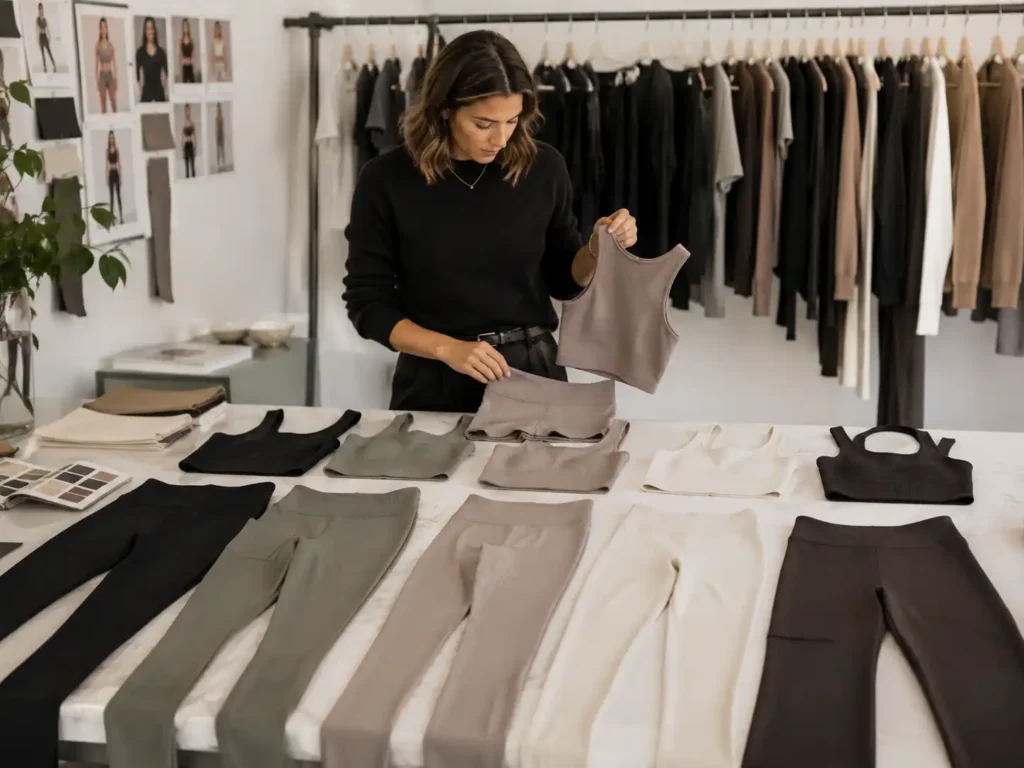
Mixed-Size Set Planning

Some brands sell the top and bottom only as one coordinated size; others allow separate sizing. Both systems are possible, but the retail and packing logic must be decided early.

Separate sizing increases SKU count, labels, stock complexity, barcode rules, and packing control. One-size pairing is simpler but may not suit brands whose audience frequently needs different top and bottom sizes. The chosen system influences production breakdown and warehouse data.

Fit Approval Records

Fit comments should move from email or annotated photos into a controlled revision record.

Changes to bust, waist, hip, strap, armhole, neckline, back height, crop length, skirt length, rise, slit, and lining are reflected in the pattern, measurement file, and revised sample.

Bulk production starts only after the approved version, final pattern, grade rules, and reference sample are aligned.

Design Details We Can Develop

Mesh becomes commercially distinctive through construction, proportion, and surface detail. Every decorative choice also changes sewing time, fit, stretch, comfort, inspection, and packing requirements. Jinfeng Apparel evaluates whether a detail can be repeated consistently across the planned fabric, size range, quantity, and launch schedule before it is locked into bulk.

Ruched Construction

Ruching can shape the bust, waist, hips, skirt length, or side seams. The sample establishes gathering ratio, elastic or drawcord method, anchor points, finished length, and symmetry. A bulk standard should define where the ruching starts and ends, how much fullness is distributed, and whether the detail is fixed or adjustable. Uneven gathers can change both appearance and garment measurement, so visual and dimensional checks are used together.
  • Options: fixed ruching, drawcord ruching, elastic ruching
  • Main risks: left-right imbalance, loose elastic, twisting, length variation
  • Best suited to: party tops, fitted skirts, mini sets, bodycon co-ords

Cut-Out Panels

Cut-outs create strong visual identity but concentrate stress around curved edges, joins, straps, and narrow bridges. Mesh cut-outs may need binding, lining support, elastic stabilization, reinforced joins, or a revised pattern shape. Position is checked on the body because a small shift can affect coverage and comfort. Bulk inspection focuses on symmetry, seam smoothness, reinforcement, and consistent spacing from key body points.
  • Confirm cut-out size and position on a fit model
  • Review stretch around narrow connecting sections
  • Protect high-stress joins from tearing
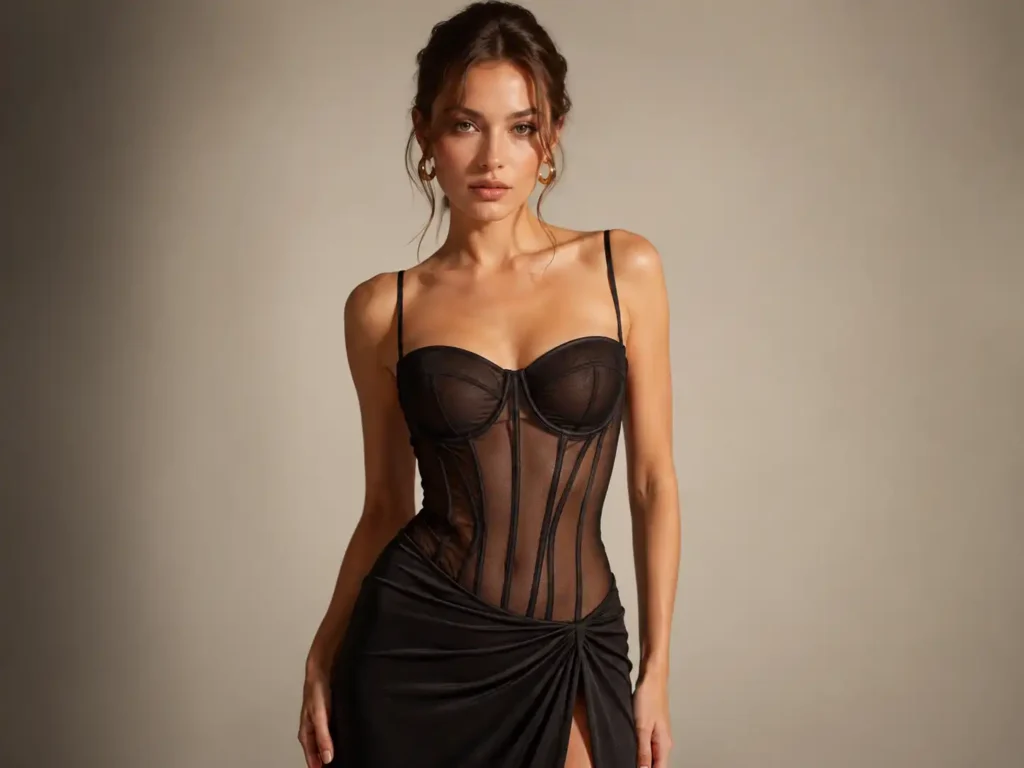
Corset Structure

Corset-inspired mesh tops may use cups, boning, panels, underbust seams, hooks, zippers, lacing, and power-mesh support. Internal structure should create shape without making the garment heavy, rough, or visually bulky. Cup position, underbust, boning length, closure security, neckline, and hem relation to the matching bottom are validated during fit review. Any change in mesh or lining can alter the support result.
  • Structure options: soft corset, semi-structured, full internal support
  • Main risks: cup displacement, boning discomfort, visible internal edges
  • QC focus: symmetry, support, closure, clean internal finishing

Adjustable Straps

Adjustable straps improve fit flexibility but introduce hardware, elastic, bartack, and length-control requirements. Strap width and hardware size must suit the weight of the garment and the visual scale of the design. Mesh attachment points may require reinforcement or lined tabs. During sampling, the adjustment range is checked at minimum, middle, and maximum positions to prevent slipping, twisting, or hardware contact against the skin.
  • Options: elastic straps, fabric straps, clear straps, halter ties
  • Main controls: length range, slider hold, attachment security
  • Color matching: strap, ring, slider, thread, and mesh

Side Slits

A side slit changes movement, coverage, lining relationship, and visual proportion. Slit height is reviewed while standing, walking, and sitting. The top of the slit may require reinforcement, and the lining can either follow the slit, stop above it, or remain closed depending on the design. A bulk measurement point should define the approved slit position so small sewing differences do not create a noticeable coverage change.
  • Confirm shell and lining treatment separately
  • Reinforce the slit opening
  • Check symmetry and walking comfort

Flared Legs

Mesh flared trousers need stable rise, hip fit, knee position, inseam, and flare opening. Stretch mesh can twist when cutting direction or seam handling is inconsistent. Long hems may also grow during hanging or become uneven after lining attachment. The pattern and PP sample define the flare shape, length, and recovery expectation. Final inspection reviews pair symmetry, leg twist, hem balance, and fit after light movement.
  • Main variables: rise, crotch depth, knee point, flare width
  • Suitable linings: short lining, full stretch lining, selective coverage
  • Main risks: twisted legs, seat transparency, knee bagging

Layered Skirts

Layered mesh skirts can create volume, movement, or graduated transparency through multiple lengths and densities. The layers must be cut, joined, and hemmed without excessive bulk at the waist. Different mesh weights may hang at different rates, so sample review includes resting or hanging time where needed. Layer lengths, overlap, lining, slit position, and seam placement are recorded to keep the bulk silhouette consistent.
  • Options: two-layer, tiered, asymmetric, gathered, draped
  • Main risks: uneven layers, bulky waist, crushed volume, static
  • Packing focus: protect shape without oversized packaging

Asymmetric Shapes

One-shoulder tops, diagonal necklines, asymmetric hems, and uneven drapes create strong campaign appeal but require balanced support. The garment should not rotate, pull, or collapse toward the heavier side. Pattern development reviews anchor points, shoulder tension, side-seam balance, lining support, and the relationship between the asymmetric top and the lower garment. Bulk checks compare left and right positions to approved reference measurements.
  • Suitable for premium partywear and occasion-led sets
  • Main controls: support, balance, drape, hem position
  • Fit review: front, side, back, and movement views

Print, Color and Embellishment Options
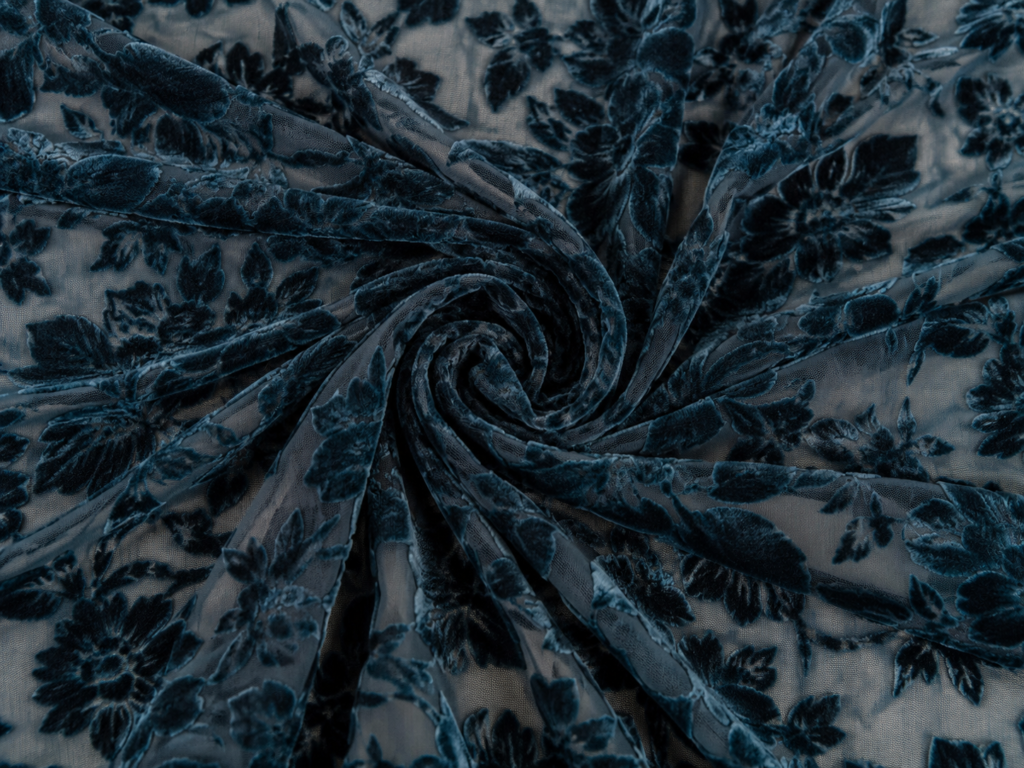
Color and surface treatment can turn one core silhouette into a full collection, but every option affects material availability, MOQ, sample timing, sewing, inspection, and packing. Approval should cover not only appearance but also stretch performance, weight, abrasion, skin comfort, and repeatability in bulk.

Custom Printed Mesh

Custom print can use florals, abstract motifs, gradients, placement graphics, animal patterns, or branded artwork. The review covers artwork resolution, repeat size, color standard, base fabric, print method, stretch distortion, lining influence, and motif interruption at seams. A printed sample or strike-off may be needed before garment approval. Bulk inspection checks print shade, scale, placement direction, and visible defects across both pieces.

Solid Color Mesh

Solid color programs may use available colors, lab dips, custom dyeing, or coordinated outer-and-lining shades. Transparent mesh changes perceived color depending on layering and light. Approval therefore compares mesh, lining, elastic, zipper, thread, and decoration together. When the same set is offered in several colors, each color requires its own material, shade, trim, label, SKU, and packing control rather than being treated as one combined production unit.

Rhinestone Mesh

Rhinestones add light and campaign impact but increase weight, abrasion risk, and inspection time. Stone size, density, layout, bonding method, stretch loss, skin contact, and folding method are reviewed in sampling. High-stress zones should not carry decorative weight that encourages tearing. Final inspection checks missing stones, loose areas, adhesive marks, fabric damage, and protection between embellished surfaces during packing.

Sequin Details

Sequins may appear as localized panels, trims, motifs, or full embellished mesh. The construction must prevent sharp edges from scratching the skin or damaging adjacent pieces. Seam allowances may need cleaning or protective lining. Decoration direction and density are checked because sequins can shift the drape of a light mesh. Packing should stop one embellished section from rubbing directly against another during transport.

Flocked Mesh

Flocked mesh creates a richer surface and can reduce visual transparency, but the raised finish may show crushing, rubbing, or inconsistent coverage. Development checks hand feel, surface durability, stretch, print or flock direction, and the effect of pressing. Sewing and packing should avoid unnecessary pressure on the finished surface. Shade and pattern appearance are reviewed on both the top and bottom under the same lighting.

Embroidered Mesh

Embroidery can build premium motifs, borders, or placement details, yet thread density changes stretch and drape. The artwork must suit the mesh openness and garment shape. Stabilization may be needed during embroidery, followed by careful removal and edge cleaning. The sample confirms motif position, tension, backing, skin contact, and seam interaction. Bulk QC checks thread breaks, puckering, placement, color, and damage around dense areas.

Start with the Right Development Information

Accurate development begins with enough information to judge structure, material, fit, quantity, and timing. A reference image can start the discussion, but pricing and production planning become reliable only after the core product conditions are defined. Jinfeng Apparel uses the following inputs to prepare a focused project review.

Tech Pack

A complete tech pack can include sketches, construction notes, measurements, grade rules, fabric, lining, trims, labels, artwork, and packing instructions. The team reviews whether the stated requirements are compatible with the selected mesh and sales market. Missing or conflicting details are marked before pattern development so the sample does not proceed on assumptions that later create cost, fit, or production changes.

Reference Image

Reference images are useful for silhouette, styling, transparency, ruching, print, and proportion direction. They rarely reveal composition, weight, stretch, internal lining, seam type, exact measurements, or closure construction. Jinfeng Apparel identifies the visible design features and lists the decisions still required. A project review may recommend swatches, revised construction, or a sample-first approach before any final bulk quotation is issued.

Original Sample

An original sample provides direct information about fit, fabric feel, construction, dimensions, finishing, and wearing effect. The brand should clarify whether the goal is close reproduction, selective improvement, cost adjustment, fabric substitution, or a new variation. Jinfeng Apparel measures and reviews the garment, but proprietary design protection remains important; original samples and related information can be handled under NDA-based cooperation.

Size Chart

The size chart should identify the base size, measurement points, grade rules, target market, tolerance expectations, and size range. Jinfeng Apparel can develop US, UK, EU, AU, alpha, extended, petite, and tall programs based on provided standards. For stretch mesh, finished measurements must be interpreted together with fabric recovery and intended compression rather than copied without fit analysis.

Quantity Plan

Quantity should be supplied per style and color, with a proposed size breakdown. Jinfeng Apparel’s basic MOQ starts from 200 pieces per style and color. Custom-dyed mesh, custom print, certified fabric, special embellishment, or custom packaging may carry separate supplier minimums. Multi-style collections should also include priority styles and planned shipment phases so material and production planning can be grouped logically.

Launch and Packing Plan

The launch date, target delivery window, destination market, shipping preference, label list, barcode rules, SKU structure, polybag method, carton marks, and warehouse guide all influence the production calendar. A set may be packed together or as separately scannable components. Those decisions affect label counts, barcode files, packing labor, carton breakdown, and final verification, so they should be confirmed before bulk packing materials are ordered.

From First Sample to Production Approval

Sampling is a controlled decision process, not a single garment-making step. Mesh matching sets move through structure review, material confirmation, pattern development, fit evaluation, recorded revision, and PP approval. Standard set projects may be scheduled for first-sample review in roughly 10-15 working days after key materials and details are confirmed; custom print, dyeing, rhinestones, embroidery, or special trims add material development time.

Project Review

The first review checks product combination, design structure, mesh direction, lining, closures, decoration, size range, quantity, target price, private labels, and delivery goal. The team identifies missing information and high-risk areas before sample cost and calendar are confirmed. A realistic review may recommend simplifying one construction detail, changing the mesh type, adding lining, or separating a high-risk style from the initial development group.

Fabric Direction

Swatches or fabric references are compared for weight, hand feel, stretch, recovery, drape, transparency, shine, color, print result, MOQ, cost, and lead time. The lining is reviewed at the same stage because outer and inner layers must work together. If the fabric changes later, pattern ease, lining, seam method, sample status, price, and production timing may also need revision.

Pattern Development

Pattern makers translate the approved design and size information into coordinated top and bottom patterns. Key points include bust, underbust, neckline, straps, crop length, waistline, hip, rise, crotch depth, skirt or trouser length, slit, and lining coverage. The patterns consider actual mesh behavior; a high-stretch fabric is not treated the same as a soft, low-recovery mesh even when the visual reference looks similar.

First Sample

The first sample validates design structure, material direction, initial fit, transparency, construction feasibility, and cost logic. It is not expected to hide unresolved decisions. The set is reviewed as a complete outfit, including front, side, back, standing, sitting, and light movement where relevant. Photos, measurements, fit notes, and detail comments create a clear basis for revision instead of relying on broad feedback such as “make it better.”

Fit Revision

Revisions may adjust pattern proportion, neckline, strap, bust support, crop length, waist tension, hip ease, rise, slit, lining length, ruching, decoration, or construction method. Comments are transferred into revised patterns and measurement files before a new sample is made. When a requested change affects fabric consumption, sewing time, trim requirement, MOQ, or delivery, the commercial impact is explained before the revision is locked.

PP Sample Approval

The PP sample confirms the production standard: approved mesh, lining, color, print, trims, pattern, measurements, grade rule, seam method, labels, hangtags, barcodes, polybag, carton mark, and packing arrangement. After approval, uncontrolled changes can affect material purchase, cost, schedule, and consistency. The approved PP or golden sample becomes a key visual and construction reference for production handover and QC.

Keep Every Set Consistent in Bulk

Sample approval only creates value when the same material, proportion, construction, and packing logic can be carried into production. Jinfeng Apparel transfers approved patterns, size charts, fabric references, trim standards, sewing instructions, label positions, packing files, and QC points into a production handover so the sample room and bulk team work from the same standard.
Fabric Batch Control

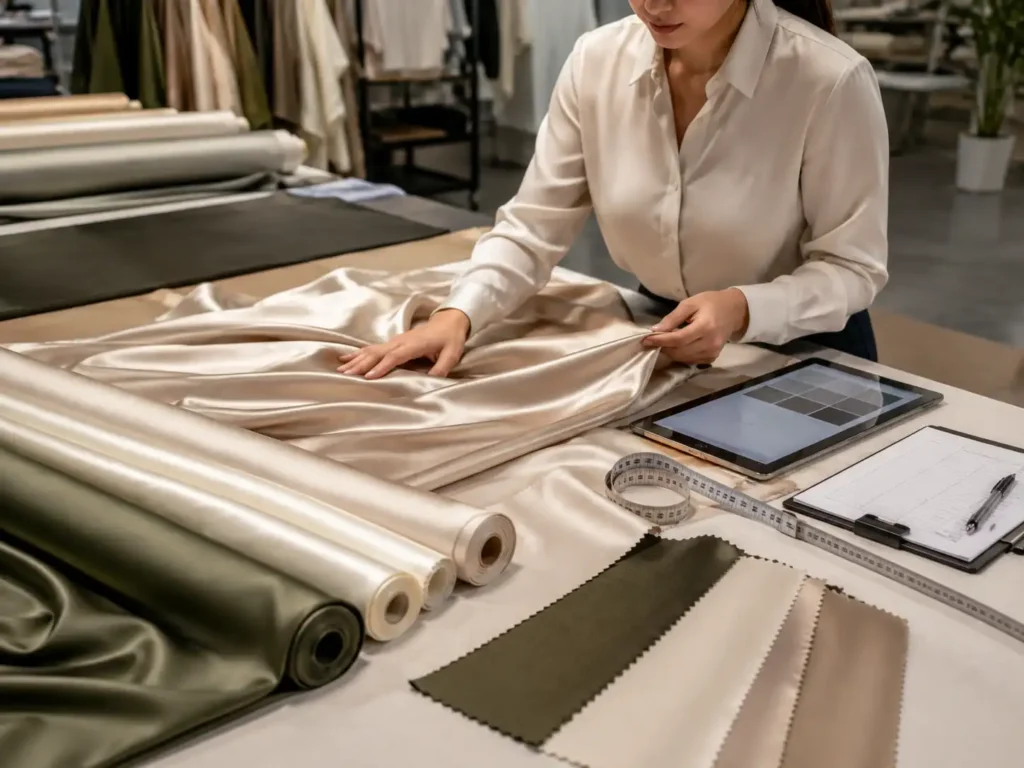
Outer mesh, lining, elastic, thread, zippers, and decoration are checked against approved references before cutting. Matching sets should use coordinated material batches wherever feasible, especially when the top and bottom are sold in one package. Shade differences are easier to notice in transparent fabric because the lining and skin tone alter the final appearance. Material records therefore link each approved component to the correct style and color program.
Cutting Direction Control

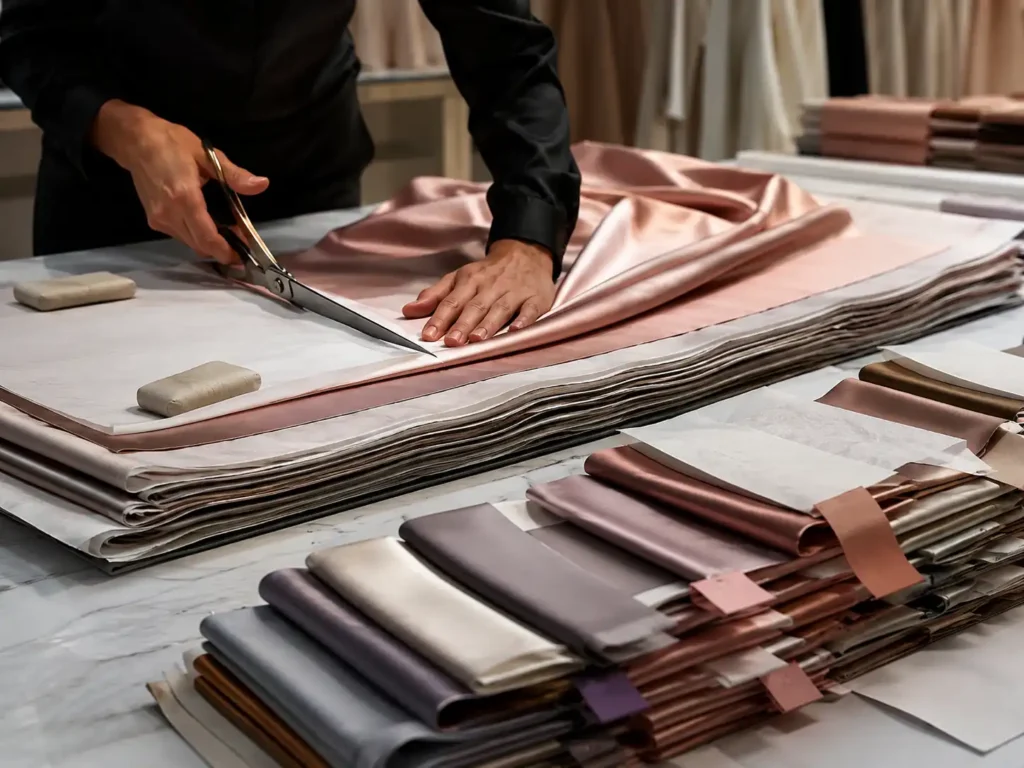
Stretch direction and print direction are marked before cutting. A panel cut on the wrong direction can change fit, recovery, drape, and print appearance even when the measurements appear correct. Top and bottom components are separated by style, color, size, and fabric group. Delicate mesh also requires careful handling so cut panels do not stretch, snag, or become mixed before sewing.
Sewing Tension Control

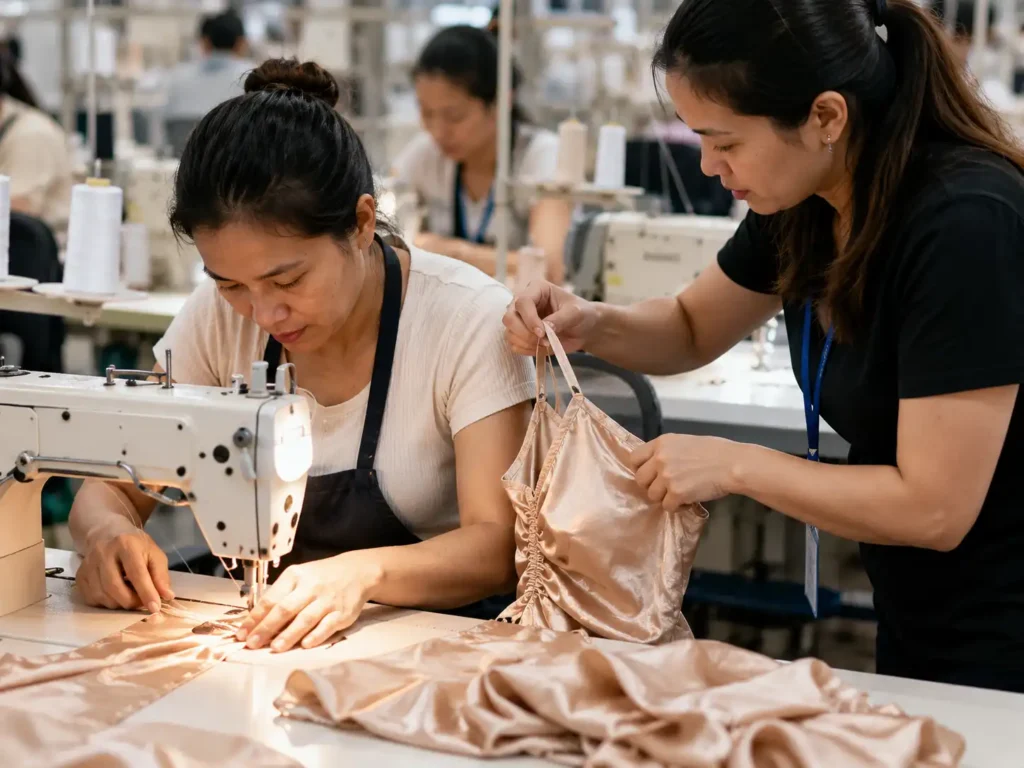
Mesh can ripple, stretch, or tunnel when seam tension and handling are inconsistent. The approved seam method is validated during sampling and communicated through the production standard. Inline inspection pays particular attention to necklines, armholes, hems, cut-outs, zippers, ruched seams, waistbands, and long trouser or skirt seams. Garments are checked in a relaxed state and on form where needed because flat appearance alone can hide fit distortion.
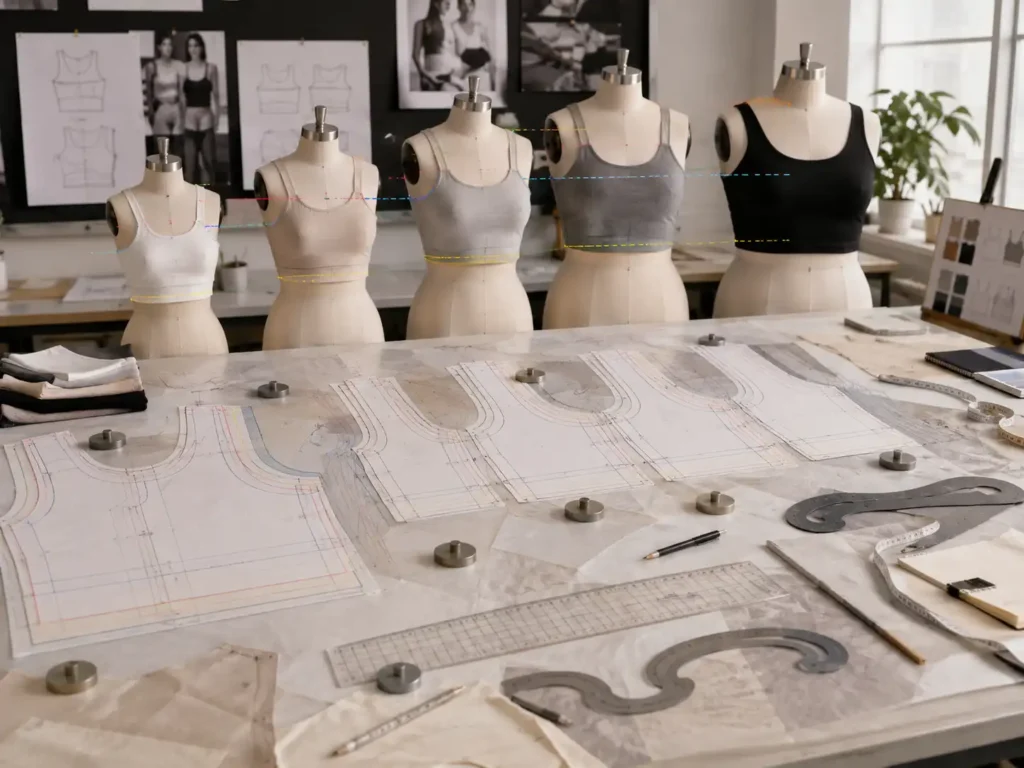
Paired Proportion Control

The top and bottom are measured individually, but final evaluation also checks the outfit as a pair. Crop length, waistband position, visible midriff, skirt or trouser length, print balance, and overall silhouette should remain aligned with the PP sample. Grading results are reviewed at key sizes so the proportional relationship does not drift as bust, torso, waist, hip, and garment length change.

Size and SKU Pairing

Packing instructions define whether the set uses one coordinated size, separate top and bottom sizes, or another approved combination. Labels, barcode files, SKU tables, polybag stickers, and carton breakdowns must reflect the same rule. Before sealing, both pieces are checked for style, color, size, label, and physical completeness. A set with one wrong component is treated as a full packing defect, not a minor label issue.

Production Calendar Control

Multi-style mesh collections are planned by material readiness, sample approval, style difficulty, production allocation, QC capacity, and shipment priority. A planning reference for standard bulk programs is often around 35-55 days after PP approval and complete material readiness, while custom print, special embellishment, complex style groups, or phased deliveries require a project-specific calendar. Confirmed dates are built around actual approvals rather than inquiry date alone.

Quality Checks for Mesh Matching Sets

Mesh quality control combines garment inspection with paired-set verification. The inspection plan is prepared around the approved style, fabric, fit, decoration, size system, and packing method. Individual pieces may pass separate checks and still fail as a complete set if color, size, proportion, labels, or components do not match.

Inspection StageTop CheckBottom CheckComplete-Set Check
Incoming FabricHoles, snags, shade, stretch, recovery, transparencyHoles, snags, shade, stretch, recovery, lining compatibilitySame approved shell and lining direction for paired pieces
Cutting ReviewPanel shape, stretch direction, neckline, sleeve or strap piecesWaist, hip, rise, leg or skirt panels, slit and length directionCorrect style, color, size bundle and print orientation
Inline SewingNeckline, armhole, straps, cups, corset panels, ruching, seam wavinessWaistband, hip seams, rise, crotch, slit, hem, leg twist, ruchingConstruction method and appearance match the approved sample
MeasurementBust, underbust, crop length, strap, armhole, neckline, hemWaist, hip, rise, inseam, skirt length, slit, lining lengthTop-to-bottom proportion follows approved size and grade rules
Final GarmentTransparency, lining exposure, closure, decoration, loose threadsCoverage, recovery, movement, hem balance, decoration, finishingColor match, complete components, correct labels and clean appearance
Packing CheckMain label, size label, care label, barcode, foldingMain label, size label, care label, barcode, foldingCorrect pair, SKU, polybag, sticker, hangtag, carton and quantity

Private-Label Sets Ready for Retail

Jinfeng Apparel supports coordinated brand presentation from internal labels to warehouse cartons. Matching sets need a clear packaging strategy because two or three garments may share one retail identity while carrying separate manufacturing labels, sizes, or barcodes. Artwork and SKU files are checked before printing so packaging decisions do not create preventable receiving or fulfillment errors.

Woven Labels

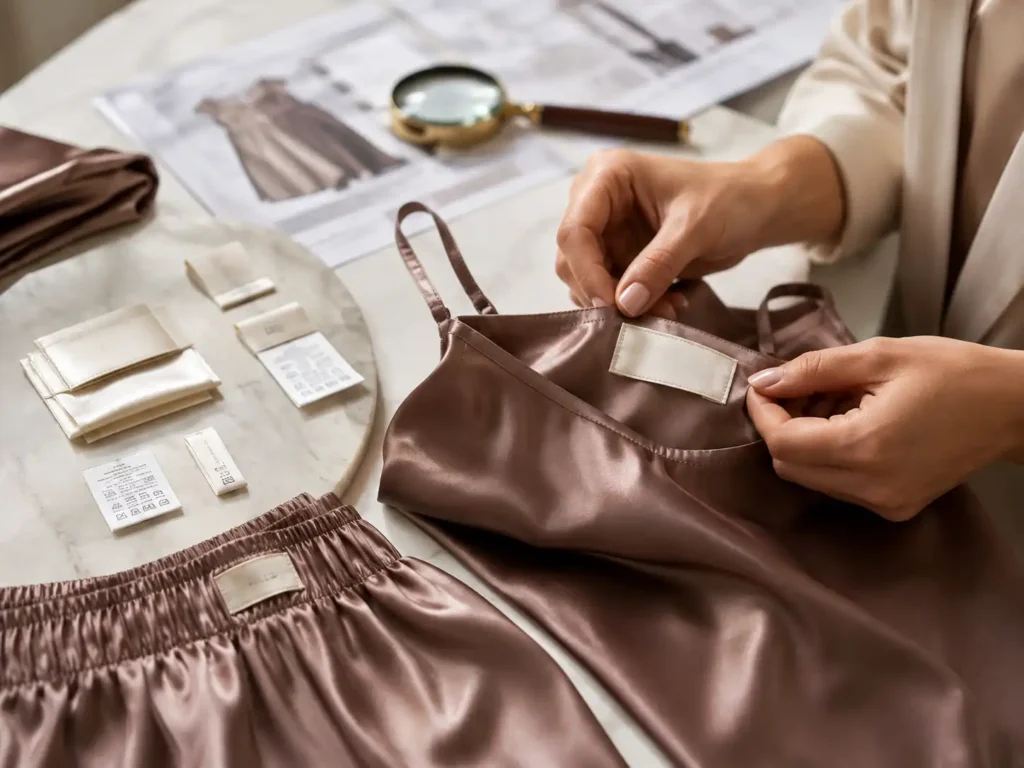
Main labels can be applied to the top, the bottom, or both pieces according to the brand’s standard. Position must avoid transparent areas where stitching or label backing looks untidy through the mesh. Softness, fold, size, color, and attachment method are reviewed, especially for close-fitting necklines and waistbands where a rough label can affect comfort.

Size Labels

Size labels must follow the approved US, UK, EU, AU, alpha, or extended-size system. Paired sets require a clear rule for coordinated or separate sizing. When both pieces use the same size, the packing team verifies the match before sealing. When separate sizing is allowed, each component needs traceable labeling and the outer package must represent the exact combination.

Care Labels

Care labels can include composition, washing instructions, country-of-origin information, importer details, and market-specific requirements based on approved content. Mesh, lining, elastic, print, rhinestones, sequins, flock, or embroidery may require careful instructions. The final label must reflect the real material and decoration program rather than a copied template from a different garment category.

Hangtags

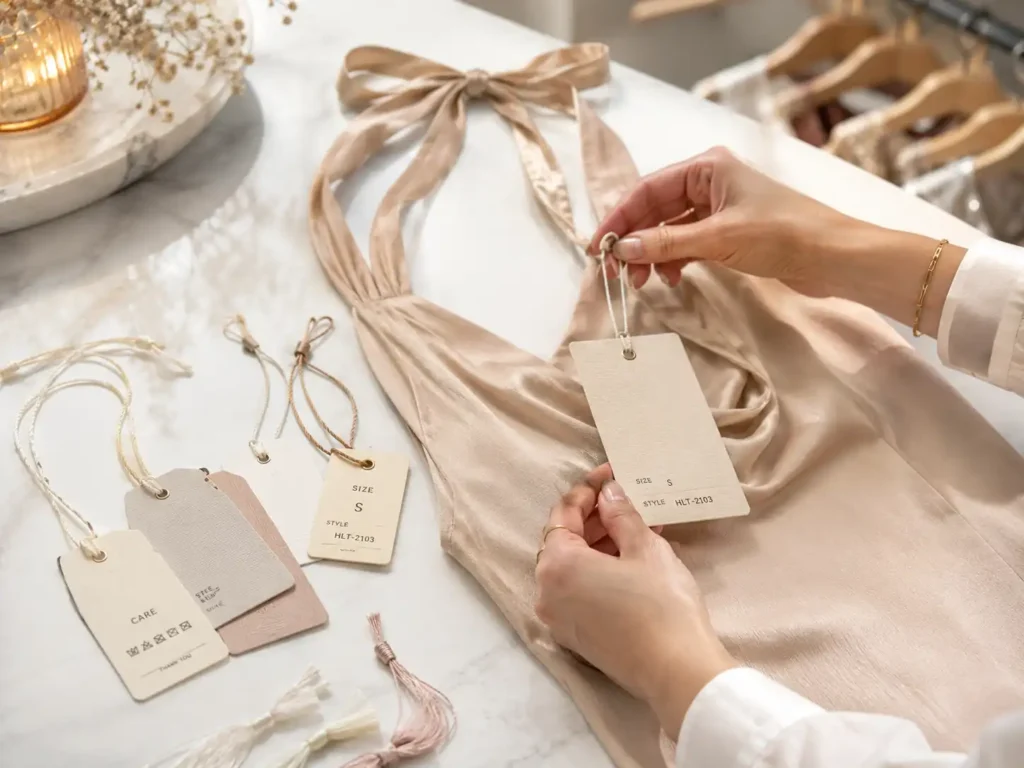
Hangtags, hang strings, safety pins, and brand cards are matched to the brand’s retail presentation. Placement should avoid pulling or damaging delicate mesh. For three-piece sets, the hangtag strategy must show the complete product without creating loose components. Artwork, paper quality, finish, hole position, string color, and attachment method are confirmed before bulk production.

Barcode and SKU

Barcode files and SKU tables connect the physical set to the brand’s inventory system. The style number, color, size, component count, and packing method must align across labels, stickers, packing lists, and cartons. Scannability can be checked before final approval. A top-and-bottom mismatch is easier to prevent when the data structure is clear before packing begins.

Branded Packaging

Packaging options can include branded polybags, warning text, size stickers, barcode stickers, tissue, protective sheets, thank-you cards, carton marks, warehouse labels, and carton breakdowns. Embellished mesh may need protection against rubbing, while long skirts or trousers need folding instructions that reduce crushing. The method should protect the garment without creating excessive volume or unnecessary packing cost.

MOQ and Quotation for Mesh Set Projects

Jinfeng Apparel builds quotations from the actual product structure, fabric, lining, trims, pattern work, sampling, cutting, sewing time, finishing, QC, packing, wastage, testing, logistics, and order quantity. A mesh set is quoted as a coordinated product program, not as two unrelated garments with an assumed combined price.

MOQ Planning

The basic MOQ starts from 200 pieces per style and color. One black style at 200 sets can be evaluated under the standard rule. One style split into black and white normally requires 200 sets per color, producing 400 sets in total. Several different styles cannot be combined to create one 200-piece minimum. Custom-dyed mesh, custom print, special lace, rhinestones, embroidery, certified materials, custom hardware, or branded packaging may carry separate supplier minimums. For multi-style collections, Jinfeng Apparel can review 10-30 styles as one managed program while keeping material and production units clear. Styles may be grouped by shared mesh, lining, color, print base, or construction family to improve development and production efficiency. The line sheet should show quantity per style and color, size ratio, priority, target price, label requirements, and planned delivery phase.

Cost Review

The largest cost variables usually include outer mesh, lining, print or dyeing, decoration, pattern complexity, sewing time, number of components, size range, labels, packing, QC intensity, and quantity. Cost optimization may use a better-aligned stock fabric, consolidated colors, revised decoration density, simplified internal construction, improved cutting layout, shared trims, or split-shipment planning without weakening the brand-level appearance. An initial price range can be reviewed from reference images and quantity information, but final pricing requires confirmed fabric, lining, trims, construction, measurements, decoration, labels, packing, and delivery conditions. A low preliminary figure that ignores those details creates risk later. Jinfeng Apparel therefore separates project evaluation, sample costing, and final bulk quotation so commercial decisions follow the approved product standard.

Capacity for Multi-Style Mesh Collections

Large fashion programs need more than a headline production number. They need style prioritization, sample scheduling, material grouping, production allocation, inspection planning, packing data, and delivery sequencing. Jinfeng Apparel manages mesh collections through a team structure built around development, pattern, sampling, merchandising, production, QC, finishing, packing, logistics, and repeat-order support.

Factory Allocation

Six owned factories and more than 10 long-term satellite production partners support different women’s fashion requirements. Allocation follows fabric, silhouette, construction complexity, quantity, and delivery plan. Complex first-time styles, corset structures, delicate embellishment, or high-risk mesh combinations are assigned with greater caution, while suitable repeat or standard styles can be planned through the wider production network under unified project and QC requirements.

Sample Capacity

Two sample rooms, seven-plus senior pattern makers, and 20-plus sample machinists support multiple sample types and revision rounds. For a 10-30-style collection, styles can be prioritized into hero products, campaign samples, core commercial styles, and later approval groups. Prioritization keeps urgent photography or sales samples moving without forcing every complex style through the sample room at the same time.

Merchandising Control

Twelve-plus merchandisers can track project launch, requirements, timeline, fabric progress, trim progress, sample versions, revisions, PP approvals, production updates, QC feedback, packing confirmation, and shipment preparation. Communication may use email, WhatsApp, video meetings, PDF tech packs, Excel files, annotated photos, sample videos, and progress sheets according to the project structure.

Production Grouping

Multi-style collections are grouped by mesh family, lining family, print program, color story, construction, and delivery phase. Grouping helps reduce material confusion and supports more controlled handover. A printed-mesh trouser set, corset-mesh skirt set, and rhinestone three-piece set may belong to the same seasonal collection yet require different production and QC paths.

QC Coverage

Fifteen-plus quality inspectors support material, cutting, inline, measurement, final, and packing checks. QC intensity follows product risk. A simple soft-mesh resort overlay does not need the same checkpoints as a fitted rhinestone corset set, but both still require approved references and packing accuracy. The inspection plan identifies the defects most likely to affect the specific style and retail presentation.

Finishing and Packing

Thirty-plus finishing and packing personnel support thread cleaning, appearance review, labeling, folding, polybagging, barcode and sticker application, carton packing, and shipment preparation. Matching-set packing receives extra component verification. Multi-phase deliveries also require carton and packing-list separation so priority colors, sizes, or hero styles can move without disrupting the remaining program.

Mesh Set Programs Solved in Production

The following anonymous programs reflect the order structure commonly handled for established fashion labels: 10-30 styles per development group and total order quantities between 20,000 and 80,000 pieces. Brand names, original tech packs, unpublished designs, prices, and proprietary files remain protected under NDA-based cooperation.

U.S. Partywear Collection

A U.S. partywear label planned 16 mesh matching-set styles across ruched mini skirts, corset tops, flared trousers, asymmetrical tops, and three-piece looks.

The order totaled 31,200 pieces across three core colors and an XS-XL size range. Early samples showed inconsistent bust coverage, excessive midriff gaps on two crop-top sets, and different recovery between the outer mesh and lining on fitted skirts.

Jinfeng Apparel divided the program into four construction groups: stretch-mesh ruched sets, corset-support sets, trouser sets, and embellished looks. Fabric and lining combinations were rechecked before pattern revision. Crop length and waistband height were approved together, while selected lining zones were extended by 2-4 cm according to style. The PP stage locked color, mesh direction, ruching ratio, cup position, labels, barcode files, and set-packing rules.

Bulk production moved in two delivery phases, with eight campaign-priority styles released first. QC focused on neckline recovery, cup symmetry, seam waviness, uneven ruching, lining exposure, rhinestone loss, and top-to-bottom size pairing. Final packing used one retail SKU per coordinated set, with both pieces verified before polybag sealing.

European Printed Mesh Program

A European premium ecommerce label developed 12 printed mesh sets totaling 24,600 pieces. The range combined long-sleeve tops with maxi skirts, halter tops with flared trousers, and soft overlay sets for vacation launches. Two artwork directions and two base color stories were used across the collection. Development risk centered on print saturation, motif distortion over the hip, long-hem balance, and visible differences between mesh and lining colors.

Artwork was tested against the selected stretch mesh before full garment sampling. Pattern panels were reviewed to reduce distracting seam breaks, and the brand approved controlled motif movement rather than exact print matching at every join. Lining colors were selected after seeing the printed mesh over physical swatches under indoor and natural light. Trouser rise, knee point, flare width, and maxi-skirt length were revised from fit feedback.

Production was grouped by print base and lining family. Inspection compared print shade, stretch distortion, leg twist, hem balance, seam waves, lining exposure, and paired-color accuracy. Three shipment groups were prepared around the brand’s launch sequence, with hero styles and priority sizes released first and remaining stock delivered under the same barcode and carton-mark system.

Australian Club and Resort Drop

An Australian fashion label combined clubwear and resort directions in an 18-style mesh-set program totaling 42,000 pieces. The range used stretch mesh, soft mesh, power-mesh support panels, and selected rhinestone details. Products included fitted crop-and-skirt sets, long-sleeve tops with trousers, draped halters with maxi skirts, and three-piece overlay looks. The brand required strong photography, comfortable warm-weather wear, and retail-ready private labels.

The styles were separated into fitted, structured, and fluid groups. Fitted looks received recovery and waistband testing; structured tops received cup, boning, lining, and closure review; fluid resort styles received drape, static, transparency, and packing-recovery checks. Several designs used different coverage zones across colors, so lining approvals were recorded by style and color rather than treated as one general standard.

Bulk QC focused on holes, snags, cut-out symmetry, strap security, trouser recovery, skirt hem balance, rhinestone attachment, and complete three-piece packing. Labels, care content, barcodes, polybag stickers, and carton marks were checked against the brand’s SKU file. Delivery was split between launch-critical stock and the main replenishment volume.

Compliance Support and Design Confidentiality

Supplier approval often requires both production evidence and responsible information handling. Jinfeng Apparel supports project-based audit cooperation, material-document review, inspection coordination, and NDA protection. All certificates, audit records, fabric claims, and testing documents are confirmed against the actual production unit, supplier, batch, scope, and latest available file rather than presented as universal coverage.

Compliance and Testing Support

Jinfeng Apparel can cooperate with brand requirements involving factory profiles, production-process information, QC procedures, packing procedures, SMETA- or Sedex-related documentation review, BSCI-related review, AQL inspection, third-party inspection, and garment or fabric testing coordination. Requirements should be supplied before production allocation so the relevant factory and material resources can be assessed. OEKO-TEX, GOTS, GRS, and similar fabric documents depend on the material supplier, fabric category, color, batch, certificate scope, validity, MOQ, and availability. A certified claim is not transferred automatically to every fabric or order. When documentation matters, the brand should specify the required standard and market so sourcing can verify what is available and how the requirement affects material choice, price, and lead time.

NDA and Design Protection

NDA-based cooperation can protect tech packs, original samples, patterns, measurement files, prints, labels, packaging artwork, unpublished styles, pricing, order quantities, and brand information. Project files are used for review, pattern development, sampling, bulk production, QC, packing, shipment, and repeat-order support related to the approved program. Without written authorization, Jinfeng Apparel does not disclose brand names, logos, original tech packs, unpublished sample photographs, proprietary patterns, labels, packaging, prices, or real order details in marketing materials. Anonymous case descriptions focus on market, product type, material, development challenge, production solution, and delivery structure while keeping the brand identity and protected assets confidential.

Mesh Matching Set Frequently Asked Questions

Jinfeng Apparel can review stretch mesh, power mesh, soft mesh, printed mesh, double-layer mesh, tulle directions, embellished mesh, and mesh combined with stretch or woven linings. Final selection depends on composition, weight, stretch, recovery, hand feel, transparency, color, MOQ, cost, and bulk availability. Swatches or a physical reference can be used to narrow the direction before sampling.
Yes. Transparency can be managed through mesh density, color, double layers, partial lining, full lining, built-in briefs, cups, bodysuit-style bases, or selective coverage zones. Approval should be made on a fitted sample under suitable lighting because stretched mesh may appear more transparent than a flat swatch. Shell and lining colors are reviewed together.
Yes. Common lined areas include the bust, front bodice, waist, hips, seat, mini-skirt zone, trouser upper section, or corset panels. Sleeves, shoulders, side panels, lower legs, or lower skirts can remain sheer. The sample confirms lining shape, length, color, stretch, seam placement, and movement so the coverage looks intentional.
Yes. Printed mesh development can include all-over or placement artwork. The review covers artwork resolution, repeat size, base fabric, color, saturation, stretch distortion, print direction, seam interruption, lining influence, MOQ, and production lead time. A strike-off, swatch, or printed sample may be needed before the final garment and bulk print are approved.
Separate sizing can be developed when the brand’s retail and inventory system supports it. The program must define labels, SKU combinations, barcodes, polybag stickers, packing instructions, and warehouse data. Coordinated same-size sets are simpler to manage, while mixed-size sets increase SKU and packing complexity. The preferred system should be confirmed before bulk planning.
The basic MOQ starts from 200 pieces per style and color. One style in two colors normally requires 200 pieces per color. Custom dyeing, custom print, certified materials, special embellishment, custom hardware, or branded packaging may carry separate minimums from material or trim suppliers. Multi-style programs are reviewed by style, color, fabric group, and quantity plan.
A standard mesh-set sample may be scheduled for review in roughly 10-15 working days after key fabric, lining, trims, measurements, and construction details are confirmed. Custom printing, dyeing, embroidery, rhinestones, special hardware, or repeated revisions require additional time. A project calendar is issued after material availability and sample scope are reviewed.
A common planning reference for standard programs is around 35-55 days after PP approval and complete material readiness. Multi-style collections, custom print, special embellishment, extended size ranges, phased packing, testing, or split deliveries need a specific calendar. Final timing is confirmed against quantity, style complexity, material lead time, production allocation, QC, and shipment plan.
Yes. Support can include woven labels, size labels, care labels, hangtags, hang strings, barcode stickers, SKU labels, branded polybags, stickers, thank-you cards, cartons, carton marks, and warehouse labels. Matching-set projects also define whether components are packed together, packed separately, or managed under one or several retail SKUs.
Yes. NDA-based cooperation can be arranged before the brand sends tech packs, original samples, patterns, unpublished designs, artwork, labels, packaging, pricing, or order information. Protected materials are used only for the relevant development and production work. Anonymous cases do not reveal brand identity or proprietary files without authorization.

Develop Your Next Mesh Matching Set

Send Jinfeng Apparel a reference image, tech pack, original sample, sketch, or line sheet for a focused development review. Include enough commercial and technical information to evaluate fabric direction, transparency, lining, fit, MOQ, sample scope, quotation, production timing, private labels, and shipment planning.

The more complete the project file, the faster the team can identify workable options and avoid assumptions that later affect price or delivery.

Please prepare:

  • Product combination: top + skirt, top + trousers, three-piece set, or another coordinated structure
  • Quantity per style and color, plus the proposed size breakdown
  • Preferred mesh, lining, print, color, decoration, and trim direction
  • Target market, size chart, base size, grade rules, and fit preference
  • Label, barcode, SKU, polybag, carton, and warehouse requirements
  • Target sample date, launch date, delivery window, and destination market

Tell Us About Your Dress Project

Share your product details, estimated quantity and development requirements. Our team will review your project and provide practical OEM/ODM production feedback.

Premium Women’s Apparel Production for Fashion Brands

From dress sample development to bulk production, JF Apparel supports fashion brands with confidential OEM/ODM manufacturing, reliable quality control and scalable production support.

START YOUR DRESS PROJECT

Ready to Develop Your Next Dress Collection?

Share your design concept, product requirements or sourcing plans with our team. We’ll review your project and provide practical feedback on development, materials, MOQ and production.

7-10 Days

Sample Development

200 PCS

Starting MOQ

Fast Response

Professional Follow-Up