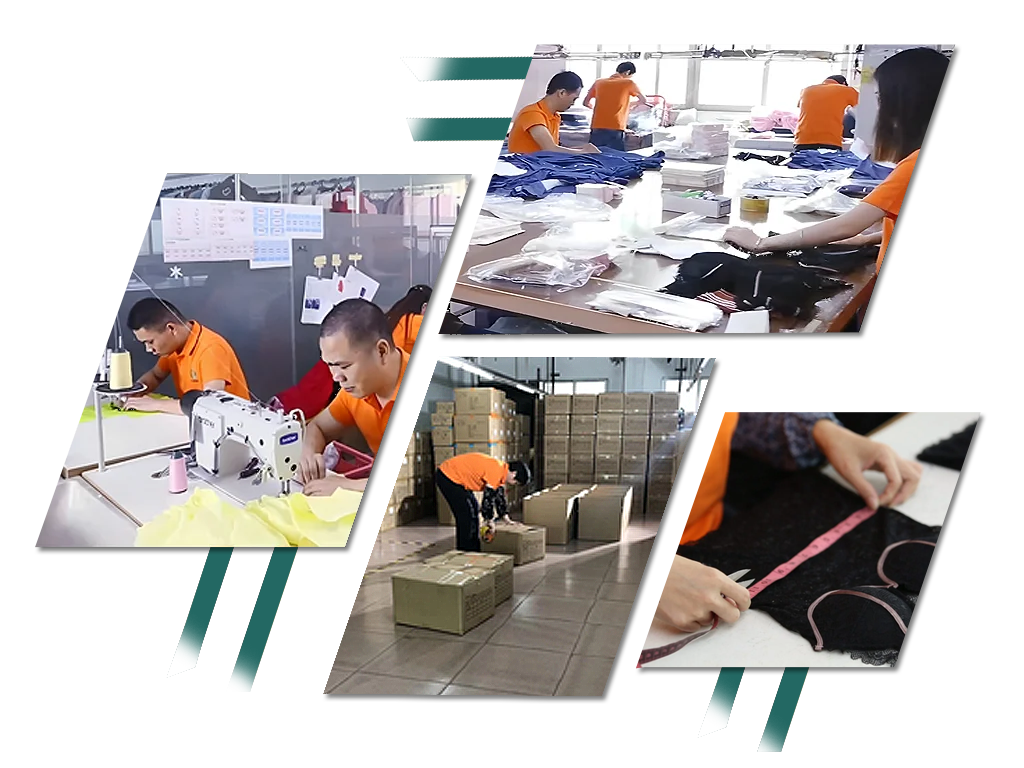
Mesh Dress Manufacturer for Fast Fashion & Occasionwear Brands
Providing mesh dress manufacturing services for brands requiring trend-driven development, precise fit control, rapid prototyping, and scalable production stability.Jinfeng Apparel is a women’s clothing manufacturer based in Dongguan, China, with 30 years of experience in the development, sampling, and mass production of mesh skirts, serving fashion brands overseas.
- Fast Sampling(5-7days) & Trend-Driven Development
- Strong Fit Control for Mesh & Bodycon Dresses
- Scalable Production With 18 Production Lines
- OEM & ODM Support From Design to Bulk
- Long-Term Manufacturing Support for Womenswear Brands
Why Brands Choose to Partner With Jinfeng
Womenswear Manufacturing Support Built for Fast-Moving Fashion Brands
1. Experience in Trend-Driven Womenswear Manufacturing
Jinfeng has focused on womenswear manufacturing since 2008, with the founding team bringing nearly 30 years of apparel industry experience. The production workflow is especially aligned with mesh dresses, bodycon silhouettes, occasionwear, matching sets, and trend-focused womenswear categories where fit precision and garment presentation directly affect sales performance.
2. Faster Sampling for Frequent Product Launches
Many fashion brands now operate around monthly launches and rolling product drops instead of traditional seasonal calendars. Jinfeng’s internal development structure, including 2 sample rooms, 7 senior pattern makers, and 20 sample machinists, helps support faster sample turnaround and more efficient development coordination for trend-driven collections.
3. Better Fit Control for Fitted Garments
Bodycon dresses, sculpted silhouettes, and mesh garments require stronger control over stretch recovery, seam stability, transparency balance, and silhouette shaping. Jinfeng’s production workflow focuses heavily on fit engineering and fabric behavior during both sampling and bulk production stages to help improve long-term garment consistency.
4. Production Capacity for Scaling Brands
Jinfeng currently operates through 4 coordinated factories with around 18 production lines and monthly production capacity of approximately 100,000 pieces, along with additional scalable production support. This structure helps brands move more smoothly from smaller launches into repeat production and replenishment programs without rebuilding supplier systems.
5. Integrated Printing & Embroidery Support
In addition to garment manufacturing, Jinfeng also supports DTG printing, embroidery, and heat transfer production through its casualwear and decoration factory structure. Current equipment includes 18 embroidery machines and 15 heat transfer machines, helping brands coordinate garment production and graphic application under one workflow.
6. Flexible OEM & ODM Development Support
Jinfeng supports both OEM manufacturing and ODM development for overseas fashion brands. Development can begin from tech packs, reference garments, sketches, mood images, or existing best-selling products. The workflow also supports fabric sourcing, pattern correction, fit balancing, and production feasibility coordination for faster product development.
7. Stable Support for Repeat Orders
Many suppliers can complete an initial production order but struggle to maintain consistency during repeat manufacturing. Jinfeng’s multi-factory coordination, merchandising follow-up, and production planning structure help improve stability across repeat orders, rolling restocks, and seasonal replenishment programs.
8. Communication Designed for Overseas Brands
Communication efficiency directly affects development speed and production accuracy. Jinfeng supports communication through email, WhatsApp, WeChat, voice calls, and video meetings, with English-speaking sales and merchandising teams coordinating sample updates, production schedules, shipment preparation, and repeat order management.
9. Built for Long-Term Manufacturing Cooperation
Jinfeng is generally more suitable for brands already operating with ongoing launches, product planning systems, repeat production needs, and long-term sourcing goals. The workflow is designed to support continuous product development and scalable manufacturing instead of low-cost one-time transactional production.
Custom Mesh Dress Styles for Fast Fashion Collections
Fashion brands rarely build successful collections around only one silhouette.
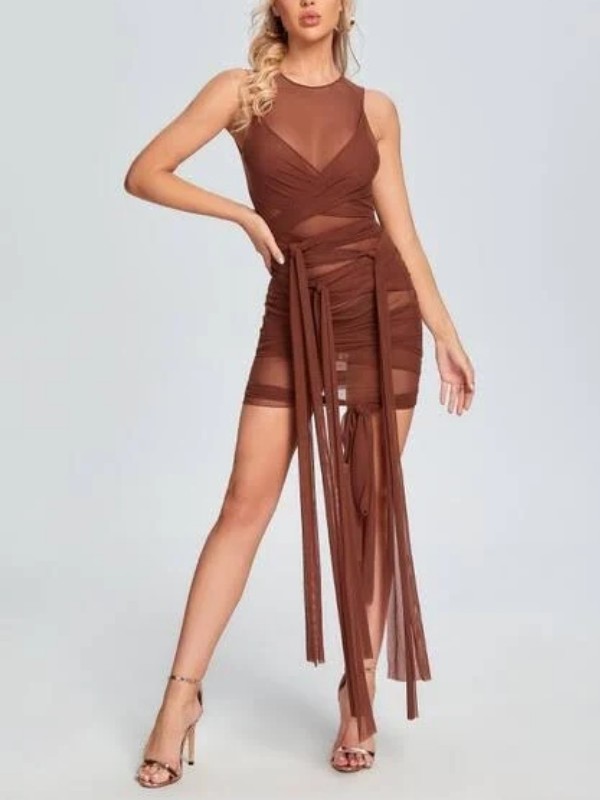
Bodycon Mesh Dresses
- Double-layer mesh dresses
- Sculpted waist silhouettes
- Ruched bodycon dresses
- Long sleeve bodycon styles
- Open-back mesh garments
- Contour-inspired silhouettes
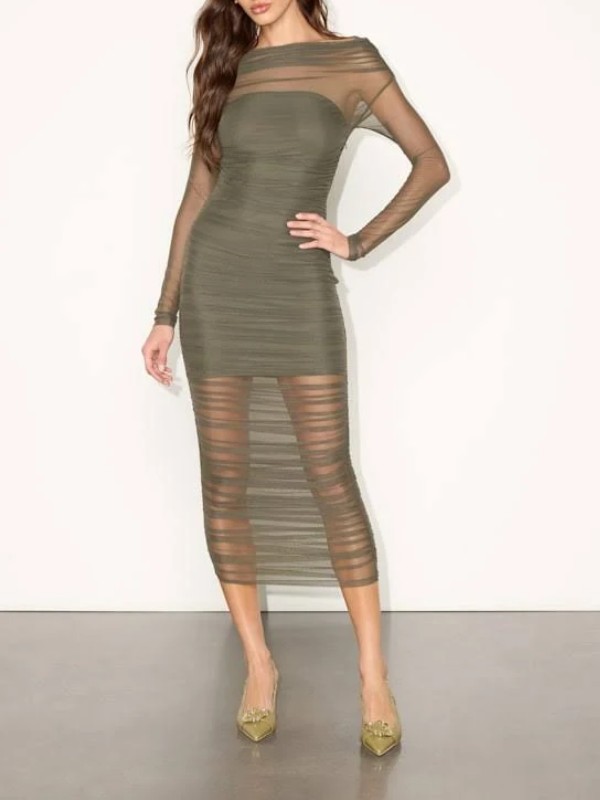
Ruched Mesh Dresses
- Side ruching
- Front ruching
- Adjustable drawstring ruching
- Multi-panel gathered dresses
- Waist contour ruching
- Layered ruched mesh construction
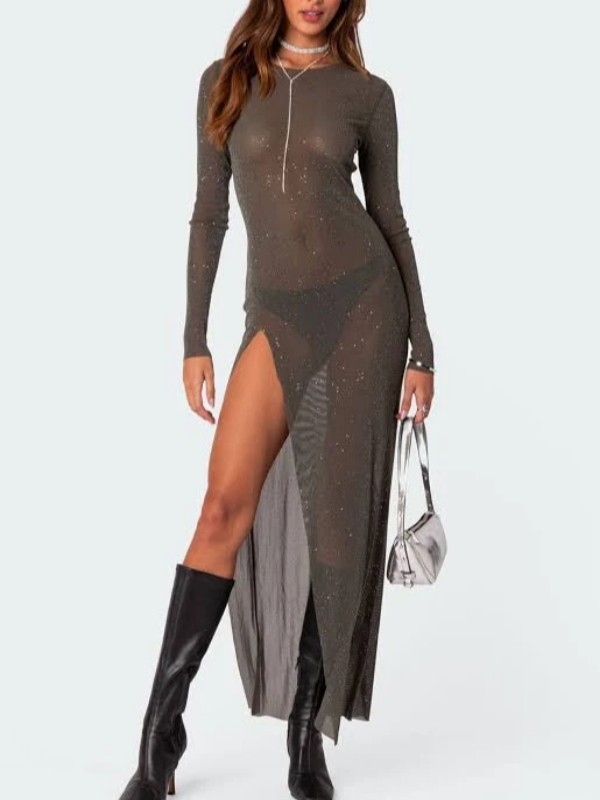
Sheer Mesh Dresses
- Skin visibility
- Stretch behavior
- Color depth
- Garment movement
- Silhouette structure
- Final garment appearance
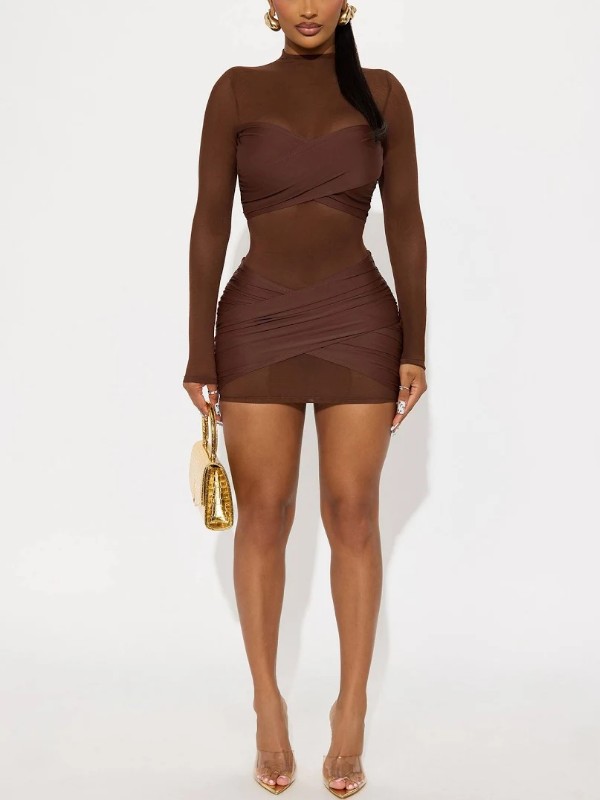
Long Sleeve Mesh Dresses
Long sleeve mesh dresses introduce additional technical challenges because the sleeve area experiences continuous movement stress during wear. Without proper stretch balancing, garments may develop twisted sleeves, pulling, uneven recovery, or distorted fit after repeated movement. Jinfeng’s development process evaluates:
- Armhole tension
- Elbow recovery
- Shoulder seam balance
- Wrist opening stability
- Sleeve stretch behavior
These styles are commonly developed for holiday collections, eveningwear programs, birthday dresses, and trend-focused nightlife edits.
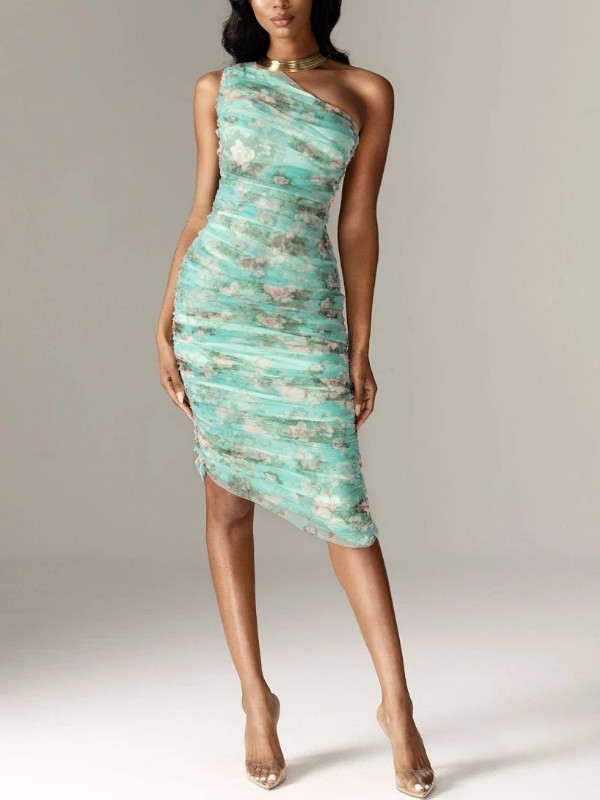
Printed Mesh Dresses
- Placement graphics
- Ombre effects
- Abstract prints
- Stretch-sensitive layouts
- Digital-inspired graphics
- Fashion surface treatments
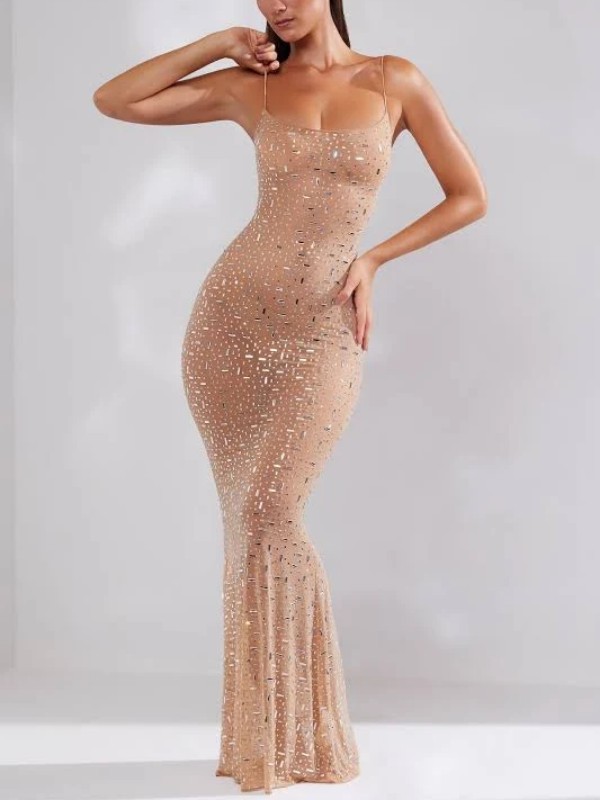
Occasionwear & Party Mesh Dresses
Occasionwear remains one of the most technically demanding areas in womenswear manufacturing because garments often combine fitted construction, decorative surfaces, layered mesh, and high visual expectations within one silhouette. Unlike basic dresses, occasionwear products are frequently photographed under strong lighting and close-range content production, making small production flaws far more visible during:
- Campaign photography
- TikTok videos
- Influencer content
- Event marketing
Jinfeng’s production experience is especially relevant for partywear, birthday dresses, wedding guest styles, nightlife collections, and premium event-focused capsules.
Mesh Fabric Sourcing That Matches Fit, Transparency, and Production Stability
When it comes to the production of mesh dresses, the choice of fabric influences far more than just the appearance.
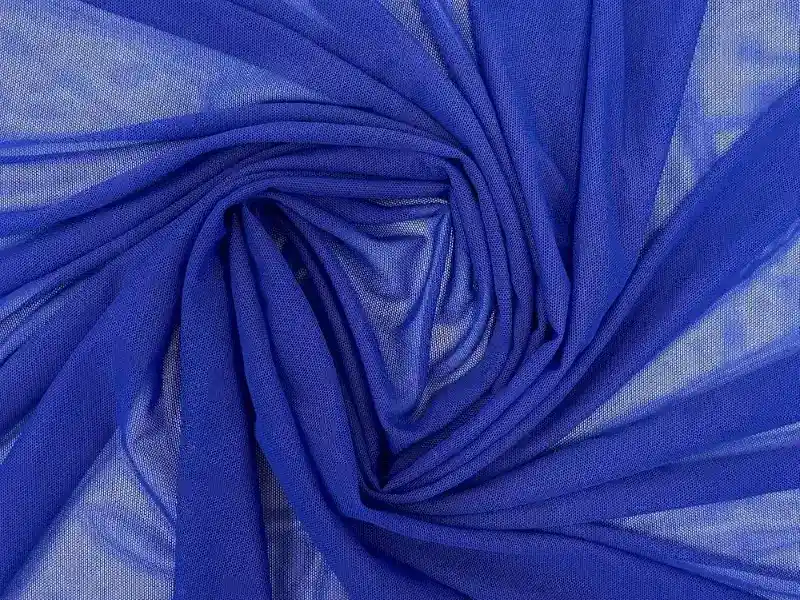
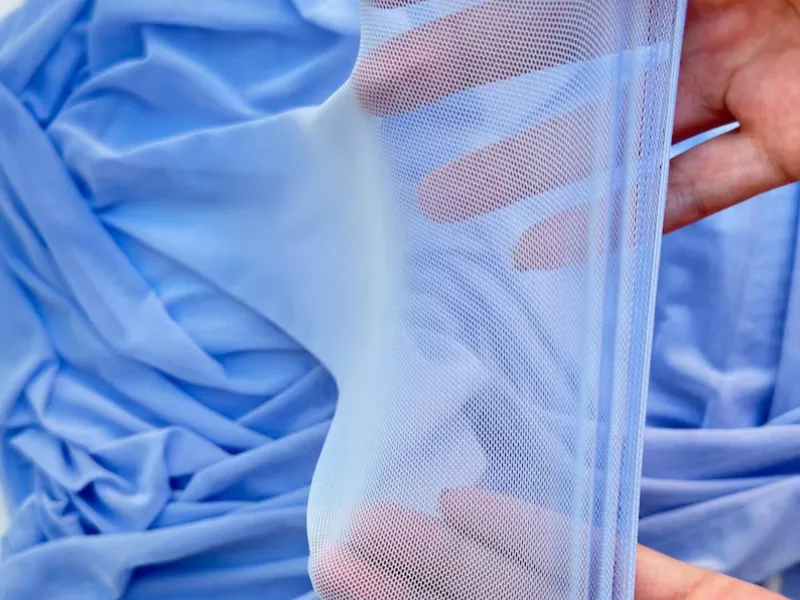
Stretch Mesh Fabric
| Suitable Applications | Bodycon dresses, ruched mesh dresses, stretch occasionwear, contour-inspired silhouettes, fitted party dresses |
| Fabric Advantages | Soft stretch comfort, lightweight feel, better movement flexibility, strong body contour shaping, smooth silhouette appearance |
| Development Considerations | Stretch recovery balance, seam stability, transparency under tension, fabric rolling during sewing, fit consistency after repeated wear |
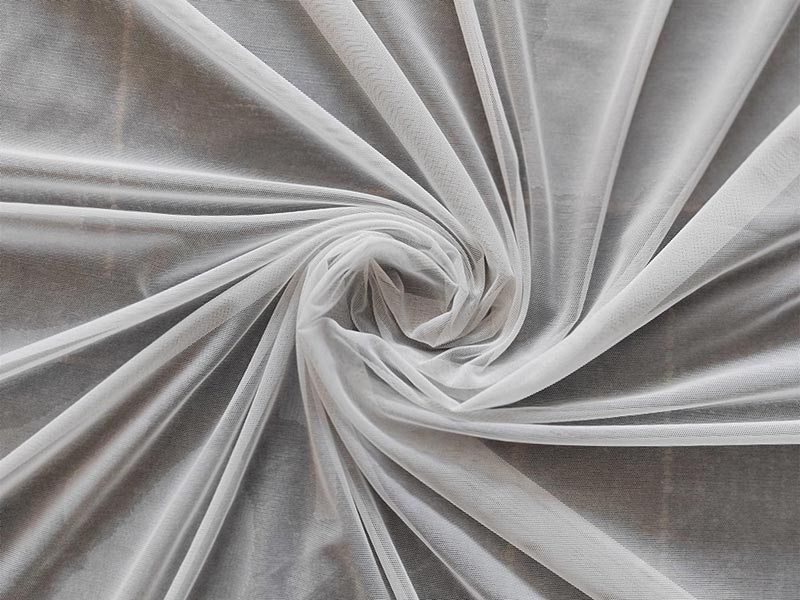
Power Mesh Fabric
| Suitable Applications | Sculpted bodycon dresses, corset-inspired garments, waist-shaping silhouettes, compression occasionwear, double-layer dresses |
| Fabric Advantages | Better structure support, stronger recovery performance, waist contour definition, improved silhouette stability, enhanced shaping control |
| Development Considerations | Compression balance, wear comfort, seam tension, stretch resistance, panel positioning, long-term recovery performance |
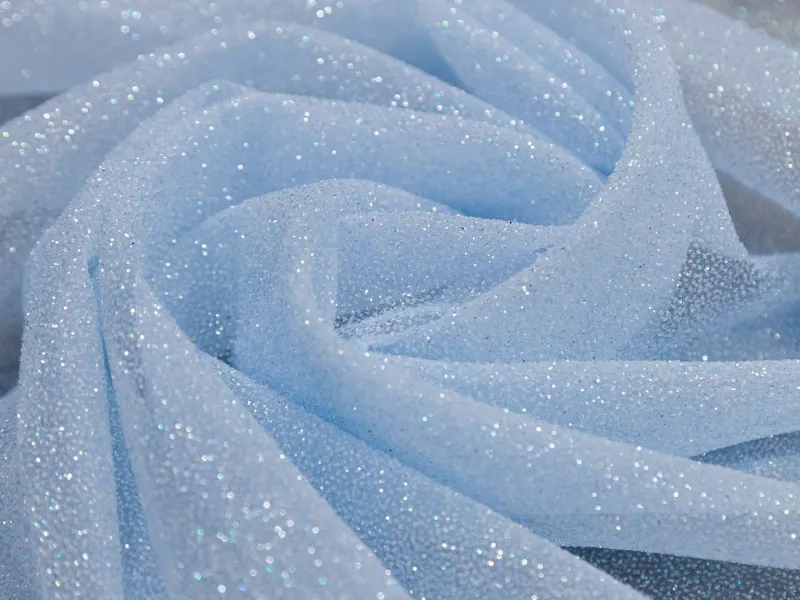
Sheer Mesh Fabric
| Suitable Applications | Nude illusion dresses, layered occasionwear, resortwear, festival collections, fashion-forward party dresses |
| Fabric Advantages | Lightweight visual texture, layered transparency, elegant movement, soft contour effect, premium visual depth |
| Development Considerations | Transparency control, lining coordination, skin-tone interaction, seam visibility, tension balance during wear and photography |
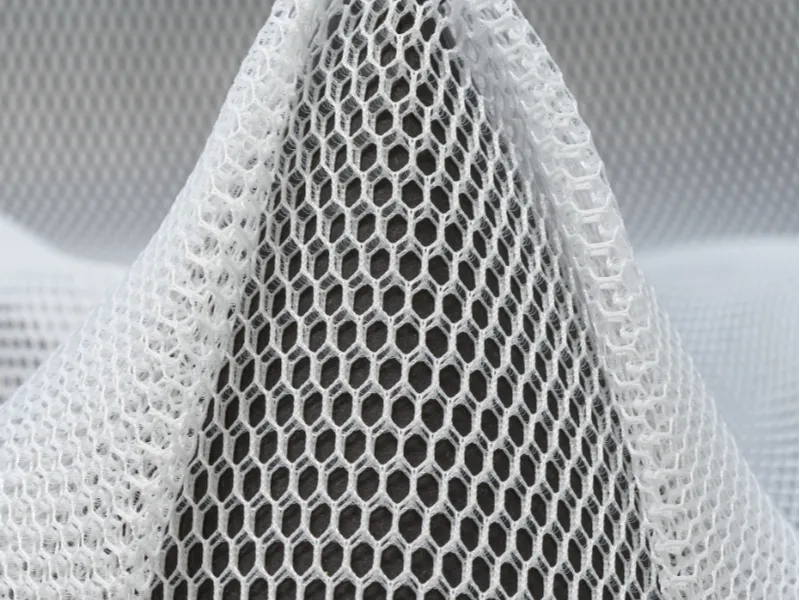
Glitter & Decorative Mesh Fabric
| Suitable Applications | Partywear, birthday dresses, nightlife collections, influencer capsules, eventwear |
| Fabric Advantages | Strong visual impact, reflective effects, premium nightlife appearance, stronger campaign photography performance |
| Development Considerations | Surface durability, heat sensitivity, decorative stability, stretch resistance, sewing compatibility, bulk production consistency |
Double-Layer Mesh Construction
| Suitable Applications | Premium bodycon dresses, sculpted silhouettes, contour collections, high-stretch occasionwear, fitted social-media styles |
| Fabric Advantages | Improved silhouette smoothness, stronger fit stability, reduced transparency, better compression support, premium garment appearance |
| Development Considerations | Layer tension balance, seam bulk control, lining recovery behavior, weight distribution, stretch consistency between layers |
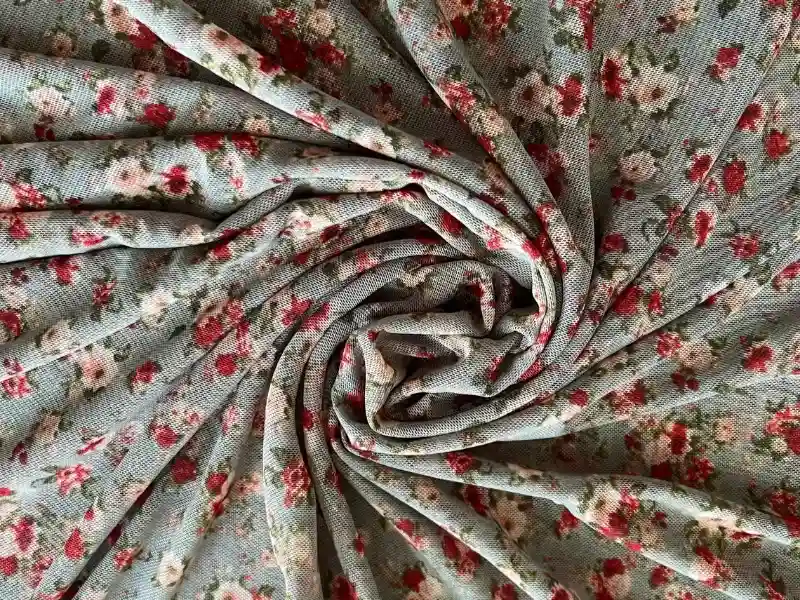
Printed Mesh Fabric
| Suitable Applications | Ombre dresses, abstract prints, trend-driven collections, social-media fashion capsules, graphic mesh garments |
| Fabric Advantages | Stronger visual identity, fashion-forward styling, enhanced campaign visuals, better collection differentiation |
| Development Considerations | Print distortion during stretch, panel alignment, color consistency, graphic positioning, fabric expansion during wear |
Fast Mesh Dress Sampling for Brands With Frequent Product Launches
Dedicated Sampling Structure for Faster Development
- Monthly product launches
- Social-media-driven collections
- Occasionwear capsules
- Influencer collaborations
- Frequent style updates
Flexible Development From Different Starting Points
- Tech packs
- Photos
- Sketches
- Physical garments
- Measurement charts
- Fabric references
Typical Mesh Dress Sampling Timelines
Sampling timelines generally depend on garment complexity, fabric sourcing requirements, lining structure, and construction details.
- Standard Mesh Styles — 5–7 Days
- Complex Mesh Developments — 7–10 Days
More complex developments often require additional adjustments involving:
- Stretch balancing
- Panel correction
- Lining structure
- Decorative positioning
- Silhouette refinement
This workflow helps brands align product approval with launch schedules, influencer campaigns, and seasonal inventory preparation.
Sampling Also Evaluates Bulk Production Stability
For established fashion brands, the sample stage is not only about visual approval. It is also where production feasibility is evaluated before moving into bulk manufacturing.
Jinfeng’s development workflow considers:
- Fit Consistency——Shape balance and recovery control
- Fabric Stability——Stretch behavior and transparency
- Construction Quality——Seam structure and durability
- Production Readiness——Repeatability and delivery timing
This helps reduce common sourcing issues later such as repeated sample revisions, bulk fit inconsistency, unstable fabric behavior, and delayed production launches.
Pattern and Fabric Coordination During Development
Mesh dress development requires close coordination between pattern structure and fabric behavior. A silhouette that performs well in one mesh fabric may behave completely differently in another depending on stretch direction, recovery strength, transparency, and lining interaction. Jinfeng’s pattern team adjusts development according to actual fabric performance instead of relying only on flat measurements. This becomes especially important for:
- Bodycon dresses
- Sheer garments
- Sculpted silhouettes
- Occasionwear styles
- Contour-inspired garments
These adjustments help improve fit consistency before garments move into bulk production.
Faster Communication During Sampling and Corrections
- Voice calls
- Video meetings
Built for Trend-Driven Womenswear Brands
Fast Fashion Brands
- Frequent product launches
- Fast sample turnaround
- Flexible production quantities
- Repeat best-seller programs
- Ongoing seasonal updates
Occasionwear Labels
- Event dresses
- Birthday collections
- Wedding guest styles
- Eveningwear capsules
- Premium occasionwear programs
Partywear Collections
- Ruched dresses
- Sheer mesh garments
- Decorative silhouettes
- Stretch bodycon dresses
- Social-media-focused styles
Bodycon Womenswear Brands
- Stretch recovery control
- Waist contour shaping
- Seam stability
- Lining coordination
- Shape consistency during wear
Social-Media-Driven Fashion Businesses
- Fast sample development
- Flexible production quantities
- Faster trend reaction
- Ongoing launch coordination
- Repeat production support
Contemporary Womenswear Collections
- Mesh dresses
- Matching sets
- Fashion tops
- Stretch dresses
- Sculpted silhouettes
- Occasionwear products
Trend-Focused E-Commerce Brands
- Small test runs
- Mid-size launches
- Repeat orders
- Rolling restocks
- Multi-style development programs
Brands Requiring Long-Term Manufacturing Support
- Continuous development
- Repeat production
- Seasonal replenishment
- Frequent collection updates
- Multi-category womenswear expansion
Scalable Mesh Dress Production for Growing Fashion Brands
Many factories can handle a small first order. Far fewer can maintain stable fit, fabric consistency, delivery timing, and communication once production volume increases.Jinfeng’s production structure is designed to support brands moving from early-stage test orders into larger and more stable production cycles without constantly changing suppliers during growth stages.
Production Structure Designed for Ongoing Launches
Jinfeng currently operates through a coordinated production system including:
| Production Capacity | Current Structure |
|---|---|
| Production Lines | 18 |
| Monthly Capacity | Around 100,000 pcs |
| Additional Scalable Capacity | 50,000–80,000 pcs |
| Factory Structure | Multiple coordinated factories |
| Main Categories | Womenswear, occasionwear, mesh dresses, casualwear |
This structure allows multiple product categories and launch schedules to move simultaneously with lower production bottlenecks, especially for brands operating frequent collection drops.
Flexible Order Quantities for Different Growth Stages
Different brands operate at different production stages. Some need smaller launches for market testing, while others require larger replenishment programs after products begin performing successfully.
Jinfeng supports flexible order structures across different production phases.
| Order Type | Typical Quantity | Common Use |
|---|---|---|
| Small Test Orders | 200–500 pcs | Trend testing, influencer launches, capsule collections |
| Mid-Size Production | 1,000–5,000 pcs | Seasonal launches, repeat styles, occasionwear programs |
| Large Production Programs | 5,000+ pcs | Best sellers, replenishment, multi-market launches |
This flexibility helps brands reduce inventory risk during early launches while still maintaining a production path for future scaling.
Production Lead Times Based on Garment Complexity
Mesh dress production timelines usually depend on construction complexity, fabric behavior, and decorative requirements.
Typical lead times include:
| Product Type | Production Lead Time |
|---|---|
| Simple Mesh Styles | 15–20 days |
| Standard Mesh Dresses | 20–30 days |
| Complex Mesh Garments | 30–45 days |
Simple styles generally involve basic silhouettes and lower construction complexity, while longer timelines are usually required for layered mesh dresses, decorative garments, corset-inspired structures, or heavily ruched styles.
This production planning helps brands align manufacturing schedules with campaign launches and seasonal inventory preparation.
Better Stability for Repeat Orders
Many sourcing problems appear after the first successful launch rather than during the initial sample stage.
As brands scale production, suppliers often struggle with:
- Fabric continuity
- Fit consistency
- Delivery coordination
- Production visibility
- Repeat quality stability
Jinfeng’s multi-factory structure and merchandising coordination help support more stable repeat production across ongoing launch calendars.
The workflow combines:
- Internal sample development
- Fabric sourcing coordination
- Production scheduling
- Merchandising follow-up
- Shipment planning
to improve continuity between first orders and future replenishment programs.
This becomes especially important for brands operating fast-moving womenswear collections where repeat production timing directly affects sales performance.
Quality Control for Mesh Dress Manufacturing
Seam Stability for Stretch Garments
- Wavy seams
- Twisting
- Uneven recovery
- Distorted side panels
- Shape imbalance after wear
- Bodycon dresses
- Ruched garments
- Tight silhouettes
- Contour-inspired styles
Transparency and Lining Consistency
For sheer mesh dresses, lining control affects both fit and visual presentation. Poor coordination between outer mesh and inner lining can create:
- Uneven transparency
- Visible pulling
- Layer distortion
- Color mismatch
- Cheap-looking garment appearance
Development and QC workflows may evaluate:
- Layer positioning
- Tension balance
- Lining stretch behavior
- Transparency consistency
- Visual symmetry
Fabric Stability During Bulk Production
- Cutting
- Sewing
- Steaming
- Packing
- Transportation
- Shrinkage behavior
- Stretch recovery
- Fabric weight consistency
- Surface stability
- Roll-to-roll variation
Decorative Mesh Quality Checks
- Rhinestones
- Glitter mesh
- Heat transfer graphics
- Foil effects
- Embroidery details
- DTG printing capability
- Heat transfer equipment
- Embroidery production support
Bulk Production Consistency Matters More Than First Samples
- Multiple production runs
- Repeat orders
- Different launch periods
- Higher-volume scaling
- Material continuity
- Production planning
- Merchandising follow-up
- Production line coordination
- Repeat order management
Quality Control Affects Brand Reputation
For modern fashion brands, product quality affects more than return rates. It also affects:
- Social-media performance
- Influencer partnerships
- Customer reviews
- Content quality
- Repeat purchases
- Advertising efficiency
Mesh dresses are highly visual garments. Small construction flaws become far more noticeable in close-up photography and video marketing. Maintaining better production consistency helps brands protect both product perception and long-term customer trust.
Mesh Dress Manufacturing Requires Technical Fit Control
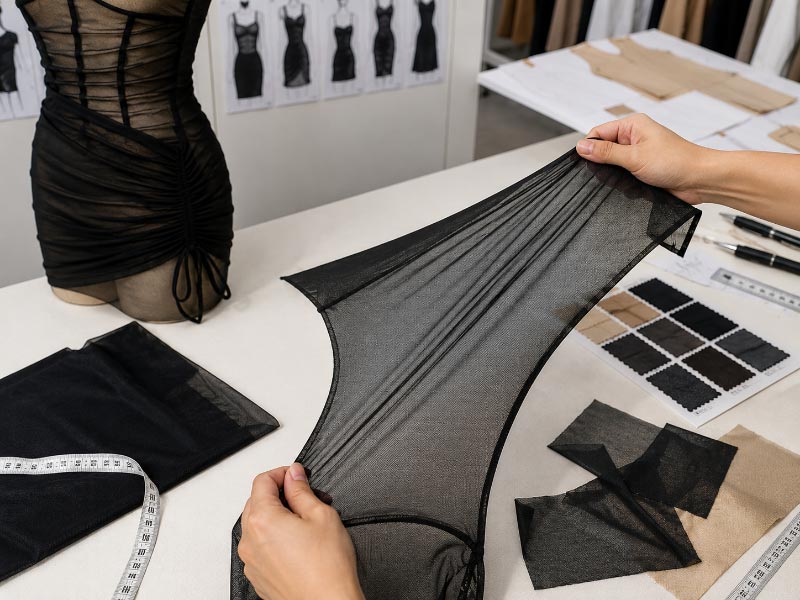
Stretch Direction Control
- Fabric testing during sampling
- Pattern adjustment based on stretch behavior
- Panel alignment coordination
- Stretch balance evaluation during fitting
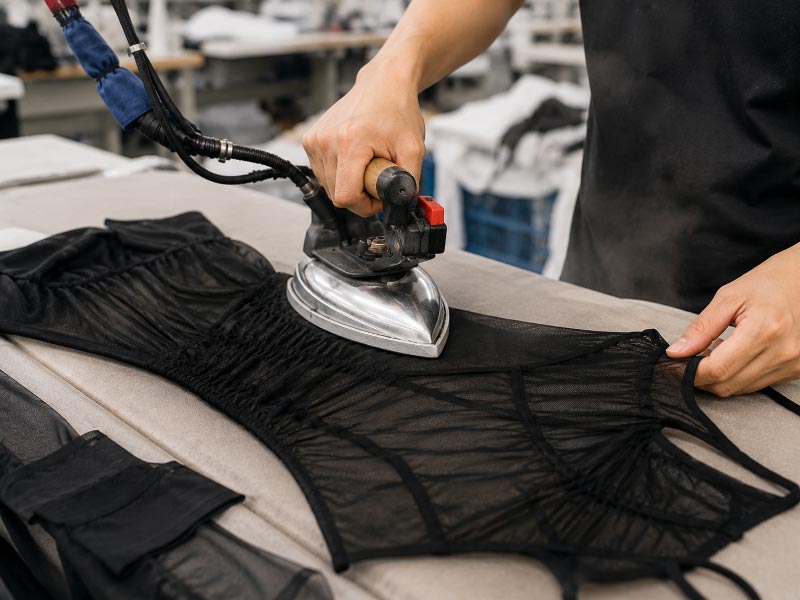
Recovery Balance After Wear
- Repeated fitting sessions
- Hanging recovery observation
- Movement testing during development
- Fabric tension review after steaming
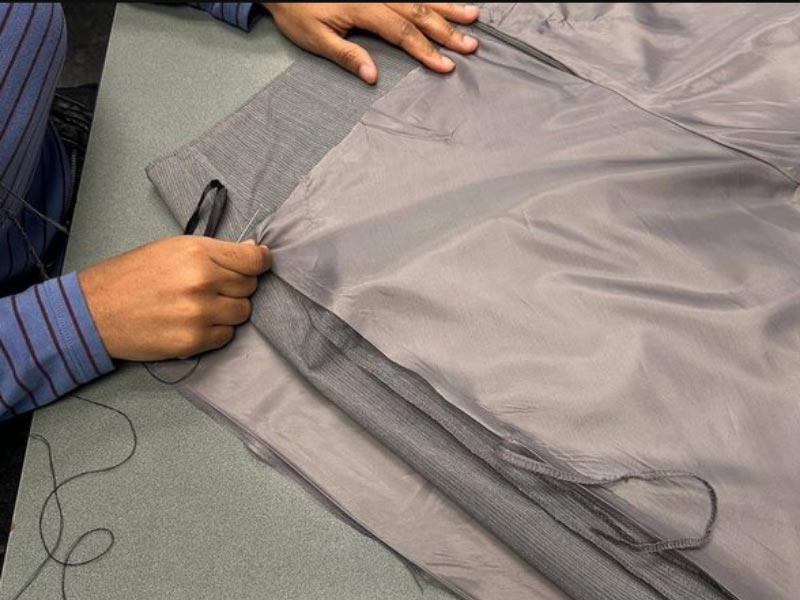
Transparency & Lining Coordination
- Layer positioning adjustments
- Nude-tone lining coordination
- Stretch balance between outer mesh and lining
- Selective coverage development
Seam Stability for Stretch Garments
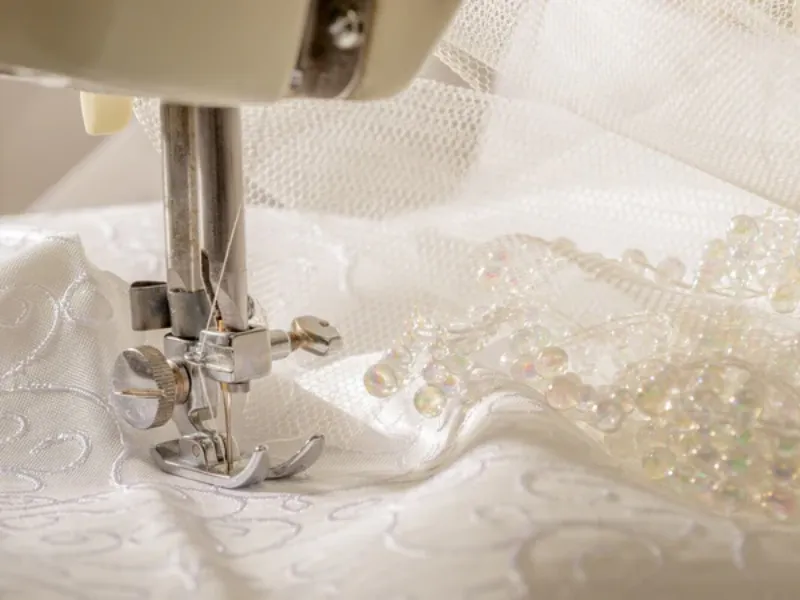
- Seam tension balance
- Needle compatibility testing
- Stretch sewing adjustments
- Stress-point reinforcement
- Construction stability during movement
Pattern Shaping for Bodycon Silhouettes
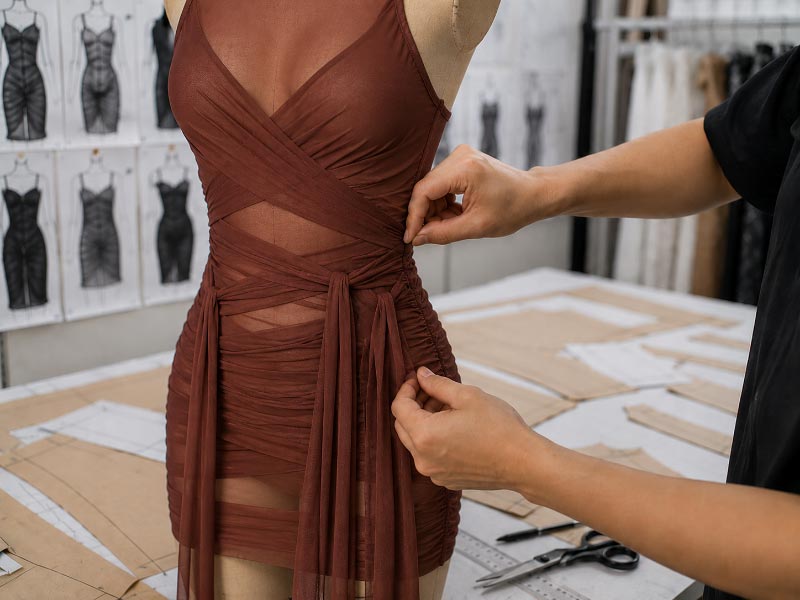
Bodycon mesh dresses require much stronger pattern precision because small pattern inconsistencies become highly visible during wear. Jinfeng’s pattern team adjusts development based on:
| Pattern Development Focus | Purpose |
|---|---|
| Waist contour shaping | Improve silhouette balance |
| Bust positioning | Maintain garment proportion |
| Hip shaping | Improve body contour fit |
| Stretch ratio adjustment | Improve fit consistency |
| Panel balance | Reduce distortion during wear |
Layer Interaction Between Fabrics
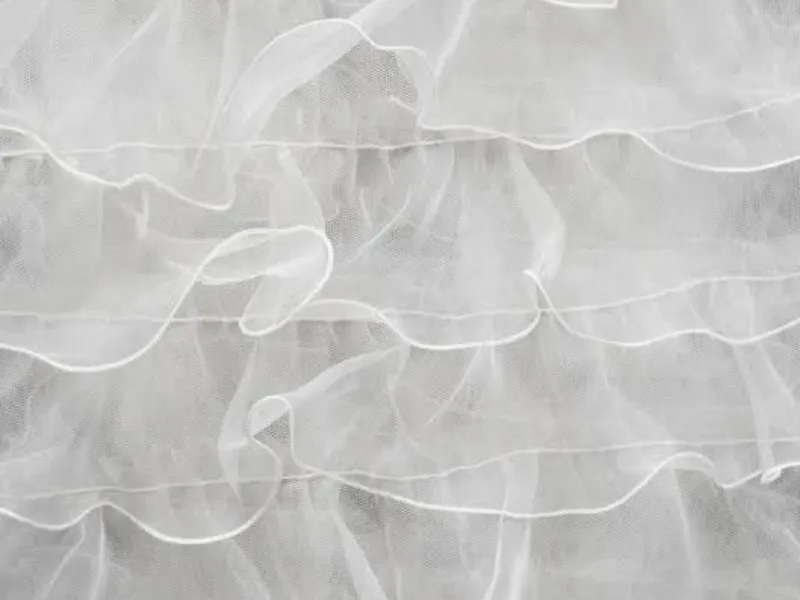
Many mesh dresses combine multiple materials including outer mesh, lining, power mesh, and decorative layers. Different fabrics often stretch and recover differently during wear. Jinfeng evaluates layer interaction through:
- Stretch compatibility testing
- Layer tension balancing
- Fabric weight coordination
- Recovery consistency checks
- Movement evaluation during fitting
This helps reduce fabric pulling, uneven drape, and distorted shaping during bulk production.
Production Stability During Scaling
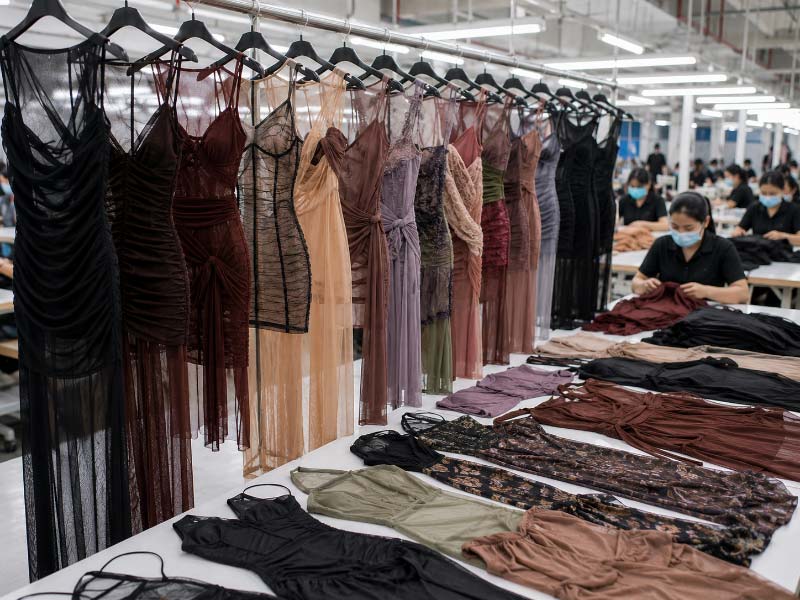
- Sample-to-production coordination
- Fabric consistency review
- Bulk sewing standardization
- Merchandising follow-up
- Production line coordination
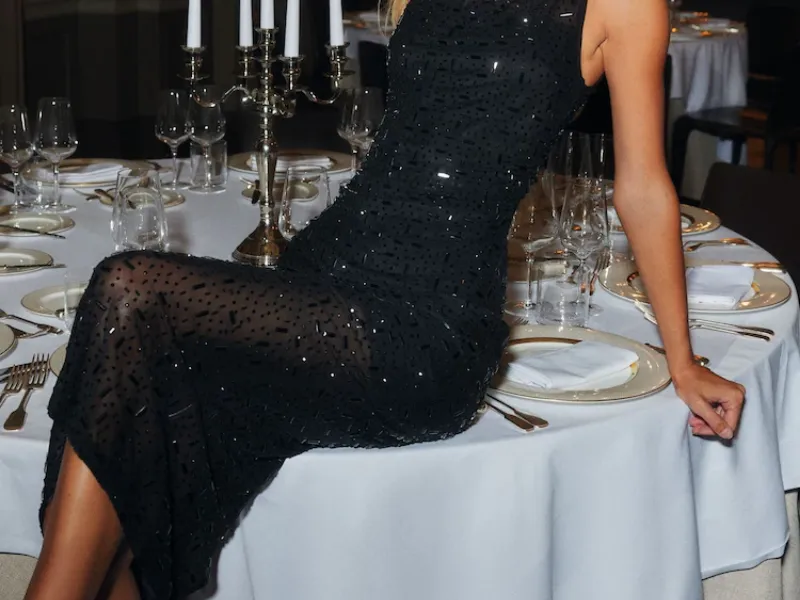
Fit Control for Photography & Social Media Presentation
Modern womenswear collections are heavily influenced by photography, influencer campaigns, TikTok videos, and close-range social-media content. Small fit inconsistencies become far more visible under lighting and camera movement. Jinfeng’s development workflow considers:
- Silhouette appearance during movement
- Transparency under lighting
- Seam visibility in photography
- Garment tension during posing
- Recovery after repeated wear
This helps brands improve both product presentation and customer fit experience across mesh dress collections.
OEM & ODM Mesh Dress Manufacturing
OEM Mesh Dress Manufacturing
Production Support for Brands With Existing Designs & Technical Packages
Jinfeng’s OEM workflow is designed for brands that already have established collections, internal design systems, or structured product development processes.
Production can begin through:
- Tech Packs
- Measurement Charts
- Existing Samples
- Fabric References
- Construction Notes
- Brand Specifications
OEM support may include:
- Sample execution
- Pattern development
- Fabric sourcing coordination
- Fit correction support
- Production planning
- Bulk manufacturing coordination
- Packing and shipment preparation
This workflow is especially suitable for brands requiring repeat production consistency across mesh dresses, bodycon silhouettes, occasionwear collections, and fast-moving seasonal launches.
Fit-Focused OEM Production for Mesh Dresses
Mesh garments require stronger technical control than standard woven products because fabric behavior directly affects fit stability, transparency balance, seam recovery, and silhouette shaping.
Jinfeng’s OEM workflow evaluates factors including:
- Stretch recovery
- Fabric tension during wear
- Lining interaction
- Seam stability
- Shape retention
- Bulk production consistency
This becomes especially important for:
| Product Categories | Production Focus |
|---|---|
| Bodycon Dresses | Contour shaping and recovery |
| Ruched Mesh Dresses | Stretch balance and tension |
| Occasionwear | Structure and silhouette control |
| Sheer Garments | Transparency and lining balance |
| Sculpted Styles | Fit consistency during production |
The goal is not only to reproduce a design visually, but also to improve long-term manufacturing stability during repeat production.
OEM Production Structure for Scaling Brands
Jinfeng’s current production structure includes:
| Manufacturing Structure | Current Capacity |
|---|---|
| Coordinated Factories | 4 |
| Production Lines | 18 |
| Monthly Capacity | Around 100,000 pcs |
| Additional Scalable Capacity | 50,000–80,000 pcs |
This setup helps brands scale from initial production into larger replenishment programs while maintaining more stable fit consistency, communication, and delivery coordination.
ODM Mesh Dress Development
Product Development Support for Trend-Driven Womenswear Collections
Jinfeng’s ODM workflow is designed for brands requiring additional support during product development, silhouette refinement, fabric selection, or production preparation.
Development can begin through:
| ODM Development References | Supported |
|---|---|
| Design Sketches | Yes |
| Mood Images | Yes |
| Trend References | Yes |
| Social Media Inspiration | Yes |
| Existing Garments | Yes |
| Product Concepts | Yes |
This structure is especially useful for fast fashion brands, influencer collections, occasionwear programs, and trend-driven womenswear collections where products move quickly from inspiration to launch.
ODM Development Support May Include
Jinfeng’s ODM development workflow may include:
| Development Support | Purpose |
|---|---|
| Pattern Correction | Improve silhouette balance |
| Fabric Recommendations | Match garment structure |
| Construction Optimization | Improve sewing stability |
| Fit Balancing | Reduce repeated revisions |
| Production Feasibility Review | Improve bulk consistency |
| Bulk Manufacturing Coordination | Support scalable production |
This helps brands move more efficiently from early-stage concepts into production-ready garments without unnecessary development delays.
Faster Sampling for Trend-Based Product Launches
Jinfeng currently operates with:
| Development Structure | Current Setup |
|---|---|
| Sample Development Rooms | 2 |
| Senior Pattern Makers | 7 |
| Sample Machinists | 20 |
| Fabric & Trim Coordination | In-house support |
Typical sample lead times:
| Sample Type | Lead Time |
|---|---|
| Standard Mesh Dresses | 5–7 days |
| Complex Mesh Styles | 7–10 days |
This structure helps brands align product development with campaign schedules, influencer launches, and fast-moving seasonal drops.
Logo, Label & Packaging Customization Support
Beyond garment manufacturing, Jinfeng also supports custom branding and packaging coordination for fashion brands requiring stronger retail presentation and more consistent customer experience across online and offline sales channels.
Customization support may include:
| Branding & Packaging Support | Available |
|---|---|
| Custom Neck Labels | Yes |
| Wash Care Labels | Yes |
| Hang Tags | Yes |
| Printed Poly Bags | Yes |
| Custom Packaging Stickers | Yes |
| Barcode & Size Labels | Yes |
| Embroidery Logo Application | Yes |
| Heat Transfer Logo Printing | Yes |
For selected mesh dress, bodycon, and occasionwear collections, Jinfeng also supports coordination involving branded packaging presentation, logo positioning, and folding requirements for e-commerce fulfillment and retail delivery preparation.
The current production structure includes:
- 18 embroidery machines
- 15 heat transfer machines
- In-house merchandising coordination
- Packing and shipment support
This helps brands maintain more consistent visual branding across sampling, bulk production, packing, and repeat order programs while reducing the need to coordinate multiple suppliers during product launches.
A Womenswear Manufacturing Structure Designed for Trend-Driven Brands
Multi-Factory Production Structure
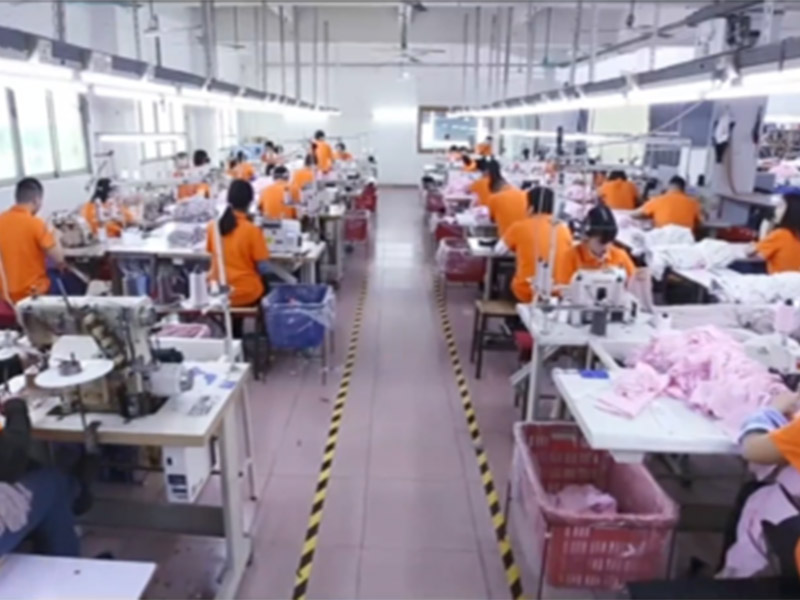
Jinfeng currently operates through 4 coordinated factories in Dongguan, including 3 womenswear production factories and 1 casualwear and printing factory. Different product categories move through more specialized production systems instead of relying on one general sewing workshop for all garments.
The womenswear factories mainly support mesh dresses, bodycon dresses, occasionwear, sculpted silhouettes, fashion sets, and trend-driven partywear, while the casualwear and printing factory supports T-shirts, hoodies, graphic garments, DTG printing, embroidery, and heat transfer applications. This structure helps improve production efficiency, category specialization, and repeat manufacturing consistency.
Production Capacity for Scaling Brands
Jinfeng’s manufacturing structure currently includes around 18 production lines with monthly output capacity of approximately 100,000 pieces, along with additional scalable production support of 50,000–80,000 pieces during higher-volume periods.
This production setup helps support brands moving from initial test launches into repeat production programs, seasonal collections, and replenishment cycles without needing to rebuild supplier systems during future growth stages. The structure is especially suitable for fashion brands operating rolling launches and fast-moving collection calendars.
Internal Sampling and Pattern Development
Jinfeng’s internal development structure includes 2 sample development rooms, 7 senior pattern makers, 20 sample machinists, and dedicated sourcing coordination for fabrics and trims. Typical sample lead times are around 5–10 days depending on garment complexity.
For mesh dress manufacturing, internal development coordination is especially important because fitted stretch garments often require multiple technical adjustments involving stretch recovery, transparency balance, bust shaping, lining coordination, and silhouette correction before production approval. This workflow helps reduce repeated sample revisions and improve development speed for trend-driven collections.
Printing and Embroidery Support
Jinfeng’s production system also supports garment decoration and graphic application through in-house embroidery and printing coordination. Current equipment includes 2 DTG printing machines, 15 heat transfer machines, and 18 embroidery machines supporting fashion graphics, decorative garments, printed mesh products, logo applications, and influencer capsule collections.
This allows brands to coordinate garment manufacturing, logo application, and decorative production under one workflow instead of separating development across multiple suppliers, helping improve communication efficiency and production consistency.
Womenswear Production Experience
Jinfeng’s strongest product categories include bodycon dresses, occasionwear, sculpted silhouettes, stretch dresses, trend-driven womenswear, and fitted mesh garments. These categories require stronger control over stretch behavior, fit engineering, seam stability, fabric recovery, and silhouette shaping compared to standard casual apparel manufacturing.
The production workflow is especially suitable for garments where fit precision and visual presentation directly affect product performance during photography, influencer campaigns, online retail presentation, and repeat customer purchasing.
Better Structure for Long-Term Cooperation
Jinfeng’s production structure is designed more for long-term development programs than isolated one-time manufacturing orders. The workflow is especially suitable for brands operating ongoing product launches, repeat production programs, seasonal collection planning, and multi-category womenswear expansion.
The combination of sample development, merchandising coordination, scalable production capacity, and repeat manufacturing support helps brands maintain more stable supply chain continuity while improving communication efficiency and long-term production consistency across future collection growth stages.
Mesh Dress Manufacturing Collaboration Case Study
Jinfeng’s manufacturing structure supports overseas brands requiring fast sampling, fit-focused mesh dress development, scalable production, and repeat order coordination across different womenswear categories. The following production cases reflect common situations involving fast fashion brands, occasionwear collections, social-media-driven launches, and long-term repeat production programs.
Case 1 — US Fast Fashion E-Commerce Brand
Bodycon Mesh Dress Collection for Weekly Product Drops
A US-based fast fashion e-commerce brand required rapid development and repeat production support for bodycon mesh dresses connected to weekly product launches and influencer marketing campaigns.
The customer previously experienced sourcing problems involving delayed sample revisions, inconsistent stretch recovery, and unstable fit between repeat production batches. Several earlier suppliers also struggled with maintaining silhouette consistency across multiple colorways.
Jinfeng reorganized the development workflow by improving stretch fabric coordination, pattern balancing, and production communication between sampling and bulk manufacturing teams.
Support included:
- Fast sample correction coordination
- Stretch mesh sourcing support
- Bodycon fit balancing
- Production scheduling for rolling launches
- Repeat order merchandising follow-up
Final project results included:
| Production Results | Outcome |
|---|---|
| Initial Launch Volume | 15,000+ pcs |
| Sample Timeline | 6 days |
| Repeat Production Cycles | 5 consecutive restocks |
| Fit Complaint Reduction | Around 28% improvement |
| Delivery Performance | On-time shipment support |
The customer later expanded cooperation into matching sets and occasionwear categories after several mesh dress styles became repeat best sellers online.
Case 2 — UK Occasionwear Brand
Sheer Mesh Occasionwear Collection for Event & Party Seasons
A UK-based occasionwear label required custom sheer mesh dresses for birthday collections, nightlife edits, and holiday event campaigns. The collection involved layered transparency, ruched construction, and fitted silhouettes designed for photography-heavy marketing campaigns.
The customer’s previous sourcing challenges included:
- Uneven transparency during wear
- Twisted seams after stretching
- Lining instability during production
- Delayed communication during sample revisions
Jinfeng supported the project through closer coordination between pattern development, lining structure adjustment, and stretch fabric evaluation during sampling.
The production workflow included:
- Double-layer mesh development
- Nude-tone lining coordination
- Ruched silhouette adjustment
- Production feasibility review
- Bulk quality monitoring during manufacturing
Final production results included:
| Production Results | Outcome |
|---|---|
| Seasonal Production Volume | 18,000+ pcs |
| Sample Revision Reduction | From 4 rounds to 2 |
| Bulk Quality Stability | Improved consistency across colorways |
| Production Timeline | 30 days |
| Repeat Collection Expansion | Additional holiday launch approved |
The customer later continued cooperation for multiple occasionwear programs connected to seasonal retail campaigns and influencer collaborations.
Case 3 — Australian Social-Media Womenswear Brand
Trend-Driven Mesh Dresses for Influencer Campaign Launches
An Australian womenswear brand focused on TikTok and Instagram marketing required fast-turnaround mesh dresses for influencer campaigns and limited-edition product drops.
The brand needed a manufacturing partner capable of supporting:
- Small initial launches
- Fast sample approval
- Frequent new styles
- Repeat production after viral sales spikes
Previous suppliers struggled with slow development speed and inconsistent garment shaping during repeat production.
Jinfeng improved the workflow through faster sample coordination, flexible production planning, and merchandising support during replenishment cycles.
Support included:
- Fast mesh fabric sourcing
- Pattern correction for fitted silhouettes
- Repeat production coordination
- Real-time production updates
- Flexible shipment scheduling
Final project results included:
| Production Results | Outcome |
|---|---|
| Initial Launch Quantity | 8,000+ pcs |
| Sample Lead Time | 5 days |
| Viral Restock Timeline | Replenishment within 20 days |
| Repeat Order Increase | 3x production growth |
| Communication Efficiency | Faster revision approvals |
The customer later expanded into additional mesh bodycon collections and sculpted stretch dresses after several influencer launches performed strongly online.
Case 4 — European Contemporary Womenswear Brand
Sculpted Mesh Dress Development for Premium Fashion Collections
A European contemporary womenswear brand required custom sculpted mesh dresses combining contour silhouettes, layered construction, and premium stretch fabrics for seasonal capsule collections.
The customer’s previous production problems included:
- Weak recovery after wear
- Distorted shape during movement
- Fabric pulling around seams
- Inconsistent panel shaping during bulk production
Jinfeng supported the project through fit-focused development and closer control over stretch recovery, panel engineering, and fabric behavior during both sampling and manufacturing stages.
The development process included:
- Power mesh coordination
- Contour pattern adjustment
- Stretch recovery testing
- Seam tension balancing
- Bulk production consistency review
Final project results included:
| Production Results | Outcome |
|---|---|
| Capsule Production Volume | 12,000+ pcs |
| Development Timeline | 9 days |
| Fit Consistency Improvement | Around 32% improvement |
| Production Defect Reduction | Reduced bulk fit variation |
| Long-Term Cooperation | Expanded into repeat seasonal programs |
The customer later added additional bodycon dresses, matching sets, and occasionwear products into ongoing production programs with Jinfeng.
Frequently Asked Questions About Mesh Dress Manufacturing






Build Your Next Mesh Dress Collection With Jinfeng
For growing fashion brands, a reliable dress manufacturer is not only about production capacity. Long-term success usually depends on:
- Fast development speed
- Stable fit consistency
- Repeat production reliability
- Clear communication
- Scalable manufacturing support
Jinfeng’s manufacturing structure is designed for overseas brands operating in fast-moving womenswear markets where silhouette accuracy, production responsiveness, and repeat order stability directly affect business growth.