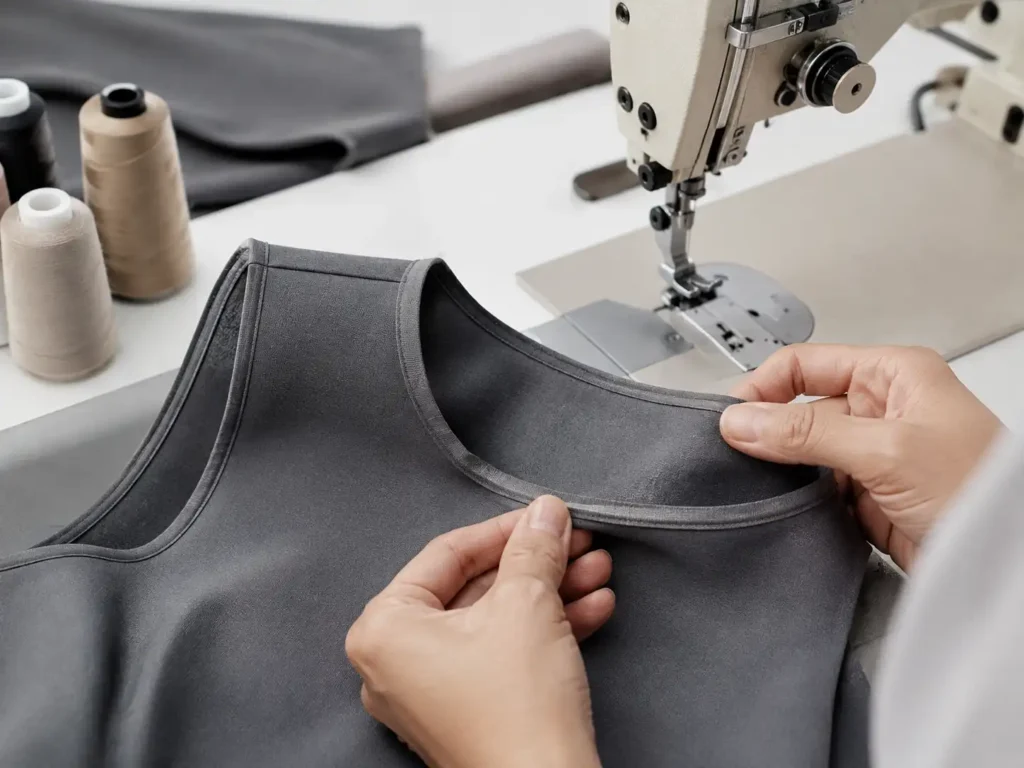
...

Mesh Bodysuit Manufacturer

Custom fashion mesh bodysuits developed for established womenswear labels, multi-channel retailers, sourcing teams and private-label collection programs.

Jinfeng Apparel develops mesh bodysuits as fashion products rather than generic stretch garments. Each project is reviewed around transparency, fabric recovery, body length, neckline stability, gusset construction and bulk repeatability before a pattern moves into production.

  • Since 2008, with 6 owned womenswear factories and 10+ long-term production partners.
  • 2 sample rooms, 7+ senior pattern makers and 20+ sample machinists support fit-led development.
  • MOQ starts from 200 pieces per style and color, subject to fabric, print, trim and packing requirements.
  • 15+ QC inspectors support incoming material checks, in-line control, measurement inspection and packing review.

Manufacturing Facts Behind Your Mesh Bodysuit Program

A serious mesh bodysuit program needs more than an attractive prototype. Development resources, factory allocation, measurement control and production follow-up must work together, especially when several styles, colors and size ratios enter the same launch calendar.

Since 2008

Jinfeng Apparel has worked in custom women’s fashion manufacturing since 2008. Long-term experience matters because mesh bodysuits combine stretch fabric behavior with close-to-body pattern engineering. Development decisions must account for transparency under tension, seam extension, neckline recovery, torso balance and the effect of multiple size grades before production quantities are committed.

6 Owned Factories

Six owned women’s fashion factories provide a controlled base for product allocation. Mesh bodysuit projects can be matched according to fabric type, garment structure, color count, size range and launch timing rather than being placed into a single general-purpose workflow. Factory selection is reviewed again when complex cut-outs, lace combinations, special lining or collection-level quantities change the production risk.

10+ Production Partners

More than ten long-term satellite production partners expand capacity during multi-style programs and seasonal peaks. Expansion is managed by product suitability, not by moving work to any available line. Approved patterns, bulk fabric references, trim cards, sewing instructions, measurement sheets, label placement and packing requirements remain part of the same production file across allocated units.

2 Sample Rooms

Two sample rooms support first samples, fit samples, revised samples, photo-ready samples, PP samples and Golden Samples. For mesh bodysuits, sample-room work focuses on worn transparency, negative ease, neckline shape, sleeve tension, body length, crotch comfort and closure placement. Problems found during fitting are corrected in the pattern and measurement record before bulk release.

7+ Pattern Makers

Seven or more senior pattern makers support women’s fashion pattern development and correction. A bodysuit cannot be created by simply extending a fitted top. Bust position, front and back body length, armhole shape, waist suppression, seat coverage, gusset width and fabric stretch direction need coordinated adjustment. Grade rules are also reviewed so smaller and larger sizes retain balanced tension.

15+ QC Inspectors

Fifteen or more QC inspectors support material, cutting, sewing, measurement, appearance and packing checks. Mesh-focused inspection covers holes, snags, shade variation, stretch direction, seam waviness, exposed lining, distorted openings, snap function and body-length tolerance. Inspection criteria are linked to the approved sample and production file instead of relying on a general visual check.

Built for Established Fashion and Retail Programs

Jinfeng Apparel is structured for companies with clear product direction, professional development requirements and planned production volumes. The service model supports collection development, sample approval, brand packaging, quality files and repeat-order continuity rather than open-stock purchasing.

Best Program Fit

The strongest fit includes established womenswear labels, partywear and clubwear collections, premium ecommerce companies, multi-channel retailers, sourcing offices, brand groups and product-development teams. Projects usually begin with a tech pack, original sample, reference image or line sheet and continue through material review, fit correction, PP approval, production control and branded delivery.
  • Defined style direction and intended selling occasion
  • Planned quantities by style, color and size
  • Fit, quality and packaging requirements
  • A launch, replenishment or seasonal calendar
  • Potential for repeat orders or wider collection development

Manufacturing Scope

Jinfeng Apparel focuses on custom development and bulk production for fashion-led bodysuits. The strongest area is outerwear-oriented mesh styling, including sheer layering pieces, printed mesh, ruched silhouettes, cut-outs, lace combinations and partywear designs. Highly technical medical compression, post-surgical shapewear or bra-engineered foundation garments require separate evaluation because their performance and testing standards differ from fashion apparel.

  • OEM development from approved technical files
  • ODM support from references and collection direction
  • Private-label labels, tags, barcodes and packaging
  • Multi-style and multi-batch production planning
  • NDA-based protection for unpublished designs

Where Mesh Bodysuit Development Commonly Goes Wrong

A mesh bodysuit may look simple on a hanger while failing under real stretch. Most costly problems appear when fabric behavior, body length and edge construction are treated separately. Early risk review prevents one sample defect from becoming a repeated bulk defect.

Wrong Mesh Transparency

Mesh transparency changes when the fabric stretches over the bust, waist, sleeves and hips. A swatch viewed flat can appear adequately covered yet become much more open on the body. Color also matters: black, skin tones, bright shades and printed grounds reflect light differently. Jinfeng reviews coverage in worn condition and identifies where lining, double mesh or a denser gauge is needed without losing the intended sheer effect.

Weak Stretch Recovery

High initial stretch does not always mean reliable recovery. A mesh can extend easily but remain baggy around the neckline, elbow, waist or seat after repeated movement. Recovery is reviewed together with garment negative ease, seam tension and edge elastic. Material choices are compared after handling and, when required, wash review so the approved fit is not based on a fabric that relaxes too quickly.

Unbalanced Torso Length

Torso length is one of the most common bodysuit failures. Too little length pulls the neckline downward, cuts into the crotch and restricts movement. Too much length creates folds through the waist or loose fabric at the seat. Front and back body length, bust projection, fabric lengthwise stretch, gusset depth and closure position are adjusted as a connected pattern system rather than isolated measurements.

Unstable Openings

Necklines, armholes, shoulders and cut-outs can wave, gape or roll when edge length and fabric recovery are not balanced. Narrow binding may stretch during sewing, while rigid tape can feel harsh against the body. Pattern shape, binding ratio, stitch extension and seam allowance are reviewed through samples so openings remain visually clean and comfortable during movement.

Poor Gusset Construction

A narrow or badly positioned gusset can cause pressure, twisting and unreliable closure alignment. Lining texture, gusset width, front-to-back balance, seam bulk and snap spacing all affect wearability. Jinfeng checks the gusset in relation to the complete torso pattern and confirms whether a thong, brief or fuller back shape needs a different construction rather than applying one standard solution.

Sample-to-Bulk Drift

A strong development sample can still fail in production when pattern files, fabric references, trim specifications and sewing instructions are not transferred clearly. Bulk handover includes the final pattern, measurement sheet, approved fabric, closure specification, stitch requirements, label position, packing method and QC checklist. A PP sample and Golden Sample create physical references for production and inspection teams.

Mesh Bodysuit Styles Developed for Fashion Collections

Different silhouettes place different demands on mesh, fit and construction. Product development is organized around the selling look and the production risk behind it, allowing each style to reach bulk with a defined material, pattern and QC standard.

Sheer Long-Sleeve Bodysuit

Long sleeves amplify fabric stretch and recovery issues because the same mesh must work across the shoulder, elbow and wrist while the torso remains stable. Development reviews sleeve cap shape, bicep tension, cuff finish, armhole comfort and body length together. Fine stretch mesh can create a clean second-skin look, while double-layer body panels or partial lining can provide controlled coverage for retail presentation.

Printed Mesh Bodysuit

Printed mesh requires alignment between artwork scale, stretch direction and pattern placement. The print may widen across the bust or become visually compressed at the waist when the garment is worn. Jinfeng reviews base-fabric stretch, repeat size, color approval, cutting direction and panel balance before bulk. Placement-sensitive artwork can require additional markers or controlled cutting to keep key motifs in consistent positions.

Ruched Mesh Bodysuit

Ruching adds visual texture while concealing some fit variation, yet inconsistent gather ratios can make bulk pieces look noticeably different. Development defines gathering length, elastic tension, stitch method and the exact start and finish points. The pattern must also allow enough fabric for the intended depth of ruching without creating excessive seam thickness or pulling the neckline and leg openings out of shape.

Cut-Out Mesh Bodysuit

Cut-outs concentrate stress around small openings, narrow straps and joining points. Pattern corners, binding, reinforcement and seam direction are reviewed so openings do not stretch into irregular shapes. Fit samples check exposure during movement rather than only in a standing pose. Bulk inspection focuses on symmetry, edge smoothness, opening dimensions and secure stitching at points where tension is highest.

Lace Mesh Bodysuit

Combining lace and mesh introduces differences in stretch, recovery, weight and edge behavior. A soft mesh may extend more than decorative lace, causing the panels to pull against each other. Jinfeng reviews lace placement, motif direction, seam balance, lining coverage and skin contact. Color matching is also checked because lace and mesh can absorb dye or reflect light differently even when supplied under the same shade name.

High-Neck Mesh Bodysuit

High-neck designs depend on clean neckline recovery and enough shoulder mobility. A neckline that is too tight becomes uncomfortable; a loose neckline folds and loses the intended sharp shape. Closure choice at the back neck, collar height, seam placement and fabric recovery are tested in the sample. Sleeve and torso tension are balanced so movement does not pull the collar downward.

Off-Shoulder Mesh Bodysuit

Off-shoulder silhouettes require edge stability without harsh pressure. Upper-chest width, sleeve attachment, elastic ratio and bust support influence whether the neckline stays in place or rolls during movement. Jinfeng uses fit feedback to adjust the top edge and body tension together. Lining or a denser mesh panel can be introduced where more stability is needed while preserving the visible sheer section.

Double-Layer Mesh Bodysuit

Double-layer mesh offers richer color, more controlled transparency and a smoother body effect. Both layers must have compatible stretch and recovery; otherwise one layer can bag while the other remains tight. Seam allowances and binding become thicker, so construction methods may need adjustment. Bulk fabric batches are compared for shade, hand feel and stretch to keep the layered appearance consistent across production.

Designed Around Complete Womenswear Collections

Mesh bodysuits often perform best as part of a coordinated range. Product planning can connect color, print, texture and styling across tops, skirts, trousers, dresses and matching sets, giving merchandising teams a clearer launch story and more flexible outfit building.

Clubwear Drops

Clubwear programs usually rely on close fit, strong visual contrast and styling that photographs well under artificial light. Mesh bodysuits can coordinate with mini skirts, coated trousers, low-rise bottoms or matching mesh layers. Development focuses on movement security, worn transparency, neckline position and closure comfort because high-impact styling still needs to remain reliable through extended wear.

Party Collections

Party collections may combine mesh bodysuits with satin skirts, sequin separates, ruched mini dresses or tailored trousers. Material direction is managed so colors and surface effects work together rather than appearing like unrelated products. Photo-ready samples can be prioritized for campaign production while PP approvals and bulk files follow the launch calendar for the full collection.

Festival Looks

Festival styles often use bold prints, asymmetric cut-outs, contrast binding or layered transparency. Durability matters because the garment may be worn for long periods and styled with accessories. Jinfeng reviews edge comfort, snap security, seam strength and heat-sensitive decoration. Artwork scale and color can be coordinated with skirts, shorts or matching cover-ups for a connected capsule.

Layering Programs

Layering bodysuits are designed to sit under jackets, corset tops, slip dresses or open-knit pieces without creating excessive seam bulk. Neckline shape, sleeve length, cuff finish and gusset comfort are adjusted for repeated wear. Fine-gauge mesh, tonal lining and neutral color programs can support longer selling periods than highly seasonal statement styles.

Matching Sets

A mesh bodysuit can anchor a matching set with a skirt, trouser or shrug using the same print or color story. Fabric batches, artwork scale and shade references need coordinated approval across all pieces. Packing may also require outfit-level SKU planning, barcode control and carton ratios so distribution centers receive the planned size and color combination.

Social Campaign Styles

Content-led launches need samples that photograph correctly before bulk production begins. Sheerness, color, print scale and body tension are reviewed under the intended styling direction, not only under factory lighting. Hero styles can receive earlier sample priority, allowing campaign shooting while remaining styles progress through fit correction and PP approval under a tracked development schedule.

Mesh Fabrics Selected Around Look, Stretch and Wear

Fabric selection begins with the intended visual effect, but production decisions also consider recovery, hand feel, stretch direction, lining, color behavior and bulk availability. A beautiful swatch is only useful when it performs correctly in the finished pattern and remains repeatable across production lots.

Soft Stretch Mesh

Soft stretch mesh creates a light second-skin effect for long sleeves, high necks and layered fashion tops. It usually offers comfortable hand feel and good drape, but very soft constructions may lack edge recovery. Development checks whether necklines, cuffs and leg openings need binding, elastic support or double layering. The final choice balances softness against the tension required by the pattern.

Power Mesh

Power mesh provides firmer recovery and more controlled support. It can be used for body panels, internal support zones, waist shaping or stronger back coverage. Higher resistance changes the required negative ease and may feel restrictive when applied across the full garment. Jinfeng evaluates compression level, seam extension and panel placement so support is targeted without turning a fashion bodysuit into an uncomfortable rigid garment.

Fine-Gauge Mesh

Fine-gauge mesh offers a refined, close-set surface and can appear more polished in premium partywear. The smaller openings may improve coverage, although transparency still changes when the fabric stretches. Needle choice, seam tension and handling need care because fine mesh can show damage or puckering easily. Bulk checks review holes, pulls, shade and width before cutting.

Double-Layer Mesh

Layering two compatible meshes can deepen color, improve coverage and create a smoother visual result. The layers need similar extension and recovery, especially through sleeves, waist and crotch. Cutting direction must remain consistent, and sewing methods should prevent one layer from creeping against the other. A sample is used to confirm whether double layering changes size, seam bulk or edge behavior.

Printed Stretch Mesh

Printed mesh combines base-fabric performance with artwork and color control. Print method, repeat size, color penetration and curing can affect stretch or hand feel. Jinfeng reviews the print on the actual base fabric and checks appearance after extension. Bulk approval covers artwork scale, color reference, fabric batch, cutting direction and any placement requirements defined in the technical file.

Lace-Mesh Combination

Lace can add texture and visual value around the bust, neckline, waist or sleeves. Stretch compatibility is the main development question. Rigid lace may require shaped panels or elastic joins, while stretch lace can be paired more directly with mesh. Motif direction, edge finishing, skin contact and color matching are confirmed during sampling, with bulk inspection focused on placement and panel balance.

Controlling Sheerness Without Losing the Mesh Effect

Sheerness must be defined as a design target rather than treated as a fabric description. Coverage changes with color, gauge, stretch, lighting, lining and body placement. Jinfeng reviews the visual result in worn condition and converts the approved look into material, pattern and QC instructions.

Transparency Target

A development brief should state where transparency is intended and where coverage is required. Full-body sheerness may suit layering or clubwear, while mainstream retail programs often need controlled coverage at the bust and gusset. Product references, campaign styling and target market are reviewed before fabric confirmation. A flat swatch, stretched swatch and worn sample may show three different levels of openness, so approval cannot rely on one photograph.

Color has a measurable visual effect. Black often appears denser than light skin tones even at the same gauge, while saturated fashion colors can become brighter and more transparent under stretch. Printed mesh may hide or emphasize underlying coverage depending on artwork density. Jinfeng records the approved fabric, color and layering method so a later substitution does not quietly change the final effect.

Lining Placement

Coverage can be built through bust lining, front-body lining, partial cup panels, gusset lining, double-mesh zones or a full inner layer. Placement is chosen around the design line and the desired body effect. A lining that ends at the wrong position can create visible ridges or color blocks, especially under fine mesh. Pattern shape and seam placement are adjusted so the coverage area supports the silhouette rather than interrupting it.

Lining stretch must also match the outer mesh. A rigid lining can restrict the body while the mesh continues to extend, creating pulling at the seams. A lining that is too soft may fail to provide coverage or support. Samples compare hand feel, extension, recovery, seam thickness and edge behavior. Color matching is reviewed in normal light and under direct lighting because tonal differences become more obvious beneath transparent fabric.

Bulk Transparency Control

Bulk transparency can shift when fabric weight, mesh opening, finishing, color or stretch differs from the approved sample. Incoming fabric review therefore includes shade, width, visible holes or pulls, hand feel and stretch direction. When a project depends on a specific level of sheerness, approved fabric references and retained swatches are used for comparison before cutting begins.

Production inspection also checks transparency after sewing because seam tension and panel stretching can alter the appearance. Critical areas are reviewed on finished garments in the intended wear position, not only laid flat. Any approved double-layer or lining construction is included in the BOM and sewing instructions, allowing production teams to repeat the same coverage standard across sizes and batches.

Mesh Lace and Transparent Layers​

Fit Engineering for a Secure Comfortable Bodysuit

Fit development treats the bodysuit as one continuous structure from shoulder to crotch. Bust projection, waist tension, back length, fabric recovery and gusset position all influence each other. A correction in one area can shift the entire garment, so fitting comments must be converted into coordinated pattern changes.

Bust and Neckline Balance

Bust fit is not judged by circumference alone. Neckline depth, shoulder angle, fabric tension, armhole shape and bust projection determine whether the garment covers securely or pulls open. Fit review checks the front neckline while standing, sitting and moving the arms. If the mesh is very elastic, the pattern may need more controlled negative ease around the bust but additional length through the front body.

Neckline stability depends on pattern length and edge finishing. A neckline can look smooth on a mannequin yet gape on different body shapes. Binding ratio, elastic width and stitch extension are adjusted after fitting. For deep-V, asymmetric or off-shoulder styles, exposure risk is reviewed from several angles, and any support panel or lining is integrated into the pattern rather than added as an afterthought.

Waist and Negative Ease

Negative ease creates the close fit expected from a bodysuit, but the amount must match fabric recovery and the desired body pressure. Too much reduction distorts prints, pulls side seams forward and creates discomfort. Too little reduction causes loose folds and weak shape. Jinfeng compares garment measurements with fabric behavior and fit comments, then records the approved waist reduction for the base size and grade rules.

Waist placement also matters. A high waistline can visually shorten the torso, while a low waistline may create excess fabric through the lower back. Side-seam balance is checked so the front and back share tension correctly. Ruched or paneled styles require additional control because decorative construction can hide uneven tension during the first visual review.

Torso Length Control

Front and back body length are reviewed separately. Bust projection usually requires more front length, while back coverage and seat shape affect the rear pattern. A single total-length measurement cannot explain where pressure is occurring. Fit comments are marked by area: shoulder pull, neckline drag, waist folds, back rise, gusset position and closure pressure. Pattern corrections then target the actual source instead of adding length everywhere.

Lengthwise fabric stretch must be measured before final pattern approval. Some meshes stretch strongly across the width but very little along the length, while others extend in both directions. The same paper pattern can therefore fit differently in two visually similar fabrics. Any material change during sampling triggers a new review of torso balance and, where needed, another fit sample.

Armhole and Sleeve Fit

Sleeves add tension to the bodice through the armhole and shoulder. A tight sleeve can pull the neckline outward, while an oversized armhole creates exposure and wrinkles. Development checks bicep, elbow and wrist measurements together with sleeve cap shape and fabric recovery. Long-sleeve mesh pieces may need different negative ease by area because the arm bends and stretches unevenly.

Armhole binding or enclosed seams must remain soft against the skin. Seam allowance, thread tension and edge elastic are reviewed to prevent cutting or rolling. For sleeveless and tank styles, side coverage is tested during arm movement. The approved armhole shape is graded carefully because exposure risk can increase quickly in larger sizes when only circumference is added.

Back Coverage and Shape

Back shapes range from full coverage to thong, cheeky, open-back and high-cut constructions. Each option changes tension distribution through the waist and gusset. A high leg opening can visually lengthen the body but may pull upward during wear. Open-back styles need enough support through side panels and shoulder sections to prevent the front neckline from shifting.

Fit samples review the back while standing, walking and sitting. Wrinkles through the lower back can signal excessive body length, weak recovery or incorrect waist placement. The correction may involve back length, side seam, seat curve or gusset position. One-dimensional tightening is avoided because it can solve a wrinkle while creating pressure elsewhere.

Crotch and Gusset Engineering

Gusset design influences comfort, closure alignment, hygiene lining and garment stability. Width, curve, front extension and back extension are developed according to the body shape and back-coverage style. A thong construction uses different tension and seam placement from a full brief. Lining is selected for hand feel, moisture management and wash compatibility with the outer fabric.

Closure placement is tested so snaps or hooks remain accessible without pressing against sensitive areas. Two-snap and three-snap arrangements create different width and pressure. The closure tape, seam bulk and edge finish are checked during fitting and functional opening cycles. Final dimensions enter the measurement sheet and QC checklist, preventing the gusset from being treated as an unmeasured minor detail.

Construction Details That Decide Daily Wearability

Small construction choices control whether a mesh bodysuit feels refined or irritating after several hours of wear. Gusset shape, closure width, binding ratio, stitch extension and seam placement are defined during sampling and then transferred into measurable production requirements.

Gusset Shape

Gusset width and curve must suit the back-coverage style, size range and fabric extension. A gusset that is too narrow can twist or feel unstable, while excessive width creates bulk and visible lines. Jinfeng reviews the front and back extension, lining shape, seam allowance and closure overlap in the fit sample. Final dimensions are added to the measurement sheet for production inspection.

Snap Placement

Snap placement affects access, comfort and closure alignment. The distance from the front seam, spacing between snaps and total closure width are checked on the body. A closure positioned too far forward can press during sitting, while one positioned too far back is difficult to use. Placement is locked after fit approval and checked against a template during bulk construction.

Closure Selection

Metal snaps, resin snaps and hook-and-eye tapes offer different appearance, thickness and opening force. Selection depends on garment weight, gusset width, target market and skin contact. Components are reviewed for smooth edges, secure attachment and color compatibility. Special finishes or custom colors may require separate supplier quantities and development time, so closure decisions are confirmed before PP approval.

Elastic Binding

Binding controls necklines, armholes, leg openings and cut-outs. The finished result depends on elastic width, recovery, application ratio, stitch type and operator tension. Too much tension creates gathering or discomfort; too little allows gaping and rolling. Samples establish the correct ratio by area because the neckline, armhole and leg opening rarely need identical tension.

Seam Tension

Mesh seams must extend with the fabric without breaking or creating rigid ridges. Thread, stitch length, seam type and differential tension are evaluated on the actual fabric. Long vertical seams require smooth recovery, while high-stress joins around cut-outs and gussets may need reinforcement. In-line inspection looks for skipped stitches, tunneling, seam grin and uneven extension before defects repeat across a production run.

Edge Finishing

Raw edges, narrow hems, binding, enclosed seams and decorative trims create different visual and comfort results. Fine mesh can curl or show needle damage when handled aggressively. Lace edges may need motif cutting or controlled attachment. Jinfeng selects the finish according to the design line and confirms appearance after stretch, pressing and wear so the edge remains clean without becoming stiff.

Custom Design Options for Brand-Specific Mesh Bodysuits

Design development extends beyond changing color or adding a logo. Each neckline, cut-out, print, panel and trim changes pattern balance, manufacturing time and bulk risk. Jinfeng reviews the visual goal together with the technical consequences before approving a development route.

Neckline Shapes

Crew neck, mock neck, square neck, scoop neck, sweetheart and deep-V shapes each require a different balance of coverage, recovery and shoulder tension. A deep neckline needs stronger edge control, while a high neck requires enough opening or a secure back closure. Fit samples confirm position during movement, and final neckline dimensions are included in measurement control.

Sleeve Options

Sleeveless, cap sleeve, short sleeve, long sleeve, glove sleeve and flared sleeve designs change both styling and production complexity. Sleeve fit is reviewed at the bicep, elbow and wrist, with attention to seam extension and cuff finish. Printed or paneled sleeves may need controlled cutting so motif direction remains visually balanced across left and right sides.

Cut-Out Placement

Cut-outs can be positioned at the waist, bust, shoulder, back or side body. Placement affects support, exposure and seam stress. Pattern corners are shaped to avoid sharp tension points, and binding or reinforcement is selected according to the opening. Fit review checks the cut-out from several angles so movement does not create unexpected exposure or distortion.

Ruching Details

Ruching can be placed at the center front, side seams, bust, sleeve or back body. Development defines the gathering ratio, elastic or drawcord method, channel width and finished location. Bulk consistency depends on measurable start and stop points rather than visual judgment alone. Printed mesh also requires alignment planning because gathering changes the visible artwork scale.

Layered Panels

Layered mesh, contrast underlayers and double-body panels can create depth without heavy decoration. The layers must have compatible stretch and recover at similar rates. Seam bulk, color interaction and edge visibility are reviewed in the sample. Layered areas are marked clearly in the BOM and construction file so production teams do not substitute a simpler single-layer method.

Custom Prints

Custom prints can support branded graphics, abstract patterns, florals, animal motifs or placement artwork. Development starts with the base mesh because print quality and stretch depend on fabric construction. Artwork repeat, color reference, print hand feel and distortion under wear are reviewed before bulk. Placement prints may require additional cutting control and higher material usage.

Lace Inserts

Lace inserts can frame the neckline, waist, side body, sleeve or gusset area. Stretch lace is generally easier to integrate with mesh, while rigid lace needs shaped joins and careful seam placement. Motif direction, scalloped edges and color matching are approved in the sample. Skin-contact points are checked to prevent rough edges from reducing wear comfort.

Brand Colorways

Color development may use available fabric shades, Pantone-guided lab dips or custom printing. Mesh color can appear different when stretched or layered, so approval includes flat and worn views. Lining, thread, elastic, snaps and labels are matched to the approved color direction. Each color is managed as a separate material and SKU group for cutting, QC and packing.

What We Review Before Starting Your Sample

A useful quotation and sample plan begin with enough information to judge material, fit and production risk. Jinfeng organizes the first review into project input, feasibility analysis and a written development direction so unresolved questions are visible before pattern work begins.

Project Input

Send a tech pack, original sample, reference images or line sheet together with target quantity, color plan, size range, fabric preference, launch date and private-label requirements. Clear front, back and detail views help identify construction that may not appear in a single campaign image. A target market or intended selling occasion also helps determine coverage, fit pressure and size expectations.

Feasibility Review

The development team reviews mesh type, transparency, stretch direction, lining, neckline, sleeve, torso length, gusset, closure, trim and artwork requirements. Potential cost or MOQ drivers are identified before sampling, including custom printing, custom dyeing, specialty lace, nonstandard snaps and branded packaging. Fit risks are listed so the first sample tests the most important questions instead of only copying the visual reference.

Development Plan

The response outlines recommended fabric directions, required approvals, sample type, estimated development sequence and missing information. Projects with several styles can be grouped by fabric, pattern complexity and launch priority. The plan separates photo-ready samples, fit samples and PP samples so each sample has a defined purpose and the approval path remains clear.

From First Sample to Production-Ready Approval

Sampling is a controlled conversion from design intent to repeatable manufacturing standard. Each stage answers a different question, and the record created through development becomes the basis for production, QC, packing and future repeat orders.

Development Review

Development begins by reading the tech pack, reference garment or visual brief and identifying the features that control the final result. For mesh bodysuits, review points normally include fabric gauge, stretch direction, worn transparency, lining position, neckline shape, sleeve tension, body length, gusset construction, closure choice and size range. Fabric and trim availability are checked before the pattern is finalized because a later material change can require a new fit assessment.

Multi-style programs are grouped before sample work starts. Styles using the same mesh, lining, print base or trim family can move through sourcing together, while high-risk designs receive separate attention. Launch date, campaign-sample needs and hero SKU priority are used to sequence the work. A tracked sample list prevents approvals, revisions and fabric changes from becoming mixed across 10 to 30 styles.

Pattern and First Sample

The first pattern translates design lines into body measurements and construction allowances. Paper development covers bust, waist, front and back body length, armhole, sleeve, seat coverage, gusset and closure position. Negative ease is calculated against the selected fabric rather than copied from an unrelated stretch style. The first sample tests silhouette, transparency, material handling, seam behavior and initial comfort.

A first sample is not treated as the final bulk standard. Internal review checks construction, measurements and visible defects before photos or the physical sample are sent. Comments are collected through marked images, measurement notes and fit feedback. When a reference sample is supplied, differences are assessed by area rather than described only as “tighter” or “looser,” giving pattern makers usable correction information.

Fit Revision and PP Lock

Fit comments are converted into pattern and measurement changes. Common adjustments include additional front length, reduced back length, altered neckline width, revised armhole, changed sleeve ease, narrower or wider gusset, modified leg opening and adjusted snap position. Fabric, lining or trim changes are logged because they may affect pattern balance and cost. A revised sample is produced when changes are significant enough to require renewed fitting.

The PP sample locks the approved fabric, color, pattern, measurements, construction, trims, labels and packing method before production. Any change after PP approval is reviewed for cost, material and timing impact instead of being introduced informally. The approved PP sample, final pattern, size chart, grade rules, BOM, trim card, label placement and packing instructions form the production handover package.

Golden Sample and Bulk Handover

A Golden Sample provides the physical reference for production, in-line inspection and final comparison. It records the approved silhouette, hand feel, seam appearance, closure placement, label position and packing presentation. Retained fabric and trim references support comparison when bulk materials arrive. Production teams receive a defined standard rather than interpreting chat messages or earlier sample versions.

Jinfeng’s sample resources include 2 sample rooms, 7+ senior pattern makers and 20+ sample machinists. A regular mesh bodysuit first sample is commonly planned within 10 to 15 working days after fabric and key trims are confirmed. Complex printed mesh, layered structures, specialty lace, unusual closures or several revision rounds can extend development to 15 to 25 working days. Final timing is confirmed against material readiness and the complete style file.

Measurements and Grading Built Around Bodysuit Fit

Bodysuit grading must protect both circumference and vertical comfort. Standard size labels alone do not define a reliable fit. Jinfeng reviews the base size, grade rules, target-market proportions and the selected mesh before bulk measurement tolerances are finalized.

Measurement PointDevelopment FocusBulk Risk to Control
BustCoverage, negative ease, neckline pullCompression, gaping, print distortion
WaistShape and side-seam balanceLoose folds, twisting, excessive pressure
Front Body LengthBust projection and crotch reachNeckline drag, front pulling
Back Body LengthBack rise and seat coverageLower-back folds, upward pull
ArmholeMovement and side coverageSkin pressure, exposure, waviness
Sleeve LengthStretch allowance and cuff positionShort appearance, loose elbow
Gusset WidthComfort and closure stabilityTwisting, seam pressure, visible bulk
Crotch LengthFull torso balanceRestriction, sagging, closure misalignment
Neckline DepthStyling and secure coverageDistortion or unintended exposure
Leg OpeningBack coverage and recoveryCutting, rolling, upward movement

Bulk Production Planned Around Fabric and Fit Risk

Bulk production begins only after the product standard is locked. Material, pattern, measurements, construction, labels and packing are transferred through a controlled handover so multiple styles, colors and sizes can move without losing the decisions made during sampling.

Approved Production File

The production file contains the final pattern, size chart, grade rules, BOM, approved fabric and lining, trim card, sewing instructions, label placement, packing method and QC checklist. Revision status is confirmed before release. When several styles share fabrics or trims, each SKU still retains its own pattern and measurement record so similar-looking garments are not treated as interchangeable.

Bulk Fabric Review

Bulk mesh is checked for color, width, visible holes, snags, hand feel, stretch direction and recovery against the approved reference. Printed fabric is also checked for artwork scale, repeat, color and print consistency. Any meaningful difference is reviewed before cutting because a fabric with altered recovery can change the approved fit even when the color appears correct.

Pattern and Marker Release

Only final patterns are released for marker planning. Stretch direction, panel direction and print orientation are marked clearly. Placement artwork, asymmetric designs and directional motifs may require controlled markers that increase material usage but protect the visual result. Size bundling and cut-part identification reduce mixing when several colors or similar mesh styles run in parallel.

Cutting Control

Mesh can shift, stretch or distort during spreading and cutting. Fabric relaxation, controlled lay height and cut-part inspection help maintain shape. Critical points such as neckline curves, cut-outs, gusset pieces and small bindings are checked for accuracy. Damaged or snagged panels are removed before sewing rather than hidden inside the production flow.

Sewing Pilot

A production pilot or first-off review confirms seam type, thread tension, binding ratio, closure attachment and construction sequence using bulk materials. The pilot is compared with the Golden Sample and measurement file. Corrections are made before full output increases, limiting the number of garments affected by an incorrect elastic ratio, snap position or seam setting.

In-Line Inspection

In-line inspection checks measurements, seam extension, neckline shape, sleeve balance, gusset construction, closure function and visible fabric defects while production is active. Findings are returned to the line quickly so adjustments can be made before final assembly. Repeated issues are recorded by operation, supporting clearer correction and later repeat-order planning.

Final Garment Review

Finished garments are measured and visually checked after sewing and finishing. Review points include transparency, symmetry, seam waviness, ruching position, print appearance, edge recovery, labels and closure operation. Pressing methods are controlled because excessive heat or pressure can mark delicate mesh, flatten texture or change the appearance of elastic edges.

Packing Release

Packing starts after garment and labeling approval. Size labels, care labels, hangtags, barcodes, polybags, SKU stickers, folding method and carton marks are checked against the packing file. Carton ratios and multi-style breakdown are verified so warehouse receiving data matches the physical shipment. Final inspection and client or third-party inspection can be coordinated before release.

Quality Checks Designed for Mesh Bodysuit Production

Quality control follows the product risk from incoming mesh through packing. Inspection is linked to the approved sample, measurements and construction file, allowing teams to judge fit, appearance and function against a defined standard rather than a broad “good quality” instruction.

Control StageInspection FocusMesh Bodysuit Standard
Incoming FabricShade, width, holes, snags, stretch, recoveryCompare with approved swatch and bulk color reference
CuttingDirection, shape, print orientation, bundlingProtect grain, stretch direction and panel identity
Sewing StartSeam type, thread tension, elastic ratioConfirm with bulk pilot and Golden Sample
In-Line QCMeasurements, seam extension, symmetryCorrect repeated problems before output grows
Appearance QCTransparency, neckline, ruching, cut-outsReview flat and worn-effect areas defined in file
Functional QCSnaps, hooks, closure tape, gussetCheck opening, attachment and comfort-related placement
Measurement QCBust, waist, body length, gusset, openingsApply approved size chart and point tolerances
Finishing QCHeat marks, distortion, loose threadsProtect fine mesh and elastic edge recovery
Packing QCLabels, barcode, size, folding, polybagMatch SKU, packing file and carton plan
Final InspectionAQL or agreed inspection methodSupport client or third-party inspection by project

Private Label Delivery With Design Protection

Brand presentation continues after sewing. Labels, hangtags, barcodes, folding, polybags and carton information are managed as production specifications, while NDA-based cooperation protects technical files, samples and unpublished collection details throughout development and delivery.

Main and Size Labels

Woven labels, printed labels, heat-transfer marks and size labels can be developed according to artwork and placement instructions. Label material is reviewed for skin comfort because bodysuits sit close to the body. Position, orientation and attachment method are approved in the sample or PP stage. Bulk checks confirm the correct brand and size information for each SKU.

Care and Content Labels

Care labels can include fiber content, care symbols, country information and other brand-required details supplied or approved for the target market. Final wording remains the brand’s responsibility where legal review is required. Label format, material, print clarity, position and attachment are checked against the packing file, with version control used when several markets require different information.

Hangtags and Barcodes

Hangtags, barcode stickers, SKU labels and price-ticket requirements can be integrated into packing. Artwork, paper quality, string or fastener, barcode data and placement are confirmed before bulk. Multi-style programs need accurate data mapping so the correct tag follows the correct style, color and size. Scan verification can be coordinated when barcode requirements are provided.

Branded Packaging

Private-label packing may include custom polybags, printed bags, tissue, inserts, stickers, carton marks and warehouse labels. Material thickness, ventilation holes, warning text, folding method and size stickers are reviewed according to the packing guide. Packaging supplier quantities and lead time are confirmed early because custom printed materials may not follow the same MOQ or schedule as the garment.

Inspection and Documents

Jinfeng supports client inspection, third-party inspection and AQL-based final checks by project. Commercial invoice, packing list, carton marks and shipping data are prepared to match the physical shipment. Fabric testing, certification documents or audit-related materials can be coordinated according to the selected factory, supplier, fabric, color, batch and certificate scope rather than assumed across every order.

NDA and Style Protection

NDA-based cooperation can protect tech packs, patterns, samples, fabric directions, trims, brand labels, packing artwork, order information and unpublished designs. Public case materials use anonymous descriptions unless written authorization is provided. Production images and progress records can be shared in a controlled way without exposing brand names, barcodes or unreleased collection details.

MOQ Sampling and Production Planning Explained Clearly

Commercial planning is based on style, color, material and production complexity. Clear quantity and timing information allows fabric, patterns, samples, factory allocation, QC and packing to be scheduled without building assumptions into the quotation.

MOQ by Style and Color

MOQ starts from 200 pieces per style and color. Quantities are calculated by the individual style-color unit rather than the total collection. One black style at 200 pieces can be reviewed as one unit; the same style in black and white normally requires 200 pieces in each color. Size ratios can be distributed within the approved quantity when the breakdown remains workable for cutting, labels and packing.

Material MOQ

Available stretch mesh is generally easier to plan within the standard garment MOQ. Custom dyeing, custom printing, specialty lace, unique elastic, custom snaps and printed packaging may carry separate supplier quantities. Material minimums are confirmed before quotation so the production order does not depend on an unavailable color or an unrealistic split across too many developments.

Sample Timing

A regular first sample is commonly planned within 10 to 15 working days after the style file, fabric and key trims are confirmed. Complex printed mesh, layered construction, detailed cut-outs, unusual closures or special lace can require 15 to 25 working days. Revised samples, size sets, photo samples and PP samples are scheduled separately because each has a different approval purpose.

Bulk Timing

Bulk lead time is confirmed after PP approval, bulk material readiness, quantity planning and factory allocation. Regular programs are often planned around 30 to 45 days after approvals and material arrival, while multi-style collections, custom printing, complex packaging or peak-season capacity may require more time. Shipment method and warehouse receiving dates are planned separately from manufacturing time.

Quotation Factors

Unit costing reflects outer mesh, lining, fabric consumption, print, lace, trims, pattern complexity, sewing time, size range, quantity, QC, packing and testing requirements. Double layers, placement prints, dense ruching, complex cut-outs and custom closures increase material or labor compared with a single-layer standard design. Cost review aims to protect the intended brand appearance while removing avoidable construction or material expense.

Launch Planning

A launch calendar should include sample approval, campaign-sample needs, PP lock, material booking, bulk production, QC, packing and transit. For collections with 10 to 30 styles, hero products can receive earlier sample priority while shared fabrics and trims are grouped for efficient confirmation. Air, sea or split delivery can be reviewed according to quantity, deadline and destination requirements.

Mesh Bodysuit Programs Managed From Sample to Bulk
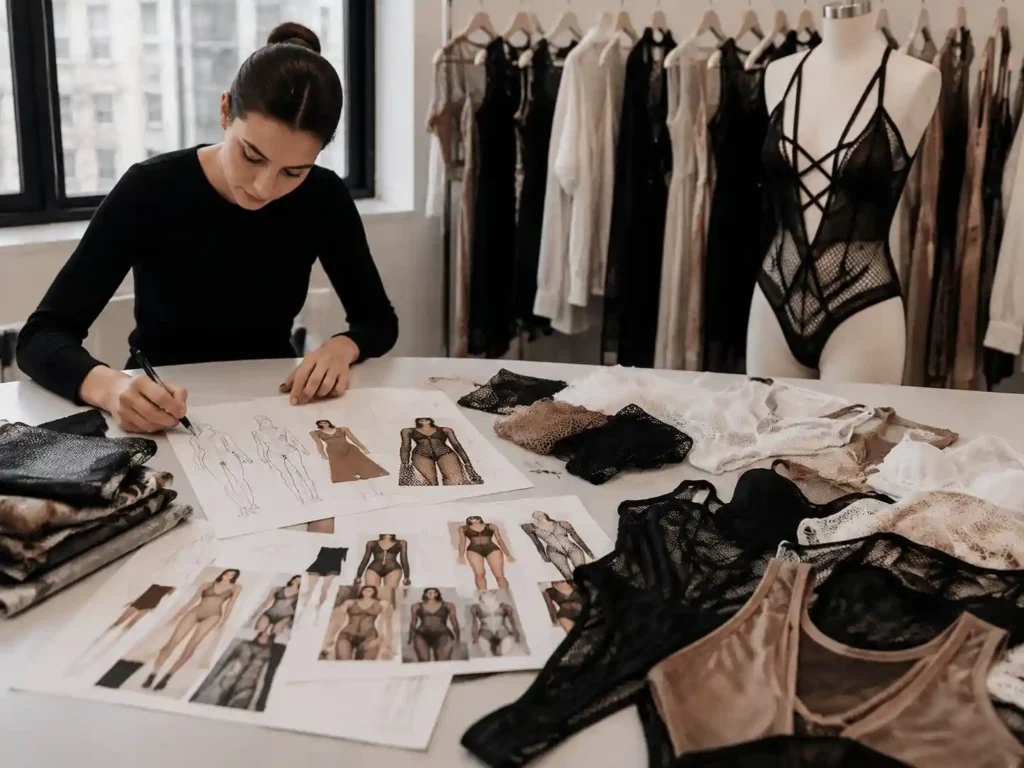
The following anonymized program profiles reflect current order structures handled for established fashion companies. Brand names, original designs, exact prices and unpublished launch information remain protected. Quantities illustrate realistic multi-style programs rather than single-style promotional examples.

Printed Clubwear Collection

A United States clubwear company developed 18 mesh bodysuit styles across printed long-sleeve, ruched and asymmetric cut-out directions. The confirmed order reached 36,800 pieces across four color stories and sizes XS-XL. Early samples showed print widening over the bust and excessive pull at the front body. The base mesh and artwork scale were reviewed, front length was adjusted, and key motifs were moved away from high-stretch zones. Production used controlled cutting directions, revised grade rules and two delivery batches aligned with separate campaign drops.
  • 18 styles
  • 36,800 total pieces
  • 4 color stories
  • XS-XL size range
  • 2-batch delivery
  • Main controls: artwork distortion, torso length, snap position and print shade

Premium Double-Layer Program

A European premium ecommerce label developed 12 double-layer and partially lined mesh bodysuits for a party collection. The order totaled 24,600 pieces in three coordinated shades and sizes XS-XXL. Development focused on matching outer mesh and inner-layer recovery because the first combination created loose outer fabric after movement. A compatible lining was selected, neckline binding ratios were corrected, and the gusset was widened in larger sizes. Bulk approval included retained layered swatches, a Golden Sample and measurement tolerances for front body length, neckline and leg opening.
  • 12 styles
  • 24,600 total pieces
  • 3 coordinated shades
  • XS-XXL size range
  • 38-day bulk plan after PP and material readiness
  • Main controls: layered recovery, worn transparency, edge stability and grading
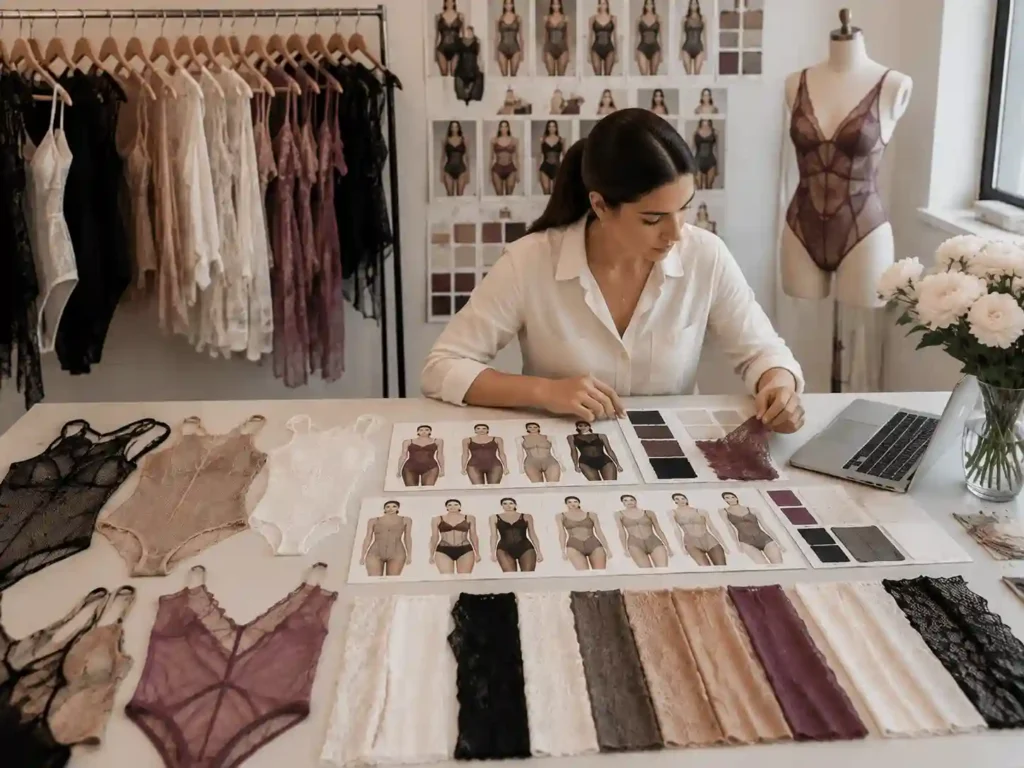
Multi-Channel Matching Range

A United States multi-channel womenswear company developed 26 mesh-led styles, including bodysuits, mesh skirts, fitted tops and coordinated party separates. The total production quantity reached 68,400 pieces across two seasonal deliveries. Styles were grouped by base mesh, print family and trim package so sample and material approvals could move in parallel without mixing specifications. Hero bodysuits received photo-sample priority, while PP approvals were completed by style group. Production files controlled shared colors, individual measurements, barcode mapping and carton ratios for retail and ecommerce distribution.
  • 26 coordinated styles
  • 68,400 total pieces
  • Bodysuits plus matching separates
  • Sizes XS-XL with style-specific ratios
  • Two seasonal delivery windows
  • Main controls: multi-style tracking, color continuity, SKU packing and approval status

Mesh Bodysuit Manufacturer Frequently Asked Questions
Jinfeng Apparel can review soft stretch mesh, fine-gauge mesh, power mesh, printed stretch mesh, double-layer mesh and lace-mesh combinations. Selection depends on transparency, hand feel, extension, recovery, lining, color and intended body pressure. Available fabric options are checked against the project quantity and schedule. Custom dyeing, custom printing or certified material requests are confirmed by supplier, color, batch, certificate scope, MOQ and lead time.
MOQ starts from 200 pieces per style and color. The quantity is calculated by style-color unit rather than by the total order across several designs. Size ratios can be planned within an approved quantity. Custom printing, custom dyeing, specialty lace, unique closures, branded packaging and other supplier-developed items may have separate minimums. A line sheet with quantity by style, color and size allows a more accurate production review.
Yes. A clear front, back and detail reference can be used for initial structure review, but additional information improves accuracy. Please include target fabric, quantity, size range, intended fit, color direction and any private-label requirements. Reference-image development includes an assessment of pattern shape, transparency, lining, closure, gusset and production feasibility. Original samples, measurement charts or tech packs can be added as the project progresses.
Front and back body length are developed separately because bust projection, back rise, fabric stretch and gusset position affect the garment differently. Fit comments identify where pulling or excess fabric occurs instead of changing total length without diagnosis. The approved front body length, back body length, gusset width, crotch length and closure position are recorded in the measurement file and checked during size grading and bulk QC.
Printed and custom-colored mesh can be developed by project. Printed mesh requires confirmation of base fabric, artwork repeat, color reference, stretch distortion and print hand feel. Custom colors may require lab dips or supplier shade approval. Both options can affect material MOQ and schedule. Bulk fabric is compared with approved references before cutting, and print direction or placement requirements are included in the cutting and QC files.
Yes. Coverage can be built with bust lining, front-body lining, gusset lining, partial panels, tonal underlayers or full double-mesh construction. Outer and inner materials are compared for stretch, recovery, hand feel, color and seam thickness. Lining placement is developed as part of the pattern so coverage edges do not create unwanted ridges. Approved layering is listed in the BOM and checked during production.
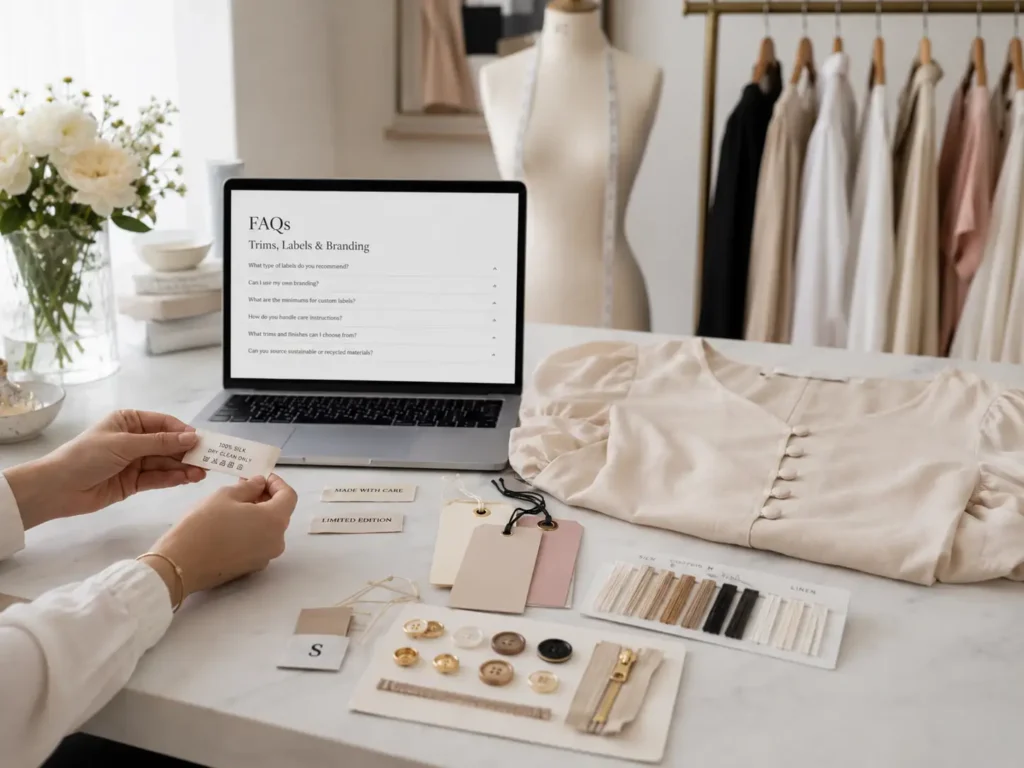
Private-label support includes main labels, size labels, care labels, hangtags, barcode stickers, SKU labels, polybags, folding instructions and carton marks. Custom printed packaging can also be reviewed. Artwork, material, placement and data are confirmed before bulk. Packaging supplier MOQ and lead time may differ from the garment MOQ, so label and packing files should be provided early in the development schedule.
Fabric behavior is reviewed through swatch handling, extension comparison and garment fitting. When required, controlled stretch and recovery checks can be added according to the fabric and brand quality manual. Finished-garment review focuses on necklines, sleeves, waist, seat and leg openings where relaxation becomes visible. Seam extension is also checked so stitching moves with the mesh without breakage or rigid pressure lines.
Yes. NDA-based cooperation can cover tech packs, patterns, samples, original garments, fabric directions, trims, labels, packaging, order information and unpublished designs. Internal project information is shared according to development and production needs. Public case material remains anonymous unless written authorization is received. Production photos can be provided with brand-sensitive details, barcodes and unreleased styles protected.
A regular first sample is commonly planned within 10 to 15 working days after fabric and key trims are confirmed. More complex styles can require 15 to 25 working days, especially when custom prints, layered structures, specialty lace or several revisions are involved. Bulk production is confirmed after PP approval and material readiness, often around 30 to 45 days for regular programs. Quantity, season, packing and delivery method can change the final schedule.

Start Your Mesh Bodysuit Development With Kelly

Send Kelly the information already available for your program, even when the technical file is still being completed. A reference image can start a preliminary review, while a tech pack, size chart or original sample allows a more detailed assessment of fabric, fit and construction. The development team will identify missing decisions before quotation or pattern work begins, helping your merchandising and product teams receive a response tied to the actual design rather than a generic price.
For a faster review, include:

  • Company or brand name and target market
  • Reference images, tech pack, line sheet or original sample photos
  • Quantity by style and color
  • Planned size range and size ratio
  • Preferred mesh, lining, print or lace direction
  • Required labels, hangtags, barcodes and packaging
  • Campaign, launch or warehouse delivery date
  • Quality manual, testing or inspection requirements

Tell Us About Your Dress Project

Share your product details, estimated quantity and development requirements. Our team will review your project and provide practical OEM/ODM production feedback.

Premium Women’s Apparel Production for Fashion Brands

From dress sample development to bulk production, JF Apparel supports fashion brands with confidential OEM/ODM manufacturing, reliable quality control and scalable production support.

START YOUR DRESS PROJECT

Ready to Develop Your Next Dress Collection?

Share your design concept, product requirements or sourcing plans with our team. We’ll review your project and provide practical feedback on development, materials, MOQ and production.

7-10 Days

Sample Development

200 PCS

Starting MOQ

Fast Response

Professional Follow-Up